Category: Food

Retail News Asia is committed to providing both local and global retailers with the latest Food and Food & Beverage news throughout the Asian market. This on a daily base.

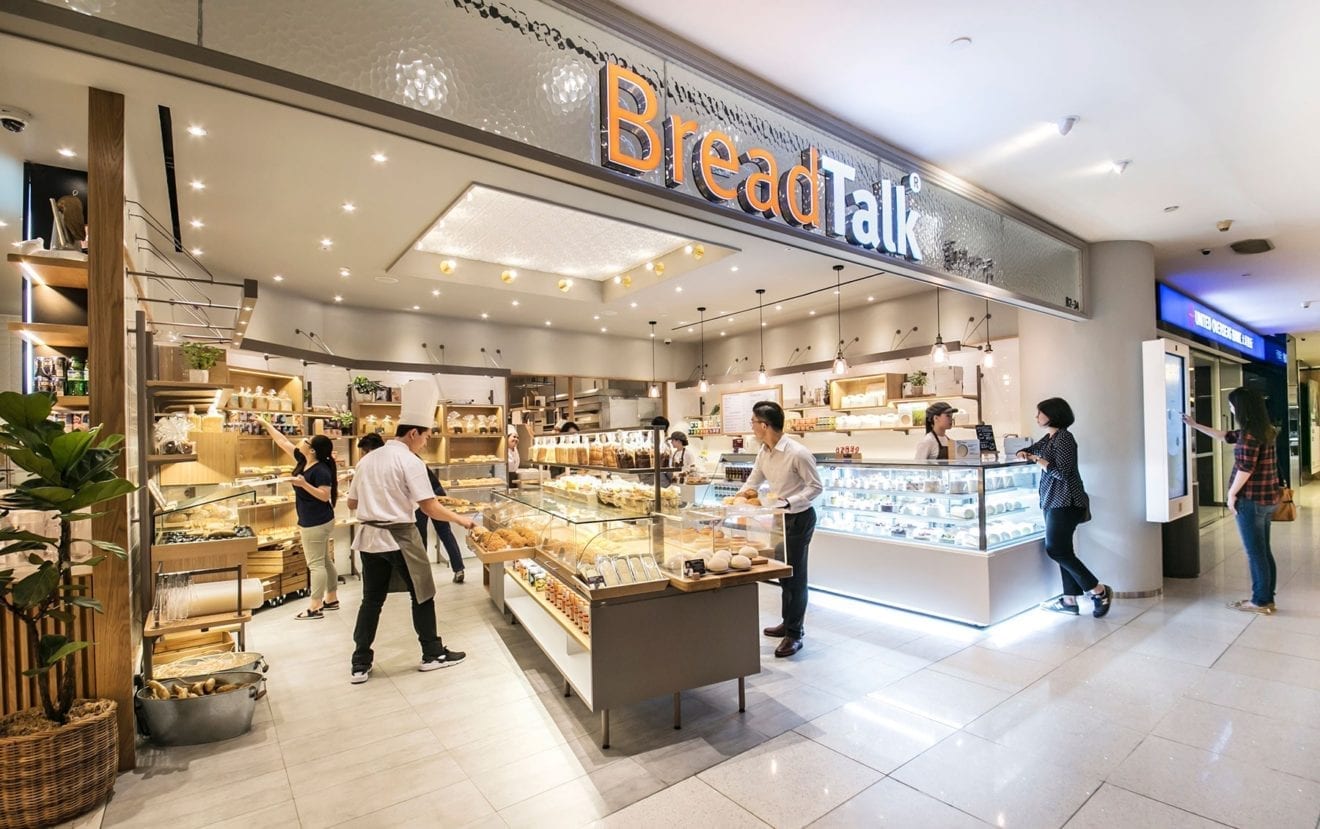
  • BreadTalk Group CEO Resigns

    BreadTalk Group CEO Resigns

    BreadTalk Group CEO Henry Chu has resigned, citing “personal and health reasons”.

    Chu will depart from the helm of the Singapore-headquartered pan-Asian bakery and restaurant business at the year’s end. He will be temporarily replaced by company founder Dr George Quek until a new head is appointed from either within or outside the firm.

    “On behalf of the board, I would like to thank Henry for working tirelessly with the senior management team to maximise growth opportunities and successfully diversify our portfolio of brands in the last 2.5 years,” said Quek in a statement.

    BreadTalk entered significant partnerships with Wu Pao Chun Bakery and Song Fa Bak Kut Teh, and expanded into London and Cambodia under Chu’s lead.

    The change comes as BreadTalk faces declining revenue largely brought on by heavy competition. It operates almost 1000 outlets globally.

  • Japanese conveyor belt sushi chain Sushiro makes debut in Hong Kong

    Japanese conveyor belt sushi chain Sushiro makes debut in Hong Kong

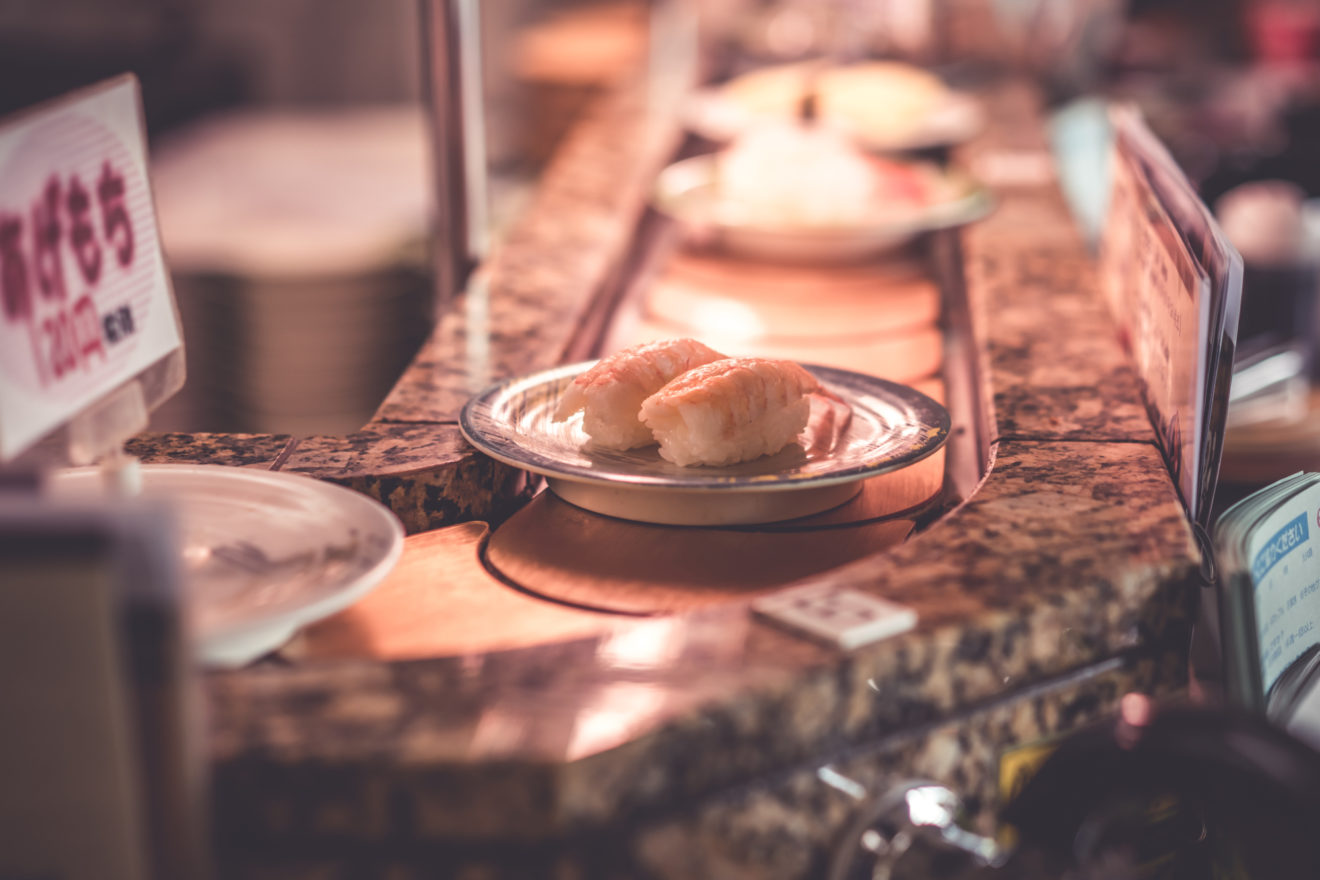
    Japanese conveyor belt sushi restaurant chain Sushiro has opened its first Hong Kong outlet.

    The franchise is moving for a foothold in the local market and aiming to use the city’s international status to expand across the region.

    The flagship store, located at a commercial building near Jordan MTR Station, offers traditional sushi alongside other side dishes and desserts. To ensure freshness, it will soon deploy a high-tech system currently used in Japan, that can automatically remove unclaimed plates after they travel more than 350 metres on the belt and replace them with new ones.

    “Hong Kong has a sophisticated Japanese cuisine market,” said Sushiro Hong Kong president Kazuo Aratani. “People here love sushi and demand the best.

    “All of these conditions work perfectly with our competitive advantages. We are dedicated to offering customers the highest quality sushi at affordable prices.”

    “We are happy to see that a popular Japanese sushi restaurant chain has set up a presence in Hong Kong and joined our dynamic food and beverage scene,” said investment promotion associate director-general Dr Jimmy Chiang. “We wish it every success in leveraging on Hong Kong’s business advantages to expand in the region.”

  • The Source Bulk Foods opens Restaurant in Singapore

    The Source Bulk Foods opens Restaurant in Singapore

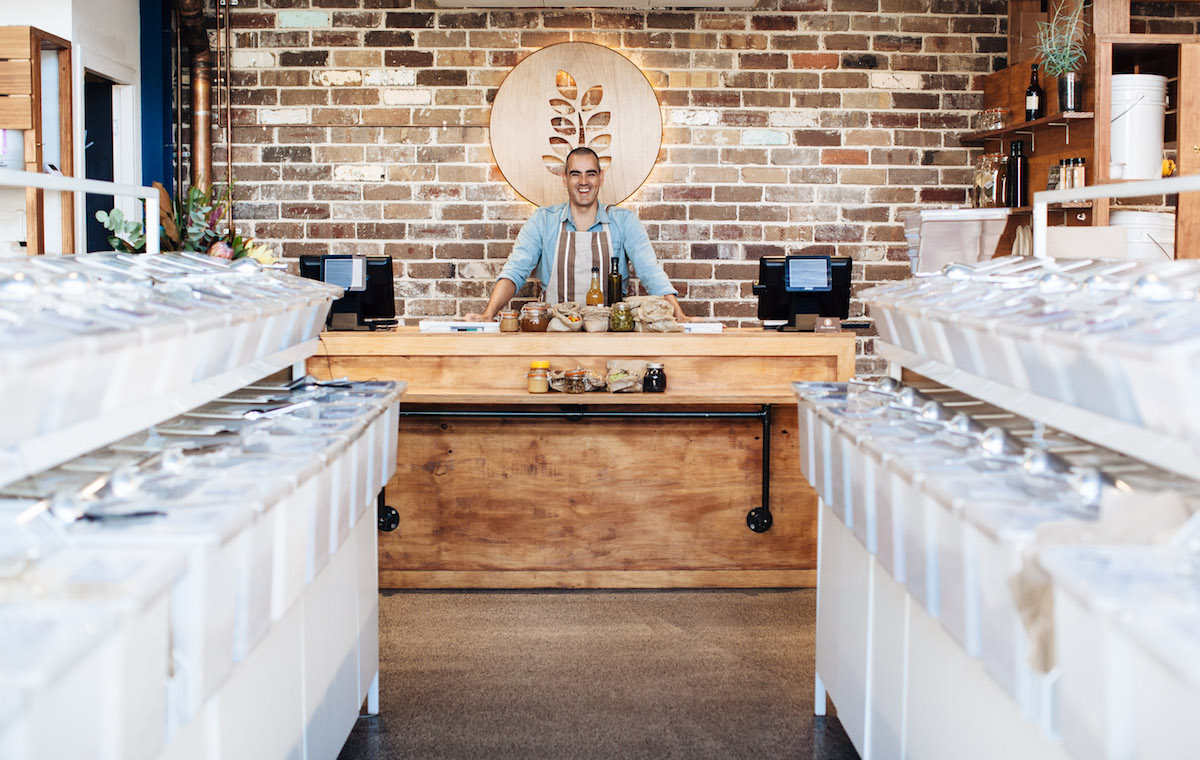
    Australia’s largest bulk foods and zero waste retailer The Source Bulk Foods has unveiled its first outlet in Singapore.

    Located at Cluny Court, the store will carry a wide range of pantry staples, numbering more than 350 products that include premium whole foods and treats as well as packaging-free household products.

    Founded in 2012 in Byron Bay, Sydney, Australia, The Source Bulk Foods has promoted an ethos of zero packaging, encouraging customers to buy and use only what is needed.

    “We are as much about providing nutritious products as we are about embracing a zero waste goal, and creating a healthy community,” said The Source Bulk Foods master franchisor for Southeast Asia Rob Behennah.

    “Our passionate team looks forward to delivering wholesome food, nourishing families, and in doing so, taking a hands-on approach to nurturing our planet.”

    Shoppers at the store are given three easy steps to purchase: grab a bag (or refill a jar), write the product code, and fill the bag with the desired amount of the chosen product. Customers then proceed to the cashier, where their groceries will be weighed and payment made.

    “The Source Bulk Foods is revolutionising the way we shop,” said franchise partner and full-time nutritionist Sarah Widjaja.

    “At every step of the way, suppliers, retailers, and customers can reduce their use of unnecessary packaging and single-use plastics. By buying only what is needed, we can also minimise food waste.”

  • Starbucks Korea profit up with 28 percent

    Starbucks Korea profit up with 28 percent

    Starbucks Korea has reported a 28-per-cent year-on-year jump in its operating profit in the first half of the year amid rising appetite for premium coffee, discount store chain E-Mart said Tuesday.

    From January to June, the US coffee giant posted an operating profit of 74.7 billion won (US$61 million) in Korea, up from 58.3 billion won in the year-ago period, according to E-Mart’s first-half earnings results.

    E-Mart, the country’s biggest discount store chain operated by Shinsegae Group, holds a 50-per-cent stake in Starbucks Korea, with the other 50 per cent controlled by Starbucks US.

    South Korea is one of the fastest-growing premium coffee markets, and Starbucks expects further growth in this country.

    Sales also jumped 25 per cent to 887.7 billion won in the first half from 709 billion won a year earlier, the data showed. Net earnings were not available.

    Starbucks, which entered Korea in 1999, currently operates 1308 stores, including 50 upscale Starbucks Reserve outlets, in Asia’s fourth-largest economy.

    Starbucks Korea earned 1.5 trillion won in sales last year, up 20 per cent from 1.28 trillion won a year earlier.

  • New World relaunches Cooking site with Easy to make Recipes

    New World relaunches Cooking site with Easy to make Recipes

    Grocery retailer New World has unveiled a new online platform, in partnership with design agency AKQA, designed to offer New World customers an optimized customer experience, designed to give them more choice, convenience and value, as well as encourage healthier food choices.

    Rather than simply acting as a traditional e-commerce portal, the New World website also functions to provide inspirational content to its customers – providing recipes, facts about products, as well as tips to get the most out of food.

    “The launch of the new website is a vital step forward to providing our customers with connected, personalized customer experience, from inspiration through to shopping and loyalty,” Foodstuffs New Zealand head of digital David Brem said.

    “As the most visited digital touchpoint across the Foodstuffs group, [New World] acts as the digital front-door for our 143 stores and local New World owner-operators across New Zealand.”

    According to Brem, the new site offers an improved mobile experience, enabling them to shop when, where and how they want – facilitating an enhanced omnichannel experience which is strengthened by the release of the inspiration content-driven site.

    This connected experience is further enhanced by the delivery of new e-commerce experiences for New World and PAK’nSAVE earlier in the year.

    “AKQA partnered with us to provide expertise across customer experience strategy and design through to solution architecture and development,” Brem said.

    “Our digital product and CX teams collaborate incredibly well, and are building up a track record of great work which makes an impact with customers and across our business.”

    AKQA managing partner of Asia Pacific Brian Vella said the partnership has made great progress over the past three years, and together they have been able to implement a leading brand and customer experience for one of the country’s largest organisations.

  • Sugarfina partners with The Coffee Academics

    Sugarfina partners with The Coffee Academics

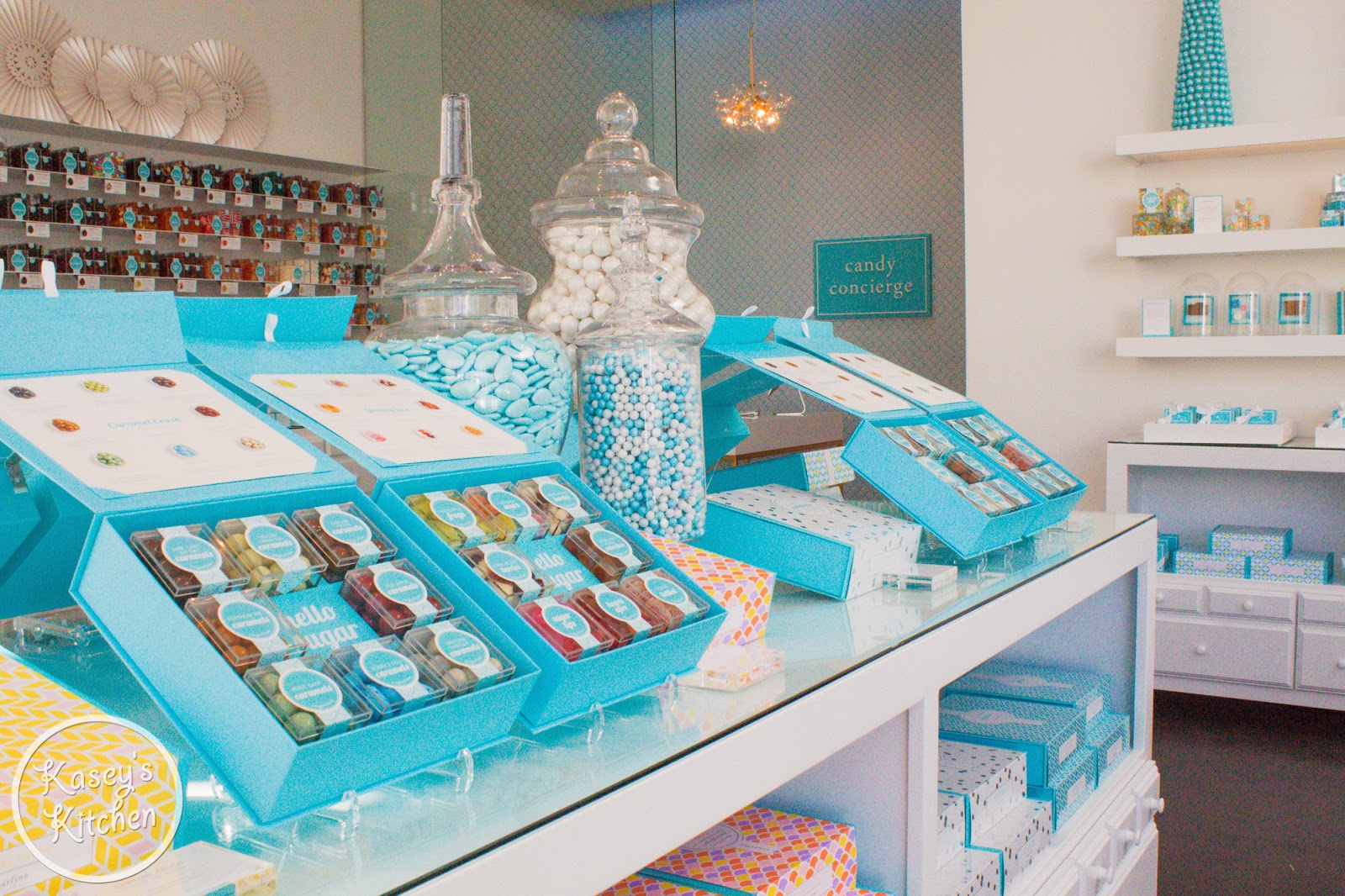
    Luxury confections boutique Sugarfina has teamed up with specialty-coffee chain The Coffee Academics in a collaboration targeting lovers of premium candy and fine coffee.

    The Cold Brew Coffee Collection by Sugarfina presents the world’s first coffee-infused gummy bears in three flavours – Cold Brew Bears, Bourbon Cold Brew Bears and Iced Vanilla Latte Bears. The Cold Brew Coffee Collection Candy Bento Box also features a special coffee blend by The Coffee Academics made exclusively for Sugarfina.

    All coffee-infused gummy bears are completely fat-free and gluten-free, made with natural ingredients without artificial flavours or colouring.

    Designed by Sugarfina’s Hong Kong team, the collection is presented in the signature black and gold palette of The Coffee Academics brand, and features the Sugarfina bear as a “bearista”.

    Besides the coffee-infused gummy bears, The Coffee Academics has also created a Vanilla Cream Cold Brew Coffee exclusively for Sugarfina, featuring cold brew coffee made with the Sugarfina blend and topped with a vanilla cream foam. The iced beve

  • Jollibee expands into Alberta eyeing 100 new restaurants

    Jollibee expands into Alberta eyeing 100 new restaurants

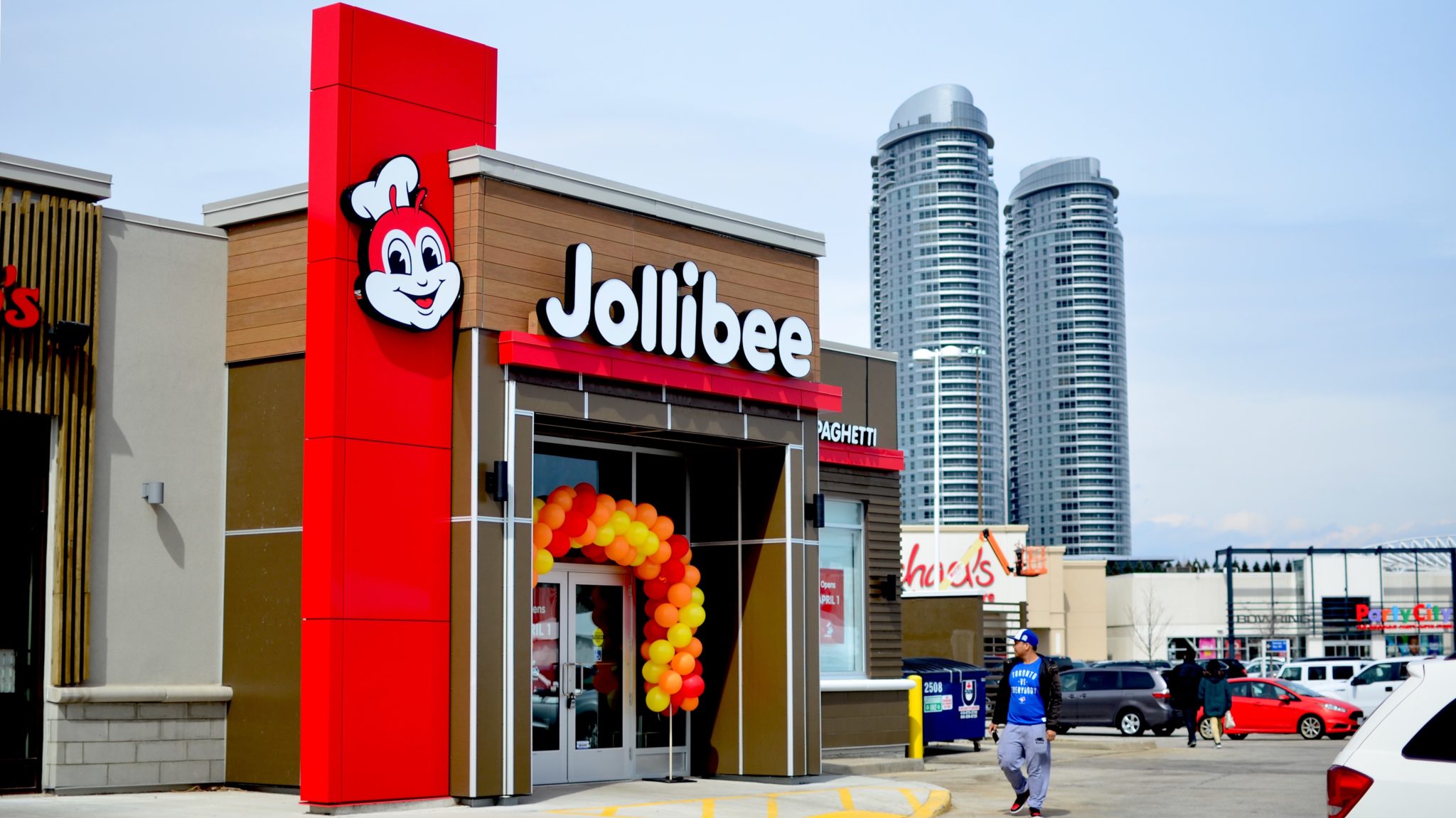
    Jollibee Canada is continuing its expansion, opening its first store in Alberta this Friday, (August 16) at Edmonton.

    The store will be the Philippine-founded fast-food group’s fifth store in Canada, as it sets out to build a network of 100 outlets there within five years.

    The chain recently opened other locations in Winnipeg and the Greater Toronto Area where it says local consumers lined up for hours.

    “Since opening locations in Scarborough and Mississauga over the past year, Jollibee Canada has been looking forward to serving Edmonton and making it easier for them to satisfy all of their Jollibee cravings,” said Maribeth Dela Cruz, president of Jollibee Foods Corporation North America.

    “Although Jollibee is wildly popular among Filipino-Canadians, the brand also attracts a diverse mix of adventurous foodies, curious locals and families alike.”

    She says that since the company announced plans to enter Canada it has received a high level of feedback from expatriate Filipinos across the country and others who have got to know the Jollibee brand in other countries it already operates, such as Vietnam, Singapore and parts of the US.

    Jollibee is the flagship brand of Jollibee Foods Corporation’s 14 brands, which now has more than 4500 stores in 21 countries.

  • Tokyo restaurant Kikanbo opens first Hong Kong Outlet

    Tokyo restaurant Kikanbo opens first Hong Kong Outlet

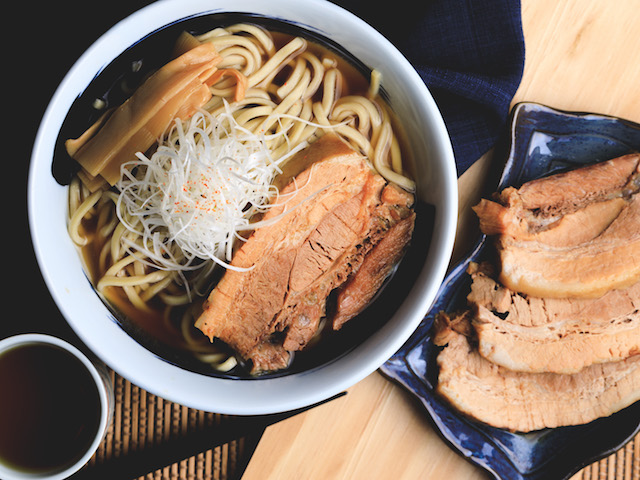
    Tokyo restaurant brand Kikanbo is to open its first Hong Kong restaurant in Causeway Bay, its third international market.

    From today, Hong Kong customers can enjoy a taste of the restaurant known as Tokyo’s “perennial long queue store”, and which sells 27,000 bowls of ramen each month

    Kikanbo, described as a karabishi miso ramen restaurant, features a dark ornamented restaurant design with red lighting and a counter seat from which guests can witness the entire ramen-making process closely.

    Multiple tables for two or four diners are available inside, with 29 seats overall.

    The brand’s president Masakazu Miura trained at a ramen restaurant for more than 10 years before establishing the first Kikanbo in Tokyo’s Kanda district. The brand is known for its five levels of spiciness and numbness for its miso soup with 25 soup base varieties.

    Kikanbo has opened at 530 Jaffe Road, its eye-catching shop front guarded by a painting of Aka Oni (red demon) and Ao Oni (blue demon) on either side of the entrance along with the gigantic Kanabo (oni stick).

    Established in Kanda in 2009, Kikanbo has three domestic branches in Tokyo, Kanda and Ikebukuro in Japan and two international branches in Taiwan.

  • Blue Bottle Coffee’s industrial-style flagship opens in Seoul

    Blue Bottle Coffee’s industrial-style flagship opens in Seoul

    Blue Bottle Coffee’s first South Korean cafe which opened in Seoul’s artsy Seongsu neighborhood earlier this year, features an industrial-style design with steel surfaces and red-brick fixtures.

    The cafe was designed by Schemata Architects, which has already created several of the brand’s branches in Tokyo, Japan.

    South Korea is the second international market for the US coffee company, which opened its first Tokyo cafe in 2015, inspired by the hospitality of traditional Japanese kissaten (coffee house) culture.

    In the new three-floor, 14,000sqft Seongsu location, each level is dedicated to a different use. The cafe has been designated to the basement – a decision made by the practice after seeing that the ground floor overlooked a busy road often blocked with traffic.

    “Having the cafe in the basement provides a calm and peaceful space away from the bustle on the ground,” the design team explained to Dezeen.

    At its centre is a huge stainless-steel service counter, above which a section of the ceiling has been cut away to provide views to the upper floor.

    Large stacks of red bricks – a material typically used to clad the facades of buildings in Seongsu – have been dotted throughout the space, where brand merchandise like packets of coffee and mugs can be displayed.

    “As a mark of respect for [Seongsu’s] history, we decided to also use brick inside the building,” explained the practice.

    A short set of stairs leads down to a lowered seating area that’s dressed with timber tables and chairs, as well as a couple of long beige sofas.

    The ground level hosts a roastery, a storage room for coffee beans and an area dedicated to cupping: the practice of observing the taste and aroma of brewed coffee. It is all fronted by glass allowing pedestrians outside to see the coffee-making process.

    “The basic design rules for Blue Bottle Coffee cafes remained the same in this project, which is to use a limited number of materials to create a space with a sense of unity and to create a flat relationship between the customers and the staff over the counter,” the practice’s founder, Jo Nagasaka said.

  • Subway under investigation for underpaying work force

    Subway under investigation for underpaying work force

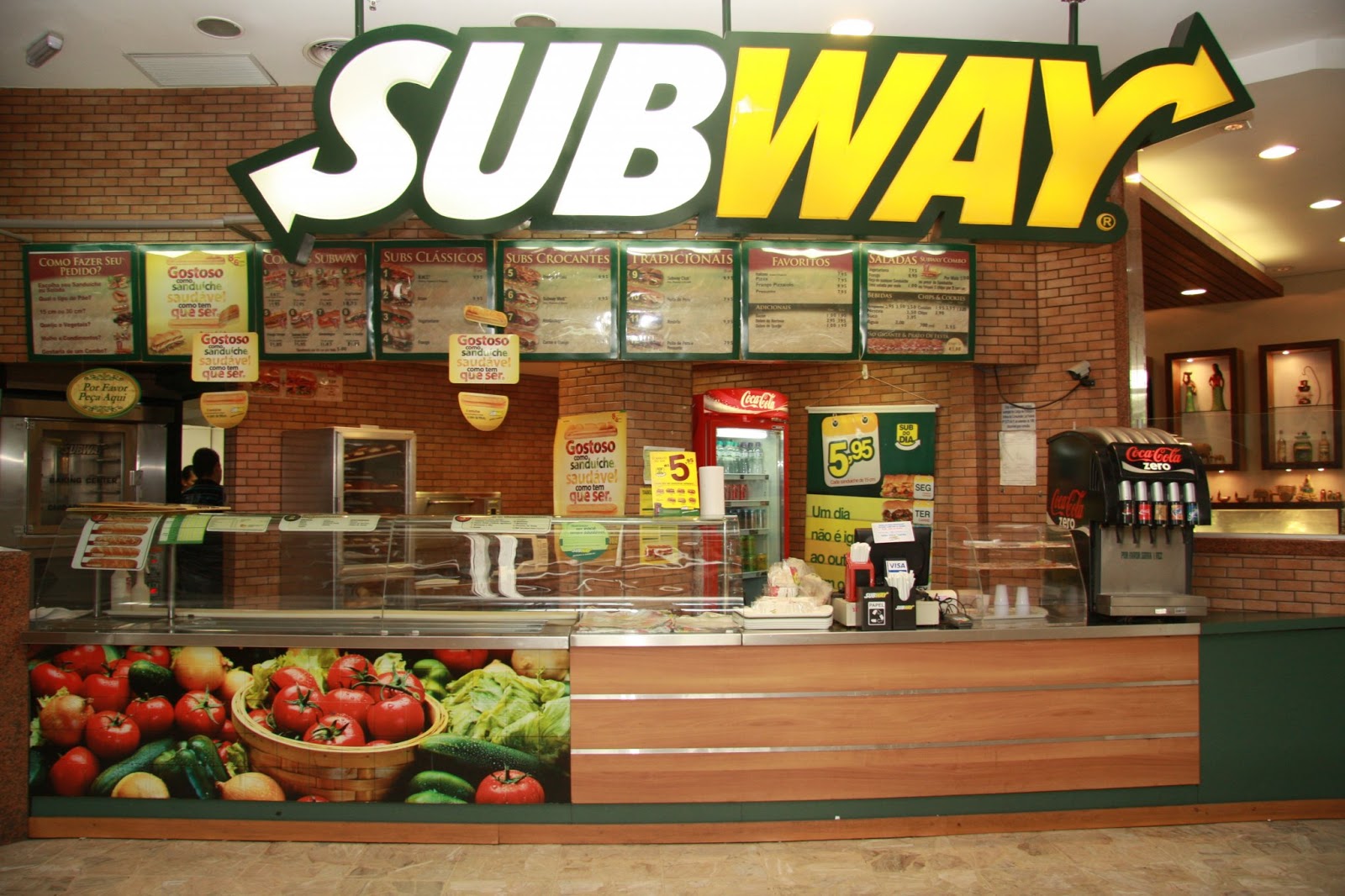
    Subway has said it could terminate franchisees that fail to meet their financial responsibilities amid an investigation launched by the Fair Work Ombudsman into the underpayment of its workers.

    The sandwich retailer said franchisees are required to meet regulatory, financial, workplace and employment requirements, and failure to do so could lead to disciplinary action.

    “Failing in their commitment to uphold these will result in enforcement action and continued non-compliance may lead to termination,” a Subway spokesperson said, which reported the underpayment investigation on Monday.

    “All Subway restaurant employees are entitled to payment for hours worked, including for training. Any employee who believes they have been paid incorrectly by a franchise owner is encouraged to report this to Subway for investigation, through a dedicated employee hotline.”

    Local newspapers spoke to several Subway employees, who had seen thousands of dollars paid incorrectly over the years, as well as mentioning a general laissez-faire attitude adopted by the Subway head office.

    “The only things Subway head office care about is your name badge, your uniform, it is all about the image,” one employee said.

    A Subway spokesperson said these statements have not been reported to it, and that it takes matters such as these very seriously.

    “More than 10,000 employees are hired by franchise operators and work at the 1353 individually-owned Subway restaurants across Australia,” the spokesperson said.

    “While restaurant employees are hired by franchise owners, any concerns raised by employees are investigated by Subway immediately.”

    Subway is not the only retailer grappling with underpayment issues. Wage theft has been uncovered at Michael Hill, Domino’s, Super Retail Group and Chatime over the past year, though most said it was a result of the complexity of modern awards.

    However, an informal poll revealed almost 60 percent of more than 200 respondents believe underpayment is mostly intentional, due to businesses trying to cut costs.

    A recent report by the Australian Payroll Association found that almost a third of payroll managers admitted to making employee payment or entitlement mistakes at least once a month, and claimed that the larger the business, the more likely mistakes are to occur.

    However, the report claimed only 16 percent of businesses with fewer than 50 staff said they made such mistakes each month – a position most franchisees likely fall into.

  • Starbucks India Speeding up store rollouts

    Starbucks India Speeding up store rollouts

    Starbucks India plans to ramp up its store rollout. The global coffee chain opened 25 new stores in the last financial year and 30 new stores this year with local partner Tata Global Beverages – but plans to open a far greater number of new stores in the near future, according to Tata Starbucks CEO Navin Gurnaney, with an investment of more than US$6.4 – 7.1 million.

    “We spend anywhere between $213,000 and $284,000 to build a store,” said Gurnaney in an interview with the Business Standard. “We would not be being aggressive with our store growth if we didn’t see potential. We think the market is very strong. Excellence is always well received and we believe we have an excellent experience, partners and products. We are extremely bullish on India. India is one of the top five growing markets for Starbucks internationally.”

    Starbucks India stores serve an average of 270,000 customers per week, with 90 percent of their chosen beverages being coffee.

    “People don’t come to us just to buy a sandwich,” added Gurnaney. “It is always an accompaniment with a beverage. The coffee category has been growing with all groups of people and the millennials are certainly gravitating towards coffee. But not just millennials, it is also the 30 years something upwardly mobile, better traveled and better-educated people which are growing in India.”

    While there has been some speculation that Starbucks Tata is considering an acquisition of a rival brand, Gurnaney insisted that Starbucks India outlook is extremely optimistic, and that future plans are to be “thoughtfully aggressive”.

    Starbucks entered India with its first store in Mumbai launching in 2012.

  • Nestle starts selling Starbucks-branded coffee in China

    Nestle starts selling Starbucks-branded coffee in China

    FMCG giant Nestle started selling Starbucks-branded coffee in Mainland China today, seeking to tap growth in a market where it says coffee consumption per capita remains low compared to global standards.

    Nestle last year paid US$7.15 billion for exclusive rights to sell the US chain’s coffees and teas globally and began selling Starbucks-labelled products in Europe, Asia and Latin America in February.

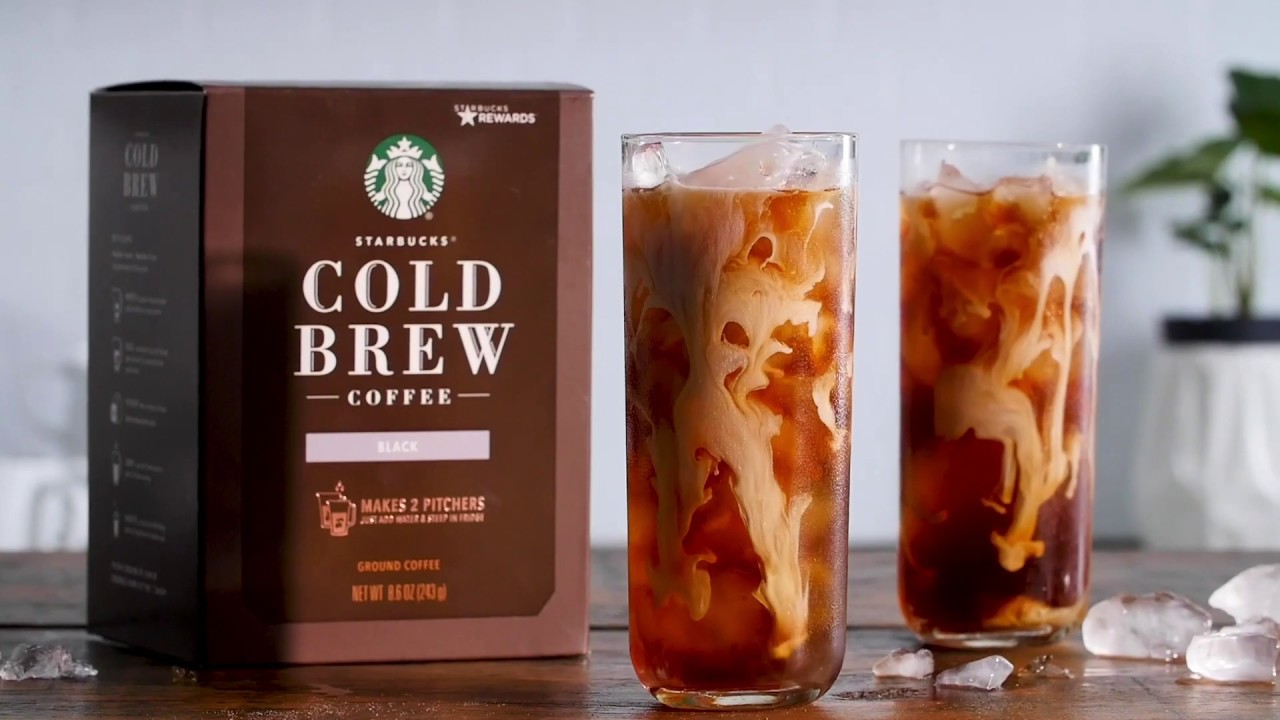
    The world’s largest food company will start selling 21 Starbucks-branded capsule and instant-coffee products on Chinese e-commerce platforms like Alibaba’s Tmall and JD, as well as to offices and hotels in tier-1 cities, both companies said.

    “We believe China is the most exciting market in general but especially for coffee because… per capita cup consumption is quite low as compared to Asia,” said Rashid Aleem Qureshi, Nestle’s CEO for the Greater China region.

    “Right now the overall soluble coffee [market] in China is growing between 3 to 5 percent a year and we believe that by bringing this exciting new business opportunity we should be able to grow faster than that,” he said, referring to a category that includes capsule and instant coffee.

    Nestle’s move comes as the Swiss company experienced slower first-half growth in China, its second-largest market, where other categories like mainstream baby foods have struggled compared to pricier options.

    China’s per capita coffee consumption is about six cups a year, compared to 400 in Japan and 300 in South Korea, Nestle said.

    The partnership with Starbucks would help Nestle add a premium coffee option to the range of products it already sells in China, such as Nescafe instant coffee range and Nespresso capsule coffees, Qureshi said.

    Starbucks China CEO Belinda Wong said the Nestle deal would open two new avenues to sell its products in China, where it has been investing heavily in its store network and delivery amid tougher competition from local startups.

  • Taiwanese bubble-tea brands caught in Hong Kong protest backlash

    Taiwanese bubble-tea brands caught in Hong Kong protest backlash

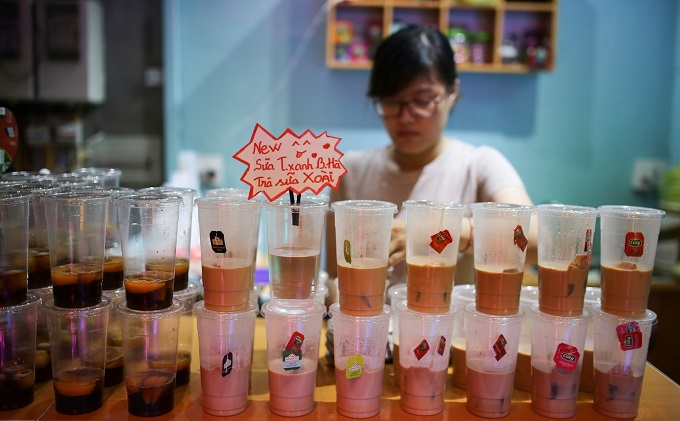
    Internet users on the Chinese mainland have blacklisted popular Taiwanese bubble-tea brands after a Hong Kong franchise urged solidarity with street protesters in the Asian financial hub.

    The online furore began when Yifang Fruit Tea, a maker of the tea-based drink, closed one of its Hong Kong shops for a day and put up a sign that said in Chinese: “Stand together with Hong Kongers”.

    Photos of the sign circulated on mainland social media this week, angering users who accused the firm of backing Hong Kong independence. Calls for a boycott spread to other Taiwanese bubble tea brands like Gong Cha, HeyTea, CoCo and A Little Tea.

    Yifang and the others were blacklisted by users of China’s microblog Weibo. A white list promoted “good” brands.

    “Rest assured, I won’t spend another cent on you. Yifang is rubbish,” a Weibo user named ProfiteroleK wrote in a comment that received more than 1500 likes.

    Hong Kong is facing its worst crisis since returning to China from British rule in 1997, as sometimes violent protests since June against a now-suspended extradition law have become a direct challenge to the city’s government and Beijing.

    Bubble tea was invented by Taiwan, a self-ruled island considered by Beijing as a renegade province. On the mainland, Weibo posts containing the hashtag “Taiwanese bubble tea shops” were read 350 million times in recent days.

    The run-in with Chinese social media users is another example of how companies can get caught in political issues.

    In January, Apple and Amazon were called out by a mainland state think-tank for “incorrect” Taiwan and Hong Kong references.

    The mainland franchisee of Yifang Fruit Tea said in social-media posts the company fired the part-time staff who put up the notice and permanently closed the outlet.

    However, Amigo Cheung, the brand manager of the Yifang franchise in Hong Kong, told Reuters by phone that nobody had been dismissed yet and no outlet had been shut.

    HeyTea and Gong Cha, on their social media accounts, affirmed their support for “One Country, Two Systems” or “One China”, in hopes of distancing themselves from the backlash.

    Fellow Taiwanese bubble-tea brands CoCo and A Little Tea could not be reached for comment.

    Taiwan President Tsai Ing-wen wrote in a Facebook post this week that “China’s political power has invaded into various nonpolitical areas,” citing tea as an example.

    “For people living in a society with freedom and democracy, we need to stay on high alert for issues like this,” Tsai wrote, along with a picture of a cup of ice fruit tea.

    Jennie, a mainland student studying at a Hong Kong university, said she had sympathy for protesting students but also felt caught in the middle.

    “Seeing the locals around disliking mainland people so much, I fear I’ll be driven out (from Hong Kong) by them in the future,” she told Reuters.
  • Aldi growing three times as fast as competitors

    Aldi growing three times as fast as competitors

    Australians top priorities in grocery shopping are convenience, quality and pricing – with the latter surprisingly coming in third.

    Dunnhumby’s latest Australian Grocer Retailer Preference Index found that Woolworths is the go to “one-stop-shop” for wide product variety while rival Coles is the chosen grocery for promotions and rewards. However, discount grocer Aldi beats them both on price.

    “Aldi has built the strongest emotional connection with its customers by delivering consistently low prices, quality products and higher perceived ‘value’,”said Keri-Jane Jacka, commercial director ANZ, dunnhumby.

    “Further, our findings show Aldi customers are more likely to recommend the retailer to their friends and family and be sad if their nearest store closed.  This strong emotive response suggests that Aldi has really strong brand equity – a driver for long-term customer loyalty and continued success in the market.”

    Woolworths beats Coles as Australians’ preferred grocery retailer with an RPI score of 95 versus 91. However, Aldi is hot on the heels, described as an ‘accelerating threat’ with an RPI score of 69. The discount grocer is growing three times faster than its competitors, and can potentially double its market share in the next 10 years, dunnhumby said.

    “With Aldi outperforming on all price attributes and developing a real connection with its customers, in order to remain the preferred grocery retailers amongst shoppers, Woolworths and Coles must continue to invest in data-driven retail strategies to foster loyalty and build trust. They must offer lower prices across the board instead of focusing on discounts, and more convenient, easy shopping experiences that delight customers,”
    Jacka said.

    The index shows that the ‘big two’ supermarket giants, Woolworths and Coles, capture two-thirds of shopper visits. One third of shoppers buy at Woolworths, Coles and Aldi in the last month.

    The report found that Australian grocers face intense pressure from e-commerce and discounters that leverage customer data to engage and retain shoppers today. It’s the ‘new normal’ strategy for retailers to win and retain the modern shopper.

    “Retailers need to be far more strategic in their approach to pricing and promotions. To remain competitive, they need to think introspectively on how they can maximize personalization and create the most value for their customers by leveraging the huge amounts of customer data at their disposal,” Jacka said.

    Five primary customer pillars

    Dunnhumby reported that there are five primary customer pillars. These are convenience and quality; easy shopping experience; price; operations and drive time.

    It ranked the five retailers with Woolworths ahead of Coles. Aldi comes in third as the “dark horse in the race”, while IGA and 7-Eleven currently trailing.

    Convenience matters for Aussie shoppers

    Aussies value time so convenience, quality and easy-shopping experience are on the top of their priorities for overall preference driver. But for Woolworths and Coles customers, it is less important as long as they are satisfied with their items.

    Woolworths and Coles are the strongest on quality goods and convenience. IGA’s strongest in good customer service and clean stores. While Aldi offers also good quality products, but trails behind the two supermarket giants on convenience. 7-Eleven’s biggest issues are cleanliness and perishables, but the retailer wins in ready-to-eat items.

  • The Salted Plum opens at Suntec City

    The Salted Plum opens at Suntec City

    Southern Taiwanese restaurant The Salted Plum has opened its second outlet in Suntec City.

    The outlet features a spacious dining area with a street ambiance, a self-service system and new dishes exclusive to the venue. The brand, which serves tapas-style Taiwanese dishes, began as a pop-up called FiveTen before launching its first permanent location on Circular Road.

    “The Salted Plum is the embodiment of how a great zi-char restaurant should be; home-style cooking that is full of comforting flavors, hearty, affordable, satisfying and above all, enjoyed with the people you love,” said founder and MD Shawn Kishore.

    “We are excited at the opportunity to welcome larger groups of diners at our new outlet while maintaining our essence and commitment to serve quality food at a reasonable price. With the ongoing labor crunch in Singapore, our self-service system is one of the ways for us to pass on the savings to our customers and ensure that they do not need to break the bank for a wholesome meal in the city.”

    The new 76-seat venue is described as “a pimped-up version of the flagship outlet”, offering diners the option of all-day Taiwanese dining experience on a budget. After placing orders at the cashier, guests are assigned order numbers for self-collection; made easy with single tray pick-ups – all dishes ordered will be placed onto a single tray.

    The Salted Plum Suntec City is decked out with communal-style high-top tables, high ceilings and street-style decor against navy-blue walls featuring vivid illustrations of signature dishes; all aesthetically lighted to capture the mood of outdoor city dining. Countertop seats and small tables are designed for a quick bite while the restaurant’s larger tables can accommodate bigger parties.