Category: Food

Retail News Asia is committed to providing both local and global retailers with the latest Food and Food & Beverage news throughout the Asian market. This on a daily base.

  • BreadTalk Group to buy Food Junction

    BreadTalk Group to buy Food Junction

    Listed Singapore food-and-beverage company BreadTalk Group is to buy foodcourt operator Food Junction Management (FJM).

    A subsidiary of BreadTalk, Topwin Investment, has signed a sale and purchase agreement to pay S$80 million for FJM, which operates 12 foodcourts in Singapore and three in Malaysia. A fourth is on track to open next year at The Mall in Johor Bahru.

    BreadTalk Group sees synergies between the FJM business and its own foodcourt operations – it owns Food Republic and Food Opera-branded sites in Singapore, Greater China, Thailand, Cambodia and Malaysia. The combined operation could share support services and rationalise supply arrangements.

    FJM is owned by Singapore investment company Auric Pacific Group Limited.

  • New Cheesecake Factory Outlet in Macau to open at Sands Cotai Central

    New Cheesecake Factory Outlet in Macau to open at Sands Cotai Central

    American upscale casual-dining restaurant The Cheesecake Factory in Macau is set to open in Sands Cotai Central.

    The more than 8500sqft restaurant, which will be operated by a subsidiary of Maxim’s Caterers Limited, will offer fresh from-scratch dishes and more than 30 cheesecakes and specialty desserts from the US.

    The venue is sized to accommodate more than 220 guests and is decorated with hand-painted wall murals and artistic lighting features, keeping a consistent look with The Cheesecake Factory restaurants all over the world.

    The Cheesecake Factory in Macau will also feature a Macao-only limited-edition dish with Macao culinary characteristics: Portuguese Chicken, a portion of a half roasted chicken with coconut curry and peanut sauces and crispy potatoes.

    The opening of The Cheesecake Factory in Macau follows launches regionally in Hong Kong, Shanghai, and Beijing.

  • Zhang Yong Tops the latest Forbes Singapore Rich List

    Zhang Yong Tops the latest Forbes Singapore Rich List

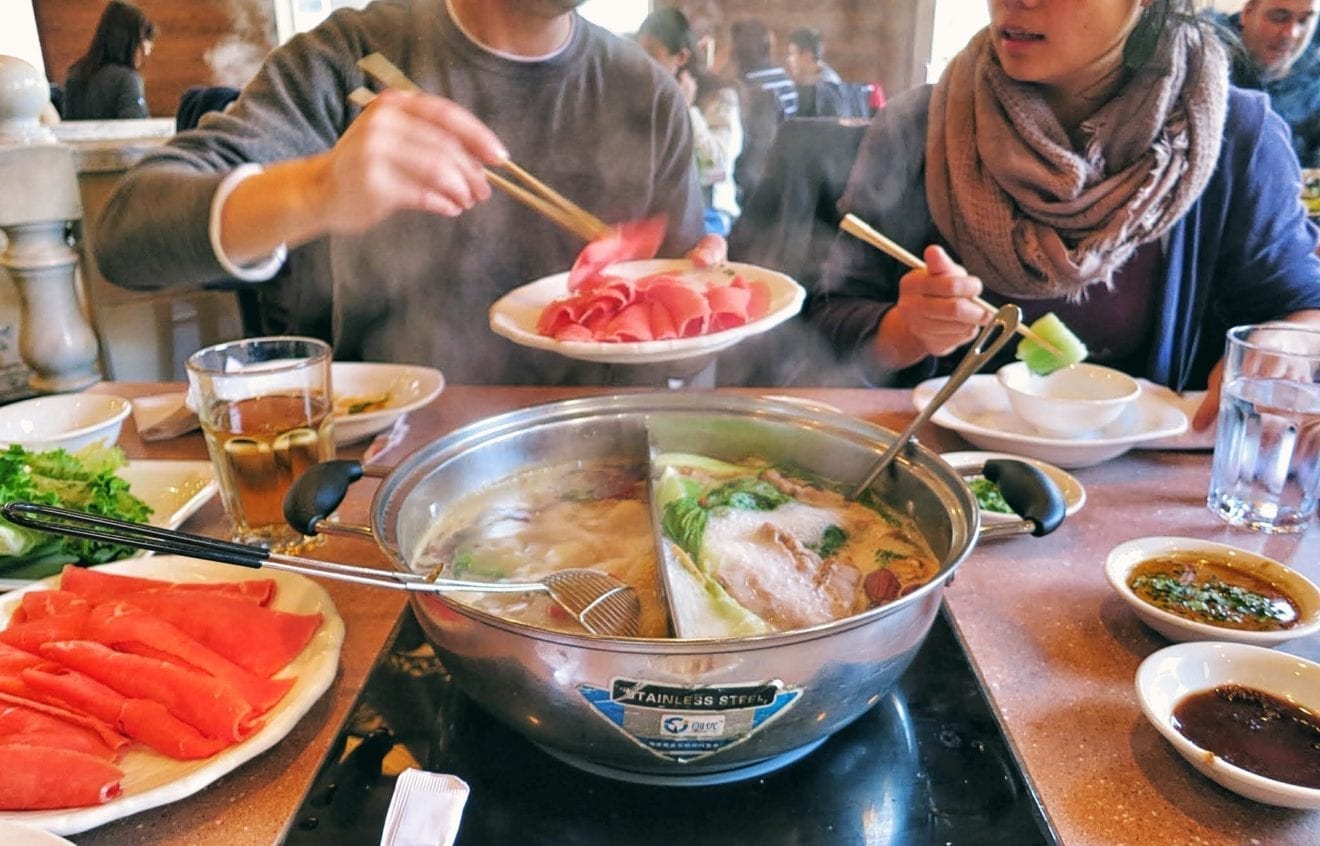
    Hotpot-restaurant tycoon Zhang Yong has topped the latest Forbes Singapore Rich List.

    Zhang, the founder of the Haidilao restaurant business, has an estimated net worth of US$13.8 billion (US$19.2 billion) – enough to push last year’s richest Singaporeans, property magnates Robert and Philip Ng into the second spot with their combined wealth of US$12.1 billion. This year is the first in a decade the Ngs, who own Far East Company, have not headed the rankings.

    Zhang, a native of China, has become a naturalized Singaporean citizen and resident, who was previously featured among China’s richest, is now a naturalized Singapore citizen and resident.

    Third place on this year’s list went to Eduardo Saverin, a founder and shareholder of Facebook, who lives in Singapore. His net worth was estimated at $10.6 billion, down $1.2 billion on last year.

    Haidilao opened 130 new restaurants in the first half of this year, boosting sales by 59.3 percent to RMB 11.7 billion (US$1.66 billion).

  • The Cheesecake Factory to open at Sands Cotai Central, Macau

    The Cheesecake Factory to open at Sands Cotai Central, Macau

    American upscale casual-dining restaurant The Cheesecake Factory in Macau is set to open in Sands Cotai Central.

    The more than 8500sqft restaurant, which will be operated by a subsidiary of Maxim’s Caterers Limited, will offer fresh from-scratch dishes and more than 30 cheesecakes and specialty desserts from the US.

    The venue is sized to accommodate more than 220 guests and is decorated with hand-painted wall murals and artistic lighting features, keeping a consistent look with The Cheesecake Factory restaurants all over the world.

    The Cheesecake Factory in Macau will also feature a Macao-only limited-edition dish with Macao culinary characteristics: Portuguese Chicken, a portion of a half roasted chicken with coconut curry and peanut sauces and crispy potatoes.

    The opening of The Cheesecake Factory in Macau follows launches regionally in Hong Kong, Shanghai, and Beijing.

  • Starbucks Reserve Riverside 66 Tianjin opens doors

    Starbucks Reserve Riverside 66 Tianjin opens doors

    Starbucks opened a flagship Reserve store in Tianjin, China, today which was built inside a Renaissance-era heritage building dating back to 1921.

    The Starbucks Reserve Riverside 66 Tianjin flagship store combines history with an entirely modern ‘third-place experience’ for the brand’s customers.

    “Over the past 20 years in China, Starbucks has constantly pushed to innovate and reimagine the third-place experience, to bring people and communities closer together,” said Leo Tsoi, senior VP, COO, and president at Starbucks China – retail. “We are immensely proud and privileged to preserve a revered piece of history that binds together four generations of Tianjin residents, and to share this rich cultural inheritance with more people, passing it on to future generations.”

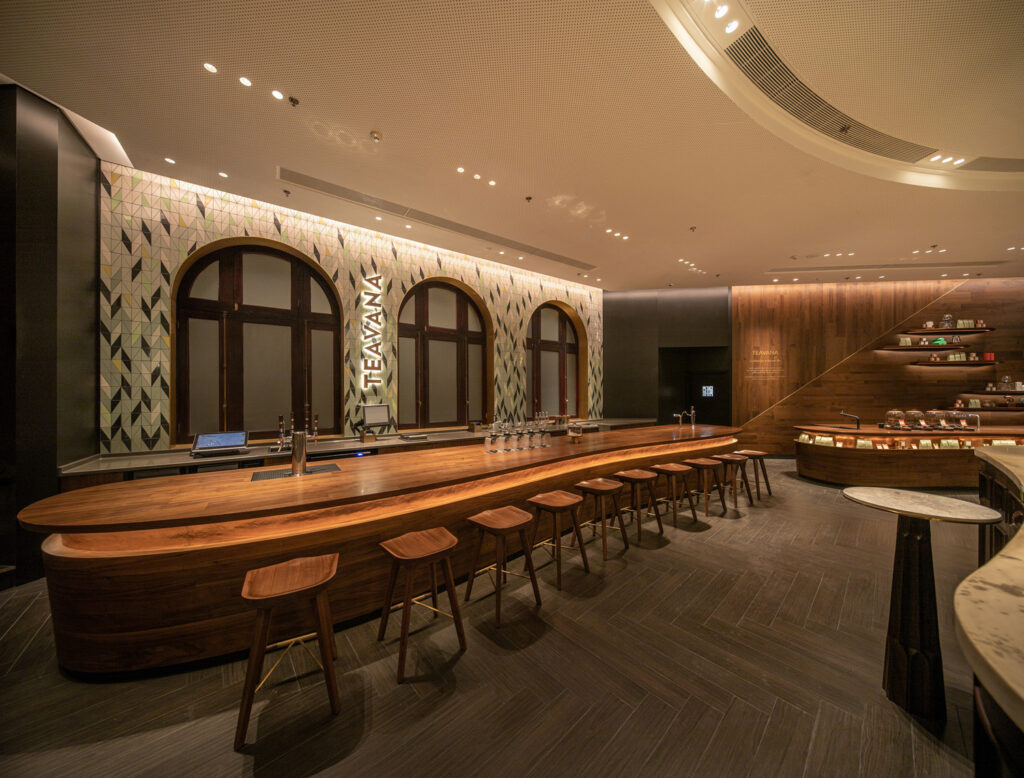
    The new store marks the first in the city to feature a Starbucks Bar Mixato and Starbucks Teavana tea bar, in addition to its Starbucks Reserve offer.

    The building, located on the city’s main commercial street, was designed by Shen Liyuan, who was among the first Chinese architects to study overseas. It housed the Zhejiang Xinye Bank until the early 1950s, a symbol of the city’s economic prosperity and development.

    In the 1980s, the early days of China’s economic transformation, it reopened as the high-end Yongzheng Tailor Shop before being converted into the Xinye Foreign Trade Mall. The location was officially designated as a city heritage site in 1997 and has been vacant for the past 20 years.

    Working with local historic preservation experts, it took Starbucks three years to navigate technical complexities and realize the vision for a modern restaurant space in a preserved building.

    Features of the building, such as the majestic Greek-style exterior facade, glass dome, imported marble columns, and marble carvings, have all been preserved, along with the original bank counters. The architects specified bronze tubes to avoid using nails in the columns when the lighting was installed. Lighting and air conditioning systems were embedded into the glass dome.

    “Beyond preserving the century-old architecture in its fullest form, the Starbucks flagship store has also made creative use of its unique features,” said Luo Shuwei, historian and senior researcher from the Tianjin Academy of Social Sciences. “Starbucks partners have shown great passion and dedication to ensure that every design detail is in harmony with the original architectural style, to create a warm and welcoming ambiance that is also filled with history.”

  • Yum China buys Chinese retail chain Huang Ji Huang

    Yum China buys Chinese retail chain Huang Ji Huang

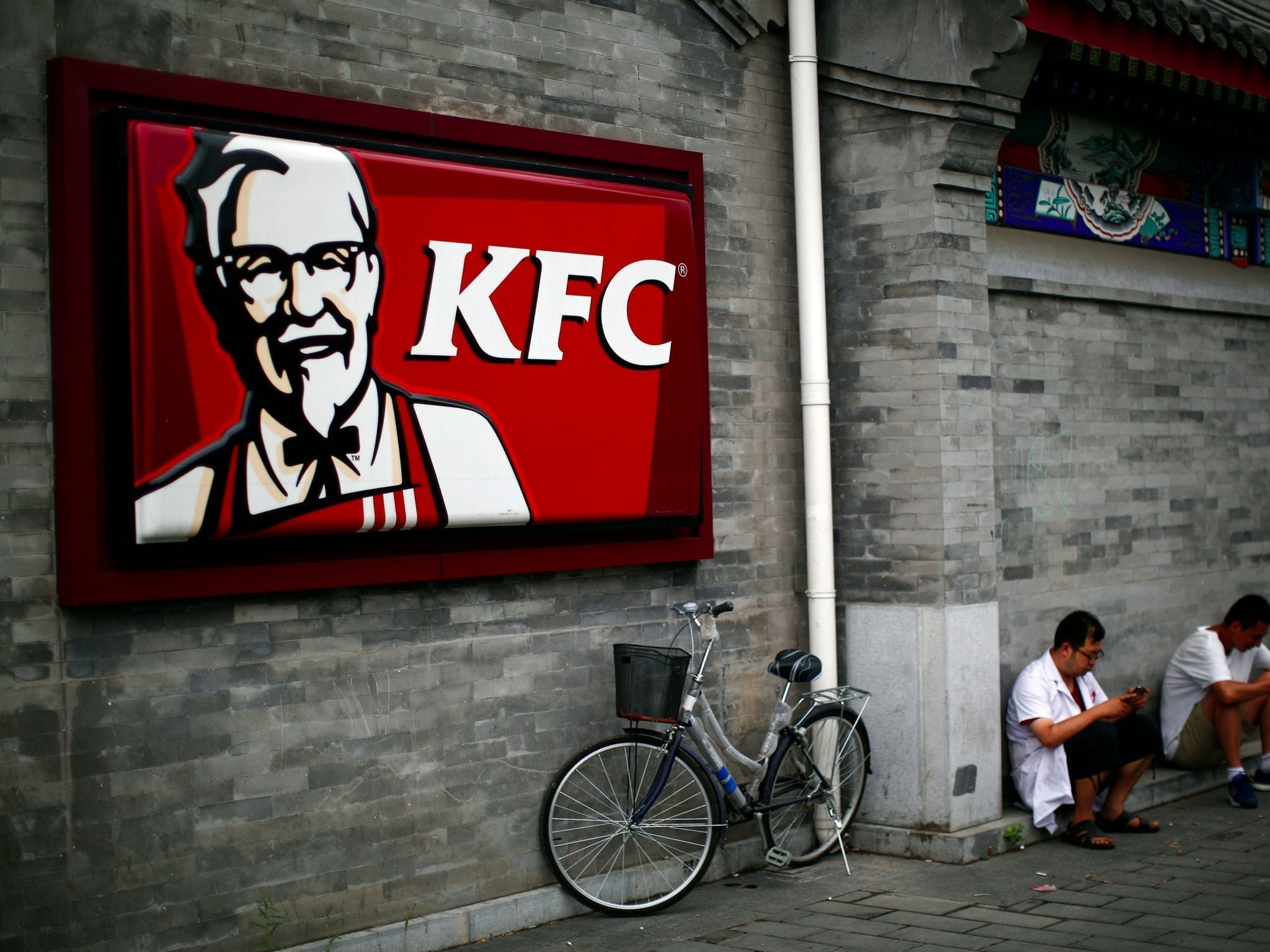
    Yum China Holdings has entered into a definitive agreement to acquire a controlling interest in Huang Ji Huang group, a leading Chinese-style casual-dining franchise business.

    Subject to the satisfaction of closing conditions and regulatory approvals, the transaction is expected to close early next year.

    Founded in 2004 and headquartered in Beijing, Huang Ji Huang has more than 640 restaurants in China and internationally. The group operates primarily under a franchise model and its brand portfolio consists of simmer pot brand “Huang Ji Huang” as well as “San Fen Bao”, a newly launched Chinese fast food concept.

    Yum China is the largest restaurant company in China, with more than 8700 restaurants as of June 30. With the addition of Huang Ji Huang, Yum China aims to gain a stronger foothold and enhanced knowhow in the Chinese dining space, which represents a significant share of the dining market in China.

  • A Happy Pancake opens second outlet at K11 Musea

    A Happy Pancake opens second outlet at K11 Musea

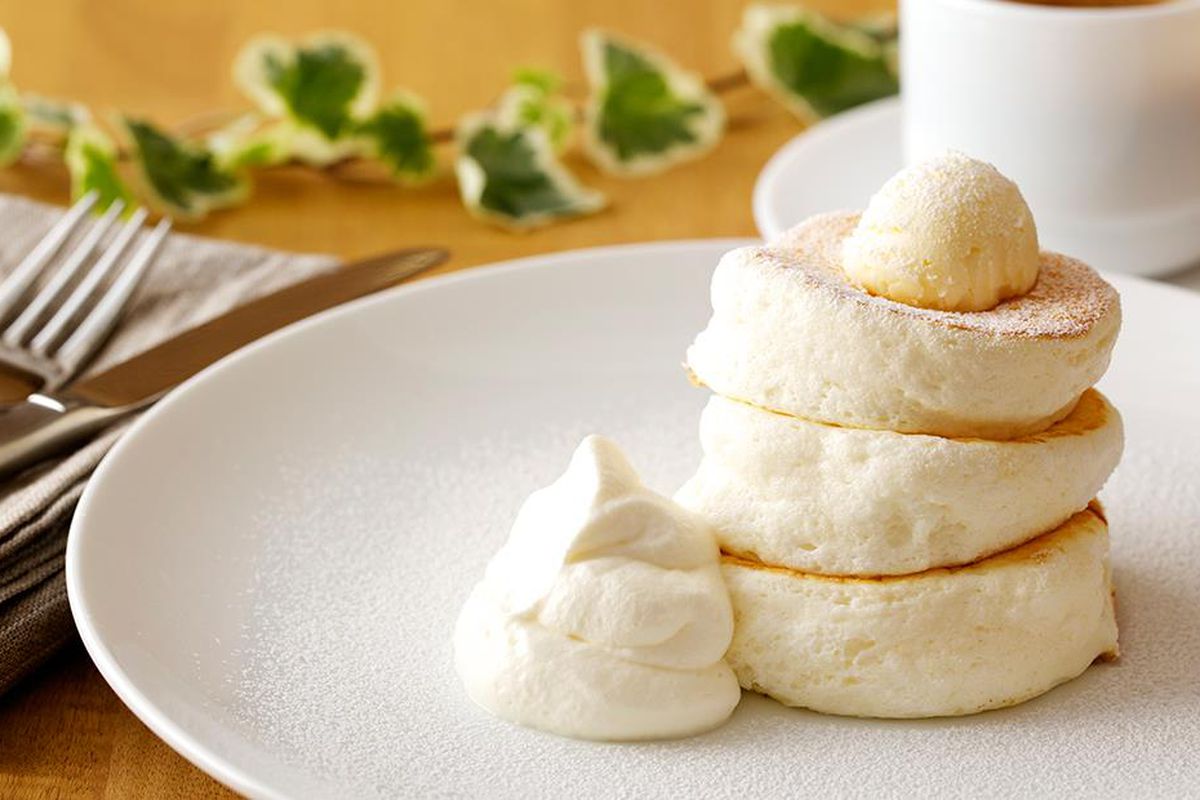
    Japanese cafe “A Happy Pancake” is opening its second Hong Kong Store at K11 Musea.

    Having already launched 26 stores in Japan since setting up its Omotesando shop in 2015, the brand’s new location features a sleek design and decor that aims to bring diners a peaceful, relaxing atmosphere. The store has an open kitchen to show customers the entire hygienic cooking process, letting them observe the pancakes carefully baked one by one before being sent to their tables.

    The walls of the store were designed by 14-year-old called Lara, who has already worked extensively in the fashion industry.

    The brand is launching a new menu item, “Rich Uji Matcha Mousse Pancake”, to commemorate the store opening.

  • Burger King China operator mulls Hong Kong IPO

    Burger King China operator mulls Hong Kong IPO

    Burger King China’s owner is mulling a public listing in Hong Kong which could value the business at around US$1 billion.

    According to sources quoted by international business media, the Hong Kong plan is a fallback after plans to list the business in the US last year were shelved.

    Burger King China is owned by Turkish-based company TAB Food Investments. It currently operates about 1000 stores across 150-plus cities in Mainland China.

    One source said the IPO could raise about $200 million, although a fixed figure has not yet been set and the idea is still under consideration. If an IPO proceeds, it would most likely be early next year.

    TAB Food Investments is the world’s largest master franchisee of the Burger King brand, with more than 1700 stores across China and its home market.

    Asked for comment on the reports, the company’s chairman Erhan Kurdoglu told a journalist: “We always assess IPO possibilities. However, there’s no concrete development on that front as of now.”

    TAB Food Investments also holds the franchise rights for Popeyes Louisiana Kitchen and recently announced plans to roll out more than 1500 outlets in China during the next 10 years.

  • Hotpot-restaurant Haidilao plans to open 130 new outlets

    Hotpot-restaurant Haidilao plans to open 130 new outlets

    sales by 59.3 percent to RMB 11.7 billion (US$1.66 billion).

    The staggering expansion program saw the company’s global network grow from 466 restaurants as of December 31 to 593 at the end of June. Of those, 550 are located in 116 cities across Mainland China, the balance in Taiwan, Hong Kong and overseas locations including Singapore, South Korea, Japan, the US, Canada, the UK, Vietnam, Malaysia and Australia.

    Besides expanding its network, the company has been testing new technology including robotics and new generation machinery in its kitchens and robot waiters in 179 restaurants.

    Chairman Zhang Yong said the company was working to optimize the operational management of the business as well as enhance the dining experience of customers.

    In the first half of this year, Haidilao served more than 109 million customers with an average table turnover rate of 4.8 times per day.

    In the first half of the year, the company introduced 187 dishes across regional markets and started selling its own-brand milk tea and soft drinks.

    On the back of store openings, group revenue soared 59.3 percent. Same-store sales rose by 4.7 percent.

    Profit attributable to shareholders rose from RMB646 million to RMB911 million. (US$91,000 to $129,000).

  • Domino’s Pizza profit falls on soft Australian performance

    Domino’s Pizza profit falls on soft Australian performance

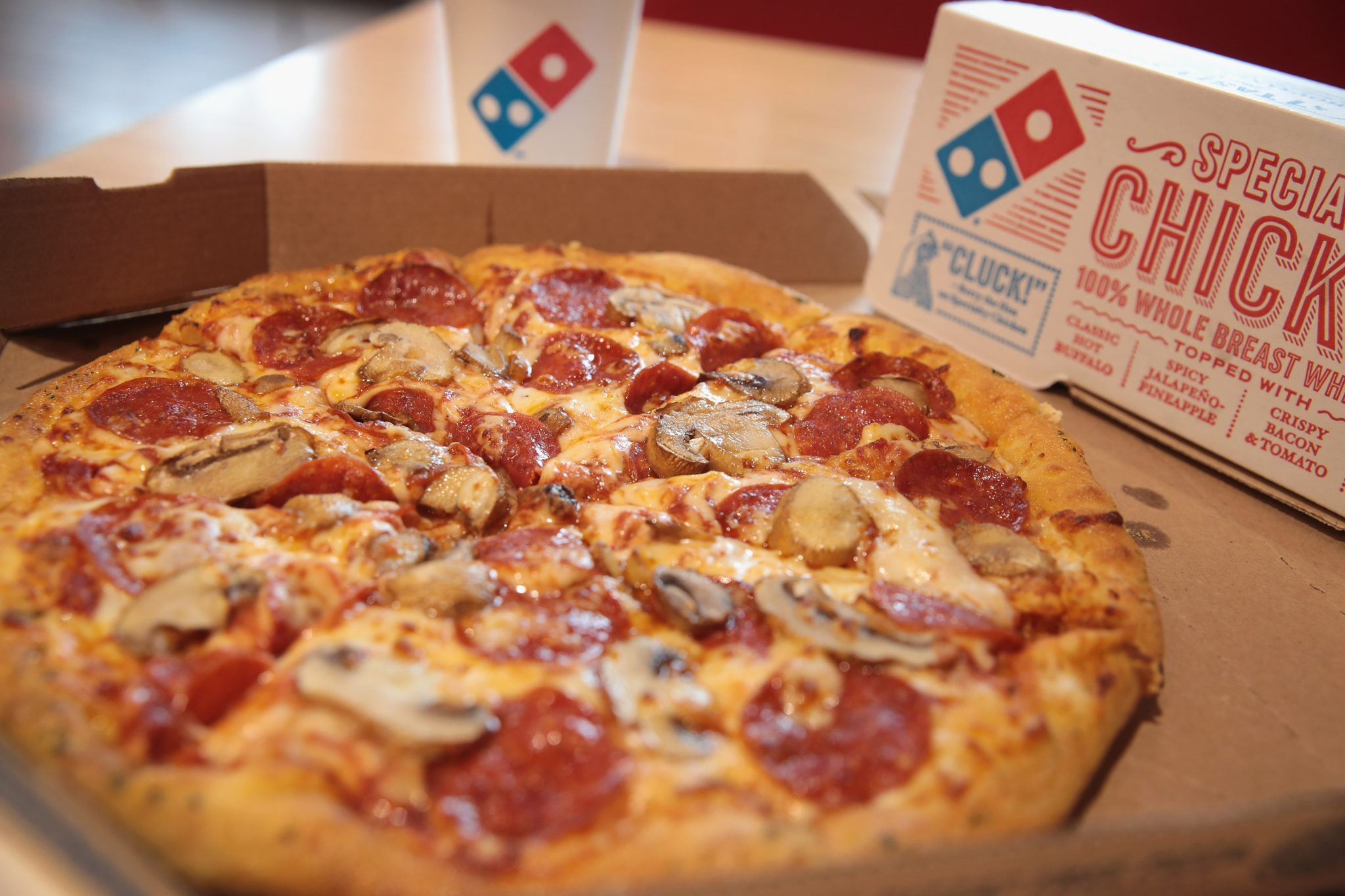
    While quick-service retailer Domino’s saw revenue and online sales improve over the year to June 30, net profit fell 4.6 percent to $115.9 million, with growth in Australia and New Zealand softer than anticipated.

    However, the business’ efforts in Japan and Europe saw international EBITDA improve to $154.5 million – overshadowing the local result of $127.9 million.

    “Our international operations today account for more than half of our earnings, and they will be the largest driver of our future growth,” Domino’s group chief executive and managing director Don Meij said.

    Global sales grew by 11.9 percent to $2.9 billion, while global online sales grew 18.2 percent over the year to $1.9 billion, processing more than 66 million orders – or more than 2 orders per second.

    According to Domino’s Australia and New Zealand chief executive Nick Knight, in addition to the softer domestic performance the team made some decisions which created short-term headwinds for the business – but which they are confident will result in medium and long-term benefits.

    “We are confident in the progress of our strategic initiatives, including our investment in technology and new marketing campaigns,” Knight said.

    “Our world-first DOM Pizza Checker is already helping to deliver meaningful improvements to the quality of our pizzas, which customers recognize.”

    Australian and New Zealand sales grew 4.6 percent to $1.17 billion, or 2.4 percent on a same-store-sales basis.

    Operations 360, the business’ initiative to deliver performance data to franchisees, allowing the opportunity to learn from mistakes, as well as provide advice and training, has also led to the exit of 22 under-performing franchisees.

    Knight noted that, in some cases, this was due to franchisees having been found to have deliberately underpaid staff.

    Meij said domestic margins were compressed due to an increased number of corporate stores to make up for these exiting franchisees.

    Domino’s is facing a class-action lawsuit from in-store and delivery staff who claim to have been underpaid over a five-year period.

    According to the claim, Domino’s told franchisees to pay delivery drivers and in-store workers under a series of incorrect employment agreements. Domino’s rejects the claim and confirmed in June that it would defend the proceeding.

    While many believe the recent string of retail underpayments are the result of unintentional mistakes, almost 60 percent of the over 200 respondents believe them to be an intentional decision to cut costs.

    Do you think underpayment in the retail and hospitality sector is mostly…

    Domino’s expects same-store-sales growth to grow at a rate of between three and six percent annually over the next three to five years.

    The QSR chain additionally will grow store count by between seven and nine percent annually over the same period,  intending to invest further into the growth of its network.
  • Sugarfina plans more store opening in Asia

    Sugarfina plans more store opening in Asia

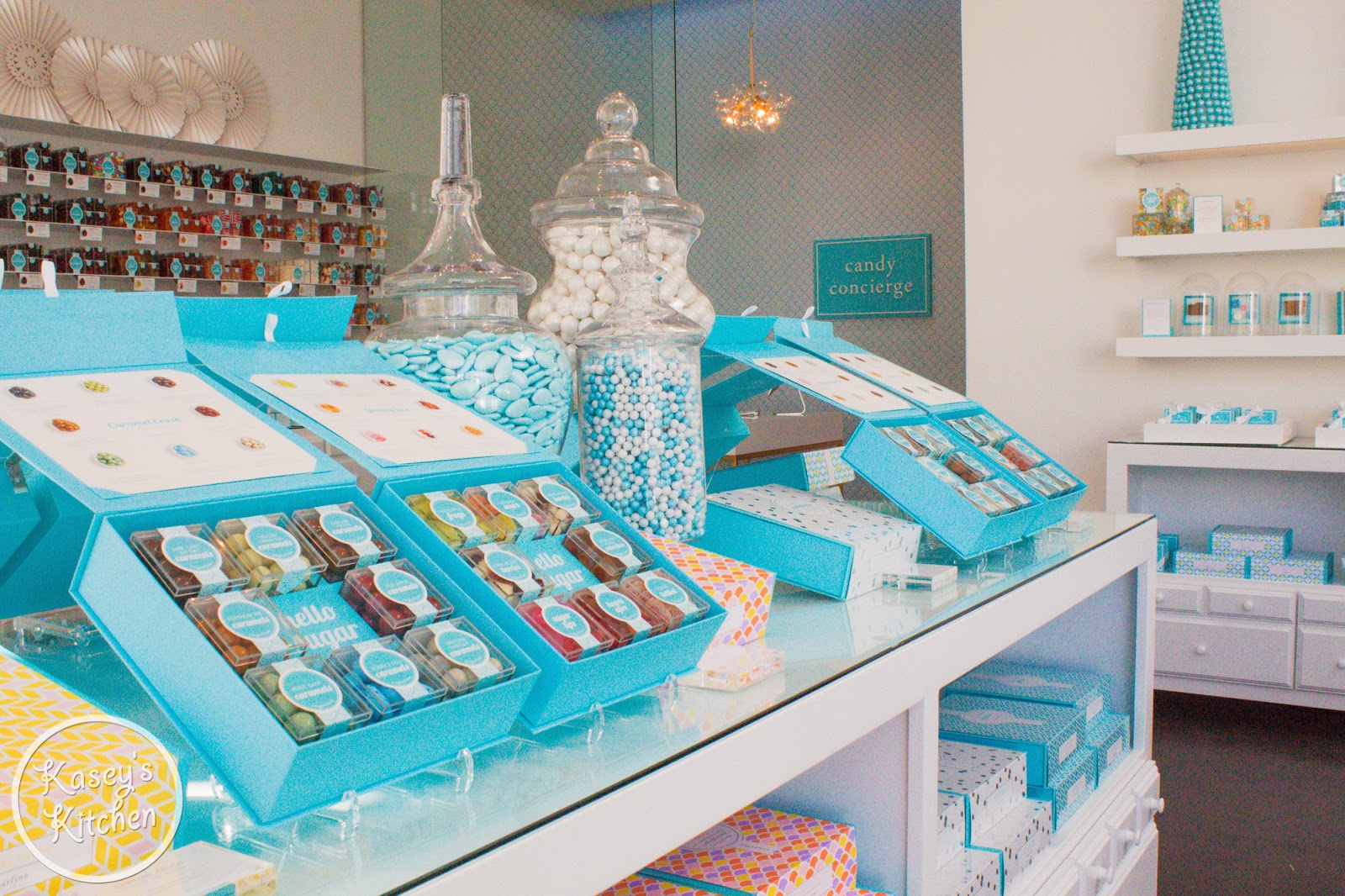
    Californian luxury confectioner Sugarfina is preparing to open stores across several Asian markets after its second Hong Kong store opens later this year.

    Markets across Asia that Sugarfina is planning for include South Korea, Taiwan, Singapore, Japan, and Mainland China.

    Sugarfina’s first store in Asia opened in Hong Kong’s Harbour City mall last year with local partner Upper East Holdings, which launched Lady M in Hong Kong in 2015 and plans to open several Sugarfina stores in the territory.

    “Many brands select Hong Kong as their first outpost in Asia and for good reason – it truly is a window to the entire continent and a city that welcomes newness and innovation,” said founders Josh Resnik and Rosie O’Neill in an interview with Candy & Snack Today.

    “As Hong Kong was our first overseas boutique, we needed to prepare our organization for a new way of doing business. This meant building up our own internal team to support the market but also finding a partner who could help us truly understand and localize our brand for the region.”

    Sugarfina describes itself as a disruptor in the US$200 billion global confectionery market for creating luxury treats for adults, including a cocktail candy collection with Champagne Bears, Single Malt Scotch Cordials, and Rose All Day Bears whose popularity led to a waiting list of more than 18,000 customers in the US.

    The brand is currently designing a new collection for Chinese New Year exclusive for the Hong Kong market, which is expected to include a Dancing Dragon Candy Bento Box as well as new candies inspired by the festivities.

    It has also entered into a partnership with The Coffee Academics to create coffee-infused gummy bears.

  • Target launches food and beverage house brand Good & Gather in the US

    Target launches food and beverage house brand Good & Gather in the US

    Target US is launching its own in-house private-label food-and-beverage range, called Good & Gather.

    Described as “grounded in guest research”, the flagship brand is offering a range of food and beverage products focussed on taste, quality ingredients ease and value for money.

    Good & Gather will be available in stores and online on Target.com for same-day delivery from September 15.

    “Our guests are incredibly busy and want great-tasting food they can feel good about feeding their families,” said Target’s executive VP and president food & beverage Stephanie Lundquist. “We saw this as a huge opportunity for Target to help. So our team got to work on our most ambitious food undertaking yet, reimagining our owned food brands to serve up convenient, affordable options that don’t cut corners on quality or taste. Good & Gather is our way of helping even the most time-strapped families discover the everyday joy of food.”

    Good & Gather is Target’s largest own-brand launch yet. By the end of 2020, the company expects it will have more than 2000 food and beverage products under the label, including dairy, produce, ready-made pastas, meats, granola bars and sparkling water. The products are developed by Target’s internal team without artificial flavors and sweeteners, synthetic colors or high fructose corn syrup, and will be backed by a money-back guarantee.

    “Over the past few years, Target has been a master of own brand development,” said GlobalData Retail MD Neil Saunders, hailing the launch. “Its labels in everything from fashion to party goods have been well-conceived, nicely executed and, most importantly, have resonated with consumers.

    “They have also helped to differentiate Target from other retailers and have played a role in protecting margins as price comparison is more difficult with exclusive labels,” he said.

    As Target’s flagship food brand, Good & Gather will include a number of product extensions including kids, organic, seasonal and signature lines. Over time, the brand will phase out Target’s existing Archer Farms and Simply Balanced food brands and reduce the number of product offerings under the Market Pantry brand.

    The new own-brand launch builds on the company’s investments in its F&B business to enhance in-store presentation and assortment, increase product reliability and expand fulfillment options, such as same-day delivery.

    The new line also plays an important role in Target’s broader effort to reimagine its owned brand portfolio, further differentiating its assortment. Recent owned brand product launches include Everspring, Auden, Colsie and Cloud Island Essentials. By the end of the year, guests will be able to shop more than 25 new owned and exclusive brands.

  • Impossible Foods and The Butchers Club commission 3D art work at K11

    Impossible Foods and The Butchers Club commission 3D art work at K11

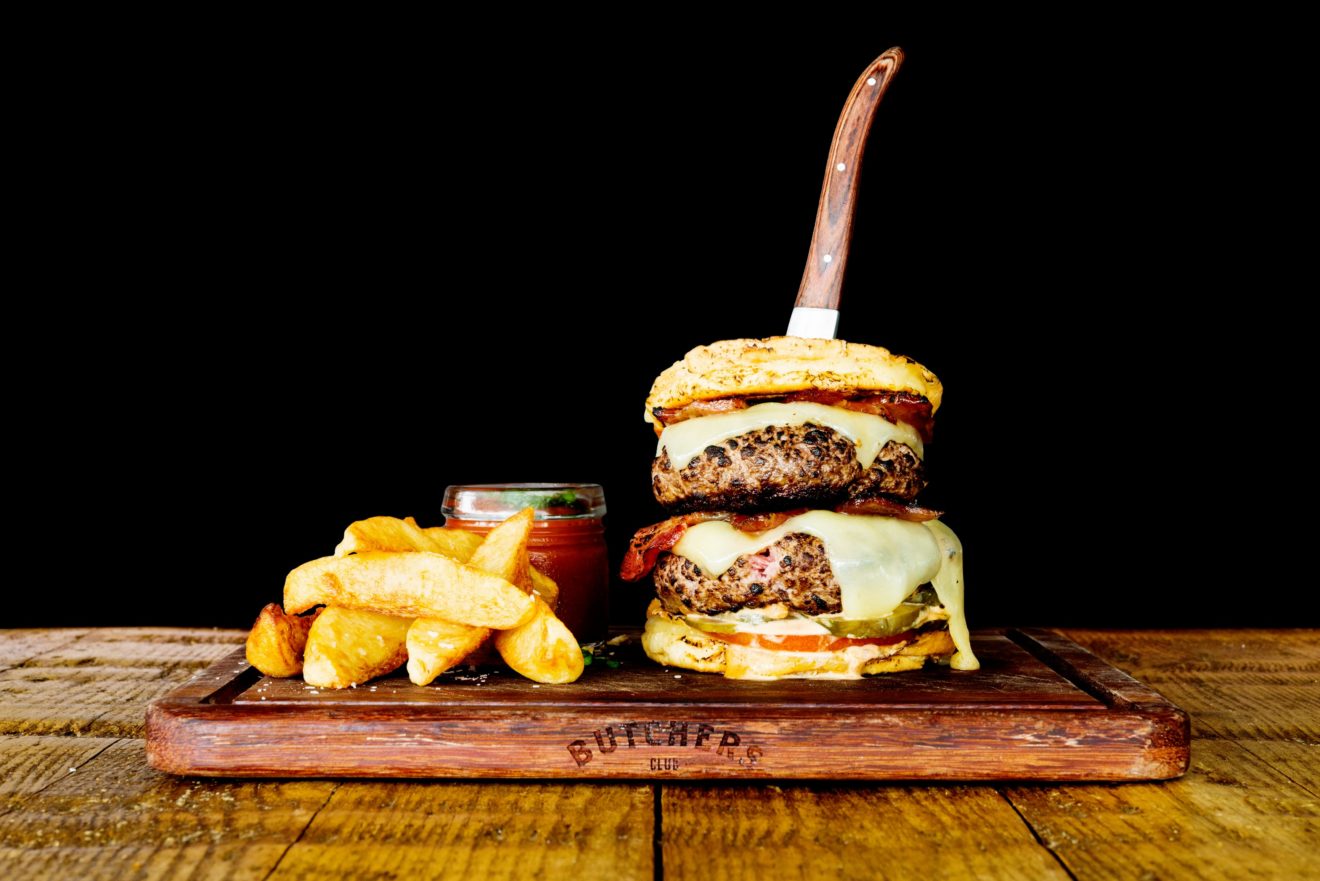
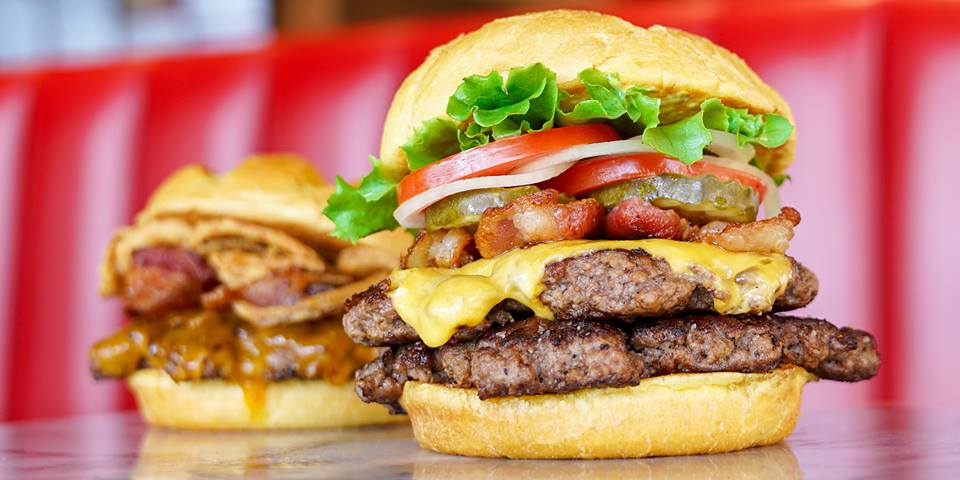
    The “Impossible Burger”, featured plant-based ‘meat’ from Impossible Foods, can now be bought at all The Butchers Club locations in Hong Kong.

    To celebrate the launch of The Butchers Club Impossible Classic Burger, the two companies have commissioned local artist Terena Wong to create a thought-provoking 3D artwork in the Piazza at K11.

    The artwork is a symbolic representation of Impossible Food’s stated mission to restore biodiversity and reduce the impact of climate change by transforming the global food system, as well as The Butchers Club’s ongoing commitment to being more sustainable.

    Impossible Foods’ long-term goal is to accelerate the switch to a more sustainable food system, starting with its burger offering and expanding to a range of pork, chicken, fish and dairy products made directly from plants.

    Served in more than 15,000 restaurants in the US, Hong Kong, Macau and Singapore, the Impossible Burger uses a fraction of natural resources needed to produce animal beef: 96-per-cent less land, 87-per-cent less water and 89-per-cent fewer greenhouse gas emissions.

    Terena Wong has completed more than 40 community art projects, street art works, 3D mural paintings and 3D floor paintings in Hong Kong, the US and China, and has worked with many different parties including the government and non-profit organisations.

    The artwork is available to view and interact with until August 31.

  • Fat Brands opens five Restaurants in Pakistan

    Fat Brands opens five Restaurants in Pakistan

    Fast-food franchise owner Fat Brands has developed five co-branded Fatburger and Buffalo’s Express concepts in Pakistan.

    In partnership with local operator Crescent Star Foods, the co-branded restaurants will increase the brand’s presence in Pakistan to six restaurants.

    “Our partners and friends at Crescent Star Foods not only know the business, but they know and care about the people of Pakistan,” said Fat Brands CEO Andy Wiederhorn. “We couldn’t be more thrilled to work with them to bring our delicious, homemade burgers and wings to Pakistan residents and visitors.”

    Fat Brands strategically acquires, markets and develops fast casual and casual dining restaurant concepts around the world. The company currently owns eight restaurant brands and franchises more than 400 units worldwide.

  • Travellers Can Now Order Boba Milk Tea On AirAsia Flights

    Travellers Can Now Order Boba Milk Tea On AirAsia Flights

    AirAsia Thailand recently introduced bubble milk tea in their in-flight menu – much to the delight of customers. There’s even a poster that says that passengers can now enjoy Boba milk tea 35,000 feet in the air.

    You’ve probably come across articles on how unhealthy bubble tea drinks can be, due to its sugar intake, sweeteners and artificial flavourings. To combat that, AirAsia Thailand has come up with a healthier option flyers.

    Enter AirAsia’s milk tea with konjac bubbles. According to Google, konjac (also known as konnyaku and devil’s tongue) “is high in fiber and has almost no calories”. Made from the root of a plant, some of its alleged health benefits include helping people to lose weight.

    Its boba also come in diamond shapes. There is only 1 flavoured bubble tea on the menu for the time being though.

    Priced at ฿75 (RM10), it is available on AirAsia Thailand and AirAsiaX Thailand flights.