Category: Food

Retail News Asia is committed to providing both local and global retailers with the latest Food and Food & Beverage news throughout the Asian market. This on a daily base.

  • Indian debut for Make-your-own Magnum retail concept

    Indian debut for Make-your-own Magnum retail concept

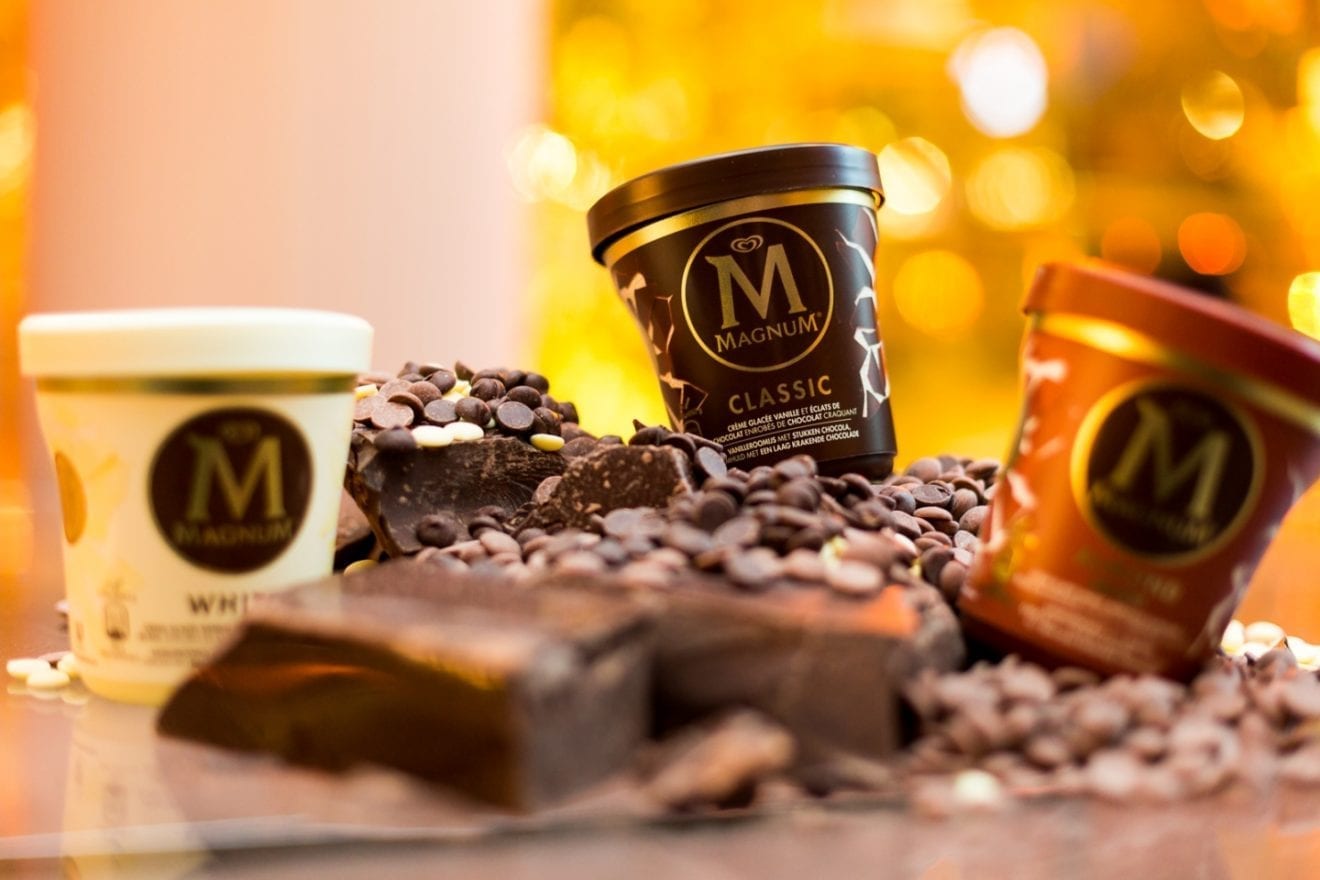
    Magnum has launched its first two pop-up stores in India, offering customers Make Your Own Magnum experience.

    The stores have opened at Phoenix Market City malls in Mumbai and Chennai.

    Like consumers before them in Bangkok Kuala Lumpur and many other cities across Asia-Pacific, customers now can design and assemble their own ice creams with their favorite flavors and toppings.

    “The concept has been an international hit and as we approach the festive season here, we saw so better way to make our loyalists dive into pure indulgence by creating their own delectable version,” said Himanshu Kanwar, head of Ice-creams India.

    The customized Magnum store will feature Make Your Own Magnum campaign until late November.

  • Vietnam considers more pork imports as prices surge

    Vietnam considers more pork imports as prices surge

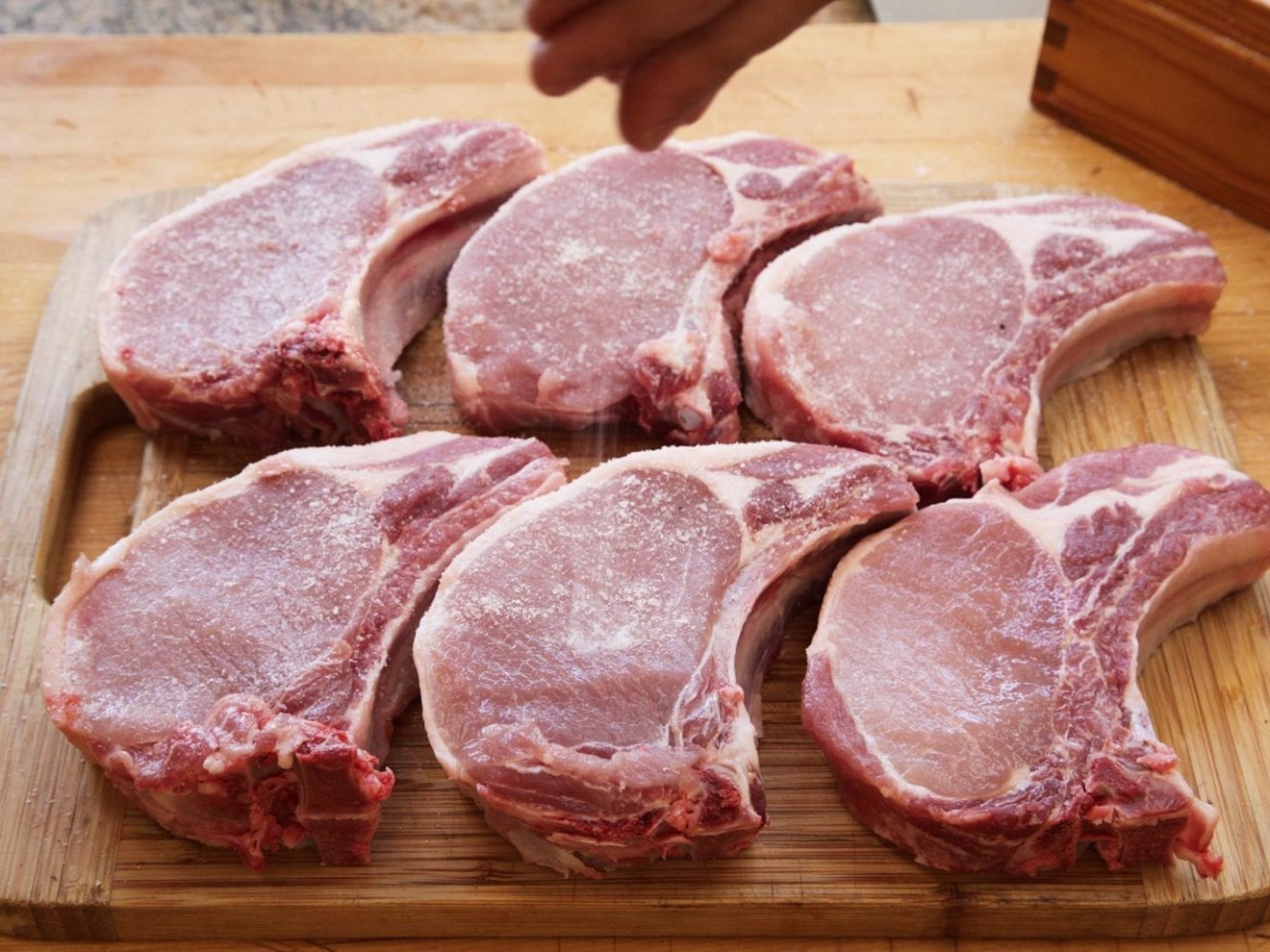
    The government has asked the agriculture ministry to look into increasing pork imports as supply plunges and prices reach 3-year high.

    The order, signed by Deputy Prime Minister Vuong Dinh Hue, seeks to stabilize pork prices, which have been surging since earlier this month and are now at a 3-year high of VND60,000-70,000 ($2.6-3) per kilogram.

    Experts have also expressed concerns that the recent price surge follows increasing exports to China. In January-August the country exported $449 million worth of meat, up 3.6 percent year-on-year from 2018, mostly because of the rise in pork exports to China.

    Domestic supply has been falling since the African swine fever broke out in February and spread to all localities. Almost 5 million pigs have been culled because of the virus, the Ministry of Agriculture and Rural Development estimated.

    In January-September, pig stock in the country dropped 19 percent year-on-year, while pork supply fell 9 percent, according to the General Statistics Office.

    Vietnam, the world’s fifth-largest pork producer last year, is at risk of a 500,000-ton shortage of pork, or 20 percent of total demand, between July and next February, according to global market research firm Ipsos Business Consulting.

    In the first seven months, Vietnam imported $22.1 million worth of pork, 4.3 times that of the same period last year, according to the Ministry of Agriculture and Rural Development. Major import markets were Brazil, the U.S. and Poland.

    About 70 percent of all meat consumed last year in Vietnam was pork, according to the ministry.

  • David Jones opens first food store in Melbourne

    David Jones opens first food store in Melbourne

    David Jones has opened its first standalone food store in Melbourne in a bid to lock down Australia’s gourmet grocery market and take share off the country’s leading supermarkets, Coles and Woolworths, by offering fresher and, it argues, tastier prepared food.

    The 425sqm store, located on the ground level of Capitol Grand, a high-end residential and retail development on Chapel Street in South Yarra, stocks a large range of prepared meals, including a newly launched vegan range, alongside meat, eggs, dairy, fresh produce and other groceries and pantry staples, such as pasta, olive oil, tea and biscuits.

    Roughly 60 per cent of items in the store are private label, most of which were developed exclusively for David Jones by Inspired Foods, the Australian arm of Interfood, South Africa’s leading food supplier.

    According to Pieter de Wet, David Jones’ managing director of food, this partnership gives the retailer a competitive edge in Australia’s $110 billion grocery market, which increasingly is shifting towards fresh and prepared food.

    “Because of the long distances and supply chain issues in Australia, when [supermarkets] go into fresh, and I’m talking particularly about convenience and fresh meals, shelf life becomes a big issue,” de Wet told Inside Retail Australia.

    “You’ll find products deemed fresh have a shelf-life of 30 days, and then there’s no flavour, quality goes out the window.”

    In comparison, most of David Jones’ prepared meals have a shelf life of four to five days, he said. This is because Inspire Foods has developed different processes to prepare food without preservatives.

    “The IP we created over decades of working with our suppliers is what delivers those products, and over time, that’s what we see as a big opportunity that will differentiate us,” he said.

    De Wet declined to say how many standalone food stores David Jones will open, but said the retailer aims to be the only national player in Australia’s underdeveloped gourmet grocery market.

    “If you look at other markets, there are one or two retailers occupying the top end of the market,” he said, pointing to M&S and Waitrose in the UK and Whole Foods in the US.

    “In Australia, it’s a little bit different. It’s almost occupied by food service. You’ve got a couple independents, but nobody is doing it at scale and cohesively. There’s an opportunity there,” he said.

    Gary Mortimer, an associate professor at Queensland University of Technology’s business school, agrees that the top end of the market is “ripe for exploitation”.

    “Such a strategy has proved successful in cushioning several international supermarkets from increased price discounting,” he said.

    But it is not without risks. Woolworths closed down its gourmet grocer business Thomas Dux in 2017, and Brisbane-based Mercado slipped into voluntary administration in May.

    “The key challenge is volume and selecting the right locations,” Mortimer said.

    The store in South Yarra marks David Jones’ third food format since it announced its $100 million food strategy in 2017.

    The retailer over the past two years has opened food halls in its department stores in Sydney, Melbourne, Adelaide and Perth, where customers can dine on sushi and oysters and purchase gourmet food products between shopping for clothes and homewares, and in August, it announced a partnership with BP to offer fresh food and prepared meals in its service stations.

    The new store occupies a middle territory between these two formats. In addition to its grocery offer, it also features an in-house espresso bar and a pop-up shop from The Plant Society, where customers can buy freshly cut flowers, potted plants and accessories.

    Going forward, de Wet said the retailer will expand its food offer primarily through its partnership with BP and standalone stores like the one in South Yarra, rather than food halls.

    “BP have got a massive network, the opportunity there is very big. If you look at M&S, they’ve got 400 BP stores in their network, there’s a real opportunity there for us,” he said.

    “How big this could become over time…time will tell.”

    David Jones is set to open its second store in New Zealand next month at Westfield’s newly opened Newmarket shopping centre. The location will reportedly include a food offer.
  • KFC New Zealand drives Restaurant Brands’ sales

    KFC New Zealand drives Restaurant Brands’ sales

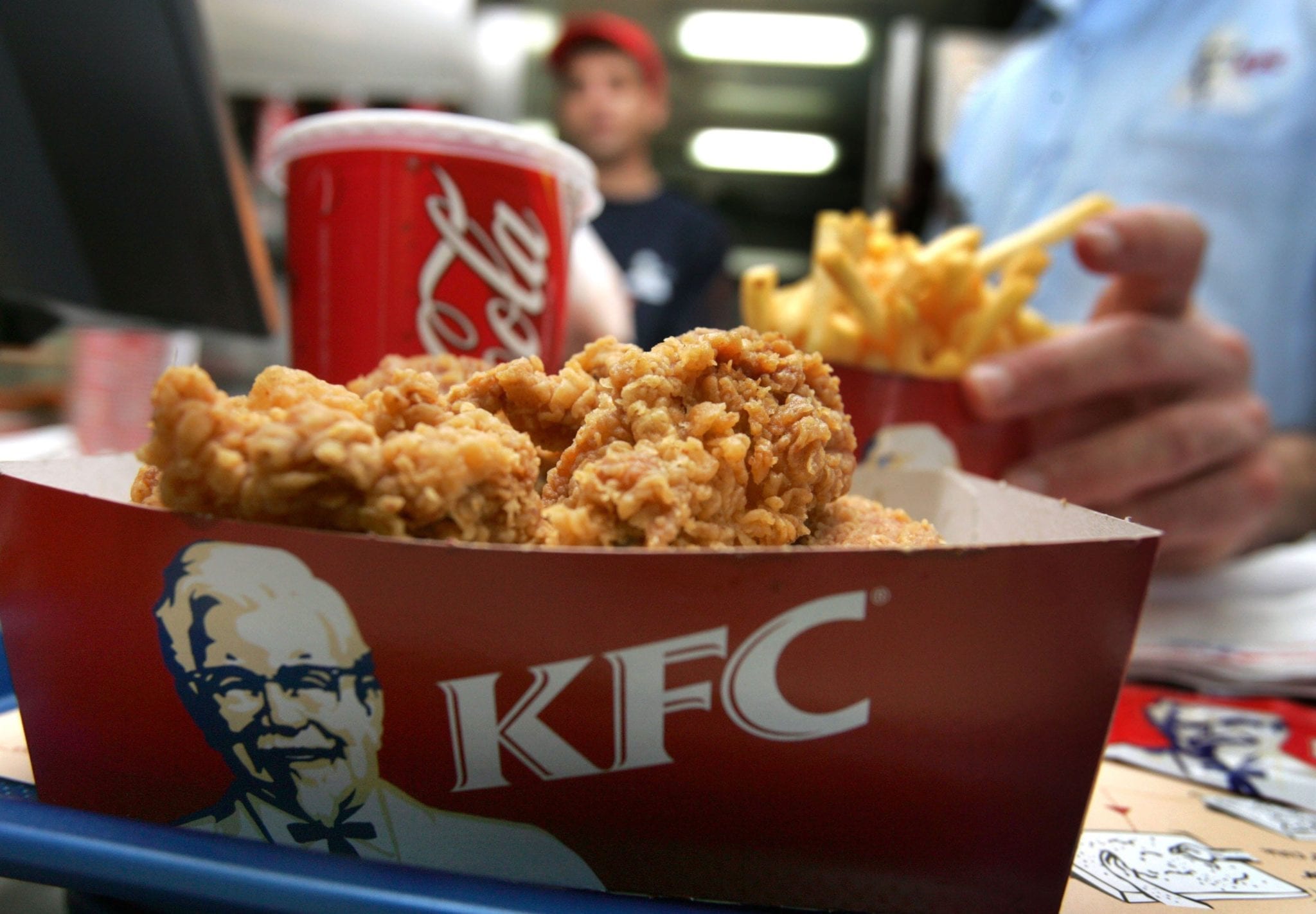
    Restaurant Brands total group sales grew 2.7 percent over during the first half of FY20, though net profit fell 2 per cent due to the adoption of a new leasing standard.

    Total group sales, which include KFC, Pizza Hut and Carl’s Jr. in New Zealand, as well as KFC operations in Australia, and Taco Bell and Pizza Hut in Hawaii, grew to $442.6 million – an increase of $11.6 million on the prior year.

    Net profit fell to $20 million, 2 percent lower than the $20.4 million seen during 1H19, due to the adoption of NZ IFRS 16, which knocked net profit down $2.9 million as a result of lease depreciation costs.

    The bulk of the sales improvement came from KFC’s New Zealand operations, which saw sales up 7.9 per cent to $193.5 million.

    Same-store sales grew 5.7 percent, while EBITDA totaled $41.8 million, driven by a further roll-out of the business’ delivery operations, as well as successful product promotions and the opening of three new stores.

    Pizza Hut saw a more difficult half, with total sales down 10.5 percent to $18.3 million despite the expansion of the chain’s store network. Same-store sales also fell 4.4 percent due to competitive pressure, the impact of launching new stores, as well as the appearance of new food delivery companies in the New Zealand market.

    Restaurant Brands also confirmed it would be opening its first New Zealand Taco Bell at LynnMall Shopping Centre in Auckland next month.

    “Initial planning and setup is well underway to bring this exciting new brand to the New Zealand market with the first new store in Auckland targeted to open in November,” the company said in a release.

    Restaurant Brands chief executive Russel Creedy said the group would launch up to 25 Taco Bells across New Zealand in the next five years.

    The group’s Australian results were adversely affected by a stronger New Zealand dollar, with KFC Australia seeing 4.2 percent total sales growth to $99.5 million. Restaurant Brands is also planning to open two Taco Bell stores in New South Wales, Australia in the calendar year.

    “The overall business continues to deliver solid results across all geographic markets and this strong performance is expected to continue in the second half of the year,” the group said.

    The directors believe that, not including further impact of NZ IFRS 16, Restaurant Brands will deliver an NPAT at least 10 per cent higher than FY19 – having previously stated they are expecting a net profit of $45 million for the FY20 period.

  • Japanese gluten-free cafe Kobeya opens in the UAE

    Japanese gluten-free cafe Kobeya opens in the UAE

    The first Japanese and Far Eastern gluten-free cafe Kobeya has opened its doors at the Wasl Vita Mall, Dubai.

    The cafe concept is inspired by the founder’s difficulties in finding gluten-free options in restaurants for her gluten-intolerant son.

    “Kobeya is my inspiration to create that option in the UAE. Our focus is on promoting healthy eating habits by serving only an all ingredient gluten-free menu with more than 50 vegetarian, vegan, non-vegetarian and lactose-free varieties that include salads, burgers, healthy meals and desserts,” said Leiko H, a founding member of Kobeya.

    The Kobeya menu features a selection of gluten-free food including exclusive Japanese Kobe beef burger and Vietnamese spring rolls. The cafe also offers cooking classes on creating gluten-free lunch boxes for kids with products from Japan, Thailand, the Far East, and Europe.

    Leiko said: “My experiences in many Asian countries have given me the vision to offer unique gluten-free dishes created by an expert team of nutritionists at Kobeya. We get to know our suppliers by visiting farms and talking with farmers. We show our dedication to our customers by choosing carefully only high-quality five-star products and ingredients”.

  • RFG recapitalisation plan balloons to $190m

    RFG recapitalisation plan balloons to $190m

    Just days after the beleaguered Donut King, Gloria Jeans and Michel’s Patisserie franchisor announced a $160m capital raising initiative, Retail Food Group (RFG) has doubled down on their plans.

    Initially aiming to raise $150m from a fully underwritten institutional placement to repay the company’s crippling debt, RFG has now raised that figure to $170m, adding a further 200 million ordinary shares to the fold at a price of $0.10.

    Additionally, the brand has also upsized its share purchase plan from $10m to $20m.

    RFG executive chairman Peter George said the recapitalization plan had gathered significant support from investors and the wider community.

    “We are delighted with the support received for the Placement, and welcome a number of highly credentialed and supportive institutional investors to the shareholder register,” he said.

    “The recapitalization is transformational for the RFG business and will allow the RFG team to continue to harness the underlying value of the franchise network and enhance franchisee profitability.”

    RFG capital raising increase

    The now $190m RFG recapitalization plan forms part of a wider strategy to reduce the company’s mountain of debt.

    It comes after two successive years of dwindling profit, culminating in a $150m FY19 loss and bringing the net debt to $260m.

    “Following completion of the offer and debt restructure, RFG will have a sustainable go-forward debt facility, and a liquidity buffer to provide stability whilst management implements various performance improvement initiatives,” the company said.

    “The company considers the Debt Restructure and equity raising to be the best outcome available to the company and shareholders, delivering a strengthen the balance sheet and an opportunity for stabilization and business improvement.”

    Soliton Capital proposal

    Previous reports had indicated that RFG had received a $160m recapitalization proposal from Soliton Capital Partners, granting the firm limited exclusivity, however, the company on Tuesday confirmed no offer had been reached.

    “The company engaged in extensive discussions with Soliton Capital Partners during the exclusivity period,” RFG said.

    “However, the exclusivity period has now expired, and the company has not received any binding proposal from Soliton Capital Partners at this time.”

    Debt restructuring

    Tuesday’s announcement also brought further operational initiatives into the frame, with RFG revealing how it plans to achieve a previously announced $30m gross margin generation into the franchisee network.

    Specifically, the company plans on passing on significant savings to franchisees in connection with rental arrangements, fit-out and refurbishment costs, as well as greatly reducing the cost of goods. This includes a 15 to 20 per cent reduction in wholesale coffee pricing, which kicked off on July 1 this year.

    According to the franchisor, the initiative delivered an 18 percent increase in average coffee volumes ordered per store in July when compared to the prior months, and a 10 percent increase compared to July 2018.

    At present, RFG is still clinging to Friday’s FY20 underlying EBITDA guidance projection of between $42.0 and $46.0m.

    “Whereas retail continues to represent a challenging sector, RFG is beginning to observe the positive impacts of the business improvement measures being implemented by the company,” RFG said.

    The company will be hoping to see those positive impacts flow on, particularly in light of the share price slump that hit once the trading suspension was lifted early on Tuesday.

    Shares hit an all-time low of 12.5c following Friday’s initial recapitalization announcement, before regaining to 15c by around 11am.

  • Fave launches takeaway platform in Singapore

    Fave launches takeaway platform in Singapore

    Southeast Asian digital merchant-platform Fave has launched a food takeaway service in Singapore.

    Fave Takeaway will allow customers to pre-order their meal selection and make payment via the app’s digital wallet FavePay before picking up their order at participating stores. Customers can expect to collect their order within 30 minutes (or less) depending on the restaurants’ speed of service.

    Takeaway is part of Fave’s strategy to further digitize Southeast Asia’s F&B sector by allowing merchants to serve more customers beyond the capacity of their outlets while diversifying their revenue streams and increasing productivity.

    “As the [Singapore] government continues to push for a digital and seamless economy, Fave is helping SMEs adapt to the new landscape and in a more cost-effective way by giving them the tools to enable them to serve their customers in the best and efficient way possible,” said Fave co-founder and CEO Joel Neoh. “The introduction of Takeaway is our way of enabling that our merchants get the most out of the platform by increasing productivity and revenue.”

    “Queueing makes up a large portion of the average Singaporean’s time, but it is not something we would want to do when we are in a rush,” said Fave Singapore MD Ng Aik-Phong. “With the introduction of Takeaway, we hope to bring convenience and efficiency to our consumers while improving our platform for both merchants and consumers.”

    More than 200 merchants are participating in the launch of Takeaway with more to follow in the coming months.

    The new feature follows the launch of Fave’s Table Ordering service in May this year.

  • Sri Lanka’s Island Tea opens its first branch at home

    Sri Lanka’s Island Tea opens its first branch at home

    Sri Lankan retail tea chain Island Tea has opened for the first time in its home territory with its first branch in Ella.

    The Ceylanka Trading-owned chain has blossomed in the Philippines over the past two years with more than 35 branches selling specialty Ceylon teas and fusion blends. The brand offers a range of popular drinks, including a variety of milk teas as well as fruit teas & green teas.

    Following the signing of franchise agreements in Columbo between ITC’s marketing director for the Philippines, India and Qatar Minodh de Sylva and Wild Holidays Limited chairman Vijith Welikala, the brand plans to expand in key Sri Lankan cities with an offering that is distinct from other local tea houses.

    As well as Sri Lanka, the firm also plans to further expand in the Philippines, India and Qatar this year.

  • Starbucks Launches Bar Mixato in Starbucks Reserve Roastery Shanghai

    Starbucks Launches Bar Mixato in Starbucks Reserve Roastery Shanghai

    Starbucks today announced the new addition of Bar Mixato to the Starbucks Reserve Roastery in Shanghai, further elevating the multi-sensory experience of China’s coffee wonderland. Starbucks unique interpretation of the modern café and bar experience, Bar Mixato brings together the craftsmanship of specialty coffee and the artistry of cocktail concoctions to offer a novel nighttime third-place experience that will enthrall coffee lovers and bar-goers alike. It features a full bar menu, which includes the global debut of 11 innovative coffee- and tea-based cocktails specially created and available only at the Shanghai Roastery.

    “The Roastery has been at the forefront of innovation since its opening two years ago, epitomizing Starbucks relentless efforts to create imaginative new experiences that exceed customers’ expectations,” said Belinda Wong, chairman and chief executive officer, Starbucks China. “The launch of Bar Mixato elevates the nighttime third-place experience with the exquisite fusion of coffee and cocktail art, to delight customers with unique Starbucks Experiences throughout the day. As Starbucks Innovation Lab in China, we will continue to leverage the Starbucks Reserve Roastery to pilot and gradually scale new products and offerings that our Chinese customers love.”

    Bar Mixato extends Starbucks passion for coffee to the theater of cocktail mixology, conjuring new creative expressions of coffee, while adding a novel dimension to cocktails to meet the discerning tastes and growing thirst for unique experiences among consumers in China. Customers at the Starbucks Reserve Roastery may now enjoy Starbucks ReserveTM Coffee expertly handcrafted by Starbucks Coffee Masters by day, and connect over coffee- and tea-inspired cocktails mixed with precision by Starbucks Mixologists by night. Altogether, Starbucks has launched seven Bar Mixatos at Starbucks Reserve stores across Shanghai, Beijing, Tianjin and Shenzhen since the concept was first introduced in China in May.

    Located on the second floor of the Starbucks Reserve Roastery, the bar was personally designed by Starbucks global design officer, Liz Muller. It is helmed by Timothee Becqueriaux, winner of the globally prestigious 2019 Chivas Bartender Competition (China region), and his team of more than 20 talented Mixologists, who are not only experts in cocktail mixing, but also coffee and tea aficionados. From the use of ingredients to mixing techniques, they have reinterpreted traditional cocktails to create drinks with unique taste and aesthetic profiles, providing an unprecedented sensory experience for customers.

    Headlining the comprehensive bar menu are 11 unique coffee- and tea-based cocktails specially created by Starbucks China in collaboration with leading bartenders in the industry. Classic cocktails, Italian aperitivo, wine, draft beer and mocktails are also available, as is a thoughtfully curated selection of complimentary food choices that customers can pair with their favorite cocktails. The menu will be refreshed quarterly based on the flavors of new Starbucks Reserve coffees.

    Since opening in December 2017, the Roastery has played a leading role in Starbucks retail innovation, incubating new offerings such as Modern Mixology, a new beverage category boasting natural fruit ingredients. With the addition of Bar Mixato, the Roastery will expand to serve as the hub for Starbucks cocktail innovation, before launching to other Bar Mixatos locations nationwide.

  • Crystal Jade restaurants opening in the Philippines

    Crystal Jade restaurants opening in the Philippines

    Philippines specialty store retailer SSI Group will play host to Chinese restaurant chain Crystal Jade in the territory.

    The firm has contracted with Crystal Jade Management to own and operate the brand in the Philippines as part of its expanding F&B portfolio.

    “The strategic partnership with SSI group is yet another proud moment for Crystal Jade,” said Crystal Jade Culinary Concepts Holdings CEO Douglas DeBoer. “We are excited to join in partnership with such a renowned specialty retailer which has successfully brought so many iconic international brands to the Philippines. Crystal Jade is dedicated to bringing authentic, quality Chinese cuisine to contemporary audiences around the world, and we look forward to delighting consumers across the Philippines very soon.”

    SSI president Anthony Huang said the opening of Crystal Jade in the Philippines is aligned with his company’s desire to provide consumers with complete lifestyle offerings through global partnerships “that cater to the eclectic and sophisticated taste of the Filipino consumer”.

    SSI will initially open a Crystal Jade Hong Kong Kitchen outlet early next year at Central Square in Bonifacio Global City, before rolling out Crystal Jade’s other three international dining concepts – which include Crystal Jade Golden Palace, Crystal Jade La Mian Xiao Long Bao and Crystal Jade Go.

  • Kyoto coffee chain % Arabica opens store in London

    Kyoto coffee chain % Arabica opens store in London

    Kyoto coffee chain % Arabica has made its debut in the UK with its first store in London.

    Located right by Covent Garden’s piazza, a tourist destination, it is surrounded by a shopping hub and close to West End theatres.

    Meanwhile, the brand has already established its presence in Paris and Berlin, with future plans of setting foot in Switzerland and Spain as part of its European strategy.

    The brand opened its first-ever shop in Hong Kong at Discovery Bay in 2013 with its headquarters situated in Hong Kong, before planting its world-recognized flagship in Kyoto. Now trading in more than 11 countries, Arabica has more eight stores in the works and plans to continue to expand in new international markets.

  • Coffee Day enters Joint Venture with Japanese retailer

    Coffee Day enters Joint Venture with Japanese retailer

    Indian cafe chain Coffee Day has partnered with Japanese sales-floor support-service business Impact HD to grow its retail network in India.

    The joint venture plans to rapidly build market share in the region’s neighborhood retailing sector, launching a minimum of 450 Coffee Day Essentials branded stores in quick succession.

    Coffee Day Group holds a 51 percent controlling share in the joint venture.

    “With about three times the population of Japan in the same standard of living as the Japanese, the multi-retail market environment in which food and daily necessities are purchased on a daily basis remains unexplored,” read a statement released by Impact HD. “In India, kirana stores account for 98 percent of the total, and the remaining 2 percent are hypermarkets and supermarkets that incorporate foreign capital and know-how.”

    The joint venture will convert lagging Cafe Coffee Day cafes into Coffee Day Essentials neighborhood convenience stores.

    The Impact HD JV was among the last major decisions made by Coffee Day Group founder and chairman VG Siddhartha before he took his own life in July.

  • Habit Burger Grill Opens in Korea

    Habit Burger Grill Opens in Korea

    America’s Habit Burger Grill is eyeing South Korea expansion in partnership with consulting firm Bridging Culture Worldwide.

    “South Korea, with its savvy consumers, open-minded culture and interest in global brands is an ideal marketplace for The Habit Burger Grill’s expansion,” said John Phillips, chief global business partnership officer at the company.

    He said Habit Burger Grill wants to attract multi-unit franchise partners and ensure mutual success for both parties.

    With the partnership, Bridging Culture Worldwide will support The Habit Burger chain with its international expansion plans in Asia-Pacific region.

    Founder and CEO of Bridging Culture Worldwide, Don Southerton, said: “South Korea has embraced premium western brands and The Habit Burger Grill delivers exactly what consumers are seeking – great food and excellent service. With its distinctive fresh-off-the-grill Charburger and hand-crafted sandwiches, fresh salads and other menu items, we know South Koreans will appreciate all that The Habit Burger Grill has to offer,”.

    Bridging Culture Worldwide is a business consultancy providing strategic planning and market entry service to Korea-based global businesses as well as support for western firms entering Korea.

  • McDonald’s Singapore sleepwear deal crashes app

    McDonald’s Singapore sleepwear deal crashes app

    A deal by McDonald’s Singapore offering free sleepwear along with McNuggets and McWings delivery orders crashed the brand’s delivery app and site within an hour, angering customers.

    The deal went live on Monday October at 6pm, offering a set of limited-edition free-sized men’s or women’s pajamas with a bonus sleeping mask for customers who entered a promo code.

    Online commentators blamed McDonald’s for being insufficiently prepared for the surge in traffic, with some suspecting the firm had deliberately taken down the site rather than admit the sleepwear was out of stock.

    Fans are getting a second chance to purchase the limited edition loungewear later today.

  • Vietnam coffee chains ready for a marketshare battle

    Vietnam coffee chains ready for a marketshare battle

    Major Vietnam coffee chains are targeting new customers by adopting take-away business models on city streets.

    In Ho Chi Minh City, the largest of the local Vietnam coffee chains, Highlands Coffee, which is majority-owned by Jollibee Foods, has been selling its product in coffee booths set up at roadsides from 7am – 9am when traffic is at its busiest.

    According to Highland’s staff, the company will be building more sidewalk trolleys to serve the increasing needs of customers on the road, most of whom drive motorcycles. Instead of going into the coffee shops, customers now can just stop on the roadside and grab a coffee to go.

    Other major coffee brands, including Passio and Vinacafe, set up morning coffee booths on some busy streets a few months ago. As the new model is easy to run and needs low-cost investment, the Vietnam coffee chains have been able to lower their prices to attract more customers.

    Targeting low- and middle-income customers, Vietnamese coffee company Trung Nguyen has recently launched a small-scale coffee franchise called E-Coffee. According to Vo Thi Ha, communications director of Trung Nguyen Group, the takeaway coffee model only costs around one-eighth of a normal store’s investment.

    “As the mid and high-end segments become increasingly saturated, the affordable and low-income groups are increasingly seen as potential revenue generators. This consumer segment is large and easy to serve, so could generate big profits because of low investment costs, as long as businesses find the right model,” a marketing expert in Ho Chi Minh City told local newspaper VN Express.

    However, Coffee Bike director, Do Quoc Anh, described the current street-trolley coffee business model as unprofessional and unsustainable. He said if it was not developed properly and carefully, it would die out as a trend.