Category: Food

Retail News Asia is committed to providing both local and global retailers with the latest Food and Food & Beverage news throughout the Asian market. This on a daily base.

  • Leverage for Vietnam agricultural products to take off

    Leverage for Vietnam agricultural products to take off

    International integration offers Vietnam agri-products opportunities to scale the value chain, though with strict requirements. Vietnam typically exports eight types of agricultural, forestry, and aquatic products with an annual turnover of over $1 billion, many of which have achieved high positions in the global market.

    However, experts say Vietnam’s agricultural sector has yet to develop modern production methods due to its small scale and lack of technological applications. As a result, agricultural production has low productivity, competitiveness, and added value.

    To optimize the stages of the agri-product value chain, one solution is to remove bottlenecks in production and preservation. Also, food loss needs to be reduced, transportation costs optimized, and stable output markets found for agri-products.

    Economic experts say to boost the sustainable development of Vietnam’s agri-products, priority policies are needed for Mekong Delta, the nation’s rice basket.

    Government’s resolution No. 120 on the sustainable development of the Mekong Delta in response to climate change has a hundred-year vision with several distinct investment phases. Accordingly, priority must be given to investment in logistics and transport infrastructure, seen as the lifeblood of the economy.

    The government has approved a five-year $2 billion allotment for infrastructural development in the area.

    Nguyen Phuong Lam, director of the Can Tho branch of Vietnam Chamber of Commerce and Industry, said Mekong Delta has recently made heavy investments in infrastructure and diversified transportation means to improve the trade flow of agri-products.

    Once opened for traffic, Trung Luong-My Thuan Expressway is expected to significantly speed up product delivery.

    With regards to logistics, Lam said that for a long time, localities across the Mekong Delta have only focused on stages from the field to factory but paid little attention to those from the factory to port, shipping, packaging, and inspection despite their decisive role in the competitiveness of agri-products.

    “That is the reason why it is very important to develop logistics centers that are capable of handling all stages of agri-production from Mekong Delta to ports and consumption markets. This would reduce waiting times and cumbersome procedures.”

    Logistics companies are urged to resolve this pressing problem. Most recently, the first phase of Hanh Nguyen Logistics Center, a self-contained logistics hub for all agricultural export procedures, entered operation in southern Hau Giang Province. Situated in a prime location, the logistics center provides convenient access to the Mekong Delta and southeast region.

    Pham Tien Hoai, Hanh Nguyen Logistics CEO and board chairman of Tien Thinh Group, said, “After many years of supporting farmers, we want to create a breakthrough for them so their work is less strenuous and they achieve greater results.”

    The opening of a logistics center will connect all stages in the agricultural supply chain and open more markets.

    “Customers and farmers need only bring their products to the center, we will take care of the rest, from cleaning to preserving and irradiating. We also handle the transportation, customs clearance, exports, and financial procedures to find suitable markets for products,” Hoai added.

    The workshop titled “Logistics Leverage for Mekong Delta Agri-products” will take place by the end of March, with the participation of economic and logistics experts, along with representatives of leading agricultural enterprises.

    The initiative will raise many issues that hinder the resilience of Mekong Delta agri-products, offering comprehensive solutions to reach foreign markets.
  • Starbucks opens giant Reserve store in Malaysia

    Starbucks opens giant Reserve store in Malaysia

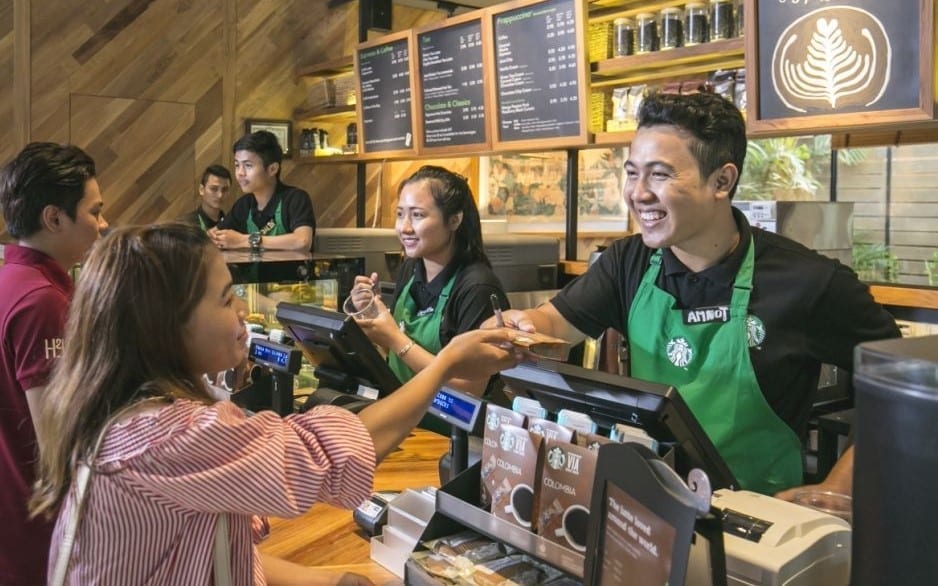
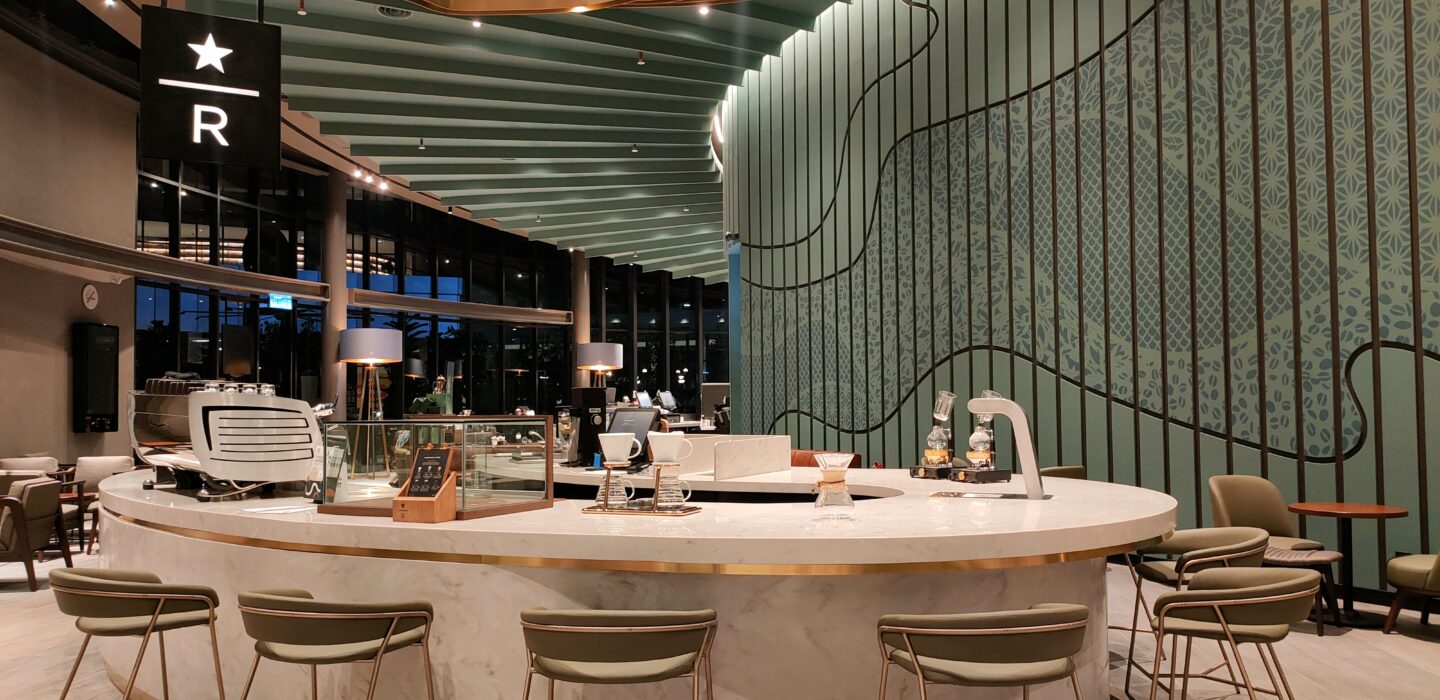
    Starbucks Malaysia today unveiled Starbucks Reserve Tropicana Gardens, the largest in the market. Located in the heart of the bustling community between Kota Damansara and Tropicana Indah, the store features two bars: the main bar offering all core and seasonal handcrafted Starbucks beverages, as well as a coffee bar that offers six different brewing methods, including pour-over, Chemex, siphon, Black Eagle espresso, and Nitro Cold Brew.

    The immersive coffee experience – spanning nearly 6,000 square-foot of retail space – celebrates all-things coffee. The layout of the store itself is similar to that of a coffee bean, with a large curvature and floor-to-ceiling windows that connect to a small garden and rapid transit station. The main highlight of the store is a 50-foot wide ‘Wall of Gratitude’, which features photos of more than 200 frontliners medical workers, and Starbucks baristas. The mural serves as both a way to pay tribute to the people who have been fighting together against the COIVD-19 pandemic and also as a physical reminder of the events of the past year that have made Malaysians stronger and more resilient than ever.

    “Over the past five years, the Starbucks Reserve concept has brought about a catalyst of growth in the industry focusing on customer experience and passion for coffee in Malaysia. With the opening of Starbucks Reserve Tropicana Gardens, customers can expect the same human connection and immersive coffee experience that will continue to inspire coffee passion to the community,” said Sydney Quays, Group CEO of Berjaya Food Berhad and managing director of Starbucks Malaysia & Brunei. “We are delighted to be able to open this store and celebrate the commitment, resiliency, and creativity of our partners and customers in these unique times.”

  • Starbucks opens online with a JD flagship store

    Starbucks opens online with a JD flagship store

    Starbucks, the world’s largest coffeehouse chain, launched a flagship store on JD.com on March 3.

    The online store is bringing Chinese consumers the brand’s new spring mugs, such as the Sakura Blossom Collection, together with its classic series, including the core classic series, and Starbucks Heritage. In addition to physical products such as mugs, the store also sells physical gift cards, seasonal foods (such as rice dumplings and mooncakes), and their corresponding gift certificates, bringing more quality choices to JD’s customers. A Super Brand Day will kick off on the store’s opening day to help promote sales for the newly opened Starbucks store.

    JD’s consumers are a strong match with Starbucks’ target consumers, and JD’s nationwide logistics network will ensure high efficiency and speed of deliveries for consumers who purchase Starbucks products on JD.

    “JD’s years of experience and good reputation in authentic products, logistics, and after-sales services will also

  • Hong Kong furniture retailer launches online food range

    Hong Kong furniture retailer launches online food range

    Hong Kong furniture retailer Pricerite has introduced its first online food range, Pricerite Food, fronted by Hong Kong rising star, actor Liu Junqian.

    According to the company, Pricerite Food’s philosophy is to promote a “slow living” lifestyle amid the influence of “fast-food culture”. The range is split into three categories: quality exclusive, traditional taste and Asian taste.

    “Our philosophy is to promote food culture and gradually change the life attitude of urban people,” the company said in a statement translated from Chinese.

    The range will be launched simultaneously in Pricerite’s online store and at nine physical outlets, including stores in Mong Kok Chong Hing, Kowloon Bay, North Point, and Yuen Long.

    As part of its launch campaign, Pricerite Food has introduced a video advertisement featuring actor Liu Junqian, who is also appointed as the brand spokesperson.

    The brand also rolled out ‘Pricerite Food Virtual Store’ at Hong Kong station, with selected ingredients printed on the top of the poster. Customers can shop directly by scanning the QR Code next to the product they want to order to enter the online store for self-service shopping.

  • Nathan’s Famous opening in Southeast Asia

    Nathan’s Famous opening in Southeast Asia

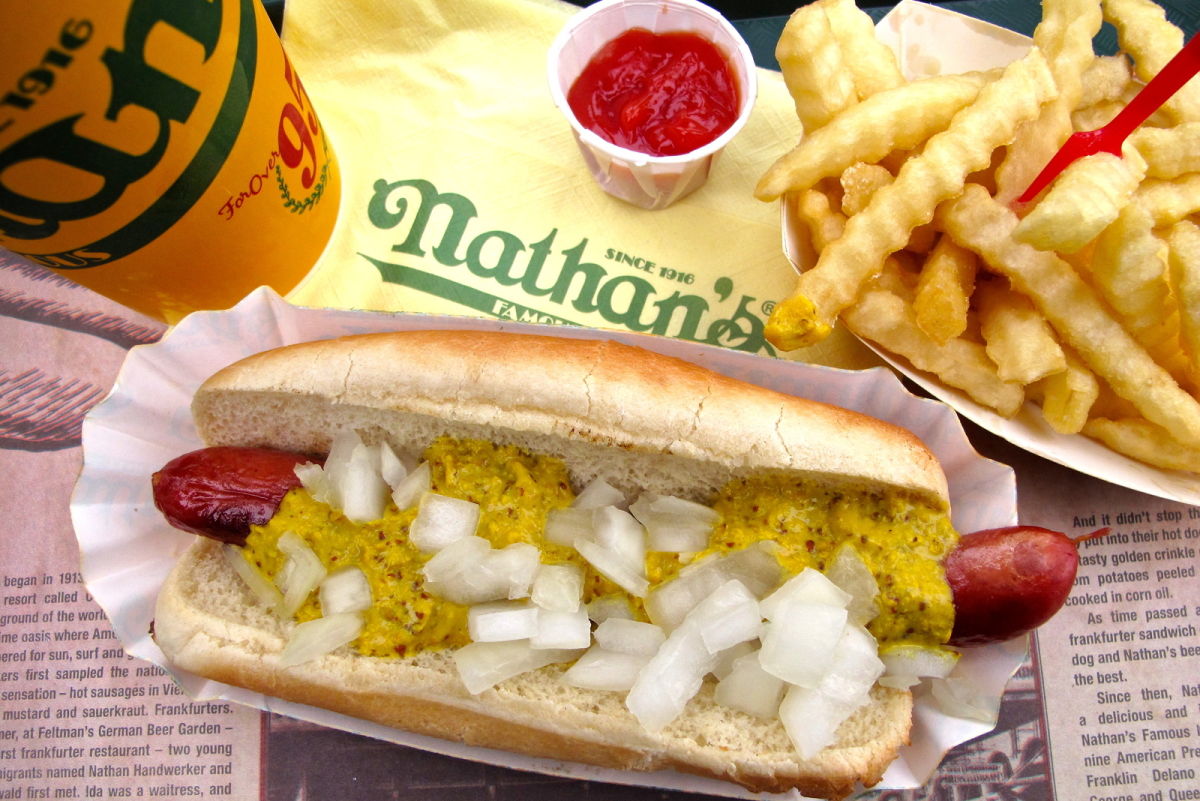
    Nathan’s Famous, Inc., the American tradition serving New York favorites for more than 100 years, today announces the expansion of their products to Mexico City, Brazil, Canada, Indonesia, Malaysia and Singapore. The brand will also introduce its new virtual kitchen concept, Wings of New York, in all locations, with the exception of Brazil. Nathan’s Famous and Wings of New York will be available in a multitude of ways, including brick and mortar locations, ghost kitchens or retail, depending on the market.

    “This is an exciting time for Nathan’s Famous and Wings of New York,” said James Walker, SVP, Restaurants. “We are embarking on a new chapter in our company as we continue to grow the brand’s presence all across the globe. In some areas, new locations will build upon a current customer base, while other locations will be the first time consumers can experience the true flavor of New York and we look forward to the opportunity to reach these new customers.”

    Nathan’s and Wings of New York expansion includes the following countries:

    • Mexico – Through its partnership with VIRKO, Nathan’s Famous will open two locations in Mexico City by the end of March. The brand has plans for a total of four locations, including Wings of New York.
    • Canada – Nathan’s Famous continues its partnership with Ghost Kitchen Brands to bring six locations in Toronto and Alberta by this Spring, with a total of 10 locations across both brands.
    • Indonesia, Malaysia and Singapore – Through a partnership with Intelligent Kitchens, Nathan’s Famous will bring both its flagship brand and Wings of New York to the three countries, with plans to open more than three locations starting in February.
    • Brazil – Nathan’s Famous Brazil will begin to offer Nathan’s Famous products through retail and foodservice in late April via three to five kiosks, with the possibility of Ghost Kitchens across San Paulo in 2021.

    This continued expansion through brick-and-mortar stores, ghost kitchens and retail makes Nathan’s Famous available in 16 countries around the world. The Nathan’s Famous menu will include the brand’s signature hot dogs and crinkle cut fries, as well as premium beef burgers, crispy and grilled chicken sandwiches, premium milkshakes and much more. The Wings of New York menu will include tenders a la carte, wings and French fry combos and Harlem-style chicken and waffles.

  • Eateries keen to go on board with AirAsia’s food delivery service

    Eateries keen to go on board with AirAsia’s food delivery service

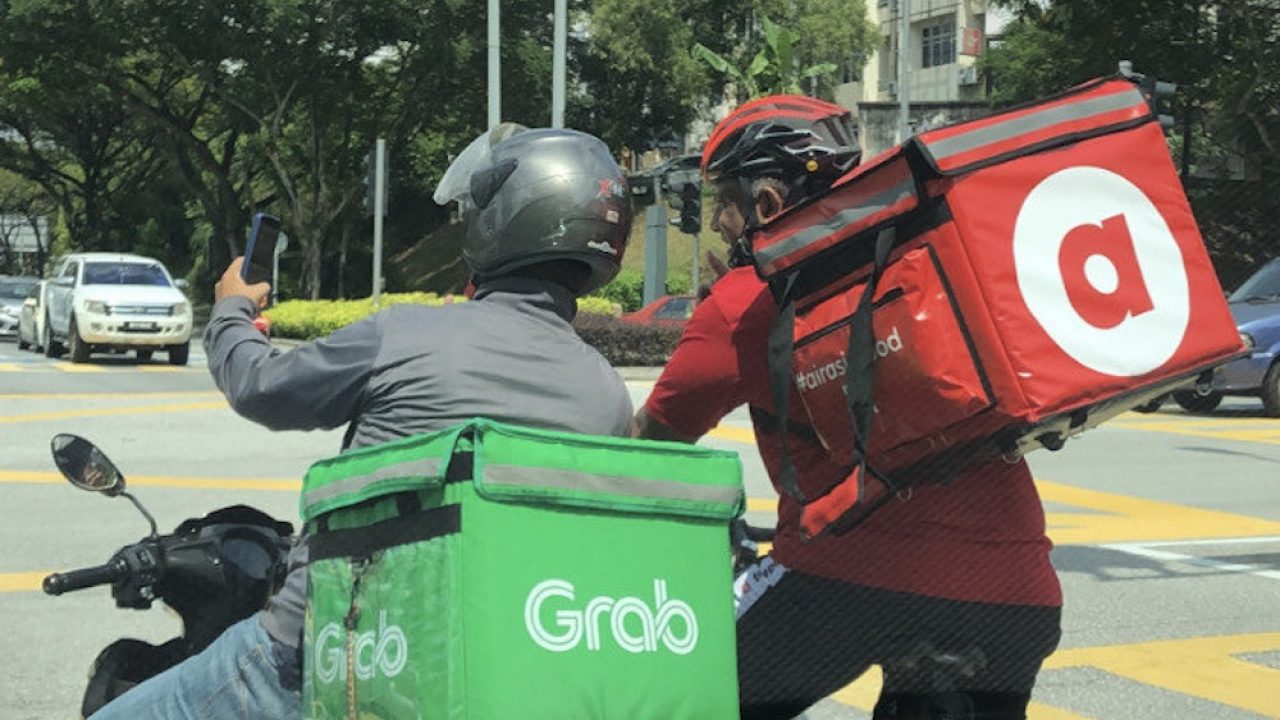
    Eateries say they are keen to go onboard with airasia food because of its low commission and islandwide delivery. The newcomer is offering them free delivery within 8km for two weeks until March 16, and charging a 15 percent commission after that.

    Other food delivery platforms like Deliveroo and Foodpanda charge commissions of 30 percent to 35 percent and deliver within a restricted radius of 2km to 6km, while GrabFood delivers islandwide for only selected partners. Oddle charges 10 percent for islandwide service but uses Lalamove for deliveries, which can cost eateries another $12 to $20 for each order.

    Swee Choon Tim Sum Restaurant signed up with airasia food on Tuesday (March 2) because of its low rates and islandwide delivery. But owner Ernest Ting raised concern over the availability of riders.

    “We often face issues such as lack of riders and service reliability,” he said.

    Baoshi F&B Management goes on the platform today with five of its outlets, while the rest will go onboard three weeks later. It runs the Wee Nam Kee chicken rice, Monga Fried Chicken and Lai Bao Fish Head Steamboat eateries.

    The company’s co-founder, Mr Lem Cheong, said he, too, was attracted to airasia food’s attractive rates and islandwide delivery.

    Mr Douglas Ng, who runs Fishball Story in Circuit Road selling fishball noodles, said he messaged airasia food for more information last Thursday after learning about its launch, and will sign up due to the attractive rates.

    He currently uses GrabFood, which he finds efficient, and he considers the 20 percent commission fair. But he finds its delivery radius of 3km too small – which is why he also does his own deliveries.

    Mr Melvin Chew of Jin Ji Teochew Braised Duck & Kway Chap in Chinatown Complex said he heard about airasia food’s low commission and was keen to find out more, such as the availability of drivers or riders.

    The founder of Facebook group Hawkers United – Dabao 2020, which supports hawkers during the pandemic, said he will likely sign up so he can understand how airasia food’s system works and share the information with fellow hawkers.

    All the eateries agree that having more delivery platforms is good for them.

    Baoshi’s Mr Cheong said: “Being on more platforms makes our food more accessible. We are positive that as the competition increases, the rates and prices offered to us will be better.”

  • Seafood Exports Edge up in Vietnam

    Seafood Exports Edge up in Vietnam

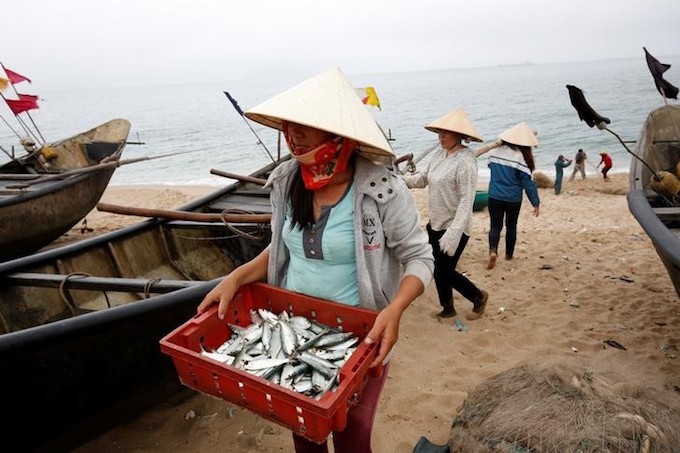
    Seafood exports in the first two months of 2021 rose by 2.2 percent year-on-year to over $1 billion, according to the Vietnam Association of Seafood Exporters and Producers.

    Pangasius fish accounted for 21 percent of the exports at $214 million, up 1.7 percent. Shrimp exports topped $380 million, a year-on-year decrease of 0.8 percent.

    VASEP explained that, due to the impact of Covid-19, global demand is high for products that could be preserved for long, are easy to cook at home and are reasonably priced such as frozen and processed white leg shrimp.

    Black tiger shrimp exports plunged due to high prices.

    VASEP estimated exports would be worth $640 million in March, with shipments to the U.S., E.U. and CPTTP trade deal member countries continuing to rise.

  • Vietnam, New Zealand to expand fruit trade this year

    Vietnam, New Zealand to expand fruit trade this year

    Vietnamese limes and pomelos could be exported to New Zealand soon, following a commitment made Wednesday during the first agricultural dialogue between the two countries.

    The virtual dialogue was co-chaired by Ray Smith, Chief Executive of the New Zealand Ministry for Primary Industries, and Dr Le Quoc Doanh, Vice Minister of Vietnam’s Ministry of Agriculture and Rural Development (MARD).

    A New Zealand embassy press release said the two leaders had confirmed their shared commitment to finalizing new fruit access for each other this year, so consumers can enjoy New Zealand strawberries and squash in Vietnam and Vietnam’s limes and pomelos in New Zealand.

    The two sides signed an Agriculture Cooperation Arrangement (ACA) after the dialogue.

    The ACA will enable both sides to advance their key agricultural interests in enhancing bilateral trade, reducing agricultural greenhouse gas emissions, promoting food safety, utilizing agriculture research and technology, and fostering rural development, the release said.

    The New Zealand Ministry for Primary Industries is already supporting agriculture cooperation with MARD through activities in plant health, veterinary epidemiology and electronic certification.

    These activities complement New Zealand’s ongoing development program in the country, which has a number of agriculture projects including one on premium fruit development in the southern province of Tien Giang, another on rural dam safety project in central Vietnam, and yet another on safe vegetables in central Binh Dinh Province.

    Smith and Doanh affirmed that the strategic partnership between the two countries has created a solid foundation for increasing bilateral agricultural cooperation and connections.

    Vietnam is New Zealand’s 14th largest trading partner, with two-way trade valued at over $1.4 billion as of September 2020.

    Vietnam has received licenses to export fresh mango, dragon fruit and rambutan to New Zealand so far. It imports apple, kiwi fruit, kiwi berry, blue berry, cherry and persimmons.

  • Chinese shopping app Xingsheng Youxuan raises US$2 billion in funding

    Chinese shopping app Xingsheng Youxuan raises US$2 billion in funding

    Chinese community grocery shopping app Xingsheng Youxuan has raised about US$2 billion in a new funding round that values the company at US$6 billion prior to the fresh capital injection, three people with knowledge of the matter said.

    Private equity firms FountainVest Partners, Primavera Capital Group and KKR & Co are among investors in this round, two sources said. Internet and gaming giant Tencent Holdings, which is an early backer of Xingsheng Youxuan, also invested in this round, one of them said.

    The fundraising signed just before the Lunar New Year, was led by Sequoia Capital China and has also attracted property developer China Evergrande Group and Singapore’s sovereign wealth fund Temasek, said a separate person with direct knowledge.

    Xingsheng Youxuan’s spokesman Li Hao declined to comment when contacted by Reuters. Representatives for Sequoia China, FountainVest, Tencent and Temasek declined to comment.

  • AirAsia food to start deliveries in Singapore in March in first foray outside Malaysia

    AirAsia food to start deliveries in Singapore in March in first foray outside Malaysia

    AirAsia Food, budget carrier AirAsia’s delivery service, is looking to spread its wings and start operations in Singapore.

    Ms Amanda Woo, Air Asia’s chief commercial officer, told The Straits Times on Thursday (Feb 18)  that its food delivery service will launch here next month, and that it has obtained all the necessary approvals from Singapore authorities.

    On top of food and beverage outlets, AirAsia is also calling for those in the beauty, fashion, fresh produce, and hotel industry to register their interest, as it is preparing to launch more products, said Ms Woo.

    AirAsia’s chief executive Tony Fernandes had said in a LinkedIn post on Wednesday that his company’s latest venture would be coming to “Singapore with a roar”.

    The food delivery service began operations in Malaysia in May 2020. According to the carrier, it had served 500 restaurants and delivered close to 15,000 orders in its first three months of its operation.

    Coming to Singapore will be AirAsia Food’s first overseas foray.

    “As a disruptive leader, we’re ready to take on the new challenge in Singapore, providing value, simplicity, and inclusivity for everyone,” Mr Fernandes said.

    Miss Sabrina Khaw, head of AirAsia food, said that the company pivoted towards food delivery after considering that food delivery platforms in Malaysia were charging “exorbitant commission rates”, averaging between 20 percent and 35 percent.

    She added that there was very little control given to merchants over their own store when it came to food deliveries.

    “AirAsia food runs on a zero-commission model. Merchants are able to choose from flat-rate plans powering payment and delivery,” she said.

    The budget carrier has been heavily affected by the Covid-19 pandemic’s disruptions to air travel. Last July, its auditors filed a report with the stock exchange in Kuala Lumpur saying the airline may not survive.

    Three months later, it was reported that its long-haul arm was out of money and needed to raise up to RM500 million ($164 million) to restart.

    AirAsia is not the only airline forced to provide other services to survive after being battered by travel restrictions due to Covid-19.

    Singapore Airlines has started restaurant services in its airplanes and conducted behind-the-scenes tours at its training facility.

    Other airlines around the world have launched sightseeing “flights to nowhere” and started selling themed merchandise.

    AirAsia food now aims to cut itself a slice of the lucrative food delivery pie here. According to research firm Statista, online food delivery was a US$464 million (S$616 million) business in Singapore last year.

    Foodpanda, Deliveroo, and GrabFood – which entered the market in 2012, 2015 and 2018 respectively – remain the major players in food delivery here, with several new platforms such as WhyQ, Chope On, and Pickupp having leaped onto the food-delivery bandwagon.

    Mr Fernandes said that he was sure AirAsia food will do well in Singapore despite the crowded food delivery space.

    “It took me seven years to get approval to fly to Singapore but better late than never. So I’d say, we’re way ahead of schedule on food. I’m sure we (are) going to get a great welcome,” he said.

    “So Singapore: here we come.”

  • South Korea’s online food market booming due to Covid-19

    South Korea’s online food market booming due to Covid-19

    In South Korea, some of the world’s biggest food delivery firms are scrambling to surf an estimated $4 billion wave of new orders, contracting thousands of new riders in a boom triggered by the scourge of the global economy – the coronavirus pandemic.

    Koreans had already developed such an appetite for meal deliveries that the country ranked third in the world last year for food order services, according to consultancy Euromonitor. Now, tough social distancing rules and work-from-home policies to counter the pandemic have fuelled explosive growth.

    South Korea’s food delivery market is expected to jump 40% this year to around $15.4 billion from $11 billion in 2019, Euromonitor data showed, topped only by China and the United States.

    Surging coronavirus-era consumer demand has stoked orders, supported meal pricing and made the prospect of a career as a self-employed rider – earning more per hour than many other part-time jobs – an attractive option for many after the pandemic drove Korea’s jobless rate to a 10-year high earlier this year.

    Contractor jobs like delivery riders will keep growing in number amid the pandemic, predicted Kim Sung-hee, professor of labour studies at Korea University, highlighting the need for government scrutiny of “non-regular work”.

    “A lot of the contractor jobs, including riders, have minimal access to labour rights,” Kim said, “they have no access to occupational health and safety insurance and no employment safety net.”

    Responding to the demand surge, Woowa Brothers, the operator of leading food delivery service Baedal Minjok, said it expanded its pool of motorbike delivery riders this summer by nearly 50% from 2,100 previously. Smaller peer Barogo, which like Woowa Brothers doesn’t disclose details of its financial performance – said it is recruiting 5,000 more, creating openings for some otherwise unlikely riders.

    Among those is Chey Young-ah, a 37-year-old former art teacher in Seongnam, 20 km (12.43 miles) south of Seoul. After the pandemic forced classes at her day job to shut, she saw brisk delivery orders at a fried chicken restaurant where she worked part-time, opted to become a rider herself instead in mid-August.

    “I feel lucky I found this field at a time when deliveries are booming,” she said. “One of the merits of this job is that the entry barrier is low. They don’t care whether you’re a man or a woman, you don’t need a job interview.”

    Chey, who already owned a motorbike, says she earned around 1.8 million won ($1,565.22) last month while working six to eight hours a day, seven days a week – already nine times the pay as an art instructor.

    Chey rides for Baedal Minjok and Coupang Eats, operated by SoftBank-backed e-commerce firm Coupang. Like other services, delivery jobs are offered to riders on call via an app, with riders selecting which jobs to take depending on distance and payment terms.

    Riders say most orders earn them around 3,300 won per delivery – the minimum rate – with the influx of new riders creating greater competition even to secure those deliveries, and to get the job done faster.

    “The competition is getting fiercer … Some (riders) violate traffic rules to make one more delivery, putting their safety at risk,” said Chey, who herself has already been involved in a minor accident.

    Delivery companies are also offering bonuses hoping to secure faster riders. Coupang Eats said riders can earn up to 15,000 won per order, depending on order volume and weather conditions.

    Data from Rider Union, a labour union representing the new dispatch workers, showed one of its members earned as much as 585,700 won – comparable to 68 hours of work by minimum wage – on a single day in August.

    Numbers like this are a magnet in an otherwise depressed jobs market.

    You Young-sik, a 28-year-old Seoul internet cafe worker who has seen his pay halved since the coronavirus hit and now fears losing his job, recently signed up for motorbike lessons to get his licence.

    “As I was looking for new openings, I figured delivery business is in vogue these days,” said You, who currently makes below 1 million won a month. “Riders’ salary looks way higher than what I get paid now.”

  • Starbucks opens its largest coffee store in Thailand

    Starbucks opens its largest coffee store in Thailand

    Starbucks today celebrates 20 years of delivering the Starbucks Experience to customers throughout Thailand with the recently opened Central World store– its largest store in Bangkok. Located on the first floor of CentralWorld, the store features a Starbucks Reserve Bar and, for the first time in Asia, Starbucks® DRAFT beverages infused with nitrogen.

    Starbucks CentralWorld is Thailand’s largest Reserve Bar store composed of Starbucks traditional coffee bar as well as the Starbucks Reserve Bar, which invites customers to deepen their coffee knowledge. Featuring the Black Eagle espresso machine for unique, espresso-forward beverages and various brewing methods such as the Siphon, Chemex, and Pour Over, customers can taste Starbucks Reserve, small-lot coffees for a premium coffee experience specially-crafted by Starbucks Coffee Master partners (employees) whose passion and knowledge of coffee is highlighted by their black aprons.

    Starbucks DRAFT makes its Asia debut in the store on a four-tap system delivering Starbucks Cold Brew and nitrogen-infused Starbucks Cold Brew, tea and milk. This latest beverage innovation draws in customers with its velvety texture cascades from the taps causing a sensory experience to both taste and see. The Starbucks DRAFT counter, found on the first floor of the store, highlights select nitro beverages including Nitro Cold Brew, Nitro Peach Tea, Nitro Green Tea Latte, Nitro Caramel Macchiato and Nitro Flat White.

    “From the success of Starbucks Nitro Cold Brew coffee, we continue to search for beverage innovation to elevate the customer experience. Today, we are pleased to launch Starbucks® DRAFT, an innovative cold beverage offering a rich, creamy texture for each beverage.” says Nednapa Srisamai, managing director of Starbucks Coffee (Thailand) Ltd. “This is a new cold beverage experience not to be missed.”

    This beverage innovation is the first-of-its-kind in Starbucks across Asia further elevating the cold beverage experience. Starbucks® DRAFTis also available today at one location in the U.S.

    As customers enter the space for the first time, their eyes will be drawn to the high, gold ceiling inspired by the natural terraces where coffee is grown, paying homage to the landscapes of coffee-growing terrain. The ceiling begins the coffee journey for customers by inviting them to come in from the outside and move towards the central Starbucks Reserve bar where the aroma of coffee can be enjoyed all around.

    The 760 metre store has more than 230 seats and two large rooms is designed to host community events or small gatherings surrounded by locally-relevant art installations throughout the store. Local artists Rukkit Kuanhawate created a feature piece highlighting the various coffee growing regions through regional wildlife including, the Sumatran Tiger, Kenyan Elephant and Guatemalan Quetzal bird. Similarly, Irin (Ann) Ariyatanap and her team handpainted murals using drawings of coffee botanicals and Thai floral motifs alongside imagery of the Starbucks Reserve coffee silos found exclusively at the Reserve Roasteries.

    Continuing on the coffee journey, customers are delighted upon entering the store with wooden coffee scoops engraved with messages and colorful motifs describing the various parts of the coffee tree. Similarly, the walls of both meeting rooms serve as tribute to the bean-to-cup story through natural hemp woven art, hand painted ceramics and a floor-to-ceiling wood carving.

  • Uber Reduces Losses On Food Delivery Expansion, Modest Uptick In Ride Bookings

    Uber Reduces Losses On Food Delivery Expansion, Modest Uptick In Ride Bookings

    Uber Technologies Inc on Wednesday posted a narrower loss as its ride-hail and delivery businesses rebounded slightly from pandemic lows, and the company said it was well on track to reach its goal of achieving an adjusted profit by year-end.

    Uber said customers in cities’ outer boroughs and suburbs had returned to its rides platform during the quarter.

    Nearly complete recoveries in markets including Brazil and Australia point to leisure travel to restaurants and cultural events bouncing back quickly once the pandemic ends, with business travel returning more slowly, as many employees continue to work from home.

    Shares fell 3% in after-hours trading after gaining around 6% during the day. Shares had risen after smaller ride-hail rival Lyft Inc said on Tuesday it might become profitable during the third quarter, three months ahead of a previous goal, thanks to a rebound and cost cuts.

    Uber reported a loss on an adjusted basis before interest, taxes, depreciation and amortization of $454 million, significantly less than analysts’ average expectations for a $514 million loss, according to Refinitiv data.

    Uber cut costs throughout 2020, including reducing staff by nearly 30% from the beginning of the year. A focus on its core rides and food delivery business and divestments of ancillary units will allow Uber to emerge from the pandemic a slimmer company.

    Adjusted EBITDA, which excludes the cost of the company’s extensive stock-based compensation and other potentially significant items, is the profitability metric Uber uses.

    Uber reported $3.17 billion in total revenue in the months from October through December.

    Fourth-quarter mobility revenue, largely comprised of rides, declined by 52% from last year, but at $1.47 billion was up 8% on a quarterly basis despite new lockdown measures in the United States, Europe and the Middle East.

    The company said it could not predict the quarter in which ride-hail volumes might return to pre-pandemic levels. Airport travel, which made up 15% of gross bookings before the pandemic, will take longer to return than leisure and business trips, Uber said.

    It expected first-quarter adjusted EBITDA to be flat or down compared with the fourth quarter.

    Orders at Uber’s food delivery platform, Uber Eats, further grew during the fourth quarter, as many countries and U.S. states issued new lockdown orders, closing restaurants and prompting many people to order in.

    Delivery revenue more than tripled from last year and at around $1.36 billion, grew 19% compared with the third quarter.

    Uber has expanded its footprint in the competitive space and acquired smaller food-delivery rival Postmates for $2.65 billion and alcoholic beverage delivery service Drizly for $1.1 billion.

    Both deals were largely stock-based, with the Drizly deal expected to close later this year.

    Uber also said it had further lowered costs in the fourth quarter, with total costs and expenses dropping 14% in that period.

    Following a directive by Chief Executive Dara Khosrowshahi to focus on the company’s core businesses, Uber has sold two cash-burning units.

    The company in December sold its self-driving Advanced Technologies Group (ATG) in a $4 billion equity deal at a steep drop in valuation. Khosrowshahi at the time said the deal would accelerate Uber’s profitability goal.

    The same month, Uber also handed over the keys to its air taxi business Elevate, without disclosing the terms of the deal.

  • Vietnam slaps anti-dumping duty on Thai sugar

    Vietnam slaps anti-dumping duty on Thai sugar

    Vietnam has applied an anti-dumping and anti-subsidy duty of 33.88 percent on raw sugar from Thailand to protect domestic producers.

    The Ministry of Industry and Trade said that although its preliminary investigation found Thai sugar exporters have a dumping margin of 48.88 percent, it decided to collect 15 percentage points less after taking into account the socio-economic impacts of the duty and the benefits of farmers, manufacturers, and consumers.

    The ministry began its investigation in September last year upon requests by Vietnamese sugar producers who claimed they were being hurt by the low-priced Thai product.

    Its data showed that Vietnam’s sugar imports from Thailand rose 330 percent from 2019 to 1.3 million tonnes last year.

    This resulted in 3,300 people losing their jobs as many factories had to close and more than 93,200 farmers were affected.

    The final decision on the duties will be determined in the second quarter this year.

  • OnTheList launches Asian arm of Phenix to save food from landfill

    OnTheList launches Asian arm of Phenix to save food from landfill

    Chefs and caterers at hotels in Asia-Pacific will work on ways to cut food waste, including tweaking buffets and promoting the use of doggy bags, in a scheme led by environmental group WWF.

    The Asian arm of the Hotel Kitchen program, funded by The Rockefeller Foundation, is due to be launched on Friday at a Singapore meeting of international and regional hotel chains.

    “This is about accelerating change and getting people to think differently about food,” said Pete Pearson, Washington-based director for food waste at WWF.

    About a third of food produced around the world is never eaten because it is spoiled after harvest and in transportation or thrown away by shops and consumers.

    That amounts to economic losses of about $940 billion per year, according to the U.N. Food and Agriculture Organization.

    Yet 815 million people around the world go to bed hungry every night, U.N. figures show.

    Throwing out food wastes the water, energy and fuel required to grow, store and distribute it, campaigners say, while discarded food ends up in landfill where it rots, releasing climate-changing gases such as methane.

    Joao Campari, food practice leader with WWF International, said the conservation group – best known for its work with wildlife – began focusing on food because its production is responsible for more than 70 percent of the world’s lost biodiversity.

    “The planet cannot supply enough resources at the rate we are consuming today,” he said.

    Hotel Kitchen, which was piloted in the United States last year with international hoteliers including Hilton, Hyatt and Marriott International, is part of WWF’s push to halve per capita food waste by 2030, in line with global development goals.

    Those hotel groups are expected to participate in the Asia-Pacific expansion of the initiative, Pearson said.

    Friday’s meeting, backed by the UK-based Waste and Resources Action Programme and the Pacific Asia Travel Association, will chew over with regional hospitality workers how food waste can be identified, managed and minimized.

    In the United States, hotel chefs worked to ensure menus for buffets and large events could be adjusted quickly, and some of the excess food reused.

    Instead of loading a buffet with cheeses and meats, for example, most of it could be kept fresh behind the counter until customers ask for it, said Pearson.

    The U.S. scheme has also trained staff, developed recipes using leftover ingredients, separated food waste from regular rubbish, monitored it, and raised awareness among customers.

    Donating unused food and helping customers take home uneaten meals will also be discussed on Friday, said Pearson.

    “Squandering food is squandering everything that goes into food – including habitat and wildlife,” he said. “We’re just running out of time.”

    The WWF program is due to be rolled out in Europe within the next three months.

    Hotels save an average $7 for every $1 spent on curbing food waste, according to a new report by the Champions 12.3 coalition, which analyzed 42 hotels in 15 countries.

    Within the first year of implementing a food waste-reduction program, more than 70 percent of hotels in the study recouped their investment, it added.