Category: Food

Retail News Asia is committed to providing both local and global retailers with the latest Food and Food & Beverage news throughout the Asian market. This on a daily base.

  • Morozoff coming back after 14 years

    Morozoff coming back after 14 years

    Making a comeback after 14 years, Japanese confectionery and chocolatier Morozoff has opened a stand-alone boutique at Plaza Singapura.

    It sells 90 per cent of Morozoff’s full range including chocolates, cookies and packaged baked goods such as madeleines.

    Founded in Kobe in 1931, the brand had been previously available in Singapore from 1984 at the Japanese department store Daimaru at Liang Court. After Daimaru closed in 2003, Morozoff left the market as well.

    This time round, Morozoff has been brought in by Uptron, the first foray into F&B by the electronics and gaming company that distributes across South-east Asia.

    Morozoff’s return is past of a new wave of Japanese food brands setting up in Singapore, including Maple Mania and Tokyo Milk Cheese Factory. The chocolatier has more than 1000 shops and 33 cafes in Japan and is also available in China, Hong Kong and Taiwan. The Singapore shop is its 19th overseas outlet.

    Uptron plans to open about 10 Morozoff shops and cafes in Singapore over the next few years. It also wants to take the brand to other Southeast Asian countries such as Indonesia, Malaysia, Thailand and the Philippines.

    Director/COO Girish Pradeep Tewani’s link with Morozoff goes back to his childhood when his father, Uptron’s founder Pradeep Kumar Tewani would bring its products home from his business trips to Japan.

    Uptron will be looking into setting up a central kitchen when it opens its cafes so it can produce Morozoff’s signature desserts Denmark Cream Cheese Cake and Custard Pudding.

    Many Japanese people live in Singapore, says Morozoff president Shinji Yamaguchi. “We recognise that our products may be more high end, but we see potential in Singapore because of the standard of living .”

    The company’s products are flown to Singapore at least once a week.
  • Hawkr opens a new branch in Pacific Place

    Hawkr opens a new branch in Pacific Place

    Following its launch in Quarry Bay three months ago, “grab-and-go” eatery Hawkr has expanded to Pacific Place

    Hawkr springs from a partnership between Myanmar-based lifestyle concept Pun+Projects founder and restaurateur Ivan Pun and private-equity professional Jake Astor. Pop-up dining chef Mina Park is in charge of the menu which offers original recipes and fresh ingredients without MSG, artificial flavours or preservatives. It was inspired by Southeast Asian fare from such food destinations as Indonesia, Malaysia, Myanmar, Singapore, Thailand and Vietnam.

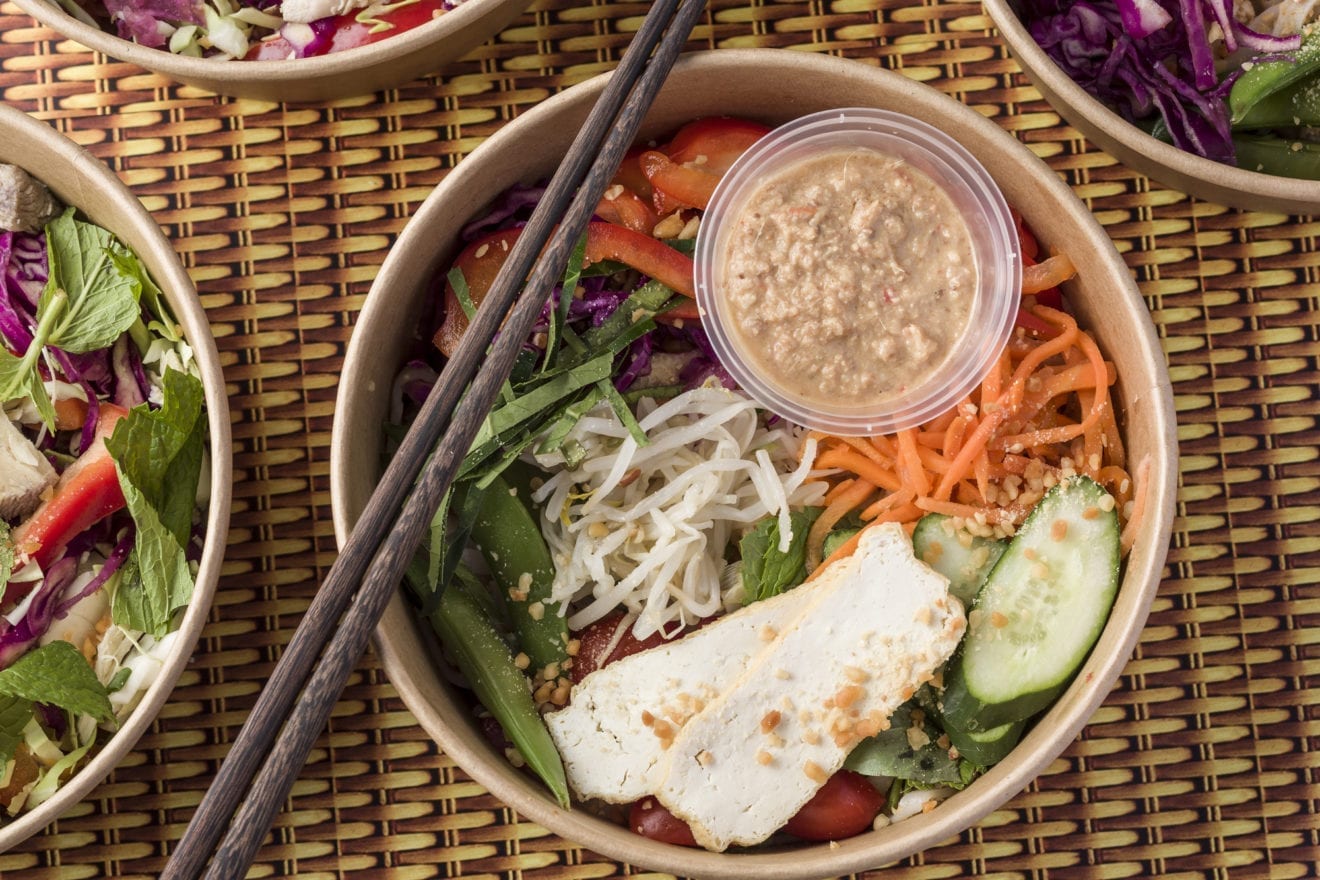
    The second store has an expanded menu including Burmese tealeaf, Isaan beef and Song Que salmon salads, Mamak Mee noodles and roasted pork noodle with coriander pesto,plus tealeaf eggs. Hawkr’s bespoke coffee blend is again a feature, with a resident barista.

    Like the Quarry Bay flagship, Hawkr at Pacific Place continues a design theme of neon green signs against a rattan background, and colourful wall pattern inspired by the ikats of Burma and Thailand.

    Staff aprons are hand-dyed in indigo from the Isaan region of Thailand.

    All menu items are half price after 7pm every day, and the team also plans to work with local charities to ensure any leftover food goes to those in need. Catering menus are also available for corporate events, luncheons and parties.

  • Jollibee closes 12 Hotpot Resturants in China

    Jollibee closes 12 Hotpot Resturants in China

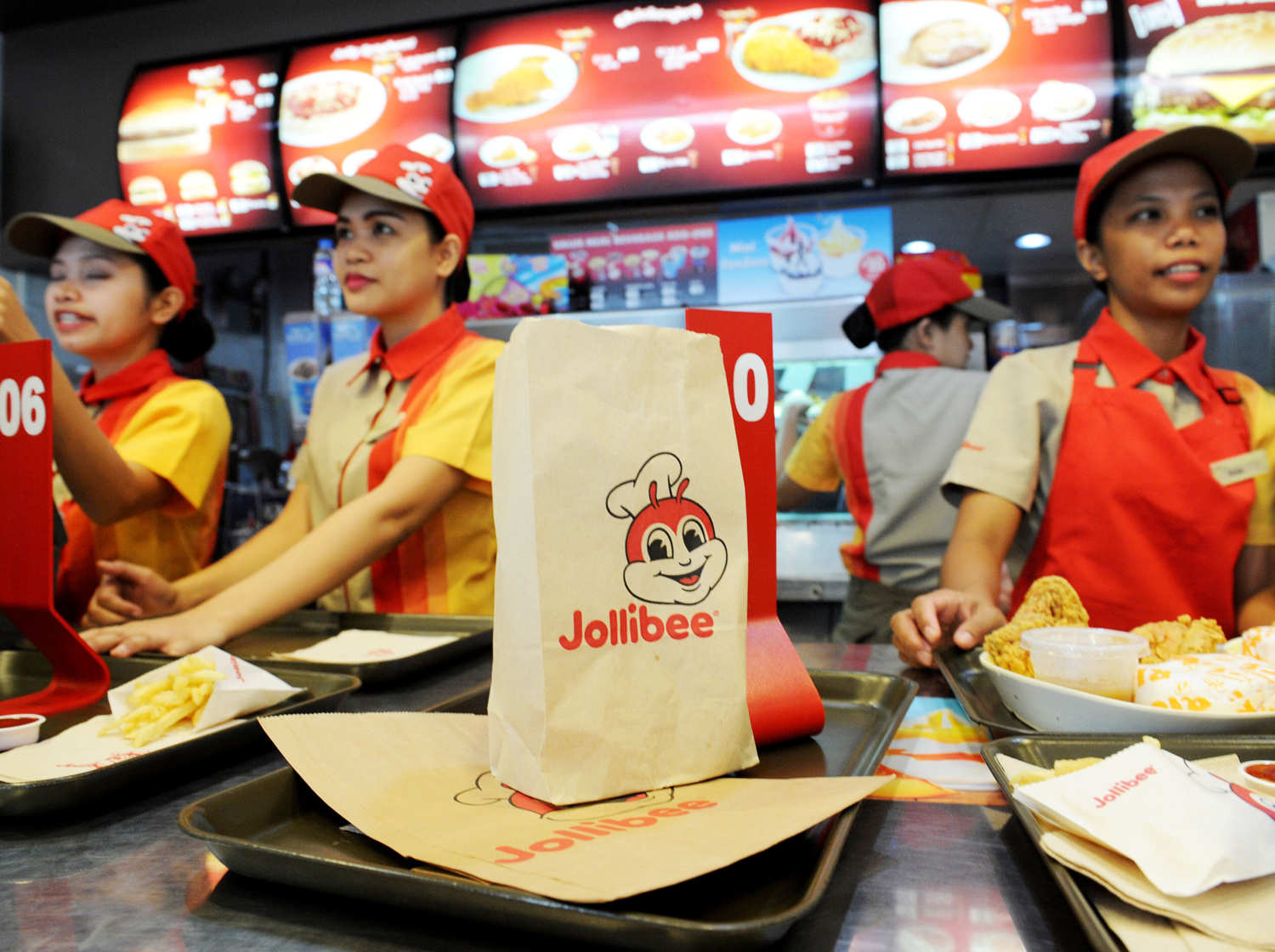
    Jollibee Foods Corp (JFC) has closed its restaurant chain 12 Hotpot in Mainland China.

    The 16 Shanghai-area stores were shut down by its subsidiary, 12 Hotpot (Shanghai) Food and Beverage Management, a 48 per cent-owned JV with WJ Investments.

    It was formed in August 2012 when JFC’s wholly owned subsidiaries Jollibee Worldwide and Golden Plate entered into an agreement with Hoppime, a subsidiary of Wowprime Corp of Taiwan and some of its key executives. The idea was to establish WJ Investments to own and run 12 Hotpot in China, Hong Kong and Macau.

    With the discontinuation of the mainland business, 12 Hotpot (Shanghai) then the JV will be liquidated.

    “JFC will focus on building its larger and fast-growing businesses in China and other parts of the world,” says the company.

    At the end of September, JFC had 3644 stores in its worldwide network. It also has a 40 per cent interest in Smashburger with 355 outlets, mostly in the US. In China its businesses include Yonghe King (305 stores), Hong Zhuang Yuan (44) and Dunkin’ Donuts (18).

    The company has also been running Happy Bee Foods Processing to supply products to its restaurants.

    In the Philippines, JFC has the largest foodservice network with 2756 restaurant, namely Jollibee (1023 outlets), Chowking (510), Mang Inasal (471), Red Ribbon (411), Greenwich (262) and Burger King (seven).

    JFC’s overseas stores include Highlands Coffee (219 including 193 in Vietnam and 26 in the Philippines), Jollibee (186 including 93 in Vietnam, five in Singapore and four in Hong Kong), Pho 24 (31 including 15 in Vietnam, 14 in Indonesia and one in Korea), and Hard Rock Cafe (8 with three each in Hong Kong and Macau, and two in Vietnam).

  • Food helps, says Starbucks boss

    Food helps, says Starbucks boss

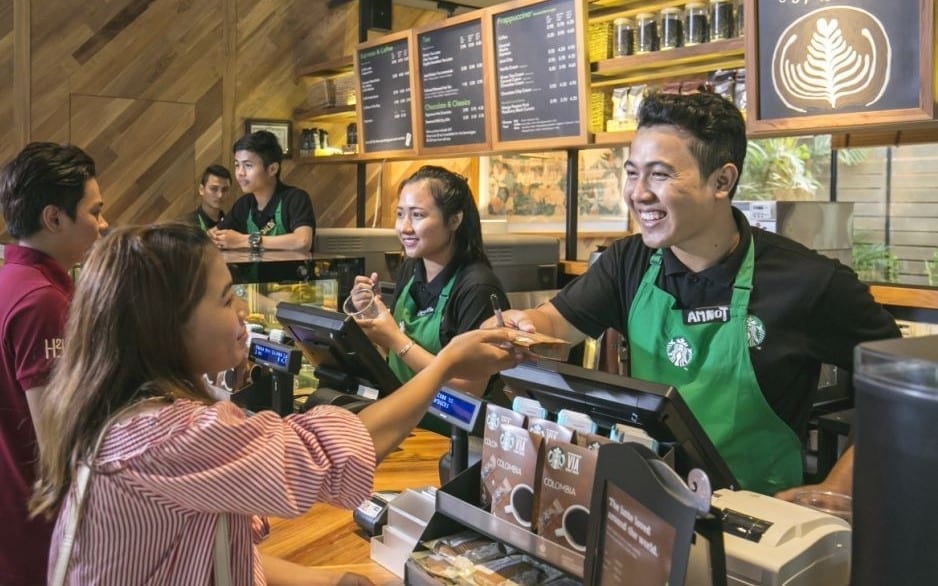
    Food and digital innovation are helping attract customers into stores, says Starbucks Corporation CEO/president Kevin Johnson.

    He was commenting on the coffee giant’s growth during its fourth quarter and fiscal year ending October 1.

    For the quarter, net revenues for the China/Asia Pacific segment grew 2 per cent to US$859.9 million. Excluding $56.9 million for an extra week last year’s fourth quarter, net revenues grew 10 per cent, primarily driven by incremental revenues from 1036 store openings over the past 12 months and a 2 per cent growth in comparable store sales. The increase was partially offset by unfavourable foreign currency translation.

    China comparative-store sales increased 8 per cent, driven by a 7 per cent increase in transactions.

    Overall four-quarter operating income grew 5 per cent to $201.7 million, while the operating margin expanded 60 points to 23.5 per cent, primarily driven by higher income from joint ventures, and partially offset by the lapping of the 53rd week in fourth quarter.

    Consolidated net revenues were steady for the quarter at $5.7 billion, excluding $412.4 million for the extra week. Consolidated net revenues grew 8 per cent.

    GAAP operating income of $1 billion declined 16.7 per cent while non-GAAP operating income grew 2.8 per cent to $1.1 billion. GAAP operating margin of 17.9 per cent declined 360 points while the non-GAAP decline was 20 per cent, down 90 points.

    The increased operating loss was primarily because of restructuring and impairment costs related to the company’s strategy to close Teavana tea retail stores and focus on the brand within Starbucks stores.

    Global comparable store sales increased 2 per cent, driven by a 2 per cent increase in average ticket and a 1 per cent increase in transactions; but up 3 per cent excluding the impact from Hurricanes Harvey and Irma. The impact from the hurricanes affected consolidated and US comparative store growth by 1 per cent as more than 1000 stores were temporarily closed.

    Revenue growth

    For the year, global comparable-store sales increased 3 per cent while consolidated net revenues grew 5 per cent to $22.4 billion. Excluding $412.4 million for the extra week in the fourth quarter last year, consolidated net revenues grew 7 per cent year-on-year.

    GAAP operating income of $4.1 billion declined 0.9 per cent compared while non-GAAP operating income grew 7.8 per cent to $4.4 billion.
    GAAP operating margin of 18.5 per cent declined 110 points, but was up 10 points to 19.7 per cent non-GAAP.

    Starbucks opened 603 stores globally, taking its total to 27,339 across 75 countries.

    Johnson says system improvements are enabling the company to drive increased throughput, particularly in its busiest stores at peak times.

    In September, the company announced it had entered into an agreement with long-time strategic partner Maxim’s Caterers in Asia to fully licence Starbucks business in Singapore, including transitioning the more than 130 company-run Starbucks stores. The partnership started in Hong Kong in 2000, and together they run more than 210 outlets across Cambodia, Hong Kong, Macau and Vietnam.

  • Orange Business providing managed Wi-Fi for Nespresso

    Orange Business providing managed Wi-Fi for Nespresso

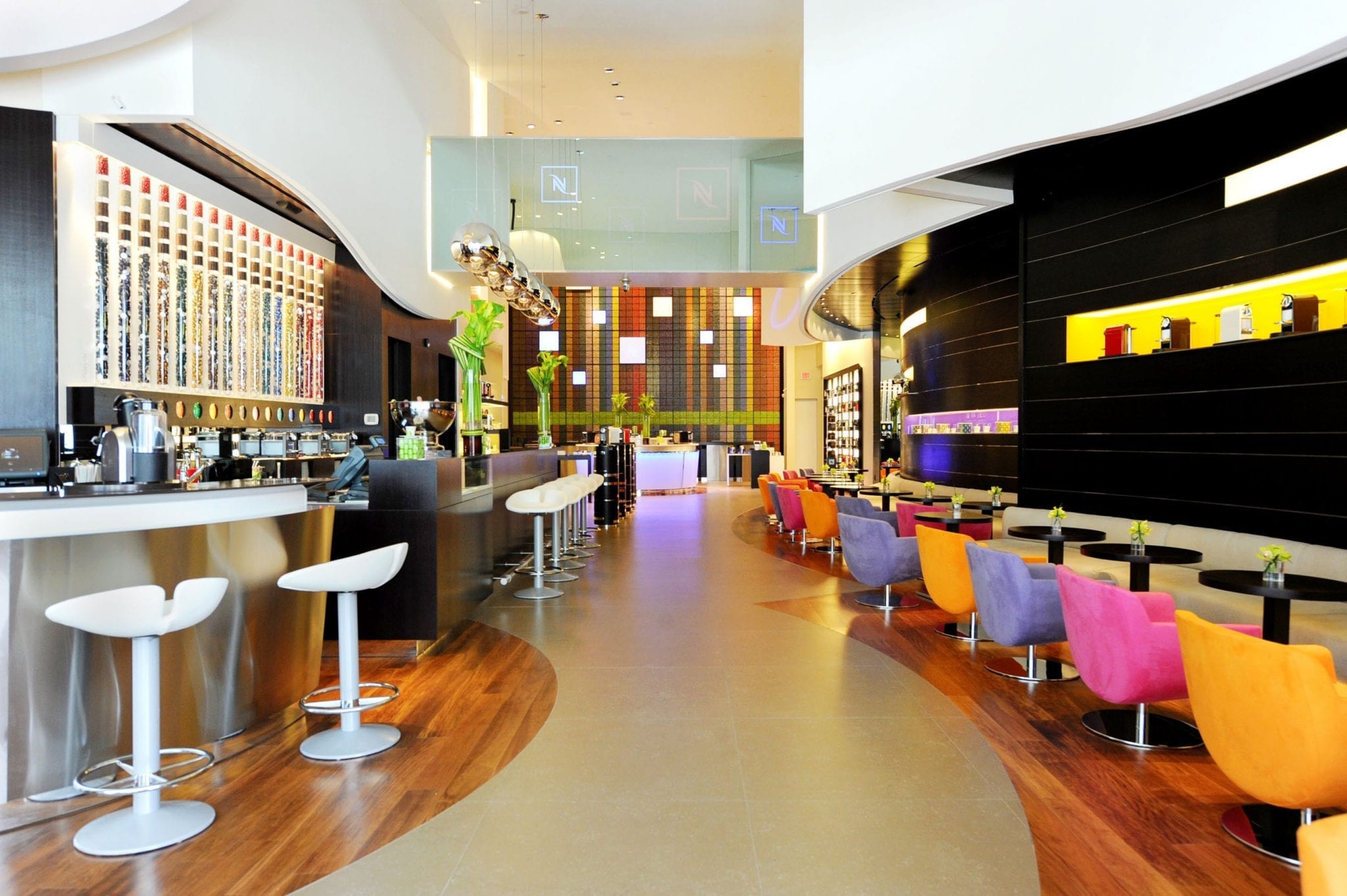
    Nespresso has selected Orange Business Services as the global supplier of its guest Wi-Fi and internet service, which will be rolled out in most of its standalone boutiques on five continents.

    Orange is delivering a secure, fully-managed guest Wi-Fi service worldwide, including the local internet connections It also provides customers with a consistent experience at all locations.

    The service will help Nespresso bridge its in-store customer experience with its digital channels.

    When customers connect to the in-store guest Wi-Fi service, they can immediately and securely browse the internet and connect to the Nespresso portal. There they can download the Nespresso app, visit Nespresso.com to access digital services, browse the latest news or get further product information.

    For guests who already have the Nespresso app, they can immediately connect to it.

    The guest Wi-Fi service gives Nespresso an opportunity to digitally engage with its customers at its boutiques. It provides support to communicate about the latest campaigns, maintaining a link with Nespresso’s connected customers.

    The guest Wi-Fi service complements the 27 Nespresso customer relationship contact centers (CRC) managed by Orange Business Services.

    “We put our customers at the center of everything we do, and offering secure internet connectivity in our boutiques is part of the experience that we create for them. Orange Business Services will help us realize this with a service that will play a role in our omnichannel services portfolio,” Nespresso global B2C head Jean-Paul Le Roux said.

  • More Tokyo snack brands in Singapore

    More Tokyo snack brands in Singapore

    Two Tokyo snack brands are setting up shop in Singapore, one opening today and the other in eight days’ time.

    Established in 2013, The Maple Mania is ready to roll out the red carpet at Ion Orchard. It is known for its maple butter cookies, maple baumkuchen with a caramelised top, and maple financiers.

    With its iconic cow logo, Tokyo Milk Cheese Factory will follow with an outlet at Raffles City. The six-year-old brand is known for its cheese cookies – salt and camembert, honey and gorgonzola, and porcini and gouda. It also offers milk cheesecake, a strawberry milk roll plus its own Cow Cow Ice ice cream in two flavours and a sundae option.

    During the festive season, The Maple Mania will sell cookies from Tokyo Milk Cheese Factory as well. Both are sister brands of LeTao, which was brought to Ion Orchard last year by Alvin Ng, the founder of The Rosti Farm and Once Upon a Milkshake, both at Waterway Point in Punggol.

    From Hokkaido, LeTao is known for its double fromage, a two-layer cheesecake.

  • Pirata Group launches ballsy pop-up dining

    Pirata Group launches ballsy pop-up dining

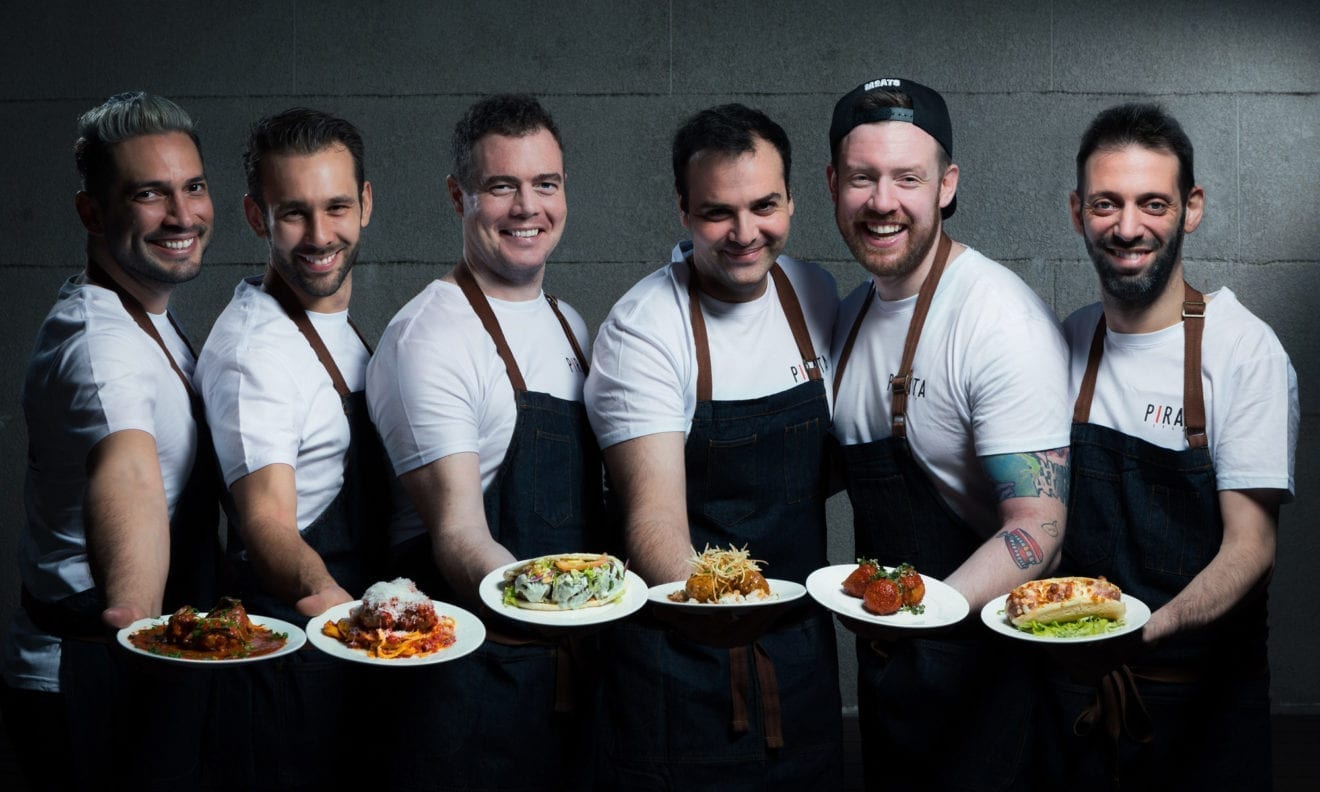
    For 100 days, Hong Kong diners are having a ball, or several, thanks to restaurant company Pirata Group. Its Balls pop-up diner on Star Street is offering a menu of quirky meat, seafood and vegetable ball creations by the group’s award-winning chefs, along with simple starters, desserts and drinks. Offering all-day casual dining and takeaways, Balls has no service charges and reservations are not necessary.

    Pirata Group co-founders Manuel Palacio and Christian Talpo say it is their most adventurous concept to date. “Why build a new concept in 30 days to stay open for just 100 days?” asks Palacio. “Because at Pirata Group, we have balls.”

    There are three sections for the Balls menu: Before Your Balls, Our Balls and All Balled Out.

    Our Balls include chef Arturo Melendez’s Bolas Latinas with Peruvian red peppers, chef Alfredo Rodriguez’s The Optimist’s Fishballs (HKD140) featuring squid and prawns on pilaf rice, chef Paddy McDermott’s Meatsballs (Meats is the group’s newest restaurant) featuring rotisserie chicken with blue cheese and jalapeno relish, chef Stefano Rossi’s Big Sub with melted fontina cheese, chef Andrea Viglione’s Ste Palle! with tagliatelle and arrabiata sauce (vegetarian option available), and the vegetarian Free Balling with falafel, hummus, mint yogurt and pita bread.

    The Ball creations are also featuring on the menus of each chef’s restaurant.

    Appetisers include Mozarella di Buffala and beef carpaccio, while the desserts are Sweet Balls (cinnamon jam doughnuts with custard sauce) or Not Balls (soft-serve ice cream).

    A special tasting menu offers two appetisers, three balls and one dessert.

    With a retro pop-themed design and bright interiors, Balls seats up to 40 diners at counters and tables, and has a terrace. The concept runs until February 8.

  • McDonald’s Singapore is turning Japanese

    McDonald’s Singapore is turning Japanese

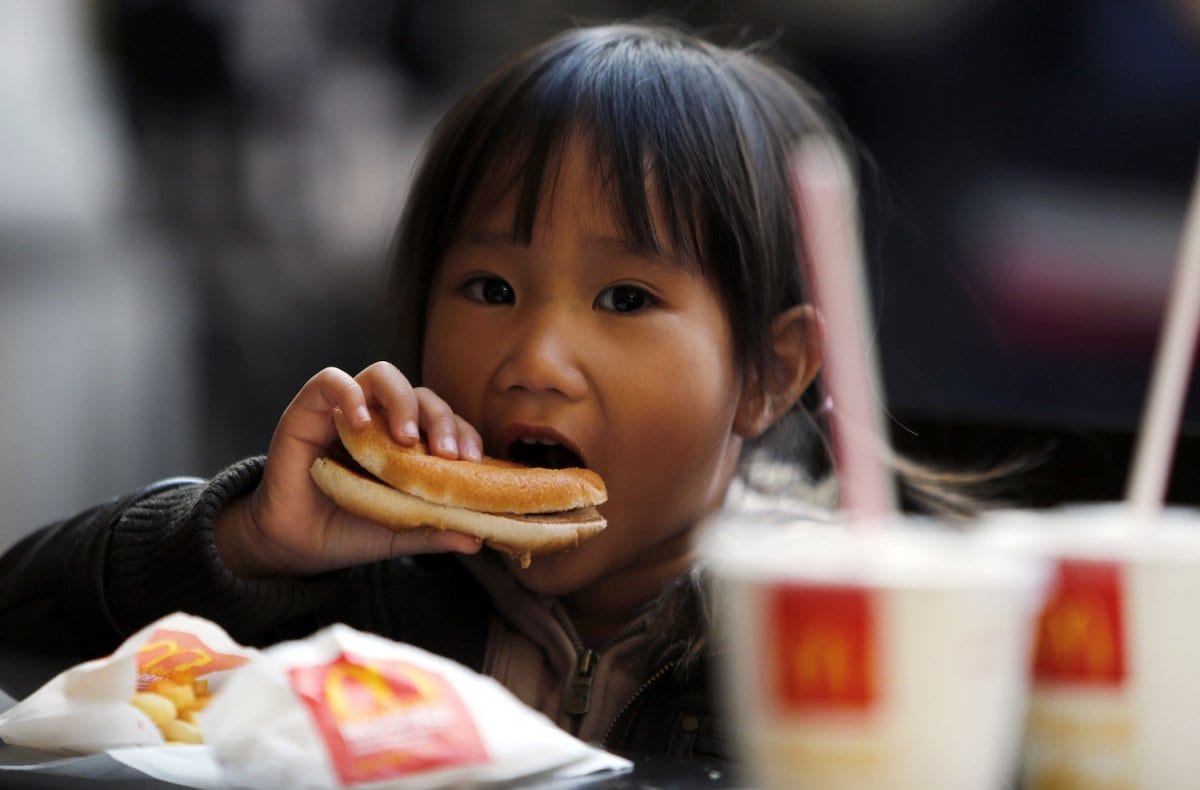
    McDonald’s Singapore is turning Japanese, launching a Ninja Burger and reviving its Samurai Burger. To promote the two offerings, it has launched an “Honour Your Appetite” marketing campaign.

    Senior director of marketing, menu and digital innovation Agatha Yap says the Ninja Burger expands the brand’s variety of Japan-inspired promotional flavours, which kicked off with the Samurai Burger for a short while only in the late 1990s.

    To promote the return of the Samurai Burger, McDonald’s released a commercial featuring a fight between two samurais in a forest.

    Meanwhile, McDonald’s Singapore has started using UberEats so customers can order home delivery, which MD Kenneth Chan says will complement the fast-food chain’s 24-hour McDelivery platform.

  • Fair Work terminates Domino’s Pizza worker agreements

    Fair Work terminates Domino’s Pizza worker agreements

    Shares in Domino’s Pizza have dropped sharply after the Fair Work Commission terminated deals with workers under which they were paid less than minimum award rates.

    The ruling by the Fair Work Commission to terminate 27 expired, existing enterprise agreements by January 24 could add significantly to Domino’s labour costs.

    Domino’s shares dropped $1.36, or 2.9 per cent, to $45.23.

    The company in August forecast a 20 per cent rise in annual profit in 2017/18, its weakest pace in four years, due to the impact of higher wages and slowing sales growth.

    The Shop, Distributive and Allied Employees Association (SDA) said it had long held concerns about the pay and conditions of Domino’s workers, especially Sunday penalty rates.

    Domino’s said it had not opposed the termination of the enterprise agreements, and had requested and been granted time to transition to a new agreement that is currently being negotiated.

    “Negotiations with the relevant parties for a new EBA are well advanced, and the intention is for it to take effect before the termination of the existing EBAs,” Domino’s said in a statement yesterday.

    Over the past 18 months, Domino’s has already increased our team members’ take-home pay in good faith in anticipation of the new EBA.

    “Domino’s will communicate the Commission’s decision to its franchisee network today, so that employees continue to receive their correct entitlements in this transitional period and beyond.”

    The new enterprise agreement will apply to more than 20,000 employees in 660 Domino’s stores across Australia, and the company intends for it to take effect before the termination of the existing agreements.

    “Over the past 18 months, Domino’s has already increased our team members’ take-home pay in good faith in anticipation of the new EBA,” Domino’s said in a statement.

    The company has been auditing its franchise stores for three years and recovered $5.4 million worth of unpaid wages and superannuation since 2014.

    The Retail and Fast Food Workers Union said the Fair Work decision will return tens of millions of dollars to Domino’s workers every year.

    According to the union’s analysis, an average casual delivery driver working 10 hours per week was being underpaid by more than $2,000 per year under the old agreements.

  • Tealive says “Hi” to Vietnam

    Tealive says “Hi” to Vietnam

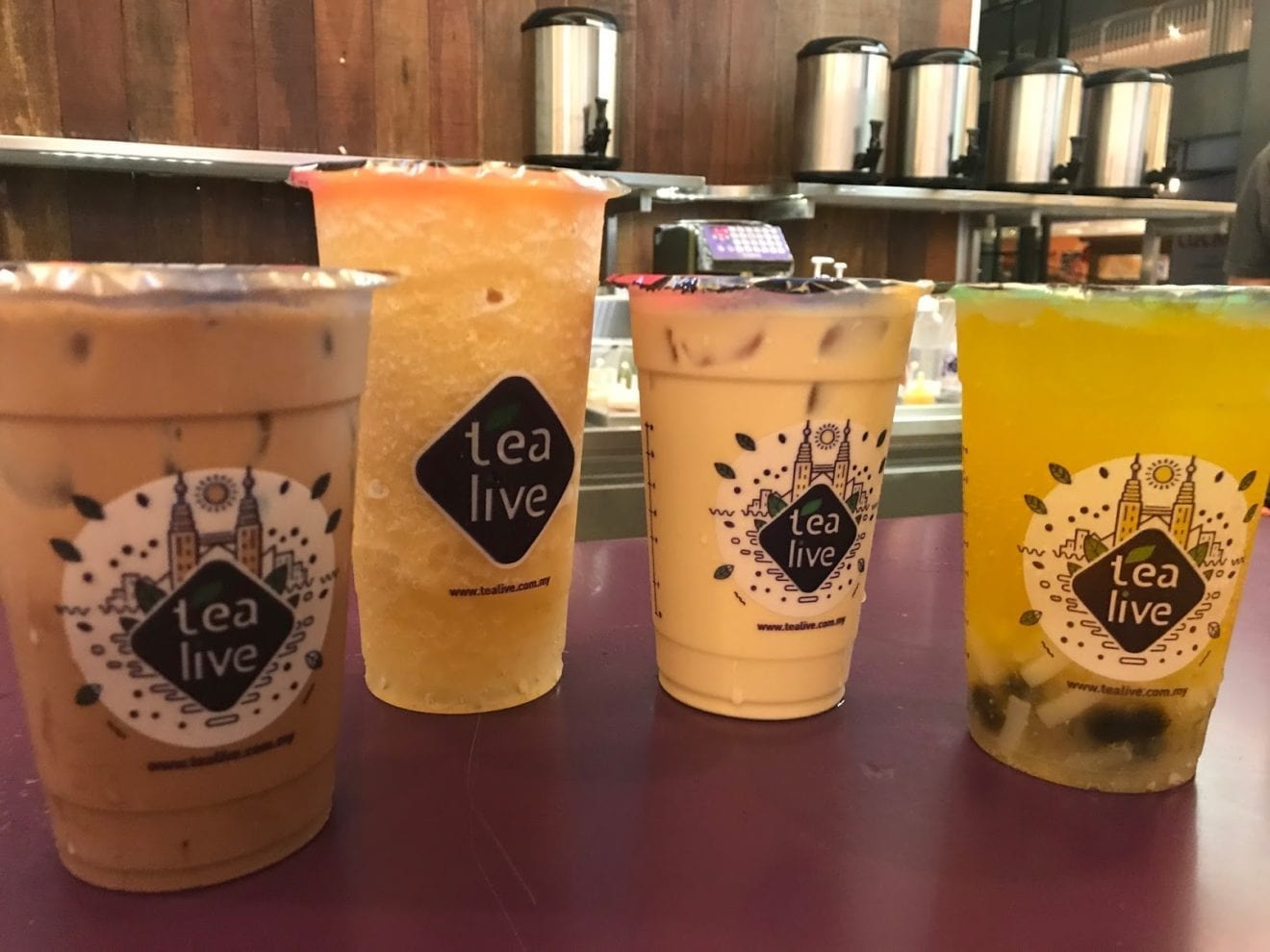
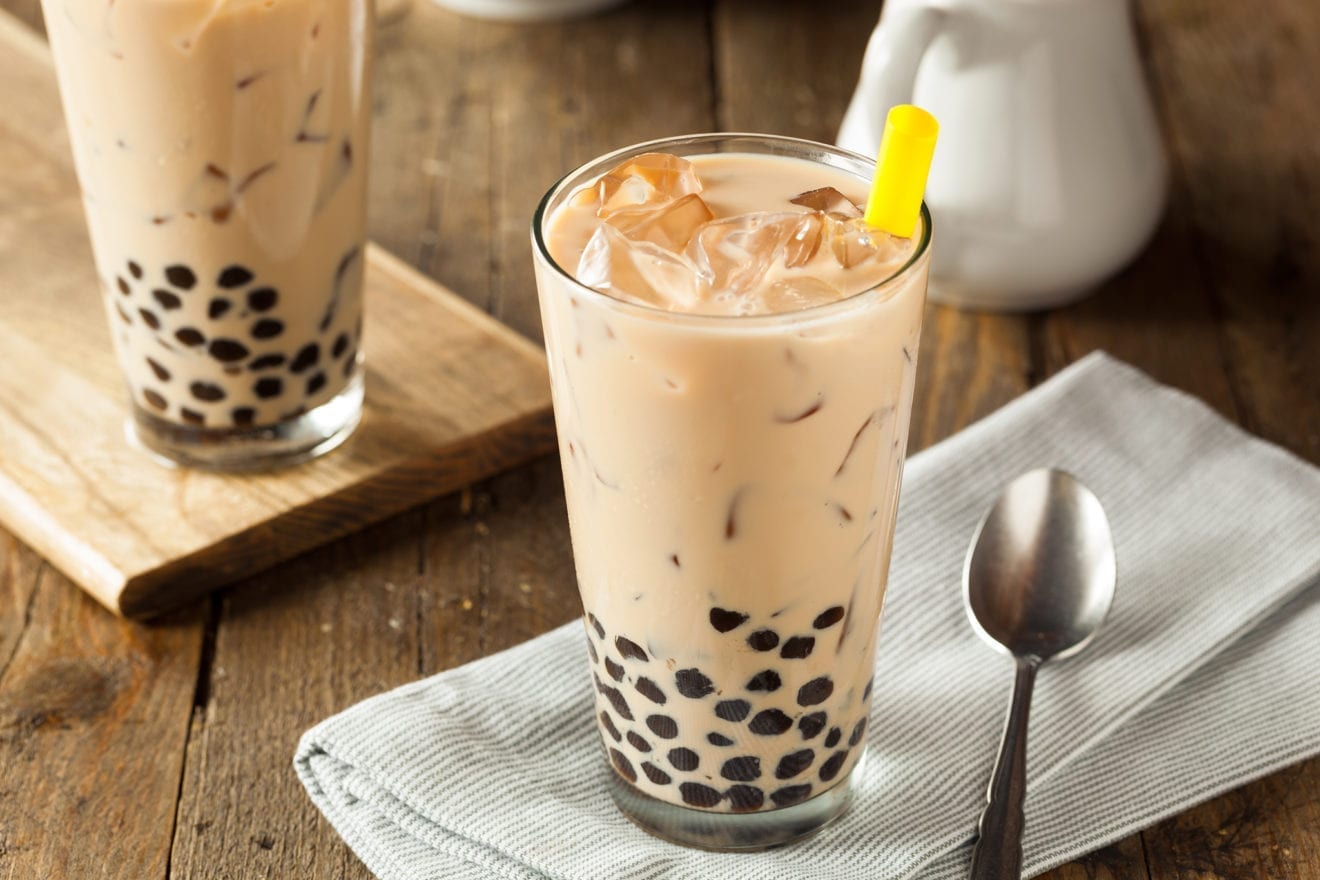
    Bubble-tea brand Tealive has made its debut in Vietnam with two stores in one month.

    The first one is located in Vincom shopping centre while the second one is a standalone store on Le Thanh Ton Street, near Ben Thanh market.

    To mark its debut in Vietnam, Tealive introduced five exclusive drinks.

    Bryan Loo, founder and CEO of Tealive, is confident the brand will win over local millennials.

    Tealive Vietnam plans to open three more stores before the end of this year, targeting 20 next year.

    Tealive, owned by Loob Holdings, rebranded from Chatime after a dispute with outlets.

  • Hard Rock Asia CEO comes from Sands China

    Hard Rock Asia CEO comes from Sands China

    As Hard Rock International (HRI) ramps up expansion in Asia, it has a new CEO for the region, Edward Tracy, formerly CEO of Sands China.

    Owned by the Seminole tribe of Florida, HRI has international hotel/casino locations including Bali, and has just opened the Hard Rock Hotel Shenzhen in China. Other projects by Hard Rock Asia are slated for Dalian and Haikou, while upcoming Hard Rock Cafe locations include Chengdu and Phnom Penh.

    Meanwhile, Tracy is working with Hard Rock Japan toward opening a signature integrated resort. The company will be bidding for a resort licence following the government passing an Integrated Resorts Promotion Bill. Hard Rock Cafe outlets have been in Japan for 30 years.

    “As the former CEO of Sands China and CEO of the Trump Organization, Tracy brings more than 30 years of proven gaming, hospitality and integrated-resort experience to Hard Rock Asia,” says HRI chairman Jim Allen.

    Tracy joined Sands China, a subsidiary of Las Vegas Sands Corp, in July 2010 as its president and COO, becoming CEO 12 months later. He was responsible for overseeing China’s largest integrated-resort company by revenue, capacity and content, with 13,000 hotel rooms and 30,000 team members. It develops, owns and runs integrated resorts and casinos in Macau.

    Before Sands, Tracy was president/CEO of Capital Gaming, a multi-jurisdictional manager of regional casinos in the US, and also served as president/CEO of the Trump Organization, where he was responsible for managing more than 12,500 employees, 3000 luxury hotel rooms and 240,000sqft (22,300sqm) of casino space.

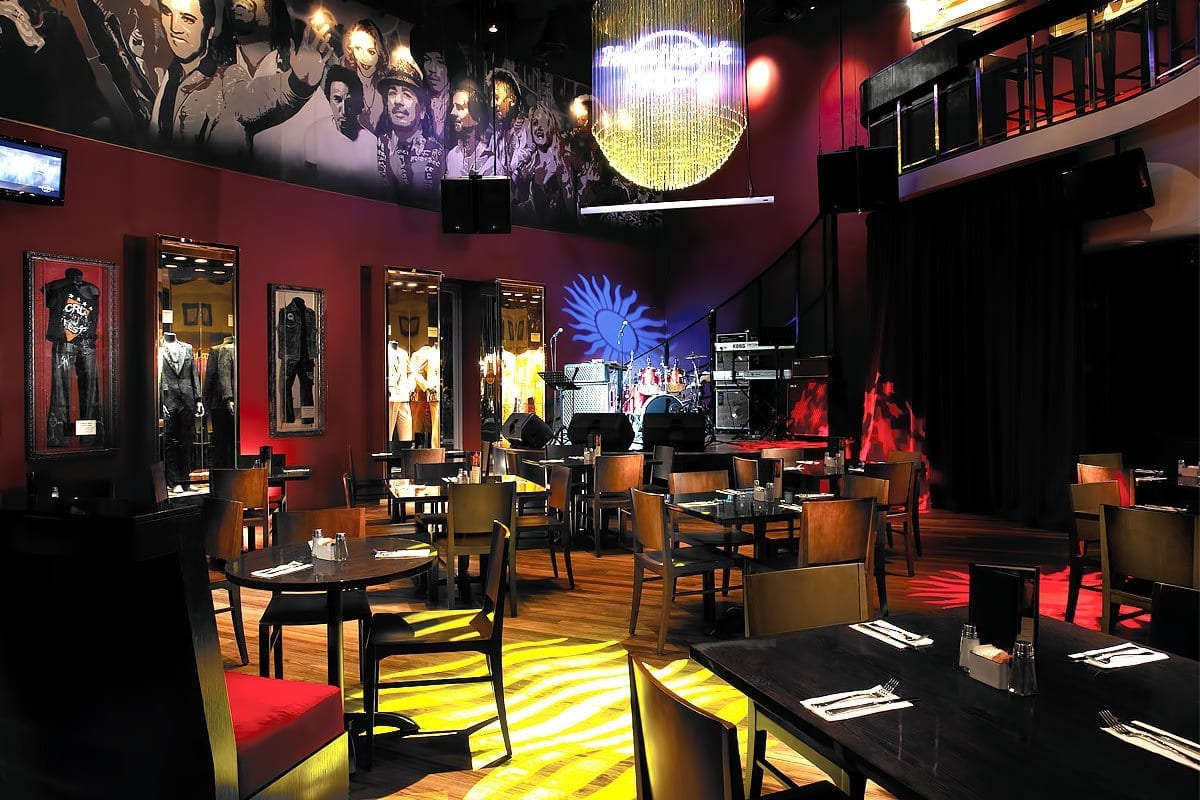
    HRI has venues in 73 countries including 178 cafes, 24 hotels and 11 casinos. Starting with an Eric Clapton guitar, Hard Rock owns a collection of music memorabilia displayed at its global locations. It is also known for its collectible fashion and music-related merchandise, Hard Rock Live performance venues and an award-winning website.

  • Dairy Queen Korea to debut in theatre district

    Dairy Queen Korea to debut in theatre district

    Dairy Queen Korea is about to make its debut.

    The fast food chain will open a DQ Grill and Chill store in Seoul’s theatre district, Daehangno.

    The American restaurant chain, famous for its Blizzards – McFlurry-esque ice cream treats that don’t drip even when held upside down – plans to open 50 stores in Hongdae, Gangnam, Itaewon and other areas of South Korea within the next five years.

    DQ Grill and Chill is a full-service concept restaurant which offers an expanded menu.

    There are over 6800 Dairy Queen stores globally, with the company’s shareholders including billionaire investor Warren Buffett.

  • China lifts soft cheese ban

    China lifts soft cheese ban

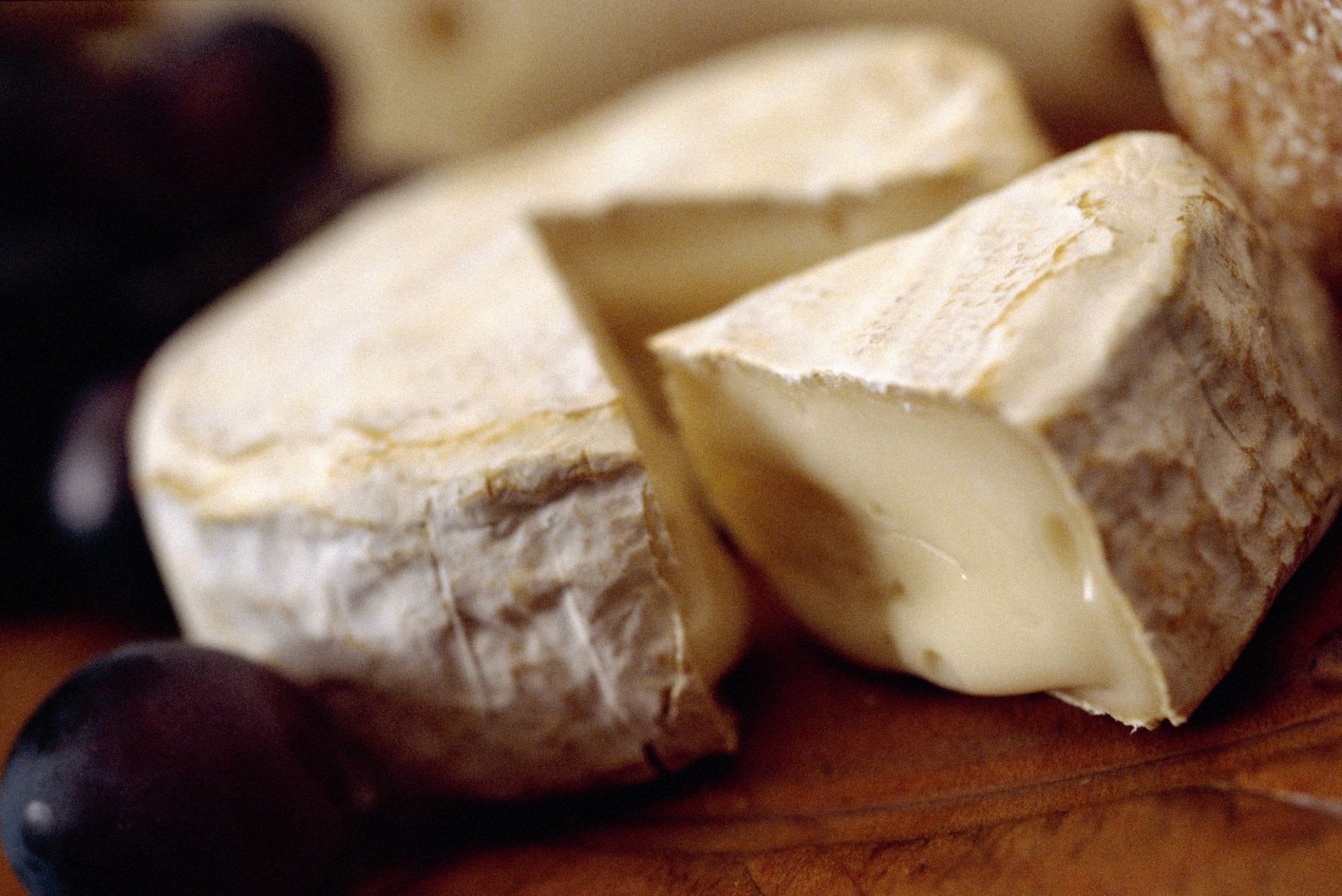
    Fans of soft cheeses in China have reason to celebrate after the country reversed a ban on mould-ripened cheeses, allowing imports of Camembert, Brie and Roquefort, European Union officials said Monday.

    From early September, businesses in the country were forbidden from importing cheeses made with certain moulds and bacteria.

    The ban was lifted following meetings last week between European Commission representatives and Chinese quarantine and health officials, the EU’s China delegation said in a statement.

    The National Health and Family Planning Commission issued a note to customs authorities clarifying that bacterial cultures used for the production of these cheeses were not harmful to consumers’ health, thus allowing trade to resume, according to the delegation.

    The statement added that China’s cheese quality standards are “outdated,” and the delegation and French embassy will organize a seminar with Chinese experts to “(limit) the risk of such events re-occurring in the future”.

    Axel Moreaux, manager at French restaurant Paradox in Beijing, celebrated the news.

    “The ban was in place for a short time, so it hasn’t affected our business. Now we can go ahead as normal,” he told.

    “It’s a real relief,” said Vincent Marion, co-founder of Cheese Republic, one of China’s leading online cheesemongers.

    “It is now written in black and white that this category of cheese is legally importable. So it is very positive for the French and European dairy industry,” Marion said.

    The European Union Chamber of Commerce in China previously said efforts were underway to revise China’s national food safety standards for cheese.

    It is unclear why the ban was put into place.

    China has seen a series of scandals over food safety but Western products are widely seen as made to higher standards.

    Dairy products are not a typical part of a Chinese diet, but in recent years cheeses such as mozzarella have become popular as more Chinese hanker after Western dishes such as pizza.

    Strongly flavored mould-ripened cheese is usually only available at restaurants and markets that cater to foreigners.

  • Ten Ren milk tea comes to Vietnam via franchise

    Ten Ren milk tea comes to Vietnam via franchise

    Taiwanese milk tea brand Ten Ren to open first Vietnam store next month via a franchise agreement with The Coffee House.

    Nguyen Hai Ninh, co-founder and CEO of coffee chain, says Ten Ren will open 40 stores by the end of 2018.

    “At first, we will sell traditional packed tea, bottled drinks and anchored product – milk tea. Each year we will add more items according to customer demand,” Nguyen says.

    Nguyen believes Vietnam’s milk tea market still offers huge potential, citing Euromonitor data  showing the market was worth US$282 million in 2016 with a 20 per cent year-on-year growth rate.

    The latest entrants to Vietnam’s milk tea market include Yutang, and Vietnamese brand Tocotoco.

    Backed by Seedcom holding group, The Coffee House was founded in 2014, has 64 stores all over Vietnam,with plans to increase to 200 by 2020.

    Ten Ren Tea was founded in 1953, specialises in tea and ginseng products.

  • Meats eatery offers visual feast as well

    Meats eatery offers visual feast as well

    A focal point of the new Meats eatery in SoHo, described as a “meat bar”, is a custom-made  rotisserie and robata grill.

    Guests can sit in front of the glass-fronted kitchen to watch the chefs as they marinate, grill, roast and carve.

    On Staunton Street, the bar offers casual dining without reservations, offering sharing-style dishes. As well as slow roasting and grilling, its kitchen even prepares smoked meat.

    Brought to Hong Kong by Pirata Group, Meats has warm lighting, eclectic mismatched seating and vintage touches, thanks to Melbourne’s boutique interior design firm Samantha Eades. Exposed raw building materials are offset with European tiles and hand-painted depictions of forest animals on textured walls.

    Head chef Paddy McDermott says the knowledge and science behind preparing meat “almost takes us back to our primal instincts”.

    “I’m fascinated by the skill that goes into knowing how to use the whole animal, respecting unappreciated cuts of meat to create amazing dishes.”

    Each table has tongs, miniature meat cleavers and carving forks for diners. A one-page menu divides the offering into Small, Meats, Sides, Veggies and Sweets.

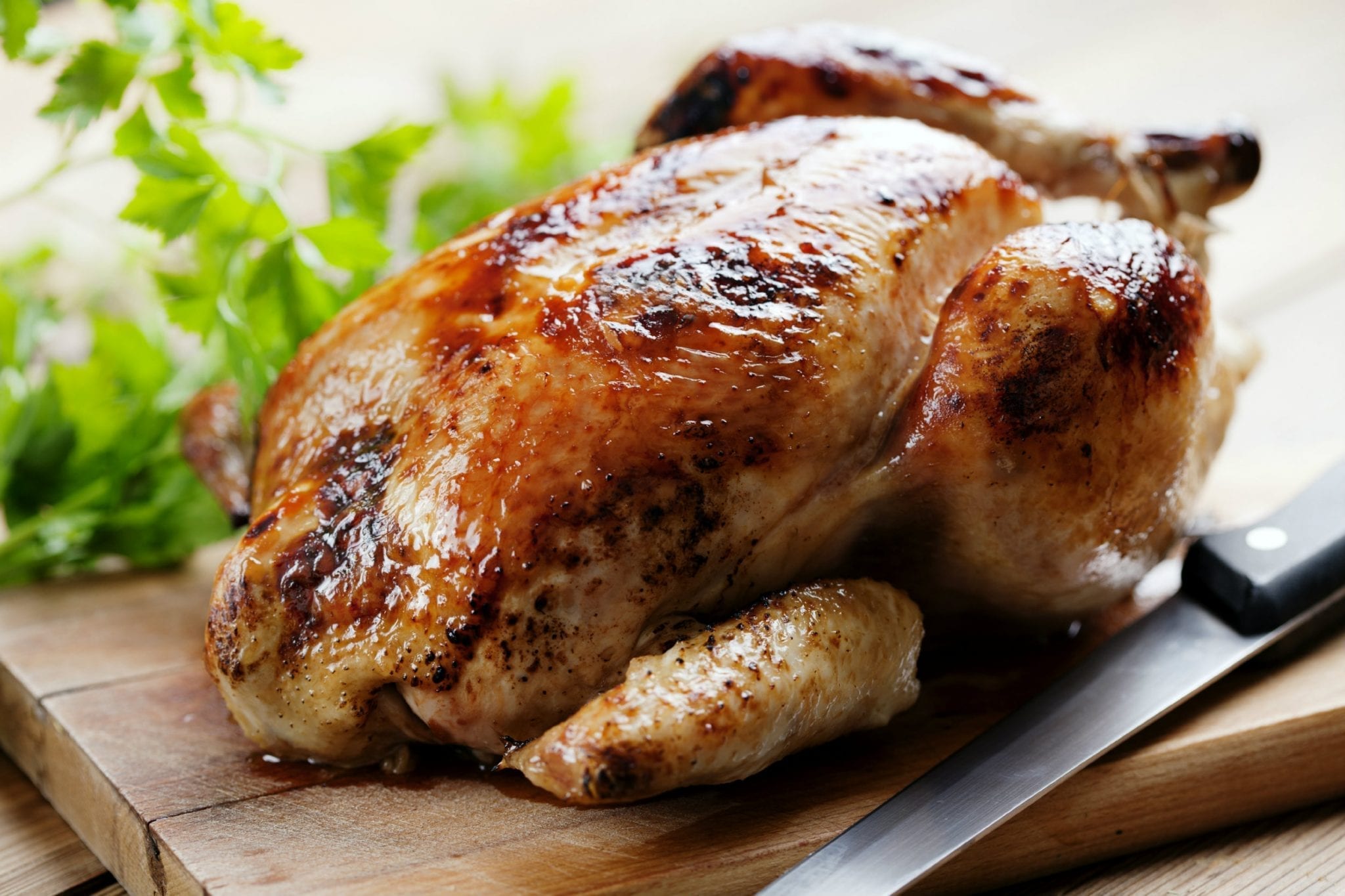
    Meats dishes that can be seen turning on the rotisserie include rustic Iberian porchetta with crispy crackling and aromatic herbs. Another slow-cooked signature is the chicken, which is salted overnight and basted in its own juices. A feature dish is appropriately titled Chef Give Me Meats!, which includes exclusive items not listed the menu.

    As well as wines, the bar offers bourbons, cocktails and craft beers by the bottle and draught.

    Meats seats up to 78 diners, including discrete corners and casual counter stools.

    Pirata Group, run by Manuel Palacio and Christian Talpo, also has the restaurants Pirata, The Optimist, Pici and TokyoLima.