Category: Food

Retail News Asia is committed to providing both local and global retailers with the latest Food and Food & Beverage news throughout the Asian market. This on a daily base.

  • A Permanent Pokemon Cafe is Coming to Japan

    A Permanent Pokemon Cafe is Coming to Japan

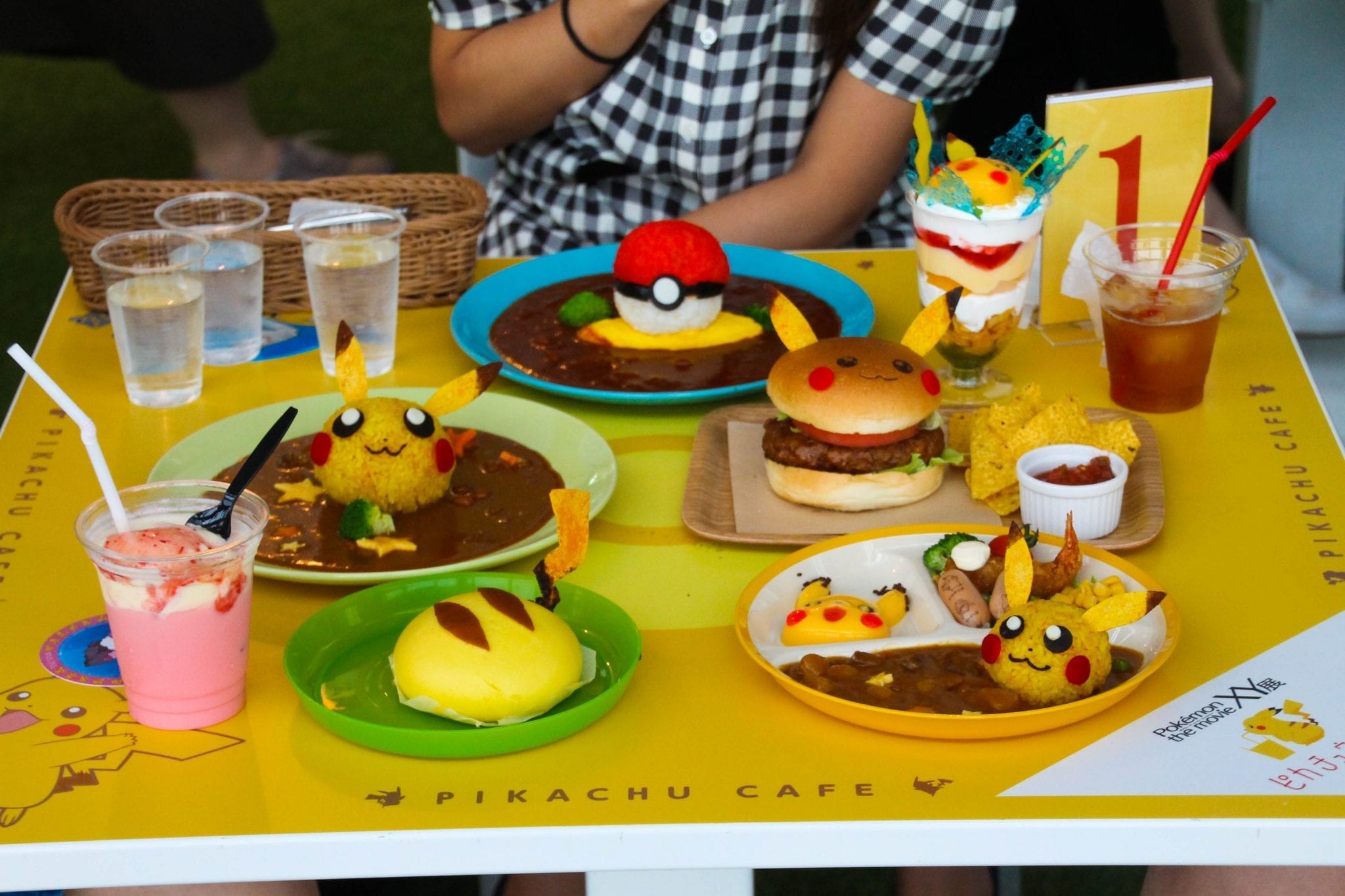
    Tokyo is getting the first ever permanent Pokemon Cafe. The Pokemon Company International announced that a new Pokemon Center “DX” retail store was opening up in the Takashimaya Nihombashi, an upscale department store in Japan. One of the main draws for the new retail center is that it will also have a permanent Pokemon Cafe restaurant, which will serve Pokemon-themed dishes to shoppers and tourists.

    Pokemon Center stores are usually big draws in Japan, as they have just about every kind of Pokemon goodie imaginable. From specialty plushes and figures to clothes and even stationary, the Pokemon Centers are major retail attractions all around Japan.

    Typically, Pokemon Cafes are pop up restaurants that only exist for a few months at a time. Both Japan and Singapore have hosted Pokemon Cafes before, but this is the first time that a Pokemon cafe is putting down roots.

    The new Pokemon Center DX and Cafe is expected to be a major tourist attraction when it opens in Tokyo next year. Tokyo already has three Pokemon Center stores, including the massive “Mega Tokyo” location. The new Pokemon Center DX will be the twelfth Pokemon Center store in Japan, each of which has its own mascot Pokemon and specialty merchandise.

    The Pokemon Center and Cafe will open on March 14, 2018, so start planning your Tokyo vacation now.

  • Crown Equipment Boosts Guan Chong’s Capacity By 50 per cent

    Crown Equipment Boosts Guan Chong’s Capacity By 50 per cent

    One of the world’s largest cocoa processors is using Crown material handling equipment to help it keep up with the world’s growing appetite for chocolate.

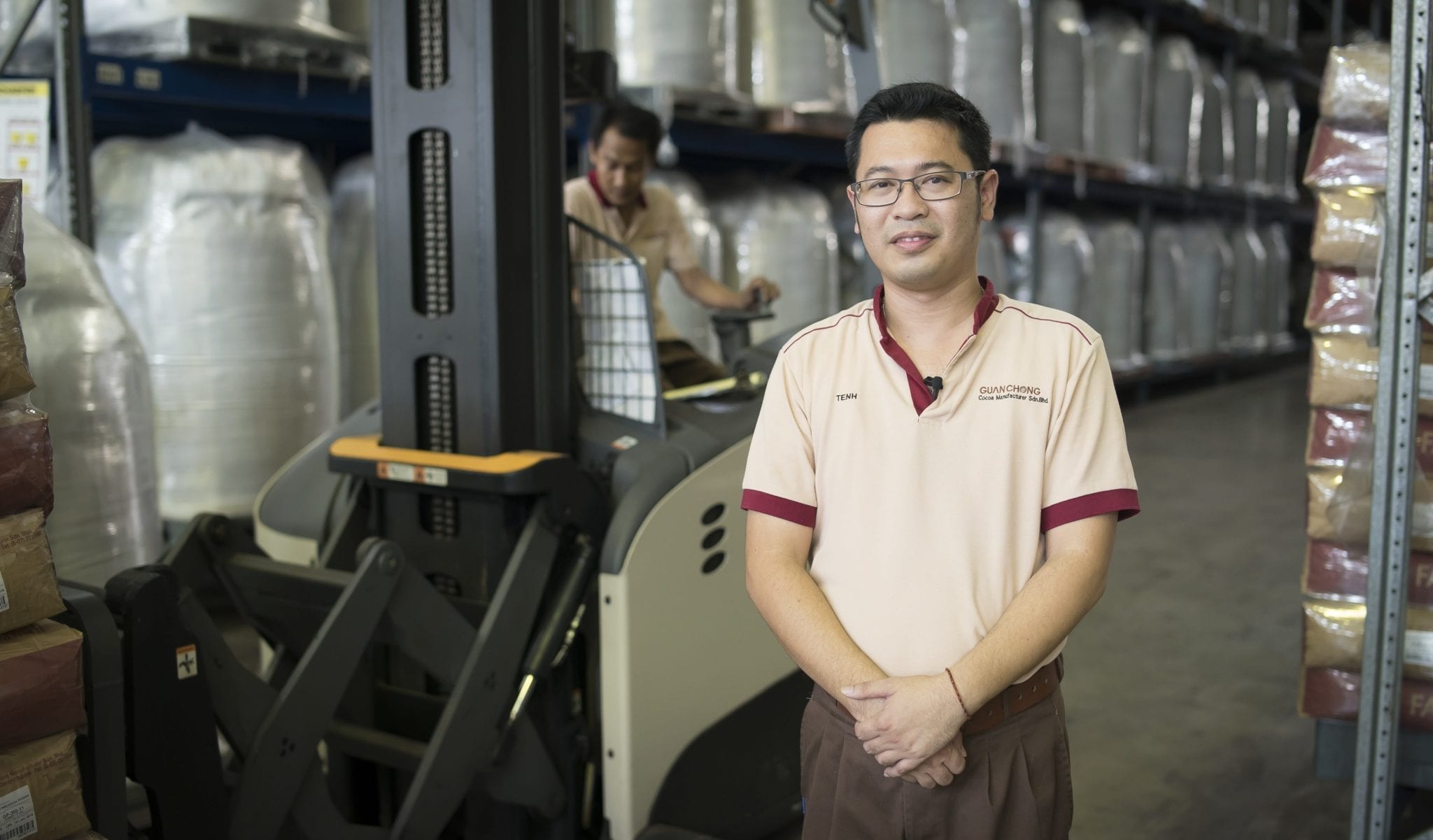
    Guan Chong Bhd, which produces cocoa-derived food ingredients including cocoa mass, cocoa butter, cocoa cake and cocoa powder, runs a busy material handling operation exporting its products to Europe, the Middle East, China, Japan and other Asian countries from its facility in Pasir Gudang, Johor, Malaysia, using a full material handling solution from Crown.

    The company has been using Crown RMD and RD Series reach trucks, PE Series rider pallet trucks and CG Series LPG counterbalance forklifts for over 10 years and plans to continue expanding its operations with the brand because of the equipment’s reliability, efficiency and safety.

    The management of Guan Chong’s 10,000 pallet spaces – which are in use 12 hours per day with 200 daily dispatches seven days a week – is carried out by a large number of contracted staff.

    The company rents its equipment from Crown to best match staff numbers in busy periods.

    Assistant Logistic and Warehouse Manager Tenh Swee Kheng said the use of Crown material handling equipment, which includes highly-efficient Crown pantograph-equipped double-deep reach trucks, has resulted in substantial efficiency increases across Guan Chong’s operations.

    “Using Crown lift trucks has added more than 50 per cent to our capacity, so it creates a lot of savings in material handling,” Mr Kheng said.

    “We have a number of these units in our warehouse and they are helping our operation to run more smoothly. Reliability and safety is another important factor for Guan Chong.

    “Of course, the equipment is very reliable and also our staff is very happy with the Crown trucks because they have safety factors built-in to the design; good visibility and a strong alert when reversing for picking and storage.”

    Guan Chong is expanding its operations on new frontiers and has continued to place Crown at the centre of its material handling operations.

    “We’ve also invested in Crown equipment in the next country where we’re setting up operations, which is Indonesia,” he said.

    “I think it’s a very good partnership in terms of the support Crown can offer our business.

    “Guan Chong has been in business for 30 years and we’ve been using Crown material handling equipment for the last 10. I think that continuing with the brand is a way to help grow our business in the future.

    “Crown is definitely the brand I would promote for high density, high-reach storage.”

    Guan Chong began operations in the early 1980s, originally trading cocoa beans then processing cocoa in its first factory in Muar, Johor.

    The company is one of the top cocoa processors in Malaysia with a capacity of 80,000 tonnes. It has recently expanded its operations with a grinding plant in Batam, Indonesia. Guan Chong’s output is contributing to Johor’s position as the ‘chocolate hub’ of Malaysia, making-up around 85 per cent of the country’s cocoa grinding capacity.

    Guan Chong is a proud member of the World Cocoa Foundation, an international membership organisation that promotes sustainability in the cocoa sector.

  • “Shine Bright” Like Cafe de Coral

    “Shine Bright” Like Cafe de Coral

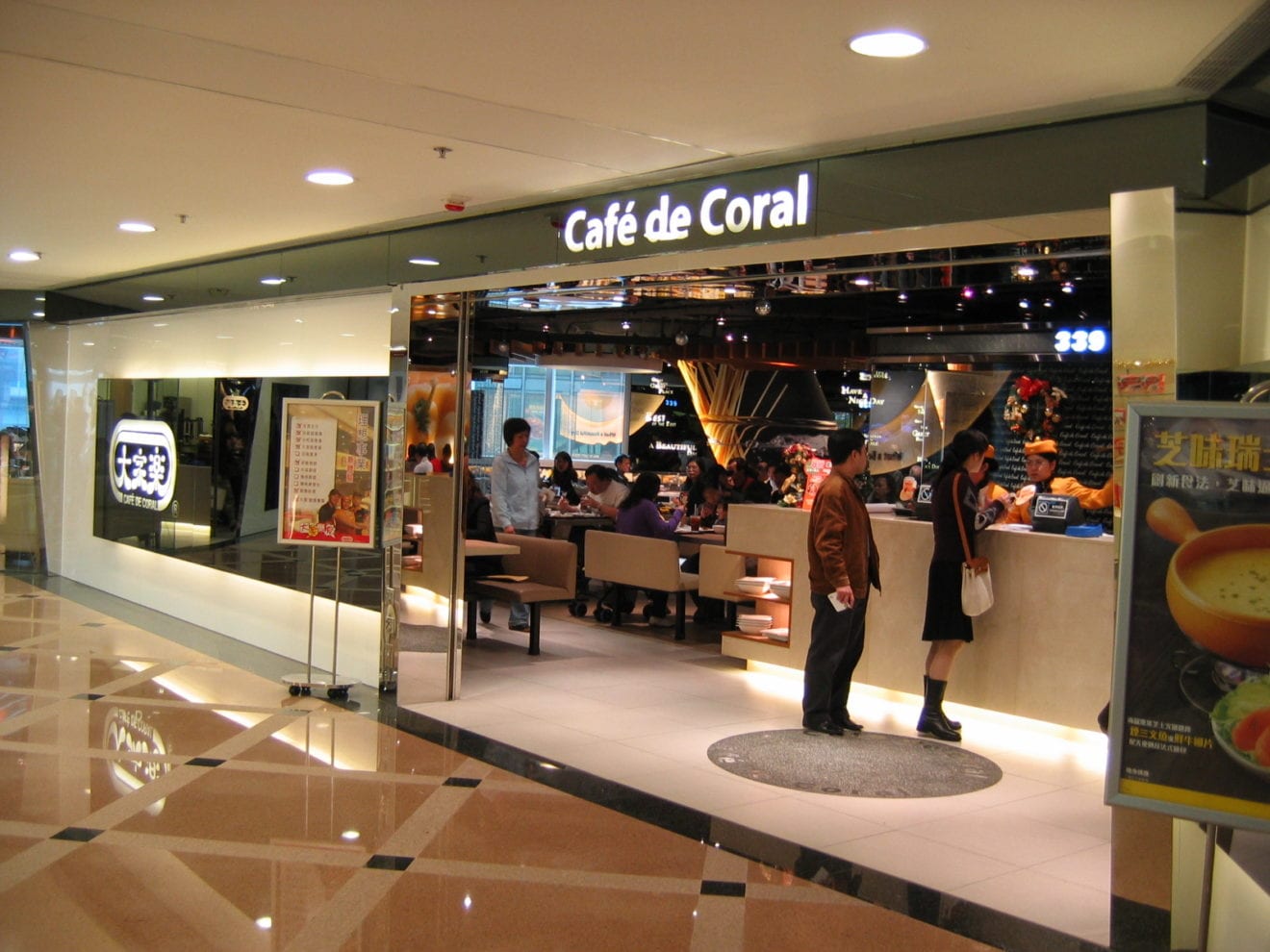
    With expansion in Hong Kong and “outstanding” growth in China, restaurant/catering group Cafe de Coral Holdings says it has had six months of key achievements.

    Its first-half revenue grew by 6.2 per cent to HK$4.1 billion (US$525 million), but profits were hit as rising staff costs exceeded the group’s pace of revenue growth. The profit attributable to shareholders, $205.7 million, was down 11.3 per cent on last year’s first half, while gross profit margin fell to 11.9 per cent from 13.3 per cent.

    This decline, in Hong Kong, was largely because of the group’s investment in people for its core quick-service restaurant (QSR) business. “This was necessary for attracting and retaining talent in a highly competitive labour market,” says Cafe de Coral, which continued its network expansion by opening more outlets than in previous years.

    However, the drop was partially offset by business growth in Mainland China. “Following our previous efforts to consolidate our branch network there, our product and promotion strategies began to pay off with strong growth in same-store sales and profit.”

    QSR and institutional catering brands continued to dominate in Hong Kong, contributing to 74.6 per cent of the group’s total revenue for the period. Revenue from this division rose 5.7 per cent to $3 billion.

    At September 30, the group’s QSR and institutional catering business had 306 units, up from 295 at the end of March.

    Positive market

    The market for fast-food service in Hong Kong was positive, with customers still price sensitive and value-driven. Cafe de Coral fast food achieved same-store sales growth of 3 per cent, and 10 branches were opened for the group to finish the period with 170 outlets.

    Its other QSR brand Super Super Congee and Noodles had 51 stores at the end of September, with two new outlets since March 31. Same-store sales growth was maintained at 1 per cent.

    Overall, the performance for institutional catering was steady, with both Asia Pacific Catering and Luncheon Star gaining new contracts. The total number of business units at the end of the review period was 85, up from 79 six months earlier.

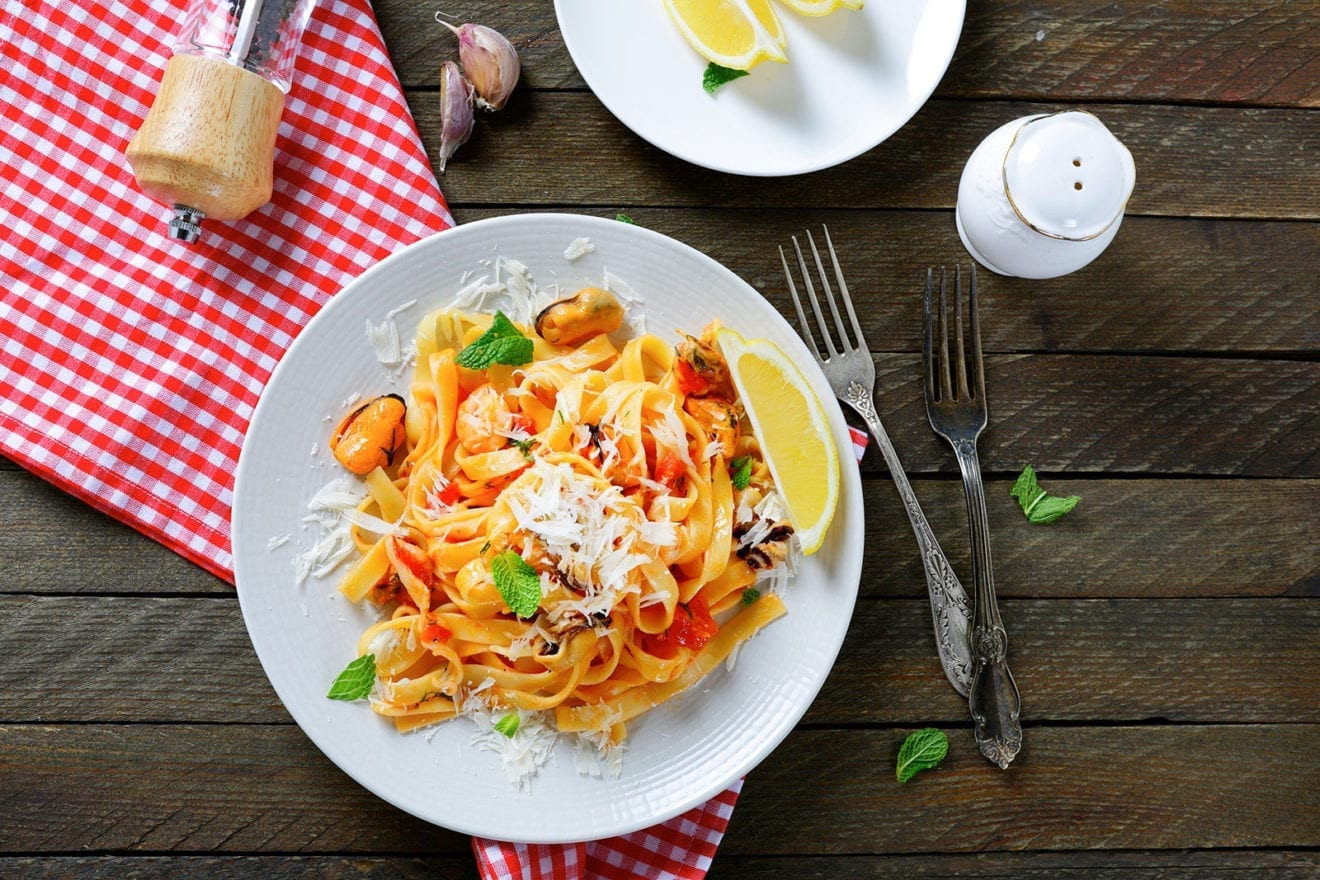
    After brand renovations and consolidation, casual-dining revenue grew 9.2 per cent to reach $422 million, and the first half ended with 72 shops, up from 64 at the end of March. Underperforming outlets of The Spaghetti House were closed, while Oliver’s Super Sandwiches had a rebranding program. The two restaurant chains had 10 and 18 shops respectively at the end of September, compared with 12 and 19 six months earlier.

    Cafe de Coral’s homegrown brands established a stronger foothold through expansion. Three Shanghai Lao Lao outlets were added during the half-year, as well as six Mixian Sense restaurants.

    China strategy

    After a period of store consolidation, the company’s focus for the mainland was on developing a local management team and menus catering to local tastes. This strategy began to pay off with same-store sales growth of 15 per cent and “substantial profit growth” in southern China.

    During the six months, the China division saw revenue rise 7.3 per cent to $548.3 million, while the total number of restaurants was consolidated at 96, down three from March 31. O2O delivery services were also launched, which the group says have been growing faster than the in-store market.

    Late last month, the group closed its final two stores in eastern China as part of a short-term strategic adjustment while it focuses on developing the southern China market where the potential for growth is higher.

    Meanwhile, the group set up six shops at the refurbished JP Plaza in Causeway Bay to demonstrate the synergy it can achieve across all its fast-food and casual-dining brands. These were set up in one 16,000sqft (1490sqm) complex, anchored by Cafe de Coral and including Mixian Sense, Shanghai Lao Lao and The Spaghetti House.

    At the end of September, the Cafe de Coral network had 474 stores in Hong Kong and China, up from 45 six months earlier.
  • More refresh design for Pizza Hut Australia

    More refresh design for Pizza Hut Australia

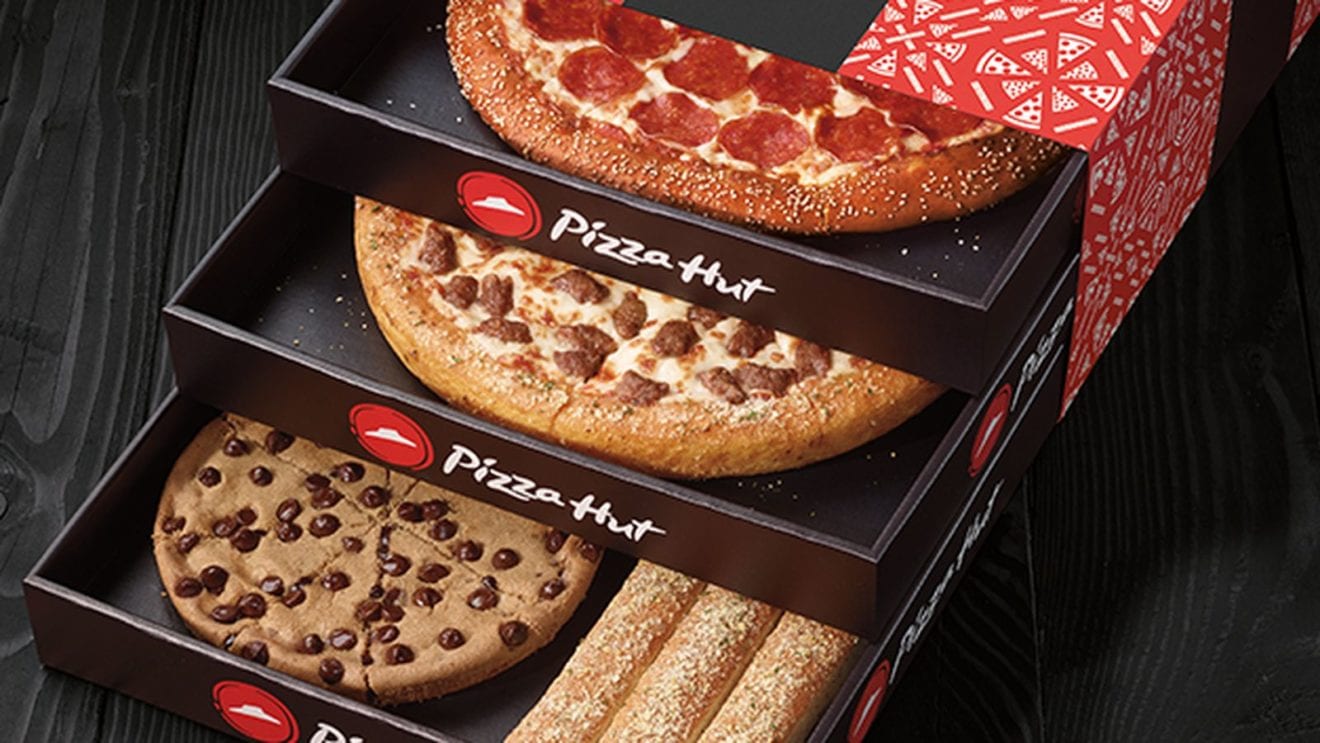
    Pizza Hut Australia has taken its next big step back into the fore, unveiling a new brand image and concept store in a bid to redefine its position in Australia’s highly competitive pizza market.

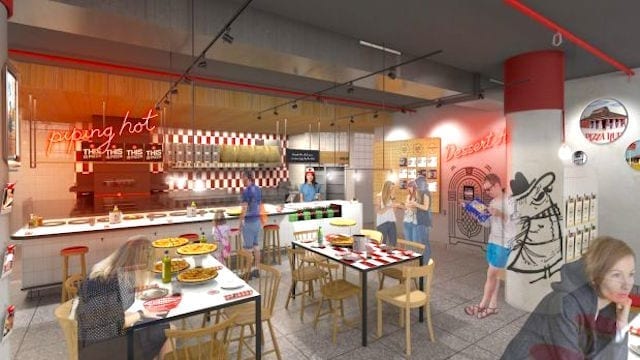
    The new store, launched yesterday in Sydney has been designed as a fresh take on contemporary Australia with ties to the brand’s US heritage and will inform a broader store refresh program, which began earlier this year.

    Its original brand icon Pizza Pete has also been reintroduced into signage and internal designs alongside several menu innovations, such as localised flavours, designed to cement its point-of-difference as a dine-in pizza option – juxtaposed to market leader Domino’s delivery-focused offer.

    The move is a sign that the chain’s owner, private equity firm Allegro Funds, is looking to bolster the consumer-side competitiveness of the chain, after it purchased the master-franchise license for Pizza Hut from American owner Yum! Brands in 2016.

    Under Yum! Pizza Hut began falling behind rival Domino’s technologically enabled fast-delivery model, prompting management to spend the last year undertaking a broad-based improvement plan within the business that included the acquisition of Eagle Boys outlets late last year.

    Allegro has also been busy bringing new talent into the business to reposition its future under the stewardship of former McDonald’s executives Peter Rodwell, Lisa Ransom and Chris Leslie. The chain’s new director of innovation, Matthew Sawyer, who was brought over from McDonald’s in December last year, said that the re-brand would deliver a local spin on a well-known brand with global credentials.

    “Pizza Hut in previous years had lost its direction and when we took over the business we clearly identified that there was a lot of love for the brand – in particular the old dine-in restaurants with the all you can eat buffets and the self-service desserts,” he said. “We knew we had to do something around that to reconnect with the Australian community.”

    Sawyer said dine in will be a point-of-difference for Pizza Hut’s new look, with franchisees given autonomy within a flavour toolkit to localise parts of the menu. He calls it ‘glocal’ – a play on the words local and global – a philosophy that will be rolled out through the 300+ store network.

    “Over the next few years you’ll see significant change in the brand, how fast we roll this out will depend on how fast we learn about how well certain items work in different communities,” he said. “That’s the thing about global, it’s going to be different everywhere.”

    In many ways the dine-in focus doubles down on Pizza Hut’s pre-existing market position, but made-to-order rather than pre-prepared pizzas as well as new delivery methods, such as electric bikes, will round out the new offer.

    Allegro has previously said it has no intention of contesting Domino’s market leading position, but does want to cement itself as the number-two in the Australian market, making Retail Food Group (RFG)’s Pizza Capers and Crust brands relevant competitors.

    RFG has been embarking on its own repositioning since last year, revamping its QSR division to focus more heavily on lunchtime business with new products and mobile food trucks. IBISWorld data from 2016 placed Pizza Hut’s share of the local market at just over 15 per cent after the Eagle Boys acquisition, compared to Domino’s 25 per cent share and RFG’s 4 per cent share.

  • Tokyo Milk Cheese Factory says Hello to Bangkok

    Tokyo Milk Cheese Factory says Hello to Bangkok

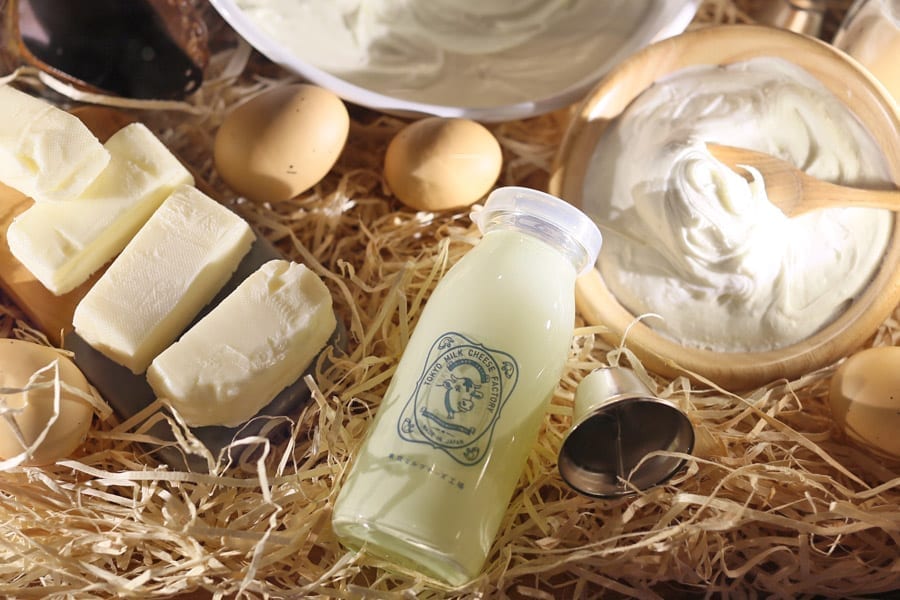
    Japanese bakery chain Tokyo Milk Cheese Factory is about to take a bow in Thailand with a store at Siam Paragon in Bangkok.

    Famed for its soft milk cheesecake made from French cream cheese and Hokkaido cream, the brand also offers cheese and milk mousses wrapped in crepes, Salt & Camembert Cookies Camembert Cheesecake with a chocolate filling. There is also a Honey and Gorgonzola Cookie flavoured with Spanish rosemary and featuring a chocolate filling.

    Its arrival in Thailand is thanks to Dolnapa Thammawatana and Khanchai Ongkamongkol, who were impressed by the brand’s flavours when visiting Japan.

    Thammawatana says their shop will also introduce Cow Cow Ice, a soft ice cream in a cheesy cone, as found in the brand’s shop in Shinjuku, Tokyo.

  • DFS opens new experiential wine & spirits store

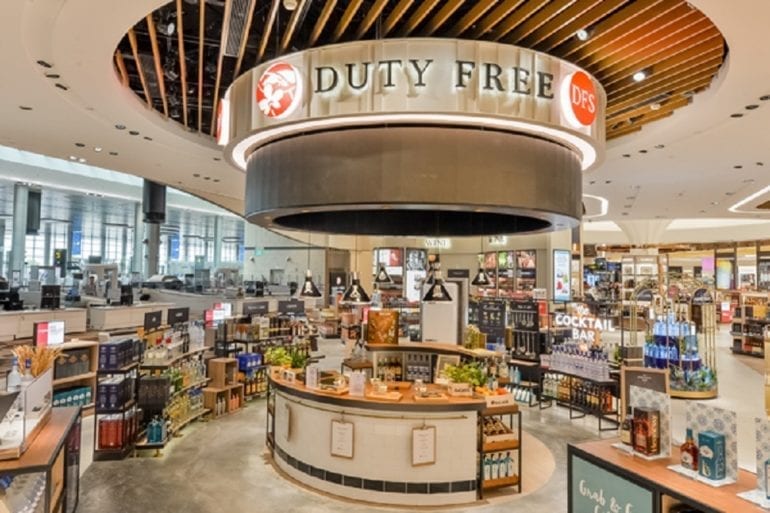
    DFS Group has opened its 167sq m wine and spirits duty free store at Singapore Changi Airport’s new Terminal 4.

    Featuring over 300 brands, Terminal 4 is the first terminal at Changi to offer a ‘walk-through’ retail concept, allowing DFS to introduce new features for a seamless shopping experience.

    This includes integrated shopping spaces covering liquor & tobacco and perfumes & cosmetics.

    In addition, travellers can for the first time make their purchases in a single transaction at common cash counters manned by team members cross-trained on all products.

    Brooke Supernaw, DFS Group’s Senior Vice President Spirits, Wines and Tobacco, Food and Gifts said: “We have been eagerly awaiting the opening of Terminal 4 and are thrilled to officially unveil DFS’ latest store here at Changi Airport.

    “We are excited to introduce two new concepts to provide our customers with more ways to engage with and discover new brands.”

    Travellers are encouraged to engage in the basics of cocktail making at The Cocktail Bar.The new store features ‘The Cocktail Bar’ and ‘The Craft Collection’ section, allowing passengers to discover and engage with new brands.

    Aimed at making cocktails accessible for connoisseurs and novices alike, a selection of brands will be invited to take over the space and showcase their spirits throughout the year.

    The Craft Collection section showcases a selection of craft and small-batch beers and spirits from around the world, ‘curated for travelling customers looking for something unique and artisanal’, states DFS.

    The travel retailer says it aims to invoke the stories and passion of a new generation of brewers and distillers who put ‘innovation, authenticity and local culture’ into everything they do.

    Three craft beers are available on tap for tasting, as well as a rotating selection of spirits.

    According to DFS, gin is a category that embodies today’s craft movement within spirits, so new brands will be introduced to the collection on rotation.

    Terminal 4 also features The Whiskey House, which marks a welcome return following its success at DFS’s Terminal 2 Duplex store.

    From timeless classics and special releases to exclusive bottlings and single casks, The Whiskey House offers complimentary tastings of over 100 different whiskeys.

    Meanwhile, Master Distillers and Brand Ambassadors will stop by regularly to introduce their new release exclusives, with guided tastings and food pairings.

    The new Terminal 4 store also boasts an impressive selection of ‘prestige wines’, with special collections from Lafite, Mouton and Latour among others.

    Passengers will also be able to sample a curated selection of wine, ‘presented in enomatic tasting machines’ instore before they buy.

    To celebrate the launch of the store, DFS has collaborated with local award-winning bartender Peter Chua of Crackerjack to create three cocktails inspired by Singapore’s favourite sweet treats.

    Every Friday and Saturday until the end of December, travellers will be able to enjoy complimentary samplings of the three cocktail serves at the Terminal 4 Activation Pad.

    In addition, customers who spend over S$120 ($88.6) on wines and spirits will receive a local snack ‘plushie coin pouch’ with their purchase.

    Commenting on the opening, Teo Chew Hoon, Group Senior Vice President of Airside Concessions Division at Changi Airport Group, said: “Our vision for Terminal 4 is to continually delight travellers with new retail experiences. CAG is happy to work with DFS to create a first-in-Changi seamless duty-free zone.

    “With the addition of Terminal 4, we look forward to welcoming many more travellers to enjoy Changi Airport’s exciting offerings.”

  • Jollibee International Expanding in Singapore

    Jollibee International Expanding in Singapore

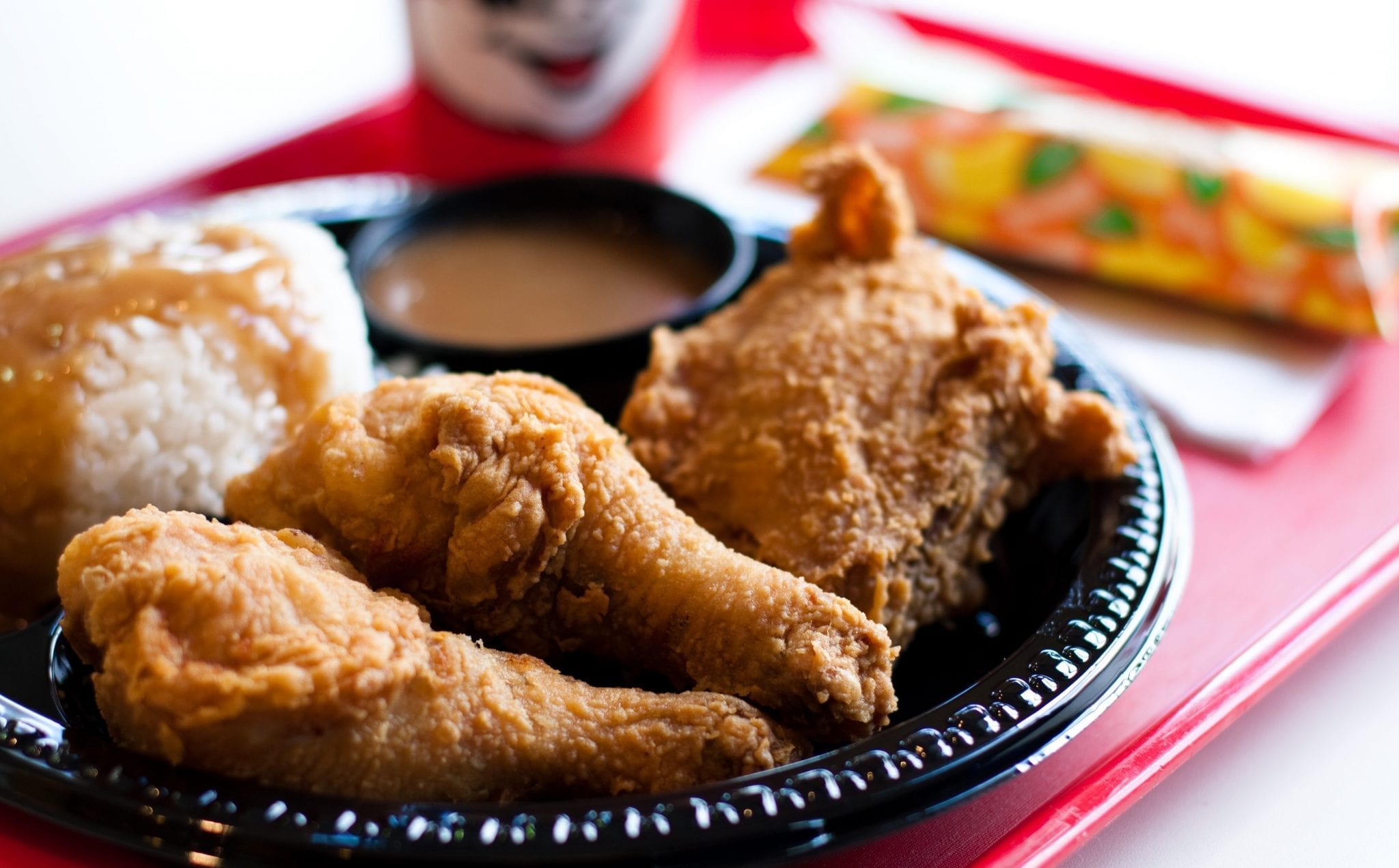
    Philippine fast-food giant Jollibee International is opening at least 15 more outlets in Singapore in the next five years, with an incursion into Indonesia in 2019.

    Jollibee president and head of international business Dennis Flores says the Manila-based company will open its sixth store in Singapore in Jurong East in April. It joins the line-up of two stores at Lucky Plaza and one each in Changi, Novena and Paya Lebar.

    “We’ve gone to another level – half our customers now are Singaporeans, not just Filipinos,” says Flores. Jollibee opened its first store at Lucky Plaza in March 2013. While Filipinos formed queues, few Singaporeans went there – “only brave souls”.

    A second outlet at the mall’s basement drew more local diners, and Jollibee has since picked locations more accessible to Singaporeans. “The patronage of Singaporeans is really giving us a lot of encouragement…Our ability to connect with the Singaporean palate gives us a lot of excitement and encouragement that we can fulfil our goal to open 15 more stores,” says Flores.

    Meanwhile, the company aims to enter the 260-million-strong Indonesian market in 2019. “It’s a market we can’t ignore. It’s a chicken market – the big players are all ‘chicken players’.”

    Jollibee is hoping to open 150 stores in Indonesia in 10 years.

  • Minion Cafe Opens at Singapore Central

    Minion Cafe Opens at Singapore Central

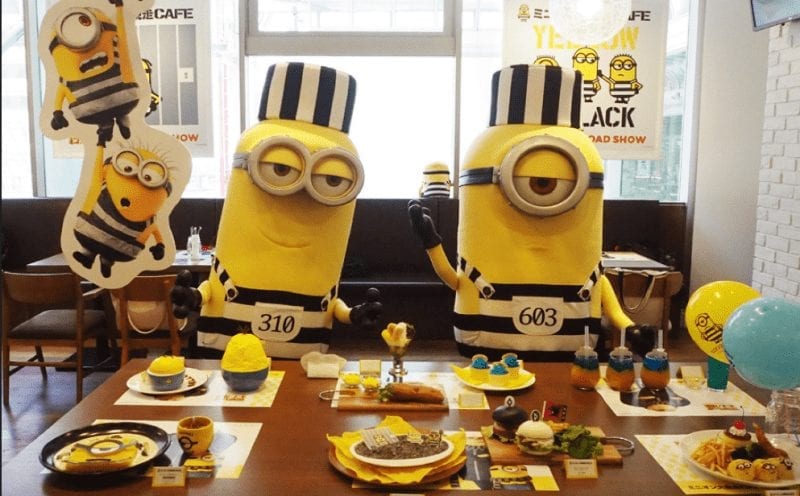
    A Singapore Minions Cafe has opened at Orchard Central – the first one to trade outside Japan.

    Minions, the yellow cartoon characters who made their debut in the Despicable Me movies and have now spurned their own films, will host diners on the mall’s third floor until January 31.

    Minions Cafe Sg


    The Minions said ‘bello’ – which is their language for ‘hello’ in five Japanese cities to coincide with the premiere of the Despicable Me 3 movie.

    The themed character cafe has a menu with 14 options inspired by the movie characters. Exclusive movie merchandise will also be sold on-site.

    The Singapore Minions Cafe popup is operated by Japanese cafe, The Guest Cafe & Diner, which collaborates with a different popular character every two to three months.

  • Asia to dominate global grocery market by 2022

    Asia to dominate global grocery market by 2022

    The region is expected to enjoy a CAGR of 6.6%.

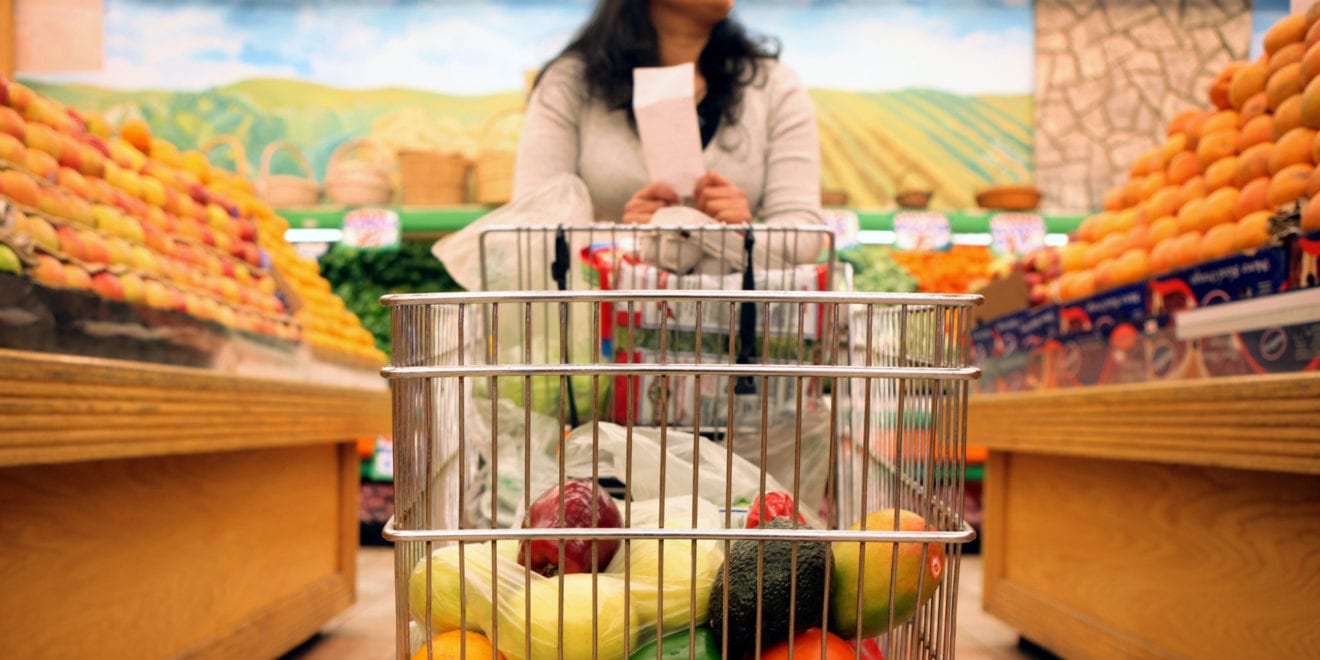
    Asia is expected to dominate the global grocery retail market as it is projected to add $1.2t in sales which is more than Africa, Europe and Latin America combined, according to Institute of Grocery Distribution (IGD).

    IGD forecasts that Asia will enjoy a compound annual growth rate (CAGR) of 6.6%.

    Levels of consumer spending from Asia account for nearly half of additional sales generated until 2022 as the region’s grocery retail market is significantly boosted by its continuously rising population.

    Six countries from Asia secured a spot in the top 20 largest grocery markets by 2022, led by China at second place with a projected value of $1.67b.

    India follows at third place with an expected $812b value by 2022.

    Japan is at fifth place with a projected value of $455b; Indonesia notched seventh with $313b; Philippines at $153b and South Korea at $141b.

    “With China, India and Japan all in the top five, Asia’s grocery market continues to be in rude health thanks to growing populations and shoppers with more disposable income. Innovations in this market also continue apace, especially in China, where retailers are experimenting to drive the online and convenience channels,” said John Wright of IGD.

  • Emirates Leisure Retail roars in to Changi Airport

    Emirates Leisure Retail roars in to Changi Airport

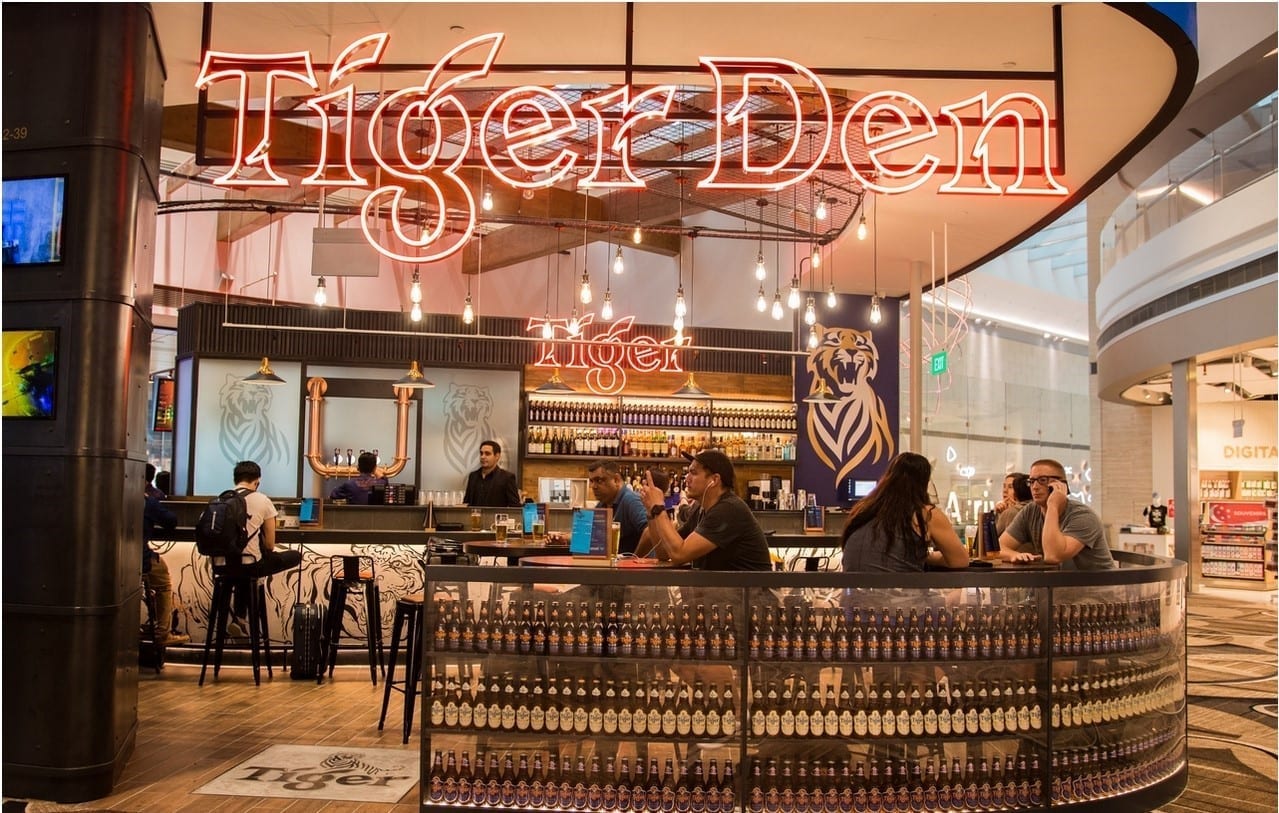
    Emirates Leisure Retail (ELR), has expanded its growing footprint across Asia with the launch of Tiger Den at the new Terminal 4 in Singapore’s Changi Airport.

    The new opening follows ELR’s expansion strategy into the Asian market, which is committed to elevating the travel experience and bringing world-class dining experiences to international and domestic air passengers. Tiger Den adds to ELR’s existing portfolio of outlets at Changi Airport including Pret a Manger, Kitchen by Wolfgang Puck and Hudsons Coffee.

    Paying tribute to Tiger Beer’s strong street food heritage, the 150 square-metre venue serves the lager as well as locally inspired hawker-style dishes such as Chili Crab Bao Bun, Keema Nachos and Beef Yakitori skewers.

    Commenting on the opening, Kevin Zajax, COO of ELR, said: “We are extremely proud to continue our partnership with Changi Airport Group and delighted in establishing a new partnership with Asia Pacific Breweries in the region. The launch of Tiger Den, as a global first, showcases ELR’s expansion commitments and continued growth.”

    Teo Chew Hoon, Group Senior Vice President of the Airside Concessions Division at Changi Airport Group, said: “The opening of Tiger Den adds to the variety of dining experiences we offer our passengers at Changi Airport. Passengers will be delighted with Tiger Den’s extensive range of Tiger Beers served fresh from a custom-built draft beer system, and their locally-inspired food selection. We hope to bring a new experience through this partnership with Emirates Leisure Retail by showcasing an established brand that resonates with travellers and locals alike.”

    Dubai-headquartered ELR manages and operates around 300 outlets, with 80 airport premises catering to hundreds of millions of passengers every year.

  • More street food zones in the making for downtown Saigon

    More street food zones in the making for downtown Saigon

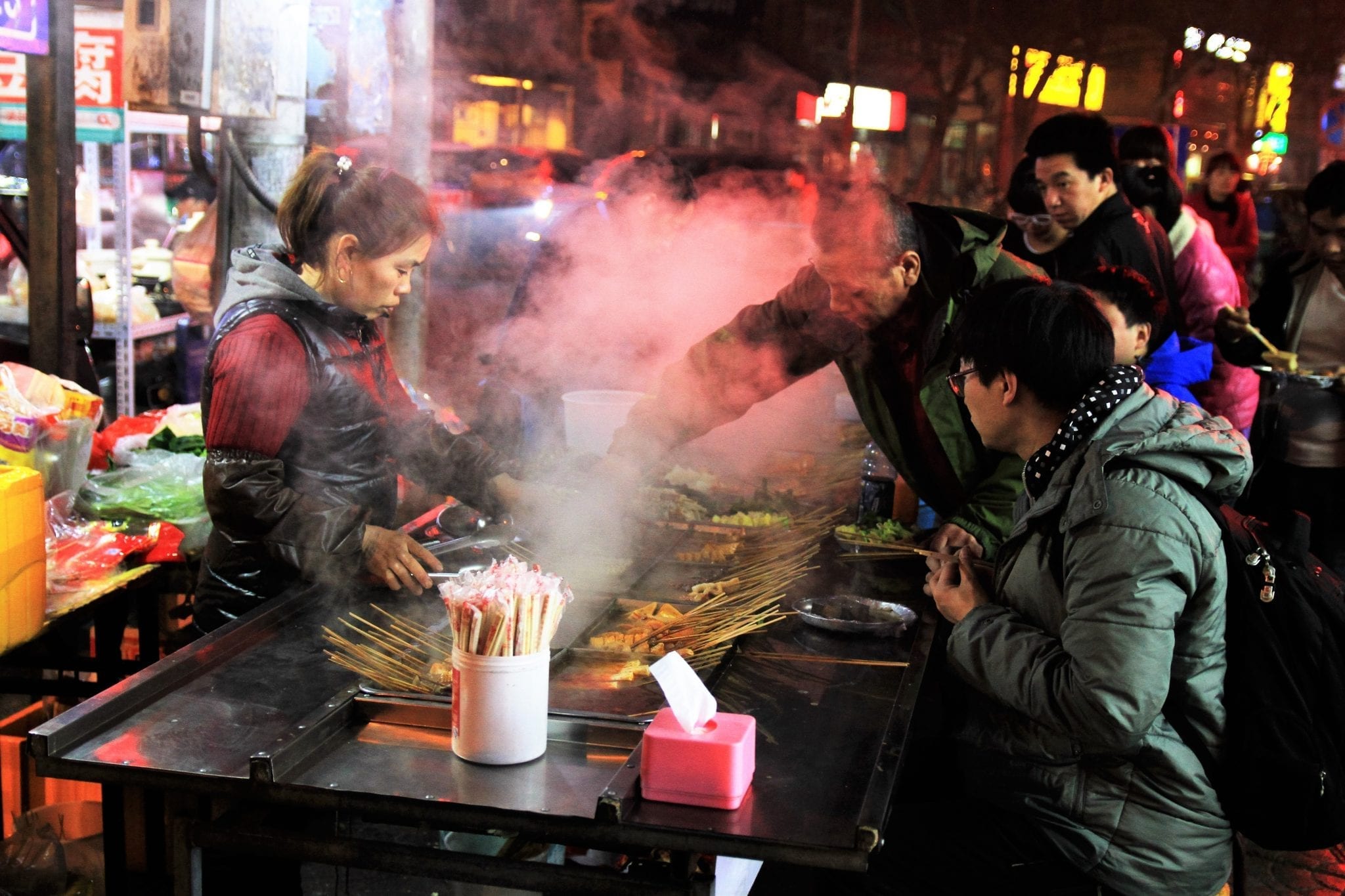
    People with a literal taste for the outdoors will be pleased to know that more street food zones are expected to open in downtown Saigon following the success of the first two areas and the need to keep the city’s sidewalks in order.

    Seven out of ten wards in District 1 want to set up street food zones, Tran The Thuan, the district chairman, said at a meeting Tuesday.

    The new zones will include two on Nguyen Thai Hoc Street and one on Phan Van Truong Street.

    Before the new zones are opened, District 1 will offer food safety training for vendors as it did at the first and second zones, which are located on Nguyen Van Chiem Street near Notre-Dame Cathedral and in Bach Tung Diep Park near Reunification Palace.

    The first two zones are open from 6 a.m. to 9 a.m. and from 11 a.m. to 2 p.m.. The district administration has said it is looking at plans to extend the opening times for the new zones.

    Vendors in the new zones will be selected from those who have been barred from selling their wares on the sidewalks in recent months in the same way as the first two zones, where vendors say they have finally found peace after years of playing cat and mouse with officers.

    District 1 has been making efforts to clean up its sidewalks since February.

    Led by the district’s vice chairman Doan Ngoc Hai, aka Captain Sidewalk, the campaign has taken a zero-tolerance approach to cars, bikes, vendors and structures that invade the sidewalks and rob pedestrians of their space.

    It has been widely applauded by locals, but has also raised concerns for being too extreme.

    Hai has been told by city leaders to tread carefully around diplomatic cars, and has also received death threats that warranted police protection.

    City leaders eventually stepped in to set up a new task force that will only react when complaints are made, essentially undercutting Captain Sidewalk’s authority.

    The move was welcomed by street vendors who have been left devastated, with many seen crying and yelling when police or soldiers seize their food stands.

  • Kit Kat Japan and Tokyo Banana launch banana chocolate

    Kit Kat Japan and Tokyo Banana launch banana chocolate

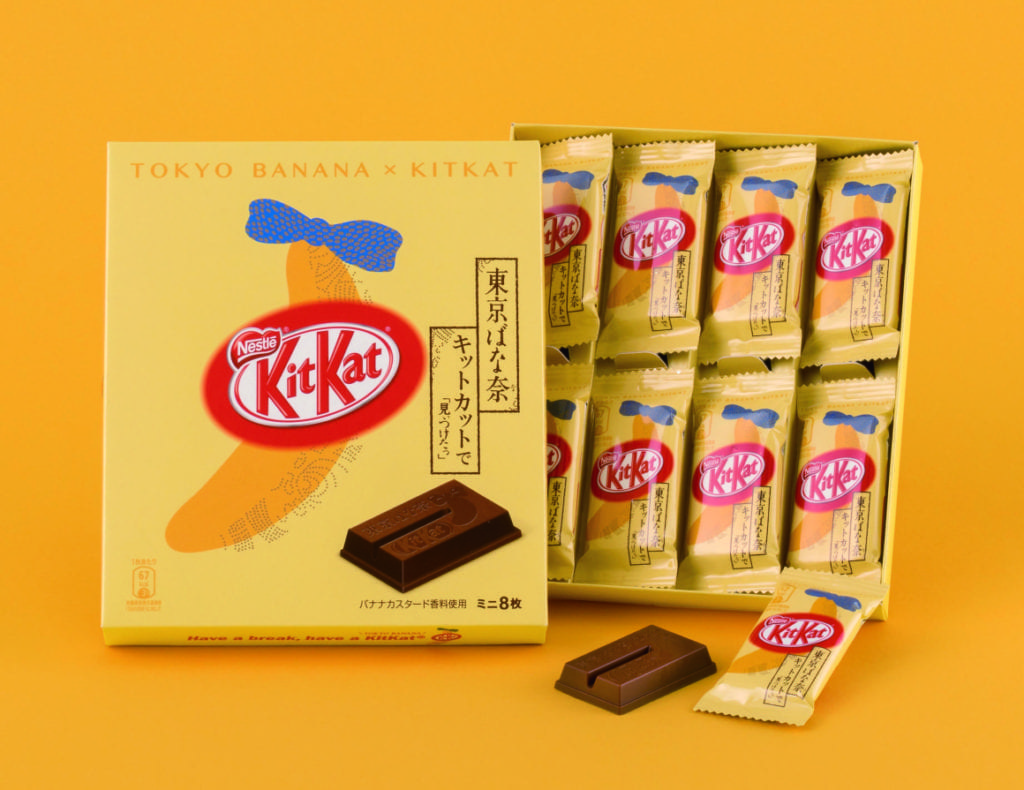
    Kit Kat and Tokyo Banana have released a limited-edition chocolate wafer only at Tokyo Okashi Land, Tokyo Station.

    The products combine milk chocolate and banana cream, recreating the flavour of Tokyo Banana. Chocolate boxes are also stamped with the distinctive Tokyo Banana bow logo.

    The local market-only release saw customers queuing outside the store to buy a box of the confectionery.

    The kiosk houses large screens showing the product and multi-lingual signage explaining the story behind it.

    Despite being limited edition, Nestle assures fans the Tokyo Banana Kit Kat is supplied in sufficient quantity to meet the huge demand.

    The product comes in two sizes, with packs of eight sold at ¥702 (US$6.24), and packs of 15 at ¥1296. The wrapped package includes a pair of chocolate wafer bars with a tiny banana mark, the words “Tokyo Banana” and bow logo on top.

    The product will be Introduced later at stores including airports, train stations and highway rest areas around the Kanto region.

  • Vietnam’s love for instant noodles rises to near-boiling point

    Vietnam’s love for instant noodles rises to near-boiling point

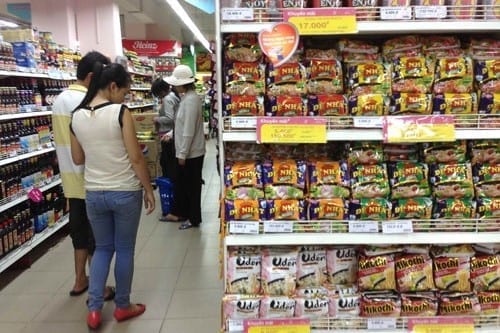
    Vietnamese people consumed more than 4.9 million packs of instant noodles last year, behind China, Indonesia and Japan, new data shows.

    Vienam has held fourth spot since 2012 in the rankings compiled annually by the World Instant Noodle Associations (WINA).

    On a per capita level with a population of over 93 million, the average Vietnamese person gobbled 53 packs of instant noodles in 2016, higher than Indonesians at 49, Japanese at 44 and Chinese people at 38.

    WINA said Vietnam’s instant noodle market recovered last year thanks to more diverse products that offer a wider range of choices for customers.

    Kajiwara Junichi, CEO of noodle producer Acecook Vietnam, said that the company’s revenue from instant noodles rose 5-20 percent during the second half of this year.

    Meanwhile, Masan Consumer and Asia Foods have been suffering from falling revenue.

    The three firms are the three biggest instant noodle producers in Vietnam and make up 70 percent of the domestic market share.

    Last year, The Washington Post cited a South Korean study that pointed out how harmful instant noodles can be for the health.

    “Although instant noodles are a convenient and delicious food, there could be an increased risk for metabolic syndrome given [the food’s] high sodium, unhealthy saturated fat and glycemic loads,” said Hyun Shin, a doctoral candidate at the Harvard School of Public Health and a co-author of the study.

    Doctor Dang Huy Quoc from the Ho Chi Minh City Oncology Hospital told Tuoi Trenewspaper that no studies have concluded that instant noodles can cause cancer, but high consumption of fat and salt can cause cancer and other heart diseases.

    Other experts suggest that people should only eat one or two packs of instant noodles per week.

    Many Vietnamese people are well aware of the harmful effects of instant noodles, but it’s common in Vietnam for people to snack on a pack of instant noodles between breakfast, lunch and dinner.

    The noodles are popular among college students, who often live far from home and lack the facilities to cook themselves a proper meal.

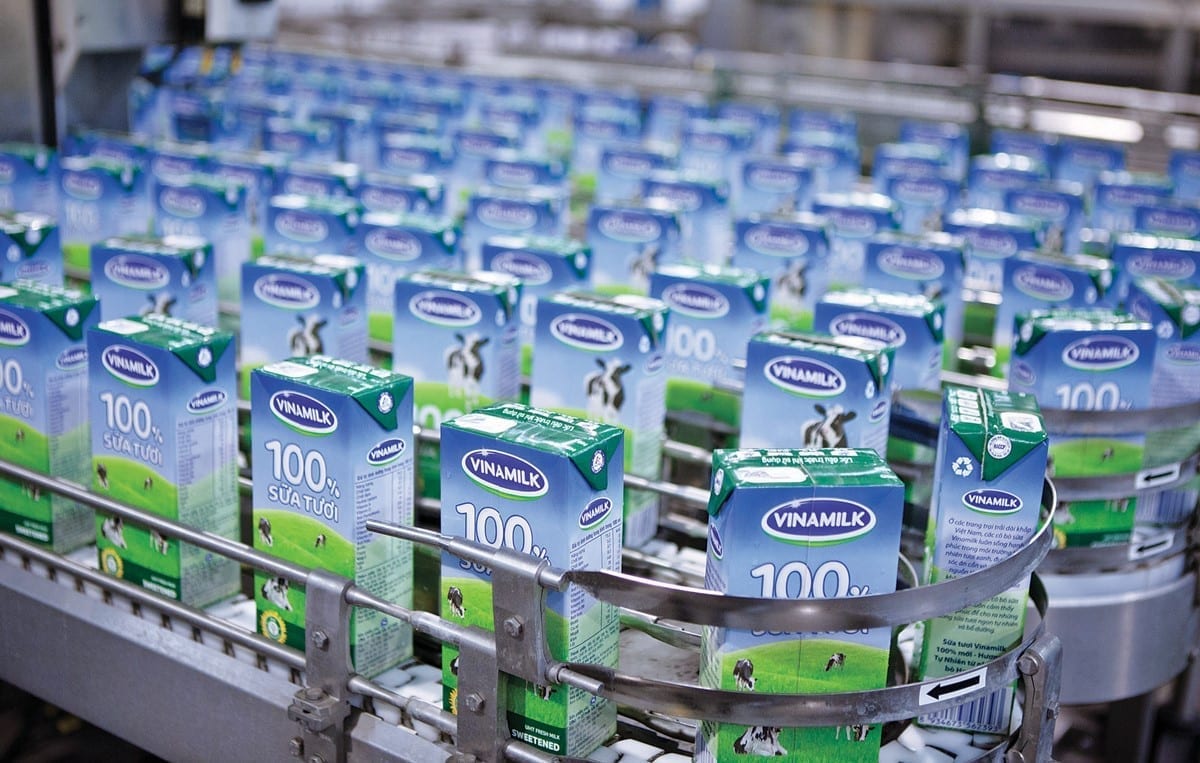
  • Singaporean auto firm ups stake in Vinamilk

    Singaporean auto firm ups stake in Vinamilk

    Singapore’s biggest auto group Jardine Cycle & Carriage has bought an additional 1.1 percent stake in Vietnamese dairy firm Vinamilk, raising its current share in Vietnam’s biggest listed company to 10 percent.

    The investor bought 16.4 million more shares for VND3.1 trillion ($136.5 million) over the weekend.

    Last Monday, Jardine Cycle & Carriage spent $400 million on 48.8 million shares in Vinamilk after purchasing 48.3 million of shares for $396 million on November 10.

    The two deals gained it a 8.9 percent stake in the company, and with the latest deal it now owns 145.6 million Vinamilk shares, representing a 10 percent stake, the company announced on its website.

    Foreign investors currently hold a 56.4 percent stake in the dairy firm.

    Jardine Cycle & Carriage is now the third biggest shareholder after Singapore’s Fraser&Neave, which has a 18.74 percent stake.

    Vietnam’s State Capital Investment Corporation holds the majority share with a 36 percent stake.

    The government is trying to divest from hundreds of state-owned enterprises, including brewers Hanoi Beer Alcohol and Beverage JSC (Habeco) and Saigon Beer Alcohol Beverage Corp (Sabeco) in which it owns a combined $7.8 billion worth of shares by market value.

  • Deliveroo Singapore plans its own restaurant

    Deliveroo Singapore plans its own restaurant


    Food-delivery service Deliveroo Singapore may soon run its own table-service restaurant, a potential first for a delivery app.

    The London-based startup, which launched into Singapore in late 2015, will open remote kitchens across the island next year, one of which could evolve into a fast-casual eatery, The Business Times reports.

    Known as Deliveroo Editions, these remote kitchens produce food for delivery only. They house multiple restaurant brands under one roof and can quickly make meals on order and access zones where particular restaurants do not have a presence.

    Deliveroo unsuccessfully applied for a dine-in permit at its Katong Editions site, its first kitchen, with the concept of a casual-dining food court with an alfresco area where customers could have dishes from any onsite restaurant. Now the company will explore the dine-in concept at its new Editions sites. It will also consider offering pick-up services, allowing customers to place orders through the app then collect their meals from one of the sites.

    GM Siddharth Shanker says the new Editions sites are likely to be in the heartlands. “It’s a data-driven bet. The first decision is usually where to open, which depends on restaurants and cuisines already in the area. The second is what restaurants to take on to the site, which will depend on food trends in the area.”

    He says that because Editions are designed for delivery only, the average time taken for food to reach customers is 23 minutes, shaving about 10 minutes off Deliveroo’s citywide average delivery time.

    The Katong Editions site is home to five restaurants. Each has its own kitchen and pays zero rent or utility fees. Instead, they pay a cut of their revenues to Deliveroo in exchange for using the space.

    Singapore is the first market outside London to have the Deliveroo Editions concept.