Category: Food

Retail News Asia is committed to providing both local and global retailers with the latest Food and Food & Beverage news throughout the Asian market. This on a daily base.

  • Shanghai’s newest Family Hub Neobio

    Shanghai’s newest Family Hub Neobio

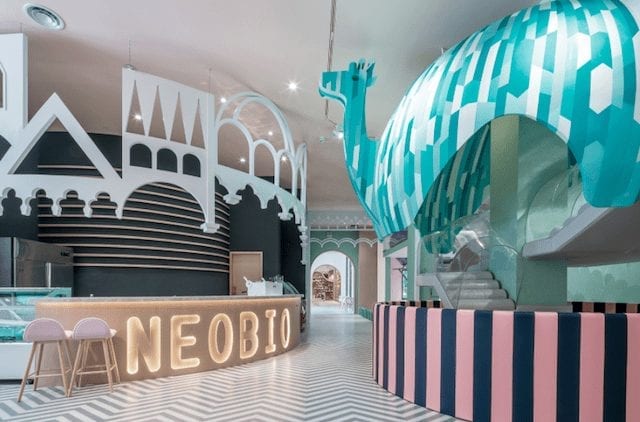
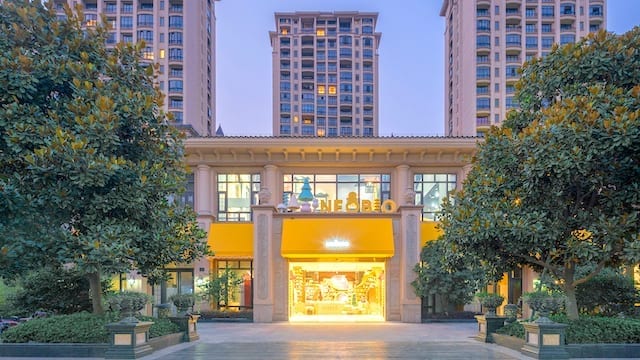
    Family dining and fun activities feature in Shanghai’s new Neobio Family Park, designed by architecture firm X+Living.

    It’s a concept ideally suited to shopping centres trying to attract families and fill distressed space at the same time.

    Within two buildings in the Minhang district, the 3000sqm indoor amusement park includes a reading area with a forest theme, giant “balloons”, a bubble pool, sand pit and toy area. Perspex walkways link each area so dining adults can keep an eye on their children while still being able to entertain themselves. Slides, ladders and tunnels cover the restaurant, which has a pastel-themed décor.

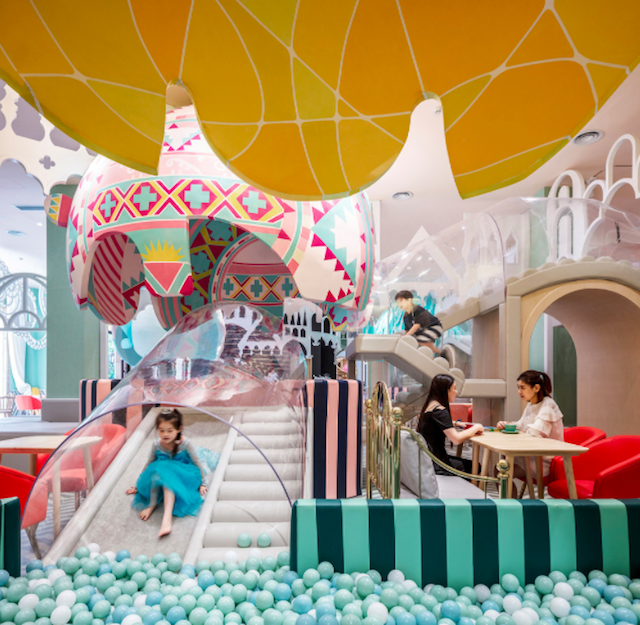
    Neobio architect/designer Li Xiang says the venue is divided into Reading Area, Dining Area, Sims City, Climbing Area and Party Room, as reported. “Entering the main entrance, we are surrounded by wavy forests and rolling hills, which are the bookshelves of the reading area and are the best place for kids to play hide-and-seek.” There is also a reading area for parents by the window near the forest.


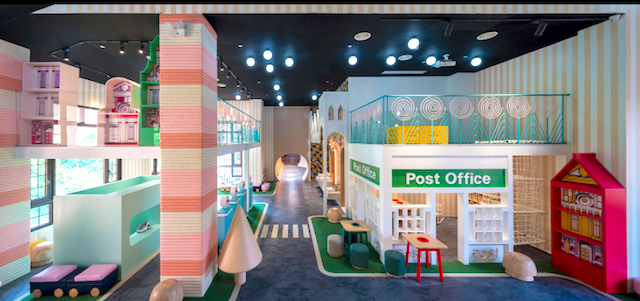
    Sims City features an urban environment with roads, pedestrian crossings, street lamps and parking lots. A three-storey house in the centre includes a mini post office, gas station, supermarket and hospital, plus areas where children can play at kitchen activities, dressing up, doing make-up and changing baby diapers.
    There is even a Princess Cosplay area where girls can dress up and take photos while their mothers have a manicure.

    “Along Time Tunnel, we arrive at the Big Child Area where various slides and climbing racks fill the whole floor,” says Xiang. “It looks like a huge maze.”

    An eye-catching S-shaped slide takes children directly to the first-floor dining area which features balloon-like suspended game boxes all connected by transparent crawl ways. There are two VIP dining rooms for families who want privacy.

    In the basement is the Party Room with such themes as Indian, desert and Mediterranean.
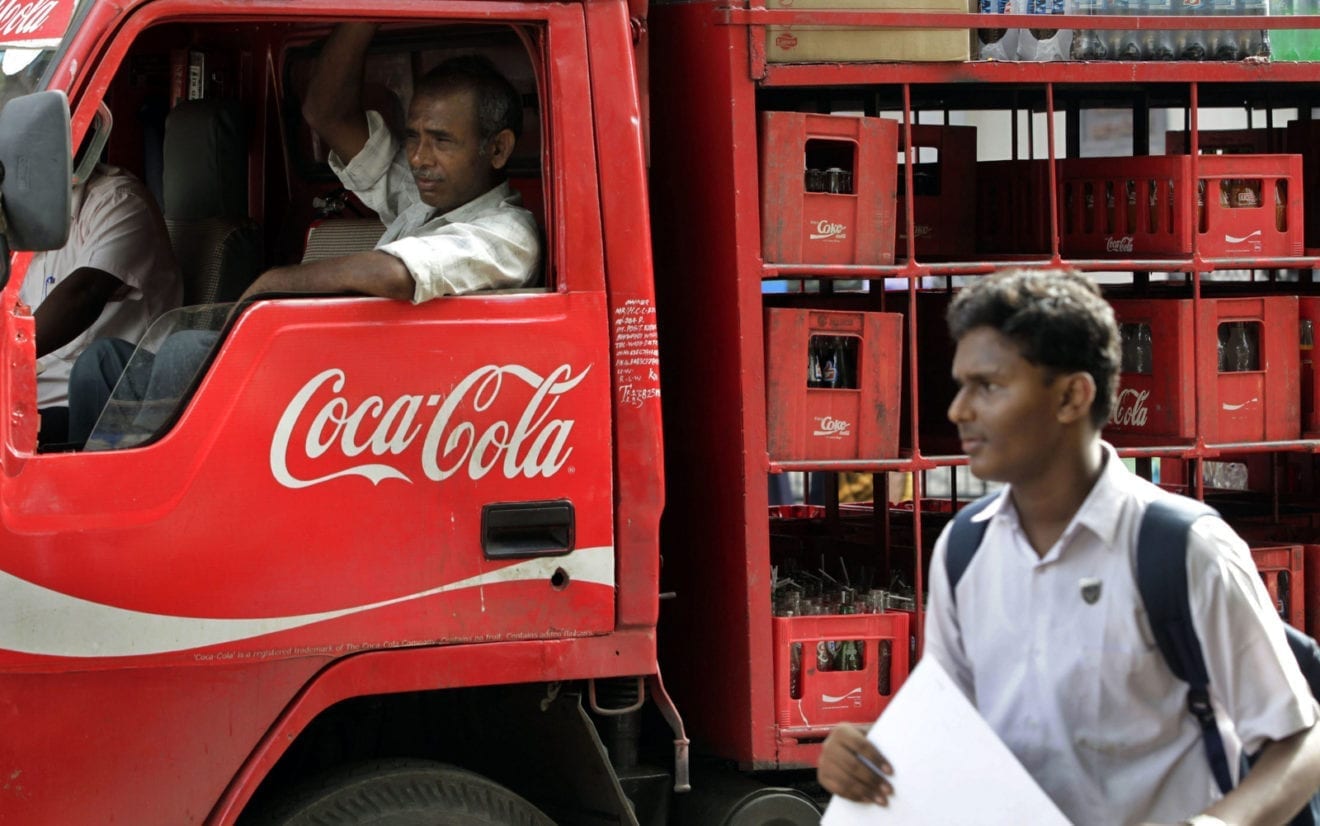
  • Coca-Cola is yet to crack the code in Indian market

    Coca-Cola is yet to crack the code in Indian market

    Coca-Cola, the world’s largest beverage company, has not been able to crack a section of the Indian market even with brands such as Sprite, Maaza and Thums Up.

    India is “a different story,” John Murphy, President of the Asia Pacific Group of Coca-Cola, said at the company’s investor’s day conference in Atlanta, referring to a market of almost 300 million people in the bottom half of the pyramid in India that is yet to take to the global soft drink brands.

    “We have tried so many times in my time in the Coca-Cola system to crack the code there and we haven’t done it. We have got a team of pretty smart people who want to have the legacy to be the first to do so,” he said. India is the US giant’s sixth largest market and Coca-Cola is the country’s leading beverage maker.

    “In India we have leader brands, but we have an industry that is very underdeveloped,” Murphy said at the conference on November 16, adding that in China, Coca-Cola has a value share of an industry that is actually quite huge.

    He said Sprite, Maaza and Thums Up have tremendous equity in India and the company’s job is to leverage those brands to help grow the industry.

    “We’re excited with the work we have under way to do that. In addition, we have a couple of other categories that we believe have tremendous room for growth as we go forward and the good news is there are not too many there yet who have cracked the code on leadership in those categories,” Murphy said.

    Sales growth for soft drinks in India has tapered as urban consumers opt for low-sugar beverages and rural buyers cut discretionary spending. Smaller regional brands that are cheaper are getting popular, hurting the prospects of global beverage companies including Coca-Cola and Pepsi.

    Addressing investors and company executives across the world, including global president James Quincey, Murphy said the beverage maker had, over the past three years, launched over 500 products in Asia-Pacific.

    The runway for growth across Asia-Pacific is significant, given that 52% of the world’s population lives in the region, he said.

    “The beverage landscape in Asia-Pacific is very different today than you have seen in other parts of the world. Seven out of every 10 beverages consumed in Asia-Pacific are non-commercial,” he said.

    Asian consumers have something in common — whether they are in Japan, India or China.

    “Home rituals are important, hence the prevalence of self-home beauty, homemade juices. They love a lot of stuff, sweet, unsweet, hot, cold, gooey, un-gooey — you name it. They are very trend conscious increasingly in today’s environment and those trends are influencing the repertoire of beverages that they are trying and they love to try,” Murphy said.

    Mentioning the launch of mosambi juice under its Minute Maid franchise, Murphy said marrying a local desired fruit to a global brand creates value. The move to localise to the last mile with ethnic flavours and leveraging local fruit-based beverages is aimed at fighting back the onslaught of regional brands.

    Recent examples include ethnic flavours in carbonated soft drinks such as jeera drink RimZim and grape-flavoured Portello.

  • Shanghai is home for world’s largest Starbucks Reserve Roastery

    Shanghai is home for world’s largest Starbucks Reserve Roastery

    The world’s largest Starbucks Reserve Roastery opens in Shanghai tomorrow, a store the company also describes as its “most beautiful”.

    At 2700sqm (nearly 30,000sqft) the store is twice the size of the Seattle Starbucks Reserve Roastery flagship. It features three coffee experience bars, the largest 27m long. The coffee bar was handcrafted by premiere Chinese artisans and references the unique roasting curve of individual coffee beans.

    Starbucks Reserve Roastery - Shanghai 1

    China is Starbucks’ fastest-growing market with a new store opening every 15 hours. The US coffee chain has been in China for more than 18 years and now has more than 3000 stores across 136 cities. More than 600 of those  are in Shanghai.

    Starbucks Reserve Roastery - Shanghai 2

    Starbucks Reserve Roastery - Shanghai 11

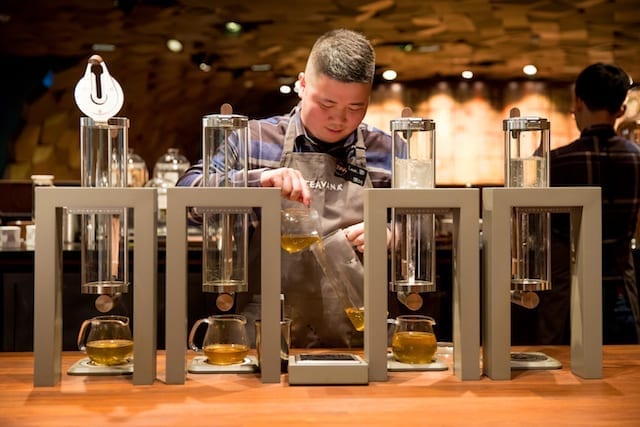
    The ambitious store expands Starbucks’ core offer, with more than 100 beverages on the menu, including Teavana tea infused with nitrogen and a new take on tea brewing with the Steampunk, which uses steam to extract unique flavors from each tea leaf.

    Starbucks Reserve Roastery - Shanghai 3

    Starbucks says the design is unique and will not be repeated elsewhere. Key design features include a ceiling consisting of 10,000 handmade wooden hexagon-shaped tiles inspired by the locking of an espresso shot on an espresso machine.

    Starbucks Reserve Roastery - Shanghai 4

    At the store’s entrance, mirroring the signature copper cask at the inaugural Starbucks Reserve Roastery in Seattle, customers will be greeted by the sight of a two-story, 40-ton copper cask adorned with more than 1000 traditional Chinese chops, or stamps, hand-engraved to narrate the story of Starbucks and its Reserve concept. The cask has a practical purpose, as well – connecting to the three coffee bars with pneumatic copper piping, replenishing all the roasted Starbucks Reserve coffee silos.

    Starbucks Reserve Roastery - Shanghai 8

    New bars and AR

    Besides the coffee experience bars, the new store features Asia’s first Princi bakery and cafe, with more than 30 Chinese bakers and chefs baking 80-plus menu items fresh onsite daily, based on artisanal recipes created by Italian baker Rocco Princi.

    Starbucks Reserve Roastery - Shanghai 9

    And it features China’s first Teavana Bar. Made entirely from 3D printed recycled material, the bar’s light jade colouring was inspired by ancient green clay teapots and the stains formed by brewing over time. Starbucks will continue China’s brewing tradition alongside tea curators as they practice mixology with the help of the Steampunk system’s nitrogen flavor extraction.

    Starbucks Reserve Roastery - Shanghai 10

    Designed by Starbucks, and powered by Alibaba, the Shanghai Roastery will become the first Starbucks location, and the first-of-its kind in China, to seamlessly integrate a real-time, in-store and online customer experience. Roastery customers are invited to immerse themselves in the first Starbucks augmented reality (AR) experience by simply pointing their phones at key features around the Roastery to bring to life information about the Starbucks bean-to-cup story. Guided through the space by a custom-designed AR “tour-guide,” customers can unlock virtual badges and a unique Roastery filter to commemorate their visit.

    “The affinity we have built with our partners (employees) and customers over the past 18 years in China is special and we knew we must bring the Reserve Roastery, our boldest, most premium store ever, to Shanghai, China’s bustling metropolitan hub and one of the world’s most dynamic retail destinations, as well as a gateway to customers from across Asia and the world,” said Howard Schultz, executive chairman of Starbucks Coffee Company. “We’ve created a space that both recognises and celebrates our 46-year history of coffee leadership and retail innovation with China’s rich, diverse culture.”

    Here’s a video from Starbucks showing some of the interior (no sound):

  • Stella Artois launches a new pack and limited-edition design

    Stella Artois launches a new pack and limited-edition design

    AB InBev has developed limited-edition packaging for Stella Artois to coincide with the Christmas period.

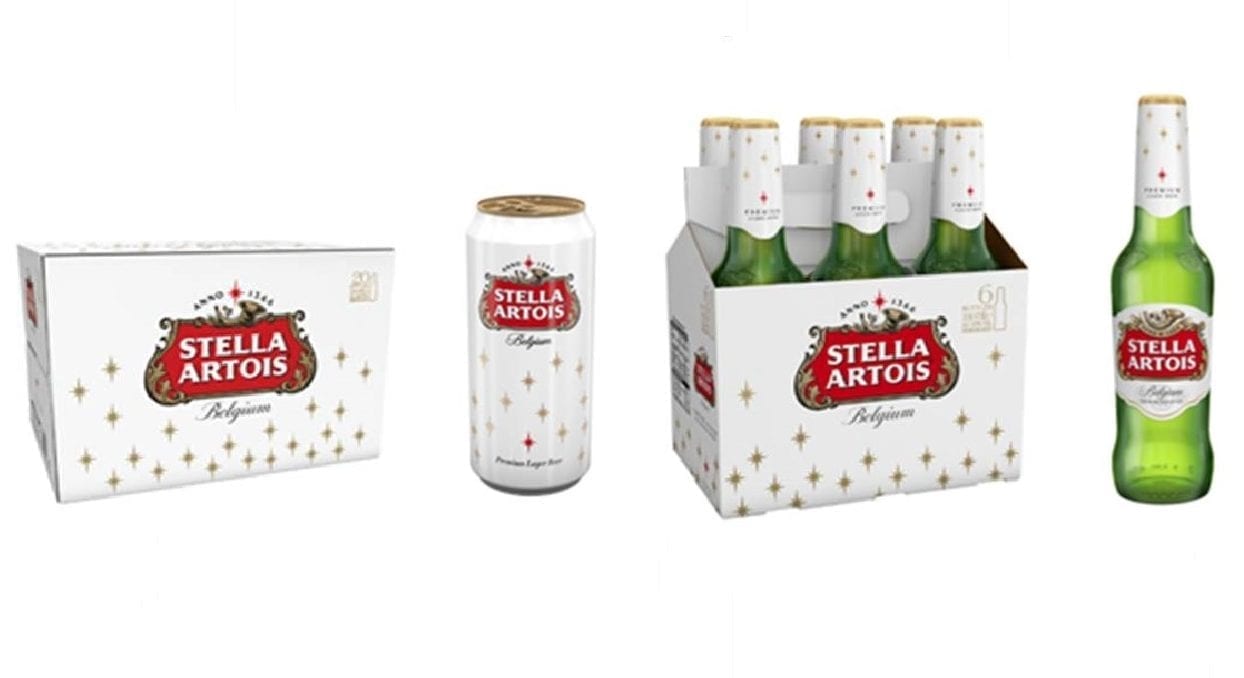
    The four-pack tote is designed to provide a new unwrapping ritual, with an easy-open tab running around the centre of the pack. The rounded edges and curves create a sleek, premium aesthetic, whilst the eye-catching red handle makes it easier to carry the tote from store to home, or seasonal gatherings.

    The new packaging format will launch in Sainsbury’s and Ocado in time for Christmas, arriving in stores and online on 29 November.

    The Stella Artois brand has a natural association and historic connection to the festive season; in 1926 The Artois Brewery in Belgium first crafted a festive beer as a Christmas gift to the people of Leuven. That special batch was the first to officially include “Stella” in its name. “Stella”, meaning star in Latin, pays homage to this original occasion, accompanied by a star on every bottle.

    Continuing its celebration of the festive period, Stella Artois will launch its limited-edition Christmas design across varying formats*, featuring the gold star across packs. The 750ml Christmas Bottle will also make a return for 2017. Imported from Leuven, the home of Stella Artois, it is perfect for those Christmas sharing moments.

    Matt Leadbeater, senior brand manager, Stella Artois, commented: “Stella Artois is the go-to choice for consumers looking for a quality experience, and the new packaging perfectly represents the premium brand persona.

    “Stella Artois is synonymous with Christmas, with an authentic seasonal story to tell. We hope the unique, limited-edition design will get consumers even more excited for the festive period this winter.”

  • Lee’s Coffee Expands to New Markets in Southeast Asia

    Lee’s Coffee Expands to New Markets in Southeast Asia

    Lee’s Coffee, a subsidiary of Lee’s Sandwiches, is exporting their famous “Cà Phê Sữa Đá” to the Philippines, building on its partnership with S&R Membership Shopping. S&R offers high quality products with a wide- variety selection of imported grocery items from all over the world. In this world class shopping club, customers can purchase a variety of Lee’s Coffee concentrated latte, vanilla latte, and triple shot latte 16oz bottles.

    “We are proud to bring an elevated and unique coffee experience to Philippines with the introduction of our America’s #1 Vietnamese Coffee,” said Chieu Le, President of Lee’s Coffee. “For many Filipino Americans returning to their homeland, the coffee will also bring to their delight a familiar taste of the California refreshment.”

    Lee’s Coffee embarked on a mission to share their love and passion for Vietnamese style coffee in the United States. Through their family recipe, the “Cà Phê Sữa Đá” became a community favorite, propelling the flavors of their country into the mainstream with availability in Costco Wholesale, Lee’s Sandwiches, and leading Asian supermarket chains in the USAPhilippines, and Vietnam.

  • Burger King sales grow even as industry stagnates

    Burger King sales grow even as industry stagnates

    American fast-food chain Burger King, in the second year of its India operations, grew 69% to post sales of Rs 237 crore during FY17 when most quick-service restaurants were struggling with stagnant sales. In the 2016-17 fiscal, the company generated average sales of Rs 2.7 crore from each of its 88 outlets opened till March, while its rival Westlife Development, that runs McDonald’s in the south and west, posted average sales of Rs 3.6 crore from each outlet. Burger King, however, notched up higher numbers than Jubilant FoodWorksBSE, where average sales per outlet were at Rs 2.1 crore from both brands, Domino’s Pizza and Dunkin’ Donuts.

    Burger King’s losses rose to Rs 62 crore during last fiscal, compared with Rs 38 crore a year ago, as the company doubled its store count. Burger King, that now runs more than 100 stores in India, claims it is now profitable at both the store and company level. “Our restaurant EBIDTA (earnings before interest, taxes, depreciation and amortisation) has been positive since last July,” said Rajeev Varman, CEO, Burger King India. “Sales grew mainly due to three reasons — all our burgers are grilled similar to an Indian-stye tandoor which is healthy, our focus on entrylevel pricing, and we offer the largest vegetarian menu within QSR.”

    Burger King, that is popular for its Whopper burger, entered India in November 2014 when most quick-service restaurants were struggling with falling sales. There was a slight revival last fiscal but the overall market continued to face challenges, compounded further by demonetisation announced in November last year which saw consumers reduce discretionary spending. The 65-year-old burger chain partnered Everstone Capital in India, which holds a majority stake in the company through subsidiary F&B Asia Ventures.

    It has lined up $100 million for expansion over the next few years and expects to open at least 40-45 restaurants in India in the next few years. “There’s a significant room to grow as the potential in each of the 28 cities where we are present remains high,” said Varman. Leading quick-service restaurants have seen low same-store sales growth (SSG) since the past two years with consumers cutting back on discretionary spending.

  • Hanoi finally gets its first McDonald’s

    Hanoi finally gets its first McDonald’s

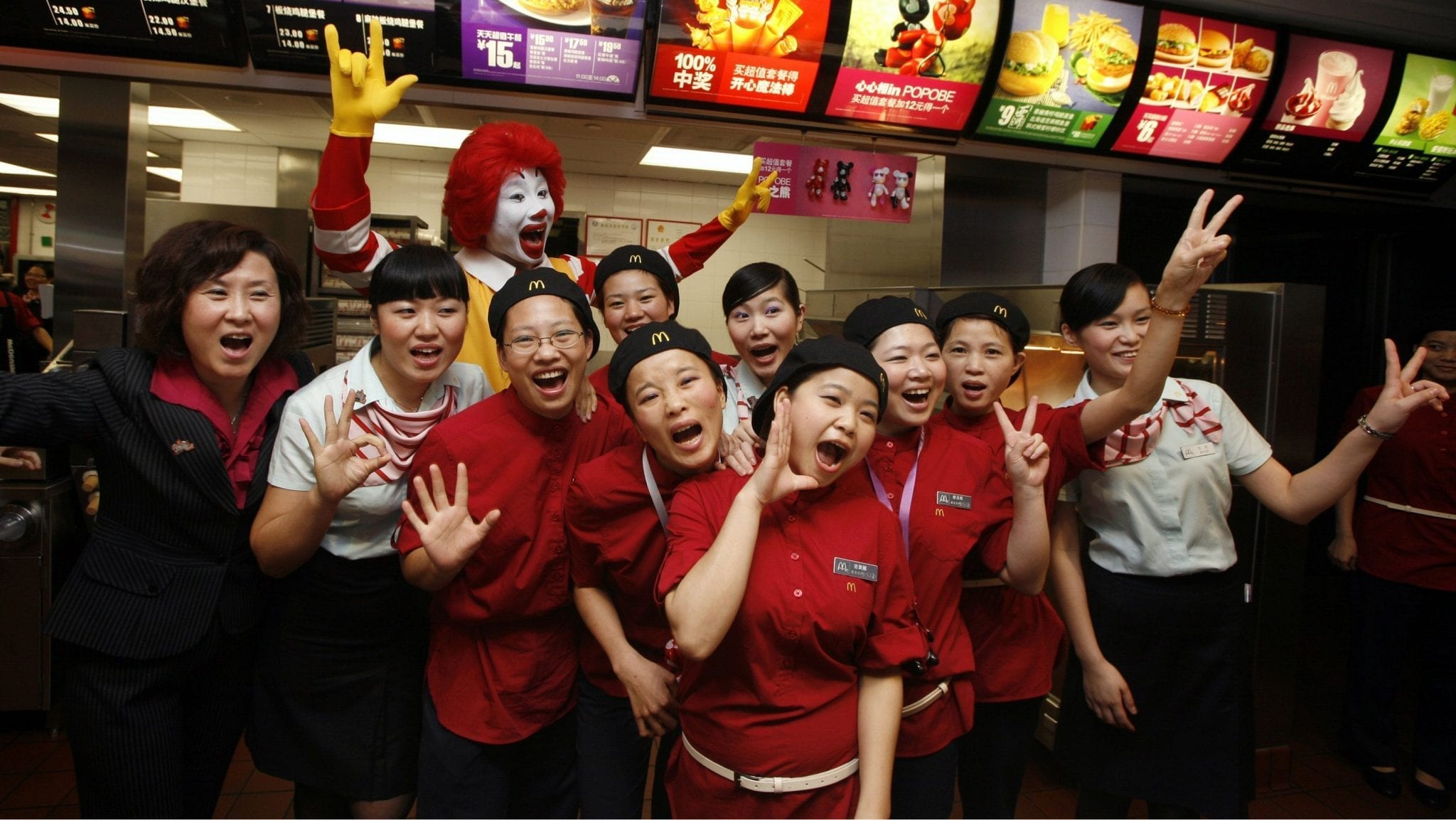
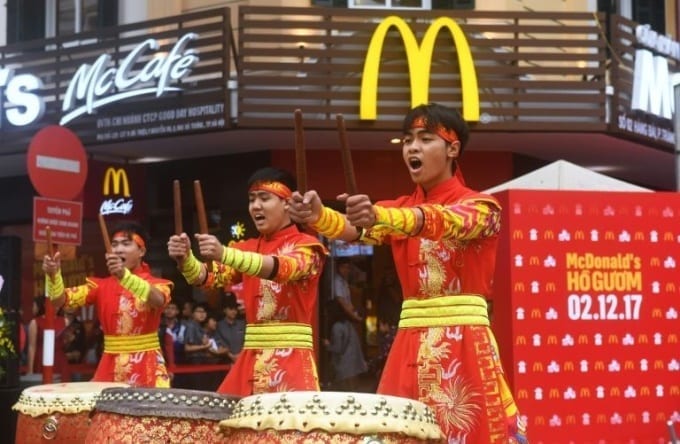
    Global burger behemoth McDonald’s opened its first branch on Saturday in the historic heart of communist Hanoi, a conservative city renowned for its traditional – and cheap – Vietnamese staples beloved by food-obsessed locals.

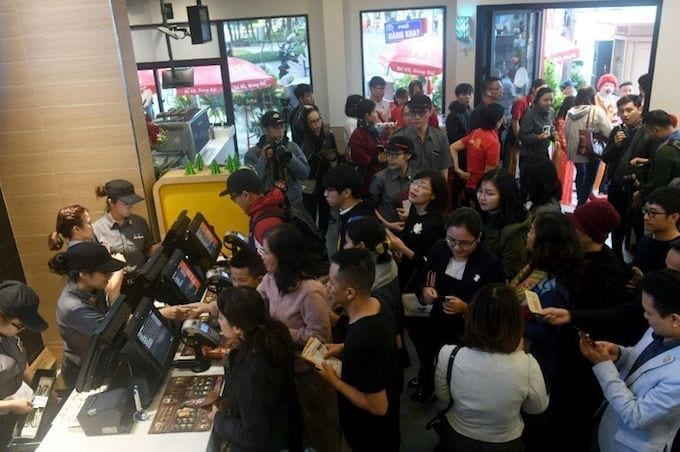
    Hungry customers lined up for Big Macs and Chicken McNuggets at the Vietnamese capital’s first McDonald’s outlet. It overlooks the tree-lined Hoan Kiem lake, which draws millions of tourists annually to see French-era colonial buildings and sample street-food favourites like pho noodle soup and banh mi sandwiches.

    The restaurant is the first outside of the southern commercial hub Ho Chi Minh City, where 16 branches have opened since McDonald’s first came to Vietnam in 2014 to much fanfare, especially among the rapidly-growing middle class and American-obsessed youth.

    The global fast food chain received a similarly warm welcome in Hanoi on Saturday, as hungry diners crammed into the two-storey eatery for a first taste of the Golden Arches.

    For 84-year-old Tran Dinh Luyen, who fought against the US in the Vietnam War, the restaurant was a sign of warming ties with a former enemy.

    “I am happy that McDonald’s has opened a restaurant in Hanoi. It’s a very famous American brand, so it shows how far US-Vietnam relations have come,” he told after mowing down on a Big Mac with his daughter and granddaughter.

    Some curious tourists stopped to see what all the fuss was about, perplexed that a brand ubiquitous in the West would draw so much attention.

    “It’s kind of random to see McDonald’s opening … it’s an interesting cultural experience to see how important it is that the store is opening here,” American Dan Moore told AFP, after his wife remarked she might not have expected to find one of the most salient symbols of capitalism in the communist country.

    The one-party state has seen dizzying economic growth in recent years as it has opened its doors to foreign investment, which has included an influx of western chains like Starbucks, KFC and Burger King.

    Growth in the fast food sector has been buoyed by rapidly rising incomes – annual per capita income has more than doubled in the past decade to about US$2,100 today – especially among under-30s, who make up half of Vietnam’s population of 93 million people.

    The fast food industry in Vietnam has seen double-digit growth annually for the past five years, and the country has the highest 2017 growth in Asia-Pacific for fast food chains, according to market research firm Euromonitor International.

    Though meals can cost as much as three times the local fare, customers are still showing strong appetite.

    “Young people like to hang out in fast food restaurants as they are seen as a cool and nice place … and these customers also like the taste of the food,” Euromonitor analyst Samuel Huynh told.

  • Hanoi gets its first McDonald’s as influx of western fast food chains continues

    Hanoi gets its first McDonald’s as influx of western fast food chains continues

    Global burger behemoth McDonald’s opened its first branch on Saturday in the historic heart of Hanoi, a conservative city renowned for its traditional — and cheap — Vietnamese staples beloved by food-obsessed locals.

    Hungry customers lined up for Big Macs and Chicken McNuggets at the Vietnamese capital’s first location overlooking the tree-lined Hoan Kiem Lake, which draws millions of tourists annually to see French-era colonial buildings and sample street-food favorites like pho noodle soup and banh mi sandwiches.

    The restaurant is the first outside of the southern commercial hub Ho Chi Minh City, where 16 branches have opened since McDonald’s first came to Vietnam in 2014 to much fanfare, especially among the rapidly-growing middle class and American-obsessed youth.

    The global fast food chain received a similarly warm welcome in Hanoi on Saturday, as hungry diners crammed into the two-storey eatery for a first taste of the Golden Arches.

    For 84-year-old Tran Dinh Luyen, who fought against the U.S. in the Vietnam War, the restaurant was a sign of warming ties with a former enemy.

    “I am happy that McDonald’s has opened a restaurant in Hanoi. It’s a very famous American brand, so it shows how far U.S.-Vietnam relations have come,” he said after mowing down on a Big Mac with his daughter and granddaughter.

    But not everyone agreed.

    “It’s a rip-off … this fast food is for kids only, it’s not good at all,” 90-year-old Ta Xuan Huong said, espousing his love for traditional cuisine.

    Some curious tourists stopped to see what all the fuss was about, perplexed that a brand ubiquitous in the West would draw so much attention.

    “It’s kind of random to see McDonald’s opening… it’s an interesting cultural experience to see how important it is that the store is opening here,” American Dan Moore said, after his wife remarked she might not have expected to find one of the most salient symbols of capitalism in the country.

    Vietnam has seen dizzying economic growth in recent years as it has opened its doors to foreign investment — which has included an influx of western chains like Starbucks, KFC and Burger King.

    Growth in the fast food sector has been buoyed by rapidly rising incomes — annual per capita income has more than doubled in the past decade to about $2,200 today — especially among under-30s, who make up half of Vietnam’s population of 93 million people.

    The fast food industry in Vietnam has seen double-digit growth annually for the past five years, and the country has the highest 2017 growth in Asia-Pacific for fast food chains, according to market research firm Euromonitor International.

    Though meals can cost as much as three times the local fare, customers are still showing strong appetite.

    “Young people like to hang out in fast food restaurants as they are seen as a cool and nice place … and these customers also like the taste of the food,” Euromonitor analyst Samuel Huynh said.

  • Lalamove Adds Delivery Toppings to Burger King Online Orders

    Lalamove Adds Delivery Toppings to Burger King Online Orders

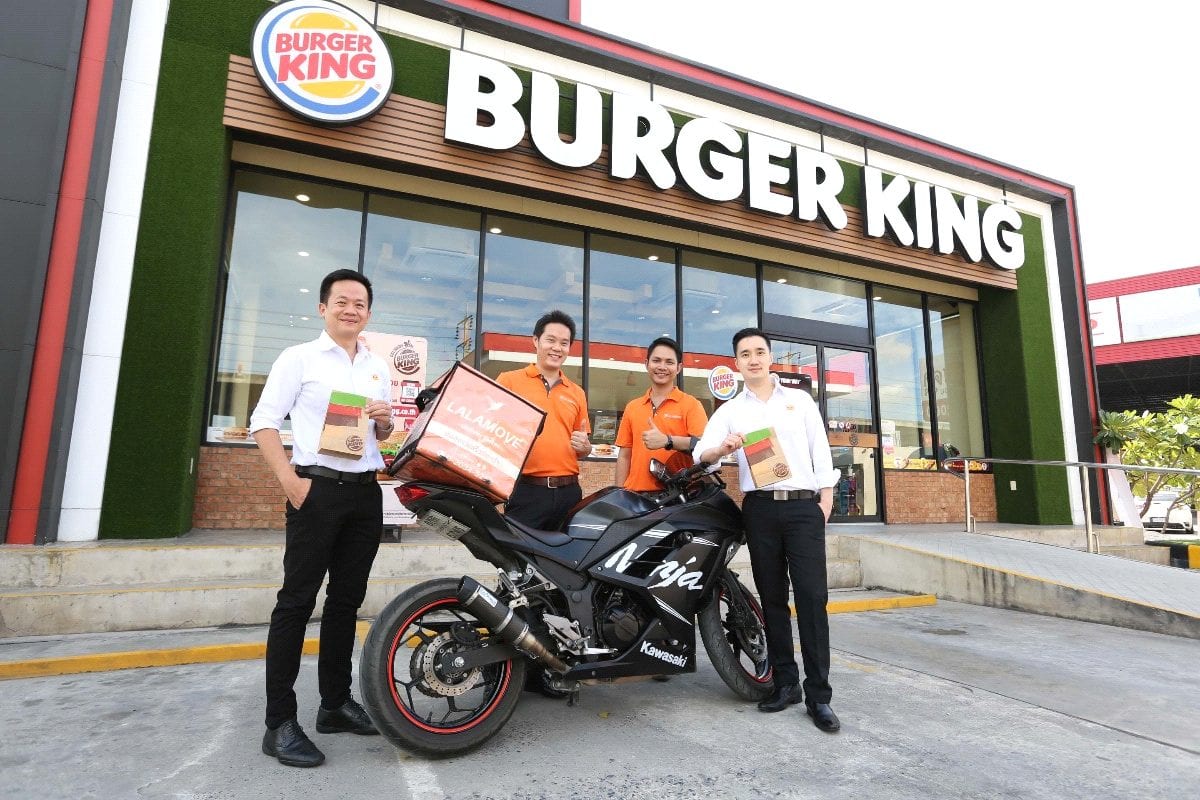
    US global fast-food chain BURGER KING has teamed up with Hong Kong-based on-demand delivery app and Thailand’s top food delivery platform, Lalamove, to launch its new partnership in November 2017 that will ensure better delivery of perfectly flame-grilled burgers to online customers all over Thailand.

    Burger King is the first fast-food burger restaurant chain to be added to the Lalamove delivery service and according to Chanon Klahan, Managing Director of Lalamove Thailand, this represents the delivery app’s reputation and focus on expansion. “To be chosen to join forces with such a successful household name as Burger King is a true sign of confidence in what we can deliver business-wise and of course burger-wise! It also shows Lalamove’s focus on building

    strong partnerships as we grow. With our food-delivery network of drivers, we can definitely help stimulate demand as Burger King continues to expand into new delivery locations.”

    In October 2017, Lalamove announced its own plans for global expansion too, by setting its sights on a presence in more than 100 cities across Asia after securing USD100M Series C funding.

    Prapat ‘Patrick’ Siangjan, General Manager at Burger (Thailand) Limited says, “Burger King has seen an opportunity to grow its customer base substantially. With the addition of an online food ordering channel, which is very popular today, Burger King can greatly expand its delivery zones.”

    “Thanks to Lalamove, which is Thailand’s leading same-day delivery and logistics provider, this collaboration will enable us to meet the needs of our customers better than ever before. By steadily launching new menu items to satisfy the appetites of our increasingly sophisticated customers, Burger King has seen the burger market continuously grow and receive consumer good response, especially in Q1 and Q3 of this year.”

    “In 2018, we plan to increase the number of branches by another 15-20 more new outlets, each with an average investment of 25 million Baht, in Greater Bangkok and strategic provinces nationwide. BURGER KING’s strong selling points will continue to be its focus on sourcing fresh, quality ingredients and creating unique menu offerings that will tantalize consumer taste buds, alongside our famous flame-grilled Australian beef for great-tasting deals at unbeatable prices.”

    With 16 branches already opened this year which brings the company to 89 outlets in total, (84 in Thailand and another 5 overseas), the Burger King brand is firmly established in this country. Consistently rolling out new restaurants in high potential locations enhances the brand and enables Burger King to extend its online delivery service zones to better meet growing consumer demand throughout Thailand. This is why Burger King chose to partner with the new Lalamove online delivery service as a part of its ongoing process to improve its online business as a whole.

    To celebrate this new partnership with Lalamove, Burger King is currently running a promotion offering free delivery with orders of 500 Baht or more from December 1st – 29th  2017.

  • Tokyo plan its permanent Pokemon cafe

    Tokyo plan its permanent Pokemon cafe

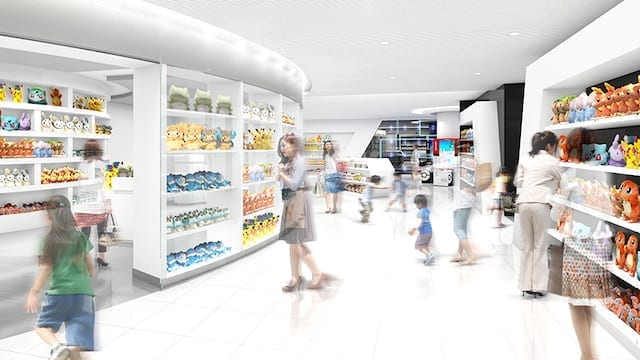
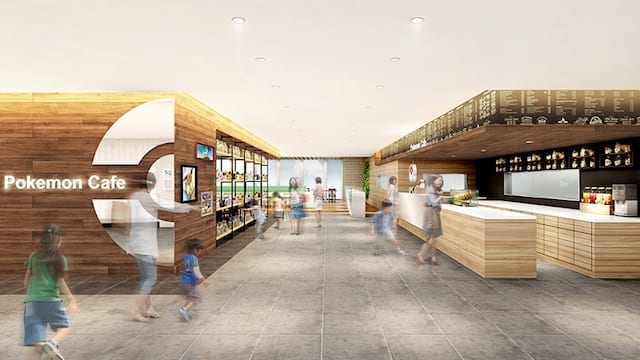
    While themed restaurants are usually temporary affairs in Japan, Tokyo is about to have its first permanent Pokemon diner.

    Opening in the Takashimaya department store in Nihonbashi, the cafe will feature food, drinks, and décor that draws on decades of Pokemon anime and videogame aesthetics.

    Scheduled to arrive at Takashimaya Nihonbashi at the same time is a Pokemon specialty shop, Pokemon Center Tokyo DX. Like similar Pokemon shops, it will offer exclusive merchandise related to the game character.

  • Philippines’ San Miguel says looking to bid for Vietnam’s Sabeco

    Philippines’ San Miguel says looking to bid for Vietnam’s Sabeco

    The Philippines’ San Miguel Corp (SMC.PS) is looking to bid for Vietnam’s largest brewer Sabeco (SAB.HM), the conglomerate’s president said on Wednesday.

    “Yes,” Ramon Ang said when asked if San Miguel is looking to join the bidding for the Vietnamese brewer.

    Vietnam said earlier on Wednesday it is open to selling a 54-percent stake in Saigon Beer Alcohol Beverage Corp, but capped foreign ownership at about 49 percent.

    Sabeco received a strong response from potential suitors at an investors’ roadshow in Singapore last week, its chairman Vo Thanh Ha said, as the government moves closer to finalizing a stake sale in the $9 billion maker of Bia Saigon and 333 brews.

    Ha said the government is due shortly to publish details of a divestment plan for its nearly 90 percent stake in Sabeco as part of a lengthy fund-raising exercise.

    The sale has attracted interest from brewers seeking access to one of Asia’s most-promising beer markets, which is already the second-most profitable for Dutch brewer Heineken NV (HEIN.AS).

    Vietnam is shaping up as a battleground for global brewers thanks to a youthful population and beer-drinking culture.

  • Vietnam’s biggest brewer to sell majority stake

    Vietnam’s biggest brewer to sell majority stake

    Vietnam said Wednesday it would sell a majority stake in the country’s largest state-owned brewer next month but limit foreign ownership to 49 percent, as the government seeks to pay off public debt.

    The long-delayed sale shares in Sabeco, the leading brewer in the beer-obsessed nation, will take place in December and aims to raise $4.8 billion, according to a statement on the company’s website.

    More than 340 million shares – amounting to 54 percent of the company – are up for grabs, but foreign ownership will be capped to safeguard the local brand, the firm said.

    “Foreign investors are allowed to own a maximum of 49 percent of the registered capital of Sabeco,” the statement said.

    Some 10 percent of Sabeco is already foreign owned, with the rest belonging to the government.

    Prices will be set at a minimum of $14 a share at the sale scheduled for December 18, the company added.

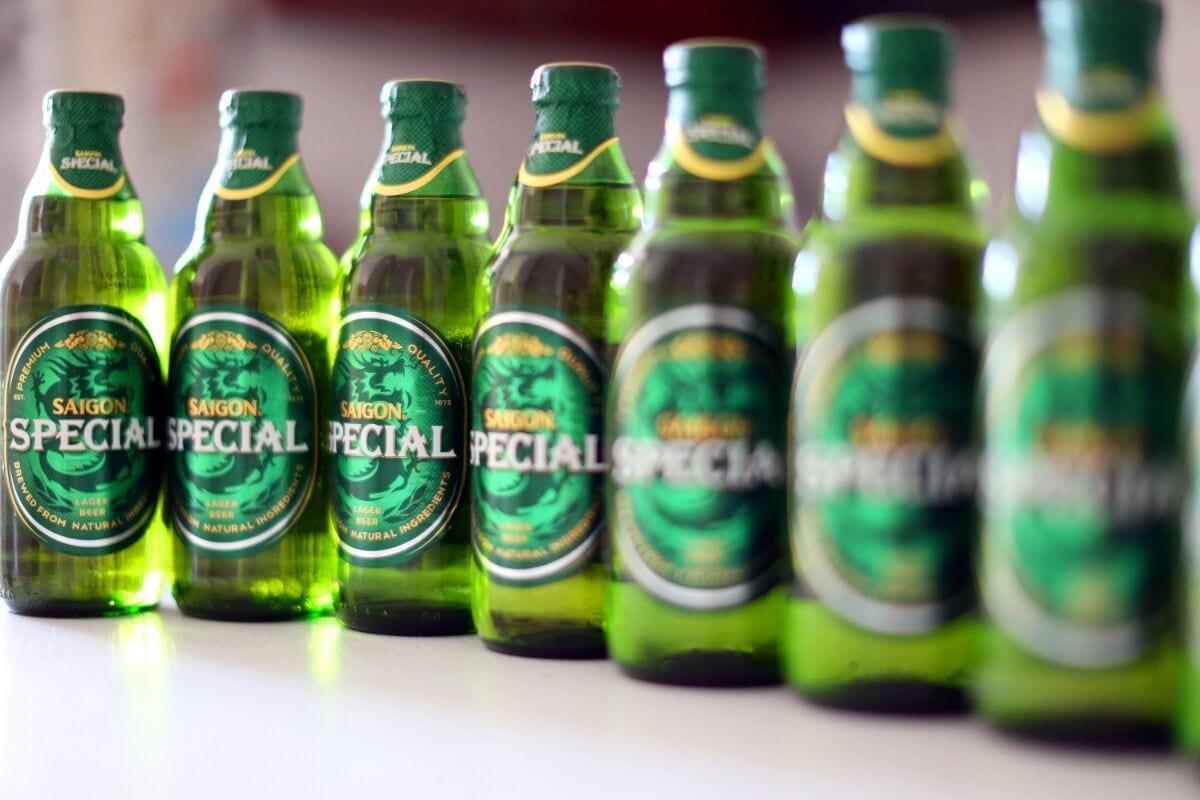
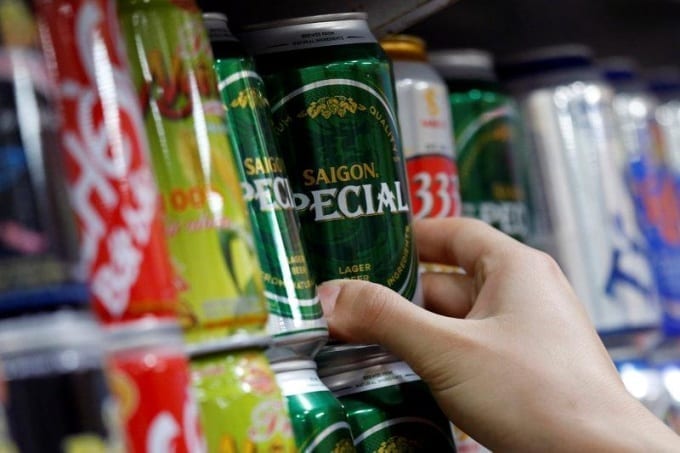
    The brewer, which owns household beer names Saigon Special and 333, said it was committed to “maintaining and developing Vietnam’s beer trademark” in limiting foreign control of the company.

    The sale, which officials originally hinted might happen at the beginning of this year, is part of the government’s privatization push as it seeks to rein in mounting public debt.

    As part of the promised reform, shares of several state-owned enterprises are to be sold off, though plans have repeatedly stalled.

    Vietnam’s public debt hit 63.7 percent of GDP at the end of last year, and is predicted to inch up to 64.8 percent by the end of this year, according to official figures.

    The government-sanctioned debt ceiling is 65 percent of GDP.

    With a population of 93 million people, Vietnam is one of Asia’s leading per capita beer drinkers, including in Hanoi where ubiquitous “bia hoi” streetside beer markets fill daily with thirsty patrons.

    Crown jewels Sabeco and fellow state-owned firm Habeco are the country’s leading brewers, though some foreign players such as Heineken, Carlsberg and Sapporo also have a foothold in the market.

    Dizzying economic growth has seen per capita incomes in Vietnam more than double in the past decade to over $2,200 today, with newfound disposable incomes largely spent on consumable goods.

  • Nespresso announces $50m coffee investment in Colombia

    Nespresso announces $50m coffee investment in Colombia

    Nespresso will invest $50 million in coffee cultivation in Colombia as it expands its coffee-sourcing programme for the first time into several former conflict zones in the country.

    The Nestlé brand said that the pledge builds on its long-term commitment to Colombian coffee and its efforts to improve production in regions previously impacted by the conflict, including reviving the industry in areas where production was lost.

    The announcement follows the launch of Nespresso’s limited-edition Aurora de la Paz, a coffee sourced from the region of Caquetá and unveiled earlier this year.

    Early indications suggest that the brand will source up to five times more coffee from Caquetá in 2018, as it expands its efforts into areas that were inaccessible before the peace accord.

    The extension of the program will see coffee-sourcing for the first time from San Vicente del Caguán, a community that found itself at the centre of the armed conflict.

    This region has unique climate, with arabica coffees grown at a low altitude and low temperatures. Combined with the high humidity, this characterises the coffee with rich, fruity notes and fine acidity.

    President Juan Manuel Santos addressed the Nespresso Sustainability Advisory Board, where he welcomed the company’s commitment. He cited the investment as an important contribution to the development of post-conflict areas.

    “Colombian coffee is the finest in the world,” he said. “I welcome Nespresso’s commitment to our country, which highlights the many opportunities that peace opens for Colombia.”

    Nespresso CEO Jean-Marc Duvoisin added: “Quality coffee, and the premiums that farmers can earn, present a very strong opportunity for the long-term sustainability and resilience of coffee farming communities. We are delighted to bring this incredible coffee to the world.”

    Nespresso’s agronomists have started working with more than 500 producers in the Caquetá region in order to implement its AAA sustainable quality programme. The initiative works directly with farmers to improve their productivity, quality and sustainability by sharing good practice, providing technical assistance, and improving standards in farmers’ environmental and social welfare.

    The Caquetá farmers will join the 33,000 Colombian farmers already enrolled in the programme, which was launched in the country in 2004 and ia supported by a team of 150 local agronomists. The extension of the programme into San Vicente will be implemented with the support of Nespresso’s strategic partner, the Colombian Coffee Growers Federation (FNC).

    FNC CEO Roberto Velez said: “We are honoured to build on our partnership with Nespresso, to renew the commitment we have made to Colombia’s coffee farmers and to work together with our communities for a lasting, peaceful and prosperous future.”

    Nespresso Sustainability Innovation Fund CEO Guillaume Le Cunff said: “Our work and partnership with farmers in Colombia is another example of how the Nespresso AAA sustainable quality programme impacts not just the production of the highest quality coffee, but also farmer lives and communities. We look forward to expanding our work with farmers in former conflict zones and extending our commitment to Colombia.”

  • Coupang opens Korea’s largest toy store

    Coupang opens Korea’s largest toy store

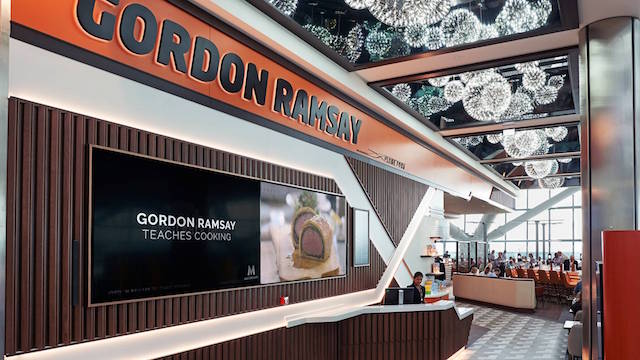
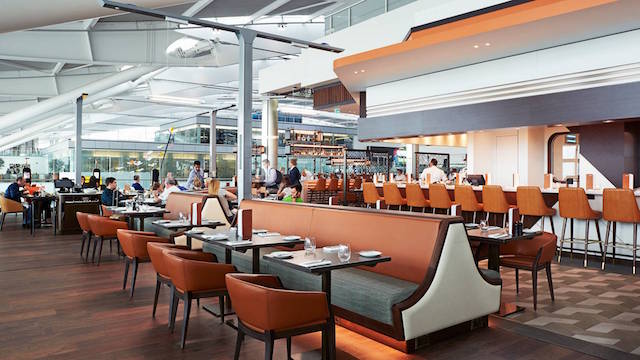
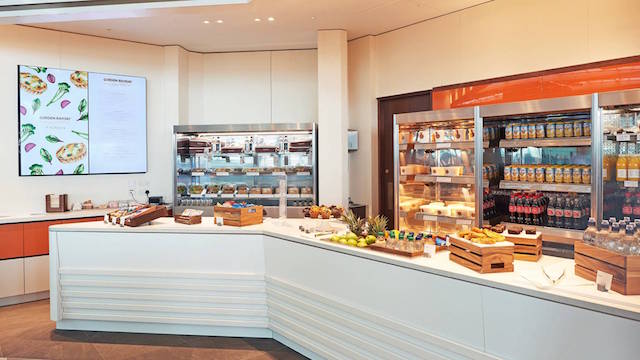
    Brash English chef Gordon Ramsay is to open a chain of airport restaurants around the world in partnership with SSP, a specialist in food and beverage brands in travel locations.

    The company describes the planned Gordon Ramsay airport network – called Plane Food To Go – as a “premium grab-and-go concept”.

    “Gordon pioneered the idea of quality take-on-board meals with his Plane Food picnics eight years ago,” said Mark Angela, chief commercial officer with SSP. “He’s got lots of ideas about creating high quality, healthy food to take on the plane in easy to eat formats, and together we’re going to take that to the next level.

    “Our customers will have a unique opportunity to experience stand-out dishes, all given the Gordon Ramsay Plane Food To Go twist as the team re-create them specifically for the grab & go market.”

    Angela said the Gordon Ramsay airport concept will give customers around the globe the chance to experience “interesting and innovative dishes with a twist” from Ramsay’s extensive portfolio of recipes.

    “Plane Food To Go is a truly revolutionary concept that will roll out worldwide and build upon the massive success of the original Plane Food dining experience from London Heathrow’s Terminal 5,” added Ramsay.

    “As someone who is always in a different airport terminal every week, I know first-hand how much Plane Food To Go will enhance every on-the go travellers dining experience.”

    Ramsay is best known in Asia for his Bread Street Kitchen restaurants in Hong Kong and Singapore and his London House in Hong Kong’s Tsim Sha Tsui.

    The images are from the existing Heathrow Airport restaurant.

  • Vinacas Golden Cashew Rendezvous in Vietnam

    Vinacas Golden Cashew Rendezvous in Vietnam

    Last September, Bolloré Logistics organized a conference gathering approximately 50 members from Vinacas – Vietnam Cashew Association – in its Ho Chi Minh Head Office, to share about the upcoming Cashew Campaign 2017 in Tanzania.

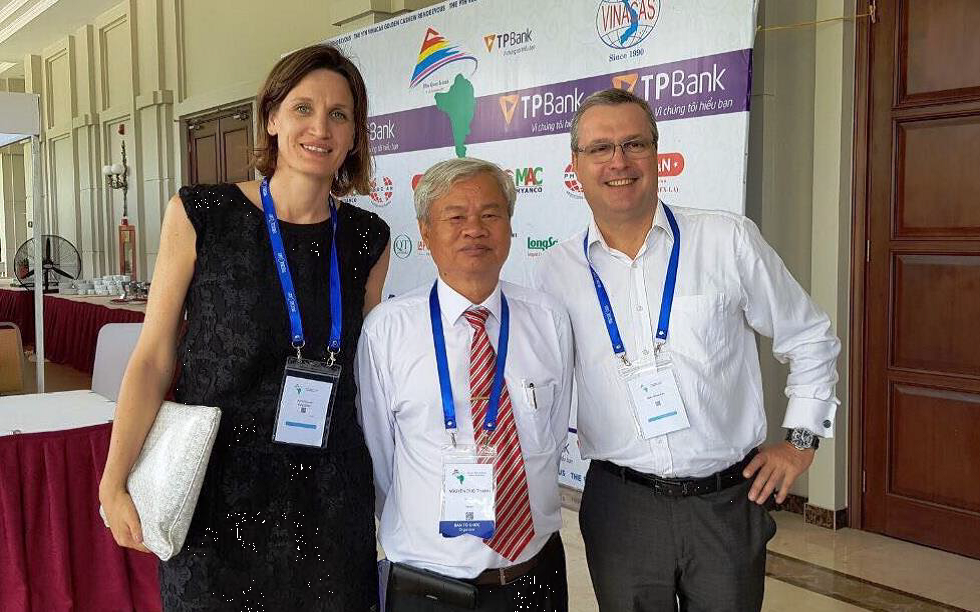
    Then, and in order to reinforce its partnership with Vinacas members in Vietnam and promote its expertise in Cashew Nut supply chain worldwide, Bolloré Logistics Vietnam attended the 9th Vinacas Golden Cashew Rendezvous on November 13-15, 2017, in Phu Quoc, Vietnam.

    This event is held every year to promote the international cashew trade. On average, 400 domestic and international delegates are present from over 40 countries.

    As a leader with the largest integrated logistics network in Africa, Bolloré Logistics seized this opportunity to promote its logistics services in Africa to all cashew-related companies in Vietnam and globally. The B2B networking events, conversations and the conference allowed us to refine our knowledge on what can be done for raw cashew importers and cashew kernel exporters in Vietnam in terms of logistics services such as warehousing & fobbing at the country of origin, sea freight from Africa to Vietnam or from Vietnam towards the USA, Europe, and Middle East-South Asia.

    “This was the perfect occasion to gather more information about the soft commodity market trends – especially regarding food safety and regulations, and to further develop our trade lanes to create new opportunities,” mentioned Marc MOESCHLIN, Managing Director at Bolloré Logistics Vietnam.

    Bolloré Logistics’ team consisted of Marc MOESCHLIN, Managing Director at Bolloré Logistics Vietnam; Astrid VANIER, General Manager – Sales and Development at Bolloré Logistics Vietnam and Nhat-Minh NGUYEN, Africa Route Manager at Bolloré Logistics Vietnam. Those mentioned also act as points of contact in Vietnam.