Category: Food

Retail News Asia is committed to providing both local and global retailers with the latest Food and Food & Beverage news throughout the Asian market. This on a daily base.

  • In search of Arabica in Vietnam’s war-scarred soil

    In search of Arabica in Vietnam’s war-scarred soil

    Quang Tri is one of the poorest provinces in Vietnam. Straddling the D.M.Z. that cut Vietnam in half during the American War, the province was pounded by one of the heaviest bombardments in history, and 80 percent of its soil was poisoned with landmines.

    Much has changed over the decades, but Quang Tri’s residents continue to fight the legacy of the war as well as the poverty that overshadows the lives of many.

    Bordered by the sea on one side and the Sepon River separating Vietnam and Laos on the other, Quang Tri’s driving force for economic development is agriculture. But farmers here frequently bear the brunt of the harsh monsoon season, and the rugged terrain only makes it harder to grow crops.

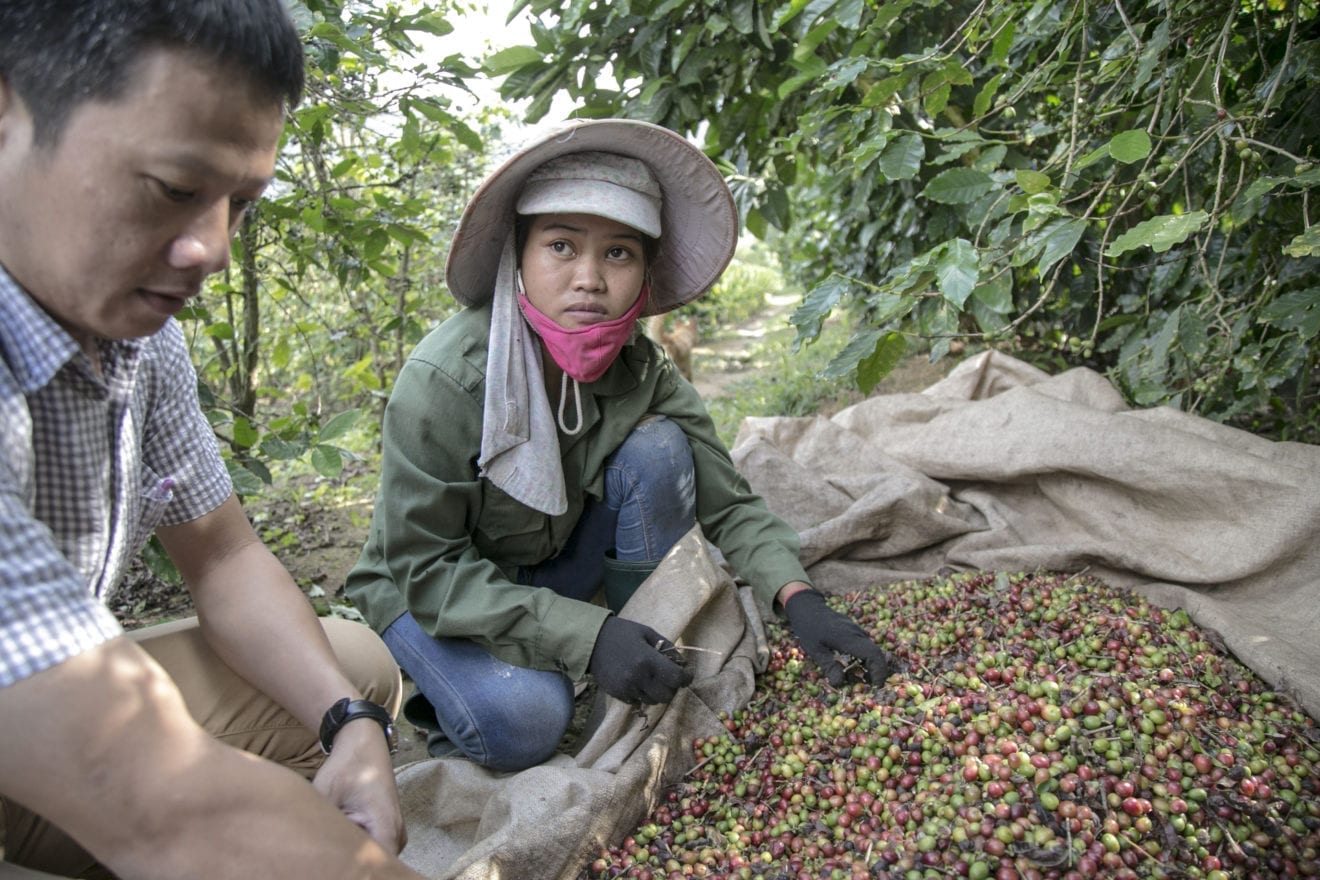
    Up in the highland district of Huong Hoa, which witnessed some of the deadliest days of the war during the battle of Khe Sanh, hundreds of farmers are joining forces to produce premium arabica beans, a surprisingly rare move in a country widely seen as a coffee giant.

    Growing arabica in Vietnam

    Coffee production has contributed greatly to Vietnam’s economic transformation in the post Doi Moi (renovation) period since 1986. Vietnam is now the second largest coffee exporter in the world after Brazil.

    But statistics from Vietnam’s General Customs Department last year showed that robusta accounted for nearly 80 percent of exports, while arabica staggered to less than 5 percent.

    Robusta beans, though considered cheaper and of lower quality than arabica, are hardier and can still thrive in difficult conditions, making them ideal for cultivation in Vietnam. But robusta beans, mainly ground to make instant coffee, are not often found in high-end chains across the world, which favor the high-quality arabica.

    In the world’s second biggest robusta producer, arabica can only be found in the northern and central highlands due to the tough requirements in terms of altitude, soil and temperature required to cultivate the variety.

    Will Frith, a coffee specialist who has done much research on Vietnamese arabica coffee, said robusta dominates Vietnam’s exports as it is much easier to grow at low elevations, has higher disease and pest resistance and has much higher crop yield.

    “Robusta has easier requirements on the market, so defects are more tolerated by buyers, who are usually buying for large commodity companies not looking for high quality,” he said.

    “Arabica is more susceptible to disease and pests, and as the highlands begin to warm up, these pests will travel up to higher elevations and make it more difficult to manage good quality arabica plants. Only the most quality-oriented growers who have good buyers will continue to grow quality arabica,” Will added.

    In Vietnam, unskilled and fragmented labor are major hurdles to growing coffee that meets international requirements. At the same time, shifting cultivation can also be a problem in Vietnam’s rural areas, as it takes an average of three years to harvest coffee, which can prompt poor farmers to abandon it for other short-term alternatives.

    According to an annual coffee country report released last May by the USDA’s Foreign Agriculture Service, as coffee prices fall, more Vietnamese coffee farmers will switch to cash crops such as black pepper, avocado or passion fruit to generate higher incomes.

    Smallholdings are also struggling to reach out to buyers. Many coffee roasters have strict requirements about the quality of the coffee beans, and traders can reject deliveries if they do not meet the 4C standard, which is a baseline level aimed at sustainable coffee production and sourcing. While most 4C robusta beans come from Vietnam, 4C arabica beans are mainly sourced from Brazil or Columbia.

    Land of arabica

    In Quang Tri, coffee accounts for a third of the province’s total plantations at nearly 5,000 hectares, according to a report released last April by the provincial People’s Committee. In just a decade, Quang Tri has been transformed into a hub for arabica coffee, accounting for one seventh of the country’s total arabica production.

    In Huong Hoa District alone, 90 percent of families rely on coffee to make a living.

    Coffee plants were originally brought to Quang Tri by the French, said Nguyen Nhat An, project team leader of the Vietnam branch of the Mekong Institute. “In the beginning, they grew liberica, then residents here switched to robusta. Liberica has a low value yield, while robusta cannot thrive in this soil. Out of the three beans, arabica has proven to be the most suitable.”

    The Mekong Institute (MI), an intergovernmental organization that supports sustainable economic and social development in the Greater Mekong Sub-region, came up with an initiative to support coffee farmers in Quang Tri under the Regional and Local Economic Development – East West Economic Corridor project (RLED-EWEC), by building a model that connects farmers with a fertilizer company, a processing company and an agricultural bank in order to produce coffee that reaches the 4C standard.

    The goal is to bring “systemic and sustainable changes in the coffee sector” in Quang Tri, the MI says, as the project targets poor provinces along the economic corridor under a masterplan to help them integrate into the ASEAN Economic Community.

    An said the group’s focus on coffee is based on its potential to transform local economic development. At the same time, “sustainable coffee production” is part of Quang Tri’s strategic agricultural plan, drawing a state budget of up to $11 million within the period from 2017 to 2025.

    After a few years of research in the area, the MI decided to launch the project that promises to transform the lives of Quang Tri’s coffee farmers. It started off with 40 farmers in 2014, and later expanded to 470 in 2017, with around 22 percent of its members coming from poor families and nearly one third from the Pacoh and Bru-Van Kieu ethnic minorities.

    Ho La Ngang, a Pacoh farmer in Huong Phung Commune, Huong Hoa, said some of the difficulties that farmers often face are capital and fertilizer, which can account for up to 35 percent of total production costs.

    “Just five or six years ago, I was working in the field and only making enough for a subsistent living,” he added. “But then in 2002, after being employed at another plantation, I followed other families and started growing coffee on my own 10 hectares of land.”

    Smallholding farmers often relied on loans to buy fertilizer, which can be harmful due to the high interest rates.

    The MI’s model helps farmers access loans from an agricultural bank at low interest rates that enable them to buy the fertilizer they need from a partner company. These companies are also providing training on the proper use of fertilizer.

    Le Tuan Dung, director of Binh Dien Fertilizer JSC, said his company delivers fertilizer directly to farmers in remote areas, selling for around $417 per ton, while the market price stands at $456/ton. “But it’s more like a win-win model,” he said. “The distribution chain used to be very cumbersome, and farmers suffered. The MI’s intervention helps them cut indirect costs.”

    “Traders used to come to us directly but would only offer below market price for our coffee,” said 58-year-old farmer Nguyen Huu Xao. Xao said the MI is encouraging smallholders in his commune to work in groups while offering training to produce clean coffee cherries and helping farmers to sell them directly to processors rather than traders.

    The initiative may be new as it only started in 2014, but farmers have been reporting certain changes to their coffee output and practices. “I’m able to sell my coffee for 5-8 percent more now,” Xao said, adding that he had no experience of growing coffee before he moved to Huong Hoa.

    “After joining the farmers group, I was trained about market prices and fertilizer costs, and was able to get a loan from the bank,” he added.

    According to the MI’s 2016 report, the initiative to establish a four-party cooperative model capitalizes on the interdependencies between actors in the value chain, enabling 99 farmers to take out bank loans and increasing incomes for both farmers and processors.

    But more importantly, by aiming at a sustainable sourcing and production chain, the ultimate objective is to ensure food security in the region.

    “In 2015 we suffered major losses. The coffee cherries were threatened by pests and there were a lot of droughts, so productivity was low and the coffee price fluctuated,” said Tran Ngoc Vu, 42, a coffee plantation owner.

    A viable option? 

    In reality, it might take years to see more radical transformations to the lives of farmers in Huong Hoa, as most still struggle to make ends meet growing arabica in a robusta-dominated country.

    “The reasons could be that the quality of the coffee here only stops at being acceptable, mainly due to the low altitude,” An said. “Additionally, the arabica we grow here is the catimor strain, which is the lowest quality variety of arabica.”

    As part of the coffee value chain, Dung’s fertilizer company also relies on farmers’ coffee output to protect his company’s profits. “Unlike other countries in the region, our farmers are not supported by protectionist policies, and as a result, Vietnamese farmers often have to sell their crops at really low prices.”

    “Not to mention how climate change can also have a huge impact on productivity,” he added.

    In 2015, Vietnam’s coffee farmers suffered major losses as exports dropped by 40 percent due to rising temperatures and drought. Intensive pesticide use, deforestation and monocropping have also left coffee crops more vulnerable to climate change, land degradation and depleted water resources, according to the Guardian.

    The prolonged drought had a major impact on provinces across the Central Highlands, which produces 60 percent of Vietnam’s coffee exports.

    Quang Tri’s farmers did not escape the fall-out, Nguyen Huu Hao shared, and many growers in Huong Hoa fell into debt and were forced to switch to turmeric, ginger or black pepper.

    “Most farmers are still in debt with the banks, and many do not know if they’ll be able to take out more loans due to the losses from previous crops ,” An said. “So what the MI wants to achieve is to support sustainable development by making the market work for the poor.”

    Yet within the market, Quang Tri coffee is still traded at lower prices in compared with arabica in Da Lat or Son La, experts say.

    Will, the coffee specialist, said Quang Tri has favorable conditions to grow coffee but has not yet been as developed in terms of quality compared with Da Lat or Son La, and it is also more difficult to access. But there is “good quality arabica from Quang Tri,” he emphasized. “4C standards are nearly impossible to achieve at the prices that buyers are willing to pay, so it’s not worth it to the majority of growers.”

    “Until price corrections are made in the market, this problem will remain for all growing areas. Training is lacking and inconsistent, so it’s difficult to collect a consistent supply of high quality arabica, thus compounding the problem in a vicious cycle,” Will said.

    “I earn VND4 mln/month ($176) harvesting coffee cherries. But normally, I’m a farmer in the plains,” said Nguyen Thi Lien, 59.

    Huong Phung farmers are being taught how to produce “clean coffee” that reaches the 4C standard, which includes avoiding soaking or mixing foreign matters to increase the weight, practices that can affect the quality of the coffee beans, and explain why Vietnamese coffee beans are sold at low prices internationally.

    Nearly half of the families in Huong Hoa District come from ethnic minority groups including the Pacoh and Bru-Van Kieu. Most are poor or extremely poor and, for a long time, have been accustomed to switching crops. But Ho La Ngang, a Pacoh coffee farmer, says 70 percent of the Pacoh here are now growing coffee thanks to encouragement from local authorities.

    Trucks are sent to collect harvested cherries and deliver them to processors, which saves the farmers time and money.

    One of the reasons why Quang Tri coffee only fetches a low price is because there are only a few local processing factories. An said the Mekong Institute’s long-term goal is to boost trade and investment in the region to help farmers gain access to regional and international markets.

    Inside a coffee processing factory in Quang Tri. The coffee cherries will later be transported to Hanoi for roasting and packaging.
  • A new multi-concept Japanese gourmet hall opens at Changi Airport Terminal 2

    A new multi-concept Japanese gourmet hall opens at Changi Airport Terminal 2

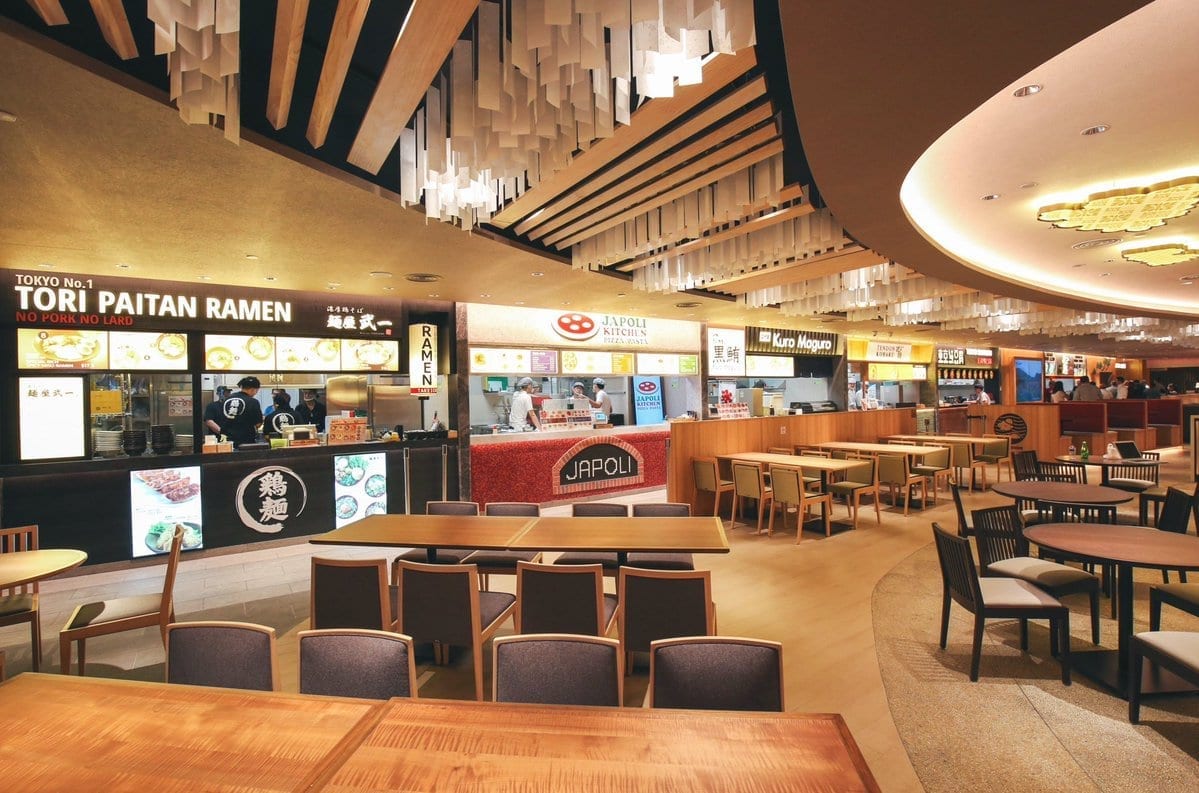
    Modelled after airline lounges, the Sora Japanese gourmet food hall opens at Changi Airport’s Terminal 2 today.

    Combining two concessions, the 7760sqft (720sqm) space seats about 300 diners and is the largest restaurant across the four terminals at the airport.

    At the public area on Level 3, the dining enclave houses six Japanese restaurant brands that serve up ramen, sashimi, okonomiyaki and Nippon-inspired desserts and beverages.

    Tendon Kohaku_Kohaku Tendon (Original)

    Sora, which is Japanese for “sky”, marks the first time that ANA Trading, a subsidiary of Japanese airline All Nippon Airways, has opened a food hall outside of Japan.

    “This is part of the company’s strategy to expand in Southeast Asia region,” says ANA Trading project director Kazuhiro Nakao, who is also director of SG Retail Partners, which is running the food hall in a JV with ANA Trading and Komars Group.

    Of the six restaurants in Sora, two are new-to-market brands: Japoli Kitchen and Tsuruhashi
    Fugetsu. From Osaka, Tsuruhashi Fugetsu is an okonomiyaki chain while Japoli Kitchen offers Italian/Japanese fusion cuisine.

    Tsuruhashi Fugetsu_Mix Yakisoba

    The other four restaurants are Tokyo chicken ramen chain Menya Takeichi, Kuro Maguro, which features fish flown in daily from Japan, tempura outlet Tendon Kohaku, and Tokyo Sundubu, which serves Korean stew.

    Sora Bar offers desserts and beverages including Hokkaido milk ice cream, sake and cocktails.
    Diners can order from any of the restaurants and bar to eat at the shared seating area.

    Sora offers both booth and tatami seating, and tables are fitted with charging points for mobile devices. There is also an interactive Kids’ Corner complete with a playground and television screen.

  • Asian expansion plan for Brotzeit

    Asian expansion plan for Brotzeit

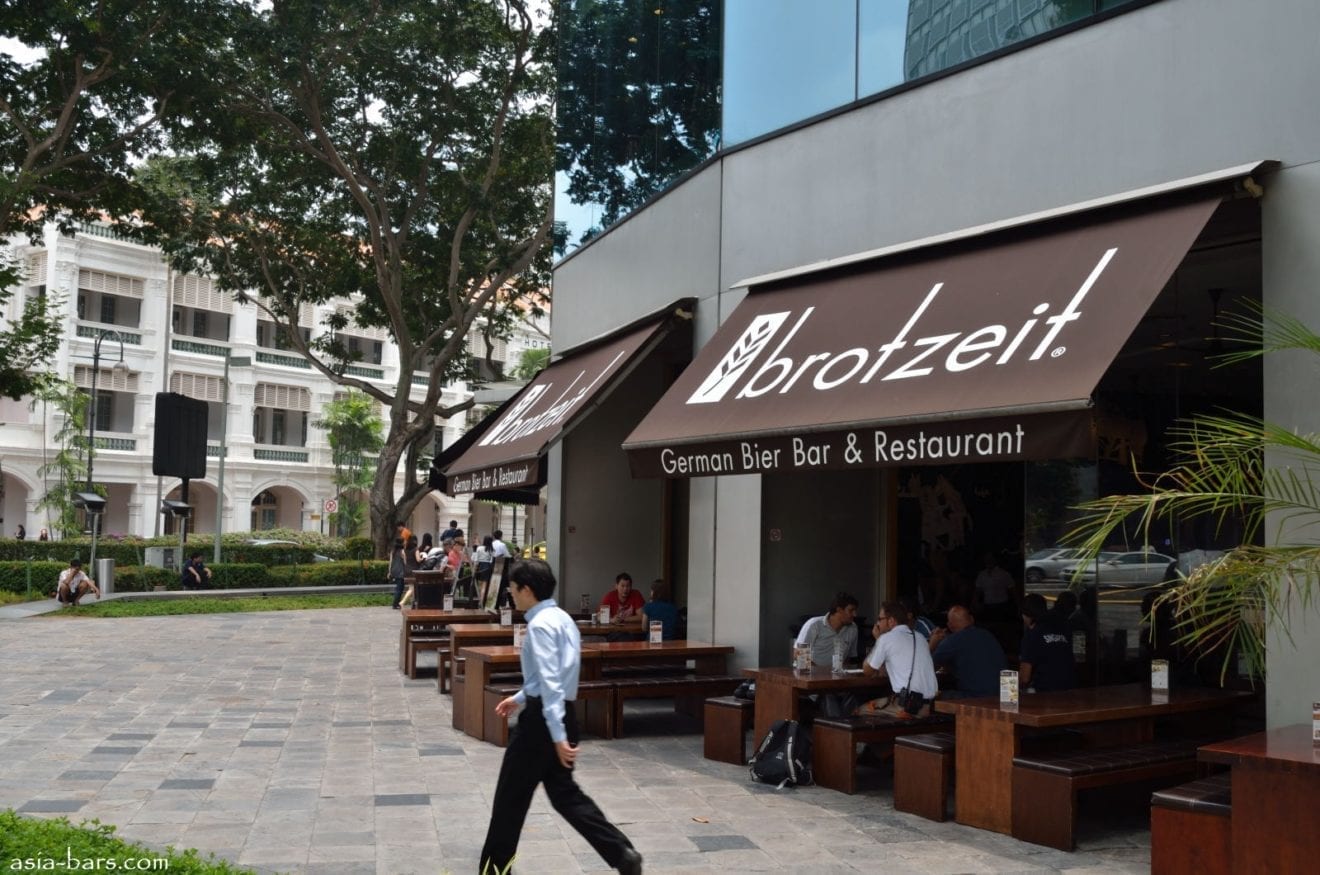
    Franchised German casual-dining restaurant concept Brotzeit is aiming to expand its Asian network to 50 outlets by 2020.

    The Singapore-headquartered company currently has 18 restaurants in seven markets – Singapore, Vietnam, Malaysia, Hong Kong, China, the Philippines and Australia.

    Now the company has partnered with VF Franchise Consulting to secure qualified area franchisees throughout Asia to reach its target.

    Brotzeit was founded in 2006 to introduce authentic German cuisine accompanied by authentic German beer in a chic and contemporary setting. The Singapore outlets are company owned, but since 2010 it has been franchising offshore.

    The next country market in Brotzeit’s sights is Cambodia and Sean T Ngo, CEO of VF Franchise Consulting, will be in Phnom Penh, on Thursday and Friday this week to meet with potential franchisees and investors in the brand.

    “The successful growth of Brotzeit is based on forging strong franchise partnerships,” said Ngo.

    “Asia is prime for a strong, German-inspired brand that focuses on traditional German foods, beers, and ambiance. German cuisine is well-liked by locals and expats throughout Asia, and Brotzeit is the leading restaurant chain in this segment with restaurants in seven countries in just a little over 10 years.”

    Founded in 2006, Brotzeit believes dining at its establishments should be a “unique, credible and memorable” experience.

    “At Brotzeit we believe in creating a warm, friendly and welcoming environment. Our passion as professionals drives us to provide high quality and innovative food and beverage offerings inspired by our German roots.”

  • Alibaba seeks approval to buy stake in India’s BigBasket

    Alibaba seeks approval to buy stake in India’s BigBasket

    Chinese internet giant Alibaba is seeking Competition Commission of India (CCI) approval to acquire a stake in online grocery startup BigBasket.

    Financial details have not been disclosed in the CCI filing, which relates to “the acquisition and purchase of shares” of BigBasket parent Supermarket Grocery Supplies by Alibaba Singapore.

    Alibaba Group Holding and its Indian associate PayTM E-Commerce were reported in July as having a 60-day exclusive pact with BigBasket. There were also reports of BigBasket being in merger talks with rival Grofers.

    BigBasket has a presence in Bengaluru, Hyderabad, Pune, Mumbai, Chennai, Delhi-NCR, Kolkata, Jaipur, Punjab and Lucknow as well as four other cities, and has raised more than $200 million from investors.

  • McDonald’s to support Pyeongchang Winter Olympic Games Korea

    McDonald’s to support Pyeongchang Winter Olympic Games Korea

    McDonald’s Korea has started building a giant burger, box of fries and drink carton – a novelty building to serve as its outpost at next year’s Pyeongchang Winter Olympic Games in South Korea.

    It will cater to visitors only, with a separate McDonald’s location to offer complimentary meals to athletes expected to be situated within the Olympic Village.

    The fast-food company has already hired 260 workers to run the two stores, who are undergoing cultural-awareness training so they can serve a diverse range of customers.

  • Melbourne man finds MAGGOTS in his KFC

    Melbourne man finds MAGGOTS in his KFC

    Another day, another time a takeaway-food giant goes and breaks our fried-chicken-loving hearts.

    Le sigh.

    This time, it’s KFC. While we know downing a large Popcorn chicken combo and a 10-pack of Wicked Wings may not be the best for our health (ugh), what this Melbourne man found in his KFC chicken of choice will FLOOR you.

    As reported by Yahoo, 34-year-old Manny Estanislao was left shocked/horrified when he found maggots in KFC food he’d bought to cater a baby shower.

    Mr Estanislao of Roxburgh Park, north of Melbourne, explains that everyone at the baby shower had been enjoying the KFC chicken when a little boy discovered not one, but THREE maggots in the last piece.

    “Everyone was disgusted because we’d all eaten from the same chicken. We were all worried too,” Mr Estanislao told Channel 7, who he also sent a disturbing video of the creepy-crawlies in his food to.

    Responding to the larvae-filled claims, KFC have stated that they don’t believe that the maggots were in the chicken at the restaurant “pre-purchase”.

    “KFC works closely with leading Australian forensic entomologists to understand flies to ensure our restaurant cooking and food handling practices are robust so we can keep our food safe,” the statement began.

    “We urge customers to take care when leaving food uncovered during the warmer months to prevent these instances from occurring. We would welcome the opportunity to speak directly to the customer. They can contact us via our website.”

    No matter when/where the maggots originated, we’re still scratching our own skins at the thought of it…

  • McDonald’s Singapore introduces mobile phone lockers, table service at Marine Cove outlet

    McDonald’s Singapore introduces mobile phone lockers, table service at Marine Cove outlet

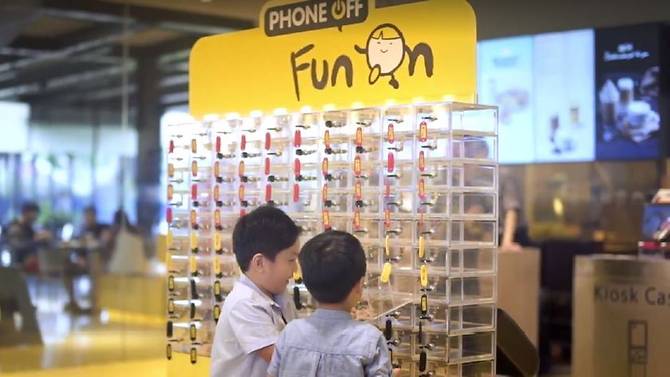
    McDonald’s has introduced mobile phone lockers and table service at its flagship Marine Cove outlet in Singapore to help families rediscover quality time together, the fast-food chain said.

    The mobile phone locker, the first-of-its-kind in Singapore, encourages parents and children to put their devices away safely and focus on family bonding, it said.

    “As a popular restaurant destination for families, we have observed that the use of mobile devices during meal times may sometimes get in the way of family bonding,” said director of brand communications and customer care Linda Ming.

    A survey of 302 parents conducted by McDonald’s last month found that 98 per cent of parents and 91 per cent of kids use their mobile devices whenever they are together, with more than two-thirds of respondents using their smartphones during mealtimes.

    This is despite most of the parents in the survey saying that the use of mobile devices had decreased their interaction with their loved ones, and that they would like to be more disciplined in staying away from digital distractions during family time, McDonald’s said.

    To allow parents to spend more time tending to their children, the fast-food chain is also piloting table service at its Marine Cove outlet, led by “guest experience leaders” whose main role is to engage with families.

    Customers can select the table service feature when placing an order at the self-ordering kiosk, it said.

    Responding to queries from Channel NewsAsia, McDonald’s said there is no extra charge for customers who use the table service feature, and that the service is open to everyone, not just families or parents.

    “We have introduced the service in our Marine Cove flagship restaurant as well as selected restaurants, and have received positive feedback especially from families so far.”

    McDonald’s added that mobile phone lockers would be locked with physical keys. To make sure that customers do not forget to retrieve their phones, staff members will remind them about their phones before they leave the restaurant.

    The fast food restaurant chain will be “actively gathering feedback” from customers about the new initiatives, to decide on whether to expand them to other restaurants.


  • Mystery foreign investor buys $396 million stake in dairy giant Vinamilk

    Mystery foreign investor buys $396 million stake in dairy giant Vinamilk

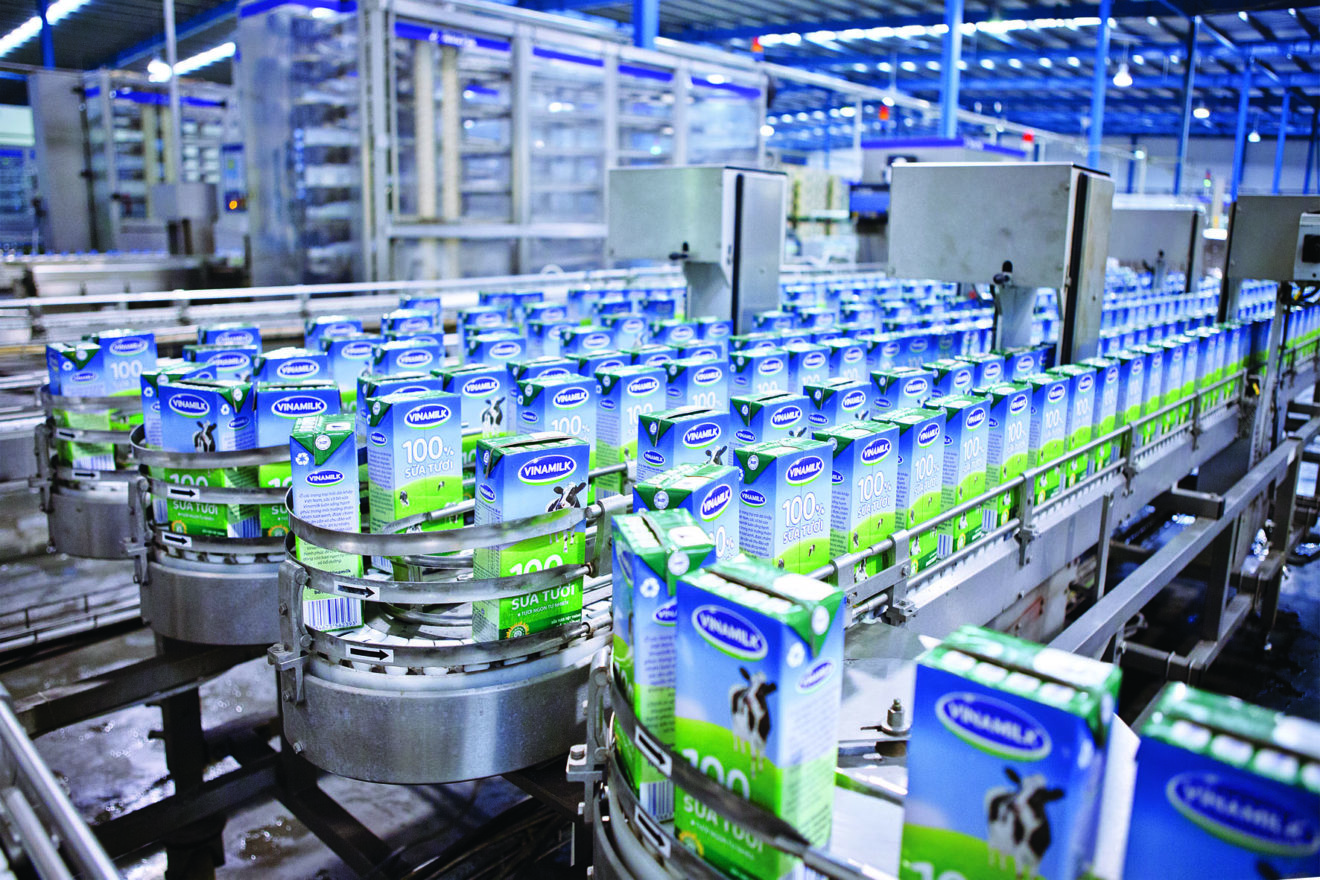
    Vietnamese dairy giant Vinamilk sold a 3.33 percent to an unnamed foreign investor for VND8.99 trillion ($396 million) on Friday.

    The investor bought the 48.3 million shares on offer for VND186,000 ($8.20) apiece, 24 percent higher than the asking price.

    The share sale, which attracted 19 investors including six foreign firms, reduced the state ownership in Vinamilk, Vietnam’s biggest listed firm, to 36 percent, still enough to retain veto rights.

    Vietnam’s State Capital Investment Corporation had forecast the sale would fetch VND6.5 trillion to VND7 trillion ($286.3 million to $308.4 million).

    In December, the state investor put on offer a 9 percent stake in Vinamilk, but was only able to offload 5.4 percent to two investors – both units of existing shareholder Fraser and Neave Ltd.

    Investors looking to gain a degree of control over Vinamilk were deterred by the size of the stake on offer. The government had initially planned to sell its entire 44.7 percent stake.

    The government is trying to divest from hundreds of state-owned enterprises, including brewers Hanoi Beer Alcohol and Beverage JSC (Habeco) and Saigon Beer Alcohol Beverage Corp (Sabeco) in which it owns a combined $7.8 billion worth of shares by market value.

  • Is McDonald’s story over for Chinese?

    Is McDonald’s story over for Chinese?

    It is always tricky for multinationals to pick a name that sounds right to Chinese ears, but few went as wrong as McDonald’s latest business tweak.

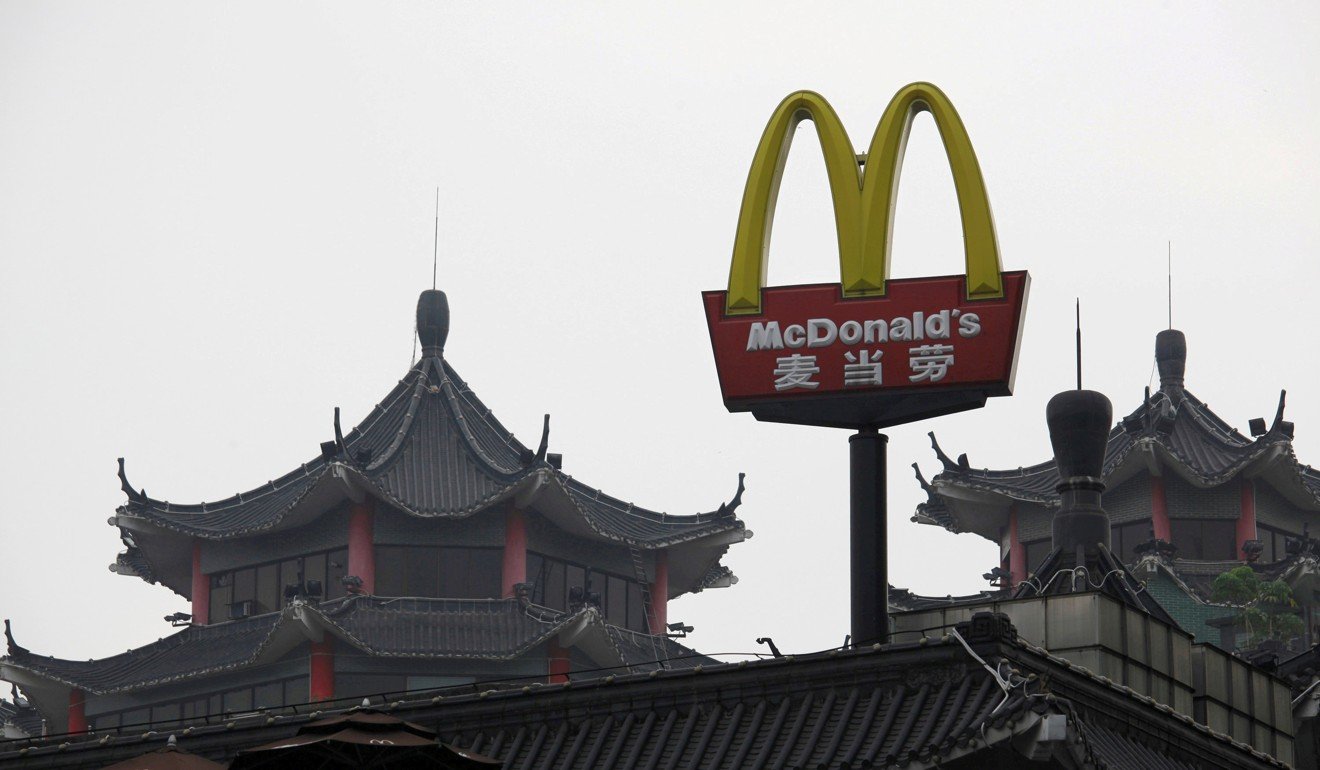
    When the news broke last week that the American fast-food giant had changed its business name in China, ditching the previous Maidanglao – a transliteration of the company’s English name – in favour of Jingongmen, which roughly translates as “Golden Arches,” Chinese social media gorged itself with amusement.

    “[The new name] sounds like a furniture store. Are you sure the food is edible?” one wrote, while another observed “even Ronald McDonald cannot stand the new name”, referring to a widely circulated image of the clown mascot on the phone, saying: “Boss, I have to quit. The new name is unbearable.”

    Construction on mainland China’s first McDonald’s in Shenzhen takes place in 1990.

    McDonald’s responded online, reassuring its customers that no one would dine at restaurants carrying the Jingongmen label and the change was for official paperwork only. It is unclear whether McDonald’s will manage to shake off this PR disaster, but even if it does, there are worries the American food giant cannot escape the fate of being downgraded.

    “McDonald’s and KFC do not command the brand power they used to in the 1990s,” Jeffrey Towson, a business professor at Peking University in Beijing, said. “They are not viewed as upscale as they were in the 2000s.”

    Once a tourism destination in China and a symbol of rapid modernisation, McDonald’s is now known as a low-end, cheap eat for many Chinese. Experts say this colossal change in attitude mirrors the rise of China, where local businesses have become increasingly competitive and Chinese customers no longer have to rely on Ronald McDonald to get a taste of America.

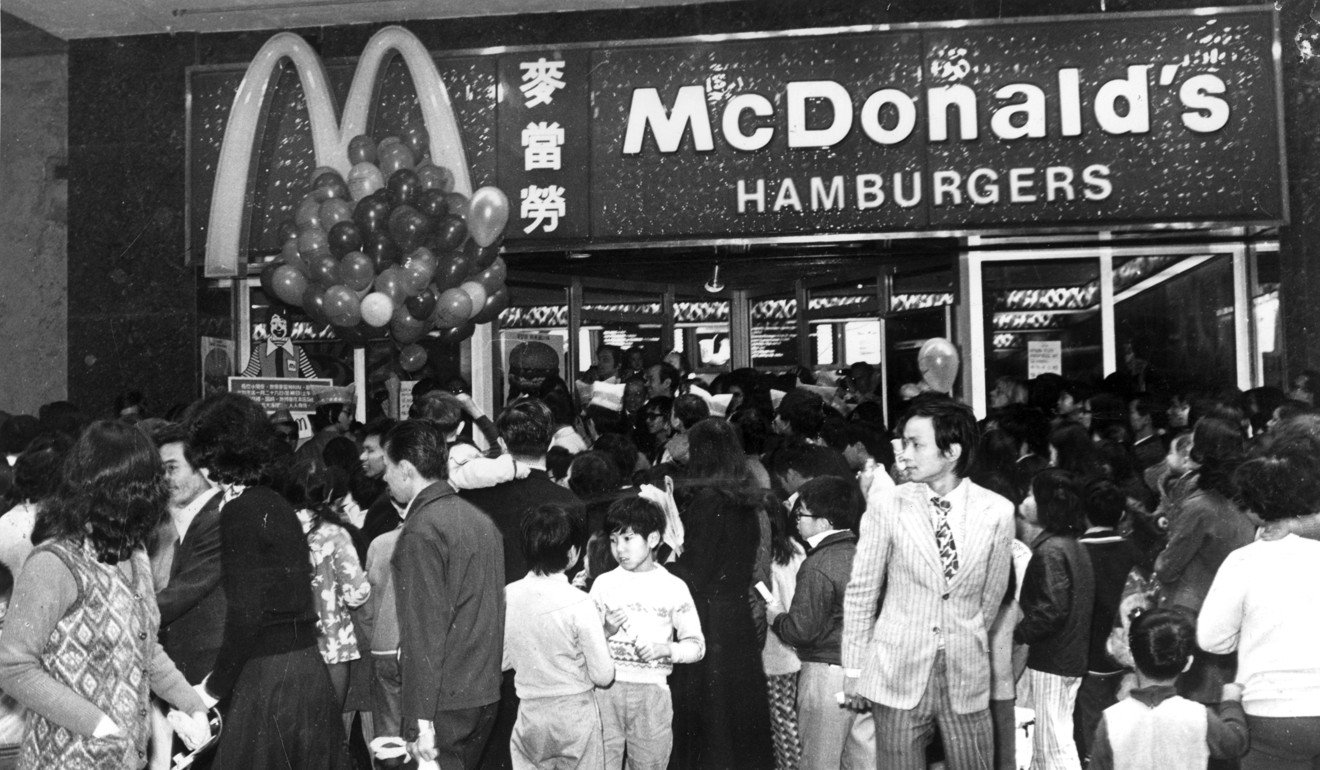
    The first McDonald’s in Hong Kong opened in 1975 on Paterson Street in Causeway Bay.

    Back in 1975, when McDonald’s opened its first store in Hong Kong, the popularity of McProducts in the then British colony created a phenomenon one local newspaper described as “Big Mac” fever. The fervour spread to Shenzhen, where McDonald’s made its debut in 1990. Media reports showed hundreds of Chinese queuing up outside McDonald’s first store on mainland China, and in the first three hours of its opening day, a week’s supply of products had sold out.

    According to Yan Yunxiang, a professor at the University of California who studied the company’s operations in China in the 1990s, McDonald’s was so popular some parents thought the Big Mac contained a hidden ingredient luring their children to this exotic food.

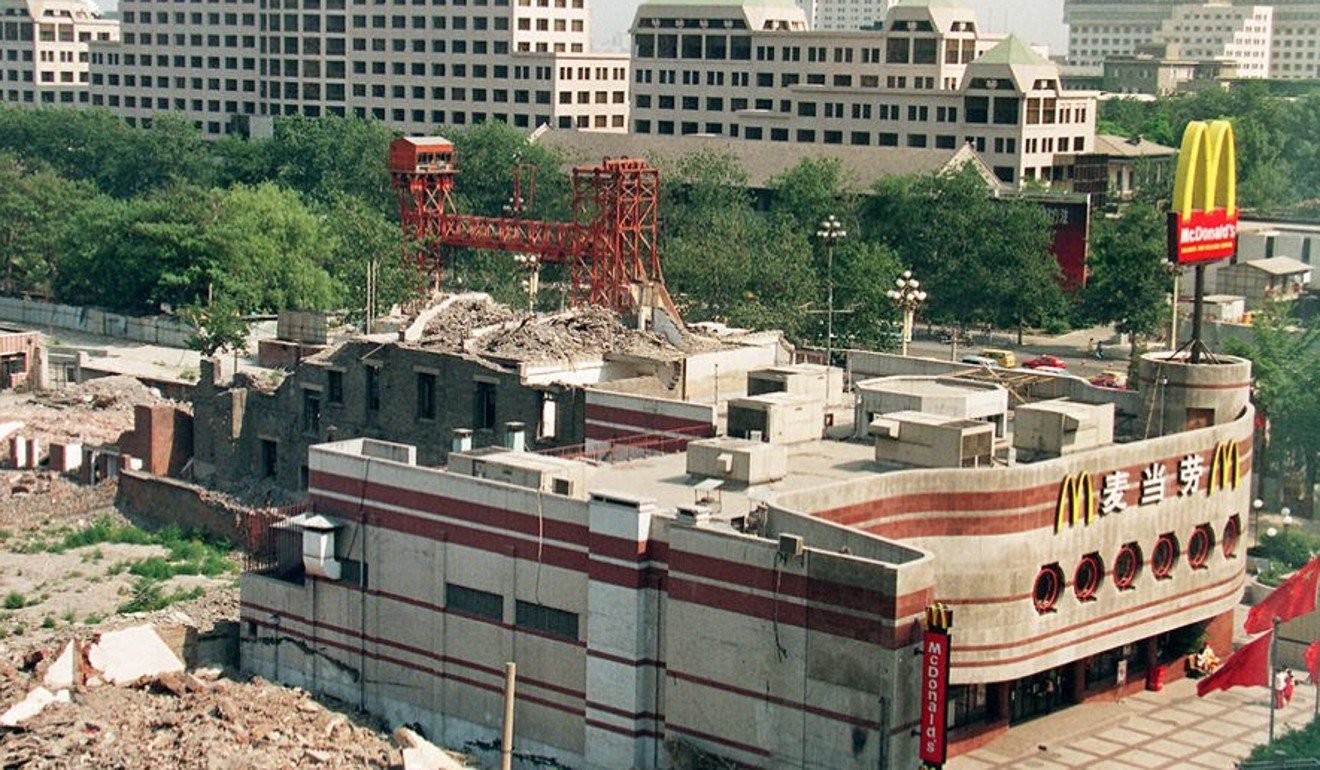
    And it was not just the children who had an appetite for it. When the first McDonald’s outlet arrived in Beijing in 1992, 82-year-old Wang Yonglu was one of the first customers. Munching on a hamburger, Wang explained to the United Press International: “I am just a retired proletarian. What chance do I have to go to the United States? This way, I can spend only 10 yuan (US$1.75) to see what America is like.”

    Beijing’s first McDonald’s opened in Wangfujing in 1992. 

    Fast forward to the 21st century, the landscape in China is somewhat different. In 2016 alone, roughly 122 million Chinese – equivalent to the population of France, Spain and Denmark combined – went abroad, according to Beijing-based think tank China Tourism Academy.

    “McDonald’s has lost that position because Chinese consumers are getting more sophisticated,” Shaun Rein, managing director for Shanghai market consultancy CMR China, said. “If they want Western culture and Western food, they can go to America.”

    Zhang Yue, a 34-year-old marketing specialist in Chongqing, knows this well. When McDonald’s entered her hometown in southwestern China in the early 2000s, Zhang happily stood in line as she loved its “spotless dining environment.”

    But now, she rarely goes. “There are so many good restaurants out there.”

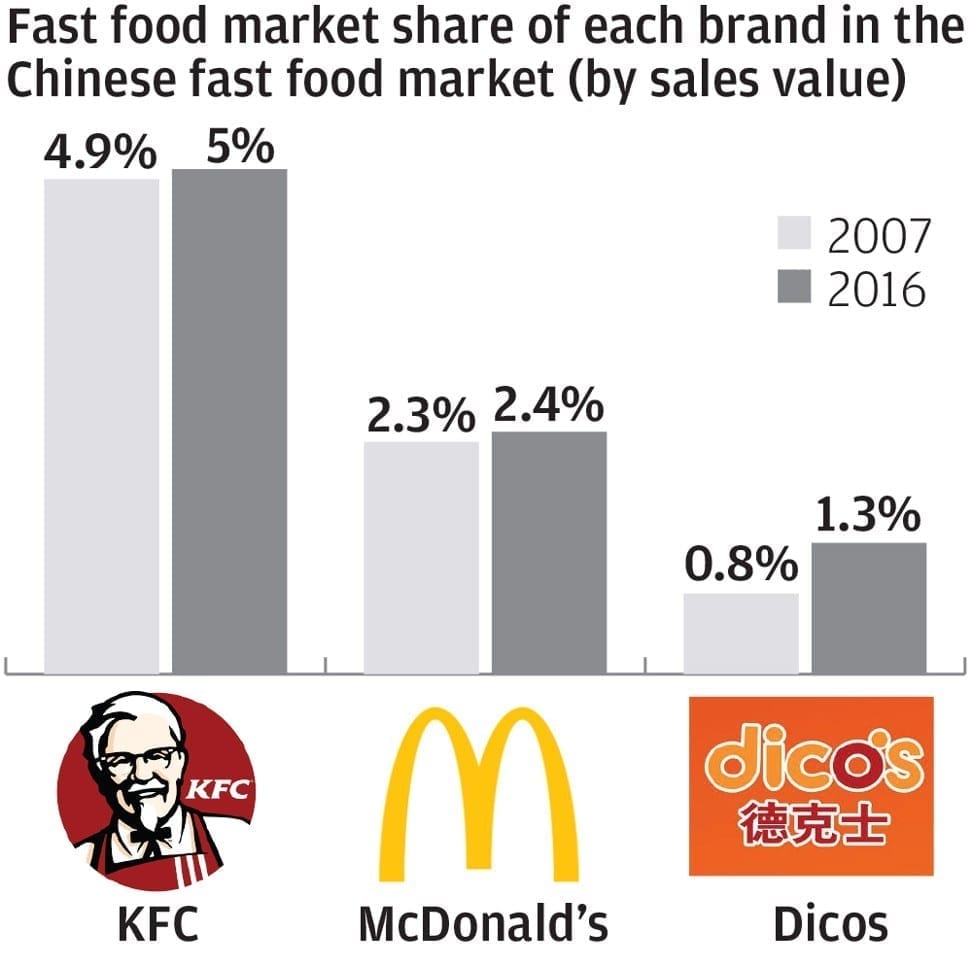
    In recent years, a growing number of Western brands have flocked to China, hoping for a bite of the world’s biggest consumer market. Starbucks has opened 2,600 stores, and plans to add a coffee shop a day for the next five years. Meanwhile, home-grown food firms are catching up. Dicos, China’s third-largest fast food chain by retail value, has almost as many outlets as McDonald’s.

    The boom of delivery businesses has made getting fed as simple as tapping a smartphone. Last year, at least 7.5 million hungry mouths a day were sated this way, according to a government report. That, in turn, has hampered the business for chains such as McDonald’s.

    To lure in more diners, McDonald’s China has localised its menu. Currently, nNearly a quarter of items in its breakfast menu is Chinese food, including congee and soy milk.

    To lure in more diners, McDonald’s China has localised its menu. Nearly a quarter of its breakfast menu is Chinese food, including congee and soy milk. Earlier this year, the American food chain also sold most of its business in China and Hong Kong to a Chinese consortium for more than US$2 billion. With the help of its new partner, McDonald’s said it will increase the number of Chinese outlets from 2,500 to 4,500 by 2022, with most of the new stores in smaller cities.

    “When I studied McDonald’s in the early 1990s, I was told by management the strategy was to stick to the original American menu, not to apply McDonald’s franchise model in Beijing, and not to offer breakfast,” recalled Yan, the university professor. “It looks like the company has done everything now that it said it would not do in the early 1990s … either proactively to go [to] the next level or reactively to meet new challenges.”

    The name tweak came after McDonald’s completed its China sale. A spokeswoman said it hasn’t affected the business in China and the company is happy Chinese diners no longer view it as an upscale brand. “After all, we never meant to be a five-star restaurant; McDonald’s is created to serve everyone,” she said.

    China’s propaganda authority also had its say. The Beijing-based Guangming Daily, a newspaper backed by the Publicity Department of the Chinese Communist Party, wrote in a commentary last week: “Foreign brands have become ‘rustic’ [as] we Chinese have become more international.”

  • Cinnabon is back to Korea

    Cinnabon is back to Korea

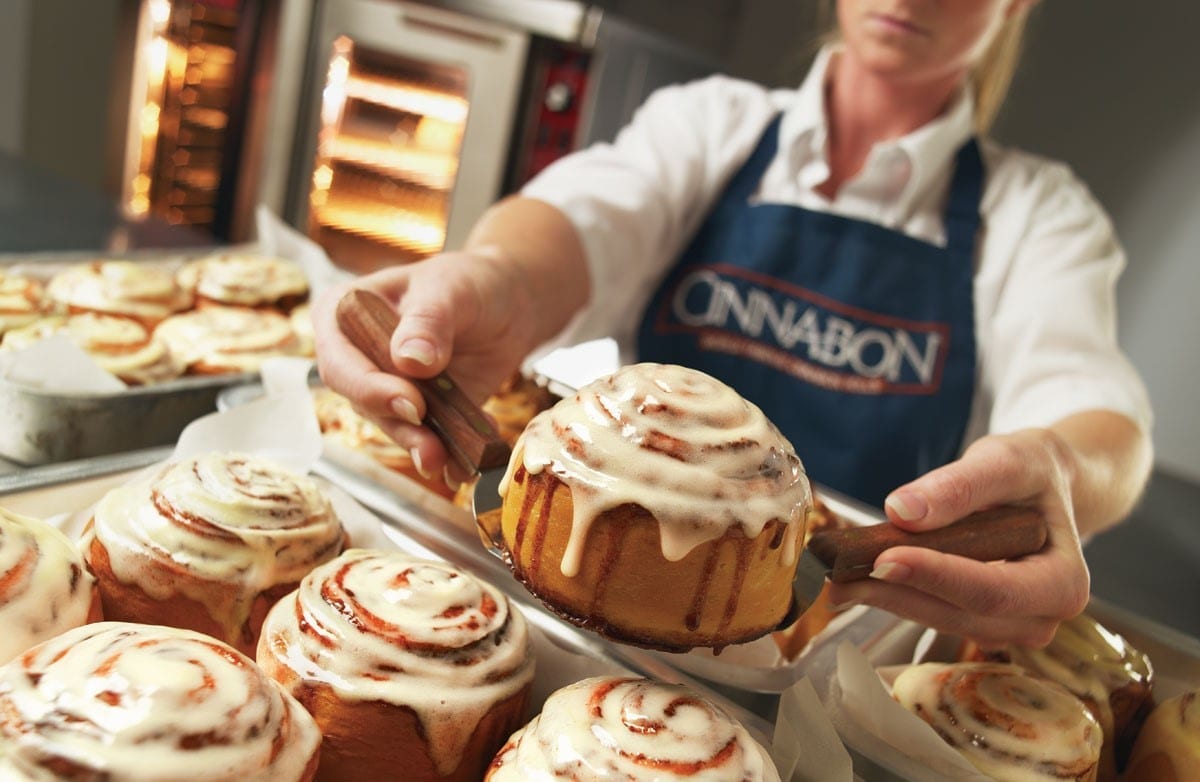
    US-based bakery chain Cinnabon has returned to Korea with an outlet at Hyundai Department Store in Seoul.

    The menu includes Cinnabon Classic Rolls, Cinnabon Caramel Pecan, Minibon, and drinks such as Single Origin Coffee, three Coldbrew Ice Coffees, four Espresso Coffee drinks, Chillattas, Hot/Ice Chocolate and Fizzies.

    Cinnabon first came to Korea in 2001 with plans to open 50 outlets within six years, but failed to gain traction at the time.

    Owned by Focus Brands, Cinnabon now operates in 53 countries worldwide.

    Last year, the chain looked for its franchisees to expand to China.

  • Starbucks Japan opening in tourist attractions

    Starbucks Japan opening in tourist attractions

    Starbucks Japan is about to open stores at two tourist spots, Dogo Onsen and Miyajima (pictured).

    An island in Hiroshima Bay, Miyajima goes by the official name of Itsukushima and is known for its floating torii gate off the shore of Itsukushima Shrine, a Unesco World Heritage Site. Starbucks says its new location on the island, accessed by a 10-minute ferry ride from the mainland, is a first for the company as the only outlet that has to be reached by boat.

    Starbucks Japan- Miyajima 1

    Featuring wood panels, panoramic windows and a balcony, the new Starbucks will share a building with a brewery restaurant run by local company Miyajima Beer.

    Starbucks Japan- Miyajima 2

    Also on an island, Dogo Onsen is believed to be Japan’s oldest hot spring, reports Sora News 24. It is in Matsuyama, on the island of Shikoku.

    Starbucks Japan - Dogo Onsen station

    Starbucks will take up residence in the two-storey wooden replica of the island’s original station. Its interior will pay homage to the original building that dated back to 1911. The tables and chairs will be made from old rails and sleepers.

    Starbucks Japan - Dogo Onsen station 2

    Starbucks Japan - Dogo Onsen station 1

    The Miyajima Starbucks opens on November 22 while the Dogo Onsen outlet follows a month later.

  • Blue Bottle Coffee heading for Korea

    Blue Bottle Coffee heading for Korea

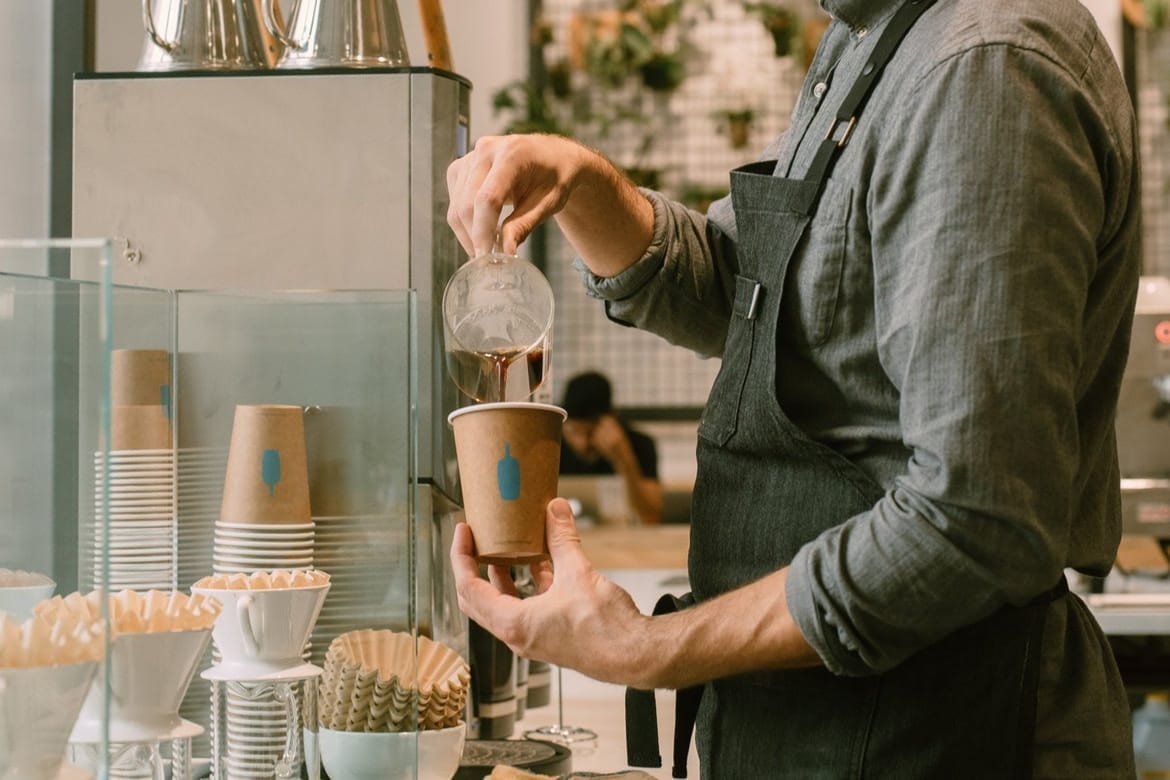
    US brand Blue Bottle Coffee is expected to open in South Korea soon, followed by other Asian countries including China, Hong Kong and Taiwan.

    “We’re developing our contact here,” CEO Bryan Meehan said while attending the World Coffee Leaders Forum at the Seoul Cafe Show.

    He said Blue Bottle was researching the market and looking for a GM in Korea, with no specific set yet for a launch.

    Meehan said the company headquarters would directly manage its stores in Korea, as it does in other countries.

    “Actually, we had a lot of pressure for a joint venture in Japan. A lot of companies wanted licensed approaches,” he said. “We are very passionate about controlling the quality of Blue Bottle, so we like to do things ourselves. We have never franchised.”

    While local coffee chains in Korea have been hit by losses over the past few years, Starbucks Coffee has alone seen rapid growth, reports The Korea Times.

    “Blue Bottle has grown along with Starbucks in the US. We think we can survive side-by-side,” said Meehan.

    Known for its innovation, Blue Bottle has 44 stores in the US and Japan. Nestle acquired the chain for US$425 million in September.

    “Nestle CEO Mark Schneider has a wonderful vision of where specialty coffee should be in five years’ time, and he sees the value of Blue Bottle,” said Meehan. “Nestle is allowing Blue Bottle to remain a standalone company. I don’t report to anybody at Nestle.”

    Founded in Oakland, California, by musician James Freeman in 2002, Blue Bottle has expanded around San Francisco. Because of Freeman’s interest in Japan, the chain has expanded there and will open its eighth outlet next year in Kyoto.

  • Kiss the Tiramisu expansion to Philippines

    Kiss the Tiramisu expansion to Philippines

    South Korean dessert cafe Kiss the Tiramisu has opened its first store in the Philippines.

    In Salcedo Village, Makati City, it joins the roster of Kiss the Tiramisu branches in such countries as Hong Kong, Malaysia, Singapore and Thailand.

    Shirley Vy of local franchisee Foodeology says that as an ice-cream lover, she likes to try something new and different. “So when I was walking the streets of Hong Dae in Seoul, I saw a booth with a long queue. It was Kiss the Tiramisu … My first bite was totally magical – my unforgettable first ‘kiss’. At that moment, I knew I wanted to bring this brand to the Philippines.”

    Kiss the Tiramisu founder Jiro Kim says he wondered what would happen if tiramisu ice cream was made using mascarpone cheese. His curiosity paid off, with queues forming for the resulting product.

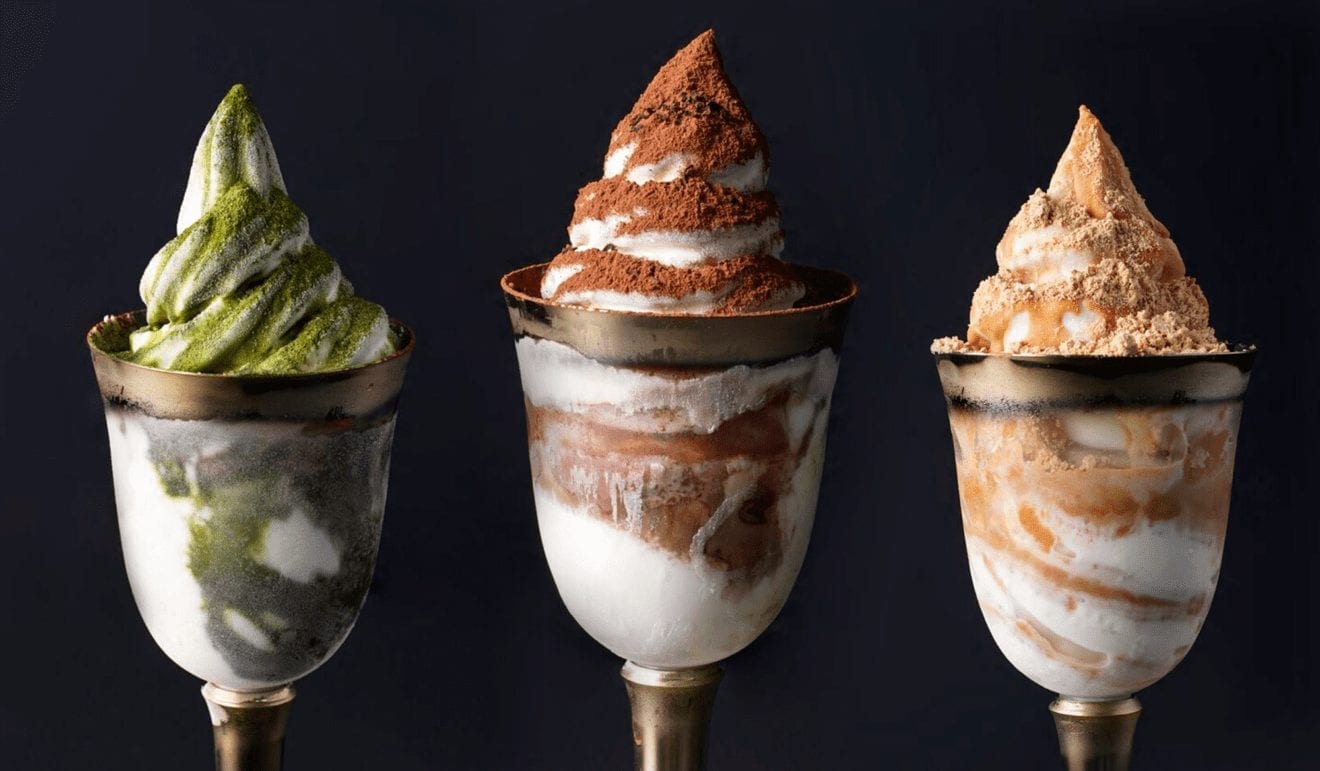
    His ice cream is delivered in a gold-rimmed acrylic glass. A cup is assembled with a smear of mascarpone cheese first, followed by soft-serve ice cream with layers of cookies, syrups or cakes. For the Philippines, there are four variants…

    Original Tiramisu: Mascarpone soft-serve with layers of coffee-soaked cake, coffee sauce and a sprinkling of cocoa powder.

    Matcha Ice Cream: Matcha sauce is added to the coffee-soaked cake and mascarpone ice cream, with a sprinkling of matcha powder to finish.

    Injeolmi: This features a Korean cake and a sprinkling of soybean powder.

    Midas Touch: Kiss the Tiramisu creates a special flavour for every country it has outlets, and for the Philippines it is a soft-serve cup with ube (purple yam) cake, caramel custard and layers of crushed barquillo biscuits drizzled with caramel sauce. For the “Midas” element, there is some edible gold leaf.

    More Kiss the Tiramisu branches will follow soon in the Philippines.

  • Beerlicious starts brewing more

    Beerlicious starts brewing more

    A year after introducing Australian craft beer to Thailand, Beerlicious has partnered with Canadian brewery Molson Coors International to introduce Cobra Premium beer.

    Initially the company offered six craft beers from Bridge Road Brewers, an award-winning small-batch brewery near Melbourne. It soon expanded to 10 different beers from the brewery, and has just introduced a range of Christmas brews.

    “We chose to work with Bridge Road Brewers as it is a family business, conceived by a father and son who focus on traditional brewing techniques,” says Beerlicious MD/founder Niran Khanijou.

    Cobra Premium beer, brewed in the UK for Molson Coors, has won more than 94 gold medals at the international Monde Selection awards.

    “Our immediate plans are to introduce not only Cobra but also King Cobra, a ‘champagne lager’ in an impressive 750ml bottle, to the Thai market over Christmas,” says Khanijou. King Cobra has won the Grand Gold award, the highest accolade, at Monde Selection.

    “Our Australian selection will have a limited stock of the two seasonal beers Fat Man, Red Suit, Big Sack and Magical Christmas Unicorn, a vanilla ice-cream ale.”

    Beerlicious products are available at select Bangkok restaurants and craft-beer venues as well as branches of Central Food Hall, Gourmet Market and Tops.

  • BreadTalk Group great profit results

    BreadTalk Group great profit results

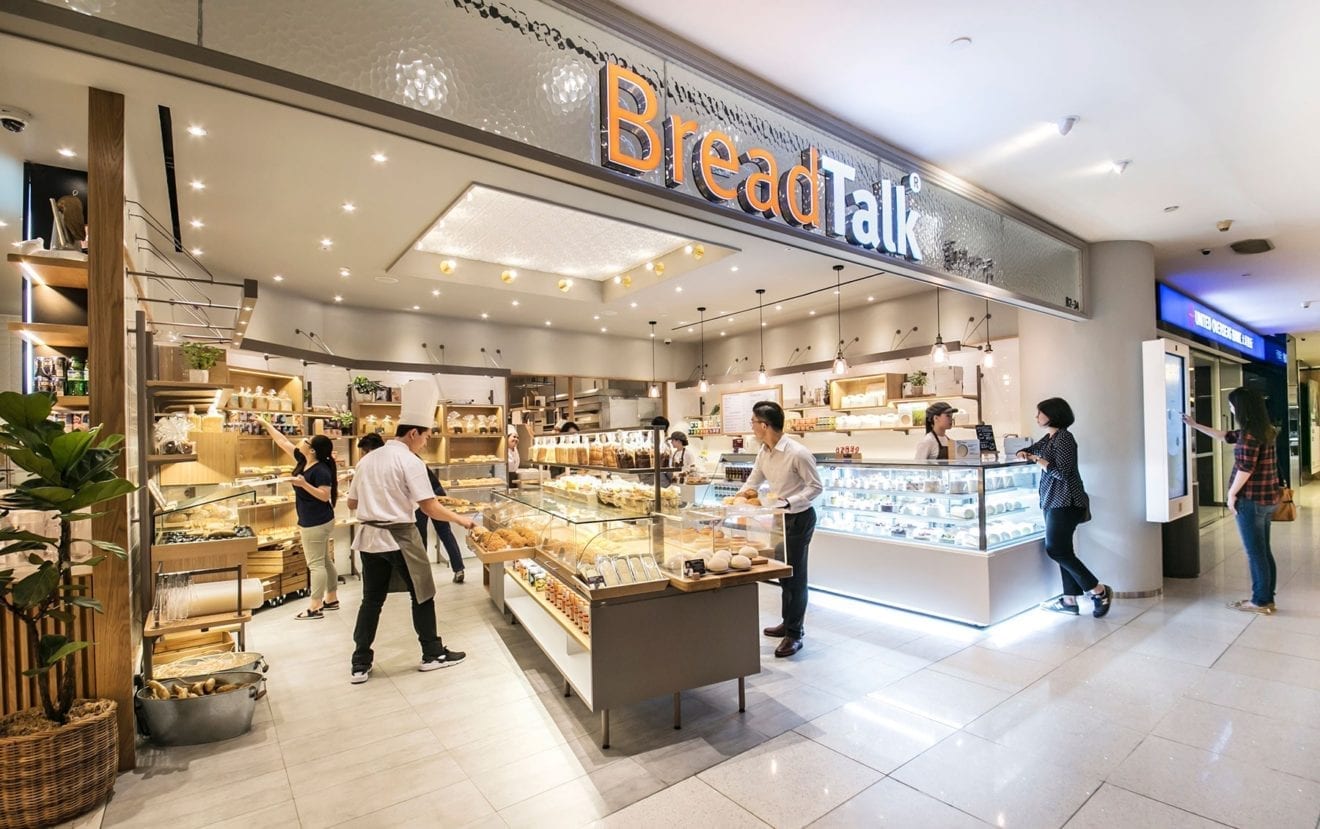
    BreadTalk Group has moved beyond merely making a crust, with breakthrough profits for its third quarter to the end of September.

    This was despite a challenging retail environment, says the F&B group which recorded a 139.5 per cent explosion in net profit to S$16.8 million (US$12.3 million) for the period. It attributes its success to an “unwavering focus” on assessing and re-organising its business portfolios while identifying new growth opportunities.

    “Our core F&B net profit increased fivefold to $12.1 million for the quarter, signifying the underlying strength of our core businesses,” says BreadTalk Group chairman Dr George Quek.

    Last month the company won the World Branding Awards for the third time.

    Meanwhile, group revenue for the first nine months of this year declined 2.6 per cent year-on-year to $449.5 million. At the same time, EBITDA rose 9.1 per cent to $64.9 million, with EBITDA margin improving to 14.4 per cent from 12.9 per cent for the same period a year ago.

    In quarter one, there was $9.3 million in net capital gain from the divestment of the group’s investment in TripleOne Somerset, as well as $8.8 million from the divestment of 112 Katong Mall.

    Robust recovery

    In line with overall group strategy, BreadTalk’s consolidated food-atrium portfolio in China and Singapore showed robust recovery. The vacancy rate across the portfolio remained at a record low of less than 2.5 per cent.

    EBITDA for the division rallied by 127 per cent to $17.7 million, with EBITDA margin improving by 9.3 points to 15.7 per cent. However, with the closure of three underperforming stores in China, total revenue declined 6.9 per cent to $112.4 million. It now has 54 outlets.

    For BreakTalk’s restaurant division, total revenue grew by a steady 2.5 per cent to $104.8 million, driven mainly by its Din Tai Fung restaurants in Singapore and Thailand. Overall EBITDA improvement 7 per cent to $22.3 million, with EBITDA margin rising by 0.8 points to 21.2 per cent.

    Weaker performance by directly run stores in Beijing, Shanghai and Singapore eroded bakery division revenue by 2.7 per cent to $223.1 million. While these stores were unchanged at 255 outlets, 15 more franchise outlets were added to reach a total of 604.

    In September, the group signed a sale-and-purchase agreement for its business with United Malayan Land. This will enable the group to take advantage of the developer’s experience in the Malaysian property market.

    EBITDA for the division declined 13.3 per cent to $18.7 million, with margin at 8.4 per cent (9.4 per cent previously).

    BreadTalk formed 4orth Division this year to identify F&B opportunities, and is led by group CEO Henry Chu. It converted five RamenPlay outlets to So Ramen by the end of September, which are now generating 8.5 per cent improvement in revenue to reach $658,000 from August to September.

    In July, the division entered into a 90-10 JV with Song Fa Holdings to introduce the Bak Kut Teh brand to China and Thailand.