Category: Food

Retail News Asia is committed to providing both local and global retailers with the latest Food and Food & Beverage news throughout the Asian market. This on a daily base.

  • Bangkok moves up the food chain

    Bangkok moves up the food chain

    According to the Mastercard Global Destinations Index, Bangkok is the most visited city in the world with 21.47 million overnight visitors in 2016.

    There are several factors that make Thailand’s capital the world’s leading destination and one of them is food.

    Anyone familiar with Thailand is aware of Thais’ love of food and now the world is learning more about Thai cuisine. There are few cities in the world without a Thai restaurant. Today, Bangkok is delivering a wide range of authentic Thai food and is growing as a foodie destination.

    The Tourism Authority of Thailand has been using ‘Thai Food’ as their strategy to promote sustainable tourism. Social media platforms, such as YouTube and Facebook, are the most effective channels to reach travelers, especially independent travelers who rely on the internet to plan their trip. For example, the ‘Thai-Licious Journey’ series campaign on YouTube aims to promote Bangkok as a food capital of the world.

    In addition to the government’s effort to promote Thai cuisine, the private sector is also playing a role to raise awareness. The Minor Group—one of the largest hospitality and leisure companies in APAC—has expanded their Thai Express restaurant brand across six countries in Asia Pacific. Thailand’s Mudman Group has also established their Greyhound Café restaurant brand in Hong Kong and Beijing.

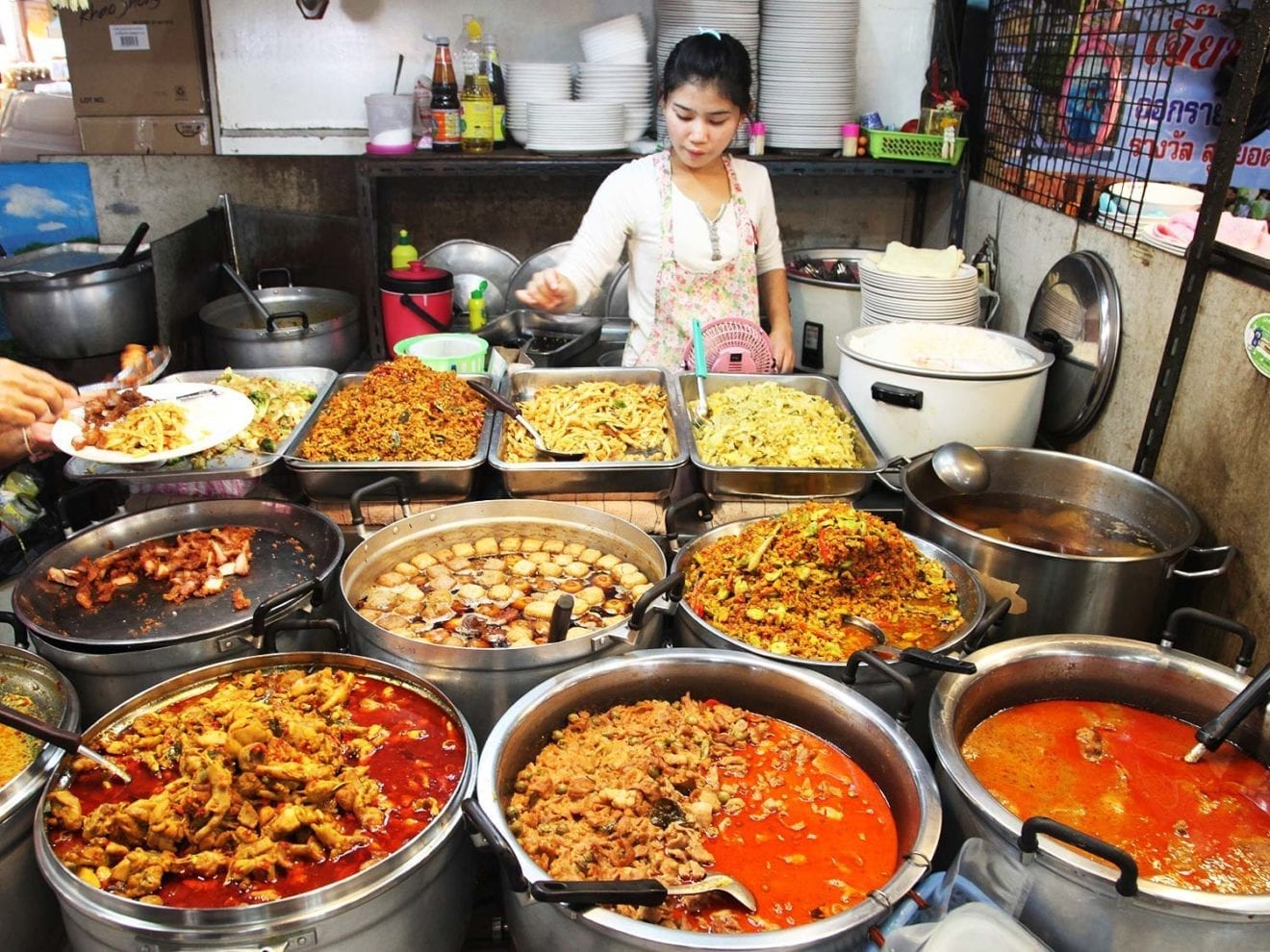
    In terms of variety, Bangkok offers a range of dining experiences from local street food to cutting-edge restaurants. Bangkok was ranked by CNN as the Best City in the World for Street Food in 2017. On the other end of the scale, the city is now home to two out of the fifty finest culinary establishments on the planet, according to the EATER website—Gaggan and Nahm. Bangkok’s bars are also world-famous; Sirocco Sky Bar featured in ‘The Hangover Part II’ movie.

    Retail landlords have been revising their retail mix by adding more F&B tenants, ranging from international restaurants to an indoor street food experience. For example, the Terminal 21 shopping center offers Thai local street food at affordable prices, as well as Tim Ho Wan, a one-star Michelin restaurant.

    Many of today’s travelers, especially millennials, have become more sophisticated and want authenticity and experience; Bangkok is increasingly catering to this market. Retail landlords who are using a placemaking strategy want restaurants that can give them a competitive edge to attract locals as well as international visitors.

    Traditionally, fast-food tenants have been the highest F&B rent payers but nowadays, landlords of many Bangkok shopping centers want to create a unique selling point, which means accepting lower rents to secure a wider range of restaurants.

    Bangkok is growing as a foodie destination and we can expect to see a wider and more sophisticated range of restaurants for Thai regional and international cuisines.
  • Ajisen China has mixed third quarter

    Ajisen China has mixed third quarter

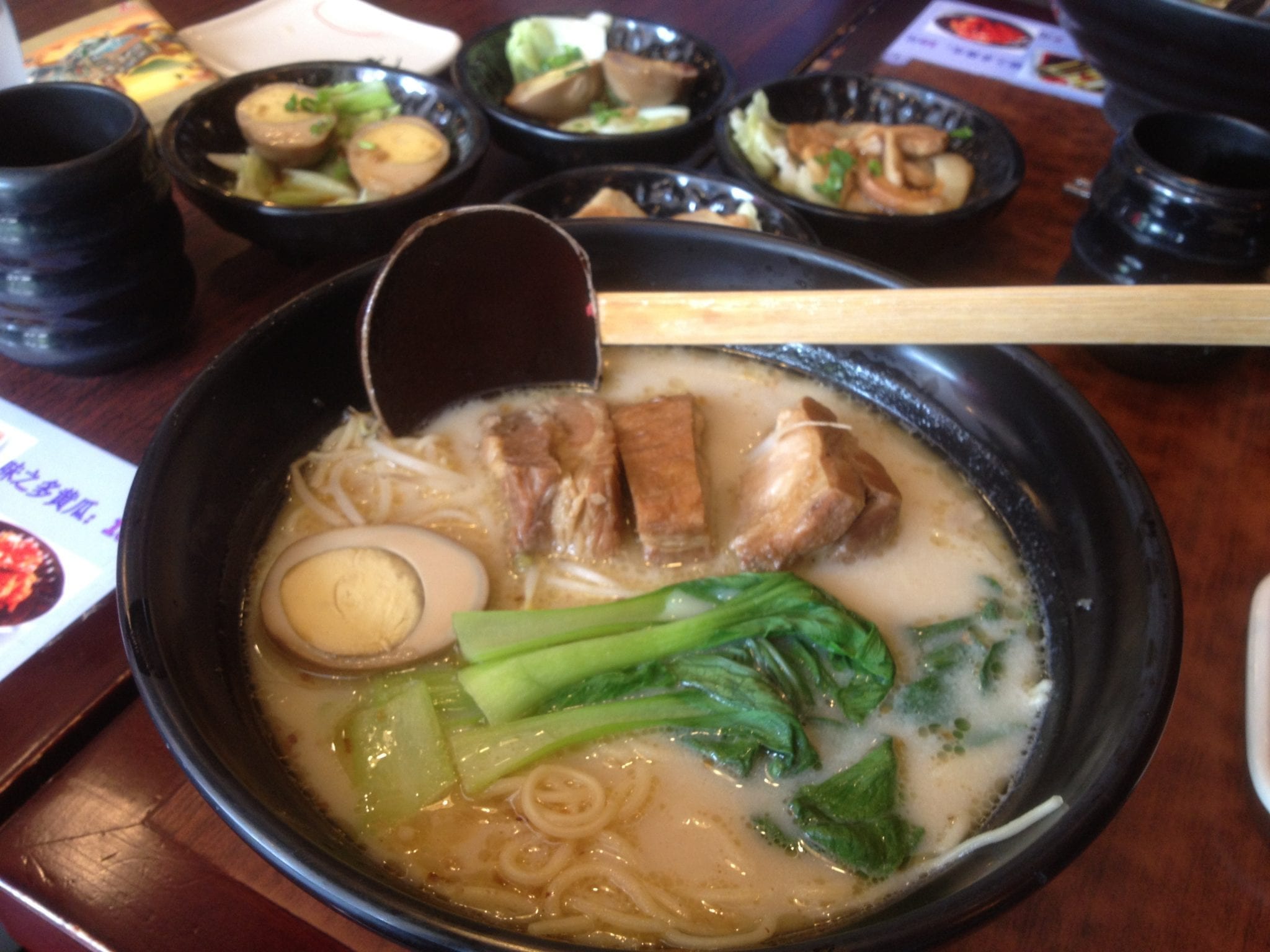
    A high in China almost equally matched by a dip in Hong Kong has resulted in a mixed third quarter for Ajisen China Holding’s fast-casual restaurant business.

    Same-store sales in Hong Kong fell by 9 per cent for the three months to the end of September, while the growth rate in China had an upswing of 9.7 per cent.

    Overall, the group’s business sales saw 6.4 per cent growth compared to the same period a year ago.

    Chairman Poon Wai says the figures have not yet been reviewed or audited.

  • McDonald’s posts positive third quarter results

    McDonald’s posts positive third quarter results

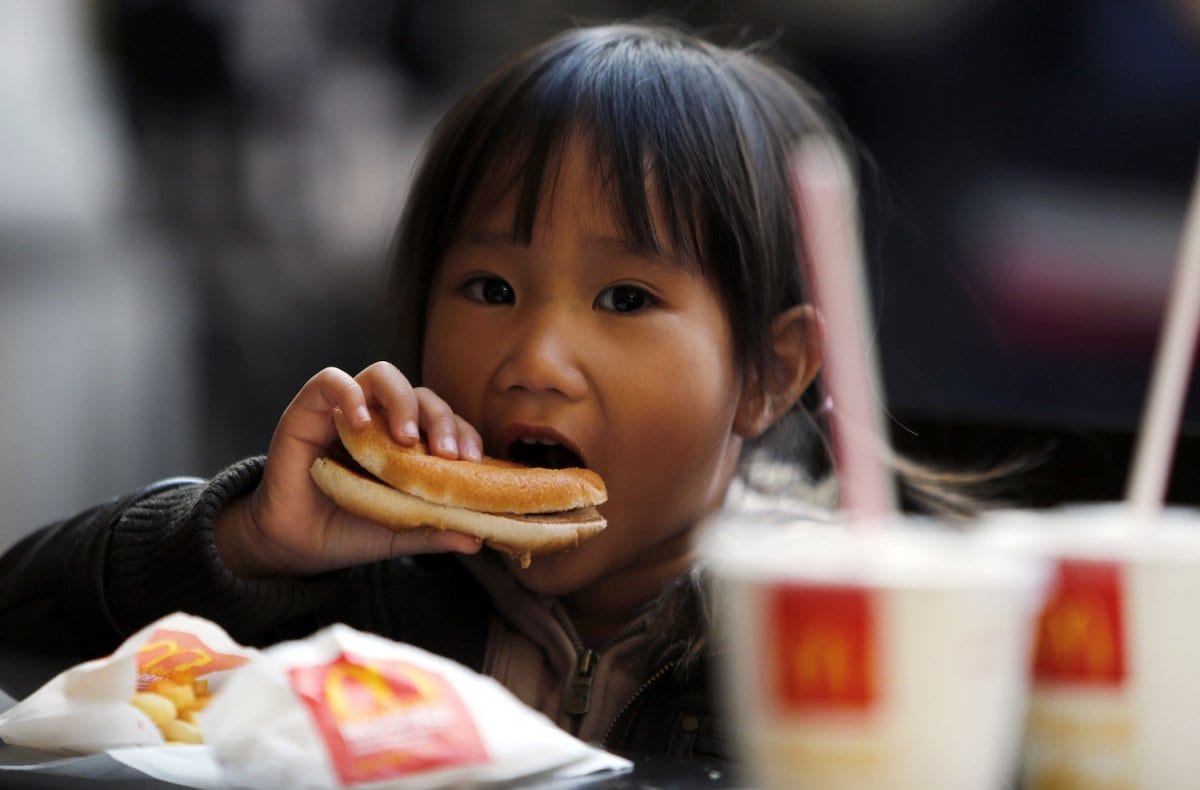
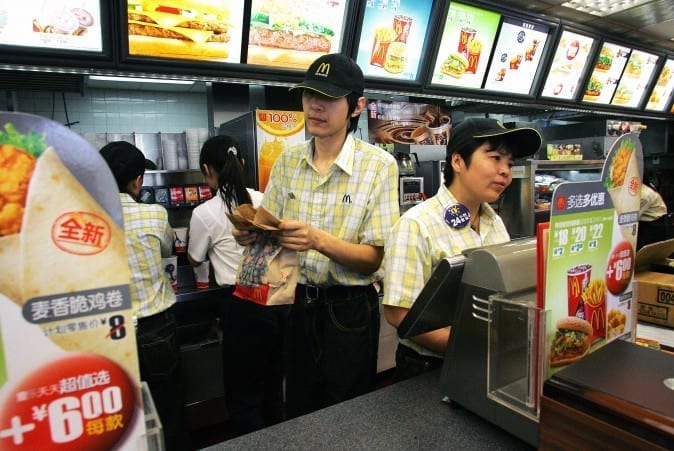
    Global fast food chain, McDonald’s, has posted an increase in sales for the third quarter as its promotions and fresh food offerings attract more customers.

    McDonald’s net income rose to $1.88 billion (A$2.42 billion) in the three months ending September 30 from $1.28 billion the previous corresponding period.

    Total revenue was $5.75 billion, down 10 per cent from a year earlier due to charges related to a refranchising initiative, according to McDonald’s.

    The fast-food company said on Tuesday that sales in the US rose 4.1 per cent at existing locations during the third quarter, thanks to its US$1 drinks and its two for US$5 promotion called McPick 2.

    McDonald’s also said pricier burgers, which are stuffed with crispy onions, kale or guacamole, helped boost sales, too.

    McDonald’s has been working to modernise its restaurants by adding mobile ordering and offering delivery through the UberEats app. It’s also been tinkering with its menu as more people shun processed foods: It removed artificial preservatives from its nuggets and it’s working to use fresh beef in its Quarter Pounder burgers.

    “We’re building a better McDonald’s and more customers are noticing,” said chief executive Steve Easterbrook.

    Adjusted earnings came to $US1.76 per share, a penny above what analysts expected, according to Zacks Investment Research.

    Revenue fell 10 per cent to US$5.75 billion, missing analyst expectations of US$5.8 billion. The company said it brought in less revenue as it switches more stores from company-owned restaurants to ones owned by franchisees, especially in China and Hong Kong.

    Neil Saunders, managing director of GlobalData Retail, although various storms and natural disasters across the US threatened to blow McDonald’s off course, the company’s third-quarter numbers are a testament to both its resilience and the soundness of its reinvention strategy.

    He said international growth may have waned slightly in lead markets, but its US comparable sales growth continues to accelerate over the same period last year.

    “Given that the fast food and casual dining segments as a whole struggled over the third quarter, this is an encouraging set of results which suggests McDonald’s is gaining both market and customer share,” Saunders said.

  • Hokkaido Baked Cheese Tart heading for Vietnam

    Hokkaido Baked Cheese Tart heading for Vietnam

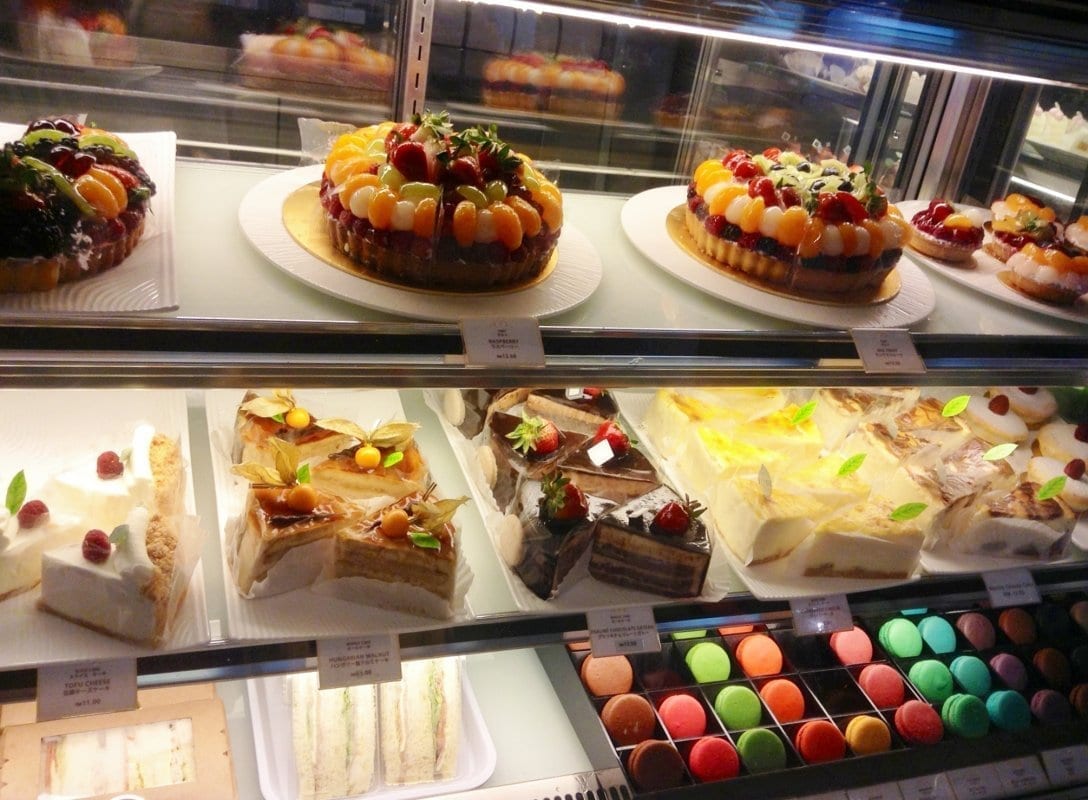
    Hokkaido Baked Cheese Tart will launch into Vietnam next month.

    The Japanese-inspired Malaysian brand has hinted at its debut with a sign over a kiosk under construction in the Saigon Center shopping mall in Ho Chi Minh City.

    Meanwhile, the company’s website announces it is seeking staff members for expansion into Vietnam.

    Hokkaido Baked Cheese Tart has been expanding throughout Asia with stores already in Brunei, Indonesia, Malaysia, Shanghai, Singapore and Australia.

  • Australia’s Retail Food Group to target China

    Australia’s Retail Food Group to target China

    Australian-headquartered food and beverage retailer Retail Food Group says it will focus on greater China for its next phase of growth.

    RFG is Australia’s largest multi-brand retail food franchise owner, developer and manager, with a network of more than 2500 outlets across 12 brands and 81 territories. RFG CEO international, Mike Gilbert, says the company plans to introduce a selection of its coffee-based retail food brands to Chinese consumers.

    “We’re excited to replicate our successful Australian operations in the Chinese market and accelerate the growth of brands like Gloria Jean’s Coffees, Donut King, Crust Gourmet Pizza Bar, Brumby’s Bakery, Michel’s Patisserie, Pizza Capers Gourmet Kitchen, Cafe2U and It’s A Grind in the region,” he said.

    The company also owns the BB’s Cafe, Esquires, The Coffee Guy franchise systems and the premium Di Bella Coffee Co brand.

    Gilbert says RFG’s international expansion model is based on recruiting master franchise partners who purchase a license to develop a certain brand system in a defined territory, and provides the company and local partners with the opportunity to forge sustainable alliances.

    A key strategy driving the group’s global growth is its hub network, which provides a platform for fast-tracking coffee and brand system expansion in international markets, whilst also more efficiently servicing the company’s existing markets.

    RFG is developing a Middle East hub next year which it believes will help it expand quickly through the MENA region, whilst enabling the group to more efficiently service and grow brands  in the Gulf.

    “We currently have hubs in Australia, New Zealand and the US, and plans for the Middle East underway, and will be looking to replicate them in Asia and Europe,” said Gilbert.

  • Domino’s pays $42m to buy out Japan stake

    Domino’s pays $42m to buy out Japan stake

    Domino’s Pizza is taking full ownership of its Japanese joint venture by buying out partner Bain Capital’s minority stake for $42 million.

    Domino’s, which in May announced Bain’s intention to exit, on Monday said it would pay less than the $46.4 million it set aside for the deal in its full-year accounts.

    The purchase will be funded by a combination of cash and existing debt facilities, and is expected to be completed by Friday.

    Domino’s said the transaction will be earnings per share accretive in the current financial year, which started on July 3.

    The deal is the second in less than a week for Domino’s.

    Last week, the company continued its European expansion with the 32 million euro (A$48.1 million) acquisition of German chain Hallo Pizza.

    The cost of integrating the 170 stores into Domino’s Pizza Deutschland, which is majority owned by Domino’s Pizza, will bring the ASX-listed company’s net spend on the deal to between $A52.6 million and $A63.1 million.

    That transaction will only have a small positive contribution to Domino’s FY18 underlying earnings because it won’t complete until early in the 2018 calendar year.

    Earlier this month, the pizza chain said it had returned $5.4 million in underpaid wages and superannuation to its employees over the past four years under a national audit of its stores that is due to wrap up in December.

  • Complaints prompt raid of McDonald’s Korea

    Complaints prompt raid of McDonald’s Korea

    ollowing complains of children falling ill, investigators have raided the Seoul office of McDonald’s Korea.

    It is alleged the youngsters had eaten undercooked hamburger patties, reports Yonhap News Agency.

    Seoul central district prosecutors’ office has seized documents and evidence from McDonald’s as well as the offices of an ingredient supplier.

    “We take this matter very seriously,” says McDonald’s spokeswoman Karen Kim. “McDonald’s Korea continues to fully co-operate with all relevant authorities.”

    A consumer filed a complaint against the US fast-food giant in July saying her four-year-old daughter had been diagnosed with hemolytic uremic syndrome (kidney damage), often referred to as “hamburger disease”, after she had eaten a McDonald’s hamburger last year.

    Complaints were also filed by the parents of four more children who became sick after eating McDonald’s burgers.

    In August, customers of a McDonald’s outlet in the southwestern city of Jeonju reported stomach aches and high fever after eating bulgogi burgers. The chain temporarily halted sales of the product.

    Talks to sell McDonald’s South Korean business to domestic firm KG Chemical Corporation collapsed last year over what KG called “a large difference of opinion”.

  • Restaurant Brands boosted by store expansion

    Restaurant Brands boosted by store expansion

    Fast-food operator, Restaurant Brands NZ, has posted a 41 per cent lift in first-half profit after it expanded its footprint through Australia and Hawaii.

    The Auckland-based company said net profit rose to $19.1 million, or 15.5 cents per share, in the 28 weeks ending September 11, from $13.5 million, or 13.3 cents, a year earlier.

    Sales jumped 50.7 per cent to $386.1 million compared to the previous corresponding period with the bulk of the increase attributable to the Pacific Island Restaurants Inc. (PIR) acquisition in Hawaii and the full impact of the Australian operations which were acquired part way through the first half of the 2017 financial year.

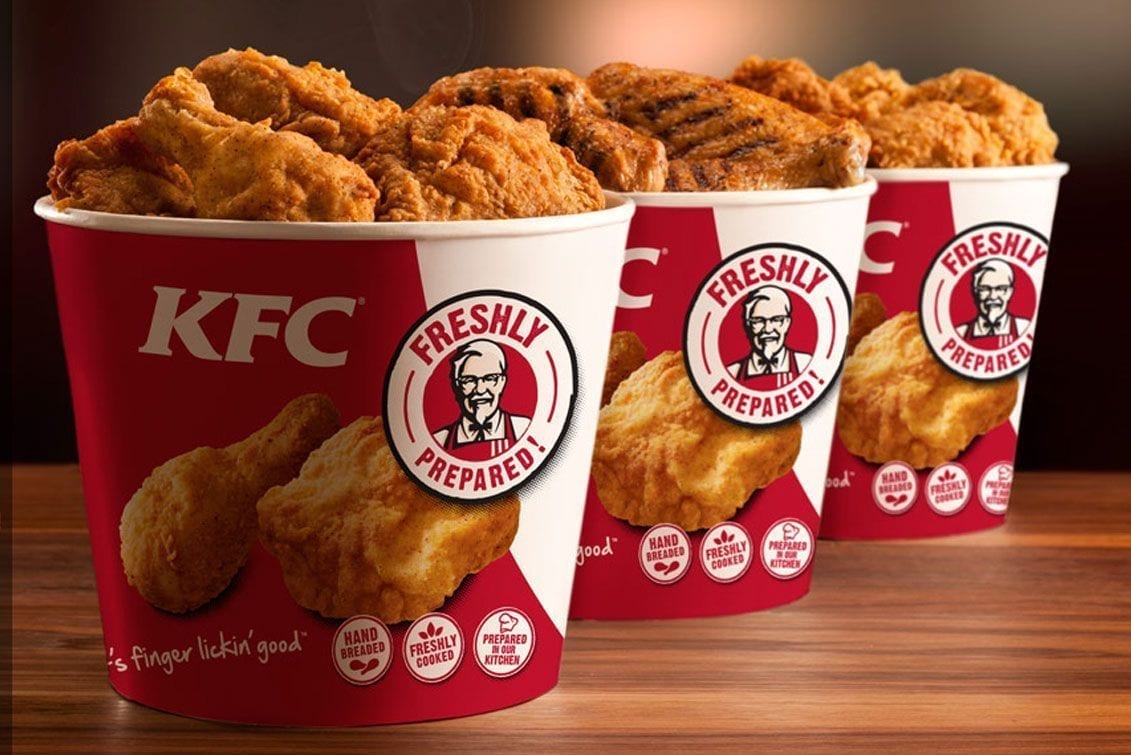
    Total sales of the KFC business in Australia were A$66.7 million, up A$25.3 million (or +61.1 per cent) on last year, reflecting both increased store numbers following the acquisition of the business assets of five stores at the start of this financial year, and the full impact of the acquisition of QSR Pty Limited which only became effective part way through 1H 2017. Same store sales jumped 5.8 per cent. Store EBITDA margins of A$9.8 million (14.7 per cent of sales) are up A$2.9 million or +43.2 per cent on last year.

    First-half profit excluding non-trading items lifted 27 per cent to $20.2 million and the company said it expects full-year profit on that measure of about $40 million.

    Combined brand EBITDA was up $17.7 million to $63.0 million with $12.7 million of the increase resulting from the PIR acquisition, the Australian KFC business accounting for a further $3.4 million and the New Zealand businesses driving the remaining $1.6 million.

    Restaurant Brands holds the rights to the KFC, Pizza Hut, Starbucks Coffee and Carl’s Jr brands in New Zealand and has recently turned its focus to overseas expansion to drive future earnings growth.

    In April 2016 it expanded into KFC in Australia and in March 2017 bought the company which operates Taco Bell and Pizza Hut in Hawaii.

    “The current strategies across all geographic markets are delivering positive results,” the company said.

    In NZ, the company’s KFC stores lifted earnings before interest, tax, depreciation, amortisation and administrative expenses by 5.7 per cent to $35 million as sales advanced 8.2 per cent to $170.3 million.

    After the year-end balance date, Restaurant Brands opened a new format KFC store in Fort Street in central Auckland, which it said has “significantly outperformed expectations” and is expected to be the prototype for other central city stores.

    Its Pizza Hut stores posted an 18 per cent decline in earnings to $2 million and its margin contracted to 8.6 per cent from 11 per cent as it faced increased costs for labour and ingredients.

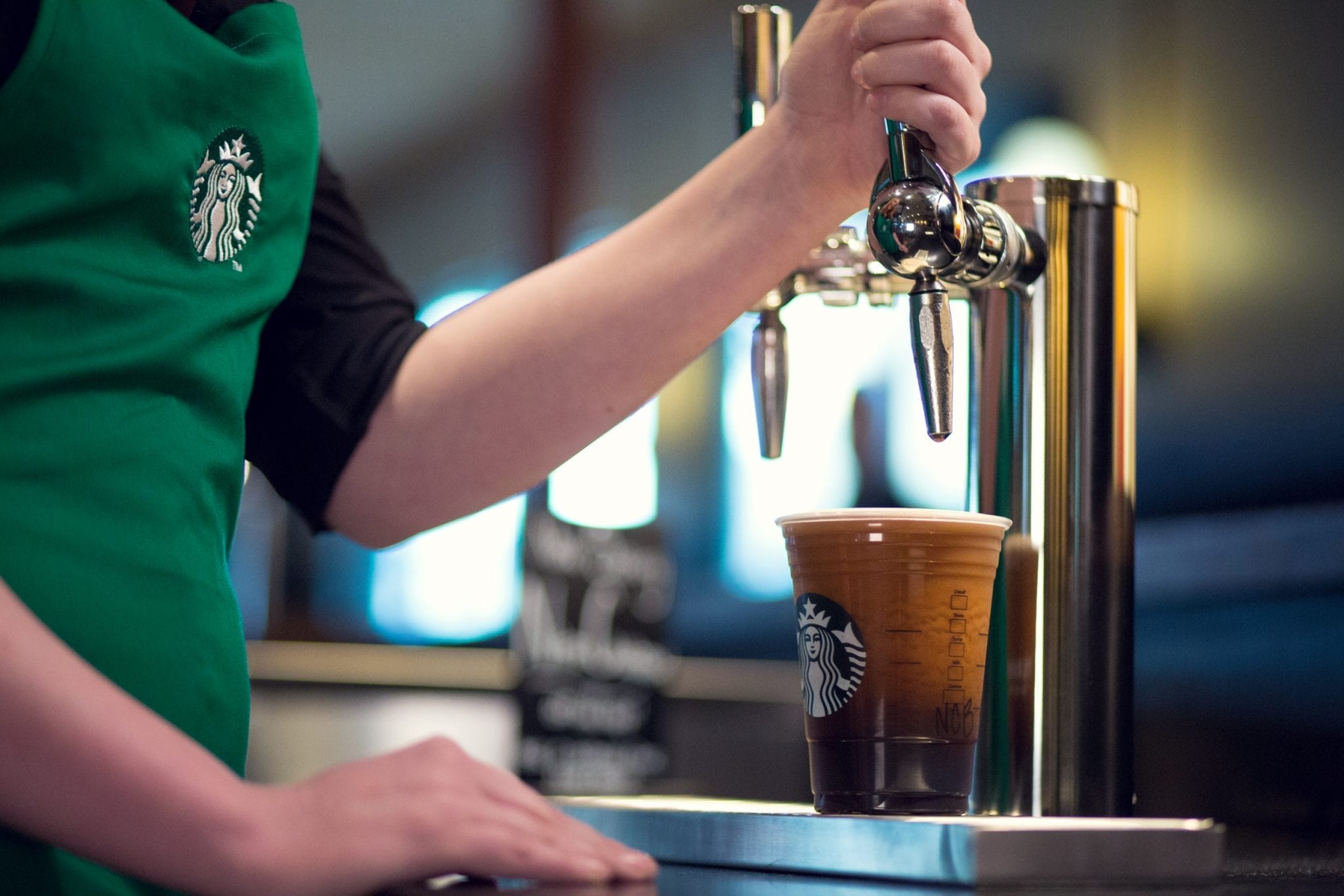
    Earnings at its Starbucks Coffee stores edged up 0.4 per cent to $2.2 million as sales declined 2.6 per cent to $13.4 million after two stores were closed, taking the total to 23.

    Carl’s Jr earnings jumped 58 per cent to $600,000 as sales slipped 2.8 per cent to $18.8 million.

    Directors have declared an interim dividend of NZ10.0 cents per ordinary share, up NZ0.5 cents on last year. The dividend is fully imputed and payable November 30.

  • Competing fast food chains join forces

    Competing fast food chains join forces

    Two competing fast food franchise chains are joining forces in a brand new merger.

    Ali Baba Lebanese Cuisine and Le Wrap have combined their businesses to form the Retail Systems Group (RSG).

    RSG will run a stable of 63 stores across Australia, 40 Ali Baba locations and 23 Le Wrap stores. The merger reflects the synergy between the two brands.

    Robert Marjan, Ali Baba CEO and RSG director, said “This is the merger of two unique propositions in the food court. We can both learn a lot from each other and grow stronger. It will broaden the reach of both brands and significantly bolster support to franchisees.

    “The increased numbers from the merger will increase momentum for RSG,” said Marjan.

    “Business tasks are enhanced. Negotiations with landlords and suppliers are more constructive. The franchisees have access to a combined professional team with years of experience to guide and assist them. Marketing benefits and cost savings are able to be combined.”

    Kebab franchise Ali Baba was founded in 1979. The family franchise’s success has been built on utilising traditional Arabic herbs and spices, premium ingredients and secret recipes.

    Kaan Celik started the Le Wrap business serving healthy, freshly made wraps in 2005 with the aim of creating something “modern and simple”. His hands-on approach has been a key driver of success.

    “This merger will open up more opportunities for Le Wrap. We can learn a lot from Ali Baba. Retail Systems Group will operate from a position of power,” said Celik.

    It was a question of finding the right partner to combine forces, he added.

    “This business is quite simple and it has so much potential.”

    The ability to look at each brand with an outsider’s perspective will prove invaluable for the business, he said.

    Right now the business is focused on three months of hard work and planning that will lead to refinements across the brands.

    Major growth is planned over the next couple of years, with a goal of 100 combined stores in the next 24-36 months.

    And Marjan told Inside Franchise Business this merger could be just the beginning for RSG.

    “We may have further expansion, depending on how quickly we can get up and running. It could be a successful brand that needs a bit of extra suppport, or a start up, or another major brand we can merge with. We will assess the opportunities.”

    Marjan said combining forces was one way to stay competitive in a tough food retail market.

    “It’s not the only way, but for businesses with the number of stores we have, it’s an ideal way to be stronger and give us a fighting chance.

    “Shopping centres are making it tough.”

    RSG is based at the Ali Baba premises in Ingleburn, New South Wales which includes a kitchen for research, development and trials of new products.

    Putting both businesses under one roof will provide immediate costs savings, pointed out RSG general manager Harry Malovany.

    He is expecting the new business to have greater appeal to franchise buyers, with two options with investment levels from $200,000 to $300,000.

    Malovany predicts joint location opportunities will also arise as a result of the merger.

  • Starting coffee shops gains popularity among young people

    Starting coffee shops gains popularity among young people

    Opening a coffee shop is one of the most popular businesses being pursued by young South Koreans in recent years, data showed, in a sign of growing coffee consumption in the Northeast Asian country.

    The number of coffee shops run by people aged between 15 and 34 stood at 5,000 last year, compared to 2,000 in 2011, according to data compiled by the National Tax Service.

    The data underscores the growing popularity of coffee among South Koreans. In 2016, South Koreans drank 377 cups of coffee per person on average.

    The rate coffee consumption for South Koreans over 20, has grown by an annual rate of 7 percent since 2012, according to the Ministry of Agriculture, Food and Rural Affairs and the Korea Agro-Fisheries & Food Trade Corp.

    The size of the domestic coffee market reached 6.4 trillion won (US$5.68 billion) as of the end of 2016, up 30.6 percent from the 4.9 trillion won tallied in 2014.

    Last year, the number of businesses started by people aged between 15 and 34 came to 226,000, down 2,400 from 2011, according to data compiled by the NTS.

    Among them, the number of businesses started by young men stood at 128,000 and the rest were set up by young women.

    The data showed that the most favored business among young people was selling goods online without offline retail shops. The number of online retail shops run by young people came to 37,000 last year, up 17 percent from 2011.

  • Nestle Korea introducing Kit Kat flagship store

    Nestle Korea introducing Kit Kat flagship store

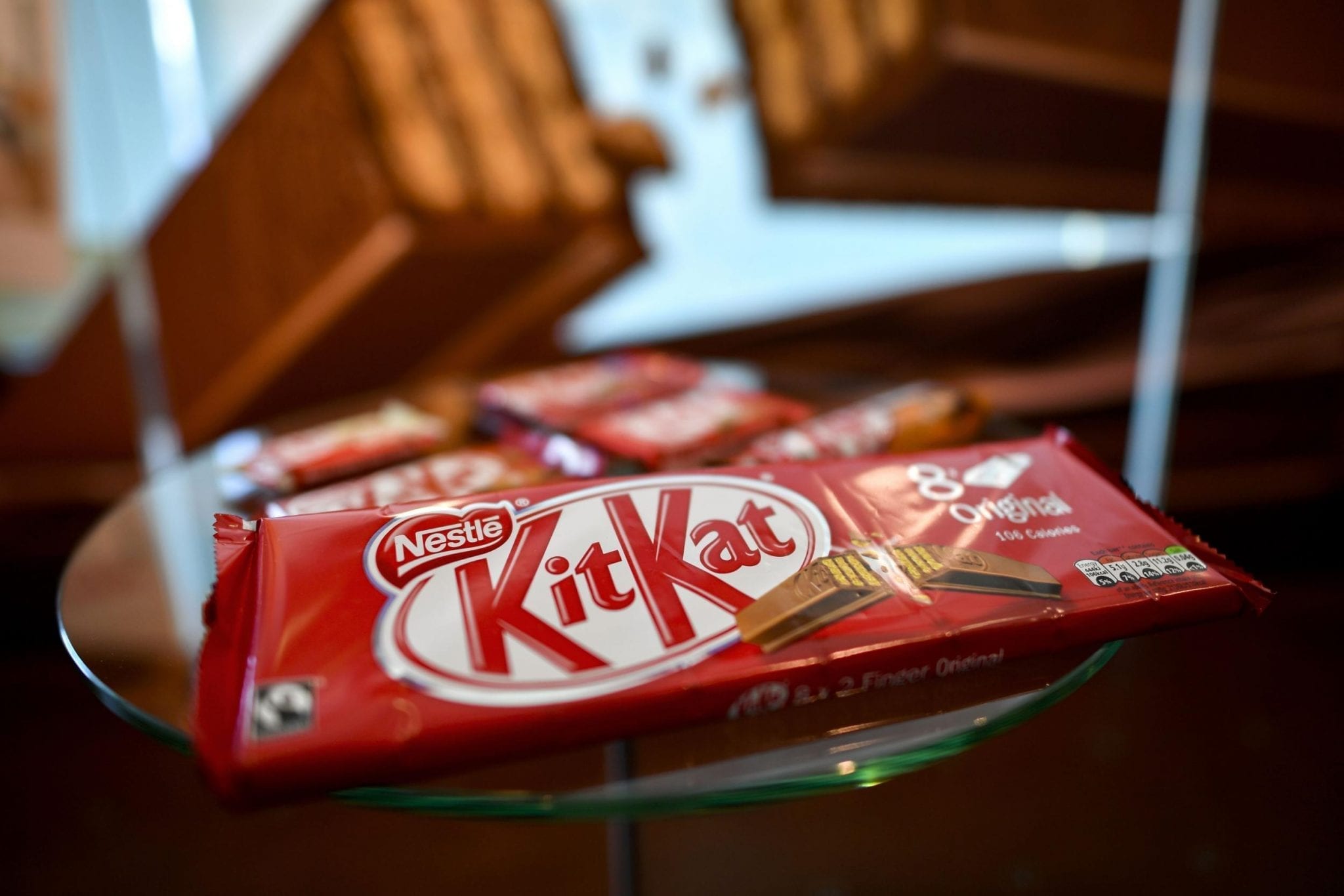
    Chocolate wafer snack Kit Kat is to have a flagship store in Seoul, being launched by Nestle Japan in co-operation with Nestle Korea.

    The Swedish snack company’s Japanese branch is known for its exclusive “chocolatory”, which offers special flavours and desserts. Flavours previously exclusive to the Tokyo store will be available at the store set to open in Shinsegae Department Store’s Gangnam location.

    Nestle Japan’s Premium Kit Kat is one of the most popular souvenirs Koreans buy when visiting Japan. The exclusive flavours, launched in co-operation with pastry chef Yasumasa Takagi, borrow from local specialties such as Kyoto’s matcha green tea and Hokkaido’s melon.

    In Korea, only the original milk and dark chocolate flavours are available. The Seoul flagship store, which opens next Thursday, will not only expand on this but also offer signature desserts.

  • Honestbee Thailand partners with Villa Market

    Honestbee Thailand partners with Villa Market

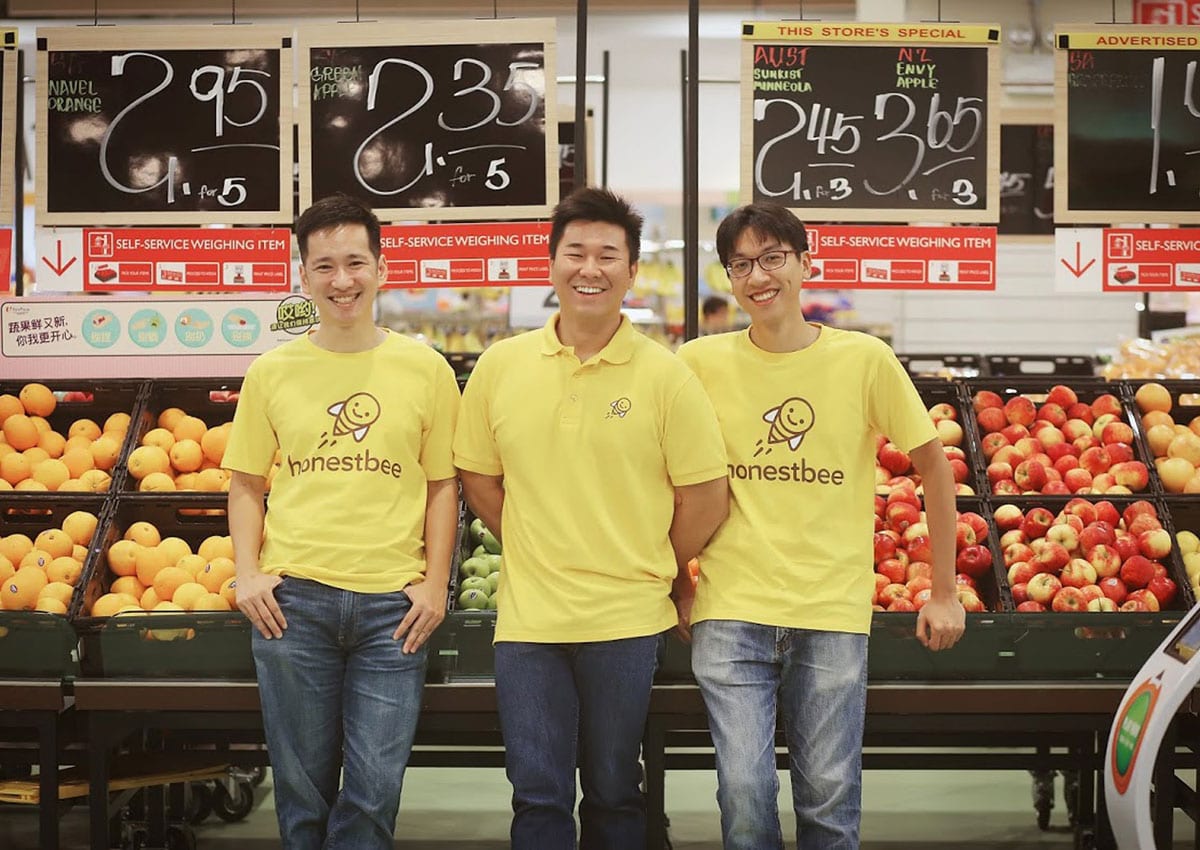
    Honestbee Thailand is partnering with supermarket chain Villa Market for home deliveries.

    Since launching in Thailand in March, the Singapore-based online concierge and delivery service says it has had “six months of great success” and is gearing up for American Thanksgiving and Halloween celebrations.

    “The one-stop shop continues to attract the trendsetters of Bangkok and extend to the outer reaches of the metropolitan area,” says Honestbee.

    In September, Honestbee partnered with CP Fresh Mart to offer a delivery service with products at cheaper prices than retail. Other outlets that have partnered with Honestbee Thailand include restaurant and bakery S&P and the Australian chain Jones the Grocer.

    As well as grocery deliveries, Honestbee has launched a curated restaurant food-delivery service in Bangkok.

    “Thailand is an e-commerce hub and the concept of on-demand online services appeals to customers, particularly busy Bangkok urbanites,” says Honestbee Thailand country manager Bounthay Khammanyvong.

    Villa Market predominantly targets expatriates, with stores in Bangkok, Phuket, Pattaya and Huahinh.

  • Starbucks Thailand supporting regional artisans

    Starbucks Thailand supporting regional artisans

    Thai craft products are to go on sale in Starbucks Thailand outlets in a national promotion with the title “We bring crafts to life in harmony with the contemporary lifestyle”.

    In co-operation with the Support Arts and Crafts International Centre of Thailand (SACICT), the project aims to help Thai artisans take their crafts to the public. Initially there are three products – handmade bags, natural-dye cotton outfits for teddy bears, and woven trays.

    “We are grateful to be able to provide an opportunity for Thais at district level to promote their innovative arts and crafts and generate income. We are also giving a boost to Thai handicrafts by showcasing their uniqueness to Thais and foreigners,” says Starbucks Coffee Thailand MD Murray Darling. “Customers can buy these crafts through our 303 stores in Thailand.”

    The bags are produced through a collaborative program between SACICT and the Department of Corrections that trains inmates of the Central Women’s Correctional Institution as part of a project under the royal initiative of Princess Bajarakitiyabha. The project aims to provide help and support to inspire women in prison to self-develop so they can find work after release.

    The outfits for Starbucks’ teddy bears features Nong Bua Daeng handwoven material coloured through natural dyes by groups in Chaiyaphum.

    Woven trays are a folk-art product from craftsmen in Varni Southern Wickery in Phatthalung province.“We believe this collaboration with Starbucks will help generate income for these local craftspeople while also showcasing Thai handicrafts and promoting these distinctive works to the public,” says SACICT CEO Amparwon Pichalai.

  • Cafe de Coral China closing east China stores

    Cafe de Coral China closing east China stores

    Cafe de Coral China is closing its stores in the nation’s east to focus on the southern China market.

    With 359 restaurants in Hong Kong and 99 on the mainland, the Hong Kong fast-food chain announced on its official WeChat account that it is closing its restaurants in Nanjing, Shanghai and Wuxi this month. It advised customers to cancel their membership and obtain a refund.

    A spokesperson says the closures are temporary and a “short-term strategic adjustment” to put a focus on business in the south. “We are performing well in the southern China market, and generally in Mainland China we are achieving positive growth,” she says.

    In its annual report in March, the company said competition was likely to remain keen in Mainland China, but it was optimistic about the prospects in the country because of its “long history and strong foundation”. Mainland same-store sales growth had been satisfactory and profit margin had improved.

    The report said the company would build its brand presence in strategic locations in Southern China, increase brand penetration in second- and third-tier cities, enhance brand loyalty and win over new customers.

    Highly competitive

    Cafe de Coral works in a highly competitive segment, says OC&C Strategy Consultants partner Pascal Martin. “You can find similar dishes in street shops at very low prices in China. This is different from western fast-food chains which do not have to compete so much with low-priced local equivalents.”

    He suggests the chain might need to adjust its flavours to accommodate tastes for various regions in China, which all have different preferences.

    Martin also says the Cafe de Coral model also requires expensive space, and consumer habits are changing with the growth of online ordering and take-out. “Maybe the chain’s new strategy will take this into account more fully.”

    Another issue he raises is that the brand may not have much power in China yet. “Insufficient investment in marketing – particularly online marketing in China – and lack of brand recognition may not have achieved the level of traffic needed to run the restaurants successfully.”

    OC&C research last year into the foodservice landscape in China noted that consumers eat out almost three times a week on average, and are becoming more sophisticated amid increased awareness and openness toward international brands. Its report found that Chinese consumers actively seek out new restaurants and are receptive to new formats and concepts.

    “Moreover, food quality, a wide choice of categories and service quality came up as the three critical factors, while serving speed, convenience and pricing were rated less important.”

  • Lotte sells Burger King Japan to Affinity Equity

    Lotte sells Burger King Japan to Affinity Equity

    Affinity Equity Partners of Hong Kong has bought Burger King’s Japanese business from South Korea’s Lotte Group for an undisclosed sum.

    A new entity set up by Affinity, Burger King Japan Holdings, is expected to take over the roughly 100 fast-food outlets next month, reports Nikkei Asian Review.

    The US burger chain had pulled out of Japan in 2001 following poor earnings, but re-entered the market in 2007 when Lotte and Japan-based Revamp bought the franchise and ran it as Burger King Japan. Three years later the business was transferred to Lotte subsidiary Lotteria.

    Meanwhile, rival McDonald’s has maintained leadership in the market despite a slowdown and store closures in the past few years, pushing Burger King to seek a new approach.

    Affinity bought the Burger King South Korean franchise last year from VIG Partners for US$170 million. Meanwhile, Affinity is raising $5 billion for its fifth fund, which exceeds its $3.8 billion fund in 2013.