Category: Food

Retail News Asia is committed to providing both local and global retailers with the latest Food and Food & Beverage news throughout the Asian market. This on a daily base.

  • Pret A Manger has 39 per cent profit leap

    Pret A Manger has 39 per cent profit leap

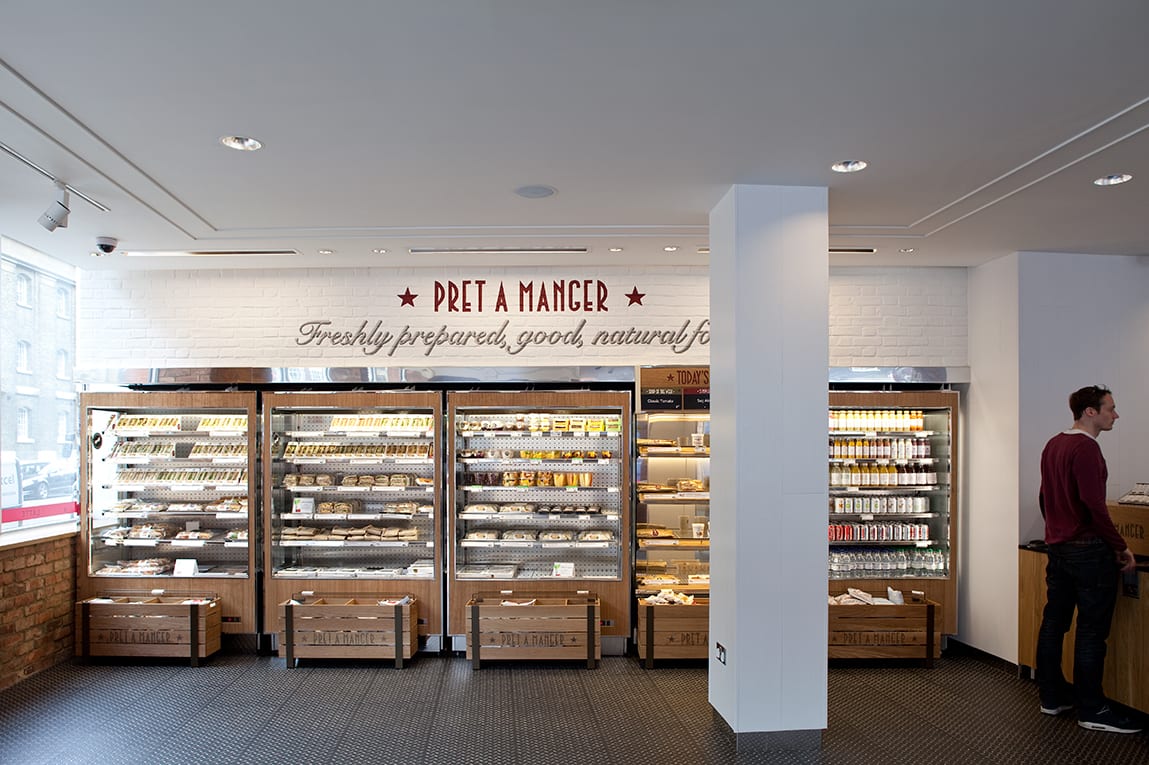
    While UK sandwich chain Pret A Manger has not broken out details of its Hong Kong business, it had a 39 per cent jump in global pre-tax profits to a record £75.5 million (US$99.6 million) overall for its latest year.

    Total sales were £776 million as it capitalised on consumer eating trends, including a demand for dairy-free food. It says coconut is its most popular new ingredient, with coconut porridge selling particularly well.

    Research firm Kantar Worldpanel ­reports that flatbread, avocado, halloumi and spinach were among the fastest-selling foods last year.

    Pret A Manger says hot breakfast pots have been popular as well as its refreshed soup range, all gluten- and dairy-free and less than 250 calories.

    Meanwhile, there have been reports the chain is preparing for a partial listing on the New York Stock Exchange. Owner Bridgepoint is believed to want to continue to hold a stake in the company rather than cashing out completely. The European private equity firm bought a majority stake in the business for £500 million in 2008.

    More recently, Filipino fast-food restaurant owner Jollibee expressed an interest in buying Pret A Manger.

    The chain added 31 stores in the UK during the 12 months, including a vegetarian-only shop in London, taking the national total to 329. It has a further 110 branches overseas.

  • Wines and spirits hiccup for LVMH luxury business

    Wines and spirits hiccup for LVMH luxury business

    It has been a bubbly nine months for the LVMH luxury business – with the exception of its wines and spirits division, which was hampered by supply constraints.

    Revenue grew by 14 per cent for the period to reach €30.1 billion (US$35.4 billion).

    With organic revenue growth of 12 per cent, the third quarter continues the trend for the year, says the group. The revenue increase was despite a negative currency impact of 5 per cent and a positive structural impact of 7 per cent, reflecting the integration of Christian Dior Couture.

    All business groups recorded double-digit organic growth, with the exception of wines and spirits where growth was 8 per cent. Champagne volumes were up 4 per cent, with particularly strong demand in Europe and Japan. Hennessy cognac had a volume increase of 9 per cent despite a third-quarter decline related to limited supply.

    LVMH’s selective retailing business group had organic revenue growth of 12 per cent. Online sales grew at a steady pace, and DFS had sustained growth, particularly in Hong Kong and Macau. The T Galleria store in Cambodia has also developed well, says the group.

    Organic growth of 14 per cent was recorded by the fashion and leather goods business group. It attributes this to innovation, such as the launch of Louis Vuitton’s first smartwatch.

    “The qualitative development of the distribution network continues, as illustrated by the opening of the Maison Louis Vuitton Vendome in Paris, which brings together under one roof all the savoir-faire of the maison,” says the group.

    Highlights during the period included Fendi opening stores in the US and Rimowa being consolidated. Donna Karan was sold at the end of last year.

    There was also 14 per organic growth in perfumes and cosmetics. Perfumes benefitted from the launch of the eau de parfum Miss Dior. Guerlain rolled out Mon Guerlain fragrance internationally, and Fenty Beauty by Rihanna had an “exceptional” start.

    Watches and jewellery had 13 per cent organic revenue growth, with Bulgari achieving “a remarkable performance” with the rapid growth of its signature jewellery collections Serpenti, Diva and B.Zero1.

  • Jollibee Foods knocking on door in UK

    Jollibee Foods knocking on door in UK

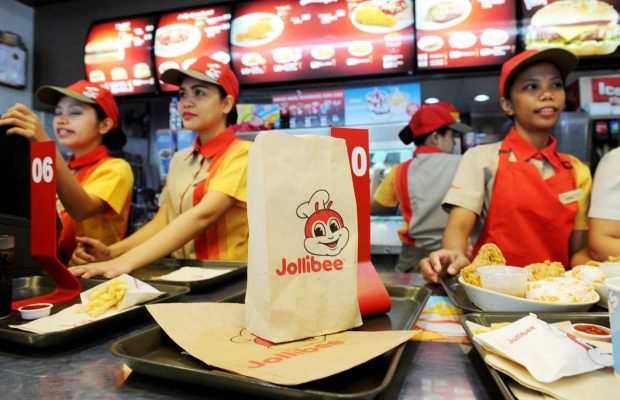
    Jollibee Foods may open its first store in the UK by next year, says British Ambassador to the Philippines Daniel Pruce.

    This followed him visiting Jollibee’s 1000th branch in a “show of support” for plans by the Philippines’ largest fast-food company to expand to the UK, where tens of thousands of Filipinos are living.

    The Philippine company has already sealed a deal with Singapore’s Blackbird Holdings which will see it enter continental Europe, starting with Italy.

    Jollibee is also reportedly in talks to acquire a stake in British-based sandwich and coffee chain Pret-A-Manger.

  • Domino’s pays back employees, launches new tech initiatives

    Domino’s pays back employees, launches new tech initiatives

    Domino’s Pizza says it has returned $5.4 million in underpaid wages and superannuation to its employees over the past four years under a national audit of its stores that is due to wrap up in December.

    Chief executive Don Meij, speaking after a Domino’s investor day update, said only one of the pizza chain’s stores had been referred for further examination after evidence of wage underpayments discovered during a Deloitte-led audit.

    “The fact that we found only one person out of the last 322 stores audited is very encouraging to us, its certainly looking very good at the moment compared to where we were in the first three years,” Meij said.

    Domino’s has been auditing its stores for three years and in March extended the probe across its national network after the Fair Work Ombudsman joined investigations following media reports of underpayments to staff.

    Meij said that since 2014, a total of $5.4 million worth of unpaid wages and superannuation had been recovered and paid to Domino’s franchisee staff,.

    Domino’s had originally planned to complete the audit by June but Meij said he expects to finalise the program across Australia’s 666 stores by the end of December.

    “The media was talking as if this was all Domino’s – that’s very unfair – the fact that only a single store has been referred for further audit illustrates that its not the majority, it’s the minority of the franchisees,” Meij said.

    As part of Monday’s investor update, Meij highlighted improvements to the company’s “360 degree” performance measurement software used for Domino’s franchisees, along with a suite of new technology initiatives including an expansion of its New Zealand drone delivery trials.

    Meij said a new iteration of Domino’s Operations 360 monitors, improves and benchmarks individual franchisee performance – offering head office and a franchise owner a rounded view of the business.

    “This is not an auditing program, its a self-assessment tool which allows franchisees to view their business as part of their peer group and on top of that we also get to look at the business and encourage people to chase better performances,” Meij said.

    Domino’s will also roll out its GPS-based Anywhere delivery service, which enables deliveries to locations such as parks and beaches without specific addresses.

    Heated lockers that keep food hot at a store until picked up by a customer, who can unlock the device using their smartphone, were also unveiled to be in use in Australia by Christmas.

    Domino’s faced some of its own heated customer blowback last week when social media fumed over Domino’s six-and-a-half year exclusive distribution deal with Schweppes – ensuring Coca-Cola remains out of the Domino’s picture until 2024.

    Meij said sales of Schweppes drinks were now higher than sales of Coca-Cola brands had been.

    Domino’s shares closed 11 cents lower at $45.50 on Monday.

    Meij said the enhancements across the business would use new and existing technologies to enhance customer service, improve productivity and enhance franchisee standards.

    “At Domino’s we use technology to solve problems and to make things easier for our customers, our franchisees and for our business,” he said.

    “Technology and data is of value only if you use it to improve, and that is something we have done from our first use of online ordering, through to using GPS Driver Tracker to reduce our delivery times – this is no different,” he added.
  • ThaiBev acquires restaurant chain

    ThaiBev acquires restaurant chain

    Thai Beverage Public Co (ThaiBev) has bought a 76 per cent stake in Thailand restaurant chain Spice of Asia for THB114.5 million (US$3.4 million).
    Funding for the acquisition will come from internal resources, says the F&B giant.

    Spice of Asia has 10 restaurants under four brands – Cafe Chilli, Chilli Thai Restaurant, Eat Pot and Pot Ministry, serving Thai food and hotpot concepts. The acquired stake will be held by ThaiBev subsidiary Food of Asia.

  • Cool Japan Fund to raise cuisine awareness abroad

    Cool Japan Fund to raise cuisine awareness abroad

    State-affiliated Cool Japan Fund says it will launch comprehensive Japanese food outlets overseas featuring restaurants, shops and cultural experiences.

    Its first such outlet will be in London early next year through a JV, Ichiba UK, with Japan Centre Group, a Japanese-run company based in the British capital. Cool Japan Fund will invest up to £3 million (US$3.9 million) for the establishment of the outlet.

    It will be called Ichiba, modelled after Italian food marketplace Eataly, and will include a food zone offering Japanese cuisines, a retail zone for groceries and other products from all over Japan, and Japanese cooking demonstrations.

    Japan Centre Group, established in 1976, runs two Japanese grocery stores and 11 restaurants.

    Similar outlets are planned for other major European cities, including Milan and Paris, says Cool Japan Fund.

    Japan’s government hopes to boost agricultural exports by releasing information about Japanese food culture abroad and supporting moves to sell Japanese specialties in overseas markets.

  • Thumbs up for 7-Eleven Thailand draught beer

    Thumbs up for 7-Eleven Thailand draught beer

    Convenience store chain 7-Eleven Thailand is not breaking the law by offering beer on tap as long as it is poured by cashiers rather than customers, and beer brand names or logos are not visible.

    Debate is raging after 7-Eleven outlets on Bangkok’s Yaowarat Road in Chinatown introduced a draught beer service, but an official says a beer dispenser worked by store staff members is fully within the law.

    Deputy-director Dr Asadang Ruayajin of the Department of Disease Control (DDC), which works under the umbrella of the Public Health Ministry, says an inspection of the stores in question – after receiving a petition to do so – shows the dispensing machines have labels attached to obscure the beer brands’ logos, which complies with the Alcohol Control Act.

    The department has been watching about 10 stores but has not found any transgressions.

    Coconuts Bangkok offers a backstory to the protest, following a video of draft beer being poured from a 7-Eleven automatic machine went viral on the Facebook page Thai Smile.

    Thai netizens got just a little too excited about the new Leo beer-pouring machine,” it reports. But when an official visited the store the beer machine was covered with a big white cloth hiding the beer logo. Also, customers need to pay at the cashier where IDs can be checked.

  • Vikings Group expands on buffet concept

    Vikings Group expands on buffet concept

    Buffet restaurant chain Vikings Group has expanded its offering with a venture in Pasay City that offers a smorgasbord of activities including massages, billiards, karaoke and mahjong – plus buffet dining, of course.

    Beside the Esplanade Seaside Terminal at SM Mall of Asia, the Marina Bay Spa and Lifestyle Club offers 20 massage rooms, foot reflexology and mani-pedi services, body scrubs, hot and cold baths, sauna, steam room and a ganban’yoku (traditional Japanese-style room with heated stone “beds”).

    “The owners wanted to come up with something Manila has not tasted yet,” says spa manager Erlene Chichirita. “You feel like you’re in a hotel – that’s the concept, bringing out the amenities of a hotel and putting it together in a more approachable and modern setting.”

    Two feature services are the Marina Signature Massage and the Crystal Chakra Healing Touch. GM Nenita Cabrera says the signature massage has a Filipino touch, while the chakra therapy uses healing stones matched to the client’s zodiac sign.

    The therapists, who use gongs in the room to signal the start and end of a massage session, were trained by the spa service manager who has had eight years of spa experience in the Maldives.

    Two features of the spa are the relaxing lounge and buffet dining room. The lounge is like a theater with reclining chairs and LED screens. Buffet dining is an inclusion with massages.

    There is also a fitness studio where there will be classes like yoga, Pilates, TRX suspension training, boxing and Muay Thai, with personal trainers available.

    A lifestyle club component is available, with membership granting access to the club’s gym, salon, entertainment space with private KTV rooms, mahjong room, infinity pool and conference rooms.

    With a glass wall feature, the infinity pool is surrounded by relaxation spaces where guests can watch the Manila Bay sunset.

  • Starbucks bucks trend, closes online store

    Starbucks bucks trend, closes online store

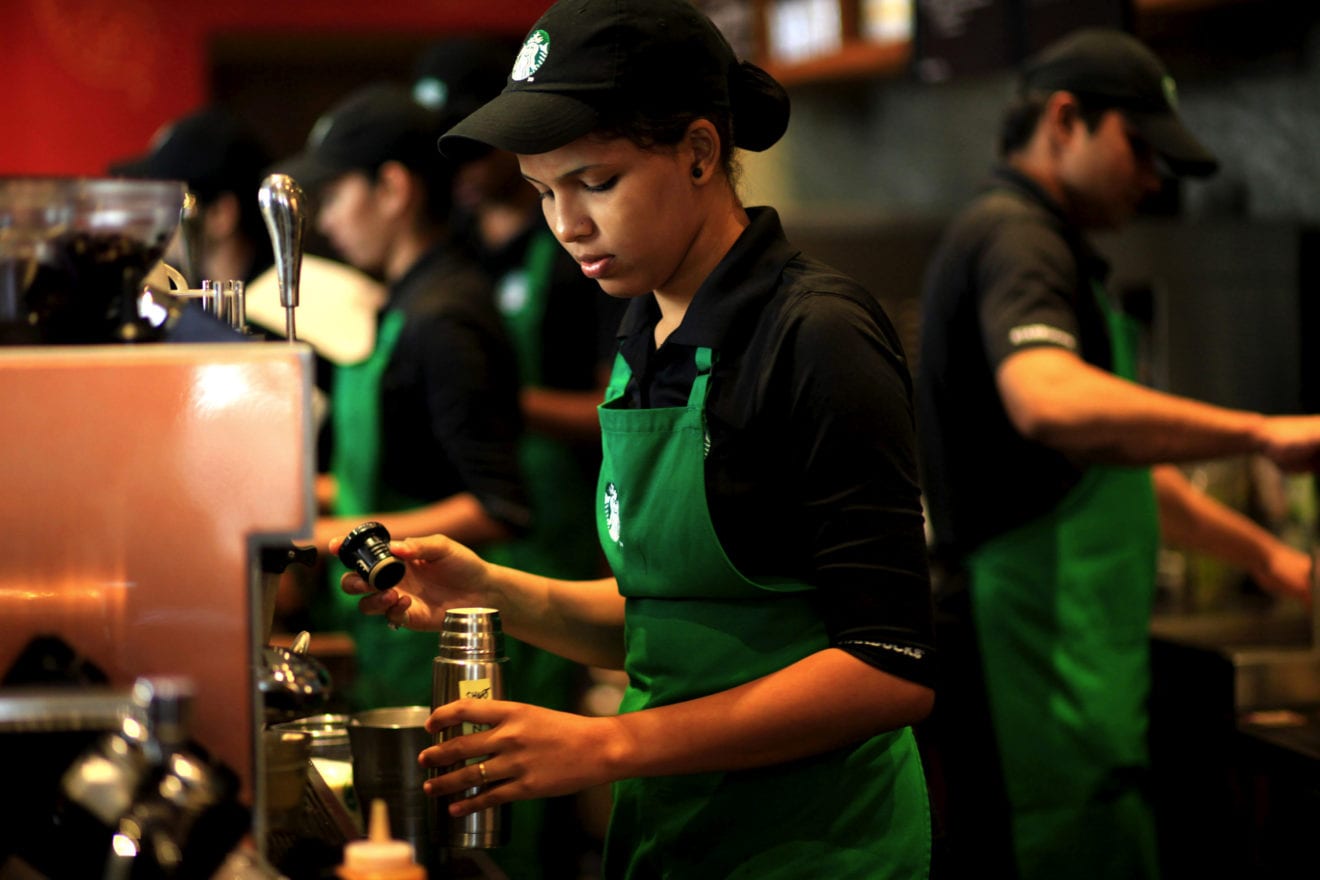
    Global coffee giant Starbucks has closed its online store in the US, bucking the broader trend in retail to invest in the growing e-commerce industry.

    Starbucks announced the decision to customers in late August and officially closed the online store on 1 October.

    The coffee chain is operated in Australia by the Withers Group, which also runs 7-Eleven. The local website provides information about various Starbucks products, but does not sell any items.

    Starbucks initially launched its online store in the US in 2011 as an additional sales channel for its coffee, syrups and sauces, mugs, coffee machines and other coffee-related products. It also offered a subscription service for customers to receive regular coffee orders through the website. This service was discontinued on 1 September.

    While customers can still buy Starbucks coffee and other merchandise in the company’s coffee shops and at certain grocery stores, the company’s syrups and sauces are no longer available for purchase.

    “We cannot guarantee availability of any product in stores, but we know you will find many choices to enjoy. You can purchase your favorite coffee and Starbucks merchandise in your local Starbucks,” the company wrote in a note to customers.

    “You can also purchase coffee on the Starbucks App for in-store pickup. And you can find Starbucks coffee to enjoy at home in your local grocery aisle. Syrups and sauces will no longer be available for retail purchase.”

    The online store closure comes as major retailers in the US, like Walmart, are ramping up their investment in e-commerce.

    But the move should not be seen as a wholesale repudiation of digital retail. If anything, Starbucks is more focused than ever on getting customers to make purchases through its mobile app.

    The company has implemented a ‘digital flywheel strategy’, involving customer acquisitions, spend-based rewards, personalised offers and convenient ordering, to make the app more sticky.

    At the same time, the company’s leadership has previously spoken about the need for retailers to create unique in-store experiences to survive.

    Starbucks CEO Kevin Johnson referred to a “seismic shift” in retailing in the company’s most recent earnings call, and chairman Howard Schultz indicated a few months earlier that he had soured on digital sales.

    “Every retailer that is going to win in this new environment must become an experiential destination,” Schultz told investors in April. “Your product and services, for the most part, cannot be available online and cannot be available on Amazon.”

  • OUE Limited takes new approach to retail

    OUE Limited takes new approach to retail

    Singapore’s Downtown Gallery has introduced three retail concepts that prioritise shopper experiences, pioneered by retail property developer OUE Limited.

    OUE Social Kitchen offers Singapore’s first communal cooking kitchen in a retail space; OUE Re:Store is an automated deli service that serves heritage food using an efficient order and pick-up system; and OUE Beauty Bar features a beauty dispensing machine.

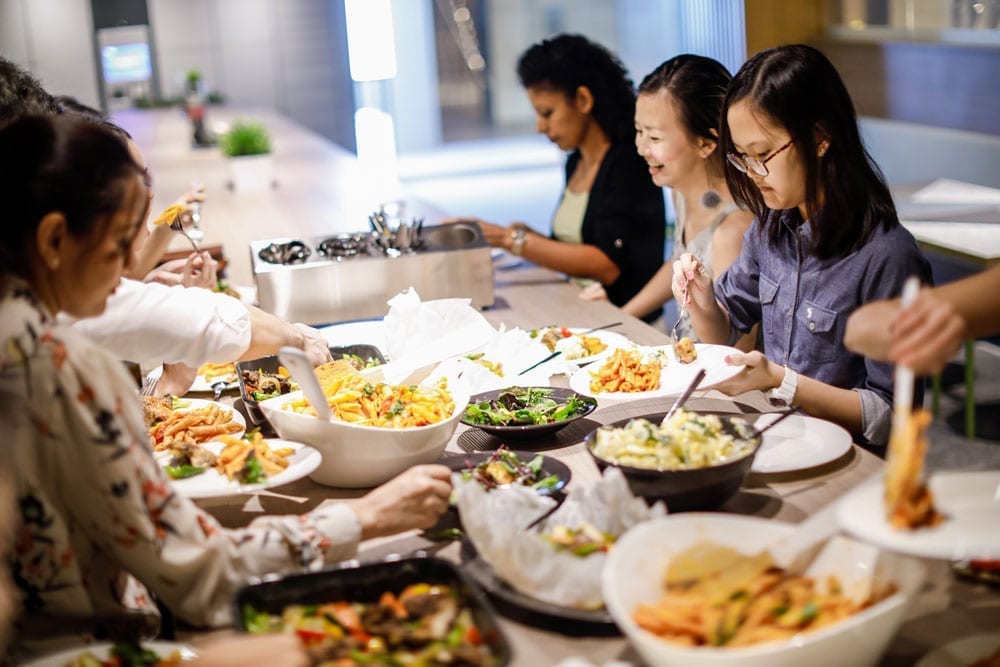
    OUE Social Kitchen has more than 10 kitchen spaces styled by appliance brand Smeg. Users have access to an in-house chef and helpers, with cooking tips being provided on request.  Communal dining is encouraged, so the dining area can be used free for hosted meals or to interact with other users. Customers can book a space using the OUE Downtown Gallery’s smartphone app.

    OUE Re:Store allows customers to use the app to place a food order along with a preferred pick-up time. This enables CBD diners to skip lunch-hour queues. The menu was designed by chefs KF Seetoh, Malcolm Lee, Sau del Rosario and William Wongso, and offers Filipino, Indonesian, Peranakan and Singaporean dishes. Free of preservatives, the meals are packed in a four-section bento box.

    Opening this month, OUE Beauty Bar uses interactive technology and features four beauty vending machines along with a standalone virtual assistant display. Each vending machine has a touchscreen display enabling shoppers to browse, explore and choose from more than 140 skin and makeup staples. These self-service kiosks offer skincare and cosmetics from global brands including Clarins, Nars and Shiseido. Product information, videos and samples are also available.

    “We have created a version of what we imagine retail experiences will look like in future,” says OUE senior VP for retail, marketing and leasing Patrina Tan. “We will continue to invest in creating new connection points and culling real-time feedback so we can introduce better customer experiences.”

  • Lady M cake walk comes to sticky end

    Lady M cake walk comes to sticky end

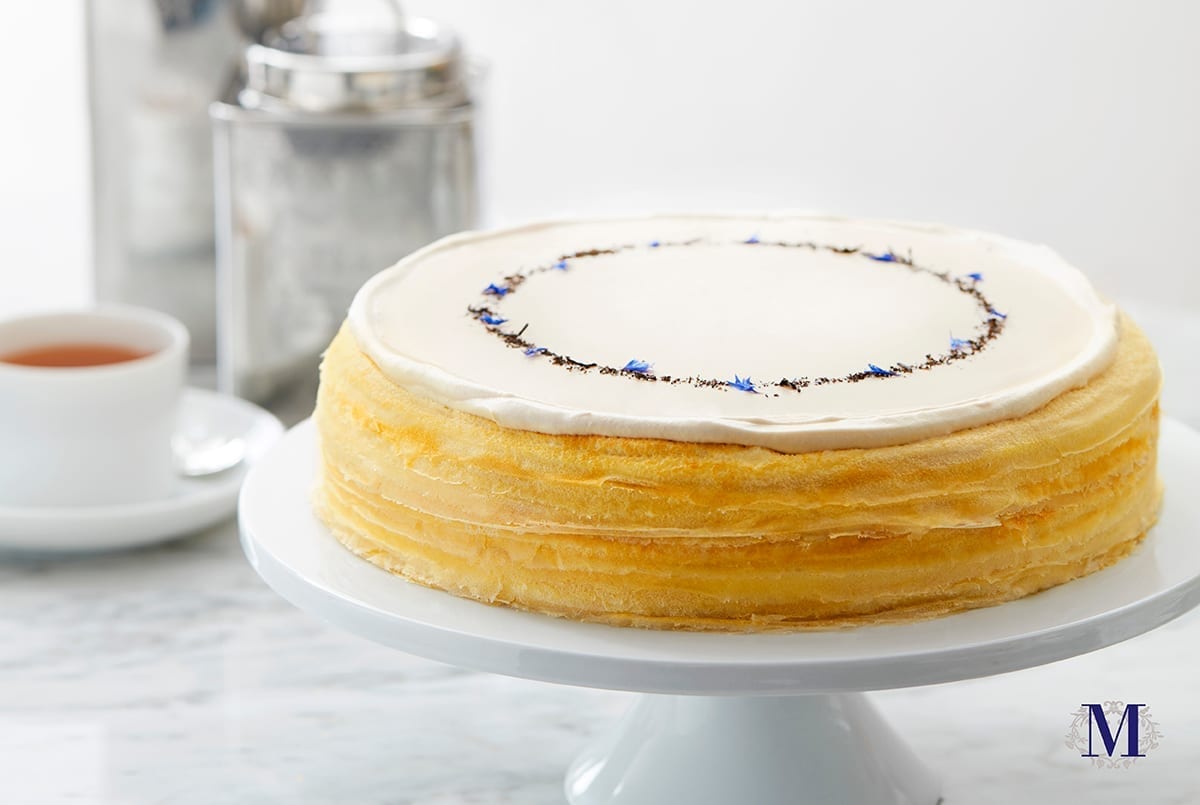
    Daigou (contract buyers) were on to a sweet thing, thanks to the popularity of the new Shanghai branch of New York luxury cake company Lady M, but border authorities have pulled the rug from under their feet.

    It all started because Shanghai residents were unwilling to queue up for hours to buy the gateaux and pastries at the Lady M outlet in IFC Mall, which opened a month ago. However, they were willing to pay well for daigou to bring in the sweet treats from Hong Kong, where there are two Lady M outlets (in Causeway Bay and Tsim Sha Tsui).

    So people assisting the Daigou were reportedly paying people to queue at the Shanghai store so as to encourage the parallel trade.

    The shop even had to close for a day shortly after opening because the crowds it attracted were seen as a possible safety hazard, and waiting areas needed to be provided.

    Shanghai customs officers were quick to become wise to the daigou cake courier service, and have warned on its official WeChat account that cake from abroad must not be for commercial use.

    “If you really want to enjoy the cake, be it in Hong Kong, Singapore or the US, enjoy it there directly,” says the post. “As regards bringing it back, you’d better drop the idea.”

    Meanwhile, the Shanghai Lady M shop has changed its takeaway policy. It has introduced a “lottery” system through its WeChat booking site, with winners being able to buy up to six slices of cake at any one time. Three time slots have been designated for takeaways.

  • Central Group buying Dean & Deluca rights outside US

    Central Group buying Dean & Deluca rights outside US

    Thailand’s Central Group is set to acquire the Dean & Deluca chain of deli-cafes outside the US from Thai luxury property developer Pace Development for US$50 million.

    The deal is in the due diligence process, says Pace, which acquired the chain through its subsidiary Pace Food Retail for $140 million in 2014. Dean & Deluca was founded in the US in 1977.

    Under the agreement, the Thai retail giant will be licensed to run and expand the business outside the US while Pace retains ownership of the brand, runs the chain in the US and owns the right to produce and distribute consumer products under the Dean & Deluca trademark.

    Pace CEO Sorapoj Techakraisri says Central Group has the financial resources, expertise and knowledge to handle the day-to-day business of the stores, logistics and licensee relationships.

    “Having Central as a partner will give Dean & Deluca healthy growth globally,” he says.

    Pace, which develops luxury residential properties, has reported operating losses for five consecutive quarters, reaching THB1.7 billion ($50.9 million) last quarter.

    Currently, the company is developing four projects worth THB34 billion in total, including the Ritz-Carlton Residences Bangkok.

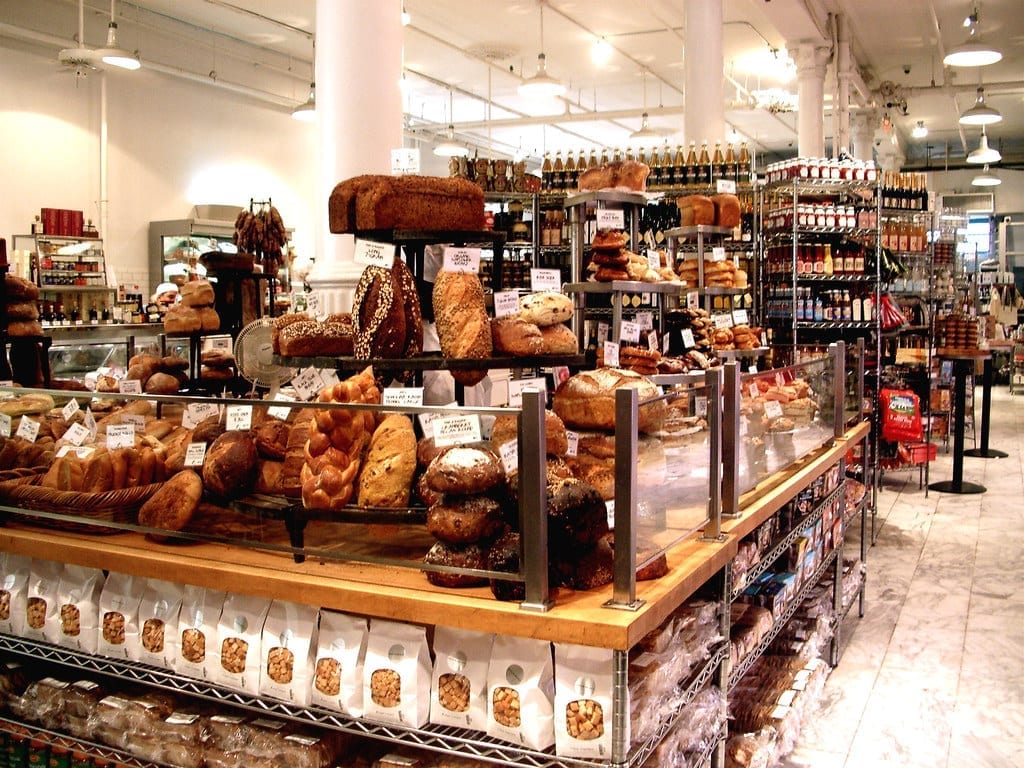
    The original Dean & Deluca was an iconic delicatessen in New York which continues to trade to this day. In Thailand, Pace converted the concept into more of a cafe business, before expanding outside Thailand, including in the Middle East, Tokyo, Seoul, Singapore and the Philippines. It was pursuing an aggressive expansion strategy in Asia.

  • Genki Sushi owner buying into rival

    Genki Sushi owner buying into rival

    hinmei, which owns Japanese restaurant chain Genki Sushi, will buy a one-third stake in bigger rival Sushiro Global Holdings from European private equity firm Permira.

    Permira has agreed to sell its stake in Sushiro Global, which it bought from Japanese private equity firm Unison Capital in 2012, to Shinmei.

    Permira, which paid about ¥80 billion (US$708.5 million) for Sushiro, boosted the value of the company by cutting costs on fish ingredients by using its global network.

    The market for Japan’s conveyor-belt sushi market is expected to grow by about 25 per cent to ¥625 billion this year from ¥500 billion in 2012, according to research firm Fuji Keizai.

  • SaladStop! heading for Korea

    SaladStop! heading for Korea

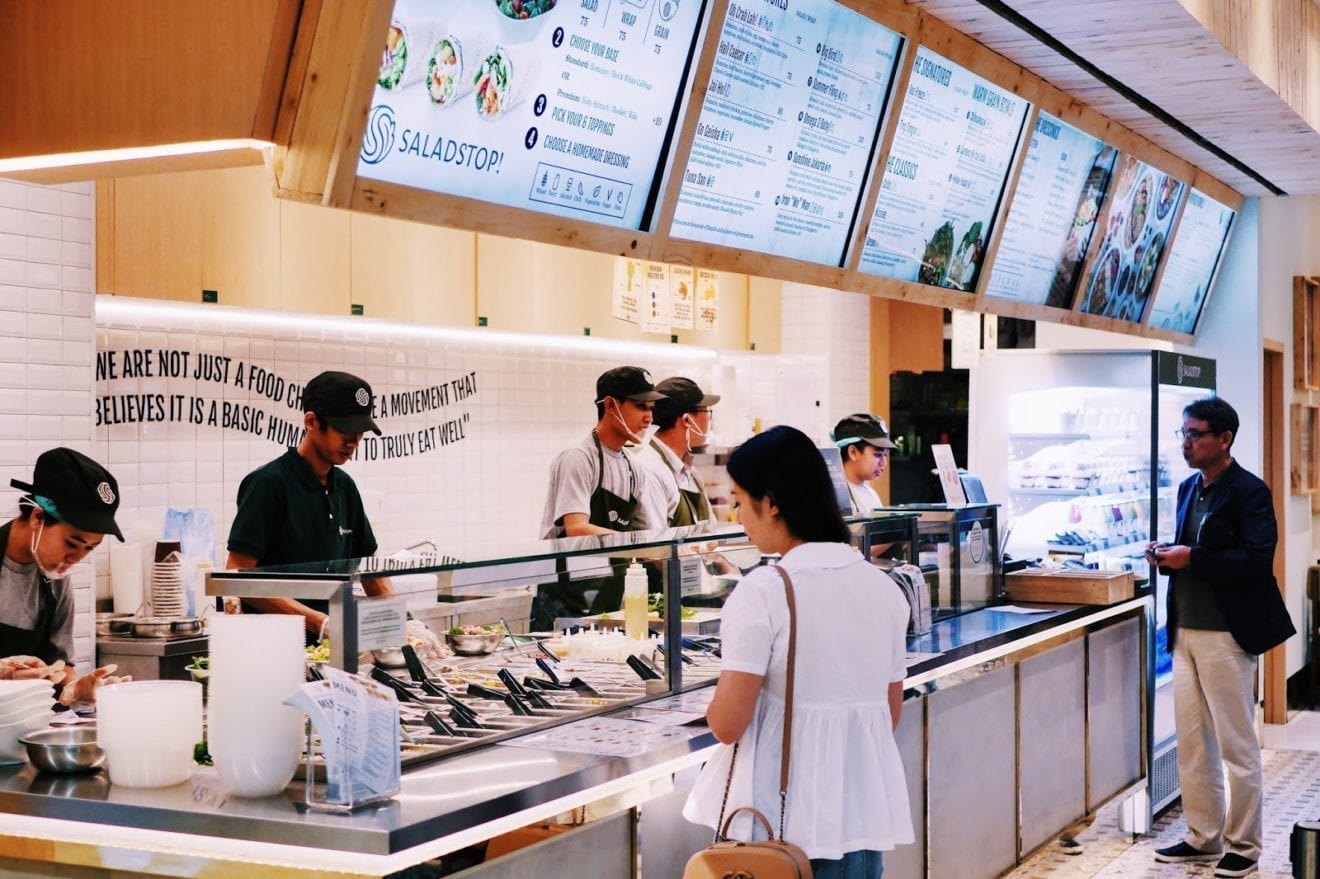
    Established eight years ago, Singapore food brand SaladStop! is about to launch into Korea.

    It opens in Seoul next month, about the same time as its first non-Asia location, in Barcelona. The brand has 19 outlets across Singapore, 12 in the Philippines, three in Jakarta and four in Tokyo.

    Co-founded by Adrien Desbaillets and his father Daniel, SaladStop! Is still a family affair. At 36, Adrienne is president while Daniel, 67, is director and chairman. Daniel’s sister Katherine handles marketing while her Paris-born husband Frantz Braha is business development manager, spearheading overseas franchising.

    The Desbaillets are Swiss citizens who put down roots in Singapore 22 years ago. Daniel was previously a hotel executive. When Adrien returned to Singapore after working in China for a hotel investment company, he planned a chain of nutrition-conscious quick-service restaurants.

    However, the says affordable, wholesome and nutritious were three options rarely found together in one meal, and he guessed that expats like himself were “craving a good salad”.

    Father and son opened their first store in Marina Square, working with corporate chef Tony Tan.

    All overseas locations have more or less the same core combos, but franchise holders modify them to suit local preferences.

    In Singapore, the next stage of growth is a mobile app.

  • Foody Vietnam sold to Singaporean firm

    Foody Vietnam sold to Singaporean firm

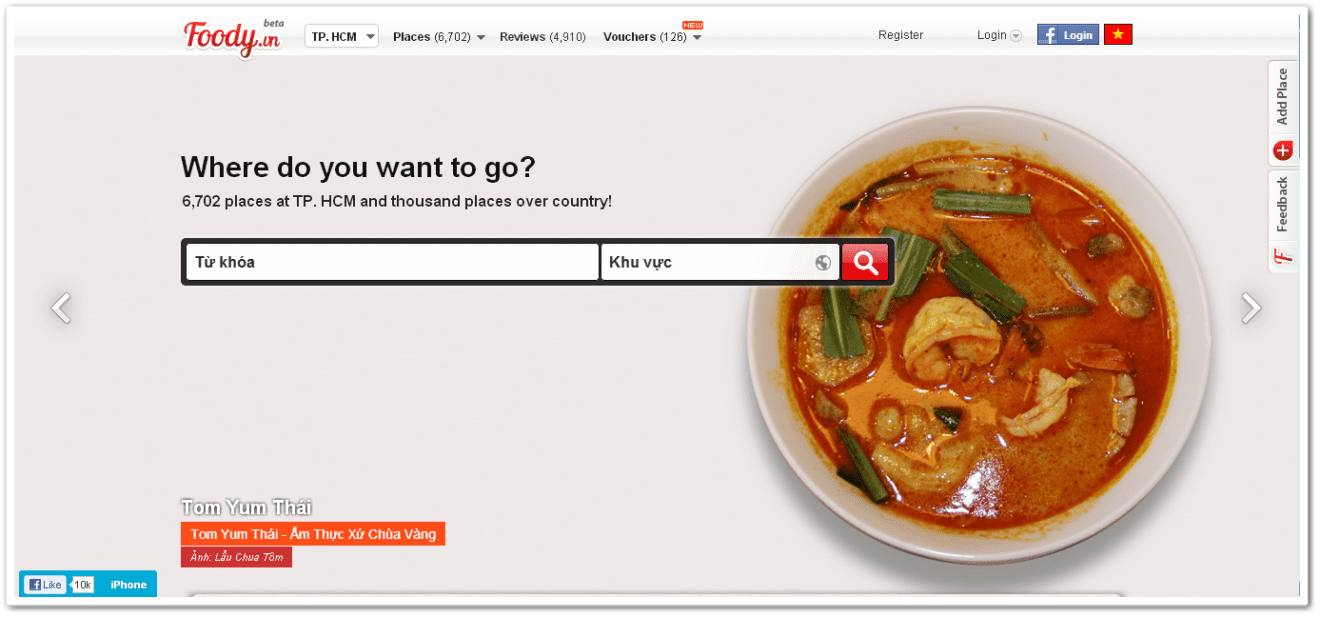
    Online restaurant directory Foody Vietnam has sold a majority stake to consumer internet group Sea Limited.

    Worth about US$64 million, the transfer was announced on a NYSE listing by Sea.

    Foody, which also accepts meal bookings and runs a delivery service, has announced that foreign entity Airview Investment of Singapore has taken an 82 per cent shareholding.

    Sea says it has acquired a Vietnamese food-delivery platform to help expand its payment platform AirPay, launched in Vietnam in 2014.

    “We intend to pursue strategic investment and acquisition opportunities in order to grow our user base, deepen our market penetration and further expand our offerings, including complementary services and products,” says Sea.

    Foody Vietnam was founded in 2012. Sea, valued at $3.75 billion, has already invested in Foody, as series-B investor in July 2015.