Category: Food

Retail News Asia is committed to providing both local and global retailers with the latest Food and Food & Beverage news throughout the Asian market. This on a daily base.

  • Green Beacon Beer Introduced on Singapore Airlines

    Green Beacon Beer Introduced on Singapore Airlines

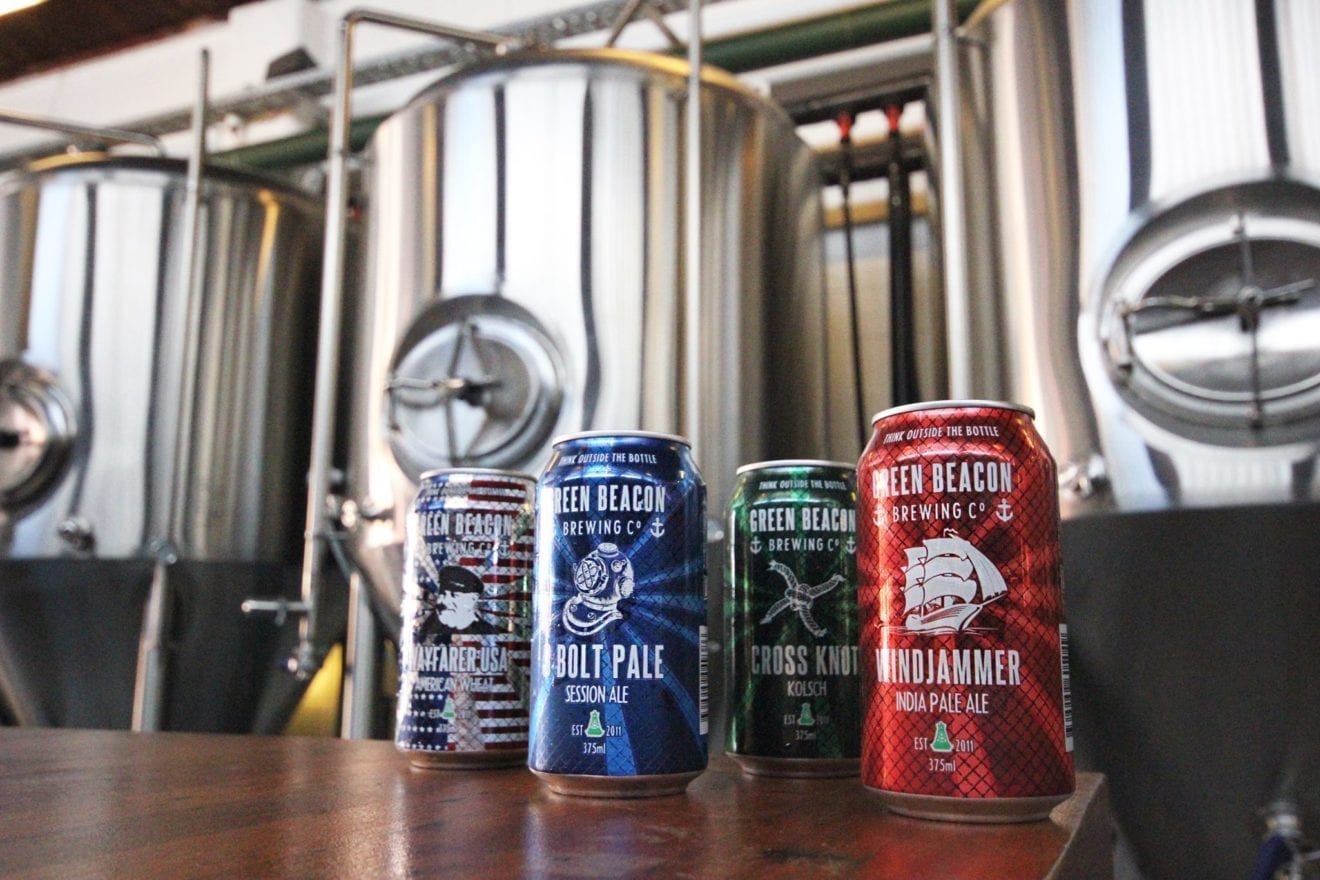
    Singapore Airlines will introduce Green Beacon Brewin beer on all business-class flights between Brisbane and Singapore, beginning October 1. The flights will offer the popular Teneriffe brewpub’s Wayfarer American Wheat Beer ale.

    Since opening in 2013, Green Beacon has extended business interstate, selling its beers in Melbourne, Sydney, Perth and the Northern Territory. Its products can be found in bars, bottle shops and restaurants, but now it’s literally taking off.

    “Singapore Airlines saw that business-class customers wanted a craft beer selection on their flights,” says Clarissa Wiederkehr, Green Beacon’s marketing coordinator. And she reckons it’s a great chance for the local brewery to reach a wider audience.

    The collaboration with Green Beacon is part of a Singapore Airlines initiative to source craft beers from local breweries in every state or capital city for their business-class menu.

    A pale ale from Margaret River’s Crazy Monkey Brewery will feature on Singapore Airlines flights from Perth. Melbourne and Sydney’s beers are expected to be announced soon.

  • Max’s Group moves east and north

    Max’s Group moves east and north

    Casual-dining giant Max’s Group Incorporated (MGI) has broken into the Middle East and also broadened its presence in Canada.

    Its casual-dining restaurant brand Sizzlin’ Steak has gained a foothold in the UAE through a partnership deal with Kasamar Holdings. The aim is to build seven Sizzlin’ Steak outlets in the UAE over the next five years.

    “We are seeing the emergence of Sizzlin’ Steak as a global mainstream brand,” says MGI president/CEO Robert Trota.

    It is the fourth development contract signed by MGI for the year, adding to a pipeline of more than 130 stores for the coming years.

    Kasamar is a family enterprise based in Abu Dhabi with diversified interests in retail. It is planning to assemble a portfolio of food brands for the region.

    Director Mo Bississo says the group hopes to launch the first Sizzlin’ Steak by early next year to be followed by an accelerated rollout long term.

    MGI has 655 stores, including 55 franchised outlets, abroad including parts of Asia.

    Meanwhile, it has advised the Philippine Stock Exchange that with its partner Alibin Group it will establish the first Max’s Restaurant in Winnipeg before next year.

    MGI has four Max’s Restaurant branches in Canada, in Vancouver, Toronto, Scarborough and Edmonton. Alibin is a Winnipeg-based private firm with experience that embraces retail and food services.

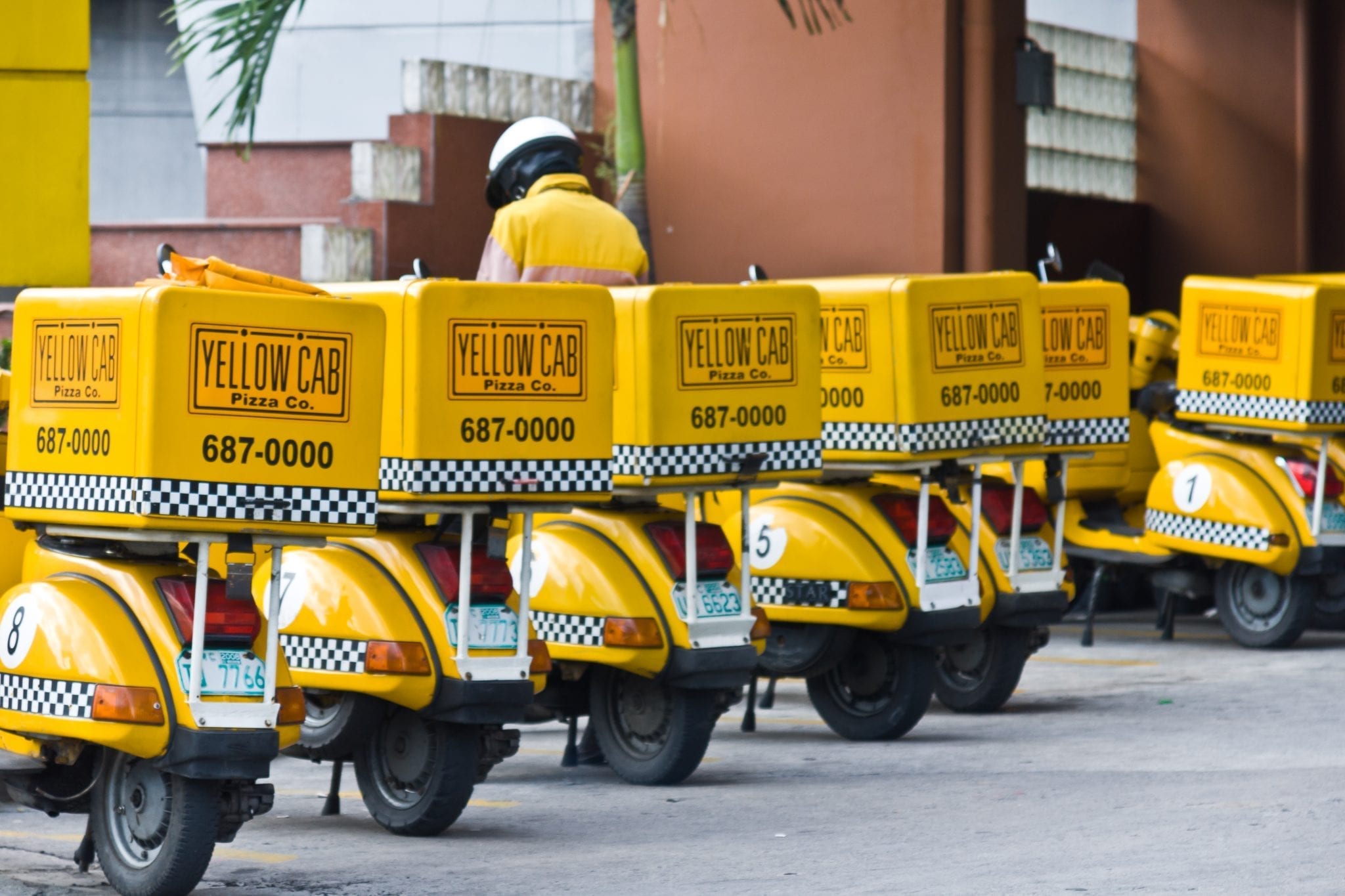
    MGI’s other brands include Dencio’s, Krispy Kreme, Le Coeur de France, Maple, Meranti, Pancake House, Teriyaki Boy and Yellow Cab Pizza.

  • Restaurant Brands quarterly sales up 41 per cent

    Restaurant Brands quarterly sales up 41 per cent

    Restaurant Brands New Zealand lifted second-quarter sales by 41 per cent after the fast-food operator expanded its footprint through Australia and Hawaii.

    Sales increased to $224.9 million in the 16 weeks ended September 11, from $159.5m in the equivalent period a year earlier, it said on Thursday.

    New Zealand sales rose 5.3 per cent to $130.6m, while Australian sales jumped 19 per cent to $42.2m and its Hawaiian operations added $52.1m. On a same-store basis, sales rose 6.7 per cent.

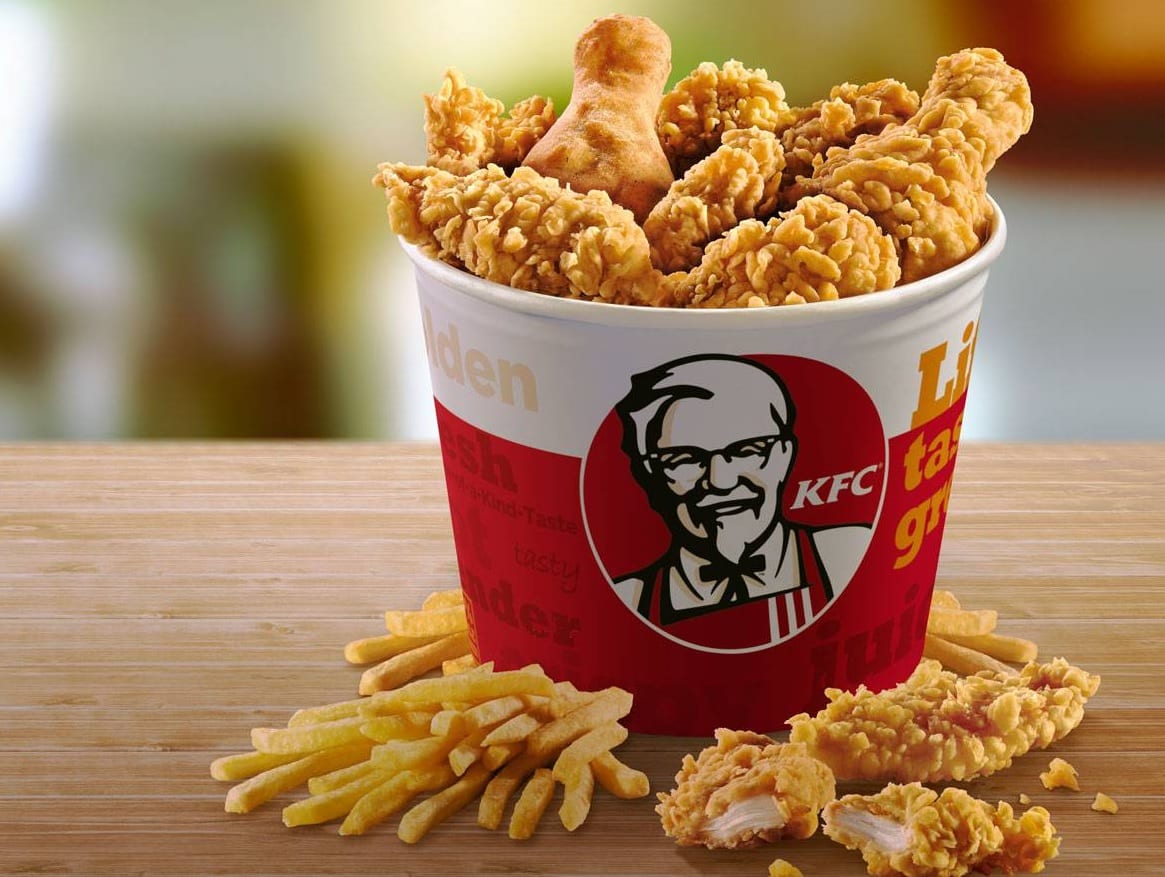
    New Zealand’s largest fast-food operator is expanding into new overseas markets to drive future earnings growth. In April 2016 it expanded into KFC in Australia and in March 2017 bought the largest fast-food operator in Hawaii.

    Chief executive Russel Creedy told shareholders at the annual meeting in June that the company was now “truly international” and expected sales this financial year to exceed $700m, up from $497.2m last year. Today’s release showed sales in the first half of the year were up 51 per cent to $386.1m.

    In New Zealand, the company’s 92 KFC stores lifted sales 8 per cent in the second quarter to $99.4m. Its 34 Pizza Hut stores increased sales 2.9 per cent to $13.2m.

    Sales at its 23 Starbucks Coffee stores dipped 6.4 per cent $7.3m and sales at 19 Carl’s Jr outlets fell 6.1 percent to $10.7m.

    In Australia, the company’s 47 KFC stores contributed $A39.2m ($NZ42.8 m) in sales during the second quarter, up 16 per cent from the year-earlier.

    Its Hawaiian-based operations include 37 Taco Bell and 45 Pizza Hut stores in Hawaii, Guam and Saipan acquired on March 7, 2017, which contributed $US38.1m ($NZ51.9 m) in the second quarter.

    The company’s shares advanced 0.5 per cent to $6.37.

  • MinMinDim popping up at Treats Cityplaza

    MinMinDim popping up at Treats Cityplaza

    Food and lifestyle concept Treats at Cityplaza has launched a pop-up store for MinMinDim at its pop-up stage PopTreats.

    Running until December 3, it is a first ever for neighbourhood chef and “food jockey” Kitty Yuen Siu Yee, who owns the budget eatery with partner Stephen Chong. It features cart noodles and typical street food.

    MinMinDim has created the “Sweating Imperial Feast” exclusively for the collaboration with Treats. Available for a limited time (and amount) net month, this cart noodles dish for two will include all toppings available in the shop that day served in a golden bowl.

    “Sweating Imperial Feast”

    Using an original recipe by Chong’s mother, the pop-up store also serves its signature Ginger & Wine Soup which includes Chinese rose wine and Chinese yellow rice wine. Also on the menu will be home-made spicy preserved radish, crispy bean-curd roll with fish paste, charcoal shrimp toast and Begonia Fimbristipula herbal tea.

    Chong, who works in the fashion and design industry, has handpicked a set of classic metal dishes for serving stir noodles at the Treats pop-up.

  • Sake Central to celebrate Japanese culture

    Sake Central to celebrate Japanese culture

    Described as a multifunctional retail and education space, Sake Central has taken over a chunk of Soho’s PMQ to celebrate Japanese culture through food and drink. The Central project is being led by a trio of F&B entities versed in Japanese culture, Elliot Faber, Ken Nagai and Takashi Endo.

    Sake Central comprises a labyrinth of rooms designed to tap into all aspects of eating, drinking and learning about Japanese food and culture. The rooms include a Cultural Pavilion, which serves as a promotional platform for Japan’s 47 prefectures; a Brand Showcase section, featuring eight different sake breweries at a time; and a Curated Collection room highlighting Japanese culture, from literature to glassware and ceramics.

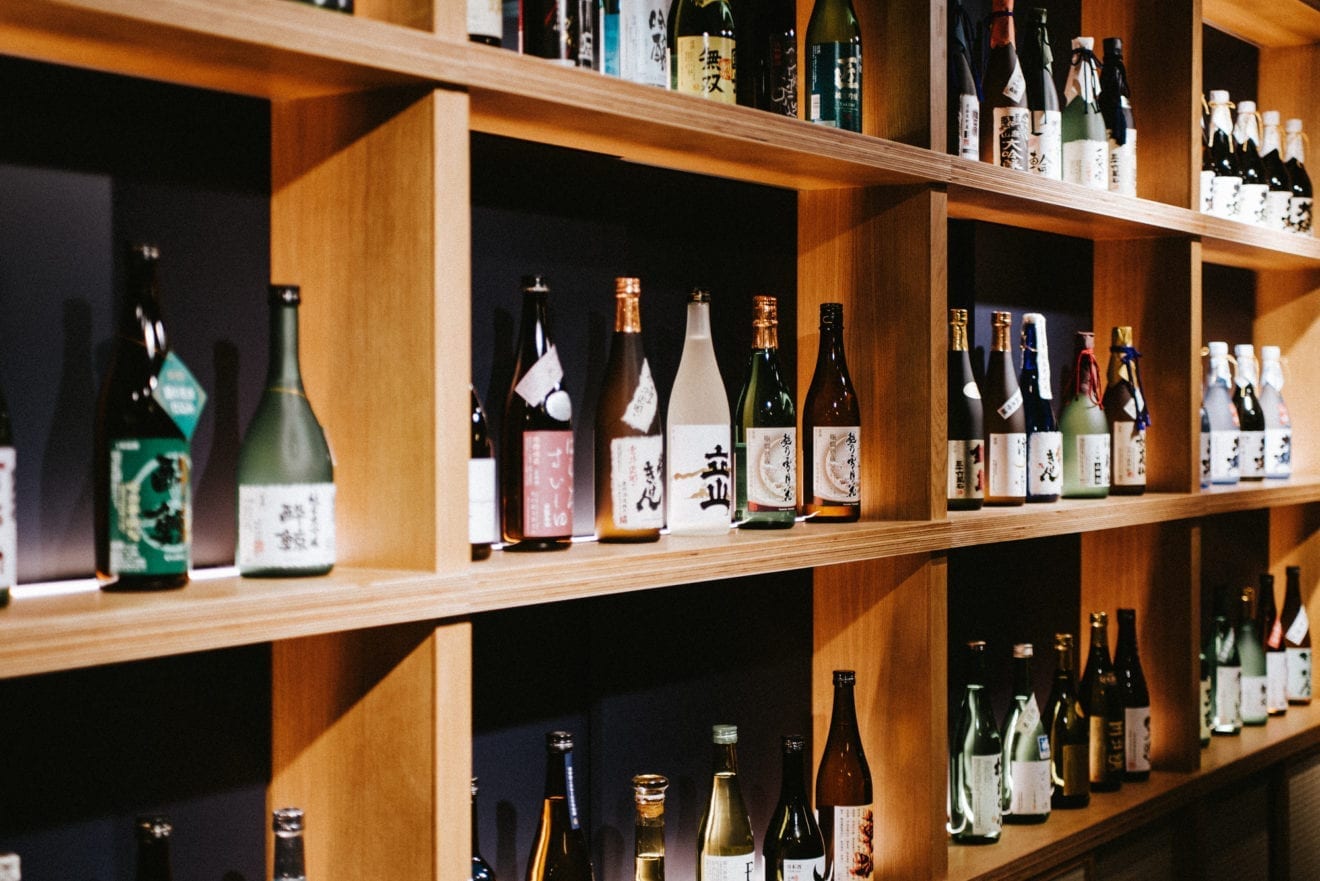
    Finally, Bar Sake Central is a 16-seat bar and retail space where customers can buy any of the 200 bottles on show at any one time. However, its main purpose is allow guests to sample the diverse range of sake on offer, matched with a seasonal menu of otsumami (small snacks designed to be eaten with alcohol).

    The space has temperature control settings and special LED lighting to protect the integrity of the bottled sake.

  • Element Fresh has redefined healthy dining in China

    Element Fresh has redefined healthy dining in China

    Now bound for wider Asia, a fresh-food restaurant concept focusing on expats has caught the imagination of more than 1 million mainland Chinese.

    Salads, organic food and superfoods are not usually the first types of cuisine one considers staples in Mainland China, but a young American entrepreneur has hatched a fast-growing chain of quick-service restaurants serving up just that to thousands of Chinese and expat diners every day.

    Now the concept is heading to other Asian cities as its reputation spreads.

    Best known for its salads, sandwiches, juices and smoothies, Element Fresh also offers a variety of Asian dishes and a creative dinner menu, expanding into steaks, fish and pasta. With a positioning statement “Enjoying fresh food!”, the company’s unique selling point is delivering diners “the freshest food in China”.

    Element Fresh was founded by Bostonian Scott Minoie, a self-professed “lifelong foodie and chef”, and his mate Sheldon Habiger, who started a catering service in Shanghai which they morphed into a health-food and juice bar.

    In 2002, a loyal customer who happened to be a leasing executive from the Shanghai Centre, suggested they take some space in the mixed-use development, which as well as a popular shopping mall, houses thousands of office workers during the day. A few other customers pitched in some cash to help the idea come to fruition.

    The store opened on July 12, 2002, and is now part of a 40-strong chain. Within the next three years, another 30 stores are planned on the mainland, all company-owned, and the first in other Asian cities to be run under a franchise system.

    Asiawide franchise specialist VF Franchise Consulting is representing Element Fresh throughout the region.

    “After 15 years of tried, true, tested success in China, it’s a nice time to take it abroad,” Paul Barbone, Element Fresh’s international franchise business director, told Inside Retail on the sidelines of a VF Franchise Consultants business-matching event in Manila.

    “Hong Kong, Singapore and Bangkok – those big centres are very attractive, they’re definitely places we aspire to be. Vietnam is still emerging, so it is not an easy sell. We are here looking at Manila. We would never rule out North America, and Australia has been discussed.”

    Barbone has spent 18 years in the Middle East expanding globally recognised franchise brands there, so that region is on the radar as well, but for now the focus is on Southeast Asia – and Hong Kong, given its proximity to the mainland.

    More than salad

    Timing is often a decisive factor  in new concepts, and it certainly played a big part in the success of Element Fresh.

    When Minoie landed in China on an exploratory journey that has never come to an end, the whole foods, organic and superfoods market was emerging, not just in the US but globally.

    In a country where a lot of food had the goodness fried, steamed or otherwise cooked out of it, the alternative of eating raw vegetables was not attractive. So he began piecing together a viable business opportunity, starting with raw vegetables in a salad format, dressed up to look delicious.

    From there, the concept parlayed into what has today become a very popular destination – initially with westerners and now with local Chinese.

    “I say we are the leaders in casual dining,” says Barbone. “We are definitely a pioneer. People have mimicked what we are doing, so we have to be a step ahead of people copying us, but we’re still the leaders.”

    Barbone has seen some good concepts in China, but not developed to the same scale as Element Fresh.

    “A lot of the players have difficulty competing in Shanghai on many levels. One of those may be just the scalability of their organisation and trying to get locations to expand. That said, we do benefit from that, but it only came from taking a relative risk in the early 2000s and not becoming complacent in those decisions.”

    Resisting bland

    While the core of Element Fresh’s menu started out with salads, the whole concept has expanded into a full dining experience, from breakfasts to smoothies and full-sized entrees.

    “The main thing we sell is gourmet salads, topped with protein options. With marinated, grilled chicken, meats and seafood, we offer a whole plethora of proteins. Grilled foods have taste – you can’t always eat bland food.

    “We are not vegetarian. The health aspect comes in with a lot of these things – like the dressings – being properly portioned. That said, a person could order a salad and ask the waiter for more dressing. That’s OK, but that’s where most of the calorific intake comes from. Yogurt green miso dressing is good in moderation, but it becomes unhealthy if you eat too much of it.”

    Pastas are becoming more and more popular at Element Fresh, but in line with the overall theme whole-grain pasta is served.

    “We serve a great Australian steak. People look at that and say, ‘That’s not healthy’, but red meat in general in moderation is healthy – a 250g cut rather than a huge American-style 330g serving, of course, and complemented with vegetables.

    “We give customers an opportunity to be healthy. I eat a lot of Element Fresh and I like the way I feel after leaving the restaurant: I’m not drained, my body is not focused on dealing with fat.”

    The juices and smoothies are 100 per cent real fruit. “The first time I went to one of the restaurants I was surprised they don’t put ice in the juices. People can ask for ice, but when they buy a 16-ounce juice they want a 16-ounce juice, not 12 ounces of juice and four ounces of ice. We are going to be fully transparent, and when people order a juice, they get a juice.”

    As much as possible in China the company uses organic ingredients. It also uses superfoods, such as kale in a pesto (instead of basil) and, of course, berries.

    With 1 million followers on WeChat, the company invests a lot of time trying to educate people on the benefits of various foods and of healthy eating. “We take that very seriously and we want to engage with them,” says Barbone.

    Behind the scenes

    A significant factor in Element Fresh’s stellar growth is what the business does outside its restaurants.

    “We work with suppliers to help them understand why we need things grown in a certain way. It’s about long-term relationships and making sure all the things we do are taken on board.

    “Then we have the only HACCP-certified central kitchen in Mainland China. We are very particular about how we handle our food. Food safety is top of Chinese consumers’ minds (after recent KFC and other scares). We have our own lab in the central kitchen testing everything we produce.”

    The company also has its own fleet of distribution trucks rather than relying on third parties, thus ensuring temperature control and food-safety standards are met throughout the whole life of the food it sells.

    “It really is A to Z, and people appreciate that. When walking around Shanghai and looking at some of these beef noodle huts where some guy is literally chopping his meat on the sidewalk, I think, ‘OK, I am never eating there’. Many food-court outlets, such as steak places, pick a steak off a tray, grill it and cut it up. They don’t keep their steaks chilled but at ambient temperature, In North America, those places would be shut down in a nano-second.”

    Perhaps that has helped attract Chinese to the brand in growing numbers. What cleary started as an offer targeting expats is now very much a concept embraced by locals.

    Inside Retail asked how the brand managed to convert Chinese to the concept.

    “People want to familiarise themselves with more western-style things, and over time we gained popularity. Those trends take off in China at 10 times the pace of elsewhere. When  there is a shift in the market, it’s counted in thousands rather than tens.

    “You can’t eat beef noodles every day, and people are looking at other foods. We are challenging a lot of cultural norms.”

    Pricewise, Elements Fresh is very mid range. “A lot of people see us as expensive. For those people, I’d love to show them our central kitchen.”

    That said, a salad is priced around US$10 and a juice from $3 to $4. The average check runs at about $14 to $15 a person.

    Deuce for juice

    A key factor in the brand’s growth is a partnership with former international tennis player Li Na, in an ambassadorial role. However, she is involved in much more than just marketing activities. Li Na helps with menu development, “putting her fingerprint” on the brand, which has even stretched to a co-branded restaurant in her home city of Wuhan.

    “She wanted to do something special. The restaurant has Li Na themes and branding that really talks to the relationship we have with her. Scott and her see eye to eye. She wants to be an ambassador not only for Element Fresh, but for a healthy lifestyle, which coincides with our philosophy.”

    China’s second-best-known sports star, Li Na also retains a relationship with Nike, keeping her profile high all over the nation.

    Apart from Wuhan, most of Element Fresh’s growth focus in China has been on Shanghai, where there are now 17 eateries, and Beijing, with 12. But now the company is expanding into tier-two cities, mostly across the south, including Chengdu, Guangzhou, Nanjing and Shenzhen.

    Still privately owned, the company has grown to a payroll of 2500 staff members and serves more than 15,000 guests daily.

    Positioned as “healthy dining, redefined”, Element Fresh is a concept that will offer tailormade food for Asia’s local populations and expatriates.
  • NOC Coffee Co opens minimalist second branch

    NOC Coffee Co opens minimalist second branch

    NOC Coffee Co has opened its second branch in Hong Kong, offering its famed latte art in Gough Street, Sheung Wan.

    Opting out of creating a dramatic or fanciful exterior, design agency Studio Adjective has created a minimalistic façade in glass, highlighting the coffee bar and its baristas plus customers.

    As it is on a narrow street, NOC makes the most of its size by using the cement floor as tiered seating. Gradually, the platform extends to form a staircase that leads up to an area with communal tables and bar stools.

    Painted surfaces and wooden wall panels blend in with a white countertop that houses coffee machines. The store also offers healthy breakfasts and bagels.

    The original NOC store is in Graham Street, Central, plus there is the NOC Roastery flagship at Bohemian House in Des Voeux Road.

  • Jollibee linked to Pret-A-Manger bid

    Jollibee linked to Pret-A-Manger bid

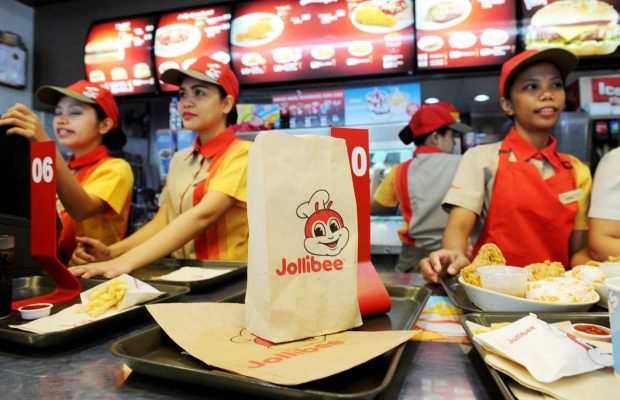
    Philippines-based Jollibee Foods is reportedly running the numbers to buy gourmet sandwich and coffee chain Pret-A-Manger.

    Sources have told Reuters news agency that the Pret-A-Manger bid would value the business at in excess of US$1 billion, and close to the $1.1 billion it achieved in sales last year.

    While at first glance the Filipino food concept – which has low-cost burgers, chicken pieces and fries as its staple menu – seems an unlikely bedfellow for the London-based sandwich concept which targets office workers, Pret-A-Manger’s previous owners have included US fast-food giant McDonald’s.

    Quoting “sources familiar with the matter”, Reuters said Jollibee has been holding in-camera talks with an advisor over a bid for Pret-A-Manger, affectionately known by its customers as ‘Pret’.

    Jollibee Foods, founded by entrepreneur Tan Caktiong in 1975, recently opened its 1000th Jollibee restaurant in the Philippines and has 2700 stores in all, including in Hong Kong, China, Vietnam and the US. The company is valued at $5.2 billion and its portfolio also includes joint ventures owning Highlands Coffee and Pho 24 (in Vietnam), Smashburger (the US), Chowking (China) and Burger King (Philippines). Its domestic brands include Greenwich, Mang Inasal, Chowking and Red Ribbon.

    Pret has about 400 stores worldwide, including a small network in Hong Kong, selling breakfasts, hot beverages, cakes, its own snack foods and its core sandwich offer.

    The company is owned by private equity company Bridgepoint, which earlier this year was reportedly mulling a listing on the New York Stock Exchange.

  • UberEATS finds big potential in South Korea food delivery market

    UberEATS finds big potential in South Korea food delivery market

    UberEATS, a food delivery service app run by ride-sharing pioneer Uber Technologies Inc., finds big growth potential in South Korea’s food delivery market due to its advanced wireless networks and growing orders on mobile phones, a senior company executive said.

    The U.S.-based business launched its UberEATS service in Seoul in August 2017,. The service is already available in 112 cities across 28 countries, where it has 60,000 restaurant partners.

    “Seoul is a perfect place for UberEATS. We find South Korea’s fastest internet speed really helpful for our business here. We are looking to expand our business in a few more regions in Seoul at least within this year,” Jaycee Lam, general manager of UberEATS North Asia, said.

    The executive did not elaborate on the names of the additional regions in Seoul. UberEATS service is now available in Itaewon and Gangnam, two downtown districts in the capital city.

    As for other possible cities, he only said there are growing requests from local customers to launch the UberEATS service in cities such as Busan, a southern port city, and the scenic Jeju Island.

    In the past four weeks, more than 200 restaurants have signed up to UberEATS, with more expected to jump on board. Partners deliver food using their own bicycles, scooters or cars and receive a fee from Uber.

    The majority of the food is delivered within 35 minutes to customers and free of charge for the time being as part of a promotion. But the company plans to receive a flat 3,500 won (US$3.00) delivery fee per order from customers, the general manager said, without giving any a specific time frame.

    To differentiate itself from local rivals such as Baedal Minjok and Yogiyo, UberEATS will focus on selecting the best restaurants and providing its customers with an insightful analysis of their businesses and industry outlook in a win-win strategy, he said.

    The UberEATS service was first launched in Toronto, Canada, in 2015 to deliver restaurant meals on-demand to homes and offices.

    The app-based service works like its ride-sharing sister app Uber. When an UberEATS app user orders food from a restaurant on his mobile phone, the restaurant calls a nearby delivery partner and asks him to collect the food when ready and deliver it right to the door of the user.

    UberEATS’ launch here is part of Uber’s commitment to South Korea’s US$14 billion food delivery market, the general manager said, expecting UberEATS to make the pie a lot bigger.

    “Since we have launched our transportation (or ride-sharing) business in Korea, we always think about what is the best way for Uber to keep being involved in the market deeper and then contribute here. UberEATS is one of the options that we can run in the ‘promising and fast-growing’ market,” the executive said.

    Still, a lack of awareness of the UberEATS service is the one area that can be improved in South Korea, he said.

  • Le Buffet restaurant wins interior design award

    Le Buffet restaurant wins interior design award

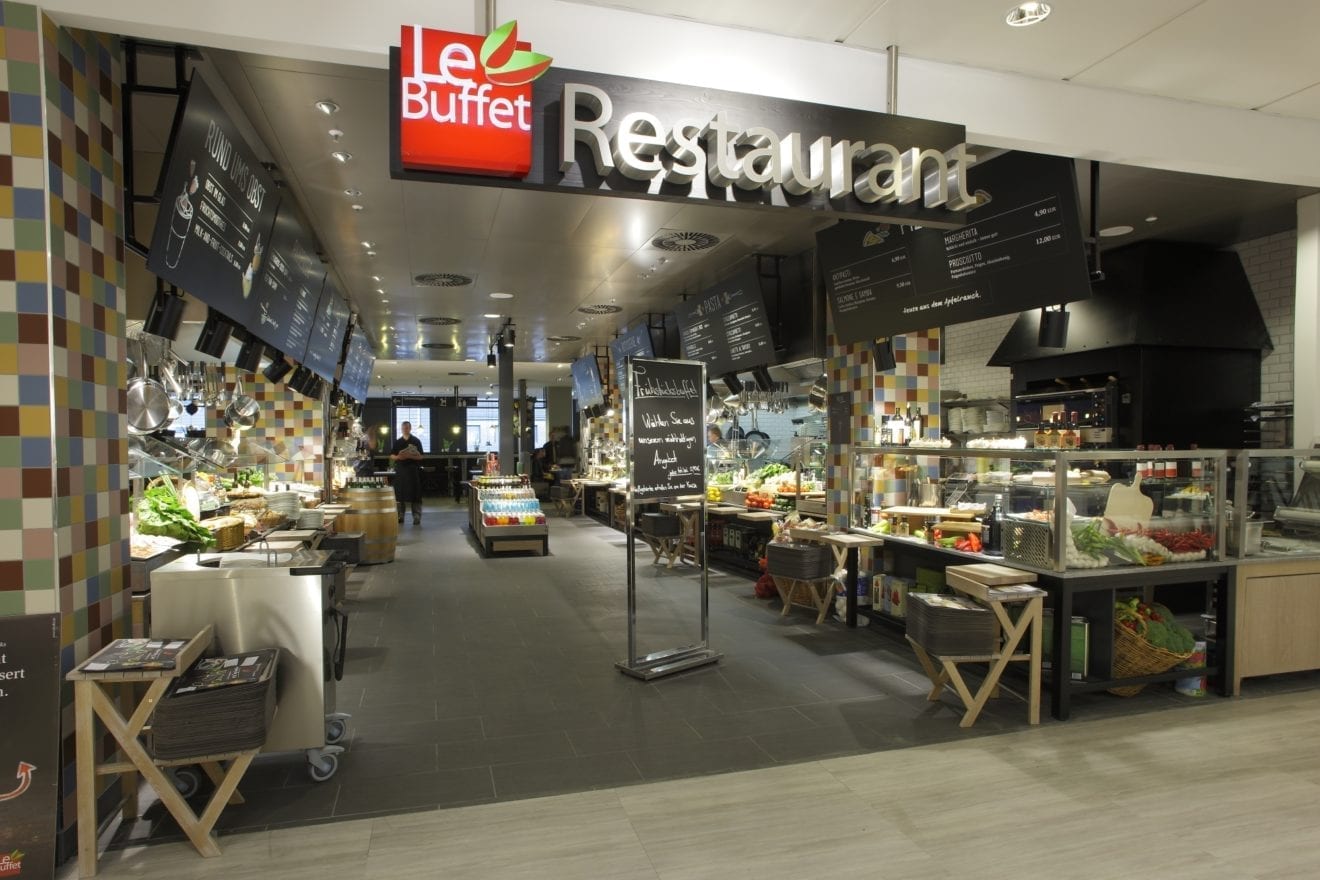
    Le Buffet restaurant at The Parisian Macao has won an award for its interior design.

    It took the title of best Macau casual-dining restaurant at the Hong Kong Restaurant Interior Design Awards 2017(HKRIDA).

    The awards were part of the fine-dining and bar exhibition Restaurant & Bar Hong Kong, with a judging panel comprising hospitality designers, F&B managers and specialist trade media. Chef de cuisine Guillaume Gully accepted the award on behalf of The Parisian Macao.

    Designed by San Francisco-based Puccini Group, Le Buffet is a 450-seat buffet restaurant that features Art Deco detailing with an upscale French market/food-hall vibe. It has a front dining area with a Parisian cafe ambiance that has views into the main dining and buffet room with its buffet stations and live cooking areas. A design feature is an intricate 5m atrium that offers a sense of natural light.

    The Parisian Macao is Sands Resorts Macao’s newest property, which opened 12 months ago. It features a half-size replica of the Eiffel Tower at the hotel’s entrance.

    One of the primary goals of the awards is to highlight and promote the importance of a restaurant’s interior design in overall business growth.

  • Designer Julien Macdonald beefs up McDonald’s burger offering

    Designer Julien Macdonald beefs up McDonald’s burger offering

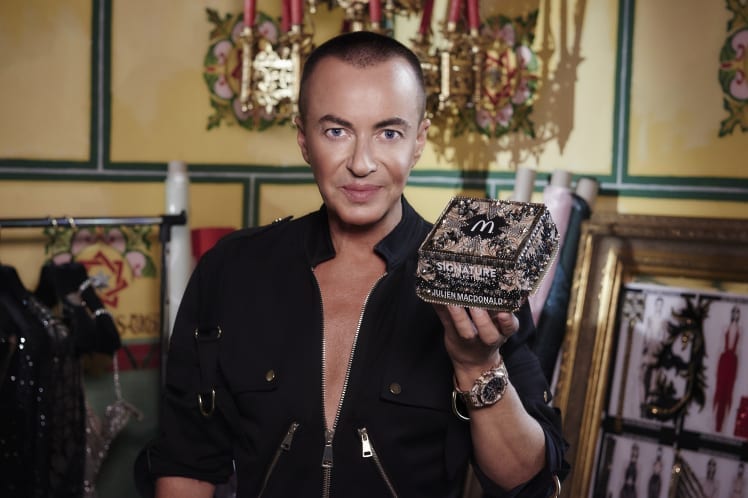
    Fashion designer Julien Macdonald has created a special-edition box for McDonald’s UK new Signature Collection range of “gourmet” burgers, described in a press release as “McDonald’s’ first foray into the world of luxury and fashion”.

    Following a trial in selected restaurants, the range is being released in more than 900 McDonald’s eateries across the UK.

    Unveiled in London, the box has a limited release of 1000, with fans being invited to sign up online if they want one. One special box, customised by Macdonald himself, will be auctioned to raise money for the fast-food chain’s Ronald McDonald House Charities.

    “I drew inspiration from my fashion creations and iconic embellished red-carpet dresses,” says Macdonald, who has dressed such celebrities as Beyoncé, Kylie Jenner, Madonna, Mick Jagger, Puff Daddy, Shirley Bassey and Taylor Swift.

    The result is a gold baroque-style crystal-encrusted box, described as “the perfect packaging for the luxury McDonald’s Signature Collection burger”.

    “It’s a brave and exciting move,” says McDonald’s UK VP of marketing Emily Somers. “Julien Macdonald’s beautifully designed star-studded box complements the Signature Collection perfectly.”

    The box complements the “luxury” positioning of the product as demonstrated by this promotional video which is – well, unlike anything we’ve seen from McDonald’s before…:

    One blogger has commented: “You haven’t enjoyed a burger until you’ve eaten it out of a box which has crystal detailing, embellishment and bespoke digital print.”

    Facebook users have been a little less kind (or ironic), one asking, “And the point of it is exactly what? … Congratulations, you have just polished a turd.”

    Another asked, “Is it April 1st already?”

    Meanwhile, Etihad Airways has given its in-flight safety video a makeover by setting it backstage at one of Macdonald’s runway shows. Models put on oxygen masks to escape a cloud of hairspray, they wear life jackets as if they were the season’s must-have accessory, they buckle up safety belts over embellished couture gowns, and move into brace position as they have their hair done.

    Unveiled during New York Fashion Week, the promotional film will not replace Etihad’s safety video, but will be shown on-board from next month and be used to highlight the airline’s ties to the fashion world (it sponsors 17 fashion weeks and events internationally).

  • Greyhound Cafe Jakarta opens in Grand Indonesia

    Greyhound Cafe Jakarta opens in Grand Indonesia

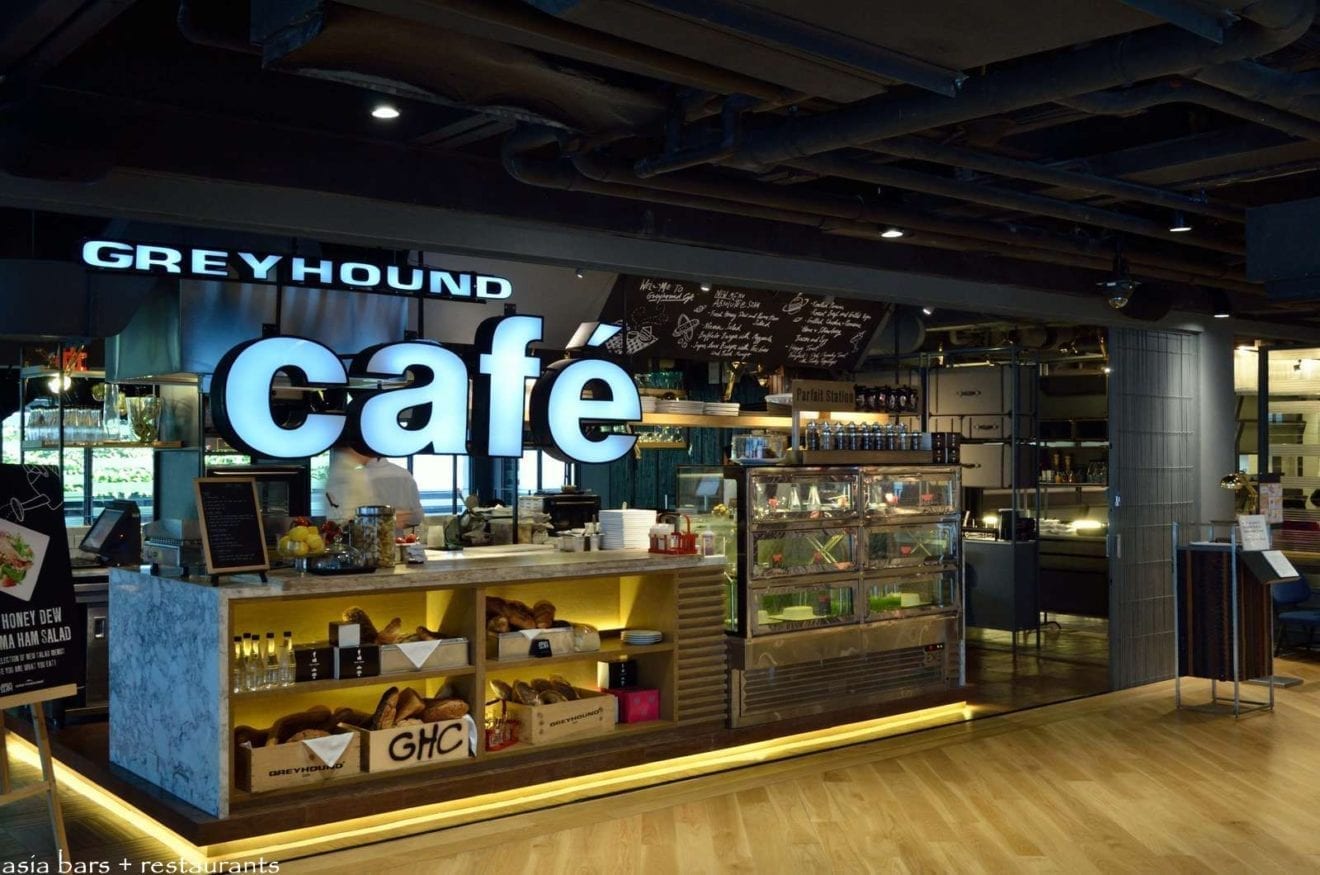
    Mainly Thai fusion dishes are offered at the new Greyhound Cafe Jakarta, in the Grand Indonesia mall. With a cactus display in its outdoor area, the ground-floor cafe has a mainly black-and-white theme and offers mainly Thai fusion dishes.

    A private dining area is available as well as a smoke area, and takeaway is possible.

    The Thai brand is being introduced in Indonesia by restaurant group Arena Corporation.

    Greyhound Cafe opened its 13th international outlet last December, marking its debut in Singapore.

    At the time it had 14 cafes in Bangkok plus outlets in Beijing, Hong Kong, Kuala Lumpur and Shanghai.

    For Greyhound, the cafe was actually an afterthought to complement to brand’s fashion line.

  • Bo’s Coffee heading for a century

    Bo’s Coffee heading for a century

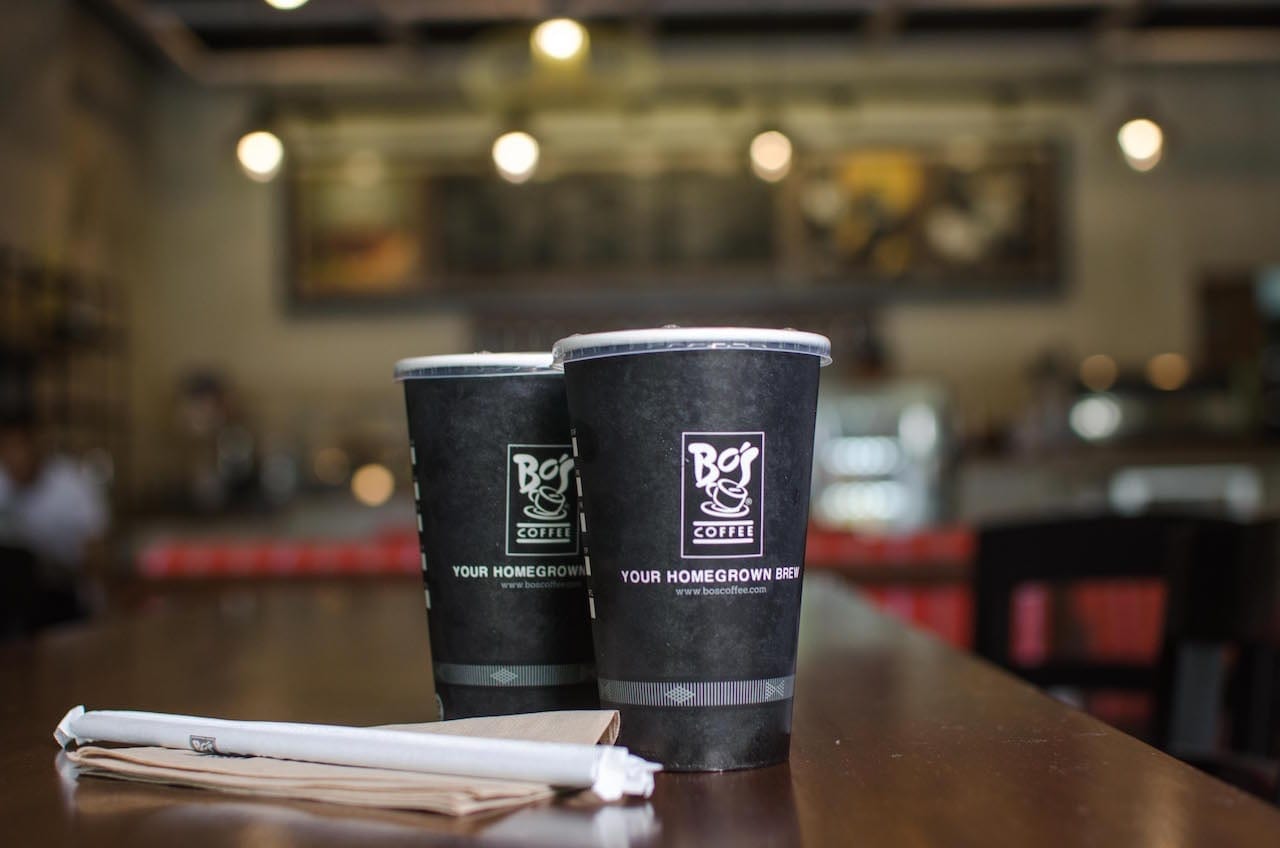
    Bo’s Coffee has opened its 97th store in the Philippines, at the NorthDrive mall in Mandaue City, Cebu.

    Leading up to the opening, the Cebu brand organised a tasting session through Philippine Coffee Origins, says brand and marketing manager Toni Santos. This featured five locally harvested beans, from Batangas and Sagada in the Mountain Province, Mt Kitanglad in Bukidnon, Mt Apo in Davao and Mt Matutum in Cotabato. Store coach Serah Amor Samson showed how the manual brewing or pour-over session is done.

    Bo’s Coffee operations VP Ivy Theresa Benatiro says the company hopes to end the year with a 100th store in Intramuros, Manila. Meanwhile, its first two international stores will open in Qatar before November.

  • The Lime Truck brings tacos to Suntec

    The Lime Truck brings tacos to Suntec

    Featuring fusion food, Californian chain The Lime Truck has parked one of its kitchens on wheels in Singapore – its first permanent site out of the US.

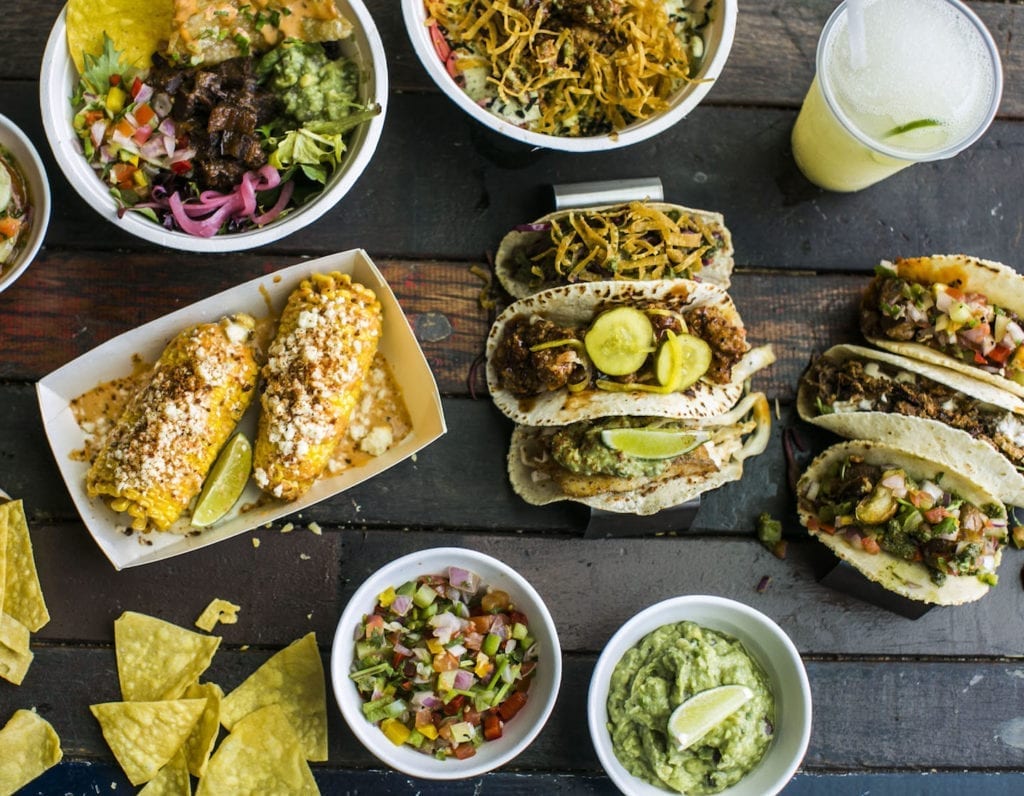
    At the PasarBella@Suntec City food hall, the stationary truck has a Mexican-inspired menu serving six varieties of taco as well as Singapore exclusives like fried chickenskin with chipotle honey drizzle and cheese. The Lime Truck also makes its own tortillas, a first for Singapore.

    There are also slushies, churros for dessert, and rice and salad bowls topped with grilled meat. There are also one-off daily specials.

    The truck initially appeared in Singapore at a pop-up event in Orchard Road three years ago as part of a charity initiative with Fiji Water, where more than 1000 tacos were sold out in two hours.

    Chef Daniel Shemtob launched The Lime Truck in 2010, expanding it from a single truck in Orange County, California, to five trucks in other cities in the state. He also has three restaurants in California, and came to cook at the truck’s Singapore launch.

    The Lime Truck won the second season of Food Network’s The Great Food Truck Race in 2011 and was placed on Yahoo’s Top 10 Trucks In America list for three years running from 2012.

    “There’s a hidden Asian element to a lot of the dishes, so it’s familiar but kind of different,” says Shemtob, who picked up his cooking skills “from the streets”. He started cooking when he was about six years old, learning from YouTube, cookbooks and “just messing around in the kitchen”.

    While regulations prevent the food truck from roving the streets as it does in California, Shemtob says he hopes it can make appearances at events such as the Formula One races.

  • Starbucks patents cold-pressed espresso process

    Starbucks patents cold-pressed espresso process

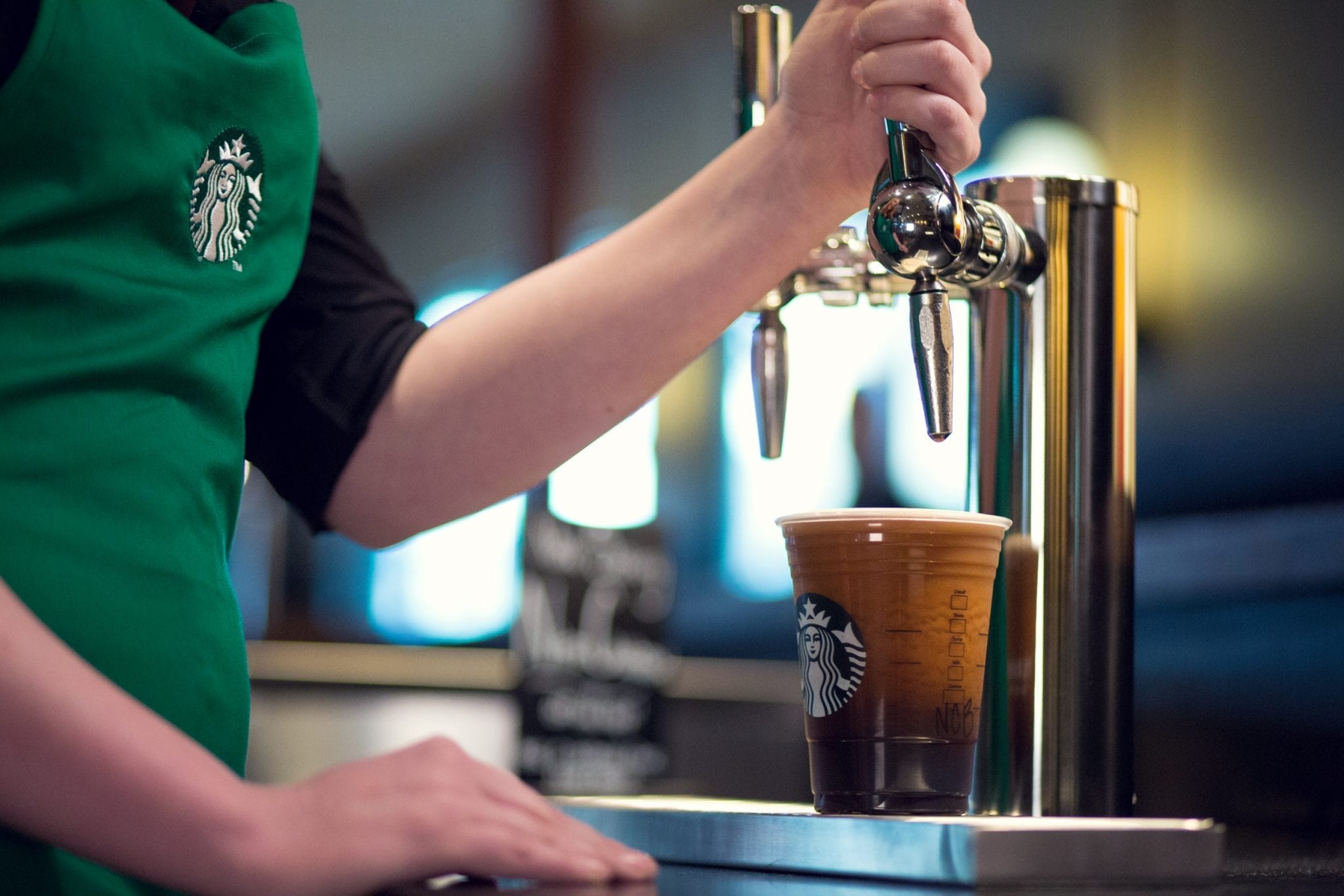
    Starbucks has developed a new, patent-pending cold extraction process that produces a concentrated, smooth tasting shot of cold-pressed espresso.

    The cold-pressed espresso shot will serve as the foundation for a new suite of in-store menu options focused on cold espresso beverages and which has been launched at the company’s premium, Starbucks Reserve Roastery in Seattle this week. Since opening in December 2014, the Seattle Roastery has served as a pipeline of innovation for Starbucks including the introduction of Nitro Cold Brew which is now available in more than 1000 stores across the US and 16 markets globally.

    “From Cold Brew to Starbucks Draft, we have been building a cold coffee platform that not only appeals to our customers, but acknowledges that cold beverages are no longer just seasonal,” said Kevin Johnson, Starbucks president and CEO. “This new technique, which produces a dense shot of cold-pressed espresso, is the next step in our cold coffee journey and the perfect ingredient to design a menu of cold espresso or coffee options. We believe the opportunities are limitless.”

    Designed by Starbucks Research and Development team, the new Aqua Tamp Technology uses an ascending flow filtration system that is pressurised by cold water. The inverted process allows for a precise release of flavour characteristics resulting in a dense concentration of cold espresso. In doing so, it allows the release of a sweeter coffee flavour and smooth finish to break through making the cold-pressed espresso extracted the ideal pairing to a variety of cold liquids allowing it to retain the intensity of the espresso flavour.

    This new breakthrough builds on the company’s ongoing investment in the category of iced beverages. During its 2016 Investor Conference, Starbucks said it expects to quadruple the Cold Brew business by 2021 and its overall cold beverage mix to move from over 35 per cent in 2013 to nearly 50 per cent by 2021. US iced coffee consumption has grown by 75 per cent in the past decade and cold brew sales grew 338.9 per cent between 2010 and 2015, according to industry data.

    The Seattle Roastery Cold-Pressed Espresso Menu will include:

    • Sparkling Cold-Pressed Americano: A shot of cold-pressed espresso poured over sparkling water, served on ice.
    • Cold-Pressed Americano Exploration Flight: A tasting flight featuring one Cold-Pressed Americano, one traditional Iced Americano, and one Sparkling Cold-Pressed Americano.
    • Cold-Pressed Ginger Fizz: Crisp, refreshing ginger ale infused with a shot of cold-pressed espresso, poured over barrel-aged vanilla syrup. Finished with grapefruit bitters.