Category: Food

Retail News Asia is committed to providing both local and global retailers with the latest Food and Food & Beverage news throughout the Asian market. This on a daily base.

  • Simon sues Starbucks over Teavana closures

    Simon sues Starbucks over Teavana closures

    US shopping mall owner Simon Property is taking coffee chain Starbucks to court over its planned Teavana closures.

    In late July, Starbucks announced it would shutter all 379 of its Teavana stores, including 78 in Simon-managed malls, because they were “under-performing”.

    In documents filed with the Marion Superior Court, Simon accuses Starbucks of “shirking its contractual obligations at the expense of Simon’s shopping centres and the dozens of communities they serve and support,” not to mention breaching its lease agreements.

    The landlord is seeking temporary and permanent injunctions preventing the Teavana closures.

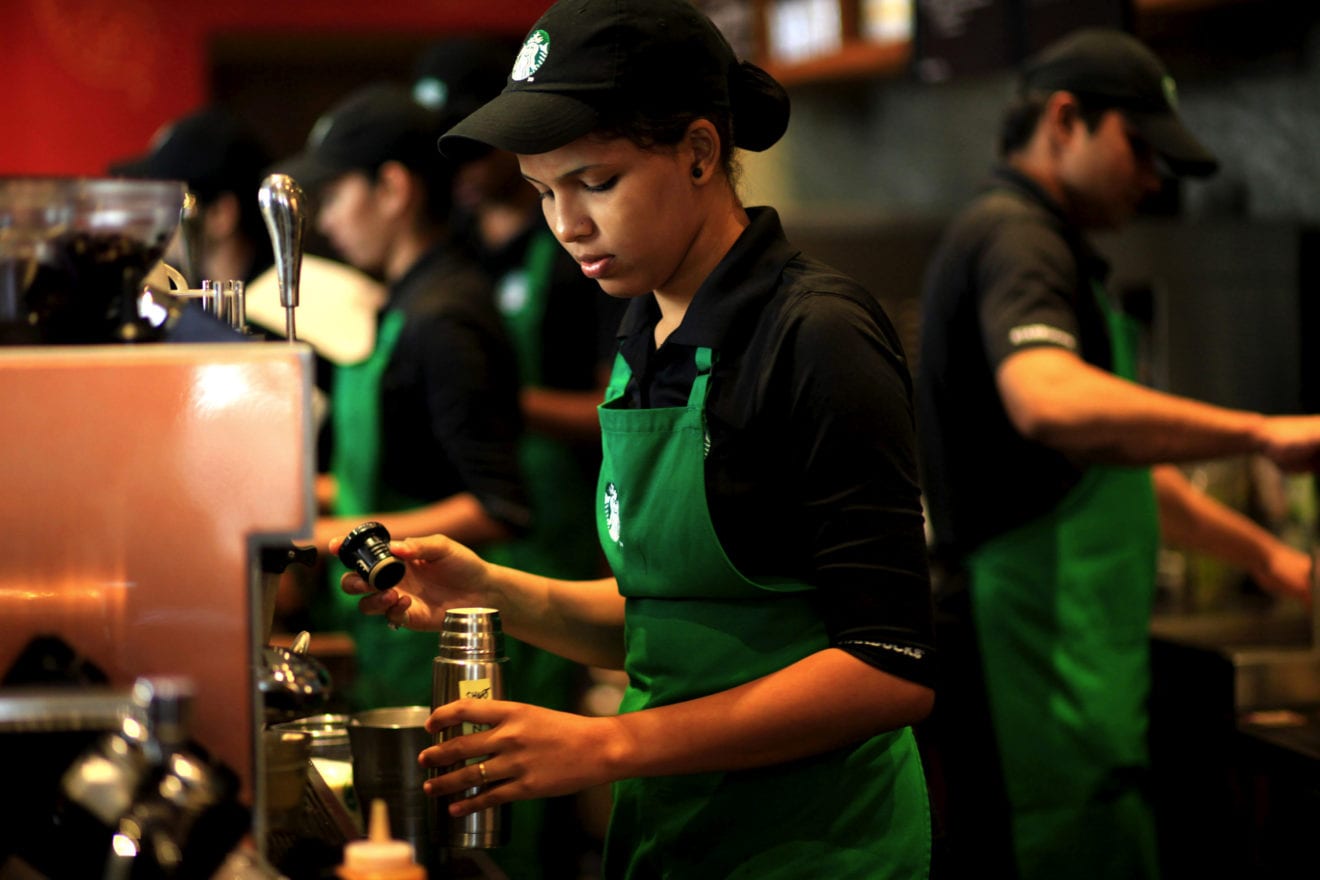
    Starbucks paid US$629 million to buy the tea-store chain in December 2012, promising at the time “to do for the tea market what Starbucks had done for coffee”. While it will close all retail outlets, Starbucks plans to maintain the Teavana brand in its own cafe network and has been actively rolling it out Teavana-branded drinks in Asia during the last two years.

    Simon says Starbucks has advised it will close all its Teavana stores in Simon malls by the end of 2017, despite some leases due to run as long as January 2027.

    “In order to successfully operate its shopping centers, Simon depends upon each tenant fulfilling the covenants in their respective leases,” the company said in court documentation. “Crucially, each of Simon’s tenants promises that it will open and operate continuously for the entire term of its lease.”

    Simon acknowledged in the suit that a lot of retailers have been closing stores in its malls in recent years because of financial stress – including Gap, Ralph Lauren, Sears, Macy’s, Rue 21 and American Eagle.

    “Those retailers, at least, claimed closure was necessary to avoid bankruptcy, and that staying open and fulfilling their leases would cause them financial ruin,” Simon said. “That obviously is not the case with Starbucks, which is one of the largest and most recognised companies in the world.”

    The landlord also claimed Teavana was not losing money, arguing it wasn’t growing fast enough to fit with Starbucks’ business plan.

    “Starbucks’ decision to close its Teavana stores is simply an effort to further increase its economic gains at the expense of others,” Simon said. “Starbucks does not contend that Simon breached any lease or that Starbucks cannot remain viable if it continues to honor its promises in its leases for stores in Simon’s shopping centers. Instead, Starbucks simply believes it can make more money if it violates the leases than if it honored its contractual promises and obligations.”

    Teavana stores were described by Simon as “a valuable contribution to the synergistic mix of tenants” in its malls.

    “A shopping center is not merely a random collection of stores. Rather, it is a co-dependent ecosystem of tenants with a complex system of governance that ensures its wellbeing. Tenants depend on a mix of a certain types of retailers. Accordingly, Simon enters into long-term leases with its tenants to provide stability in Simon’s occupancy rate and tenant mix.”

    Starbucks has not yet commented on the lawsuit.

  • Korea’s SPC Group eyes Paris Baguette US expansion

    Korea’s SPC Group eyes Paris Baguette US expansion

    South Korean F&B giant SPC Group has ambitions to expand its US business fivefold by 2020.

    Chairman Hur Young-in unveiled his plans when meeting in Seoul this week with US foreign affairs committee chairman Ed Royce and congressman Ami Bera. The two politicians were visiting Korea to discuss trade opportunities and establish partnerships in Korea.

    “We are planning to increase the number of Paris Baguette stores in the US to 300 by 2020, creating up to 10,000 new jobs,” Hur told Royce when they met at the company’s headquarters.

    Royce said the bakery brand had contributed to job creation in the US by employing more than 1500 people, and would play a key role in the global food industry in the future, reports the Korea Times.

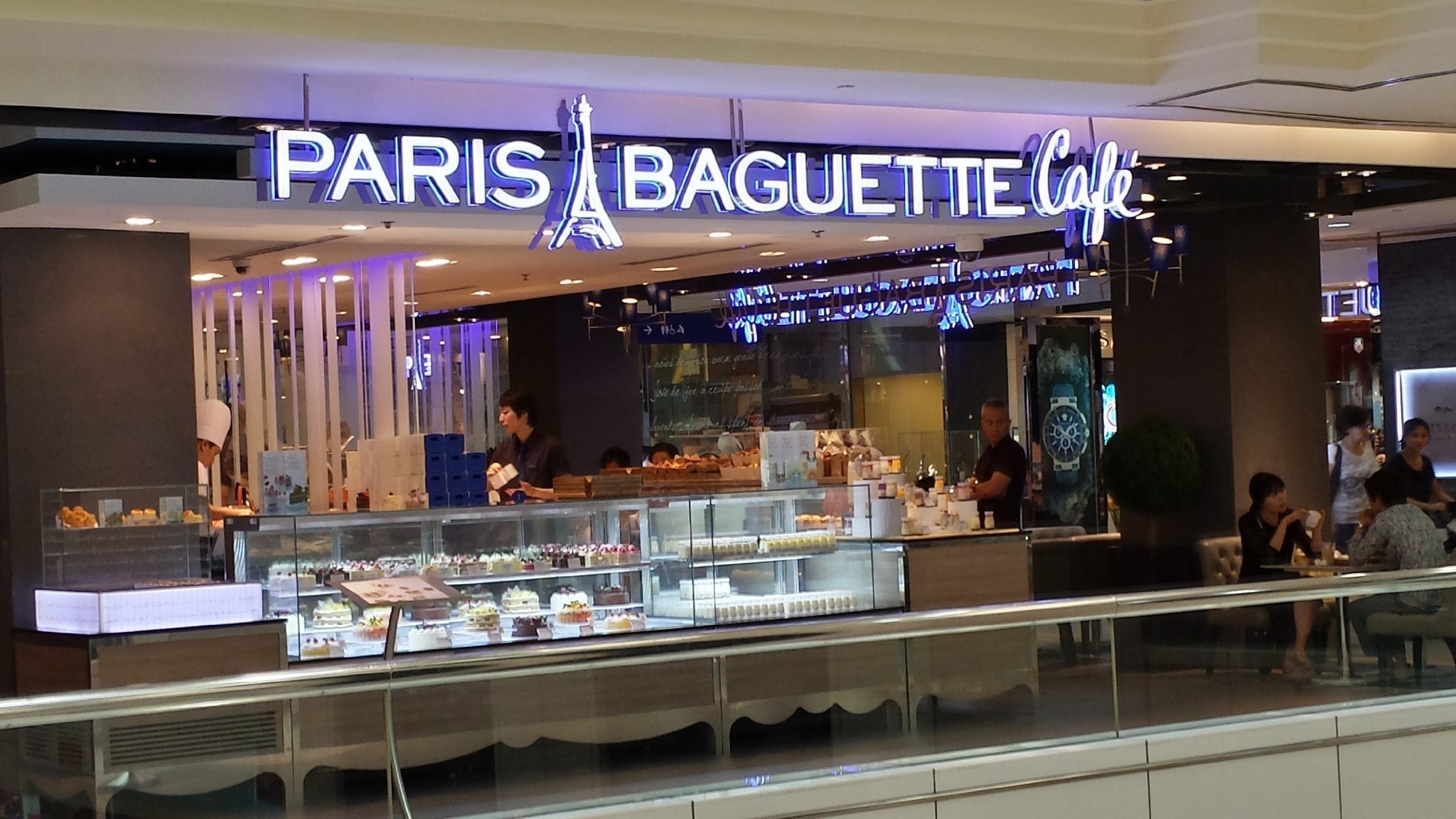
    SPC established a US affiliate in 2002 and opened America’s first Paris Baguette in Los Angeles three years later. It now has 57 stores in the US and last year invested more than $48 million to report annual sales of $100 million and introduce 1500 jobs.

    Paris Baguette became Korea’s first bakery brand to enter the French capital, setting up a business base in July 2014 to expand to other French and European cities. Stores were opened in Shanghai in 2004, and in Ho Chi Minh City and Singapore in 2012.

  • SM knocking on Goldilocks Bakeshop door

    SM knocking on Goldilocks Bakeshop door

    SM Group negotiations to acquire a controlling stake in bakery chain Goldilocks Bakeshop are at an advanced stage, say insiders.

    The 51-year-old privately held restaurant chain run by the Yee family has more than 500 stores nationwide as well as outlets in Thailand, Canada and the US.

    SM Retail had 2357 stores in its portfolio at the end of June, comprising 58 department stores, 1709 specialty stores, 50 SM Supermarkets, 44 SM Hypermarkets, 170 Savemore stores, 41 Walter Mart stores and 285 Alfamart stores.

    Goldilocks started as a small bakeshop in Makati founded by sisters Milagros and Clarita and their sister-in-law Doris. A third sister, Maria Flor, suggested they name the enterprise “Goldilocks” after the character in a fairytale.
    More than 10 years ago, Pancake House initiated discussions to acquire the chain without success.

    System-wide sales for the restaurant chain are estimated to exceed PHP7 billion (US$136.8 million) a year.

  • Pizza Hut Philippines serves up fresh concept

    Pizza Hut Philippines serves up fresh concept

    A fresh concept has been introduced by Pizza Hut Philippines with its new 175-seater flagship store in SM Mall of Asia in Manila.

    As well as offering more space for fast casual dining, the upgrade introduces an open kitchen plus decor with a rustic flavour. New services include a coffee and dessert bar plus a merchandising section offering limited-edition shirts and caps.

    Pizza Hut arrived in the Philippines in 1984, serving Metro Manila and provinces outside Luzon, as well as in Mindanao and Visayas.

    Its Manila flagship signals a move away from its formal dining concept. “We’re offering a more immediate and less tedious dining concept,” says Philippine Pizza chief marketing officer Lorent Adrias.

    The store’s ribbon-cutting was attended by Pizza Hut executives and its brand ambassadors – Binibining Pilipinas winners led by Rachel Peters.

  • IBM announces blockchain collaboration to address food safety worldwide

    IBM announces blockchain collaboration to address food safety worldwide

    A group of leading companies across the global food supply chain announced a major blockchain collaboration with IBM intended to further strengthen consumer confidence in the global food system. The consortium includes Dole, Driscoll’s, Golden State Foods, Kroger, McCormick and Company, McLane Company, Nestlé, Tyson Foods, Unilever and Walmart, who will work with IBM to identify new areas where the global supply chain can benefit from blockchain.

    Every year, one-in-ten people fall ill – and 400,000 die – due to contaminated food.* Many of the critical issues impacting food safety such as cross-contamination, the spread of food-borne illness, unnecessary waste and the economic burden of recalls are magnified by lack of access to information and traceability. It can take weeks to identify the precise point of contamination, causing further illness, lost revenue and wasted product. For example, it took more than two months to identify the farm source of contamination in a recent incidence of salmonella in papayas.**

    Blockchain is ideally suited to help address these challenges because it establishes a trusted environment for all transactions. In the case of the global food supply chain, all participants – growers, suppliers, processors, distributors, retailers, regulators and consumers – can gain permissioned access to known and trusted information regarding the origin and state of food for their transactions. This can enable food providers and other members of the ecosystem to use a blockchain network to trace contaminated product to its source in a short amount of time to ensure safe removal from store shelves and stem the spread of illnesses.

    Dole, Driscoll’s, Golden State Foods, Kroger, McCormick and Company, McLane Company, Nestlé, Tyson Foods, Unilever, Walmart and others are now coming together with IBM to further champion blockchain as an enabling technology for the food sector. Together they will help identify and prioritize new areas where blockchain can benefit food ecosystems and inform new IBM solutions. This work will draw on multiple IBM pilots and production networks in related areas that successfully demonstrate ways in which blockchain can positively impact global food traceability.

    “Unlike any technology before it, blockchain is transforming the way like-minded organizations come together and enabling a new level of trust based on a single view of the truth,” said Marie Wieck, general manager, IBM Blockchain. “Our work with organizations across the food ecosystem, as well as IBM’s new platform, will further unleash the vast potential of this exciting technology, making it faster for organizations of all sizes and in all industries to move from concept to production to improve the way business gets done.”

    New IBM blockchain platform
    Beyond food supply chain applications, blockchains are now being used to transform processes and streamline transactions for everything from flowers, real estate and trade finance, to education, insurance and medical services.

    To accelerate this adoption, IBM is introducing the first fully integrated, enterprise-grade production blockchain platform, as well as consulting services, that will allow more organizations to quickly activate their own business networks and access the vital capabilities needed to successfully develop, operate, govern and secure these networks. The IBM Blockchain Platform is available via the IBM Cloud.

    The platform builds off of the successful blockchain work IBM has delivered to more than 400 organizations, incorporating insights gained as IBM has built blockchain networks across industries including financial services, supply chain and logistics, retail, government and health care.

    Extensively tested and piloted, the platform addresses a wide range of enterprise pain points, including both business and technical requirements around security, performance, collaboration and privacy that no other blockchain platform delivers today. It includes innovation developed through open source collaboration in the Hyperledger community, including the newest Hyperledger Fabric v1.0 framework and Hyperledger Composer blockchain tool, both hosted by the Linux Foundation.

    The integrated platform allows multiple parties to jointly develop, govern, operate and secure blockchain networks to help enterprises accelerate blockchain adoption.

    Features of the IBM Blockchain Platform include:
    Develop – For developers, easy and flexible network tools designed to bring blockchain networks up to speed in minutes. The platform also includes the first commercial introduction of Hyperledger Composer a framework that helps developers focus on the business use case and more easily and quickly map it to the application code. Developers can create standard business language in JavaScript and the APIs help keep development work at the business level, rather than being highly technical, making it possible for most any programmer to be a blockchain developer. Additionally, a variety of IBM Developer Journeys for blockchain are available featuring free open source code, documentation, APIs, architecture diagrams and one-click deployment Git repositories to fast-track building.

    Govern – The platform offers all participating members a level of control, while preventing any one member from having exclusive control. A new class of democratic governance tools is designed to help improve productivity across the organizations using a voting process that collects signatures from members to govern member invitation distribution of smart contracts and creation of transactions channels. By quickly onboarding participants, assigning roles and managing access, organizations can begin transacting via the blockchain.

    Operate –The platform is underpinned by an architecture that operates more than 55% of today’s global transactional systems.*** It is the first offering available to allow updates to be made to the network while it is running without any downtime. Running in the IBM Cloud, it offers unique protection from insider credential abuse, protection from malware and hardware encryption key protection. IBM Blockchain Platform provides the highest-level commercially available tamper resistant FIPS140-2 level 4 protection for encryption keys.

    In addition to food safety, IBM is advancing other blockchain supply chain initiatives using the IBM Blockchain Platform for an automated billing and invoicing system. Initial work to use blockchain for invoicing is underway starting with Lenovo. This will provide an audit-ready solution with full traceability of billing and operational data, and help speed on-boarding time for new vendors and new contract requirements.

    To complement the new platform, IBM Global Business Services offers Blockchain Services, which brings deep industry expertise from its 1,600 blockchain consultants who have helped clients deploy and integrate active networks. These consultants can apply design thinking to help enterprises conceptualize and implement blockchain enabled business models to realize optimal value. For example, during recent blockchain projects with major shipping and retail organizations, IBM consultants have been able to improve food safety traceability by 99.9 percent and decrease trade document workflow by 97percent, potentially unlocking millions of dollars in cost savings and market capital.

    The IBM Blockchain Platform offers a range of pricing options, starting at $0.50 per hour, to support rapid adoption for networks of all sizes. To support blockchain ecosystems among different organizations, the cost of the network can be shared across all network members.
  • Kith Treats arrives in Tokyo

    Kith Treats arrives in Tokyo

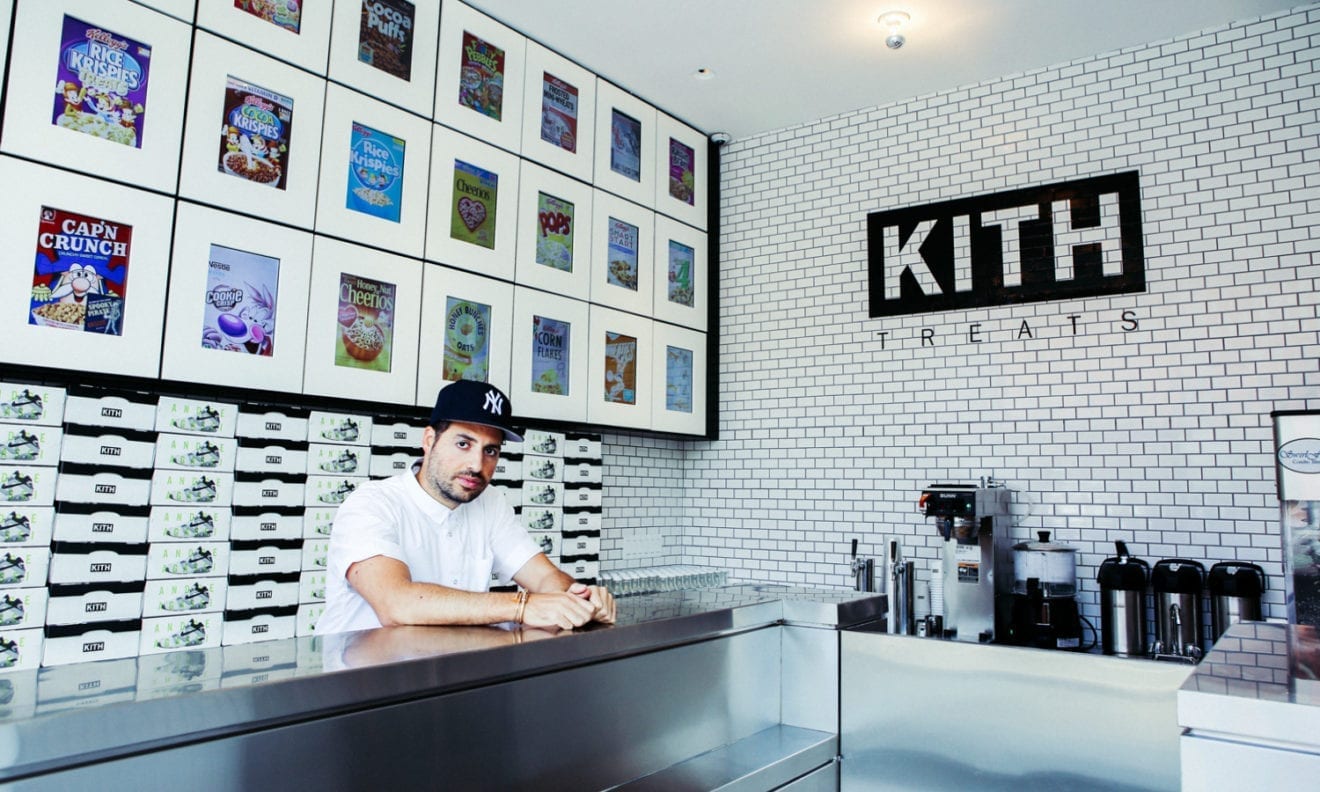
    This week, founder/designer Ronnie Fieg opened the doors to Tokyo’s very first Kith Treats located in the world-famous shopping district of Shibuya.

    Fieg teased the newest location on Instagram earlier this month by sharing a sketch of the shop’s exterior with caption, “Kith Treats Tokyo. See you soon.”

    The new space upholds the clean, monochromatic aesthetic of the original Kith Treats in Brooklyn.

    Carrara marble panels and stainless steel millwork dominate the inside, while the storefront features stainless steel tiles—a contemporary take on the classic ice cream parlor floors—and a large metal gate with a graphic of pouring milk.
    “Kith Treats is a childhood dream of mine. It’s a space where we’re able to relive our youth over again,” Fieg told Hypebeast in 2015. “[…]

    I’ve always believed that the footwear/apparel/retail business would act as a stepping stone for me. I’m looking for Kith Treats to evolve into many things in the future.

    Our Specials menu is comprised of artists and athletes that are personally close to me because I honestly just wanted to know their favorite cereal—because that’s how I judge people.

    In addition to the original Brooklyn bar, Kith Treats is also located in Manhattan and Miami. Each shop offers an extensive menu of cereal-based treats, like cereal ice cream swirls and cereal milkshakes.

    Many Fans came early to queue to get their Treats.

    Kith Treats Tokyo is open seven days a week from 11 a.m. to 8: 30 p.m. at 1-19- 14 Jinnan, Shibuya-ku, Tokyo.

  • Hook Coffee eyes overseas markets

    Hook Coffee eyes overseas markets

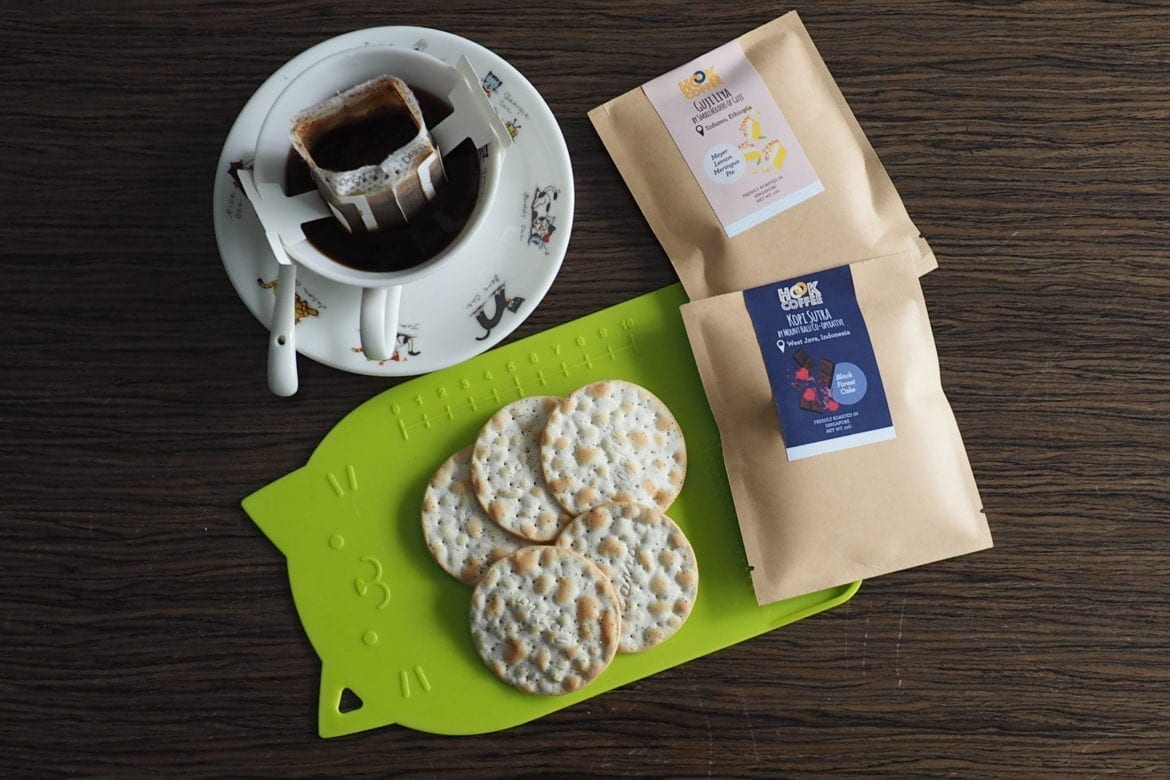
    Raising S$250,000 (US$180,000) in two funding rounds, Hook Coffee subscription delivery service plans to expand in three markets overseas and double its team size over the next two years.

    In the 18 months since its founding, when it clinched a Spring Ace Startups grant of $50,000, the company has gained more than 10,000 subscribers and sold more than 500,000 cups of coffee, growing by 20 per cent month on month.

    It sources coffee beans that are sustainably grown and ethically produced, roasting them in Singapore and delivering them to customers’ mailboxes.

    Co-founders Faye Sit and Ernest Ting finished Masters degrees at the London School of Economics before earning coffee and roasting barista diplomas at the London School of Coffee

    When Sit flew to Latin America for fieldwork, she realised the impact a socially responsible startup could introduce to farming communities.

    “Specialty coffee should be about more than just better coffee, but also about bettering the lives of farmers and the environment,” she says.

  • Aussie pops cork on curated online wine marketplace

    Aussie pops cork on curated online wine marketplace

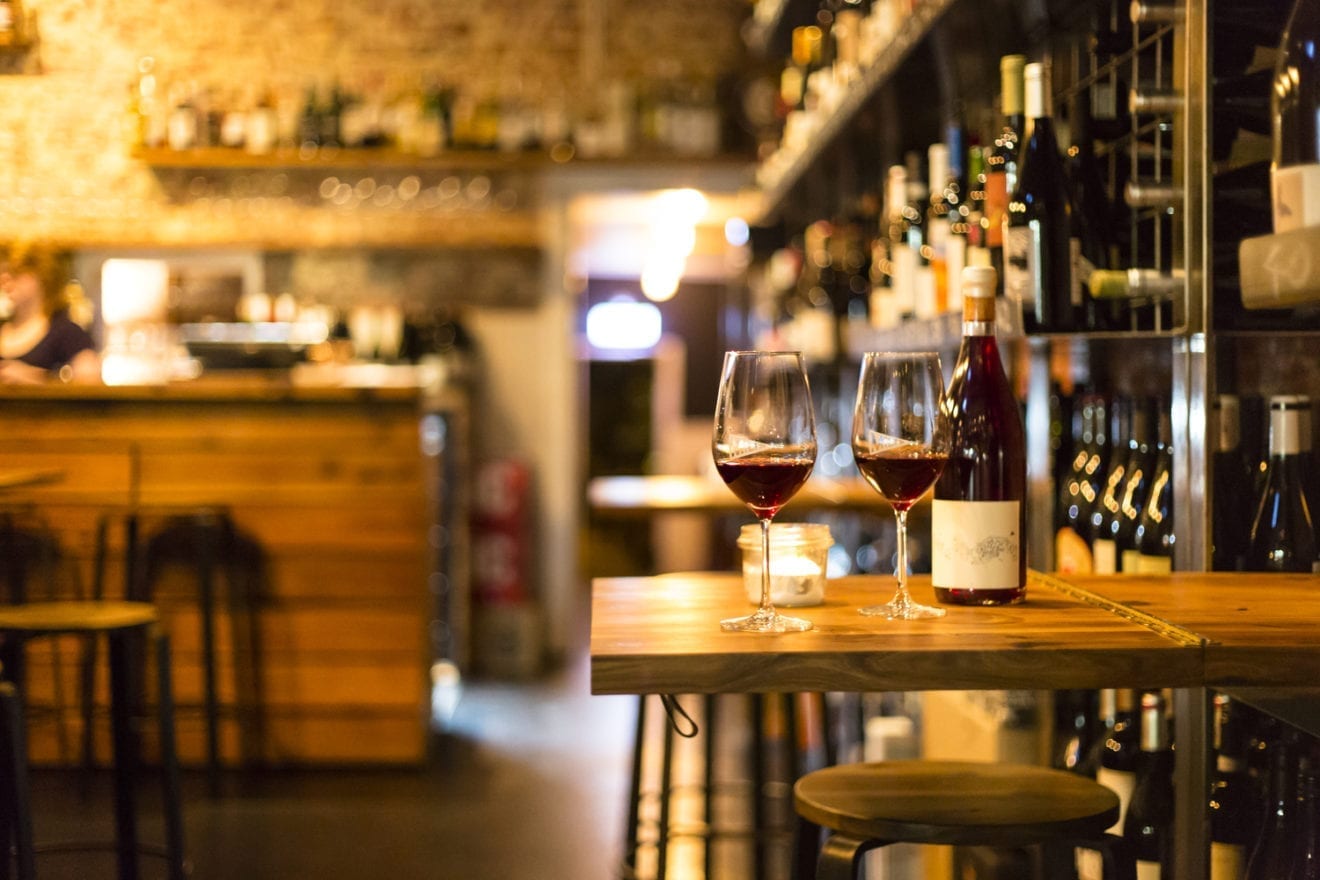
    WINERY Philippines recently launched the country’s first online global “cellar door” at the Society Lounge in Makati City early this month. Australian Chef Chris Urbano, chairman and founder of Winery Philippines, imports his own boutique wine collection from his country for select boutique restaurants in town and high-net-worth clients. He realized that Manila is an emerging market where wine drinkers are increasingly looking for distinctive high-quality, value-for-money spirits from around the world, as well as better information and convenience when purchasing wines than those from traditional wine retail stores.

    Although they are not hard to find in stores or restaurants, access to good-quality boutique wines and information regarding them are hardly accessible.

    “The best part about e-commerce is how it has turned into an emotional journey for consumers. It lets them find, know and connect with products they love through the easiest means possible,” Urbano said, when asked about the most rewarding aspect of running an online store.

    Backed by a private consortium of angel investors who share Urbano’s passion for sharing high-quality wine experiences in the Philippines, he launched the country’s first purely online and social-media community for passionate wine lovers and wine lovers-to-be.

    Of course, Manila has its fair share of wine suppliers who bring truly high-quality and even rare wines, but they are limited to a few physical stores. What Winery Philippines hopes to bring to the local market is for wine lovers to have immediate access to quality boutique wines, as well as to be introduced to the pleasures of knowing and experiencing a great bottle.

    Apart from reaching out to the growing wine community via social media, Winery Philippines also holds several events throughout the year. Every summer, the team stages a gathering for participants to sample on wine while enjoying acoustic music, street food and meeting other passionate drinkers.

    They also hold wine pairing events, where attendees are introduced to various cuisines that would pair best with specific wine varieties and blends. Through e-commerce and social media, Winery Philippines is focused on becoming the most trusted wine supplier and provider of wine education for passionate drinkers in the country.

    It is also through this medium that the company affords to sell great wine at the best prices possible, as an online store eliminates the expenses of maintaining a physical store.

    VIPs, such as Australian Ambassador Amanda Gorely, Australian Embassy’s Counselor for Development Section Kerrie Anderson, businessmen and other expats, were in attendance for the event.

  • Zeus Street Greek opens new store at Stockland Shellharbour Shopping Centre

    Zeus Street Greek opens new store at Stockland Shellharbour Shopping Centre

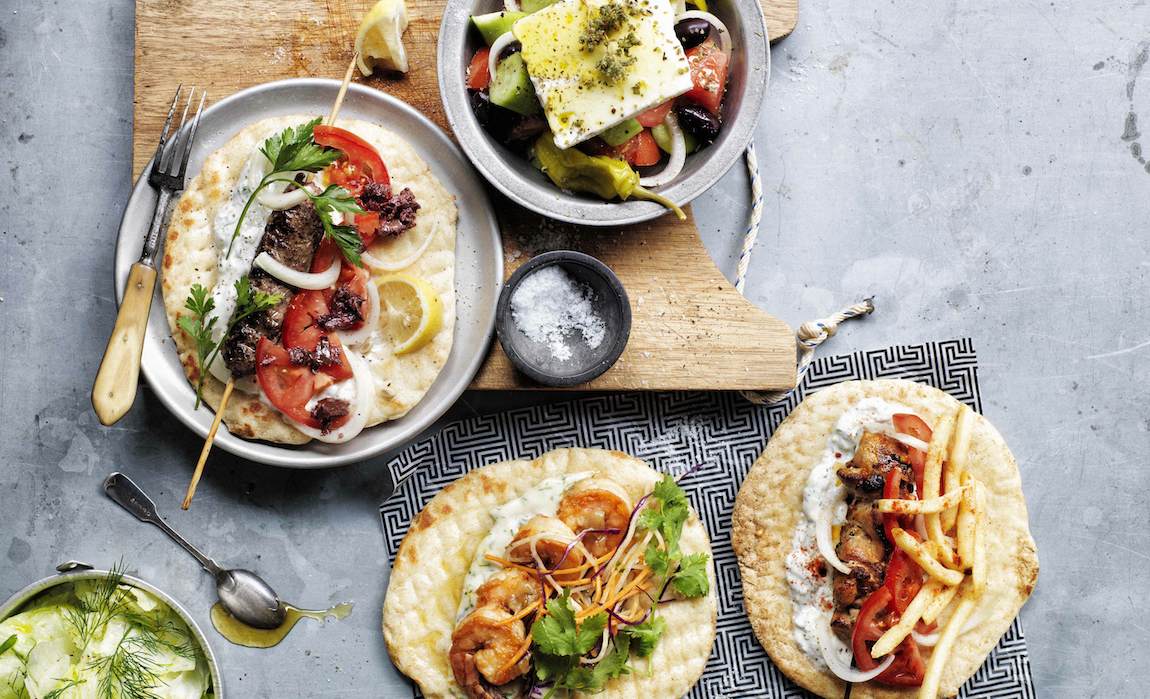
    Fast food chain, Zeus Street Greek, has opened its 12th store in New South Wales and 17th nationwide, at Shellharbour at the Stockland Shellharbour Shopping Centre yesterday.

    The retailer stated the design of the new store, which can accommodate 80 guests, reflects Zeus’s ‘old meets new’ philosophy, achieved through the integration of Art Deco and geometric tiling and wood panelling, the use of timber feature walls, neon lighting, raw stone finishes and colour.

    “Zeus Shellharbour is one of only two stores outside of Sydney in New South Wales, the hospitality scene is continuing to evolve and welcome new contemporary dining experiences into the fold,” said Peta Barclay, Zeus marketing manager.

    “The interest around our opening has been really strong, which is very exciting.

    “There is a demand for contemporary Greek street food that places huge emphasis on quality, with the local community even trekking to Sydney to visit Zeus stores, so this will be an ideal home for Zeus,” Barclay said.

    In July, Zeus’ co-founder, Costa Anastasiadis told Inside Retail that regional locations offer opportunity for growth.

    “We’ve been getting quite a lot of interest from those areas that have got really strong economies and industry,”he said.

    “The sector’s different to what it was five years ago and it’s a completely different landscape compared to 10 years ago. There are a lot more players in the sector and it’s very competitive, so you need to look for opportunities everywhere. If you look at just city metro areas, you’ll be hard pressed for growth, the string is only so long.”

  • Turnover dips as Ajisen (China) under pressure

    Turnover dips as Ajisen (China) under pressure

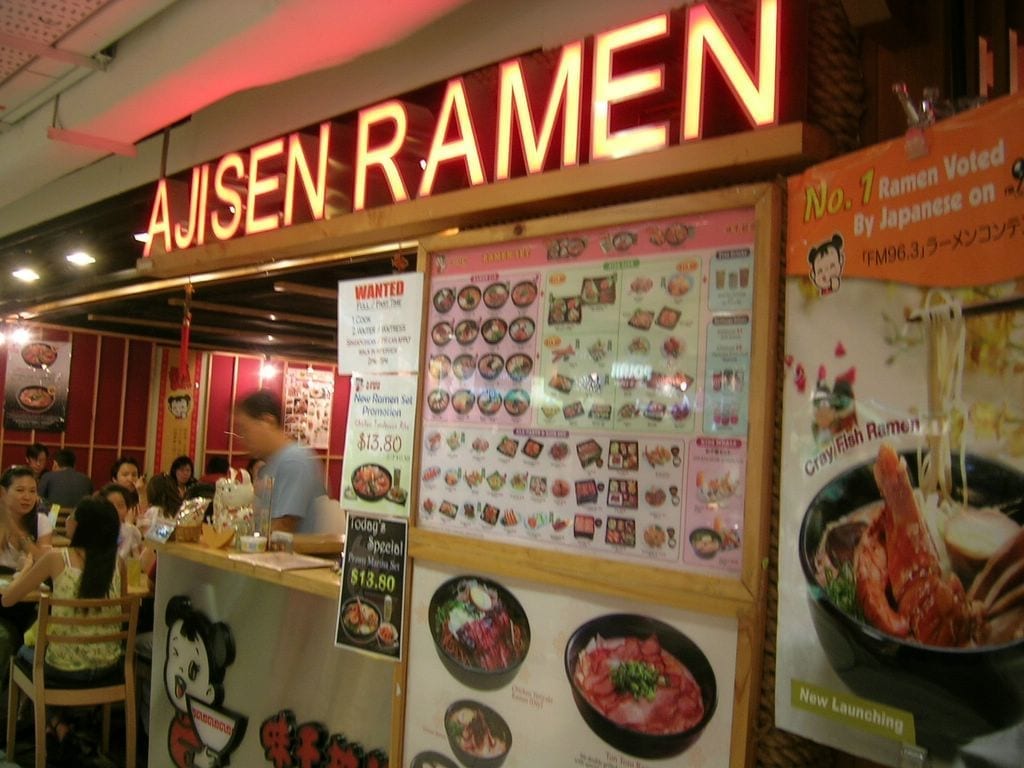
    While half-year turnover edged down 2.5 per cent for restaurant group Ajisen (China) Holdings, its core profit grew 36 per cent.

    Its turnover was RMB1.1 billion (US$165.2 million) while the profit reached RMB135 million.
    Gross profit margin, up 2.3 points, was 73.1 per cent, while the gross profit reached about RMB841 million, up 0.7 per cent. Profit attributable to the owners of the company fell by about 80.9 per cent to RMB108 million.

    Ajisen says competition in the foodservice industry has intensified, with high opening and closing rates emerging as the new norm. As an example, it cites a surge of new restaurants in Beijing, Shanghai, Guangzhou and Shenzhen being accompanied by a higher rate of take-over with a monthly closure rate of 10 per cent, and a compound annual closure rate exceeding 100 per cent.

    Also the shopping centre/catering model is under pressure, says the company, as a result of lower flow aggregation and insufficient customer numbers because of the homogenisation of shopping centres. Catering outlets in shopping malls in 10 cities recorded a closure rate of more than 30 per cent.

    Meanwhile, the takeaways segment of the industry is growing rapidly with an accent on healthy eating. Statistics for last year show that overall transactions in the segment sharply increased to more than RMB150 billion in value, accounting for 4 per cent of the catering industry total.

    Ajisen says its management will actively explore and seek opportunities to transform, adopting a lean management approach and establishing smart stores to enhance the customer experience.

    At the end of June the group had 649 fast-casual chain restaurants, down 13 from the same time last year. However, its network extended its reach to 31 provinces and municipalities in China, amounting to 133 cities, 11 more than last year.

    Four major production bases were launched – in Shanghai, Chengdu, Tianjin and Dongguan – to support the group’s expansion.

    As well as China, the group has 29 restaurants in Hong Kong, down eight from last year, and one in Rome, Italy.

  • SumoSalad joins Menulog network

    SumoSalad joins Menulog network

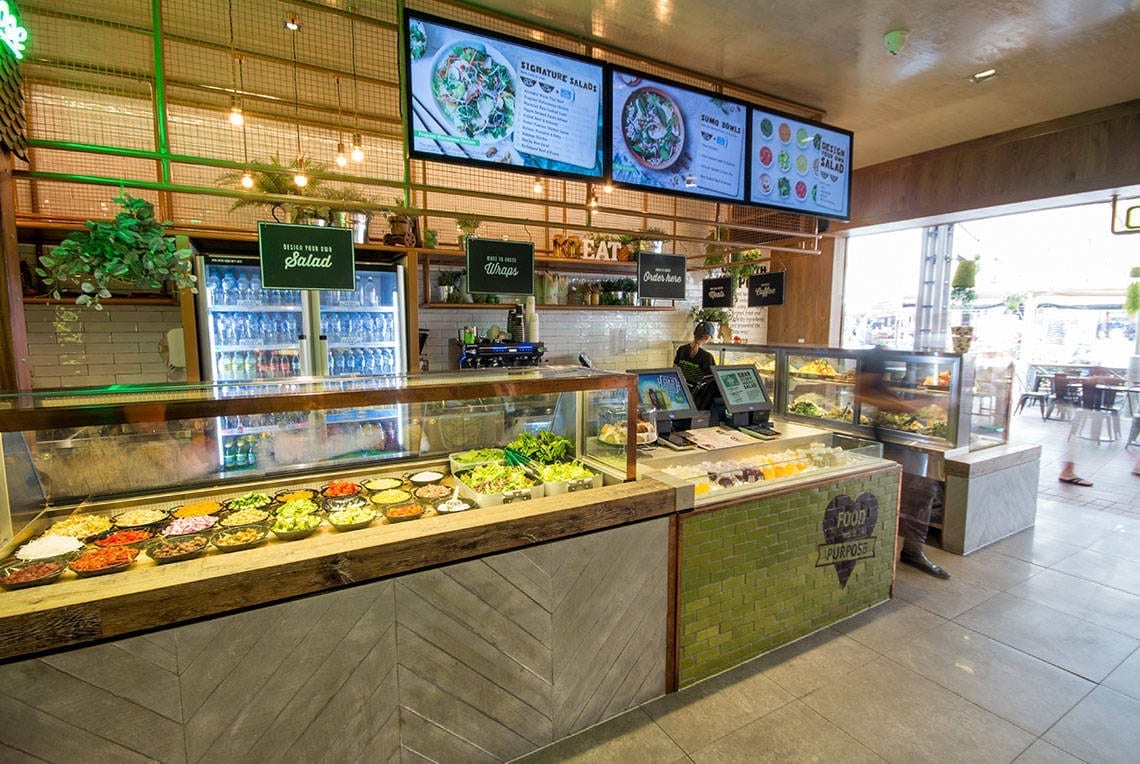
    Health fast food chain, SumoSalad, has partnered with online food platform, Menulog, to launch a delivery service in NSW and Victoria.

    Sumo Salad co-founder and CEO Luke Baylis said the partnership reflects a growing demand for healthier foods.

    “One of our major goals is to make better food choices more readily available. We want to take Australia off the podium of being one of the world’s fattest nations and encourage socially responsible private enterprise as a solution,” he said.

    SumoSalad pointed to research that found over two thirds of Australians are not meeting the recommended intake of vegetables, with ‘convenience’ attributed as one of the major factors.

    The health food chain joins Menulog’s network of over 9000 food companies across Australia.

    “We’re excited to start our partnership with stores in NSW and VIC, with the view to expand in coming months,” said Rory Murphy, commercial director, Menulog.

    According to McCrindle Research, four per cent of Australians bring lunch from home every day, leading the average employee to spend $18.52 on lunches, snacks and beverages during the workday every week.

    Research also shows that the workday is getting busier, with 28 per cent of the labour force eating lunch ‘al desko’, rather than sitting down with co-workers or leaving the office.

    QSR chains and food delivery companies alike have noted a rise in lunchtime orders, and some, spotting an underserved market, have expanded their offerings to include more convenient lunch options.

  • Beard Papa’s plans to puff up Asia presence

    Beard Papa’s plans to puff up Asia presence

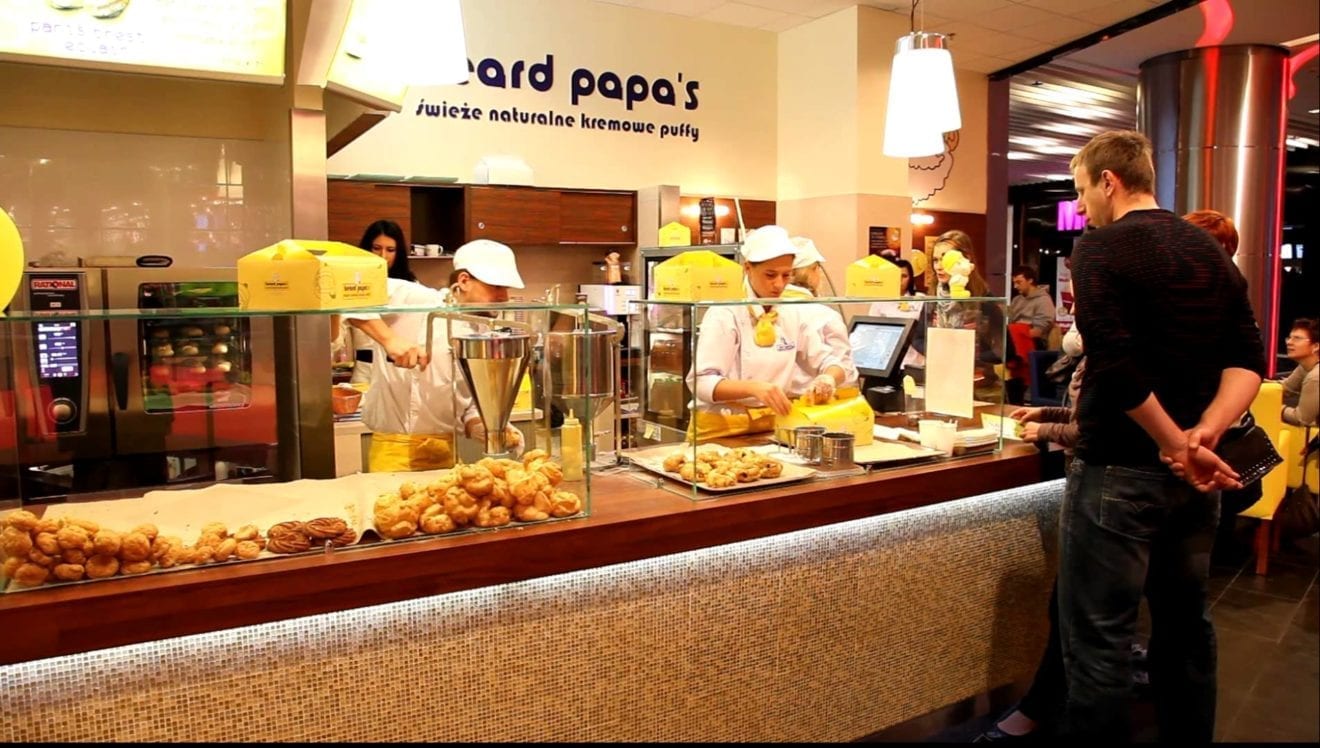
    Japan’s Beard Papa’s chain of cream-puff shops is expanding with a target of 150 outlets before year’s end in Asia beyond its home market.

    Run by Muginoho Holdings, the brand is known for adding fillings to its freshly baked choux pastries in front of customers, as well as its trademark, a bearded fellow in a woolly cap.

    Most of the planned locations will be managed as franchises, which are already proving efficient for the brand.

    One example is the Beard Papa’s inside Soekarno-Hatta International Airport in Jakarta, which has monthly sales totalling about ¥10 million (US$90,400).

    A store at Bangkok’s Don Mueang Airport has been almost matching the chain’s top performers since it opened on July 14.

    The linchpin of the regional business is a plant in Singapore set up in 2014 as Muginoho’s second production base.

  • Starbucks Korea to trial voice ordering with AI

    Starbucks Korea to trial voice ordering with AI

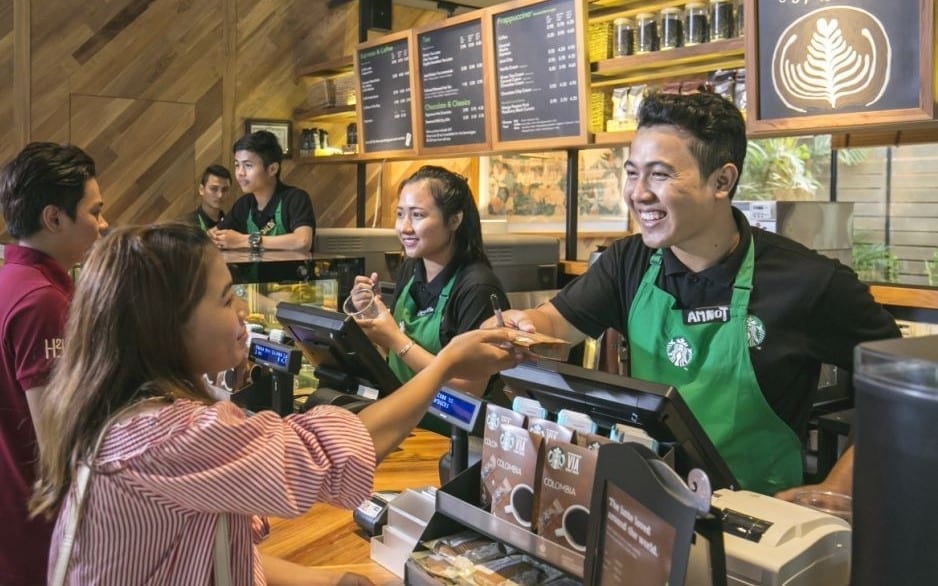
    Starbucks Korea is to partner with the country’s largest telco in a trial of voice ordering using AI.

    If it works, Starbucks customers will be able to order and pay for a coffee just by speaking, speeding the payment process.

    SK Telecom Co says the trial will use the company’s AI device Nugu, released last September, which focuses on providing household-related services. Earlier this month, SK Telecom released a portable edition of Nugu, seeking to tap deeper into the AI industry.

    Nugu provides various services to users, including music streaming, Internet-of-Things solutions, schedule management and weather alerts.

    The mobile carrier also plans to connect Nugu to its driving-navigation platform T-map, allowing drivers to order drinks and locate the nearest drive-thru Starbucks shops. If the development is completed, drivers will be able to safely order drinks without having to tap their smartphones.

    Starbucks Korea and SK Telecom plan to complete the development by the end of the year.

  • Revenue rises 10 per cent for Old Chang Kee

    Revenue rises 10 per cent for Old Chang Kee

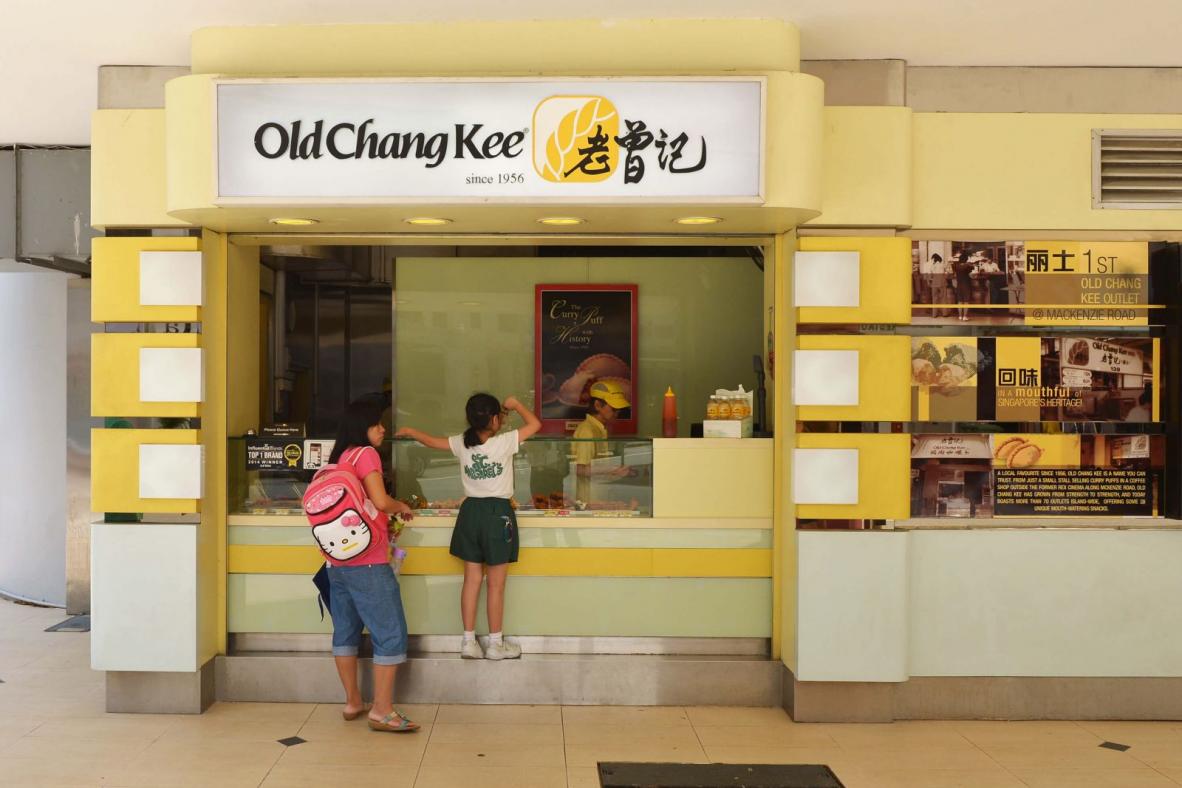
    Food brand Old Chang Kee’s first-quarter group revenue rose 10.7 per cent year on year to about S$20.6 million (US$15.1 million).

    Revenue from retail outlets has similar growth, up by about $2 million, attributed mainly to the contribution of new outlets and higher sales at existing stores, partially offset by absence of revenue from outlets closed temporarily because of mall revamps.

    Old Chang Kee’s signature curry puffs were still the major contributor to its revenue, accounting for about 33.6 per cent of the total, edging up from about 33.2 per cent for the same quarter last year.

    Profit before tax dropped by 20.8 per cent from about $1.2 million in the first quarter last year to about $914,000.

    The group is integrating its factory in Iskandar Malaysia and is expanding its two Singapore plants with the aim of broadening its product range and increasing production efficiency to grow its business both locally and regionally.

    “As the labour shortage situation in the F&B sector shows no signs of abatement, labour costs are expected to continue trending upward while general consumer sentiment remains cautious,” says executive chairman Han Keen Juan.

    He says the group will continue to explore ways to improve efficiency and profit margins. This will include strengthening its brand positioning, product offerings and process flow, “and tapping on the strong support of government agencies whenever possible”.

    As at June 30, the group ran 89 outlets in Singapore, down from 85 stores 12 months earlier. There are also three overseas stores, in Australia, Indonesia and Malaysia.

  • Soul Origin eager to hit “golden century” mark

    Soul Origin eager to hit “golden century” mark

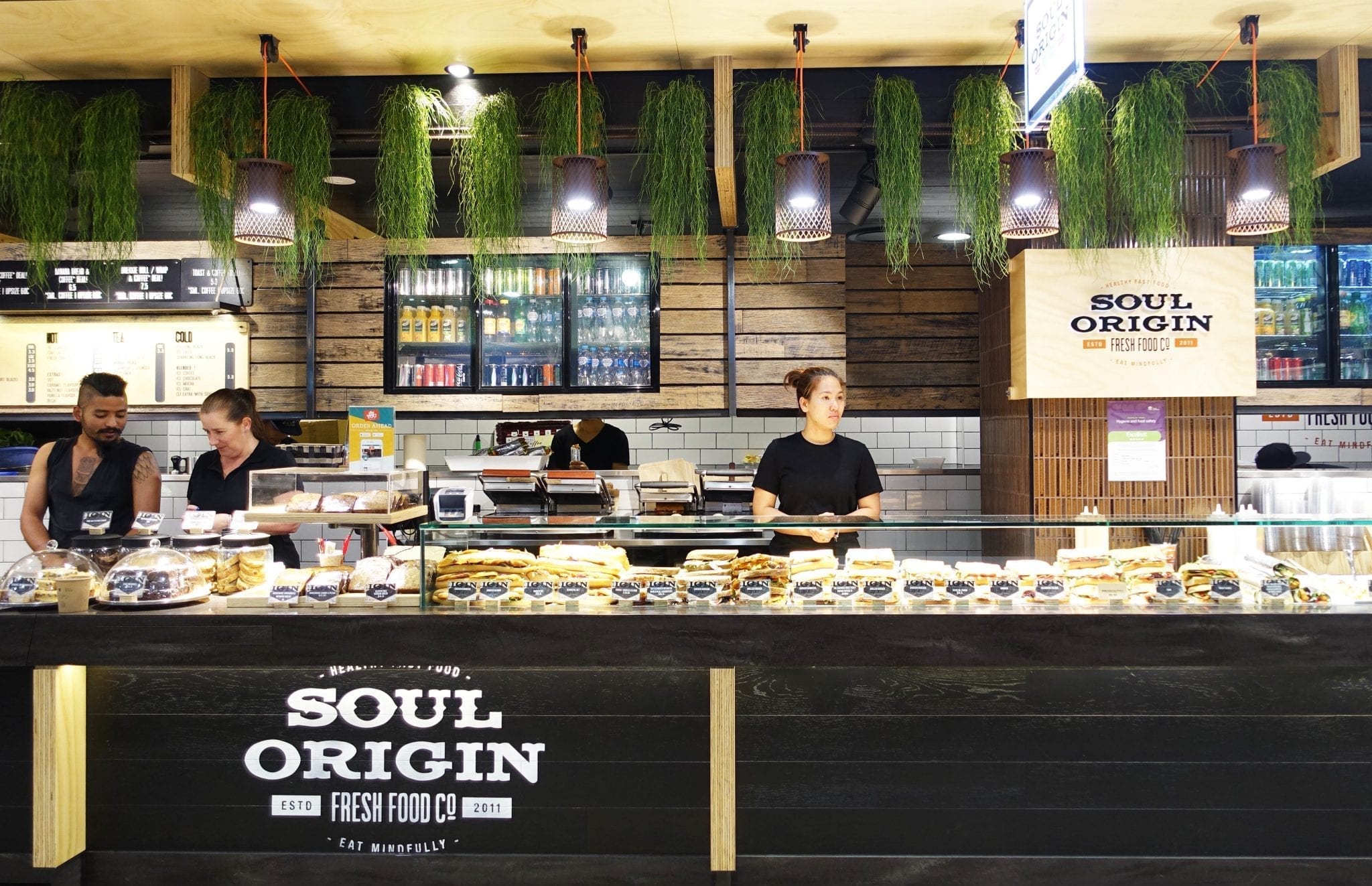
    Health fast food brand and coffee chain, Soul Origin, has recorded 12 per cent same store sales growth and continued to achieved double digital growth in its coffee sales.

    The fastfood chain has also continued its expansion with the opening of its 75th store last week in Melbourne Central, Victoria.

    Chris Mavris, Soul Origin chief operating officer, said Soul Origin plans to reach 100 stores before the end of the 2018 financial year.

    “Soul Origin’s growth plans have stepped up a notch this financial year as we continue to expand in our existing markets of Queensland, News South Wales, Victoria and South Australia,” Mavris said.

    Mavris said they will also open their first store in Western Australia later this financial year.

    In the past 12 months, Soul Origin has opened 30 new stores, expanding from New South Wales into the Australian Capital Territory, Queensland, Victoria and South Australia.

    Mavris said the rapid growth was on the back of strong double digit same store sales growth across the network, highlighting high customer demand for Soul Origin’s offering.

    “In addition, we have strengthened our corporate support team, which has doubled in size in the past six months, to assist with our store expansion and continue to provide our high level of support to our franchisees and their stores,” he said. “We have boosted our capabilities in both store and coffee training, property, recruitment, marketing as well as our store opening teams. We have no plans of slowing down!”

    Mavris said he was eager to hit the golden ‘100 stores’ mark over the coming months.

    “We are building a solid foundation that will help expand the Soul Origin brand into more communities and new territories. It’s very rewarding to see the business continuing to go from strength to strength,” Mavris said.