Category: Food

Retail News Asia is committed to providing both local and global retailers with the latest Food and Food & Beverage news throughout the Asian market. This on a daily base.

  • Shake Shack Shanghai-bound

    Shake Shack Shanghai-bound

    Just a month after US fast-food chain Shake Shack announced it would open in Hong Kong, the company has confirmed its first Mainland China store, in Shanghai.

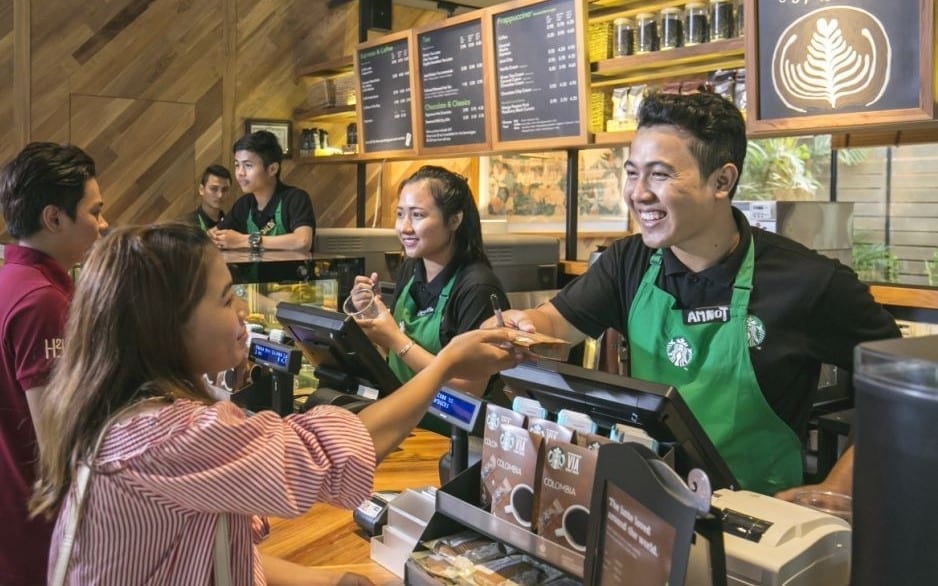
    Both the Shake Shack Shanghai and Hong Kong stores are scheduled to open next year and will be operated by Maxim’s Caterers, a division of Hong Kong-listed Dairy Farm International and which operates Starbucks in Hong Kong, Vietnam and Cambodia, among other brands.

    Shake Shack has signed an agreement with Maxim’s to open 25 outlets in Shanghai and East China between 2018 and 2028.

    “There’s incredible opportunity in China and I couldn’t think of a better place to begin this chapter of our story than Shanghai, a city that understands great brands, appreciates premium ingredients, and ultimately loves food,” said Randy Garutti, Shake Shack’s CEO.

    “The city’s streets overflow with vibrant flavors and energy every day and we can’t wait to join Shanghai’s thriving food community.”

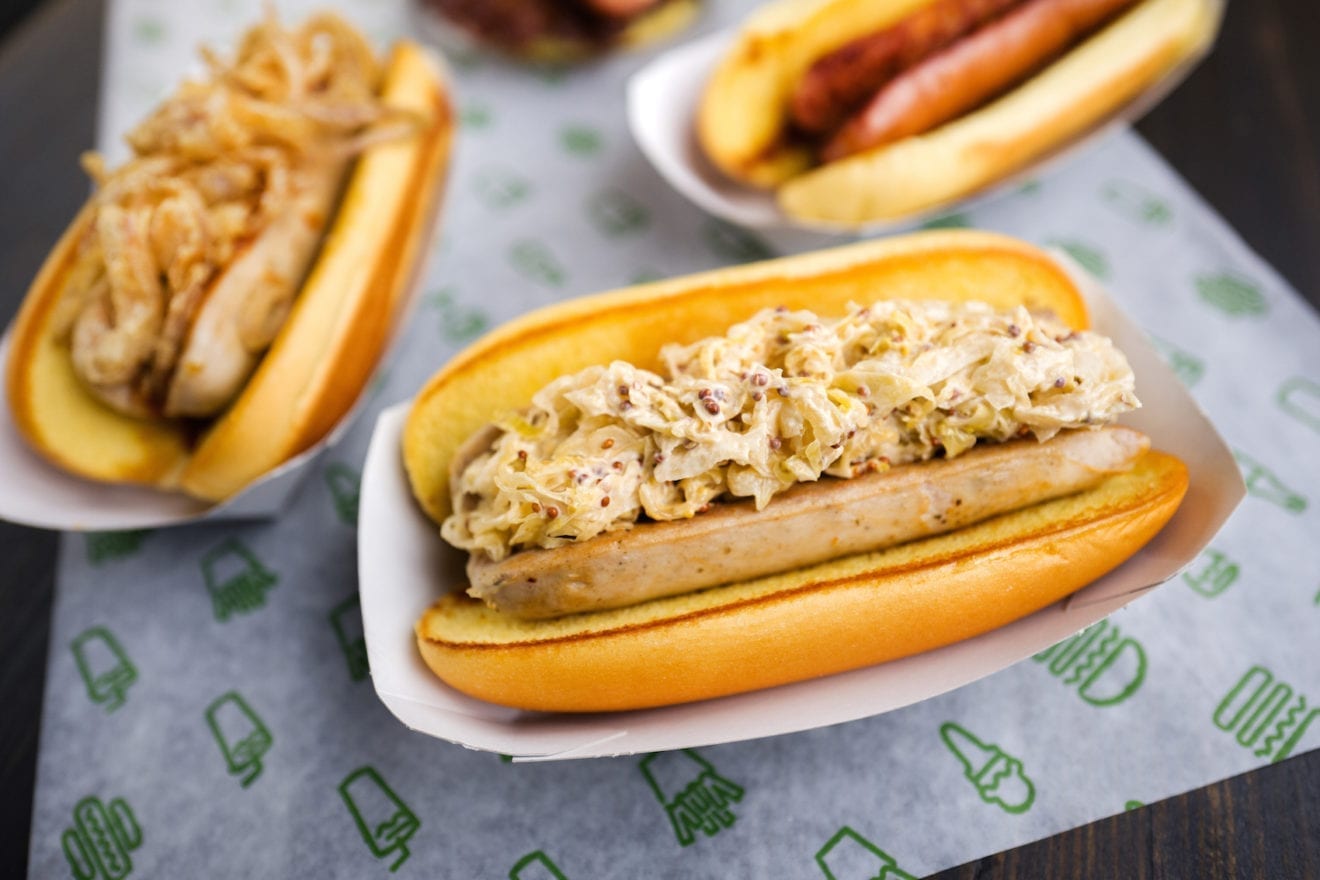
    Shake Shack describes itself as a “modern day roadside burger stand” known for 100 per cent all-natural Angus beef burgers and flat-top Vienna beef dogs,  all-natural, cage-free chicken, spun-fresh frozen custard and crinkle-cut fries. It eschews hormones and antibiotics in its meats.

    Maxim’s Caterers Limited has more than 60 years of experience in food and retail as a diversified operator of full-service and quick-service restaurants, bakeries, and coffee shops in Asia.

    Since the original Shake Shack opened in 2004 in New York City’s Madison Square Park, the company has expanded to more than 80 locations in 18 US states and the District of Columbia, and more than 50 international locations including London, Istanbul, Dubai, Tokyo, Moscow and Seoul. And now Shake Shack Shanghai and Hong Kong.

  • Mango Tree Cafe Hong Kong opens another outlet

    Mango Tree Cafe Hong Kong opens another outlet

    Mango Tree Cafe Hong Kong has opened another outlet – this one at Yoho Mall in Yuen Long. It is the second of the chain’s cafe-restaurants to open this year, the earlier one at Taikoo Shing in January. The Hong Kong cafes are run in partnership with 1957 & Co, however it is difficult to ascertain the exact size of the chain. The brand’s Hong Kong website is still “under construction” and its Facebook page refers to a single cafe in Tsim Sha Tsui. Another outlet at Causeway Bay appears to have closed down.

    The new Yoho Mall site features a rainforest-inspired interior, and an exclusive menu including Thai classics such as curries and pad thai.

    Meanwhile, the Thai brand is planning to expand worldwide. It initially found success in Japan, where it has 11 locations including six cafes in Tokyo. It also has an outlet in Macau.

    Its cafes are designed specifically for shopping malls, says Mango Tree Restaurants global MD Trevor MacKenzie. The company also has plans to expand its restaurant concept in international airports, building upon the success of its two initial outlets at Bangkok’s Suvarnabhumi Airport.

    Worldwide, the company has 66 outlets across various brands, including 13 Mango Tree flagship restaurants, 14 Mango Tree Cafes, six Mango Tree Kitchens, five Mango Tree Bistros and two Mango Tree Delis, plus Mango Chili. The company also runs 24 Coca Restaurants.

  • Golden Gate steps into bubble-tea market

    Golden Gate steps into bubble-tea market

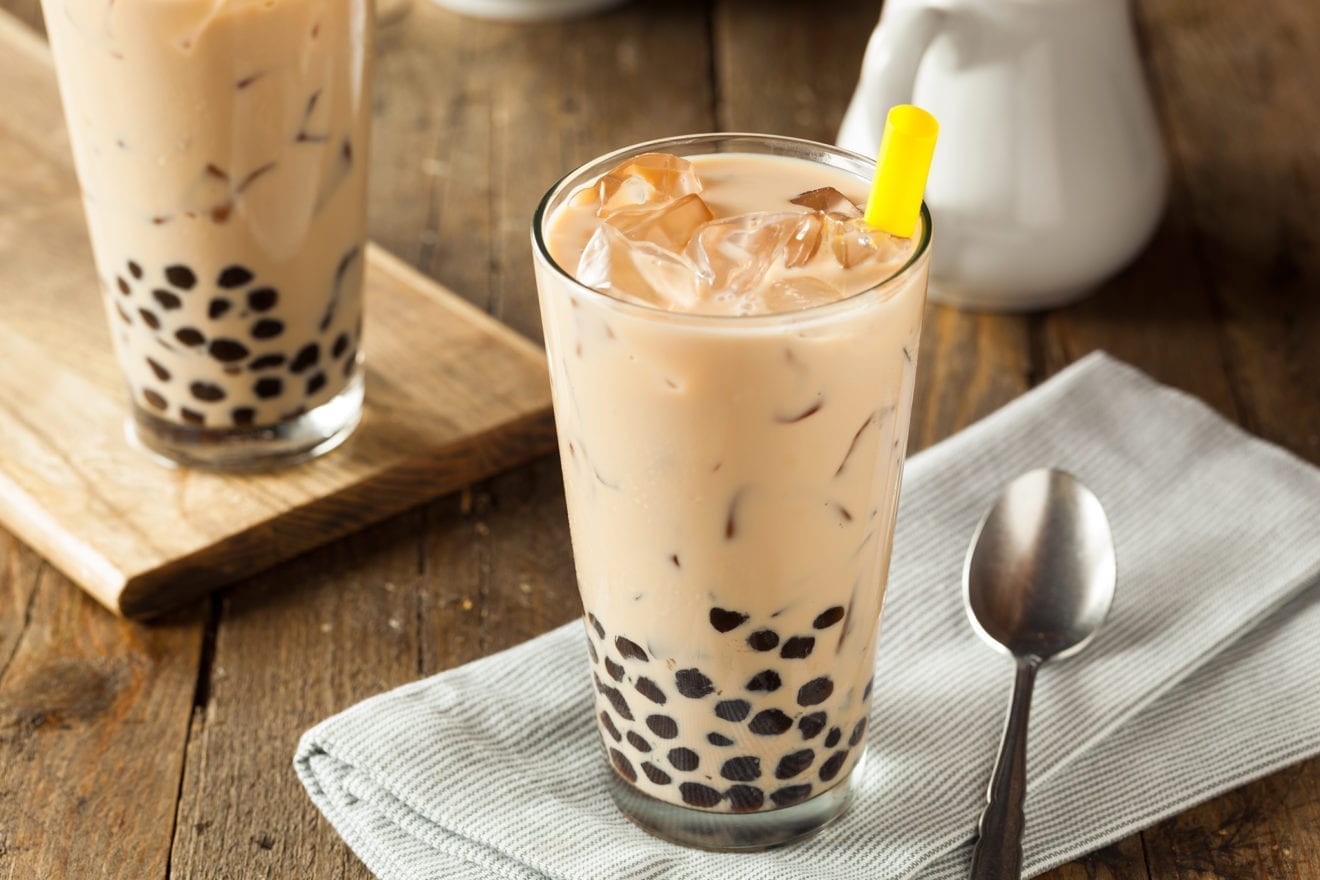
    Vietnam restaurant group Golden Gate has stepped into the bubble-tea market with its first Yu Tang outlet in Hanoi.

    It is on the Chua Lang site formerly occupied by failed The Coffee Inn. The group acquired the property at the end of last year.

    Yu Tang expands on the traditional bubble-tea offering with Taiwanese finger foods such as dumplings and popcorn chicken.

    Founded in 2005, Golden Gate now owns local and franchised F&B chains in Vietnam such as Gogi House, Kichi Kichi, SumoBBQ and Vuvuzela Beer Club.

    Meanwhile, Taiwanese milk-tea brands Sharetea and T4 have moved into Ho Chi Minh City this year, promising more stores in the near future. A third brand, Presotea, is seeking a partner for Vietnam.

    Cashing in, fast-food giant McDonald’s has launched its own milk-tea recipe at all its Vietnam outlets. Its Milkfoam Kacchiato is made from speciality tea grown in Bao Loc city.

  • Dean & Deluca Macau to debut at Galaxy

    Dean & Deluca Macau to debut at Galaxy

    Dean & Deluca Macau will launch its debut fine-food cafe in The Promenade Shops inside the Galaxy.

    It will be serving grab-and-go items as well as signature retail goods. The menu will include roast beef and caramelised pumpkin multi-grain sandwich, spicy prawns, guacamole on squid-ink bun, Cobb salad, and watermelon salad with salted egg. Founded by Giorgio DeLuca and Joel Dean, the original store opened in New York’s SoHo in 1977. Designed to evoke a turn-of-the-century food department, the store offered a range of produce and foodstuffs that included many goods previously not sold in the US, such as radicchio, balsamic vinegar, sun-dried tomatoes and extra-virgin olive oil.

    Since its acquisition by Thailand’s Pace Development in 2014, the brand has morphed from a multi-channel retailer of gourmet foods, wines and kitchenware into more of a cafe-delicatessen style chain, with multiple outlets in the US, Japan, Singapore, South Korea, Thailand and the Philippines.

    Macau will have a 26-seat cafe featuring New York City subway tile and Carrera marble. Its espresso bar will offer classics like Americano and lattes to specialties like Hong Kong milk-tea latte and burnt-custard frappes, a cold drink that reflects the Portuguese egg tart.

  • Tim Ho Wan Cambodia launches in Aeon Mall

    Tim Ho Wan Cambodia launches in Aeon Mall

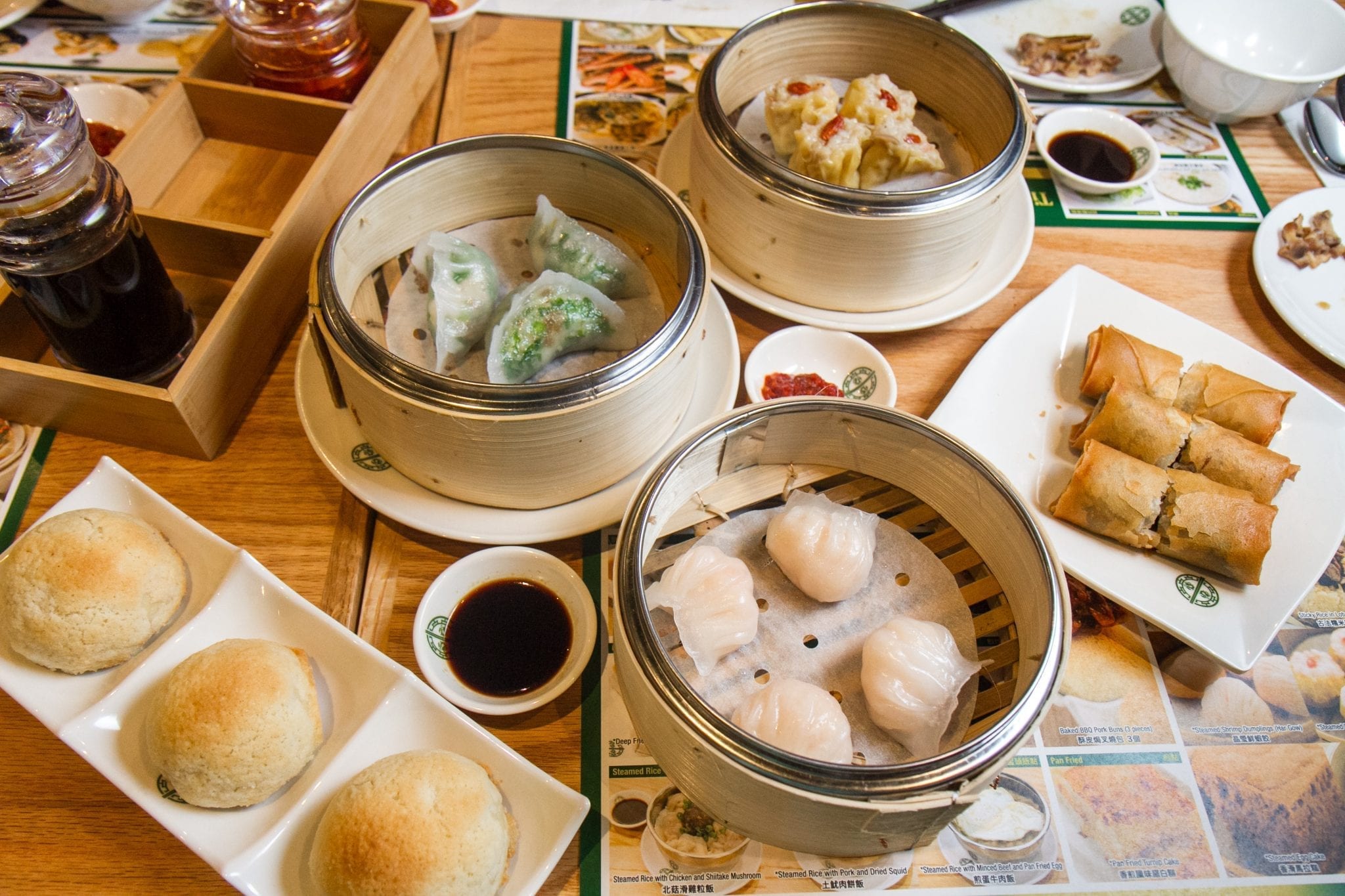
    Tim Ho Wan Cambodia has launched its first Hong Kong dim sum outlet at Aeon Mall Phnom Penh, drawing on the brand’s roots as the “world’s cheapest Michelin-starred restaurant”.

    Its officially launch follows a five-day soft opening that attracted about 700 diners a day, according to Tim Ho Wan Cambodia GM Chum Phirun.

    Starting as a hole-in-the-wall eatery in Hong Kong’s Mong Kok district in 2009, Tim Ho Wan earned a Michelin Star in 2010, being the least expensive restaurant on the planet at the time for the French dining guide.

    With this reputation, the outlet soon became a chain, expanding to 45 locations in Asia, Australia and the US. Despite this success, the restaurant failed to catch on in Malaysia.

    Openings in Singapore and New York attracted queues, with customers waiting up to three hours for a table. However, Phirun says few Cambodians are aware of the dim sum chain’s fame or the significance of a Michelin Guide rating.

    “The income of Phnom Penh residents is growing rapidly, and many people are now seeking hygienic, high-quality food, so we want to educate them on the advantage of a Michelin-starred restaurant like Tim Ho Wan.”

    While two Hong Kong branches of the chain have a Michelin Star, the 33-table restaurant in Phnom Penh does not. It serves 24 varieties of dim sum, and Phirun says there are plans to open two more branches in the city next year.

    Founders Mak Kwai Pui and Leung Fai Keung were brought to the official launch by Tim Ho Wan Cambodia director Seak Guech.

  • Bruxie takes its waffle sandwiches to Seoul

    Bruxie takes its waffle sandwiches to Seoul

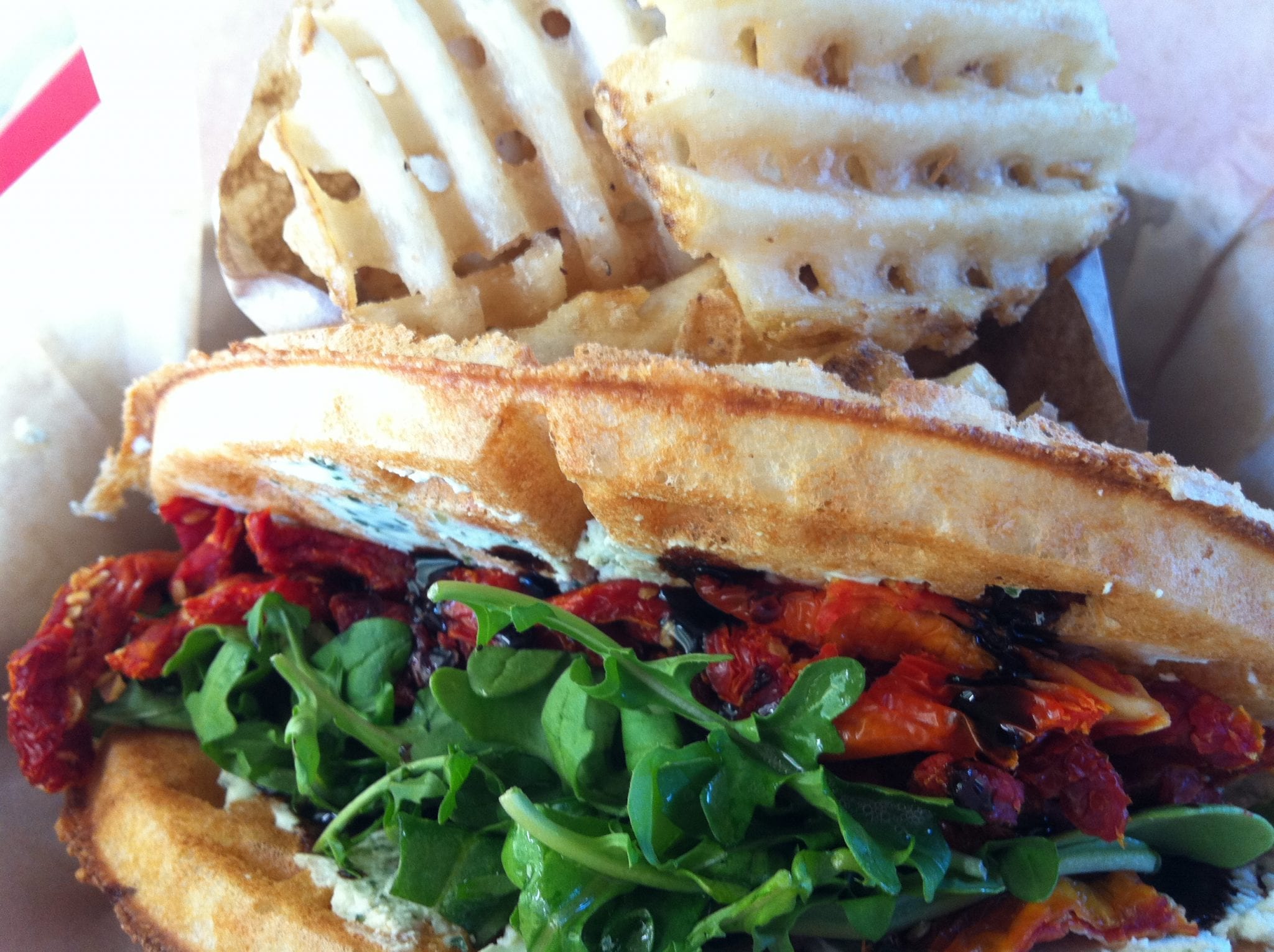
    US concept restaurant Bruxie has taken its fried chicken and waffle sandwich international, launching a branch in South Korea.

    Its headquarters are in Orange County, California, where it opened its first location almost seven years ago. The fast-casual dining chain’s eighth location is in Seoul’s Lotte World Mall.

    “International expansion has always been a goal,” says CEO Anthony Smith, who leads the brand’s growth along with CFO Scott Miller and founder/chef Kelly Mullarney. South Korea’s locations are in the hands of franchisee Jae Jung of Bold 4, who plans 10 Bruxie outlets. The second will open in November.

    As well as its menu of sandwiches that feature waffles instead of bread, Bruxie offers salads, cane-sugar sodas, Wisconsin frozen custard, shakes, sundaes and floats. Its custom-crafted coffee is made from a proprietary blend of fair-trade imported beans.

    Bruxie restaurants open daily for breakfast, lunch, dinner and dessert.

  • Sombre reflection on noticeboard of Nagasaki Starbucks

    Sombre reflection on noticeboard of Nagasaki Starbucks

    Usually, the handwritten message of the day at Starbucks cafes are light-hearted, but to mark the anniversary of Japan’s surrender that ended World War II, a Nagasaki Starbucks outlet decided to take a more serious tone.

    Nagasaki was one of two Japanese cities destroyed by a nuclear bomb near the end of the conflict.

    “Almost all the beans for the coffee we drink are imported from Africa, the Middle East, Latin America and other regions … A year from now, that coffee might no longer be available because of civil war and other conflict,” says the message.

    It says coffee can actually come from perilous parts of the world.

    “You probably don’t think of the concepts of war and peace having such a direct connection to yourself, but now, as you’re drinking your coffee or frappuccino, knowing that you might not be able to do so in the future, is this not an opportunity to reflect on peace?” the message continues.

    “This is the 72nd summer since the end of World War II. What does ‘peace’ mean to you?”

    “Hate has no home here”

    Meanwhile, in the US, Starbucks executive chairman Howard Schultz convened a forum in Seattle entitled “Hate has no home here”.

    A small rock Schultz had brought back from the Auschwitz concentration camp 17 years ago was passed around as “a tangible reminder of unchecked hate” as the gathering addressed the recent events in the US involving white supremacists and neo-Nazis.

    “I come to you with profound, profound concern about the lack of character, morality, humanity, and what this might mean for young children and young generations,” he told the crowd of more than 500 in the room, plus 1000 in overflow areas. “We are imprinting them with levels of behaviours and conduct that are beneath the United States of America.”

    He said it was a critical juncture in American history. “The moral fibre, the values and what we as a country have stood for is literally hanging in the abyss.”

    For 90 minutes, as the rock circulated around the room, Schultz shared his thoughts, followed by Starbucks partners.

  • Mainland China’s demand for wine driving online sales surge

    Mainland China’s demand for wine driving online sales surge

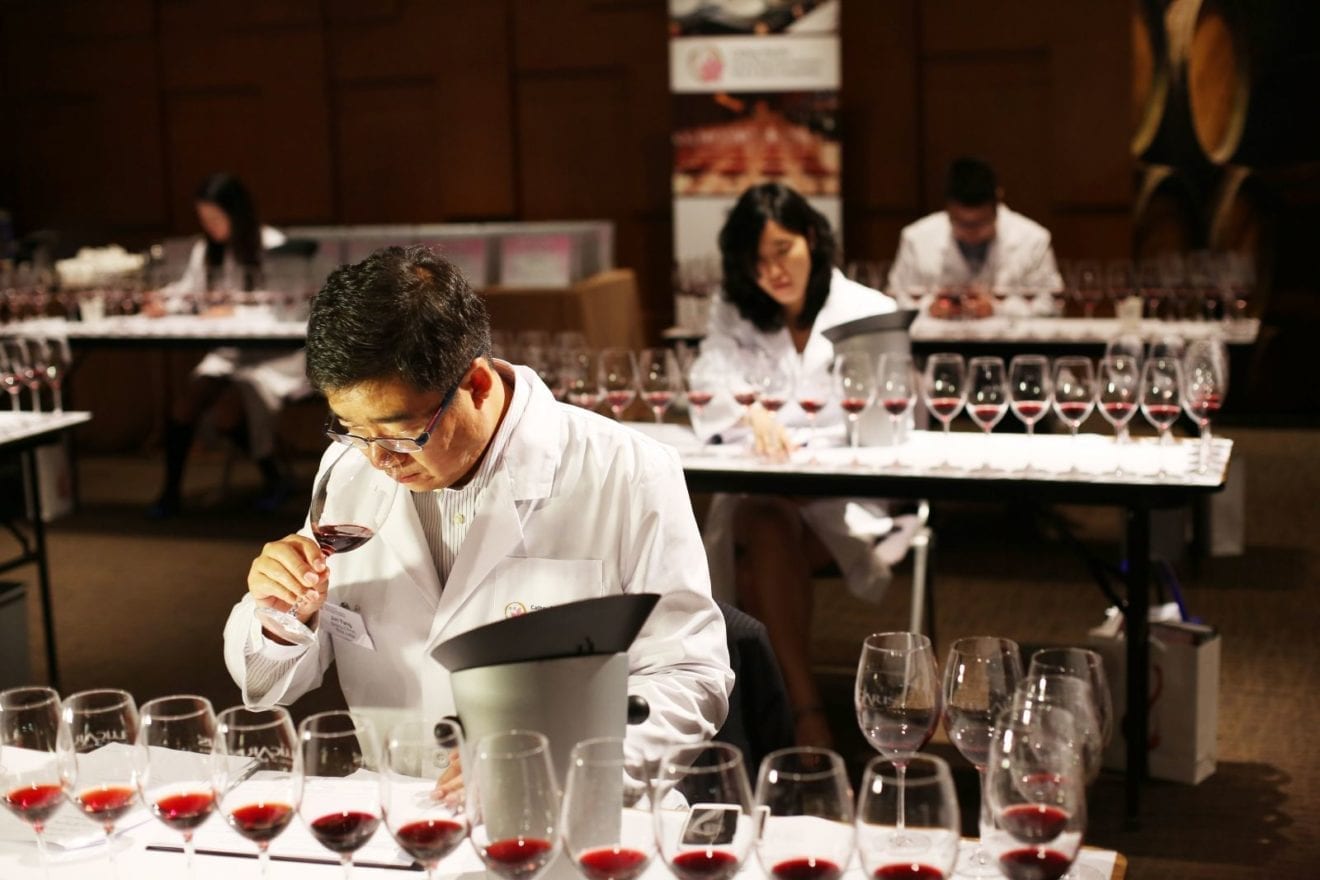
    China’s demand for wine has surged as a result of the continuing expansion of the middle class across the mainland, the newsletter of the Hong Kong Trade Development Council.

    This has led to the number of e-commerce sites and apps specialising in wine sales soaring in recent years. Online entrepreneurs have noted the sector’s potential as mainland wine consumption rose by 6.9 per cent to a total of 1.72 billion litres last year.

    As wine imports for the first quarter of this year show a year-on-year increase of 8.7 per cent, the newsletter says the trend is set to continue.

    While the online wine sector is relatively undeveloped, two companies have emerged as potential market leaders: Yijiu Yijiu (trading as 1919) and Liquor Easy. Both businesses have adopted the O2O (online-to-offline) model, selling a range of wines through multi-channels and offering both door-to-door deliveries – typically within an hour – and in-store pick-up.

    As well as conventional outlets, both companies have embraced other sales channels including online shopping malls and collaborative ventures with China’s internet giants, notably JD.com, WeChat and food-delivery service Baidu Waimai. Both companies have also developed smartphone apps.

    As well as their core offering of wine, they sell a selection of Chinese white spirits, imported spirits, beers, rice wine, soft drinks and drinking accessories.

    Different approaches

    As the larger player, 1919 has opened nearly 1000 stores across the mainland, 430 of these being added last year. By comparison, Liquor Easy is relatively small, but its development model may prove instructive to small- or medium-sized investors considering entering the sector, says the newsletter.

    Liquor Easy started out in Henan, gradually extending north into Beijing and Xian. It now has 220 directly run outlets, with slightly more than half of them in Henan. In Beijing it has 92 sites including distribution hubs, and by the end of the year will have 11 outlets in Xian.

    Most of the company’s Beijing outlets are in mid-market residential districts. Typically covering about 28 sqm, the stores are characterised by a high standard of merchandise display, a variety of seasonal sales promotions and knowledgeable sales staff.

    At the end of last year, Liquor Easy made its initial listing on the National Equities Exchange and Quotations Company, the Beijing over-the-counter share-trading platform better known as China’s New Third Board. As with 1919, it trades on a membership basis.

    Meanwhile, accelerated growth is forecast for online wine sales. Membership numbers are expected to soar, while both the level of repeat business and brand awareness are also set to grow.

    In their initial phase of expansion, both 1919 and Liquor Easy were willing to work with individual investors to accelerate growth. As they became more established, both companies have changed their operational preferences.

    Funding change

    In the case of 1919, its forward-development plan commits it to working less with individual investors. Instead, it plans to raise backing from funding platforms, channelling proceeds into store openings. This approach is expected to enhance management consistency across outlets, ultimately boosting the profitability of each site while allowing them to compete more effectively.

    By comparison, Liquor Easy still seeks to work with individual partners, especially those with knowledge of particular markets and experience in brand development. In such cases, the company is happy to work similarly to a franchise: it will provide support in terms of pre-openings, store operation and systems management, as well as central co-ordination of data and logistics, and sharing subscriber information and order allocation on a geographical basis.

    Many overseas companies are also said to be eyeing wine-related e-commerce opportunities on the mainland. Inevitably, once such companies access China’s e-commerce channels, competition will intensify dramatically.

    To prepare for the changes, some domestic players have already started optimising their offerings, such as developing new retail formats, improving efficiency and enhancing service and supply chains.

    New models

    New business models emerging include S2B (supply-chain platform to business) which directly links wine professionals and specialist outlets on a regional basis to wine aficionados.

    Taking the lead in this particular approach is the Jiudating (Wine Inquirer) platform. Essentially, it enables local wine professionals or wine shops to share their expertise with would-be wine consumers via social media. Guided by expert insights and recommendations, consumers can order particular wines with Jiudating handling logistics, payment processing and credit guarantees.

    Another innovative approach has been piloted by Songjiuxia, a Beijing-based discount chain specialising in mass-market imported wine. With a modest investment, its members are primarily small off-licences, typically in third- and fourth-tier cities, county capitals and small towns.

    The company also runs a range of smart wine-vending machines, primarily in first-tier cities. Orders can be placed via the company’s app, while the wine – maintained at optimum temperature – can be paid for remotely.

    Despite the apparent vibrancy of the sector, many of the prominent players have yet to turn a profit. For instance, 1919 had a net loss last year despite almost doubling its sales revenue. The company says it chose to take a strategic loss while continuing to build market share.

    Facing similar problems, Liquor Easy opted to scale down its expansion plans following its costly move into Beijing. However, it is planning extra distribution stations in residential districts to help trim running costs.

    With these conflicting indicators of increasing sales but poor returns, would-be entrants to the sector are advised to consider how best to optimise and integrate offline and online sales channels, advises the newsletter. Harnessing big data is also essential to effectively manage supply chains.
  • India’s Barbeque Nation plans to launch IPO

    India’s Barbeque Nation plans to launch IPO

    Bengaluru-based restaurant chain Barbeque Nation Hospitality aims to raise about Rs700 crore (US$109 million) through an IPO.

    Draft documents filed with the Securities and Exchange Board of India say the offer comprises a fresh issue of up to Rs200 crore as well as an offer for sale of up to 6.2 million equity shares by company’s promoters.

    The company says it plans to use the funds raised to expand nationally, as well as repay loans.

    At the end of June, the company ran 81 Barbeque Nation restaurants in 42 cities in India plus one in Dubai.

    Domestic investor CX Partners is likely to sell the bulk of its holding in the company, according to the draft prospectus.

    According to Deal Street Asia, the casual-dining chain has acquired the master franchisee rights to India for US burger chain Johnny Rockets.

  • Timepieces & Whiskies experience for Macau

    Timepieces & Whiskies experience for Macau

    Luxury travel retailer DFS Group has unveiled a lifestyle shopping experience for men, Timepieces & Whiskies, at T Galleria by DFS, Macau, City of Dreams.

    Next to the multi-brand men’s shoe hall on the men’s fashion floor, Timepieces & Whiskies was inspired by collectors who travel the world then display their finds at home. It is a curated collection of treasures and icon pieces from across the worlds of whiskies and watches.

    Inside a lofted library-style lounge, Timepieces & Whiskies allows guests to relax and sample a cult-favourite single malt at the bar or try on a classic watch by the fireplace.

    “With Timepieces & Whiskies, we bring the classic hospitality tradition into the retail shopping experience,” says DFS Group senior VP Brooke Supernaw.

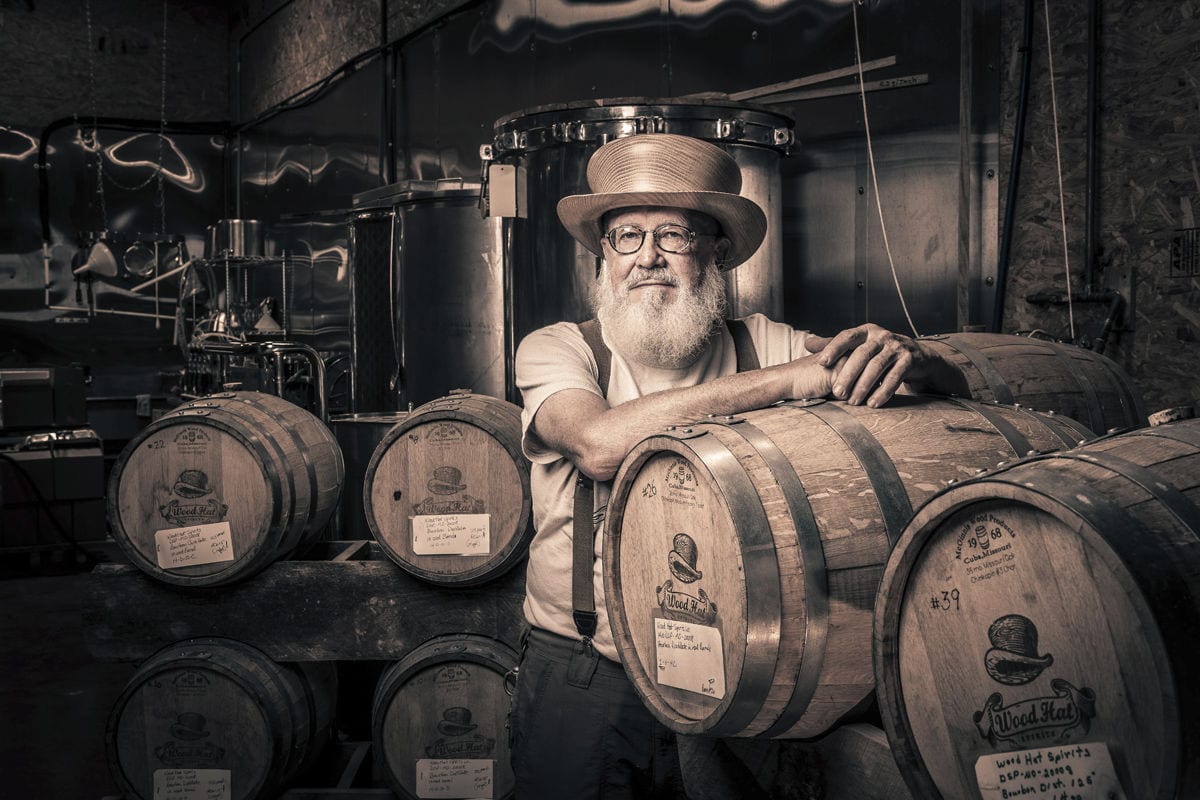
    Stocked with 30 whiskey brands of different flavour profiles including Glenmorangie, Highland Park and The Macallan, the bar offers daily guided tastings. Much of the collection focuses on exclusive or limited-edition products such as Araid Rare Cask Reserve. Throughout the year there will be tasting events and seminars from whiskey brand ambassadors.

    For watch enthusiasts, the selection is curated to appeal to collectors. Pieces include classics from such brands as IWC Schaffhausen or Zenith, as well as niche brands like Nomos Glashutte and Romain Jerome, displayed amid watch books and lifestyle accessories, and even a foosball table.

    More than 200 guests attended the grand opening of the boutique, which featured guided tastings by brand ambassadors from Ardbeg, Glenmorangie and The Macallan at pop-up tasting stations across the floor. Highlights included Glenmorangie SIgnet and The Macallan Rare Cask Black.

    Concurrent with the opening was the release of the second chapter of the T Galleria by DFS Let’s Travel Together campaign, featuring global adventurers. This month’s episodes feature Malaysian singer/songwriter Yuna discovering Singapore, and Argentinian fashion editor Sofia Sanchez de Betak visiting Okinawa.

  • Vietnam chews over special consumption tax on sugary drinks

    Vietnam chews over special consumption tax on sugary drinks

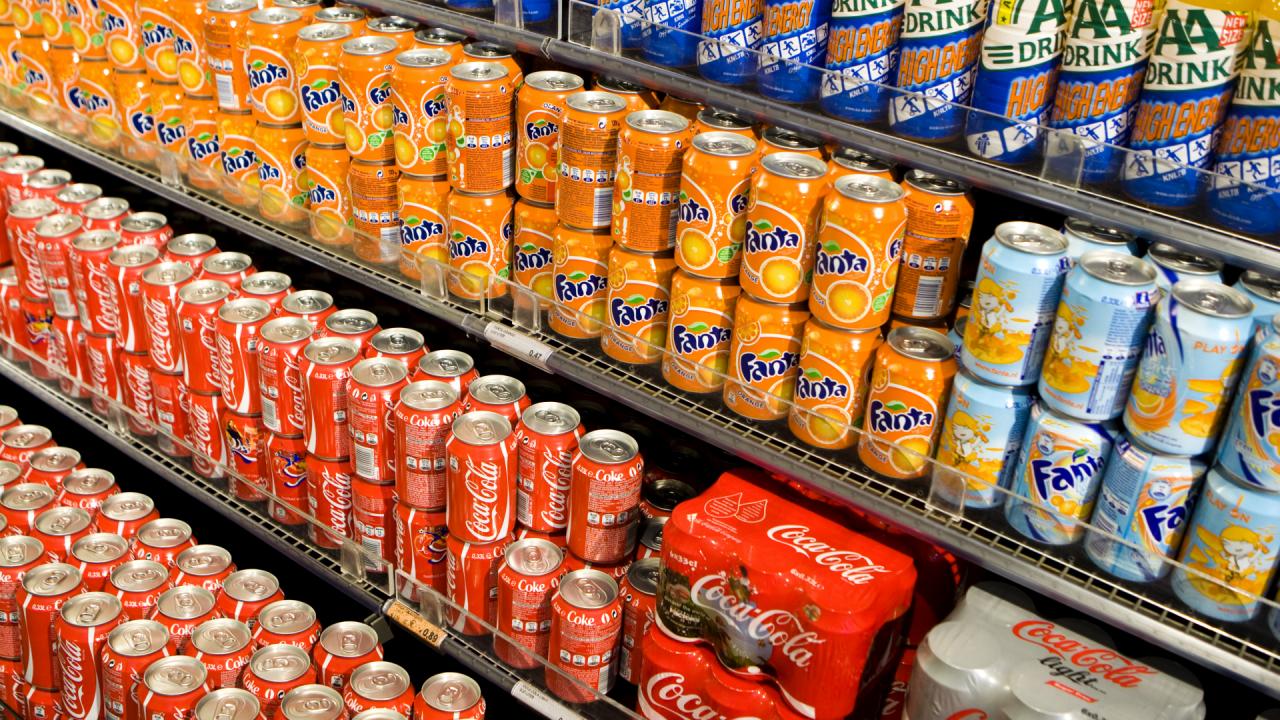
    The tax could help combat the country’s rapidly increasing obesity rate. The Ministry of Finance on Tuesday proposed levying a special consumption tax on a range of sweetened beverages. If approved, the proposal would see the tax imposed on carbonated and non-carbonated soft drinks, energy drinks, sports drinks and bottled instant coffee and tea.

    The ministry has suggested either a 10 percent or a 20 percent rate for the new sugary drink tax to be applied from 2019, with 10 percent being the preferred option.

    “The tax will help regulate the consumption of sweetened beverages, and it’s also an international norm,” the proposal said.

    A can of carbonated soft drink, for example, currently costs around VND10,000 ($0.44).

    At Tuesday’s press conference, the ministry cited a report by the World Health Organization (WHO) that shows excessive consumption of sugary drinks can lead to obesity. Obesity, in turn, has been linked to many health risks such as cardiovascular disease, hypertension and strokes.

    Meanwhile, a study unveiled in June found that about 25 percent of Vietnamese adults are overweight or obese. The obesity rate for children under 5 years old is also rising fast.

    Many Southeast Asian countries have already imposed sugary drinks taxes, according to the ministry. The current rate is 20-25 percent in Thailand, 5-10 percent in Laos and 10 percent in Cambodia.

    Myanmar, the Philippines and Indonesia are also considering imposing the tax.

    In Vietnam, special consumption taxes are levied on items and services considered unhealthy or luxurious such as tobacco, alcoholic drinks and cars.

  • CP Lotus revenue drops

    CP Lotus revenue drops

    Revenue fell by 6.3 per cent for lifestyle retailer CP Lotus Corporation for its first half, dipping by RMB337.1 million (US$50.5 million) to RMB4.9 billion.

    It says the decrease was mainly the result of a 9.1 per cent decline in same-store sales, cushioned by the revenue generated from two new stores opened in the second half of last year plus two new stores and one Lotus Center opened during the review period.

    All merchandise categories had lower sales for the six months to June 30. Sales from apparel, electronics, hardline and personal care fell by about RMB189.7 million or 9.8 per cent, while fresh-food sales eased by 2.2 per cent.
    Gross profit margin was 17.5 per cent of sales (2016: 16.8 per cent), a reduction of RMB23.2 million or 2.6 per cent.

    The two stores opened during the six months were in Nanhai, Guangdong province, and Xian, Shaanxi province, where the Lotus Center mall was launched. The group owns and runs 63 retail stores, including 62 hypermarkets and one supermarket. It also runs two shopping malls.

    During the first half the group continued its efforts to enhance the merchandise mix and offerings. It continued to expand direct sourcing and more direct purchase of vegetables and fruit. CP Lotus says direct sourcing not only lowers prices but also allows for better control of product quality.

    “As consumers’ disposable income and their demand for high-quality imported food continued to rise, the group continued to bring in a wider range of imported products such as wine, beverages, snacks, health supplements, kitchenware and other groceries.”

    Also, the group’s house brand team continued to work with the merchandise and marketing team to develop competitively priced house-brand products.

  • Domino’s Pizza misses profit guidance

    Domino’s Pizza misses profit guidance

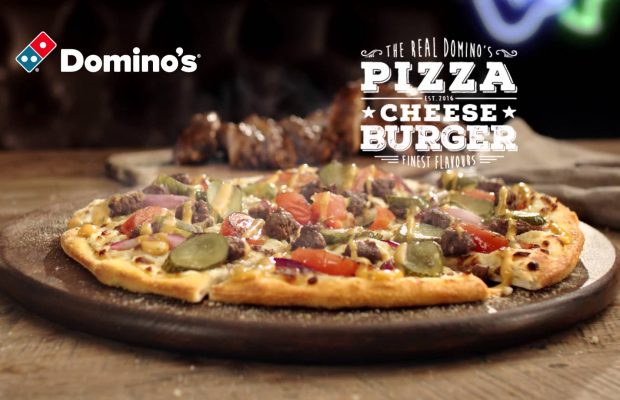
    Fast food retailer, Domino’s Pizza, has missed full-year profit expectations due to weak sales in Japan and France. The pizza giant, however, posted a lift in full year net profit by 24.8 per cent to $102.9 million, helped by double-digit sales growth in Australia, New Zealand and Europe.

    CEO, Don Meij, said the forecast miss was mostly caused by underperformance in France.

    “I acknowledge our results, while strong, did not reach the guidance we set. This was largely due to the delay in rectifying some issues with our online platform in France, and the initial response in H2 to our value range offering in France,” Meij said.

    “Both have now been addressed.”

    Domino’s, which lifted its full-year earnings forecast in February after a strong first-half performance, had anticipated net profit and underlying earnings would rise 32.5 per cent.

    The company said underlying net profit for the 12 months to July 2 grew 28.8 per cent to $118.5 million, while earnings before interest, tax, depreciation and amortisation rose 28.3 per cent on the prior year to $230.9 million.

    Revenue for the year to July 2 has risen 15.4 per cent to $1.07 billion.

    Domino’s said FY18 had started well, but indicated that same stores sales in the Australian and New Zealand market would likely be lower in the first half.

    The group plans to open between 180 and 200 new stores and expects net profit to increase by around 20 per cent in FY18.

    It also has announced a share buyback of up to $300 million, which will be funded through new and existing debt facilities.

    The company will pay a partially-franked final dividend of 44.9 cents per share, taking the full-year payout to 93.3 cents per share, up from the 73.5 cents for the 2016 financial year.

  • Irvins Salted Egg snacks make Manila debut

    Irvins Salted Egg snacks make Manila debut

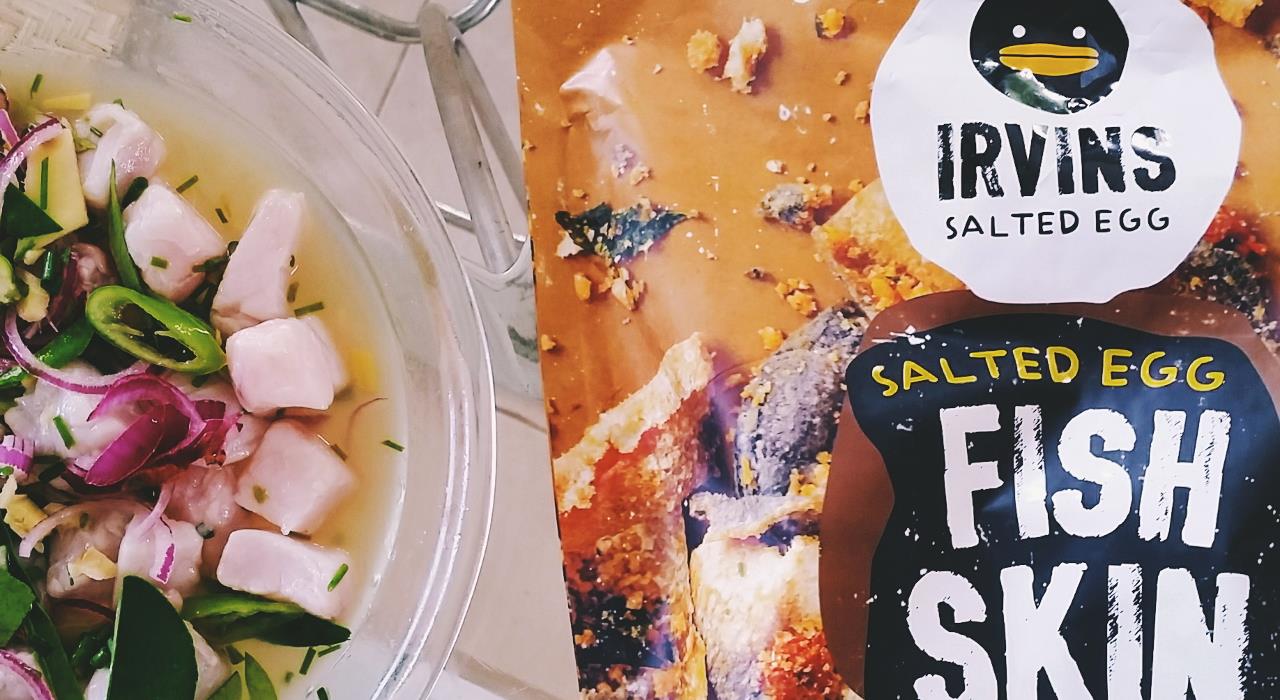
    Irvins Salted Egg snack store from Singapore has opened its first Philippines outlet, in Metro Manila.

    On the ground floor of SM Mega Fashion Hall, the shop sells the brand’s signature snacks: salted egg fish skins and salted egg potato chips.

    Owner Irvin Gunawan says he decided to open a store in the Philippines after seeing the great response to the snacks from Filipinos in Singapore. His hunch was right, as on its first day the Manila store had a queue throughout the morning.

    Gunawan says other branches will come, the first before year’s end.

  • Cold Stone Creamery signs Malaysia deal

    Cold Stone Creamery signs Malaysia deal

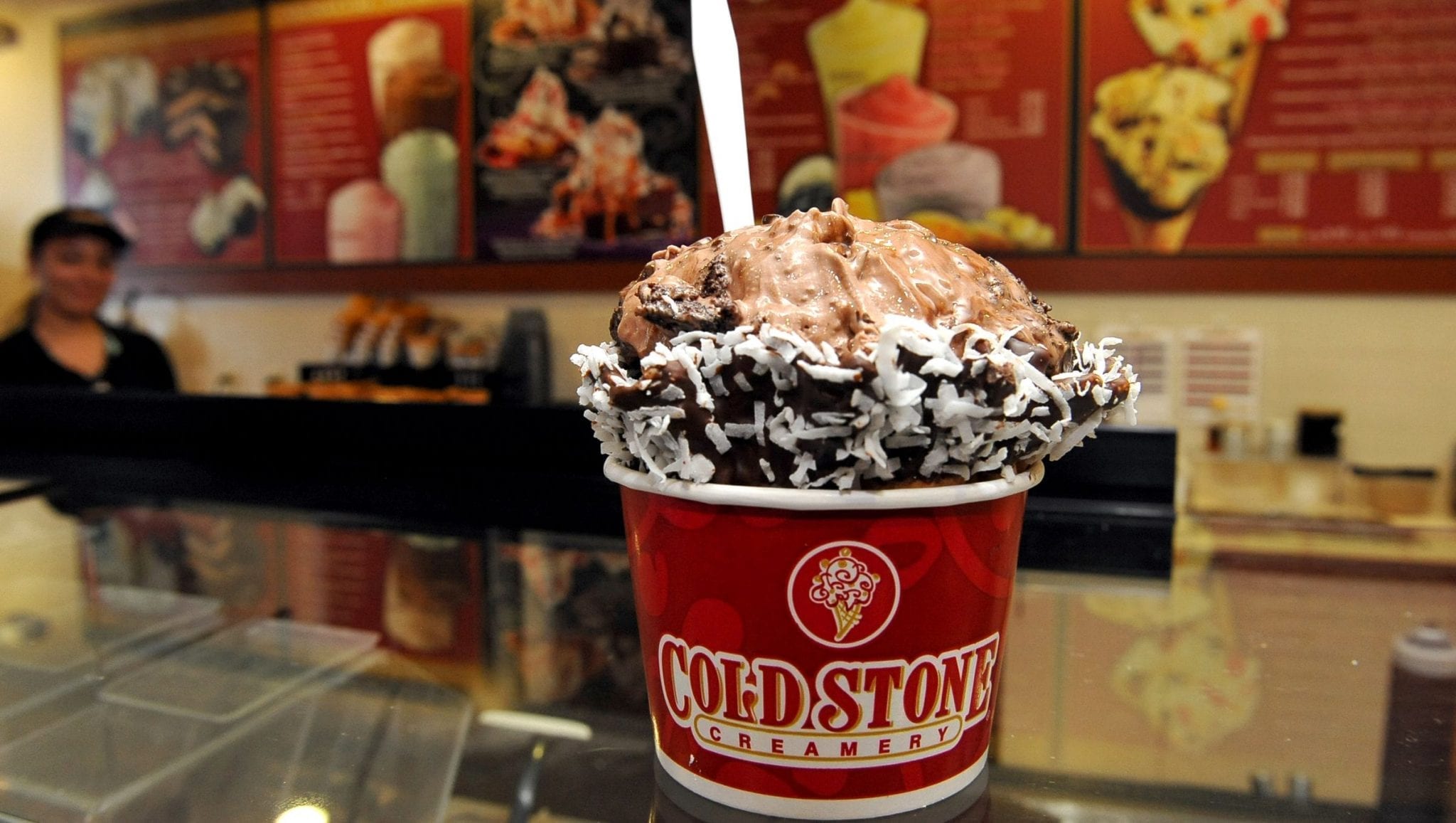
    US ice-cream brand Cold Stone Creamery has signed a master franchise agreement with banking and finance services company Srivijaya to open 20 stores in Malaysia over the next five years.

    Its first outlet, in Kuala Lumpur, is expected to open this year.

    Sri Vijaya’s management and shareholders include investors of F&B outlets such as Las Vacas Meat Shop and Torii Yakitori Restaurant, while some shareholders have had experience developing the Cold Stone Creamery brand in another market.

    “Sri Vijaya’s F&B experience and knowledge of the market makes it the perfect fit to develop the brand in Malaysia,” says senior international development VP Eddy Jimenez of Kahala Brands, which owns Cold Stone Creamery.

    The brand’s international growth of Cold Stone Creamery began with the opening of an outlet in Tokyo in November 2005. It now has about 1500 locations in nearly 30 international markets including India, Indonesia, Thailand and the Philippines.

    With its headquarters in Arizona, the brand’s ice cream with its secret recipe is customised with mix-ins by hand on a frozen granite stone.

    Kahala Brands has a portfolio of 22 quick-service restaurant concepts.