Category: Food

Retail News Asia is committed to providing both local and global retailers with the latest Food and Food & Beverage news throughout the Asian market. This on a daily base.

  • 4Fingers eyes expansion in Malaysia

    4Fingers eyes expansion in Malaysia

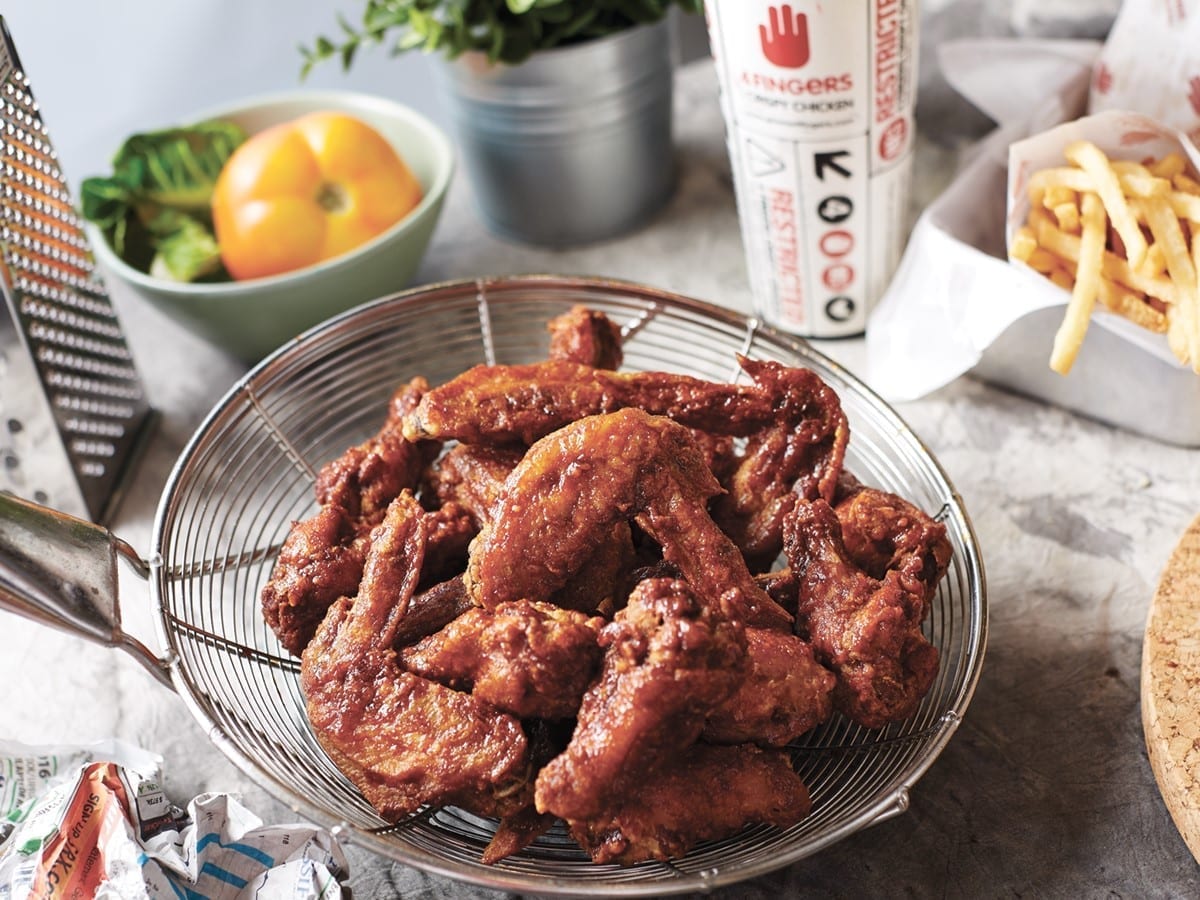
    Singaporean fast-casual restaurant chain 4Fingers plans to open 20 outlets in Malaysia over the next four to five years.

    With its fourth store in Malaysia just opened in Berjaya Times Square, the company’s expansion plans also extend to Asia Pacific.

    “We are certainly exploring the right, accessible areas where our chicken will be in demand,” says CEO Steen Puggaard.

    In just four years, 4Fingers has grown from one to 21 outlets, including Australia and Indonesia. It also has Europe and the US on its radar.

    With RM3.2 million (US$740,000) invested in its first four Malaysian outlets, it is seeking further leases to meet the country’s growing demand for fried chicken, says Puggaard. “With customers also asking for 4Fingers to be delivered to their doorstep, we are exploring having a delivery service as well.”

  • Blockland Lego cafe takes constructive approach

    Blockland Lego cafe takes constructive approach

    A new cafe in Chiang Mai, Blockland Lego, has nearly 200 sets of the building blocks for customer use. Paying THB140 (US$4) an hour, customers of all ages can build the Lego masterpieces of their dreams. The cafe provides the more expensive sets including those featuring Marvel Comics superheroes and Star Wars (its Death Star collection comprises more than 4000 pieces and retails at more than THB16,000).

    Blockland Lego owner Taewon Park, a South Korean expat, says he decided to open the business in Chiang Mai following the popularity of Lego cafes in his country. He was also inspired by his nieces and nephew, who are Lego fans.

    His shop, in Ruamchok Mall, also hires Lego enthusiasts as workers, who can help customers with their constructions by request.

    “There are 194 Lego sets in my shop,” says Park, who is buying another 75.

  • Delayed launch for Pablo Singapore

    Delayed launch for Pablo Singapore

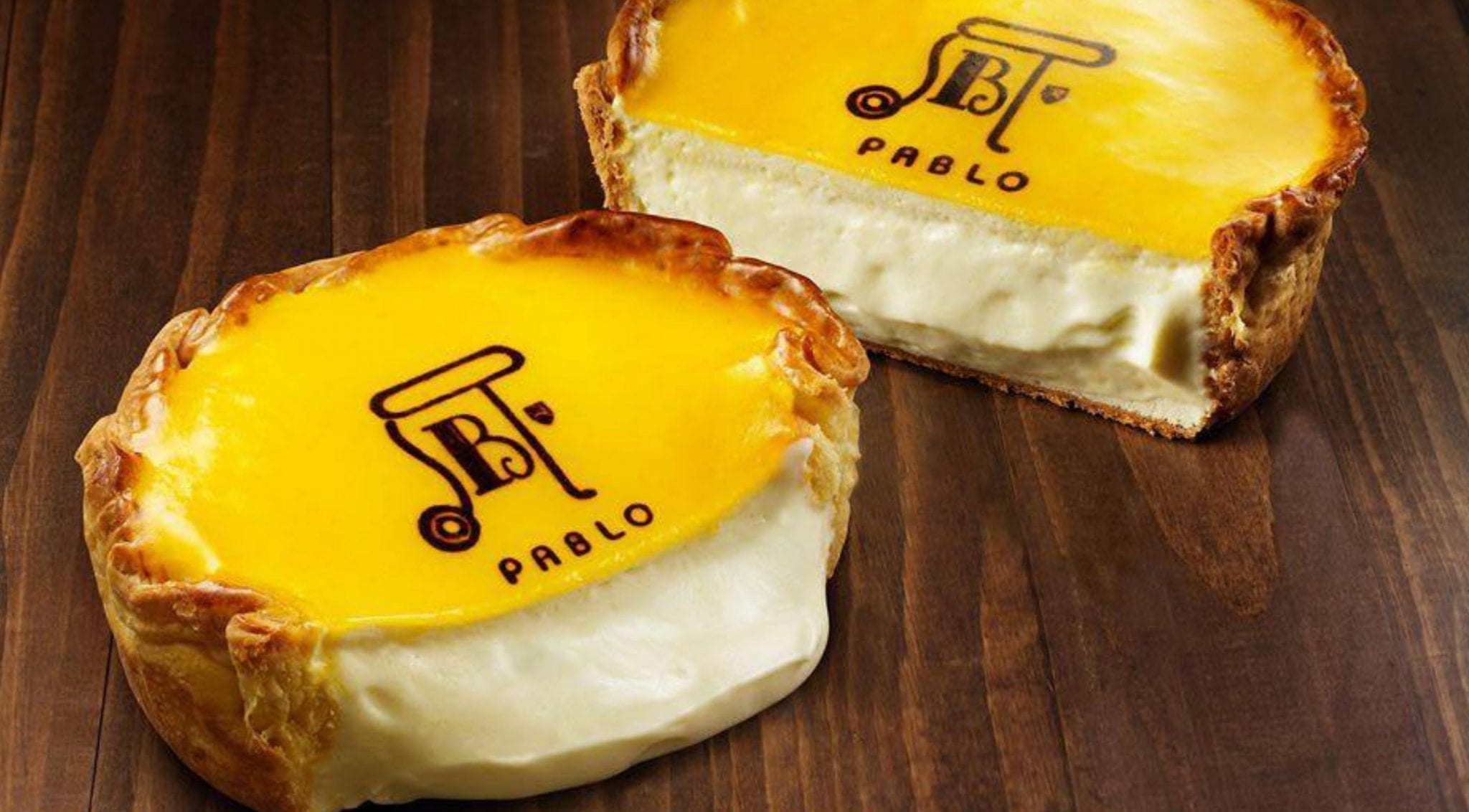
    After a delayed launch, cheese-tart chain Pablo Singapore is set to open in Wisma Atria in the next couple of weeks.

    The Japanese brand had originally been scheduled to open this month.

    On sale will be the chain’s signature 15cm-wide tarts, plus two other flavours – the matcha cheese tart with shiratama mochi and azuki or red beans, and the chocolate cheese tart.

    As in other overseas outlets of Pablo, the “medium” version of the tart will be offered (in Japan, diners can also order a “rare” version that oozes molten cheese filling when sliced).

    There will also be a crustless premium cheese tart with a caramel glaze topping, inspired by creme brulee. Later this year mini-tarts will be added to the menu.

    With 78 seats, the cafe will occupy a 1400 sqft (130 sqm) space on the first level of Wisma Atria, formerly occupied by Omakase Burger.

    Pablo is being brought in by Caerus Holdings, which runs New York confectionery chain Lady M in Orchard Central, Westgate mall and South Beach Avenue.

  • HAWKR launches healthy ‘grab-and-go’ in heart of Quarray Bay

    HAWKR launches healthy ‘grab-and-go’ in heart of Quarray Bay

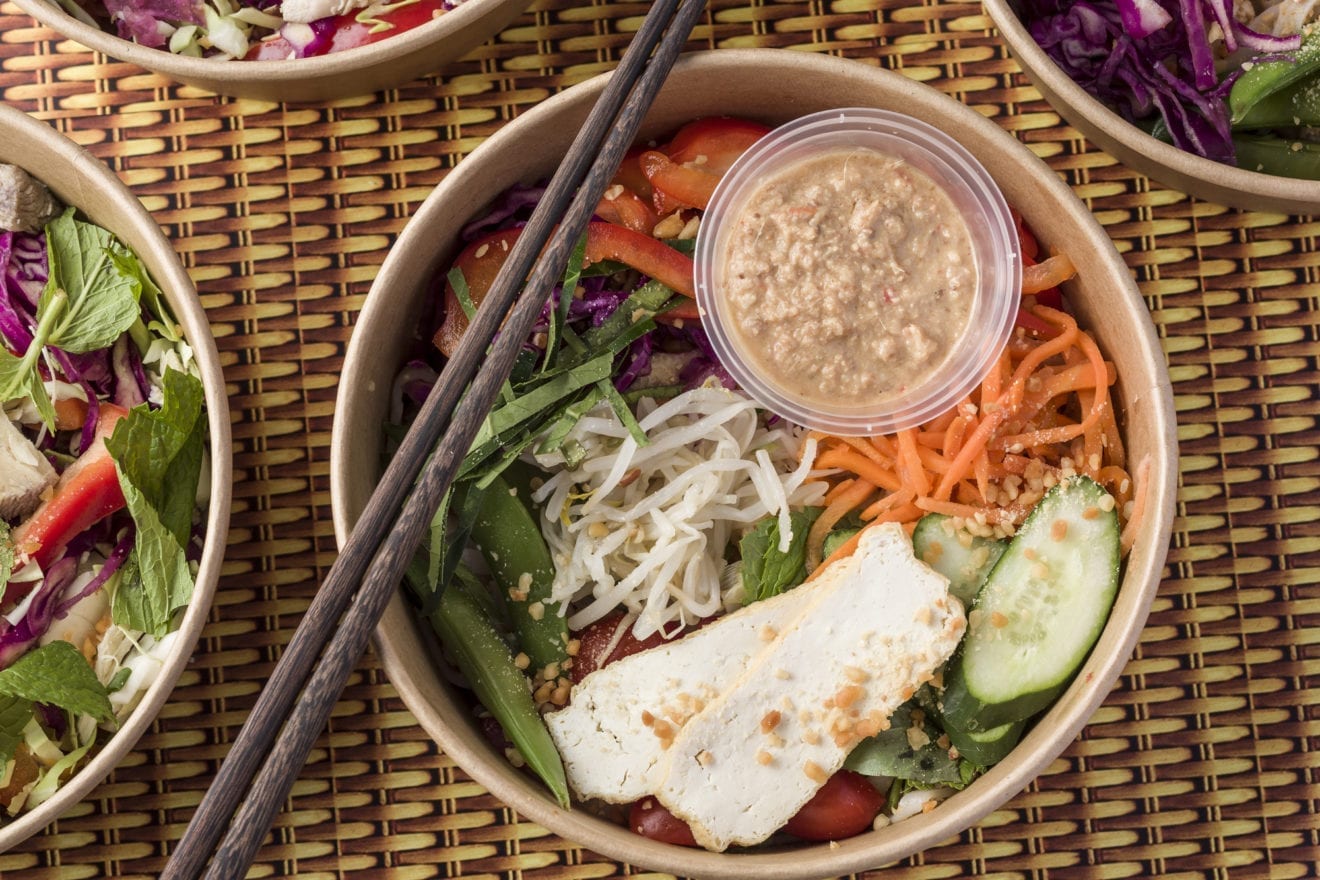
    Using the freshest ingredients and authentic flavours, HAWKR has reconceived Southeast Asian favourites for grab-and-go eating. Curries, soup noodle pots, Vietnamese and Thai baguettes and wraps, healthy breakfasts, bespoke HAWKR juices and tailored, house-blend coffees are on the menu at HAWKR’s new outlet in Quarry Bay.

    Inspired by the hawker food centres of Southeast Asia, serving a variety of regional dishes, HAWKR is newly opened on the ground floor of 36 Hoi Kwong Street, on the corner of Tong Chong Street and opposite the commercial complex of Taikoo Place.

    The contemporary grab-and-go takes on the region’s vibrant food culture from Singapore and Malaysia to Vietnam, Myanmar, Thailand and Indonesia, and brings an innovative and much needed takeaway concept to Hong Kong’s culinary scene.

    In partnership with the founder of Myanmar based lifestyle concept Pun+Projects and restaurateur, Ivan Pun, and consumer private equity professional Jake Astor, pop-up dining and private kitchen chef Mina Park’s nutritious, fresh take on Southeast Asian street food is appealing to time-pressed young professionals and office workers amid the commercial mini-metropolis of Taikoo Place.

    Each dish has been conceived by Mina using the freshest ingredients and HAWKR’s own recipes. No MSG, artificial flavours or preservatives are used in any of the menu items.

    The day-long menu starts with light breakfasts including healthy superfood sabja and chia seed puddings, with fresh fruit, yoghurts and pastries.

    HAWKR is also standing out from the ‘grab-and-go’ crowd by developing its own bespoke coffee blends using only the highest quality beans. Each blend, developed by their resident barista, has an Indonesian coffee base, as well as a mixture of other beans, including Ethiopian and Brazilian.

    HAWKR’s beans are roasted to order by local artisan roaster, Happy Bean Roastery.

    HAWKR avoids MSG and artificial flavouring, and strives to use only ingredients that “we would feel comfortable eating ourselves every day,” said Mina Park.

    “We have worked hard to create dishes that highlight the flavours of Southeast Asia and incorporate the gorgeous herbs and spices that I love.”

  • Starbucks to buy out Chinese venture in its biggest deal yet

    Starbucks to buy out Chinese venture in its biggest deal yet

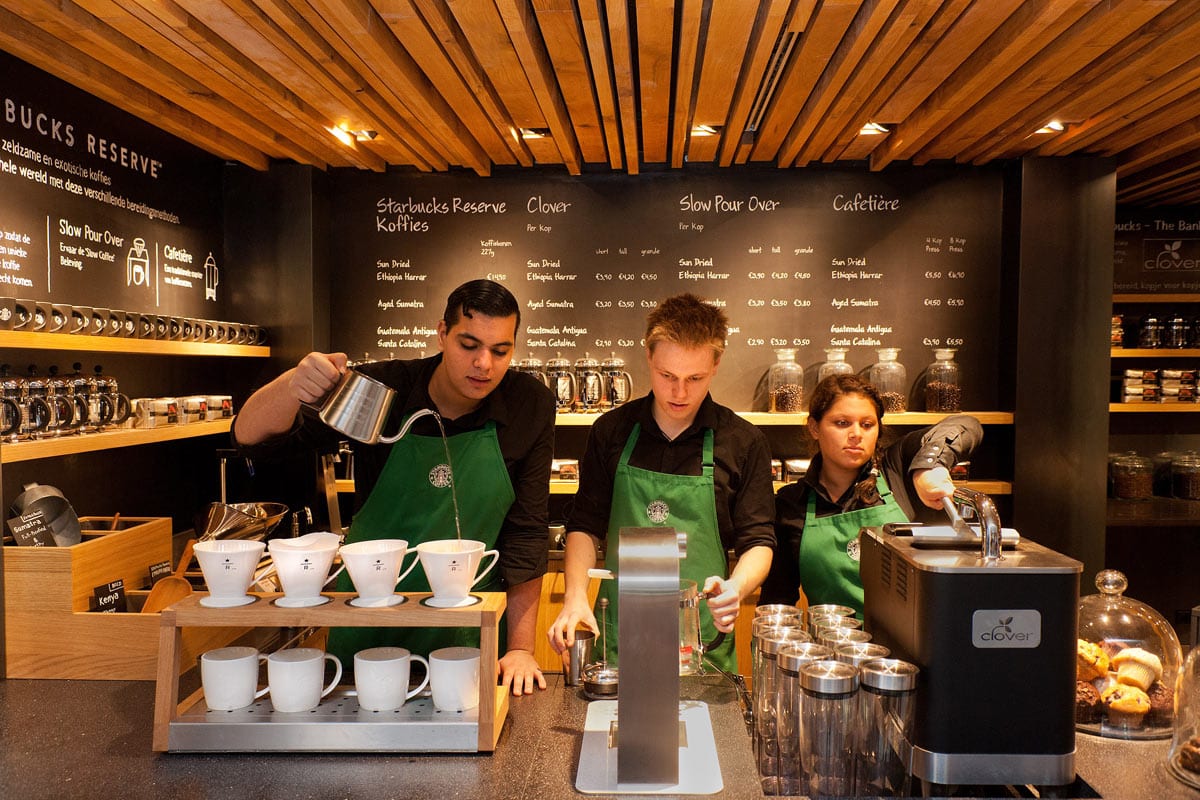
    Starbucks is buying the rest of its East China joint venture in a $1.3 billion transaction, marking the biggest deal ever for a company that sees China as a huge growth opportunity.

    The Seattle-based coffee chain will acquire the remaining 50 percent of the business from partners President Chain Store Corp. and Uni-President Enterprises Corp. Starbucks also is divesting its 50 percent stake in a separate joint venture in Taiwan, according to a statement on July 27th.

    The move underscores Starbucks’ bet that China will be one of the company’s top sales drivers in coming years. It’s wagering that the nation’s growing middle class and urbanization will give it a huge population of potential coffee drinkers to tap.

    The deal mirrors the company’s strategy in Japan, where Starbucks entered the country with a joint venture, spent time learning the local market and then brought the business back in house, said Jennifer Bartashus, an analyst at Bloomberg Intelligence. In 2014, Starbucks agreed to buy out its Japanese joint venture with Sazaby League and other partners for about $913.5 million.

    “With the level of expectations they have for China, it isn’t really a surprise that they want to exert as much control over the stores as possible,” Bartashus said.

    Starbucks shares gained as much as 1.9 percent at $59.03 in New York on July 27th. The stock had climbed 4.4 percent this year through the close of trading on July 26th.

    Expansion Plan

    Starbucks plans to operate 5,000 cafes in mainland China by 2021, a goal it reaffirmed on July 27th. The company currently has 2,800 locations there.

    The deal gives Starbucks 100 percent ownership of about 1,300 cafes in Shanghai and the Jiangsu and Zhejiang provinces. In the Taiwanese transaction, its partners will acquire Starbucks operations in the territory for about $175 million. The Starbucks business there, which was founded in 1997, has about 410 cafes.

    “Unifying the Starbucks business under a full company-operated structure in China reinforces our commitment to the market and is a firm demonstration of our confidence in the current local leadership team,” Chief Executive Officer Kevin Johnson said in the statement.

    The status of Taiwan is a sensitive political issue in China. The Chinese government considers Taiwan a renegade province. The decision to sell the business there was about allowing its partners to “maximize the opportunities” for the brand in Taiwan, according to a spokeswoman for Starbucks.

    Dunkin’ Forays

    Dunkin’ Donuts Inc., a major Starbucks rival in the U.S., has a much smaller presence in China. The chain failed in two previous attempts to crack the Chinese market, but is now working with two franchisees there and has 34 stores, including 16 in Beijing. Dunkin plans to grow to 1,400 location in the world’s most populous country over the next 20 years.

    Chinese consumers still drink a relatively small amount of coffee, but the category is growing fast and could eventually surpass tea, according to Dunkin’ CEO Nigel Travis.

    China is the fastest-growing market outside the U.S. for Starbucks. With full control of the local operations, Starbucks can enhance the coffee and in-store experience, said its China CEO, Belinda Wong. It also plans to rely more on technology in the country. Starbucks’ mobile-ordering app has been key to locking in customers in the U.S.

    The deal is another sign that Starbucks views China as key to its future and can’t let execution slip there, said Jack Russo, an analyst at Edward Jones.

    “Asia is incredibly important for them — there’s no mistaking that,” he said.
  • Indonesia Experiencing Salt Crisis

    Indonesia Experiencing Salt Crisis

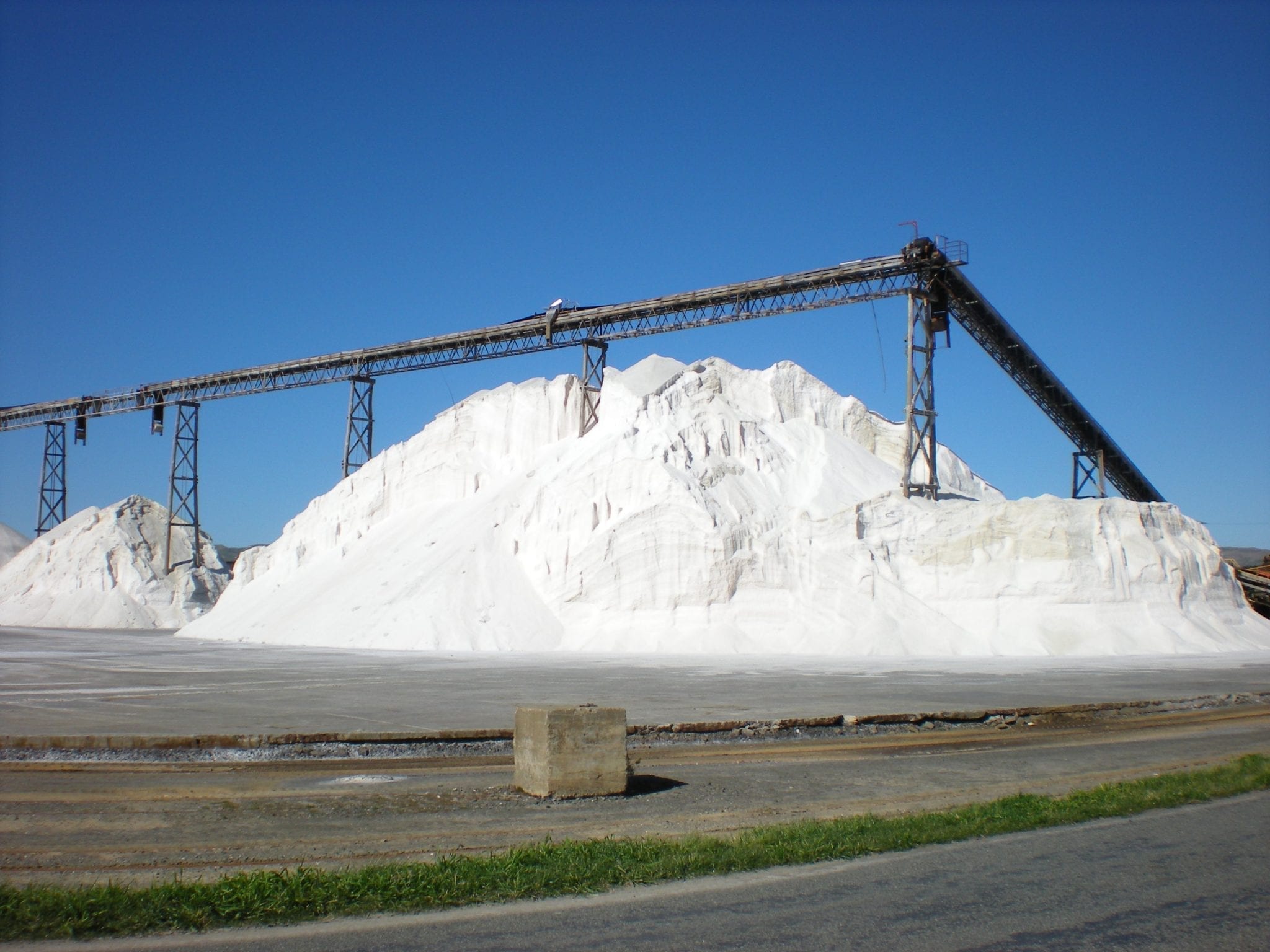
    Indonesia is experiencing a salt crisis. This is very strange because Indonesia has easy access to the sun, sea, and coastlines more than most countries in the world. In fact, we know, that just by evaporating seawater that depends on the three components, salt can be made.

    The signs of a salt crisis have been seen from long ago. For example, since Eid al-Fitr, the price of salt has almost never dropped again as usual. The price actually continues to soar and has now increased four times. Or, just look at the signs of national needs and production of salt.

    Indonesia needs 4.3 million tons of salt per-year, including the industrial salt with sodium chloride (NaCl) content of above 97 percent or consumption salt with its NaCl content below it. A total of 1.8 million tons of which are supplied domestically, mostly for consumption salts that are now scarce.

    Since the beginning of the year, supply from the domestic fields has been dragged. In the salt fields owned by PT Garam in Sumenep, for example, the salt production in May-June was only 50 tons, while it can usually reach 2,500 tons.


  • Jakarta prepares for Indonesia’s most influential sugar show

    Jakarta prepares for Indonesia’s most influential sugar show

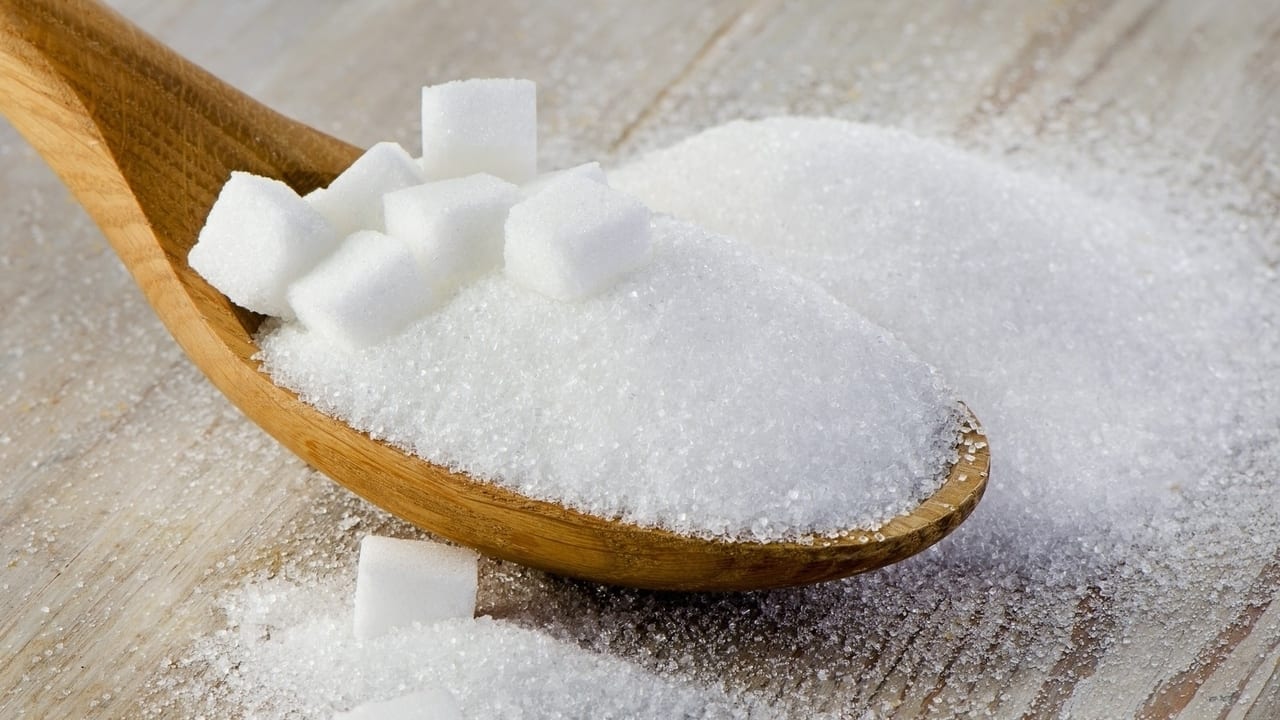
    The low production of sugar which cannot meet the large demand of sugar consumption in Indonesia caused by inefficient processes initiates the INAGRITECH 2017 to present its premier sub-event named SugarMach Indonesia 2017. SugarMach Indonesia 2017 is the premier show focusing on sugar machinery, innovation, and technology. This show gains a strong support from the Indonesian Sugar Association (AGI) and Indonesian Sugar Professional Association (IKAGI) as SugarMach Indonesia 2017 is held in an attempt to push Indonesia’s infrastructure development in sugar industry as well as supporting the country’s effort to achieve sugar self-sufficiency. For the success of the event, AGI-IKAGI will also hold the National Sugar Summit 2017 along with SugarMach Indonesia 2017.

    National Sugar Summit 2017 will be attended by thousand of professionals from all Indonesia Sugar Industries and government to discuss technology, policy, challenge and strategies how to make Indonesia Sugar Industry to become more competitive in global. Most of the attendee should be decision makers, the board of director, owner, government and professional in the ugar business.

    The resounding big success of INAGRITECH 2016 Jakarta held along with INAGRICHEM 2016 and INAPALM ASIA 2016 attracted 216 companies from 14 countries and 8,920 trade attendees from over 12 countries, has further proved the event as the ASEAN’s most leading trade show for agricultural machinery & equipment, agrochemical, palm oil processing machinery and the other agricultural supporting industries. The expo has expressed a proven opportunity to boost sales and gain exposure as well as meeting with key decision makers and potential buyers. Around 95 per cent of exhibitors also expressed a proven opportunity to boost sales and gain exposure as well as meeting with key decision makers and potential buyers from both domestic and international.

    SugarMach Indonesia 2017 is an ideal platform for sugar industry players to explore their business, to network with both local and global communities, and to unveil their latest products of technology. Indonesia’s sugar self-sufficiency effort provides an opportune time for investors to participate in the sector as well as take advantage of various incentives on offer. The bright prospects for investment in the national sugar industry are evident from the growing interests of the private sector to invest in the sector.

    SugarMach Indonesia 2017 taking place on 23 – 25 August 2017 at JIExpo Kemayoran, Jakarta – Indonesia will co-locate with INAGRITECH 2017, INAGRICHEM 2017 and INAPALM ASIA 2017. It will definitely be one of the Indonesia’s most prospective one-stop exhibitions for sugar industry players. The scale of exhibition area will be expanded up to twice as large as last year’s and will attract more than 500 exhibiting companies.

    According to the Indonesia Ministry of Trade, Indonesian sugar consumption within the consumer retail segment is 3 mn tonnes per year, while national sugar production is only about 2.5 to 2.7 million tonnes per year resulting in a shortfall of 300-500,000 tonnes of sugar. Therefore, the new government is committed to building 10 new sugar mills between 2015 and 2020 with Rp42.5 trillion of investment. Each mill is hoped to be able to process 30,000 tons of sugarcane per day. To achieve the goal, Indonesia’s sugar mill must upgrade and use the modern technology and machinery for its sugar production.

  • KFC Japan to launch new healthy dining retail concept

    KFC Japan to launch new healthy dining retail concept

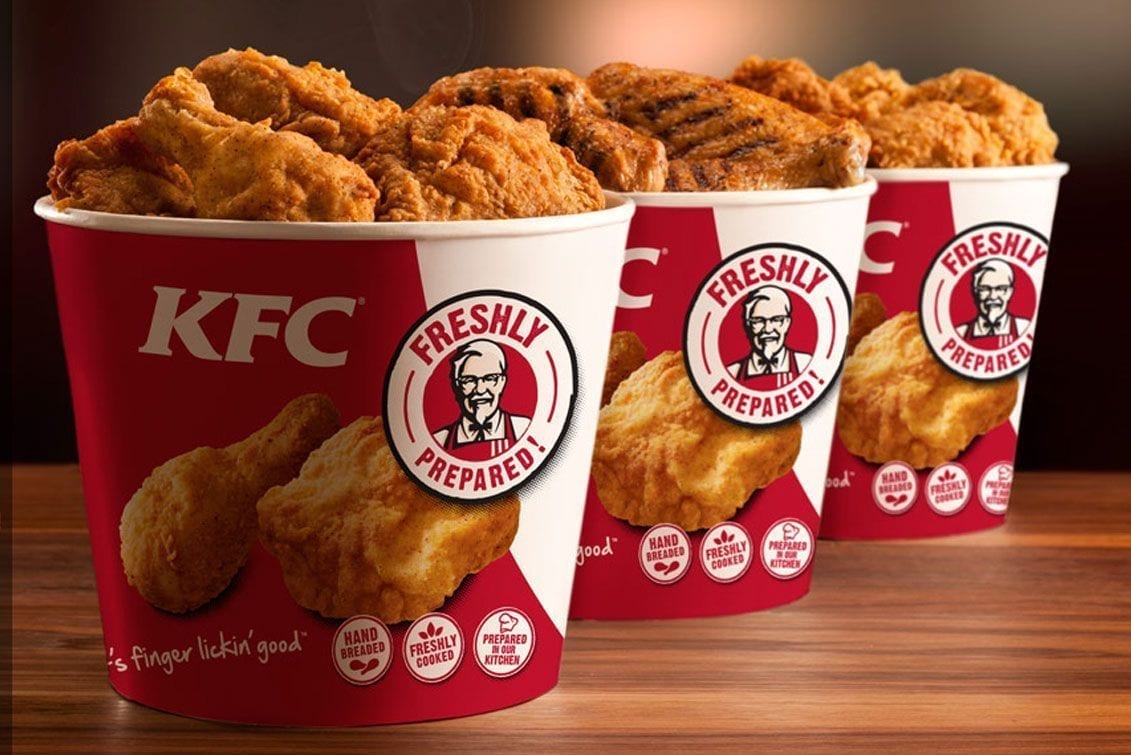
    KFC Japan is to open a new healthy food retail concept called The Table by KFC in Sendai City on August 5.

    The Table by KFC aims to offer deli-style foods, including salads, along with versions of its traditional favourites – like a full-size KFC chicken – targeting commuters passing through railway stations and shopping precincts.

    The first store will be located in the S-Pal Sendai shopping center in Sendai City, Miyagi Prefecture, which is located in the northern part of Honshu.

    News of the concept was revealed in English on the Sorai News 24 website, which has published a number of photos of the dishes one can expect, following a local announcement by KFC Japan.

    Sorai News 24 says the store is “designed to have a natural look, using plenty of wood-grain material for a ‘home kitchen’ feel”.

    “The foods will be displayed in bowls and dishes of different designs, so that the setup is enjoyable to look at too.”

    New dishes to join the menu include Spanish-style Garlic Chicken Gizzard and Oriental Smoked Chicken Caesar Salad.

  • Dean & Deluca expands at Silom

    Dean & Deluca expands at Silom

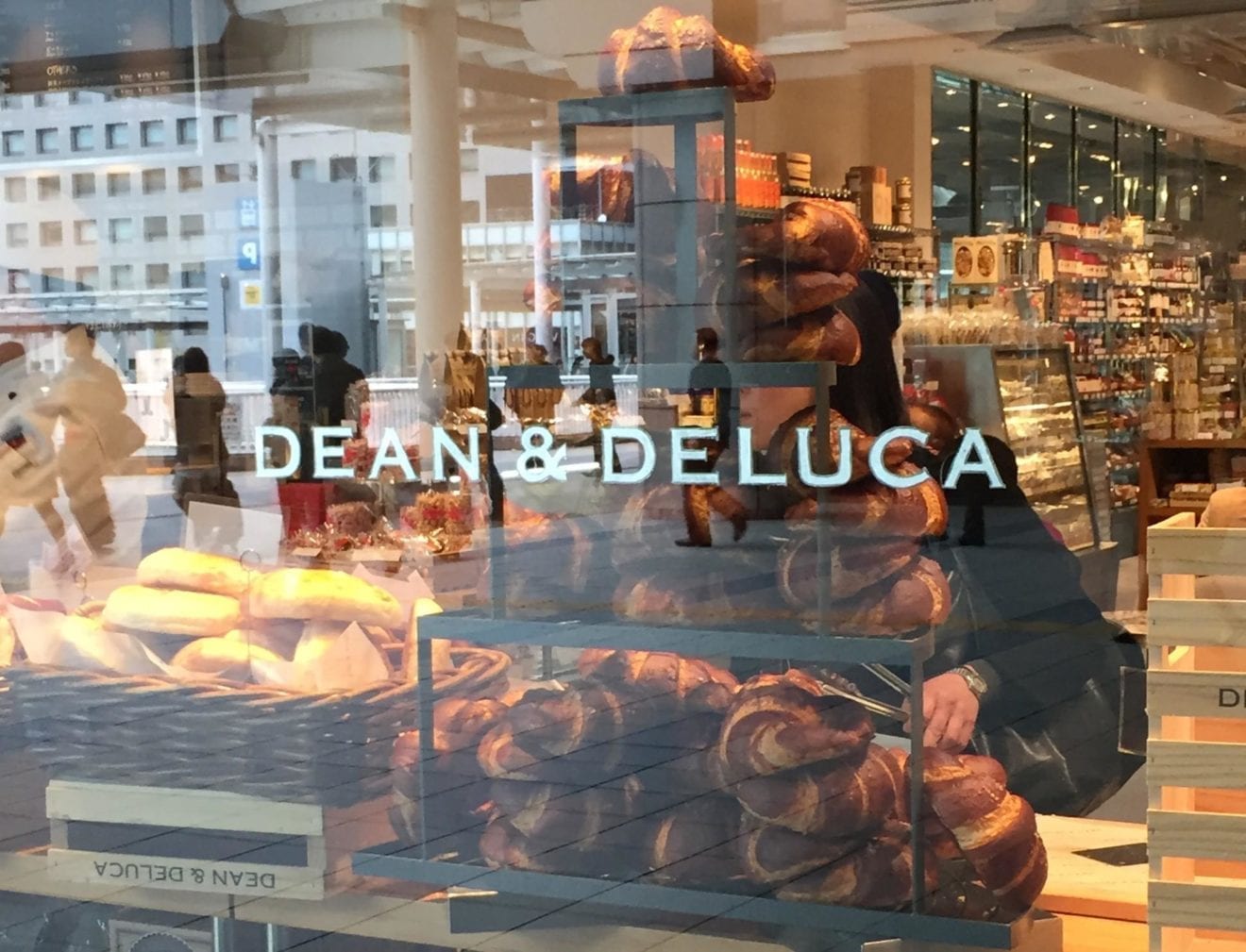
    Thai-owned cafe and deli chain Dean & Deluca has expanded, opening a new outlet on Silom’s Soi 1.

    Decorated in the signature style of cafe and pizzeria, the branch offers crafted beverages including beer and wine, as well as pizza and sandwiches.

    Just a few steps from BTS Sala Daeng, the two-storey restaurant can accommodate 80 diners. The ground-floor area offers counter seating and a view of the pizza oven, while the mezzanine has more comfortable seating with couches and wooden tables.

    There is also a retail corner selling gourmet chocolates, confectionery and biscuits, as well as in-house homeware products such as coffee mugs, vacuum flasks and tote bags.

  • Gourmet Market to open at Bangkok subway station

    Gourmet Market to open at Bangkok subway station

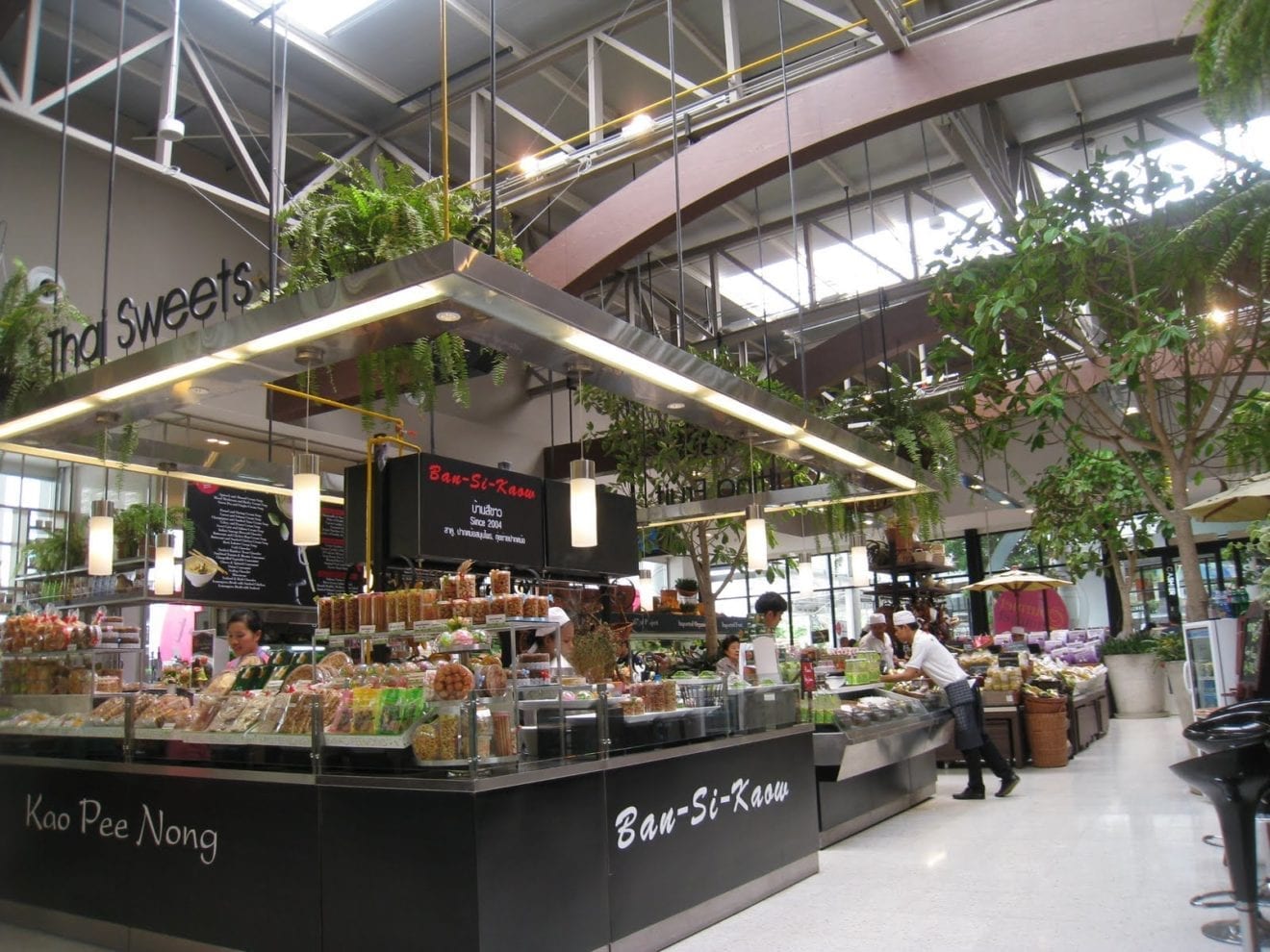
    Working with Bangkok Metro Network (BMN), The Mall Group will open a Gourmet Market at Lat Phrao subway station.

    The MRT serves more than 240,000 passengers each day, with the Lat Phrao station being a key transit point with a large parking lot.

    The outlet is the fourth outside the group’s shopping complexes as the retailer seeks to position stores that can capture more passing trade. It is in the park-and-ride area of the Ratchadaphisek Road station and is set to open in September.

    Group executive VP Chamnarn Maytaprechakul says the collaboration is part of the company’s transformation to provide its services through different channels.

    “The three Gourmet Market outlets that already sit outside our complexes have received a warm welcome from customers, and we predict they will thrive with double-digit sales growth, compared with the single-digit growth of our stores inside malls.”

    Its established Gourmet Market outlets can be found in Terminal 21 at the Asok intersection, in The Promenade shopping complex on Ram Intra Road, and in The Crystal SB Ratchapruek community mall.

    Other business opportunities being explored by The Mall Group include delivery service, online shopping and e-payment.

  • Feather & Bone launches flagship store

    Feather & Bone launches flagship store

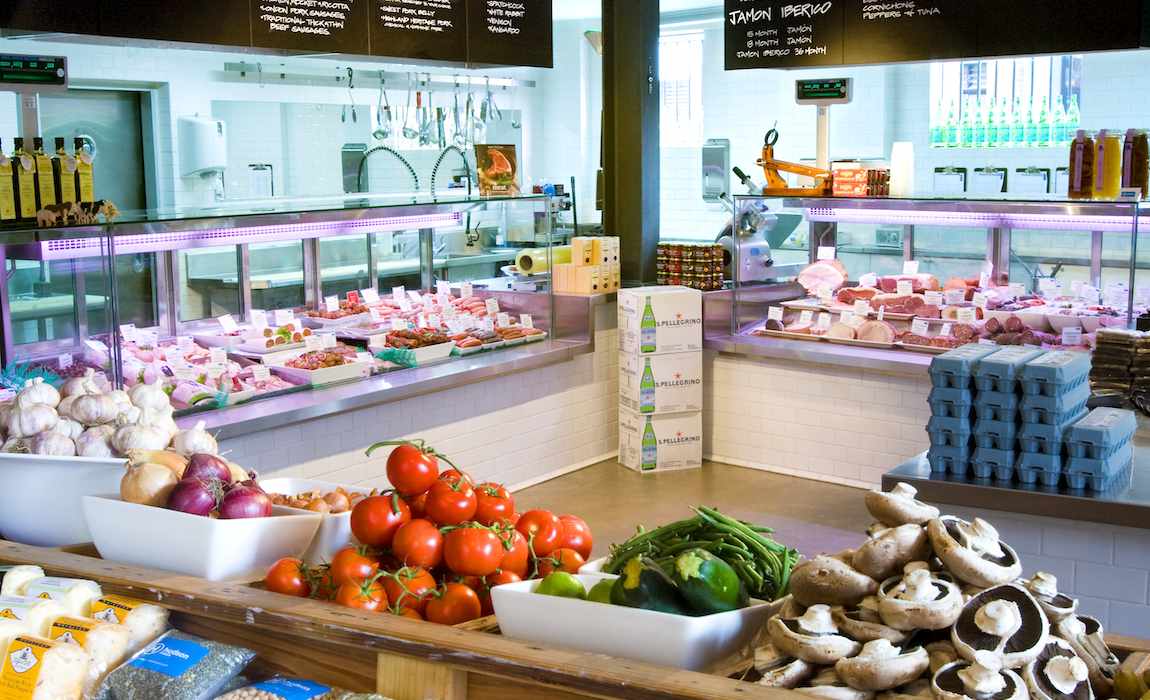
    Online grocery store Feather & Bone has opened a flagship store in Clearwater Bay, offering international specialty food products such as meat, alcohol, cheese, coffee and chocolate.

    This adds to Feather & Bone’s two other Hong Kong outlets, in Central and Happy Valley.

    “What we want to be is a friendly local grocer. You know, people will come in every week, and we know their name, we know what they like and we can recommend products based on what they’ve liked in the past,” says GM Mark Chan, who sources the group’s products.

    A feature of the flagship store is that customers can drink a cup of locally roasted Kim & Co coffee along with a danish or muffin as they shop, reports Honeycombers.

    There is also an eight-seat counter where wine is served along with a cheese board and charcuterie platter with preserves and pickles.

    The flagship’s butchery offers ethically sourced meat, such as Australian beef, free-range pork and lamb, poultry and charcuterie.

    “A lot of the products at Feather & Bone are sourced from Australia as a couple of the owners are actually from there,” says Chan, noting that company representatives even visit the farms to see how they work.

    With a background as a chef – he once worked for Gordon Ramsay – Chan was at London’s La Fromagerie before joining Feather & Bone.

    Products at Feather & Bone include Chapon Tablette Noir dark chocolate from Madagascar, Mr Organic Veg Amore Tofu Sauce and Rodolphe Le Meunier St Maure de Touraine goat’s cheese.

  • Joe & The Juice owner buys back franchise rights

    Joe & The Juice owner buys back franchise rights

    Danish urban juice bar and coffee concept Joe & The Juice has bought back the brand’s franchise rights for Singapore and Hong Kong from Singapore’s Norbreeze Group.

    Norbreeze was running the brand’s network in both cities. Branches had opened in shopping centres such as Hong Kong’s Times Square and at Hong Kong International Airport.

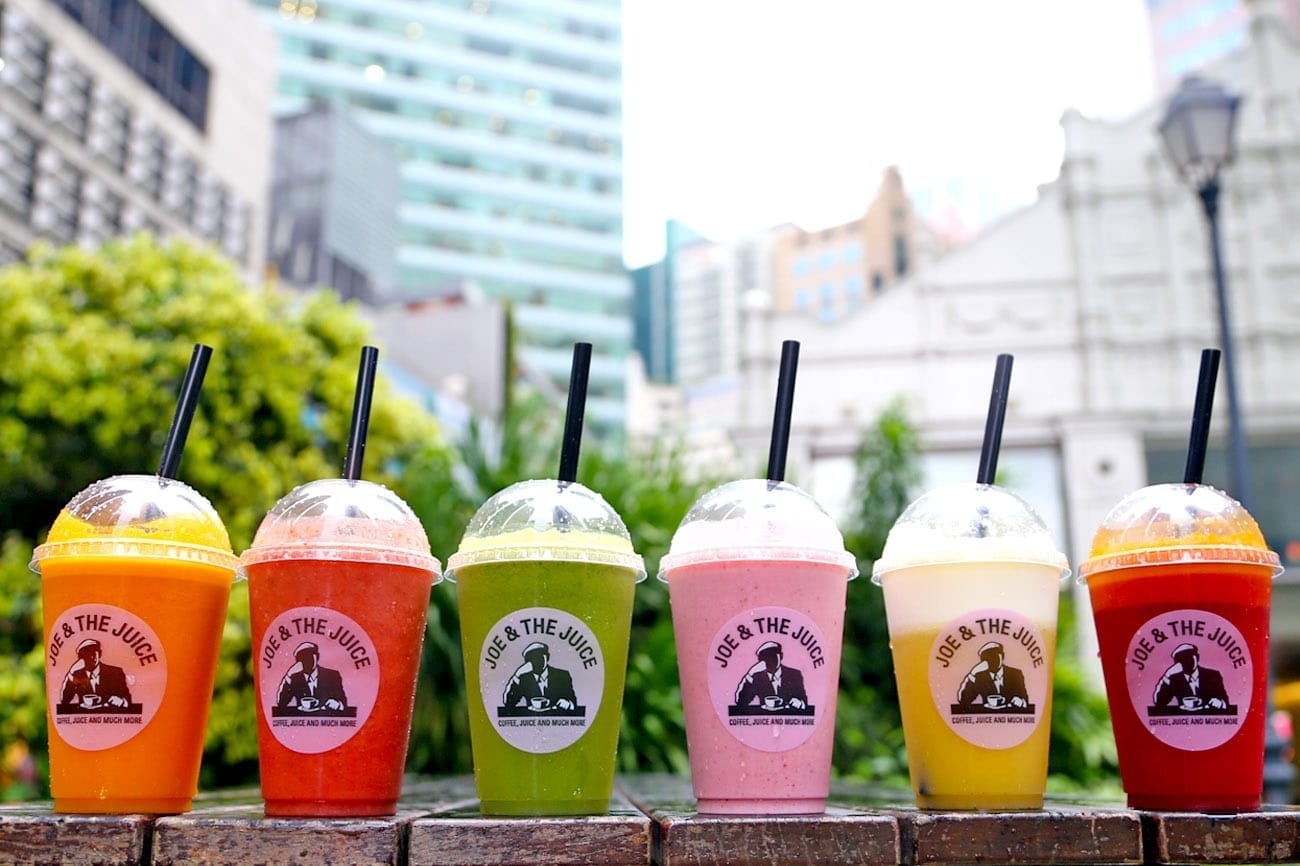
    Founded in Copenhagen by CEO Kaspar Basse in 2002, Joe & The Juice uses natural and organic ingredients for its freshly prepared juices, shakes, coffees and sandwiches. The company has 198 stores internationally, with a growing presence in Asia.

    “Norbreeze has had great success in opening Joe & The Juice bars in Singapore and Hong Kong, and we have been able to use our experience and expertise from our core business to establish a strong network of juice bars,” says Norbreeze group CEO Anders Peter Juel Sauerberg.

    “At the same time we have experienced very strong growth in projects and orders from our core business, within watches and jewellery. So as not to dilute our engagement, we have chosen to focus on our core business and have Joe & The Juice continue the expansion in the region.”

    Basse says Asia holds a significant opportunity for Joe & The Juice. “Norbreeze Group has helped establish a strong platform for growth in Singapore and Hong Kong from where we can continue the brand’s expansion.”

    Norbreeze Group represents Pandora, Cath Kidson, Timberland, Cocomi, Bering, Daniel Wellington and Monica Vinader in Asian markets.

  • Jing Ting restaurant offers northern Chinese cuisine

    Jing Ting restaurant offers northern Chinese cuisine

    Just opened in City of Dreams Manila, Jing Ting is a casual-dining restaurant serving northern Chinese cuisine.

    Its speciality is Xi’an cuisine from the ancient Chinese capital which is the starting point of the Silk Road. It is Chinese-style food with different cultural influences including Middle Eastern. Jing Ting holds back on the more spicy dishes for which Xi’an cuisine is known to adapt to the Filipino palate.

    Chef Yang Chen Fei was trained by the chef of former Chinese president Hu Jintao and has had 15 years of experience in five-star hotels and restaurants in China.

    Jing Ting has an open kitchen and most of its dishes are served family style.

  • Do you want fries with that?

    Do you want fries with that?

    If you could increase your average sales by 10 per cent, how much would your profit increase by? I am sure that all of us have experienced both good and bad service in a retail store. What creates that difference in the experience is made up of all the senses banding together and leaving an overall impression. But the most telling one is the interest shown in you by the sales personnel. The greeting, the smile, the relevance of questions asked and the interest shown in going that little bit extra to help you find what you are looking for. That’s what creates a good experience!

    In today’s ongoing search for additional sales, the difference between sales achieved by an average experience and great sales assistance can be as much as 25 per cent. On analysis of the difference in sales achieved between most staff and good sales people, the most telling factor is the average docket value. These good sales people consistently achieve more than the average, sometimes as much as double.

    Customers already in your store are by far the easiest way to find additional sales. So many times customers want to be given good advice and are quite willing to buy a second related item, if they were told about it, or introduced to something new.

    McDonalds is one business that realised this at the outset, have you? If a retail business sales increased by just 10 per cent across the board, due to the results of effective sales people, profits would increase exponentially, often double in most retail models.

    And that is true, even if one has to pay 10 per cent above the going rate to get the right people. Why then do business owners tolerate mediocre sales people? Do the sums in your business and see what a 10 per cent increase in sales will mean to your bottom line.

    Can any retail business afford not to have the best sales people? So simple, so effective, so ignored by so many businesses!

  • McDonald’s China sales boom ahead of spin-off

    McDonald’s China sales boom ahead of spin-off

    McDonald’s China sales posted solid quarterly growth ahead of the division’s spin-off. Global same-store sales rose 6.6 per cent in the three months to June 30. In what the company terms its ‘High Growth segment’, second quarter comparable sales increased 7 per cent, led by a strong performance in China. The segment’s operating income rose 28 per cent, with about half of that resulting from lower depreciation expense due to the accounting treatment related to the pending sale of the China and Hong Kong businesses.

    McDonald’s CEO Steve Easterbrook was positive about the company’s performance.

    “We’re building a better McDonald’s and more customers are noticing. Our relentless commitment to running great restaurants and keeping the customer at the center of everything we do is generating broad-based strength and momentum across our entire business.  For the quarter, we delivered our strongest global comparable sales and guest count results in more than five years.  We’re now introducing our Velocity Growth Plan accelerators in more restaurants around the world, bringing meaningful benefits to more customers through digital, delivery and our Experience of the Future.”

    Second quarter highlights

    While sales were up, consolidated operating revenues slipped 3 per cent, or 2 per cent in constant currencies, due to the impact of the company’s strategic refranchising initiative.

    Systemwide sales increased 8 per cent in constant currencies, due to strong comparable sales performance and restaurant expansion.

    Consolidated operating income increased 24 per cent (26 per cent in constant currencies), which included a benefit from the prior year’s strategic charges of approximately $230 million.

    US operating income for the quarter increased 5 per cent, reflecting higher sales-driven franchised margin dollars and higher gains on sales of restaurants, among other factors.

    “Whilst we’re encouraged by our results from the first half of 2017, we’re not complacent.  Today, we’re acting like a leadership brand, taking on new challenges and opportunities and moving with a greater sense of purpose and urgency,” said Easterbrook.

    “We’re building on our momentum, leveraging our size and scale and executing with greater precision against our priorities to retain, regain and convert customers by giving them even more reasons to visit and enjoy McDonald’s.”