Category: Food

Retail News Asia is committed to providing both local and global retailers with the latest Food and Food & Beverage news throughout the Asian market. This on a daily base.

  • Phuc Long Danang to open soon

    Phuc Long Danang to open soon

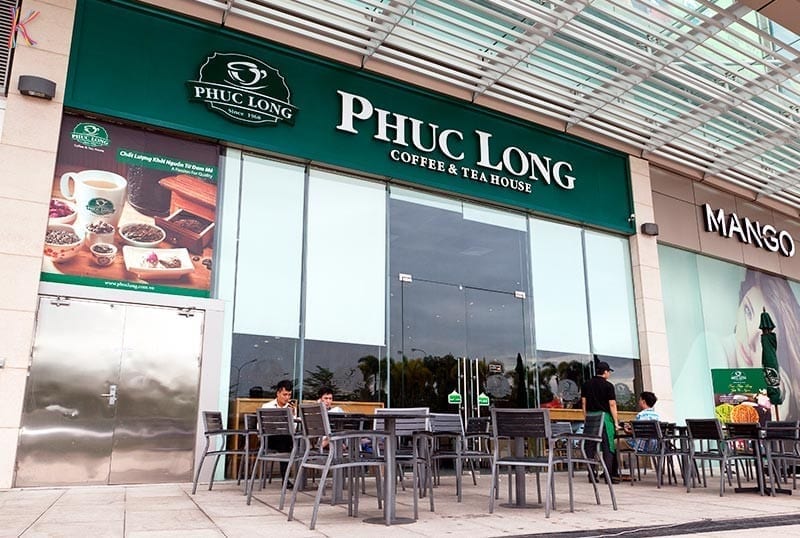
    Vietnamese coffee and tea chain Phuc Long is expanding into Danang next month.

    The brand will open two stores inside Lotte Mart and on Nguyen Van Linh Street in the city’s Hai Chau district.

    The chain has also enriched its food menu, offering traditional Vietnamese banh mi sandwiches alongside croissants, cookies, waffles and tiramisu.

    Targeting younger customers, Phuc Long is considered a competitor with international chain Starbucks and local rival The Coffee House.

    Established in 1968 in the highlands of Lam Dong, Phuc Long started by selling packaged Vietnamese traditional coffee and tea through retail stores. Phuc Long expanded to Ho Chi Minh City during 1980s with both retail stores and a coffee chain. The brand now has 25 stores across the city.

    Starbucks opened its first store in Danang last month.

  • Indonesia Snack and Noodle Makers Face Salt Import Muddle

    Indonesia Snack and Noodle Makers Face Salt Import Muddle

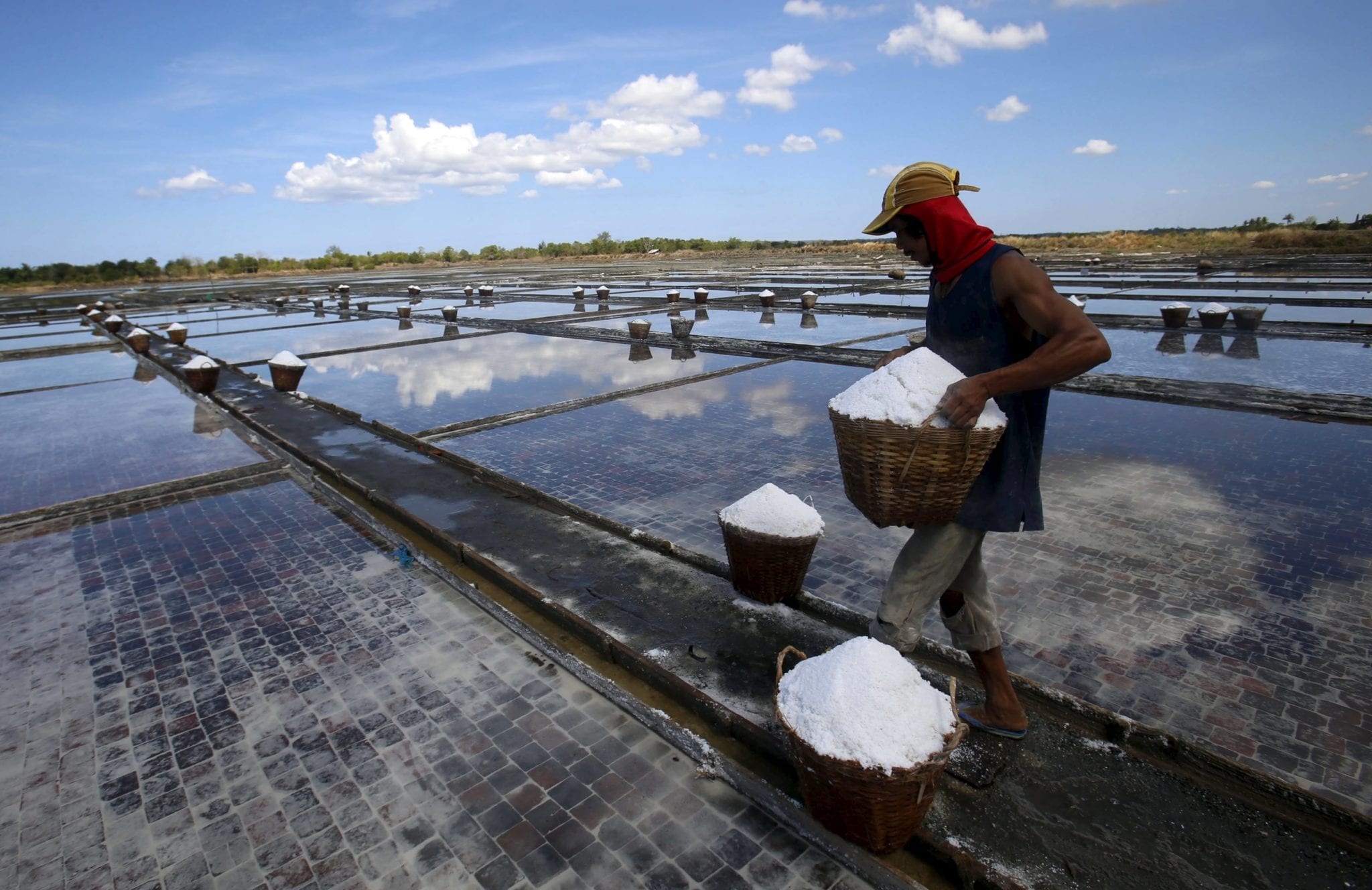
    Several of Indonesia’s noodle, biscuit and snack makers are facing shortages of quality salt as they have been unable to import the ingredient and local supplies are insufficient, an industry association said.

    “We received reports several industries will stop production next week because of shortages of salt,” said Adhi S. Lukman, chairman of the Indonesia Food and Beverage Association (Gapmmi), referring to several instant noodle producers, without naming the specific companies affected by the shortages.

    The government has not approved salt imports for food processors for 2018 despite a quota of 460,000 metric tons of salt imports issued by the Coordinating Ministry for the Economy this year, Adhi said.

    Food companies require salt with a maximum water content of 0.5 percent and sodium chloride above 97 percent, but not all domestic suppliers can meet those levels, Adhi said.

    State salt producer Garam is “very small” and lacks the right quality stock, particularly in the wet season, he said.

    Indonesia’s food and beverage industry is expected consume 550,000 tons of salt in 2018, up 12 percent from the 490,000 tons consumed in 2017, Adhi said. Last year only around 50,000 metric tons of salt was supplied domestically to the food and beverage industries, with the remainder from imports.

    Foreign Trade director general Oke Nurwan said the food and beverages industry needed a recommendation from the Ministry of Fisheries before the 2018 salt imports could take place.

    Brahmantya Satyamurti Poerwadi, director general of sea territory management at the Ministry of Fisheries said a recommendation had been issued to all industries for imports of 1.8 million tons of salt in 2018.

    It was up to the Ministry of Trade to provide specific import allocations to different industries, he said.

    The Ministry of Fisheries estimates Indonesia’s total salt demand will reach 3.9 million tons in 2018, of which around 3.6 million metric tons would be used in manufacturing, including the food and beverages industries.

    Indonesia’s total salt production is expected to be around 1.5 million tons this year, with a carry over stock from 2017 of 349,000 tons.

    Indonesia’s demand for noodles, biscuits and snacks like burgers and doughnuts has climbed steadily in recent years in a creeping westernization of diets, underpinned by the country’s rising middle class.

  • Marine Harvest to open 2000 salmon restaurants in China

    Marine Harvest to open 2000 salmon restaurants in China

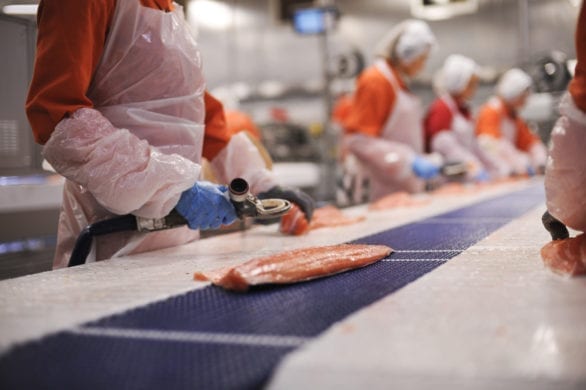
    Salmon farmer Marine Harvest is currently developing its brand Supreme Salmon in Taiwan, working with local top chefs and promoting on social media, the firm’s CEO, Alf-Helge Aarskog, said at the North Atlantic Seafood forum last week.

    At present, yearly salmon consumption per capita in China averages only 0.1 kilogram, compared with 1.3kg in the US and 3.1kg in France. The figure that indicates the large growth potential for demand on that market, Aarskog noted.

    Marine Harvest aims to implement a franchise concept for its Supreme Salmon restaurants in Taiwan, Hong Kong and mainland China.

    By 2025, the firm is planning to open 2,000 restaurants there, selling 40,000 metric tons of head-on, gutted (HOG) Atlantic salmon and generating a turnover of $2 billion, Aarskog said.

    Marine Harvest believes the chain — which serves dishes such as salmon gyoza, salmon risotto and salmon fried rice — will help expand demand for the farmed fish among the country’s growing middle class.

    Salmon consumption in China tends to be limited to hotels and upmarket restaurants, and the company is hoping that availability through its restaurants as well as products sold under the same brand in retail outlets will make the fish more accessible to ordinary consumers.

    “Our market research shows that Chinese consumers are looking at salmon as high end, tasty, modern and healthy. However they do not know much about the product and they want more variety in how to eat and prepare it,” said Ola Brattvoll, chief operating officer of Marine Harvest’s sales and marketing unit.

    Marine Harvest also plans to roll out a fast-moving consumer goods model in retail across Taiwan, Hong Kong and mainland China.

    Supreme Salmon retail sales are expected to rise to 20,000t of HOG salmon, with a turnover of $600m by 2025, Aarskog said.

    In 2013, Marine Harvest launched the Supreme Salmon concept in Taiwan, following a period of in-depth pan-Asian research on consumer habits.

  • Singapore’s BreadTalk Unit Forms Joint Ventures To Operate Bakeries In China

    Singapore’s BreadTalk Unit Forms Joint Ventures To Operate Bakeries In China

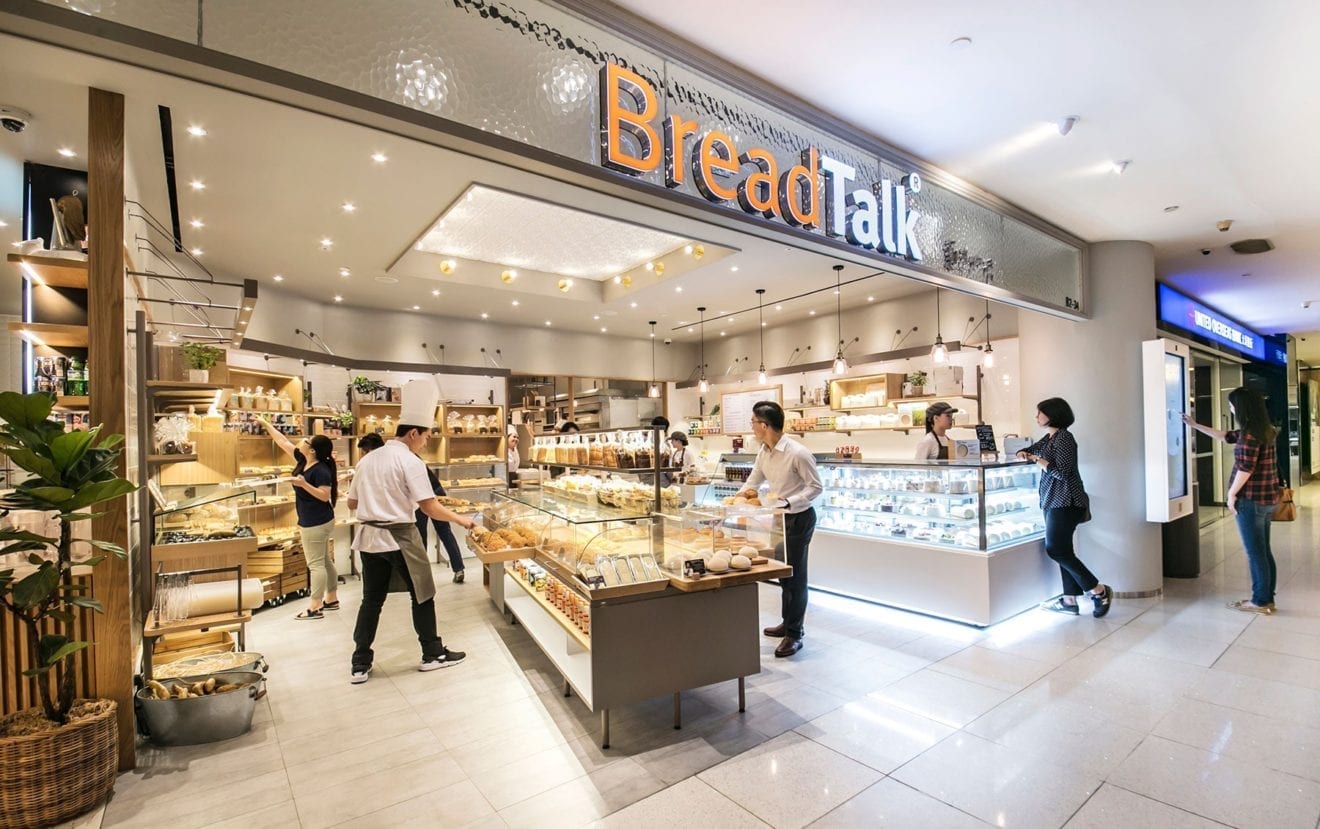
    Singapore baker BreadTalk unit Shanghai Star Food F&B Management has formed joint ventures with Wu Pao Chun Food of Taiwan to operate Wu Pao Chun bakeries, BreadTalk said in a filing Monday.

    The joint ventures will run Wu Pao Chun bakeries in Beijing, Shanghai, Shenzhen and Guangzhou. Shanghai Star will hold 80% of the Shanghai joint venture and can own up to 40% of the Beijing, Shenzhen and Guangzhou joint ventures. Both companies expect to conclude joint ventures for Singapore and Hong Kong later.

    The deal isn’t expected to have any material effect on the earnings per share and net tangible assets of BreadTalk for the financial year ending Dec. 31. The filing didn’t disclose further financial details.


  • Royal Dragon Vodka launches with Ever Rich Duty Free in Taiwan

    Royal Dragon Vodka launches with Ever Rich Duty Free in Taiwan

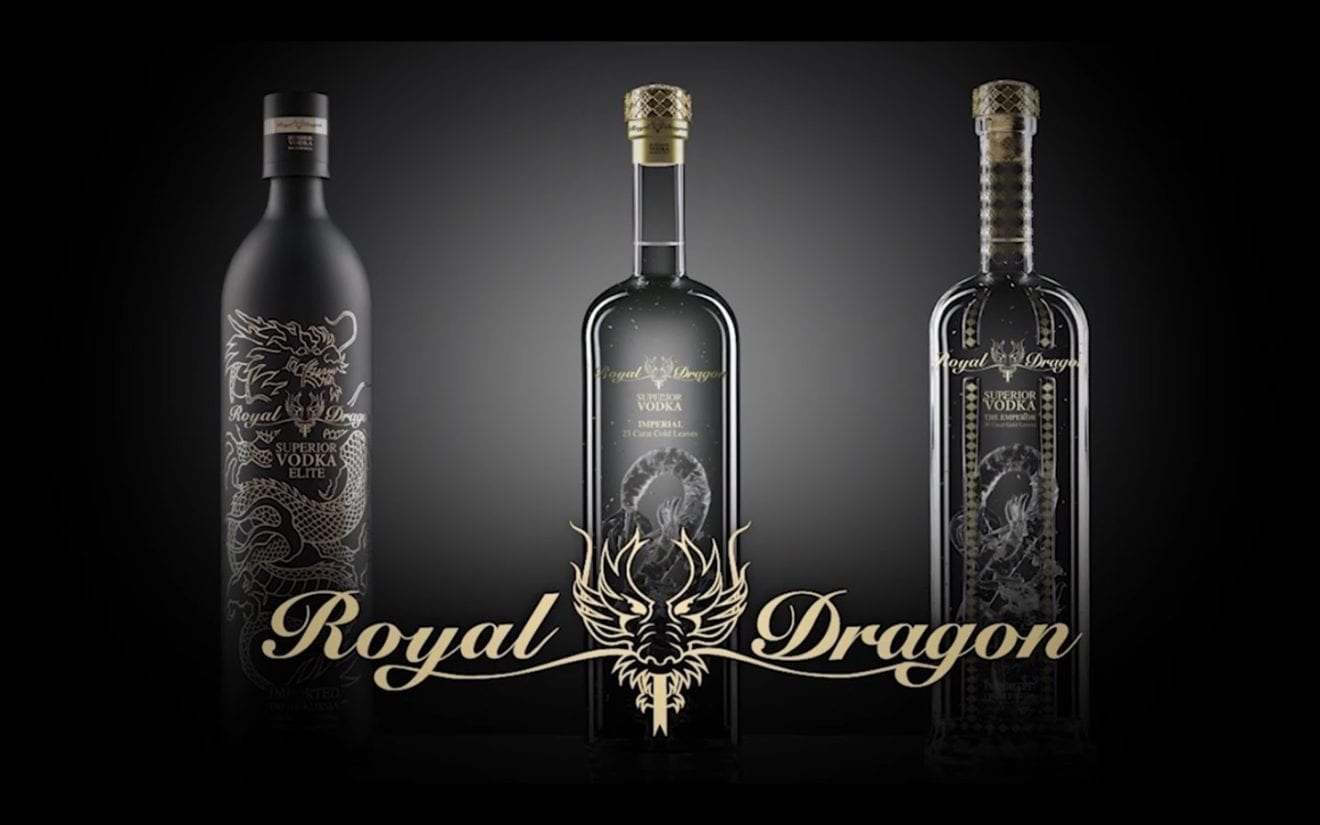
    The Imperial 1L, Good Luck Edition 1L and Luxury Gift Set are part of the Royal Dragon Vodka assortment available in arrivals and departures stores in Taoyuan, Kaohsiung, Taichung and Songshan International Airports.

    Yam Seng Sales and Marketing Director Jesreen Sidhu commented: “Expanding our presence to dynamic duty free markets such as Taiwan is an essential element of our continued success. Royal Dragon Vodka continues to gain strong traction in Asia and we are extremely pleased to partner with Ever Rich Duty Free, where we see great potential for the range.”

    Singapore-based Yam Seng Pte Ltd, a company owned by the Tuli family, was appointed regional TR agent for Royal Dragon Vodka last year. Sunil Tuli has worked in the global DF and TR industry since 1984.

  • Oporto to sets footprint in Singapore

    Oporto to sets footprint in Singapore

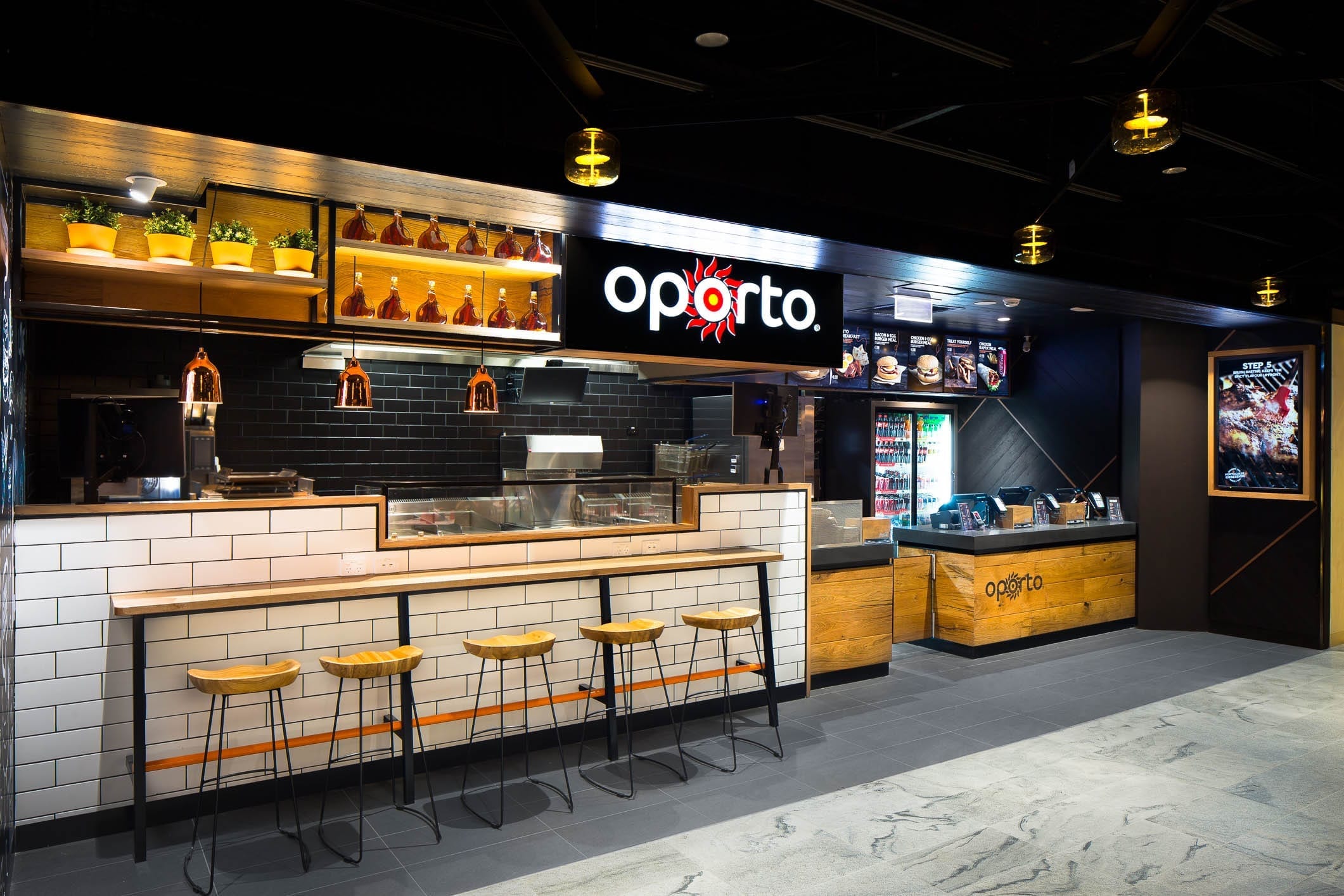
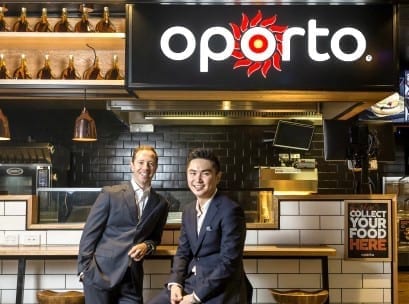
    Chicken franchise Oporto has partnered with Aura Group to fuel its Asian expansion plans.

    After signalling the company’s intention to move into Singapore late last year, Oporto CEO Craig Tozer said he’s confident the brand is well-positioned for international growth beyond New Zealand, backed by record sales growth and continued domestic expansion.

    “Taking our brand internationally has always been a key focus,” he said.

    “Having found the right master franchise and supply partners, we are excited to announce that Oporto will be expanding into Asia, with the first restaurant to open in Singapore mid-April 2018.”

    Oporto wants to have 10 restaurants open across Singapore over the next five years, with plans to open three stores this year.

    The inaugural restaurant is located at shopping and dining precinct Holland Village in central Singapore.

    Later in 2018, Oporto also plans to expand its beverage category to introduce alcohol, in auditioning to relaunching its loyalty app and in-store experience program.

  • Longreach to acquire Japanese coffee shop Kohikan

    Longreach to acquire Japanese coffee shop Kohikan

    Asian private equity firm The Longreach Group has agreed to totally acquire Japanese coffee shop chain Kohikan Corporation from UCC Foodservice Systems (UFS) for an undisclosed amount.

    In a statement on its website, Longreach says it has reached an agreement with UFS to buy 100 per cent of its subsidiary Kohikan. The deal is expected to close on May 1.

    Longreach says the investment would be an opportunity with a clear business growth path in the premium coffee business in Japan “with a potential to expand into high-growth Asian markets”.

    Established in 1970, the chain has 277 stores throughout Japan under the brand names Cafe di Espresso Kohikan, Karakuan, Kakura and Kohikan.

    “Longreach will accelerate Kohikan’s growth through enhancing the stores’ format and via expansion,” says the firm. Set up in 2003 by former UBS Securities Japan CEO Mark Chiba and former Morgan Stanley executive Masamichi Yoshizawa, Longreach has experience in restaurant chains and owns Wendy’s First Kitchen.

  • Dairy Farm International’s plan after hitting bottom line

    Dairy Farm International’s plan after hitting bottom line

    Poor trading by Dairy Farm International’s Southeast Asian grocery business hit the company’s bottom line last year, with underlying profit falling 13 per cent.

    But every other one of the company’s divisions traded strongly throughout the year, according to the results just released.

    Full-year profit was US$403 million, after allowing for $64 million of costs relating to business restructuring. Sales by Dairy Farm’s wholly-owned subsidiaries totalled $11.3 billion, largely unchanged from 2016’s $11.2 billion. But total sales, including 100 per cent of associates and joint ventures, at $21.8 billion were up 7 per cent year on year, reflecting strong growth at both supermarket operator Yonghui and cafe-restaurant operator Maxim’s, which owns the Starbucks business in Hong Kong, Vietnam, Cambodia and now Singapore.

    “After a disappointing year… for our food businesses in Southeast Asia, actions are being taken to improve their long-term performance,” explained chairman Simon Keswick. “All of the group’s other formats and markets are trading well and growth opportunities are being pursued, in Mainland China and elsewhere.”

    In Dairy Farm’s food division, sales were down and profits were “significantly lower” than in 2016, primarily due to poor performances in the supermarket and hypermarket businesses in Malaysia, Singapore and Indonesia.

    “A number of underperforming stores are being closed and prices lowered to clear or write off discontinued and slow moving stock.

    “In Hong Kong, sales were more resilient, although profits were marginally down due to increasing rents and labour costs. Positive sales growth seen in the Philippines reflected the ongoing investments being made to improve the business,” said Keswick.

    Elsewhere in the company there was brighter news.

    The convenience store format (including 7-Eleven in Hong Kong and Singapore) produced increased sales and profit. “In part, this reflected a consumer shift to more convenient retail formats, as well as a positive reception to the service and range enhancements introduced for customers,” said Keswick.

    The convenience stores division reported $2 billion in sales, an increase of 4 per cent over the previous year – but operating profit surged 16 per cent to $85 million.

    In the health and beauty division, (led by Guardian and Mannings), sales and profit were higher, principally due to strong performances in Hong Kong, Macau and Indonesia, together with improvements in Mainland China.

    Keswick said this was led by an increasing focus on the beauty category and the continued development of the division’s house brands.

    The home furnishings division (Ikea in Hong Kong, Taiwan and Indonesia) recorded higher sales and trading profit, but the reported profit declined, mainly due to costs associated with the opening of the fourth Ikea Hong Kong store in October. Sales and profits increased in Taiwan and Indonesia and there was solid growth in the e-commerce business.

    Maxim’s enjoyed good sales growth and profit expansion during the year, in large part due to strong performances from its branded products, particularly mooncakes, and its business in Mainland China. The company also acquired the Starbucks Singapore business last year.

    The group’s 19.99 per cent-owned associate in Mainland China, Yonghui Superstores, opened a net 292 new stores last year, which underpinned a 19 per cent growth in revenue. Ongoing supply chain optimisation and shrinkage improvement resulted in improved margins, which together with better capital use, led to a 45 per cent growth in profit.

    Convenience focus

    Keswick said Dairy Farm International will focus on increasing its convenience store operations in the year ahead through expansion and enhancement of the store network. New smaller-store formats are being piloted in some markets.

    The group will also continue to develop its e-commerce presence, focusing on a number of initiatives in its home furnishings, food, and health and beauty operations introduced last year.

    Dairy Farm International added a net 633 stores last year. At year end, it had 7181 stores in operation in 11 countries and territories, including its interest in 779 Yonghui stores in mainland China and 1210 Maxim’s stores.

    Besides the Starbucks Singapore deal, Maxim’s also acquired the existing businesses and franchises of Genki Sushi in Singapore and Malaysia. It opened its first The Cheesecake Factory in Hong Kong in May, which Keswick said is trading well, and this year will introduce American casual restaurant format Shake Shack in Hong Kong and Macau.

    In the Philippines, Rustan became a wholly-owned subsidiary following the acquisition of the remaining 34 per cent interest from the group’s joint venture partner.
  • Singha puts investment arm on hunt for startups

    Singha puts investment arm on hunt for startups

    The company, announcing the official establishment of the investment arm yesterday, also said that it aimed to make Thailand a hub for startup ventures in Asia.

    The company sees the new investment unit as helping Singha Corporation to achieve greater business diversification.

    With Singha Ventures, the company can channel investment capital directly into promising startups, without the need for approval from the board of directors. This will also save time.

    With US$25 million in registered capital, Singha Ventures was registered in Hong Kong in the middle of last year as a wholly owned subsidiary of Singha Corporation.

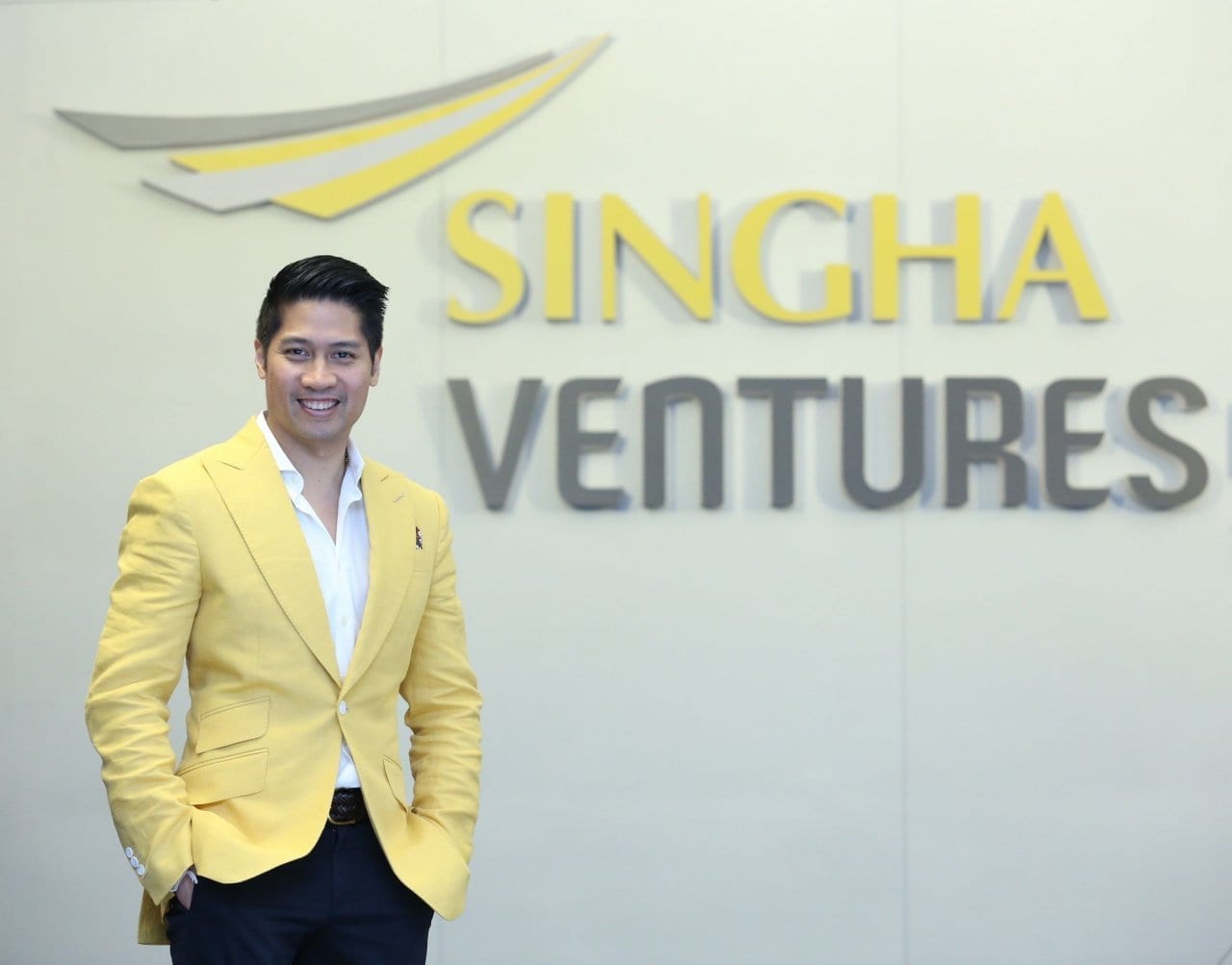
    Bhurit Bhirombhakdi, chairman of the executive board at Singha Ventures, said the company will invest in startups, both directly and indirectly, through venture capital funds. The company, however, will not invest more than a 25 per cent stake in individual startups in the initial stage and will allow the startup owners to run their companies. The arrangement is aimed at ensuring the startup owners remain fully motivated.

    Bhurit said that the world’s top-ranking companies, such as Apple, Google, Microsoft, Facebook and Amazon, have grown their businesses from startups. The scene is different from 10 years ago, he said, when big companies came from the so-called real sectors of the economy, such as in the oil industry.

    “With the ventures, we will able to help those startups to develop and grow their businesses over the long term,” he said. “With such a collaboration, the startups will be able to utlise Singha’s resources, such as human resources experts, and those from research and development, and marketing and sales. They will be able to leverage our distribution network.”

    Singha Corporation has distribution partners in more than 50 countries. In Thailand, the company has an extensive distribution network covering more than 400,000 retail outlets.

    “Gaining a return on investment from those startups is not our maximum aim, we (Singha Corporation) would like to leverage know-how and technologies from those startups so that we will be to deal better with the disruption of technologies such as artificial intelligence and robotics,” said Bhurit, adding that such technology disruption would not only impact the ways of doing businesses, but also change the world.

    Vorapat Chavananikul, managing director of Singha Ventures, said the company was interested in investing in promising startups – in Thailand and abroad – in its core business areas. These comprise consumer products (foods, beverages and packaging), retail and logistics, and enterprise solutions, as well as healthcare and renewable energy.

    He said that during the past year, Singha Ventures has invested in two funds. These are Kejora Ventures, Southeast Asia’s biggest technology ecosystem with its headquarters in Jakarta, which has invested in more than 29 startups; and Vertex Ventures from Singapore, a network of experts in technology and venture capital from all over the world. They can create a good return of 2.5 to three times the initial investment so far, Vorapat said.

  • Second JD.com’s 7Fresh supermarket to be opened

    Second JD.com’s 7Fresh supermarket to be opened

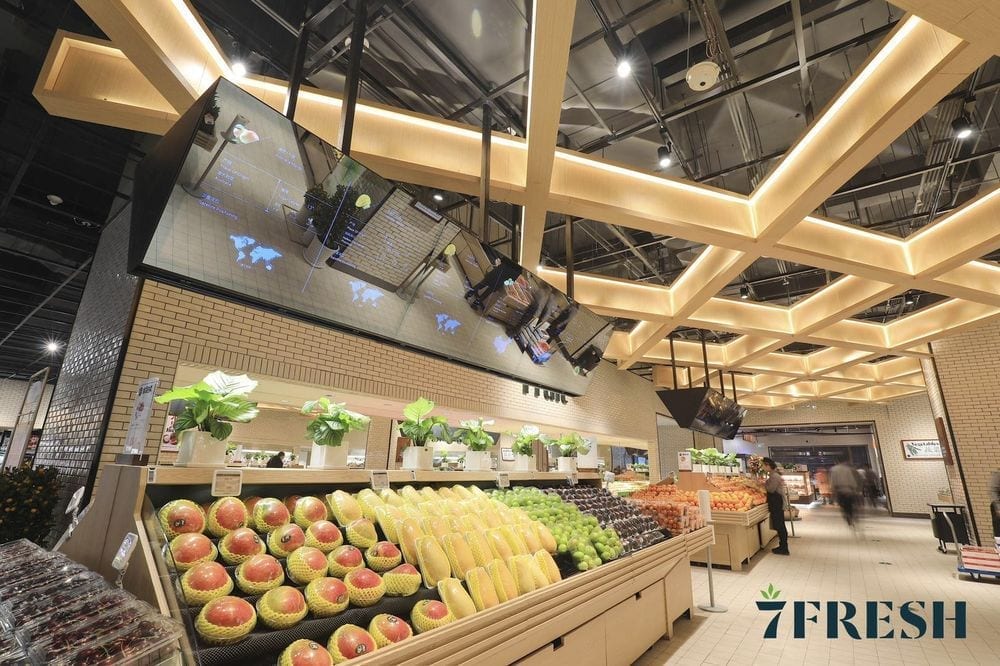
    Chinese e-commerce giant JD.com has opened its second 7Fresh supermarket, at the China Resources Dreamport shopping centre in northern Beijing.

    This follows the launch late last year of the initial 4000sqm outlet near JD.com’s headquarters in Beijing.

    JD.com fresh division president Wang Xiaosong, who is also CEO of 7Fresh, says the supermarket brand is in a “life or death mad rush to cover the entire Beijing market”. Its goal is to open more than 1000 outlets across China during the next three to five years.

    Its concept focuses on fresh goods including produce, meat, seafood, bakery goods, ready-to-eat packaged food and cooked-to-order foods. The supermarket also aims to integrate JD’s technical expertise to improve its offering and customer experience, drawing on data analytics to help formulate inventory based on customer behaviour and manage its supply chain.

    It also integrates O2O retail into its core business, offering consumers within a several kilometre radius the ability to order groceries online for delivery to their doorsteps within 30 minutes.

    The second 7Fresh outlet covers 2600sqm and is similar in layout to the original supermarket, but makes concessions because it is smaller, such as not offering a dining area.

    7Fresh is serving as a laboratory for JD.com to further its goal of seamlessly integrating online and offline retail, and redefining retail in China.

    JD Fresh was launched in 2016, initially as an online component of the JD.com e-commerce platform.

  • Vietnam’s fruits getting popular in Japan

    Vietnam’s fruits getting popular in Japan

    Vietnamese fruit is making its presence felt in the Japanese market, with the country registering a turnover of US$170 million in 2017 through the export of fruits and vegetables, a year-on-year increase of 70 per cent.

    This was revealed by Tạ Đức Minh, Vietnamese trade counsellor to Japan, during Japan’s largest international food and beverage exhibition, Foodex Japan 2018, which opened on Tuesday in Chiba city.

    Up to 20 Vietnamese enterprises from various cities and provinces, such as HCM City, Hà Nội, Nghệ An, Bắc Giang, Ninh Bình, Đồng Tháp, Bến Tre, Cần Thơ, Kiên Giang, Lâm Đồng and Cà Mau, which are active in the field of agro-fisheries and food export, took part in the event.

    The event offers Vietnamese businesses opportunities to promote their exports in the Japanese and other Asian markets. Besides this, it is an opportunity for Việt Nam’s firms to develop new export items, sign valuable export contracts, and promote a wide range of Vietnamese food and agricultural products.

    At the expo, Vietnamese firms displayed products such as fruits and vegetables, seafood, cod-liver oil, organic pepper, seedless lemons, rice products, Phú Quốc sauce, various biscuits and juices.

    Earlier, Vietnamese products were exported to Japan in the form of semi-finished products; however, recently, Vietnamese enterprises have focused on investment and technology cooperation with Japanese enterprises, helping Vietnamese products meet the quality standards of the Japanese market, Minh added.

    The four-day exhibition attracts 3,350 firms from 80 countries and territories worldwide, and is expected to welcome some 85,000 visitors.


  • Nara Thai Brings Classic Thai Dishes To Manila

    Nara Thai Brings Classic Thai Dishes To Manila

    Bangkok’s Nara Thai restaurant has opened a branch in the Philippines.

    It has been brought in by the Roku restaurant group following Roku Sushi and Ramen, which opened in Katipunan six years ago, and Sushi Nori, which specialises in sushi and maki, and already has five branches around Metro Manila.

    Founded in 2003 by a group of female entrepreneurs, Nara Thai is named for one of its founders, Narawadee Srikarnchana. Apart from Thailand, it has branches in Hong Kong, Myanmar, Taipei and Mumbai.

    “Nara is a celebration of families,” says Roku Group CEO Sheila Romero, who runs the restaurant with her daughter Milka. “Sharing memories is my thrust in business.”

    Celebrities and representatives from Nara Thai Cuisine in Bangkok attended the restaurant’s official launch, with the ribbon being cut by the Thai ambassador to the Philippines Thanatip Upatising.

    On the restaurant row of SM Megamall’s Mega Fashion Hall, Nara Thai has interiors bathed in silver and purple.

  • Vietnam expects to export 6.5 million tonnes of rice in 2018

    Vietnam expects to export 6.5 million tonnes of rice in 2018

    The Ministry of Agriculture and Rural Development expects Việt Nam to export 6.5 million tonnes of rice in 2018, Deputy Minister of Agriculture and Rural Development Hà Công Tuấn said at the ministry’s monthly meeting on Friday in Hà Nội.

    To get high export value, high-quality rice will still account for a large proportion of the total export volume, while normal rice makes up less than 20 per cent, Tuấn said.

    He also said the export prices of Vietnamese rice had increased as their quality had improved.

    The export price of Vietnamese rice rose from US$435 per tonne in 2016 to $450 per tonne in 2017 and $475 per tonne during the January-February period.

    This was achieved by restructuring efficiently the production of rice to improve its quality and value.

    At the same time, in the past two years, more local private enterprises have joined the global export market. Businesses have also invested more into the processing of rice but the percentage of processed rice is still low.

    Việt Nam is doing well to improve its rice quality, he said, suggesting the country focus on improving the brand name of its rice.

    According to the Ministry of Agriculture and Rural Development, Việt Nam shipped 861,000 tonnes of rice abroad in the first two months of this year, earning $419 million, up 17 per cent in volume and 34 per cent in value, compared with the same period last year.

    The Philippines was the biggest importer of Vietnamese rice, accounting for 26.9 per cent of the market share. It was followed by China with 23.5 per cent.

    Last year, Việt Nam earned $2.6 billion by exporting 5.8 million tonnes of rice.


  • Food prices escalating after minimum wage hike in South Korea

    Food prices escalating after minimum wage hike in South Korea

    The cost of food and basic necessities in South Korea is continuing to rise, after the government decided to raise the minimum wage in January by the largest annual increase in 17 years.

    Scores of food and beverage establishments have raised prices due higher costs for labor and ingredients.

    A franchise specializing in grilled pork and a Chinese restaurant chain raised prices by at least a dollar. A bowl of soybean paste noodles costing around $4 is now priced at $5.

    Fast food restaurants including McDonalds, KFC, Burger King and Lotteria all adjusted their prices between one to eight percent after the minimum wage hike, as did major bakeries and coffee shops.

    Prices of groceries and basic necessities are also on the rise, particularly in convenience stores which employ part-time workers on minimum wage.

    Rice balls, sandwiches and ready meals have recently become up to 10 percent more expensive as have rice, fizzy drinks, as well as canned and frozen foods.

    One convenience store chain even raised prices for its own brand products including wooden chopsticks, paper cups and hair ties.

    “We decided to raise our prices following the continuous requests of our small-and-medium enterprise partners,” GS retail said.

    Prices will likely continue to rise until next year for across a broad spectrum of industries — not just the food and retail sectors, according to market observers.


  • Taiwan tea brand retailer charts path to sales growth

    Taiwan tea brand retailer charts path to sales growth

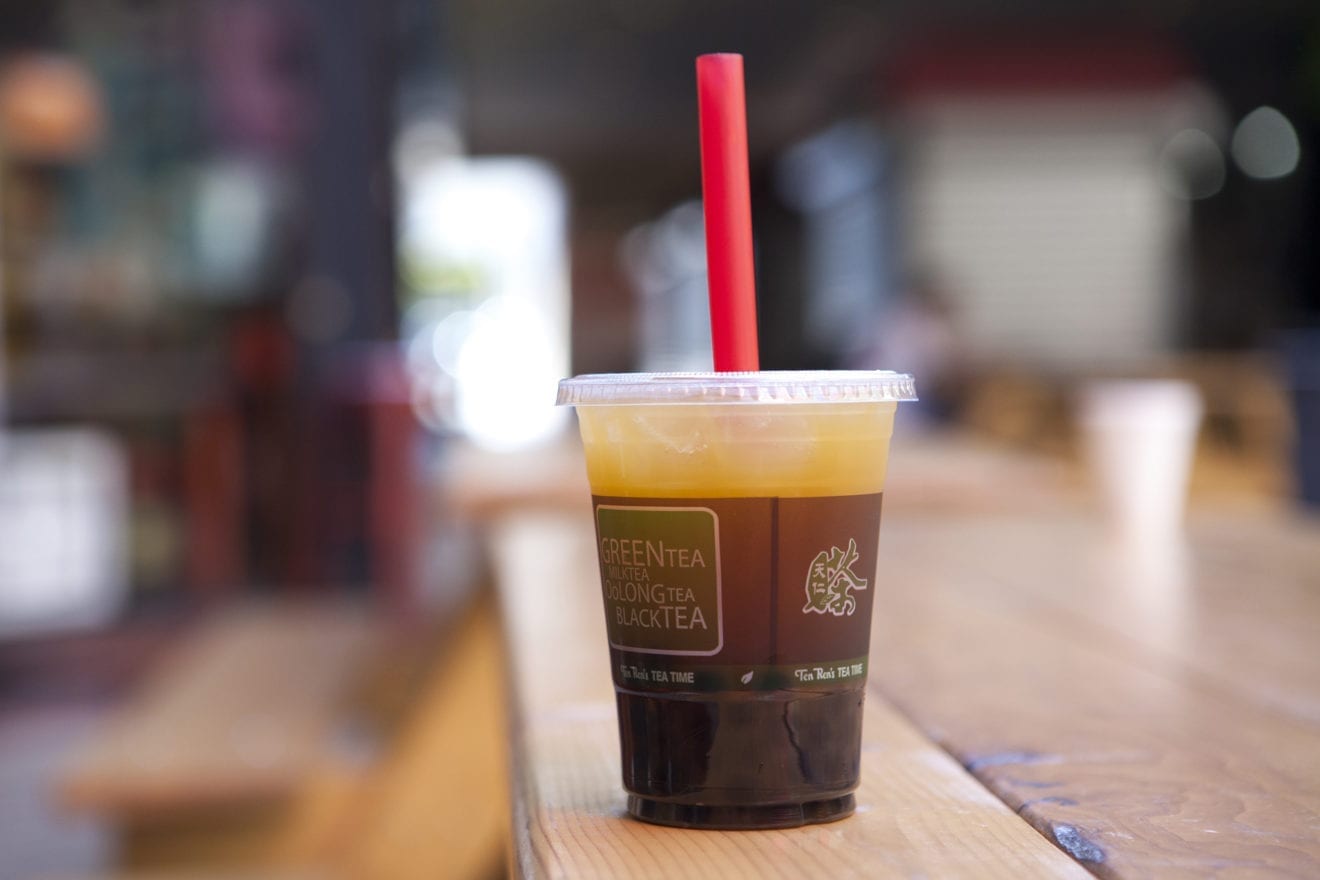
    B&S chairman and chief executive Andrew Chan Kam-chuen, said last week that a new TenRen tea outlet will be opened in Ma On Shan next month in addition to its existing 32 outlets. Another eight branches will be opened in the fiscal years of 2019 and 2020.

    Chan also said the company will assess the market before raising the price of TenRen’s menu and ensure the balance of profit and market response. The average price of TenRen tea products is HK$20.30.

    He added that although rents and staff costs are high, prices of materials and ingredients for beverages are reasonable.

    Chan said the company will focus on further developing its newly-introduced brands and look for more overseas popular brands. He said B&S will first explore Guangdong province when considering expansion.

    The retailer which has the right to self-operate the popular takeaway beverage brand TenRen in Hong Kong opened its retail book last Monday to raise up to HK$100 million by issuing a total of 100 million shares at a price range of 80 HK cents to 100 HK cents.

    The minimum investment for one board lot of 4,000 shares is HK$4,040.31.

    Capital raised through the initial public offering will also be used to lease, set up new warehouse facilities, upgrade the enterprise resource planning system, hire three more marketing sales people as well as for general working capital purposes.

    With over 27 years of operating history in Hong Kong, the food and beverage company’s business portfolio also includes distribution. Its top products include UHA and Hsin Tung Yang.

    To attract overseas brand owners and local retailers, B&S provides supply chain solutions in its distribution operation, including arranging inbound logistics, relabelling the products to comply with relevant Hong Kong food safety and labelling laws, repackaging the products to suit the needs of retailers or the consumers, and formulating marketing and sales strategies.

    TenRen, which has a presence at bookstore Eslite, is the largest revenue contributor in the retail business, which accounted for 92.2 percent of income. With a market share of 24.3 percent, the premier Taiwanese tea-based beverage brand has opened retail outlets in Taiwan, Japan, Singapore, Malaysia, Hong Kong, Canada, Australia, and North America.

    B&S International primarily offers takeaway drinks at its 32 self-operated retail “TenRen” tea outlets, including the milk tea series, the classic tea series, the fresh juicy tea series, the icy drink series and the winter decaf series.

    Other products include tea-flavored ice-cream, packaged tea leaves, packaged snacks as well as tea ware.

    Apart from TenRen, B&S also operates Japanese cheesecake retail outlets Uncle Tetsu and British luxury chocolate brand Hotel Chocolat in Hong Kong, although the latter two did not contribute significantly to its profit.

    Its three licensed Japanese cheesecake retail outletsUncle Tetsu in Hong Kong contributed up to 9.4 percent of revenue in the past several years. It mainly offers cheesecakes, cheese tarts, and panna cotta.

    Three retail shops of Hotel Chocolat, a recently set up British chocolate brand in Hong Kong, has not made a significant contribution yet.

    The company has a very high debt-to-assets ratio. The gearing ratio exceeded 109.8 percent in the past three years.

    Net profit and revenue have grown in the past three years, but B&S considers cashflow as a risk as it may be subject to a liquidity gap due to mismatch in time between receiving payments from customers and payments to suppliers. Its trade receivables turnover days are up to 103.5 days and trade payable turnover days are up to 13.1 days.

    As a result, it has to rely on internal resources and bank borrowings to maintain cashflow and to fund daily operations.

    “If we fail to manage the cashflow mismatch or if the mismatch increases, we may have higher funding requirements either from our internal resources or from bank borrowings to meet our payment obligations and our results of operations and financial condition may be materially and adversely affected,” the company says in the IPO prospectus.

    Lego Corporate Finance Limited is the sole sponsor. Lego Securities Limited is the sole global coordinator and one of the joint bookrunners. Kingsway Financial Services Group Limited is one of the joint bookrunners and one of the lead managers.