Category: Food

Retail News Asia is committed to providing both local and global retailers with the latest Food and Food & Beverage news throughout the Asian market. This on a daily base.

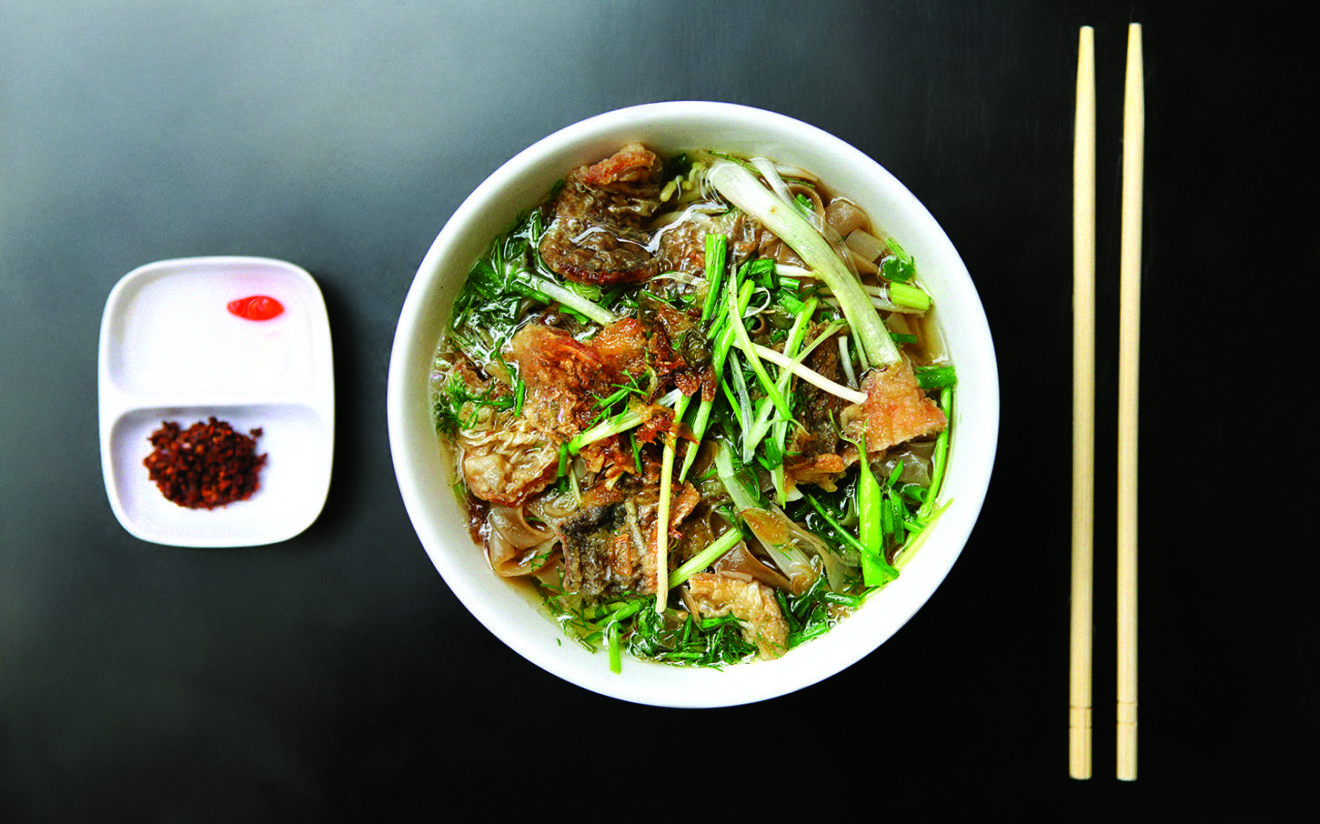
  • Michelin Guide Street Food Festival for Macau

    Michelin Guide Street Food Festival for Macau

    Macau’s inaugural Michelin Guide Street Food Festival launches at the Studio City entertainment resort in October.

    Being organised by Michelin Guide Hong Kong and Robert Parker Wine Advocate, the four-day event features chefs from Michelin-starred restaurants and Bib Gourmand (a relatively new Michelin award for less formal restaurants) and Michelin-recommended eateries across Asia. Free, the festival runs from October 5 to 8 at Studio City’s Macau Gourmet Walk, which resembles the enclave’s historic streets.

    Supported by Melco Resorts and Entertainment, the festival will feature decorated stalls showcasing some of Asia’s best street-food offerings including Singapore’s hawker stalls, Shanghainese dim sum, Japanese little eats and Macau’s Chinese classics.

    Signature dishes and special festival creations will be available starting from MOP40 (US$5) and using a coupon system.

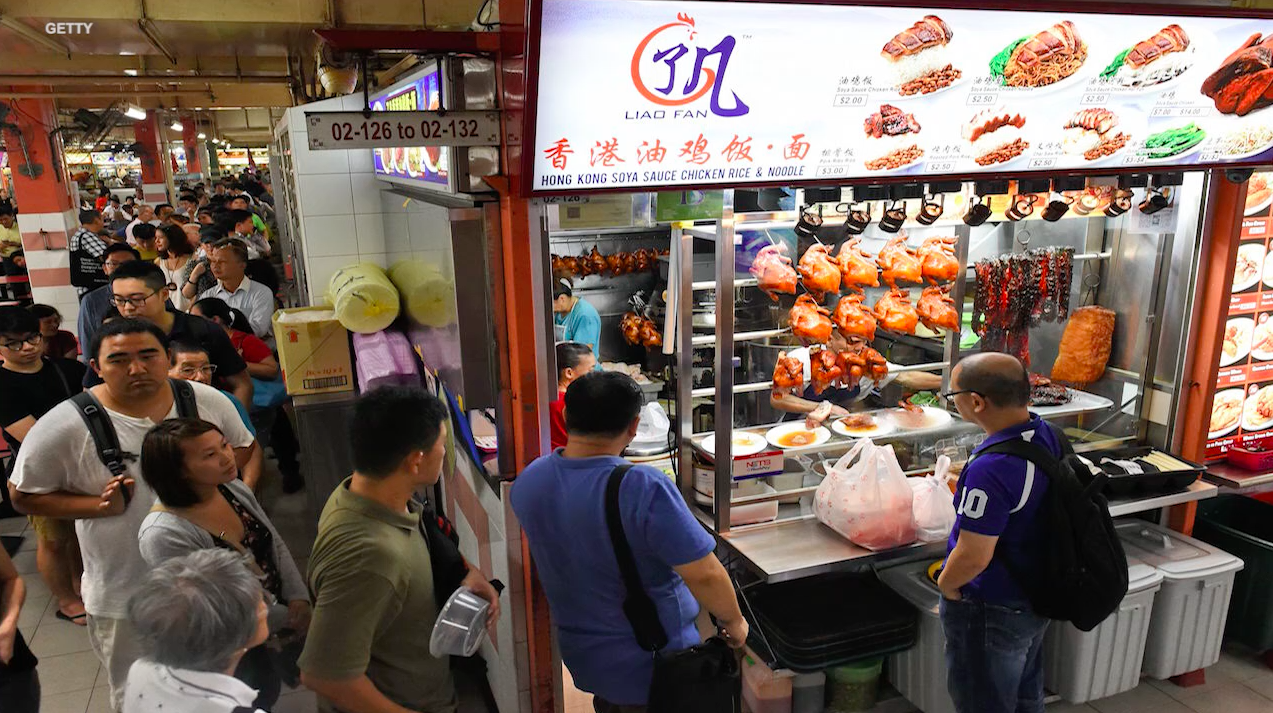
    Eateries from Japan and Singapore will offer their food in Macau for the first time, including the world’s first-ever street-food stall to have been awarded a Michelin Star, Hong Kong Soya Sauce Chicken Rice & Noodle from Singapore. Its chef Chan Hon Meng will be cooking alongside fellow Singaporean Wayne Liew from Keng Eng Kee, the street-food stall known for its fusion of Hainanese cuisine with Malaysian-style Zi Char homestyle food.

    Other chefs coming from Singapore include Manjunath Mural from the one-star Song of India, Han Liguang from Labyrinth, which has just been awarded one star in the new Michelin Guide Singapore 2017, and Malcolm Lee from one-star Candlenut, the world’s only Michelin-starred Peranakan restaurant.

    Coming from Japan is Yoshihiro Tanaka from Kougaryu Honten, who will be preparing his Bib Gourmand-awarded takoyaki in three different flavours.

    Three of Studio City’s signature restaurants, one-star Cantonese restaurant Pearl Dragon, Michelin-recommended Shanghainese restaurant Shanghai Magic and Michelin-recommended Bi Ying, which serves northern and southern Chinese flavours, will present delicacies made specially for the festival.

  • Australian brewer eyes Sabeco and Habeco shares

    Australian brewer eyes Sabeco and Habeco shares

    With the aim of expanding operations in Vietnam, Carlton & United Breweries (CUB) has become a new competitor in the race to seize the stakes in Hanoi Beer, Alcohol and Beverages Corporation (Habeco) and Saigon Beer, Alcohol and Beverages Corporation (Sabeco).

    The companies intentions were stated by CUB general director Jan Craps at the meeting of Deputy Prime Minister Vuong Dinh Hue and the delegation of Australian enterprises on July 24, according to newswire Vnexpress.

    According to Jan Craps, CUB plans to expand its operations in the southern province of Binh Duong and is looking to become the strategic investor of both Habeco and Sabeco.

    According to information released by the Ministry of Industry and Trade (MoIT) at its monthly press conference organised on July 14, the sale of state stakes will be carried out this year.

    Bui Truong Thang, deputy director general of MoIT’s Light Industry Department, said Habeco will submit its divestment plan to the ministry this week and Sabeco’s divestment plan will also be submitted before the end of the month.

    At present, Habeco signed with Bao Viet Securities Company (BVSC) and Vietnam Valuation and Finance Consultancy (VVFC), appointing them as the consultancy firms for the state divestment.

    Regarding Sabeco, according to unofficial information, a venture of BVSC, VVFC, and Earnst & Young Vietnam Limited was selected as the consultancy group for the state divestment.

    The state divestment from Sabeco and Habeco has also attracted numerous foreign investors. Notably, in November 2016, Thai Beverage Public Company Limited (Thai Beverage), Japanese Asahi Group Holdings Ltd. and Kirin Holdings Co. released their plans to bid for Sabeco’s shares.

    Several other foreign brewers have been eyeing Sabeco since it was earmarked for equitisation, such as San Miguel, Heineken, and SABMiller. The move is part of these companies’ overseas expansion plans to counterbalance shrinking domestic markets.

    Danish brewer Carlsberg, owning a 17.5 per cent stake in Habeco, also intends to increase its holdings.

    The reason for foreign investors’ interest in Habeco and Sabeco is that Vietnam ranked among the Top-10 beer consumption markets in the world at the end of 2016, with total consumption projected to grow by 10 per cent year-on-year, to reach four billion litres in 2017.

    Established in 1907, CUB is currently the largest beer brewer in Australia, holding 47 per cent of the beer market. Some of Australia’s most famous brands, including Victoria Bitter, Carlton Draught, Crown Lager, Melbourne Bitter, Pure Blonde and Cascade come from the company’s breweries. In 2011, the company joined the SABMiller group, the second largest brewer in the world.

  • Japanese restaurants mushroom in Vietnam

    Japanese restaurants mushroom in Vietnam

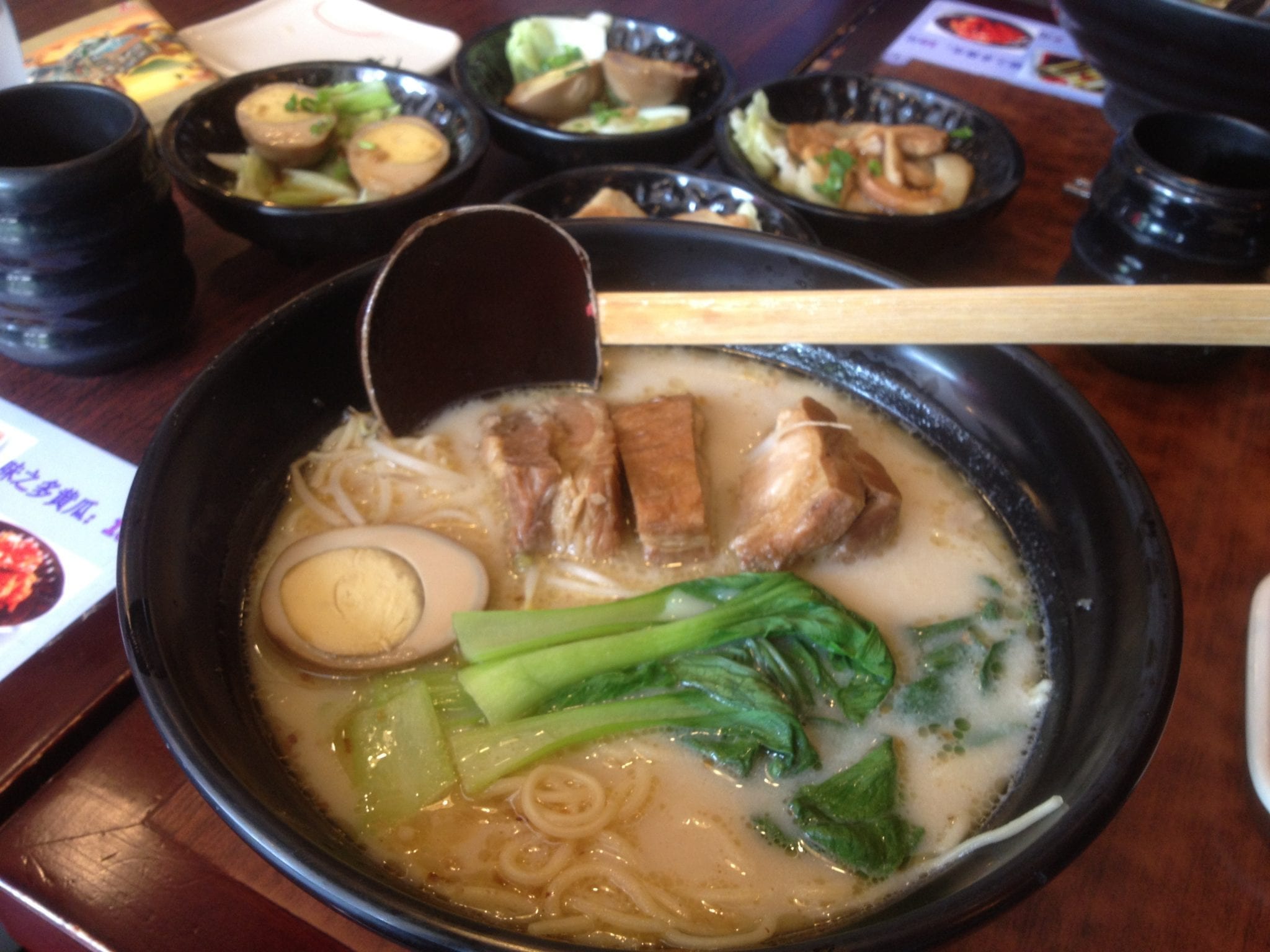
    There are more than 1,000 restaurants serving Japanese cuisine in Vietnam, the majority of which are in HCM City. HCM City has about 660 restaurants serving Japanese cuisine, twice as many as there were three years ago, according to the Consulate General of Japan in HCM City.

    Outside of HCM City, there are about 110 Japanese restaurants across provinces and cities in southern Vietnam, such as Binh Duong, Dong Nai, Khanh Hoa, and Ba Ria – Vung Tau provinces.

    The Japan Consulate official said approximately half of the restaurants serving Japanese food in Vietnam are run by Japanese owners and the remaining are owned and run by Vietnamese franchisees and entrepreneurs.

    The increase in Japanese restaurants has also led to a growing number of Japanese food and ingredients sold.

    In 2016, Vietnam was the fifth-largest importer of Japan’s agricultural produce and food in the world.

    Japan exports about US$180 million worth of forestry and seafood to Vietnam every year.

    Japan is currently Vietnam’s second-largest foreign investor, having developed about 3,450 projects, with a total registered capital of over $46 billion.

    South Korea is the largest foreign investor with 6,130 projects, with a total registered capital of over $54.5 billion.

  • Not to everyone’s taste

    Not to everyone’s taste

    Vietnam’s fast-food segment has become much more competitive as a huge number of chains arrive in the country, but some are now reviewing their business activities while others are departing.

    Analysts say that as Vietnam is an emerging market, investors need to follow a reasonable path in order to reap the benefits. Most fast-food brands in Vietnam are “giants” but not all can succeed here.

    “Meeting the tastes of customers, which are rapidly changing along with the development of society, is one of the biggest challenges for any business,” Mr. Nguyen Huy Thinh, General Manager of McDonald’s in Vietnam.

    Learn to compete

    McDonald’s opened its first outlet in Vietnam in 2014 and quickly found favor. Mr. Nguyen Bao Hoang was appointed to bring the Big Mac to Vietnam as a Developmental Licensee, with the contract signed the result of cooperation with the UK-based international law firm, Allen & Overy, and the result of a “rigorous” selection process, the fast-food giant said.

    McDonald’s attracted 20,000 customers and earned around VND1.5 billion ($71,130) in revenue in its first two days in the country. Similar to Burger King, it also adopted an ambitious plan to have 100 stores within a decade. But four years on, it is yet to expand beyond Ho Chi Minh City.

    It has introduced Western breakfast dishes such as egg muffin, sausage, hotcakes, and hash browns in a bid to win over picky Vietnamese palates, though it remains doubtful that such fare is appealing to local people.

    In fact, “studying the tastes of Vietnamese customers is an important factor for every fast-food business,” Mr. Thinh said.

    “Customers are not afraid to try new food, but customer demand doesn’t stop at simple food. There is also a desire to experience quality service in beautiful spaces.”

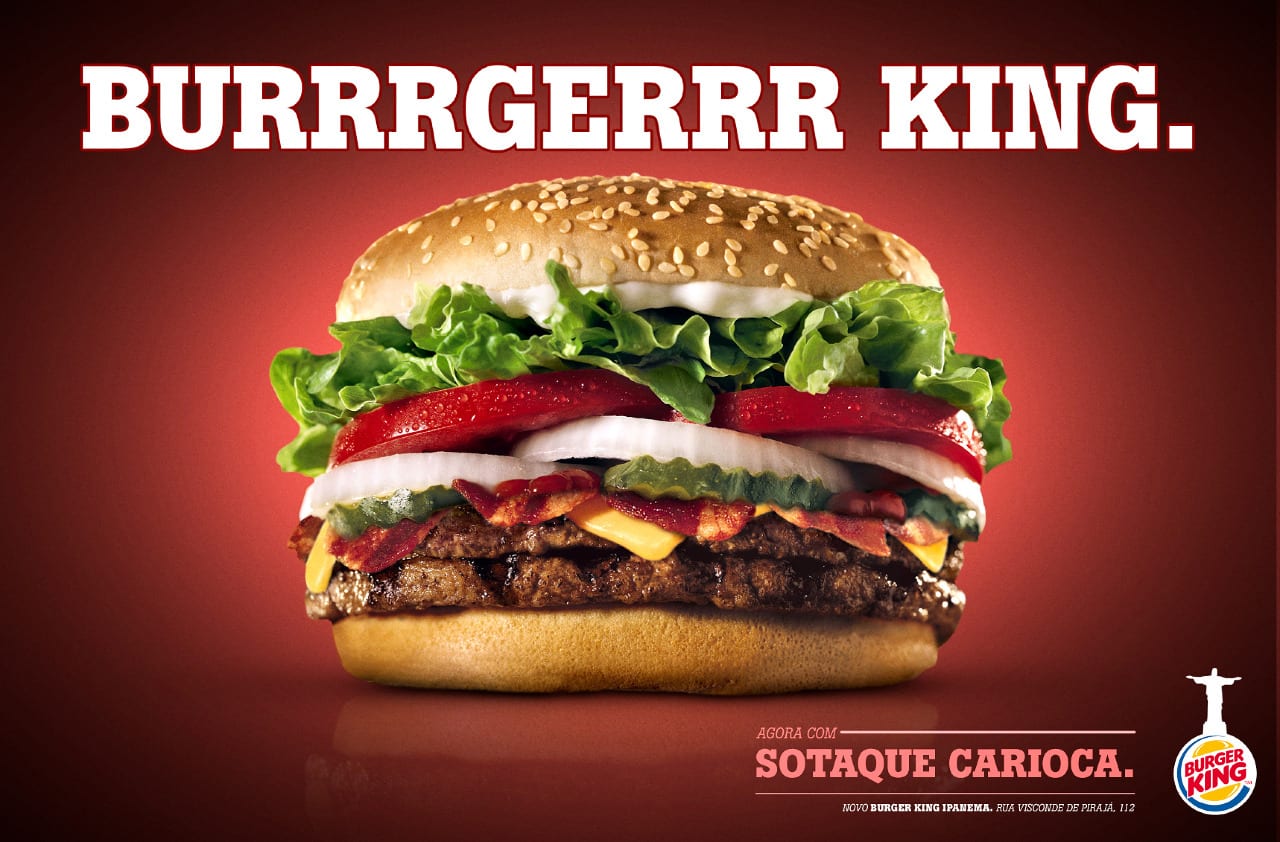
    Burger King introduced the Whopper to Vietnam in 2011 through opening its first outlet at Tan Son Nhat International Airport in Ho Chi Minh City, and had an ambitious plan to open 60 outlets within its first five years.

    It has invested $40 million in developing its chain in prime locations in major cities and provinces, but closed two outlets, in Tan Binh district and District 3 in Ho Chi Minh City, last year, two in Ho Chi Minh City and Hanoi in 2015, and one in Da Nang in 2014.

    Burger King Vietnam declined to comment for this story but in an interview with local media, Mr. Johnathan Hanh Nguyen, a representative of the franchise, said the US fast-food chain would not exit from Vietnam.

    “Some shops might have closed, but new shops will open,” he was quoted as saying. Analysts, meanwhile, believe that Burger King is meeting problems in Vietnam as its strategy of “Taste is King”, imposing US tastes in Vietnam, is not suitable.

    Its hamburgers, which stand at a price disadvantage compared to local “banh my” (bread and fillings), are simply not favored by Vietnamese.

    While the “King of Branded Goods” previously revealed the secret of his franchise as being “location, location, location”, it is unfortunately just one of many factors in winning in the fast-food segment.

    Many analysts also said that Vietnam’s Western-wannabe attitude has changed, and that local people have turned their backs on foreign fast-food after their curiosity was sated. Many local customers said the prices at foreign fast-food restaurants are too high and the food not really suitable.

    “Not meeting the needs of the target audience is one cause of failure in the food and beverage (F&B) field,” according to Ms. Nguyen Phi Van, Chairman of Retail and Franchise Asia.

    Change & develop

    In contrast to Burger King and McDonald’s, KFC, Lotteria, and Jollibee have become popular in Vietnam by adapting to local tastes, though all struggled in their initial years before finding success.

    Jollibee was the first to arrive in Vietnam, followed by KFC and Lotteria. KFC opened its first outlet in Ho Chi Minh City in 1997 and faced trouble at the time, as local consumers were unfamiliar with the concept of “fast-food”.

    Outlet numbers grew slowly, reaching 17 after seven years. It then adjusted its strategy, in particular changing its menu, for example by adding rice and vegetables to its signature fried chicken. By 2011, it had 100 outlets.

    Though facing major challenges in Vietnam and incurring losses for the first seven years, it now has more than 140 outlets in 19 cities and provinces and employs some 3,000 people.

    South Korea’s Lotteria, belonging to the Lotte Group, was also early on the scene, opening its first outlet in 1998. By late 2012 it had 140 outlets then 207 by 2015, opening an average of 20 each year.

    But it then opened just four new outlets in the first half of 2016. Regardless, Lotteria remains one of the leading fast-food brands in the country, with over 210 outlets in 30 cities and provinces and, though slow, outlet numbers continue to rise.

    The success of Lotteria is due to its extensive network of outlets, its diverse menu, and its dynamic marketing activities.

    The first on the scene, Jollibee, opened its first outlet in Vietnam in 1996 but has perhaps struggled more than KFC and Lotteria to gain a foothold in the country. By the end of 2012 it had just 25 outlets.

    In the 2012-2015 period, though, it grew quickly, opening nearly 50 new outlets, reaching 73 by the end of 2015. It now has around 80 stores in Vietnam and has also changed its menu to make it suitable with Vietnamese taste buds.

    General speaking, efforts to localize menus have made these brands more attractive among local people.

    Localizing the menu encourages people to walk through the front door, and once inside they may be open to trying something different, according to Mr. Robert Tran, CEO of business advisory firm the Robenny Corp.

    Moreover, customers can purchase a rice meal for only VND35,000 ($1.6) or a burger for VND49,000 ($2.2) at lunchtime.

    More and more people, especially the younger generation, have started having lunch at fast-food outlets rather than at street stalls or small eateries, as they can enjoy a meal at an affordable price amid air-conditioned comfort.

    Mr. Hoang also told local media that it is no easy task introducing a brand such as McDonald’s to Vietnam.

    “I therefore had to be very careful when conducting research,” he said.

    Vietnam presents a host of other obstacles for foreign fast-food brands. Mr. Thinh said that the appearance of more and more franchises in the country enhances the level of competition in the industry.

    “Challenges in location, workers, and product and service quality are all problematic for enterprises when making decisions,” he said.

    Mr. Nguyen Hong Lam, Managing Director of Jollibee Vietnam, told VET that the search for premises that are consistent with the needs of the company’s business leads to higher costs.

    Analysts also say that local brands possess advantages that their foreign counterparts don’t, such as affordable prices and a comprehensive understanding of consumer behavior in the country.
  • Alibaba cafe without cashier attracts queue

    Alibaba cafe without cashier attracts queue

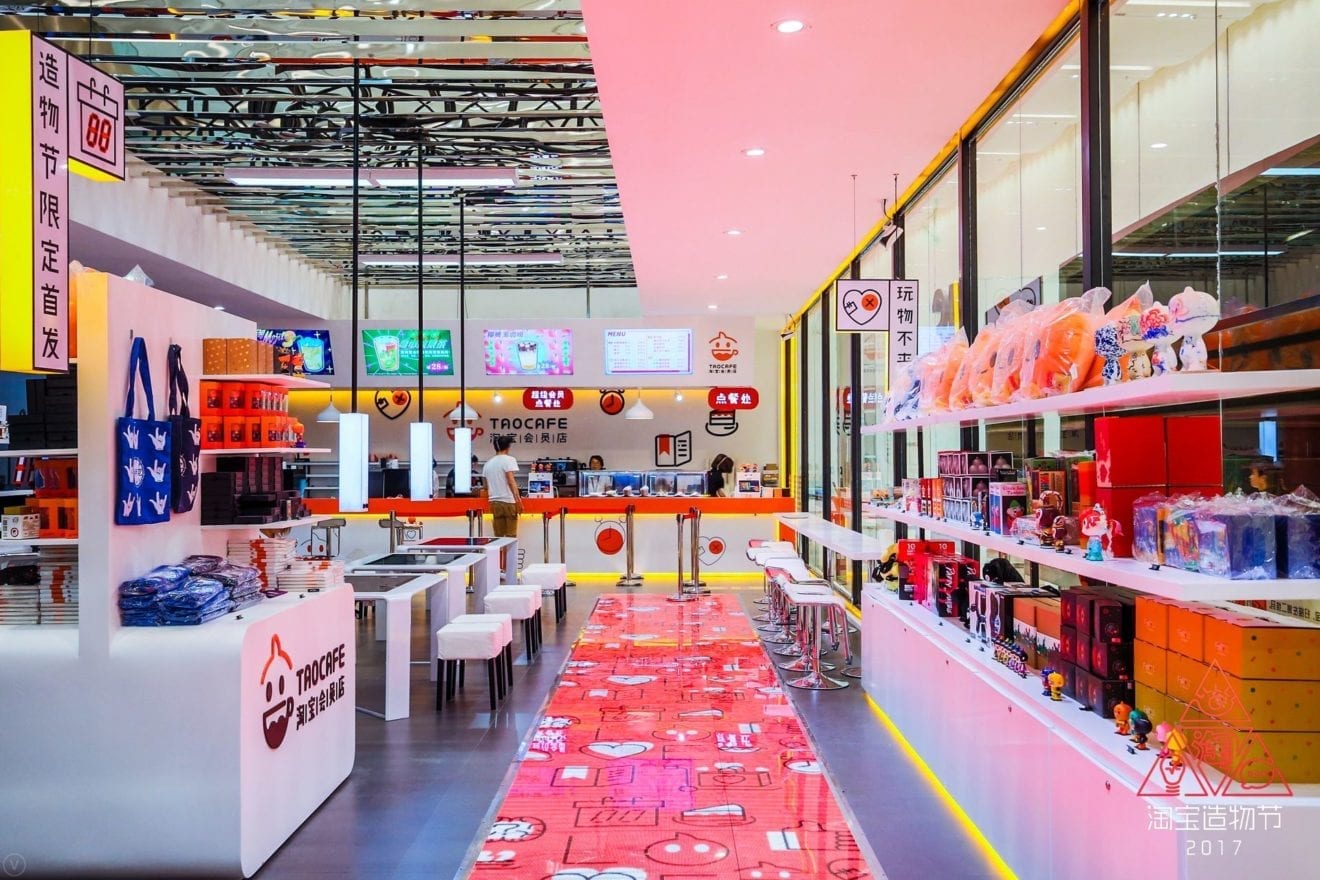
    An Alibaba cafe without a cashier attracted a queue of shoppers for its opening in Hangzhou. Entry into Tao Cafe is via smartphone scan through ticket gates similar to those at subway stations.

    Offering drinks, fast food and snacks, the 200 sqm store can accommodate 50 customers. To enter and make a purchase, shoppers need only a smartphone with Alibaba’s Taobao e-commerce app. The store’s e-shopping system developer, Alibaba subsidiary Ant Finance, has assigned a team to help customers.

    A woman shopper says she enjoyed the experience of buying a cup of coffee in the store. “Your profile picture is shown on the screen after you place an order. It also shows the wait time. There is no hassle of waiting for your name to be called like in ordinary cafes.”

    A tourist from Shenzhen says helpers told him to pick up goods slowly from the shelf so the system has time to confirm his selection. “We need to learn – it is a whole new shopping experience.” As he walked out of the cafe, his bill was automatically paid via the e-payment account on his smartphone.

    Ant Finance senior technical advisor Zeng Xiaodong says the cafe combines automated visual sensors and facial recognition to reduce error rates.

    All goods in the cafe are digitalised, he says. Each commodity, its placement on the shelf and its purchase are subject to digital recognition.

    “This store is our endeavour to explore new modes of brick-and-mortar retail combined with e-commerce,” says Alibaba CEO Zhang Yong.

    Theft test

    The system has been tested by technicians pretending to steal items, but the checkout machines recognised their selections and processed the charge.

    “It’s not about Alibaba wanting to open cafes, it’s about digitalising the footprints of visitors to an offline store,” says Alibaba Group chief marketing officer Chris Tung.

    He says offline retailers can improve by adopting online data capabilities to link the identity of the customers and optimise their shopping experience. “The more a user browses, the better the system understands their interests, and the better it can provide more relevant and personalised messages for them – it’s a healthy cycle.”

    Once retailers understand what their customers need online, the products can be allocated to the physical store.

    “The cafe is just a demonstration of what can be done for retail,” says Tung.

    Smart shopping has attracted attention after an unmanned 24-hour BingoBox convenience store opened in Shanghai last month. Customers must register in advance using social-media app WeChat or Alibaba’s mobile wallet app Alipay, then scan a QR code to enter the 10 sqm store, where goods are about 20 to 30 per cent cheaper than those in other convenience stores.

    Once customers have completed their purchase they scan another QR code to exit the store.

    BingoBox has raised US$15 million in funding to expand its business, and says only four staff members are needed to run about 40 stores.

  • Honestbee Food launches meal deliveries

    Honestbee Food launches meal deliveries

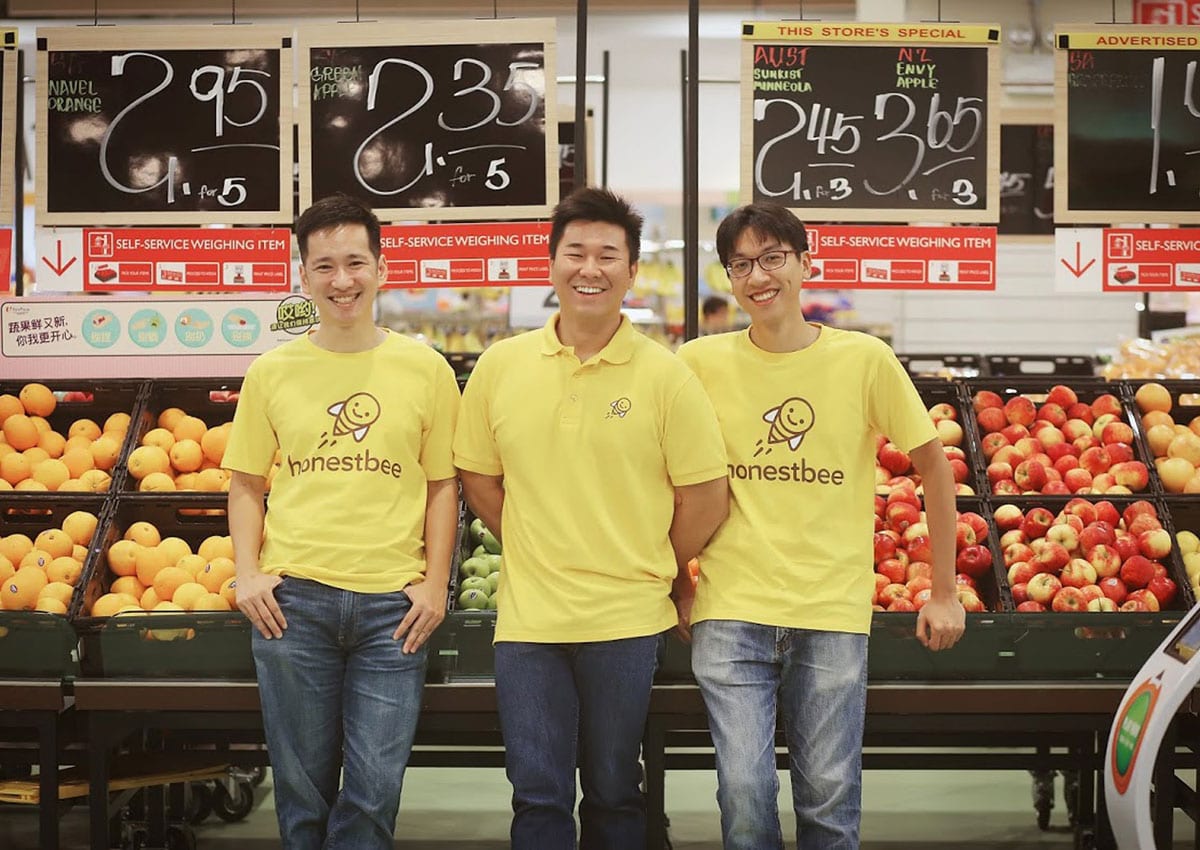
    Honestbee Food restaurant delivery service has been extended to Hong Kong.

    This follows the grocery and concierge service Honestbee partnering last month with eight major supermarkets, including UK retailer Tesco.

    To mark the launch of the meal-delivery service, Honestbee Food is offering special deals to Hong Kong customers, plus a free delivery promotion, until September 20.

  • Vietnam reaching a heady high in the global beer business

    Vietnam reaching a heady high in the global beer business

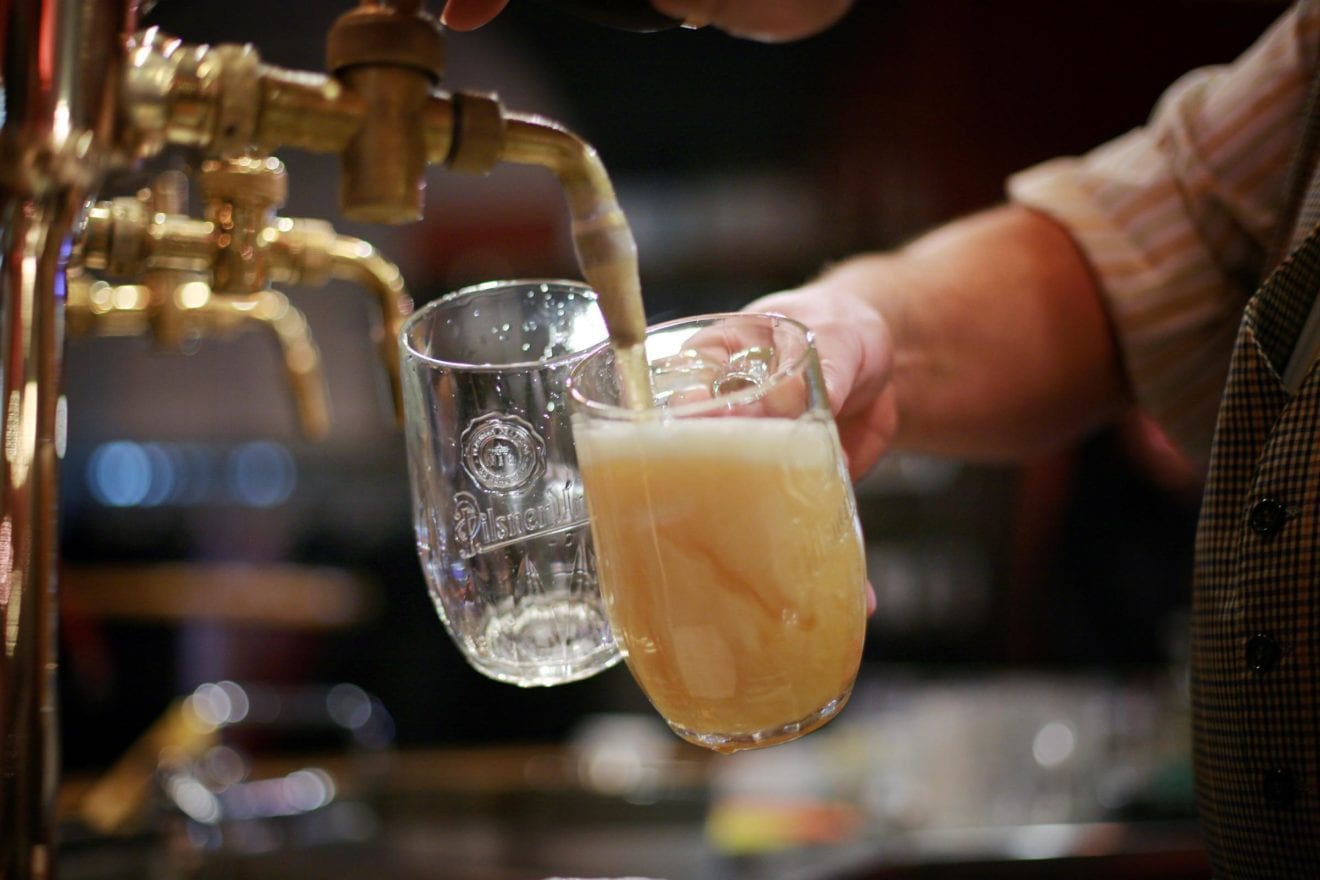
    Drinkers are foaming at the mouth in ‘the next key battleground for brewers.’ With the Vietnamese thirst for beer seeming to know no limits, brewers are finding it hard to resist tapping into the country’s fertile market.

    Vietnam is forecast to lead Southeast Asia to see volume growth of 2.3 billion liters over 2016-2021, market researcher Euromonitor International said in its July report. Southeast Asia’s volume gains will even surpass those of larger regions, such as North America, Europe, the Middle East and Africa, the report said.

    An expanding Vietnamese middle class and youthful population have helped drive a 300 percent surge in beer demand since 2002, according to Euromonitor, which estimates the market was worth VND147.2 trillion ($6.5 billion) last year.

    It predicts per-capita consumption will reach 40.6 liters this year, making Vietnam the biggest beer consumer in Southeast Asia.

    Vietnam will be “the next key battleground for brewers”, cited Euromonitor as saying in a report Friday.

    Saigon Beer Alcohol Beverage Corp. (Sabeco) and Hanoi Beer Alcohol Beverage Corp. (Habeco), the nation’s two largest beer companies, will submit IPO plans to the government this month, an official from the industry and trade ministry told local media last week.

    “The stake-sales will create an opportunity for international companies to expand geographically, especially those still without a presence in Vietnam,” John Ditty, managing partner of KPMG Vietnam’s deals advisory unit.

    A study jointly conducted by Vietnam’s health ministry and the World Health Organization (WHO) last year showed that 77 percent of Vietnamese men drink liquor and beer, and nearly half of them drink at hazardous levels.

    Nguyen Phuong Nam, an official from the WHO, said nearly 67 percent of the 1,840 traffic accident patients involved in the study had high concentrations of alcohol in their blood, and 45 percent had driven after drinking for two hours or more.

    Vietnamese drank 3.8 billion liters of beer last year. That was an average of 42 liters per person, four liters more than 2015, according to data collected by the trade ministry.

  • Ksubaka’s interactive ‘Pasta Loves Sauce’ campaign engages consumers

    Ksubaka’s interactive ‘Pasta Loves Sauce’ campaign engages consumers

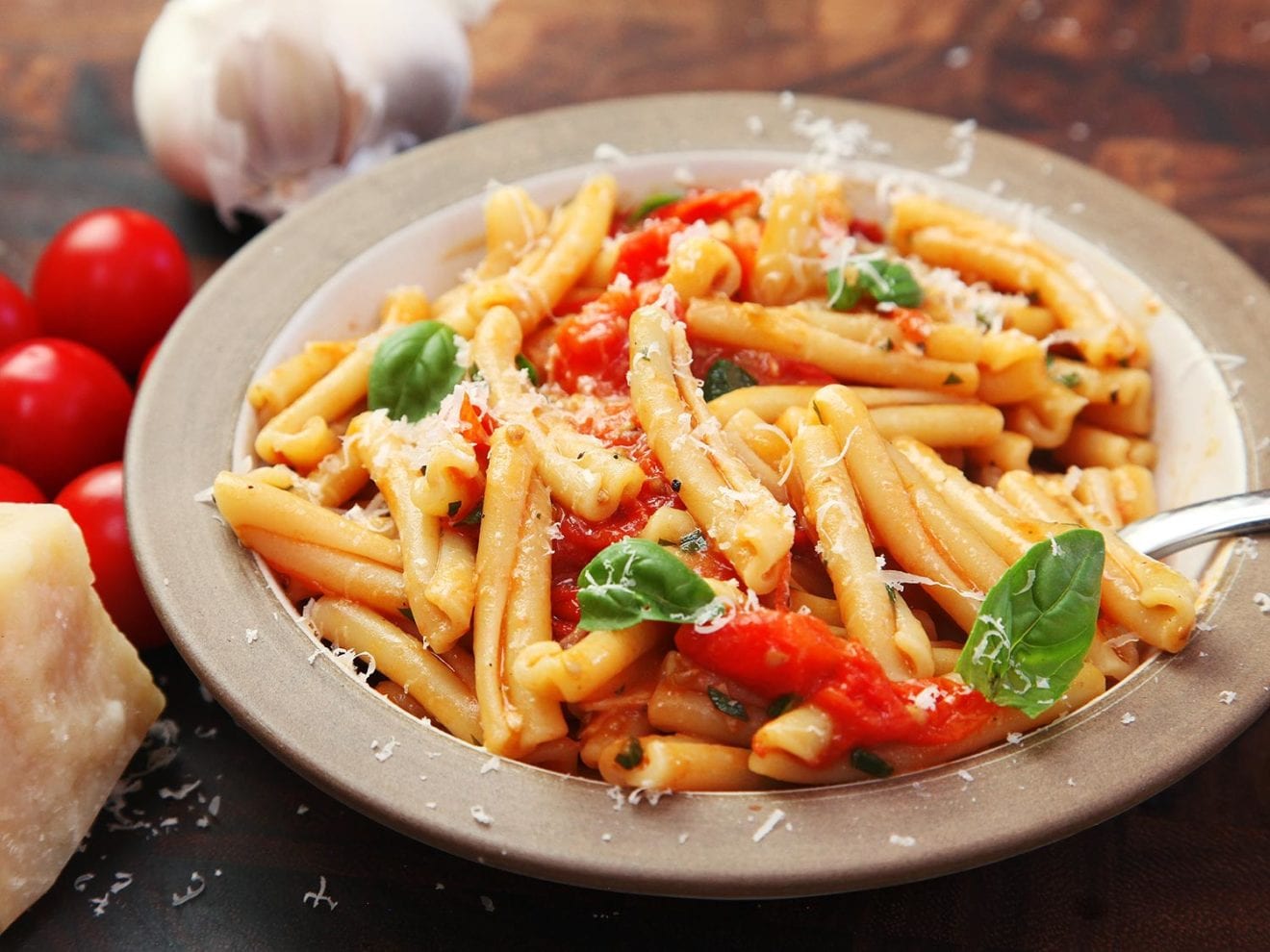
    As part of its ‘Pasta Loves Sauce’ initiative Barilla, Italy’s #1 selling pasta, wanted to extend its brand campaign to in-store shoppers across Singapore to demonstrate the versatility of its pasta and sauces, bring the brand to life in a fun and engaging way and ultimately encouraging sales. Teaming with Ksubaka and its network of 280 playSpots located in 140 FairPrice stores across the country, over 110k shoppers stopped to learn about Barilla during the one month campaign.

    Ksubaka makes engaging interactive branded experiences that are fun, informative and rewarding. These branded experiences are displayed on its media network of touch screen playSpots, which are located in high footfall retail locations. All shopper activity is monitored in real-time giving unparalleled granular insight into the effectiveness of the campaigns.

    For the Barilla ‘Pasta Loves Sauce’ campaign shoppers used a Pasta Recipe Finder designed by Ksubaka to discover different pasta recipes. Shoppers selected their preferred pasta cut, protein, and time they had for cooking the recipe. The recipe could then be sent to the their mobile via SMS, along with the ingredients list so they could go shopping. If they purchased a Barilla product they were entered into a prize draw to win spa vouchers.

    “Barilla gave hundreds of thousands of shoppers their perfect Italian pasta recipe, through a fun and branded interactive solution; thanks to Ksubaka’s unique in-store experience! The campaign results are stronger than our expectations and rank high from customer interaction point of view and we are looking to build and extend our relationship with Ksubaka,”said, Gupte Nikhil, Managing Director – South East Asia at Barilla Group

    The campaign outperformed all pre-campaign KPI’s engaging a large number of shoppers across the country and successfully raising Barilla profile in-store, especially with shoppers that prioritize high quality pasta.

    “The Barilla campaign clearly demonstrates our ability to reach shoppers at mass scale in a very short period of time. Our irresistible, engaging and fun branded games offer a new medium for brands to connect with their target audience.” Said, Julian Corbett, CEO and founder, Ksubaka.

    The campaign outperformed all pre-campaign KPI’s engaging a large number of shoppers across the country and successfully raising Barilla profile in-store, especially with shoppers that prioritize high quality pasta.

  • Ajisen, Katrina Group sign So Pho deal

    Ajisen, Katrina Group sign So Pho deal

    Aiming to grow in China and enter the Hong Kong market, Singapore F&B company Katrina Group has signed an agreement with Big Benefit Group, a wholly owned subsidiary of Ajisen (China) Holdings.

    Under the deal, Katrina will hold a 30 per cent stake in the JV company, which manages snack bars, cafes, restaurants and other food services. It serves Vietnamese-style dishes under the brand So Pho in China and Hong Kong.

    Katrina founder/CEO/executive chairman Alan Goh says Ajisen is one of the largest restaurant chains in China. ‘This collaboration will extend our geographical reach in China and help us enter the Hong Kong market. It is a bold step in further strengthening Katrina as a regional F&B group.”

    Hong Kong-listed Ajisen China has nearly 700 restaurants in 120 cities and 30 provinces in China and Hong Kong, while Katrina Group, which specialises in multi-cuisine concepts, owns and runs 33 restaurants in Singapore under nine brands including Bali Thai and Streats.

    Ajisen China and Katrina will provide working capital for So Pho International of up to US$1.05 million and $450,000 respectively through an interest-free shareholders’ loan.

    Katrina will also trademark So Pho International in Mainland China with an exclusive right to sub-license and franchise the trade name of “So Pho”.

    “With our strong track record and Katrina’s brand development capabilities, we look forward to growing the So Pho brand in China and Hong Kong,” says Ajisen China founder/chairman/CEO Wai Poon.

  • Shakey’s Pizza Asia Ventures moving into UAE

    Shakey’s Pizza Asia Ventures moving into UAE

    Philippine pizza-parlor chain Shakey’s Pizza Asia Ventures (SPAVI) is expanding its overseas footprint with a move into the United Arab Emirates next year.

    Through subsidiary Shakey’s Pizza Regional Foods, SPAVI has signed an area development agreement with Dubai-based Al Jeel Capital to build at least 10 Shakey’s Pizza outlets in the UAE over five years.

    In Dubai, the first store is scheduled to open in the first half of next year.

    It is the second international franchise granted by SPAVI, which owns perpetual rights to the Shakey’s brand for Asia (excluding Japan and Malaysia), Australia, China, the Middle East and Oceania. The new deal brings to 20 the number of outlets scheduled to open over the next few years. SPAVI last year signed an agreement to open at least 10 Shakey’s stores in Kuwait.

    “Dubai, UAE and the rest of the Middle East are great markets for us – not only are there strong Filipino communities but also tremendous growth opportunities within the mainstream markets,” says SPAVI president Vic Gregorio.

    Founded in California in 1954 and the first franchise pizza chain in the US, Shakey’s Pizza launched in the Philippines in 1975. As at the end of March, the group had 189 stores in the Philippines.

    Shakey’s Asia Food Holdings, a company owned by the Po family’s Century Pacific Group, Arran Investments Private and the Prieto family, acquired 100 per cent interest in SPAVI in April last year. In October, SPAVI acquired 100 per cent ownership of Bakemasters, Shakey’s International and Golden Gourmet.

  • Subway stores to be revamped globally

    Subway stores to be revamped globally

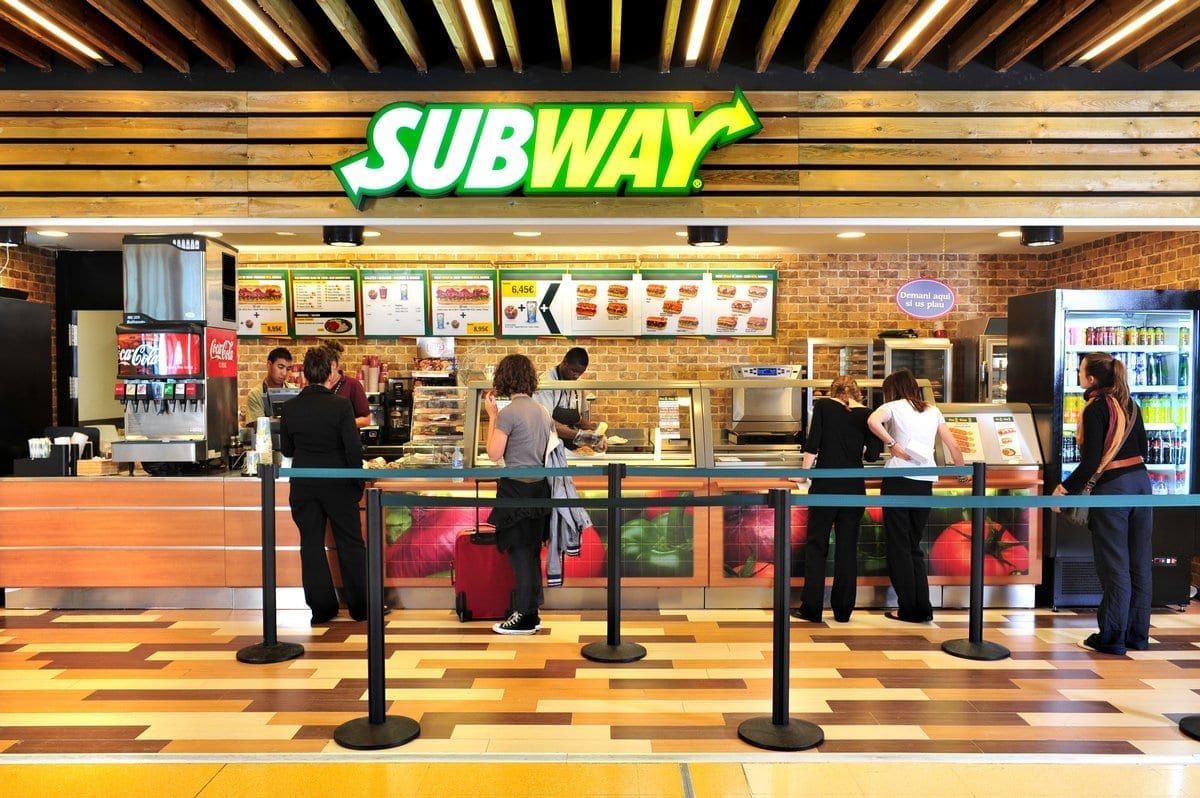
    Subway stores are getting a facelift, with the new Fresh Forward design being rolled out internationally. Briefed to come up with a distinctive, welcoming space, FRCH Design Worldwide introduced a bright new colour palette inspired by fresh vegetables.

    This comes almost a year after the chain updated its logo. It created Subway Digital last year to develop an omni-channel strategy and also revealed a new brand identity including a new symbol called the Choice Mark. Its optimised colour palette is being brought to life through in-store imagery, packaging, uniforms and signs. Many elements of the refreshed brand identity will be worldwide by the end of this year.

    “We’ve created a modern design that gives our guests choices – from how they order, to how they pick up their food, to how they enjoy their meal,” says Subway VP of operations Trevor Haynes.

    Select locations offer self-order kiosks with digital menu boards and Apple and Samsung Pay options. There is a separate food-preparation area for kiosk guests. There is also a designated pre-order pick-up location for orders via kiosk, mobile app, delivery, catering and bot for Messenger.

    Stores feature a fresh vegetable display with whole tomatoes, green peppers, onions and cucumbers, plus there are bread and cookie displays. Subway Fresh Forward restaurants are also adding items to the menu, starting with pico de gallo, sauces, house-made pickles and gluten-free bread.

    For dine-in guests there is bright and playful decor, curated music and comfortable seating with USB charging ports and complimentary Wi-Fi internet access.

    Franchisees and customers around the world offered input for the new design. Twelve pilot locations have just opened in Canada, the UK and the US, with restaurants to be refreshed in the 113 countries covered by the chain’s more than 44,000 locations.

    Subway was founded more than 50 years ago Fred DeLuca, then 17, and family friend Dr Peter Buck, and is still a family-owned business.

  • Mastering the art of home cooking

    Mastering the art of home cooking

    US-based meal kit company, Blue Apron, celebrated its IPO on 29 June with more than the usual fanfare, hiring caterers to pass out bite-size chicken burgers and hosting a cooking competition outside the New York Stock Exchange.

    But just over one week later, the company’s stock was trading 24 per cent down from its debut price of US$10, at about US$7.60 a share. Investors in Blue Apron, which listed with a market cap of US$1.9 billion, well below its initial target of US$3 billion, have revealed a wariness about the challenges that lie ahead.

  • Largest KFC operator raises funds for more buys

    Largest KFC operator raises funds for more buys

    Fast food operator, Collins Food, has completed the second stage of its retail entitlement offer, which raises the funds for its acquisition of 28 more KFC outlets through a $44.1 million offer of new shares and $69.3 million in debt facilities.

    On Friday, Collins Foods announced the institutional component of the entitlement offer raised approximately $25.9 million, with the retail entitlement offer raising approximately $18.3 million.

    Australia’s largest KFC franchisee said it received valid applications from eligible retail shareholders for approximately three million shares (approximately $13.5 million) representing 74 per cent of the offer.

    The approximately one million new shares not taken up under the offer will be allocated to institutional investors who were sub-underwriters for the offer.

    “The successful completion of Collins Foods’ $44.1 million entitlement offer is an important milestone for the company and we would like to thank all shareholders and new investors who participated in the offer and supported the company in its acquisition of 28 KFC restaurants in Australia,” said Graham Maxwell, CEO, Collins Foods.

    It’s been a postive week for Maxwell, who saw the terms of the fixed salary of $650,000 per annum raised to $800,000 for the new financial year.

    In Australia, the company plans to build eight new KFC restaurants and will integrate the 28 KFC restaurants acquired in Tasmania, South Australia and Western Australia into the Collins Foods’ network.

    In Europe, the company will integrate the 16 KFC restaurants acquired in the Netherlands.

    Maxwell said that with further growth on fiscal 2018, the company expects to continue to increase shareholder returns.

  • Starbucks Japan going traditional in Kyoto

    Starbucks Japan going traditional in Kyoto

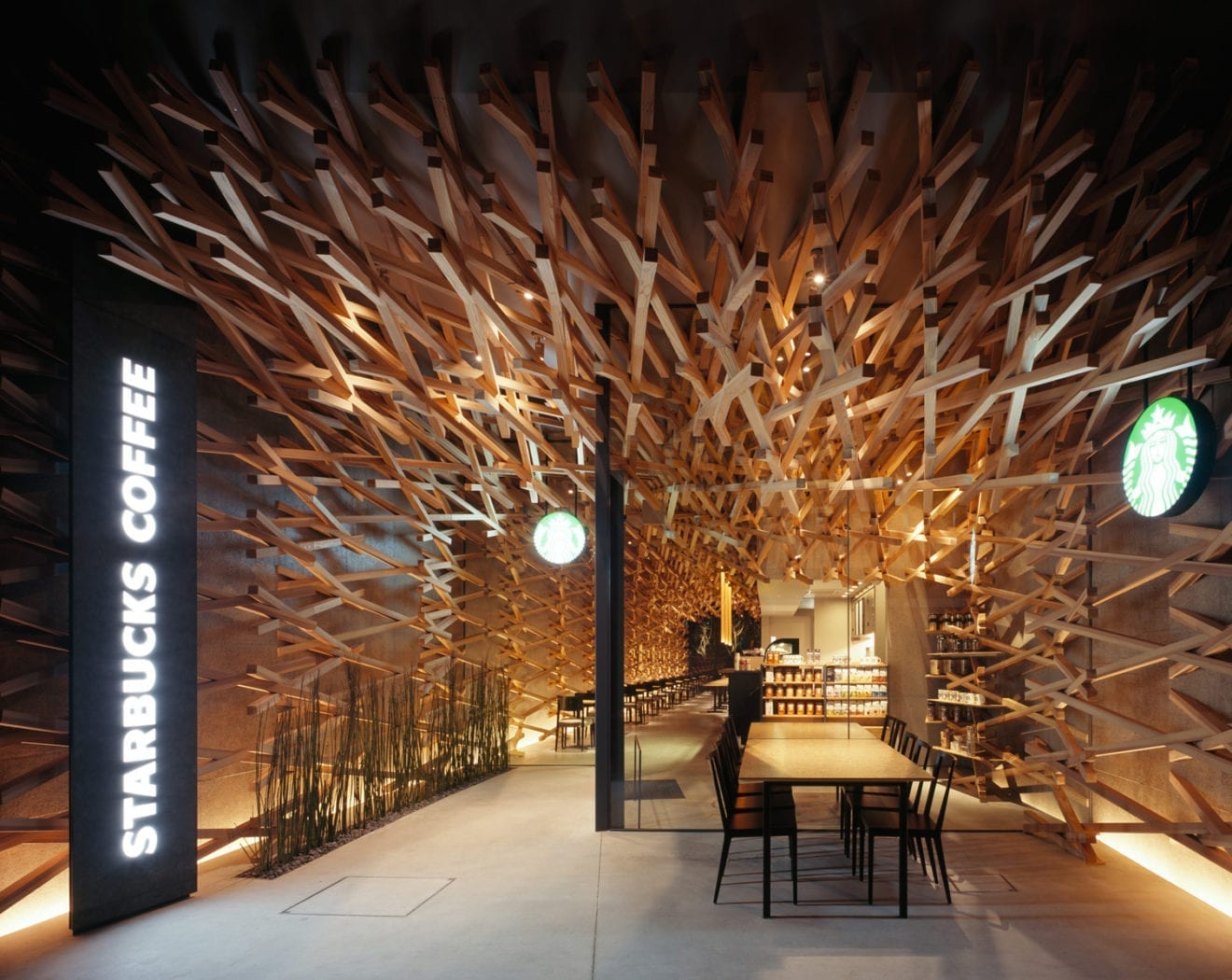
    Starbucks Japan’s new Kyoto branch will have a traditional Japanese cafe space complete with tatami mats.

    It will be in a 100-year-old, two-storey traditional Japanese townhouse, one of the only buildings in the area still in its original form.

    Starbucks Kyoto

    There will be three gardens within the wooden building, one in the front, one in the middle and one in the back. Each will have greenery, rocks and light in an attempt to recreate a traditional Japanese interior space.

    On the second floor, guests can take off their shoes to sit on tatami mats and cushions with Japanese designs.

  • Del Monte retail chain to launch in US

    Del Monte retail chain to launch in US

    Three Del Monte entities will launch a series of JVs, including a Del Monte retail concept to be rolled out in the US.

    Del Monte Pacific (DMPL), a subsidiary of Del Monte Foods and Fresh Del Monte Produce have agreed to launch the retail F&B concept modelled after a Fresh Del Monte Produce business in the Middle East. They also agreed to expand the distribution of refrigerated goods internationally.

    Initially the focus of the Del Monte retail stores will be in the US market with the potential for expansion into other territories, says DMPL, which is dual listed in the Philippines and Singapore.

    The stores will offer foods and beverages aimed at consumers seeking healthier options. The companies are also collaborating on product innovations, including a line of chilled juices, new varieties of prepared refrigerated fruit snacks, and guacamole and avocado products.

    As well as Del Monte, the group’s heritage brands include College Inn, Contadina and S&W, most of which originated in the US more than a century ago as premium packaged-food products. The group has exclusive rights to use the Del Monte trademarks for packaged products in the US, South America, the Philippines, the Indian subcontinent and Myanmar.

    DMPL is 67 per cent owned by NutriAsia Pacific and Bluebell Group Holdings, which are beneficially owned by the Campos family of the Philippines. The NutriAsia Group sells liquid condiments, specialty sauces and cooking oil in the Philippines.

    The JVs follow the full and final settlement of active litigation between the companies, which had been centered on licensing rights and product distribution in various international territories.