Category: Food

Retail News Asia is committed to providing both local and global retailers with the latest Food and Food & Beverage news throughout the Asian market. This on a daily base.

  • Quality blueberries the fruit of choice for Indonesians

    Quality blueberries the fruit of choice for Indonesians

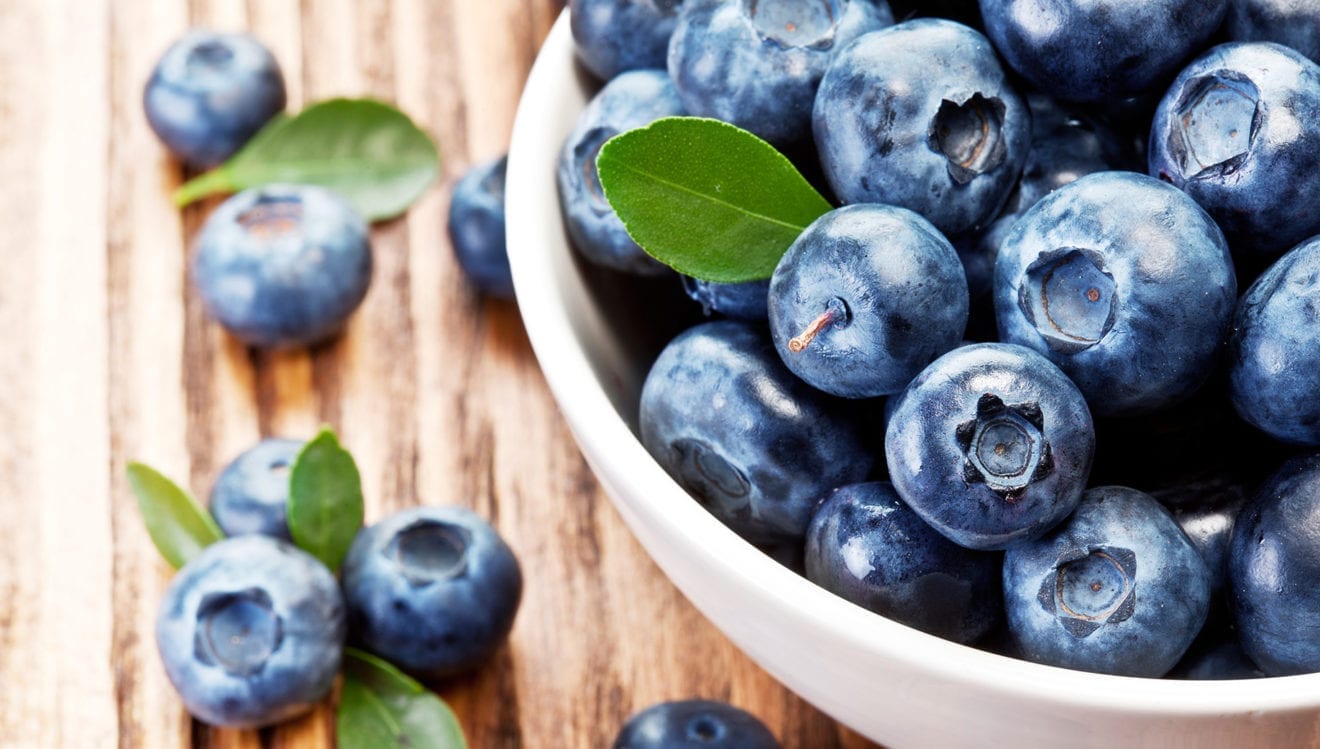
    Australian fruit is proving popular with the Indonesian middle class. Premium fresh fruit is what seems to be in demand from Indonesia, especially that which has been grown for the Indonesian palate.

    Andrew Bell, director of Mountain Blue Farms in northern New South Wales, says the successful family-owned blueberry operation had been looking for export opportunities to expand beyond the domestic market, and eventually settled on Indonesia.

    The country has a population of more than 255 million, making it a potentially important market.

    “Indonesia has a significant population, right on our doorstep,” says Bell, whose company also runs its own breeding operation. “They also have a rapidly growing middle class who are a food and health conscious, and there happened to be existing protocols for getting blueberries into Indonesia.”

    He says the typical agribusiness approach into Indonesia had either been about bulk supply (wheat, sugar), or it had entailed lower grade fruit and vegetables for specific markets.

    “We saw a different market,” says Bell. “We wanted to be in the quality supermarkets that are being built for the middle classes. We have a premium product and that’s what we wanted to sell in Indonesia. We didn’t want to compromise on what we do.”

    The company representatives spent a week in Indonesia in early 2017, meeting supermarket operators, wholesalers and distributors.

    “They all dealt with Australian food imports, and their view of our produce was the clean and green image. It’s our image up there and that’s what the Indonesian operators are selling to consumers.”

    Health benefits

    It turns out that blueberries are a middle class food because of the number of health benefits associated with them. And with the Indonesian middle class already estimated at 50 million – and growing – that represented a market worth being involved in.

    The key, he says, was finding the right partners, which came in the form of a food distribution outfit in Java that was prepared to make specific recommendations about the Indonesian palate.

    “Blueberries come in many shapes and sizes,” says Bell. “The Indonesian palate goes for a large, crunchy, sweet blueberry.”

    Blue Mountain Farms has a breeding operation in Tabulam – on the Clarence River – and they set about breeding the Indonesian blueberry.

    Those samples are being fed into Indonesian supermarkets next month but the early feedback from the distributors has been positive.

    “It’s a very large market, for a product we can perfect and grow in regional Australia. We employ around a thousand people in the season and a core of between 60 and 70 staff, and we have a network of growers around the country who we use.”

    Bell says the chance to secure a foreign market is good for agribusiness employers and the towns they operate from. He also says that Indonesian business people are easy to deal with.

    “They know what they want and they know what works,” says Bell. “That makes it so much easier for us.”

    New tastes

    AsiaLink Business CEO Mukund Narayanamurti, says the example of Mountain Blue Farms is not an isolated one in Indonesia, as the health-conscious and food safety-aware middle classes of Indonesia develop new tastes for food.

    “The main food trade out of Australia into Indonesia is wheat, sugar, live cattle and boxed beef,” says Narayanamurti. “But this is large-scale or commodity trade. When the middle classes are growing – as they are very aggressively in Indonesia – you see rising demand for value-add premium foods, and for fresh fruit and vegetables.”

    He says Australia has a reputation in south-east Asia for its agricultural output, plus the Australian image for processed and value-add foods is one of quality.

    The demand from Indonesia is not only because middle class people have more disposable income, and higher standards for what they feed themselves and their children, says Narayanamurti. He says there are also new supermarket chains being built through urban Indonesia, where the value-add and premium foods are being sold.

    “In the Indonesian supermarkets there are Australian cherries, broccoli, avocados, Brussels sprouts, citrus fruits and kale.”

    He says Indonesia’s rising wealth and expectations is dramatic and the country is estimated to have a size of middle class in the world Top 10 by 2020. With the rising wealth comes the rising consumption of quality protein – Australian meat and dairy – and a focus on eating healthy and eating safe.

    Export opportunities

    Narayanamurti says one of the main reasons for Australian agribusiness operators to keep an eye on Indonesia is the export market itself.

    Australia’s involvement in the NZ-Australia-ASEAN zone gives exporters access to reducing-to-zero tariffs on beef, wheat and cheese and other trade goods that will be reducing.

    “The bigger picture is that this trade area covers 600 million people and a market of $US2 trillion ($2.6 trillion),” says Narayanamurti. “There is a trade liberalisation program meaning you’ll be able to land goods in one country and find it much easier to distribute them to other countries.

    “It’s early days in the south-east Asian market, but Australian agribusiness operators should be developing products and services that have cross border application, as the Australian breeding services and feedlot operators are already doing in the livestock sector.”
  • Switch to Vegetarian Food on Air India Causes an Uproar

    Switch to Vegetarian Food on Air India Causes an Uproar

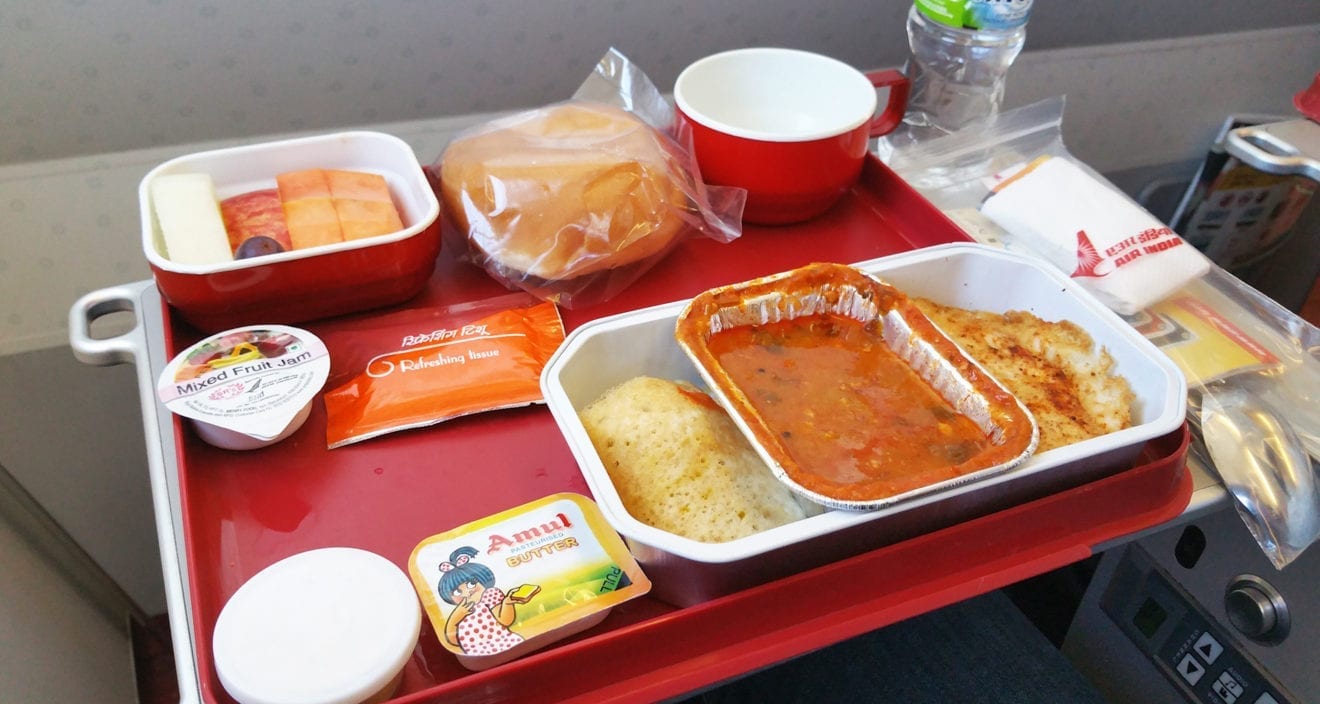
    Coming from some other debt-ridden airline, it might have been shrugged off as just another service cutback. But not this time: When Air India announced on Monday that coach passengers on its domestic flights would now be offered only vegetarian meals, the move provoked an uproar on social media.

    G. P. Rao, a spokesman for the government-owned airline, said the change was made a week ago strictly to reduce waste and cut costs. But what people eat can be a sectarian flash point in India, especially since Prime Minister Narendra Modi and his Hindu nationalist Bharatiya Janata Party took power.

    Many members of the Hindu majority are vegetarians, while the country’s Muslims and some other minorities eat meat. So the airline’s action was seen by many as discriminatory and part of a wave of religious nationalism sweeping the country.

    “Only veg food on Air India,” Madhu Menon, a Bangalore-based chef and food writer, wrote on Twitter. “Next, flight attendants to speak only Hindi. After that, stand for national anthem before flight take-off.

    The government of Uttar Pradesh, India’s most populous state, which is led by a new firebrand chief minister, has been cracking down on buffalo slaughterhouses this year, even though buffaloes are not considered sacred by Hindus the way cows are. And the lynching of a Muslim teenageron a train from Delhi last month, in which his assailants called him a “beefeater,” has further inflamed tensions.

    The government approved plans last month to privatize the airline, which has more than $8 billion in debt.

    Mr. Rao did not say on Monday how much the change in meals would save the company. But in an interview with The Hindu, a major newspaper, an official for the airline put the figure at 80 million rupees, or about $1.2 million, a year.

    Critics derided that as a drop in the bucket. Omar Abdullah, a former chief minister of the state of Jammu and Kashmir, wrote on Twitter that the move would “restore Air India to full health in … oh heck 5000 years.”

    The step on Monday was not the airline’s first away from serving meat. In January 2016, the airline replaced sandwiches with hot vegetarian meals for economy passengers on flights between an hour and 90 minutes long, The Press Trust of India reported, a change that the airline presented as an upgrade.

  • Yum China comp sales gain 3% in Q2

    Yum China comp sales gain 3% in Q2

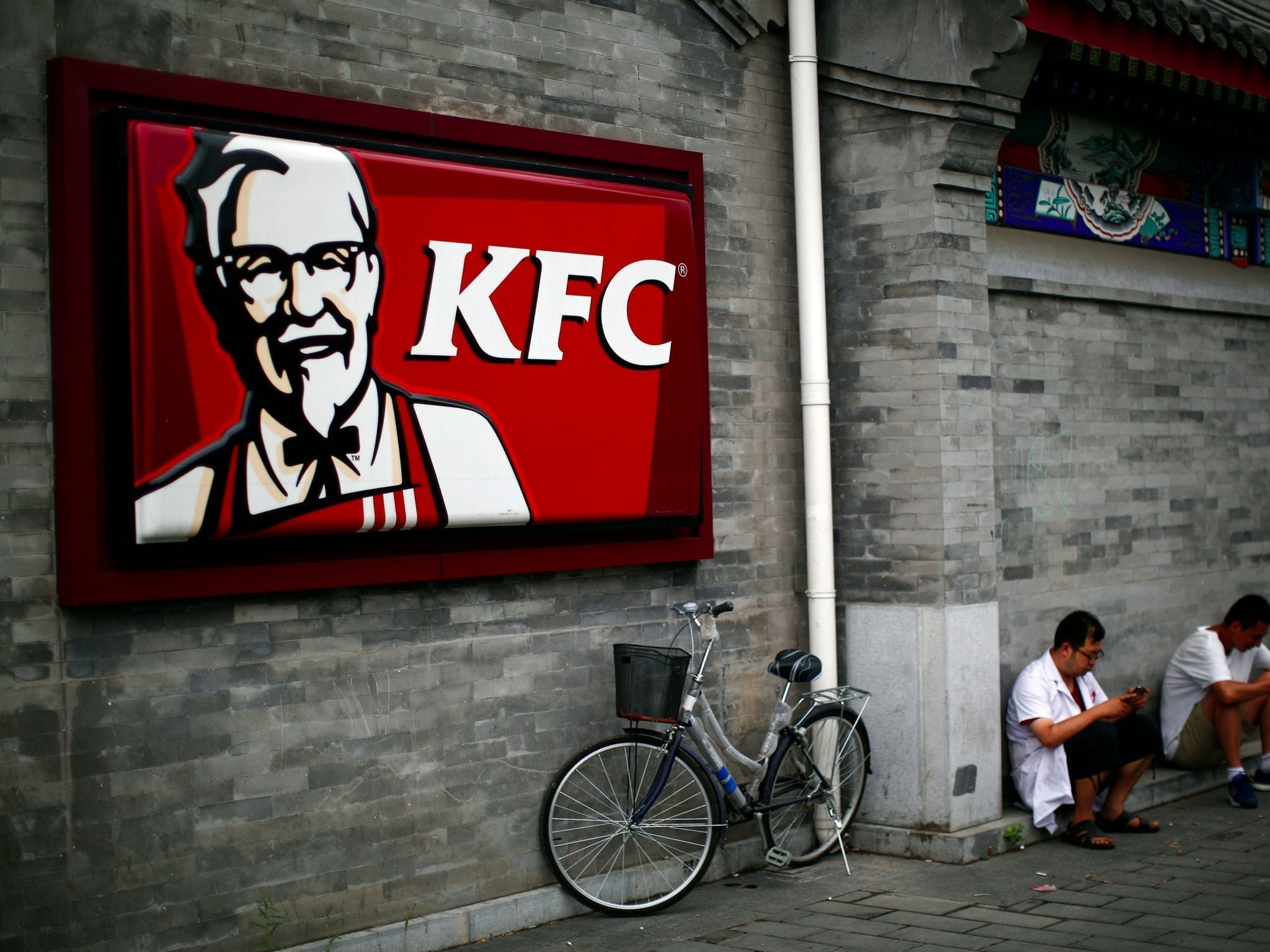
    Yum China Holdings said comparable store sales for the second quarter jumped 3%, on the back of strong KFC revenues.

    The Chinese operator of US fast food brands KFC, Pizza Hut and Taco Bell said same store sales at KFC gained 4%, while offsetting the flat Pizza comp sales for the three-month period.

    Yum China said total sales for the quarter lifted 7%, including growth of 8% at KFC and 7% at Pizza Hut.

    Net income surged 39% to $107 million, and operating profit increased 64%, said the Shanghai-based restaurateur.

    The group said it opened 90 stores last quarter.

    “I am pleased with our overall performance during the quarter, with same-store sales up 3% and system sales up 7%, on the back of continued strength at KFC. Operating profit, restaurant margin and net income all showed robust improvement.” said Micky Pant, CEO.

    “We are making progress in the key themes we are investing in – loyalty programs, digital and delivery capabilities, and continued upgrade of restaurant assets and optimization of store formats.”

    Yum China said its loyalty members for KFC and Pizza Hut surpassed 100 million in total, and mobile payment exceeded 40% of company sales in the second quarter.

    Over 4,900 of the group’s restaurants offer delivery service with delivery sales accounting for 13% of company sales in the second quarter, it said.

    In the three-month period, Yum China also completed the acquisition of its 80% stake in Daojia, the food delivery firm, “for a cash consideration of $36.7 million to the selling shareholders and a capital contribution of $25 million to Daojia,” added Pant.

    “We see this acquisition as complementary to our existing delivery business, and it provides valuable operational and technological expertise,” he said.

  • McDonald’s Is Now Serving Minion-Shaped Fries

    McDonald’s Is Now Serving Minion-Shaped Fries

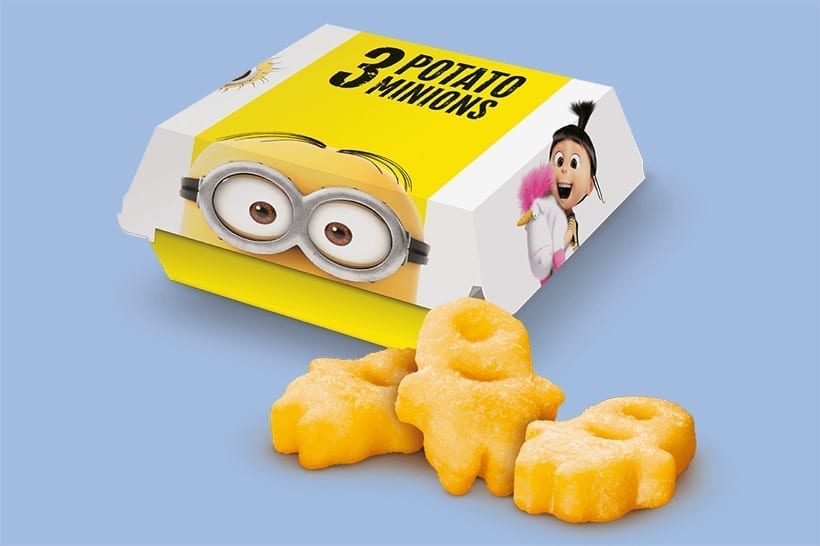
    For those who can’t make it to the Minions-themed café in Japan, don’t worry — we’ve got you covered with the next best thing. In celebration of the premiere of Despicable Me 3, McDonald’s now introduces a special menu inspired by the beloved characters of the animated film. In particular, fans will probably go bananas over the Minion-shaped fries.

    Characterized by its cute, hollow eye and mouth, this potato goodness will likely become the next big food craze on social media. Check out the images below to see it for yourself.

    The Minion fries are currently only available at McDonald’s locations in Australia, New Zealand, Singapore and Thailand.

  • Vegetable and fruit exports face tough competition from imports

    Vegetable and fruit exports face tough competition from imports

    With turnover of $375 million in May, fruit and vegetables were among the biggest export items for Vietnam, while imports of the same equalled $183 million.  The high export turnover of $375 million represented a sharp increase of 75 percent in comparison with the same period last year.

    The increase of $161 million in vegetable and fruit export turnover made up 26 percent of the total exports increase of 13 key farm produce and agriculture material items.  Analysts said the target of $3 billion in vegetable and fruit export turnover this year is within reach.

    However, Vietnam, which takes pride as a big vegetable and fruit exporter, also had to import $183 million worth of products in May, a sharp rise of 79 percent compared with the same period last year, raising the import turnover to nearly half a billion of dollars in the first five months of the year.

    Nguyen Dinh Bich, a trade expert, pointed out big problems in the market structure. The exports to the Chinese market have been increasing rapidly from less than 30 percent in 2014 to 65 percent in 2015.  The growth rate exceeded 70 percent in 2016, while it reached 75.5 percent in the first five months of 2017. In 2014, Vietnam exported $435 million worth of products to China, but exported $1.054 billion to other markets.

    The trend reversed in 2015: while exports to China increased sharply by $760 million in turnover to $1.195 billion, exports to other markets decreased by $410 million to $644 million. The same situation was seen in 2016 and the first five months of 2017.

    “Do Vietnam’s fruit flow to China’s Guangxi province to be sorted and labeled as ‘made in China’ for re-export to the world market?” Bich asked, emphasizing that Guangxi is China’s ‘fruit granary’ with output of 359 kilos per head per annum,1.8 times higher than the average level of the country.

    Imported fruits are displayed in advantageous positions at supermarkets for the upper and middle class, and sold at high prices.

    Thai exporters enjoy big benefits from the Vietnamese market. In May 2015, Vietnam imported $13 million worth of fruit from Thailand, which accounted for one-third of total fruit import turnover.

    Meanwhile, the figure soared to $38 million in May 2016 and to $129 million in May 2017.

  • A&W to return to Singapore in 2018

    A&W to return to Singapore in 2018

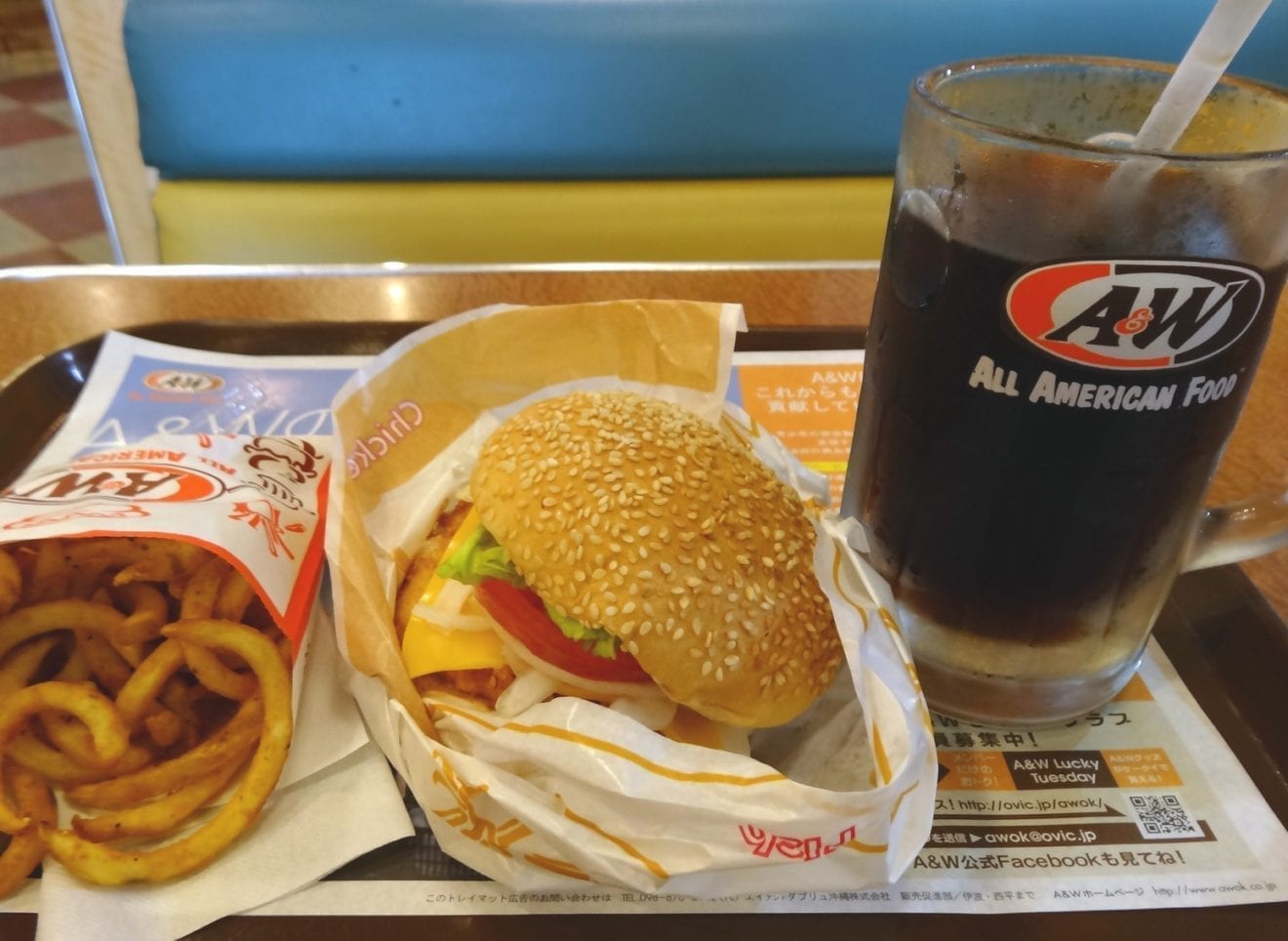
    he American fast-food chain’s root beer float, coney dog and curly fries are making a comeback. American fast-food chain A&W will set up shop in Singapore again, after exiting the market more than 10 years ago.

    A&W CEO Kevin Bazner said that A&W has had an office in Singapore since 2016, and that the company is looking to open 30 to 40 new restaurants a year across Indonesia, Malaysia, Singapore and Thailand.

    The company is currently looking for a retail space for its flagship in Singapore, which is scheduled to open next year. This flagship will also serve as a training store for other Southeast Asia outlets.

    A&W – which stands for “Allen and Wright” – made its debut in Singapore in 1966 at Dunearn Road, and the first A&W drive-through opened in 1970 at Bukit Timah Road.

    The fast-food joint’s hamburgers, hot dogs and root beer soon became hugely popular among Singaporeans and it is believed its success helped pave the way for other fast-food establishments to set up shop in Singapore, including McDonald’s (1979), Kentucky Fried Chicken (1977) and Burger King (1982).

    However, by 2003, A&W faced stiff competition from its competitors and shuttered its remaining outlets in the same year.

  • Concerted action needed for M&A breakthrough

    Concerted action needed for M&A breakthrough

    It is forecasted that the value of mergers and acquisitions (M&A) deals in 2017 will not exceed those of 2015 and 2016, thus, the market needs a boost from enterprises and the government to leverage the opportunities from foreign capital to make a breakthrough.

    In 2016, the total value of all M&A deals over the world was $3.5 trillion, a reduction of 27 per cent on-year, but a high value nevertheless. However, this could be considered an ending of the global M&A’s growth period. Due to Brexit and Donald Trump’s new policies, global M&A activities are becoming harder to predict and there may be some shifts in the flow of investment capital in the world.

    According to the statistics of the Institute for Mergers, Acquisitions and Alliances (IMAA), Vietnam hit a 10-year record hike of $5.2 billion in M&A activities in 2015. In 2016, the value of M&A deals was $5.1 billion, even though experts said that in the second half of 2016, the growth was slowed down because not many big M&A deals were publicised at the time.

    It is forecasted that in 2017 without a breakthrough, the total value of M&A deals in Vietnam may not overtake 2015 and 2016 figures. For a breakthrough, the Vietnamese M&A market really requires a boost.

    The most vibrant industries with the highest number of M&A deals in 2016 were the retail sector, consumer goods production, and real estate. The finance and banking industry did not have many outstanding activities last year. Some other fields, such as education and technology, also attracted M&A investment in 2016.

    Foreign capital has been playing an important role in M&A activities in Vietnam with numerous sizeable deals. For example, Japanese enterprises are now strategic partners to many state-owned enterprises, such as Vietnam Airlines and Petrolimex. Similarly, a number of South Korean enterprises joined the Vietnamese market by investing in agriculture, and investors from Singapore have been paying close attention to some real estate projects.

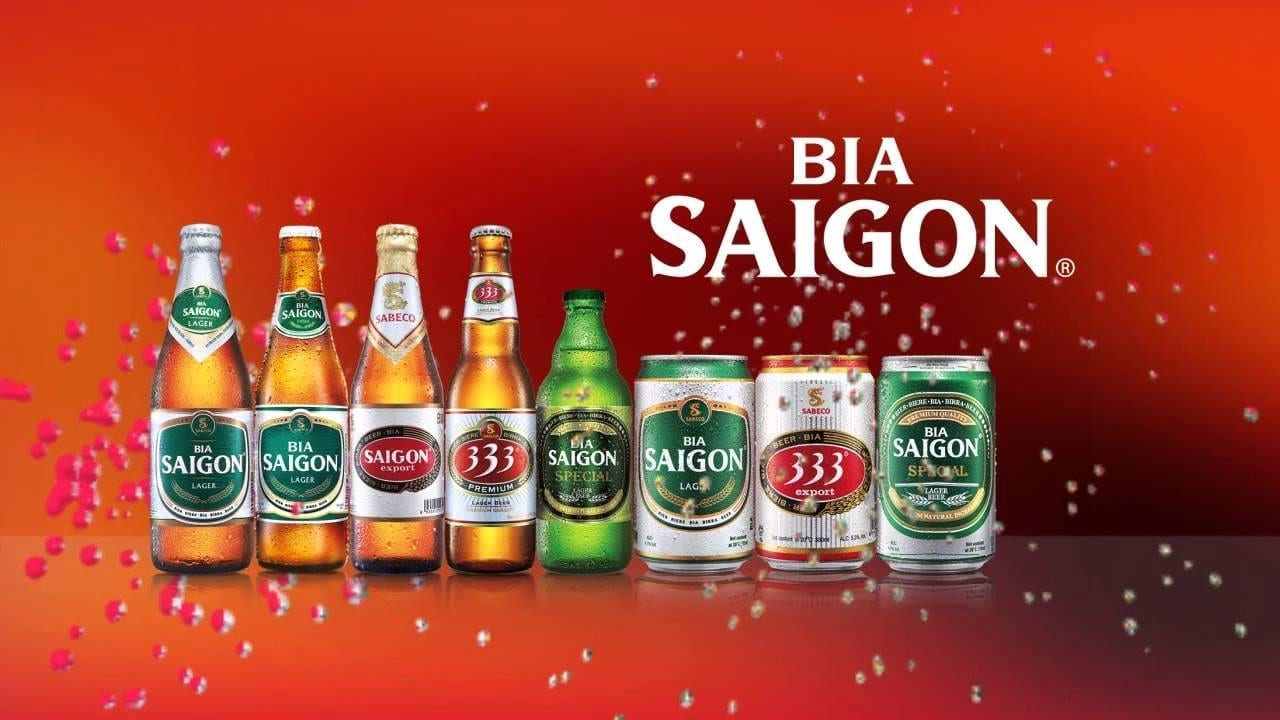
    According to some assessments made by the government and investors, the progress of equitisation and the state divestment from big enterprises is slow. A wide range of Vietnamese enterprises are luring in investors after being equitised or divested by the state, such as Saigon Beer-Alcohol-Beverage Joint Stock Corporation (Sabeco), Hanoi Beer Alcohol and Beverage Joint Stock Corporation (Habeco), Vietnam Mobile Telecom Services Company (MobiFone), and Vietnam Dairy Products Joint Stock Company (Vinamilk).

    Currently, Sabeco and Habeco’s stocks have been listed on the stock exchange. However, most investors said that this step was implemented more slowly than they had expected.

    There are numerous challenges for the growth of M&A in Vietnam, including changes in the US policies, the withdrawal of the US from the Trans Pacific Partnership or the various obstacles to equitisatisation, the problems of enterprises’ quality, and the scale of the Vietnamese economy.

    To achieve at least 2016’s $5.1 billion in deal value, the state divestment in some Vietnamese enterprises should be implemented more quickly and thoroughly.

  • Vietnam’s pork crisis ain’t over yet

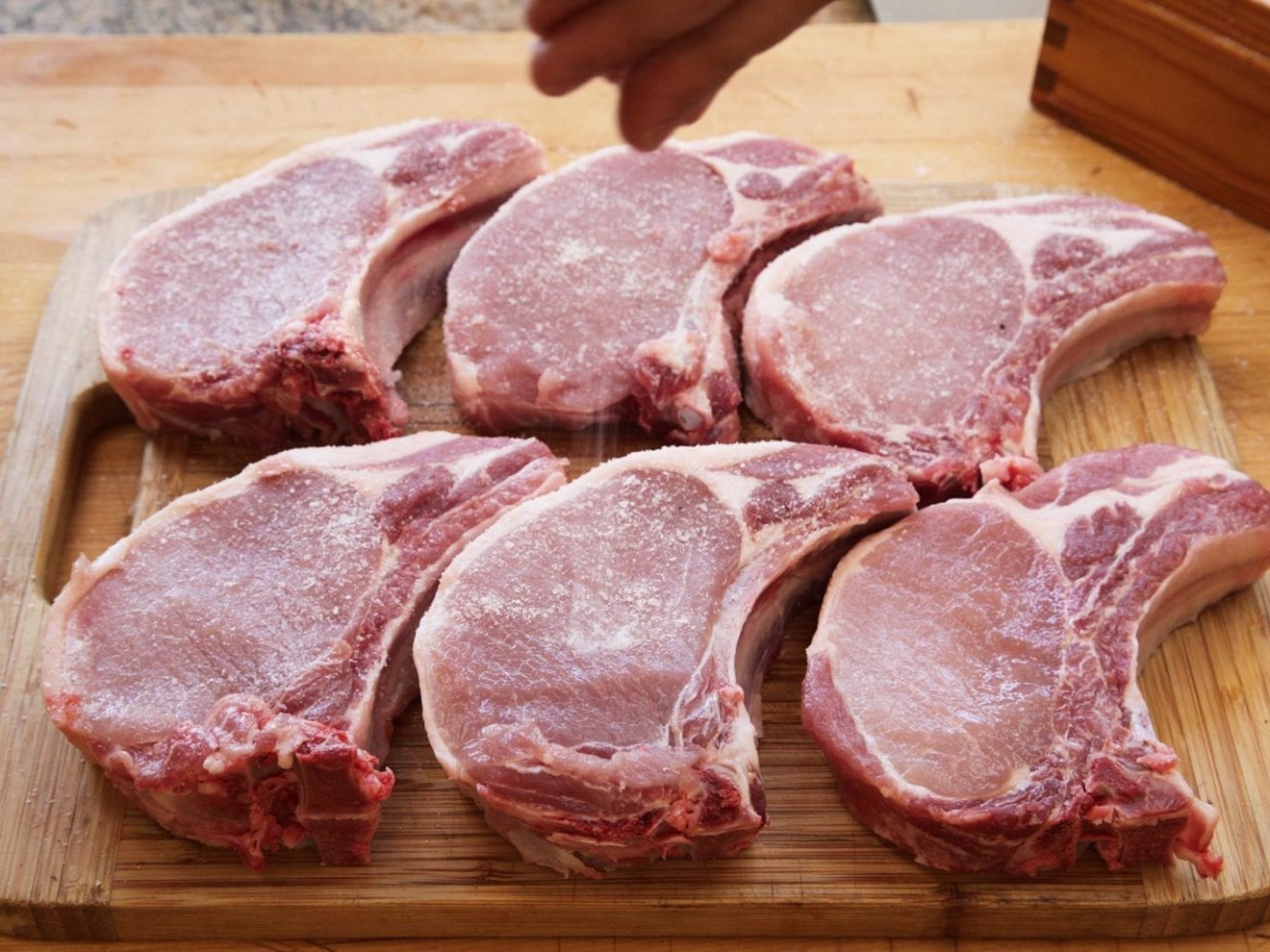
    Vietnam’s pork crisis ain’t over yet

    Vietnamese farmers have been hit by a glut in supply for months.

  • Indonesia, Malaysia Muslims call for Starbucks boycott over LGBT stance

    Indonesia, Malaysia Muslims call for Starbucks boycott over LGBT stance

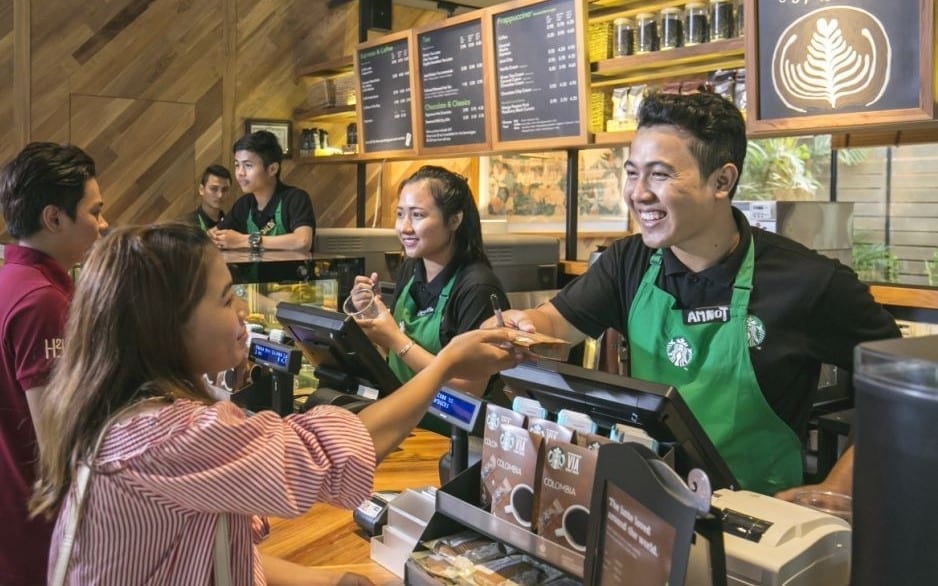
    Muslims in Indonesia and Malaysia were urged to boycott Starbucks on Tuesday (Jul 4) by major Islamic groups accusing the coffee chain of being pro-gay rights, as concerns grow over rising religious conservatism in both nations.

    Leaders from Muhammadiyah, Indonesia’s second biggest mass Muslim organisation, also urged the government to revoke the company’s business licence for its stance on lesbian, gay, bisexual and transgender (LGBT) issues.

    “The ideology, business and view that they support are against our ideology,” Anwar Abbas, Muhammadiyah’s head of economic affairs.

    Another Muhammadiyah leader, Yunahar Ilyas, said the group was calling on “Muslims to not drink in Starbucks so that the income is not used to strengthen LGBT campaigns”.

    The firm is among a slew of US companies to have spoken up against discrimination in the US, with representatives signing a letter to North Carolina’s Republican governor protesting legislation targeting transgender people last year.

    Hardliners and Islamic groups have led a growing backlash against Indonesia’s LGBT community over the past year, which activists believe was triggered by widespread media coverage of a decision in the United States to legalise same-sex marriage.

    The group Pribumi Perkasa Malaysia this week also called on the government to “re-evaluate the trading licence given to companies that support same-sex marriages and LGBT,” spokesman Amini Amir Abdullah said in a statement.

    The Muslim leaders said concerns about Starbucks arose after reading Starbucks chairman’s comment when tackling a shareholder’s complaint in 2013 that the company were losing customers due to the firm’s stance on LGBT.

    At the time, chairman Howard Schultzman, then the chief executive, responded by asking the shareholder to sell the shares.

    Homosexuality has long been taboo in Malaysia, where 60 per cent of the population is Muslim, and where sodomy is a crime punishable by up to 20 years in prison.

  • Vinamilk tops most valuable firms list

    Vinamilk tops most valuable firms list

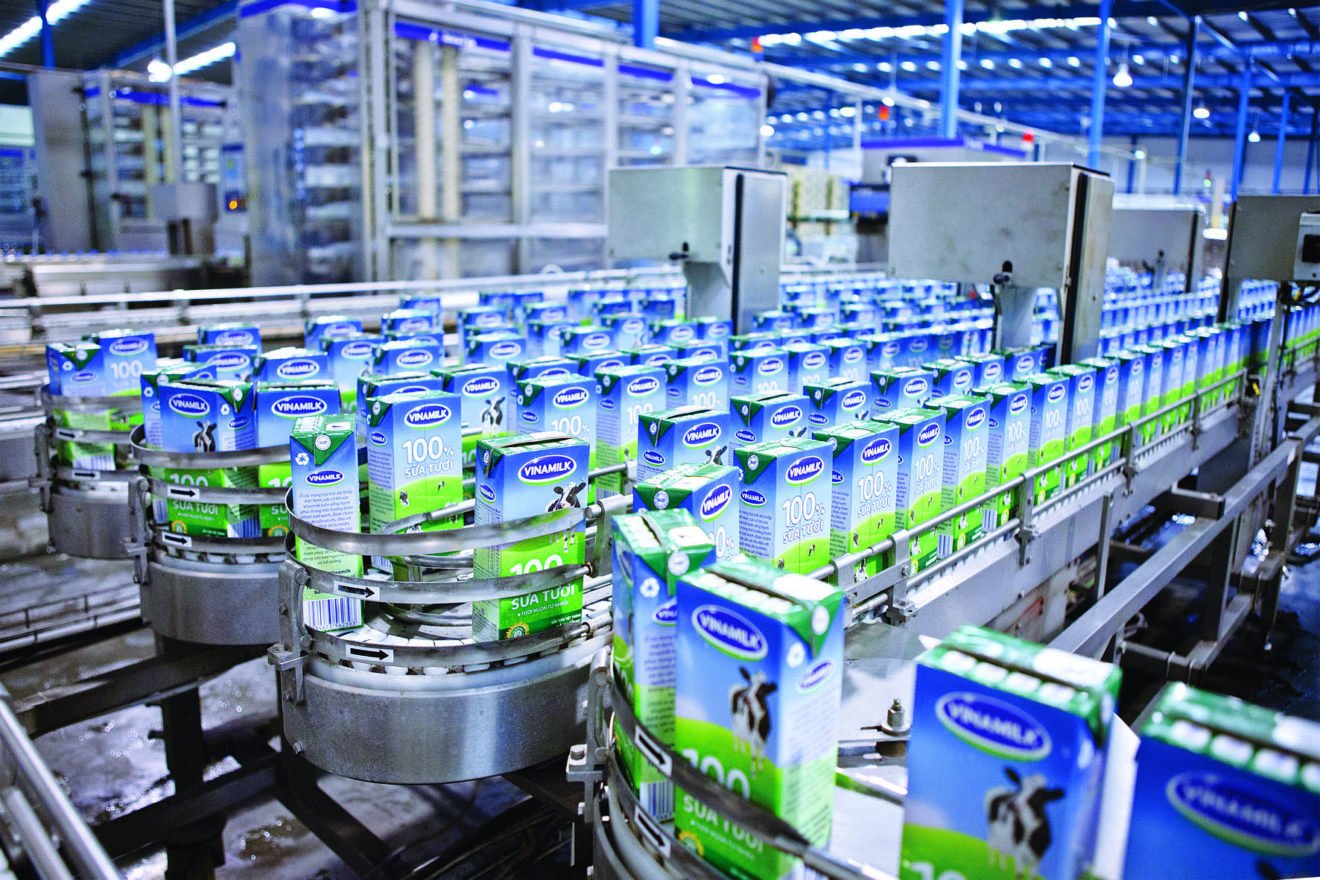
    Forbes Vietnam on Monday announced the Vietnam Dairy Products Joint Stock Company (Vinamilk) topped the 40 most valuable companies in the country with a value of more than US$1.7 billion. This is the second time Vinamilk has reached the top in the Forbes ranking.

    Forbes Vietnam said in its statement that total value of the 40 most valuable firms reached more than $5.4 billion, an increase of 20 per cent from the previous assessment last year.

    Behind Vinamilk was the military telecommunication group Viettel and property developer-retailer Vingroup, whose estimated values were $849.6 million and $299.3 million, respectively. The list closed out with the agriculture group Loc Troi, which was assessed at $13.1 million.

    Loc Troi joined the most-valuable list in 2017 for the first time, along with Quang Ngai Sugar Joint Stock Company, fuel dealer Viet Nam National Petroleum JSC (Petrolimex) and Saigon Tourist.

    In terms of industries, consumer goods producers and financial-banking firms outnumbered others at 19 companies.

    Saigon Securities Inc (SSI) was the only brokerage included in the Forbes Viet Nam list.

    Among other financial institutions were Vietcombank, Vietinbank, BIDV, Bao Viet Holdings, MB Bank, VP Bank and Sacombank.

    Three quarters of the 40 firms are already listed on the HCM and the Ha Noi stock exchanges, including two brewers Sabeco and Habeco, Mobile World Corp, Vietjet Air and property developer Novaland.

    Some of the 40 companies trade their shares on the Unlisted Public Company Market (UPCoM) and the Over-the-Counter (OTC) market, such as Truong Hai Automobile, VP Bank and Techcombank.

    According to Forbes Viet Nam, the evaluation was conducted based on the contribution of the company’s brand to the business performance. The most valuable brands were the firms that recorded high revenue and earnings in the industries they were leading.

    Forbes Vietnam, with support from Viet Capital Securities Co, evaluated the firms’ pre-tax earnings, loan interest rates and intangible assets.

    In addition, Forbes Vietnam was assisted by the companies whose shares are traded on the two local exchanges and UPCoM and OTC markets, while some non-traded and unlisted companies agreed to provide financial data for the evaluation.

    The brand valuation is calculated on the company’s share price-to-earnings (P/E) ratio versus the market’s average P/E ratio for listed ones.

    For unlisted companies, Forbes Viet Nam compared the firm’s scale and scope to others in the same industry to calculate the company’s value.

  • Big growth for Asia Fruit Logistica

    Big growth for Asia Fruit Logistica

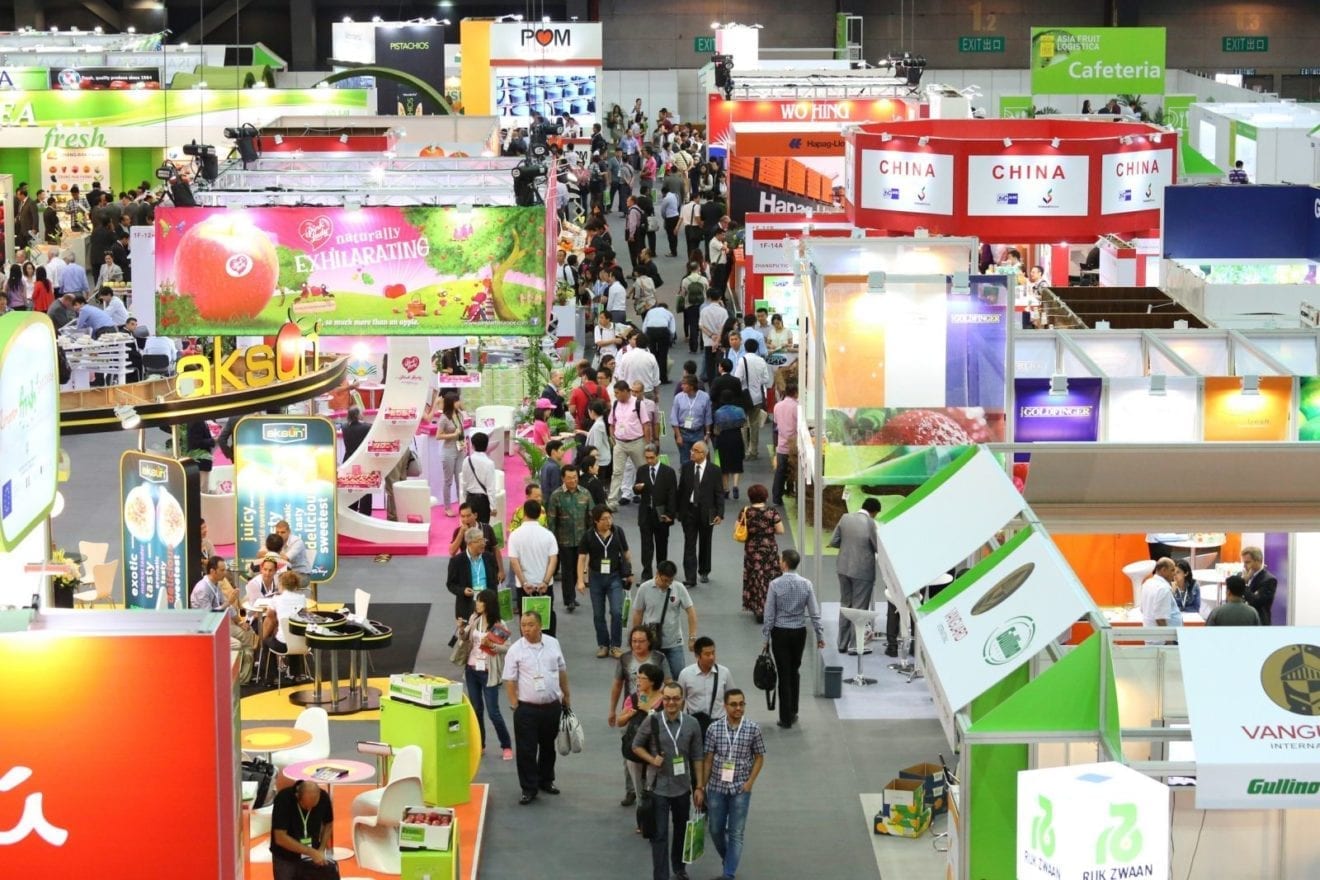
    Asia’s premier fresh fruit and vegetable trade show is set for another record-breaking year on 6-8 September 2017 in Hong Kong. With more than two months to go before Asia Fruit Logistica opens its doors at AsiaWorld-Expo, sales of exhibition space are up by 25% on last year’s total.

    Exhibitor participation from China – traditionally the largest single exhibiting nation atAsia Fruit Logistica – has increased sharply, with the Chinese pavilion expanding by 90% compared with last year’s event.

    Well over 11,000 top-level buyers and trade professionals from more than 70 countries are expected to attendAsia Fruit Logistica.

    Visitors can purchase their tickets online and make up to a 40% saving on their entrance fee compared with buying tickets on the door.

    Asia Fruit Logistica’s business week kicks off with the Asia Fruit Congress, Asia’s premier fresh produce conference event, which takes place the day before the exhibition on Tuesday 5 September.

    Asia Fruit Congress returns with a high-powered programme covering a range of hot topics. Fresh trends in Asia’s food retail market, delivering global brands to local consumers, and the changing global trade landscape are the headline themes on the agenda.

    On the show-floor at Asia Fruit Logistica, visitors can take part in two Hall Forums this year. Asia Business Forum offers daily workshops with practical ideas and solutions for better fresh produce marketing.

    Day one focuses on packaging, looking at its role in terms of both product preservation and merchandising.

    Day two is all about marketing, while day three looks at production and trade issues.

    Meanwhile, the second Hall Forum turns the spotlight on the worlds of hi-tech and logistics. Each morning, SMART HORTICULTURE ASIA, the forum for information management, standards and technology, will explore data management at different stages of the supply chain.

    Each afternoon, COOL LOGISTICS ASIA offers a new series of practical workshops on cold chain management. The wide-ranging programme looks at the future of container shipping, perishable logistics for beginners and exporting to Asia by air.

  • Foreign fast food chains show underwhelming performance in Vietnam

    Foreign fast food chains show underwhelming performance in Vietnam

    Experts say there are several challenges: intense competition from the increasing number of domestic and foreign food companies, high prices (a burger goes for “four times a bowl of Pho”), and the fact that hamburgers and French fries are just not for Vietnamese people.

    Below are some major chains and their progress in Vietnam compared to other markets in Asia.

    Burger King

    Burger King has closed five restaurants in Ho Chi Minh City, Hanoi, and Danang in recent years, citing sub-optimal location, according to news reports, despite an ambitious $40-million investment plan upon its entry in 2012.

    At the time, Burger King expected to open 60 restaurants nationwide, as consumers were excited to try the famous hamburger from the west. However, five years later, the fast food chain has only reached a quarter of this target with 15 restaurants: seven in Hanoi and eight in Ho Chi Minh City.

    The reasons Burger King missed its original goal, according to experts, could be tough competition, high operating costs, and a misunderstanding of Vietnamese taste buds.

    “In the short term, hamburgers cannot become a popular choice for Vietnamese consumers,” said Nguyen Manh Tu, business development director of Blue Kite Food and Beverage Services Company Limited, which has the franchise rights to Burger King in Vietnam, in an exchange with the broadcaster VTV.

    Such an initial drawback would require fast food chains to adjust their menus or strategies. In the case of Burger King, after re-negotiating the franchising terms to reduce the projected store count to 15 and refining its menu, its sales has increased by 50 per cent each year for the last two years, according to VTV. Good customer service and the quality of ingredients, with beef imported from Australia, will continue to be Burger King’s advantage in the eyes of Vietnamese customers.

    Tu added that the future of Burger King will depend largely on the restructuring of Restaurant Brands International, the multinational company that owns several fast food brands, including Burger King.

    Other markets in Southeast Asia have welcomed Burger King long before Vietnam. It entered Malaysia in 1997 and now has more than 50 Burger King restaurants in the country. In the Philippines, Burger King was acquired by local fast food giant Jollibee Foods Corporation, which in 2011 bought a 54-per cent stake in BK Titans Inc., the holder of franchise rights to Burger King in the Philippines.

    McDonald’s

    Originally from the United States, the golden arch logo of McDonald’s is now recognisable everywhere in the world.

    In 1992, McDonald’s opened its largest restaurant in the world at the time in Beijing, and 40,000 customers came to taste a bite of American culture on the first day of business, according to James Watson’s book “Golden Arches East: McDonald’s in East Asia.”

    Four years later, by the end of 1996, McDonald’s had 29 outlets in Beijing, according to Associated Press. Generally perceived by Chinese consumers as a symbol of status and western modernity, McDonald’s grew rapidly in China, a country where its well-trained staff and clean restaurants were a novelty in the 1990s.

    Ten years on, in 2006, McDonald’s had 784 restaurants in China, opening 75 new restaurants a year on average, according to company data. The company also had more than 150 restaurants in Hong Kong during this period, and at one point served half a million fast food fans per day, according to BBC News. (Hong Kong’s population was 7.3 million in 2015.)

    Fast forward five years to 2011, and the fast-food chain had 1,464 outlets in China, meaning it opened 136 new outlets each year during the five-year period.

    Today, there are more than 2,400 restaurants in mainland China, according to the New York Times. However, McDonald’s will sell 80 per cent of its businesses in China and Hong Kong to the state-owned conglomerate Citic and private equity firm Carlyle Group, granting these firms franchise rights. This is part of McDonald’s newfound plan to turn 95 per cent of its restaurants into franchises, thereby saving money and passing the hefty cost of modernising the stores on to franchisees, analysts said.

    Last year, McDonald’s also sold the franchise rights to its restaurants in Malaysia and Singapore to Saudi Arabian Lionhorn Private Limited.

    With a network of 262 restaurants, McDonald’s recorded a year-on-year revenue growth of 16 per cent in 2016 in Malaysia and is looking to repeat this with a double digit growth in revenue and profit this year, according to the company website.

    Meanwhile, almost four decades after entering Singapore in 1979, McDonald’s 120 restaurants claims to serve 1.2 million customers each week. (The island had a population of 5.5 million as of 2015.)

    Another country in the region where McDonald’s has a long history is the Philippines. The first McDonald’s restaurant opened in 1981 in central Manila. More than 36 years later, the Philippines is one of its biggest markets in Asia in terms of store count, only behind China, Japan, and Taiwan, according to company data. The company has always reported double-digit annual growth in revenue in the past 10 years, and in 2016 sales increased by 14 per cent. It opened 45 new outlets last year and is targeting 45 more this year.

    In Vietnam, McDonald’s is seen to be growing slowly. Three years ago, as customers queued up to try the first Vietnamese restaurant in Ho Chi Minh City, McDonald’s planned to open 100 restaurants within the decade (average 10 new restaurants each year). However, the chain now has only 15 restaurants, falling rather short of the target.

    Jollibee

    Jollibee is the Philippines’s home-grown fast-food chain. Filipino-Chinese founder Tony Tan Caktiong started Jollibee selling ice cream in 1978, but eventually shifted to hamburgers to meet market demand. After many years of competing with McDonald’s, Jollibee’s more than 2,000 restaurants controlled 18 per cent of the Metro Manila market, compared to the 10 per cent of McDonald’s, according to Forbes Asia’s 2013 data.

    In a few sentences, Tan explained this feat to Forbes Asia, saying “We found that they excelled over us in all aspects—except taste. It suited Americans, but not really Filipinos. Ours (food) tends to be sweeter, spicier, and more salty. We were lucky as it was not easy for them to change their product because of their global image.”

    Jollibee also wanted to become a global player, as there are large Filipino diasporas in many countries longing for the familiar taste of their hometown food. The company entered the US in the 1980s and Saudi Arabia, Qatar, and the United Arab Emirates in 2008, according to Forbes Asia. New locations were planned in countries, such as Britain, Italy, and Canada.

    In addition to developing its own brand, the company also bought already-popular brands and works to improve them. For example, in China, Jollibee bought the noodle and rice chain Yonghe King in 2014, the congee brand Hong Zhuang Yuan back in 2008, and the beef noodle chain San Pin Wang in 2012.

    Jollibee bought Burger King’s 23 restaurants in the Philippines in 2011. More recently, it also purchased 40 per cent of American burger chain Smashburger and made plans to open at least 1,400 Dunkin’ Donuts locations in China in the next 20 years.

    Jollibee Foods is now the biggest restaurant chain in Asia, boasting about 3,290 outlets worldwide under various brands.

    In Vietnam, Jollibee opened its first restaurant in 1996 and now boasts 80 outlets nationwide. Jollibee is successful among foreign brands on the Vietnamese fast food market. It has been growing rapidly in recent years, with two thirds of its restaurants having been opened in the last five years, according to numbers from dantri.com.vn. The company began granting franchise rights in late 2015.

    At the end of 2016, Jollibee Foods went into a joint venture with Viet Thai International to create SuperFoods Group, thereby gaining ownership of several other brands, such as Highlands Coffee, Pho 24, and Hard Rock Café.

    Jollibee is expected to take the company public via an Initial Public Offering in 2019, an indication of Jollibee’s success as well as ambition to imitate its success in other countries: buying and growing major local brands.

    Thanks to this strategy, Highlands Coffee doubled the number of coffee shops from 60 in 2014 to 130 in 2016, according to news site Soha.

    Subway

    Claiming to be a healthier alternative, Subway is a little bit different. Entering Vietnam six years ago, the world’s biggest fast food brand has set a goal of 50 restaurants in Vietnam by 2015. However, at present, there are only six of them in Ho Chi Minh City, as previously reported by VIR.

    “Like other fast food brands, Subway entered Vietnam late. Initially, we had to adjust our strategies to fit the culture as well as market trends. It takes time for us to adapt to the differences in the Vietnamese market to get the desired foothold here,” Mark Mason McGrath, general director of Subway Vietnam, explained to VIR in February.

    In Southeast Asia, Subway has opened 200 restaurants in Singapore, 100 in Thailand, and 40 in the Philippines. However, Subway has not reached its expected goals in Vietnam.

    Pressure to conform

    In conclusion, most fast food brands entered Vietnam with big promises, probably due to their success in other markets, such as the Philippines, Malaysia or China. However, several brands, such as McDonald’s, Burger King or Subway, set foot in Vietnam much later than other markets, which seemed to be a big disadvantage, while chains that opened long before, such as Jollibee, Lotteria, and KFC, seem to be doing better.

    News reports and expert opinion seem to agree that foreign fast food chains have not been able to win the heart of Vietnamese consumers because they lack that local taste that could entice them to return time and again. There are signs of change, such as rice being added to the menu (the rice and fried chicken combination is unheard of in the west) or Jollibee beginning to use traditional Vietnamese fish sauce to marinate its fried chicken, as the company announced recently.

    According to Jollibee’s data, 90 per cent of customers liked the fried chicken seasoned with fish sauce and would eat it again. Such an adjustment is something other fast food chains should take notice of.

  • Flamingo Bloom Tea Salon Launches All-Natural Tea This July

    Flamingo Bloom Tea Salon Launches All-Natural Tea This July

    Healthy and hydrating, tea is deeply rooted in Hong Kong culture. Over the centuries, tea has played many roles in traditional wellness practices and beauty regimes — not to mention the city’s social fabric. But despite its wide consumption, there are few contemporary options available for urbanites on the go.

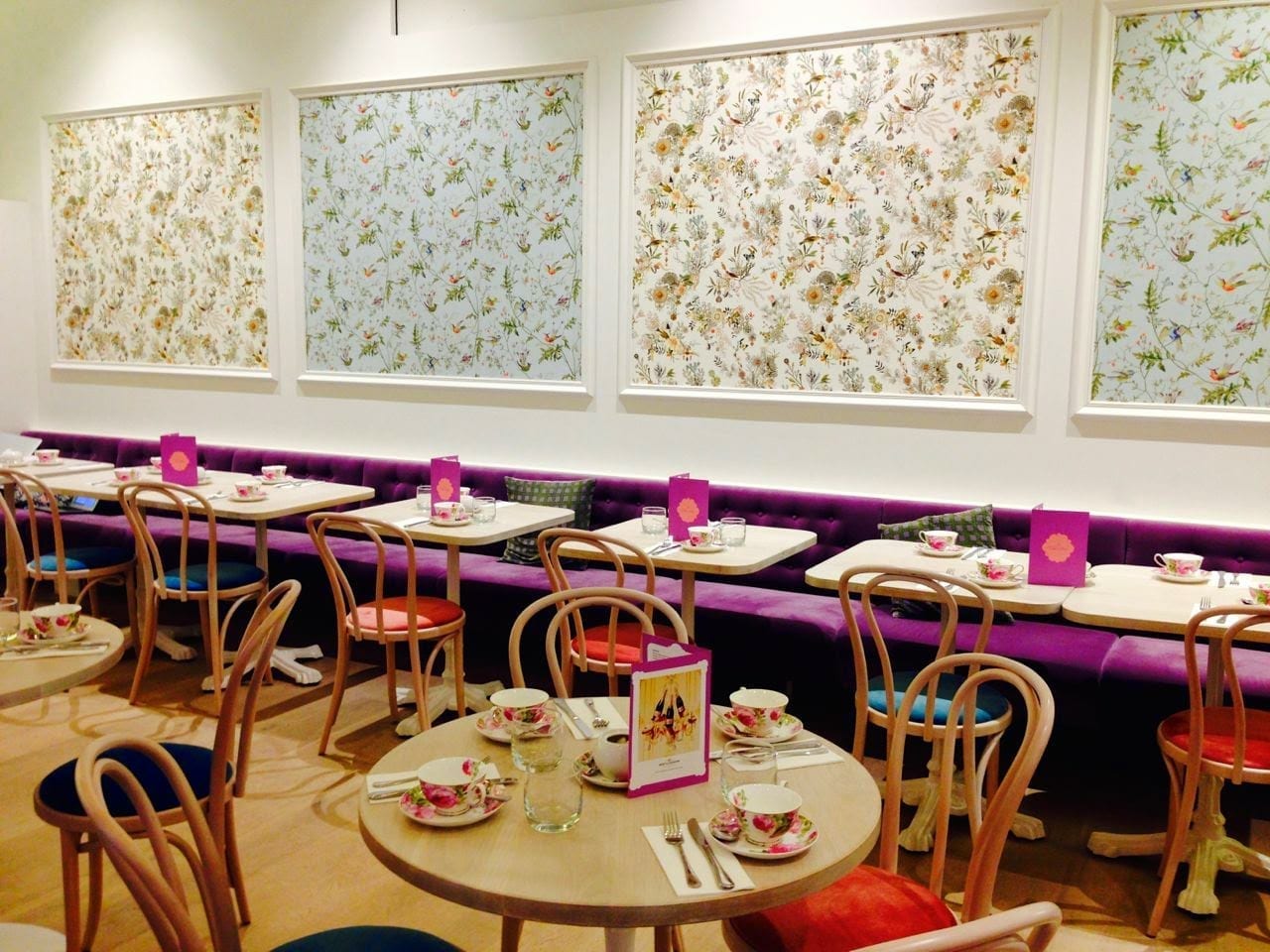
    That’s where Flamingo Bloom comes in. Just in time for the sweltering summer, Flamingo Bloom introduces its handcrafted floral teas on Stanley Street, where the chic tea salon will lure you in with its botanical decor and pops of colour. The commitment to quality continues into every Flamingo Bloom product, from Highland loose leaf teas, such as Honey Orchid Black, to fresh fruit and boba, cane sugar and double-purified water.

    Flamingo Bloom’s all-natural teas are made-to-order and contain no synthetic additives, ingredients or powders. Every tea has been carefully chosen from high altitude tea regions in China and Taiwan, where fewer pesticides are used in the cultivation process.

    “Despite the long tradition of tea drinking in Hong Kong, it can be struggle to find all-natural, high-quality and healthy takeout tea,” says founder Benjamin Ang, who is also behind award-winning restaurants Dragon Noodles Academy and Social Place. “As tea drinkers ourselves, Flamingo Bloom also values total transparency. To ensure every customer can see exactly what’s in their cup, Flamingo Bloom teas are crafted by talented tea-baristas at the open bar.”

    What’s on the menu? The experience begins by choosing one of four base teas: Jasmine Green Tips tea from Fujian; Highland Oolong from Taiwan; Chrysanthemum Pu’er from Yunnan; and Honey Orchid Black tea from Sichuan. A less mainstream tea, Honey Orchid Black is a soothing choice, featuring a nutty taste and delicious caramel aroma.

    Flamingo Bloom brews fresh batches of these base teas every four hours, using only whole tea leaves — never dust or powder — and double-purified water. Crafting these high-quality, loose-leaf teas is an art itself. The Jasmine Green tea, for example, is extremely delicate, requiring specific conditions to brew properly. If either the temperature or timing is off, even by a tad, then the resulting tea will taste bitter and lose its amazing aroma.

    After choosing a base, customers can enjoy their tea over ice, or dress it up with fresh fruit, boba, matcha, French rose, or a salted milk cap — a decadent crown of creamy milk and cheese that’s been whipped using a secret technique. Every cup is totally bespoke, even down to the amount of sugar cane content.

    In addition to custom choices, Flamingo Bloom offers a few signature combinations, including Intense Orange x Jasmine Tips Green; Boba Pearls x French Rose x Highland Oolong; Smashed Strawberries x Jasmine Tips Green; Fresh Fruits x Orchid Black Tea; Salted Milk Cap x Chrysanthemum Pu’er; and Boba Beetroot Milk. Every Flamingo Bloom tea finishes with a cocktail shake to create an airier, frothier and more fragrant brew.

  • Brazil beef imports halted, citing food safety concerns

    Brazil beef imports halted, citing food safety concerns

    1.9 million pounds (861,825 kilograms) of Brazilian beef products were refused entry to the U.S. The United States announced Thursday a halt to all imports of fresh beef from Brazil, the world’s second-largest producer, citing “recurring” food safety concerns.

    The ban will remain in place until satisfactory “corrective actions” are taken, the U.S. Department of Agriculture said in a statement.

    “Although international trade is an important part of what we do at USDA, and Brazil has long been one of our partners, my first priority is to protect American consumers,” U.S. Agriculture Secretary Sonny Perdue said.

    “That’s what we’ve done by halting the import of Brazilian fresh beef.”

    The statement said all meat imports from Brazil had been inspected since March, when some of the country’s top meat producers became embroiled in a tainted-meat scandal.

    During that time, the Department of Agriculture’s food safety and inspection service rejected 11 percent of Brazilian fresh beef imports, compared with only one percent of shipments from other nations, it added.

    Since implementation of the increased inspection measures, 106 lots — approximately 1.9 million pounds (861,825 kilograms) — of Brazilian beef products were refused entry to the U.S. “due to public health concerns, sanitary conditions, and animal health issues.”

    “It is important to note that none of the rejected lots made it into the U.S. market,” the statement added, noting that the “Brazilian government had pledged to address those concerns, including by self-suspending five facilities from shipping beef to the U.S.”

    “Today’s action to suspend all fresh beef shipments from Brazil supersedes the self-suspension,” it added.

    Brazil’s beef production is second only to that of the United States, according to USDA data.

  • Vietnam’s pepper export revenue loses spice due to oversupply

    Vietnam’s pepper export revenue loses spice due to oversupply

    With supply exceeding demand, farmers are being told to hold on to their stocks and wait for prices to rise. Vietnam’s pepper shipments are forecast to reach around 101,000 tons for the first six months of 2017, up 13 percent on-year, but revenue is likely to fall 13 percent, according to Vietnam Pepper Association (VPA)’s chairman Do Ha Nam.

    “When supply exceeds demand, importers try to pull prices down. Vietnam, which provides some 60 percent of the global pepper output, will be heavily affected,” Nam told.

    In the peak harvest season, farmers need to sell large volumes of pepper to cover expenses, causing prices to fall. Local farmers are stuck in a dilemma: the more pepper they sell, the sharper prices decline.

    Domestic pepper prices have been falling throughout May and June, so the VPA is urging local farmers to hang on to their stocks and wait for prices to recover.

    “If farmers can hold on for the next 1-2 months, prices will rise again,” Nam said.

    The VPA has attributed falling prices to a 15 percent increase in pepper output in for this crop and the 20,000 tons of Cambodian pepper Vietnam has shipped in.

    However, the greatest problem facing the sector is the expanding pepper plantations.

    If the plantations continue to expand at their current rate, pepper prices will suffer as supply exceeds demand in the future.

    To reduce these risks, the VPA has advised farmers to stop growing pepper in unsuitable soil and switch to alternative crops to provide an additional income.

    Despite these warnings, farmers are continuing to expand their pepper plantations.

    The reason is that a hectare of pepper can earn farmers at least VND240 million ($10,600), while the same area of coffee will make them only VND100-150 million.

    In addition to this, Vietnam’s pepper industry also faces food hygiene and safety concerns in foreign markets.

    For example, in order to export 40,000 tons of pepper to the European Union, Vietnamese firms need to import 22,000 tons of clean pepper from Cambodia, Malaysia or Indonesia to process and export.

    Similarly, in order to ship the product to Japan, local companies must import raw pepper to process first.

    This is because in the past, Vietnamese pepper has been found to contain excessive chemical residue.
    To address the issue, Vietnamese and foreign firms are working with farmers to clean up the plantations.

    According to experts, organic pepper is slowly catching on, which may mean lower productivity but should ensure higher prices in a more stable market.