Category: Food

Retail News Asia is committed to providing both local and global retailers with the latest Food and Food & Beverage news throughout the Asian market. This on a daily base.

  • India to become the gateway to the food industry

    India to become the gateway to the food industry

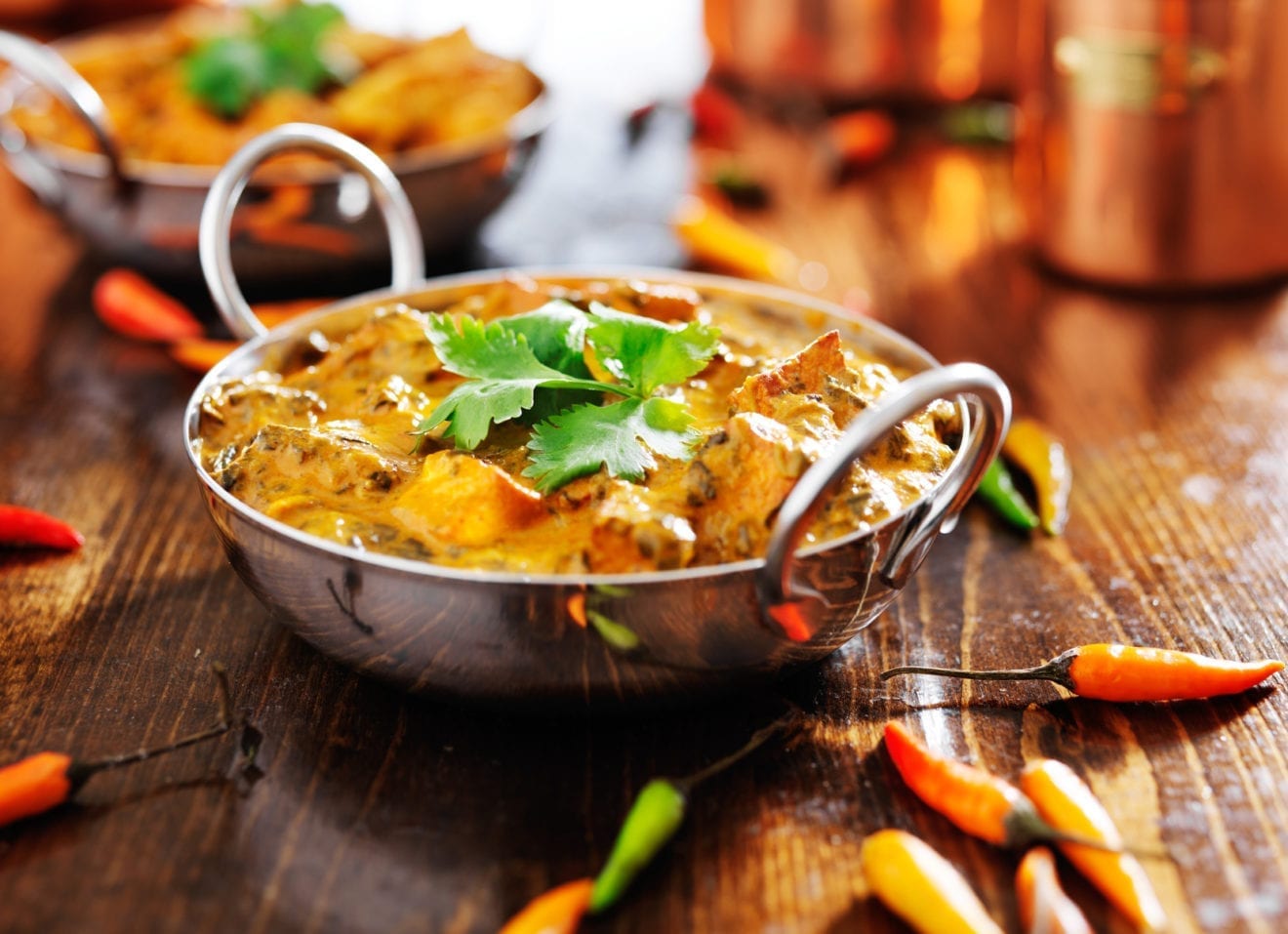
    India is all set to become the global manufacturing hub of the food industry, and to establish its presence and showcase its capabilities, the World Food India 2017 is being held in New Delhi, from 3rd to 5th November 2017. World Food India will be the largest gathering of investors, manufacturers, producers, food processors, policy makers, and food corporations from the global food ecosystem. The three-day event is being organised by the Ministry of Food Processing Industries, Government of India.

    World Food India intends to establish global linkages and facilitate foreign investment in India’s food retail market that services the needs and rising aspirations of the country’s 1.3 billion consumers – a ready market. The food processing industry accounts for over 9% manufacturing GDP and has emerged as critical component of India’s economy.

    World Food India aims to provide opportunities for both investment and trade in the food processing sector for leading Indian and international companies. Encompassing the entire food spectrum from production to consumption, World Food India is looking at creating a better sourcing environment, thereby enabling higher returns for farmers, creating employment, and fostering entrepreneurship. The three day mega event ‘World Food India’ will provide a platform to showcase offerings and services along the food value chain which includes production, processing, packaging, technology, equipment, storage, logistics or retail.

    Global food corporations, MSMEs & everyone connected directly or indirectly to the food sector are showing tremendous interest in World Food India 2017. The cuisines of India are inherently diverse in nature as each state in India come with a unique palate & offering. The World Food India aims to bring all the different states of India, as well as the global powerhouses in the food industry, together – for the first time.

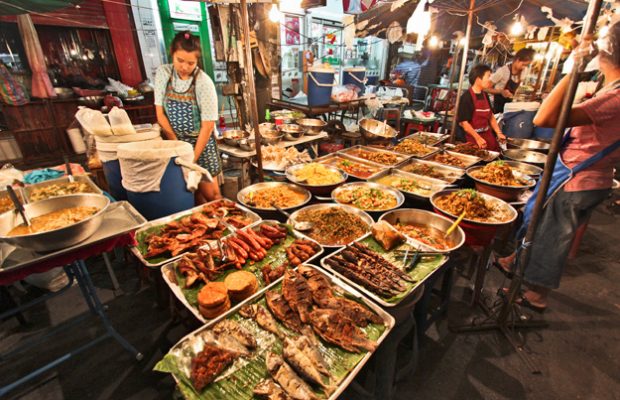
    World Food India will have exhibitions on the food processing industry, a Global CEO conclave, a country session, a state session, and conferences. One key attraction of the event will be the Food Street which will showcase food delicacies of the various states of India and as well as international cuisine. More details on World Food India 2017 can be found on this website.

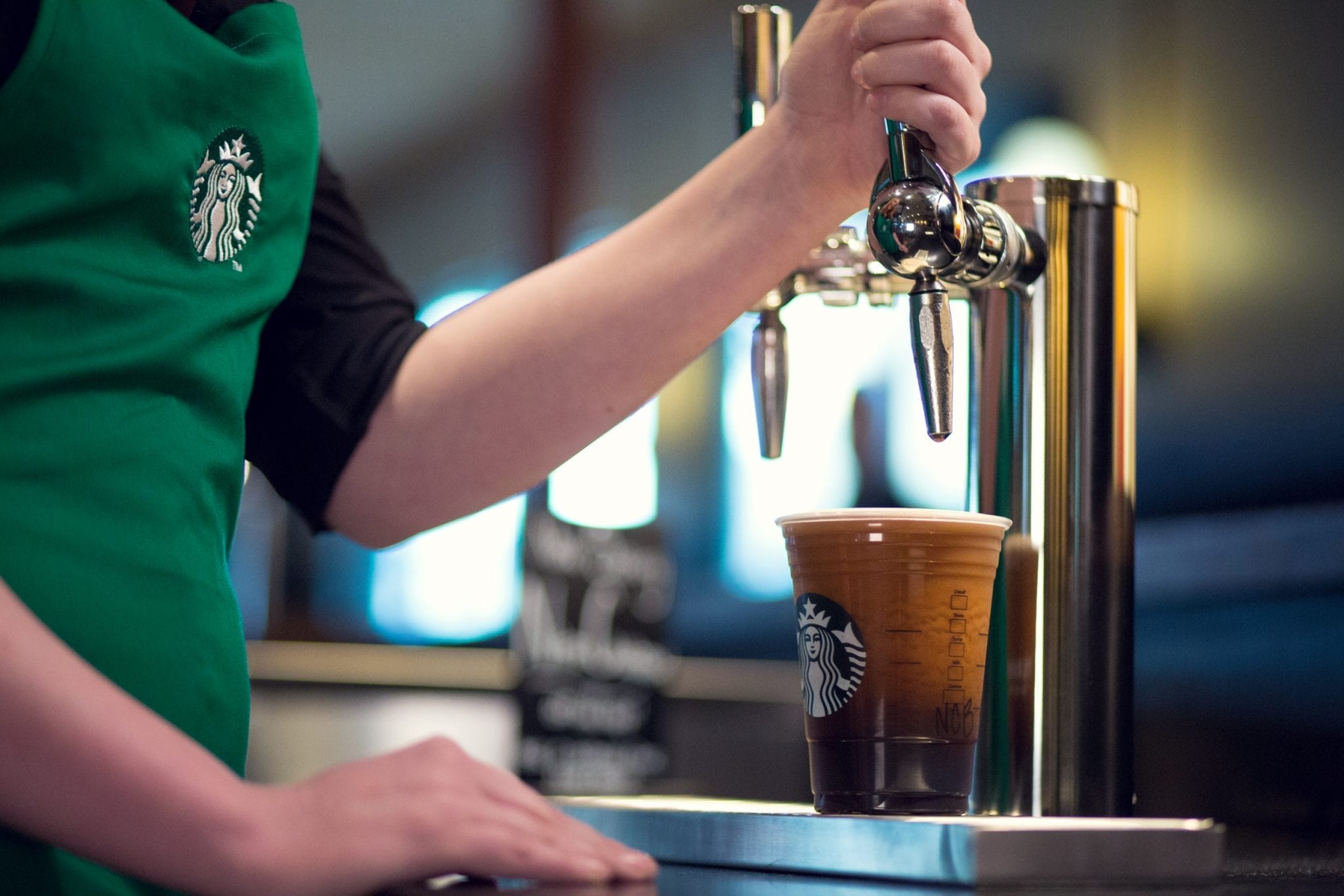
  • Starbucks Caffeinates Plans for New Stores in Japan

    Starbucks Caffeinates Plans for New Stores in Japan

    Starbucks Coffee Japan plans to open new outlets at an accelerated pace while shifting its focus from urban centers to suburban areas. Over the next three years, the company will spend roughly 15 billion yen ($146 million) to open 260 new coffee shops, which is 60% more than were opened during the last three years. Starbucks now operates some 1,000 stores in Japan, of which around 10% are located in suburban areas along main streets.
    Now that the urban market has become saturated, and even convenience stores have become rivals offering quality coffee, the company is looking to expand outside cities. The plan is to open 75 new outlets in fiscal 2014, 85 in fiscal 2015 and 100 in fiscal 2016. These will be located mainly along arterial streets in suburban areas and near residential districts.

    The stores will offer both seating and drive-thru windows, and they will be open longer hours than the urban stores, which close at 11 p.m. Some of Starbucks’ existing suburban outlets are open until 2 a.m. and remain busy until closing.

    In a typical day, the stores capture business from people on their way to work in the morning, seniors at lunchtime, housewives in the afternoon, as well as from workers and students returning home at night. Rents are cheaper than in the city, and sales tend to be 30-40% higher, with the average suburban store generating annual revenue of 150 million yen.

    But Starbucks is not alone among companies making the push outward to suburban markets, where coffee shops are filling the gap left by the demise of roadside family restaurants. For example, Hoshino Coffee, owned by Doutor-Nichires Holdings, is opening more coffee shops with sit-down service, hand-dripped coffee, and sweet and savory foods. Thirty-five new branches are planned for the current fiscal year. And Komeda is opening coffee shops with brick walls, wooden tables and other cozy touches.
  • Vietnam’s fruit, vegetable exports growing

    Vietnam’s fruit, vegetable exports growing

    Minister of Agriculture and Rural Development, Nguyen Xuan Cuong said the export potential of fruits and vegetables is huge, with the products key to restructuring the sector.

    Cuong said the ministry has focused on promoting the use of modern technologies in agriculture, aiming to create quality products, thus improving the sector’s competitiveness and expanding export markets.

    “Exports of fruits and vegetables will grow in the upcoming time. The sector should develop association models for investing in hi-tech agriculture. Businesses should work with farmer collectives to establish concentrated raw material areas,” he added.

    The minister said growing the agricultural sector, and fruits and vegetables in particular, would largely depend on export value and changes in the market.

    However, if businesses and farmers build production chains of safe fruits and vegetables together with hi-tech agriculture development, the export target of US$3 billion this year will be reached, he said.

    Exports of fruits and vegetables hit $1.38 biliion in the first five months of this year, a year-on-year increase of 38 per cent.

    China, the US, Japan and South Korea markets accounted for nearly 84 per cent of total vegetable and fruit export value. Vietnamese fruits and vegetables have been exported to about 60 markets globally.

    Many farmers have applied the safe agricultural production processes of VietGap and GlobalGap, giving Vietnamese fruits and vegetables a foothold in foreign markets.

    According to the ministry of agriculture, restructuring of the sector is going well, with export structure focused on commodities such as coffee, rubber and fruit.

    Dinh Cao Khue, general director of Dong Giao Food Export Company said their products have been exported to 50 countries thanks to a closed supply chain of materials, collection, processing and trading.

    “We have invested in specialised and concentrated material areas. Product quality should be priorities for both local consumption and exports,” Khue said.

    Experts said export markets such as the US and Europe have potential but also high risk as they have strict requirements on product quality, so domestic producers should strictly follow health and safety requirements.

    Vu Kim Hanh, chairwoman of the Vietnam High-quality Product Association said local agricultural producers should change their mindset in production and organising supply chains. Each segment should have standards to satisfy export markets’ requirements.

  • 4Fingers to open first delivery-dedicated outlet

    4Fingers to open first delivery-dedicated outlet

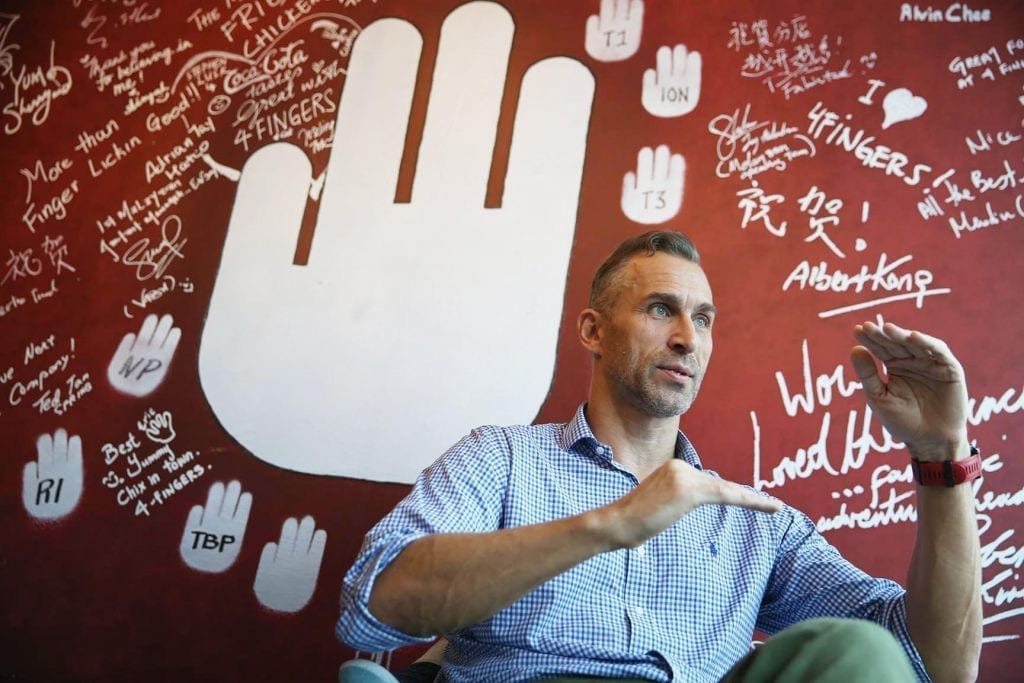
    Seeking to cash in on the rising demand for food delivery, crispy chicken restaurant chain 4Fingers will soon open its first delivery-dedicated outlet in the Clementi area. The Singapore brand also plans to handle some of its deliveries in-house to help mitigate the profit leakage from selling through food delivery companies, its Chief Executive Steen Puggaard said in an interview.

    The new thrust is expected to result in shorter delivery times while reaching out to more customers. The new outlet will be about two-thirds of the size of its current shops, but will also have a small shopfront and some seats for eat-in customers. There are plans to open more of such outlets across Singapore in the next one or two years.

    “We recognise that home delivery is only going to grow, so we need to make sure that we match our business model to the way that people are changing in spending their money,” Mr Puggaard said. “We see that as an important change in our strategy to accommodate the fact that people will be eating more and more food at home.”

    The west side of the island was chosen because it was easier to get a good location and the area has seen strong demand in home deliveries, he said. Home deliveries have helped the business by “a lot” and have been growing “faster than anticipated,” he added.

    4Fingers has seen its delivery segment grow to become a seven-digit business this year after the service was introduced early in 2016. The segment can take up to 30 per cent of a shop’s volume. The service is provided only in about half of the fried chicken chain’s stores, mainly those in the central and western areas of Singapore.

    At present, most of 4Fingers’ home deliveries are carried out by Foodpanda. It has recently joined Deliveroo and is also in talks to sign up with Ubereats. Depending on traffic and weather conditions, orders via the food delivery apps usually to take about 30 to 45 minutes to reach the customer.

    However, selling through these food delivery companies means low or even no profit margin for 4Fingers. “Food delivery comes with an additional cost – the commission for delivery companies. All of a sudden, the revenue we are generating with our food is weighed down by the additional cost,” said Mr Puggaard.

    “Companies like Foodpanda, Deliveroo, Ubereats: they basically deal with the customer, then they will tell us what we need to supply, then they will take care of the rest and send us a cheque once a month. We now say that that model does not really work for us. So we are saying, while we are opening up our first delivery-skewed kitchen in the west of Singapore, we will also test our handling of orders from customers and the payment, then using a third party to deliver food to people’s homes.

    “Right now, the cost structure linked with home deliveries actually doesn’t make us any money. It’s something we do for our customers because they want to eat 4Fingers. As long as we don’t lose money, we have to go along with it. But because it has now grown to seven digits this year, we say now is the time for us to begin to find a way where the cost structure makes more sense for us,” he said.

    Mr Puggaard has more than 20 years’ experience in food and beverage, much of it in Singapore, where he is now a Permanent Resident. The Dane began his F&B career with McDonald’s in 1996 in Eastern Europe before coming to Singapore in 1999 to run the regional marketing for the brand. He then made subsequent moves to Burger King and Les Amis.

    Mr Puggaard joined 4Fingers in February 2013 after the previous owners reached out to him to help expand the brand that made its debut in 2009. However, he left after only seven months because he felt the company was not structured for growth then. He rejoined the company in 2014 after a change in ownership and also took a 3 per cent stake in the venture.

    Since then, 4Fingers has expanded to 12 outlets across Singapore, and several more in Malay-sia and Indonesia. Revenue has grown from about S$2 million to S$30 million from its owned outlets, excluding franchised outlets. A majority of the stores are owned by the company. Besides quality food, what makes the brand stand out for eat-in customers is the dining experience, said Mr Puggaard. 4Fingers focuses on details such as design, lighting and music as well as service to enhance the overall experience.

    Even while the business grows in Singapore and the region, 4Fingers is looking to expand fur-ther afar: It will be launching in Australia in the next few weeks. It is also scouring locations in the US and expects to open one outlet there by the end of the year, said Mr Puggaard. There are also plans to open outlets in the United Kingdom and Germany in the first quarter next year.

  • Vietnamese street food favored over foreign fast food chains

    Vietnamese street food favored over foreign fast food chains

    Several Burger King shops in HCMC and Da Nang have closed, while Lotteria has also shut down ineffective shops. Other giants have not closed many of their shops, but they are cautious developing their chains.

    McDonald’s, when setting foot in Vietnam, stated it would open 100 shops within 10 years. However, after three years in Vietnam, the giant has opened only 15 shops.

    A representative of Lotteria admitted that competition in the fast food market is getting stiff with many foreign and domestic brands.

    Some brands have shut down shops because their menus were not suitable to Vietnamese tastes and the prices were not competitive.

    Nguyen Huy Thinh, managing director of McDonald’s, said it was normal for fast food brands to shut down unprofitable shops, while a representative from Burger King said the chain’s business has been going well with a two-digit growth rate.

    However, Hoang Tung, a branding expert, blames the failure of some fast food chains on the difference between the food and Vietnamese tastes.

    Burger King, for example, develops products based on burgers as the core product.

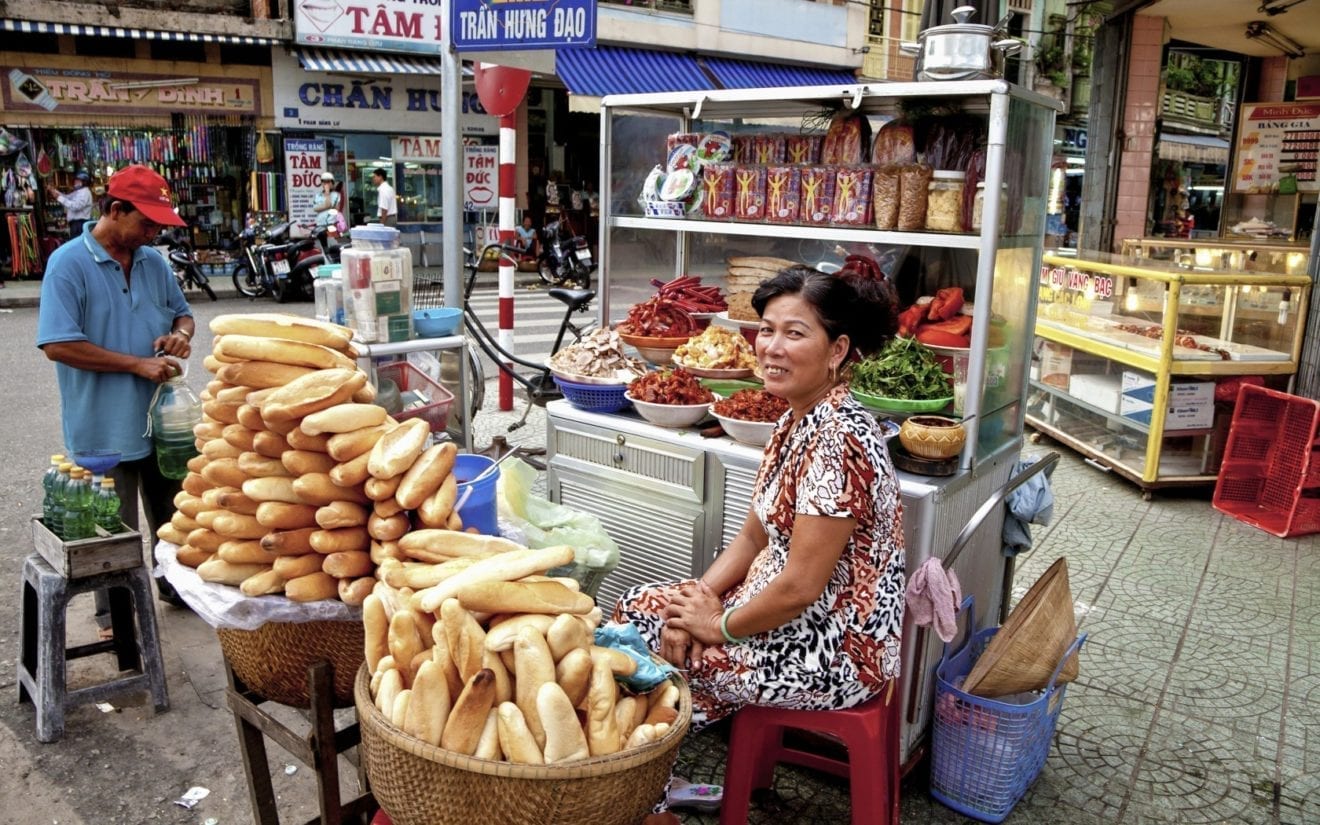
    “Vietnamese still prefer banh my (sandwich) and banh my is cheaper than a burger,” Tung said. “This is why the burger chain expansion has slowed down, while banh my chains have been booming.”

    Tran Anh Tuan, CEO of Pathfinder, a consultancy firm, also said that some fast food chains are not positioned well in the domestic market, and products don’t change regularly. And the price is too high compared to consumers’ income.

    “Fast food, in foreign countries, is generally for the masses. But in Vietnam, fast food chains target high-income earners,” he explained.

    Fast food… and rice

    While western-style fast food chains are not thriving, Vietnamese and Asian food brands are doing well.

    Anh from Pathfinder said that many Japanese and Korean food chains have appeared i which are closer to Vietnamese tastes.

    “Korean fried chicken chains have been developing rapidly because they have reasonable prices and fit Vietnamese tastes,” he said.

    In the past, only a few fast food chains sold Vietnam rice, but now it is a major dish on menus.

    MOIT has granted licenses to 148 foreign brands to enter the Vietnamese market in the last eight years.

    This includes 42 fast food, bakery, coffee, beverage and restaurant brands, accounting for 43.7 percent of the total.

  • Food delivery and out-of-home dining are thriving in China

    Food delivery and out-of-home dining are thriving in China

    China is one of the world’s largest e-commerce economies, but that doesn’t mean people are only opting to consume in the comfort of their homes.

    In fact, a study by consultancy Bain and Company and Kantar Worldpanel found that the growth rate of FMCG (fast-moving consumer goods) home consumption is only tepid compared to the strong growth of dining out.

    According to that 2017 China shopper report, released on Tuesday, dining out and food delivery are seeing robust growth with Chinese consumers, who have traditionally cooked at home.

    The results revealed that while the value of food purchased for in-home meal preparation grew by only 3 percent annually from 2013 to 2016, food delivery rose by 44 percent and dining out grew by 10 percent over the same period.

    “You can still have family lunches and dinners at home but there is so much variety of delicious food that is available at 30 minutes from where you live or where you work, why would you bother cooking at home?” said Bruno Lannes, partner in Bain’s Greater China Consumer Products Practice.

    The study analyzed responses from a panel of 40,000 households and 4,000 individuals in tier 1 and tier 2 cities.

    The report’s findings this year are a continuation of a “two-speed” trend identified last year, said Lannes.

    In the case of dining, it’s “high-speed dining out and delivery versus low-speed home cooking” and this divergence will present new opportunities and strategies for food businesses, the report added.

  • Thai producers plan to recover shrimp output in H2, as prices rise

    Thai producers plan to recover shrimp output in H2, as prices rise

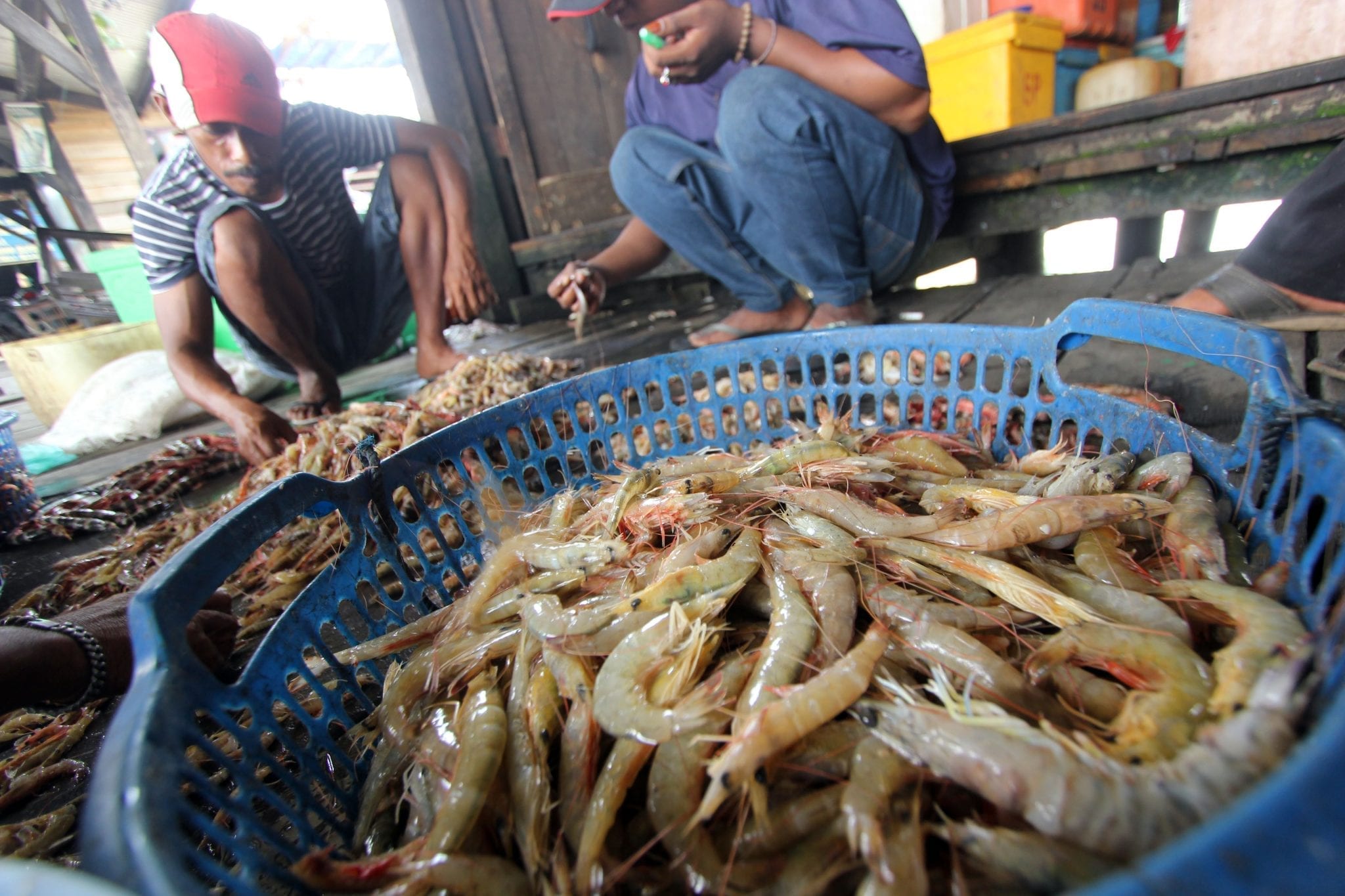
    Thai producers plan to increase their shrimp output in the second half of this year, after output from farms dropped year-on-year in the first two quarters of 2017, industry sources told us.

    Heavy rain, which has caused floods in several provinces, as well as ongoing disease issues, limited the growth of Thai shrimp production in the first half of this year, Thai Union Group’s shrimp unit managing director, Preerasak Boonmechote, told us during a recent visit to the firm’s processing plant near Bangkok, before the Thaifex trade show in Bangkok.

    Thai shrimp production is expected to grow 5% overall this year, lower than earlier expectations of 10-15% output growth, Boonmechote said, pointing to the fact that heavy rain had limited the country’s production growth plan.

    In 2016, Thailand’s production increased around 50,000 metric tons to 300,000t, Robins McIntosh, senior vice president of Thai agribusiness and food processing giant Charoen Pokphand Foods, said in January, at the Global Seafood Market Conference in San Francisco, California. According to Thai Union’s estimates, Thai production in 2016 totaled slightly less, about 250,000t.

    Meanwhile, Thai shrimp prices, which are on the rise again, are expected to either remain stable or grow 5% y-o-y in 2017, according to Boonmechote.

    Output growth

    Thai Union plans to increase its shrimp production 5% this year, up from 65,000t in 2016, Boonmechote said.

    Thai Union owns three shrimp processing plants in Thailand, which currently operate at 60-70% of their capacity, said Boonmechote. The firm, which is Thailand’s largest shrimp producer, plans to expand sales to the retail sector, particularly in Thailand and Korea, as well as in Australia, China and Middle East.

    Another large Thai shrimp producer, Marine Gold Products, plans to increase its shrimp production to 25,000t in 2017, up from 20,000t in 2016.

    Marine Gold has also introduced some new value-added products (see the photo of the firm’s new Thai green curry ready-to-eat product), mainly for the local market, as well as for China, Taiwan, Korea and Japan.Heavy rain in Thailand has caused a decrease of production compared with 2016, but the firm aims to recover its output in the second half of the year, Panuwat Wat Tanakijrungrueang, a marketing executive with the firm, told us during the Thaifex trade show.

    Several other large Thai shrimp processors told us they are looking to up production, as well as diversify to other products, during Thaifex.

    An executive with May Ao Group said the firm plans to increase its output around 5-10% y-o-y in 2017, from 12,000t in 2016.

    Thai Royal Frozen Food, which produced about 20,000t of shrimp last year, also plan to increase its production, with a 10-20% rise planned for 2017, an executive with the company told us, during Thaifex.

    Another processor, Lee Heng Seafood, also aims to increase its shrimp output in 2017 from almost 3,600t last year, having built a second processing plant in the Phang-Nga province, Thailand, the company said, during the show.

    Other processors are looking at more diversification.

    Thai frozen food manufacturer Surapon Foods is currently building a new frozen sushi and chicken processing plant, as it plans to focus more on value-added seafood and chicken products, Auhtaphon Ratana Arporn, assistant managing director at the firm’s trading arm Surapon Finest.

    The firm is investing THB 200 million ($5.8m) in 2017 to build the new plant and renovating its other plants.

    The firm has recently reorganized its structure and introduced a new value-added product line. It also launched a new logistic firm, named Mobile Logistics, which distributes frozen products across the Thai market, Ratana said.

    Meanwhile, PTN Group has started the sale of live Osaki oysters on the Thai market.

    The firm was promoting the new Japanese farmed product at the Thaifex trade show, targeting both retail and Horeca sector. It also sells breaded oysters and salmon nuggets.

  • Bibica power balance coming to an end?

    Bibica power balance coming to an end?

    In June, Bibica announced that it has received PAN Food’s offer to purchase 7.27 per cent of its outstanding shares in the market, an equivalent of 1,121,670 shares, at the price of VND112,800 ($5) apiece.

    It means that PAN Food will have to spend about VND127 billion ($5.6 million) on the deal. If the transaction succeeds, PAN Foods’ stake in Bibica will rise to 51 per cent, turning Bibica into a subsidiary.

    However, currently, Lotte has two representatives in Bibica’s board of directors, while PAN Food has only one, Nguyen Khac Hai.

    Even if PAN Food can successfully hold 51 per cent stake in Bibica, it cannot add another representative to the board of directors immediately, as they will have to wait until a Lotte representative or an independent member end their term. Otherwise, in accordance with the Law on Enterprises, PAN Food should hold 65 per cent of Bibica’s stakes to call a shareholders’ meeting and call for the election of a new member.

    Previously, Truong Phu Chien, vice chairman cum general director of Bibica, registered to sell his 0.72 per cent stake in the company on May 19, 2017.

    Bibica’s leader, who has devoted 30 years of his life to Bibica, said that he wanted to transfer his entire shareholding due to personal financial reasons.

    However, investors do not completely give credence to this reason, as Chien used to say that stake sale was the best way to eliminate conflicts between the two biggest shareholders.

    At the same time as Chien, Vo Ngoc Thanh, another shareholder, also registered to sell a part of his stake in Bibica. From May 23 to June 11, 2017, 2.66 per cent of Bibica’s stakes have been offered for sale.

    From 2013, there have been conflicts between Bibica’s two biggest shareholders, PAN Food and Lotte, which was exacerbated by their similarly large holdings that prevented either of them from making the final decisions in the company.

    Purchasing this 7.27 per cent would give PAN Food an advantage over the other majority shareholder. Also, Chien’s wish for Bibica to have one biggest shareholder will come true.

    A shareholder in Bibica since 2007 by acquiring a 38 per cent stake, now Lotte holds 44.03 per cent as the biggest shareholder.

    Lotte is one of the most famous confectionery manufacturers, offering vital support to Bibica’s research and development department. Moreover, thanks to Lotte, Bibica’s products are now exported to five countries, all part of Lotte’s system of 16 foreign markets.

    Meanwhile, Saigon Securities Inc. (ticker SSI on HOSE) has been holding a 9 per cent stake in Bibica since the middle of 2009.

    As Nguyen Duy Hung fills the position of chairman at SSI and The PAN Group, this acquisition raised PAN Food’s stake in Bibica to 43.73 per cent.

    PAN Food offers Bibica both financial support (on account of SSI) and support in the agriculture and food sectors.

    Bibica scheduled electing additional member to its board of directors at its May 26, 2017 annual shareholders’ meeting, but the plan fell through and the board remained unchanged.

    Nevertheless, the two board members’ decision to sell is expected to alter the balance between the two biggest shareholders.

    Hung is expected to play a major role in this. In the past, when asked whether he wanted to increase ownership in Bibica and gain control, Hung said that even if he wanted to, not enough shares are available on the market.

    “When mentioning me or SSI, people may think that my investment in Bibica is a financial investment instead of a strategic one. If Kinh Do Vietnam Joint Stock Company (now Mondelez Kinh Do Joint Stock Company) had not sold 80 per cent of its stake in the confectionery sector to Mondelez International (an American multinational confectionery, food, and beverage company), we would not have invested in Bibica. We finally decided to invest in this company because in the next five years, we do not want to see our ancestors’ altars covered by foreign confectionery,” Hung told VIR at a recent meeting in Ho Chi Minh City.

    Ambition of becoming a leading confectionery company

    Chien agreed with Hung about Bibica’s development target, saying that the 2.66 per cent stake will be transferred to a new owner based on Bibica’ benefits, such as its brand and product development, instead of personal benefits.

    This is an important thing as Bibica is deploying its key products.

    One of its main products is chocolate pie. Upon mention of this type of confectionery, Vietnamese people may think of ChocoPie, a product of Orion Group, which generated $174.5 million of revenue in 2016 in Vietnam, or Lotte Pie.

    However, in April 2017, Bibica introduced Mini Pie Orienko, which was adjusted to better suit the Vietnamese taste, so that this product can compete with other foreign brands.

    Talking with VIR, Phan Van Thien, deputy general director of Bibica, said that this will be one of Bibica’s main products.

    The company targets to win 20 per cent of market share away from its competitors with this product.

    Previously, Bibica already introduced this product, geared towards the high-income segment, but failed.

    Thus, Orienko is now repositioned as a product for the middle-income segment at the price of VND30,000 ($1.32) per 264 gram box.

    “We employ high-technology for product preservation without using preservatives. The product’s quality is as good as foreign pies, while its price is 30-40 per cent lower. I believe that in the short term we will gain market share, and in the long term our products will replace foreign brands,” Thien said.

    With the capacity of 20 tonnes per day, this chocolate pie product is expected to induce VND200 billion ($8.8 million) of revenue, which will account for 13-14 per cent of Bibica’s total revenue in 2017.

    Currently, Bibica holds 30 per cent of the candy sector and 25 per cent of the pie/cake/cookies sectors.

    At present, Bibica is taking advantage of agricultural products, such as coffee and coconut, or manufacturing products with functions similar to supplementary food, such as candies for sore throat.

    Bibica develops its products based on the advantages of domestic agricultural products.

    Other candy brands for the high-income segment will be produced in June 2017 to reach the target of 50 per cent annual growth rate.

    Chien said that Bibica will develop its products in the domestic market and considers this its main market.

    Bibica’s products were exported to 15 countries, but they contributed only 7 per cent to the company’s total consolidated revenue.

    It is forecasted that the confectionery market in Vietnam will have a growth rate of 8.5-9 per cent per year, with more competition coming, as duties and tariffs in the ASEAN will be eliminated gradually.

    Regarding technology, most companies in the industry across the ASEAN stand on the same technological level (except for Korea and Japan). This requires every manufacturer to focus on quality to win market share.

    Bibica targets to become a leading confectionery company in Vietnam by 2021, with a revenue of VND2.618 trillion ($115.2 million), an equivalent of 20 per cent annual growth rate. This is a challenge to Bibica’s board of directors and supervisors.

    Bibica has announced expanding its manufacturing at Eastern Bibica Co., Ltd. and Northern Bibica Co., Ltd. In particular, in 2017, Bibica expects to spend about VND217 billion ($9.5 million) on investment (in 2016 the amount was $800,800).

    Targets include Bibica Bien Hoa factory (about $2.8 million), the biscuit production line in the Eastern factory ($5.6 million), upgrading the bread production line in the Hanoi factory ($316,800), upgrading the cookie production line ($264,000), and upgrading the fire protection system of Bibica Bien Hoa factory ($132,000).

    Additionally, Bibica is developing an online store with the aim of developing its distribution channels in Ho Chi Minh City and Hanoi, so that the two cities will contribute 30 per cent of Bibica’s total sales.

    At present, Bibica has more than 2000 products in over 500 big and small supermarkets, with 120 exclusive distributors and retail outlets in Vietnam.

    To reach these targets, it is vital for Bibica that its big shareholders get on with each other and put a stop to conflicts.
  • China Fruit Logistica to launch in 2018

    China Fruit Logistica to launch in 2018

    Global Produce Events has announced the launch of CHINA FRUIT LOGISTICA, the new annual trade show for China’s fresh fruit and vegetable business, which opens its doors next May in Shanghai. 

    “FRUIT LOGISTICA is a trusted brand family, and we now have a third platform that enables us to service the fresh produce trade in mainland China,” said Will Wollbold, commercial director of Global Produce Events. 

    “FRUIT LOGISTICA in Berlin is the leading global fresh fruit and vegetable event. ASIA FRUIT LOGISTICA in Hong Kong is the leading continental event for Asia’s buyers. CHINA FRUIT LOGISTICA in Shanghai launches as the leading national event for China’s fresh produce trade.” 

    CHINA FRUIT LOGISTICA takes place on 14-16 May 2018 at Shanghai Convention & Exhibition Center of International Sourcing in the commercial capital’s Putuo District. 

    “The time is right for the launch of CHINA FRUIT LOGISTICA,” said Wollbold. “There are many events for the fruit business here in China, but the Chinese trade needs a truly national and trusted platform for the trade in fresh fruit and vegetables, with effective international connections to the wide world of fresh produce. CHINA FRUIT LOGISTICA provides just that.

    “This is a powerful proposition,” Wollbold continued. “China is home to hundreds of millions of consumers demanding freshness, taste and quality in every region of the country. CHINA FRUIT LOGISTICA establishes the premier trade platform on a national scale for the Chinese fresh fruit and vegetable business, both online and through conventional channels.” 

    China’s fresh produce hub 

    CHINA FRUIT LOGISTICA offers a range of services to visitors and exhibitors to boost their business, said Wollbold. 

    “It’s the meeting place for top buyers and decision-makers, and the central trading platform where retailers and produce buyers from across the nation look for the widest range of top-quality fresh produce on the best business terms,” he explained. “Reliable supply partners present new business concepts, from new products to modern distribution solutions. And everyone gains fresh inspiration and new business contacts from both inside and outside China to develop and expand their business.” 

    CHINA FRUIT LOGISTICA covers every sector in the fresh produce category, including fruit, vegetables, mushrooms, herbs, dried fruit and nuts as well as many new products. The trade show spans the complete supply chain, featuring cool chain logistics, packaging and technology solutions, and the full range of service providers to the fresh fruit and vegetable business. 

    The majority of trade visitors and buyers are set to come from China, including retailers, wholesale buyers, online traders, importers and exporters as well as other stakeholders along the country’s fresh produce supply chain.

    Fresh know-how 

    FRESH PRODUCE FORUM CHINA, which has established its position as the number one conference and networking event for decision-makers in China’s fresh fruit and vegetable business, forms an essential part of CHINA FRUIT LOGISTICA. 

    “A trade show is all about exchanging ideas, learning about the latest developments in the business and sharing information,” said Wollbold. “FRESH PRODUCE FORUM CHINA takes place alongside CHINA FRUIT LOGISTICA, providing delegates with first-rate information and insights on the latest market trends and opportunities, not to mention high-quality networking.” 

    Powerful support: in person & online

    Exhibitors and visitors to CHINA FRUIT LOGISTICA can rely on a strong support network – in person and online. CHINA FRUIT LOGISTICA is run by a world-class organisation team based in Shanghai, Bangkok and Berlin, and is supported by an international network of representatives in over 100 countries. 

    “CHINA FRUIT LOGISTICA exhibitors and visitors can be assured of a FRUIT LOGISTICA-class service,” said Wollbold. “We have set up a Chinese subsidiary, Global Produce Events (Shanghai), and we’re operating our own office in Shanghai.

    “We look forward to welcoming fresh produce professionals from all over China, and from throughout the international trade, to Shanghai next May.” 

  • Au Bon Pain bakery bound for Cambodia

    Au Bon Pain bakery bound for Cambodia

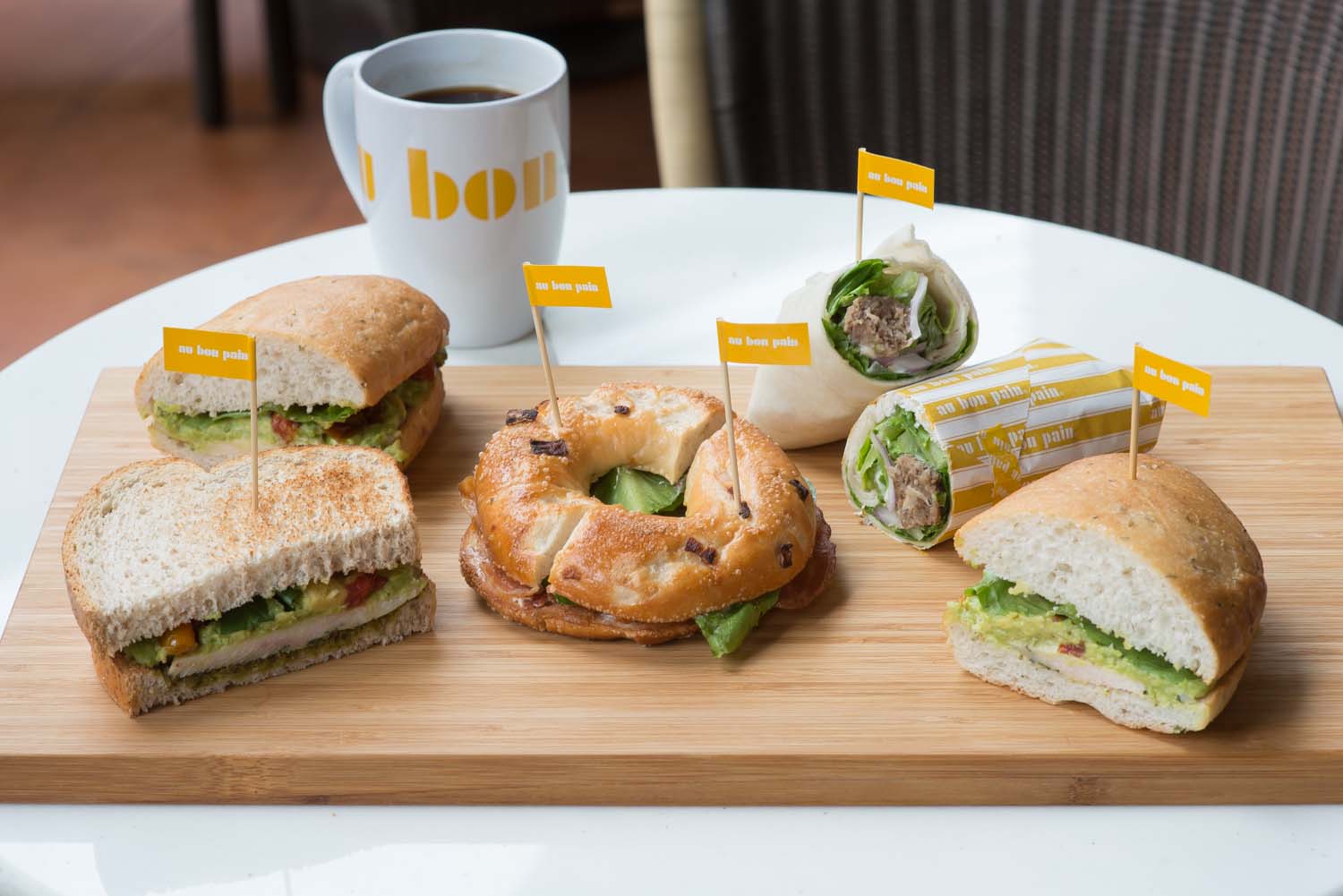
    The Au Bon Pain bakery chain is to expand into Cambodia, Laos, Myanmar and Vietnam by the end of the year, to serve growing middle classes in the region.

    The expansion was announced by Mudman Plc, the authorised Thai franchisee of the Au Bon Pain bakery chain, and international retail food brands including Baskin Robbins and Dunkin’ Donuts. The firm said the development is intended to capitalise on increasing consumer purchasing power and the strong economies in the Cambodia, Laos, Myanmar and Vietnam (CLMV) market.

    Nadim Xavier Salhani, chief executive of Mudman, was quoted in the Bangkok Post as saying the company recently won rights from ABP Corporation, the owner of Au Bon Pain in the US, to open branches of the bakery in the CLMV market.

    “The company is considering forming a joint venture with local partners or investing on its own in CLMV. The investment model will be finalised by year-end, while the expansion of Au Bon Pain bakery chain into the CLMV market reflects the market’s potential.” said Salhani. “Mudman expects to open the first Au Bon Pain branch in Cambodia or Vietnam by the end of this year or next.”

    Express Food Group general manager Virak Tep told Khmer Times there is plenty of room for coffee and bakery chains to expand into the Cambodian market. He added that many international brands are entering into Cambodia, with the notable exception of McDonald’s. “I think Au Bon Pain is a good brand and with strong potential for a franchiser who wishes to bring it to Cambodia,” said Virak.

    Salhani said purchasing power is increasing due to economic stability and growth in the CLMV, while international brands are popular among younger people.

    Sales volumes in the food and beverage sector in Cambodia is rising at about 10 percent year-on-year, attracting many international franchises, according to Virak.

    “Cambodian consumer trends show increasing preference for international brands from Thailand, Korea, Vietnam, Singapore, Malaysia and the US. As long as the taste of the food or drink meets their expectations, they will go for those brands,” said Virak. He added his company will open another outlet of the chain restaurant Bar B Q Plaza in Cambodia by the end of this year.

    Hem Samnang, area manager of BreadTalk Cambodia, a franchise brand from Singapore, agreed that coffee and bakery chains have room to grow in Cambodia. He said consumer awareness of international brands has been getting better over the past decade, as peoples’ incomes have gone up.

    “Purchasing power in cafes and bakeries is rising day by day, both among youths, middle-aged people and families,” said Samnang said. “Cambodia still has more opportunities for international brands to enter the market as the country’s GDP is rising. I cannot say Au Bon Pain will be my competitor until I see their products.”

  • Entrepreneur is trying to cure Hong Kong’s meat addiction

    Entrepreneur is trying to cure Hong Kong’s meat addiction

    David Yeung believes that meat is the new tobacco. But the long-time vegetarian and practicing Buddhist won’t try to get you to stop eating meat. He just wants you to consider eating less.

    That’s what he’s trying to do with the citizens of Hong Kong, who collectively have the highest per-capita meat and seafood consumption in the world, according to a 2015 study by Euromonitor. His life’s mission is to get the citizens of our planet — particularly his home city — to cut out eating animals at least one day a week. And it’s working: Menus inspired by his “Green Monday” philosophy appear in hundreds of restaurants across Hong Kong, and at schools and universities around the world.

    Though Mr Yeung grew up in Hong Kong, he spent over a decade living in New York. When he was 16, his family moved to nearby New Jersey to be closer to the fashion industry. His father was one of the four founders of the global clothing company Tommy Bahama. Mr Yeung graduated from Columbia University in 1998 with a degree in engineering, spent a few years consulting for PwC and then launched a software startup (now defunct). He grew up eating meat, but in 2001 he dove into Buddhist philosophy, a core tenet of which is the truth of suffering. It wasn’t a big leap for Mr Yeung to go from looking inward to looking outward, and he quickly concluded that by changing his diet he could stop the suffering of animals.

    Shortly before moving back to Hong Kong, he read about Meatless Monday, a campaign that urged Americans to take one day each week off from eating meat. “I thought the word meatless was not the best choice. People aren’t going to say, ‘Oh, today let’s go meatless,’” he said. He also figured that regardless of language, ethnicity, geography and gender, “green” was a universally known word. “Monday”, too. “These have to be two of the top 50 words that people around the world learn,” said Mr Yeung. So he made it positive and actionable: “Green Monday.”

    Today, you can find Green Monday vegetarian menus offered at hundreds of restaurants around Hong Kong. It’s incorporated into the food service at over 600 universities in 31 countries, 84 of them in the US, including Mr Yeung’s alma mater. You’ll find Green Monday menus at several hotel chains and even at Bon Appétit Management Co ., which is best known for managing Google’s dining empire. The one thing he insists on when he signs up new partners is that they don’t remove meat entirely from the menu. This may seem counterintuitive, but it’s a mind shift. “If you completely remove choices for people, that’s when you get a backlash,” he said.

    These small but important partnerships provide the foundational arm of Mr Yeung’s Green Monday empire with helpful branding to grow its name recognition; to date, it works with more than 2,000 schools. As a mission-based entrepreneur, he makes it an integral part of his social-impact goals, which Mr Yeung defines as bringing a triple-bottom-line to his organization: His work is good for the business, the community and the environment.

    After several successful years promoting Green Monday, Mr Yeung opened the world’s first plant-based retail store in 2015. Think 7-11 (grab-n-go food) meets Muji (clean, functional design) meets Hello Kitty café (fun). He named it Green Common . It was a place for people to eat delicious vegetarian food that riffs on Chinese classics — such as Hainan Chicken, minus the bird — and then take home the newest plant-based groceries. There are non-edible items too, including reusable water bottles, green cleaning products, skincare, cookbooks and vegetable growing kits. In addition to investing in plant-based products, Mr Yeung has become the distributor of choice for American brands that want to break into the Asian market, such as Follow Your Heart, Daiya, Califia Farms, Gardein, and Miyoko’s Creamery. Today, there are four locations, all in iconic Hong Kong retail spots including Harbour City Mall and Landmark Alexandra House.

    What Mr Yeung is most excited about is the April launch of the Beyond Meat burger — a pea-protein, plant-based burger that looks like meat (the pink hue on the inside comes from beets) and tastes like meat. (Really.) Sales are already more than double the projections, a great sign for its broader acceptance. As an investor in the US startup, Mr Yeung has become one of its biggest advocates. “He has been enormously supportive of our brand,” said Ethan Brown, chief executive officer of Beyond Meat and a fellow plant champion. Brown had wanted to expand into the international market, but he needed the right partner. “It was an easy decision to make,” said Brown. “He handles all the marketing and distribution, and he’s positioned the burger in the only way that someone that lives [in Hong Kong] could do.” The one tricky piece was naming the dish. Because there is no word for ‘beyond’ in Cantonese, Mr Yeung calls it the “future burger”. For the entrepreneur, the burger was from the future and for the future.

    Mr Yeung’s journey towards social entrepreneurship wouldn’t have gone anywhere without two key figures. One of them is Green Monday co-founder Francis Ngai, a local investor who previously founded Social Ventures Hong Kong, a philanthropic venture fund that invests in social mission-based startups that work to address urban challenges such as wealth discrepancy, handicap accessibility and elderly issues in Hong Kong. The two shared a diet and a cause. “We would have lunch for hours and talk about ideas to change the world,” said Mr Yeung. At one of those lunches, Mr Ngai said, “David, is there anything we can do with food that is social?” Mr Yeung put down his chopsticks and said, “Duh”.

    At the time, all that the two vegetarians could order were beef noodles — and then ask the server to hold the beef. “But they charge you the same, and they give you that look,” recalled Mr Yeung. The look that says you are giving them trouble.

    The other influence was Mr Yeung’s father, who oversaw the manufacturing side of Tommy Bahama before it sold for $325 million in 2003. In living the Buddhist philosophy — an awareness of those less fortunate — Mr Yeung’s father gave a good deal of his income to charity. These two men inspired Mr Yeung to create his for-profit business, along with his charitable foundation. The third piece of his plant-forward company is a venture fund that focuses on impact investments. Green Monday Ventures pilot fund invested in Beyond Meat, and its second fund invested in Perfect Day, a cellular agriculture company making dairy from cell culture;  Lighter, which provides meal-planning technology and services; and other food-tech startups.

    It may be hard to keep track of all of Mr Yeung’s efforts, but it’s clear that his outreach has, in some way, nudged his fellow Hong Kongers toward a more sustainable lifestyle. PizzaExpress, a UK-based chain with over 20 stores in Hong Kong, has experienced double-digit growth in its vegetarian menu sales on Mondays, and it sees a halo effect on other days. Said Liam Collette, the general manager of PizzaExpress for Hong Kong, United Arab Emirates and Singapore, “We have more than doubled the people eating vegetarian [menu items] on Monday, but we have also had a sustained uplift of overall customers on Mondays. I see this a success for us and for customers.” A third-party study of over 1,000 people, sponsored by Green Monday, found that before the launch, only 5% of the autonomous territory’s more than 7 million inhabitants had a goal of adjusting their consumption. Today, 22% of Hong Kong’s inhabitants report practicing some form of plant-based diet. Other signs? In 2013, Hong Kong had only 130 vegetarian restaurants, and today there are close to 250. Financially, Mr Yeung is on track, too. Revenue for the entire organization, including retail and wholesale, should fall somewhere in the $10 million to $12 million range.

    Mr Yeung’s next target, after Hong Kong? Mainland China. “The food industry is going through a lot of change,” he said, undaunted by the scope of this challenge. “We are exactly at a point where disruption is due.”

  • Government to realize self-sufficiency in garlic in 2019

    Government to realize self-sufficiency in garlic in 2019

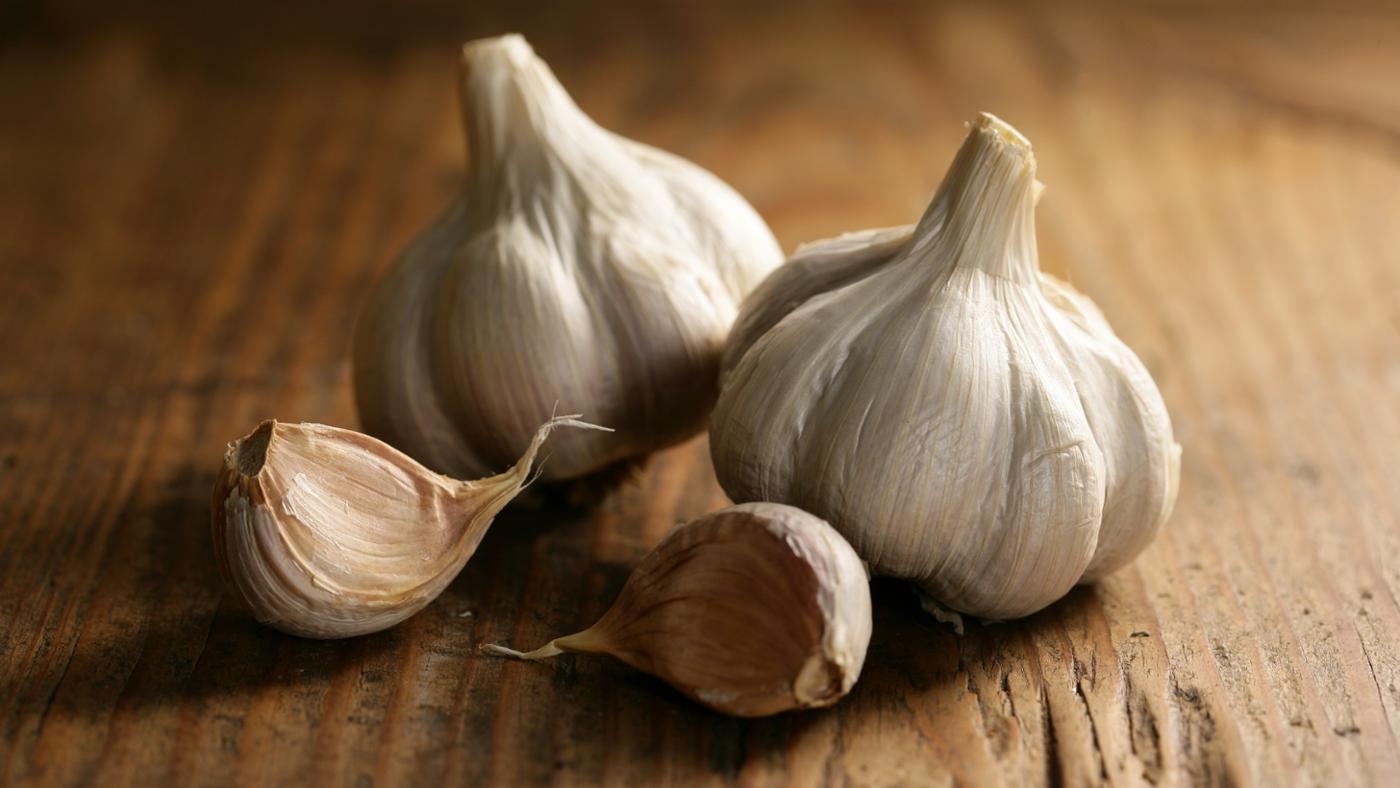
    The Agriculture Ministry has targeted to achieve self sufficiency in garlic in 2019, sooner than its previously set target of 2033, Agriculture Minister Amran Sulaiman stated here, Monday.

    Sulaiman noted after the delivery of the Supreme Audit Agency Report that the decision to advance the target was made following recent fluctuations in the prices of the commodity.

    “We are learning from the recent fluctuations in the prices of garlic. Earlier, we had planned to become self-sufficient in garlic in 2033. However, we would advance the target; god willing, it would be in 2019 or 2020. We are aiming to advance the target by 13 years,” he remarked.

    According to the minister, a total of 60 thousand hectares of land will be needed to realize the target.

    Currently, some 90 percent of the countries garlic demand is met through imports annually reaching some 500 thousand tons worth Rp20 trillion.

    “If we can have 60 thousand hectares of (garlic plantations), then we can save Rp20 trillion in foreign exchange while boosting the farmers income,” he added.

    Sulaiman noted that the ministry will maximize the existing land potential, including four million hectares of rain-fed land and 21 million hectares of former swamp areas.

    “We can cultivate (garlic) in these four million hectares of land, with three harvests a year. Farmers could earn Rp150 trillion-Rp200 trillion from this. Secondly, we have 21 million hectares of swap areas that we can use for farming along with building a sugar factory. If we can achieve this, then we can become the worlds largest food producers,” Sulaiman remarked.

    Data from the Central Bureau of Statistics showed that 22,630 tons of garlic was imported from China as of April, while 1,971 tons of the commodity was imported from India during the same period.

    Indonesia has recorded self-sufficiency in garlic production in the period between 1990 and 1998.

  • Vietnam’s exporters hunt for robusta coffee as supplies dwindle

    Vietnam’s exporters hunt for robusta coffee as supplies dwindle

    International trade is holding bulk of Vietnamese robusta stocks. Vietnamese coffee exporters, faced with dwindling robusta supplies in the world’s top producer, are paying up to buy beans from international trade houses who scooped up much of the crop early in the season.

    Local exporters in Vietnam are struggling to find coffee to fulfill their contracts, trade sources said, after farmers sold forward much of the harvest early on in the season when global prices hit their highest in more than five years.

    The squeeze comes at a time of tight supplies in the country, after a smaller crop this season and heavy rains during harvesting that wreaked havoc on crop quality.

    Vietnam is the world’s top grower of robusta coffee, which is mainly used to produce instant or soluble coffee.

    The coffee is priced against ICE robusta futures and international trade houses were able buy at a discount of $50 to $70 a tonne when farmers were selling heavily.

    “The international trade has been stockpiling basically,” said one European trader. “They decided to get long early on.”

    Local exporters, now unable to get supplies from farmers, have been forced to buy from the international trade houses at premiums of $20 to $30 a ton, industry sources in Europe and Vietnam estimate.

    They pegged profits for the international trade houses, who have stored the coffee in their warehouses in Vietnamese ports, at $70 to $100 a ton.

    “They used financial leverage to buy at discounts at the beginning of the harvest season,” said Phan Hung Anh, deputy director of Anh Minh Co, a coffee-trading firm in Daklak, Vietnam’s largest coffee-growing province. “And now they sell back to companies at premiums.”

    “Vietnamese firms can’t do the same because their financial capability and storage don’t match those of international trading houses.”

    Vietnam is expected to produce 26.3 million bags of coffee in the 2016/17 season, down from 28.4 million in the prior season, Rabobank figures show.

    International traders were holding roughly 6.5 million 60-kg bags (390,000 tons) at the end of May, out of about 9 million in stocks in the country, sources estimated. They have sold about 30,000 to 40,000 tons to local exporters, Vietnamese traders said.

    These trades have been painful for local Vietnamese exporters, some of whom sell beans to coffee giants such as Nestle and Jacobs Douwe Egberts.

    Traders said many had sold coffee far in advance to roasters at much lower prices and are now feeling the pinch of strengthening differentials as they inch towards delivery.

    The exporters have been left with little choice, however, as farmers sit on their remaining good quality coffee in the hope that prices will climb.

    Farmers are holding less than 15 percent of the crop at this point in the season, compared to about 35 percent in a typical year, traders estimated.

    Local exporters could find themselves squeezed further in coming months as supplies continue to dwindle and differentials strengthen before the start of the next harvest in October.

    There is also a risk international trade houses may stop selling coffee to Vietnamese exporters, as they shift attention to delivering on their own contracts with roasters later in the year.

    “That tightness is starting to materialize,” said another trader. “And if they turn off the tap, the prices and the differentials will go even higher.”

  • Indonesia`s fresh pineapples enter Italian market

    Indonesia`s fresh pineapples enter Italian market

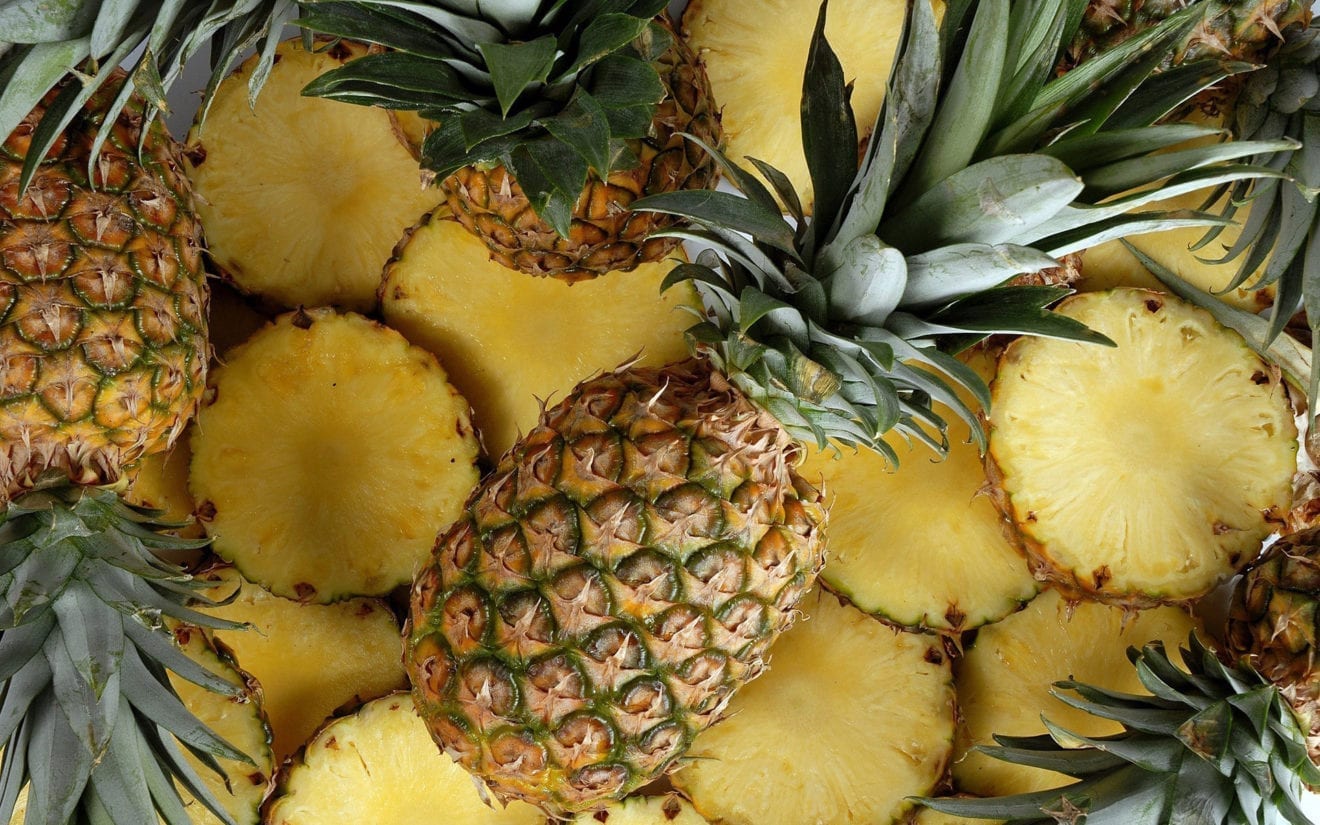
    Indonesian fresh pineapples can now be consumed by Italian consumers after a container holding 18 tons of the commodity arrived in Italys city port of Venezia over the weekend.

    The 18 tons of fresh pineapples were exported in a maiden shipment by PT Great Giant Food in cooperation with Italian importer SAMA SpA.

    SAMA is planning to import up to 20 containers of the commodity until the end of the year, Counselor Charles F. Hutapea of the Indonesian Embassy in Rome, told us in Jakarta on Saturday.

    Previously, the Italian consumers could only enjoy Indonesian pineapples in the form of canned product. The unloading of the maiden export of fresh pineapple was witnessed by Indonesian Ambassador to Italy Esti Andayani together with general manager of SAMA, Giorgio Masiero.

    Ambassador Andayani expressed happiness over the fact that Italian consumers are increasingly fond of Indonesian fresh pineapples which could compete with fruit from other countries.

    “So far, many kinds of Indonesian fruits are imported by countries in Europe and now Indonesian pineapples could also penetrate the Italian market,” she said.

    The Italian company previously imported pineapples from Caribbean and African countries with a length of delivery time of about three weeks.

    The length of time for the importation of pineapples from Indonesia is about four weeks.

    However, the longer period does not affect the quality of and shape of Indonesian pineapples. According to the agriculture attache, Yusral Tahir, in Rome, pineapple is one of the Indonesian mainstay types of fruit.

    Pineapple production is ranked third in the volume of Indonesias fruit outputs after bananas and mango. Almost all regions in Indonesia produce pineapples.

    Pineapple production centers in Indonesia included the provinces of Lampung, West Java, North Sumatra, East Java and Jambi.

    Indonesias pineapples production reaches 1.84 million tons with productivity of 117.5 tons per hectare.

  • Vietnamese firm to ship first batch of chicken products to Japan in August

    Vietnamese firm to ship first batch of chicken products to Japan in August

    It has taken the company two years to meet Japan’s strict quality control processes. A Vietnamese firm has completed the necessary procedures to start shipping processed chicken products to Japan.

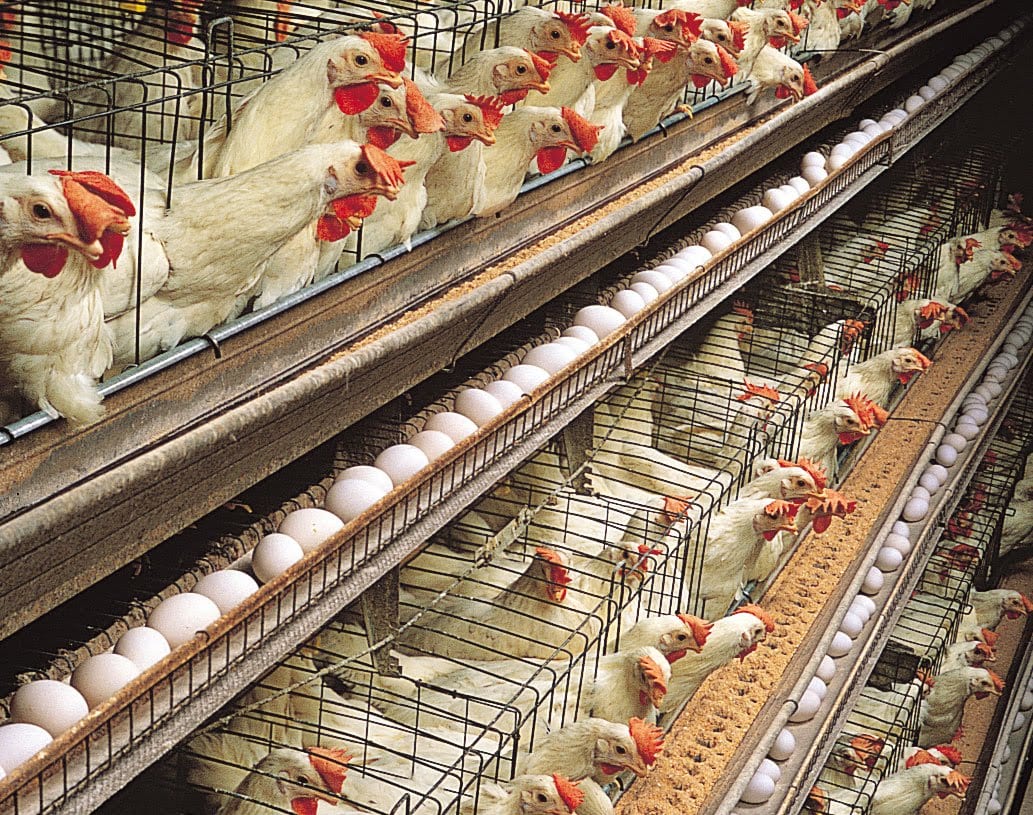
    Koyu&Unitek Co. Ltd is the first poultry firm in the country to gain access to the Japanese market, and plans to export around 300-400 tons in August this year.

    Nguyen Van Quyen, head of the company’s export division, told that the Japanese market is very demanding and has strict control processes, so it had taken nearly two years to complete the necessary procedures.

    The most difficult phase was building the company’s own management oversight program following criteria laid out by the World Organization for Animal Health and Japan.

    Japanese importers pay special attention to antibiotic residue in products, banned microorganisms and bird flu, among others, said Quyen.

    In additon to Japan, his company is also seeking export opportunities in Europe, Australia and Canada. Each market requires its own strategy to meet the respective criteria of each country, said the official.

    According to Pham Van Dong, director of the Ministry of Agriculture and Rural Development’s Department of Animal Health, Vietnamese chickens are usually consumed in the domestic market and are not bred for export.

    Only two local companies have registered to export processed chicken to Japan: Koyu&Unitek in July 2016 and CP Vietnam Co. Ltd in late May 2017.

    Since the beginning of this year, Vietnam has exported $13.7 billion worth of farm produce, forestry products and seafood to the world market, up 9.5 percent against the same period last year, according to the ministry.