Category: Food

Retail News Asia is committed to providing both local and global retailers with the latest Food and Food & Beverage news throughout the Asian market. This on a daily base.

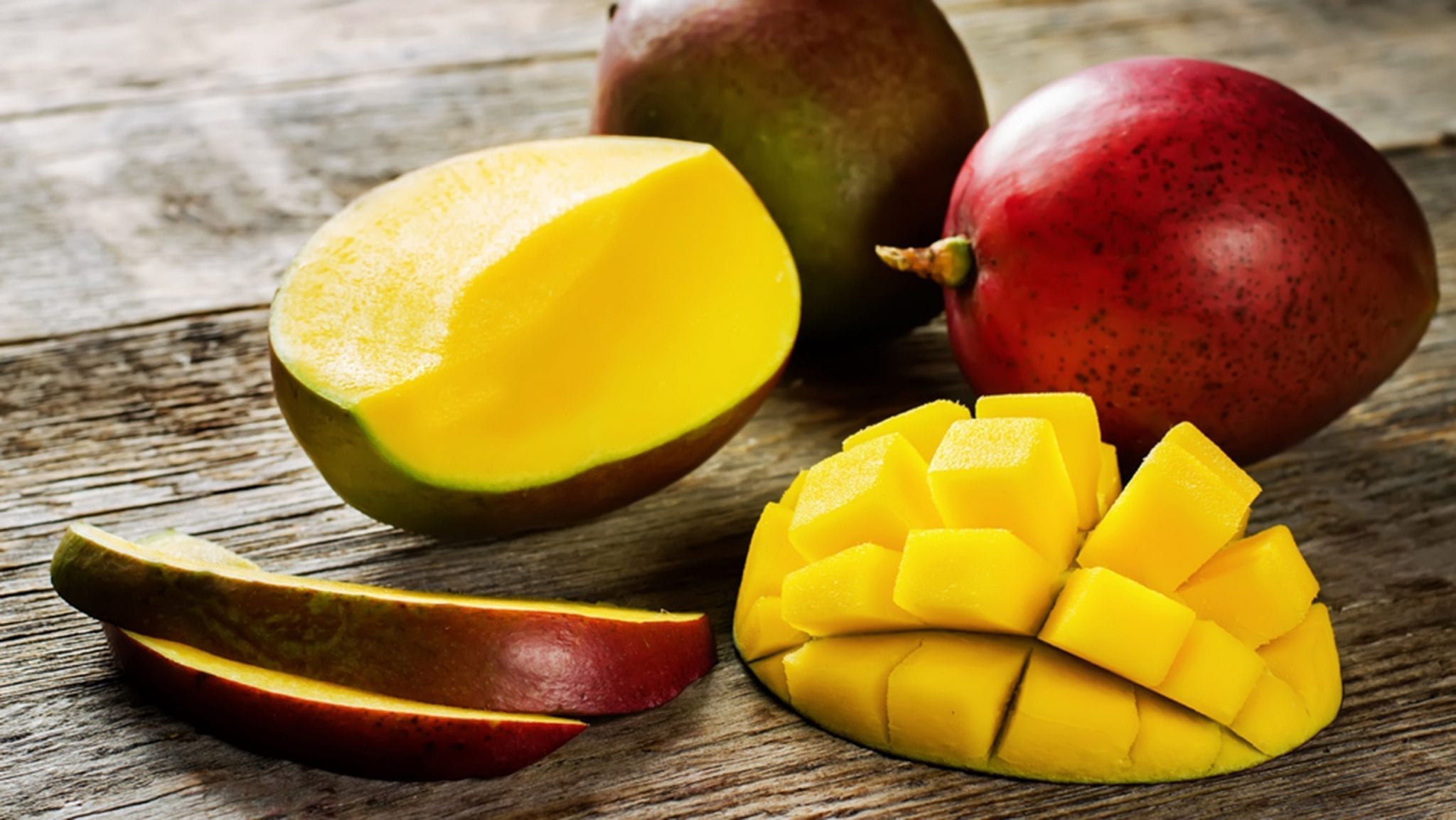
  • Indian mangoes hit South Korean shelves

    Indian mangoes hit South Korean shelves

    Teams from the GMR Hyderabad Airports Limited, which operates the airport and HMACPL haveworked with the farmer community at Vizianagaram facility for developing a pack-house, creating markets, commissioning this project with requisite approvals from Government and exporting Suvarnarekha variety of mangoes to South Korea.

    With this, RGIA becomes the first airport in India to facilitate export of mangoes to South Korea directly from a farm-based infrastructure. Mangoes being a seasonal fruit of high demand, export volume to South Korea is expected to grow up to 10 tonnes per day for the rest of the season, it said in a statement..

    The Cargo operator has a coordination committee comprising of APEDA, National Plant Protection Organization (NPPO), Korean Delegation and Plant Quarantine to guide the farmers to compete with international export norms..

    The GHIAL & HMACPL are in the process of identifying and enabling similar infrastructure across the catchment areas in Telangana State, Andhra Pradesh, Northern Karnataka and Eastern Maharashtra among others, that can provide the requisite processing facilities to to boost the prospects of India’s Mango exports to South Korea.

    According to Sudhakar, DGM of APEDA, “Telangana and AP are the largest producers of mangoes in India with 25 per cent share, of this Banganapallii, Suvarnarekha, Neelam, Cherukurasam are the most popular varieties. Exports provide attractive rates giving better returns to producers and farmers”:

    The CEO of GHIAL SGK Kishore says so far Hyderabad has been India’s Pharma capital and the airport had garnered a lion’s share of pharma exports. Our effort to diversify into perishables export base has been realised now with the initiative of Mango exports to South Korea.We will establish a dedicated perishables handling facility at the airport soon.

    RGIA has been collaborating with various exporters and regulatory bodies to make this feat possible. Soon Indian mangoes would compete in Mango Festival happening at Seoul with varieties from Pakistan, Vietnam, Thailand and Philippines.

  • Incurring big losses, fast food giants open fewer shops

    Incurring big losses, fast food giants open fewer shops

    The heyday of fast food chains seems to be over in Vietnam. The number of fast food shops has been decreasing in an era when people are trying to ‘live slowly’.

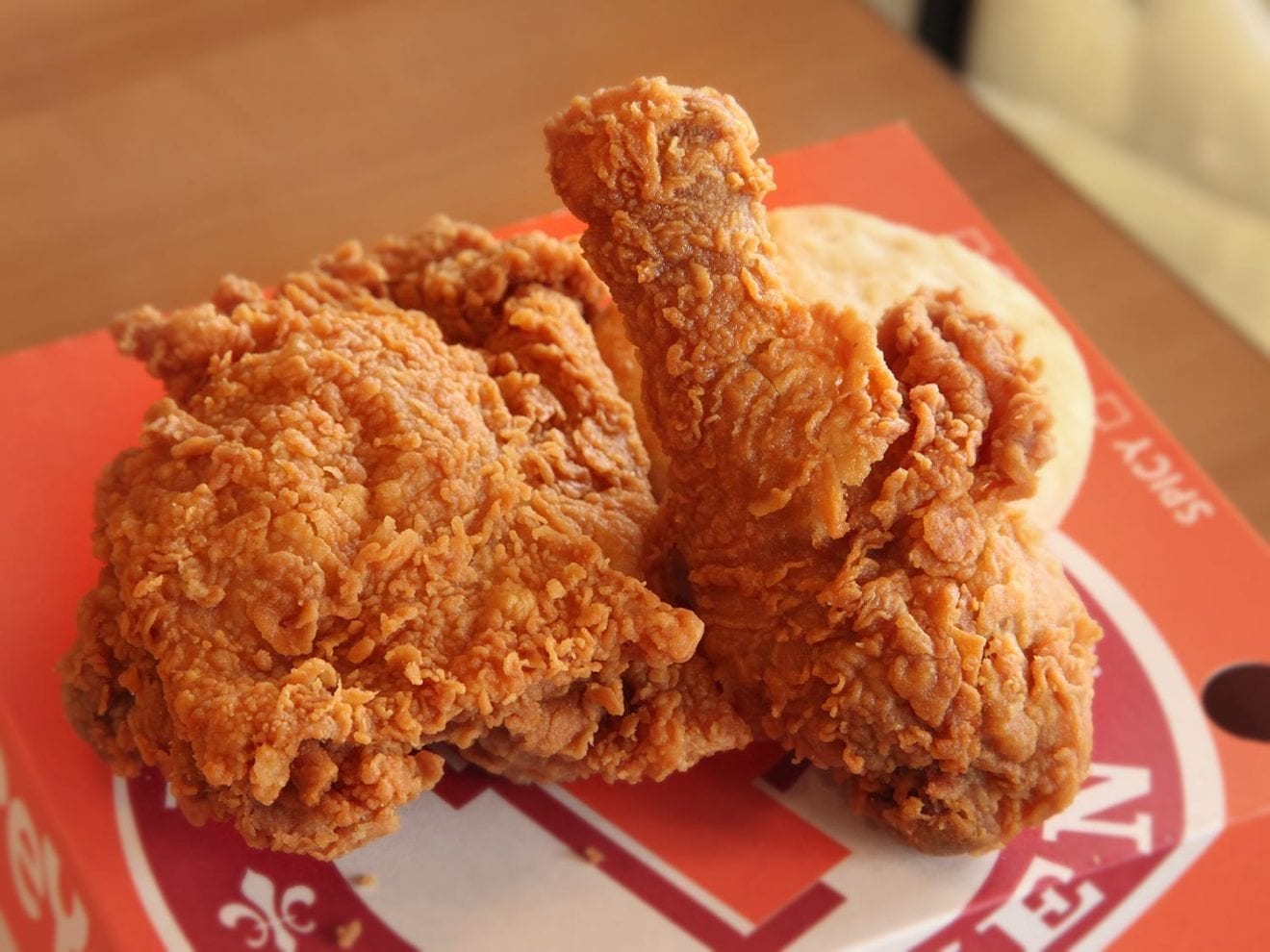
    Ten years ago, Hanoians and Saigonese could easily find fried chicken shops along main streets. At that time, eating fried chicken at fast food shops was in fashion. More and more fast food shops opened, not only in large cities, but also in small cities and provinces.

    In 2012, Burger King, encouraged by the fast growing market of Vietnam, announced a plan to spend $40 million to develop a chain with shops located in advantageous positions in many cities and provinces throughout Vietnam.

    A representative of Burger King once stated that Vietnam was one of its key markets.

    Nguyen Bao Hoang, who brought McDonald’s to Vietnam, said he would open about 100 shops in Vietnam within one decade, and employ hundreds of workers. Lotteria and KFC are believed to be the brands with the highest number of fast food shops in Vietnam.

    Analysts once believed that the potential of the Vietnamese market was great with the Vietnamese income on a rapid rise. Fast food chains targeted the Vietnamese middle class with average household income of $500-1,000.

    MOIT has granted licenses to 148 foreign brands to enter the Vietnamese market in the last eight years.

    This includes 42 fast food, bakery, coffee, beverage and restaurant brands, accounting for 43.7 percent of the total.

    Some fast food shops have shut down quietly after the boom. The number of shops of each fast food chain is on the decrease.

    In mid-February 2016, a Burger King shop at No 1B-1B1 on Cong Hoa street in HCMC announced its closure. One month before, another shop at the Dien Bien Phu – Cao Thang crossroads in district 3 also shut down.

    In 2015, two Burger King shops at No 26-28 Pham Hong Thai street in HCMC and 125 Lo Duc street in Hanoi stopped operation. In mid-2014, a shop closed in Da Nang.

    McDonald’s, a well known brand from the US, has set up several shops in HCMC but still hasn’t opened a restaurant in Hanoi.

    A branding expert commented that food chains can develop only if their products fit locals’ taste.

    This explains why fast food chain development has slowed down, while banh my (Vietnamese sandwich) chains have been prospering.

  • Vietnam’s appetite for foreign baby formula is making US giant Abbott rich

    Vietnam’s appetite for foreign baby formula is making US giant Abbott rich

    Abbott is widely known as a formula milk supplier, and bagged more than $1 billion in sales from 2014-2016 in Vietnam.

    Abbott, a U.S.-based global healthcare company, said its net sales in Vietnam last year jumped 31 percent from 2015 to $434 million, ranking the country as the fastest growing among the firm’s top 10 markets based on revenue.

    Sales growth in the Southeast Asian nation surpassed major markets such as the U.K., Canada, Colombia and Italy, bringing Abbott’s total revenue last year to $20.85 billion, or 2 percent up from 2015, the firm said in its 2016 annual report.

    In Vietnam, where the firm arrived in 1995, Abbott is widely known as a formula milk supplier, and bagged more than $1 billion in sales from 2014-2016.

    Last year, the firm expanded its commercial presence into Vietnam’s pharmaceutical business by acquiring two manufacturing facilities. This deeper penetration was among the company’s business highlights of 2016, Abbott said in the report.

    Established in 1995, Glomed has two plants in the southern province of Binh Duong and five branches across the country.In August 2016, Abbott acquired Glomed Pharmaceutical Company Inc (Glomed), a leading Vietnamese drug manufacturer.

    A month later, Abbott’s subsidiary CFR International SPA raised its ownership in Vietnamese drug firm Domesco Medical Import Export Joint Stock Corporation (Domesco) to 51.7 percent from 45.9 percent.

    Formed in 1888, Abbot has about 100 manufacturing facilities globally with 94,000 employees.

    The Vietnam Dairy Association (VDA) said foreign firms, led by Abbott, Mead Johnson, Dutch Lady, and Nestlé, dominated the domestic powdered milk market, holding up to a 75 percent of market share as of 2013.

    The developing country with more than 90 million people is now home to 60 dairy firms that produce and trade more than 300 dairy brands.

    Last year, revenue in the dairy sector edged up 3.3 percent from 2015 to more than VND95 trillion ($4.2 billion), 45 percent of which came from Vinamilk, the Industry and Trade Ministry cited VDA data as showing.

    The ministry estimates that Vietnam’s dairy industry grew on average 17 percent annually from 2011-2015, while per capita consumption of milk is forecast to rise 9 percent per year to 27-28 liters by 2020 from around 20 liters now.

  • Vietnam to export pork to China amid supply glut

    Vietnam to export pork to China amid supply glut

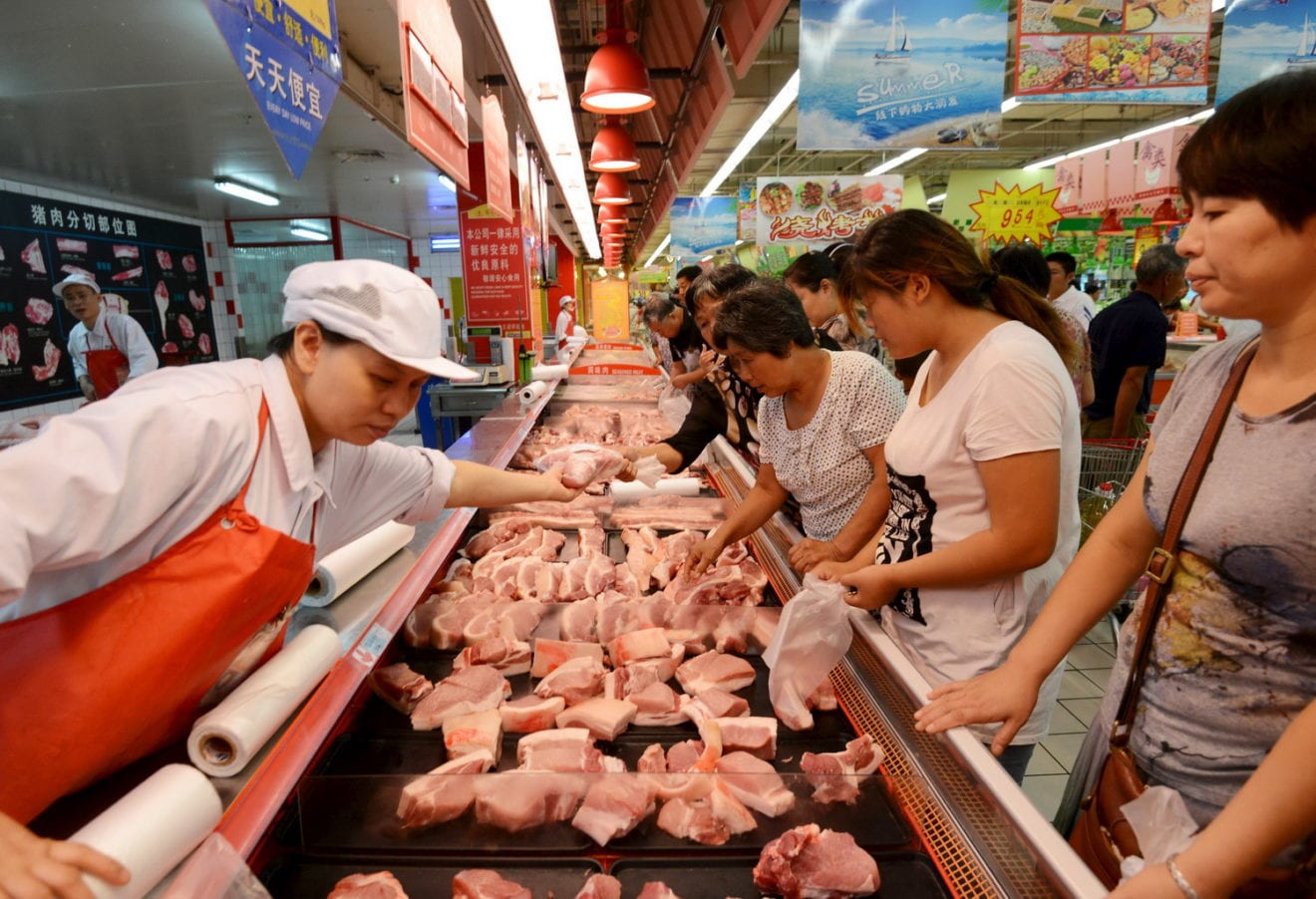
    Local farmers have seen prices fallen sharply as a surplus of 200,000 tons of pork is expected this year. Vietnam is working to export some of its pork to China soon, a deal that could help many farmers stricken by an oversupply and massive price drops.

    Necessary procedures are being finalized and China will only import pork, instead of live pigs, said Nguyen Xuan Duong, deputy head of the husbandry department under the agriculture ministry.

    China, the world’s biggest pork consumer, wanted to officially open its market for Vietnamese pork years ago, but in 2012, the foot-and-mouth disease made headlines in Vietnam, prompting the northern neighbor to halt the plan.

    As for now, China has asked Vietnam’s authorities to control diseases in animal farms and monitor the quality of pork.

    Chinese officials will come to Vietnam to check the production process before working on related procedures, Duong.

    He said China has not decided on how much it will import, but it is likely that Chinese consumers will need around one million tons of Vietnamese pork a year.

    Chinese buyers currently pay VND40,000-42,000 ($1.70-1.80) per kilogram of pork. Prices of pork have fallen sharply in Vietnam this year, currently hovering around VND23,000-25,000 per kilo.

    Vietnamese small traders used to be able to sell live pigs across the border, but China has recently ended this practice.

    In May 2016, the agriculture ministry started warning traders of a possible glut.

    Farmers have been expanding their herds hoping to increase exports to China despite warnings from the ministry, and “this has caused the pork supplies to exceed domestic demand,” the ministry said in a statement on April 28.

    Vietnam’s pig herd expanded by nearly 5 percent to more than 29 million heads last year. By the end of March this year the number had edged up by at least 1.5 percent, according to official data.

    The agriculture ministry estimated that Vietnam will face a surplus of 200,000 tons of pork this year. It is trying to also export live pigs and pork to the Philippines and Singapore.

  • Koreans consume 377 cups of coffee on average in 2016

    Koreans consume 377 cups of coffee on average in 2016

    South Koreans drank a total of 377 cups of coffee per person on average last year, mirroring brisk growth of the sprawling market fueled by a flurry of various franchises, a government report showed.

    The average coffee consumption, based on South Koreans aged over 20, has grown at an annual rate of 7 percent since 2012, according to the report by the Ministry of Agriculture, Food and Rural Affairs and the Korea Agro-Fisheries & Food Trade Corp.

    The size of the domestic coffee market reached 6.4 trillion won (US$5.68 billion) as of end-2016, up 30.6 percent from 4.9 trillion won tallied in 2014.

    Of the figure, coffee franchises accounted for 62.5 percent last year, up from 53.8 percent two years earlier, reflecting that the coffee brands have led the market growth.

    Big coffee chains, such as Starbucks and Paul Bassett Korea that attract customers with high-quality brewed drinks and a wide range of choices, have spurred smaller businesses on to launch their own brands, the report said.

    The outbound shipments of coffee products, which include ready-to-drink coffee that usually come in as powdery or liquid forms in small packs, nearly doubled to US$180.21 million in 2016 from US$91.9 million in 2007. Their imports grew about 3.8 times to US$204 million in the same period.

    Russia was the biggest exporting market for South Korea, accounting for 25.4 percent of the total shipments, due largely to the popularity of Korea-made powdery coffee sticks, followed by China with 17.3 percent and Greece with 11.6 percent.

    The global coffee product market was valued at US$125.6 billion as of end-2015. Japan trumped the market with a 30.9-percent share, trailed by the United States with 17.2 percent. South Korea’s share stood at 1.5 percent.

  • Creme Maison announces strategic partnership and expansion plans

    Creme Maison announces strategic partnership and expansion plans

    Singapore-based bakery Creme Maison announces partnership between two young Gen-Y entrepreneurs, Ms Angeline Ng and Ms Serene Tan. Founded in 2014 by Ms Angeline Ng, Creme Maison has gained a cult following for its signature floral cupcake bouquet, which is crafted entirely out of buttercream. Constantly pushing the boundaries with bold, innovative flavours such as bestsellers Matcha Salted Egg, Raspberry Lychee Rose and Earl Grey Lavendar, the brand places a strong emphasis on using only fresh premium ingredients.

    The synergistic partnership between the two came about when Serene embarked on a blind cake tasting spree to find the best tasting cakes in Singapore. What began as a casual meeting evolved into a partnership with plans to expand and introduce the brand to the Taiwanese market. Coupled with her experience from franchising popular dessert chain Dazzling Café, Serene saw immense potential in the Taiwanese market for a bakery with a unique concept such as Creme Maison’s, and believes that it will be well received in Taiwan.

    Bringing to the table her experience with supply chain management and process implementation, Serene will be responsible for the business side of the partnership and will be establishing a strong local headquarters and developing processes to increase productivity.

    Locally, plans are currently underway for Creme Maison’s central kitchen, which will be ready in the third quarter of 2017. The central kitchen is expected to increase productivity to meet the growing demands locally.

    The brains behind Creme Maison’s creations and bold flavours, Angeline is responsible for spearheading the brand’s R&D efforts. Angeline hopes to excite consumers with new interesting flavours, as well as introduce options for the health-conscious, and consumers with allergies. “Cakes are for joyous occasions, and we want to be able to share the experience with everyone, whether you are gluten intolerant, or have any dietary restrictions, in exchange for big smiles and contented hearts,” said Angeline.

    With plans to expand regionally, Creme Maison not only has its sights set on Taiwan, but has plans to further expand its international presence in other parts of Asia within the next two years. Besides expanding the business through bespoke customised cake and wedding orders, the brand hopes to introduce new to market features such as unique and interactive user experience to consumers, as well as investing in a strong team for R&D and product innovation.

  • Sugar inventory hits record high

    Sugar inventory hits record high

    Sugar plants have reported their highest ever inventory level, nearing 750,000 tons, accounting for 50 percent of their processing output. Explaining reasons for the high inventory yesterday, chairman of Vietnam Sugar and Sugarcane Association (VSSA) Pham Quoc Doanh said that unusual weather has caused material shortage at the beginning of this year processing crop. Sugarcane harvest has concentrated at the end of the crop.

    Sugar import quotas, as per WTO commitments, left  from last year has contributed to the inventory this year.  Illicit sugar import has reached 400,000 tons now accounting for one third of the total processing output.

    Mr. Nguyen Hoang Ngoan, deputy director general of Can Tho Sugar Company, said that Thai sugar has illegally imported into the Mekong Delta, the central region and the Central Highlands and been sold at lower than domestic prices.

    A kilogram of domestic sugar is priced as low as VND16,000-16,500 a kilogram but it is still unsalable. The company alone has over 20,000 tons in stock.

    Stating at a conference seeking  sugar consumption solutions recently, deputy Minister of Agriculture and Rural Development Tran Thanh Nam said that the ministry had proposed the Ministry of Industry and Trade to lengthen sugar import under quotas to the third and fourth quarter.

    The Ministry of Industry and Trade and the Ministry of Finance should rectify long lasting sugar auction to prevent loopholes for invoice fraudulence.

    In long term, the ministry proposed to increase sugarcane productivity and commercial cane sugar (CCS), representing the sugar content of cane, and regulate sugar volume in production and consumption.

  • Vietnam’s 2017/2018 coffee output to rise 10 pct on good weather, prices

    Vietnam’s 2017/2018 coffee output to rise 10 pct on good weather, prices

    Good news for exporters with the 2016/2017 crop likely to fall short of expectations. Vietnam, the world’s largest robusta producer, is forecast to harvest 28.6 million bags (1.72 million tons) of coffee from its next 2017/2018 crop, a rise of 10 percent from the current season, thanks to favorable weather conditions and higher domestic prices, a U.S. Department of Agriculture attache said.

    Higher output from Vietnam, which stands only behind Brazil in terms of global coffee production, supports an industry view which envisages stable global supply in the next crop year.

    “Adequate rains starting in January through March helped coffee trees trigger more branches and early flowering,” the USDA attache said in a May 17 report.

    High domestic prices have also helped farmers purchase sufficient fertilizer, triggering higher yields even though the total planting area remains unchanged, the report said.

    Vietnam’s coffee crop year lasts between October and September, starting with the harvest in the Central Highlands region that accounts for around 90 percent of the country’s output.

    While it is still too early to forecast the size of the next harvest, Vietnam’s coffee belt has seen favorable weather for production  in recent months, said Bach Thanh Tuan, head of the Community Development Center, a state-backed facility in Dak Lak Province. The center is tasked with ensuring sustainable production in the province as well as the entire region.

    “The supply outlook for 2017/18 seems increasingly positive,” the London-based International Coffee Organization said in its April report, adding that initial concerns about frost in Brazil and a shortage of rainfall in Vietnam have eased.

    Coffee prices on the domestic market rose to VND47,500 ($2.1) per kilogram on March 21, the highest since September 2011. The price hike coincided with the coffee watering period, during which Vietnamese growers feed fertilizer to their trees.

    Smaller 2016/2017 crop

    The USDA report has revised down its output forecast for the ongoing 2016/2017 crop year by 2.6 percent to 26 million bags, saying extended rain in October-November 2016 had damaged cherries and reduced the quality of beans.

    Vietnam’s coffee exports in the next 2017/2018 crop year are forecast to edge up 0.4 percent to 26.65 million bags, the report said. The export volume includes green beans, soluble and roasted coffee.

    Consumption of roasted, ground and soluble coffee in Vietnam in the next 2017/2018 season is projected to rise 2 percent to 2.93 million bags, the report said.

    It cited the continuing growth of coffee shops, saying domestic market competition remains fierce due to the arrival of foreign brands.

    Even though Vietnam’s coffee exports fell to 2.25 million bags last month, a five-month low, based on Vietnam Customs data, the shipments still helped extend Vietnam’s position as the world’s biggest coffee exporter, which the Southeast Asian nation seized from Brazil in March.

    Robusta beans account for most of Vietnam’s exports and are used mainly for making soluble coffee.

    Top producer Brazil shipped a combined 2.13 million bags of arabica, conillon (a variety of robusta), soluble coffee and roasted beans in April, down 13.5 percent from a year ago, the Brazilian Coffee Exporters Council said in a report released earlier this month.

  • Lotte Liquor launches Fitz, a lighter beer for summer

    Lotte Liquor launches Fitz, a lighter beer for summer

    Lotte Liquor will launch its second beer brand Fitz Super Clear on June 1, the company said. Fitz Super Clear is a lager containing a relatively low 4.5 percent alcohol content. The company said Fitz is designed to serve as a light but refreshing alcoholic drink for the summer.

    “Fitz was developed with a focus to resolve a reputation that Korean beer is tasteless and bland,” the company said. “We tried to eliminate the unnecessary taste that is generated when the temperature and ingredients aren’t kept stable during the brewing process.”

    The beer uses the same “original gravity” method as Kloud products, which don’t add water in the brewing process. It also used the self-developed Super Yeast and enhanced the fermentation rate to 90 percent for a cleaner taste.

    The company launched Kloud in 2014. Kloud has 5 percent alcohol content and has a flavour similar to imported beers from European countries. It’s sometimes criticised for not being suitable for Korea’s somaek drinking culture, which mixes soju with beer.

    Fitz’s target customers are in their 20s and 30s. Kloud is for those who enjoy drinking alcohol while Fitz is for general gatherings because it is lighter and contains less alcohol content.

    Lotte Liquor invested 700 billion won (US$622.6 million) for a second beer manufacturing plant, which is scheduled to open in July. Once it opens, it will be able to produce up to 200,000 kiloliters (55.8 million gallons) of Fitz per year.

    The company aims to generate 90 billion won in sales for Kloud and 70 billion won for Fitz this year.

    The beer costs 1,147 won for a 500-millileter bottle.

  • Yum China buys majority stake in delivery firm Daojia

    Yum China buys majority stake in delivery firm Daojia

    Yum China Holdings said this week it has purchased a controlling stake in Daojia, a food delivery firm, in a bid to improve the restaurateur’s outgoing food business.

    The operator of US chains Pizza Hut and KFC in China, Yum China has been in talks with Daojia since November, where it was reported by Reuters that the fast-food giant was willing to buy Daojia for up to $200 million.

    Terms of the deal to buy the majority stake in the holding company of DAOJIA.com.cn were not disclosed, though details will be finalised by the close of May.

    Yum China, with over 7,663 restaurants in China, currently offers home-delivery from more than 4,400 of its outlets.

    Commenting of the majority stake purchase, Yum China Chief Executive Micky Pant said delivery is one of the firm’s main future drivers of growth for the brand in China.

    “Digital and delivery are long-term strategic drivers of our business, and I am pleased to build on our technological know-how and capabilities in this high growth area,” said Pant in a statement.

    The company added that in the first-quarter, delivery sales accounted for 12% of total sales.

    Daojia, founded in 2010, is an online food delivery service provider focusing on orders in large cities including Beijing, Shanghai, Guangzhou and Shenzhen.

    Yum China is a licensee of Yum Brands and has exclusive rights to KFC, Pizza Hut and Taco Bell. Yum China also owns the Little Sheep and East Dawning restaurants.

    In February, Yum China said it plans to open approximately 600 new stores annually across mainland China, in a mass rollout that will see the fast-food attempt to outpace rival restaurateurs and boost same-store sales

  • Alibaba sues maker of fake Wuliangye spirits for RMB 123,000

    Alibaba sues maker of fake Wuliangye spirits for RMB 123,000

    Alibaba Group said Wednesday it has sued a seller of fake spirits, seeking RMB123,000 (US$17,835) in damages.

    The Shanghai Xuhui District People’s Court previously found defendant, Xu Wenqiang, had violated Yibin Wuliangye Group Co. Ltd.’s “Wuliangye” liquor trademark and ordered him to pay the brand owner RMB70,000 (US$10,150) for economic losses and expenses.

    Alibaba’s civil suit comes on top of that, with the group saying Xu violated trading rules on its Taobao e-commerce platform by infringing on the intellectual property rights of a trademark owner. The complaint also seeks damages for economic losses, legal and other costs and loss of goodwill.

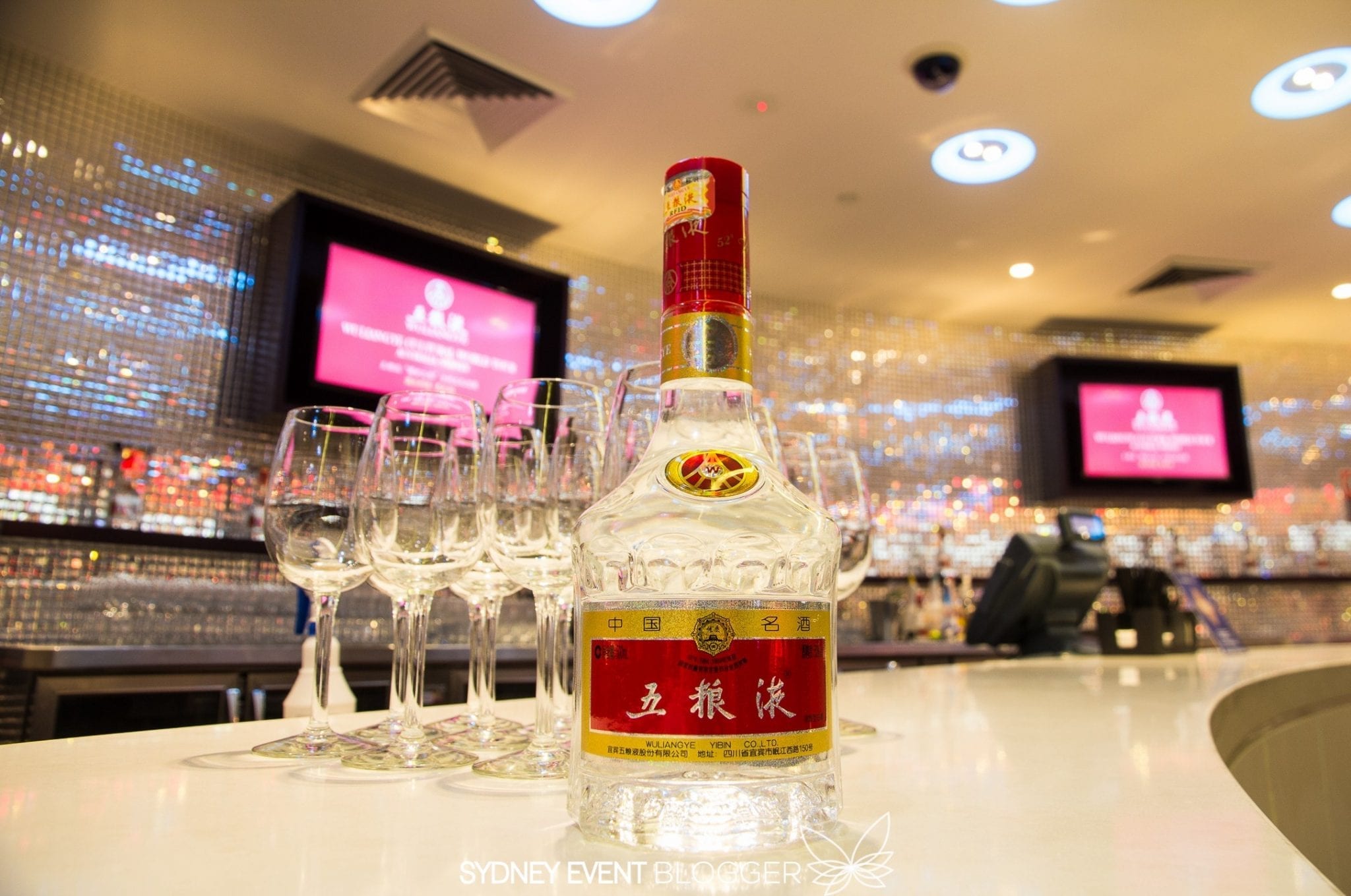
    According to the lawsuit, Xu, who first registered to sell on Taobao in 2009, was nabbed after the trademark owner recently bought a bottle that claimed to be 52 percent Wuliangye crystal liquor for RMB508 ($73.65) from the vendor online. Upon inspection, Yibin Wuliangye Group determined from the quality of the logo, packaging, bottles and anti-counterfeiting labels that the product was fake.

    Wuliangye, literally “Five Grains Liquid” in Chinese, is a premium spirits brand made from millet, corn, wheat and two kinds of rice. A 500-milliliter bottle in the company’s Taobao storefront starts at RMB299 (US$43.36) and can run up to RMB1,798 (US$260).

    Alibaba Executive Chairman Jack Ma recently called for tougher counterfeiting laws, stronger enforcement and stiffer penalties.

    The Alibaba lawsuit is the latest in its drive to protect brands and cause pain for counterfeiters by seeking heavy damages through the court system. The group previously sued makers of fake Swarovski watches and a Mars brand of cat food.

    In its latest legal filing in the Shanghai Songjiang District People ‘s Court, Alibaba showed the same fervor for protecting domestic brands and trademarks. The lawsuit also dovetails with a rise in purchases of wine and spirits on Alibaba platforms, as China’s burgeoning middle class seeks premium spirits, both imported and domestic.

    Last year, Alibaba held its first-ever 9.9 Global Wine & Spirits festival, an online shopping promotion that proved wildly popular among consumers.

    And earlier this month, Alibaba’s Ma signed a memorandum of understanding with Argentina to bring the countries foods and wines to China via Alibaba e-commerce platforms.

  • Upgrade for Pizza Hut Malaysia’s restaurants

    Upgrade for Pizza Hut Malaysia’s restaurants

    The operator of Pizza Hut, QSR Brands (M) Holdings Bhd, plans to upgrade its 221 dine-in restaurants over the next two years, as part of its re-branding activity in conjunction with Pizza Hut’s 35th anniversary.

    QSR Brands chief executive officer Merrill Pereyra said Pizza Hut currently had close to 400 outlets, nationwide.

    “So far, we have upgraded more than 50 restaurants and we will also conduct 100 per cent asset enhancement in all 221 restaurants,” he told a press conference after Pizza Hut’s 35th anniversary celebrations in Kuala Lumpur on Thursday.

    Pereyra said the company planned to enhance dining experience at its restaurants as the segment was not only its core business but also made Pizza Hut stand out from its competitors.

    He, however, declined to elaborate on the capital expenditure for the upgrading exercise but said the company had allocated enough for the purpose.

    When asked on possibilities of new openings for this year, Pereyra said the company planned to spend the next couple of years to re-brand Pizza Hut and the exercise would include a new logo, website and also a new mobile application.

    The website was launched on May 5 and we are already seeing nearly 100 per cent increase in visits and 150% increase in new users.

    Order placement with the newly developed website and mobile application would reflect Pizza Hut’s refreshed brand mission of “easy and better”, he added.

    Pereyra said the mobile application will be launched in three months.

    Pizza Hut, in conjunction with its anniversary celebrations, on Thursday launched the 35 Bites Challenge where consumers can attempt to finish a large pizza in 35 bites, within five minutes.

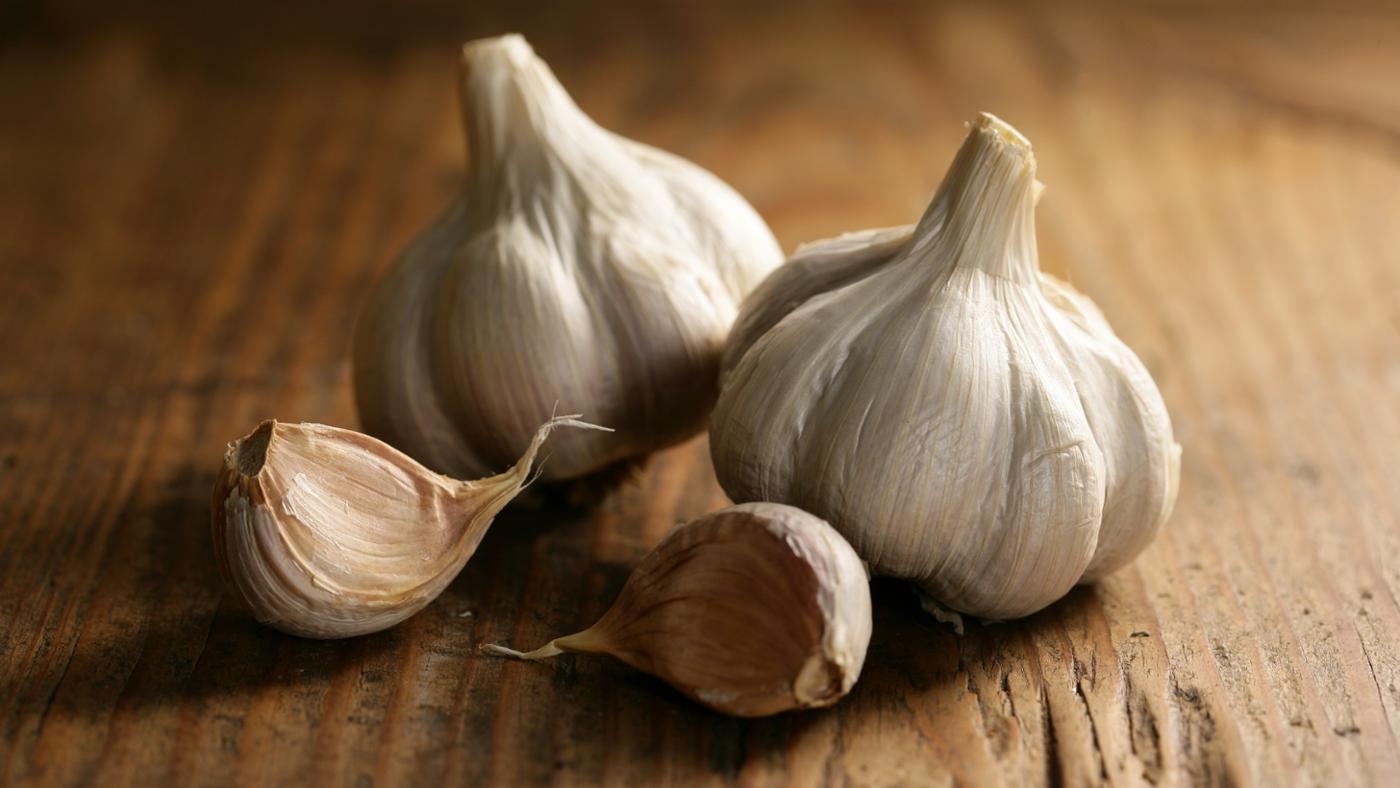
  • Indonesia aims for zero imports of garlic in 2018

    Indonesia aims for zero imports of garlic in 2018

    The government is looking to achieve its goal of zero garlic imports in 2018, following an expansion of garlic farms across the country.

    “We aim to see 100,000 hectares of garlic farms next year. If 1 hectare [ha] can produce 5 tons of garlic, we won’t need to import anymore,” Agriculture Ministry spokesperson Agung Hendriadi told over the phone on Tuesday.

    Annual garlic consumption for household and industrial needs reached 500,000 tons in 2015, but only 20,000 tons of it was planted domestically. The remaining 480,000 tons were imported from China and India, ministry data shows.

    Last year, the government expanded garlic farms, which jacked up the national production of garlic to almost 200,000 tons.

    Indonesia in the 1990s supplied most of its garlic to the domestic market, but gradually the farmers were discouraged from planting it due to a continuous decline in prices. Now, there are only 2,000 ha of garlic plantations, a massive decrease from the 28,000 ha of plantations in the 1990s.

    Agung also said that the Trade Ministry had set maximum price of Rp 38,000 per kilogram for garlic and would maintain the price to encourage farmers to cultivate garlic.

  • Vietnam’s candy market experiences shakeup

    Vietnam’s candy market experiences shakeup

    In late March, four individual investors spent tens of millions of dollars acquiring major stakes Huu Nghi and Hai Ha. This comes after their parent company, the state-owned Vietnam Tobacco Corporation (Vinataba), registered to exit from the firms.

    Two individual investors, Vu Hai and Nguyen Thi Duyen, became the new major shareholders of Hai Ha Confectionery JSC, with respective ownership stakes of 23.7% and 50.9%. Meanwhile two others, Nguyen Van Dung and Luu Thanh Tam, acquired a 20% and 10% stake in Huu Nghi Food JSC. The participation of individual shareholders could now create favourable conditions for the two firms.

    Sweeping changes on the horizon

    In 2014, Kinh Do JSC, a major player in the domestic food scene, was acquired by US-based Mondelez International. The duration of the power transfer process was considered an opportunity for smaller local players such as Huu Nghi, Hai Ha, Bibica, Trang An, or Pham Nguyen to take their chance in the market.

    As state-owned enterprises, these firms were given an opportunity to shorten the development gap with market number one, Kinh Do. However, none of them were able to, least of all Hai Ha and Huu Nghi.

    When Vinataba unveiled its plan to fully divest from the two confectionery producers, local giants such as Vingroup, Masan, and Hoa Phat expressed interest. They later withdrew interest however, opening the door for individual private investors to take on the major share.

    Huu Nghi Food chairman, Trinh Trung Hieu recalls that rigid state mechanisms had hindered the company’s operation. “If owned by a private investor, Huu Nghi could have capital to invest in brand building to reach a higher market position,” Hieu told his employees.

    With the recent move, Huu Nghi is now completely in the hands of individual investors. A company representative said, “We had to set out year-by-year growth, following the state mechanism. The company paid taxes and contributed to the state budget every year, leaving little money for reinvestment. The space is now wide open. There will surely be changes in our growth strategy in the future, focusing on market expansion.”

    “The participation of private investors is important to make use of new development opportunities after the state capital divestment. We are eager to take on the opportunity and have made preparations for future changes,” the source unveiled.

    Present in the market for more than two decades, Huu Nghi is well known for its assortment of quality confectionery products, including mid-autumn cakes.

    In terms of revenue, the company lies just behind Kinh Do, with revenue reaching VND1.44 trillion (US$65.7 million) in 2016. After Mondelez International bought Kinh Do, Huu Nghi took the lead in revenue among domestic firms, claiming an 8% market share.

    The company’s goal is to solidify its position in the local confectionery market behind Kinh Do, and maintain pole position among local firms.

    A disadvantage is that Huu Nghi has, until now, mainly served the southern market. A company representative recently admitted that winning the northern market has been very challenging due to a different consumption culture. However, it invested in building a modern confectionery plant in the southern province of Binh Duong several years ago.

    Huu Nghi is also reported to be making sauces (fish sauce, soy sauce and chilli sauce) now. The company has built a sauce production plant in the northern province of Bac Ninh.

    Huu Nghi is also accelerating exports to China, which generates VND300 billion (US$13.6 million) in annual revenue for the company. The firm is also looking to expand to other ASEAN countries, the Republic of Korea, Japan, the US, and India.

    Meanwhile, Hai Ha enjoys strong brand recognition and boasts a 60-year track record. Having been on the verge of going bankrupt several times in its history, the company is now operating well, particularly in the northern market.

    Despite having established branch offices in the central and southern regions, the company’s key market is the north, and some candy products, such as Jelly and Chewy candies have witnessed fast growth rates and become the company’s major income earners.

    To its rivals, Hai Ha is a confectionary heavyweight. However, the company has lagged behind in recent years because it lacked a strong sales network and the human resources required to work towards market expansion.

    Market analyses also show that Hai Ha has applied copying tactics in the past, trying to make its own versions of successful products. After time, these products disappeared from the market as it reached saturation however.

    The company is now working to improve its product lines, focusing on high-grade products to boost its market share. Last year, pie products made up 48.7% of production and the candy line consumed the remaining 51.3%. The company plans to balance these products out in upcoming years.

    Hai Ha also produces food supplements, teaming up with several large pharmaceutical firms.

    Growing pressure from imports

    Vietnam is now home to about 20 large-scale confectionery businesses, and several hundred small enterprises, with some major importers and distribution companies also joining the market.

    Established brands such as Mondelez, Kinh Do, Bibica, Hai Ha, Huu Nghi, Trang An, Hanobaco, and Pham Nguyen currently hold a 60-65% market share.

    There are also several foreign businesses operating in the field, such as Kraft, Meiji, Glico, Orion, and Lotte.

    Since January 1, 2015, imported confectionery from ASEAN countries enjoyed a zero percent tax rate in the Vietnamese market, under the ASEAN-India Free Trade Agreement (AIFTA). The products from Thailand, Indonesia, Malaysia, and Singapore have therefore inundated the domestic market.

    According to the market observers, Vietnam’s confectionery market still remains very lucrative to foreign players. Mergers and acquisitions (M&A) are expected to take place more frequently in the future, putting significant pressure on local firms like Hai Ha and Huu Nghi.
  • AirAsia to introduce ePos system for F&B orders on flights

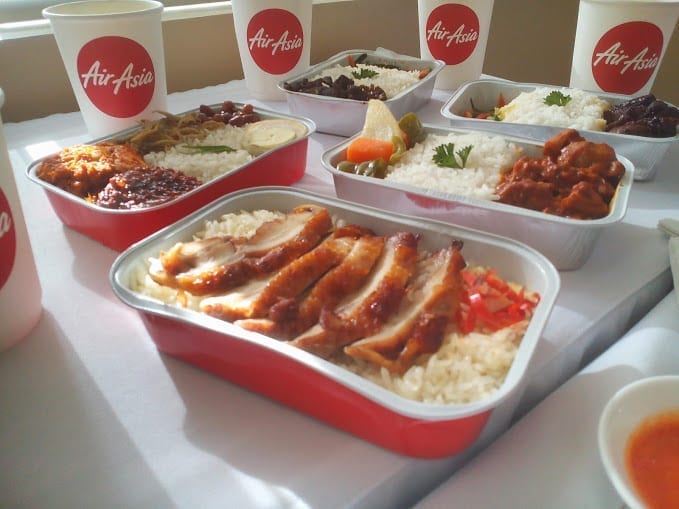
    AirAsia to introduce ePos system for F&B orders on flights

    Budget carrier AirAsia will introduce an electronic point of sales (ePos) system in the next eight months to allow passengers to make food and beverage (F & B) orders and payments online during flights.

    AirAsia group chief executive officer Tan Sri Tony Fernandes said the ePos system could be accessed through the on board WiFi service, roKKi, and this was a part of the airlines digitalisation efforts at creating better, more innovative inflight offerings.

    “It is opposed to just pushing the food trolley, and will help us serve customers faster and efficiently with them making orders from their smart phones,” he told the media at the AirAsia Santan Food Festival in Sepang on Monday.

    Fernandes said since the roKKi Wi-Fi service was launched in 2014, about 6% of passengers on board had used it.

    On the Santan Food Festival, he said AirAsia had collaborated with about 50 Asean F & B enterprises in offering the meals from across the region.

    “What we are doing is bringing the wonderful flavour of Asean into Santan to create a unique food experience, with the vision of replicating the on-ground gourmet experience on board flights,” he added.

    He said the company was also exploring the use of green packaging and an inflight coffee trolley to enable freshly brewed coffee to be served on board flights.