Category: Food

Retail News Asia is committed to providing both local and global retailers with the latest Food and Food & Beverage news throughout the Asian market. This on a daily base.

  • Online grocery shopping on the rise in Korea

    Online grocery shopping on the rise in Korea

    Grocery shopping via online and mobile channels in Korea rose sharply in the first quarter from a year earlier, backed by robust demand for delivery services of fresh food amid a rise in the number of one-person households.

    The amount of transactions made for fresh produce through online shopping malls reached 2.18 trillion won (US$1.92 billion), up 35.6 percent from the first three months of 2016. Of the total, purchases made via mobile devices soared 56.7 percent on-year to 1.55 trillion won over the cited quarter.

    In March alone, grocery shopping accounted for 11.7 percent of all online purchases tallied, trailing behind travel and booking by just 3 percentage points. In terms of mobile purchases, food shopping took up the biggest portion at 14.5 percent. Analysts attributed the brisk growth to an aggressive expansion of online-based fresh food delivery services by key e-commerce companies and related start-ups.

    The diversification of fresh food supplies and shortened delivery periods due to heated market competition has led to the overall increase of the transactions and improvement of online shopping services for consumers. The growing number of single-person households is another factor that has fueled the demand for online grocery shopping.

    Along with many double-income families that have little time to shop at a supermarket, those who live and eat alone have shown a tendency to spend generously if they can have groceries delivered with a simple click. One-person households in Korea account for some 35 percent of the total population as of September 2016. The trend has prompted local retailers and e-commerce companies to scramble to launch fresh food delivery services.

    SK Planet, the operator of leading online shopping mall 11st, is running a wholly-owned subsidiary, Hello Nature, which offers compact package deliveries of groceries. Baemin Fresh is another player, run by mobile delivery app provider Woowa Brothers, which has been actively expanding its foothold in the mobile grocery shopping business. In a recent media release, it said the number of Baemin Fresh users has surpassed 240,000 since it launched its mobile app last February. Other e-commerce sites, including Ticket Monster and WeMakePrice, have also joined the bandwagon with their own delivery services of fresh food supplied by its partners based in provincial regions. Industry watchers said the popularity of online grocery shopping will likely continue for some time, given strong consumer demand and the country’s fast-growing mobile sector.

    South Korea’s online shopping transaction reached 18.2 trillion won in the first quarter, up 19.4 percent from a year ago, with the mobile shopping accounting for 58.6 percent of the total payments, according to government statistics.

  • Pizza Hut CMO Pankaj Batra moves on to new role after 11 years in Asia

    Pizza Hut CMO Pankaj Batra moves on to new role after 11 years in Asia

    Pankaj Batra, chief marketing officer at Pizza Hut Asia Pacific, has taken on a new role as chief brand officer at Pizza Hut, Middle East, Turkey and Africa (META). This was confirmed by him to Marketing.

    According to his LinkedIn, he will be responsible for sales and brand metrics, digital marketing and food innovation for the region. Prior to the appointment he held the CMO role since 2014, where he was responsible for brand equity and sales growth of Pizza Hut across over 2,600 restaurants in 13 countries.

    He was also responsible for marketing and sales for Home Service and Express channels. He also partnered with seasoned franchisees and a team of over 50 marketing professionals to develop regional and local programs to achieve targets and grow market share.

    Before that he was director of marketing and PR in Asia, where he handled brand marketing and sales leader for Pizza Hut Delivery across nine countries in Asia, including Japan, Hong Kong, Taiwan, Indonesia, Philippines, Malaysia, Singapore, Vietnam & Brunei.

    Last year, Pizza Hut Singapore appointed See Seow Ying as senior marketing director, who was previously head of marketing at Burger King Singapore since 2013. She replaced Michelle Lee, who moved on to take on the role as head of marketing for SEA and Korea at Subway Systems Singapore.

    During her tenure, Lee was responsible for overall brand direction, brand sales, P&L and marketing strategies. She also drove product and service innovations along with menu development with food innovation, operations and supply chains.

  • Burger King hands Lowe Lintas creative brief for the Whopper

    Burger King hands Lowe Lintas creative brief for the Whopper

    International fast food franchise Burger King has appointed Lowe Lintas Mumbai to launch a new campaign for its iconic sandwich ‘the Whopper’.

    The campaign brief is be mainly targeted at India’s millennial generation and will focus on strengthening brand awareness within this demographic.

    Describing Lowe Lintas’ team as a “talented bunch”, Burger King India’s chief marketing officer Kapil Grover said: “Creative agencies are like an extended marketing team. It’s important to have partners who understand the brand and share the same passion.”

    Lowe Lintas’ leadership recently underwent a reshuffle with the appointment of Arun Iyer to the dual role of agency chairman and chief creative officer.

    President and Mumbai office head Raj Gupta was also named chief executive officer.

  • Vietnam’s April coffee exports fall to 5-month low

    Vietnam’s April coffee exports fall to 5-month low

    Export volume has fallen on higher prices and thinning demand. Vietnam’s coffee exports fell to 134,800 tons in April, the lowest level in five months, the country’s customs office reported.

    Shipments last month from Vietnam, the world’s largest robusta producer and exporter, fell 28.3 percent from the same month in 2016, the Finance Ministry-run Vietnam Customs said in its monthly report.

    While the export volume was slightly above market expectations, it dropped to its lowest since November 2016, based on government data.

    In the last week of April, Vietnamese coffee prices rose beyond ICE futures prices for the first time since September 2016 due to thin domestic stocks and a fast decline of futures prices, traders said.

    Robusta beans grade 2, 5 percent black and broken stood at premiums of $20-30 a ton to London’s robusta July contract, narrowing from premiums of $45-$50. The futures contract ended down 0.4 percent at $2,020 per ton on Tuesday.

    “(Foreign) trading firms have not bought anew,” a trader at a European firm in Ho Chi Minh City said. “Some foreign companies (in Vietnam) even have such high stocks that they are ready to resell to others for loading.”

    The fall in export volume is a hit to a positive start to the year after March shipments rose to their highest since April 2016, placing the country ahead of top producer Brazil for the second time in a year.

    The global coffee market continues to be well supplied, with exports in the first half of the 2016/17 crop year starting last October rising 4.8 percent from a year ago to 60 million bags, the International Coffee Organization (ICO) said in its April report released on Tuesday.

    The Ho Chi Minh City-based trader said most domestic stocks are currently in the hands of export firms and foreign trading firms that have established warehouses in Vietnam, while farmers in the Central Highlands coffee belt are holding on to an estimated 10 percent of their harvest.

    Vietnam’s 2017/2018 harvest is due to start in October.

    “The supply outlook for 2017-18 seems increasingly positive,” the ICO report said, referring to global coffee production. However, it noted Brazil’s current low stocks, saying its supply could be at risk if the weather turns unfavorable.

  • More Pinoy men now shop for groceries, says survey

    More Pinoy men now shop for groceries, says survey

    Grocery stores are typically the turf of women in the Philippines, but the presence of men is increasingly being felt, according to the latest survey conducted by market research firm Nielsen.

    Men now make up as much as 40 percent of shoppers in supermarkets, or a 6-percentage point increase from last year, signaling a continuing shift in trends for the industry, Nielsen said.

    “The perception that buying groceries is only women’s work is now inaccurate,” Nielsen Philippines’ consumer insights head Carlo Santos said in a statement.

    “Women remain the key stakeholders in grocery shopping in many homes, but as more men play an active role, marketing strategies need to reflect a more balanced approach—from product innovations to marketing messages,” he said.

    The study is part of a syndicated annual report that Nielsen conducts across 54 markets globally. It provides a comprehensive overview of retail environment trends and an understanding of shopping behavior across the different trade channels.

    It also provides insights into where, when and how often people shop, and their emotional commitment and perceptions about key modern trade retailers.

    In examining the male shopper, the report said growth came from the more affluent Metro Manila residents.

    An estimated 53 percent of urban male shoppers are married and 29 percent reside in Metro Manila, with 68 percent being gainfully employed.

    Being relatively new household shoppers, men prefer to shop in retailer shops that are familiar to them, the study found. Hence, if they are not aware of the retailer or do not have an affinity for the retailer, they are not likely to shop in those stores.

    Women, on the other hand, are more likely to be persuaded by their perception of a retailer. For instance, they are more likely to go to stores that they think offer affordable prices and provide convenience.

    Convenience means ease in getting to the store, finding everything they need under one roof, and being able to quickly find the items.

    While 30 percent of male supermarket shoppers either go up and down the aisles or browse all parts of the store, similar to what females do, they do so at a quicker pace.

    Hurried pace

    Men spend only a little over an hour or 64 minutes in stores on average, about 15 minutes shorter than a year ago. Women tend to linger, averaging 74 minutes.

    “With males spending less time in-store and doing it at a hurried pace, manufacturers should think of ways to disrupt these shoppers to notice their brands in-store,” Santos said.

    “If male shoppers hurry through their shopping experience, they are not likely to spend more. Manufacturers will have to reach to male shoppers before they visit the store, which means media advertising.”

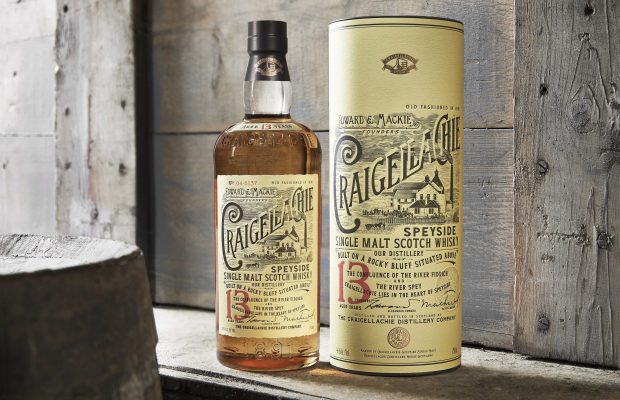
  • Bacardi to showcase highly limited Craigellachie 31 Year Old

    Bacardi to showcase highly limited Craigellachie 31 Year Old

    Stephanie MacLeod, Malts Master and Master Blender for John Dewar & Sons, describes Craigellachie 31 Year Old as “beautifully balanced, smooth and rich”

    Bacardi is making highly limited stocks of its popular Craigellachie 31 Year Old single malt whisky available on allocation in travel retail.

    Visitors to Bacardi Global Travel Retail’s stand (D10) at next week’s TFWA Asia Pacific Exhibition in Singapore will be able to discuss opportunities.

    Bacardi Regional Director Asia Pacific, Middle East & Africa Vinay Golikeri stated the spirits company would also be announcing an upcoming older age statement of Craigellachie at the show, as well as a new limited-edition in the region.

    Bacardi said global supplies of Craigellachie 31 Year Old surged after it was awarded the World’s Best Single Malt at the World Whiskies Awards 2017, meaning global supplies are now limited.

    “Craigellachie was first launched in select customers in global travel retail in 2015 and accelerated rapidly to gain a tremendous following amongst connoisseurs in a short space of time, winning two prestigious global whisky awards within two years,” said Golikeri. “We’re delighted to have secured highly limited stock for our high net worth and discerning travellers, especially given the popularity we have seen for Craigellachie in the region to date.

    “Emerging market consumers, at the second stage of luxury, are highly motivated by the discovery of new-to-market single malts like this. Craigellachie has particular appeal to more experienced Chinese and Indian travellers, many of whom are whisky collectors and connoisseurs.

    “These shoppers are motivated by products that help them express their individuality and, in whisky, this means they seek aged stock, rarity, limited-editions, exclusivity and award-winning status. Craigellachie ticks all these boxes.”

  • Launch of inaugural Café Cambodia 2017 and Franchise & Licensing Cambodia 2017

    Launch of inaugural Café Cambodia 2017 and Franchise & Licensing Cambodia 2017

    Phnom Penh took center stage as the host for the inaugural Café Cambodia 2017 and Franchise & Licensing Cambodia 2017. The exhibitions mark one of largest gathering of visitors from the local business community and the region and members of the coffee industry including baristas, café and coffee purveyors, coffee roasters, equipment distributors and members of the public. Malaysia is the shows’

    Official Country Partner, supported by Perbadanan Nasional Berhad (PNS). The inaugural shows were officially opened by His Excellency Cham Prasidh, Senior Minister, Ministry of Industry and Handicraft, Cambodia. The official opening this morning was also graced by the presence of Yang Berhormat Dato’ Henry Sum Agong, Deputy Minister, Ministry of Domestic Trade, Co-operatives and Consumerism (MDTCC),Malaysia, Dato’ Sri Hasan Malek, Malaysia Ambassador to Cambodia, Yang Berbahagia Dato’ Sri Jamil bin Salleh, Secretary General, Ministry of Domestic Trade, Co-operatives and Consumerism, Malaysia and His Excellency, Mr Pak Sokhom, Secretary of State, Ministry of Tourism, Cambodia.

    Franchise and Licensing Cambodia 2017 and Café Cambodia 2017 offer exhibitors and participants a hub and a B2B platform for key decision makers to source for new business opportunities and explore new collaborations. Franchise & Licensing Cambodia 2017 will showcase well known Asian and international brands in various industries such as F&B as well as the educational and services sectors.

    This hub also serves the industry as a source for café supplies and equipment to cater to the demands of the rising number of specialty coffee drinkers. The show will gather coffee and tea industry players showcasing products such as coffee beans, specialty coffee, specialty tea and beverages, juices, coffee machine, roasting machines and equipment.

    Cambodia has enjoyed steady economic growth in the last two decades. This growth, the favourable investment climate, supportive infrastructure, the presence of established banking and financial institutions and a large domestic consumer market of 16 million population are important reasons why the two shows are timely and will be well received as Cambodia has been attracting an increasing number of international franchise brands and operators especially those in the food and beverage business.

    Café Cambodia plays host to the Cambodia National Barista Championship (CNBC) presented by Gourmet Beverage Solutions (GBS). This inaugural championship brings together Cambodia’s top baristas to showcase their talents and compete for the coveted title of National Champion. The competition focuses on promoting excellence in coffee and seeks to advance the barista profession regionally and globally.

    Positioned as the perfect place to meet coffee professionals of Cambodia and the ASEAN region and to understand the growth of Asia’s franchise, licensing and coffee industries under one roof, the shows boast of a comprehensive programme for visitors who can look forward to learn from franchising and licensing experts, attend an exciting line-up including live presentations, demonstrations and workshops on every aspect of the coffee, tea, gelato and baked goods industries. There is also an extensive range of specialty coffees and teas from around the world to sample. The 3-day exhibition will also be teeming with networking and business opportunities for trade visitors who are looking to elevate their business aspirations. Franchise & Licensing Cambodia exposition offers abundant opportunities for entrepreneurs and prospective franchisees to meet face to face with representatives of international brand concepts across various industries.

    Café Cambodia and Franchise & Licensing Cambodia are co-organized by Conference and Exhibitions Management Services (CEMS) with CamGlobe Business & Investment Consultancy, and are supported by the Cambodia’s Ministry of Commerce, the Ministry of Industry & Handicraft, and the Ministry of Tourism.

    Franchise and Licensing Cambodia is supported by Asiawide Franchise, Cambodia Franchise Association and World Franchise Associates. The Cambodia National Barista Championship is presented by Gourmet Beverage Solutions.

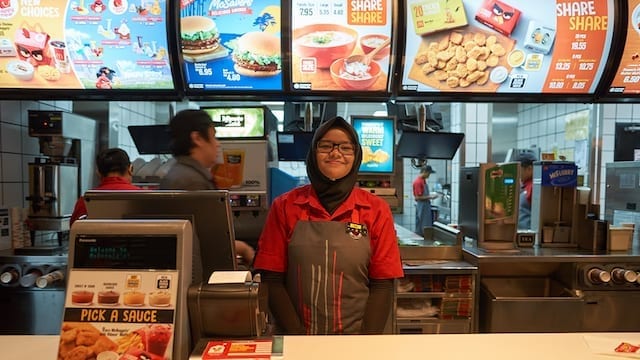
  • McDonald’s Malaysia to double store presence

    McDonald’s Malaysia to double store presence

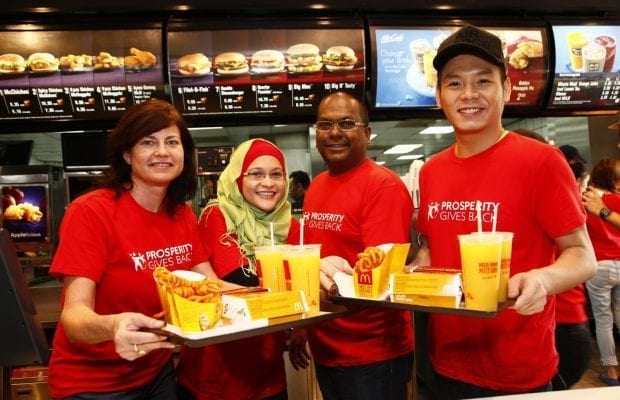
    McDonald’s Malaysia will expand its store stable over the next nine years, taking its current store total to 450 by 2025.

    The fast-food operator will invest 1.4 billion ringgit (US$317 million) to facilitate an almost doubling of store numbers in Malaysia.

    According to a press release, some 363 million ringgit will be used to open 33 new restaurants and refurbish 86 existing outlets by 2019, in an “aggressive three-year accelerated growth plan.”

    In addition, more than sixty per cent of outlets will have a drive-thru service, increasing consumer “convenience, anytime anywhere,” Azmir Jaafar, McDonald’s Malaysia managing director, told reporters.

    McDonald’s Malaysia also plans to open more McCafes, and launch mobile app-enabled delivery and 24-hour stores — slated for urban areas and on busy roadsides.

    The retail shakeup comes just 100 days after Lionhorn, part of Saudi Arabia’s Reza Investment Company, acquired the American restaurant’s franchise license to operate 400 McDonald’s outlets in Malaysia and Singapore.

    At the time, McDonald’s hailed the venture as positive with more flexibility for accessing capital, and more streamline decision making for business growth.

    As part of McDonald’s turnaround plan announced in May 2015, it was committed to refranchising 4,000 restaurants by end-2018 with the long-term goal of becoming 95% franchised. McDonald’s has now refranchised about 1,300 restaurants.

    U.S.-based McDonald’s shift to Developmental Licensee ownership in Malaysia has further allowed local market stores to create products for local consumption.

    Product customisation, coupled with McDonald’s burger icons, resulted in double-digit growth for McDonald’s Malaysia last year. Same-store sales surged 16% year on year in 2016, driven the Big Mac and the “Great Value” hamburger products.

    Looking forward, the fast-food operator projects double-digit growth for 2017 in Malaysia. It currently boasts a network of 262 restaurants and 12,000 employees and served 13.5 million customers monthly.

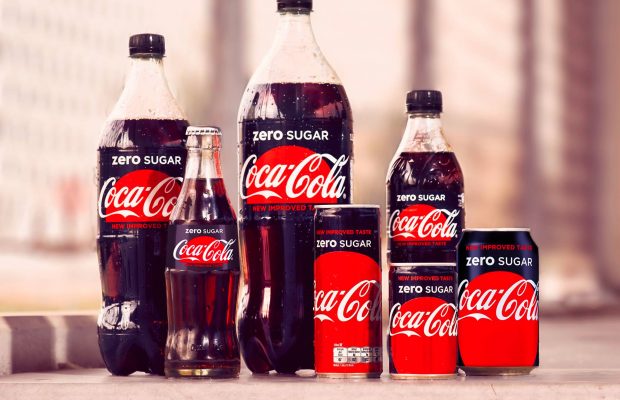
  • Coca-Cola to restructure company and cut costs

    Coca-Cola to restructure company and cut costs

    Coca-Cola’s sales declined in the first quarter as it restructured its business, and the world’s biggest beverage maker said it will cut 1,200 jobs starting later this year as it deepens its cost-cutting.

    The maker of Fanta, Sprite and Smartwater said the job cuts will come from its corporate staff around the world. That would represent about a 22-per-cent reduction of its corporate staff of about 5,500, or a 1-per-cent reduction in its total workforce of 100,300 employees, according to FactSet.

    Coca-Cola Co. said the cuts would help it find another $800 million (U.S.) in annualized savings, in addition to the $3 billion the company previously said it is trimming. Most those savings are expected to be realized in 2018 and 2019, it said.

    The cuts are part of a comprehensive review and won’t be concentrated in any one place, the company said.

    The company has also been reshaping its business by selling back its bottling and distribution operations to independent bottlers. That means Coke is becoming more focused on selling concentrates to bottlers and marketing for its brands as its No. 2 executive, James Quincey, prepares to officially take over as CEO next week.

    Quincey has said he plans to focus on making Coke a “total beverage company,” meaning it will more aggressively seek growth in promising drinks other than soda to better reflect changing tastes. The efforts have included putting more marketing behind options like Smartwater, including a carbonated variety of the bottled water.

    When excluding the impact of refranchising, a negative impact from foreign currency exchanges and other structural changes, Coke said its revenue was flat.

    On a global basis, the Atlanta-based company said total sales volume was flat. That reflected a 1-per-cent decline in sodas, and a 3-per-cent increase for the category including water, enhanced water and sports drinks. Volume rose 2 per cent in the category including tea and coffee.

    For the first three months of the year, the company earned $1.18 billion, or 27 cents per share. Excluding one-time gains and costs, it said it earned 43 cents per share, a penny less than analysts expected, according to Zacks Investment Research.

    Total revenue was $9.12 billion in the period, topping analyst forecasts for $8.96 billion.

  • Vietnam fruit exports have to meet high standards in foreign markets

    Vietnam fruit exports have to meet high standards in foreign markets

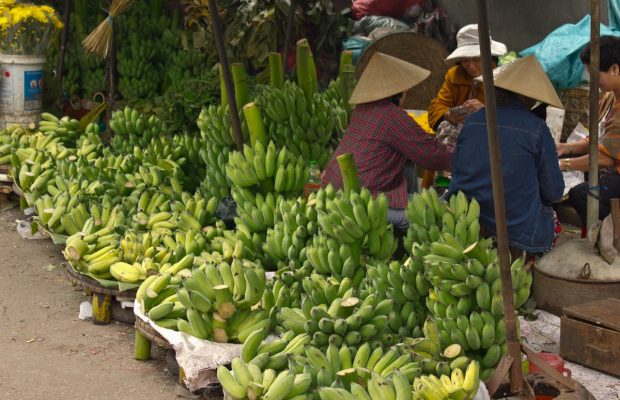
    Vietnam is well known for its tropical fruits, but it has to meet many strict requirements by importing countries in order to export its fruit. GDC said Vietnam’s fruit export turnover in 2016 reached $2.46 billion, a sharp increase of 33.6 percent compared to 2015. Turnover has been increasing in the last three years: by 28.4 percent in 2014 and 23.7 percent in 2015.

    China remains the biggest market for Vietnam with exports increasing by 45.8 percent to $1.74 billion.

    China bought 70.4 percent of Vietnam’s fruit exports, while the US only consumed 3.4 percent, Japan 3.1 percent and South Korea 3.6 percent.

    However, in order to obtain the modest figure of 3 percent, Vietnam had to go through some hardships because the markets are all choosy.

    As for the Japanese market, for example, only some kinds of fruits, such as bananas, mango and dragon fruit, can be exported to the country as they have met the requirements set in Japan’s plant quarantine law.

    Vietnam’s Ministries of Industry & Trade (MOIT) and Agriculture & Rural Development (MARD) had to spend many years to persuade the Japanese side to remove the technical barriers against certain kinds of fruits.

    The company owned by Vo Quan Huy became the first Vietnamese enterprise selling Fohla brand bananas to Japan. About 2-3 containers of bananas are exported to the Japanese market each week.

    Huy said that before signing the contract on buying bananas, the Japanese side sent staff to his banana farms to take soil, water and air samples to bring to Japan for testing 230 physiological and biochemical indicators.

    The aim was to make bananas safe, clean and delicious, with no heavy metal residue, no bacteria, no pesticide residue and no growth stimulus.

    Australia is another fastidious market. It sets high requirements on farm produce imports, especially requirements on radiation that not many Vietnamese companies can satisfy.

    To date, only two kinds of fresh fruits have licenses to enter the Australian market – litchis (received in 2015) and mango (2016).

    A senior executive of a fruit export company said there is always an American expert from FDA in charge of checking fruit samples before putting fruit into radiation.

    If the expert discovers soil or insects on fruits, the whole consignment will be refused. The company once had one consignment of rambutan rejected.

  • Starbucks Reserve opens 10th Singapore store in Changi airport

    Starbucks Reserve opens 10th Singapore store in Changi airport

    American coffee house Starbucks has opened its 10th Reserve café in Singapore. Located inside Singapore’s Changi airport, the 24-hour airport outlet has opened in T3’s public area, in the United Square section.

    While patrons will be familiar with Starbucks, Starbucks Reserve is the coffee chain’s more high-end version of a café or coffee bar.

    Every year, Starbucks coffee buyers travel to coffee-growing regions to find and purchase some of the world’s finest Arabica coffee beans. Starbucks Reserve then offers these to its customers, which are in limited quantity and only available at select Starbucks Reserve stores and online.

    On the ground, Starbucks Reserve allows customers to ask exactly how they would like their coffee brewed at the bar: Starbuck’s proprietary Clover brewer, the Chemex coffeemaker, the traditional Coffee Press and Pour-overs, mimicking a more boutique coffee house.

    While there are several other Reserve outlets in Singapores, the Changi store is the first to feature the interactive Coffee Bar, along with the Black Eagle espresso, and the Nitro Cold Brew, which is served from the tap.

    However, Reserve customers can still order normal Starbucks coffee as seen available at the regular stores.

    For the last financial quarter ending January 26, Starbucks reported revenues of $5.7 billion, up 6.7% on a year-over-year basis.

    Starbucks is a roaster, marketer and retailer of coffee. As of October 2016, the company operated in 75 countries.

  • Vietnam looks for shrimp farming to save the Mekong Delta

    Vietnam looks for shrimp farming to save the Mekong Delta

    About 700 000 hectares of rice and other agriculture crops in Vietnam were destroyed by climate-induced natural disasters in 2016, reports the Ministry of Agriculture and Rural Development.

    Consequently, rice production, which was hit the hardest, fell by some 800,000 tons, which has forced the Ministry to fast track implementation of remedial climate change adaption measures.

    Under one initiative, rice cultivation in several Mekong Delta provinces has been converted to growing fruit trees and grapes that require less water yet provide suitable alternative sources of income for farmers.

    Vietnam is the third largest exporter of rice, behind India and Thailand. Nicknamed the ‘rice bowl’, the Mekong Delta region comprises 12% of the arable land of the country and is responsible for nearly 50% of the rice production.

    This past paddy season, the culprit was salt water intruding upstream from the coast, said Mekong wetlands ecologist Nguyen Huu Thien.

    In turn, he places the blame squarely on dams that have been constructed at locations in Laos and Cambodia that are blocking the free flow of water and sediment, which allows for saltwater to make its way in the opposite direction the waters of the river naturally flow.

    Last year, a severe drought in much of Southeast Asia compounded the problem.

    In May, the Vietnam government observed the Mekong River at its lowest level since 1926, but eventually successfully convinced China to release water from its upstream dams, which helped to alleviate some of the problem.

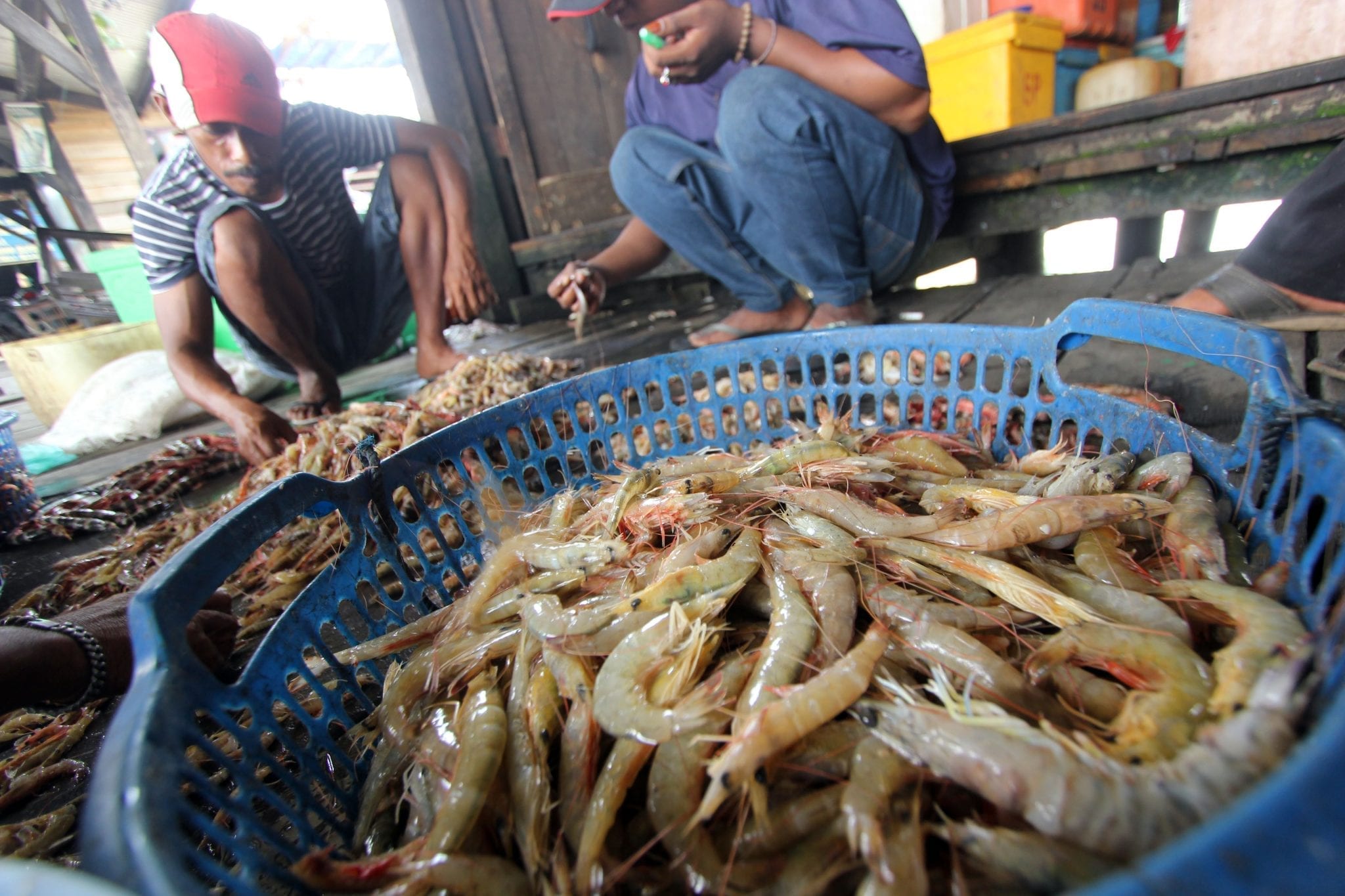
    The Ministry has also helped other farmers migrate elsewhere in the country where they can earn a living and, as part of their main initiative, assisted many rice farmers to experiment with saltwater shrimp farms in lieu of growing rice.

    The Mekong Delta is gradually losing the capacity to support the populace, say Ministry spokespersons and it will fall apart if a corrective action plan isn’t put in place to address the fundamental problems post haste.

    Shrimp farming appears to be the best alternative but even the farming of shrimp, a salt-tolerant creature, can be challenged by excessively salty conditions.

    However, Ministry spokespersons say some of the challenges facing shrimp farming in the Mekong are being addressed by using a three-pond shrimp and fish farming strategy, in which one pond holds fresh water that is used to dilute water in the other two ponds when they become too salty.

    Research is also underway to find the most suitable commercial shrimp species to raise and to identify synergies in the processes that may benefit shrimp production in the Mekong Delta.

    Many Vietnamese and global organizations, say Ministry spokespersons, are supporting these efforts and others intended to help sustain food production in the Mekong.

    Shrimp farming seems to be a win-win situation for all involved. The farmer in the Mekong can earn more money with it than rice and the consumer in the main importing regions of the EU, US and Japan, can eat healthier shrimp.

    Shrimp farms can also play a role in ensuring the future of the Mekong Delta. Even when the saltwater rises.

  • McDonalds’ Q1 sales boosted by its all-day breakfast menu

    McDonalds’ Q1 sales boosted by its all-day breakfast menu

    In November, credit ratings agency Fitch warned that the breakfast-driven rebound the chain is experiencing won’t last forever. While that prediction still may prove correct someday, Fitch can’t claim victory just yet: McDonald’s reported better-than-expected first quarter same-store sales Tuesday, thanks in no small part to a continued boost from the most important meal of the day.

    McDonald’s reported Tuesday that its global same-store sales increased 4% during its first fiscal quarter of 2017. “There’s a sense of urgency across the business as we take actions to retain existing customers, regain lapsed customers and convert casual customers to committed customers,” McDonald’s president and CEO Steve Easterbrook said in a statement Tuesday morning.

    The growth in same-store sales didn’t completely translate to gangbuster top-line sales, with first quarter revenue ticking down 4% to $5.68 billion (a figure that nonetheless managed to come in ahead of the $5.5 billion Wall Street consensus). McDonald’s explained the dip by pointing to the refranchising effort that is a part of its broader turnaround plan, and the costs associated with that effort.

    Net income for the quarter, meanwhile, grew 8% to $1.2 billion, resulting in earnings of $1.47 per share — a figure that came in well ahead of the Street’s $1.33 per-share consensus.

    “Our efforts to build a better McDonald’s are yielding meaningful results with continued positive momentum and a strong start to 2017 that includes positive comparable sales across all segments, higher global guest counts and enhanced profitability,” Easterbrook continued. “We’re challenging ourselves to identify and pursue initiatives that can bring the biggest benefit to the most customers in the shortest possible time. I’m confident that we’re on the right path and well-positioned to unlock incremental growth and deliver against our growth plan for 2017 and beyond.”

  • Japan’s Pokka Starts Making Soft Drinks in Indonesia

    Japan’s Pokka Starts Making Soft Drinks in Indonesia

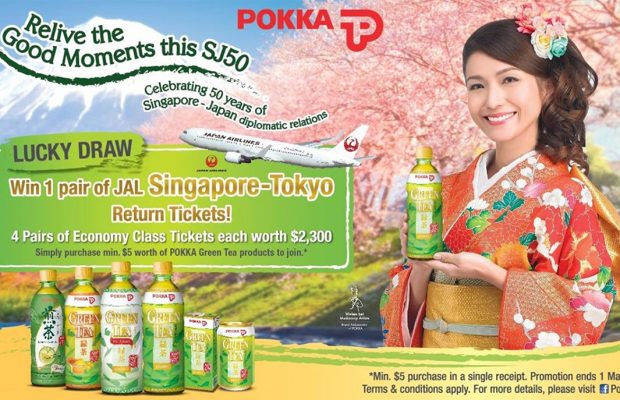
    Pokka Sapporo Food & Beverage is ramping up Indonesian operations in soft drinks, switching to local production to strengthen its market foothold and save on costs.

    The Japanese beverage maker set up a production facility through a joint venture with local distributor Dima Indonesia and began shipments in late April. Pokka aims to sell 1.4 million cases in the first year.

    Since predecessor Pokka Corp. set up shop in Southeast Asia back in 1977, Pokka has become well-known in the region for its green tea, mainly in Singapore. The company has also shipped drinks produced in Singapore to Indonesia for sale.

    The first products coming out of the Indonesian plant include bottled jasmine green tea and lemon black tea. Pokka’s drinks are a little pricier than rival brands, costing the equivalent of 40 yen to 70 yen (36 cents to 63 cents) more per bottle. The company plans to use sales channels of Dima and expand sales through supermarkets and other volume retailers.

  • Healthy living tops Indian consumers’ list of goals and aspirations

    Healthy living tops Indian consumers’ list of goals and aspirations

    It seems the pursuit of a healthier lifestyle is a nationwide obsession in India as healthy living tops the list of consumers goals and aspirations. New research from global market intelligence agency Mintel reveals that nearly half (48%) of consumers in India aim to live a healthier lifestyle, followed by better time management (30%), improving relationships with family and friends (25%), and travelling (24%).

    Further down on the agenda, just 8% of consumers say they wish to get married in the next three years, rising to less than three in 10 (27%) of those who are still single. Meanwhile, just 5% of consumers say they’d like to have a child, making this the lowest priority on the list of consumer’s goals and aspirations.

    Close to three in four (72%) Indian consumers report increased happiness as their motivation for leading a healthy lifestyle, while over half say that they aim to live healthily in order to look better (56%) and to feel better (53%). Additionally, two in five (41%) say they aim to lead a healthy lifestyle in order to live longer, while just 10% wish to do so to manage their health conditions. Currently, over half (52%) of Indian adults say they eat a healthy diet as part of their healthy living habits.

    Ranjana Sundaresan, Senior Research Analyst at Mintel, said: “Many Indians believe leading a healthy lifestyle will have a knock-off effect on their personal happiness. There has been quite a bit of publicity regarding the rise in lifestyle diseases among Indians, and, thus, growing awareness of the importance of being healthy.”

    While healthy living tops the list of consumers’ aspirations, it seems few are taking steps towards living a healthier life. Just one in three (34%) say they are always trying new things to improve their health, while one in four (26%) say they research health concerns and 10% say they research or think about health a lot but rarely make changes. This opens up quite a bit of opportunity for companies to offer consumers convenient solutions that could encourage making that change.

    Research from Mintel indicates that the food industry has already taken steps to appeal to consumers changing demands. According to Mintel Global New Products Database (GNPD), “natural” was the second largest claim carried on food launches in India last year, behind “suitable for” claims, accounting for 28% of all food product launches in 2016, up from 22% in 2012.

    As a result between 2012 and 2016, India had the highest number of food product launches carrying a natural claim in Asia and was the fifth largest market for these launches globally, accounting for 6% of the world’s food launches labelled as ‘natural’.

    Indeed, while India is leading the charge with Asia’s natural food production, Mintel research reveals that one in five (19%) Indian consumers say they would like to see a wider variety of natural snacks. Furthermore, as many as half (47%) of those who snack think it is important for snacks to be healthy.

    And it seems that consumers in India are willing to pay more for healthier snack options as two in five (39%) Indians who snack are willing to pay extra for fruit or vegetable snacks, while one in four (25%) would pay more for snacks with added nutrition.

    “It is known worldwide that healthy and natural foods tend to be more expensive, and many think twice before making a purchase. However, powered by higher disposable income and increasing health consciousness, India’s growing middle-class urban population is now more willing to pay the additional cost for healthier options.” Ranjana concludes. Ranjana concludes.