Category: Food

Retail News Asia is committed to providing both local and global retailers with the latest Food and Food & Beverage news throughout the Asian market. This on a daily base.

  • The KAfe, Coffee Inn died young, but milk-tea chains thriving

    The KAfe, Coffee Inn died young, but milk-tea chains thriving

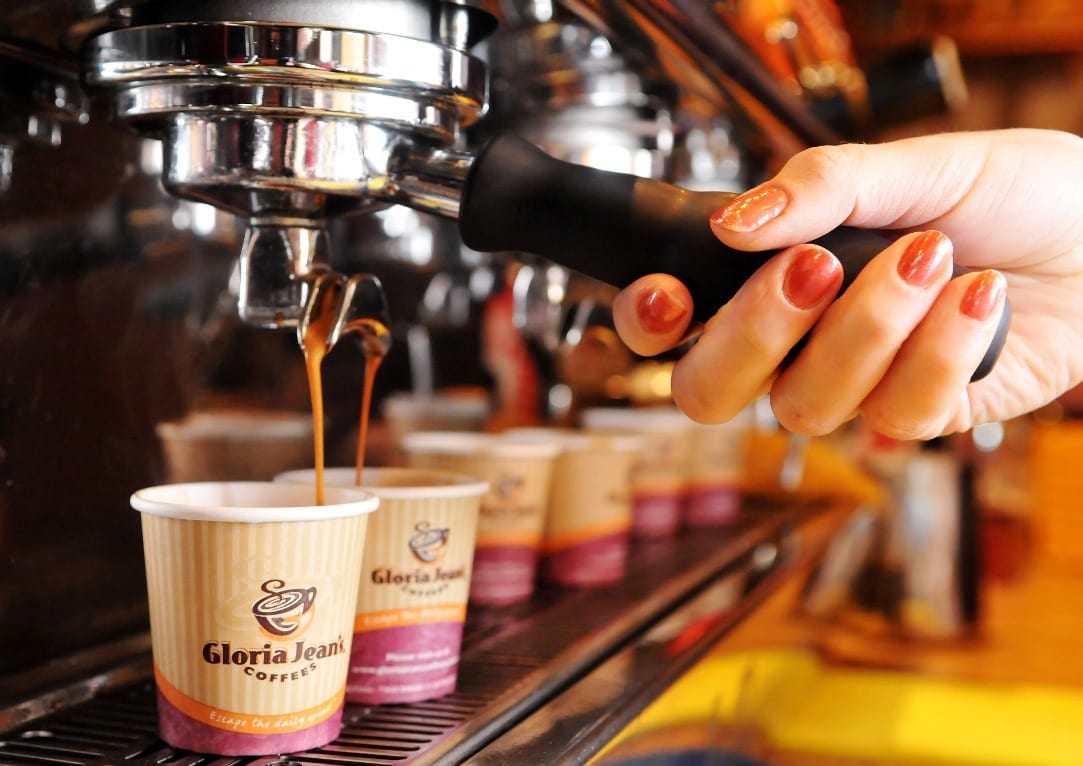
    The KAfe, Coffee Inn and Saigon Café recently shut down, following the closure of big foreign chains Gloria Jean’s and NYDC in recent months.

    Discouraged by the departure of such chains, many investors have postponed their plans to open new shops.

    Meanwhile, more and more milk tea chains have been established, especially in the north and in Hanoi. This has been a surprise to analysts, as the north is a conservative market where people prefer coffee to sweet drinks like milk tea.

    It is estimated that 170 milk tea brands have appeared in the market so far this year, both privately branded and franchised ones.

    Unlike the ‘milk tea waves’ in previous years, this year witnesses the mushrooming of  milk tea shops in non-Hanoi provinces, especially in Bac Ninh, Hai Phong, Quang Ninh and Phu Tho.

    In Bac Ninh alone, 30 milk tea brands turned up in the market in March and April with hundreds of shops, both small kiosks to larger shops (15-20 tables).

    Ding Tea is the best known brand with 100 sale points, followed by Toco Toco with 50 shops. Other brands have been present in the market for a long time, such as Chatime, ChaGo and ChaChaGo.

    Other milk tea chains, franchised ones, such as Bobapop, Citea Fund and Blackball, have been expanding rapidly in the capital city. GongCha and TraTien Huong originated from HCMC, and have also landed in Hanoi.

    Amy Truong, the owner of Toco Toco, said milk tea is suitable to different groups of consumers, from youth to office workers.

    Two brands, which have just appeared, have been developing at a fast pace – Goky and Mr.Good Tea. Goky has more than 100 shops after five months of operation, while it plans to open six more shops in May.

    Meanwhile, Mr. Good Tea has more than 20 sale points after half a year of making its debut, not only in Hanoi, but in many other northern provinces.

    Analysts said there were two reasons that had made milk tea become the favorite investment field.

    First, investors don’t have to spend too much money on shop decoration, setup, staff and formula. Second, milk tea is said to bring big profits. Sources said VND2,000 worth of tea powder is used in a glass of milk tea priced at VND20,000.

    “It seems that it is now easiest to sell milk tea,” the CEO of a beverage chain said. However, he warned that those who want to jump into the market will have to compete with dozens of existing brands.

  • India is among the world’s fastest growing chocolate markets

    India is among the world’s fastest growing chocolate markets

    While the global chocolate confectionery market posts slow growth, new research from global market intelligence agency Mintel reveals that India is defying the odds. Indeed, India is now one of the world’s fastest growing chocolate confectionery markets.

    Sales of chocolate confectionery in retail markets grew by 13% between 2015 and 2016 in India, followed by Poland which saw sales growth of 2%. In comparison to the rest of the world, Poland and India were the only two markets to see sales of chocolate grow in 2016, with sales in the United States (US), United Kingdom (UK), Germany and France flat over this period, while sales fell in Russia (-2%), Brazil (-6%), and China (-6%).

    Data from Mintel also reveals India’s chocolate confectionery market has had a strong CAGR (compound annual growth rate) of 19.9%, in retail market value, between 2011 and 2015, and is expected to grow at a CAGR of 20.6% from 2016 to 2020.

    When it comes to chocolate confectionery consumption (volume sales), it seems India is a nation of chocolate lovers, as Mintel research reveals that India consumed 228 thousand tonnes worth of chocolate in 2016. Other markets that have consumed in excess of 200,000 tonnes of chocolate last year include France (251 thousand tonnes), Brazil (236 thousand tonnes), and China (202 thousand tonnes). Meanwhile, Australia and Indonesia consumed 95 thousand tonnes and 94 thousand tonnes worth of chocolate in 2016 (respectively). The US and the UK, on the other hand, consumed 1.3 million tonnes and 555 thousand tonnes of chocolate (respectively).

    Marcia Mogelonsky, Director of Insight, Mintel Food and Drink, said: “Chocolate confectionery had an uneven year in 2016. Volume sales in developed markets remained flat, while the picture was a bit brighter in emerging markets, like India, where sales generally fared better.”

    Indeed, according to a consumer study by Mintel, 42% of Indian consumers have eaten sweet or sugary snacks (other than biscuits) like chocolates and cakes in the past three months, rising to 53% of consumers aged 18 to 24. On the benefits of chocolates, Mintel research reveals over two in five Indian consumers (44%) find sweet or sugary snacks like chocolates and cakes to be healthy, while over one in three (35%) Indians believe these snacks provide them with energy.

    Meanwhile, as many as one in two (49%) Indian consumers associate sweet or sugary snacks like chocolates with convenience. Data from Mintel also reveals 43% of Indians consume sweet or sugary snacks like chocolate and cake between lunch and dinner, with over half (53%) of Indian consumers reporting that they tend to snack in between meals because they get hungry.

    “Our research shows that seasonal chocolate tops all chocolate new product development, a testament to the popularity of seasonal treats among consumers across the globe. This reflects the fact that these products are typically bought to help celebrate holidays or special occasions. With this in mind, seasonal chocolate is somewhat immune to recessionary pressures as these products are bought on an occasional basis.”

    Proving chocolate lovers have a heart, interest in ethical products remains relatively strong, with 17% of new products claiming some sort of “ethical-human” positioning, which could include fair trade, Rainforest Alliance, or some other independent “bean-to-bar” certification. Although still a small part of the category, accounting for less than 6% of global new product introductions in 2016, launches of chocolate confectionery with an organic claim increased 6% between 2014 and 2016.

    Finally, Mintel research shows that consumer demand is likely to be the major impetus for more conversion to organic offerings. In India, as many as 19% of Indian consumers would like to see a wider variety of natural snacks that have no additives or preservatives, for instance.

  • Accolade to showcase new Aussie wines in Singapore

    Accolade to showcase new Aussie wines in Singapore

    Accolade Wines will be introducing an enhanced portfolio to visitors at the upcoming TFWA Asia Pacific Exhibition (Basement 2, J5) following the acquisition of six wine brands from Australia: Petaluma, Croser, St Hallett, Knappstein, Stonier and Tatachilla.

    These newly introduced brands reside in some of Australia’s most renowned wine regions, including Adelaide Hills, the Barossa Valley, McLaren Vale and the Mornington Peninsula.

    Rupert Firbank, Commercial Director, Accolade Wines, comments: “We have been experiencing significant growth in global travel retail and domestic markets over the past six years.

    “This has been supported through the acquisition of up-and-coming brands that have allowed us to expand our global footprint and add a great breadth to our portfolio.

    HARDYS APPROACHES 165TH BIRTHDAY

    “Our previous acquisitions of Geyser Peak in the United States, Grant Burge Wines in Australia, Mud House in New Zealand and Vina Anakena in Chile have been hugely successful, so we are confident that these new additions will add another dimension for our customers.

    “TFWA Asia Pacific Exhibition & Conference is the ideal opportunity to introduce these new wines to our Asian partners.

    “Being able to sit down face-to-face with them makes a big difference in being able to fully explain the story behind each brand. We invite visitors to the show to come and experience our exciting new wines and our current brands, most notably Hardys wine which is fast approaching its 165th birthday.

  • Illva Saronno brands in the spotlight in Singapore

    Illva Saronno brands in the spotlight in Singapore

    Italy’s Illva Saronno returns to this year’s TFWA Asia Pacific Exhibition & Conference with the aim of consolidating its brand presence and meeting new clients.

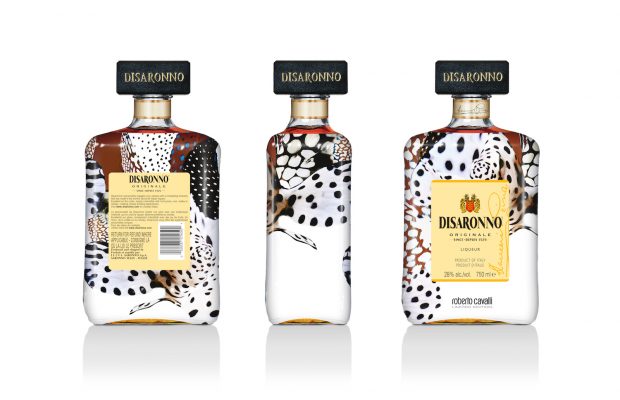
    The brand’s main focus will be on its trademark Disaronno, which is also available as a limited edition with the Disaronno wears Etro bottling.

    Each year, Disaronno forges a partnership with an Italian fashion designer to produce a bespoke bottle. This year’s upcoming collaboration remains under wraps for now, says the brand.

    Also on display will be new packaging for acclaimed coffee liqueur Tia Maria, which is backed by a cerebral marketing campaign fusing traditional marketing with neuroscience and psychology to test customers’ reactions to products and brands.

    Meanwhile, Italian aperitif Rabarbaro Zucca, which is made from an infusion of rhubarb rootstocks and a secret collection of rare herbs, will also be presented to buyers.b

    Zucca is prepared using the root of the true Chinese rhubarb, which grows in mountainous regions of the Gangsu province.

    DISARONNO RISERVA

    Furthermore, Disaronno Riserva – a blend of Disaronno Originale and blended Scotch whisky from the Highland and Speyside Islands – will be presented to buyers.

    The limited edition, which features an eye-catching bottle design, marries the fluid in oak barrels that contained Marsala wine reserves, with Illva Saronno believing the product is particularly well suited for buyers in Asia Pacific.

    Wines from Duca di Salaparuta and Florio will also be showcased, including Duca Enrico, made from Nero d’Avola grapes harvested in an area of south-western Sicily that benefits from a unique relationship between its micro-climate, vines and land.

    Domenico Toni, International Sales Director, Illva Saronno comments: “Asia Pacific is still a very new region for us, and we have been slowly introducing our brands over the past year.

    “We are planning on greatly building our business there, in both travel retail and domestic, over the next 5 years, so the TFWA Asia Pacific Exhibition & Conference is a vital resource for us to accomplish our goals.

    “We first exhibited at the show last year, and received plenty of interest from buyers. We have high hopes that this year will be even more successful for us.”

    Visitors to the TFWA Asia Pacific Exhibition & Conference can sample Disaronno’s famous Disaronno Sours cocktail at the TFWA Asia Pacific bar, situated on level 4 of the convention centre, from Monday to Wednesday at selected times.

  • Vietnam fish exporters aim to crack Europe

    Vietnam fish exporters aim to crack Europe

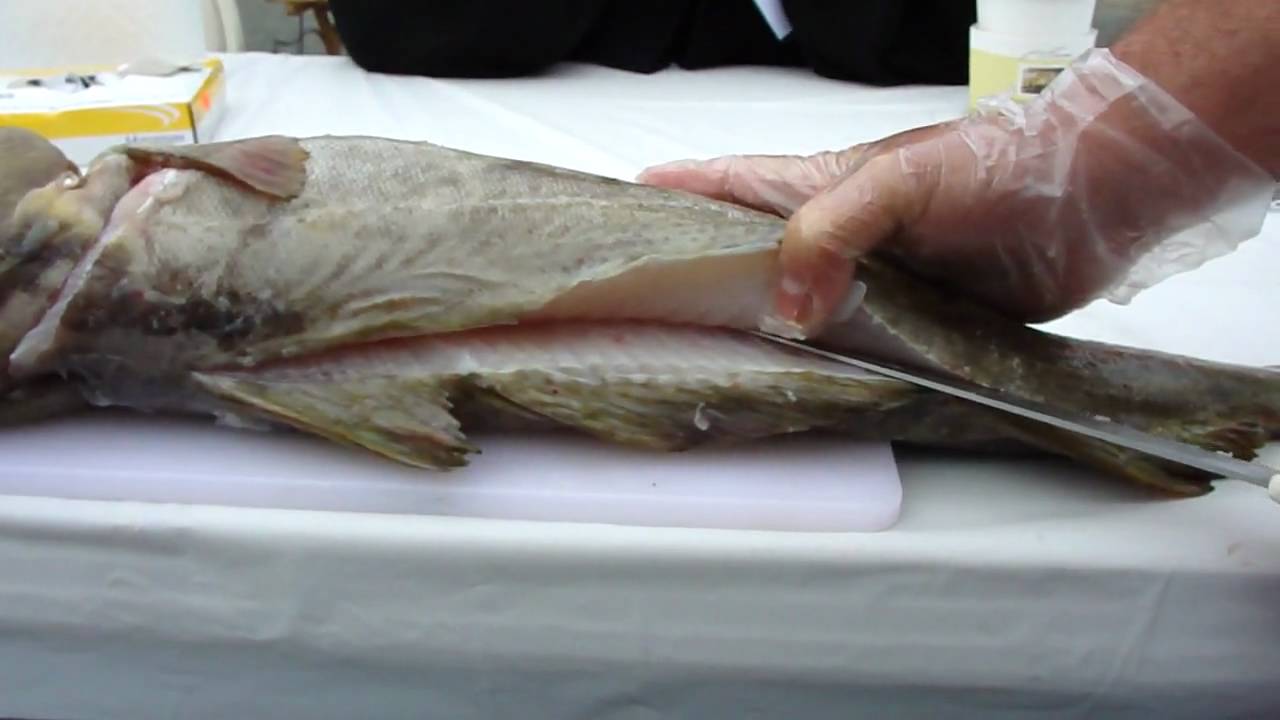
    The Vietnam Association of Seafood Exporters and Producers (VASEP) is showcasing Vietnamese seafood products at the Seafood Expo Global, which is being held in Brussels, Belgium, from Tuesday to Thursday. In a 264sq.m. booth, the association introduced Viet Nam’s seafood specialties, including tra fish (known as pangasius), shrimp, tuna and tilapia fish, as well as cattle fish, octopus and dried seafood products, all of which come from 25 Vietnamese seafood producers and exporters.

    The pavilion attracted foreign businesses, which shared experiences in trading aquatic and seafood products.

    In the context of a pangasius crisis in Spain and the Carrefour supermarket chain ceasing to sell Vietnamese pangasius, VASEP and the Ministry of Agriculture and Rural Development held a press conference at the exhibition to provide clear information about Viet Nam’s pangasius processing and exports to European partners.

    In his interview with Vietnam News Agency correspondents, VASEP general secretary Truong Dinh Hoe said the press conference aimed to create a correct information channel to deal with the communication crisis on pangasius, targeted at increasing exports of Vietnamese aquatic and seafood products to Europe.

    Alfons van Duijvenbode, a Dutch consultant, said European consumers have a bad impression of Vietnamese pangasius due to false information on social media.

    In recent years, the consumption of Vietnamese pangasius has fallen in the EU, meanwhile other fish have maintained or even increased sales volum, he said.

    He suggested the Vietnamese aquaculture industry interact more with consumers to provide them exact information about the products.

    Head of Vietnamese Trade Office in Belgium Nguyen Canh Cuong said that the office had worked with local partners such as Foreign Trade Association to provide information to Belgium businesses and consumers.

    Also at the event, Viet Nam held other trade promotion activities, including a dialogue for shrimp value chains and a programme for visitors to try Vietnamese seafood.

    Seafood Expo Global, the largest of its kind globally, drew the participation of over 1,600 exhibitors from 77 countries and territories this year.

    It is expected to attract more than 26,000 visitors and exporting and trading enterprises from 144 nations and territories.

  • Gloria Jean’s Coffee leaves Vietnam

    Gloria Jean’s Coffee leaves Vietnam

    Australia’s Gloria Jean’s Coffee Vietnam has closed its last coffee shop in Ho Chi Minh City, in the Phu My Hung urban area of District 7, after ten years in Vietnam. It arrived in Vietnam in 2007 under a franchise license secured by the VietLifestyle JSC.

    The ten-year deal saw the master franchisee launch coffee shops in Ho Chi Minh City and Hanoi, each involving investment of $200,000.

    VietLifestyle had aimed to open a further 20 locations over the next two years, offering espresso-based, chocolate-based, and cocoa-based drinks to young people, expats, and foreign tourists familiar with the brand.

    The master franchisee was to achieve this in part through sub-franchising the concept and providing operational, marketing, management, and business development support.

    A slowdown hit a few years ago, however, when its prime corner location on Dong Khoi Street in Ho Chi Minh City closed, partly because of high rents.

    Other locations then began to disappear. By the end of last year, only two stores remained: one on Cong Truong Quoc Te in District 1 and the Phu My Hung outlet in District 7.

    Gloria Jean’s was founded in Australia in 1996 with the ambition of being the most loved and respected coffee company worldwide.

    The chain currently has more than 900 outlets in 39 markets worldwide, including more than 400 in Australia.

  • China set for online grocery boom

    China set for online grocery boom

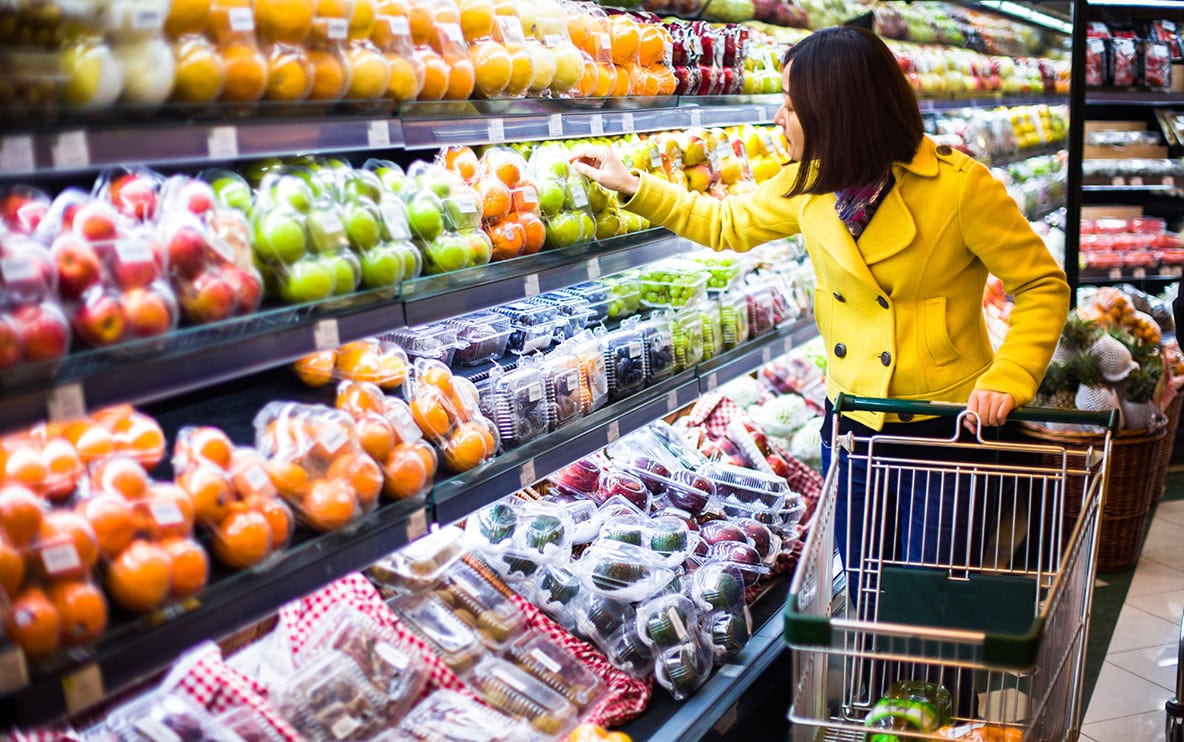
    Online grocery in China could more than double in growth between now and 2020, according to figures released today by international grocery research organisation IGD, with its current 3.1 per cent share of the country’s total grocery market forecast to leap to 6.6 per cent over the next three years.

    Driven by the growth of the internet, greater smartphone usage, more focused investment from retailers and shifting demographics, IGD forecasts online grocery in China to grow by almost 32 per cent year-on-year by 2020.

    “China already has the world’s largest online grocery market in terms of value and this certainly shows no signs of slowing down,” said Shirley Zhu, Asia programme director at IGD. “Last year, 3.1 per cent of all China’s grocery sales were conducted online, a figure we believe will increase to 6.6 per cent by 2020 – a compound annual growth rate (CAGR) of 31.8 per cent.

    “Set against our forecast CAGR of 5.9 per cent for China’s total grocery market over the same timeframe, the size of the opportunity for retailers looking to trade online is clear,” Zhu noted.

    This growth is being driven by a combination of factors, according to Zhu: “Internet and smartphone usage is growing across China, while the country’s demographics are changing too – there is a rising population of young, middle-class shoppers leading busier lives. In turn, this is creating an aspirational class of shoppers who want access to grocery products at the click of a button, and who are also increasingly looking to source international goods. Clearly, retailers have been responding to these trends, with lots of players looking to grab a slice of the action.”

    A combination of online ‘marketplaces’ and bricks and mortar retailers make up China’s leading online grocery players, according to IGD.

    “Alibaba’s Tmall and JD.com are the two of the largest online retailers in China and they also have a strong position in online grocery,” Zhu explained. “These platforms are a one-stop shop for all domestic and international brands and categories, as well as offering a nationwide logistics network, rapid delivery, innovative and simple payment solutions, and new technologies such as drones and virtual reality.

    “These platforms are also increasingly delivering cross-border opportunities, both selling international products in China, but also selling globally, enabling lots of international retailers to enter the Chinese market through them. We’re also seeing marketplaces like Alibaba and JD investing in bricks and mortar stores.

    “Other key online grocery retailers in China include Walmart via JD.com and Sun Art Retail, which sells via multiple platforms,” she outlined. “There are also lots of other retailers investing in online – for example, Bee Quick, which focuses on fresh products, can deliver to its shoppers within an hour in the 14 cities in which it operates, while Carrefour launched in April 2016 and is extending its service to more cities.”

    As the majority of people in China access the internet via their smartphone, getting mobile commerce right is critical for grocery retailers looking to sell online in China, according to Zhu.

    “Thinking mobile first is vital. Many retailers are rolling out apps offering exclusive discounts and special features, while other apps allow for easy e-payment solutions that allow people to shop online,” she said. “Brands and retailers are also advertising and have shops set up on WeChat, China’s biggest social media network.

    “Indeed, as China’s online grocery channel continues to grow, we expect to see more partnerships created between retailers and manufacturers,” Zhu added. “We also expect to see online grocers personalising their offers, using data to understand how and when people shop online, to deliver a better service and even personalised products. We also expect innovations such as voice-activated technology, virtual reality and smart devices to play a greater role as the market develops.”

  • Bold bid for expansion by Food Capitals

    Bold bid for expansion by Food Capitals

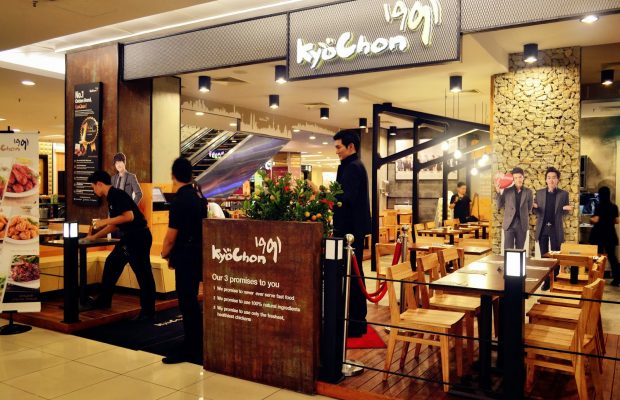
    Food Capitals, Thailand’s franchisee for Domino’s Pizza and South Korean fried-chicken restaurant chain Kyochon, has acquired two companies for THB400 million (US$11.6 million) in a bid to expand both domestically and overseas.

    It has spent THB289 million to acquire Osha Group’s food business in the US, with the remaining THB121 million for its takeover of Bangkok-based G Enterprise.

    California-based Osha has five restaurant brands – After Osha, Lao Table, Osha Express, Osha Thai and Osha Thai 3rd Street – while G Enterprise’s four restaurant brands are Chingcha Chalee, Moom Muum Park, Pirate Chambre and Umami Falabella.

    Food Capitals CEO Tanakorn Angpubate expects the acquisitions to boost the group’s revenue by more than 50 per cent from THB714 million last year – following five years of red ink.

    The company has also set aside THB200 million to open two restaurants in Thailand and another two in the US.

    Food Capitals’ brands include Domino’s Pizza in Thailand and Cambodia, Kyochon in Thailand, and Red Planet Hotels across Asia.

  • Vegetables exports bring in $8.2 million per day

    Vegetables exports bring in $8.2 million per day

    Export turnover for vegetables has reached $857 million this year up to April 15, an increase of 30 per cent year-on-year and bringing in $8.2 million to Vietnam each day. Vegetables are therefore Vietnam’s third-highest agricultural and aquatic export, after seafood and coffee.

    Growth in vegetable exports is faster than for aquatic products (7.8 per cent) and coffee (21 per cent), with the gap in export turnover narrowing.

    Vietnamese fruit and vegetables can now be found in many countries and regions such as the US, Japan, Australia, South Korea, and EU countries like Germany and the Netherlands.

    The largest market, however, is China. According to the latest figures from the General Department of Vietnam Customs, exports of fruit and vegetables to Vietnam’s northern neighbor reached $512 million, accounting for 73 per cent of total export value.

    Mr. Nguyen Huu Dat from the Executive Committee of the Vietnam Vegetables and Fruit Association (VINAFRUIT) said this is a positive result for Vietnam’s vegetable exports and is supported by a number of factors.

    The first is the results of the Vietnamese Government’s trade promotion and market expansion efforts, with fruit and vegetables beginning to gain a foothold in fastidious markets like the US, Japan, South Korea, and the EU.

    “Although the value of export turnover to these markets is not large, meeting their high requirements increases the prestige of Vietnam’s fruit and vegetables,” Mr. Dat said.

    He added that high demand among international customers is a good opportunity for Vietnam’s exports in the time to come.

    He emphasized the role of scientists, the business community, and producers and farmers in efforts to diversify products and product quality and promote Vietnam’s brand.

    Total vegetable turnover stood at $2.45 billion in 2016, up 33.6 compared to 2015.

  • Egg prices drop over dioxin fear

    Egg prices drop over dioxin fear

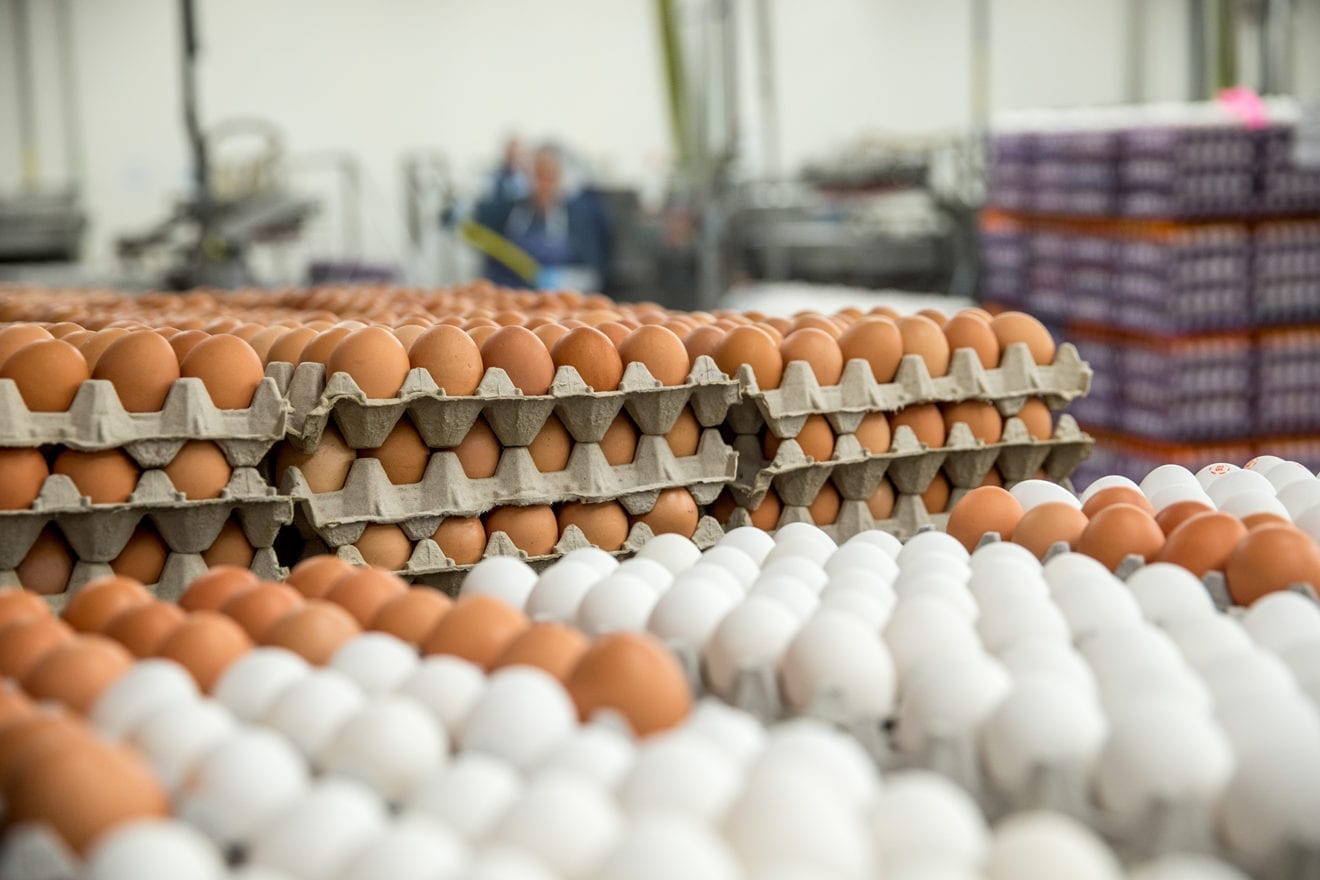
    Retail egg prices have dropped NT$3 per 600 grams, the Poultry Association of the Republic of China said on Monday, demanding that the government provide compensation for the “innocent” egg farmers.

    Deputy Director of the Council of Agriculture’s (COA) Livestock Department Wang Chung-shu (王忠恕) said that the COA is closely monitoring egg prices, and that if they were to drop out of a reasonable price range, the council will initiate measures to counteract the drop, for instance by making mass purchases, or by implementing strategic export controls.

    An egg containing more than twice the minimum allowable level of dioxin contamination was discovered at a retail store in Miaoli last week.

    Health authorities immediately sealed off three major egg farms that had supplied the retail shop, Ho-chen store (合成), over the past three months: Chun Yi (駿億), Hung Chang (鴻彰) and Tsai Yuan (財源).

    Approximately 6,785 kilograms of eggs wholesaled from the three farms have been confiscated so far.

    The Food and Drug Administration (FDA) discovered that aside from the three egg farms that were immediately sealed off in Changhua, a further six egg farms had supplied the retail shop in Miaoli, the administration’s Director General Wu Shou-mei (吳秀梅) said on Sunday.

    Investigators have begun a probe into the six egg farms, Wu said, but refused to reveal their names.

    Wu also defended the FDA on Sunday against a midstream egg wholesaler’s criticism that the administration’s decision to seal off the store before identifying the source of the contamination was “reckless, thoughtless, and even defamation.”

    Wu argued that the FDA acted in the public interest and to ensure public food safety, with all moves that were made following appropriate legal procedures.

    However, while the three major egg farms in Changhua have been sealed off for seven days starting last Friday, the six additional farms will not be sealed off because there are no official records showing that the they have supplied the Ho-chen retail store.

    Animal Feed in Question

    The FDA, the COA and the Environmental Protection Administration launched a joint investigation into the source of the dioxin contamination last week, the results of which should be available by this Friday.

    While authorities have yet to rule out water and air as possible causes of the pollution, animal feed has been widely considered as the most likely source of the contamination.

    According to Wang Chung-shu, the council collected samples from eight animal feed manufacturers used by the nine egg farms in question on Monday.

    Wang added that there are currently no laws limiting the legal amount of dioxin residue in animal feed and that the council will discuss establishing such regulations.


  • Indo and India see strong growth in processed food retail

    Indo and India see strong growth in processed food retail

    Global innovation within the processed meat, poultry and fish categories has increased over the years and many markets with the highest growth potential are from the Asia Pacific region. New research from global market intelligence agency Mintel reveals that Asia is home to the world’s fastest growing retail markets for processed meat, poultry and fish, with Indonesia and India playing key roles across these categories.

    Indonesia is currently among the fastest growing processed meat and poultry markets globally with a CAGR of 26.7% between 2011 and 2015, followed by India* (22%), Vietnam (15.5%), China (13.9%), and Brazil (10.9%). Mintel estimates Indonesia’s processed meat and poultry market reached a value of IDR 16 trillion in 2016**, while India is estimated to have reached a value of INR 11 billion. Vietnam, China and Brazil have estimated retail values of VND 10 trillion, CNY 275 billion, and BRL 12 billion, respectively.

    Meanwhile, India* is one of the fastest growing retail markets for processed fish and seafood globally, growing at a CAGR of 24.9% between 2011 and 2015, while Indonesia has seen a CAGR of 19.5%, with Turkey (11.8%), South Africa (11.2%) and Russia (10.8%) rounding out the top five growth markets. In 2016**, Mintel estimates India’s processed fish and seafood market reached a value of INR 2,422 million, while Indonesia is estimated to have hit IDR 32 trillion, Turkey TRY 372 million, South Africa ZAR 3 billion and Russia RUB 148 billion.

    In the five years between 2011 and 2015, Thailand also experienced a positive CAGR of 9.4% for the processed fish and seafood market and a CAGR of 7.5% for the processed meat and poultry market. In terms of retail market value for 2016**, Thailand’s processed fish and seafood market is estimated to have reached THB 65 billion and its processed meat and poultry market, THB 60 billion.

    Driven by a surge in innovation activity, the global processed meat, poultry and fish markets saw an 18% increase in product launches in 2016, compared to 2014, according to Mintel Global New Products Database (GNPD). In 2016, Asia Pacific was the second most active region globally in terms of processed meat, poultry and fish new product development (NPD), accounting for 24% of processed meat, poultry and fish product innovations, led by China, Thailand, South Korea, Vietnam and the Philippines.

    Patty Johnson, global food and drink analyst at Mintel, said: “The need for convenience is the key driver behind Asia’s growing processed meat, poultry and fish retail markets in Indonesia, Thailand and India. Demand for processed and ready-to-eat foods, particularly frozen foods, is growing across Asia as increasingly time-pressed consumers have embraced the convenience of the freezer and of microwave cooking. Aligned with consumer interest in the region, processed meat, poultry and fish product innovation in 2016 saw strong focus on convenience claims, such as ease of use and microwaveable.”

    Indeed, according to a consumer study*** conducted by Mintel, over two in five (43%) metro Indonesians and 39% of metro Thais aged 18 and over tend to shop closer to home or work due to a lack of time. Furthermore, over one in four (28%) consumers in Indonesia prefer to buy smaller, bite sized or convenient packs as they can eat these anytime, anywhere, rising to over one in three (37%) Indonesians that fall within the monthly household income bracket of IDR 15,000,000 and above. In Thailand, as many as one in five (22%) consumers prefer to buy smaller, bite sized or convenient packs for the same reason.

  • Yellow Cab Pizza Vietnam to open in suburb district

    Yellow Cab Pizza Vietnam to open in suburb district

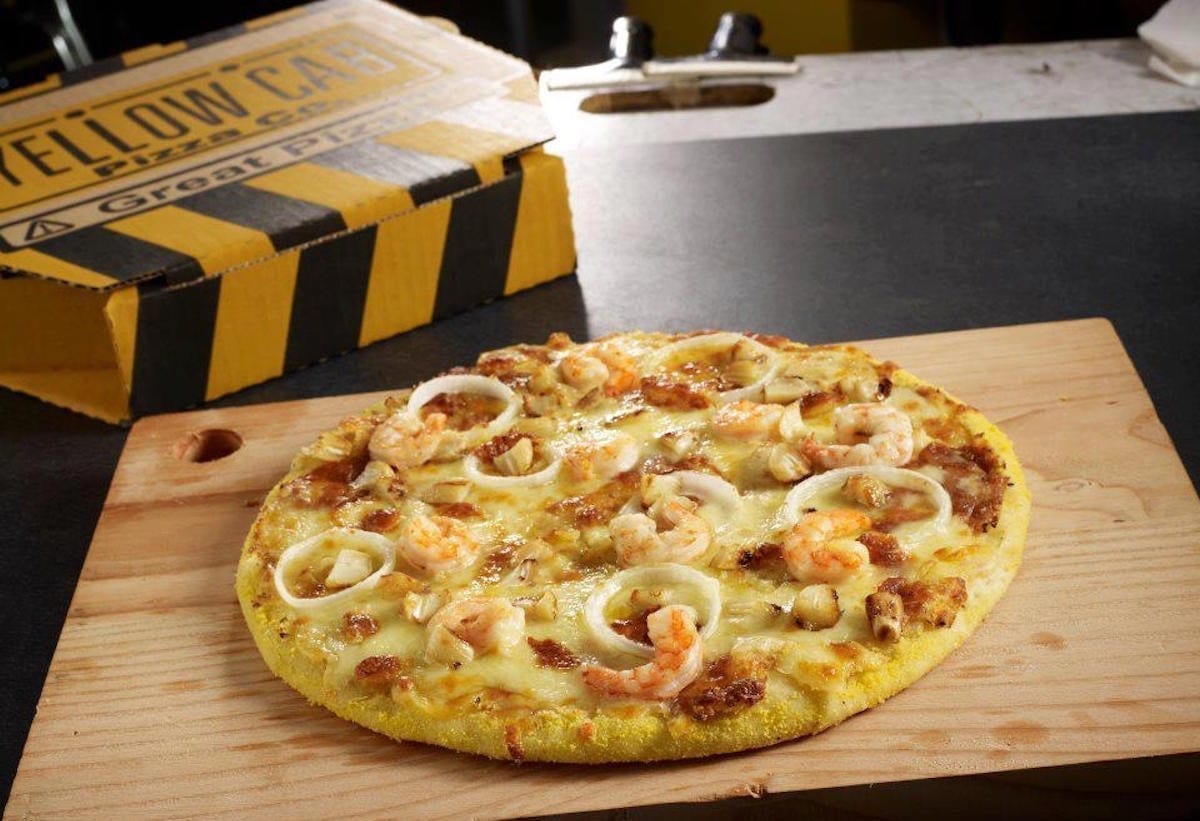
    The Philippines’ Yellow Cab Pizza is about to open its first restaurant in Vietnam.

    The chain, owned by Max’s Group, which is rolling out franchised eateries across Southeast Asia, will launch in Ho Chi Minh City.

    But instead of debuting in the CBD suburb, District 1, as most international brands have traditionally done, Yellow Cab Vietnam has chosen the suburban area of Hau Giang street in District 6.

    Yellow Cab Vietnam

    Rapidly rising retail rents in District 1 are the most likely reason for the location chosen. While it is attractive to open the first store in District 1, the rent is now likely to cost as much as four times that of neighbouring districts.

    Good locations are becoming increasingly rare with so many international and local brands competing for the same space. However, it is expected that Yellow Cab will open in the CBD once it has tested its model and offer on Vietnamese consumers.

    “When F&B chains enter Vietnam, they will enter with multiple unit commitment, so eventually they must have stores outside of District 1,” commented Sean Ngo, CEO of VF Franchise Consulting.

    He said in District 6, there would be less competition from similar products and services in these non-central districts, and providing brands like Yellow Cab more opportunities in their early days in the city.

    Yellow Cab Vietnam will open 12 stores in the country within five years under a partnership between Max’s Group and Blue Star Food Vietnam.

  • Vietnam in gradual shift to exporting more roast and ground coffee

    Vietnam in gradual shift to exporting more roast and ground coffee

    A decade ago most of the country’s coffee exports were semi-processed beans. The TNI King Coffee Factory that recently opened in Vietnam’s southern province of Binh Duong is the latest player to join the race to ship more finished coffee products from the world’s second-biggest producer.

    With an investment of $15 million, the factory aims to produce 9,000 tons of roast and ground coffee and nearly 20,000 tons of instant coffee annually for export, according to Le Hoang Diep Thao, director of TNI Corporation and the co-founder of Trung Nguyen Coffee. She has also helped build five plants for Trung Nguyen, one of Vietnam’s biggest coffee makers.

    TNI Corporation, which has recently gained a foothold in China’s online market for instant coffee and plans to start distribution through a supermarket chain there, did not give the size of its annual green bean demand for the new factory.

    But to reach the targeted annual output, the Binh Duong-based facility will need at least 13,000 tons of green beans for roast and ground coffee and another 50,000 tons for the instant variety, according to a Vietnamese coffee expert at a European firm based in Ho Chi Minh City.

    TNI’s factory will have to compete with 200 plants already in operation or which will be going into operation this year and the next, before the government puts a stop to new coffee processing plants in 2020 to ensure quality.

    In December 2016, India’s Tata Coffee said it will set up a freeze dried coffee plant in Vietnam to expand its market. In mid-January 2017, Tin Nghia Coffee Co began construction of a $28 million instant coffee plant in the southern province of Dong Nai, which is slated to open in early 2018.

    Demand for raw materials from the new plants will eat into exportable green bean stocks in Vietnam, the world’s largest exporter of semi-processed robusta beans, which has seen a smaller harvest this season due to adverse weather.

    “Demand is rising about 10 percent a year, and with a higher ratio of bad-quality beans from the last harvest due to bad weather, Vietnam may face shortages in the third quarter,” said the expert, who declined to be identified by name, referring to the three-month period starting this July.

    Top exporter Intimex expects the supply crunch to emerge in May or June, citing Vietnam’s fast export pace in the first months of 2017.

    Smaller harvest

    Vietnam’s 2016/2017 output has dropped 8 percent to an estimated 26.7 million bags (1.6 million tons) due to high temperatures and dry conditions brought by El Nino, the U.S. Department of Agriculture (USDA) said in its December 2016 report. One bag contains 60 kilograms of beans.

    Green coffee bean shipments are forecast to drop 13 percent from the previous 2015/2016 season to 23.5 million bags due to smaller output and more beans being used for domestic consumption or processed for export, the USDA said in its latest report.

    As such, green beans accounted for 90 percent of Vietnam’s total export volume, while roast and ground beans and instant coffee – or finished products – made up the rest. Vietnam’s crop year lasts from October through September.

    The forecasts mark a slow change to the country’s coffee export structure. Five years ago, finished products made up only 2 percent of Vietnam’s coffee shipments, the government said.

    Exports of roast and ground beans in the current 2016/2017 season are projected at 550,000 bags, unchanged from 2015/2016, but above the 457,000 bags shipped in the 2014/2015 season, based on the USDA report. The forecast volume represents 2 percent of Vietnam’s total projected shipments.

    The USDA also forecasts instant coffee exports to remain steady at 2 million bags, which shows a surge of 56 percent from the 2014/2015 season, while it said domestic consumption of roast and ground coffee would rise nearly 10 percent from the previous season to 2.5 million bags.

    Consumption of green beans in Vietnam is estimated at 2.87 million bags, up 9 percent from a year earlier, the USDA said.

    Vietnam does not publish breakdowns for its coffee exports.

    The Vietnamese government has plans to raise the output of roast, ground coffee and instant coffee to 25 percent of total output by 2020, while the output of instant coffee alone will increase to 5.83 million bags by 2030 from the 255,000 tons targeted for 2020.

  • Pernod Ricard brands release GTR exclusives

    Pernod Ricard brands release GTR exclusives

    Following the release of Chivas Regal 18 Ultimate Cask Collection First Fill American Oak Finish in October 2015, Chivas Regal is introducing the collection’s second limited edition expression, exclusive to travel retail. The Chivas Regal 18 Ultimate Cask Collection First Fill French Oak Finish is an intense re-interpretation of the  Chivas Regal 18 Year Old, and a new blend in the Chivas Regal range.

    To create the limited edition – the second in a series of three – the blending team selected first fill French oak casks in which to finish Chivas Regal 18 Year Old. Hand-crafted by master coopers in the Limousin region of France, the casks are only used solely to mature spirits.

    Chivas Regal 18 Ultimate Cask Collection First Fill French Oak Finish pays tribute to French luxury with a new box designed in textured paper of a deep navy blue colour and featuring a matte silver bow-tie shaped label distinct to Chivas Regal.

    To mark the launch, Pernod Ricard Travel Retail EMEA is creating in-airport experiences throughout May 2017, including merchandising in Dubai International Airport Concourse B and offering travellers the opportunity to take part in tastings of the blend at a specially created bar in London Heathrow Airport Terminal 4.

    The Glenlivet has released three Single Cask limited editions which will be exclusive to travel retail: The Glenlivet Fore Burn Single Cask, The Glenlivet Watercairn Single Cask and The Glenlivet Tarland Single Cask.

    The Glenlivet Fore Burn Single Cask is a 19 year old whisky. The Glenlivet Watercairn Single Cask is aged for 18 years in American bourbon casks, while The Glenlivet Tarland Single Cask is bottled at cask strength.

    To mark the launch, Pernod Ricard Travel Retail Asia Pacific is activating in airports in single malt hubs across Asia. Until the end of April 2017, travellers to Taoyuan International Airport have the opportunity to be in a distillery themed pop-up space and learn about The Glenlivet Fore Burn Single Cask through comparative tastings with travel exclusive range The Glenlivet Master Distiller’s Reserve. Upon purchase of The Glenlivet Fore Burn Single Cask, customers will receive a personalised luxe leather neck tag featuring their initials.

    At Hong Kong International Airport, travellers can participate in tastings to discover The Glenlivet Watercairn Single Cask throughout April 2017. This is coupled with further activity at Singapore Changi Airport; visitors will be treated to sensorial tastings of The Glenlivet Tarland Single Cask from May to June 2017 and have the opportunity to visit The Glenlivet bar in Terminal 2 to experience the full flavour profiles of single malt whiskies.

  • Ricola uses consumer insights to revamp travel retail range

    Ricola uses consumer insights to revamp travel retail range

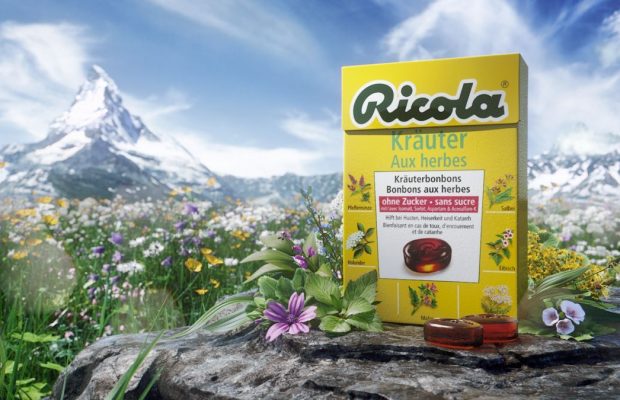
    Swiss herb confectionery specialist Ricola is redefining its travel retail portfolio of herb drops following research carried out by m1nd-set in Frankfurt and Hong Kong airports.

    The findings, along with new travel retail-exclusive lines, will be revealed at next month’s TFWA Asia Pacific Exhibition & Conference in Singapore (Basement 2, H6).

    The full new product line-up will be launched at the 2017 TFWA World Exhibition in Cannes in October.

    Ricola Head of Travel Retail and Middle East Andreas Reckart said: “Interestingly, we found that at both Hong Kong and Frankfurt airports the majority of candy purchases were for self, with mouth refreshment and/or breath freshening a key driver.”m1nd-set research considered key drivers of candy sales, the perception of Ricola as a brand and the perceived benefits of its herb drop range.

    When purchasing, consumers considered taste and self-treat along with other factors including soothing a sore throat and the need for healthy and sugar-free products. The research indicated that pocket-size boxes or tins could prompt purchases; price was not a consideration.

    “In both airports the brand scored highly as being of high quality, a trusted brand from Switzerland, with soothing and refreshing benefits,” Reckart said.

    Ricola’s new SKUs have prompted the development of smaller, travel retail-exclusive packaging which maintains premium pricing but is competitive compared to domestic markets, the company stated.

    “Ricola has a global reputation as the world’s leading supplier of premium herb drops but this does not automatically translate into travel retail success,” noted Reckart. “Now that we clearly understand the reasons for purchase – primarily for self rather than for gifting – it puts a completely new perspective on how we present, package and merchandise Ricola.”The new products will be phased in over the summer period with further lines added over the next year. They include 75g tins in three designs, developed as checkout items for individual consumption. The tins contain unwrapped 2.5g sugar-free herb drops in three flavours: Original Herb, LemonMint and Cranberry.

    A 125g doypack of wrapped 3.6g sugar-free herb drops is designed as a shelf item for individual consumption. Flavours include Original Herb, LemonMint, and Eucalyptus.

    Reckart commented: “We now have a clear vision and strategy for travel retail, a clear purpose and positioning within travel retail as the ‘Herbal Travel Essential’ to combat the problems associated with travel: dry cabin air, lack of water, mouth freshness/breath and change of climate.

    “Our aim is to position Ricola as a truly global yet unique brand in the global travel retail business with distribution through the top ten retailers globally.

    “We are looking at supporting the new range with strong branding, merchandising and promotion to secure personalised space in the top ten international airports. While Europe remains an important market for travel retail, our focus is on further developing our travel retail and domestic business outside our European stronghold.”