Category: Food

Retail News Asia is committed to providing both local and global retailers with the latest Food and Food & Beverage news throughout the Asian market. This on a daily base.

  • Foreign cafes’ struggle in Vietnam

    Foreign cafes’ struggle in Vietnam

    Australian-owned Gloria Jean’s Coffees recently decided to close its last store in Vietnam, ending a 10-year stint in Hồ Chí Minh City and Hà Nội due to slow expansion, high rents and an unsuitable business model.

    Gloria Jean’s Coffees arrived in the country in 2006 after a local firm signed a franchise contract with it expecting the business would develop well like it did in Thailand and Malaysia.

    This was based on the fact that the chain served Arabica coffee, a relative novelty in Việt Nam where the robusta bean rules.

    Việt Nam, the world’s number two coffee producer after Brazil, is known to have one of the fastest growing coffee retail markets, along with Indonesia, Turkey and India.

    However, the Australian coffeehouse chain was only able to open six outlets in Hồ Chí Minh and one in Hà Nội in the first six years.

    Nguyễn Phi Vân, the first franchisee of Gloria Jean’s Coffee in Việt Nam, told that the demise was due to the adoption of a business model that had been developed in Australia for the local and regional markets.

    Later on, even after Gloria Jean’s Coffees International allowed its franchise in Việt Nam to make some changes to its products to adapt to local people’s tastes, the going remained really tough due to many reasons including fiercer competition from both foreign and domestic rivals like Starbucks, The Coffee House, Phúc Long, Urban Station, and Trung Nguyên.

    Gloria Jean’s Coffees is not the only foreign cafe whose business has failed in Việt Nam.

    Last year New York Dessert Café (NYDC) said goodbye to its customers in Việt Nam via its Facebook page, promising to “return someday.”

    Brought to Việt Nam in 2009 by a Singapore Group, NYDC used to be one of the most popular foreign coffee chains in HCM City. It had expected to open 20 outlets in Việt Nam.

    What when wrong for the foreign cafés?

    Many coffee industry insiders said in the food and drink sector, the coffee area in particular, it is not easy for foreign players in Việt Nam even if when they have famous brands.

    Some foreign coffee chains serve normal customers in their native countries but only affluent ones in Việt Nam.

    Because of this they often choose prime locations in major cities for their shops, meaning very high rents and skyrocketing overheads.

    Not surprisingly, their prices are often two or three times the prices at local cafes.

    The attractiveness of foreign coffee products is also affected by their localisation: some beverages are made under foreign formulas but with domestic materials, meaning they do not seem “authentic” and put off foreign customers in Việt Nam.

    However, locals too do not enjoy coffee made using foreign formulas and prefer local cafes.

    The increasingly fiercer competition is another important factor contributing to the foreign coffee chains’ failure.

    Market observers pointed to the increasing dominance of affordable local coffee chains like Passio Coffee, The Coffee House, Phúc Long, Highlands Coffee, Urban Station, and Trung Nguyên.

    These have also intensified investment in design and décor to give foreign cafes a run for their money in terms of looks.

    Besides, customers there can get comfort foods that foreign cafes do not have such as phở (phở), bún (vermicelli soup), bread, hủ tiếu (rice noodle soup), and rice.

    But according to analysts, international coffee brands continue to be interested in the Vietnamese market.

    US chain PJ’s Coffee opened its first outlet in HCM City recently and a second within two months. It hopes to have at least 10 additional stores in the next five years.

    A spokesperson for TRG International, the franchisee of PJ’s in Việt Nam, said each shop would be different and are based on lessons from the former.

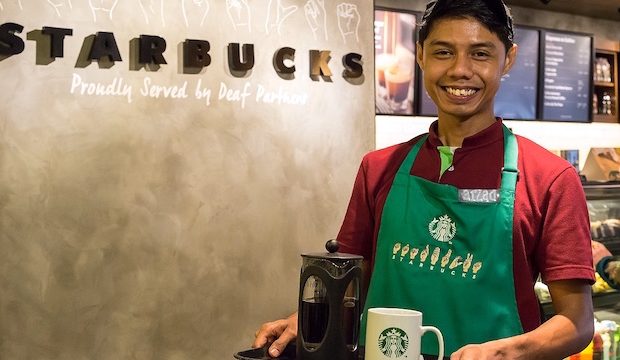
    This is also seen at Starbucks, where each shop has its own style with a specific group of customers in mind.

    Banks await debt trading market

    Banks’ bad debts now seem to be lower than in previous years. But the total amount remains high, affecting the lenders’ business as well as their goal of reducing interest rates.

    An analyst at a securities company said that as of March 31 Sacombank had the highest bad debts rate, an estimated 4.89 per cent, followed by Eximbank with 3 per cent, BIDV with 2.14 per cent, and MB with 1.35 per cent.

    Data from the State Bank of Việt Nam (SBV) indicates that the banking sector’s bad debt rate as reflected in balance sheets is under 3 per cent.

    Some banks may however have significant amounts of off-balance sheet assets and liabilities.

    In December 2016 the bad debts reported in balance sheets, bad debts managed by the Việt Nam Asset Management Company (VAMC), and latent bad debts was around 8.86 per cent of total outstanding loans, according to the SBV data.

    The VAMC’s handling of bad debts is too slow, according to banks and many of them are looking for ways to buy back the bad debts they had earlier sold to it, hoping to settle them by themselves.

    Some of them even plan to trade bad debts.

    At shareholders meeting this year, the bosses of many lenders like VIB, OCB, VietinBank, Techcombank, MB, SCB, ACB and VPBank proposed plans to buy back most of their bad debts from the VAMC.

    Vietcombank has already bought back all its bad debts totally worth VNĐ4.3 trillion (US$184.43 million).

    Analysts said the reason for this is that sooner or later the Government would force the banks to put all their bad debts in the balance sheet instead of allowing some to be off it.

    So buying back the bad debts from the VAMC makes sense since they can keep it all in one place to make things less unwieldy.

    So why did they not take this route in the first place instead of selling to the VAMC?

    The chief of a bank admitted that the VAMC had come to the rescue of the banks in their darkest hour.

    Analysts said thanks to consigning their bad debts to the VAMC for a few years, the banks have had the time and conditions to recover enough to handle their bad debts by themselves.

    Besides, most lenders had expected the VAMC to miraculously fix their bad debts, and this had not happened, they said.

    But not all banks are capable of buying back their bad debts, only those that have low bad debt rates of under 1.5 per cent and abundant resources.

    Some also plan to participate in the debt selling and buying market.

    At its recent shareholders meeting, Vietcombank tabled a proposal to set up a debt selling and buying company for approval.

    Last week the bank got a licence from the SBV for debt trading.

    VIB shareholders also approved a plan to buy debts estimated at VNĐ6 trillion (US$264.32 trillion) from credit institutions.

    Market observers see a trend, saying many banks are keenly awaiting a debt market, which is expected to take shape soon.

    Another encouraging sign for banks is that their bad debts are becoming attractive to investors since more than 70 per cent have properties as collateral and the real estate market is recovering strongly.

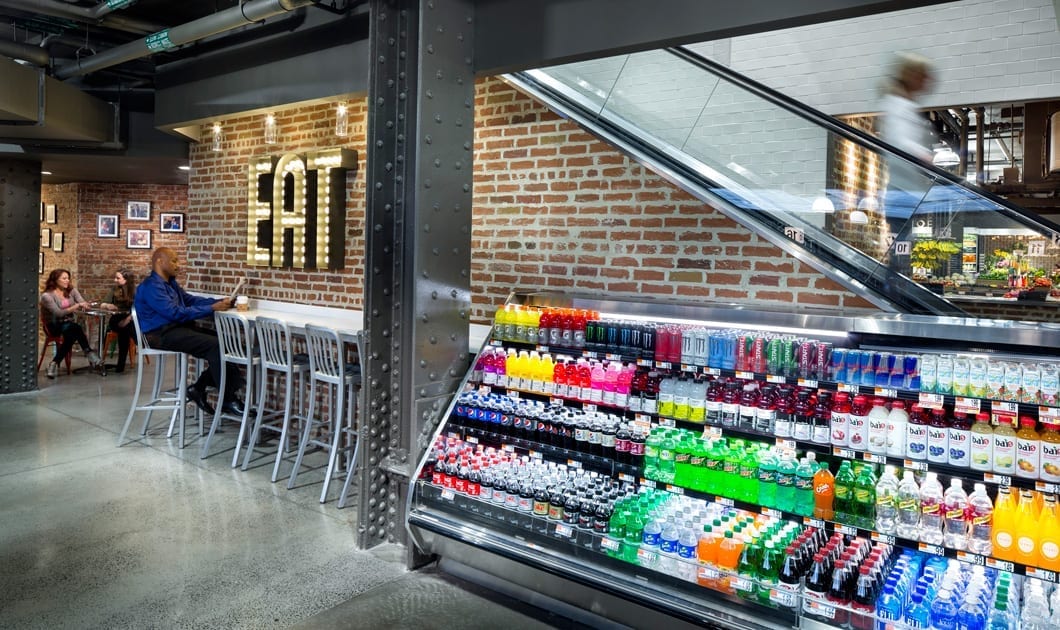
  • Eat-in supermarkets catching on in Japan

    Eat-in supermarkets catching on in Japan

    Japanese retail group Aeon will expand dining areas at its domestic stores, aiming to capture demand from the growing ranks of seniors and dual-income families wanting to spend as little time as possible on household chores.

    Within three years, group unit Aeon Retail plans to double to around 150 its stores with spaces seating at least 50. Most of its 360 locations stores already have dining spaces, but only for 20 to 30 people.

    The plan is to create the roomy spaces at 30 or so locations each year as stores undergo renovation. Dedicated registers may be set up so that customers need not wait in the same lines as grocery shoppers. Such new items as pizzas baked to order and make-your-own salads will be gradually introduced.

    Yaoko, a supermarket operator in the greater Tokyo area, has renovated a flagship store in Kawagoe, northwest of the Japanese capital. It serves freshly made meals there for eating in-store, such as a 680 yen ($6) bowl of seafood over rice with eight toppings.

    Yokohama-based discount retailer OK runs a food court at one of its stores that serves dishes made from such supermarket-section ingredients as rice, eggs and beef.

    Supermarkets sell prepared foods at lower prices than convenience stores and restaurants. Eating on the premises spares customers from dealing with the resulting trash at home. Retailers hope to leverage these benefits to pull in more shoppers. Since foods prepared on-site carry higher margins than processed foods from manufacturers, in-store eating is seen buoying earnings as well.

    In the U.S., such major retailers as Whole Foods Market have “grocerant” — a portmanteau of “grocery” and “restaurant” — dining areas offering prepared foods for purchase by weight. These are drawing attention as a new way to lure customers. The market for prepared foods from grocers has been estimated at $10 billion a year.

  • Habeco targets 9 per cent increase in revenue

    Habeco targets 9 per cent increase in revenue

    Hà Nội Beer Alcohol and Beverage Joint Stock Corporation (Habeco) targets total revenue of over VNĐ8.8 trillion (US$390 million) in 2017, up 9.1 per cent year-on-year.

    The brewer plans to earn pre-tax profit of VNĐ1 trillion this year, up slightly from 2016, and dividends are projected at 20 per cent.

    The company’s revenue in 2016 grew by 8 per cent to reach VNĐ8.1 trillion. Pre-tax profit reached VNĐ997.3 billion, up 0.6 per cent year-on-year.

    With this result, the dividend rate was adjusted upwards to 18 per cent, equivalent to VNĐ417 billion. The company paid 10 per cent dividend in 2015.

    The Ministry of Industry and Trade (MOIT), Habeco’s biggest stakeholder with 81.79 per cent capital, is expected to collect VNĐ341 billion.

    At its 2017 annual general meeting of shareholders held last week, two members of the board of directors were dismissed, including Nguyễn Thị Nga representing the Ministry of Industry and Trade and Tayfun Uner, CEO of Carlsberg Việt Nam, which currently holds a 17.08 percent stake of Habeco.

    Đỗ Xuân Hạ was appointed to replace Nguyễn Thị Nga from May 11 until the Ministry of Industry and Trade has made a decision on personnel.

    Habeco only elected one new member to the board, namely Soren Ravn, Business Development Manager of the Carlsberg Group. With this change, Habeco temporarily has just four board members.

    Headquartered in Hà Nội, Habeco is the largest beer producer in the North and the third-largest beer company in Việt Nam, with popular brands such as Hà Nội Beer and Trúc Bạch Beer. It owns 17 subsidiaries and nine affiliated companies.

  • Dairy Farm Singapore puts out unified POS terminals

    Dairy Farm Singapore puts out unified POS terminals

    Dairy Farm Singapore Group (DFSG) has confirmed it is deploying 2,000 new unified point of sales (POS) terminals across all Cold Storage, Market Place, Jasons, Giant, 7-Eleven and Guardian stores island-wide. Over 650 stores are expected to receive the new terminals in 2017.

    The new POS terminals will be deployed at its Cold Storage, Market Place, Jasons, Giant, 7-Eleven and Guardian Health and Beauty stores.

    While the company positions the investment as giving shoppers greater payment convenience, the project will net the group a reduction of 20%-30% (or 9-11 seconds) in the time required at checkout counters. It will also improve productivity with savings of 106 hours a day for all the stores.

    The collaboration between DFSG, NETS and UOB is in line with the Singapore Government’s Smart Nation initiative to leverage innovative technology in enabling the use of cashless payment in Singapore. It will accelerate the retail sector’s transition from using paper-based instruments to adopting electronic platforms that promote interoperability, efficiency and security, and offers a ubiquitous user experience that cuts across market segments and demographics. Implementing Unified POS solution is part of this vision as it is swift, simple, secure and accessible to all and accepted by all.

    In addition to credit and debit cards, the Unified POS system will support NETS, NETS FlashPay, Apple Pay, Android Pay, Samsung Pay, UOB Mighty Pay, and EZ-Link. DFSG’s co-brand card – the UOB Delight card – as well as its Tap For More loyalty programme via the PAssion card have also been integrated into the system.

    Dairy Farm Singapore finance director Tom van der Lee says “The implementation of the Unified POS system significantly simplifies and shortens the payment process for our customers.  It also has the added benefit of improving efficiency which means that cashiers now have more time to focus on what is truly important – serving our customers.”

  • Philippines likely to import more rice from Vietnam

    Philippines likely to import more rice from Vietnam

    The Philippines is likely to import an additional 250,000 tonnes of rice from Vietnam and Thailand. The Philippines government on Tuesday said the country would import more rice to boost its stocks ahead of the lean harvest season.

    The National Food Authority Council did not specify the quantity, but demand from the Philippines, one of the world’s largest rice importers, could underpin prices in Thailand and Vietnam — its main suppliers and major exporters.

    The National Food Authority had been seeking the council’s approval to import 250,000 tonnes under government-to-government schemes with Vietnam and Thailand. The committee that decides on the quantity to be imported will meet on Thursday.

    The NFA also announced it would shift from government-to-government importation to government-to-private importation to make the bidding more competitive, transparent and less corrupt.

    Rice inventory in the Philippines is running low, with government stockpiles shrinking to the least in more than three years in April, just enough to cover 10 days of the national requirement.

  • China’s Yili to acquire American yogurt brand for US$850 million

    China’s Yili to acquire American yogurt brand for US$850 million

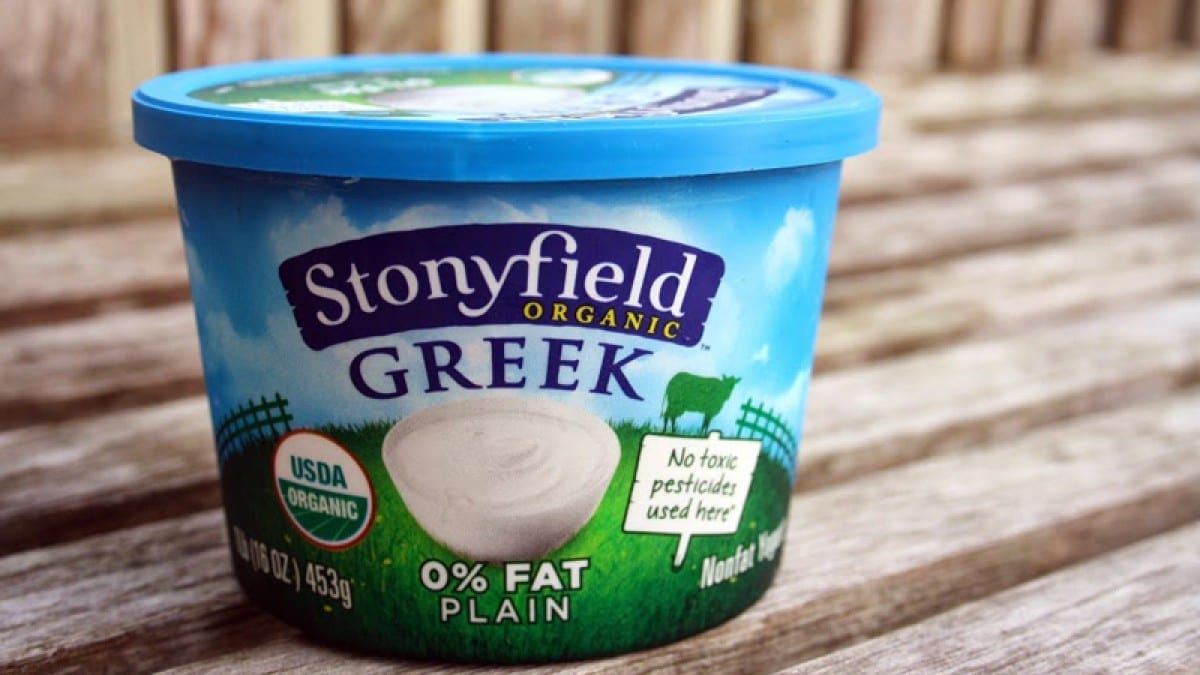
    Chinese dairy company Yili is bidding to buy Stonyfield, one of the top organic yogurt manufacturers in the U.S. and a holding subsidiary of the French dairy giant Danone.

    Stonyfield was founded in 1983 and Danone started purchasing Stonyfield shares from 2001 and gradually controlled the company. In 2016, Stonyfield’s turnover was about US$370 million and its net profit was US$50 million.

    On March 31, 2017, Danone said that to accelerate its acquisition of WhiteWave, an American dairy and organic food maker, the company would sell its American subsidiary Stonyfield. This is a part of the antitrust agreement reached between Danone and U.S. Department of Justice in order to complete the WhiteWave acquisition. On April 13, 2017, Danone announced the completion of the WhiteWave acquisition.

    Yili reportedly offered to buy Stonyfield for US$850 million. Yili’s competitors include American local dairy maker Dean Foods.

  • Yum China buys Chinese food delivery company

    Yum China buys Chinese food delivery company

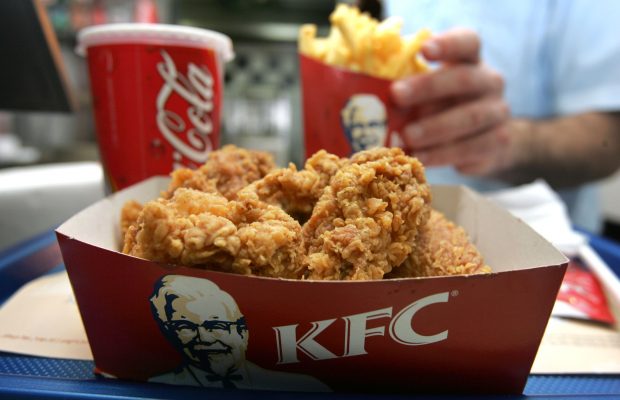
    Yum China is betting that more consumers will continue to order Pizza Hut and KFC food via their smartphones for speedy delivery to their homes and work.

    Yum China Holdings Inc is buying a controlling interest in online food delivery company Daojia.com.cn for an undisclosed sum.

    Founded in 2010, Daojia.com.cn is an online food delivery service provider focused on higher-end orders in major cities in China, including Beijing, Shanghai, Shenzhen and Guangzhou. It also operates food delivery service Sherpa’s, and has partnered with over 6,000 brands and restaurants, providing services for over one million family customers.

    China Money Network reports that Daojia.com.cn previously raised a US$2 million series A round from Morningside Venture Capital in 2010. It secured a US$7.5 million series B round from CDH Investments in 2011, and completed a US$10 million series C round led by JD.com Inc and Morningside in 2013.

    In 2014, the company received a US$50 million series D round led by JD.com and Macquarie Group, according to its website.

  • Burger King GM talks Myanmar expansion plans

    Burger King GM talks Myanmar expansion plans

    Biting into a Burger King in Myanmar for now requires a passport, with the country’s only restaurant located past customs at Yangon International Airport. But franchise operator Minor Food Group is hoping local appetite will merit many more outlets.

    Thai firm Minor Food Group (MFG) opened Myanmar’s first Burger King in Terminal 1 on July 1 – with very little fanfare. There was no press release, no ceremony.

    By comparison, rival fast-food giant KFC opened its first Myanmar branch almost exactly a year earlier, inviting a host of local media and offering free food. Local KFC franchise holder Yoma Strategic also started its operations with a clear plan to open several outlets, first in Yangon and then across Myanmar. The group says it is on track to have 12 KFC restaurants open by March next year.

    MFG, however, only sought approval from the US Burger King company for a single outlet in Yangon International Airport, Prapat Siangjan, the firm’s general manager for Burger King Thailand, said.

    The firm has specialised in running Burger Kings in airports – it started its Thai operations with restaurants at Suvarnabhumi Airport, and its first expansion outside of Thailand was into airports in the Maldives, he said.

    Myanmar’s new international airport Terminal 1 and anticipated tourist growth prompted MFG’s decision to make the country its second overseas location, he added.

    The lack of publicity was down to two factors. Firstly, when the outlet opened in July not all Terminal 1 operations were online, said Mr Siangjan. Only two carriers were using the new space, although more have since moved in. MFG is also entering a new market and wants to make sure its operations are running smoothly and service standards are up to scratch before the official launch, he added.

    A PR announcement and opening in expected due course, he said.

    Mr Siangjan hopes MFG will be able to open many more outlets outside of the airport. But expansion will depend partly on how well the initial branch does, which will help MFG gauge demand. It is likely to be at least a year before the firm decides to expand, he added.

    One issue with the initial location is that many of the customers are likely to be departing tourists, which Mr Siangjan admitted could make it hard to assess local appetite. The prices at the airport outlet – which are denominated in dollars – have also raised eyebrows, with a standard value whopper meal going for US$8.50.

    One potential plan is to open a second Burger King at the domestic terminal next door, which would have prices in kyat and cater more to locals, but negotiations for a second outlet are at a very early stage, he said.

    Applying for permission for the first airport outlet was relatively smooth, he said. MFG applied towards the end of 2015, and received the green light early this year. The Thai firm runs the Yangon airport Burger King without a local joint venture partner, he added.

    Mr Siangjan could not comment on whether the approvals process would be any different for opening an outlet outside of an airport.

    Keeping an eye on the new Myanmar operations should be straightforward, as Yangon is closer to MFG’s head office than some of the outlets it operates in Thai provinces, he said.

    But MFG is not guaranteed to remain the only franchisee authorised to operate Burger King in Myanmar, and Mr Siangjan said MFG has to keep in close contact with Burger King headquarters to make sure they know if a competitor arrives.

  • Starbucks gets boost in China with Wechat partnership

    Starbucks gets boost in China with Wechat partnership

    CEO of Starbucks China, Belinda Wong hailed last week the success seen in the company’s China business after teaming up with social media and payment platform WeChat.

    “Partner and customer enthusiasm for the Starbucks brand and the momentum in Starbucks China business have never been greater,” Wong said. “We saw growth in all categories and dayparts. Beverage, food and digital innovation are laser-focused on operational excellence, and targeted brand investments are attracting new customers into our stores and bringing existing customers in more often.”

    Sales for China grew 7% in the first quarter of the year, following a strategic partnership with WeChat parent company Tencent, which was launched last December.

    “Following on that success, in February this year, we launched social gifting to unprecedented customer demand, partner excitement and social media interest. In only the first seven weeks after launch, over 1.2 million gifts were sent and over half have been redeemed by recipients in our stores.”

    China is the company’s second biggest and fastest growing international market.

  • Cashing in on Korean cuisine

    Cashing in on Korean cuisine

    Some 15 years ago, Malaysians were introduced to a Korean drama series that quickly became a global sensation. This iconic series opened the doors of K-drama to the world, and Malaysia is no stranger to it!

    Our love for all things Korean – food, fashion, beauty, drama, music and so on – quickly escalated into an undescribable passion even til today.

    Malaysia and the rest of East Asia were so enthralled by the Korean culture that many have sought to travel to South Korea for holidays, just to have the glimpse of experiencing the true lifestyle there.

    As per Korea Tourism Organization’s (KTO) statistics, for the first three months of 2017, Malaysian visitors reached a high of 71,215 individuals which was a rise by 14.4 per cent from 62,236 during the same period last year.

    This was up by a stark contrast of 272.4 per cent from only 19,122 during the same period back in 2003.

    It is only natural that after visiting and immersing themselves in the culture of South Korea, enthusiasts cannot forget the charm and benefits of Korean goods and services which may or may not be found in retail outlets in Malaysia.

    This was one of the points discovered by Malaysian online shopping website 11street. Through its recent ‘Shop The World’ campaign, 11street revealed some astonishing behaviours exemplified by Malaysian shoppers.

    “Firstly, Malaysians loved products from Korea, Taiwan and the US,” the online marketplace said in a statement last week. “Consequently, these three countries were also the most popular countries with the highest number of purchases.”

    ‘Malaysians Love Korean Food’

    Another study from 11street affirmed Malaysians’ love specifically for Korean food.

    “The insight we obtained from the market confirmed what we have known for a while now, that Malaysians love Korean food. It revealed that Malaysians often search for Korean food items such as ramyun, chigae, chimek and samgyupsal.

    “On top of that, we noted that a commonly recurring word among these searches on 11street is ‘spicy’, which goes to exemplify Malaysians’ love for spicy food,” said Bruce Lim, Vice President of Merchandising for 11street previously.

    “In fact, ‘heat’ is a common ground between Malaysian and Korean foods, which is why we at 11street have ramped up our spicy Korean food offerings on our platform, to enable our shoppers to find what they love.

    “Through this partnership with K Market, we also took this effort up a notch by introducing products that are halal so that our Muslim shoppers continue to shop with us at ease.”

    According to 11street, the sale of Korean food items on its platform has doubled since its inception in April 2015, with the 26 to 35 age group contributing on average 40 per cent of total Korean food sale in 2016.

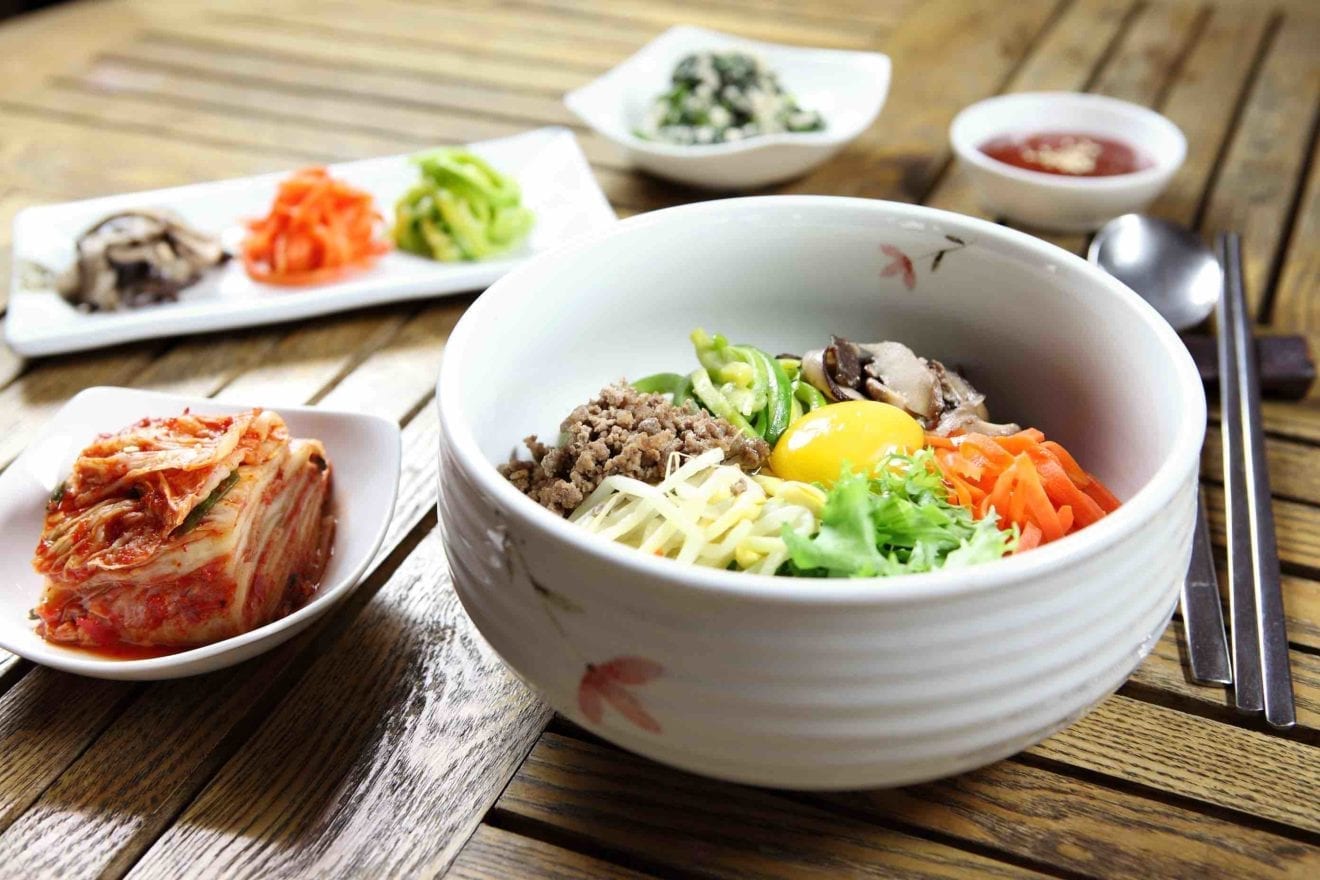
    Among the top five items often purchased from its platform are Pepero, a cookie stick dipped in chocolate; ramyun, also known as instant noodles; kimchi, a fermented Korean side dish made of vegetables; toppoki, a type of soft rice cake; and milkis, a popular carbonated beverage in South Korea.

    Other popular Korean food items that are highly sought after by 11street shoppers are banana milk, red pepper powder for kimchi making and healthy vinegar drink.

    With evidence pointing to the fact that the Korean culture trend is here to stay, BizHive Weekly takes a look at how the Korean cuisine industry fares locally in Kuching:

    Kuching Seoul Garden: An icon of Kuching’s Korean taste

    Ask “Where can we get Korean food in Kuching?” and many may first think of Kuching Seoul Garden (Seoul Garden) which has been operating for several years now.

    Proprietor Steven Lee knows a thing or two about bringing the influential Korean culture trend here to this city.

    Lee first ventured into the restaurant business here seven years ago with Seoul Garden at Central Park Commercial Centre, and initially started with just operating from the ground floor of a shoplot.

    Lee told BizHive Weekly the reason why he was so passionate to open a restaurant here – having had more than 10 years of experience in the restaurant business back in South Korea – was to expand Korea’s culture in other countries.

    “We try to bring a slice of Korean food and culture to Kuching by taking a family-oriented method to run the food and beverage business,” he said. This means taking the time to serve, assist and dine with customers akin to that of eating at home ith family.

    “The ground floor serves ala carte dishes, with an authentic menu list which kept growing and changing over the years to suit the evolving food trends.”

    Using very little monosodium glutamate (MSG) when preparing the dishes, Lee believed this to be one of the few reasons why Seoul Garden has a lot of regular Korean customers as they know that the food at his restaurant are authentic and healthier.

    Lee also affirmed that he sources his seasonings and sauces directly fom South Korea, lending to the authenticity of his dishes.

    “From when we started, these (seasonings and sauces) have gone up by some 40 per cent in prices, especially with the GST (goods and services tax),” he commented. “But we’ve never raised our food prices offered.”

    Authentically made

    In fact, Seoul Garden’s own kimchi stands out from its competitors as Lee adopts the traditional Korean style of making kimchi – which means a longer processing time for the salted and fermented vegetables.

    Additionally, instead of offering seven to eight side dishes for customers, Seoul Garden only serves five, including kimchi and fruits.

    This is because Lee observed that local customers are usually not able to finish the typical portion of seven to eight side dishes customary in Korean restaurants.

    At Seoul Garden, with the exception of kimchi which is a must at every meal, the side dishes will change daily so that regular customers will not feel bored eating the same thing everyday.

    Lee usually tries to change up or add new dishes on the Seoul Garden menu in the middle of the year, as that is the time when they are not too busy and can start becoming creative and designing new dishes according to the latest trend.

    Recently, Kuching Seoul Garden launched a few new dishes incorporating melted cheese which are eaten with the main dish such as stir fried squid or grilled chicken pieces.

    He explained that this is the new trend as he noticed that young people generally like to eat food with cheese. This trend is apparently very common in Singapore and Korea, he observed.

    Changing business model

    Two and a half years ago, Lee decided to branch out into the buffet business model with the addition of a second floor dedicated to meat barbeque (BBQ) steamboat buffet.

    With this buffet, Lee opined that it is a much more straightforward business model given that customers need only pay for a fixed price to have unlimited access to all types of meat, seafood, fruits, drinks and ice cream.

    For the restaurant’s side, staff will only need to prepare the ingredients as the customers themselves will do the cooking.

    “It is more fun,” he said, “as families, or even friends and couples can sit down to a meal together, cook and enjoy each other’s company. They can also adjust the seasonings to their liking.”

    While he does hope to expand and open more halal and non-halal meat BBQ steamboat buffets throughout Sarawak, Lee has reservations in opening more of his ala carte style restaurants in other cities.

    This is because of the extensive menu they have at the ala carte restaurant which will require too much time training and it will also be difficult to maintain the quality and taste of the foods.

    When asked on future potential growth, Lee said he is now looking for potential investors or joint venture partners to consider opening up a halal version of his buffet restaurant to cater to the Muslim market.

    Lee Korean Fried Chicken a new franchise venture

    Recently, Lee has further expanded into Kuching’s first Korean fried chicken restaurant business, a popular Korean cuisine and concept back home.

    Lee explained that in South Korea, if the fried chicken eateries are located in office areas, those usually attract office people who after clocking out from work, will go and have themselves some fried chicken and down that with beer.

    Over here in Kuching, Lee believes that his new restaurant, Lee Korean Fried Chicken (Lee KFC), will attract customers from all walks of life because of the sauces which he makes himself for the chicken dishes.

    He explained that these sauces are important for these dishes, adding that all are made with natural ingredients consisting of carrots, garlic, onions and South Korea-imported chilli powders and yellow and white starch syrup.

    This, he highlighted, is a better business decision than other restaurants which have fully relied on ready-made sauces imported from South Korea. This has resulted in  a lot of expired stock and wasted shipping costs due to their inabilities to estimate how the exact amount of supply required.

    “Compared to other international or local outlets which rely on two typical flavours of spicy or non-spicy, our wide variety of fried and grilled chicken dishes with their authentic sauces will draw in customers who want to try something new and different from other competitors,” he stated.

    Slow start expected

    Customer flow into the restaurant is currently still slow but Lee said that this is normal for brand new businesses. “Because when I first opened (my own fried chicken restaurant) in South Korea, it was the same,” he said.

    Even with a good location facing the main road at 3rd Mile, he expects a slow start as he knows that customers are still getting to know about what Lee KFC has to offer.

    To ensure that customers receive their dishes freshly cooked, Lee KFC’s procedures do not involve pre-deep frying the chicken. Instead, the restaurant will only fry the dishes upon receiving the orders, as is customary in every fried chicken restaurant in Korea.

    Additionally, Lee pointed out that Lee KFC had designed a slightly different menu from the typical fried chicken restaurant concept in South Korea. Aside from its main fried chicken dishes, Lee KFC also added popular Korean favourites such as kimchi jjigae, ramyeon, tteokbokki and many more on its menu.

    The idea is that for families or groups of people whogo to the restaurant to eat, they can order a variety of dishes and share them together.

    As with his Seoul Garden BBQ steamboat buffet concept, Lee is also open for discussion to those who are interested to invest, joint venture or do a franchise of Lee KFC in other aeas of Kuching or other cities in Sarawak. On the sauces, he explained that he can just make the sauces to supply to these other outlets when needed while the staff only need to come to the main outlet in Kuching to learn how to use the machines to cook or fry the chickens.

    That said, he only aims to allow the opening of a few outlets so as not to oversaturate the market and ensure the survival of each individual restaurant.

    In fact, if possible, Lee hopes that when opening new outlets in other areas, that the concepts will consist of Lee KFC on the ground floor while the buffet is on the first floor of the same building.

    Pullman Kuching: Jumping on the bandwagon

    Pullman Kuching is also taking steps to incorporate the Korean cuisine into their food and beverage (F&B) offerings while the K-culture is still trending on the local scenes.

    Pullman Kuching general manager Charles Choi who recently relocated here explained that because of his position, he has tried to do some market research on the F&B industry in Kuching.

    “Whenever I have time for dinner during the weekends, I try to visit as many restaurants as possible. I could see that at the moment, for Kuching, because of the small population and the fact that there are a lot of restaurants operating here, you need to open something special otherwise your restaurant (risks becoming) empty,” Choi observed.

    “You need to have a specialty and I could see that, at the moment, once you have Korean cuisine, Japanese cuisine or even Thai cuisine, it is working. I was thinking to myself, ‘Once you have something special, it already ticks one box on being popular.

    “So, what about if it is good in terms of quality and authenticity?’ That is how I decided to hire a Korean chef from Korea (for Pullman Kuching) so that we can compete with our other competitors in terms of quality and being authentic.”

    Driven by young demand

    Hiring a Korean chef is one of Choi’s efforts to boost up Pullman Kuching again and also to show that the hotel will be different from others in the hotel industry.

    On why Sarawakians and Malaysians in general are still drawn to Korean food, Choi explained that this is because the market is driven by young people.

    He opined that the Korean cuisine is still quite a new thing or trend in Kuching and overall Sarawak.

    While Korean-based Choi admitted that he is still new to the city, he could see that the whole city consumer market has been dominated by the older or senior generation.

    “And recently, I would assume that the young generation has started to become dominant in terms of culinary experience, eating out and visiting new places (to eat),” he observed.

    “That is why some of the trendy malls, restaurants, they are becoming popular. Because if you go to popular restaurants in Kuching, it is filled with young people, not the older crowd. I think that’s a sign that now, young people are starting to have financial power to purchase.”

    Choi also pointed out that as these financially capable young people are still attracted to the K-culture of pop music (K-pop), dramas and movies, that fever has thus carried over to the Korean restaurant industry.

    Eye on halal menu

    On how Pullman Kuching aims to differentiate the Korean cuisine it serves from competing restaurants out there, Choi affirmed that they will be completely halal.

    “Because in Kuching, surprisingly, we have almost 10 korean restaurants and I have been to most of them. Quality wise, they are ok. They are serving good food and they are good restaurants in terms of quality.

    “Problem is, they are not serving halal food. They are only focusing on one part of the market, non-halal,” he said.

    As Pullman Kuching serves all halal food, Choi is taking advantage of this and plans to cater to 100 per cent of the market here with the hotel’s very own halal, authentic and quality Korean food.

    “The hotel will be able to serve 100 per cent of the market and not just 50 per cent or small portion of the market,” he enthused.

    Overall, Choi hopes that the Korean food will continue being popular here but acknowledges that it is a trend and trends do change.

    “I hope it lasts for a long time because I’m Korean,” he said.

    “But, nothing lasts forever. I think we have to take advantage of this trend and I feel very lucky because I came to Kuching during this time when K-pop and K-culture is still popular.”

    Korean purchases online continue to trend, says 11street

    Another insight into the constantly growing Korean food trend in Malaysia was provided by none other than online marketplace 11street which has seen growth in Malaysians conducting Korean-food related searches on their platform.

    11street, which was established in Korea since 2008, is one of the top global e-commerce marketplace providers with 400,000 sellers serving over 30 million consumers worldwide.

    According to vice president of Merchandising Bruce Lim in an email interview with BizHive Weekly, 11street search trends saw an increase in Malaysians searching for Korean food, recipe and ways to prepare Korean food.

    “Apart from that, the search for Korean food on 11street saw an increase from the previous year, whereby we experienced significant boost of total Korean food sale in 2016,” Lim said.

    “This also comes at the back of our year-end survey, where 11street predicted consumers to likely explore new product categories for groceries and fresh produce when shopping online, a clear indication to the growing interest to purchase food products online, especially for Korean food items that are not easily available in Malaysia.”

    To date, the five most popular Korean items purchased from 11street’s platform includes Pepero, a cookie stick dipped in chocolate, Ramyun, also known as instant noodles, Banana milk, a banana flavoured Korean milk beverage, Toppoki, a type of soft rice cake and Ottogi Cheese Ramen, another famous Korean instant noodles.

    “Other popular Korean food items that are highly sought after and getting popular amongst Malaysians in 2017, are Milkis, a popular carbonated beverage in South Korea; red pepper powder for kimchi-making; and healthy vinegar drinks,” Lim revealed.

    Food with extra ‘kick’

    While 11street does not have specific data to indicate which states have the highest demand for Korean food items, Lim has however noted that the response the online marketplace gets in general are very encouraging as it sees an increased demand across the board for Korean food items.

    From K-dramas to pop music to cuisine, the interest for everything Korean especially food has continued to surge since the penetration of K-culture in Malaysia, according to a recent search trend finding by 11street.

    In fact, Lim observed that there are many similarities between the Korean and Malaysian cuisine as both feature spices in their food which gives the cuisine that extra ‘kick’.

    “’Heat’ is a common ground between Malaysian and Korean foods which is evident in the usage of chillies in both cuisine,” he said.

    Meanwhile, Lim believed that the Korean food or cuisine industry will continue to grow and become popular in Malaysia.

    Since its collaboration with KMarket, a subsidiary of KMT Trading Sdn Bhd and importer and distributor of Korean products in Malaysia, last year, 11street has seen a rise in demand for Korean food products on its platform.

    “Korean cuisine is poised to be one of the top cuisines in Malaysia, adding more flavour to the already tasty cuisine we have here, as it is no longer difficult to stumble upon different kinds of Korean restaurants or even Korean products in Malaysia,” the vice president remarked.

    Matthew Lee, Group Managing Director of KMT Trading Sdn Bhd commented: “Two years ago when we decided to open a Korean supermarket in Kuala Lumpur, we were motivated by the growing Korean community in the area.

    “Essentially, we wanted to bring a piece of home closer to them but we certainly did not foresee the steady stream of Malaysians frequenting our store.

    “We realised that in order for us to cater to more Korean food lovers out there, it is more effective that we partner a reputable online marketplace such as 11street.

    “To date, we are happy to continue supplying Malaysians with the Korean foods they love through 11street, as well as introduce new ones that are hot off the shelves from Korea.”

    On the growing demands of halal Korean food items, given the rising popularity of the cuisine and the local requirements, 11street also predicted that many would adhere to the Islamic dietary law as the majority in Malaysia are Muslims.

    “The demand for halal products are on a rise and we took this effort up a notch by introducing products that are halal so that our Muslim shoppers continue to shop with us at ease,” he said.

  • Pork prices plummet again, testing farmers

    Pork prices plummet again, testing farmers

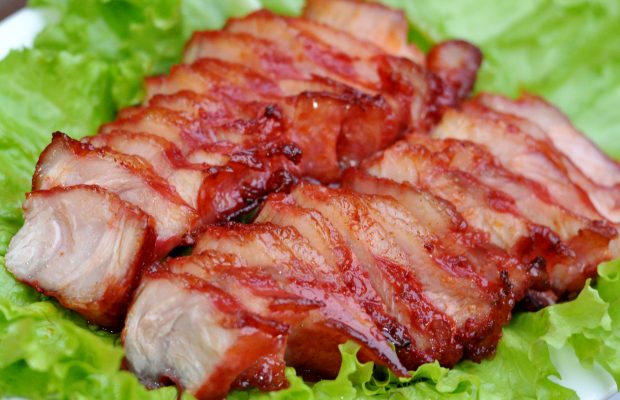
    Farmers need to be rescued again as prices of yet another item collapses. In recent days pork prices have dipped to a record low and also the lowest in the world. Pig on the hoof is sold at VND25,000-VND28,000 (US$1.11-1.24) per kilogramme.

    The situation is blamed by market observers on oversupply of pork. The Ministry of Industry and Trade estimates the country will have a surplus of 200,000 tonnes of pork this year. If the glut is not addressed, many pig breeders, including large farms, are likely to go bankrupt, and animal feed, veterinary care, and slaughter and pork trading businesses will suffer badly.

    The Ministry of Agriculture and Rural Development (MARD) has sent officials to China to solicit buying.

    Some food processing firms have already suspended imports and increased local purchases to aid pig farmers.

    Cau Tre Export Goods Processing Joint Stock Company, for instance, normally processes both local and imported pork, but it has temporarily stopped imports. The company plans to buy and stockpile 200-250 tonnes, which is equivalent to three months’ requirement.

    Vissan has also stopped pork imports and increased its local purchase from 1,500 pigs a day to 1,800.

    Retailers are also pitching in to help rescue pig farmers by rolling out several promotions to stimulate pork demand.

    Saigon Co.op has been offering 10-20 per cent discounts on pork prices since April 25, and sales has increased by 20-30 per cent.

    Lotte Mart supermarket is also offering discounts of 10-20 per cent.

    Soldiers, police officers and the public have been urged to consume more pork in their daily food.

    This year alone this is the third time that the country has had to scramble to settle agriculture-related problems by oversupply.

    In February banana farmers in several provinces were hit as prices plummeted from VND14,000-17,000 per kilogramme to VND1,000-3,000.

    In April several campaigns were launched to rescue watermelon farmers in the south-central province of Quang Ngai, who suffered severe losses after being unable to sell their harvests.

    Analysts said Vietnamese farmers often suffer despite bumper crops since prices collapse.

    The rescue measures are only band-aid solutions and do not address the oversupply problem basically, and so the problem is repeated year after year.

    What causes these periodic gluts?

    MARD blames it on difficulties in exporting to China, which is by far the biggest importer of Vietnamese farm produce.

    In fact, in the first nine months of last year, at nearly $4.9 billion, China’s imports accounted for around 20 per cent of Viet Nam’s total agricultural exports.

    An expert from the Institute of Policy and Strategy for Agriculture and Rural Development said, thus, any changes in that market affect consumption of Vietnamese farm products.

    Many analysts also blamed the glut on unplanned cultivation by farmers, saying many rush to grow items that fetched high prices the previous season, without considering if the prices would remain high.

    Most have little or no knowledge of the local market or global demand and price trends.

    Product quality is another big problem.

    According to deputy agriculture minister Vu Van Tam, demand for farm produce like bananas, watermelon and pork is very high both in the domestic and overseas markets.

    But because the quality and productivity of local produce are not good enough, many consumers turn to imported products, he added.

    Some analysts blamed the agriculture and trade ministries for not providing farmers with enough information about the market to enable them to make timely adjustments, ensuring supply and demand are balanced.

    They admitted, however, that only macro solutions outlined and implemented by the Government would help settle the problem.

    The solutions must include changing the entire agricultural process from market forecast and production planning to harvesting and consumption.

    A system to forecast demand for and prices of farm produces in the domestic and overseas markets is an imperative for the ministries to help localities regulate their production plans.

    The Government should have policies to encourage businesses to apply modern agricultural technologies to improve the quality of agricultural products and cut costs.

    Back to the pork story, which seems headed for a happy ending for the farmers. Prices are recovering as many farmers have reduced their stocks of sows and piglets.

    But we have to wait and see if farmers refrain from rearing pigs again if pork prices reach a certain level.

    Otherwise, and if no sensible measures are taken in time, the story will only be repeated.

    Consumer main profit source

    In the first quarter of this year VPBank’s profit was VND1.924 trillion, up 85 per cent year-on-year.

    Significantly, its FE Credit–Consumer Finance Service Company contributed over VND1 trillion to this.

    In the first four months profits at several lenders topped VND1 trillion, including Vietcombank, VietinBank, BIDV, Techcombank, and MB.

    Industry insiders said a majority of the profits came from consumer lending.

    Not surprisingly, many banks have set up or are in the process of starting consumer finance companies.

    Sai Gon-Ha Noi Commercial Joint Stock Bank (SHB) plans to open the SHB Consumer Finance Company in the third quarter of this year, and targets a profit of VND100 billion from it this year. The profits are expected to multiply in the coming years.

    Vietcombank plans to close its finance leasing company to set up a consumer finance company in an effort to increase its retail segment growth to 40 per cent.

    Under the State Bank of Viet Nam (SBV)’s current regulations, a bank can own either a consumer finance company or a finance leasing company, not both.

    The rapid increase in the number of consumer finance companies and their booming success are attributed to the SBV’s recent changes in policies.

    A circular the central bank issued last year removes all interest rate caps on consumer loans.

    Before that finance companies’ consumer loan rates were regulated by the SBV based on the lending activities of financial institutions and foreign bank branches.

    While their consumer loan interest rates are not regulated, finance companies must report to the SBV on the interest rate range they offer clients and notify it if there are any changes to it.

    These changes have made consumer lending much more attractive to the banks in the context that they can charge high interest rates on this and lending to businesses has become difficult due to various reasons.

    Analysts said that this decade market demand for unsecured loans has grown to adapt to the current financial scenario in Viet Nam, which sees an increasing amount of retail lenders and personal borrowers.

    The growth is attributed to favourable legal and socio-economic conditions that have brought changes to incomes and spending habits.

    The central bank has licensed 15 finance companies in addition to banks.

    Analysts said while consumer lending has the potential for explosive growth, that can only happen with significant improvements in consumer satisfaction with credit institutions and loan conditions.

    They also warned that the lending interest rates are too high and make it difficult for borrowers to repay, increasing the threat of bad debts.

    The SBV considers a loan to be a consumer loan if it is made in dong, the borrower is an individual and not an institution, the purpose of the loan is to meet personal spending needs and the borrowed amount does not exceed VND100 million.

  • Spirits retail salon The Proof Flat opens in Singapore

    Spirits retail salon The Proof Flat opens in Singapore

    A new spirits and cocktail retail ‘salon’ has opened in Singapore. Dubbed The Proof Flat, the new space is located on HongKong Street and is the third retail experience launched by Proof & Company — the firm also behind award-winning bar concepts 28 HongKong Street and Manhattan Bar.

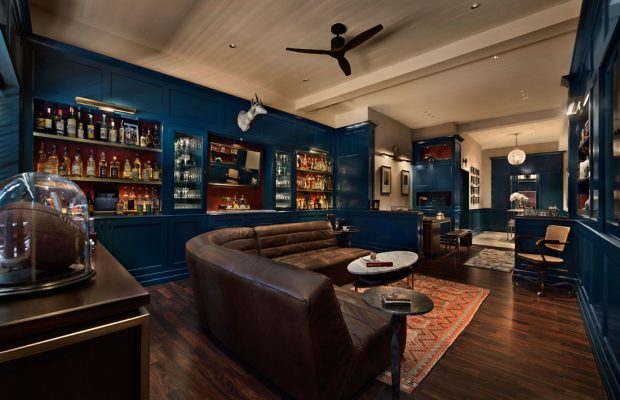
    The Proof Flat is a residential apartment, situated on the second floor of a 1940s’ Singapore shop house. It is home to the fictional EC Proof, the embodiment of Proof and Company and an ‘advocate for extraordinary spirits’.

    “We imagined the apartment as the place where EC’s friends would visit him to hang out and relax with bartenders and distillers, sampling some of the world’s best artisanal spirits,” said Proof and Co founder Spencer Forhart, a press release. The bricks and mortar retail salon is for those who appreciate fine spirits and cocktails – and value insider advice from some of the industry’s most prolific drinks experts.

    Customers enter a stylish ‘home’ where they can taste and purchase a wide array of spirits (roughly 350 bottles), as well as get the full set of apparatus required to setup their own at-home bar. The Proof Flat also accepts personal appointments and includes bar tools, bar pantry items and books on cocktails and spirits.
    The store design is by the group’s long-time collaborators, Matt Shang and Paul Semple from multidisciplinary design studio, Hassell.
    Inside, a neutral palette of whites and marble floors meets glossy cabinetry and panelling of teal blue with burgundy contrasts.

    Key styling points include customised furniture pieces from Indonesia, an ethnic rug from Turkey, as well as reindeer pelts and portraits of fictionalised characters, known to the elusive EC Proof.

    The Proof Flat also boasts an e-commerce store found at ecproof.com.

  • Vietnam moves towards high-tech agriculture

    Vietnam moves towards high-tech agriculture

    Cau Dat Farm Da Lat, famed in the central highlands town of Da Lat since 1927, has applied IoT to its crops since mid-2016. Though occupying a large land area, productivity at the farm has been quite low under traditional farming methods and an unpredictable climate.

    It is, however, one of the first farms in Vietnam to apply IoT in its farming.

    Mr. Pham Ngoc Anh Tung, former Director of Cau Dat Farm and founder of the startup Demeter, which introduced an IoT system at Cau Dat Farm, said that the reason why he decided to apply IoT at the farm is because it’s become common internationally.

    It also provides various benefits to farmers, in management, productivity, and product quality.

    Nine months after introducing IoT, the farm began to see positive signs, with flowers, green tea, and fruit and vegetables reaching productivity targets and being of high quality.

    One outstanding benefit was automation replacing almost all human tasks.

    Initial applications

    The IoT system Demeter introduced at Cau Dat Farm includes three main parts. The first one is called Connected Edge – hardware that controls tasks like pumps, irrigation systems, micro-climate control systems, drones, weather stations, camera systems, and sensor systems.

    Data is connected and pre-handled through gateways before moving to the cloud.

    The second part is storage, with the processing and analysis of data or turning data into insight on the cloud.

    All data is arranged and analyzed in a secure environment. In the third part, all agriculture tasks are identified based on analyzed information and data.

    Therefore, users can fully understand what their production status is.

    Depending on the equipment, the system can provide information, actionable information, or even automated control and operations.

    Another provider of IoT solutions in agriculture is MimosaTEK. It was the first to build and develop high technology watering systems.

    Its solution has two key parts: sensor equipment to measure parameters and a smartphone app, with the latter showing water levels and providing advice to farmers on planting.

    The solution is supported for managing large farms. MimosaTEK’s equipment communicates with each other through radio frequency waves.

    The system can be applied in both an outdoor and glasshouse environment, but is applied more in glasshouses because enterprises usually invest in building automated watering systems outdoors.

    MimosaTEK was established in October 2014 and its first product focusing on watering was launched in June 2015. Ms. Le Lan Anh, Chief Operations Officer (COO) at MimosaTEK, told VET that the level of water and the time for watering is key to agricultural productivity but many farmers don’t focus enough on either.

    “Our target is to supply solutions that effectively use water sources, protect the environment, and bolster profit,” she said. Crops where MimosaTEK’s solutions have been used include vegetables in glasshouses, melons, corn, sugar cane, and pepper, while it’s been piloted with coffee.

    The agriculture startup Hachi, meanwhile, launched a solution last year that eases the planting of vegetables via a smartphone and seen remarkable results.

    CEO Dang Xuan Truong used IoT to build the crop app, which is suitable for customers living in the city.

    “The application of IoT reduces risks in the planting process, such as drought and a lack of soil nutrition,” he said. “Productivity increases from 30 to 50 per cent compared to traditional planting methods.”

    IoT can also be applied in growing rice, according to Mr. Tran Xuan Dinh, Deputy Director General of the Department of Crop Production under the Ministry of Agriculture and Rural Development.

    Farmers enter data relating to the status of their rice through a smartphone app, which is then sent to a processing unit.

    Based on information about soil, climate and plant growth, a quick summary with advice is then given to farmers.

    Tackling barriers

    Vietnam’s agriculture sector must cope with a range of serious challenges. The most pressing, according to Mr. Tung, is that most agriculture models are in a period of transformation, with small land plots and backward technology, making it difficult to apply IoT to large-scale agriculture.

    Agreeing, Mr. Dinh said that Vietnam’s agriculture sector is at a low level and inferior in both IT application and production compared to other countries regionally and internationally.

    “Vietnam has focused only on quantity for a long time, to the detriment of knowledge and crop methods,” he believes.

    Vietnam also lacks high quality human resources to manage and operate modern equipment.

    Training staff through new programs and practical lessons in high-tech agriculture is therefore vital.

    The application of IoT also requires significant investment capital while capital recovery is slow.

    As a developing country, it’s difficult to provide and support all the requirements for IoT applications nationwide. The internet is also problematic in country areas.

    “Rugged terrain in mountain areas presents a problem in applying IoT because internet networks can’t cover such areas, so building a good internet network throughout Vietnam is necessary,” said Ms. Lan Anh.

    Despite the challenges, it can’t be denied that IoT can have a positive effect on Vietnam’s agriculture sector. Mr. Dinh firmly believes that Industry 4.0 will provide breakthrough changes, but the problem is how to best apply IoT in agriculture.

    He also said that connecting to information technology applications will allow for forecasting and controlling the negative effects of environmental conditions on crops and livestock.

    “It will also help people calculate water needs and nutritional balance, and automatically connect to the command department to pump in more water and nutrients when required,” he said.

    With changes to high-tech agriculture being a global trend, Industry 4.0 will create a breakthrough in farming methods through actively controlling conditions and input factors to maximize potential yields and boost quality.

    Smart agriculture platforms have outstanding features, saving on inputs and cost while ensuring productivity and quality.

    IoT systems not only bring advantages to farmers but also support customers. Transparent production information is made available through IoT systems, allowing customers to research product origin.

    Given that Industry 4.0 and IoT are novel concepts for most Vietnamese, and especially farmers, it may take some time before such systems are adopted broadly, according to Mr. Dinh.

    Based on existing circumstances, he said, the best approach is slow and gradual application.

  • Demand from China, Africa supports Vietnamese rice prices at harvest end

    Demand from China, Africa supports Vietnamese rice prices at harvest end

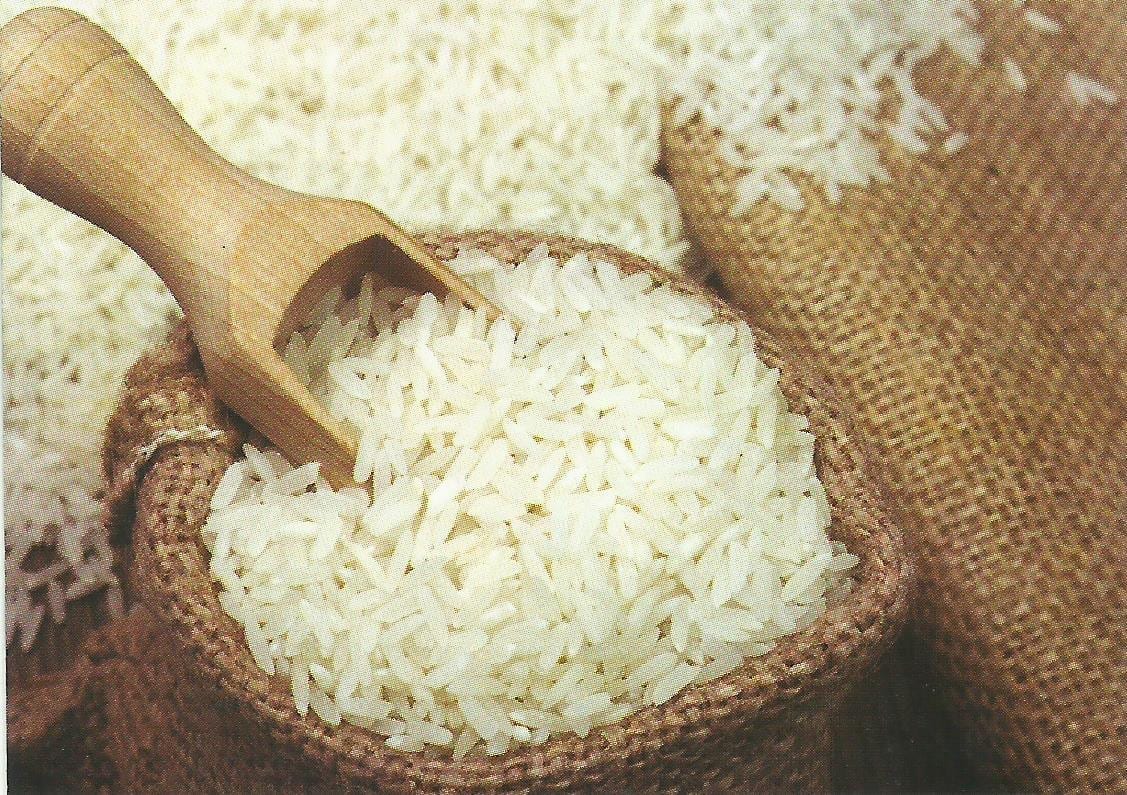
    Vietnamese rice is being offered at around $35-$40 a ton below Thai grain. China and several African countries have returned to Vietnam seeking fragrant and white rice, and the demand has helped stabilize export prices even though supply has risen at the end of a major harvest, traders said on Friday.

    They also said Vietnamese rice being offered for cheaper prices than Thai and Indian rice has also attracted buyers, mostly from Africa. Vietnam is the world’s third-largest rice exporter, behind India and Thailand.

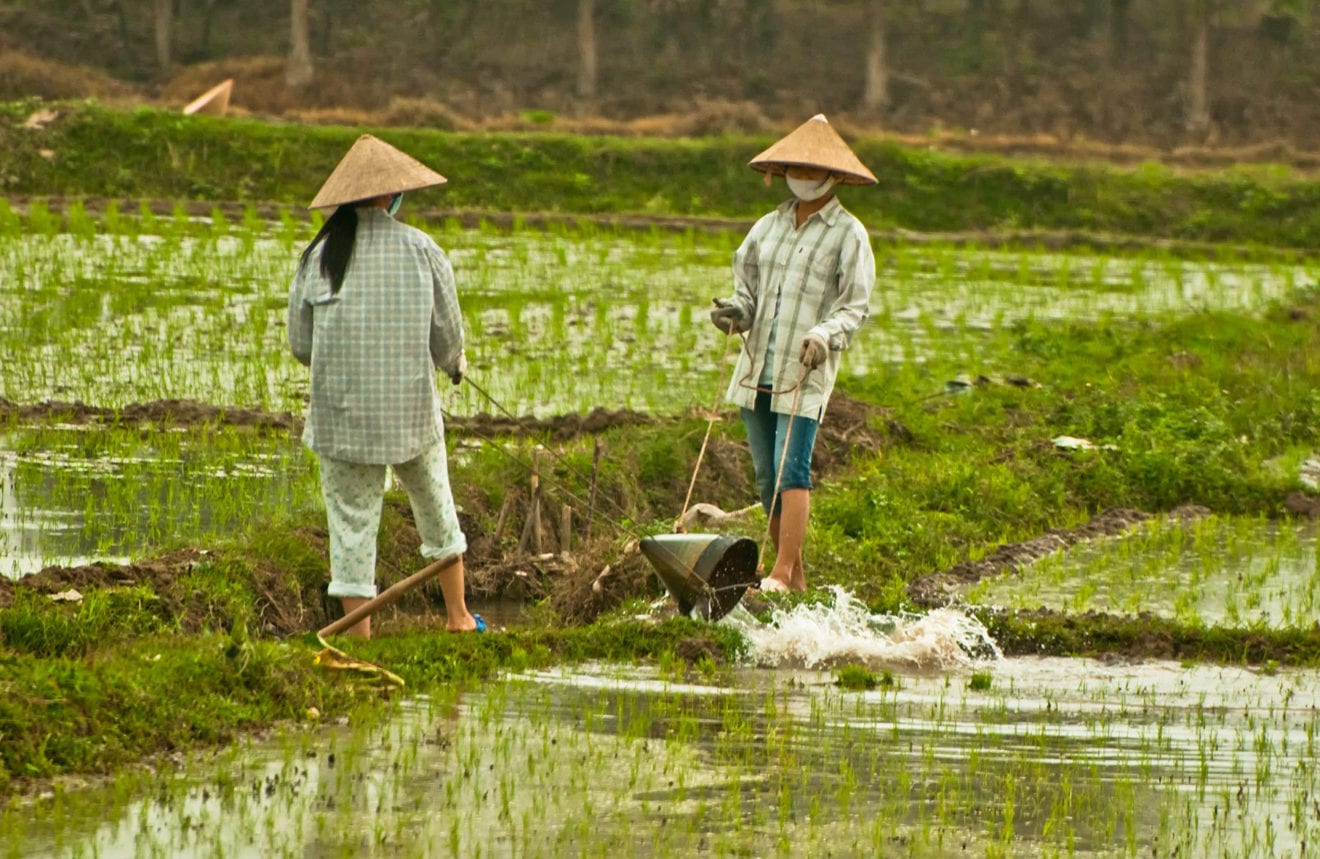
    Farmers in the Mekong Delta, Vietnam’s food basket, have finished harvesting the winter-spring crop, the biggest of the country’s three annual crops. Paddy output eased 2 percent from last year to an estimated 9.8 million tons, based on government statistics. Most of the grain from this crop is being exported.

    Reuters cited Vietnamese traders’ quotations for five percent broken rice showing prices rose this week to $355-$360 a ton, free on board (FOB) basis, on more active trade.

    At $360 a ton, the price is at its highest since August 31, 2016.

    But traders at foreign firms and a dealer at a state-run export company in Ho Chi Minh City told VnExpress International that exporters are looking to sell the grade at around $355 a ton, while bids stood at $350-$352 a ton, similar to last week.

    “Rice exports to China are going well,” the dealer said. “Africa is also coming back with inquiries for the 5-percent and the 15 percent broken varieties, as well as fragrant rice.”

    He added that ample supplies are now available to state-owned export firms that have better access to bank loans, while private exporters are struggling to build stock due to weaker finances.

    Vietnamese prices are below those offered by Thailand, where the 5-percent broken rice rose this week to $387-$392 a ton, FOB basis, from $380-$390 last week and $360-$375 at the end of April due to loading demand during a slow off-season harvest, Reuters cited Thai traders in Bangkok as saying.

    Traders noted China, the biggest buyer of Vietnamese rice, has been taking more of the grain in the past month.

    China imported 288,000 tons of rice from Vietnam in April, way above the monthly average of 176,000 tons in the first quarter, Vietnam Customs data showed.

    That brought Vietnam’s total export volume to China in the January-April period to 815,000 tons, a rise of 16 percent from a year ago, based on data from the Finance Ministry-run customs agency.

    Earlier this year, China approved 22 Vietnamese rice export firms as official suppliers, but is also trying to limit rice purchases across the land border with Vietnam.

    China is projected to import 5 million tons of rice this year, up 8.7 percent from 2016, the U.S. Department of Agriculture said.

    Vietnam is forecast to export 5.6 million tons in 2017, up 10 percent from last year, the USDA said in a report on Wednesday.

    The USDA also forecasts both India and Thailand will export around double that amount this year.

  • Jollibee gains control of SuperFoods Group

    Jollibee gains control of SuperFoods Group

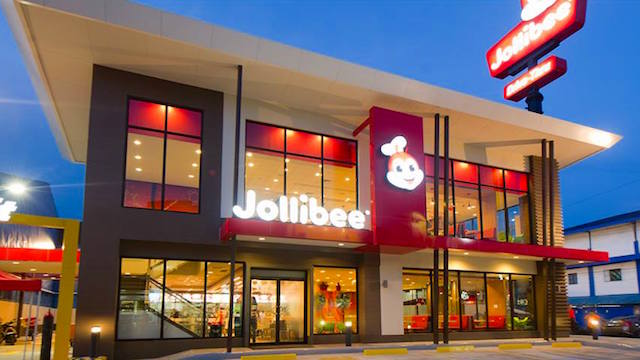
    Jollibee Foods gained control of the joint venture behind the Highlands Coffee and Pho 24 brands ahead of a plan to list the latter in Vietnam’s stock market.

    In a disclosure, the homegrown fastfood giant said its subsidiary JSF Investments Pte. Ltd hiked its stake in the SuperFoods Group to 60%, while its partner Viet Thai International Joint Stock Co. (VTI) reduced its interest to 40% from the previous 50-50 ownership share.

    The adjustment was considered a “key step” in their plan to list SuperFoods Group in Vietnam’s equities market by July, 2019 and will allow JFC to include the joint venture in its financial consolidation, the Philippine company said.

    The SuperFoods Group owns and operates the brands Highlands Coffee and Pho 24 and is a franchisee of Hard Rock Cafe in Vietnam, Macau and Hong Kong. At end March, it had 216 stores across these three brands.

    JFC will take the lead in the capital raising activities for the joint venture and will work with various financial institutions in Vietnam and other parts of Asia to finance the aggressive expansion program of the SuperFoods Group.

    In the next three years, the SuperFoods Group plans to open 485 stores, mostly in Vietnam, while expanding the brands through franchising in other parts of Asia and in Australia.

    The SuperFoods Group gives JFC presence in four new foreign territories — Indonesia, Cambodia and Australia. The local food service company is now present in 17 countries outside the Philippines and plans to enter Malaysia as part of its expansion in Southeast Asia.

    The SuperFoods joint venture is one of the fastest growing businesses in the JFC Group. System wide sales hit $58 million in 2016, up 46% from the prior year, driven by the 73% expansion of Highlands Coffee.

    JFC plans to build a “significant” business in Vietnam given its potential to become a large consumer market. Like the Philippines, Vietnam has a high population at 95 million and has enjoyed robust economic growth, which stood at 6.2% last year.

    The listed company already owns and operates 84 restaurants under its flagship Jollibee brand in Vietnam at the close of 2016, with sales from these stores rising by an annual 47%.

    JFC operates the largest food service network in the Philippines. At end March, it had 2,684 restaurant outlets under the brands Jollibee, Chowking, Greenwich, Red Ribbon, Mang lnasal and Burger King. Abroad, it operated 620 restaurants, including the brands Yonghe King, Hong Zhuang Yuan and Dunkin’ Donuts.

    In addition, JFC maintains interest in joint ventures operating 611 stores worldwide. Aside from its interest in SuperFoods, it owns 40% of US chain Smashburger and 48% of 12 Hotpot.