Category: Food

Retail News Asia is committed to providing both local and global retailers with the latest Food and Food & Beverage news throughout the Asian market. This on a daily base.

  • Vietnamese fruits conquer Japanese market

    Vietnamese fruits conquer Japanese market

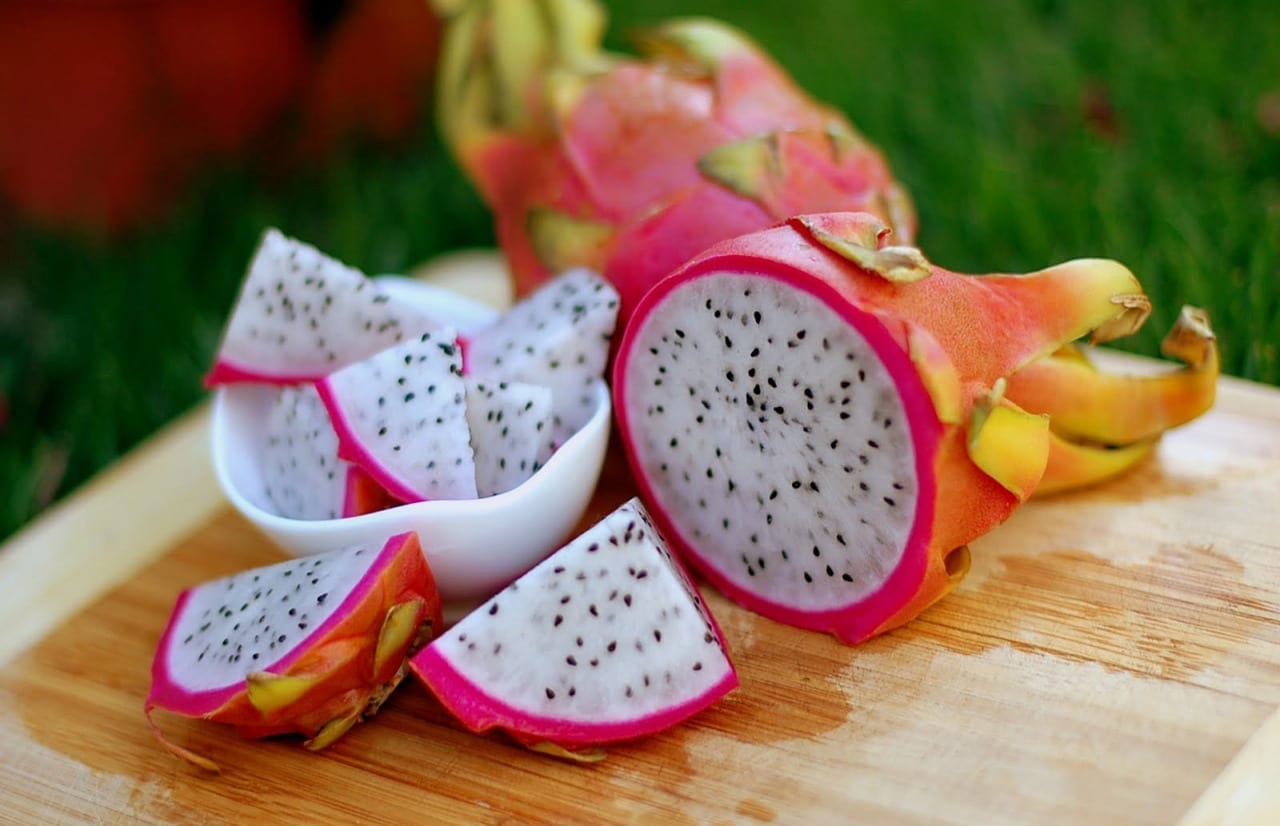
    Before bananas, white-flesh dragon fruits and mangos were constantly shipped to the Japanese market. Meanwhile, red-flesh dragon fruits reached Japanese consumers in March shortly after they were licensed for export to the East Asian country.

    Hidekatsu Ishikawa, President of Vient Co. Ltd, a Japanese importer, said Vietnamese bananas suit Japanese people’s taste and they are sold at competitive prices.

    To date, besides such key exports as garments, footwear and aquatic products, Vietnamese dragon fruits, mangos, frozen litchis and bananas have been present in Japan. Fresh litchis and star apples also see great potential in this fastidious market.

    According to Tran Thanh Hai, Deputy Director of the​ Agency for Foreign Trade under the Ministry of Industry and Trade, the Vietnam-Japan Economic Partnership Agreement (VJEPA) is entering a new phase, opening opportunities for Vietnamese exports.

    Vietnamese products, especially farm produce and aquatic products, will enjoy preferential tax rates in the Japanese market. Regarding aquaculture, tax will be cut down to 1.31 percent in 2019 from 5.4 percent in 2008. Thus, domestic enterprises should take full advantage to gain benefits, Hai stressed.

    He also recommended that exporters must ensure utmost quality for their products as Japan has put in place numerous technical barriers on agricultural imports.

    Meanwhile, a representative from the Japan External Trade Organisation (JETRO) also noted that packing and transportation should be paid special attention, ensuring that origin of agricultural products can be traced easily.

  • Chanel’s pop-up Coco Café is finally in Hong Kong

    Chanel’s pop-up Coco Café is finally in Hong Kong

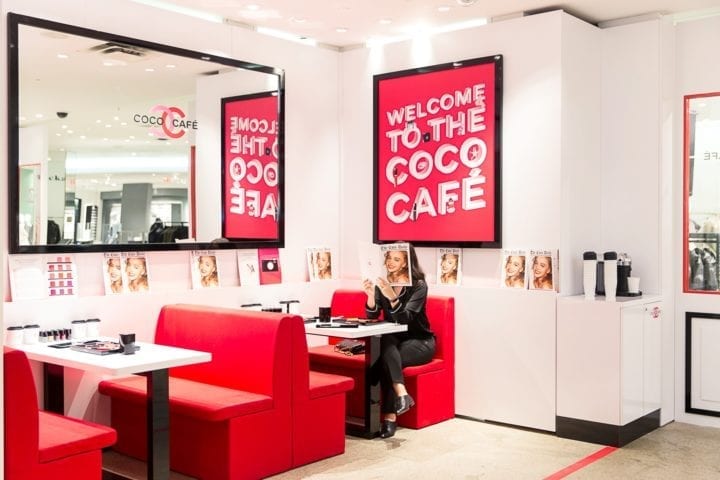
    Coco Café is finally landing in Hong Kong this week. After its eye-poppingly Instagrammable stops in Tokyo, Seoul, Singapore and Shanghai, Chanel’s pop-up café will be taking over the Causeway Bay (G/F 38 Yiu Wah Street, Causeway Bay) branch of Coffee Academics from June 10 to 25.

    The beauty brand has created its own chic little universe, where you can sit back with a neon pink cup of coffee and peruse a special edition of The Coco Daily (don’t forget to bring your shades to complete the Parisian café look).

    Of course, it is Chanel, so they’re not just going to serve lattes and cakes—you can also expect to see ‘beauty bubble tea’ and perfume-inspired juices on the menu, if they follow their recipes from Singapore.

    After that, head over to the beauty counters for a free mini makeover, and then get a quick change of your nail shades at the nail bar. Spruce up your look with some tattoo stickers, and spritz on some Chance fragrance for the final touch.

    Don’t forget to commemorate the occasion with a few snaps in the photo booth, which will have Chanel-themed digital stickers. We have our heads in a fluffy pink cloud just dreaming about it.

    As if that’s not enough, visitors will also be treated to a sneak preview of Chanel’s new lip product, Le Rouge Crayon de Couleur. The intense crayon lipstick, which comes in 11 shades, will be shown in Asia for the first time.

    Gorgeous makeup and delectable treats—what more could a girl ask for? Register online for a complimentary drink, door gift and priority entry. Time slots are filling up fast, so we suggest you get on it quickly.

  • Hanoi beer loses in home market despite brief fame from Obama dinner

    Hanoi beer loses in home market despite brief fame from Obama dinner

    Hanoians favor Hanoi beer, Sai Gon beer and Heineken. There are no official statistics about the consumption of beer products, but analysts are sure the three brands dominate the Hanoi market.

    Hanoi Beer Alcohol and Beverage Corp (Habeco) has the Hanoi Beer brand and is located in Hanoi.

    Analysts said that the images of Obama drinking Hanoi beer, which appeared in all local newspapers and international mass media, would help Habeco prosper.

    But Hanoi Beer has lost a large part of the market to its rivals.

    After Obama had dinner at Huong Lien bun cha Shop and drank Bia Ha Noi on May 23, the first day of his visit to Vietnam, both brands appeared many times on mass media. Bia Ha Noi was even mentioned in Obama’s speech the next morning.

    However, while Huong Lien bun cha Shop’s business has been thriving since then, Bia Ha Noi is less lucky.

    Many grocery stores and street shops in Hanoi say that youth now prefer Saigon Special of Sabeco, a brewery headquartered in HCMC. The main customers of Hanoi Beer are aged 50 and more.

    “Hanoi beer now is just for older people,” said Do Hoang Yen, the owner of a grocery store on Khuong Trung street.

    The owner of H.B Shop on Truong Dinh street said five to six years ago, Hanoi beer once dominated the Hanoi market and there was no rival in the bottled beer market.

    “The sales of Sabeco’s products are far higher than Habeco’s,” he said. “We can sell only one Habeco product for every two Sabeco products sold.”

    At large supermarkets, people have begun buying beer in large quantities as the summer has come in Hanoi. And Sabeco’s products are favored.

    Xuan Truong, from Bac Tu Liem district, said he prefers Saigon Beer because it is tastier with a strong flavor, while Hanoi Beer tastes flat.

    However, a branding expert said that tastes are always different. He believes that the problem lies in the marketing strategy.

    While Sabeco offers a wide range of products with different price levels, targeting different groups of customers, Hanoi Beer has stayed the same for many years and cannot attract young people.

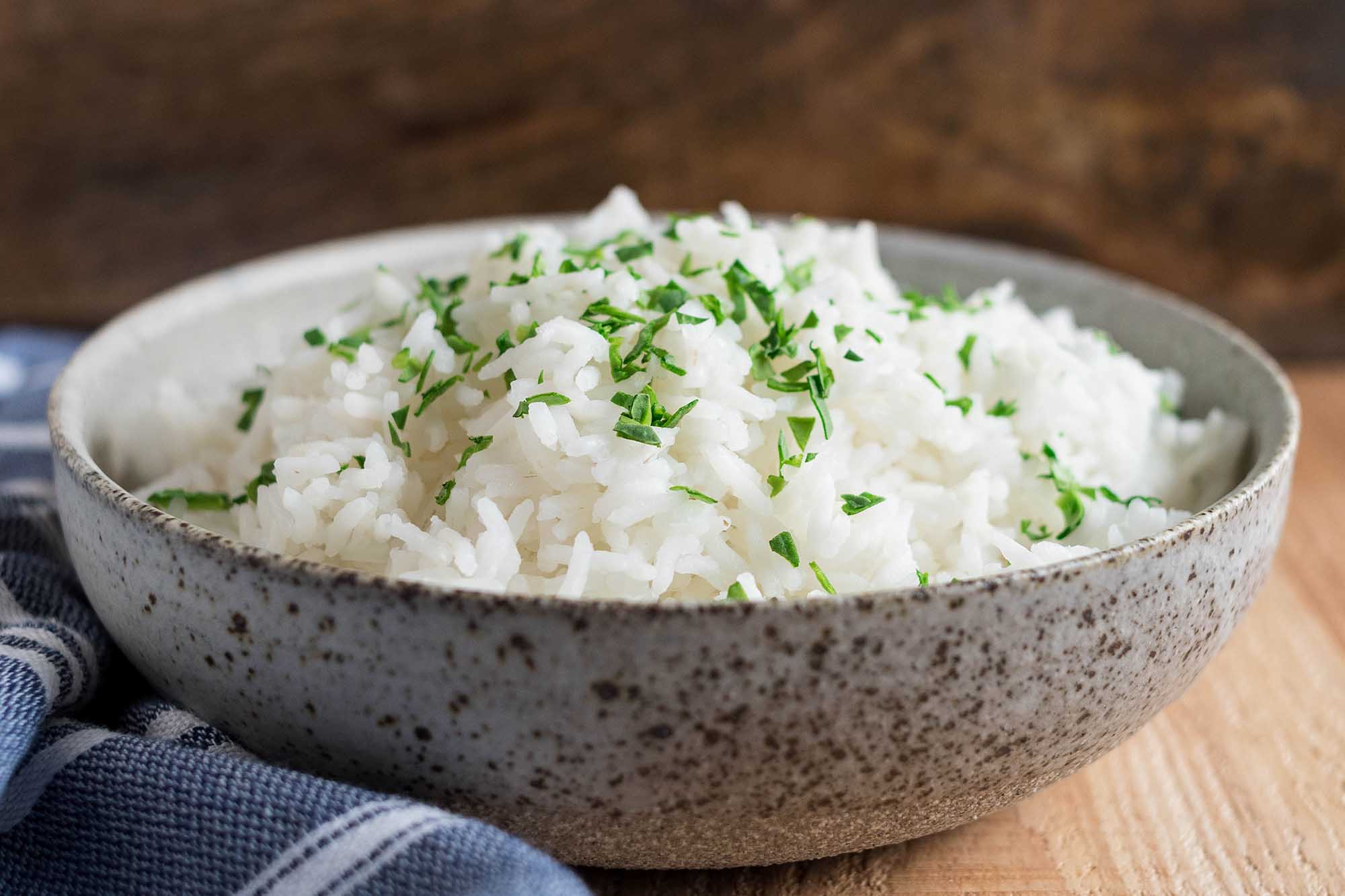
  • Vietnam rice export back on track

    Vietnam rice export back on track

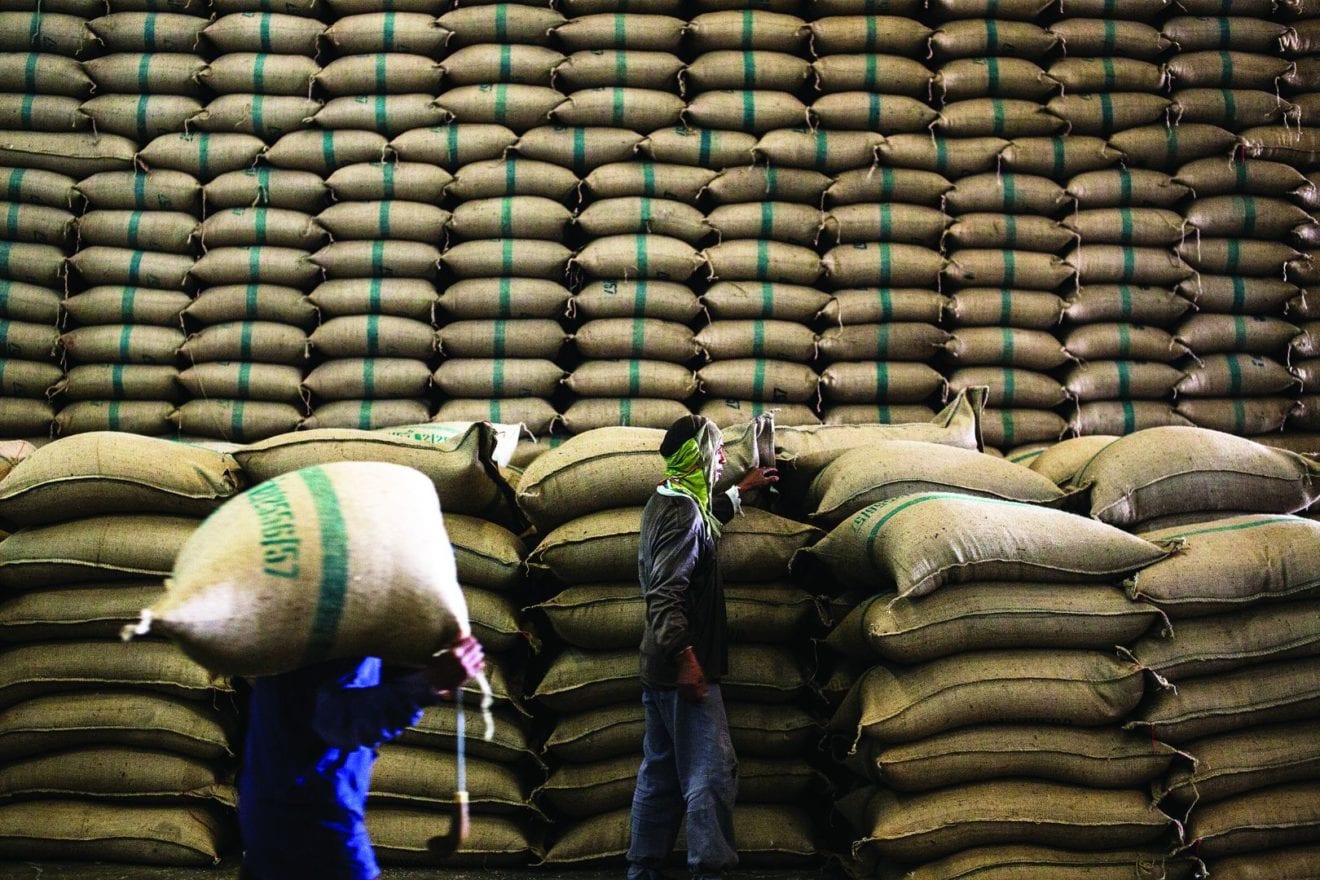
    Vietnam exported 2.3 million tons of rice worth US$1 billion in the first five months of the year, up 1.6% in volume and 1.2% in value year-on-year.

    China remained Vietnam’s largest rice importer, accounting for 47.5% of the nation’s total rice exports. More than 815,000 tons of rice costing over US$376 million went to the northern neighbor in January-April, up 16.1% and 16.2% against the same period last year respectively.

    Vietnam shipped 4.89 million tons of rice valued at US$2.1 billion in all of 2016, a respective decrease of 25.54%  and 20.57% against 2015.

    China was still Vietnam’s biggest importer of the food staple last year despite a 19.79% decline. It purchased more than 1.8 million tons of rice from Vietnam last year, 36.97% of Vietnam’s total rice shipments.

    The domestic rice price has improved by VND200-300 a kilo, supported by the recent signing of a memorandum of understanding to export one million of rice a year to Bangladesh until 2022. The South Asian country will import 300,000 tons at first.

    In addition, the National Food Authority (NFA) of the Philippines has announced to buy 250,000 tons of rice from Vietnam in June.

    Nguyen Thanh Tho, a rice trader at Ba Dac wholesale market in Tien Giang Province, told the Daily that IR 50404 rice is sold at VND4,350-4,400 a kilo, an increase of VND200-300, helped by the Bangladesh rice deal.

    Besides, IR 50404 material rice is purchased at VND6,350-6,450 a kilo in the Mekong Delta, up VND200.

    Major importing markets, especially Bangladesh and the Philippines, have helped buoy the price. The Free On Board (FOB) price of 5%-broken white rice from Vietnam is US$370-380 a ton, up US$5-10 compared to a week ago.

  • Sap-Sap products and dinners highlight Lao cuisine

    Sap-Sap products and dinners highlight Lao cuisine

    It’s a rarity in Milwaukee, where Laotian fare like larb, green papaya salad sai oua (Lao sausage) often take a backseat to popular Thai dishes at area restaurants. But, that’s something Alex Hanesakda is trying to change.A first generation Lao American, Hanesakda was just three years old when he arrived in the U.S. It was 1982, and his family had spent the last two years years in a refugee camp in Thailand before making their journey to America as part of the first wave of Laotian refugees.
    Sponsored by a Milwaukee family, they lived in the area for about a year before moving to Burlington, Wisconsin to be closer to the rest of their family.”I grew up cooking with my family,” Hanesakda says. “And growing up in a refugee household, the whole family chips in. And there were things that set us apart. Instead of buying them from the grocery store, we our own chickens. It definitely made an impression on me. And one of the strongest ties to Lao culture that I developed was centered on food.”He says it inspired him to find a way to get word out about Lao cuisine.

    Delicious delicious

    In 2010, he debuted his mother’s recipe for egg rolls at the first annual egg roll competition at Milwaukee’s Asian Fest. The recipe got first place, spawning a catering and vending business called Mamma’s Eggrolls.In 2016, after Hanesakda took a job working with Chef and owner John Hudoc at Hometown Sausage Kitchen in East Troy, he took things a step further.

    He introduced Sap-Sap (meaning “delicious-delicious”), a retail food company specializing in Lao and Southeastern Asian inspired products. Their first product was smoked beef snack sticks incorporating Laotian ingredients including garlic, chives, bhut jalokia peppers and native Lao kaffir lime leaves.”It’s not traditional,” notes Hanesakda. “But, everyone likes snack sticks. And no one had ever really come out with one that showcased Lao flavorings.
    “The snack sticks are currently available at retail establishments including Hometown Sausage, Hyvee stores in Madison and select stores in Burlington and Racine. Restaurants, including Sujeo in Madison, have also picked them up. In fact, Hanesakda says that Chef Tory Miller currently uses the sticks as a component in an eggroll on his menu.They’ve also debuted sai oua (fresh Lao sausages), which are currently being offered as a wholesale product.
    Hanesakda says he’s currently working on additional products to add to his retail line, including two sauces: a sweet and sour sauce and a Lao marinade for barbeque.As he’s worked to launch the Sap-Sap brand, Hanesakda has also begun hosting a variety of events showcasing the flavors of Southeast Asian cuisine.
    Among the first was Pho on the Farm, an event at Yuppie Hill Farm featuring pho (noodle soup), eggrolls, fried rice and other dishes. The response, Hanesakda says, has been overwhelming.”It really took me by surprise how excited people were,” says Hanesakda. “Pho is one of those dishes that didn’t originate in Laos; but, it is eaten in a variety of countries. And it’s been exciting to share my take. These events have drawn such a diverse crowd. And people are booking events months ahead.”Pho on the Farm, now hosted the last Saturday of each month at the Yuppie Hill Farm, is currently sold out through September. However, beginning this summer, Hanesakda also launched a series of special Lao inspired barbecue dinners at Hometown Sausage Kitchen in East Troy, Wisconsin.
    Lao barbeque, Hanesakda notes, is distinguished by two factors. One is the presence of khao niaw (sticky rice). The other is the flavor profile, which is a combination of sweet, citrusy and spicy flavors from ingredients like kaffir lime, lemongrass, shallots and garlic.The dinners feature traditional southeast Asian dishes including papaya salad, eggrolls, barbecued skirt steak, ribs and chicken along with accompaniments like sticky rice and roasted tomato jeow.Both the events and the dishes served, Hanesakda says, are born from love, not only for his family’s recipes, but also for nourishing and connecting friends and neighbors. And the sense of community it builds – nourished by cultural sharing and communal eating – is a more-than-pleasant side effect.If you’re interested in attending the next Lao Barbeque at Hometown Sausage Kitchen on Aug. 12 at 4 p.m., reservations can be made by messaging Sap-Sap on Facebook. Include your name as well as the number of guests in your party. The dinner is $40 plus gratuity, which can be paid on site at the event.For additional information, including updates on future pho and barbecue events, follow Sap-Sap on Facebook.
  • Levarht launches China-produced tomatoes in retailers across the country

    Levarht launches China-produced tomatoes in retailers across the country

    Levarht is a prominent Dutch grower and exporter established back in 1933, with a worldwide scope. The company’s head office, distribution centre and packing facility are located in the Netherlands. On top of that, Levarht grows peppers in local glasshouses in Mexico and New Zeeland, as well as melons in Costa Rica. And as of 2019 Levarht will start the export of Hass avocado from their farm Harbour Edge in New Zealand.

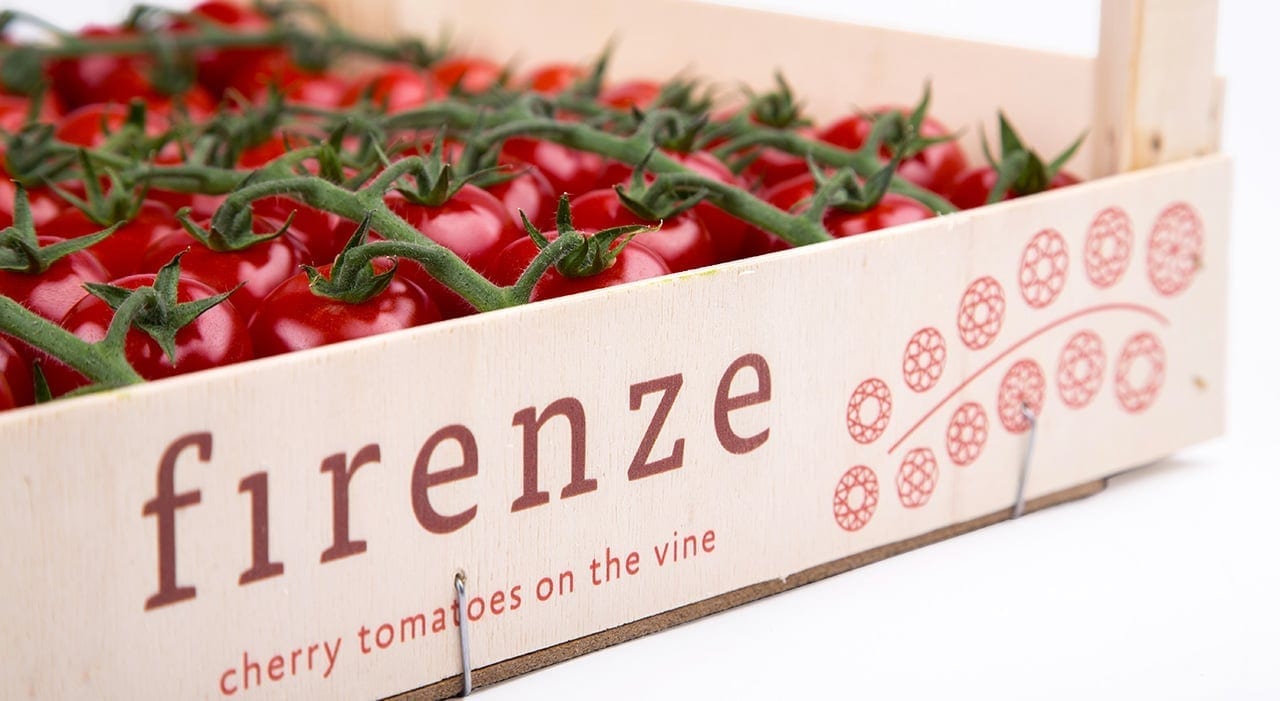
    Last year, together with their Chinese partner Beijing HongFu Agriculture, Levarht achieved their first major successful project in China by opening a Dutch style tomato glasshouse in the outskirts of Beijing. In 2016 the first plants arrived, and now the facility supports up to 180.000 tomato plants of the company’s Dutch cherry, beef and intermediate tomato varieties. Since a couple of weeks the first tomatoes have been available in supermarkets across the country.

    Being able to closely cooperate with local producers is one of the company’s major aims globally. “Local partnerships are the pillar of our company’s culture. We aim for horizontal and vertical integration, with the  final aspiration to bring the consumer closer to the farm,” according to Claas van Os, Commercial Director of Levarht. “This model is very relevant to roll out in China, where people look for quality, freshness, guaranteed food safety and increased transparency in the food chain.’

    In China, Levarht and HongFu want to ‘set new standards in the market’. “Chinese production is catching up with international standards quickly, driven by a strong demand for safe, healthy and tasty fruit and vegetables.”

    Levarht has invested in the establishment of partnerships with prominent retailers across China, which is part of the company’s long term strategy.  “We cooperate with our partners in the retail, online and processing industries to understand the local consumer and to meet their demand. Food safety and traceability are key elements that consumers look for in premium food brands. This is the image retailers want to convey to their customers, and this is also how we distinguish ourselves as a supplier.”

    “The branding and marketing of our new China-produced cherry tomato line highlight these characteristics in our products. The packaging we have designed has a distinct international feel to it, but does show clearly that the product is made in China. It gives explanations about the characteristics and health benefits of our tomato varieties, as well as about the greenhouse facilities in which the tomatoes are grown. The Chinese name of our tomato brand, 乐鲜客, Le Xian Ke, reflects the key aspects that we promote: ‘Nature’s Joy, in every bite.”

    “In addition, we advocate Dutch quality standards, traceability and direct delivery, access to the source of production. Customers can scan individual QR codes that are printed on all the carton punnets. By scanning this code, consumers can trace their tomatoes all the way back to the greenhouse where the crop has been grown. We want to be completely transparent about our production methods, in order to gain trust and appreciation of the audience.”

    In the coming weeks, Levarht is organising a number of product launches and tastings together with retailers in China’s major cities.


  • Indonesia floats idea of Oz wine requiring halal certification

    Indonesia floats idea of Oz wine requiring halal certification

    Trade Minister Enggartiasto “Enggar” Lukita has floated the idea of requiring Australian wine sold in Indonesia to pass halal certification and use plain packaging in retaliation for the neighboring country “undermining” the selling of Indonesian tobacco and paper.

    Enggar said he recently that he had voiced his resentment to Australian Minister for Trade, Tourism and Investment Steven Ciobo after Australia mandated in 2012 that cigarettes sold in the country must use plain packaging and levied anti-dumping duties on imported A4 paper from Indonesia in April.

    “We facilitate imports of Australian beef. But I am devastated by the barriers slapped on our tobacco and A4 paper,” said Enggar at a gathering late on Thursday.

    “I told Steve that I would consider requiring Australian wine sold in Indonesia to also have plain packaging and pass halal certification, but I deliver it in a light way though, and it was just an expression of my resentment,” he said.

    Indonesia and other tobacco-producing countries, such as Cuba, the Dominican Republic and Honduras, filed a complaint with the World Trade Organization (WTO) against Australia for what they consider illegal trade barriers by mandating plain packaging.

  • Kiehl’s opens world first coffee house in Taipei

    Kiehl’s opens world first coffee house in Taipei

    New York cosmetic brand Kiehl’s will open the world’s first Kiehl’s Coffee House and shop in Taiwan in June.

    Located in Taipei, the premium skincare brand’s first global coffee shop will be “New York” theme, and will take on a shop-in-shop design. Black and white will feature throughout with wooden tones.

    The café shop will provide customers with coffee and snacks, as well as Kiehl’s products and skincare consulting services.

    The L’Oreal-owned brand hopes the new coffee house will increase consumer and brand interaction. According to local reports, the mainland’s first coffee shop is also in preparation.

    Taiwan boasts seven standalone Kiehl’s stores in Taipei, Hualien City and Taichung City.

    Pharmacist John Keihl founded Kiehl’s in 1851. It started as a single pharmacy in Manhattan at Third Avenue and East 13th Street in 1851.

    Nowadays, the American cosmetics retailer is part of L’Oreal Group’s beauty stable and specialises in premium skin, hair, and body care products.

  • How Pizza Hut and payments are fueling China’s retail revolution

    How Pizza Hut and payments are fueling China’s retail revolution

    Part of the huge shadow Ant Financial casts is its appetite for global investment, but at the same time it’s making moves that are kicking off major changes to how payments are handled in its local market in China.

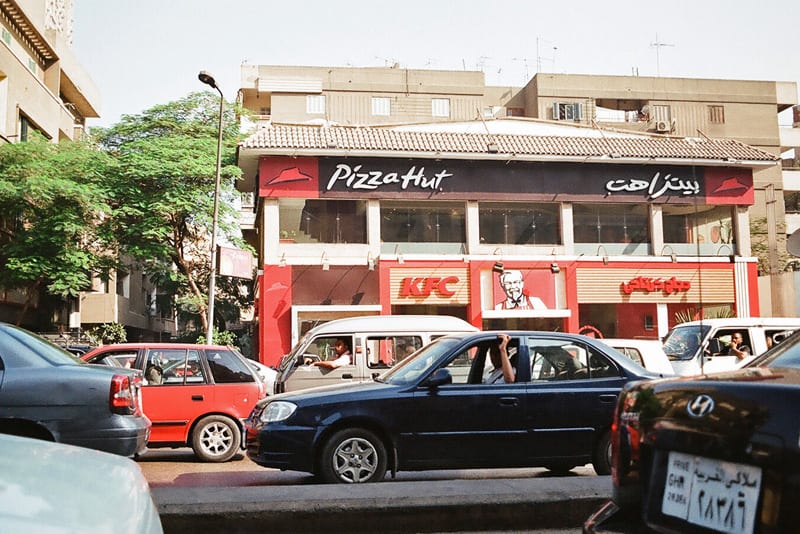
    While the world waits to see how the company’s attempt to acquire U.S.-based MoneyGram will play out, one of Ant’s existing stakes in Yum China — a 2016 spinoff of Yum Brands, which owns Pizza Hut, Taco Bell and KFC — has drawn the attention of an investor who sees the potential to reshape quick serve restaurants, mobile technology and even the middle class in emerging economies.

  • Vietnam rice exporters face challenges

    Vietnam rice exporters face challenges

    The rice price is forecast to continue soaring in near future, buoyed by the higher demand for rice of some countries, but Vietnam is having difficulty boosting rice shipments, heard a seminar in Hanoi last week.

    A study conducted by the Institute of Policy and Strategy for Agricultural and Rural Development shows there are nine million rice farming households nationwide, but around 300,000 of them account for the bulk of Vietnam’s rice export volume.

    Meanwhile, the nation has over 300,000 rice milling facilities, but a majority of them are small. But in Thailand, there are a mere 1,000 rice milling plants. Besides, Vietnam has around 100 rice exporters, but a mere 22 of them focus on China, one of Vietnam’s largest rice buyers.

    Industry experts said these two hindrances had led to the global market share of Vietnamese rice shrinking. Statistics of the Ministry of Agriculture and Rural Development show the country’s rice shipments last year dropped 27% in volume and 23% in value against 2015.

    Vietnam has seen gradual declines in rice exports to China, European Union, Middle East, and Sub-Saharan Africa.

    Despite the decrease in rice exports, local enterprises have shown little or no interest in the domestic market.

    Vietnamese rice producers have not been able to develop premium rice brands, according to Sergio René Araujo Enciso, an economist from the Trade and Markets Division under the Food and Agriculture Organization of the United Nations.

    Key importers of Vietnamese rice products have adopted food security policies. China, for instance, is buying rice from different countries, said Pham Kim Dung, the study’s lead researcher.

    The World Bank and the International Monetary Fund forecast that rice prices might inch up in the short term as some countries are stocking up on rice, such as Malaysia with 950,000 tons and Bangladesh with 600,000 tons.

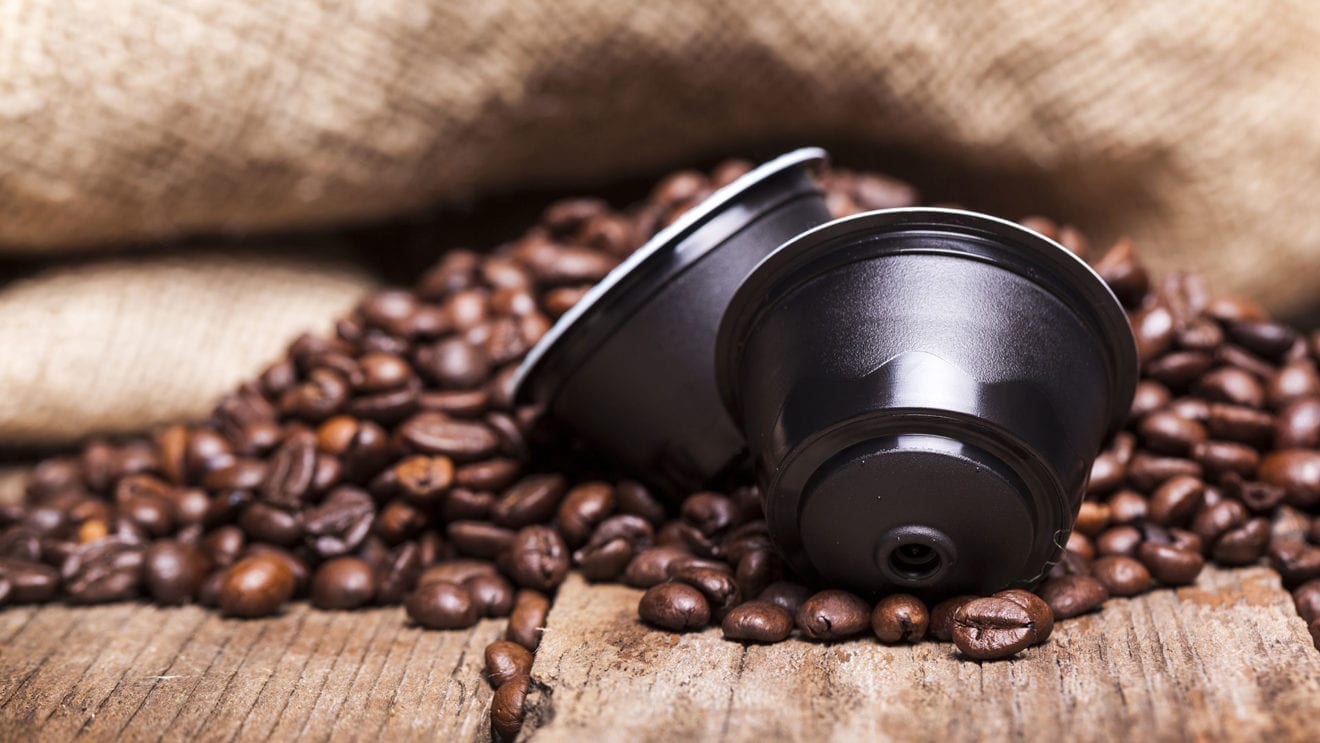
  • Vietnam’s May coffee exports extend downtrend to finish at 6-month low

    Vietnam’s May coffee exports extend downtrend to finish at 6-month low

    Coffee exports for the 2016/2017 season have already fallen nearly 7 percent, based on government data. Vietnam, the world’s largest exporter of robusta coffee, will ship an estimated 120,000 tons (2 million bags) of coffee this month, the lowest volume in six months and a drop of around a quarter from a year earlier, the government said on Monday.

    This figure would bring the accumulated volume since October 2016 at the start of the current 2016/2017 crop year to 1.09 million tons, down nearly 7 percent from the previous season, based on data from the General Statistics Office’s monthly report.

    The forecast for May, which is down 25.5 percent from the same month last year, is the lowest since November 2016 when the country exported 114,600 tons.

    Falling shipments from Vietnam, the world’s second largest coffee producer after Brazil, suggest dwindling stocks. Last month’s shipments hit a five-month low of 134,800 tons, based on government data.

    Strong exports in the first months of 2017 have left foreign buyers with adequate stocks and Vietnam with less coffee beans.

    In March, a senior executive from Vietnam’s top coffee export firm Intimex warned the country could fall short of the bitter beans in May or June due to rising shipments and dwindling domestic stocks.

    The country’s stocks at the end of the 2016/2017 crop year are forecast to plunge 64 percent from the previous season to 1.38 million bags, the U.S. Department of Agriculture said in its May report released last week.

    Vietnam’s coffee crop year lasts between October and September.

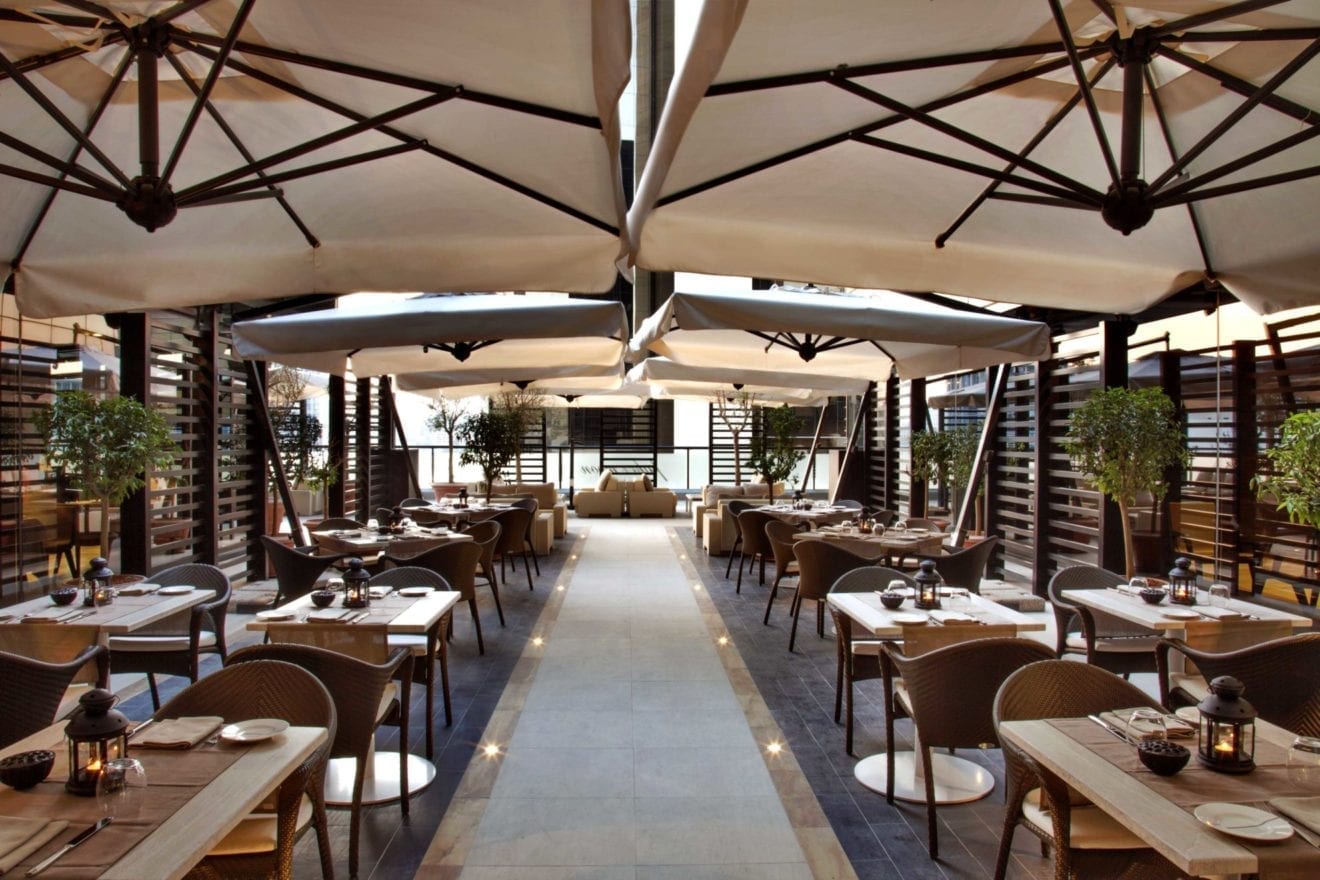
  • Paper Moon finds new landing in the Philippines

    Paper Moon finds new landing in the Philippines

    Milan’s famous ristorante Paper Moon is now in Manila, palangga. The restaurant opened in a gorgeous roof deck setting at the Knightsbridge Residences in Century City, a few steps from Century City Mall, Kalayaan Avenue, Makati City.

    Paper Moon is Edi Tekeli’s newest passion project and marks his return to Manille after many years of living abroad. He opened the restaurant with longtime friend and Century Properties chair, special envoy to the US José E.B. Antonio and Hilda Reyes Antonio.

    After fashion retail, and knowing that Manila’s restaurant scene has become more vibrant, Tekeli felt he had found a gem in Paper Moon. He wanted to bring this rare culinary experience to the Philippines.

    Paper Moon has also opened in Istanbul and Doha.

    The grand opening in Century City coincided with Tekeli’s birthday party. He said the event was his way of expressing gratitude to friends who’ve been supporting his endeavors, such as when he brought retail brands Guess and Mango to the country.

    Among the guests were ambassadors from Italy, Massimmo Roscigno; Britain, Asif Ahmad; Singapore, Kok Li Peng; Canada, John Holmes.

    Also in attendance were Rep. Tonyboy Floirendo, Ambassador Bienvenido Tantoco Sr. and New York-based physician Norman San Agustin.

    Enrica del Rosso, who cofounded Paper Moon in 1977 with husband Pio Galligani, graced the affair and was happy to see the impeccable style touches in the restaurant.

    Tekeli is said to be opening more Paper Moon outlets in Southeast Asia.

    Rustan’s Portugal fest

    Rustan’s, in partnership with the Consulate of Portugal, recently launched “Portugal Divino!”—a celebration of Portuguese arts and crafts. At the opening, Anton Huang of Stores Specialists Inc. welcomed guests of honor led by honorary consul of Portugal to the Philippines Tony Rufino.

    Huang and Rufino later led the toast, along with Rustan’s VP for home merchandising and buying division Marilen Tantoco, Philippine Ambassador to Portugal Celia Anna Feria, award-winning Portuguese artist Arlinda Frota and Portuguese designer Ricardo Preto.

    On exhibit at Rustan’s Makati were Frota’s ceramic paintings. On May 26 to June 6, they will be on display at Rustan’s Shangri-la Plaza.

    Milestone

    Ricky Delgado Jr. of Isla LPG Inc. (ILC), the company behind LPG brand Solane (www.solane.com.ph), led its recent fifth anniversary celebration.

    “Solane has been here only for five years but we’ve already done so much,” Delgado said. “This company is respected for what it does well, and I think that if you look at how far we have come, it’s really because of the same strategy we have kept from the start—reliability safety, and we take what we say seriously.”

    Also toasting Solane’s milestone were Ruben Domingo, ILC chief executive officer; Shoichi Watanabe, Isla Petroleum and Gas (IPG) CEO; Willie Sarmiento, IPG chief finance officer; Tonito Gonzalez, ILC general manager for sales; and Yuji Fukuda and Keisuke Oba.

    Outstanding employees were handed awards: Team Ace Awards were given to the Bulk and Commercial Team. Account Manager of the Year was Haidee Alverne of the Vismin Team. Eagle Awards were given to Gigi Indangan, Regie Reyes, and Ricky Estolas, Jr. from the ILC operations staff.

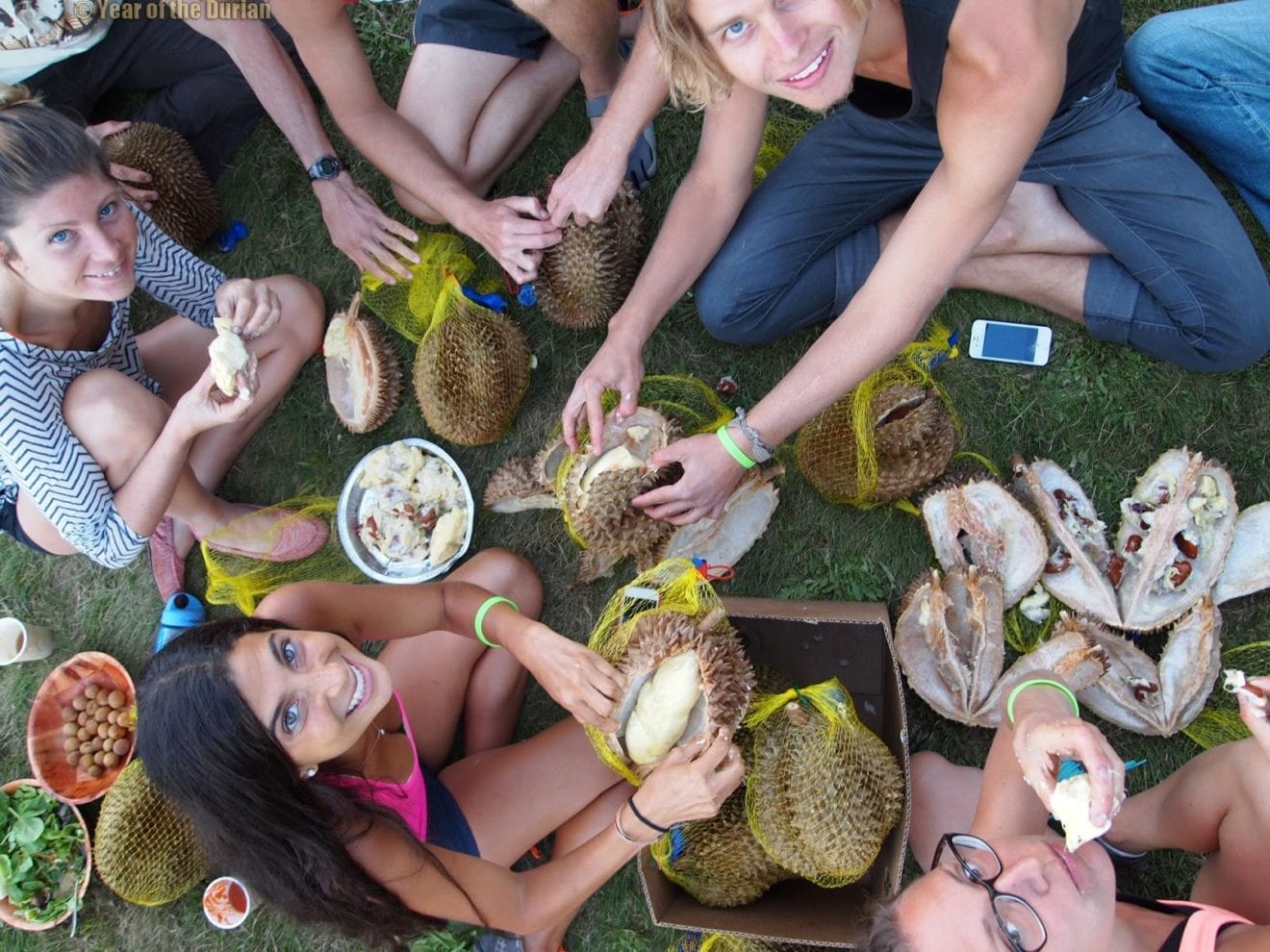
  • ‘Durian & Fruit Fest’ scheduled for Bangkok, Chiang Mai, Phuket

    ‘Durian & Fruit Fest’ scheduled for Bangkok, Chiang Mai, Phuket

    By focusing on the “King of Fruits”, the durian, the company says it hopes to encourage fruit consumption on an international level.  Together with the Tourism Authority of Thailand, the Commerce Ministry and Central Pattana, Central Food Retail is organising the “Thailand Amazing Durian & Fruit Fest”. More than 300 Thai fruits and fruit-based processed foods will be served in buffet lines taking place in three popular tourist destinations, Bangkok, Chiang Mai and Phuket.

    Phattaraporn Phenpraphat, executive vice president for marketing and public relations at Central Food Retail, said Thailand’s excellent geographic location and pleasant climate created its potential to cultivate tasty fruits of fine quality, which are much appreciated by both Thais and foreigners.

    Fruit exports generate major income for the country. In March last year, the Office of Agricultural Economics forecasts that production of durian, rambutan, mangosteen, longan, langsat and lychee would total more than 2.3 million tonnes.

    As the operator of a supermarket business, Central Food Retail is an expert in selecting fresh, delicious and quality fruits from all over the country to provide to consumers. Last year, about 7,000 tonnes of 66 domestic fruits from 62 provinces were sold, the top 10 being banana, watermelon, other melons, durian, orange, mango, pineapple, papaya, longan and rambutan.

    This year, the company targets overall sales of 10,000 tonnes in 232 branches (as of May).

    The company hopes durian will be a selling point to promote this year’s Fruit Fest, boost Thai fruit consumption and attract more tourists.

    Last August, a durian buffet was held for the first time in Thailand – that month was in the late season for durian in the Eastern region and the harvest season in the South. Feedback from the event was excellent, the company says.

    Of the participants, 70 per cent were Thais and 30 per cent foreign tourists, mostly Chinese. According to a survey, the tourists were very pleased with the durian buffet. They said the price was reasonable and they wanted to come back if the buffet were to be organised again.

    “The company was really satisfied with the event last year,” Phattaraporn said. “It created a signature and an image of Thailand as the world’s destination for tropical fruit. Therefore, we are making the durian buffet one of our main events this year.

    “With the intention of encouraging fruit consumption and attracting tourists, we are cooperating with the Tourism Authority of Thailand, the Ministry of Commerce and Central Pattana to promote the event and create awareness among target markets, using two main strengths: the 17 types of durians and the locations of the buffets, namely Bangkok, Chiang Mai and Phuket.”

    At the event, there will be two zones, a buffet zone and a farmer’s market. In the buffet zone, there will be various kinds of Thai fruits, led by Monthong durian, the “Queen of Fruits” or mangosteen, rambutan, lychee, watermelon, banana, and papaya, along with more than 11 fruit products such as coconut water, Thai sticky rice with mango, and coconut-milk ice cream.

    In the farmer’s market, the highlights of the event will be gathered, for example, E-nak durian from Rayong province, which is quite rare, Koh Chang Chanee durian, durian Tteokbokki, durian Bingsu, crispy mangosteen, durian macaron, and durian Chinese pastry. Overall, there will be about 300 products in both zones.

    The Thailand Amazing Durian & Fruit Fest will be held in as follows:

    • Bangkok from May 24-31 at the Square A area in front of CentralWorld;

    • Chiang Mai from June 7-13 at the courtyard in front of CentralFestival Chiang Mai

    • Phuket from June 28 to July 4 at the courtyard in front of CentralFestival Phuket.

  • Central Food launches new format in Thailand

    Central Food launches new format in Thailand

    The parent company of Tops Supermarket, Central Food Retail (CFR), will invest Thb1bn (US$29.37m) in a new format Tops Plaza, and 176 new Superkoom supermarkets.

    The leading Thai retailer told that the new format will be community shipping mall, with the first to open in Pichit this year, and another in Payao next year. CFR also plans to open 178 Superkoom supermarkets this year, bringing its total operations of the discount supermarket to 200.

    Phattaraporn Phenpraphat, CFR executive vice-president for marketing and public relations, told that the company had strong sales growth in the first quarter of the year, both from existing stores and from new Superkoom, Tops Daily and Tops Market store openings.

    “Our sales growth of 3.02 per cent in the first quarter exceeded the industry growth rate,” she said.

  • Vietnam’s pepper farmers urged to keep calm and carry on

    Vietnam’s pepper farmers urged to keep calm and carry on

    Industry leaders have called on distraught and anxious pepper farmers to remain calm and refrain from selling their produce at low prices, saying the current price plunge is most likely a fleeting phenomenon.

    Do Ha Nam, Chairman of the Vietnam Pepper Association, said farmers should break their impulse to “mass sell” their produce immediately after harvest.

    “Vietnamese pepper exports now account for nearly 50% of global output, so we are actually in a position to control the market. Farmers should be calm and not sell at lower price, and the market will revert to its equilibrium,” Nam said.

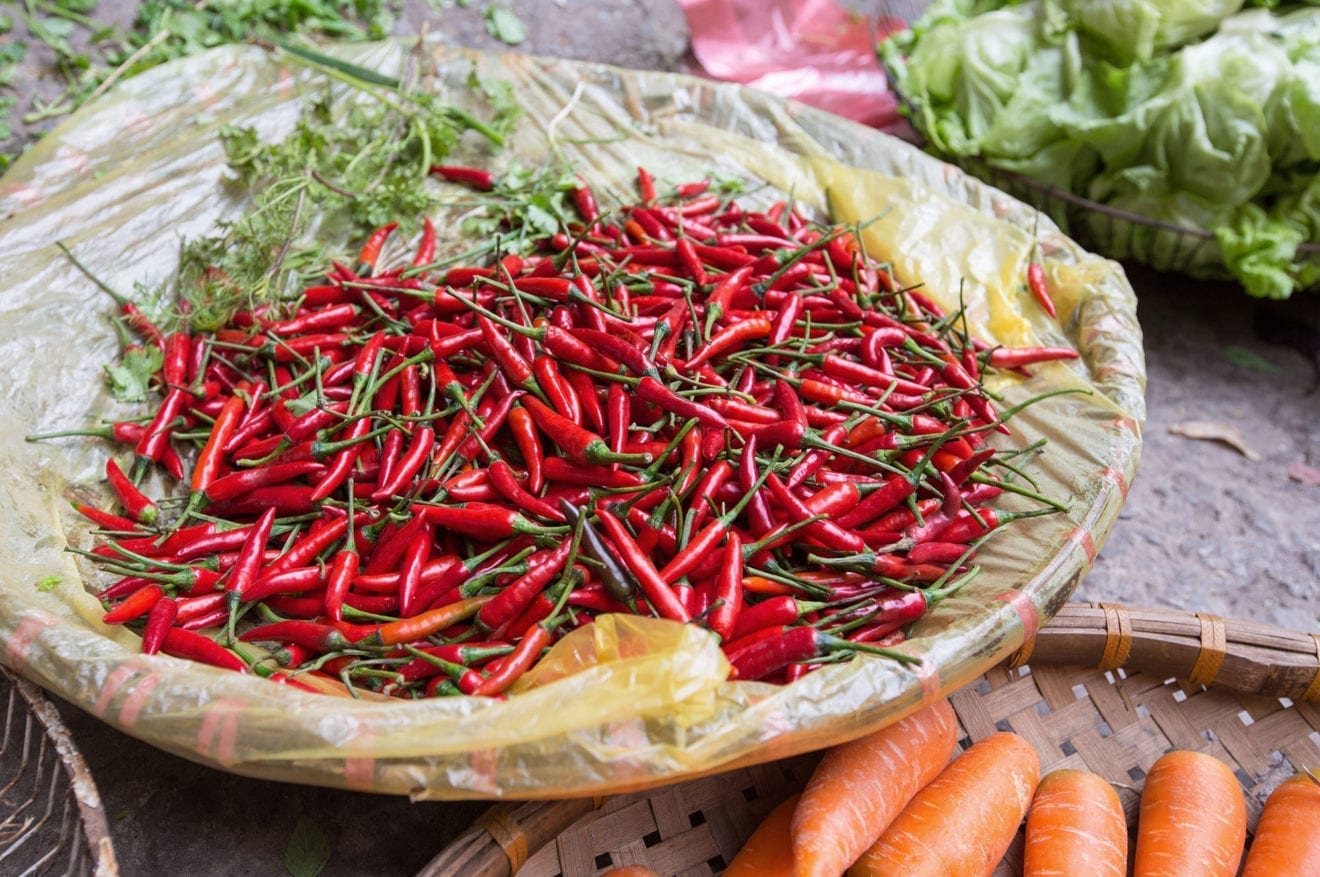
    In the Central Highlands, the price for whole peppercorns on the domestic market has dropped from VND180,000 (US$8.04) since last August to around VND80,000 (US$3.57) per kilogramme as of May 28 to reach the lowest point in seven years, and many pepper farmers are in dire straits, with some pushed to the point of having to sell their land to settle debts.

    Authorities, meanwhile, are struggling to manage what they say is the consequence of unplanned farming and poor quality crops, which is dragging the whole industry down.

    According to the Standing Committee of the Tay Nguyen Steering Board, farmers were “misled” by pepper price surges in recent years to plant the crop on a large scale, ignoring warnings from local authorities. Subsequently, gluts have led to the sharp decline in prices, the committee has said.

    Nguyen Thi Do, a pepper farmer in Dak Nong Province, said her family had taken a bank loan of VND4 billion (US$178,770) to plant pepper on a 10ha plot. At her initial calculation of VND200,000 (US$8.93) per kilogramme of whole pepper, profits were certain, but the drastic drop in prices could force her to sell her land to repay the bank.

    Pepper rush

    Originally, Central Highlands provinces like Dak Lak, Dak Nong and Gia Lai had planned to expand the farming area for pepper to a maximum of 6,000ha by 2020. But all these provinces have surpassed this limit by far. Dak Lak has nearly 28,000ha of pepper farms, Dak Nong, 25,000ha, and Gia Lai, over 15,000ha.

    The national total is about 150,000ha, set to produce about 300,000 tonnes of pepper in the next two to three years, so, going by supply and demand function alone, prices could drop as long as supply exceeds demand, said Hoang Phuoc Binh, Deputy Chairman of the Chu Se District Pepper Growers’ Association in Gia Lai Province.

    To compound matters, even with farming on such a large scale, many farmers have experienced crop failures due to poor preparation and misuse of chemical inputs.

    Huynh Van Lan of Gia Lai Province, along with his peers, is increasingly worried about drops in both production and prices as his crop nears harvesting. Of more than 2,000 vines on his farm, 250 have died while the rest are producing just half their normal yield.

    Bad habits

    Tay Nguyen authorities have recorded a common practice among local pepper farmers of planting a new crop directly on malnourished, acidic and depressed soil without taking any step to replenish the soil with nutrients. This is causing slow growth and increased vulnerability to diseases.

    To make matters worse, a number of farmers have been using seeds of dubious quality, affecting the rest of the harvest. The use of toxic pesticides and growth accelerators has further exacerbated the situation.

    As if all this weren’t enough, the irregular drizzling since February 2017 has continued to dampen the pepper vines’ roots, exposing them to pests and affecting production.

    Experts say that the combination of market glut and poor quality crop threatens sustainable development of the domestic pepper industry, most particularly its export potential.

    High non tariff barriers are another challenge for Vietnamese pepper, which has to contend with markets already familiar with exports from Indonesia, Malaysia and India, they say.

    Sustainable solutions                                

    To prevent “spontaneous” and inefficient farming, the Tay Nguyen Steering Board has asked provincial authorities to adjust and firmly implement their provincial pepper cultivation plans.

    They should also organise comprehensive training programmes for local farmers in order to synchronise production in the region, the board has said.

    It has noted that the need for sustainability stretches across all crops and agricultural products, requiring farmers to work closely with other stakeholders in the supply chain to obtain technical support and suitable farming inputs.

    In Chu Puh District, Gia Lai Province, a key pepper producing area, a farming model that saves water, uses organic fertilisers and pesticides is showing encouraging results.

    More importantly, farmers are being advised to plant exclusively on suitable soils with high drainage to allow maximum growth and minimum soil damage.

    So far, the district has implemented this model on more than 100ha, and aim to expand this to 500ha by 2020.

    The Steering Board also advised local governments to focus on brand building and vertical integration to promote exports.  Clean, ecologically sound cropping is the ideal long term solution to the problems faced by the domestic pepper industry, experts agree.

    The rosier side

    Do Huong Duong, vice chairman of the Phu Nhuan Service Joint Stock, notes that despite the ongoing problems in quality, output and prices, export turnover has continued to rise.

    According to the Ministry of Agricultural and Rural Development, Vietnam exported about 75,000 tonnes of pepper worth US$456 million in the first four months of 2017.

    Vietnamese pepper has been a stable import in the US, United Arab Emirates, Pakistan, Indian and German markets in the first three months. There are signs of improvement in other markets like Thailand, where import of Vietnamese pepper has registered a year-on-year increase of 49.6%.

    These numbers prove that Vietnamese pepper is able to meet quality criteria in the strictest markets in the world, Nam said. Farmers have to be encouraged and helped to focus on improving their produce while the Government keeps an eye on mass production and quality control, he said, adding that that this would ensure market stability as well as sustained profits from this key crop.