Category: Food

Retail News Asia is committed to providing both local and global retailers with the latest Food and Food & Beverage news throughout the Asian market. This on a daily base.

  • The inaugural Asian Food Tech Expo opens in Shanghai 2018

    The inaugural Asian Food Tech Expo opens in Shanghai 2018

    The first Asia Food Tech will be held from May 16-18 May 2018, in Shanghai New International Expo Center. The exhibition is organized by the Messe München. It focuses on fresh food production, food  processing and packaging. Through the latest processing and manufacturing equipment & technology from meat, dairy products, fruits and vegetables, seafood, wine and other eight sectors, the show aims to push China’s food industry towards a better standard – “safety, seamless, intellectualised, modularised and flexibilized, tailor-made”.

    Asia Food Tech will be collocated with 3 other shows including “2018 Fresh Food Asia”, the 5th “Fresh Logistics Asia”. The event covers over 50,000 sqm exhibition area, with more than 800 exhibitorsand 35,000 professional visitors.  Be the first to lock down business opportunities!

  • Big two slice bread prices

    Big two slice bread prices

    Coles is slicing the cost of its bread in a move that could open another front in the major supermarkets’ price war. Australia’s supermarket giants have already fought fiercely on milk and meat, and the Wesfarmers-owned chain has now cut the price of more than 30 varieties of loaves and rolls by as much as 35 per cent.

    Coles general manager of bakery Jon Haggett said lower prices are key to luring more customers.

    “We know bread is a household staple and always on the shopping list,” he said.

    A range of Tip Top branded products will also be discounted, and Woolworths is matching at least one of those.

    Coles managing director John Durkan told investors in June that he wanted “Coles to be famous for its fresh bread”.

    He said plans were underway to convert an additional 180 stores to include full bakeries as Coles works towards offering fresh-baked bread in every store.

    Woolworths bakes bread on-site at more than 630 of its supermarkets.

    A Woolworths spokesperson said it was also focused on lowering prices on bakery goods and, as of Thursday, its most popular products will be markedly reduced in price.

    Brumby’s Bakery owner Retail Food Group said it was not worried by the moves.

    “Brumby’s Bakery is confident they will be able to sustain their customer base should there be a price war between major supermarket brands,” a statement from the company said.

    It said Brumby’s, as a specialty bread retailer, offers artisan and quality goods, while major supermarkets base their business on scale and quantity.

  • AirAsia’s new inflight menu celebrates Asian flavors

    AirAsia’s new inflight menu celebrates Asian flavors

    In-flight meals are not usually the most exciting cuisine. During trips, travelers usually make do with cup noodles or overpriced hotdog sandwiches at the airport prior to their flights.

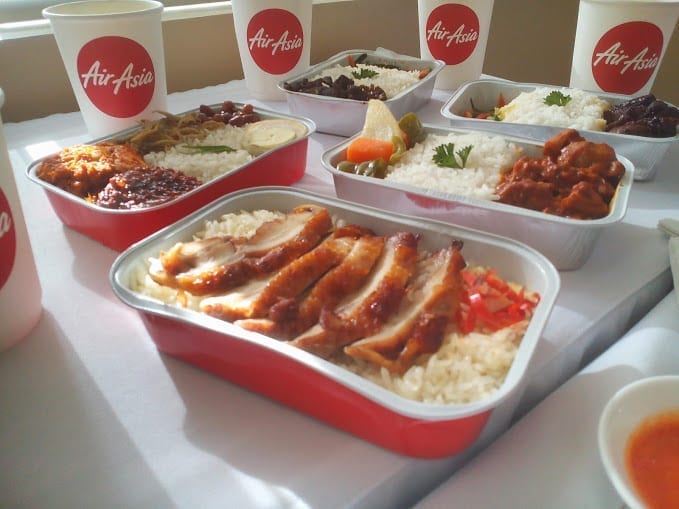
    Frequent travelers will be happy to have the option of enjoying appetizing and affordable meals on their way to a destination. Nasi lemak from Malaysia, green curry from Thailand, and beef bulgogi from Korea are just a few of the gourmet meals you can now enjoy onboard AirAsia, whether you’re traveling on international or domestic flights.

    AirAsia unveiled its Santan inflight menu and catalogue featuring the best of Southeast Asian flavours at a press event held in Bohol in partnership with Amorita Resort.

    Santan or coconut milk is a popular ingredient used in different Southeast Asian cuisine, and is featured in some of the inflight meals. The new inflight menu and catalogue features hot meals, savory snacks, healthy food selections, a variety of beverages, and special gift items and merchandise.

    Nasi lemak, a fragrant rice dish cooked in coconut milk and pandan leaf, served with traditional anchovies chili paste, cucumber, and various side dishes, is considered the national dish of Malaysia. AirAsia’s in-flight version manages to deliver big on flavor, with its savory coconut milk-infused rice and chicken in spicy sambal sauce.

    Chicken rice is popular in hawker stalls and restaurants in Singapore. The Hainanese roast chicken with seasoned rice served with a tasty secret chili, ginger and garlic sauce that’s sure to be a crowd-pleaser

    Thai green curry, an aromatic chicken curry infused with authentic spices from Thailand like kaffir lime leaves and Thai basil served with fragrant white rice, is also a hit with travelers.

    Are you a fan of Korean food? Try AirAsia’s spicy beef bulgogi, a stir-fried beef dish served with japchae or Korean glass noodles.

    For true blue Pinoys, there’s also our signature chicken adobo from the Philippines.

    Pasta lovers and kids will enjoy the Chicken Lasagne, a blend of classic creamy cheese and chicken with assorted vegetables. Dessert selections include red velvet cake, chocolate meringue and chocolate chip cookies.

    AirAsia, which has been voted the World’s Best Low Cost Carrier for nine straight years, aims to reinvent flight hospitality with its inflight meal options.

    “Gourmet experience onboard doesn’t have to be expensive and as an added value for our guests, we are keeping our pricing at affordable levels and at the same time maintaining the high quality and flavour of all our meals,” said AirAsia Philippines’ head of ancillary Karlo Sanchez.

    Hot meals are available onboard and via online pre-booking on all AirAsia flights across their network, extending as far as India, China, Australia and United States. A la carte hot meals cost P150 while combo meals with a choice of drinks and brownie are priced at P180 via online pre-booking.

    To enjoy greater savings, AirAsia encourages guests to pre-book their meals or to purchase their meals in advance online. Guests who pre-book will be assured of meal availability and will enjoy priority meal service onboard.

  • Harbour City expansion to be dining precinct

    Harbour City expansion to be dining precinct

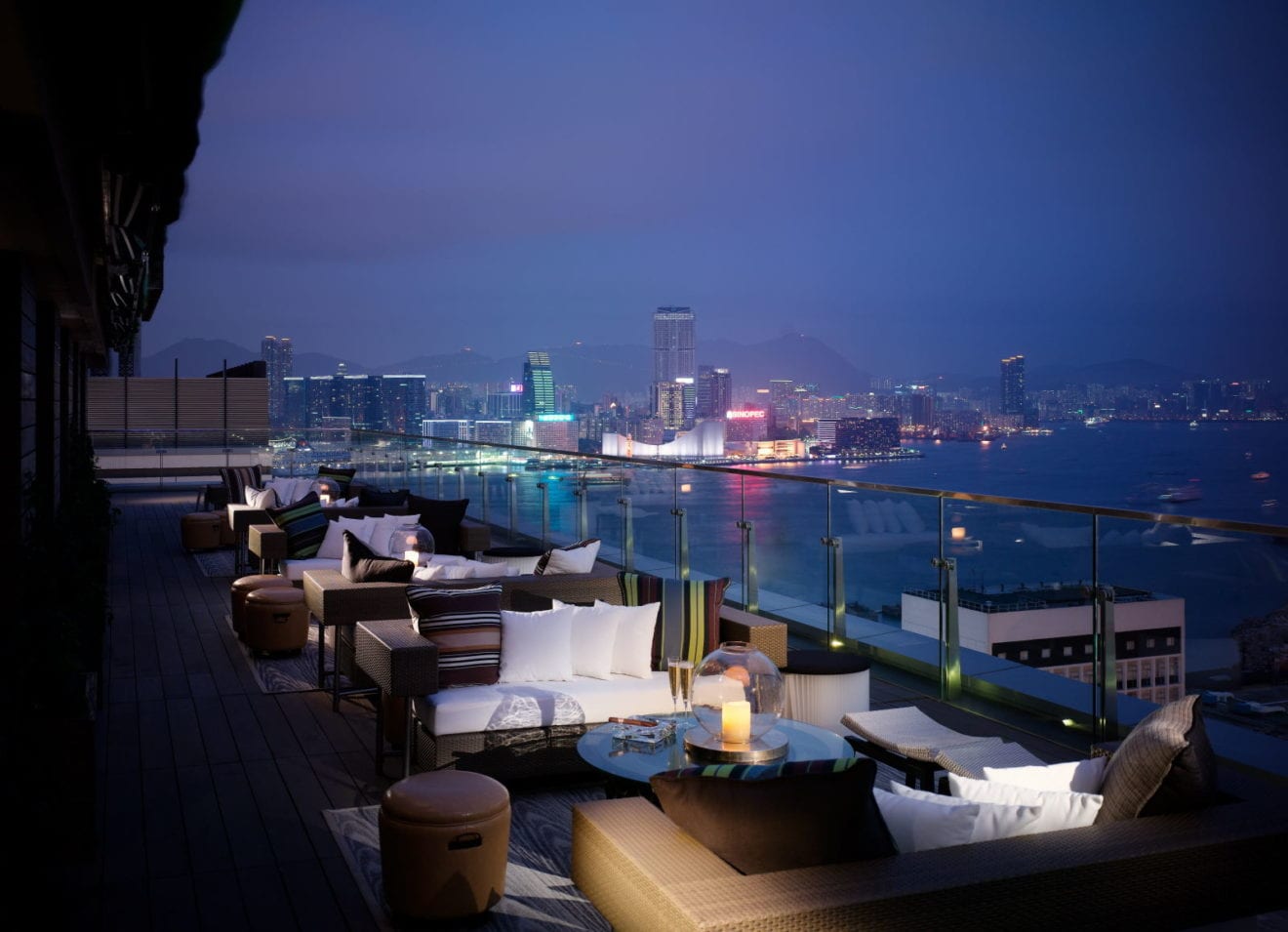
    Harbour City, Hong Kong’s biggest shopping mall, is expanding to provide dining options, decks for viewing the harbour and a permanent home for customs and immigration services for cruise passengers.

    Work on the five-storey extension to the western end of Ocean Terminal in Tsim Sha Tsui is expected to be finished by the end of the year, with each floor featuring a free observation deck offering 270-degree panoramic views of Victoria Harbour.

    The Harbour City expansion will add 100,000 sqft (9300 sqm) of space to Harbour City, part of Ocean Terminal, which already has around 2 million sqft of floor space and 450 shops.

    There will be no shops in the extension, however, which will be devoted to restaurants and other dining outlets.

    At the moment, a temporary customs hall comes into play whenever a ship docks at the 51-year-old retail hub.

    “There will also be a proper loading area for cruises,” says an Ocean Terminal spokeswoman.

    Next to the Star Ferry’s Tsim Sha Tsui pier, Ocean Terminal opened in March 1966 as the world’s first marine pier integrated with a shopping centre, and Asia’s first US-style shopping mall.

  • Hong Kong Brewcraft opens ‘cool’ branch in TST

    Hong Kong Brewcraft opens ‘cool’ branch in TST

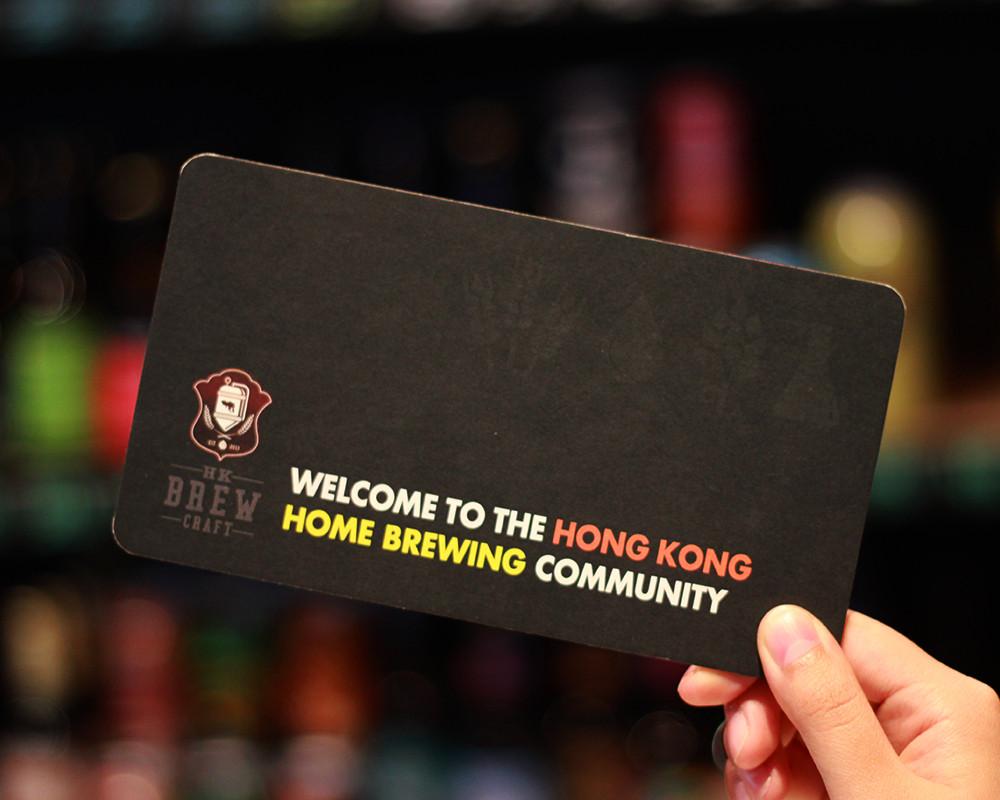
    Homebrew store HK Brewcraft has opened a branch in Tsim Sha Tsui showcasing 200 international beers.

    It is the company’s second outlet. Its original store in Central houses 300 different craft beers.

    However, says the company, the new shop is the first in Hong Kong to offer 100 per cent temperature-controlled cellaring for beers, which are stored at three different temperatures to ensure an “optimal drinking experience”.

    “The demand for craft beer is growing in Hong Kong,” says HK Brewcraft’s Arielle Ng.

    She says the new store will also offer the popular one-gallon (3.7-litre) homebrew kit designed specifically for Hong Kong’s space-constrained apartments.

    Other than beers and home-brewing gadgets, HK Brewcraft TST will also be the hub for beer events in Kowloon.

    The new outlet has already co-hosted the Mikkeller Running Club event as well as the new seasonal launch for rising star Brewlander & Co from Singapore.

    A new educational tasting series, Beers @ Hillwood, will be held each month with special guests such as head brewers, brew pub managers and Beer Judge Certification Program judges sharing their favourite beers.

    Hong Kong’s Beertopia festival attracted more than 14,000 people last year with 14 local breweries showcasing their brews alongside international offerings.

  • Shake Shack to open Hong Kong location

    Shake Shack to open Hong Kong location

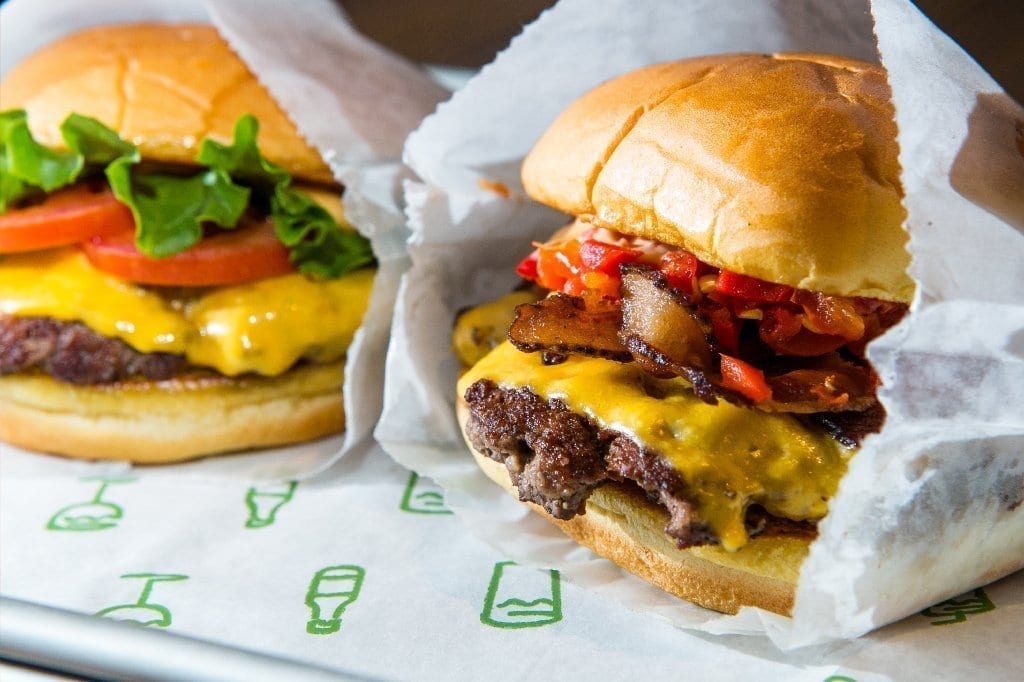
    Shake Shack, the burger-and-fries chain founded in New York, will open its first location in Hong Kong next year, setting the stage for a push into the fast-food hotbed of mainland China.

    The restaurant will be opened with licensee Maxim’s Caterers Ltd. and a total of 14 locations are planned in Hong Kong and Macau through 2027, Shake Shack said Wednesday.

    The chain’s upscale burgers and fries will appeal to the population there, and the restaurants will provide a base for eventually going into China, according to Chief Executive Officer Randy Garutti.

    “You’re seeing changing preferences for what was traditional fast food,” he said in an interview. “There’s a continued thirst for great brands and a premium level of food at an approachable price.”

    While about 90 percent to 95 percent of the menu will be the same as in the U.S., there may be more chicken items, said Garutti, who sees opportunities in mainland China, where Maxim’s operates other dining brands including Cheesecake Factory Inc.

    Shake Shack may look to grow overseas as the U.S. market becomes increasingly saturated with restaurants offering fast-food burgers. The company’s same-store sales fell 2.5 percent in the latest quarter, missing analysts’ projections, as cold weather hurt some locations.

    A recent report also found that the chain is suffering from a lack of customer loyalty in the U.S. despite its more upscale image.

    Shares of the company have declined 3 percent this year through Tuesday’s close, while the Standard & Poor’s 500 Restaurants Index has jumped 17 percent.

    China Challenges

    Expanding into China comes with challenges as other fast-food companies have faced supply-chain scandals and anti-Western sentiment there. Last year, Yum! Brands Inc. spun off its China unit to focus on turning around its U.S. business. The owner of KFC and Pizza Hut had struggled to boost sales in China as local competitors offer discounted prices and gain market share.

    Shake Shack already has some locations in Asian countries, including Japan and South Korea, among its 135 restaurants. Still, Garutti said the U.S. is its main avenue for growth.

    Domestic sales will be the “lion’s share” of the business going forward, he said. “We have massive growth ahead here in the states.”

  • KFC offering finger-clickin’ goodies

    KFC offering finger-clickin’ goodies

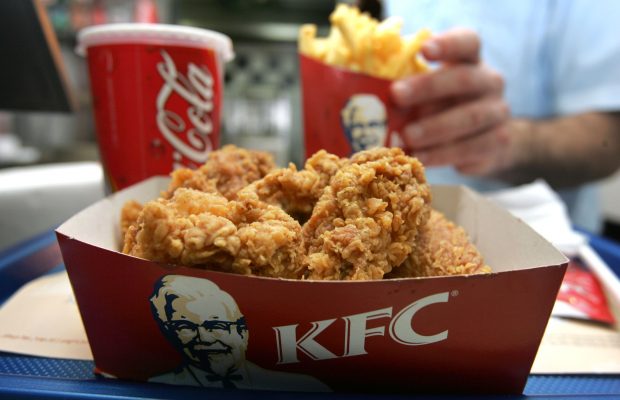
    Kentucky Fried Chicken has launched an online merchandise shop, KFC Ltd, which features the fast-food company’s first collection of “quality fried-chicken apparel” and limited-edition items.

    Starting from US$8, the debut collection includes t-shirts, enamel pins and framed artwork inspired by KFC and Colonel Sanders. The items are produced in limited-edition quantities.

    Here’s what KFC has to say about its collectibles…

    “Need to keep it classy for the office? Fried-chicken socks will add a pop of drumstick to any ensemble. If you’re looking for a matching tie, you can’t go wrong with a classic Colonel Sanders string bowtie.

    “The ‘Finger-Lickin’ Good’ gold-plated necklace will let you proudly proclaim your embrace of the fried-chicken lifestyle.

    “The Colonel Sanders pillowcase will let the dreamers in your life fall asleep each night next to the man who turned his dream of building a fried-chicken empire into a reality.

    And to go right off the planet, the online store offers a 400-year-old meteorite. Retailing for $20,000, the one-of-a-kind space rock has been shaped to resemble a Zinger chicken sandwich.

    KFC US director of media and digital Steve Kelly says the company plans to partner with apparel and lifestyle brands to create exclusive one-of-a-kind collaborations.

    Based in Louisville, Kentucky, the KFC Corporation has more than 20,500 outlets in more than 125 countries and territories. It is a subsidiary of Yum! Brands.

  • Vietnam’s coffee export plunge could raise global supply concerns

    Vietnam’s coffee export plunge could raise global supply concerns

    Lower outflow from Vietnam, coupled with falling exports from Brazil, could reduce the downward pressure on prices created by ample stocks in importing nations. Vietnam’s coffee exports fell last month by more than a fifth from the same period last year, extending a downward trend that started in March following a smaller harvest this season and a higher ratio of low-quality beans, government data showed.

    June shipments fell 22.7 percent from a year ago to 122,200 tons, or 2.04 million 60-kg bags, based on Vietnam Customs data released on Tuesday.

    Lower outflow from the Southeast Asian nation, coupled with falling exports from top producer Brazil, could reduce the downward pressure on prices created by ample stocks in importing nations, according to the International Coffee Organization (ICO).

    Vietnam’s coffee export volume in May fell to its lowest in six months after growers finished harvesting 26.7 million bags from the 2016/2017 season in January, down 7.7 percent from the previous crop, based on a U.S. Department of Agriculture (USDA) report published in June.

    The exportable volume of coffee left in Vietnam at the start of this month stood at 7.56 million bags, down nearly 30 percent from the same time in 2016, based on customs data and USDA figures for output, carryover stock and consumption.

    “Exporters in Vietnam, especially FDI firms, do not face any shortages,” a Vietnamese trader based in the Central Highlands province of Dak Lak said.

    Vietnam’s coffee outflow has been dropping since March because several major exporters have reduced loading due in part to thinner supply on the domestic market, while a larger proportion of bad-quality beans have also eaten into the volume of exportable beans, the dealer said.

    Unseasonal rain between October and December last year in Vietnam’s Central Highlands coffee belt not only delayed the harvest but also raised the ratio of black and broken beans, which are counted as defects in export terms.

    June’s shipments brought Vietnam’s total coffee exports in the three quarters ending June in the current 2016/2017 crop year to 1.21 million tons, or 20.17 million bags, down 8.6 percent from a year ago, based on data compiled by the customs department. Vietnam’s coffee season runs from October to September.

    In Brazil, coffee exports from January to May fell 8.2 percent on-year ago to 12.7 million bags, the Brazilian Coffee Exporters Council (Cecafe) said in a report.

    Cecafe estimated the export volume in June at 2.05 million bags, down more than 16 percent from the same month in 2016.

    “The reduced Brazilian export volume could be compensated by shipments from other origins,” the ICO said, citing higher supplies from Colombia, Ethiopia, Honduras, Indonesia, Peru and Uganda.

    While the global coffee market remained well supplied last month, a residual risk of frost in Brazil may affect the outlook for the next crop and “possible outbreaks of coffee leaf rust in countries such as Honduras may raise supply concerns in the market”, the ICO said.

    September arabica coffee contract settled up 0.7 cent at $1.276 per lb on Wednesday, and September robusta also ended up $25, or 1.21 percent, at $2,097 per ton, as chart signals strengthened after four sessions of losses, Reuters reported.

    It said dealers were closely watching the July contract amid expectations of tightening supplies over the next few months.

    Robusta bean prices in Vietnam trailed the rise, advancing to VND44,900-45,100 ($1.98-$1.99) per kg on Thursday in Dak Lak, the country’s biggest growing province, from VND44,400-44,600 the previous day.

    Vietnamese robusta grade 2, 5 percent black and broken from the last harvest was being quoted at discounts of $40-$50 a ton to November robusta futures contract, while beans of the same grade from the next harvest due to begin in October were also offered at similar discounts to the January contract.

    On June 22, exporters switched their quotations to discounts of $10-$20 a ton to London’s futures, the first discounts offered since late April.

  • Japanese investor to build cocoa factory in Gorontalo

    Japanese investor to build cocoa factory in Gorontalo

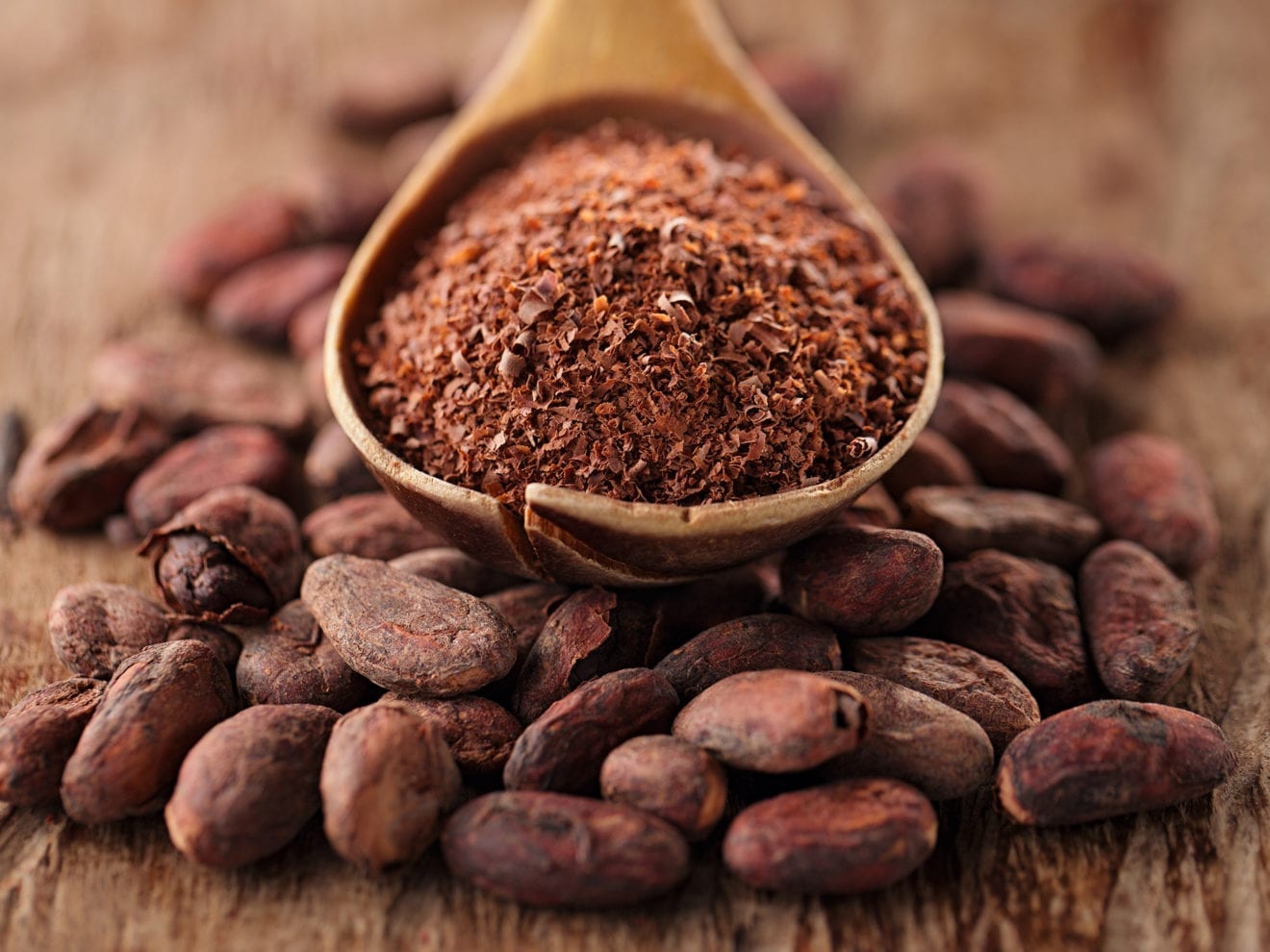
    Japanese investor Tokyo Food and Kanimatsu Corporation is keen to build a cocoa processing factory in Boalemo District, Gorontalo Province, Vice Governor of Gorontalo Idris Rahim stated.

    The Gorontalo provincial administration welcomes and supports the Japanese investors plans to process cocoa crops in the area, although the factory will be on a small scale, Rahim remarked here on Thursday.

    “The supply of cocoa beans will not come solely from Boalemo District but also from several districts in Gorontalo, such as Pohuwato, Bone Bolango, and Gorontalo,” he revealed.

    Cocoa beans will also be sourced from South Bolaang Mongondow and East Bolaang Mongondow, North Sulawesi Province, and Central Sulawesi, he added.

    He expressed hope that the factory would continue to develop in line with the increase in cocoa production in Gorontalo.

    “We hope the factory built by the Japanese investor would improve economic growth and prosperity of the locals,” the vice governor said.

  • Lips Cafe to feature lipstick-inspired fare

    Lips Cafe to feature lipstick-inspired fare

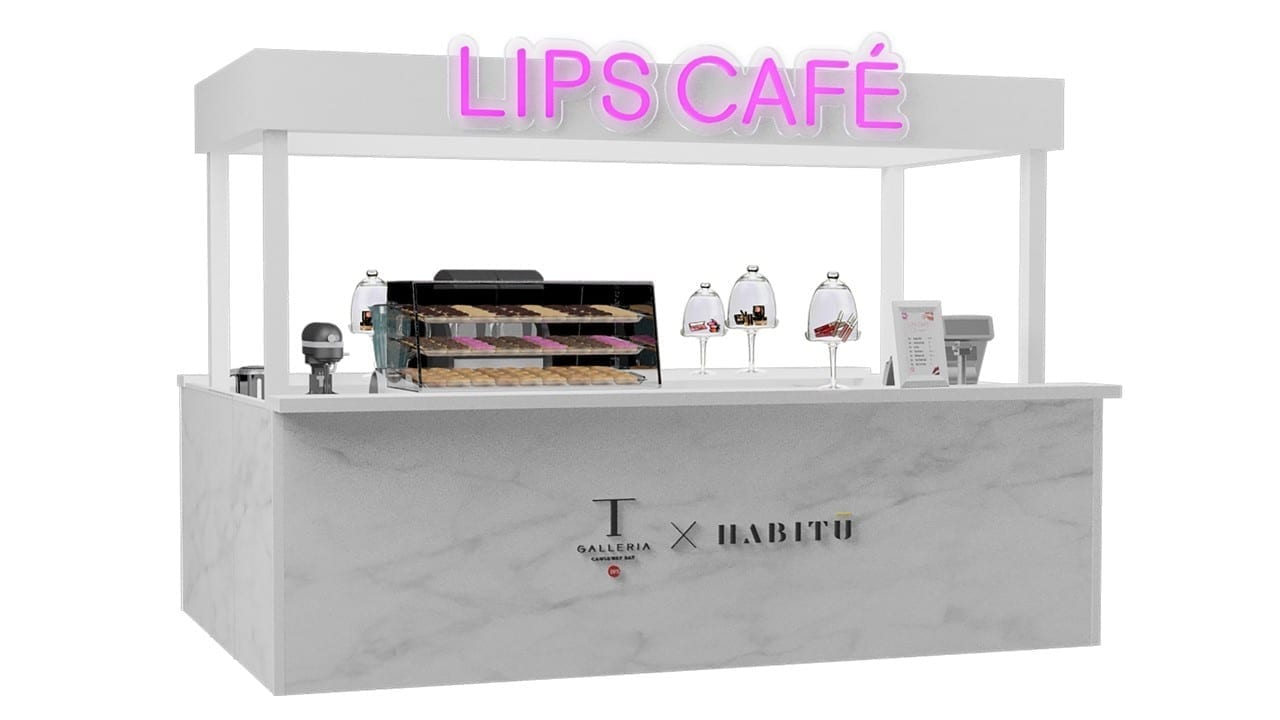
    Lip service means the full treatment with drinks and nibbles as well as lipsticks at the pop-up Lips Cafe in Causeway Bay all next month.

    At T Galleria Beauty by DFS, the pop-up is being created in collaboration with artisanal cafe Habitu to mark the annual DFS First-Class Beauty campaign and the travel retail store’s fifth anniversary.

    At Hysan Place, Lips Cafe features a menu – from signature iced drinks and popsicles to doughnuts and cookies – influenced by the latest lipstick colours. Customers who spend HK$80 (US$10) at the cafe will receive upgraded beauty rewards when buying lipsticks at T Galleria Beauty.

    There will also be workshops and shopping rewards during the month, including an instant-win digital game with a top prize of a round-trip business-class flight for two persons to Okinawa. Another prize is a personalised T Galleria Beauty fifth-anniversary tote bag.

    Activities include complimentary weekend cookie-decorating workshops by the founder of Sugar Me Kissery.

  • David Jones unveils $100m food strategy

    David Jones unveils $100m food strategy

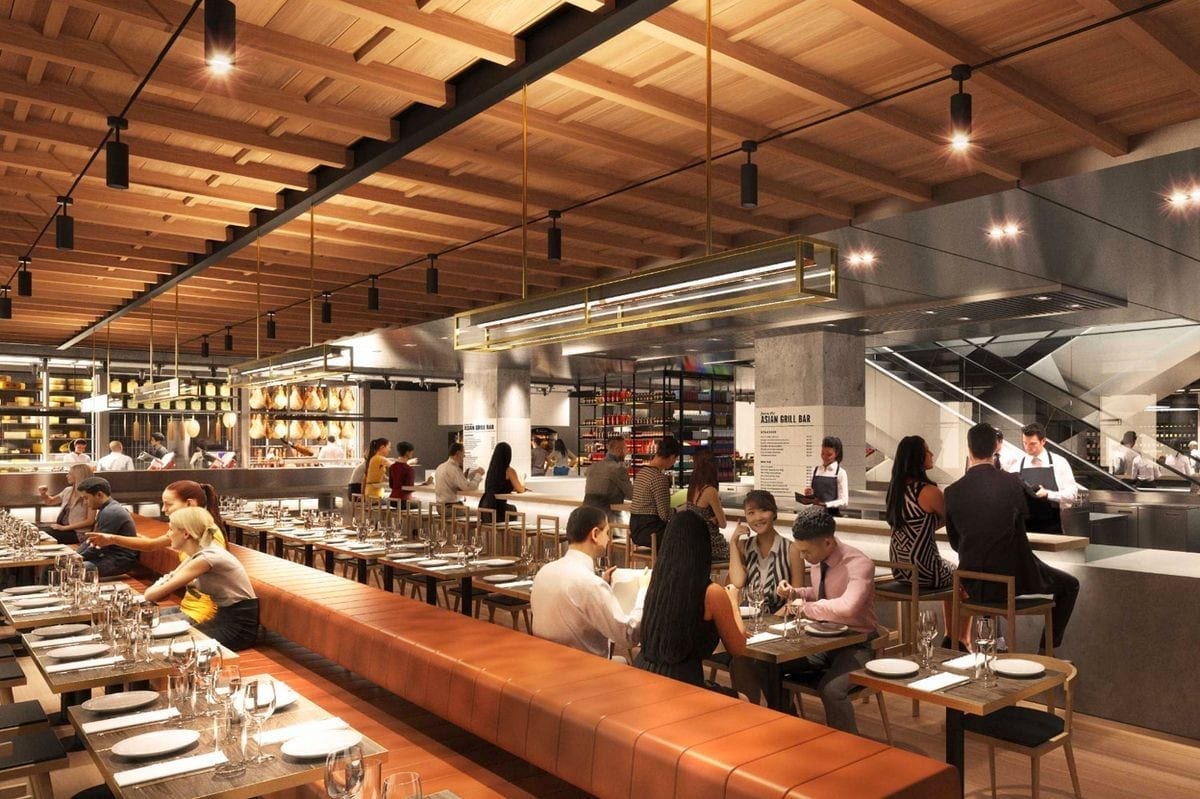
    Department store chain, David Jones, has unveiled its $100m food strategy, aiming to build a retail food business that draws on design elements from the world’s top food sellers and gets younger generations back in-store.

    David Jones’ new gourmet food offering will kick off at Bondi Junction in Sydney’s east within seven weeks time and will showcase the retailer’s attempt to tap into the $100 billion food sector.

    Taking cues from Switzerland’s Globus, Eataly in New York, and La Grande Epicerie under Bon Marche in Paris, the revamped food offering will incorporate integrated dining developed with well-known chef and restaurateur Neil Perry, as well as cafes, butcher shops, bakeries and seafood counters plus prepared meals and packaged groceries.

    Westfield Bondi Junction will be followed by a food market in GPT Group’s Wollongong Central shopping centre, then Melbourne’s Bourke Street store in November.

    When Woolworths Holdings acquired Australia’s oldest department store retailer, food  “was never part of the rationale of the acquisition” according to Pieter de Wet, group food executive, David Jones. But the South African based retail group – which is now predominantly a food business with over 400 food stores generating over 60 per cent of its turnover today – quickly recognised a gap in the market.

    Pointing to a survey undertaken with a sample of its customers, de Wet said customers felt limited in their food options and gravitated towards big supermarket players only because they had no choice and it’s a case of “whichever one is closest on the way home.”

    “So there’s no emotional connection that exists with specialists, so their local barista, baker, that they have the connection they love their experience from.”

    De Wet said when asked about DJs food offering, its customers were unanimous. “They basically said that from a food point of view, we had fallen off the map completely”

    “If you speak to the 35 years old and under generation, there’s no reason for them to come to David Jones today because it’s not kept up with the times…they basically said to us if you’re going to do food, make sure it’s not just a small evolution, make sure it’s a massive step forward otherwise it’s not going to really interest us.”

    When asked by assembled media about Amazon’s $13.7b acquisition of WholeFoods in the US, John Dixon, David Jones CEO said it showed the US giant is changing its strategy after understanding the importance of stores. “They initially started selling books online…the acquisition of WholeFoods shows that they understand that its important in this day and age to have both an online and store operation.”

    “Certainly when you think about the opportunity and strength of David jones, we already have a great store network, nationwide coverage and we’ve got an online business which is going very nicely that we are about to re-platform in September.

    “We’ve brought over an expert from the UK to spearhead our online growth and what we know is when customers actually shop across what we call both channels, they are the most important and valuable customers to us. So I think we are very well placed because we have what we call a connected retail strategy.”

  • Payment deal boon to Vinomofo

    Payment deal boon to Vinomofo

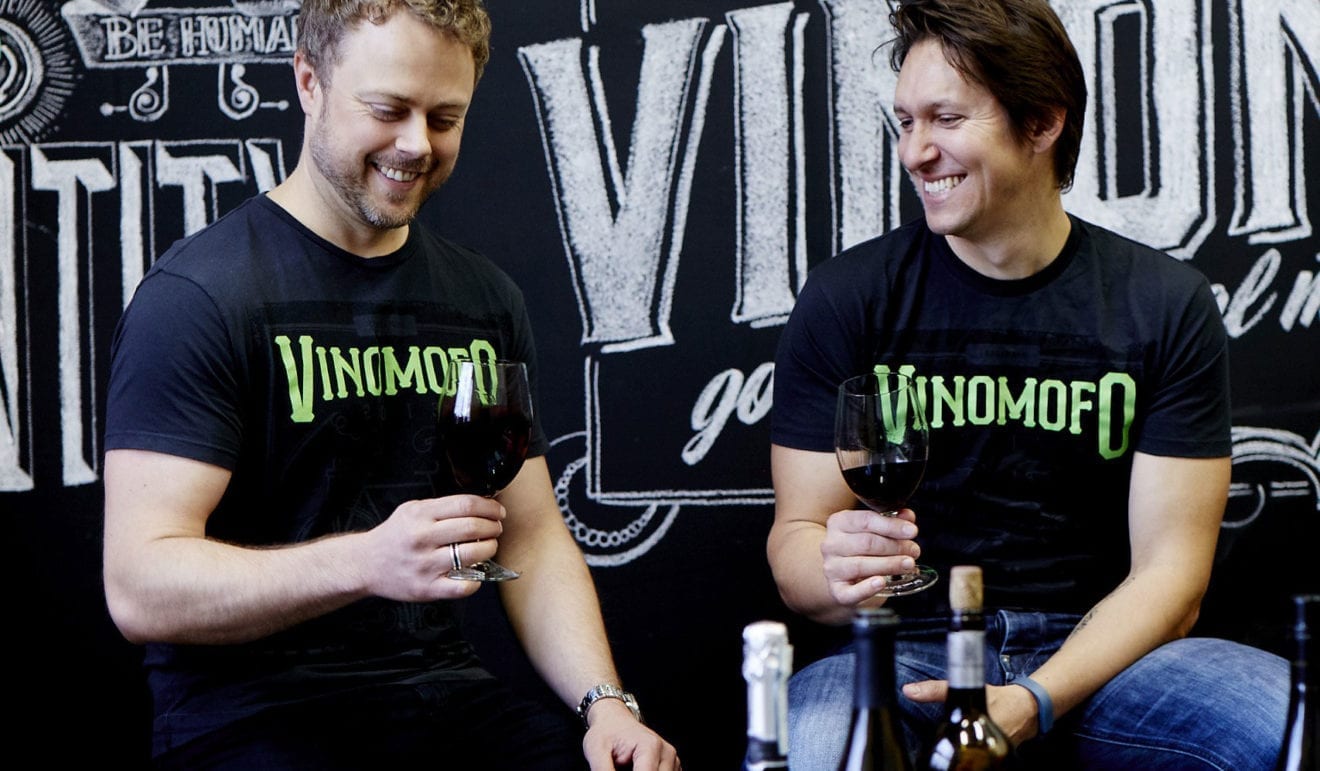
    Vinomofo co-founder Justin Dry says a recent deal between payment giant Stripe and Chinese digital wallet providers Alipay and WeChat Pay is “very welcome news” for its Asian expansion plans.

    Stripe announced yesterday that its customers will now have access to millions of Chinese consumers, through a partnership with Alibaba’s Alipay and Tencent‘s WeChat Pay.

    Together the wallet services claim more than one billion users and are estimated to have processed sales of almost $3 trillion in 2016, according to a UN affiliated report conducted by Better Than Cash Alliance.

    Vinomofo co-founder Justin Dry, who runs 90 per cent of his business through Stripe platforms, said he sees WeChat pay being at the “core” of its communications with customers in China, noting that the extended services will be tools in the arsenal for the company’s plans in the region.

    “We can see WeChat Pay especially being at the core of our communications over there, it’s an awesome social platform with a massive user base, perfect for us as a content-led tribe retailer,” he said.

    Stripe, based in Silicon Valley, works with a variety of e-tailers Down Under, including Vinomofo, Catch Group and Shoes of Prey.

    Under the deal Stripe’s withstanding partnership with Alipay in North America will be expanded to the Chinese market for one-time payments and a beta-test will be kicked off on WeChat Pay support and recurring payments.

    Stripe co-founder John Collison said he hopes the deal will catalyse more trade between Australia and China, noting where consumers maintain high demand for Aussie products, particularly wine and produce.

    “There is already impressive demand among Chinese consumers for Australian goods and services, and this presents a vast growth opportunity for Australian internet businesses” Collison said.

    Chinese retail e-commerce sales were worth US$376 billion in 2016 and are projected to more than double to US$839 billion by 2021, according to data portal Statista.

  • New laws in Bangkok may kill Thailand’s street food culture

    New laws in Bangkok may kill Thailand’s street food culture

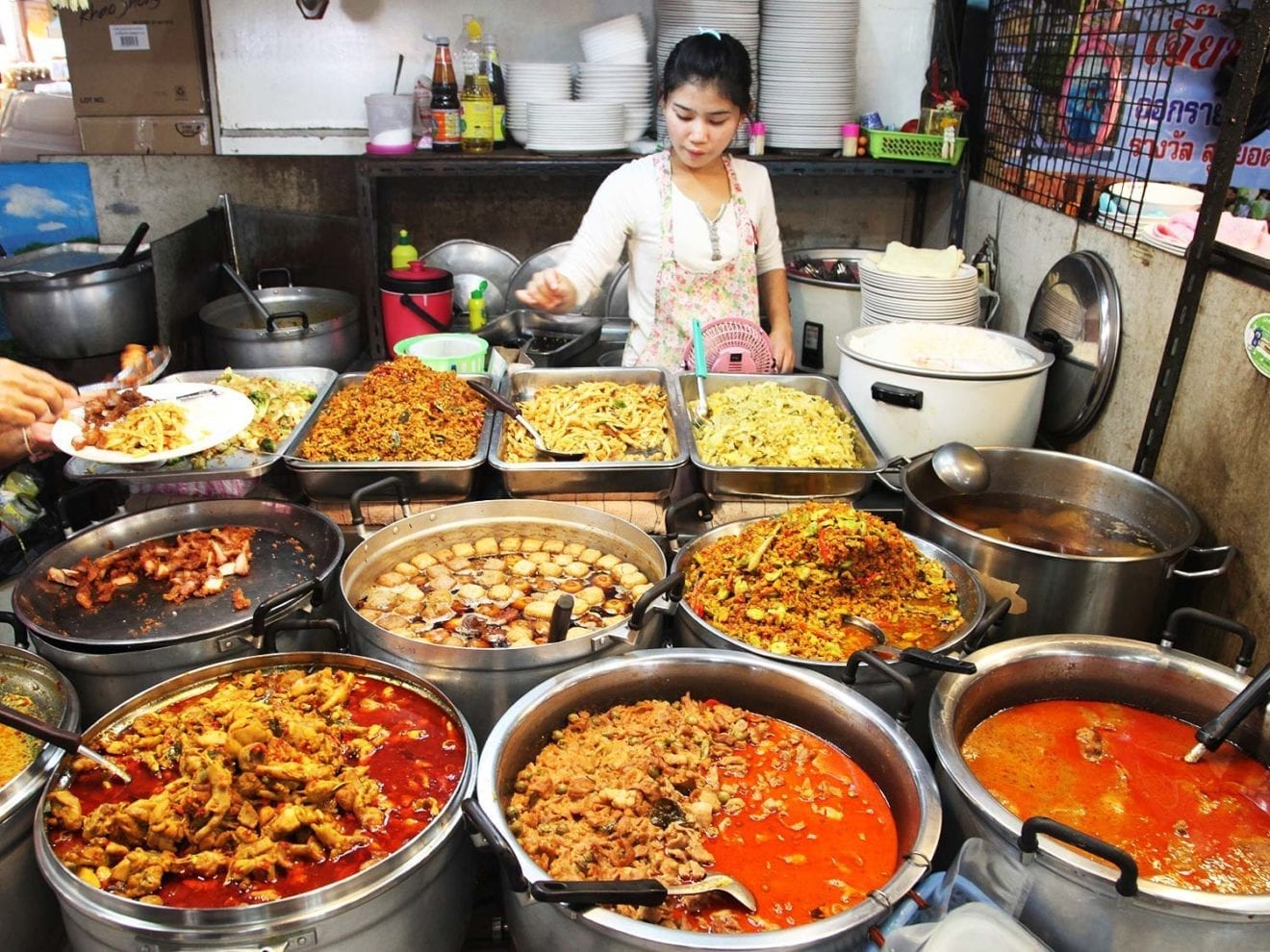
    Chances are you’re imagining all of those things. You’re probably also, however, picturing street food. You’re picturing pad thai slapped together by a vendor on a street corner. You’re picturing the “clack clack” of wooden pestles on mortars as som tum is prepared. You’re picturing clouds of smoke rising into the hot night as satays are grilled and sausages are sizzled.

    That’s Bangkok. It’s street food. It’s the sounds and smells and chaotic sights that come with this cultural staple, the crush of people, the calls of vendors, the fight for a place to sit, the sweat, the hunger, the taste of all that good food served up for next to nothing. That’s what so many travellers love about this city.

    And yet, it’s changing. Bangkok’s street food culture is disappearing. It’s being legislated out of existence. It’s being shifted out of its traditional home in the name of progress, in the name of safety, in the name of order.

    Thailand’s military junta government is attempting to change the face of its capital city. Street food is not being banned, contrary to fears earlier this year. But new laws are making life so difficult for many vendors that this cherished culture is facing extinction.

    Bangkok’s “sidewalk police” are now enforcing new rules, driving some vendors away from their regular patches, and clearing entire areas of all street food outlets. It seems clear the government is intent on sanitising Bangkok, on taking the chaos and turning it into order, on clearing the well-off areas of their unsightly street stalls and morphing the Thai capital into a place that more closely resembles somewhere like Singapore

    For tourists, this is bad news. I can’t think of any other city around the world that has legislated one of its major tourist attractions out of existence in the same way the Thai government is poised to do with its street food culture.

    The Catalans in Spain banned bull-fighting, but there’s no way many travellers were visiting Barcelona just to see that. The Laos government cleaned up the infamous tubing site at Vang Vieng, but that was never really legal in the first place. Plenty of individual tourist attractions have banned selfie-sticks, but people were visiting those places long before selfies were even a thing.

    But Bangkok is street food. People visit this city just to sit on a plastic stool on a crowded corner and eat oyster omelettes and noodle soups, to watch as curries are cooked and meat is grilled before their eyes. That’s a tourist attraction. That’s a sight.

    According to the Thai government, that street food culture will remain. Vendors are still allowed to operate in touristy areas such as Khao San Road and Chinatown, albeit with stricter sanitary regulations and fewer stalls. And other vendors are being encouraged to shift their businesses into shopping malls and other heavily regulated zones.

    But that, in our opinion at least, is not street food culture. That’s not what people love about this city. It’s the chaos that makes it great. It’s the vote-with-your-fork democracy that allows a husband and wife team from rural Thailand to compete with the city’s most famous vendors. It’s the thrilling lack of regulation in Bangkok that we love, that’s so different to the staid streets of our homes.

    Maybe, of course, that’s a problem in itself. Travellers want chaos, they revel in the dysfunction. But maybe cleaning up the streets is actually a good thing for Bangkok. Maybe its residents really would rather live somewhere that resembles Singapore, clean and orderly and efficient, than the street-vendor-strewn city they currently inhabit. Maybe they would prefer flowing traffic to 60-baht egg noodles.

    I’m sure for some residents in Bangkok that’s true. But it’s certainly not a good thing for those on low incomes who rely on eating or selling street food, or those who visit the city to soak up the anarchic flavour of a typical Bangkok sidewalk. And after all, no issues of long-term poverty are actually being addressed here, they’re just being moved on.

    To sanitise Bangkok’s streets is to make them more comfortable for the high end of town, for the people who can afford to live in the apartments that tower above the chaos, and afford to drive on the roads. But the character and the charm of the city will be forever altered, forever lost, and that, for me at least, is going to diminish it as a destination.

    There’s already a Singapore. You can go there if you want to. Regardless of the arguments for or against Bangkok’s sterilisation, the loss of the bulk of the city’s street food culture is going to make it a far less attractive proposition for potential visitors.
  • Burger King Landside Opens at Airport

    Burger King Landside Opens at Airport

    American global fast food chain, Burger King has opened its third local outlet at the Nadi International Airport yesterday.

    The new outlet known as the “landside” restaurant will be accessible to all customers who visit the airport.

    Burger King initially started its Fiji operations at the Nadi International Airport on November 16, 2015 with the opening of its first outlet which is only accessible to customers departing our shores via the international departures lounge.

    The second outlet was opened at Martintar, Nadi in February last year.

    Burger King Fiji General Manager, Akash Narsey said they’ve worked very closely with Airports Fiji Limited to make sure the new site was delivered on time and the handover was as smooth as possible.

    “Today has been the first day of operation, it has been very positive. We haven’t really advertised to say this is where we are but the number of guests that have come in since we opened at 5.30am this morning, it’s very positive, a lot of locals and those that work around here as well,” Mr. Narsey said.

    With interior designs designed by a New Zealand based company, natural copper brick walls, and furnishing pieces shipped from China and Thailand and world-class standard kitchen fit outs, Mr. Narsey said the construction of the outlet costs about $1million including labour.

    He said the features of the restaurants are mostly similar to the already existing outlets with minor differences which includes the selling of draught beer at the new restaurant.

    The restaurant is open from 5.30am to 10pm daily.

    “It’s not open 24  hours, at the moment it is tied with the flight departures, we will most definitely change those times depending on what our customer demands are,” Mr. Narsey said.

  • Vietnam to import more cashew

    Vietnam to import more cashew

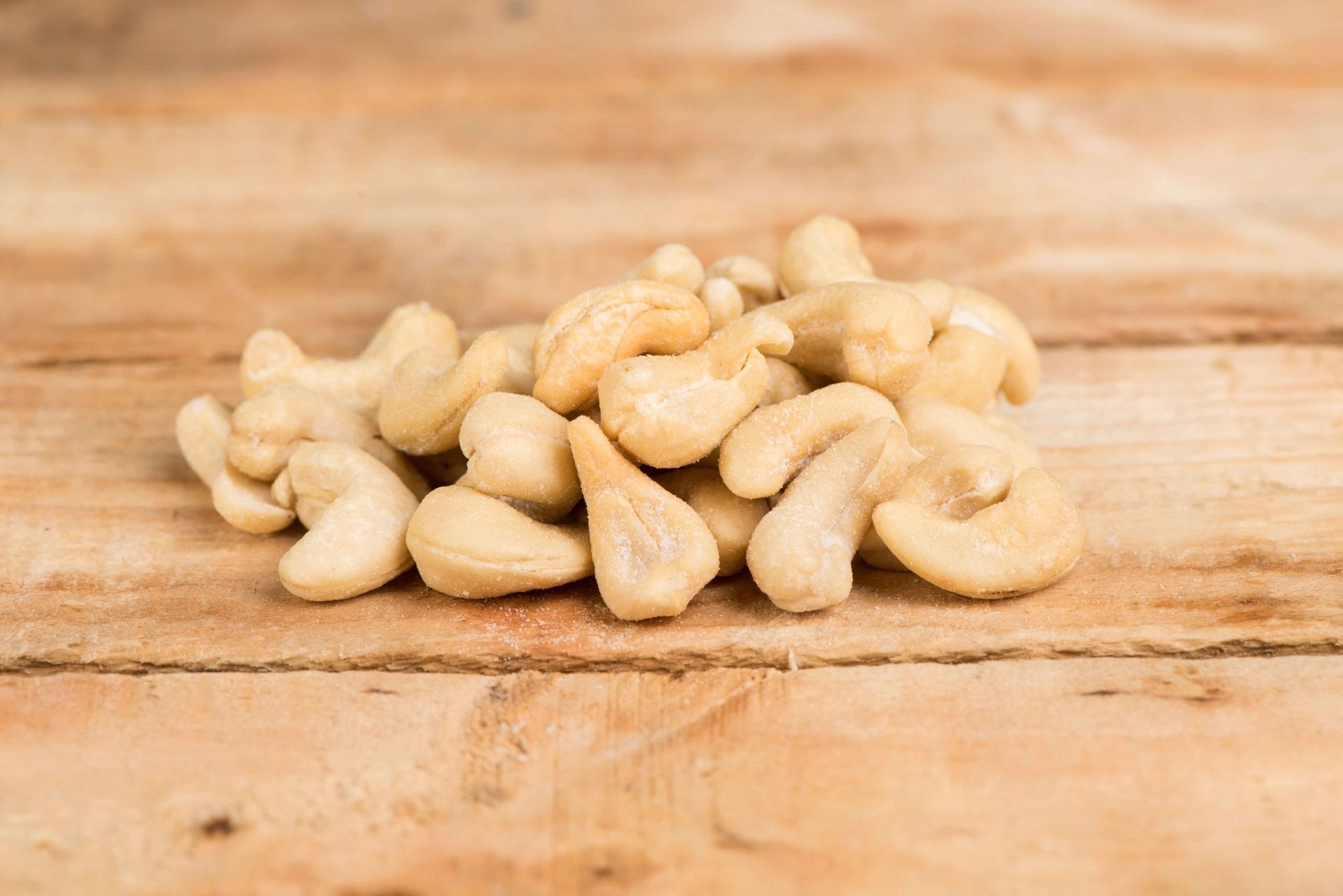
    Viet Nam, the world’s No 1 exporter of cashew products, expects to import an aditional 500,000 tonnes of nuts from now until October to meet its annual export target, according to the Vietnam Cashew Association (Vinacas).

    Without imports, the industry will not meet its export target of 360,000 tonnes because unseasonal rains have shrunk the 2016-17 crop, which in any case would have been insufficient to meet processing demand, the association said. Currently, nearly two-thirds of the nuts for Vietnam’s cashew industry are imported.

    According to the General Department of Vietnam Customs, 165,000 tonnes of cashew nuts worth about US$1.62 billion were exported in the first six months of 2017, up 2.3 per cent in volume and 27 per cent in value year-on-year.

    But Vinacas Chairman Nguyen Duc Thanh said the domestic cashew supply was not sufficient for processing needs in the first half, so the industry had to import 400,000 tonnes of high-quality raw cashew nuts from Africa.

    However, processors complained that while imported nuts were expensive, processed product prices remained unchanged, leading to lower profits, Thanh noted.

    Vietnam has been the world’s No1 cashew nut exporter for 11 straight years and is set to keep this position for the 12th year as it is forecast to ship abroad 360,000 tonnes of cashew nuts worth $3.3 billion in 2017. Since the six-month shipments were equivalent to just 45 per cent of this year’s target, the industry must work harder to realise this goal, according to Vinacas. The year’s final harvest in the fall is not expected to make up the shortfall.

    Due to the shortage, the price of raw nuts on the domestic market was expected to rise, even for low-quality raw material, especially in the period from October to December 2017. Therefore, many plants have scheduled to reduce their processing capacity and some small plants will have to close.

    Nguyen Quang Huyen, General Director of the Hoang Son 1 Co, Ltd, said the shortage of raw cashew is not new. Major enterprises made preparations from the start of the year to ensure normal production activities. Only small firms without adequate storage have to wait for imported materials.

    According to Vinacas Chairman Thanh, to ensure bigger crops, new high-yield cashew varieties tolerant to climate change and disease must be planted, and the planting schedule should be adjusted to cope with climate change.