Category: Food

Retail News Asia is committed to providing both local and global retailers with the latest Food and Food & Beverage news throughout the Asian market. This on a daily base.

  • Food prices rise, butter hits record high

    Food prices rise, butter hits record high

    New Zealand food prices rose in August, with fruit and vegetables, meat, and groceries such as butter more expensive than a year earlier.

    Butter prices hit a record high of $5.39 per block, up 11 per cent in the month and 62 per cent from a year earlier.

    The food price index advanced 0.2 per cent on a seasonally adjusted basis in the month, and gained 2.3 per cent for the year to August, Statistics New Zealand said.

    Fruit and vegetables cost 5.5 per cent more than a year earlier, while meat, poultry and fish prices rose 0.6 per cent and grocery food prices increased 2.8 per cent.

    The annual butter price increase is the largest in percentage terms since 2010, Stats NZ said. Chocolate prices also rose 3.4 per cent in the month.

    “We have seen butter prices rising lately due to New Zealand’s export driven market,” consumers price index manager Matthew Haigh said.

    “Butter prices have experienced all-time highs in the global market, and this also drives the price here at home.”

    Food prices account for about 19 per cent of the consumers price index, which is the Reserve Bank’s mandated inflation target when setting interest rates.

    Vegetable prices increased 8.7 per cent on an annual basis, driven by higher prices for kumara, potatoes and cucumbers, and were up 5.4 per cent in the month. Fruit prices rose 0.3 per cent annually, but dropped 0.5 per cent in the month, as avocados and strawberries became cheaper in August.

    The price of chicken rose 3.3 per cent in the year to August 2017, but dropped 2.4 per cent in the month, while beef fell 2.6 per cent annually and was down 2.5 per cent on a monthly basis and pork dropped 8.6 per cent in the year.

  • Pizza delivery by robot cars has arrived with big questions

    Pizza delivery by robot cars has arrived with big questions

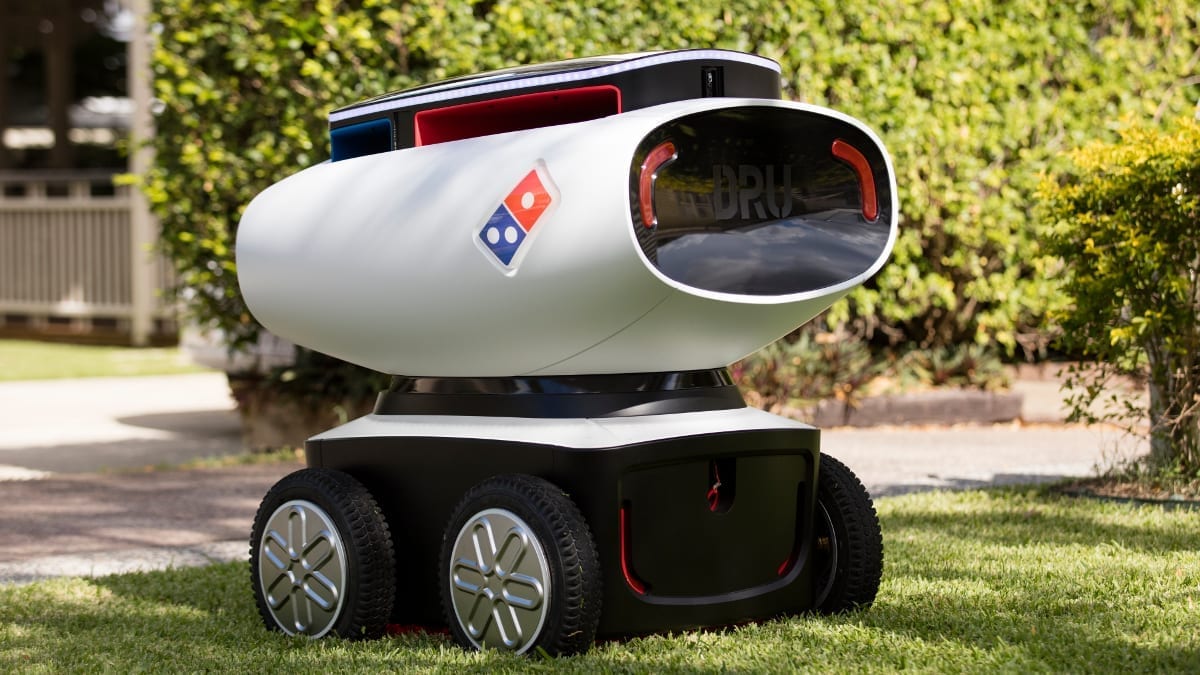
    Domino’s Pizza and Ford have paired up in a pilot project that will look at how humans interact with driverless food-delivery cars. Ann Arbor is home to thousands of students, an age group not likely to view this new technology with suspicion. But it could turn into a fascinating social experiment for the food industry.

    Customers ordering through Domino’s will be able to track their delivery in real time by using a downloadable app on their smartphones. They receive a text message that gives them a four-digit code to use once the car arrives.

    But it’s the final portion of the drive that could prove unpredictable for Domino’s. The driverless delivery vehicle could end up in the driveway, or near the curb. Customers may not want to go out to the car if it’s raining or snowing. Domino’s USA president Russell Weiner says these challenges are a major part of the experiment.

    “We’re interested to learn what people think about this type of delivery,” he said in a recent statement. “The majority of our questions are about the last 50 feet of the delivery experience.”

    No tipping attractive to students

    Human behaviour can be difficult to predict at the best of times, especially when dealing with food. This will be the first time a food service or retail company has used driverless cars to interact with actual consumers.

    The experience will certainly offer convenience for customers in a variety of ways. With the app, expectations will be managed, and quality of service — Domino’s key strategic focus — will be more consistent.

    That’s because delivery times will be streamlined, fewer pizzas will be damaged in handling mishaps and the customer won’t have to deal with tips — at least not for now. No tipping will reduce price points, making delivered pizzas more affordable. For cash-strapped students, that’s key.

    For Domino’s, the business case for a driverless fleet is unquestionably strong. Lower insurance costs, lower fuel consumption, consistent delivery times, no thefts, controllable temperatures to keep food safe for customers so therefore less waste — the list goes on.

    Domino’s delivers more than a billion pizzas annually, and has more than 100,000 drivers. Running a driverless fleet could save the company millions.

    Embracing the concept of home food deliveries without having to hire drivers cannot come soon enough for the food service industry, which is looking for ways to increase revenue beyond their regular foot traffic.

    Restaurant operators won’t need to deal with the headache of hiring the right people for delivery, and delivery is an important means of expanding the brand outside their facilities.

    Home delivery can be dicey

    Most of us who have ordered home-delivered food have had mixed experiences.

    Some drivers make convicted felons look like choir boys, causing customers to be hesitant about the food. But home delivery is no walk in the park for the drivers, either.

    Drivers in the U.S. have told of finding themselves in unbelievably awkward situations,including being tipped with weed, being asked to eat with the customer to offer company, showing up during domestic disputes and being greeted by a naked customer as the front door opens.

    There’s an endless list of unpleasant scenarios that would discourage anyone from contemplating home food delivery as a full-time job or even part-time job.

    A humanless home food delivery experience, on the other hand, also offers a unique perspective on the market currency of convenience.

    For years, price has been king. In study after study, price has trumped any other feature consumers were looking for in food service.

    Consumers crave convenience and privacy

    Younger generations, however, have a different take on convenience. Price remains a significant factor for higher revenues of course, but the constant quest for more convenience on both sides of the food continuum is now reaching the point of obsession.

    Getting rid of delivery personnel is now a realistic approach. With driverless home food delivery, one could potentially get food delivered without seeing a single human being — a frightening thought for some, a reassuring one for others.

    In the future, consumers could binge on their favourite junk food several times a week without the embarrassment of seeing the same delivery person.

    No matter how you look at it, Domino’s and Ford are onto something. After all, driverless technologies are consistent with what Domino’s is all about.

    The company has been successful over the years with its mastery of home delivery. Joining forces with Ford could make the company even more efficient.

    Nonetheless not all of us needs Domino’s to get our food fix. Divorcing the human aspect from food is simply impossible for many food service companies — thousands of them, in fact. And thank goodness for that.
  • Fareground offers new approach to hawker food

    Fareground offers new approach to hawker food

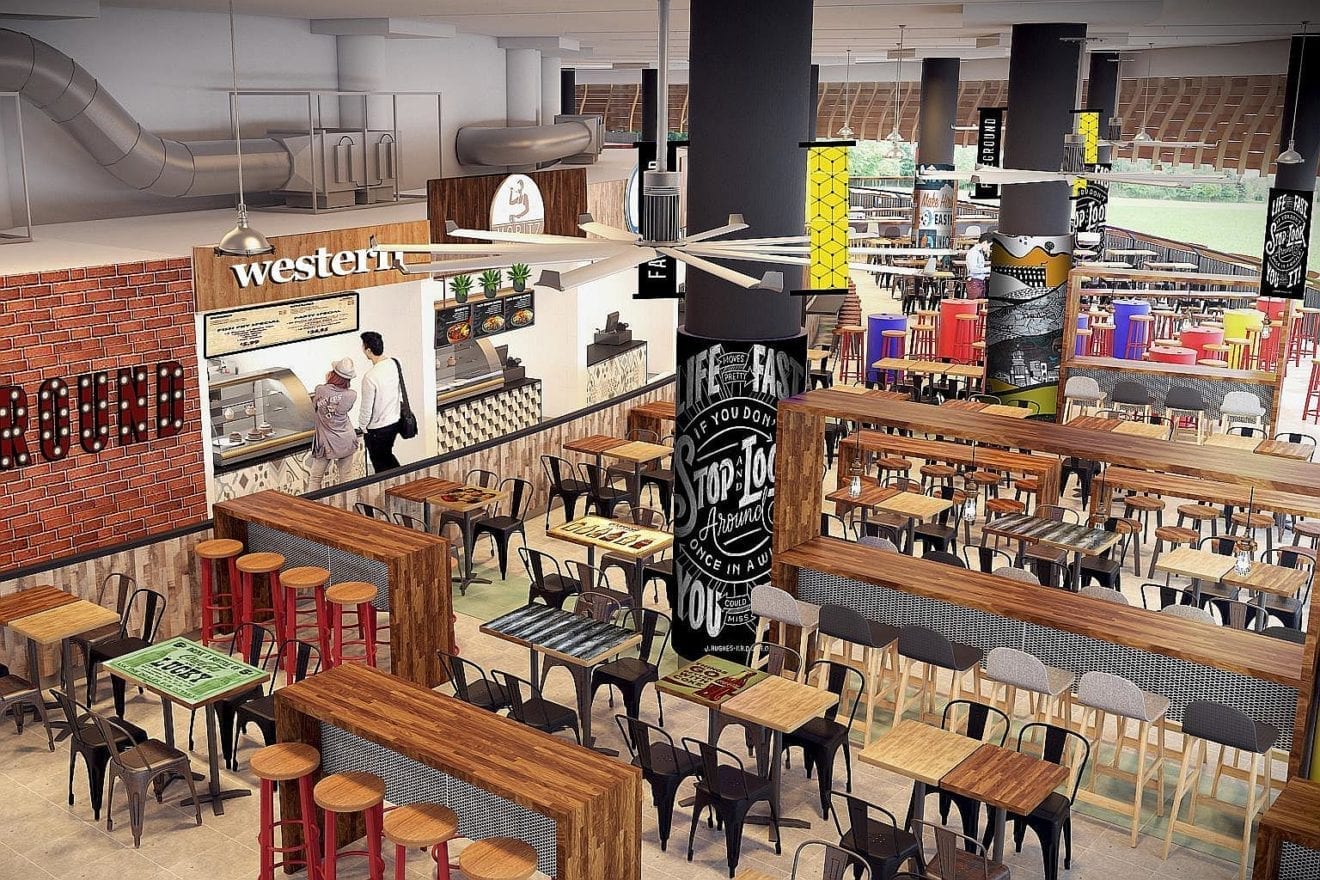
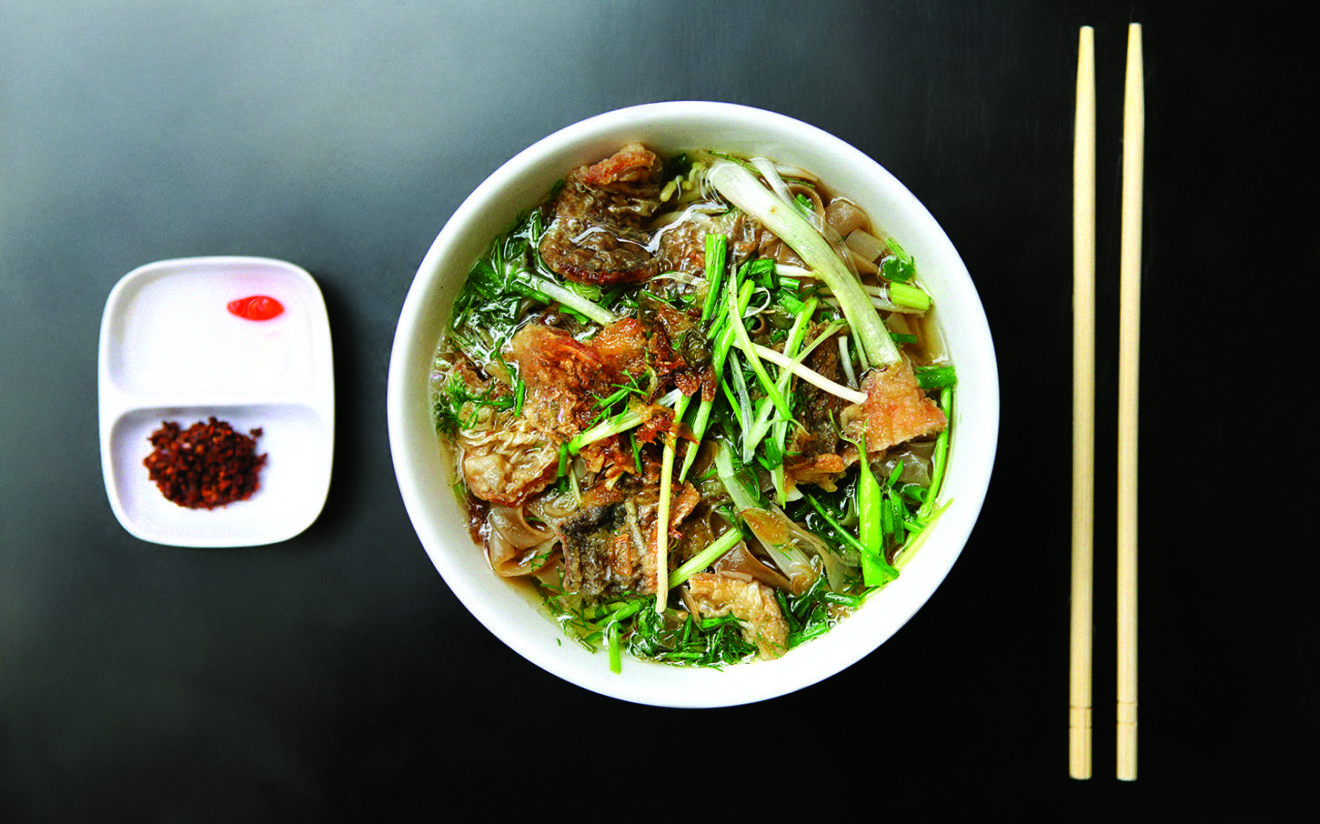
    A hawker centre blending the old and the new, Fareground, will open at Pasir Ris Central in November.

    As well as traditional hawker fare, it will have one floor dedicated to “creative cuisine”, served in a space designed to look like a hipster cafe.

    To add to the vibe, events such as craft fairs and music performances may also be held in the space, says NTUC Foodfare, which is running the centre. Its ambition is to “inject new energy to the local street-food scene”, a spokesman says.

    The food hub’s first level will feature 20 cooked-food outlets offering traditional hawker fare such as chicken rice and wonton mee. Upstairs, the menu features cafe food, fusion fare or local food with a twist. Possible dishes include Japanese donburi, for which diners can choose the ingredients.

    The final list of food offerings will be unveiled after September 22, the closing date for Singaporeans and permanent residents to apply for the stalls.

    It is the third new centre to be managed by NTUC Foodfare, after Bukit Panjang Hawker Centre and Market, and Kampung Admiralty Hawker Centre.

    Foodfare says each stall in its latest venture will offer at least two budget meals, while the “hipster” cuisine will be comparatively cheaper than similar dishes at cafes.

    Seating about 770 diners, the hawker centre will be open from 7am to 10.30pm daily.

  • Coconut farming languishing

    Coconut farming languishing

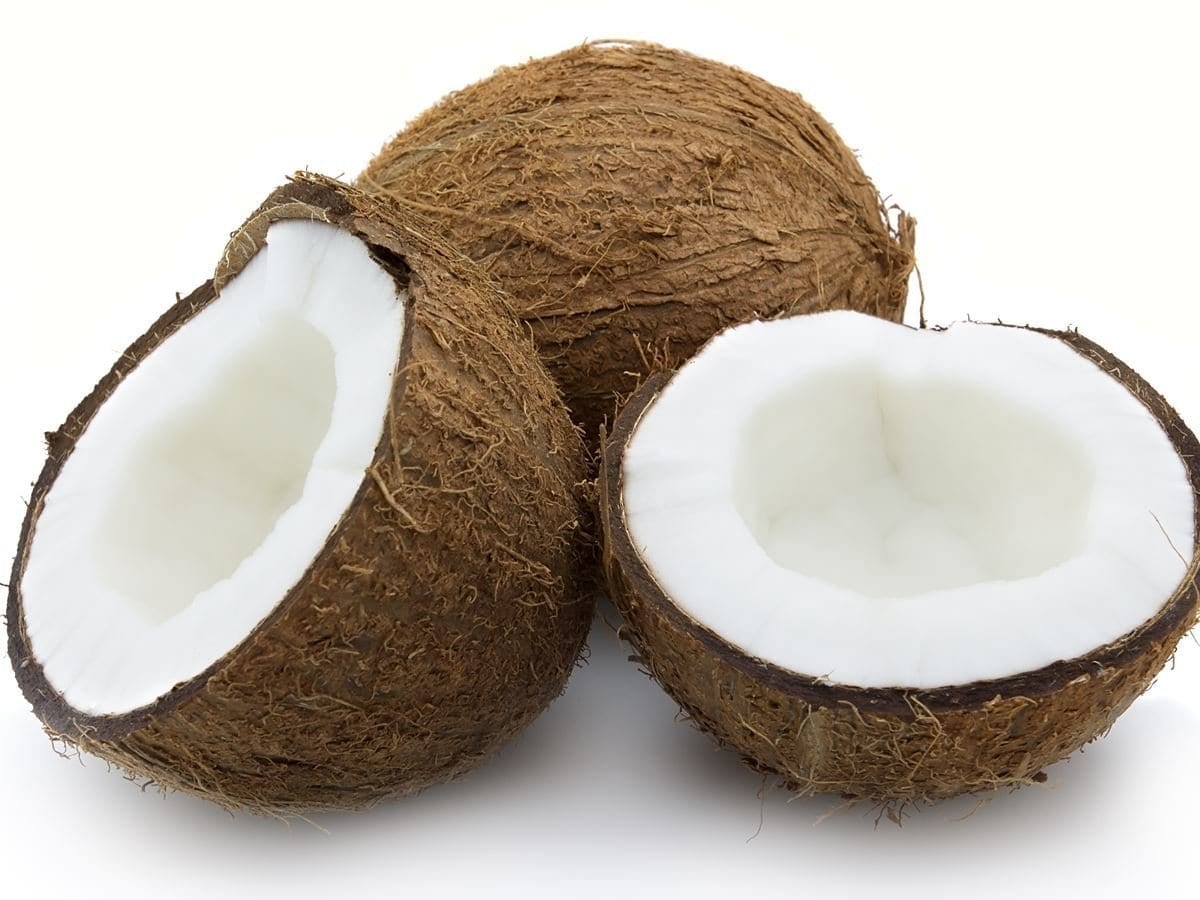
    Exports of coconut-based products are sluggish due to challenges and difficulties facing the coconut processing industry and coconut cultivation, according to the Bến Tre Province Agricultural Promotion Centre.

    A study by the centre found that coconut farmers earn on average VNĐ60-70 million per hectare annually, but this could increase to VNĐ100-110 million if coconut is intercropped with cocoa, pomelo or shrimp farming.

    The central province of Bình Định is the third largest coconut growing area in the country behind the Mekong provinces of Bến Tre and Trà Vinh.

    Here, coconut farmers have benefitted from a steady rise in prices since 2015. Now dried coconuts sell for VNĐ9,000 – VNĐ10,000 each while fresh coconut milk is sold for VNĐ13,000 – VNĐ14,000 at groves.

    Nguyễn An Điềm, a former chairman and CEO of the Bình Định-headquartered firm Pisico, said in Asian countries with developed coconut processing industries such as Sri Lanka and the Philippines, the trees offer high economic value because all segments of the industry, from farming to processing, have been modernised.

    Điềm said coconut meat is exported from Việt Nam to European countries where it is processed into ice cream, milk and chocolate, the fibre is sold to Japan for making automobile seat cushions, and shell dippers can be used to make activated carbon, which fetches millions of đồng per kilogramme.

    The timber is used for making handicraft products, he said.

    Though coconut yields are high, the processing industry has not developed much, and thus Việt Nam exports raw materials, which do not fetch high prices.

    Nguyễn Đăng Phú, deputy head of the Ministry of Industry and Trade-run Research Institute for Oil and Oil Plants, said one hectare in Việt Nam produces 9,863 coconuts or 1.9 tonnes of copra per year, the highest in Asia.

    But its coconut export turnover is only worth a third to a fifth of other countries’, he said.

    A coconut fetches VNĐ8,000, but products made from it are valued at up to VNĐ40,000, he said.

    No investment has been made in building coconut processing plants to manufacture high-value products, he added.

    More investment needed

    To enhance the value of coconut-based products, authorities should have policies to mobilise investments in plants, Điềm said.

    He said many enterprises want to invest in such plants, but hesitate because of the realisation they would face raw material shortages since coconut groves are small in size and scattered around the country. r oil to provide enough raw materials for processors.

    They said more investment is required for research into coconut strains and processing and agricultural promotion activities.

    The Government should provide financial support to farmers for acquiring new strains and technologies, they said.

    Coconut co-operatives must be strengthened and alliances must be established in the farming and processing sectors, they said.

    Brand names must be developed for Vietnamese coconut and promoted, they added.

    Read more at https://vietnamnews.vn/economy/393313/coconut-farming-languishing.html#AMBOxsWykDHyCdQD.99

  • Beans and Brown to take cafe business offshore

    Beans and Brown to take cafe business offshore

    JAS Asset has launched Beans and Brown to take over coffee-house chain Casa Lapin, with plans to introduce the brand overseas and list the subsidiary within three years.

    It is part of the space-management company’s renewed focus on retailing business over the past three years. “That’s why it launched one community mall a year between 2014 and 2016,” says JAS Asset CEO Suphot Wanna.

    He says the diversification move is a springboard for the firm to enter the food and cafe market. It last month signed an agreement to acquire the Casa Lapin trademark and F&B business from the Coffee Project chain. With a budget of THB42 million (US$1.2 million), Beans and Brown was established as a 60:40 JV to manage Casa Lapin.

    Casa Lapin has seven branches in Bangkok, with three fully run by Beans and Brown. The others are a collaboration with partners. Beans and Brown plans to three more Casa Lapins in CBDs this year, then next year add at least 10 outlets a year. A highlight will be the opening of a Casa Lapin flagship store at a premium shopping complex in the heart of Bangkok.

    Casa Lapin’s next step will be to expand to Asian cities such as Hong Kong, Seoul, Singapore, Taipei and Tokyo.

    Beans and Brown expects its revenue to grow by 600 per cent within three years, from THB60 million this year to THB360 million in 2020.

    Presently, 70 per cent of Casa Lapin’s revenue comes from coffee and beverage sales, with the rest from food/bakery, says Beans and Brown CEO Surapan Tanta.

    “In the future, we plan to add souvenirs to our places to generate more income, as our target groups are new-generation people with a love for quality and great design,” he says.

    “The joint venture with JAS Asset enables us to develop Casa Lapin further. With JAS Asset, we have professionals in charge of management, marketing strategies and staff training.”

  • Starbucks Korea eyes record sales and profits

    Starbucks Korea eyes record sales and profits

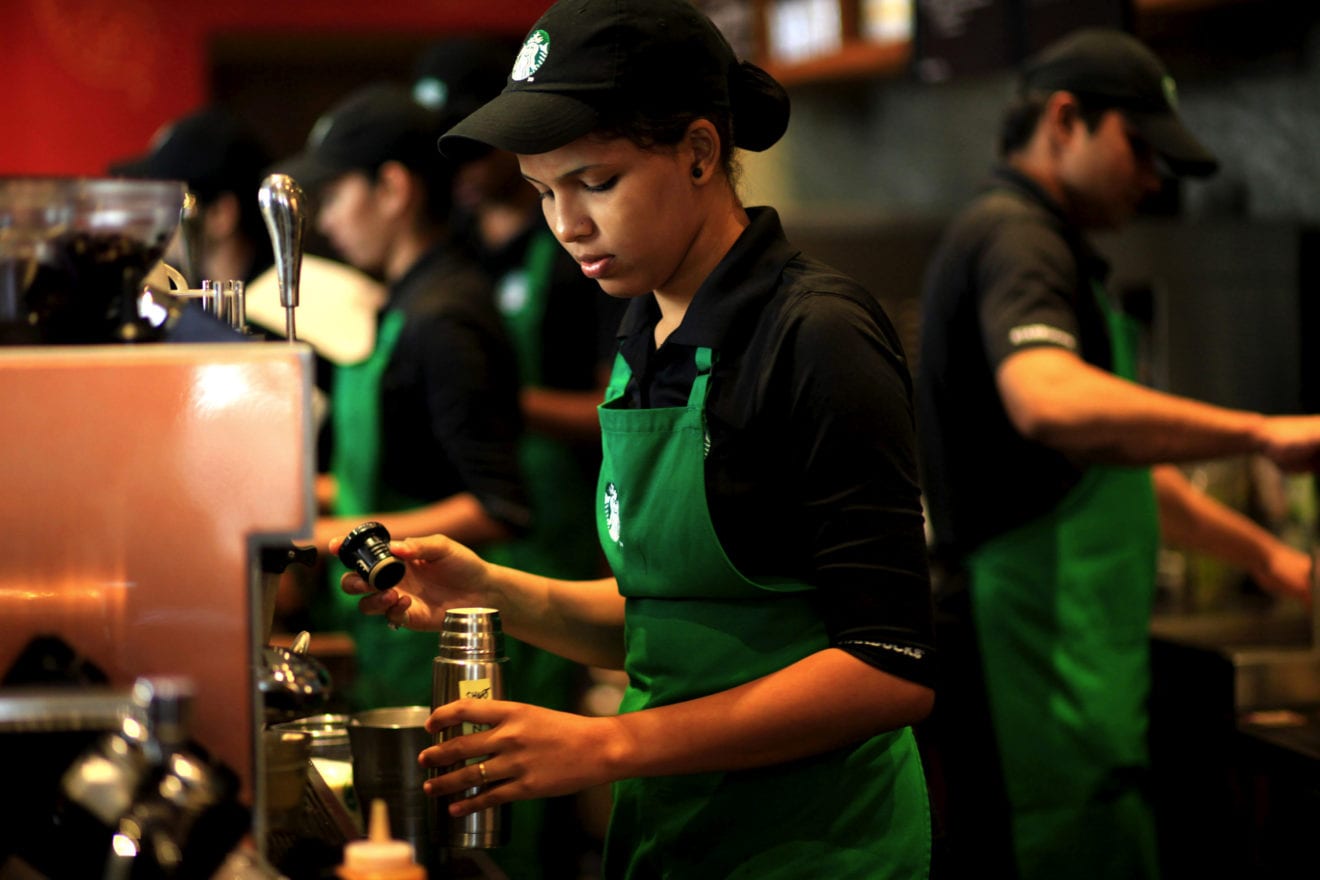
    Starbucks Korea is expected to exceed a record 100 billion won (US$88.4 million) profit this year as the US coffee chain’s popularity booms.

    Industry sources told Yonhap news agency that the 50-50 joint venture between retail conglomerate Shinsegae and the US company achieved a 52.8 billion won operating profit on 593.5 billion won in sales during the first six months this year. That marks the first time Starbucks recorded more than 50 billion won in profit since it opened its first local branch near Ewha Womans University in Seoul in 1999.

    Full-year profit is likely to easily surpass the 100 billion-won mark as coffee shops usually earn more during the latter half of the year, which includes Christmas and the year-end holiday season.

    The strong figure compares with those of its local competitors Twosome Place and Angel-in-Us Coffee, which averaged between 10 and 20 billion won during the same period.

    Sources told Yonhap the popularity of Starbucks in South Korea is due to the growing loyalty of women in their 20s and 30s, pointing out that the company has succeeded in promoting its image as a luxury brand in South Korea where the luxury coffee market has yet to mature.

    Starbucks Korea’s annual sales topped the 1 trillion-won mark for the first time last year.

    Starbucks has 1050 stores in the country as of the end of June, the world’s fourth-largest number of Starbucks Coffee stores on a pro-rata population basis, behind only Canada, the US and Singapore, according to industry data.

    The number of the stores has risen sharply from 327 in 2010 and 500 in 2013 to 1000 as at the end of last year.

    The dramatic rise has apparently been helped by the regulations that ban franchises from opening new stores within a 500-metre radius from the shop of the same brand: Running its own stores, rather than franchising, exempts Starbucks from such regulations.

    However, critics say while the regulations aimed to protect food franchise contractors from intense competition, they have instead aided foreign businesses operating in South Korea.

    “We are not subjected to the franchise law as all of our shops are run by the company directly,” a Starbucks Korea official said.

  • McDonald’s USA revamps McCafe

    McDonald’s USA revamps McCafe

    McDonald’s USA has revamped its McCafe brand, introducing new imagery and new beverages.

    Originally launched in Australia in 1993, the coffee concept has been rolled out in an increasing number of markets internationally in recent years but had traditionally underperformed in McDonald’s home country.

    Now, president Chris Kempczinski believes he can change that.

    “This is just the start of our McCafe commitment. We understand how important the coffee culture is for consumers and we are committed to meeting that demand at the taste, convenience and value only McDonald’s can offer,” he said, announcing the relaunch.

    “This is a central part of our growth strategy and we can’t wait to share what’s next.”

    McDonald’s UAS will now offer cafe-quality espresso beverages and an expanded retail offer in its McCafe stores across the country.

    An expanded menu now includes Caramel Macchiato, hot or iced; Cappuccino, with French Vanilla, caramel or hazelnut flavours, and fresh-brewed Americano. For a limited time, all small-sized beverages will be offered at US$2 a cup.

    Early next year, McCafe will expand its retail presence by partnering with The Coca-Cola Company to introduce a line of bottled, ready-to-drink McCafe Frappe beverages in three flavors: Caramel, Vanilla, and Mocha.

    New image

    In addition to the menu additions, the refreshed McCafe look will include a new brand logo and packaging McDonald’s says will evolve with the seasons. McDonald’s will also begin transitioning to an updated and expanded McCafe presence in-restaurant with a sleek, modern look in 2018 as part of its evolving ‘Experience of the Future’.

    “Our new McCafe beverages start with 100 per cent Arabica beans that are freshly ground and skillfully made on demand,” said Chef Dan Coudreaut, VP culinary innovation, with McDonald’s USA.

    As part of the upgrade, McDonald’s has introduced new coffee makers, “allowing for the new espresso-based beverages to be handcrafted with a consistent, flavourful taste” in nearly all of McDonald’s USA’s 14,000 restaurants.

  • Bigg’s Diner plans expansion to Metro Manila

    Bigg’s Diner plans expansion to Metro Manila

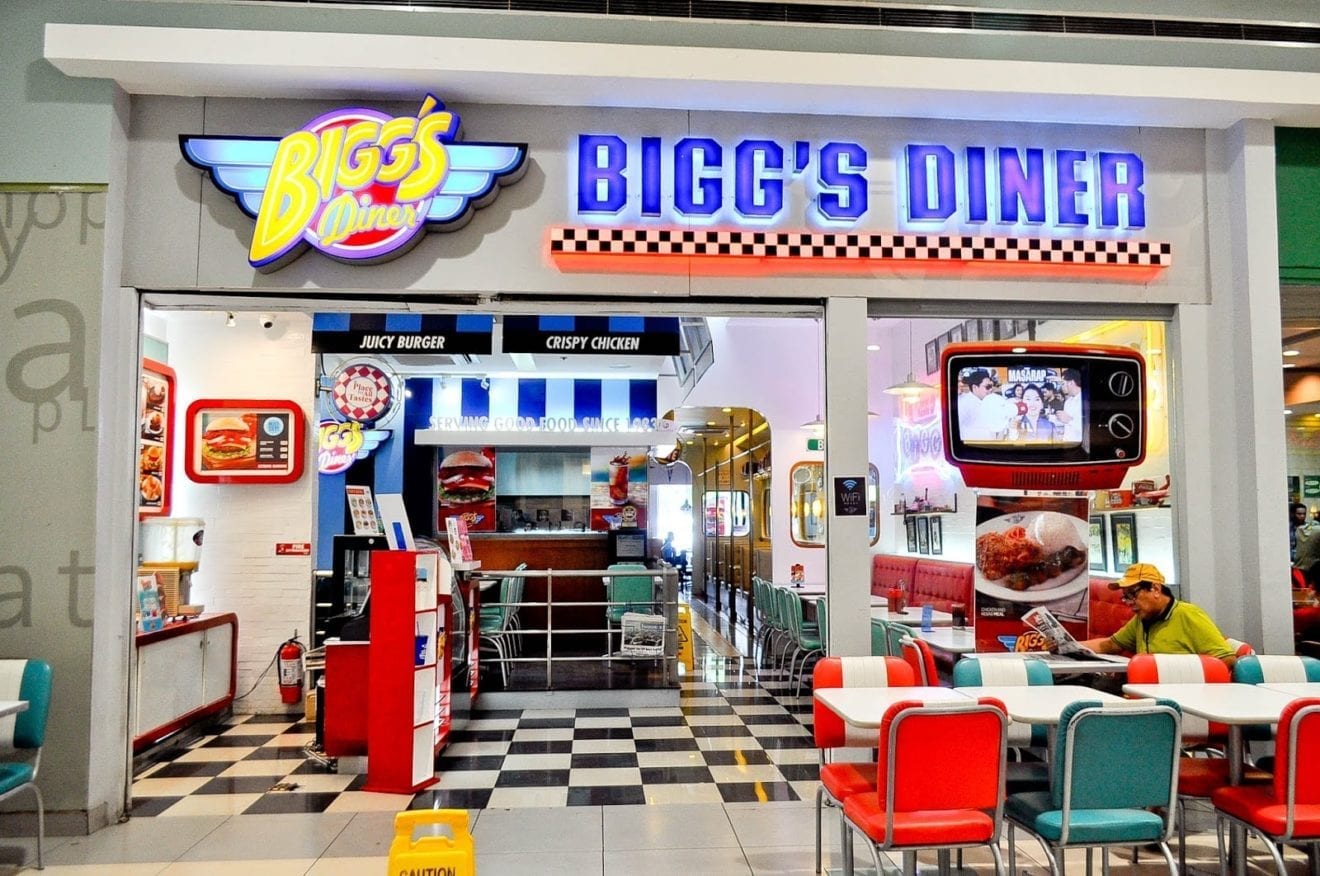
    Bigg’s Diner, known for serving burgers and Filipino rice meals in Naga and the Bicol region since 1983, plans to open in Metro Manila next year.

    Business development head Ronaldo Linao says the restaurant group is already looking at three possible sites – one is in Mindanao Avenue, Quezon City, another in Megamall and the third in Robinsons, either Ermita or Galleria.

    “There is actually a market study right now to see how viable it would be in Manila. The competition there is very fierce,” says Linao.

    Bigg’s Diner has 17 outlets in the Bicol region, including seven franchises and a branch in Batangas. It started out as a donut shop and has had two name changes – from Mang Donald’s to Carl’s Diner, then to Bigg’s Diner – to avoid confusion with multinational brands.

  • Project Pie slices all but one store

    Project Pie slices all but one store

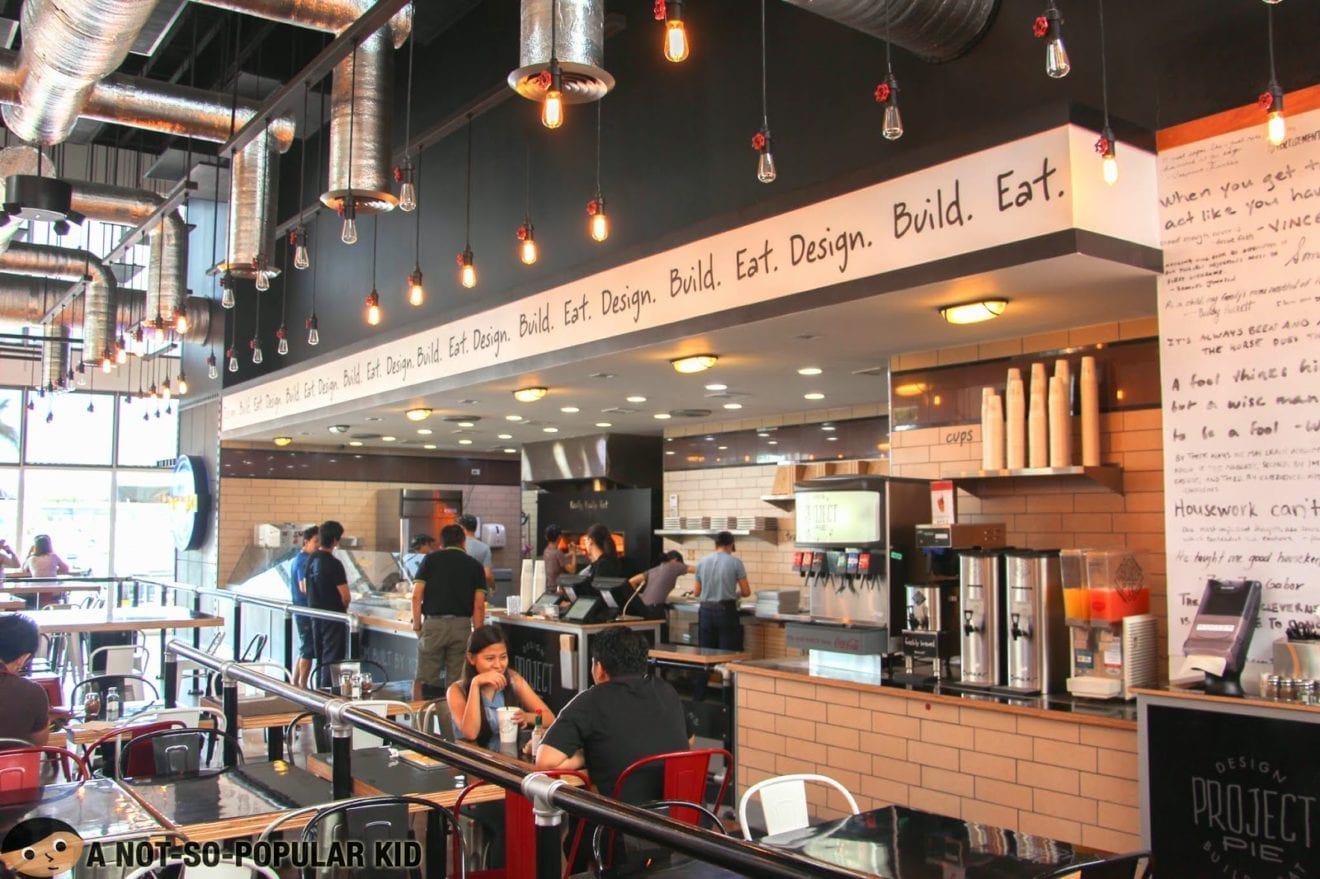
    Project Pie, the pizza outlet that lets customers devise their own toppings, has closed all but one of its stores in the Philippines.

    After “four years of pizza awesomeness”, the US-based pizza chain has announced on social media it will be “graduating” its stores from the Philippine market. However, its Project Pie Block 28 in Alabang will stay open “as our last hoorah”.

    After establishing itself in the US, Project Pie moved into Manila in 2013, allowing diners to order nine-inch customisable pizzas. It expanded to eight branches, both in malls and stand-alone locations.

    Fans said their farewells in the chain’s social-media comments section … “Don’t do this to me,” wrote one fan. “I am speechless,” wrote another. “My number-one favorite pizza left me.”

  • My Cofi cafe goes canine

    My Cofi cafe goes canine

    Latte art has gone to the dogs in Taiwan, where the baristas at My Cofi cafe copy photos of customers’ canine companions on to their foam.

    They don’t just confine themselves to dogs, drawing such delights as parrots and cute cartoon characters, and even short phrases.

    In the southern city of Kaohsiung, the cafe is too busy to make coffee creations for every guest’s pet, confining the service to special occasions.

    They do have a regular specialty, however, in somewhat dubious taste: a cockroach portrait. One has to wonder whose pet that might be.

  • Carlsberg eyes at least 51 pct stake in Vietnam’s Habeco

    Carlsberg eyes at least 51 pct stake in Vietnam’s Habeco

    The government wants to fully divest its majority stake in Habeco as also in rival Sabeco.

    Danish brewer Carlsberg is keen on increasing its stake in Habeco, one of Vietnam’s biggest brewers, to at least 51 percent, a local news website reported, citing a Habeco executive.

    Vietnam has one of the world’s most attractive beer markets and the biggest in Southeast Asia, buoyed by a young population that consumed nearly 4 billion liters last year. The government wants to fully divest its majority stake in Habeco as also in rival Sabeco.

    Carlsberg, which already owns around 17 percent in Habeco, has been discussing its priority purchase rights with the Vietnamese government, which has delayed the Habeco sale.

    Sabeco, in which the government owns a 90 percent stake, has also seen interest from foreign players such as Dutch brewer Heineken and Japan’s Kirin.

    Vietnam’s Steering Committee for Enterprise Innovation and Development, which oversees the country’s privatization drive, said last month it aimed to “completely resolve problems in strategic cooperation” with Carlsberg, and inform the prime minister about the results by November 15.

    Habeco is still in talks with the Danish company on the stake sale, state-controlled An Ninh Thu Do newspaper quoted Habeco’s deputy chief Vuong Toan as saying.

    The media report also quoted Toan as saying that foreign companies are not allowed to own more than 49 percent of Habeco due to foreign ownership limits.

    Carlsberg said on Friday it would not comment on “rumours.”

    Last month, the company said it held “several constructive meetings with the Vietnamese government to discuss the privatisation process of Habeco.”

    “We now see good progress in these meetings, and will continue these discussions with the Vietnamese government for the next steps,” Carlsberg Chief Executive Cees ’t Hart said at a conference call after its second-quarter earnings on August 16.

  • 8 Foods That Will Keep Your Heart Strong

    8 Foods That Will Keep Your Heart Strong

    You can effectively keep your heart strong by including these eight foods to your daily diet

    Fish

    All you need is two servings of fish in a week. The omega-3 fatty acids, present in fish, effectively decrease the chance of heart problems. Salmon, sardines, and mackerel are some of the oily fish which keep heart diseases at bay. Apparently, people living in Singapore are more prone to have a heart disease, so for them, diet is crucial.

    Turmeric

    Turmeric consists of curcumin, which is an effective antioxidant, having anti-inflammatory properties. These properties work wonders in busting cholesterol. This antioxidant also improves the cardiovascular system, which helps to keep the heart active.

    Oatmeal

    Just switching your morning coffee and kaya toast for a bowl of porridge can bring a great difference in your health. Eating oats are the ideal way to the day, as it not only decreases bad cholesterol but also helps to prevent clogged arteries, reducing your risk of heart disease and helping you maintain a healthy heart. All of this happens without decreasing your healthy and safe cholesterol levels.

    Tomatoes

    People who love eating tomatoes need not worry about not having a healthy heart. Tomatoes majorly consist of an antioxidant called lycopene. According to research, individuals who eat it regularly decrease their risk of problems by 25%, in a decade.

    Beans

    Beans, which are also known as legumes, have amazing health benefits. They are a staple food item for people who work hard towards keeping their heart healthy. Some good examples of beans include Chinese long beans, soya beans, snow peas and snap peas. According to research, a diet full of plant-based foods helps a great deal in decreasing the chance of coronary artery disease, which is extremely dangerous as it causes heart attacks.

    Shiitake mushrooms

    It consists of more nutrients than any other mushroom. Shiitake mushrooms have eritadenine – a compound which works towards decreasing cholesterol level and is crucial for the well-being of the heart. These mushrooms are beneficial in dried as well as fresh form.

    Berries

    Berries like blueberries, strawberries, cranberries, blackberries, and raspberries are highly rich in antioxidants. They help a great deal in slowing down the ageing process of an individual. Other than that, they consist of anthocyanins, which are the chemicals present in plants, which avoid the blood pressure from lowering by preventing the arteries becoming clogged with plaque.

    Forbidden rice

    It is also known as purple rice, and it is considered a healthier option than white rice. As per the Singapore Health Promotion Board, forbidden rice has double the amount of iron and four times the amount of zinc that white rice. Anthocyanins are plant chemicals present in this rice that avoid the formation of plaque in the arteries. According to studies, these have high cholesterol than any other food supplement.

    The inspiration for this article has been taken from Health Plus Section, a source of credible health information by Mount Elizabeth Hospitals, Singapore.


  • New McDonald’s set to expand faster in China

    New McDonald’s set to expand faster in China

    Some 2,000 quick service outlets to open by 2022 in small cities

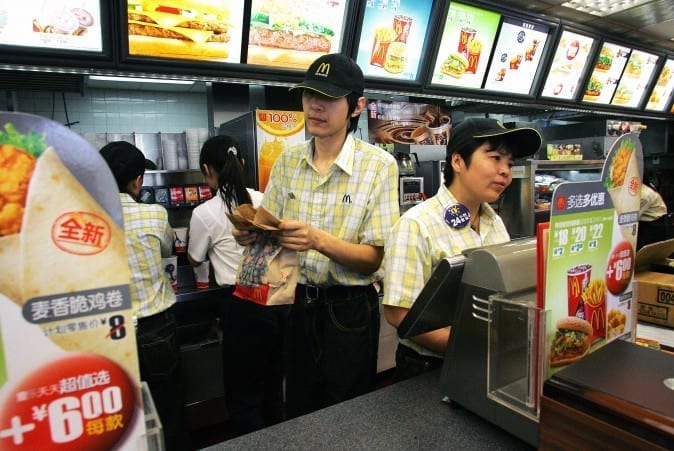
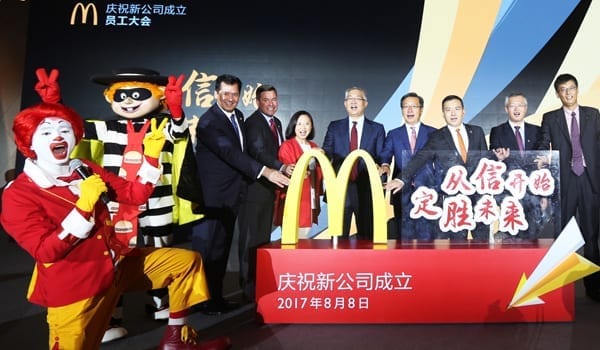
    McDonald’s Corp, the global fast-food chain that has forged a new partnership in China last month, will expand faster by opening 2,000 new restaurants in the next five years.

    They will be set up mostly in third-and fourth-tier cities with a focus on take-aways and digitalized services.

    The company said it will increase its expansion pace from about 250 new outlets this year to 500 per year from 2022 onward.

    It did not disclose other details like the scale of new investments that would ensue.

    The new partnership, jointly established by CITIC Ltd, CITIC Capital, Carlyle Capital and McDonald’s, paid $2.08 billion for the US-based fast food chain’s business in the Chinese mainland and Hong Kong.

    The deal received regulatory approval and was completed on July 31.

    The new company will become McDonald’s largest franchisee outside of the United States.

    CITIC Ltd and CITIC Capital together hold a majority 52 percent stake in the new company, while Carlyle Capital will hold 28 percent, and McDonald’s 20 percent.

    Currently, McDonald’s operates and manages 2,500 restaurants in the Chinese mainland, including 600 franchises, and 240 restaurants in Hong Kong.

    The new company will manage all the 2,000 new restaurants directly.

    Despite McDonald’s global dominance, KFC, owned by Yum China, has bigger presence in the Chinese quick service restaurant. Yum China runs more than 5,000 KFC restaurants in over 1,100 cities and counties.

    KFC’s wide presence in China appears to have bolstered the confidence of McDonald’s investors in the new expansion plan, industry insiders said.

    The new partnership of McDonald’s aims to achieve double-digit sales growth annually in the next five years.

    The goal includes delivery coverage of 3,375 restaurants or over 75 percent of the total.

    “China will soon become our largest market outside of the United States,” said Steve Easterbrook, McDonald’s president and CEO.

    “The mainland and Hong Kong are leading the global system in capturing new consumer trends such as delivery and digitalization and it is driving strong performance and growth momentum.”

    Zhang Yichen, the new chairman of McDonald’s China, said restaurant ownership at the local level will foster entrepreneurial spirit within the company.

    For example, considering the strong demand for takeout food and the population density in China, Zhang emailed Easterbrook regarding the need to develop a customized software system for the Chinese market.

    The latter dispatched McDonald’s global IT team to support the China business. Now, the take away operation in China tops the global chain’s comparable systems across markets.

    Zhang said CITIC has more than 1,400 bank branches in China. Besides, CITIC and Carlyle’s extensive resources and market expertise in real estate, supply chains, retail, consumer goods and technology, coupled with the global quality standards and branding of McDonald’s, will prove to be a winning formula.

    Jason Yu, general manager of Kantar Worldpanel China, a firm that researches shopper behavior, said, “CITIC operates many branches in third-and fourth-tier cities, and they understand the local market, hence will be able to help McDonald’s to choose appropriate sites for new restaurants and also provide useful real estate information.”

  • Cold Stone Announces Malaysian Expansion

    Cold Stone Announces Malaysian Expansion

    Scottsdale, Ariz.-based Cold Stone Creamery has signed a master franchise agreement with Srivijaya Sdn. Bhd. to expand its presence into Malaysia. The company plans to roll out 20 stores over the next five years, beginning with a location in Kuala Lumpur.

    Cold Stone operates approximately 300 international outposts in more than 28 markets.

  • Sunkist Growers seeks to bear fruit in Thai market

    Sunkist Growers seeks to bear fruit in Thai market

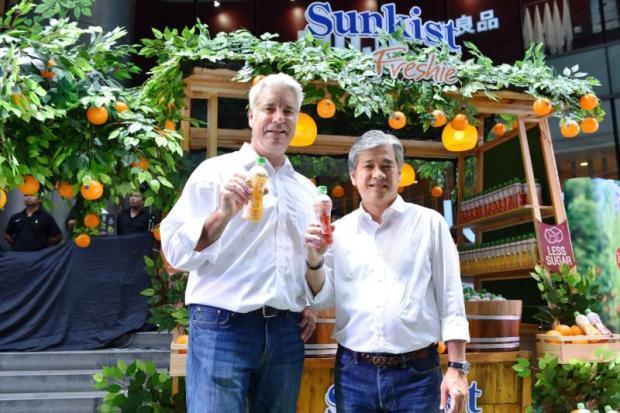
    David Bolton Director – Global Licensing, Sunkist Growers Inc (left) and Apirak Kosayodhin Chairman & CEO, V Foods Corporation Co

    Sunkist Growers Incorporated, a US-based citrus growers’ non-stock membership cooperative, has expanded its Sunkist Freshie brand to the Thai market.

    Thailand is now the 49th licensee country to make and market the products being produced by the 120-year-old cooperative, which brings together 6,000 members from California and Arizona.

    Sunkist has signed a contract with Thai firm V Foods Corporation to produce and market its drinks in Thailand for 10 years, with an option for another five-year renewal.

    V Foods Corp is owned by former Bangkok governor Apirak Kosayodhin.

    Sunkist brand product, including orange fruit juice and snacks, have been available in Thailand for over a decade, said David Bolton, director of global licensing at Sunkist Growers Inc, during a visit to Thailand yesterday.

    But this is the first time the company is launching two new orange juice flavours — Blood Orange Juice and Navel Orange Juice — in the Thai market. The drinks, with reduced sugar content, are aimed at more health-conscious consumers.

    Sunkist Freshie has been co-developed by Sunkist Growers Inc and V Foods Corporation exclusively for Thailand.

    Starting this month, the company began selling two Sunkist Freshie drinks at 7-Eleven convenience stores in Greater Bangkok, as well as in the East, said Mr Apirak.

    The beverage is expected to be available via all modern retail channels next year, he said.

    V Foods hired General Beverage Co to manufacture the beverage, while DKSH is handling the distribution.

    Mr Apirak said that the company added Sunkist to its product portfolio as a part of efforts to enhance V Foods as one of the country’s leading food and drink companies.

    “With over 20 years of experience in Thailand’s drink market, we believe there is still room for growth, due to the increasing number of health-conscious people, he said.

    Thailand’s beverage industry was valued at 13 billion baht last year, of which 2 billion baht belongs to the refreshment drink market. The segment boasts annual growth of 3-5%.

    Mr Apirak set up V Foods Corporation Co three years ago to distribute its own products, including “V Corn” brand sweetcorn, “V Farm” dried fruit and “V Kitchen soup”.

    The company also markets the popular Laotian ready-to-drink coffee, “Dao”, in Thailand.

    Sales of all products under V Foods was 200 million baht last year and is forecast to reach 250 million this year.