Category: Food

Retail News Asia is committed to providing both local and global retailers with the latest Food and Food & Beverage news throughout the Asian market. This on a daily base.

  • Triple O’s to expand in Hong Kong

    Triple O’s to expand in Hong Kong

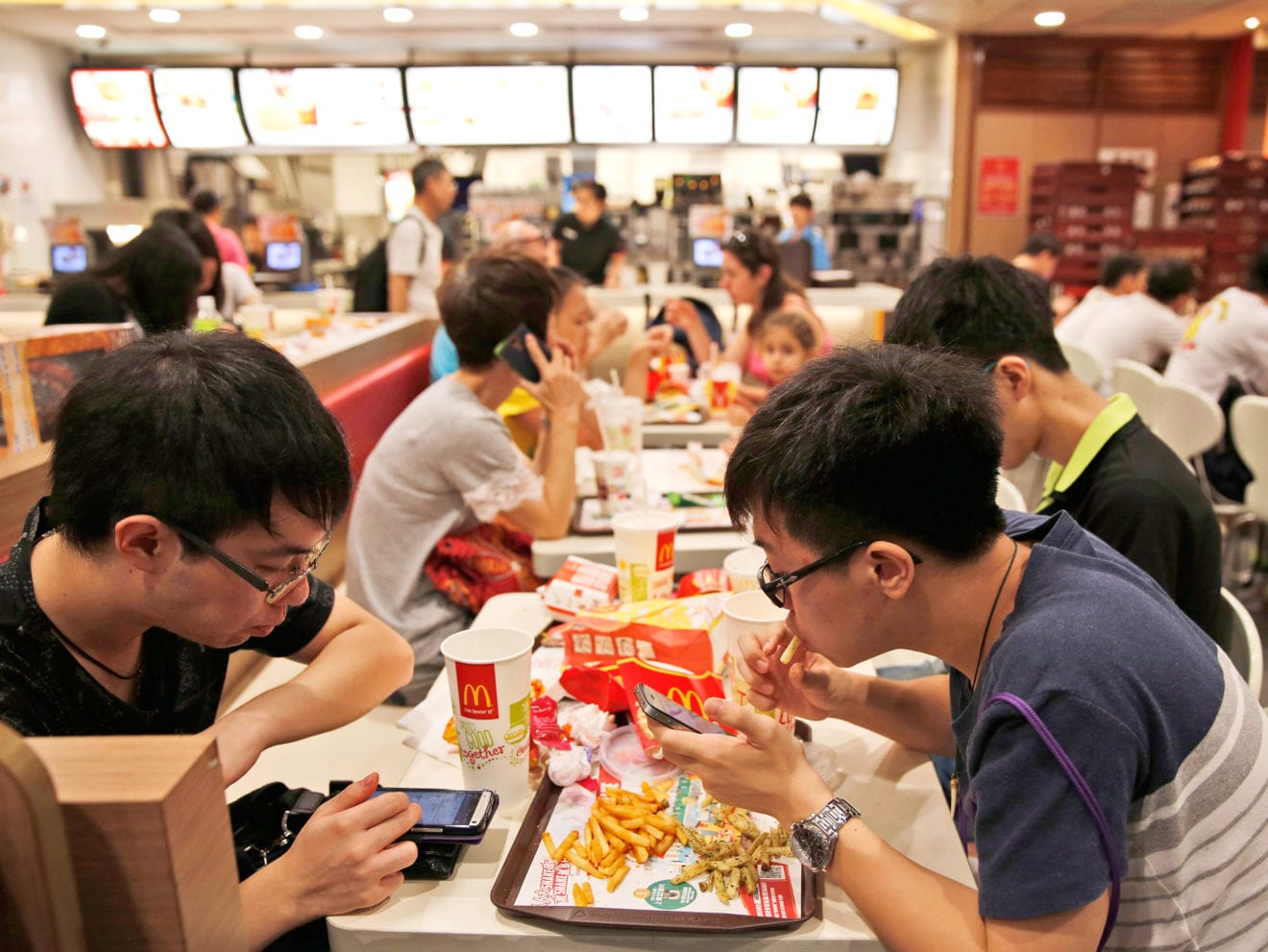
    To celebrate its 20th anniversary, Canadian burger chain Triple O’s plans a five-year expansion that includes four more outlets in Hong Kong.

    Created by restaurant chain White Spot in 1997, Triple O’s already has six locations in Hong Kong since arriving in 2004, and this month will launch in Macau.

    “We are looking for more growth in all of our markets,” says White Spot/Triple O’s president Warren Erhart. “Asia has some of our top locations. Our restaurants in Pacific Place and Shatin do more sales on a per-unit basis than any of our stores in British Columbia.”

    The brand’s 67 locations include two in Singapore.

    While other US fast-food chains adapt their offering for international market, Triple O’s has done little to change the original Canadian taste for Hong Kong consumers, says Triple O’s owner/franchisee Cynthia Suen. She says one of the key points that led her to bring the chain to Hong Kong was the familiarity of the product, driven by the heavy flow of Hong Kong residents travelling and moving to Vancouver since the 1970s and 1980s.

    Suen says she might consider taking Triple O’s to China, with the blessings of Erhart and White Spot owner Peter Toigo. It depends on the success of the Macau outlet.
  • Jollibee Kauswagan Diversion 20th store for city

    Jollibee Kauswagan Diversion 20th store for city

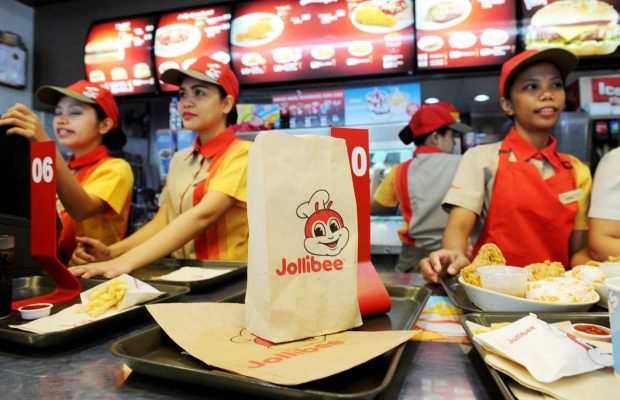
    Fast-food giant Jollibee has opened its 20th branch in Cagayan de Oro City – the drive-through store Jollibee Kauswagan Diversion.

    It is beside a gas station along San Pedro Street, and close to the villages of Bayabas, Bonbon and Kauswagan.
    The store is also the 126th Jollibee fast-service restaurant in Mindanao.

    Its blessing and inauguration was attended by Jollibee executives and Cagayan de Oro politicians.

  • The BonBonist bringing sweet touch to Pacific Place

    The BonBonist bringing sweet touch to Pacific Place

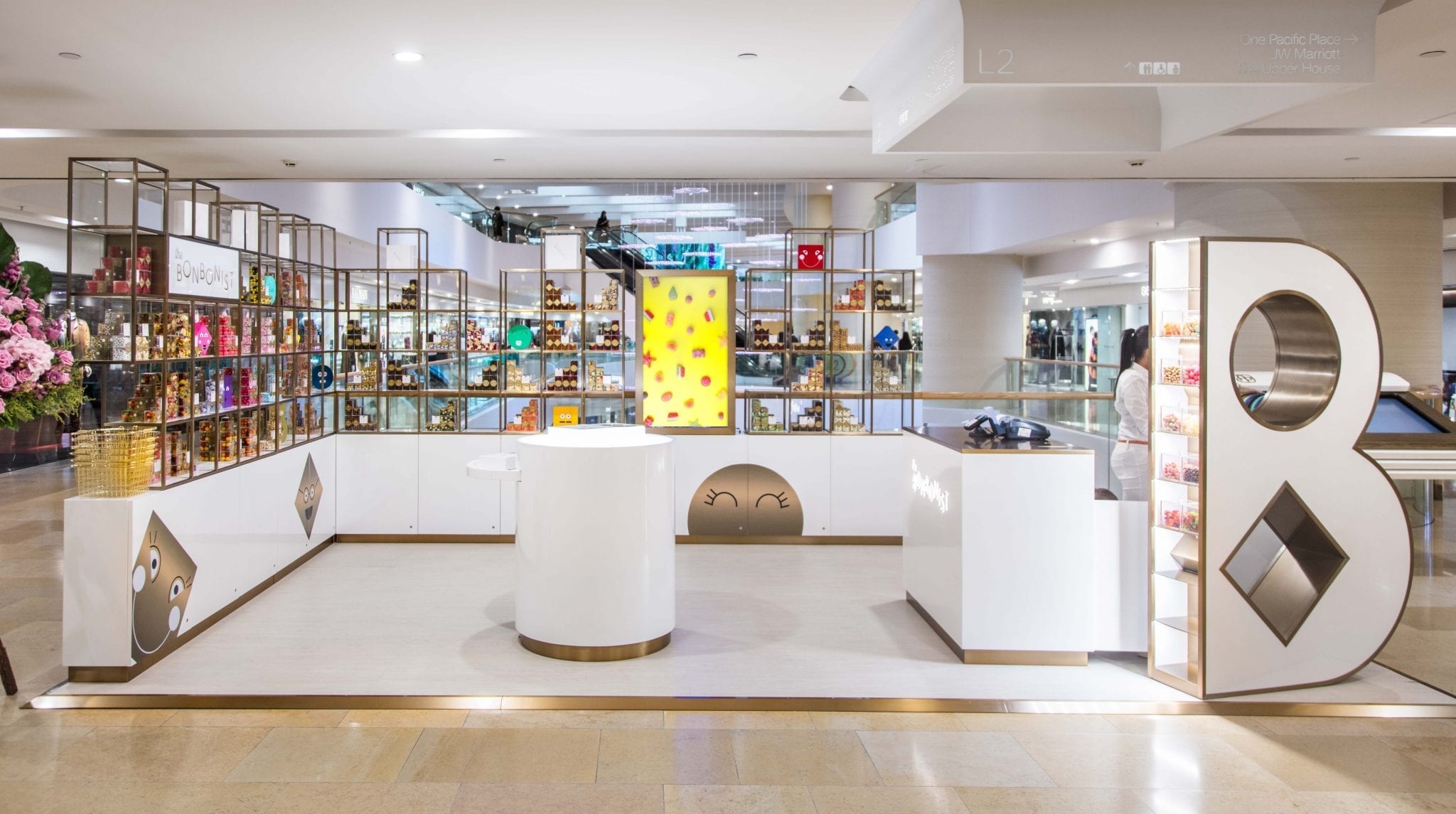
    Offering more than 70 different sweets and chocolates, The BonBonist will launch in Pacific Place next month.

    It is the brainchild of French confectionery expert Olivia Niddam, the former GM of French chocolatier Jean-Paul Hevin Hong Kong.

    Presented in 10 themes, each with a virtual character, the treats are sourced from all over Europe, ranging from low-fat Guilt-Free Gloria to Sour Ninja Nino.

    Customised packaging is available, and customers can mix and match to suit themselves, or for gifts or corporate occasions.

    There will also be festive-season specials.

    Niddam has had more than 10 years’ experience in France, Hong Kong and Japan, and has also worked for confectionary brand L’Eclair de Genie.

    “The BonBonist combines luxury, sophistication and playfulness,” she says.

  • Passion Delivery doubles offering in two months

    Passion Delivery doubles offering in two months

    Within two months, the number of suppliers and products trading through new Thailand online marketplace Passion Delivery has doubled.

    Directly connecting customers with local producers and importers of artisanal food and drink products, cookware and healthy lifestyle goods, the platform has increased its range from 600 products from 25 suppliers to more than 1200 products from 45 suppliers.

    Co-founder/CEO Ian Soo says the increased choice has inspired more than 1000 people to create accounts.

    “We always knew that people passionate about cooking want as much choice as possible,” says Soo. “Orders grow every month, proving this.”

    Passion Delivery is achieving an average basket size of more than THB2400 (US$70) an order.

    Soo, with wife Sara, founded the business in 2014 after being frustrated by the lack of availability of quality, locally produced food products and ingredients in Bangkok.

    “We’d seen a lot of great food and met some really passionate producers at local farmers’ markets,” says Sara Soo, “but we found it difficult, if not impossible, to find their products in shops. We thought that other people must share our frustration, so we created Passion Delivery.”

    It started as a specialist online order and delivery business from their home, offering just 25 products from three suppliers.

    Eventually, the marketplace was launched as a virtual shop window, connecting customers with suppliers, who fulfil and deliver the orders.

    Passion Delivery plans to expand the marketplace to 4000 products with 2500 customers by year-end.

  • Maxim’s Caterers wins exclusive Starbucks rights

    Maxim’s Caterers wins exclusive Starbucks rights

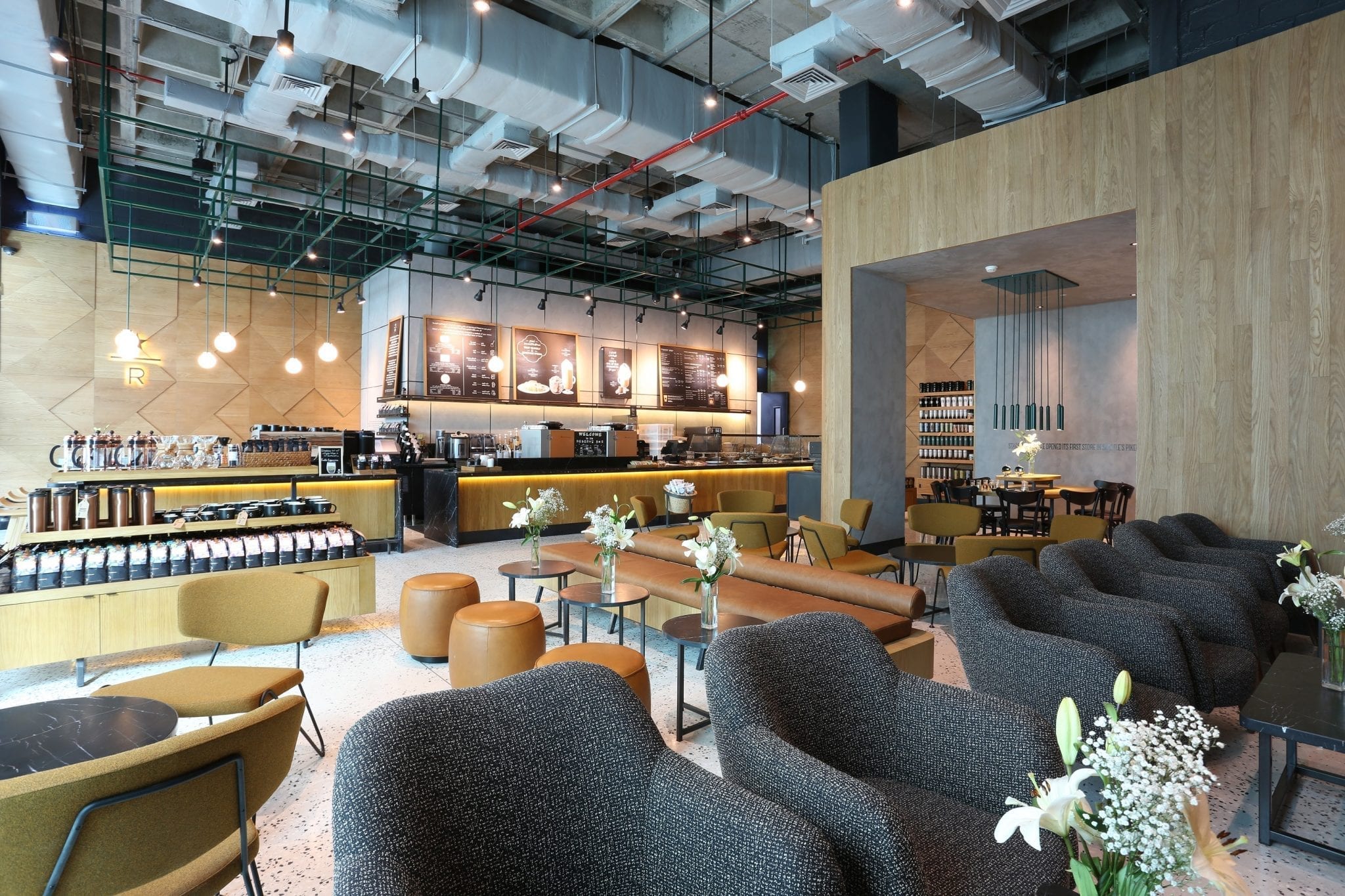
    Multibrand restaurant company Maxim’s Caterers has been fully licensed to run Starbucks Coffee Company business in Singapore.

    Maxim’s has been a long-time strategic partner of Starbucks, and the new agreement gives it the exclusive rights to develop and run the brand’s coffee stores in Singapore.

    “We’re pleased to take another step in our ongoing growth aspirations in Asia by transitioning the Singapore business to Maxim’s Caterers, our trusted business partner with a successful track record in delivering the Starbucks Experience and developing our iconic brand,” says Starbucks International group president John Culver, who oversees channel development.

    “Starbucks remains committed to growing in Singapore, an important market where we will build on 20 years of proudly serving customers.”

    Starbucks opened its first store at Liat Towers in Orchard Road and now has more than 130 outlets.

    “Our partnership with Starbucks is 17 years strong, and we are proud to deliver the Starbucks Experience to customers in Hong Kong, Macau, Vietnam and Cambodia,” says Maxim’s chairman/MD Michael Wu.

    Maxim’s now operates more than 210 Starbucks stores in Cambodia, Hong Kong, Macau and Vietnam and has a payroll of nearly 2900 employees.

  • Asia’s first Jamie’s Deli opening at Harbour City

    Asia’s first Jamie’s Deli opening at Harbour City

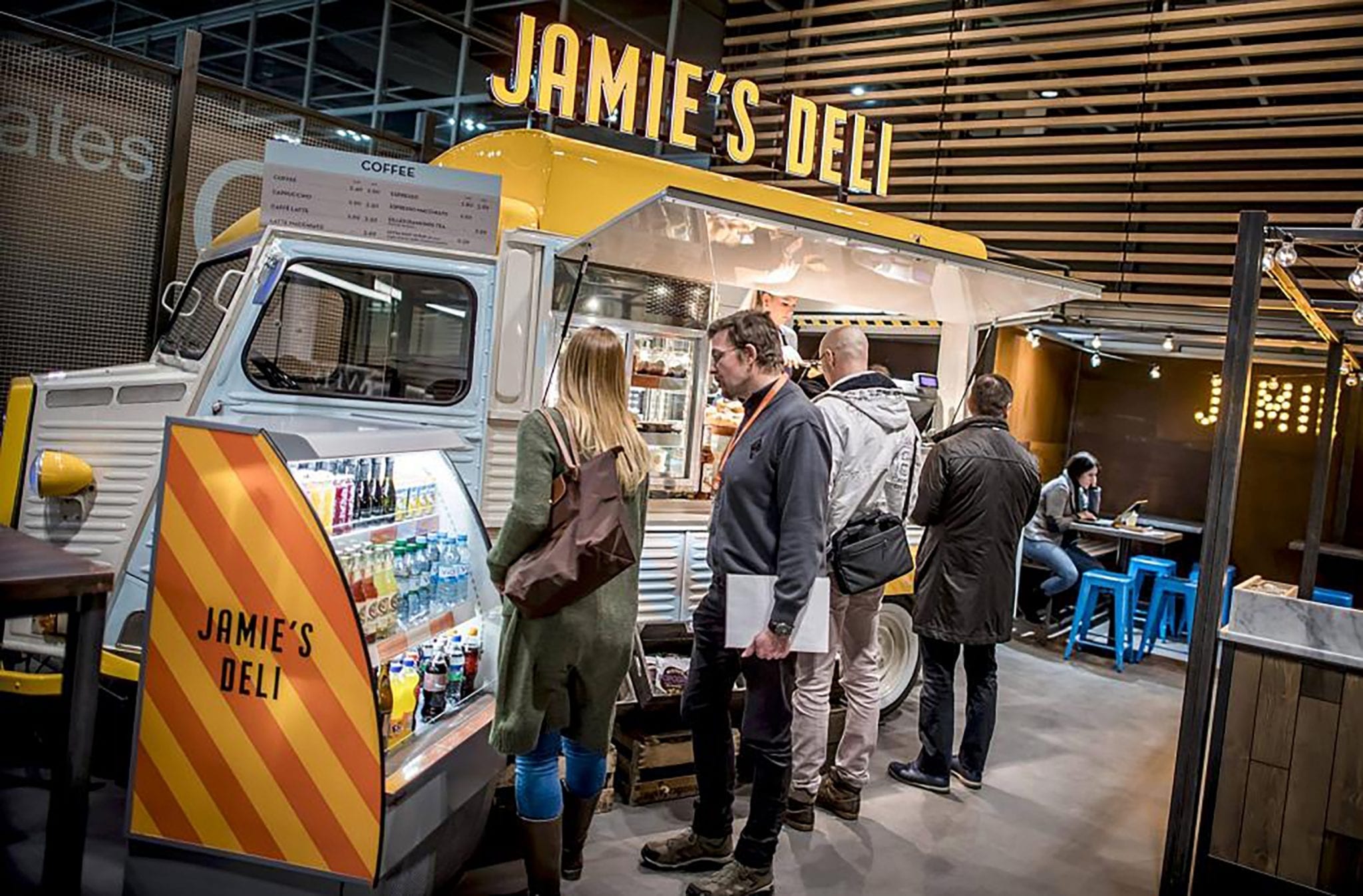
    British celebrity chef Jamie Oliver will open the first Asia branch of his casual concept, Jamie’s Deli, in Hong Kong next month.

    A fast-casual delicatessen, its menu will feature fresh, sustainably sourced dishes including salads, artisan pizzas, sandwiches and pastries, available for dine-in or takeaway.

    Jamie’s Deli will debut inside Harbour City, under the same roof as the Kowloon branch of the chef’s flagship brand, Jamie’s Italian.

    Since launching in England last year, Jamie’s Deli has opened in three European airports. The menu reflects the philosophy of the Jamie Oliver empire (encompassing global restaurants, cookbooks, charity campaigns and television shows broadcast in more than 50 countries): fresh and simple Italian cooking at an affordable price point.

    While Jamie’s Italian is about pizza and pasta, Jamie’s Deli offers healthier fare. It starts with breakfast (coffee and a bun, featuring the Full Monty with grilled sausage and balsamic onions), and at midday offers a deli lunch box with the customer’s choice of hot sandwich accompanied by seasonally rotating salads.

    An all-day menu includes a superfood salad full of grains and seeds, lemon-and-herb baked salmon with fresh dill, slow-cooked meatballs in a spicy tomato sauce, and a hot pastrami with slow-cooked corned beef and melted cheese.

    Jamie’s Deli and Jamie’s Italian in Hong Kong are managed by Big Cat Group, which also runs three Jamie’s Italian restaurants in Hong Kong and Taiwan, and plans to open several more outlets throughout Hong Kong and Greater China in the next five years.

  • Fast food outpaced in new delivery boom

    Fast food outpaced in new delivery boom

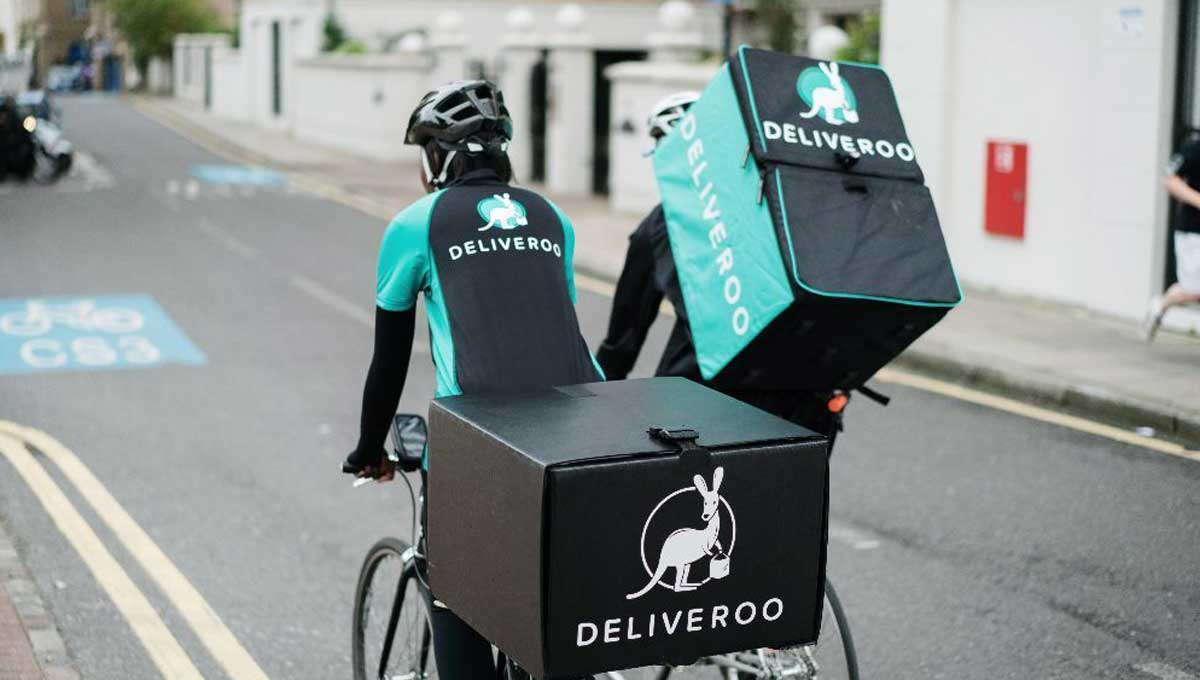
    Restaurants are cashing in on the food delivery boom driven by the likes of Deliveroo and UberEATS, as the fast food industry proves slow to adapt.

    Financial researcher IBISWorld forecasts revenue growth of two per cent for the restaurant industry in 2017/18, with the combined takings of 28,252 businesses to reach $21 billion.

    IBISWorld expects that growth to reach 5.8 per cent in 2018/19, and revenue to surpass $30 billion in 2021/22.

    Revenue for fast food establishments is forecast to rise by only 1.2 per cent in 2017/18, to $19.5 billion, while growth for cafes is forecast to be 0.8 per cent, to $8.1 billion.

    Senior IBISWorld analyst Bao Vuong says food delivery apps including UberEATS, Deliveroo, Menulog and Foodora have changed the way time-poor customers dine, and how restaurants are run.

    They allow customers to search beyond cuisine, price or rating, filtering options based on how quickly the food can be delivered, how close a restaurant is to their location, or whether delivery is free.

    Vuong said some businesses have created delivery-only menus, pop-up shops without tables and seating, or separate pick-up counters for delivery drivers to cater to the growing trend.

    The researchers found only a quarter of fast food restaurants have integrated new ordering and delivery platforms, and low revenue growth is a result of their lukewarm response to the innovative business methods.

    McDonalds and KFC secured partnerships with UberEATS and Foodora respectively in June, Vuong said, despite both delivery applications launching in Australia in early 2016.

    Red Rooster also recently appeared on Menulog, moving out of its suburban stronghold to feed customers in inner-city Sydney and Melbourne for the first time.

    The new platforms have also prompted fine dining businesses – 39 per cent of Australia’s restaurants – to lift.

    “Small tweaks such as improved customer service and enhanced ambience through lighting and increased customer interaction with chefs can go a long way towards combating these apps,” Vuong said.

    In addition, hatted eateries including Sake (Sydney, Brisbane, Melbourne), Three Blue Ducks (Sydney) and Esquire (Brisbane) have all launched on UberEATS with scaled-down menus.

    “The outlook for fine dining restaurants is strong because they place a premium on taste, while new ordering and delivery platforms mainly focus on convenience and price,” added Vuong.

  • Deliveroo Hong Kong launches kitchen concept

    Deliveroo Hong Kong launches kitchen concept

    Deliveroo Hong Kong has launched a delivery-only kitchen so restaurants can work off-site and cater to more customers across the city.

    Dubbed “Deliveroo Editions”, the kitchen concept is in Wan Chai and already caters for six restaurants on the Deliveroo platform. Each restaurant is allocated space in the kitchen, which Deliveroo has fitted out with stoves, fridges and cookware. This means that restaurants need only invest in manpower and ingredients needed.

    In return, Deliveroo takes a commission from the orders placed with the restaurants on Deliveroo Editions.

    Deliveroo Hong Kong GM Brian Lo says the company has amassed a trove of data on customer order preferences within each area. Based on this data, Deliveroo Editions can bring in restaurants for specific cuisines that are in demand. Restaurants working out of Editions can also use the data to determine if it makes commercial sense for them to open a secondary kitchen to serve another customer base.

    “We have the actual big data to back up our assumption – we know what’s going to be successful or not within an area based on past buying patterns,” says Lo.

    He says certain restaurants in Singapore and London that already work through Deliveroo Editions have seen their revenue increase by as much as 500 per cent.

  • Starbucks China rolls out Alipay in 2800 stores

    Starbucks China rolls out Alipay in 2800 stores

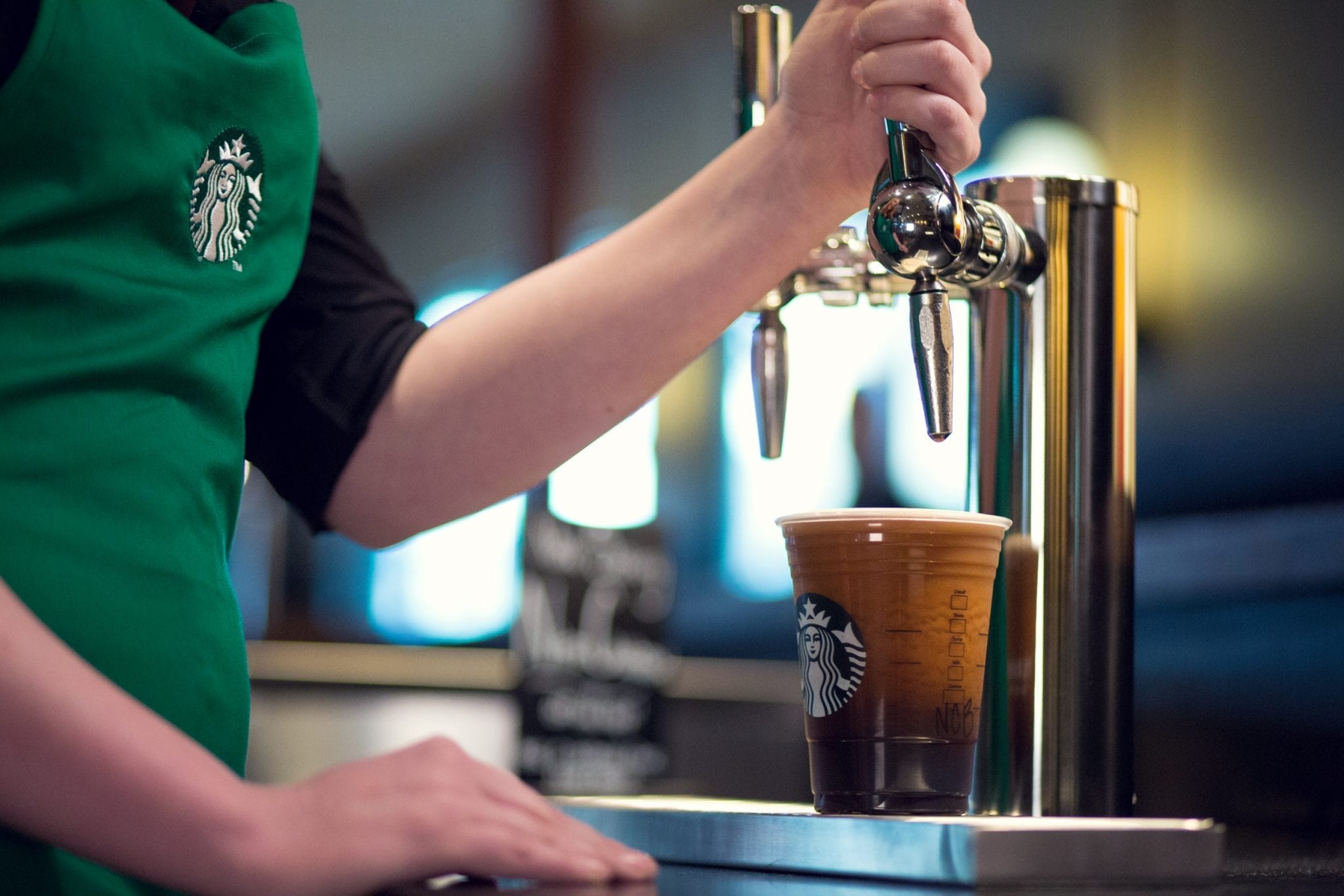
    Starbucks China has introduced Alipay, Alibaba’s third-party online mobile payment platform, to more than 2800 of its coffee shops.

    Alipay also covers some Starbucks outlets in Japan, Macau and Malaysia, adding up to more than 3200 stores worldwide. Its coverage outnumbers that of WeChat Pay, Tencent’s digital wallet, which covers about 2500 Starbuck shops in China, reports Caixin media group.

    Starbucks China also supports all mainstream digital payment methods, including Apple Pay and Quick Pass. Previously, the coffee company has promoted its digital VIP card, Starbucks Rewards, which is embedded in its app, as well as a prepaid card.

  • Japanese Farmers’ Market lands at Changi

    Japanese Farmers’ Market lands at Changi

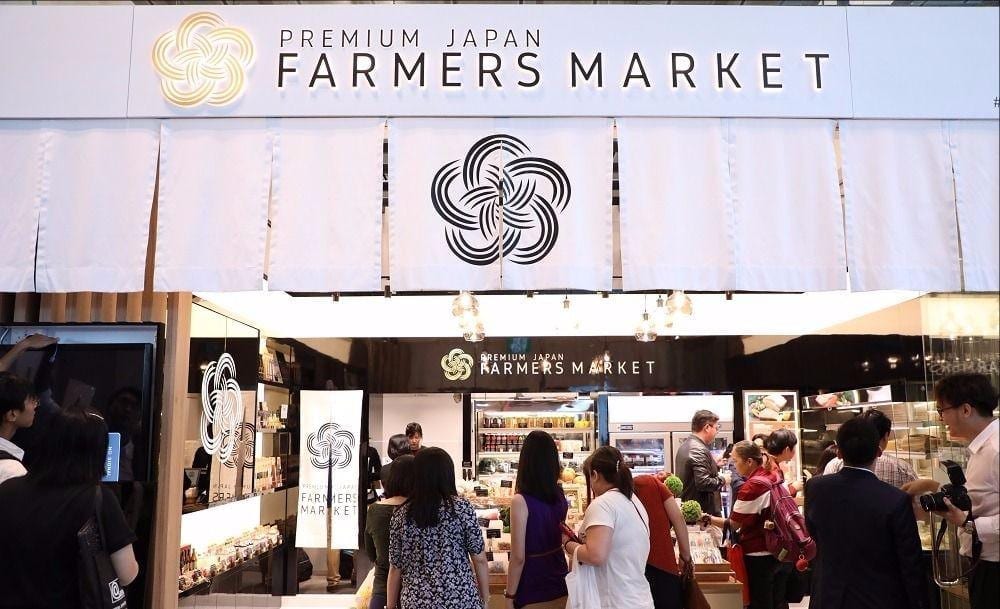
    Hailed as a Singapore first, the Premium Japanese Farmers Market offers everything from seasonal vegetables and fruits to meat products and sake imported from Japan – in Changi Airport’s Terminal 3 departure hall.

    Some items, including egoma tea, a special sushi selection and wagyu sake, are new to Singapore.

    The store also offers ready-to-eat bento boxes by Go-Zen, which can be customised from a range of 25 ingredients including scallops, snow crab, ikura salmon roe, Niigata Japanese rice and wagyu beef.

  • Harry Potter cafe opens in Mong Kok

    Harry Potter cafe opens in Mong Kok

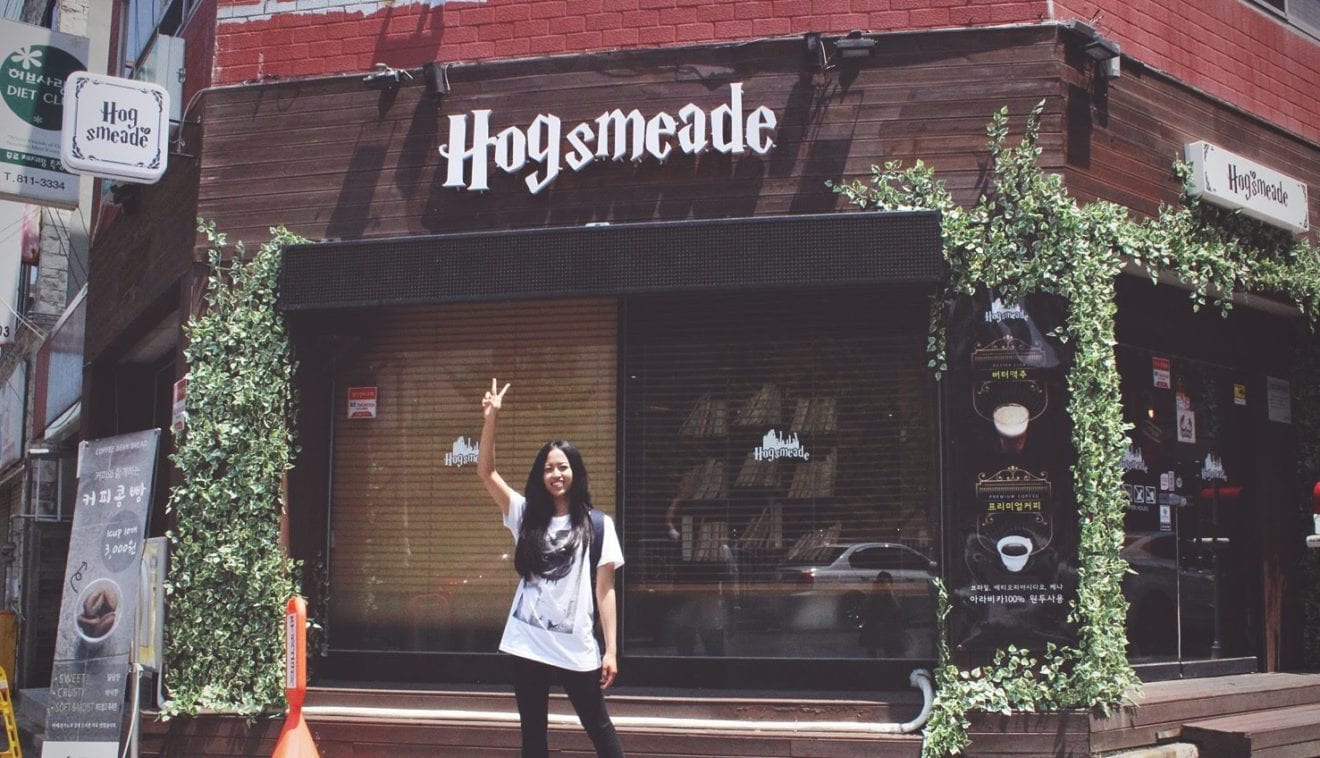
    A Harry Potter cafe has opened in Hong Kong, named 9¾ Cafe after the hidden Hogwarts Express platform at King’s Cross Station in London.

    On Yin Chong Street in Mong Kok, the cafe features wall-mounted wands and broomsticks, stuffed owls, portraits of witches and wizards, and candlelight (electric).

    There is even a half-disappearing luggage trolley, as featured at King’s Cross Station, complete with Hedwig in a cage.

    On the drinks menu are some Harry Potter-specific concoctions, such as the Polyjuice Potion, Amortentia love potion, golden Felix Felicis (aka “liquid luck”), and Veritaserum. Visitors 18 years and older can down a pint of Butterbeer.

    For food, the cafe serves Western starters and mains named after mythical creatures and charms from the Harry Potter series, such as the soft-shell crab Aragog salad, Romanian longhorn pumpkin pasta (after one of the dragons from Goblet of Fire), and Prior Incantato cream of mushroom soup.

  • McDonald’s China signs deal with second developer

    McDonald’s China signs deal with second developer

    Guangzhou-based developer Country Garden has signed a deal to help McDonald’s China reach its goal of opening 2000 restaurants by 2022.

    In the strategic co-operation deal signed with the new owner of McDonald’s China, the mainland’s third-largest developer by sales has pledged to provide locations for the fast-food chain’s plan to nearly double its footprint, reports property portal Guandian.

    The partnership echoes a deal McDonald’s signed last month with Evergrande Real Estate Group, under which the burger giant will piggyback on the residential developer’s nationwide property portfolio to accelerate its push into China’s lower-tier cities.

    McDonald’s China’s strategy to grow its stores from 2500 to 4500 in little more than five years looks to third- and fourth-tier cities for the bulk of the expansion. These cities will account for 45 per cent of outlets by the end of 2022.

    The new approach to securing shop locations comes after Citic Limited and its investment-management arm Citic Capital Partners jointly took a 52 per cent stake in the venture. McDonald’s China chairman Zhang Yichen, who is also CEO of Citic Capital, says the company is discussing similar agreements with rival builders China Overseas Land & Investment and China Vanke, which have close connections with Citic.

    Hong Kong-listed Country Garden, China’s top developer by sales, had 722 projects across mainland China and Hainan at the end of last year, more than 35 per cent of them in Guangdong province.

  • Hokkaido Ramen Santouka opens Quezon branch

    Hokkaido Ramen Santouka opens Quezon branch

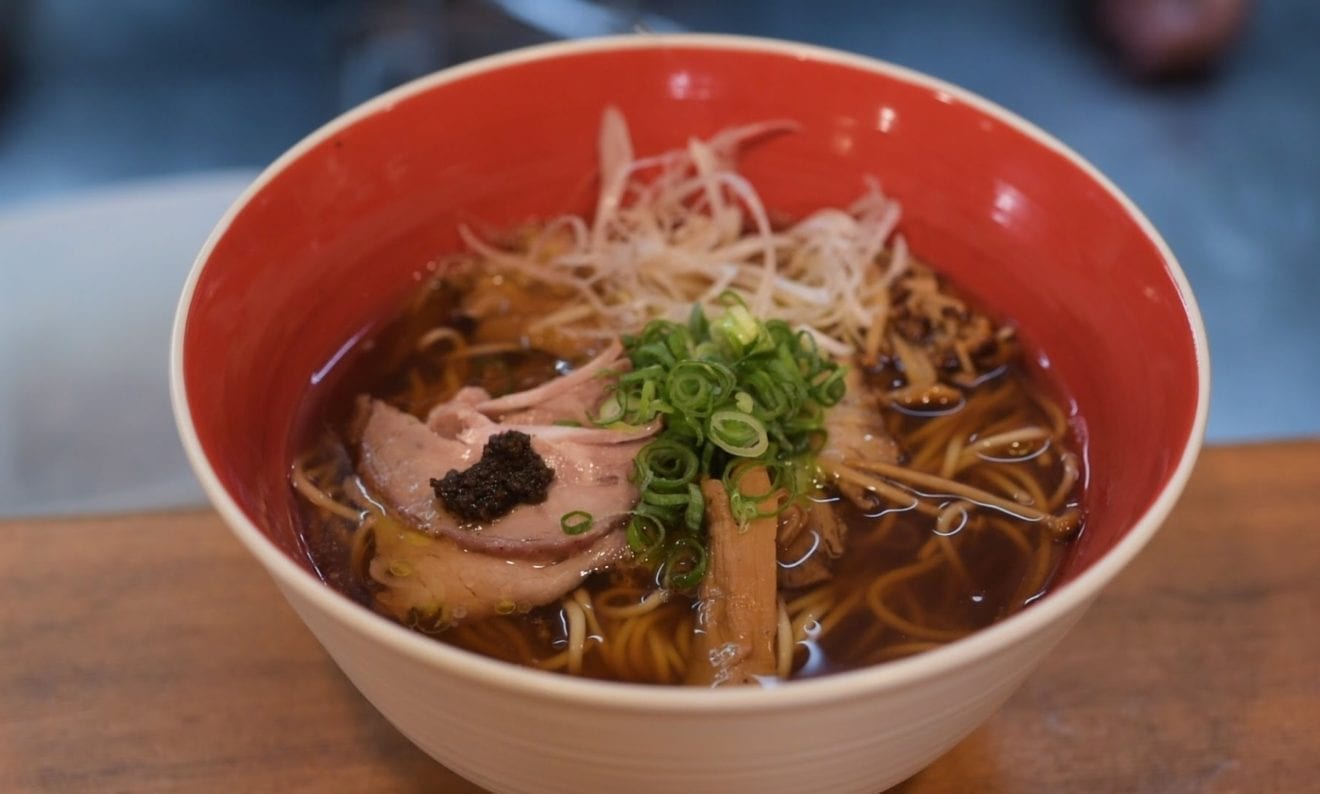
    Hokkaido Ramen Santouka, which arrived in the Philippines in 2013, has opened its 11th branch, in Up Town Center in Quezon City.

    Launching in Japan in 1986, the brand is known for its meticulous preparation of its tonkotsu broth, a tradition if follows in the Philippines. Hokkaido Ramen Santouka Manila president Annaliza Lim says all its branches have a full kitchen that takes up about 40 per cent of the store’s space.

    “We make all our broths in house at every branch to ensure freshness. A Japanese chef goes to our different branches to check the tonkotsu broth to make sure the quality is at par,” says Lim.

    All ingredients are imported from Japan, with the soup being cooked for 20 hours daily.

  • E-Mart China exit confirmed

    E-Mart China exit confirmed

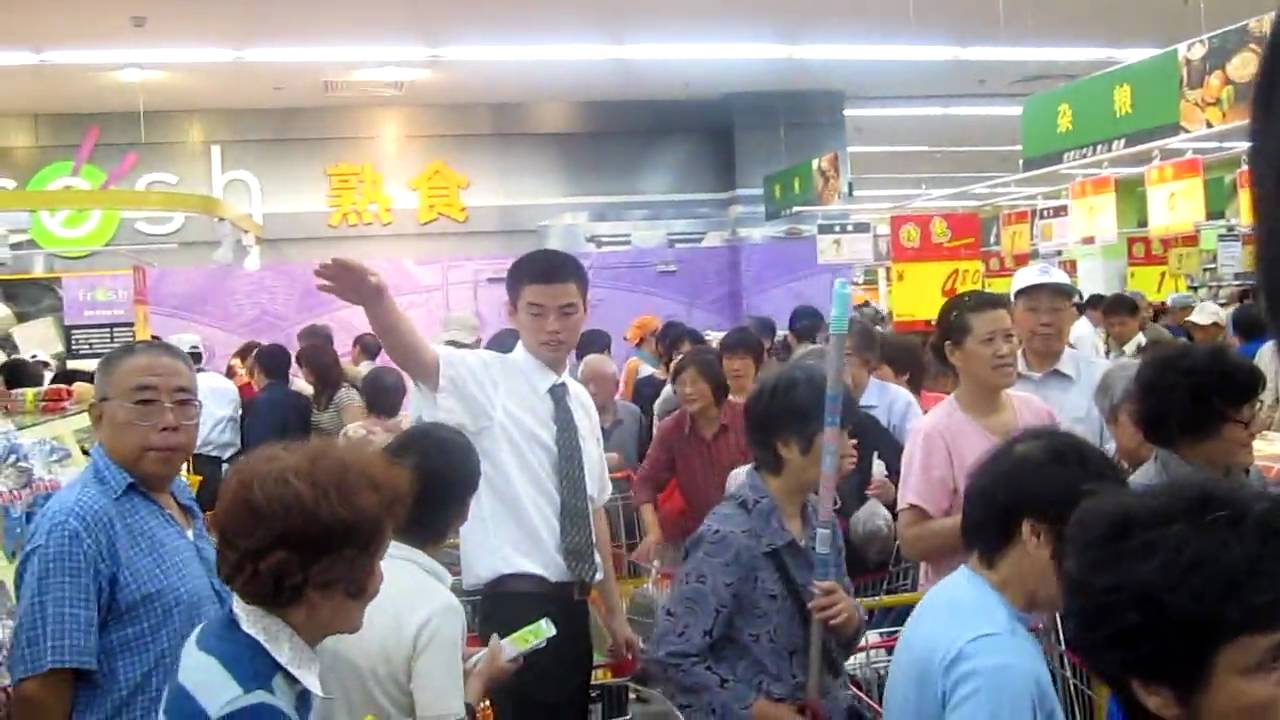
    Thailand’s CP Group has agreed to buy five of the six remaining E-Mart China stores, ending a 20-year presence for the Korean firm.

    Sources in the retail investment banking sector said E-Mart inked an agreement with CP Group to hand over the stores in Shanghai pending approval from Chinese regulators.

    Reports emerged earlier this month that the two parties were in negotiations. Yonhap news agency’s sources said E-mart is in the process of selling off its sole outlet in Xishan by the end of the year.

    Exact details of the sale have not been released, but market watchers said E-Mart will not be able to get the full market value for the stores and will have to settle for much less.

    The net book value of the stores to be sold to the Thai food and agribusiness stands at around 68 billion won (US$59.9 million), with CP Group expected to benefit from economy of scale with the takeover. The company already operates a supermarket chain under its CP Lotus subsidiary.

    “Getting approval from Chinese authorities takes time, and the company cannot reveal details about the contract before then, but internally the goal is to exit China by the end of 2017,” said an E-Mart insider, who declined to be identified.

    E-Mart first entered the Chinese market in 1997, with the total store number rising to 30 at one point yet it had to scale back operations in the face of tough conditions and weak sales.

    Last year the retailer reported losses hitting 21.6 billion won, while total losses in the last four years reached 150 billion won.

    The company, meanwhile, said that it is moving into new Asian markets to compensate for China, where the diplomatic row over Seoul’s decision to deploy a US anti-missile defense system on its soil has hurt sales of South Korean-made products and services.

    E-Mart said that it is making a determined push to expand into the Mongolian, Vietnamese, Laotian and Cambodian markets that offer good growth potential.

    It said a second store in Mongolia will be opened Friday following the first that started operations in July 2016.

  • Burger brand charts big expansion plans

    Burger brand charts big expansion plans

    Gourmet burger brand, Burger Urge, has opened a Sydney office and revealed plans for eastern seaboard expansion, including the roll-out of 37 new restaurants by 2020.

    Burger Urge has announced it will open five new restaurants in the second half of the year, will additional openings along the east coast including Port Macquarie, Toowoomba and Brisbane CBD.

    Sean Carthew, Burger Urge director, said the brand’s expansion plans follow a period of significant restructure and refocus.

    “Like any fast-growing business, we’ve made our fair share of mistakes and have learned a lot,” Carthew said. “Most significantly, we learned that we need to be very careful who we take advice from and who we let into our inner circle.”

    Carthew said part of Burger Urge’s restructure would see the company “return to its roots.”

    “When Burger Urge began 10 years ago, we made absolutely everything from scratch – we made our own patties, we hand-cut the chips, we even made sauces in-house,” he said. “It was the focus on the integrity of our food that generated lines down Brunswick Street every Saturday. It sounds simple, but by returning to our roots, we’ve not only won back the hearts and bellies of our regular customers but attracted a new legion of Burger Urge fans.”

    With its recent menu refresh, Burger Urge is now heading south – physically – in a bid to grow the brand’s national presence.

    “We are proud to have 22 restaurants throughout Queensland but it’s now time to stretch our wings and seek out the next opportunity,” Carthew said.

    The brand has launched a Newcastle restaurant last May and will open its second NSW site in Port Macquarie next month.