Category: Food

Retail News Asia is committed to providing both local and global retailers with the latest Food and Food & Beverage news throughout the Asian market. This on a daily base.

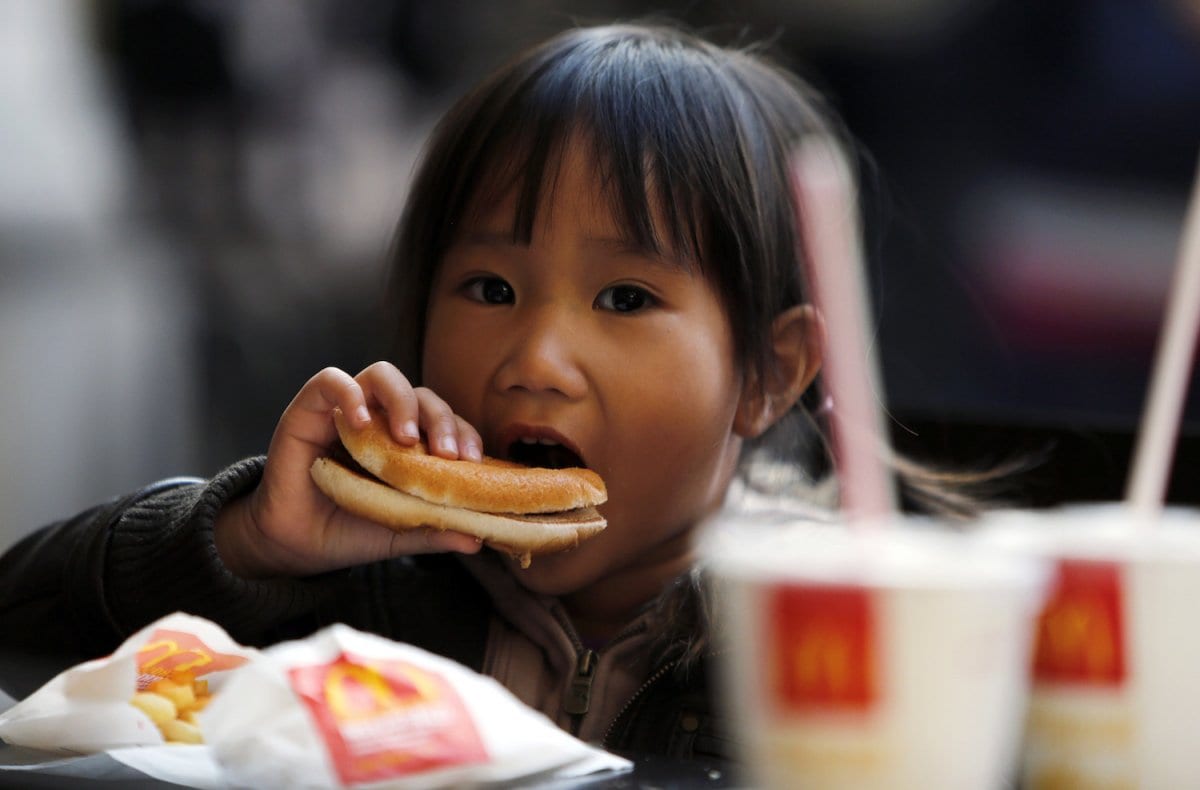
  • Complaints prompt raid of McDonald’s Korea

    Complaints prompt raid of McDonald’s Korea

    ollowing complains of children falling ill, investigators have raided the Seoul office of McDonald’s Korea.

    It is alleged the youngsters had eaten undercooked hamburger patties, reports Yonhap News Agency.

    Seoul central district prosecutors’ office has seized documents and evidence from McDonald’s as well as the offices of an ingredient supplier.

    “We take this matter very seriously,” says McDonald’s spokeswoman Karen Kim. “McDonald’s Korea continues to fully co-operate with all relevant authorities.”

    A consumer filed a complaint against the US fast-food giant in July saying her four-year-old daughter had been diagnosed with hemolytic uremic syndrome (kidney damage), often referred to as “hamburger disease”, after she had eaten a McDonald’s hamburger last year.

    Complaints were also filed by the parents of four more children who became sick after eating McDonald’s burgers.

    In August, customers of a McDonald’s outlet in the southwestern city of Jeonju reported stomach aches and high fever after eating bulgogi burgers. The chain temporarily halted sales of the product.

    Talks to sell McDonald’s South Korean business to domestic firm KG Chemical Corporation collapsed last year over what KG called “a large difference of opinion”.

  • Restaurant Brands boosted by store expansion

    Restaurant Brands boosted by store expansion

    Fast-food operator, Restaurant Brands NZ, has posted a 41 per cent lift in first-half profit after it expanded its footprint through Australia and Hawaii.

    The Auckland-based company said net profit rose to $19.1 million, or 15.5 cents per share, in the 28 weeks ending September 11, from $13.5 million, or 13.3 cents, a year earlier.

    Sales jumped 50.7 per cent to $386.1 million compared to the previous corresponding period with the bulk of the increase attributable to the Pacific Island Restaurants Inc. (PIR) acquisition in Hawaii and the full impact of the Australian operations which were acquired part way through the first half of the 2017 financial year.

    Total sales of the KFC business in Australia were A$66.7 million, up A$25.3 million (or +61.1 per cent) on last year, reflecting both increased store numbers following the acquisition of the business assets of five stores at the start of this financial year, and the full impact of the acquisition of QSR Pty Limited which only became effective part way through 1H 2017. Same store sales jumped 5.8 per cent. Store EBITDA margins of A$9.8 million (14.7 per cent of sales) are up A$2.9 million or +43.2 per cent on last year.

    First-half profit excluding non-trading items lifted 27 per cent to $20.2 million and the company said it expects full-year profit on that measure of about $40 million.

    Combined brand EBITDA was up $17.7 million to $63.0 million with $12.7 million of the increase resulting from the PIR acquisition, the Australian KFC business accounting for a further $3.4 million and the New Zealand businesses driving the remaining $1.6 million.

    Restaurant Brands holds the rights to the KFC, Pizza Hut, Starbucks Coffee and Carl’s Jr brands in New Zealand and has recently turned its focus to overseas expansion to drive future earnings growth.

    In April 2016 it expanded into KFC in Australia and in March 2017 bought the company which operates Taco Bell and Pizza Hut in Hawaii.

    “The current strategies across all geographic markets are delivering positive results,” the company said.

    In NZ, the company’s KFC stores lifted earnings before interest, tax, depreciation, amortisation and administrative expenses by 5.7 per cent to $35 million as sales advanced 8.2 per cent to $170.3 million.

    After the year-end balance date, Restaurant Brands opened a new format KFC store in Fort Street in central Auckland, which it said has “significantly outperformed expectations” and is expected to be the prototype for other central city stores.

    Its Pizza Hut stores posted an 18 per cent decline in earnings to $2 million and its margin contracted to 8.6 per cent from 11 per cent as it faced increased costs for labour and ingredients.

    Earnings at its Starbucks Coffee stores edged up 0.4 per cent to $2.2 million as sales declined 2.6 per cent to $13.4 million after two stores were closed, taking the total to 23.

    Carl’s Jr earnings jumped 58 per cent to $600,000 as sales slipped 2.8 per cent to $18.8 million.

    Directors have declared an interim dividend of NZ10.0 cents per ordinary share, up NZ0.5 cents on last year. The dividend is fully imputed and payable November 30.

  • Competing fast food chains join forces

    Competing fast food chains join forces

    Two competing fast food franchise chains are joining forces in a brand new merger.

    Ali Baba Lebanese Cuisine and Le Wrap have combined their businesses to form the Retail Systems Group (RSG).

    RSG will run a stable of 63 stores across Australia, 40 Ali Baba locations and 23 Le Wrap stores. The merger reflects the synergy between the two brands.

    Robert Marjan, Ali Baba CEO and RSG director, said “This is the merger of two unique propositions in the food court. We can both learn a lot from each other and grow stronger. It will broaden the reach of both brands and significantly bolster support to franchisees.

    “The increased numbers from the merger will increase momentum for RSG,” said Marjan.

    “Business tasks are enhanced. Negotiations with landlords and suppliers are more constructive. The franchisees have access to a combined professional team with years of experience to guide and assist them. Marketing benefits and cost savings are able to be combined.”

    Kebab franchise Ali Baba was founded in 1979. The family franchise’s success has been built on utilising traditional Arabic herbs and spices, premium ingredients and secret recipes.

    Kaan Celik started the Le Wrap business serving healthy, freshly made wraps in 2005 with the aim of creating something “modern and simple”. His hands-on approach has been a key driver of success.

    “This merger will open up more opportunities for Le Wrap. We can learn a lot from Ali Baba. Retail Systems Group will operate from a position of power,” said Celik.

    It was a question of finding the right partner to combine forces, he added.

    “This business is quite simple and it has so much potential.”

    The ability to look at each brand with an outsider’s perspective will prove invaluable for the business, he said.

    Right now the business is focused on three months of hard work and planning that will lead to refinements across the brands.

    Major growth is planned over the next couple of years, with a goal of 100 combined stores in the next 24-36 months.

    And Marjan told Inside Franchise Business this merger could be just the beginning for RSG.

    “We may have further expansion, depending on how quickly we can get up and running. It could be a successful brand that needs a bit of extra suppport, or a start up, or another major brand we can merge with. We will assess the opportunities.”

    Marjan said combining forces was one way to stay competitive in a tough food retail market.

    “It’s not the only way, but for businesses with the number of stores we have, it’s an ideal way to be stronger and give us a fighting chance.

    “Shopping centres are making it tough.”

    RSG is based at the Ali Baba premises in Ingleburn, New South Wales which includes a kitchen for research, development and trials of new products.

    Putting both businesses under one roof will provide immediate costs savings, pointed out RSG general manager Harry Malovany.

    He is expecting the new business to have greater appeal to franchise buyers, with two options with investment levels from $200,000 to $300,000.

    Malovany predicts joint location opportunities will also arise as a result of the merger.
  • Starting coffee shops gains popularity among young people

    Starting coffee shops gains popularity among young people

    Opening a coffee shop is one of the most popular businesses being pursued by young South Koreans in recent years, data showed, in a sign of growing coffee consumption in the Northeast Asian country.

    The number of coffee shops run by people aged between 15 and 34 stood at 5,000 last year, compared to 2,000 in 2011, according to data compiled by the National Tax Service.

    The data underscores the growing popularity of coffee among South Koreans. In 2016, South Koreans drank 377 cups of coffee per person on average.

    The rate coffee consumption for South Koreans over 20, has grown by an annual rate of 7 percent since 2012, according to the Ministry of Agriculture, Food and Rural Affairs and the Korea Agro-Fisheries & Food Trade Corp.

    The size of the domestic coffee market reached 6.4 trillion won (US$5.68 billion) as of the end of 2016, up 30.6 percent from the 4.9 trillion won tallied in 2014.

    Last year, the number of businesses started by people aged between 15 and 34 came to 226,000, down 2,400 from 2011, according to data compiled by the NTS.

    Among them, the number of businesses started by young men stood at 128,000 and the rest were set up by young women.

    The data showed that the most favored business among young people was selling goods online without offline retail shops. The number of online retail shops run by young people came to 37,000 last year, up 17 percent from 2011.

  • Nestle Korea introducing Kit Kat flagship store

    Nestle Korea introducing Kit Kat flagship store

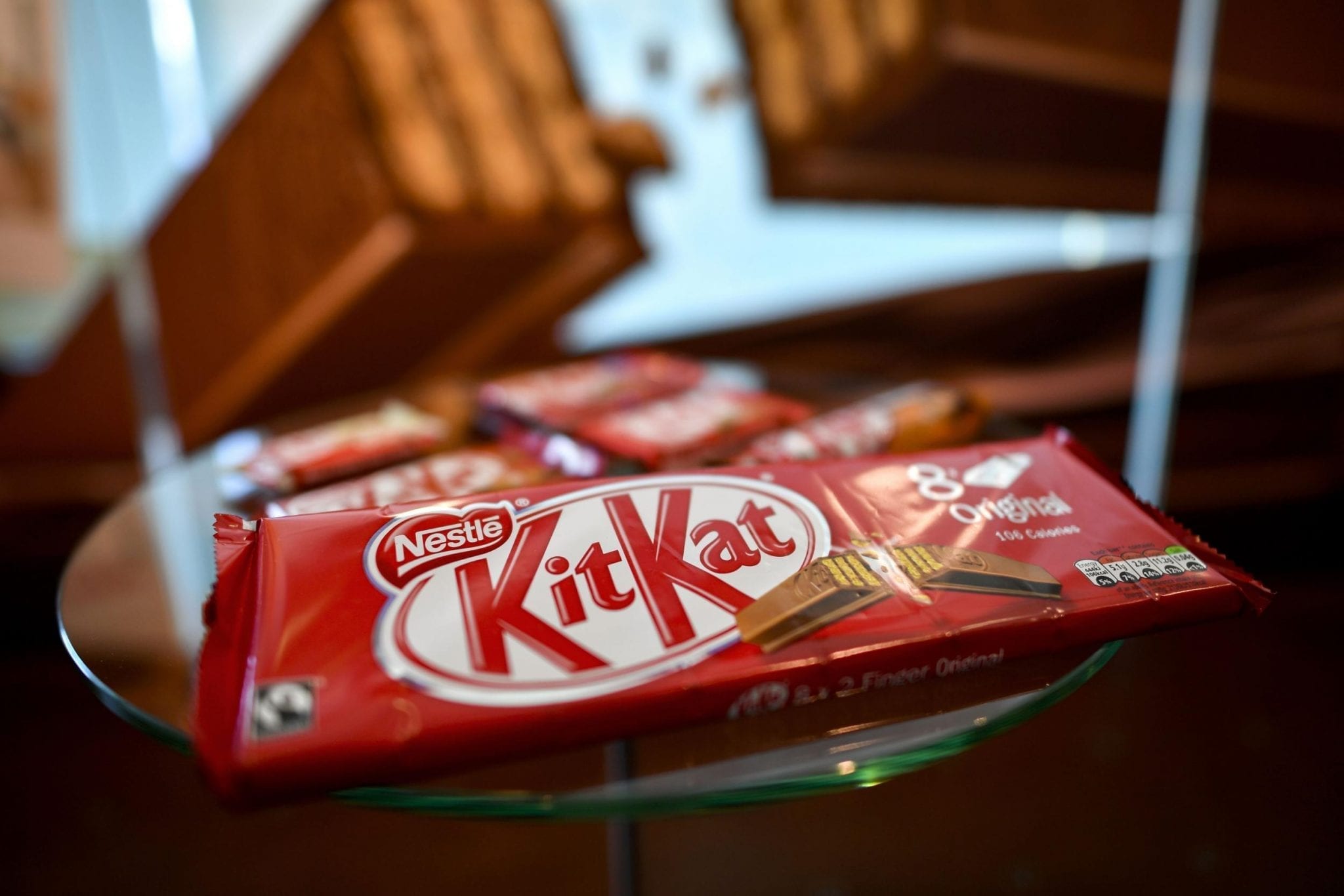
    Chocolate wafer snack Kit Kat is to have a flagship store in Seoul, being launched by Nestle Japan in co-operation with Nestle Korea.

    The Swedish snack company’s Japanese branch is known for its exclusive “chocolatory”, which offers special flavours and desserts. Flavours previously exclusive to the Tokyo store will be available at the store set to open in Shinsegae Department Store’s Gangnam location.

    Nestle Japan’s Premium Kit Kat is one of the most popular souvenirs Koreans buy when visiting Japan. The exclusive flavours, launched in co-operation with pastry chef Yasumasa Takagi, borrow from local specialties such as Kyoto’s matcha green tea and Hokkaido’s melon.

    In Korea, only the original milk and dark chocolate flavours are available. The Seoul flagship store, which opens next Thursday, will not only expand on this but also offer signature desserts.

  • Honestbee Thailand partners with Villa Market

    Honestbee Thailand partners with Villa Market

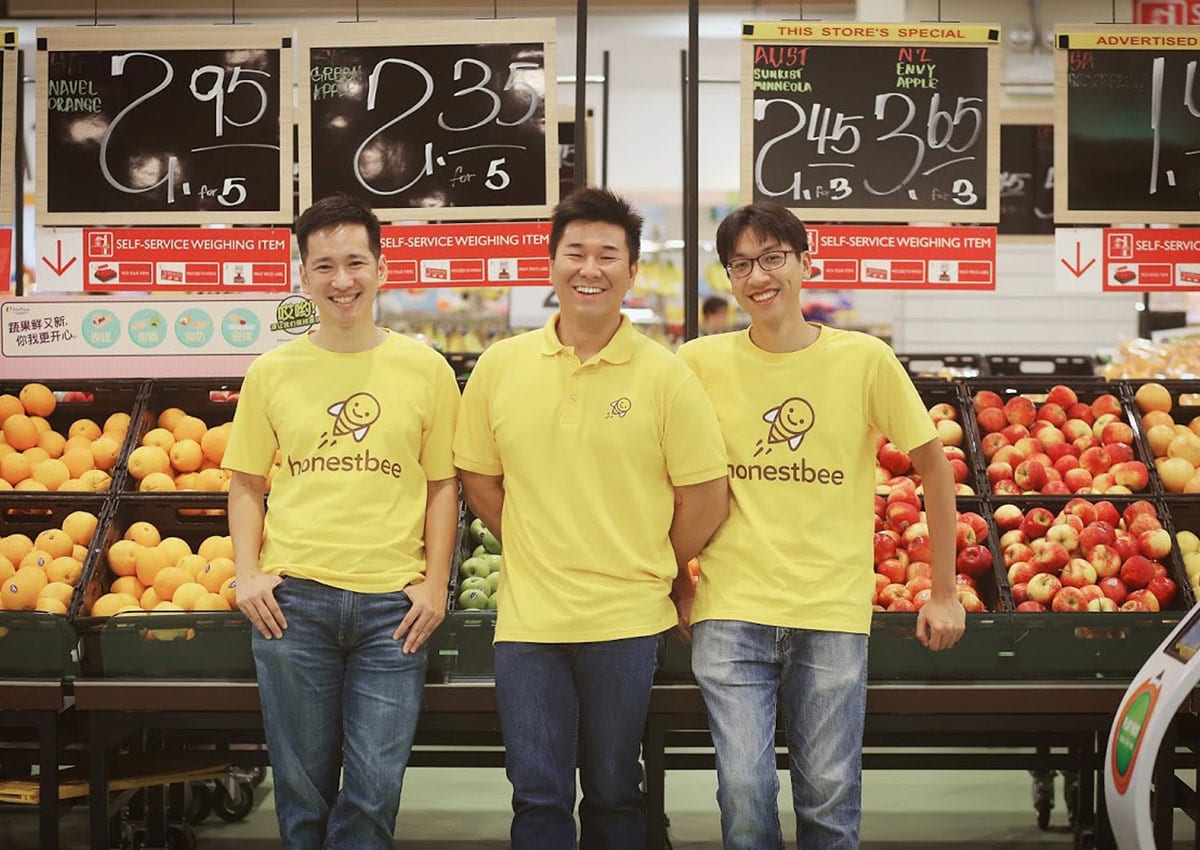
    Honestbee Thailand is partnering with supermarket chain Villa Market for home deliveries.

    Since launching in Thailand in March, the Singapore-based online concierge and delivery service says it has had “six months of great success” and is gearing up for American Thanksgiving and Halloween celebrations.

    “The one-stop shop continues to attract the trendsetters of Bangkok and extend to the outer reaches of the metropolitan area,” says Honestbee.

    In September, Honestbee partnered with CP Fresh Mart to offer a delivery service with products at cheaper prices than retail. Other outlets that have partnered with Honestbee Thailand include restaurant and bakery S&P and the Australian chain Jones the Grocer.

    As well as grocery deliveries, Honestbee has launched a curated restaurant food-delivery service in Bangkok.

    “Thailand is an e-commerce hub and the concept of on-demand online services appeals to customers, particularly busy Bangkok urbanites,” says Honestbee Thailand country manager Bounthay Khammanyvong.

    Villa Market predominantly targets expatriates, with stores in Bangkok, Phuket, Pattaya and Huahinh.

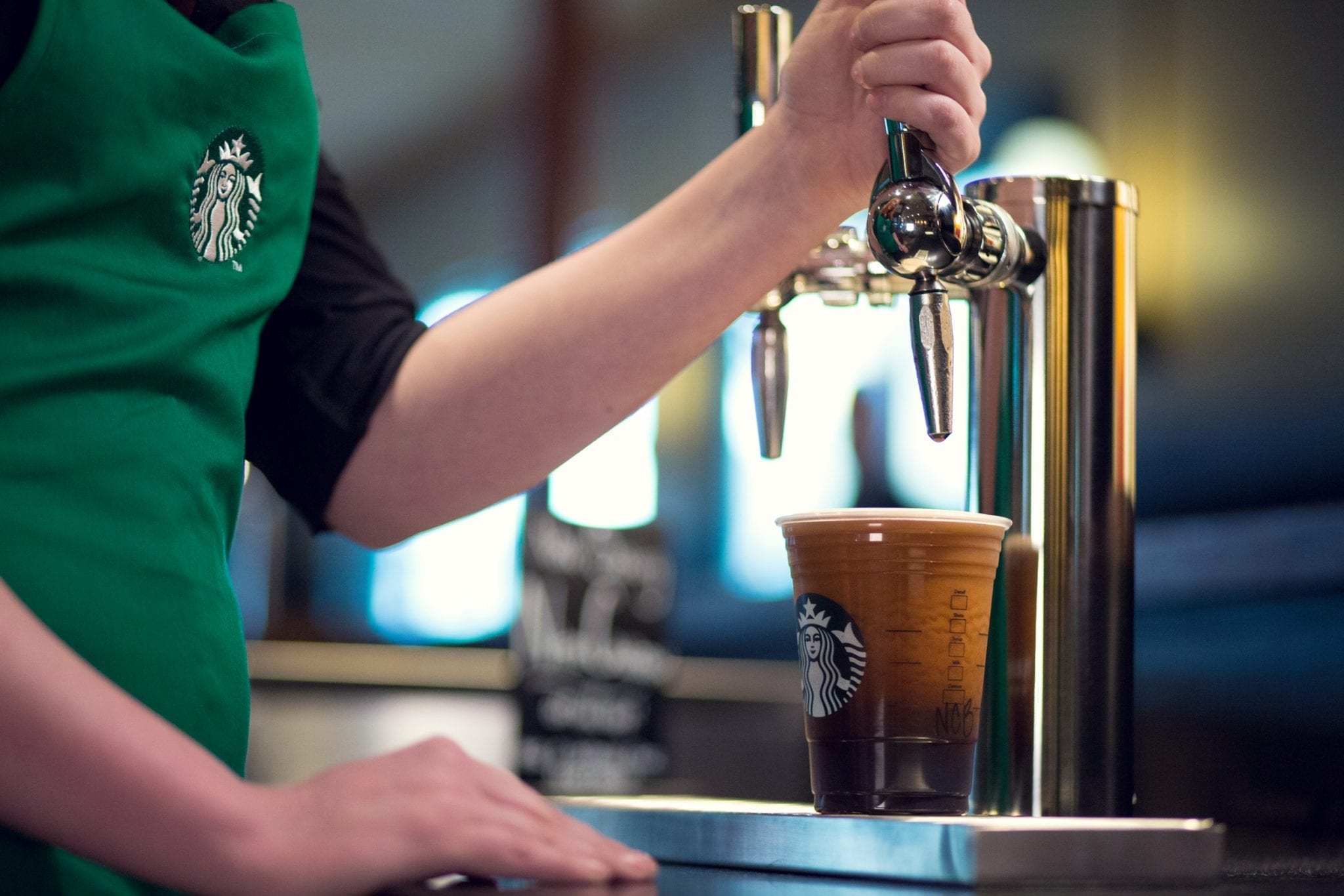
  • Starbucks Thailand supporting regional artisans

    Starbucks Thailand supporting regional artisans

    Thai craft products are to go on sale in Starbucks Thailand outlets in a national promotion with the title “We bring crafts to life in harmony with the contemporary lifestyle”.

    In co-operation with the Support Arts and Crafts International Centre of Thailand (SACICT), the project aims to help Thai artisans take their crafts to the public. Initially there are three products – handmade bags, natural-dye cotton outfits for teddy bears, and woven trays.

    “We are grateful to be able to provide an opportunity for Thais at district level to promote their innovative arts and crafts and generate income. We are also giving a boost to Thai handicrafts by showcasing their uniqueness to Thais and foreigners,” says Starbucks Coffee Thailand MD Murray Darling. “Customers can buy these crafts through our 303 stores in Thailand.”

    The bags are produced through a collaborative program between SACICT and the Department of Corrections that trains inmates of the Central Women’s Correctional Institution as part of a project under the royal initiative of Princess Bajarakitiyabha. The project aims to provide help and support to inspire women in prison to self-develop so they can find work after release.

    The outfits for Starbucks’ teddy bears features Nong Bua Daeng handwoven material coloured through natural dyes by groups in Chaiyaphum.

    Woven trays are a folk-art product from craftsmen in Varni Southern Wickery in Phatthalung province.“We believe this collaboration with Starbucks will help generate income for these local craftspeople while also showcasing Thai handicrafts and promoting these distinctive works to the public,” says SACICT CEO Amparwon Pichalai.

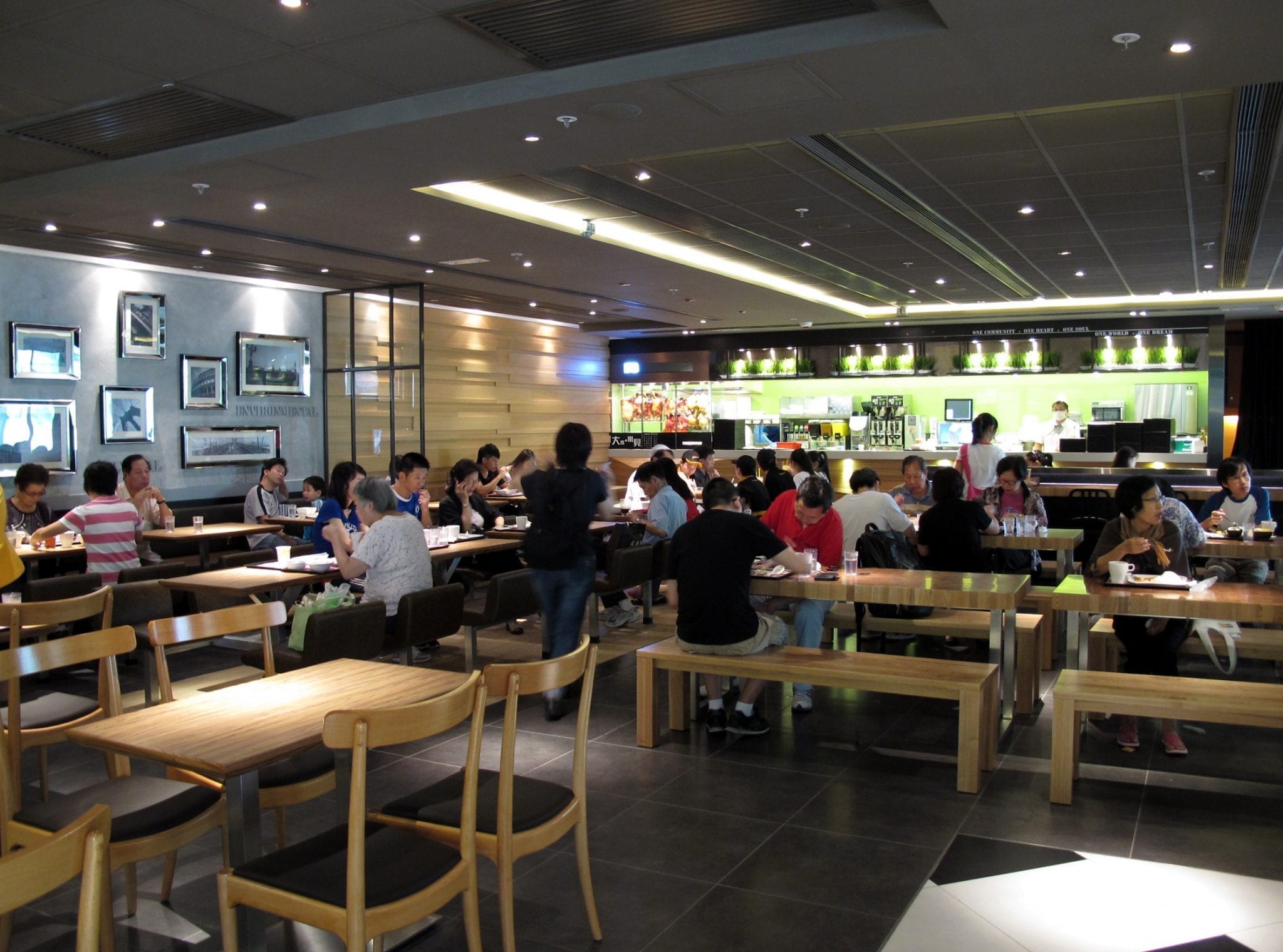
  • Cafe de Coral China closing east China stores

    Cafe de Coral China closing east China stores

    Cafe de Coral China is closing its stores in the nation’s east to focus on the southern China market.

    With 359 restaurants in Hong Kong and 99 on the mainland, the Hong Kong fast-food chain announced on its official WeChat account that it is closing its restaurants in Nanjing, Shanghai and Wuxi this month. It advised customers to cancel their membership and obtain a refund.

    A spokesperson says the closures are temporary and a “short-term strategic adjustment” to put a focus on business in the south. “We are performing well in the southern China market, and generally in Mainland China we are achieving positive growth,” she says.

    In its annual report in March, the company said competition was likely to remain keen in Mainland China, but it was optimistic about the prospects in the country because of its “long history and strong foundation”. Mainland same-store sales growth had been satisfactory and profit margin had improved.

    The report said the company would build its brand presence in strategic locations in Southern China, increase brand penetration in second- and third-tier cities, enhance brand loyalty and win over new customers.

    Highly competitive

    Cafe de Coral works in a highly competitive segment, says OC&C Strategy Consultants partner Pascal Martin. “You can find similar dishes in street shops at very low prices in China. This is different from western fast-food chains which do not have to compete so much with low-priced local equivalents.”

    He suggests the chain might need to adjust its flavours to accommodate tastes for various regions in China, which all have different preferences.

    Martin also says the Cafe de Coral model also requires expensive space, and consumer habits are changing with the growth of online ordering and take-out. “Maybe the chain’s new strategy will take this into account more fully.”

    Another issue he raises is that the brand may not have much power in China yet. “Insufficient investment in marketing – particularly online marketing in China – and lack of brand recognition may not have achieved the level of traffic needed to run the restaurants successfully.”

    OC&C research last year into the foodservice landscape in China noted that consumers eat out almost three times a week on average, and are becoming more sophisticated amid increased awareness and openness toward international brands. Its report found that Chinese consumers actively seek out new restaurants and are receptive to new formats and concepts.

    “Moreover, food quality, a wide choice of categories and service quality came up as the three critical factors, while serving speed, convenience and pricing were rated less important.”

  • Lotte sells Burger King Japan to Affinity Equity

    Lotte sells Burger King Japan to Affinity Equity

    Affinity Equity Partners of Hong Kong has bought Burger King’s Japanese business from South Korea’s Lotte Group for an undisclosed sum.

    A new entity set up by Affinity, Burger King Japan Holdings, is expected to take over the roughly 100 fast-food outlets next month, reports Nikkei Asian Review.

    The US burger chain had pulled out of Japan in 2001 following poor earnings, but re-entered the market in 2007 when Lotte and Japan-based Revamp bought the franchise and ran it as Burger King Japan. Three years later the business was transferred to Lotte subsidiary Lotteria.

    Meanwhile, rival McDonald’s has maintained leadership in the market despite a slowdown and store closures in the past few years, pushing Burger King to seek a new approach.

    Affinity bought the Burger King South Korean franchise last year from VIG Partners for US$170 million. Meanwhile, Affinity is raising $5 billion for its fifth fund, which exceeds its $3.8 billion fund in 2013.

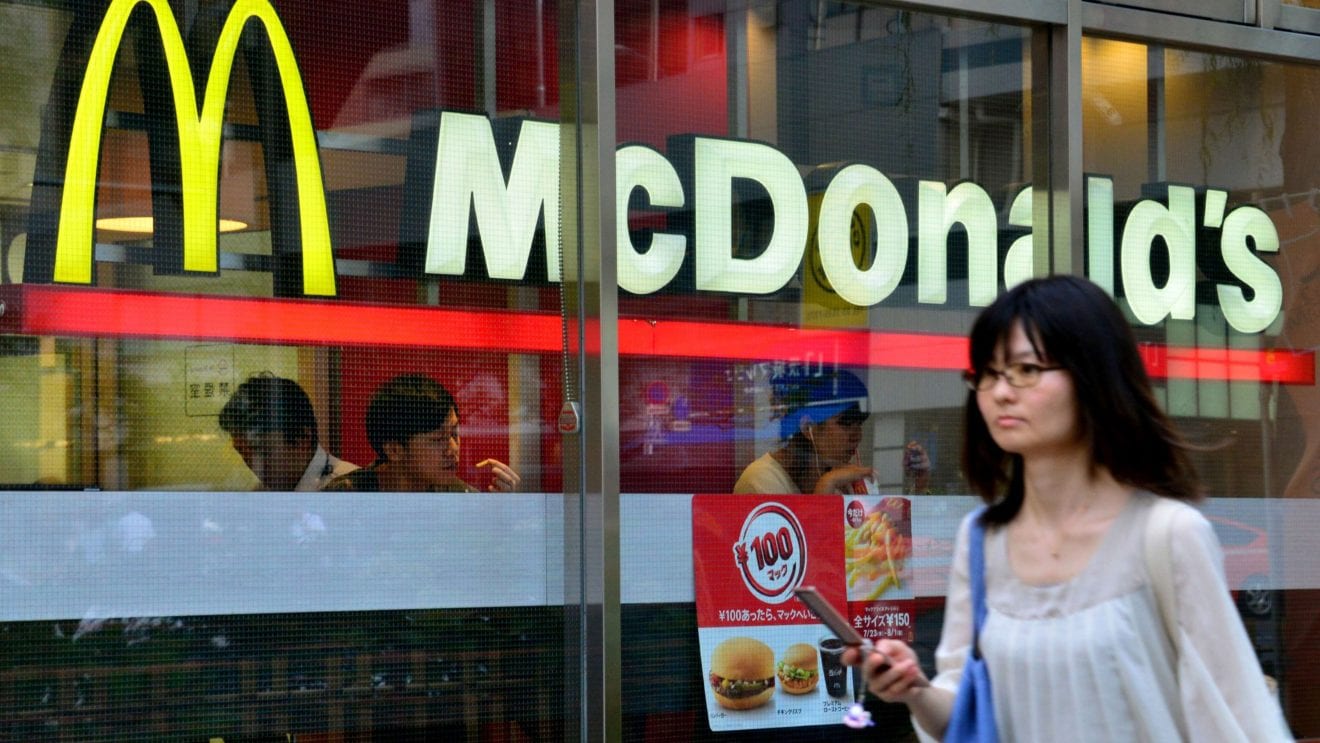
  • McDonald’s Singapore: Lock up your phone

    McDonald’s Singapore: Lock up your phone

    In a bid to help families reconnect, McDonald’s Singapore has introduced a locker for mobile phones at its Marine Cove flagship.

    Its new“Family Playdate” concept includes table service with the aim of promoting human interaction.

    McDonald’s says a survey it ran shows that more than 90 per cent of parents and children use their mobile devices when they’re together, despite most parents wanting to be “more disciplined in staying away from digital distractions during family time”.

    Rather than go hi-tech, the 100 clear lockers have physical keys, and staff members will remind customers to take their phones when they leave.

    Staff members will also act as “guest experience leaders”, says the fast-food company. They will “engage with families”. When ordering at a self-service kiosk, customers can select the table-service option at no extra charge
    A McDonald’s Singapore says the restaurant will gather feedback on the initiatives to decide whether or not to expand them to other outlets.

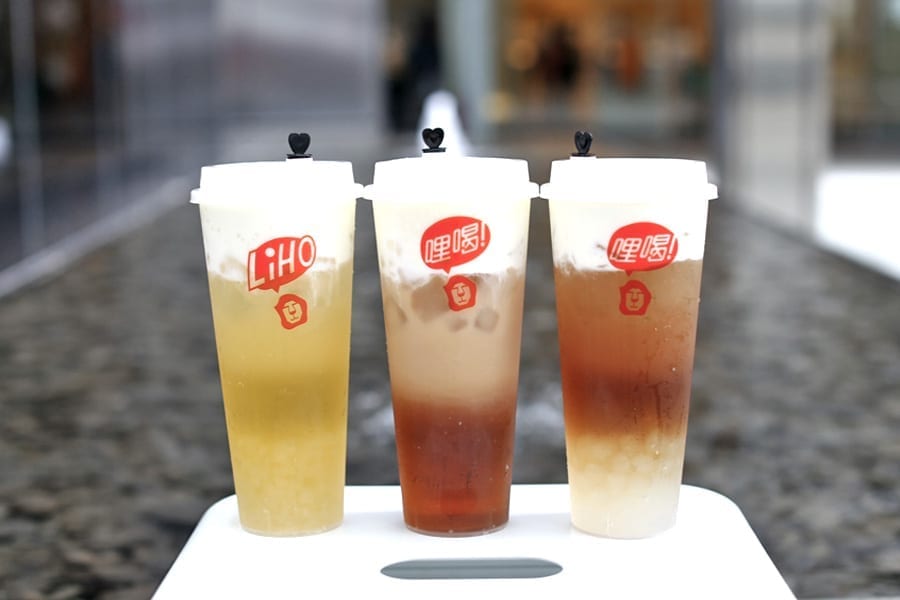
  • LiHo bubble tea says hello to Hong Kong

    LiHo bubble tea says hello to Hong Kong

    Known for its cheese teas, Singapore bubble-tea brand LiHo has opened its first overseas outlet in Hong Kong.

    Its Yuen Long store will be followed by another in Kwun Tong on November 1, says the parent company RTG Holdings. Both outlets offer the full menu including smoothies and the new Avocado and Summer Passion beverages.

    RTG Holdings MD Rodney Tang says this is a first step in building LiHo into a global brand. It is partnering with Milky Way Synergy for the Hong Kong stores, and is looking at opening 20 more in the territory within the next five years.

    Tang says there has also been “preliminary interest” from potential partners in Japan, Korea and London.

    RTG ventured into the bubble-tea business with the Gong Cha brand in 2009. This year it replaced Singapore’s Gong Cha outlets with LiHo after Gong Cha’s parent company sold the business to Unison Capital, a Japanese private equity firm.

  • Jollibee Foods taking acquisition path to China, US

    Jollibee Foods taking acquisition path to China, US

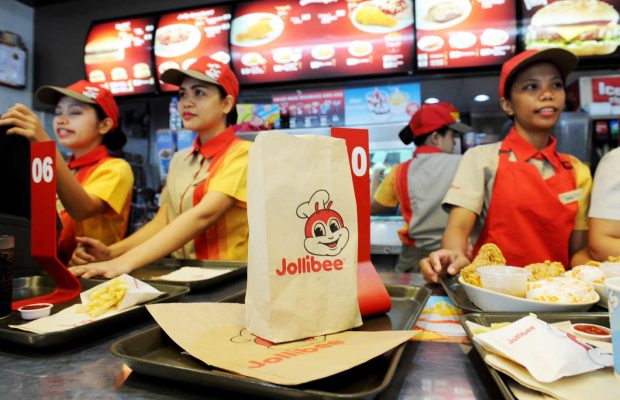
    Fast-food chain Jollibee Foods Corporation is seeking acquisitions to accelerate expansion plans in China and the US.

    Targets could include other fast-food chains as well as fast-casual restaurants like Smashburger, the US franchise of which Jollibee owns 40 per cent, says president Ernesto Tanmantiong.

    “We are looking at the world arena. Acquisition is part of our growth strategy.”

    Jollibee is on track to meet its goal of doubling profit in the five years through to 2019, and Tanmantiong says he now wants it to be one of the five biggest restaurant chains by market capitalisation globally. Its current market value is US$5.2 billion.

    Jollibee runs more than 3500 stores globally, with its best-selling item being Chickenjoy. Three-quarters of its outlets are in the Philippines.

    “We are optimistic with the future of the Philippine market,” says Tanmantiong. “Major pillars will still be the Philippines, China and US, though we don’t close our door to opportunities in other geographic areas.”

    Filipino diaspora focus

    Its expansion plans focus on overseas locations that have a concentration of Filipinos, like California, Florida, Guam and Hawaii. The chain opened its first Florida store in March, making it the 36th outlet in the US.

    Jollibee spent $100 million for its stake in Smashburger in 2015, which had 362 stores in the US at the end of June. The Philippines company has completed 12 deals valued at about $301 million since 2010, according to Bloomberg data, and has considered about 20 potential acquisitions during the past two years.

    While it is reportedly considering a bid for UK sandwich chain Pret A Manger, Tanmantiong says the company hasn’t made any bids in recent months. He became president/CEO in 2014. His older brother, Tony Tan Caktiong, founded the chain as an ice-cream parlor in Quezon City in 1975.

    Jollibee’s Chinese businesses include Hard Rock Cafe and it own outlets in Hong Kong, and on the mainland such brands as Dunkin’ Donuts, noodle chain Yonghe King and congee outlet Hong Zhuang Yuan.

    “China is now one of the highest growth areas in our business,” says Tanmantiong.

    The company also wants to take its Philippine chicken barbecue chain Mang Inasal and its Chinese restaurants global.

  • Profits soar for Macau restaurants

    Profits soar for Macau restaurants

    Macau restaurants nearly doubled their profits last year, according to a Statistics and Census Service (DSEC) survey, while Chinese outlets saw a rise of more than 200 per cent in gross surplus.

    Gross surplus grew by 96 per cent year on year for restaurants and similar establishments to MOP258 million (US$32 million), the survey shows.

    Excluded from the study were restaurants and food outlets run by hotels and gaming establishments, as well as street-hawker stalls.

    There was a 6.5 per cent increase in the total amount of receipts collected to MOP10.6 billion, with expenses climbing 5.2 per cent year on year to MOP10.4 billion.

    The sector’s expenses included a 2.1 rise in purchase of goods, representing 36.8 per cent of the total, at MOP3.8 billion. Employee salaries increased 9.8 per cent to reach MOP3.7 billion.

    On the other hand, rents eased by 0.5 per cent but were still the major cost of running restaurants at MOP1.1 billion. Electricity costs and materials were the second- and third-largest expenses for F&B establishments, both increasing. Electricity costs were up 7.1 per cent to MOP362 million while materials cost 0.6 per cent more to reach MOP236 million.

    The survey also shows the sector contributed 13 per cent more to the local economy (gross value added) with a total of MOP4 billion. This is despite there being 20 fewer dining outlets than the previous year – the first decline since 2012 – taking the total to 2189.

    However, the number of people working in the industry rose by 101 to reach 32,260 at the end of last year.
    About 2265 cooked-food stalls in municipal markets were registered last year, with 32,398 workers. Macau had 598 Chinese restaurants, bringing in 42.3 per cent of total receipts last year.

    In all, Chinese restaurants registered 9.2 per cent more in receipts last year than in the previous 12 months, reaching MOP4.5 billion, with gross surplus rocketing 218 per cent to MOP105 million.

  • Pizza chain’s customers complain of data breach

    Pizza chain’s customers complain of data breach

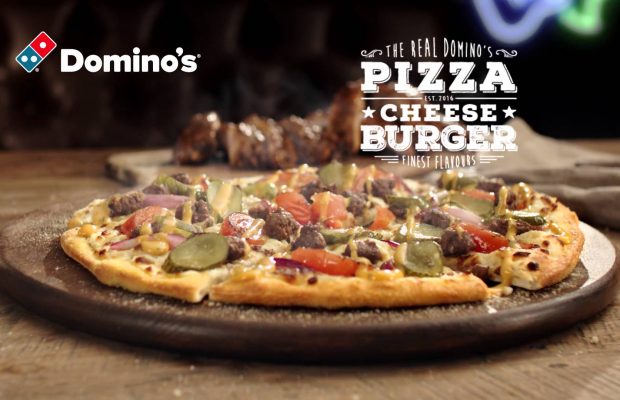
    Customers of pizza chain Domino’s Australia are complaining their personal data has been leaked, prompting eerie personalised emails from scammers.

    Many took to social media to complain about phishing emails addressing them by their first names and mentioning where they live.

    But Domino’s insists there’s been no “unauthorised access” to its systems, although it is investigating a potential issue with a former supplier.

    “It was a bit eery (sic) getting all these spam emails that somehow knew my name and suburb and initially were making it past the spam filter,” Mitchell Dale posted on Domino’s Facebook page.

    “The decision to try to keep me in the dark and not announce what had happened is why I will not be ordering Dominos again.”

    “Nothing better than waking up finding out your data has been breached,” Dylan James posted on Facebook.

    “Why haven’t you informed anyone yet?”

    In an undated statement on its website, Domino’s Australia said there was no evidence to suggest there had been unauthorised access to its systems.

    “We are investigating a potential issue with a former supplier’s systems that may have led to a number of customer email addresses, names and store suburbs (related to pizza orders) being accessed,” it said.

    “Domino’s acted quickly to contain the information when it became aware of the issue and has commenced a detailed review process.”

    The company did not say when it first became aware of the issue and insists no financial information has been accessed.

  • Sussan Retail Group hones in on revitalised hub

    Sussan Retail Group hones in on revitalised hub

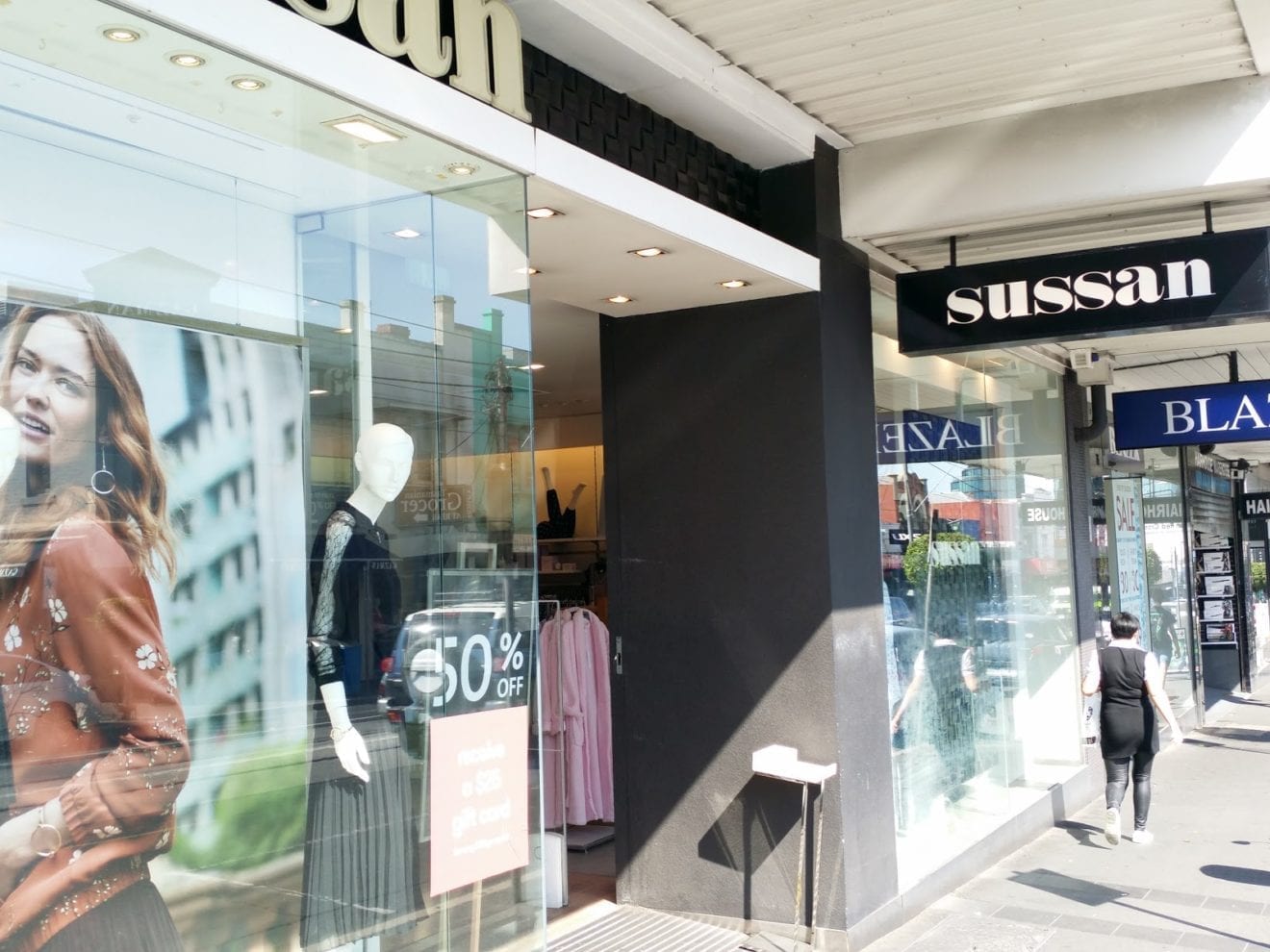
    The Sussan Retail Group will open a Sportsgirl outlet at Centre Road, Bentleigh in Melbourne, adding to its retail footprint on the revitalised strip that is attracting national tenants.

    The group, which already has its Sussan and Suzanne Grae stores on the road, has secured a five-year lease at over $80,000 per annum.

    Mark Talbot, Fitzroys division director, who secured the lease said there has been a string of national tenants seeking to lease prime retail spaces in the strip with Suzanne’s store openings representing a counter move to the perceived challenges of the current retail climate.

    “The renewal of the area around the train station and level crossing has seen traffic and pedestrian flows improved, and they see the project underpinning the growth of the strip in the long-term,” Talbot said.

    Talbot added that’s why the Sussan Retail Group chose the precinct for their new store as they see Centre Road as an established, secure, highly sought after location.

    Sportsgirl is expected to open ahead of the crucial Christmas trading period.

    According to Talbot, the growing number of residential projects around the area had further bolstered the immediate catchment of the strip, also creating further demand for food and hospitality services.

    Talbot said he has also just leased a nearby premises to cult burger restaurant and food truck Mr Burger, which has opened as the group’s first concept store with a new menu.

    It is also its first permanent location in Melbourne’s bayside region, which Talbot said again pointed to the security and high regard for the retail road.

    Fitzroys’ Walk the Strip report shows it is the more recent revolution of medium density mixed-use retail and residential developments that has further accentuated the extended trading cycles of centres such as Centre Road, Bentleigh and added to their vibrancy.

    Extended trading hours, social advancement and changes in entertainment trends and lifestyle choices have seen a proliferation of food and beverage outlets in the area, encompassing cafes, restaurants, take-aways or licenced premises.

    The Mr Burger lease was also struck at over $80,000 per annum.