Category: Food

Retail News Asia is committed to providing both local and global retailers with the latest Food and Food & Beverage news throughout the Asian market. This on a daily base.

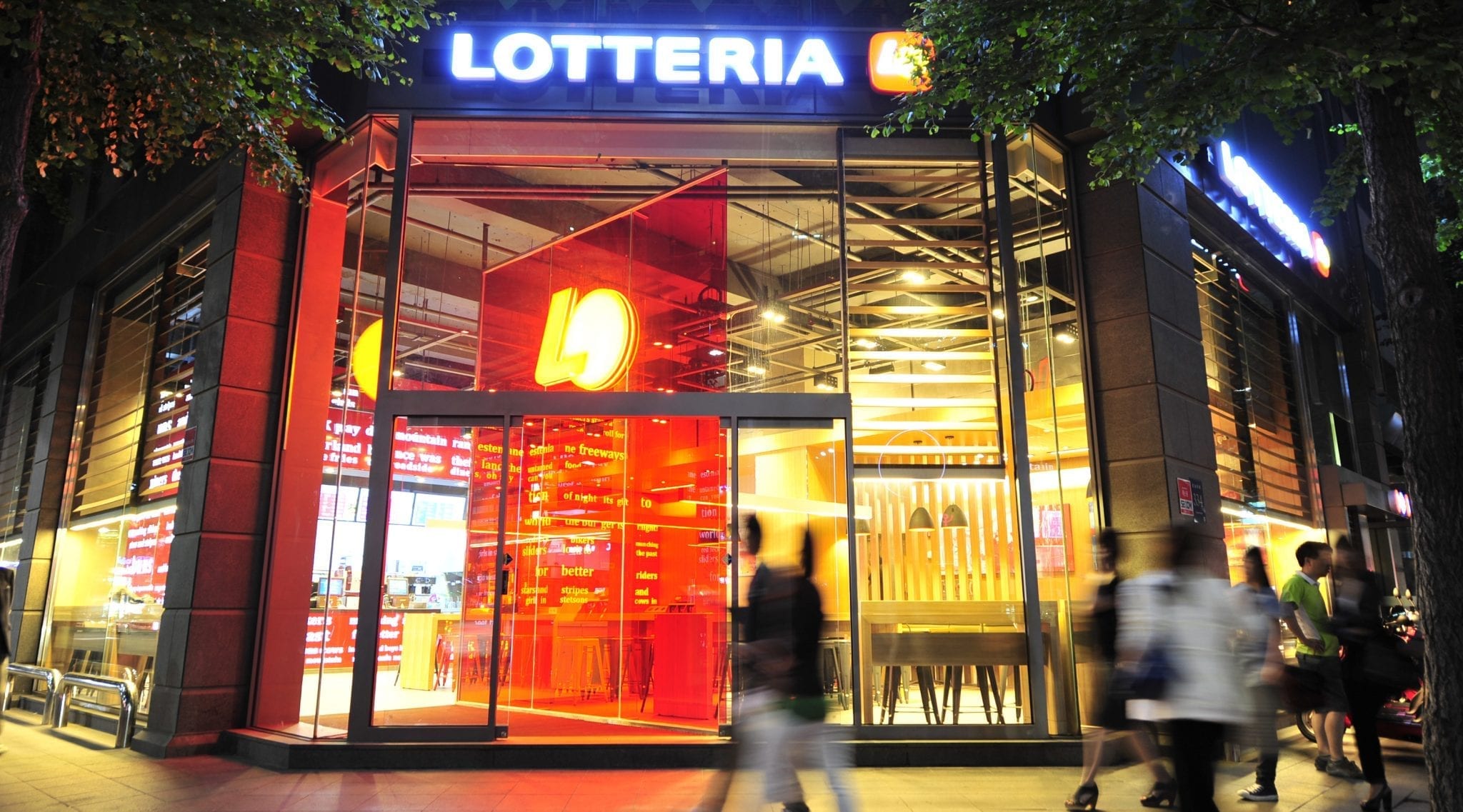
  • Lotteria Burger Laboratory concept to open Korea-wide

    Lotteria Burger Laboratory concept to open Korea-wide

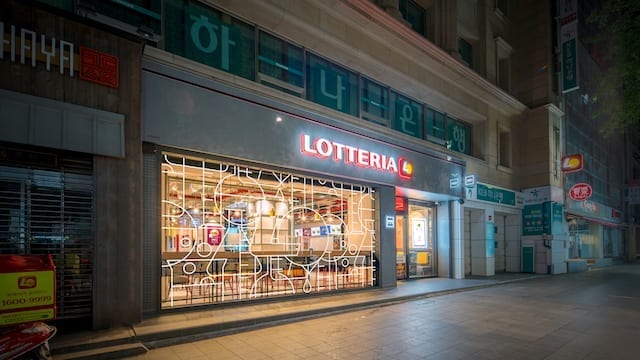
    London-based consultancy JHP Design has created a fast-dining experience for Asian fast-food restaurant group Lotteria.

    The new concept, called the Lotteria Burger Laboratory, features an open kitchen combined with a made-to-order system, so customers can watch the “burgerista” preparing every stage of their meal.

    Customers can place orders via an app before arriving, or in store through bespoke tablets as well as at the counter.

    Lotteria Burger Laboratory Korea 6

    A science and experimental theme in the restaurant is reflected in every aspect of the customer experience. A red industrial ceiling-mounted pipe snakes from the front of the “laboratory” to the back, guiding the customer journey. The ceiling also features an illuminated digital clock indicating how long customers need to wait for their order to be ready.

    Lotteria Burger Laboratory Korea 5

    Science icons

    The walls are decorated with periodic tables, food-assembly diagrams and science-based icons. The chairs have chemical-resistant wire frames and the tables offer power plugs for charging mobile devices.

    The seating area offers individual code-writing tables, laboratory benches and breakout booths as found in high-tech start-ups.

    Lotteria Burger Laboratory Korea 4

    A stainless-steel drinks machine enables customers to mix and refill their own beakers.
    With “radioactive” yellow and black doors and frames, the restrooms have acid-resistant white glazed tiles.

    Lotteria Burger Laboratory Korea 3

    All materials used have low environmental impact. Recycled strawboard, reclaimed porcelain and salvaged waste pipes have all been combined in an environment lit entirely with low-energy LED bulbs, and the kitchen uses hyper-efficient induction cooking equipment. All packaging is recycled and biodegradable.

    Lotteria Burger Laboratory Korea 2

    The first Burger Lab opened in Seoul last November, built in just four weeks at a total cost of US$480,000. The concept is now being rolled out across the company’s 3000 outlets throughout Asia.

    Lotteria Burger Laboratory Korea 1

    The Lotteria Burger Laboratory sources its ingredients solely from Lotteria’s own vertically integrated sustainable farms. As well as beef, chicken and shrimp burgers and fries, the new outlet offers local specialties and vegetarian options.

    Lotteria is owned by Lotte, a conglomerate established in 1948 with headquarters in Japan and South Korea.

  • Malaysian bubble-tea stoush now question of loyalty

    Malaysian bubble-tea stoush now question of loyalty

    Malaysia’s Chatime bubble-tea stoush continues, with a fresh argument regarding outlet loyalties.

    Taiwanese Chatime franchise owner La Kaffa International says nearly 50 outlets will stay with it, while former Malaysian master franchisee Loob Holdings claims that only four outlets have opted to keep the Chatime banner.

    Loob CEO Bryan Loo says more than 95 per cent of the total 165 Chatime outlets in Malaysia have decided to quit the brand and adopt Loob Holding’s new brand.

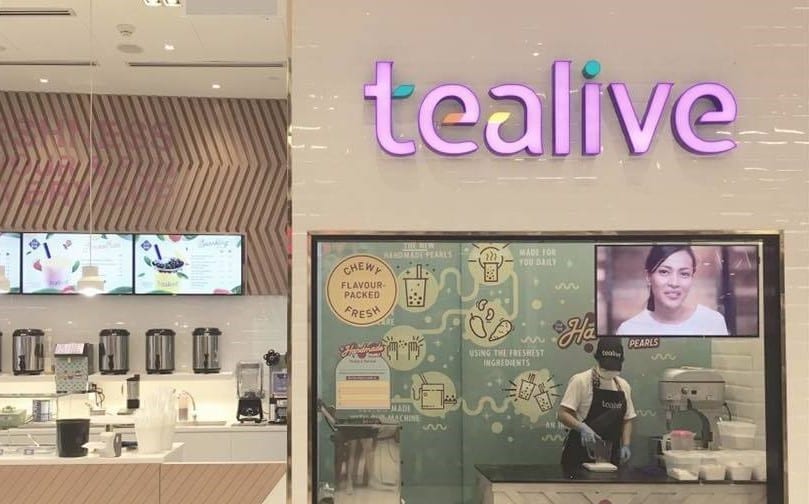
    “Only three franchisees, who run a total of four stalls, do not want to move on with us. They will be handed back to the franchise owner,” he told journalists at Kuala Lumpur’s Pavilion Shopping Mall after launching his new brand, Tealive.

    He did not name the franchisees or pinpoint their outlets.

    Loo says the new name was chosen to appeal not only to Malaysians, but across the other regions – and internationally.

    “So we felt like we had to find a very good name; and it had to be different from Chatime. We started with over 300 names and over three days, we shortlisted it down to 30 names and then the last one. In the end, we wanted a name that was simple and easy to digest no matter who you are.

    “While shortlisting, we felt that we exceptionally liked the names that had different pronunciations.

    People used to pronounce Chatime in so many different ways and it stirred conversation. So we wanted the same spirit; and that’s how we landed on the name Tealive (live pronounced similar to ‘a live show’). Some people could pronounce it tea-live (as in live at home) but the important thing is the underlying meaning to it – we want to bring a new life to tea.”

    Loo said in an interview that Tealive will be very different to other brands in the crowded bubble-tea market.

    “We want to be the brand that protects the weak and isn’t afraid of the strong; but also the brand that embraces changes. On the other side, with our hands untied, I believe that over the next quarters there is going to be a lot of innovation in terms of products, which we couldn’t do before.

    “When we used to collaborate with local brands, we were served warning letters; so moving forward that’s something we don’t have to worry about, so we can be innovative. I would also like to establish a regional R&D centre to come up with more creative drinks that will excite the market. Also, we’re looking to carry on with our aggressive expansion and move into other regions. We were already planning to do that with the previous brand, but now we get to do it with Tealive,” Loo said.

    La Kaffa contradicts claims

    At a press conference in a Kuala Lumpur hotel earlier this month, La Kaffa International executive VP Teresa Wang said the company was confident that nearly 50 franchisees would continue to collaborate with Chatime.

    At the same time, La Kaffa claimed Loob Holdings had stopped ordering the halal ingredients it supplied from Taiwan for Chatime’s Malaysia outlets. Loob Holdings has denied this, with Loo saying its products are certified by the Department of Islamic Development Malaysia (Jakim).

    The dispute bubbled to the surface in early December when the Taiwanese company terminated the master franchise agreement between the two parties, even though there was more than 20 years left on the deal.

    Loo has lodged a police report over the sudden termination, and both companies have taken the dispute to the Singapore International Arbitration Centre.

    Vietnam foray

    Meanwhile, Loo says Tealive will be opening its first overseas outlet in Vietnam before October.
    “We plan to deliver five outlets in Vietnam this year, and hope to increase that with another 20 outlets by the end of next year,” he says.

    Chatime is already in Vietnam with seven outlets in Hanoi, two in Ho Chi Minh City and one in Di An, Binh Duong province.

    Loo says Tealive will also venture into other Asean countries within the next few years.

  • Cathay Pacific Is Brewing Its Own Beer

    Cathay Pacific Is Brewing Its Own Beer

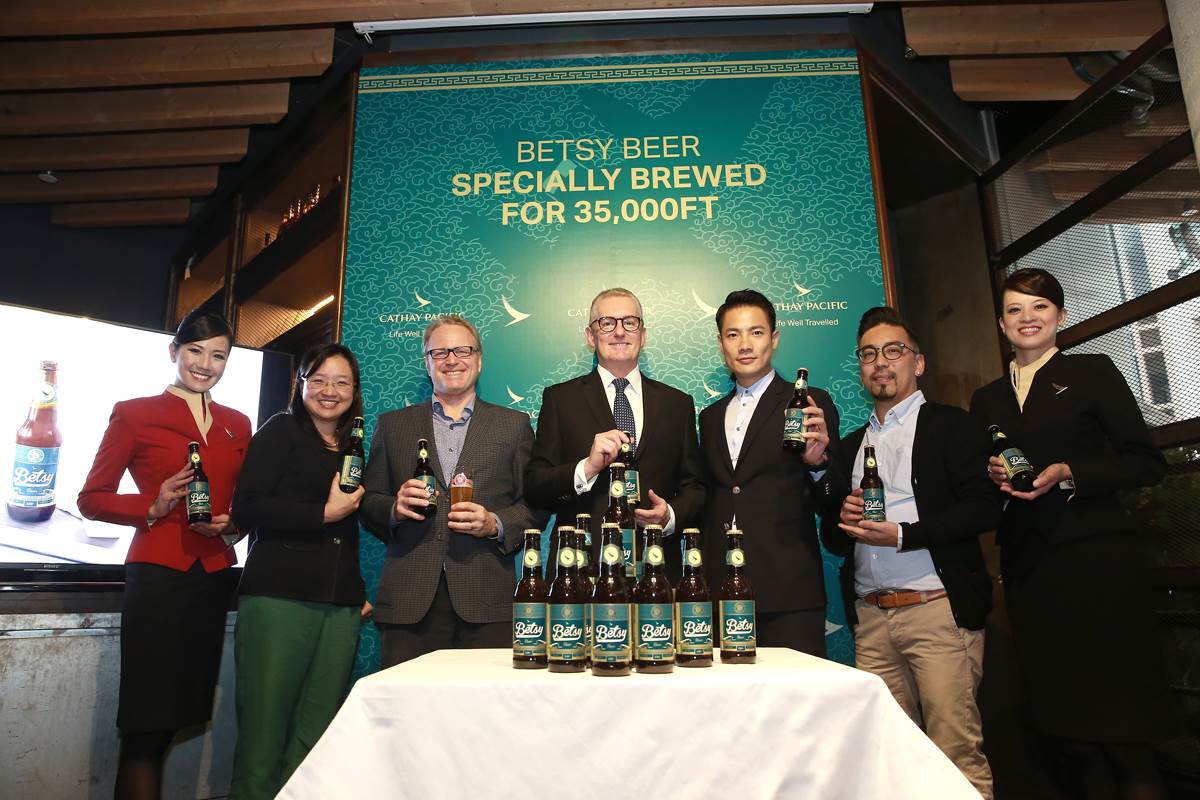
    In efforts to beat out their aerial competition, Cathay Pacific has employed something that will appeal to almost everyone, the universally beloved: beer. They’re not giving it away for free or anything, but instead they have decided to make their own custom brew named Betsy Bee (after their first aircraft), in collaboration with Hong Kong Beer Co. The craft ale has Dragon-Eye fruit, honey, and a special type of hop called Fuggle.

    Going along with their marketing drive, ‘Travel well,’ Betsy beer is a “product designed purely with the traveller, and beer lover, in mind,” according to their Generar Marketing Manager, Julian Lyden.

    They will be offering Betsy to business and first class passengers on flights between Hong Kong and the United Kingdom from March 1 until April 30. It will also be sold online at Deli Delight.

  • McDonald’s China does nothing, but under attack anyway

    McDonald’s China does nothing, but under attack anyway

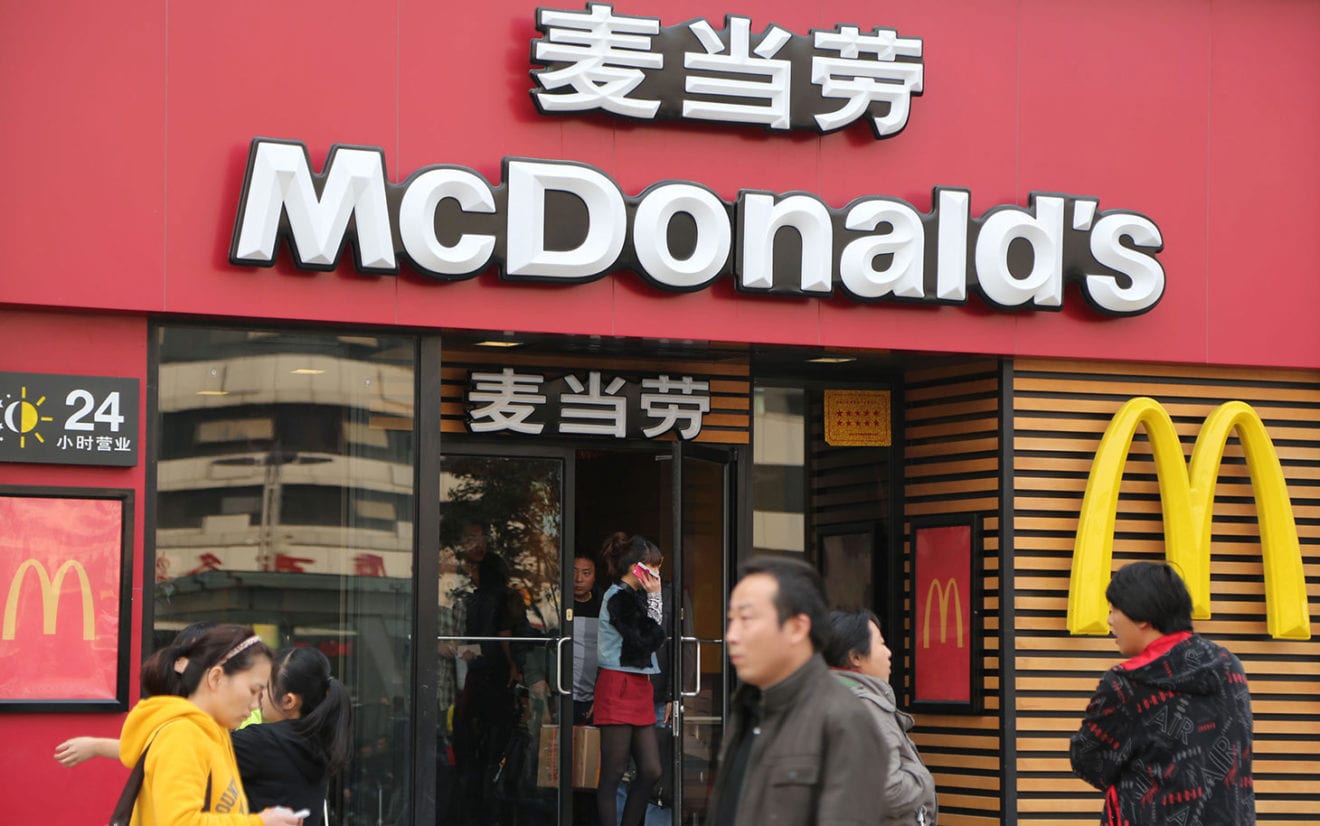
    McDonald’s China is drawing criticism from Hong Kong trade unions, who fear the impact of the new owners on employment conditions.

    Despite reassurances from local McDonald’s management – or any evidence at all suggesting changes to labour policies are looming – the fast food giant has come under attack on both sides of the border.

    The new business unit taking over the McDonald’s business in China and Hong Kong is jointly owned by state investment group Citic Ltd and US private equity company Carlyle Group. McDonald’s Corporation (US) will maintain a cornerstone minority stake. The new company holds 20-year franchise rights.

    In a statement issued this week, the Hong Kong Confederation of Trade Unions (HKCTU) said the change of ownership will put further pressure on pay rates at Hong Kong outlets, where it says many workers earn little more than the minimum wage of HK$32.50 (US$4) per hour.

    “In other countries where McDonald’s has sold a large stake of its business, the resulting model has placed enormous pressure on franchisees, which has made it harder for franchise operators to provide adequate pay and conditions for their workers,” HKCTU official Wong Yu Loy said.

    “If the buyers in Hong Kong get squeezed by McDonald’s as they have in other countries, workers here may get even less as a result,” Wong said.

    Last week, a Chinese labour consultancy Hejun Vanguard Group filed a formal complaint with the mainland’s Ministry of Commerce claiming the move to the new business model may adversely impact its 120,000 workers in China – and McDonald’s customers.

    But McDonald’s has rushed to placate concerns saying its franchise models all over the world are based on “mutually beneficial partnerships” and the company “treasures” its employees.

    “The level of remuneration of our employees is based on their positions, working experience, expertise, performance, as well as market conditions,” said a spokeswoman.

    “McDonald’s strictly abides by Hong Kong labor legislation and the statutory requirements. The current compensation and benefits of McDonald’s Hong Kong will not be affected as a result of bringing in strategic partners.”

    The HKCTU, which represents 90 affiliate labour organisations covering 170,000 workers, appears unmoved.

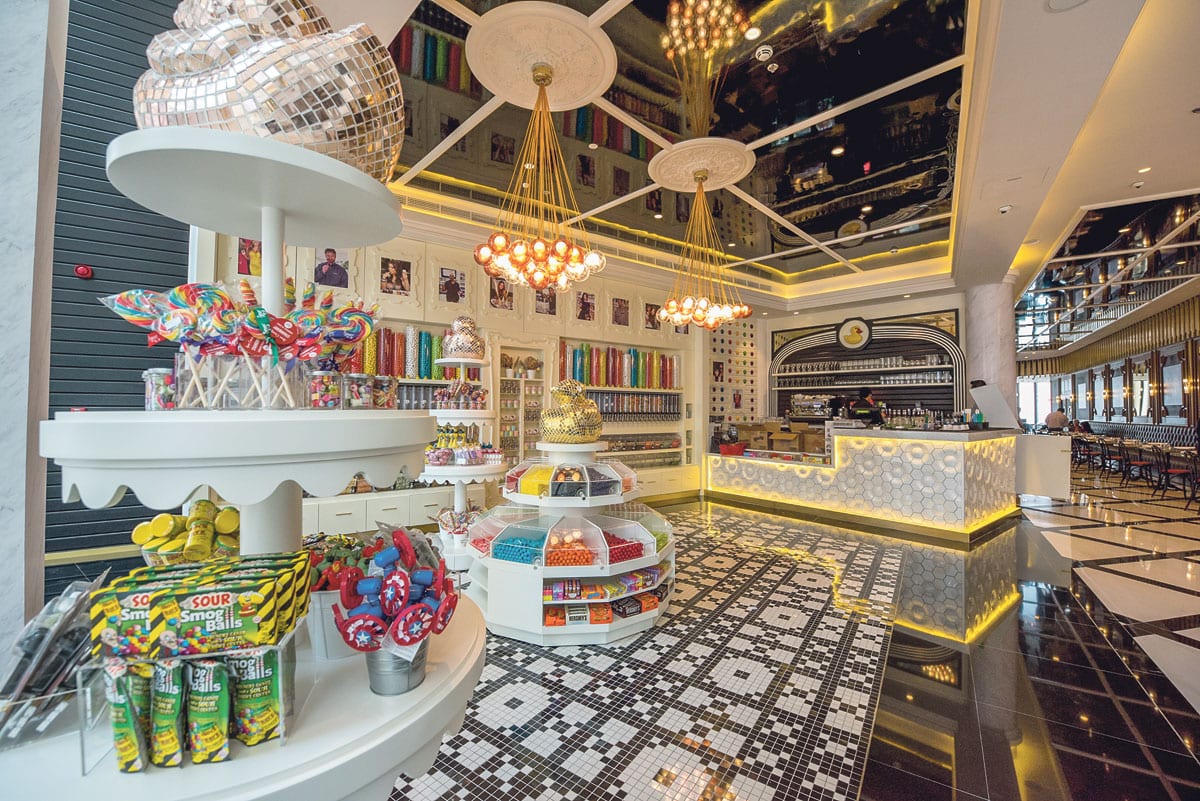
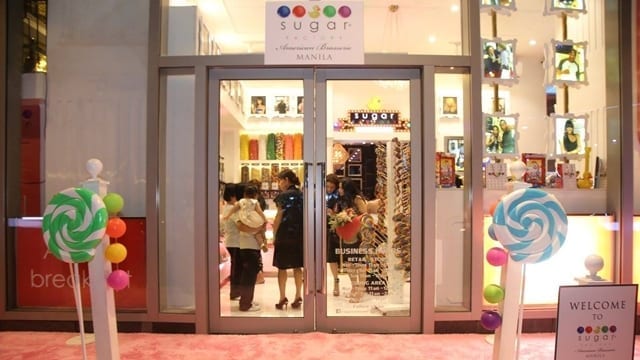
  • Manila hosts Sugar Factory Asia debut

    Manila hosts Sugar Factory Asia debut

    Restaurant/bar/candy shop Sugar Factory American Brasserie has opened at Shangri-La at the Fort in Bonifacio Global City, Taguig.

    The Philippines is home to the first Sugar Factory Asia outlet, with more regional markets on the horizon.

    Following a soft opening four months ago, the Manila venue was officially launched with an exclusive party for VIPs, celebrities and media. Guests of honour, including Filipino Vice-President Maria “Leni” Robredo, billionaire businessman Fernando Zobel and his wife Kit, and dermatologist/TV personality Dr Vicki Belo, who all walked down a pink carpet.

    Sugar Factory’s menu includes pancakes, salads and burgers, while for adults the bar offers spiked beverages including the brasserie’s signature smoking candy goblets.

    The chain is known for its “couture pops”, sparkly lollipops that have been seen in the hands of such celebrities as Britney Spears, Carmen Electra and Eva Longoria. Other supporters of the restaurant include Charlie Sheen, Katy Perry, Kylie Jenner, Rihanna and Sting.

  • Ajinomoto becomes SEA Games sponsor as healthy eating promoter

    Ajinomoto becomes SEA Games sponsor as healthy eating promoter

    Japanese food company Ajinomoto has signed an agreement to become a top sponsor for the 29th Southeast Asian Games (SEA Games) and the 9th ASEAN Para Games in Kuala Lumpur this year.

    Ajinomoto Co., the parent company of Ajinomoto Vietnam, will provide support for both events as Platinum Sponsor. This is the first time a Japanese company has become an official sponsor for these regional events.

    Since 2003, Ajinomoto Co. has been working on the Victory Project®, which supports activities including sports nutritional guidance and amino acid conditioning for top-level athletes at international tournaments.

    The project provides top level athletes in Japan with Ajinomoto Group’s products and nutritional support through Kachimeshi® program, Ajinomoto’s sports nutrition meal program for building a winning physique.

    Being an official sponsor for the SEA Games and the ASEAN Para Games gives Ajinomoto Co. the opportunities to provide various supports through its subsidiaries in the Southeast Asian region based on a wealth of knowhow on nutritional support for athletes that the company has accumulated in Japan.

    Under the agreement, Ajinomoto Co. will provide products including seasonings, soups and coffee, depending on the cuisine of each country. It will also supply Amino VITAL®, the amino acid based product which aids in conditioning during extreme workouts, provides substantial muscle-building properties as a typical protein supplement and helps replenish energy during endurance sports.

    Ajinomoto Group representative inks deal making it the Platinum Sponsor of the 29th SEA Games and the 9th ASEAN Para Games.

    Ajinomoto Group representative inks deal making it the Platinum Sponsor of the 29th SEA Games and the 9th ASEAN Para Games.

    Founded in 1909, Ajinomoto is now operating in 28 countries and regions. It earned net sales of $9.87 billion in fiscal 2015.

    As a global manufacturer of high-quality seasonings, processed foods, beverages, amino acids, pharmaceuticals and specialty chemicals, Ajinomoto has for decades contributed to food culture and human health through wide-ranging application of amino acid technologies. Today, the company is becoming increasingly involved in finding solutions for improved food resources, human health and global sustainability.

    The company has established business bases in many Southeast Asian countries including Vietnam, Malaysia, Thailand, Indonesia, the Philippines and Singapore. The company has developed a consumer food business in these countries for many years, and thus has maintained a strong connection with the local food culture.

    Ajinomoto Co. established its Vietnam business in 1991. Ajinomoto Vietnam follows the mission of contributing to the growth of Vietnam, and to the happiness and good health of Vietnamese people through food culture and food resources development. The company specializes in “Delicious No.1” seasoning, food and beverage products.

    With the company’s specialty in food and health, Ajinomoto Vietnam is now taking initiatives in ASV, short for “Ajinomoto Group Creating Shared Value” which represents Ajinomoto Vietnam’s unchanging commitment to the creation of economic value and growth by contributing to the resolution of social issues, to create value together with the society and local communities.

    The company is now helping improve nutrition status for healthy living, develop food resources in agriculture sector and become model citizen in saving energy and natural resources.

    The Victory Meal as part of the Kachimeshi Program includes five dishes which provide nutritional balance with carbohydrates, protein and fiber.

    The Victory Meal as part of the Kachimeshi Program includes five dishes which provide nutritional balance with carbohydrates, protein and fiber.

    Under its School Meal Project, Ajinomoto Vietnam is collaborating with education and nutrition authorities to perform its social responsibility in the education sector. The project aims to improve the state of health among children and enhance their awareness of nutrition through primary school meals, to improve nutrition and health for the country’s next generation.

    The company’s expansion to the sports area aims to further its contribution to advances in food and health for general public as well as athletes in each country.

    The SEA Games and the ASEAN Para Games are held every two years to help forge strong regional cooperation, understanding and unity in the Southeast Asian community. They are the largest sports events in the region, attracting more than 600 million people each time.

    The 29th SEA Games and the 9th ASEAN Para Games are mainly held in Kuala Lumpur, Malaysia and hosted by Malaysia Organising Committee, with the participation of 11 nations: Vietnam, Brunei, Cambodia, East Timor, Indonesia, Laos, Malaysia, Myanmar, Philippines, Singapore, Thailand and Vietnam. The 29th SEA Games will take place between August 19-31, 2017 and the 9th ASEAN Para Games September 17-23.

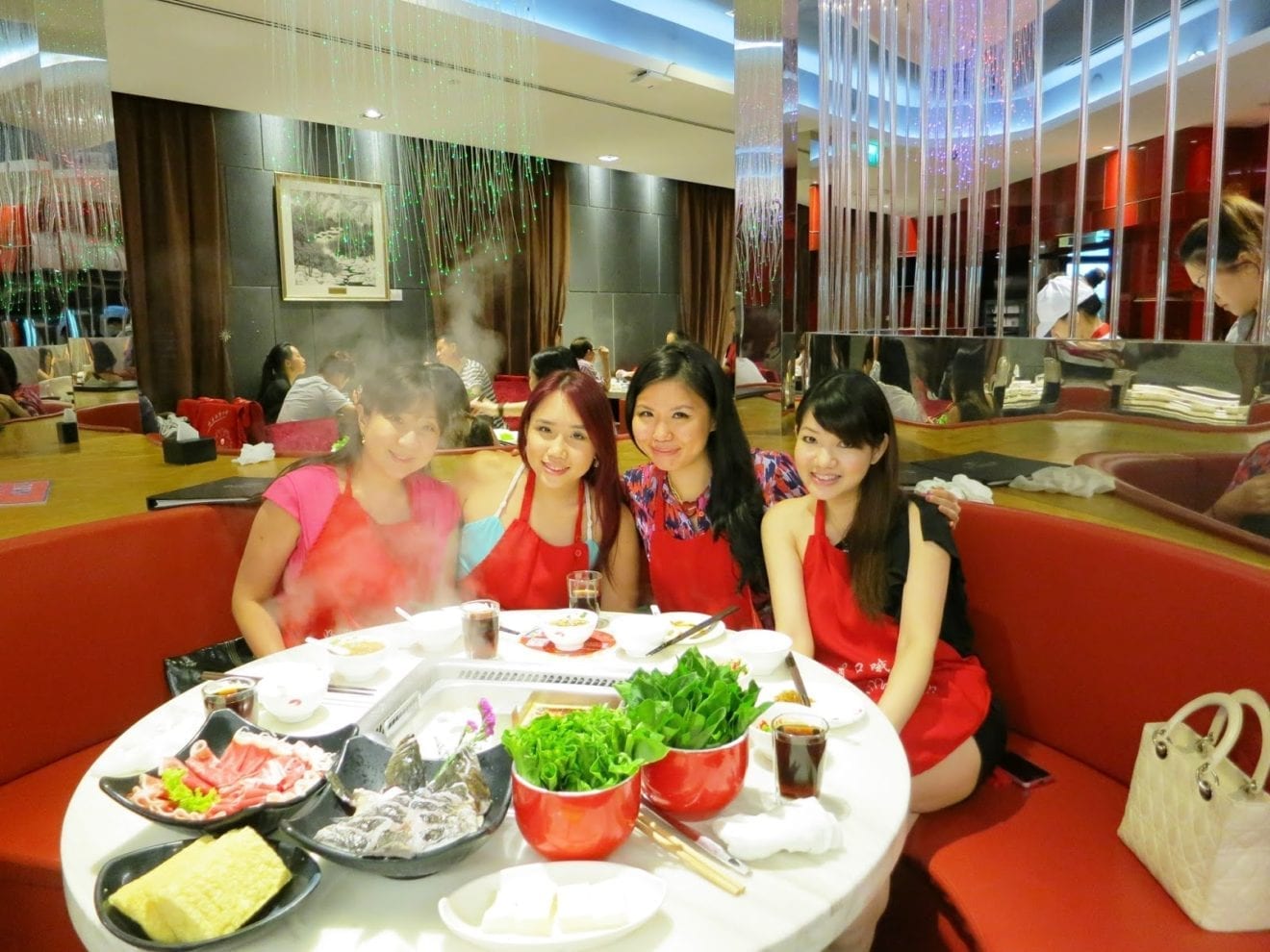
  • Hotpot giant Haidilao set to enter Hong Kong soon

    Hotpot giant Haidilao set to enter Hong Kong soon

    Hotpot chain Sichuan Haidilao Catering is said to be making inroads into Hong Kong, joining a cluster of mainland counterparts whose business in Hong Kong has been chequered.

    Edwin Leong Siu-hung, founder of Tai Hung Fai Enterprise and one of Hong Kong’s largest retail landlords, confirmed that one of his company’s properties in Mong Kok had been leased to Haidilao and could be decorated within two months at the soonest.

    The Beijing-based restaurant operator also confirmed the news. It said that if everything goes according to plan, the company’s first restaurant in Hong Kong will open three months later.

    Reports of Haidilao’s expansion and initial public offering have been circulating since the end of 2015. Yihai International Holding Ltd, a hotspot seasonings producer and Haidilao’s exclusive supplier, was already a few steps ahead of it, having raised HK$861 million ($110 million) on the Hong Kong Stock Exchange in July.

    Haidilao would follow in the footsteps of rival hotpot chains such as Little Sheep, Simmer Huang and Xiao Yu Hotpot Restaurant in Hong Kong, a market the company said it bets big on.

    Those early comers, however, failed to get very far in the Hong Kong market. Inner Mongolia-based Little Sheep, which has operated in Hong Kong for more than a decade, only has one of the six restaurants it initially opened.

    Likewise, having entered Hong Kong no more than two years ago, Simmer Huang shut its one and only restaurant in Hong Kong at the end of last year.

    “As for Haidilao, this may be a good timing to enter the Hong Kong market, where the commercial rental market has been under sustained downward pressure for quite a time and is showing signs of hitting bottom,” said Hannah Li Wai-han, a strategist at UOB Kay Hian (Hong Kong).

    The hotspot chain will pay a monthly rent of HK$550,000 for the three-storey store.

    Founded in 1994, Haidilao is known for its spicy Sichuan-style food and impressive customer services, which include free manicure, shoe polishing and shoulder massage services, as well as noodle-pulling shows and dance performances.

    The restaurant chain now operates 168 outlets across 51 cities in Chinese mainland and has set up nine branches in Singapore, Los Angeles, Seoul and Tokyo.

  • Coffee Craft cafe takes culture to Beijing suburbs

    Coffee Craft cafe takes culture to Beijing suburbs

    Beijing’s new Coffee Craft cafe takes coffee culture to the capital’s suburbs.

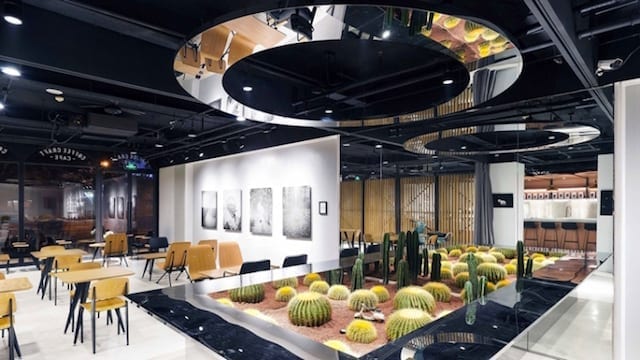
    It is in the largely residential area of Beixuaguan, in Beijing’s northwest. Covering 400 sqm, the outlet has been designed by United Units Architects, a practice based in both Beijing and London.

    Coffee-Craft-Cafe-by-United-Units-Architects-Beijing-China-04

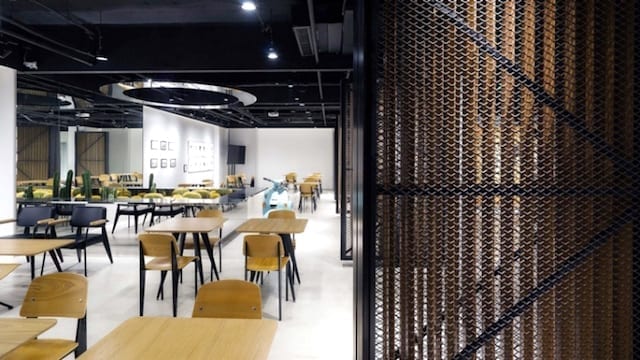
    While primarily a venue for specialty coffee, it also anticipates the hybrid lifestyles of today’s young generation, says Retail Design Blog. It features four specific areas – a bar, a seating area, two meeting rooms and a kitchen space – all separated by partitions crafted from a mix of vertical louvres and wire mesh, allowing for a variety of configurations.

    Each space has a distinct feel while seamlessly blending with the other sections.

    The bar comprises wall panels of shiny steel and capsule-shaped copper equivalents on the ceiling, while the seating area features an indoor cactus garden as a focal point. It is framed and encapsulated on one side by slabs of mirror that make it appear double its actual size. Hovering directly above is a large circle made of the same material. A Vespa scooter installation adds a quirky and frivolous touch to the austere aesthetic, says Retail Design Blog.

    Coffee-Craft-Cafe-by-United-Units-Architects-Beijing-China-05


    Coffee Craft’s menu features specialty coffee from such countries as Brazil, Colombia, Ethiopia , Guatemala, Indonesia, Kenya and Panama, all marked on a wooden wall plaque with a pinboard world map.

    Coffee-Craft-Cafe-by-United-Units-Architects-Beijing-ChinaCoffee culture is not only catching on in China, but accelerating and diversifying to meet the lifestyle requirements of the country’s growing demographic of savvy consumers, says the blog.

    “Obviously, this trend has manifested itself most vigorously in plush downtown neighbourhoods of the country’s booming first- and second-tier cities. The middle class continues to expand with leaps and bounds – it has doubled from 399 million to 784 million in just a decade – and coffee and modern lifestyle appreciation has grown in equal measure across suburban fringe, and increasingly in surprising contemporary form.”

  • Singapore soya-sauce chicken chain for Taipei

    Singapore’s soya-sauce chicken hawker outlet is heading overseas with Taipei as its first stop.

    The Michelin star restaurant’s Taiwanese debut will be at Hoyii North Station in the first half of this year.

    Owner Chan Hon Meng says he is excited to share Singapore’s food culture with the rest of the world, and hopes this will encourage more young people to join the hawker profession.

    Like Hawker Chan, which opened in Smith Street in November, the Taipei outlet will be a quick-service restaurant.

    Chan’s signature soya-sauce chicken dish earned a one-star rating in the inaugural Singapore Michelin Guide last July. His hawker stall at Chinatown Food Complex is touted as the cheapest Michelin-starred food establishment in the world, with its award-winning noodles selling at only S$2.50 (US$1.76).

    If the Taipei branch succeeds, Chan hopes to next expand into Malaysia.

  • Record growth boosts Jollibee Foods’ income 24pc

    Record growth boosts Jollibee Foods’ income 24pc

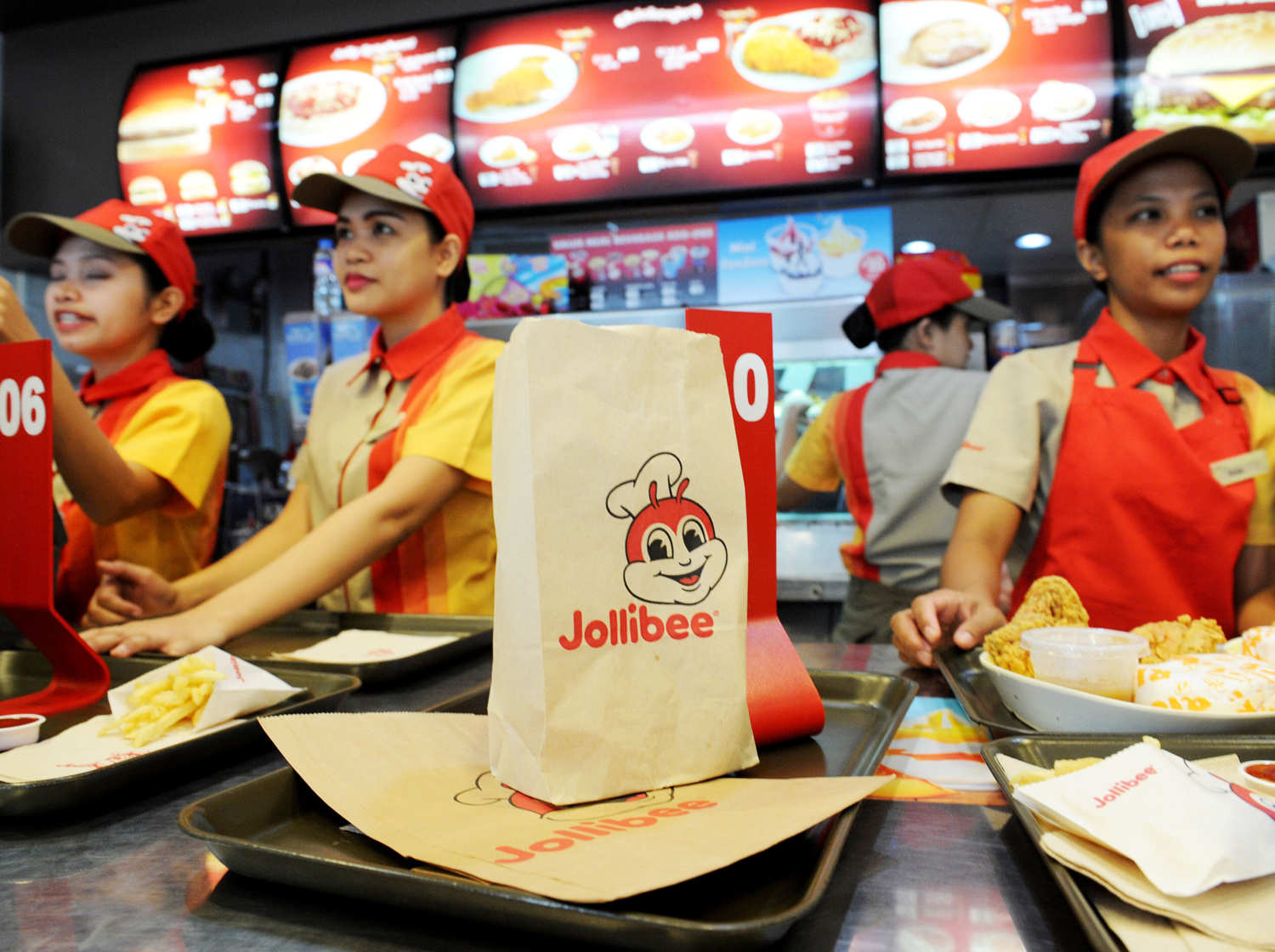
    Philippine-headquartered quick-service restaurant chain Jollibee Foods income jumped 24.6 per cent to 6.14 billion pesos (US$123.26 million) last year, thanks to aggressive store openings.

    Jollibee says it opened 340 outlets across nine brands – its biggest expansion in a single year – of which 243 stores were in the Philippines. Including JVs, such as Smashburger in the US and Highlands Coffee in Vietnam, Jollibee opened 468 stores last year.

    This pushed system-wide retail sales, derived from franchised and company-owned stores, by 14.1 per cent to 149.14 billion pesos.

    Jollibee Foods Philippines CEO Ernesto Tanmantiong says the company is spending 14 billion pesos this year, up from 10.4 billion pesos last year, to open more outlets and expand its commissaries.

    Jollibee says its business in China – about half of its overseas interests – has returned to growth, with sales expanding by 6 per cent in the fourth quarter.

    Poor sales in China earlier prompted the company to reorganise there. It unloaded its San Pin Wang noodle chain and took over a food-processing company.

  • Japanese tariffs hobble Vietnamese tuna exports

    Japanese tariffs hobble Vietnamese tuna exports

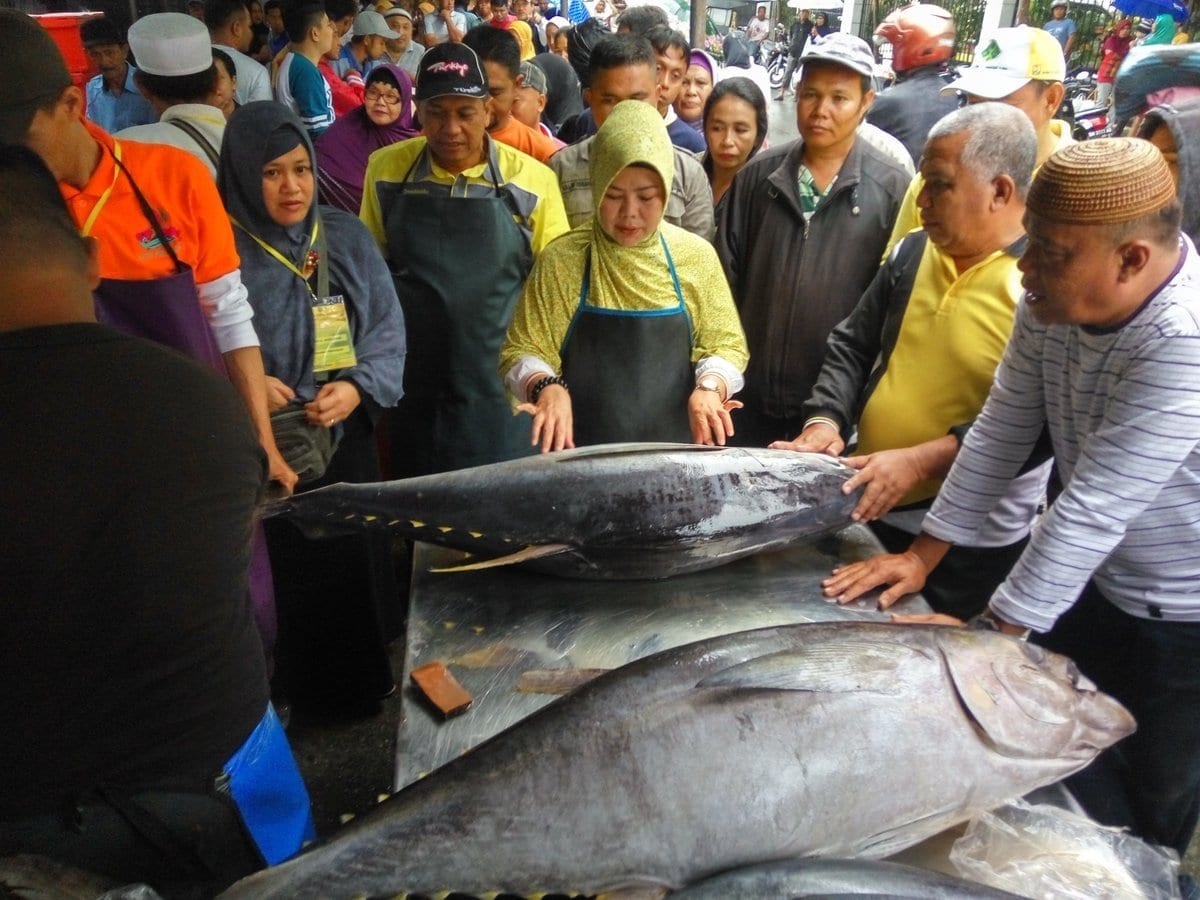
    Thai and Filipino tuna exporters have accessed the market tariff-free for years. Vietnam’s tuna exports to Japan have steadily declined since 2013 due to exceptionally high tariffs, according to the Vietnam Association of Seafood Exporters and Producers (VASEP).

    Following a bilateral trade deal, Japan scrapped tariffs on Thai canned skipjack tuna, which carried a 3.2 percent tariff in 2009 and 1.1 percent tariff in 2011. During the same time, Japan has maintained a 6.4 percent tariff on similar products from Vietnam, according to VASEP.

    Japan extended the same policy to canned yellowfin tuna and frozen tuna loin, lifting duties entirely on Thai yellowfin imports in 2012 and Filipino imports the following year under the Generalised Systems of Preferences (GSP).

    During that time, Japan levied a 9.6 percent tariff on canned yellowfin tuna from Vietnam, even after the Vietnam – Japan Economic Partnership Agreement (VJEPA) came into effect in October 2009.

    The two countries have yet to set a timeline on lifting tariffs on Vietnamese tuna exports, which generates between $450-550 million, annually.

    Japan ranks among Vietnam’s top-eight tuna export markets and VASEP has called on the Ministry of Industry and Trade to negotiate a deal similar to the arrangement enjoyed by exporters in Thailand and the Philippines.

  • Swire plans to double Qinyuan bakery China network

    Swire plans to double Qinyuan bakery China network

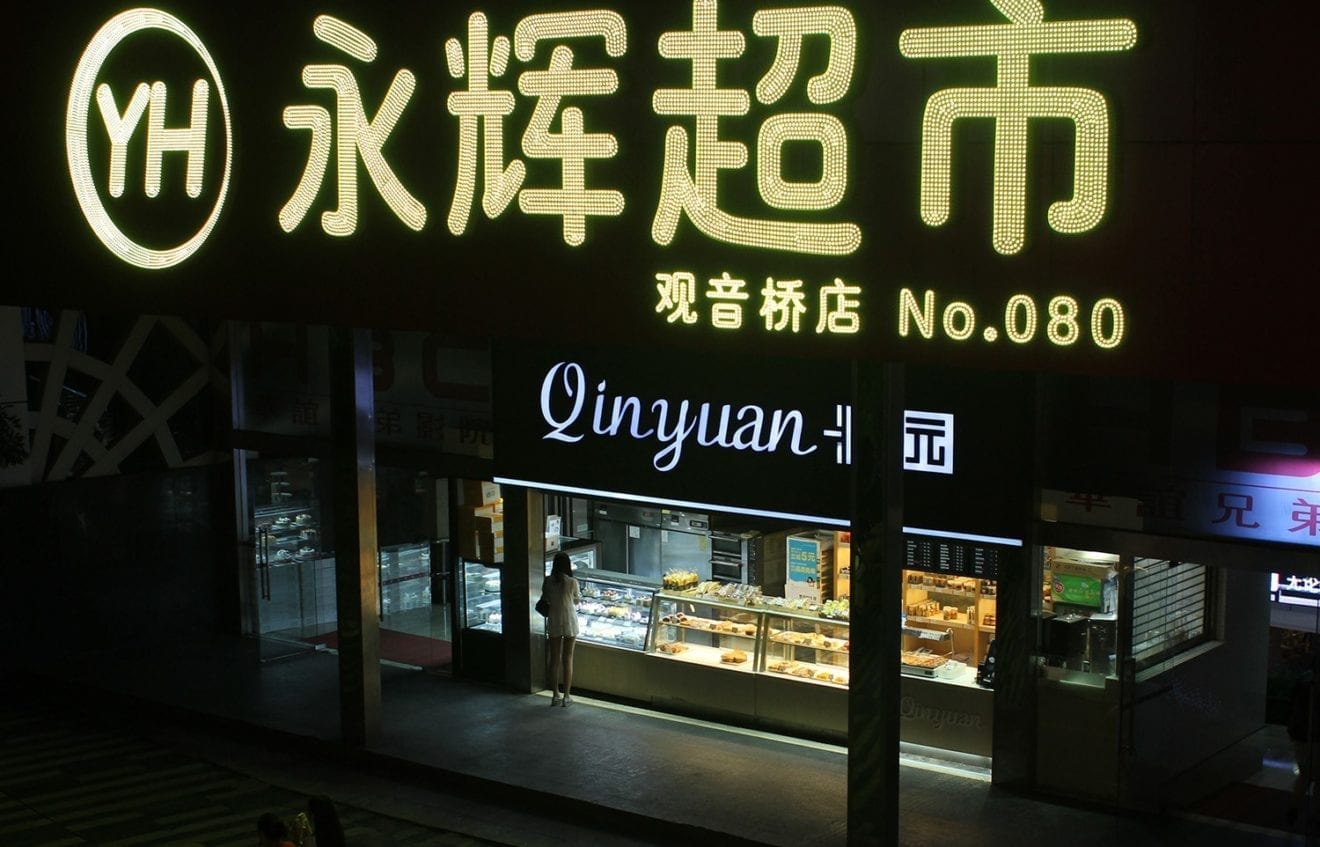
    Swire plans to nearly double the size of its Qinyuan bakery chain by 2020.

    Over the next three years, Swire Pacific plans to grow the number of its bakery shops in Chengdu, Chongqing and Guiyang to 1000 through its wholly owned subsidiary Swire Foods.

    The Hong Kong conglomerate believes the benefits from stable, long-term growth from the food market outweigh the small scale of the business compared with its aviation and property businesses, reports the South China Morning Post.

    Swire Foods last year paid HK$1.4 billion (US$200 million) for bakery chain Qinyuan. Selling Chinese and Western­-style pastries, it added more than 500 retail outlets in southwest China to Swire’s portfolio. The deal also included a 65,000 sq­m bakery goods factory in Chongqing. “Bakery is a very fragmented market in China,” says Swire Foods MD Max Lau. “We have not yet seen any player dominating the market, so there a big opportunity there.”

    He says the demand is set to rise because Chinese per-­capita consumption is currently low, with an average spend on bakery goods of around 140 yuan (US$20) a person annually. This is half the amount spent in Singapore, while people in Hong Kong spend three times as much as the mainland, and Japanese spend close to seven times as much.

    Lau says that while retail is being challenged by the rise of e­Commerce in China, “food retail cannot be replaced by e­Commerce just yet”.

  • Subway Vietnam frantically looks for franchise partners

    Subway Vietnam frantically looks for franchise partners

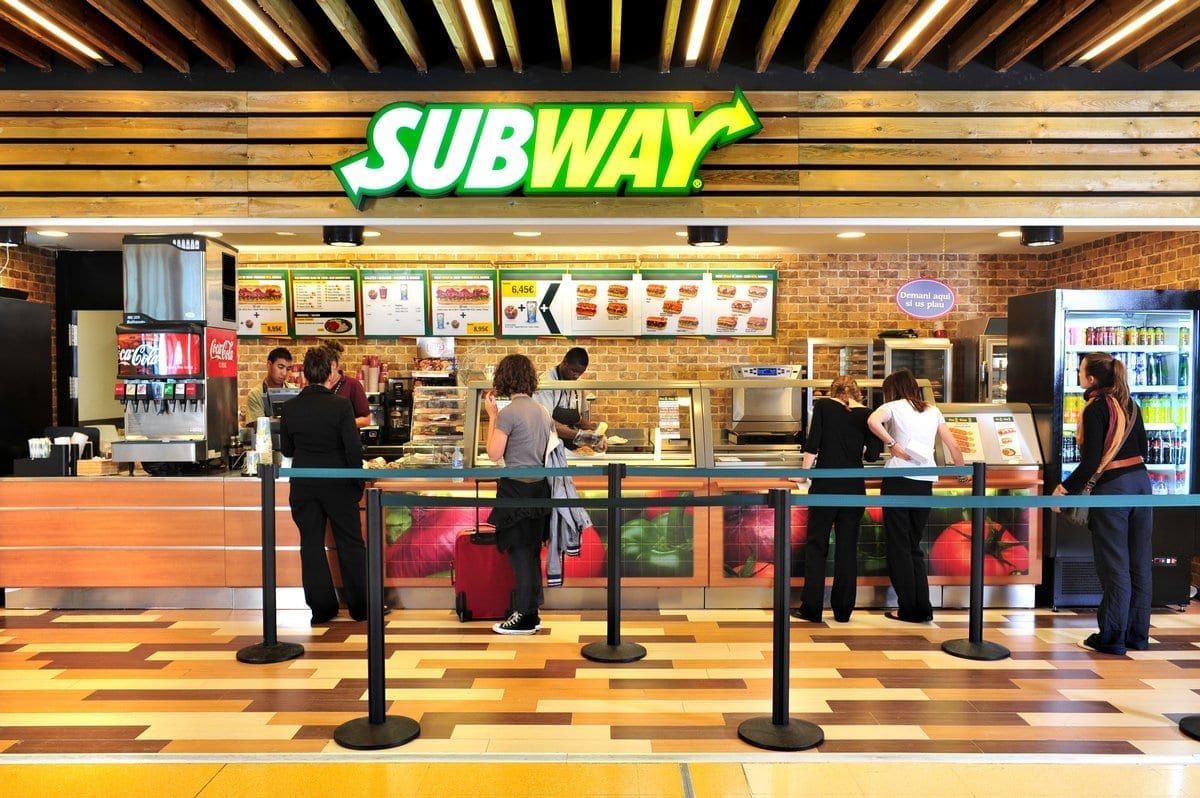
    Six years after entering Vietnam, Subway, the world’s biggest fast food brand, is increasingly looking for franchising partners to reach the ambition of opening 50 restaurants in this market.

    On February 15, Subway held a franchising partner recruitment meeting for investors in Ho Chi Minh City. At present, Subway is considered the world’s biggest franchising network. The company is ambitious to become the number one fast food brand in every market—and Vietnam is not an exception.

    Underwhelming pace

    Following other brands like KFC, Lotteria, and Jolibee, sandwich and salad restaurant chain Subway officially opened its first restaurant in Vietnam in February 2011, almost a year later than anticipated. Subway has cooperated with PepsiCo to start its first restaurant on the “Street of foreigners” Pham Ngu Lao Street, District 1 of Ho Chi Minh City. According to the arrangement, Subway is responsible for the sandwiches and PepsiCo provides the soft drinks.

    Upon arrival to Vietnam, Subway has set a goal of 50 franchise restaurants by 2015. However, at present, there are only six of them in HCMC.

    “Like other fast food brands, Subway entered into Vietnam late. Initially, we had to adjust our strategies to fit the culture as well as market trends. It takes time for us to adapt to the differences in the Vietnamese market to get the desired foothold here,” Mark Mason McGrath, general director of Subway Vietnam, explained.

    In 1985, 20 years since its establishment, Subway had 590 restaurants. Ten years later, there were 11,420 restaurants in the US and now there are 45,000 restaurants in over 100 countries. In Southeast Asia, Subway has opened 200 restaurants in Singapore, 100 in Thailand, and 40 in the Philippines. However, Subway has not reached its expected goals in Vietnam.

    Known as a healthy food provider over the world, Subway can enter into market segments untouched by other giants like McDonald’s and Burger King. However, the company has not been able to forge this into a comparative advantage in Vietnam.

    Seeking individual investors

    Entering a new market is an inevitable course to Subway. The company has been very successful in the US, but the market became saturated. Moreover, the international market holds real potential, placing expansion on top of Subway’s agenda.

    However, the first challenge that Subway had to face was building its brand and exploring its target customers’ desires. In the west, Subway’s products brought about a shift in fast food eating habits and reduced obesity, which was welcomed in western countries. However, the situation in the Asia-Pacific region is different.

    Relatively low obesity rates and a lack of health concerns associated with common foodstuff create a largely different playing field in the Asia-Pacific.. At the same time, KFC and McDonald’s have been present for longer and have been shaping consumption habits in the area. This is a reason why, despite the substantial market potential, the growth rate of Subway in Asia is still low.

    To overcome theobstacles, Subway is starting over to become the world’s biggest fast food franchise. The company will focus on enhancing customer experience. In Vietnam, Subway is looking for franchisees. In 2017, Subway is planning to expand outside HCMC through cooperation with other franchising brands. Nha Trang will be the next destination, and Subway is considering other potential cities and provinces.

    Nonetheless, the brand has a careful approach to expanding its network. “We do not want to cooperate with too big brands like other giants did when entering and expanding in Vietnam. The best way for us to expand our network is to cooperate with the individual investors in the long-term,” said McGrath and added that Subway brings a chance for fruitful investment and doing business for those who wish to be owners.

    Comparative advantages galore

    Compared to other competitors in the fast food industry, where investors have to pay dollar millions to become franchise partners, such as McDonald’s ($1-2 million) and KFC ($1.3-2.5 million), investors in Subway have to pay only a portion. The initial investment in a Subway restaurant in Vietnam ranges from $124,000 to 300,000, dependant on the location and the size of the restaurant.

    Of the amount, the franchising fee for the first Subway restaurant in Vietnam is about $10,000. From the second restaurant on, the fee is only $5,000. The total cost to launch and maintain a franchise restaurant like this is low and is considered an advantage and a big investment opportunity. However, according to Mcgrath, it is not the cost of investment, but investors’ low awareness of Subway’s value that hampers cooperation.

    Of all fast food brands, Subway has the comparative advantage of being able to fit in many different areas all over the world other than only traditional locations. Subway appears in universities, airports, hospitals, convenience stores, cinemas, hotels, zoos, casinos, museums, parks, stadiums, and near churches.

    Subway’s restaurant model fits in anywhere, even in narrow spaces, while its competitors cannot. This ensures Subway’s coverage all over the world, which significantly increases its number of restaurant. Besides, Subway also actively cooperates with small fast food brands in supermarkets. Two parties will share a space, staff, management, but still maintain their separate brand identity with different uniforms for wait staff, decorations, menu, and other specified colouring principles.

    Subway always offers its franchisees preferential conditions. Its linkage to local financial institutions to support franchisees is one of the reasons for investors to open Subway restaurants. “With all these comparative advantages over competitors, we expect investors to realise with time the opportunities we have to offer,” McGrath expects.
  • Profits rises for Yum China Holdings

    Profits rises for Yum China Holdings

    Yum China’s full-year operating profit of US$640 million was up 31 per cent led by margin expansion and restaurant openings.

    Its CEO describes it as a “momentous” year for the group, licensee of Yum! Brands in Mainland China. It has exclusive rights on the mainland to KFC, Pizza Hut and Taco Bell, which opened its first restaurant in China at the end of the year. Yum China also owns the East Dawning and Little Sheep concepts outright.

    Total system sales for the year grew 5 per cent, including growth of 6 per cent at KFC and 3 per cent at Pizza Hut Casual Dining, excluding foreign currency translation (F/X).

    Same-store sales were flat, with an increase of 3 per cent at KFC offset by a decline of 7 per cent at Pizza Hut.

    Yum China opened 575 restaurants during the year, representing 5 per cent growth, taking its total to more than 7500 outlets.

    Currency impact

    While retail tax structure reform helped profit growth, this was negatively impacted to the tune of $36 million by foreign currency translation. Excluding F/X and special items, operating profit grew 37 per cent.

    For its fourth quarter, Yum China’s total system sales grew 4 per cent, including growth of 4 per cent at KFC and 6 per cent at Pizza Hut, excluding F/X.

    Same-store sales were flat, rising 1 per cent at KFC and offset by a 3 per cent decline at Pizza Hut.
    The group opened 302 restaurants during the quarter.

    Foreign currency translation negatively impacted operating profit by $5 million.

    CEO Micky Pant says Yum China became an independent, publicly traded company while simultaneously improving its business performance and investing for future growth.

    “We continue to focus on our long-term growth formula: new unit development, same-store sales growth, and continued restaurant margin improvement. Right now, our top priority is consistently delivering positive same-store sales growth.”

    Digital engagement

    There was a focus on product innovation during the year, as well as restaurant refurbishing and digital engagement with customers.
    Pant says it was a groundbreaking year in digital and delivery.

    “Our loyalty programs have more than 80 million members –  ranked number one in the restaurant industry worldwide in terms of number of members.

    “Total delivery sales reached about $700 million, and we were number one among restaurant operators in terms of online sales in China. Cashless payment accounted for about 30 per cent of our company sales.”
    Pant says this year marks the 30th anniversary of the launch of KFC in China, and he believes most the company’s restaurants in China are yet to be built.

    Members in the loyalty programs grew to more than 60 million for KFC and more than 20 million for Pizza Hut.

    Mobile payments reached about 17 per cent of company sales for the year, while cashless payment methods were used for more than $2 billion in company sales.

  • Hong Kong’s Swire to double down on Chinese bakery investment

    Hong Kong’s Swire to double down on Chinese bakery investment

    Over the next three years, Swire Pacific will increase the number of its bakery shops in Chongqing, Chengdu and Guiyang to 1,000 through its wholly owned Swire Foods subsidiary.

    The conglomerate believes the benefits from stable, long-term growth from the food market outweigh the small scale of the business, compared with Swire’s aviation and property businesses.

    Last year, Swire Foods took full ownership of Qinyuan, a leading bakery chain, for HK$1.4bn (US$200m). Selling Chinese and Western-style pastries, it added over 500 retail outlets in Southwest China to Swire’s portfolio. The deal also included a 65,000 square-metre factory producing bakery goods in Chongqing.

    “Bakery is a very market fragmented market in China. We have not yet seen any player dominating the market [so] there a a big opportunity there,” said Max Lau, managing director of Swire Foods, told SCMP.

    He said that the demand was due to rise because Chinese per-capita consumption was currently low, with an average spend on bakery goods of around just 140 yuan (US$20) per person per year.

    This is half the amount spent in Singapore, while Hongkongers spend three times as much as the mainland, and Japanese spend close to seven times as much for their baked goods.

    “Food still serves a basic need for everyone despite the economic slowdown in China,” Lau added.

    “Moreover the retail business is being challenged by the rise of e-commerce in China these days, but food retail cannot be replaced by e-commerce just yet,” he said.