Category: Food

Retail News Asia is committed to providing both local and global retailers with the latest Food and Food & Beverage news throughout the Asian market. This on a daily base.

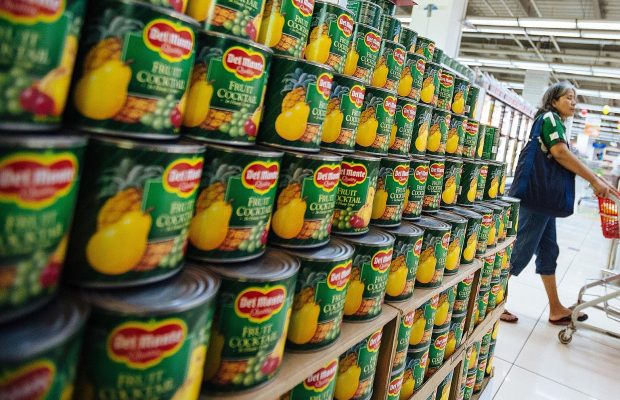
  • Del Monte Pacific recovers from losses, records $12m profit

    Del Monte Pacific recovers from losses, records $12m profit

    Del Monte reported a profit for the quarter ending in January, reversing losses incurred in the previous period.

    For the past quarter, Del Monte achieved an US$8.46m ($12m) net profit, on the back of strong sales in Asian markets particularly in the Philippines and the operational efficiency improvements resulting in cost reduction.

    Overall sales were US$604m, slightly higher than in the prior-year period as strong sales in Asia offset lower sales in the United States.

    “We continue to build on the consumption-driven growth in Asia as our team optimises opportunities in both the retail and foodservice sectors,” said Joselito Campos, Jr, managing director and Group CEO of DMPL.

    The Group’s US subsidiary, Del Monte Foods, Inc (DMFI), contributed US$450.6m or 75% of Group sales. US sales declined by 3% versus the same period last year driven by the continued weakness in the canned fruit industry, lower sales of regional brands in the packaged vegetable category across retail and foodservice due to supply-related issues, and lower sales of private label.

    “Our US business continues to be impacted by shifting consumer preferences, and our performance in the foodservice and private label sectors. We are implementing a strategy based on innovation and differentiation in existing categories, whilst seizing opportunities in other categories and channels to address consumer demands,” Campos explained.

    However, amidst industry contraction, DMFI increased its market share in two of the four major categories in retail, i.e. packaged vegetable and broth, which was further supported by the growth of the branded business amongst major retail customers.

  • Genuine Broaster Chicken launches restaurant in Lucknow

    Genuine Broaster Chicken launches restaurant in Lucknow

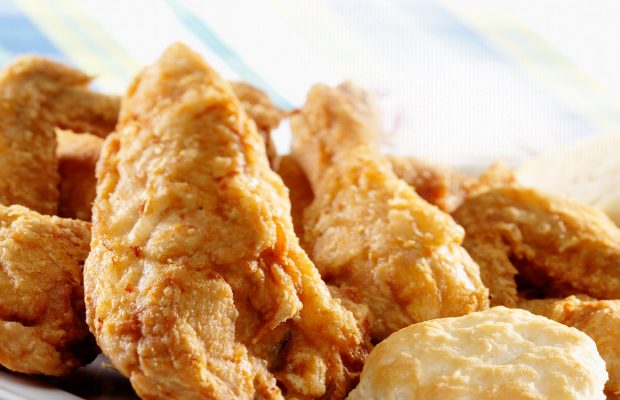
    US restaurant chain Genuine Broaster Chicken (GBC) has launched at Singapore Mall in the Uttar Pradesh capital of Lucknow.

    It is the region’s first outlet of the fast-food chain, and franchise owner Atul Maurya says he plans to expand the brand throughout Uttar Pradesh and Uttarakhand this year.

    The Genuine Broaster Chicken company entered India two years ago in a partnership with F&B franchise-management company Yellow Tie Hospitality. The first outlet opened in Mumbai, with plans to roll out more than 300 outlets in 40 cities across India by next year.

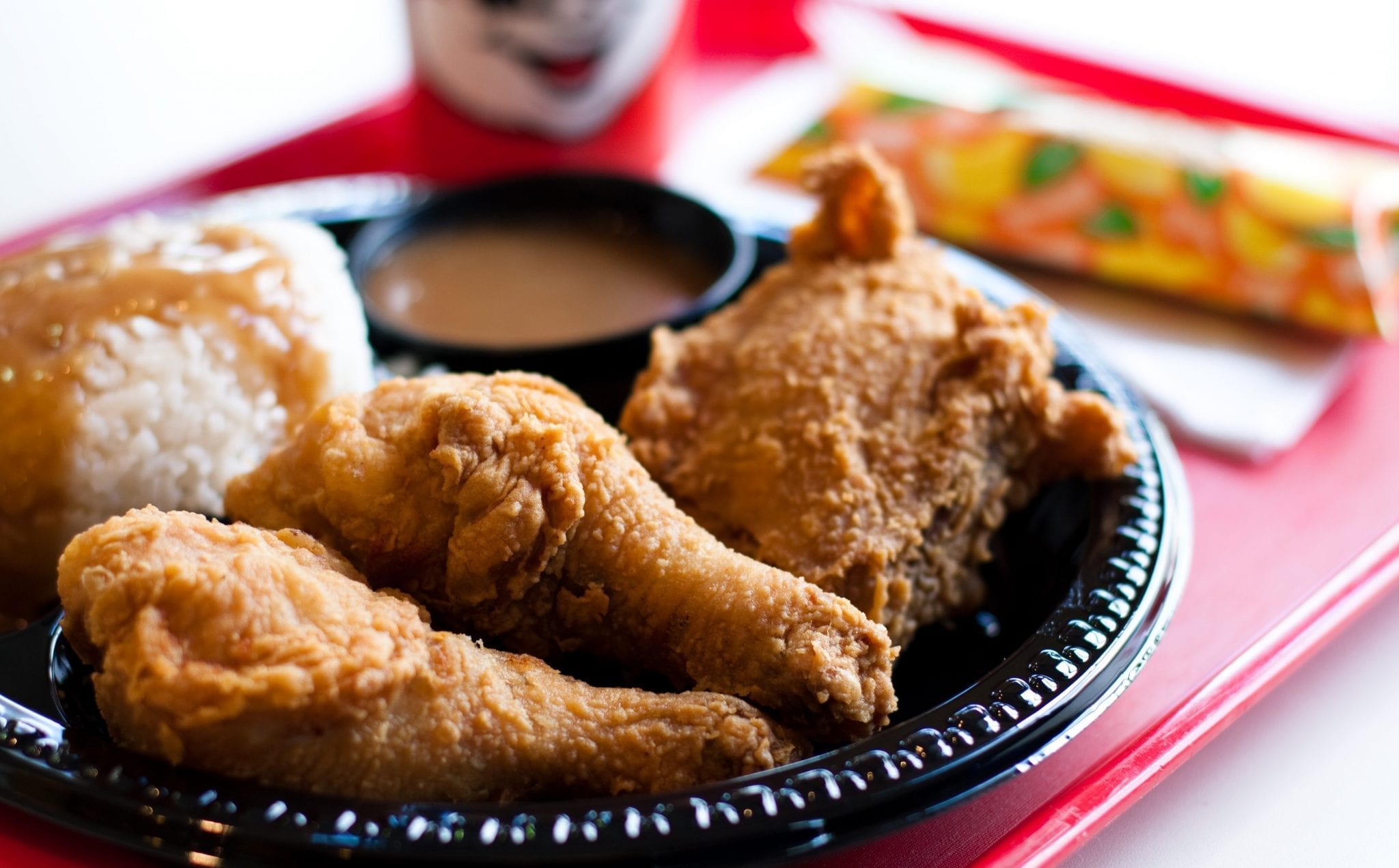
    Founded in 1953, Genuine Broaster Chicken is known for serving pressure-fried chicken, but also offers burgers. It has a presence in 36 countries.

  • Vietnam requests Australia roll back ban on shrimp imports

    Vietnam requests Australia roll back ban on shrimp imports

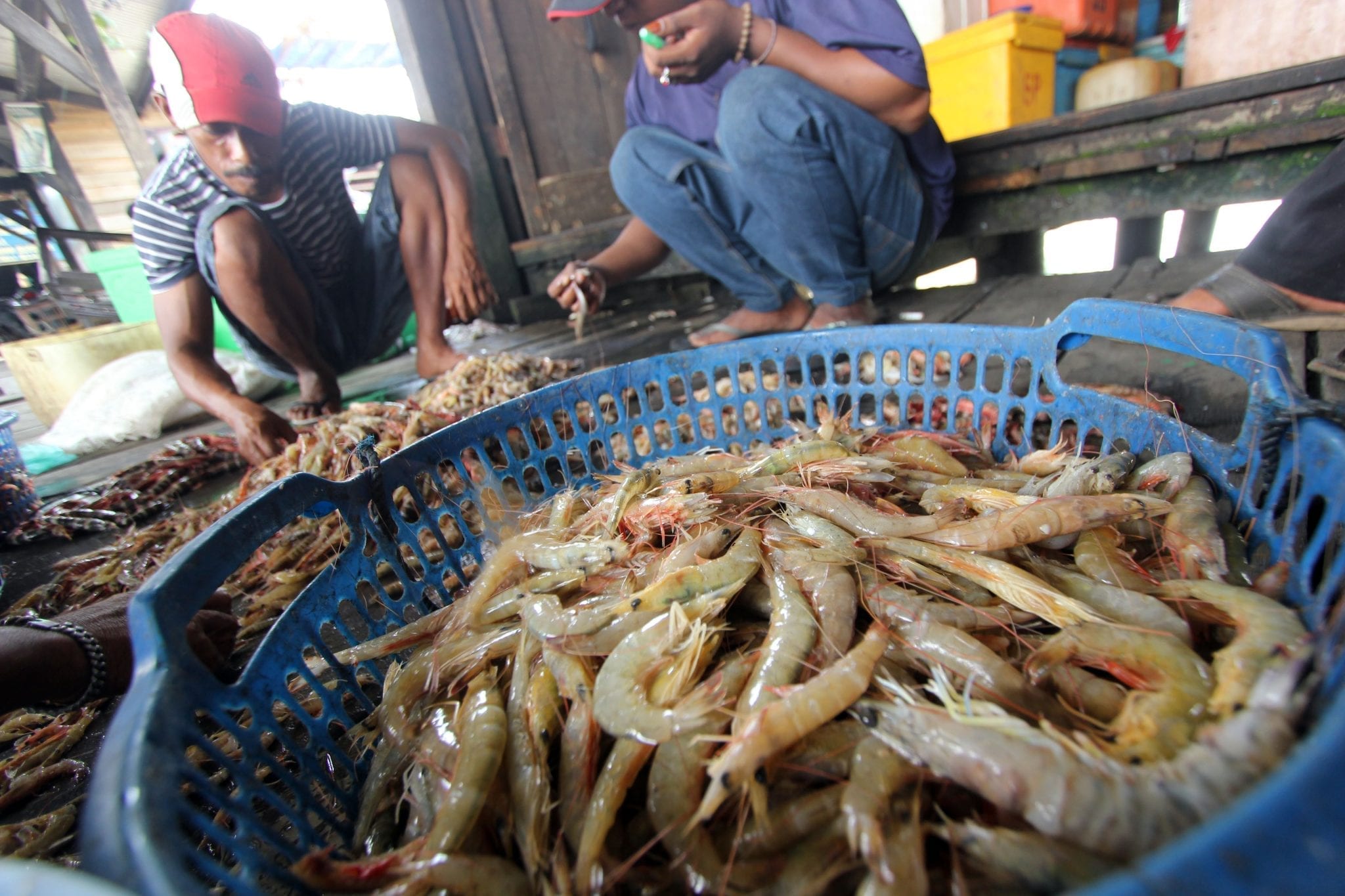
    The Vietnam government contends the ban by the Australian Department of Agriculture on raw imports is ‘causing serious damage’ to the country’s shrimp farmers and exporters, and has requested it be reversed.

    Australian Agriculture Minister Barnaby Joyce announced a six-month suspension on the import of raw shrimp this past January, following an outbreak of white spot disease in the northeast state of Queensland.

    Vietnam Deputy Minister of Industry and Trade, Tran Quoc Khanh, has now asserted the ban has damaged the country’s shrimp farming industry that on average exports roughly US$55 million worth of raw product to Australia annually.

    Deputy Minister Tran recently told Australian ABC news that the ban is not in line with common practices and the spirit of nurturing and enhancing the existing good trade relationship between the two countries.

    The Deputy Minister pointed out that the temporary ban on uncooked shrimp was issued with no advance warning for Vietnamese shrimp exporters to take needed actions to avoid large economic losses.

    In addition, Deputy Minister Tran noted there is no hard evidence as to the cause of the breakout of white spot disease in Queensland and maintained that it is premature to blame Vietnamese exports.

    Ban could contradict WTO rules

    Absent evidence of a causal relationship between Vietnamese shrimp exports and the breakout of the disease, Mr Tran suggested the ban may be in contravention of certain World Trade Organization agreements.

    Australian ABC news reports that the Seafood Importers Association of Australia has taken a position that favours lifting the ban, saying it damages the international trade reputation of Australia.

    Biosecurity failures

    The Australian Department of Agriculture defended the move, saying it was necessary for biosecurity protection of the farm raised fish and seafood industry.

    A spokesperson insisted the ban complied with the provisions of WTO agreements that allow a member to temporarily suspend imports in certain circumstances.

    The spokesperson also argued the decision to suspend shrimp imports would not be in place any longer than necessary to ensure the protection of the domestic aquaculture industry.

    Deputy Minister Tran noted he respected the sovereignty of Australia and the biosecurity concerns, but nonetheless asked the Australian Department of Agriculture to reconsider the propriety of the ban.

    Vietnamese uncooked shrimp products have been exported to many countries around the globe, said the Deputy Minister, without any reports of white spot disease or other biosecurity concerns having arisen.

  • My Kitchen opens at Siam Discovery

    My Kitchen opens at Siam Discovery

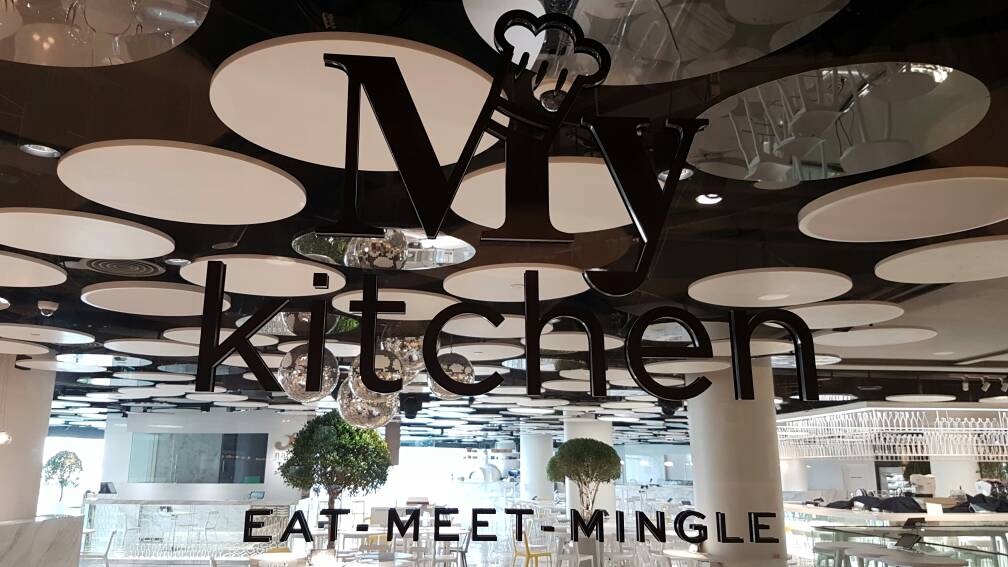
    A “new dimension of downtown hangout” called My Kitchen has opened at Siam Discovery,  described as a social dining experience concept.

    Siam Discovery parent Siam Piwat says the new hangout – an “eat, meet, mingle concept” targets millennials.

    My Kitchen offers a social dining experience on the fourth floor of Siam Discovery which integrates digital innovation to make the dining experience more fulfilling and enjoyable.

    Apart from the flavours of international dishes from five well-known restaurant brands – Cafe Chilli, Kuppadeli, Man Fu Yuan, Nara, Yuzu By Yuutaro and a Brix Dessert Bar – all come with an all-new concept where signature dishes are selected to please individual tastes and styles.

    2. My Kitchen

    My Kitchen also introduces the My Kitchen is Your Kitchen concept providing a workshop space designated to offer every diner enjoyable and interactive cooking demonstrations, tasting parties, and other food events in rotation every day.

    “It is also ideal for friends to throw a party on special occasions or use the workshop to prepare foods for important guests in a beautiful panoramic atmosphere right in the heart of Bangkok,” says a Siam Piwat spokesperson.

    My Kitchen tablet menus allowing diners to order and pay quickly.

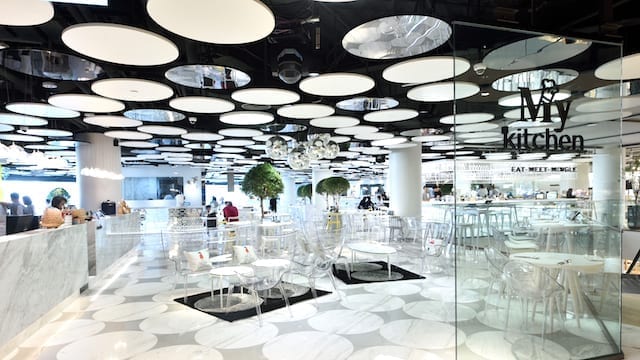
    The decor of the precinct includes art installations designed by Nendo Studio, a team of well-known designers from Japan led by the world-famous Oki Sato, (who designed the Siam Discovery revamp unveiled last year).  The area is painted in shades of white.  The floor is paved with white volakas marble to give a feeling of friendliness and warmth. Clear glass walls offer a panoramic view of downtown Bangkok.

    My Kitchen comprises various zones including reception, lounge, private room and workshop spaces, covering more than 1000 sqm and seating up to 250 people.

    The reception is decorated with disco balls and a graphic mapping time lapse projection as highlight to keep diners in a relaxing mood while waiting for food to be served.

    The lounge features a visual mapping technique from Le Petit Chef, a group of visual art enthusiasts and winners of multiple international awards. They created food mapping that combines 3D animation with motion capture techniques to project onto dining tables two stories of food preparation: one for soup and the other for dessert, so customers can enjoy their time with friends or someone special while waiting for their meals “just like having a tiny chef prepare food for them on the table”.

    “It  will offer an original experience unlike anywhere else,” says the spokesperson.

    The new venue is open daily from 10am to 10pm.

  • Vietnam fruits welcomed overseas, less favored in home market

    Vietnam fruits welcomed overseas, less favored in home market

    In January 2017, Vietnam imported $110 million worth of fruit, a sharp increase of 55 percent over the last year’s same period.

    In 2016, Vietnamese spent $700 million on imported fruits which came mostly from Chile, New Zealand and Australia.

    Vietnam also imported fruit from neighboring countries. Thailand has surpassed China to become the biggest fruit supplier. It exported $218.8 million worth of fruit to Vietnam in the first eight months of the year, while China exported $125.2 million.

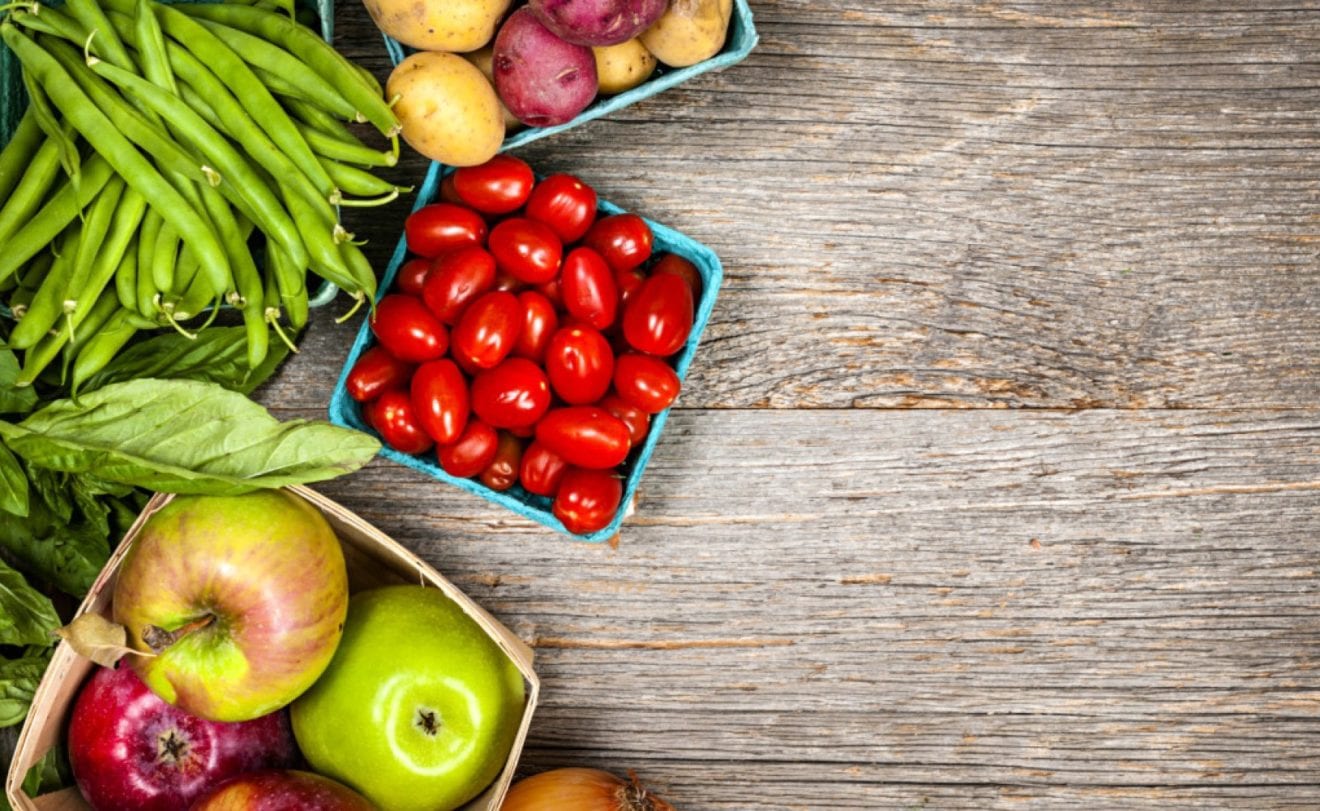
    Imported fruits, mostly grapes, oranges and apples, flood traditional markets and dominate the shelves at supermarkets, though they are nearly VND100,000 per kilo more expensive than domestically grown products.

    Thu Duc, a large wholesale farm produce traditional market in HCMC, is one of the biggest distribution centers of foreign fruits. About 10 types of fruits there are carried to retail markets.

    South Korean Fuji apple priced at VND133,000 per kilo, French kiwi VNDVND75,000, and South African grapes VND165,000 per kilo sell very well despite high prices.

    When asked why they accept to pay for imports, Ngoc Thu, a housewife in Tan Phu district in HCMC, said foreign products have longer shelf life, and there is no need to worry about unsafe plant protection chemicals, because foreign farmers have to follow strict regulations during farming and preservation.

    Hoa, an office worker in Go Vap district, said she understands that Vietnam’s fruits are always fresher than imports because they are brought directly from orchids and fields to markets, while it takes months to ship fruits from other countries to Vietnam.

    However, she still chooses imported fruits because she believes the fruits are safer.

    “Imported fruits have to undergo strict examination by the state management agencies in their countries. Meanwhile, the quality of Vietnam’s products cannot be controlled,” she said, adding that imports are 20-60 percent more expensive than domestic products.

    Vietnam still imports fruits from China in large quantities. However, in Vietnam, they are introduced as Vietnam’s fruits because Vietnamese consumers boycott Chinese fruits.

    A GDC report showed Vietnam exported $2.4 billion worth of fruits and vegetables in 2016, an increase of 30 percent over 2015, while the figure is expected to rise to $3 billion this year.

    According to the Vietnam Fruits & Vegetables Association, Vietnam’s products can enter 60 markets, but they still find it difficult to penetrate distribution networks in these countries.

    Nguyen Dinh Tung, general director of Vina T&T, said Vietnam needs VND500 billion for projects on developing the technologies for fruit preservation.

  • Vietnam halts poultry imports from avian flu hit US states

    Vietnam halts poultry imports from avian flu hit US states

    The Vietnamese Ministry of Agriculture and Rural Development (MARD) issued a decision to halt the imports from March 10, saying that these two US states were facing a strain of low pathogenic H5N2 and the high-pathogenicity H7 avian influenza virus.

    MARD has instructed the Veterinary Department to tighten control over the poultry batches imported before March 10 from these states but have not yet been heat treated to eliminate the aviation flu.

    Earlier, the US Department of Agriculture said on Sunday that a farm in southern Tennessee that is a supplier to Tyson Foods had been infected with avian flu. Up to 73,500 birds were killed by the disease, while the remainder has since been suffocated with foam to prevent its spread.

    The outbreak raised concerns among chicken companies because the infected farm is located near the biggest-producing states for chicken meat, including Georgia and Alabama.

    US trading partners, including South Korea and Japan, earlier restricted shipments of US poultry because of the infection in Tennessee.

  • Jollibee US moving into Florida

    Jollibee US moving into Florida

    Jollibee US will open its first fast-food restaurant in Florida on March 18, to be followed by more outlets in the city.

    A former A&W Restaurants and Kentucky Fried Chicken building covering nearly 3500 sqft (325 sqm) in Jacksonville has been renovated by the Philippines-based chain. It is next to The Potter’s House Soul Food Bistro in Keman Village shopping centre.

    Starting as an ice cream parlor in the Philippines in 1975, Jollibee expanded into the US in 1998, opening in Daly City, near San Francisco, to cater to Filipino and Filipino-American families. The Jacksonville metro area also has a Filipino community of about 17,200 people, according to the US Census Bureau.

    Jollibee says the Jacksonville move is the forerunner of further expansion in the US, where it already has 35 locations, nearly half of them in California. The group has 1111 stores worldwide.

  • DFS To Host Sixth Edition of the Prestigious Masters of Wines and Spirits in Singapore

    DFS To Host Sixth Edition of the Prestigious Masters of Wines and Spirits in Singapore

    This March, DFS Group (DFS), the world’s leading luxury travel retailer, in partnership with Changi Airport Group, will host its sixth annual Masters of Wines and Spirits in Singapore. The most celebrated event of its kind in the industry, Masters of Wines and Spirits showcases DFS’ global travel retail leadership, innovation and unique ability to assemble bespoke collections of wines, spirits and their leading producers, as well as the expertise of its own in-house specialists.

    “We are thrilled to return to Singapore for our sixth Masters of Wines and Spirits this March and deliver another exceptional collection of the world’s finest and rarest wines and spirits,” said Philippe Schaus, DFS Chairman and Chief Executive Officer. “This year’s exclusive collection has been globally sourced and carefully curated by our expert merchants at DFS to inspire and excite both novice and seasoned collectors. At the core of this portfolio lies an unwavering passion for the intricate composition of a bottle and for the unforgettable moments each offering is sure to create.”

    More than 60 of the finest Cognacs, wines and whiskies from over 50 legendary houses will be unveiled during the Masters of Wines and Spirits private event, to be held at selected shophouse venues along Singapore’s historic Tras Street on Saturday, March 25, 2017. As well as being the first to view the collection, VIP guests will be given the opportunity to interact with brand ambassadors while delving into the creation of each bottle in a master class format which will take them around the world in a virtual experience.

    “The collection captures the heritage and craftsmanship of our selected brands, and is a true reflection of DFS’ long-standing relationships with these exceptional houses. Masters of Wines and Spirits provides access to prominent producers and their in-depth knowledge, and of course their limited edition products, many of which are extremely rare or one-of-a-kind exclusives to DFS that represent the ultimate expressions in Cognacs, wines and whiskies,” added Brooke Supernaw, Senior Vice President Spirits, Wines and Tobacco, DFS Group.

    Master Class Event

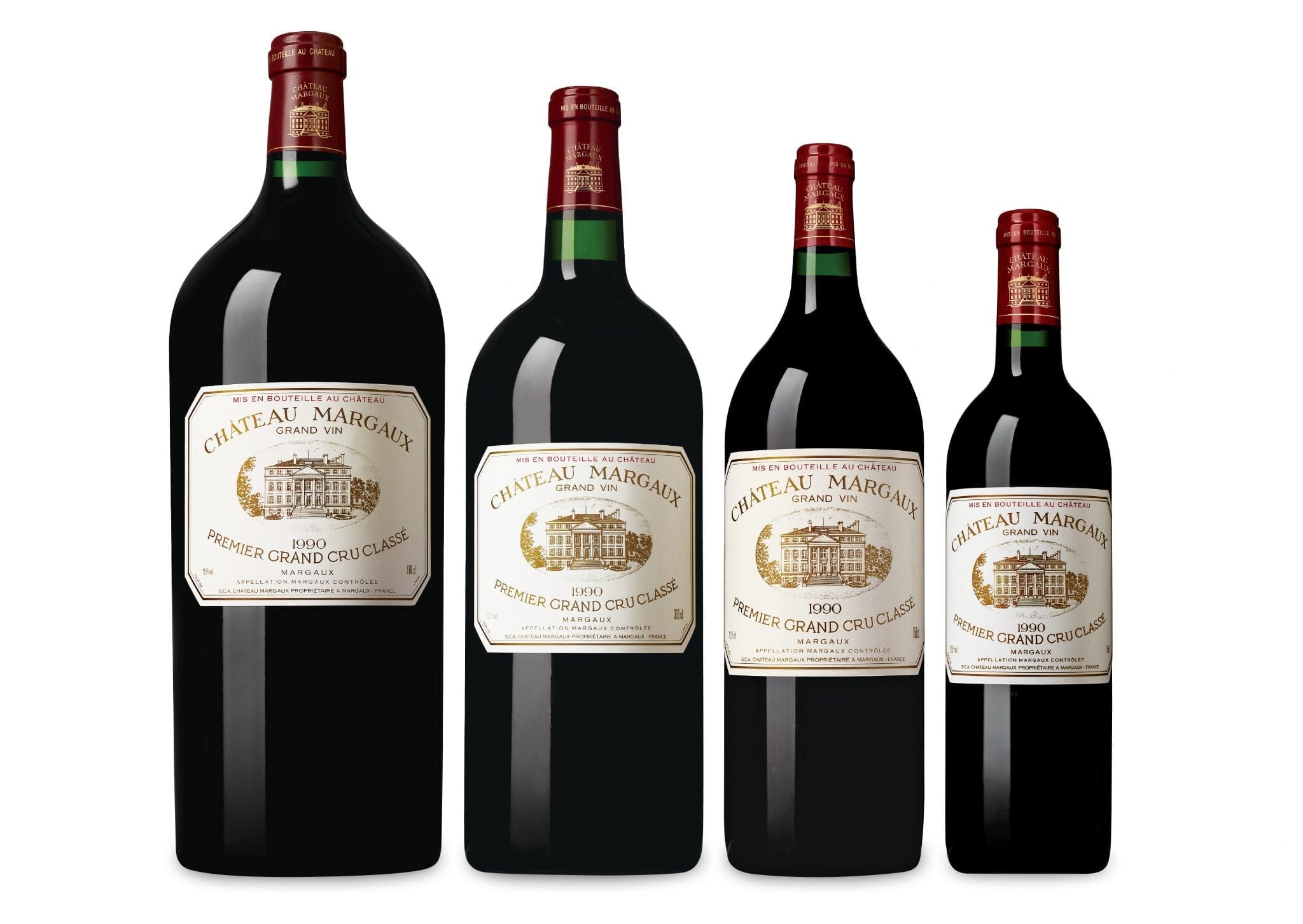
    The Masters of Wines and Spirits event will feature four exceptional master classes to inspire and enrich the experience for guests. In honor of his 50th year in the whisky industry, Richard Paterson, Master Blender of The Dalmore will host a bespoke tasting showcasing The Dalmore’s rich heritage and artistry. Frederic Dezauzier, Global Brand Ambassador of CAMUS, will introduce guests to the smallest and rarest cru in the Cognac region: Borderies, providing a unique tasting experience featuring a selection of CAMUS Borderies Single-Cru Cognacs, including a Borderies Vintage and an exclusive Borderies blend that has never been released. Then, travel through time with Thibault Pontallier, Château Margaux Asia Ambassador, who will conduct a vertical tasting across decades of Château Margaux, including the 1990 vintage of Château Margaux.

    The fourth Master Class will be a Whisky Panel by The Whiskey House, entitled Innovations of Today Shaping the Heritage of Tomorrow. The theme of heritage in the world of whiskies will be discussed with Brian Kinsman, Malt Master at Glenfiddich, David Charles Stewart, Malt Master at The Balvenie, Mike Miyamoto, Global Brand Ambassador for Hibiki, and Brendan McCarron, Head of Maturing Whisky Stocks at Glenmorangie. This will be moderated by DFS’ own Director of Spirits, Frederik Vanden Bulcke.

    The Collection

    Twenty-seven Cognacs and whiskies include the LOUIS XIII Le Mathusalem, which showcases the world’s first 6L crystal decanter for cognac, CAMUS Rarissimes 65 YO, an exclusive blend for DFS that is composed from the finest eaux-de-vie, Martell Grand Champagne 1920, a very rare first time release since The House of Martell was founded in 1715.

    Making its official debut outside Japan for the first time is the Hibiki 35 YO Arita-Yako and Kutani-Yaki limited editions, a blend of carefully selected malt whiskies aged from 35 to 54 years, and grain whiskies aged over 35 years. From the world of Scotch Single Malts, the Bruichladdich Special Release showcases some of the brand’s oldest and finest whiskies, Glenfiddich Rare Collection 1972, a sublime and precious 44-year old malt (hand-picked for DFS’ Masters of Wines and Spirits), Glenmorangie Pride 1974, Glenmorangie’s rarest, oldest and deepest whisky, carefully selected from the oldest whisky stocks, The Dalmore 50 YO, a commemorative bottling uniquely finished in Champagne casks, and The Macallan Fine & Rare Treasury Collection, a rare collection of  30 vintages in a bespoke cabinet created exclusively for DFS.

    Over 25 prestige wines and Champagnes are showcased in this year’s collection. Amongst these are outstanding bottles from the Champagne and Bordeaux region such as the Pyramid of Château Margaux 1990 Vintage, a collection of four bottles from the year’s vintage earning the coveted 100 points score from Robert Parker. Recently released from the Château cellar in 2016, the Château Lafite Rothschild 1982 Vintage Imperiale is a unique wine offering with an extraordinary nose of caramelized herbs, smoke and cedar, available in a 6L format. Château Mouton Rothschild 18 Vintages includes extraordinary vintages from 1994 to 2012. Only three series were produced exclusively for Masters of Wines and Spirits, and they are specially packed in individual one bottle cases. Dom Pérignon Malle P2 offers the full history of the Sécond Plénitude of Dom Pérignon – the ultimate collection of the ultimate Champagne. With two bottles from each of the 10 vintages, the buyer will also receive an invitation to a private tour of Hautvillers in Champagne, where Maison Dom Pérignon is located.

    Available for the first time for sale by a retailer, Masi 5 Vintages of Amarone Costasera is a presentation case of five vintages of Costasera Amarone Classico, Masi’s flagship wine, along with a beautifully designed timepiece made with 100-year old wood once used for maturing Costasera wine. Penfolds 2012 Bin 707 Cabernet Sauvignon Imperial brings an opportunity for oenophiles and aviation enthusiasts to own 10 limited edition bottles released to commemorate Boeing’s 100th year.

    Following the Masters of Wines and Spirits gala event on March 25, the Masters of Wines and Spirits curated collection will be available for travelers and shoppers at DFS, Singapore Changi Airport’s Wines and Spirits Duplexes at Terminals 2 and 3.

    DFS Masters of Wines and Spirits is part of the DFS Masters Series, a signature program of exhibitions that also includes the highly-anticipated Masters of Time set to take place in Macau this December. The Masters Series is a showcase of the pinnacle of DFS’ leadership and innovation in curating and creating exceptional experiences across its five pillars of luxury: Wines and Spirits, Beauty and Fragrances, Watches and Jewelry, Fashion and Accessories, and Food and Gifts.
  • ‘Grocerant’ Offers Korean Consumers Another Great Way to Enjoy US Beef

    ‘Grocerant’ Offers Korean Consumers Another Great Way to Enjoy US Beef

    Working to displace competitors of US beef in the growing South Korean retail sector, USMEF used social media and a celebrity chef to showcase US beef ribeye, striploin and chuck flap tail during a “grocerant” promotion.

    The event was held at PK Market, a high-end grocery selling premium food items, and was funded by the USDA Market Access Programme (MAP) and the Beef Checkoff Programme.

    PK Market, part of the vast Emart retail chain, includes a steakhouse called “Butcher’s Table” that allows consumers to enjoy steak cuts they purchase in the store’s grocery area.

    “The Butcher’s Table is what is referred to as a “grocerant,” meaning that it as a grocery store and restaurant under one roof, and it is becoming a big part of the ‘steak culture’ in South Korea,” explained Jihae Yang, USMEF director in Korea.

    “It also is part of a move toward ready-to-eat and pre-packaged meals favored by busy people. Korean consumers buy a steak and then take it to the Butcher’s Table kitchen and have chefs there cook it with vegetables. This service provides the customer with a great steak that might cost two or three times more at a restaurant.”

    During the promotion, USMEF had celebrity chef Mihal Ashminov grill US beef cuts. While the guests enjoyed their steaks, Chef Ashminov provided them with information about the advantages of US beef and explained a few of the best ways to cook a steak.

    To draw attention to the promotion, an online campaign was launched that included Syrup Table, the most popular Korean “foodies” app with a total of 13.5 million subscribers and 1.2 million monthly active users. USMEF’s promotion was featured on the main rolling banner at the top of the Syrup Table website. A total of 5,700 participated in the campaign, with 12 winners chosen for the US beef tasting opportunity.

    Officials with Emart described the event as a great opportunity to experience US beef steak and to promote superior quality of US beef to PK Market customers, adding that Emart recently began promoting thick-cut steak at locations across the country.

    “Retailers in Korea have been trying to offer various meat items and new applications to address consumer trends in the market,” said Mr Yang. “Steak is currently one of the most popular food trends and as a result, some retail chains are developing various steak items. Retailers are also taking an interest in steak items that address the desire for convenience and quick meals.”

  • Vietnam wants China to permit more rice exporters

    Vietnam wants China to permit more rice exporters

    Many Vietnamese rice exporters are facing difficulties after China authorised only 22 Vietnamese businesses to export rice into the country.

    The permission was announced by China’s General Administration of Quality Supervision, Inspection and Quarantine (AQSIQ), which allowed 22 firms to export rice and rice products from January 1, counting from the date of departure from the Vietnamese border. Any businesses not listed by AQSIQ were banned from exporting to the Chinese market from January 1.

    This decision has affected many Vietnamese firms which were not in the list but had already signed rice contracts before the date.

    One such company is Can Tho Food Company, which is not allowed to export rice to China, although it had signed a contract to export 18,000 tonnes of rice to China at the end of last year.

    Nguyen Van Dung, the company’s deputy director, said the delivery would have been completed by early February, but following the new order, it was no longer permitted to export and hence was suffering huge losses.

    “Our contract was canceled cancelled and we have to compensate some VND300 billion for our partner. In addition, we have to bear further costs,” Dung told Vietnam Television.

    Dung said rice was preserved in the store for quite a long time so the company had to re-process 10,000 tonnes of rice, which raised the cost by VND200-300 per kg.

    “I hope the State and relevant sectors create conditions for my company to sell rice, helping us to overcome difficulties. If it is not solved soon, my company will go bankrupt,” Dung said.

    Tran Thanh Nam, deputy minister of agriculture and rural development (MARD), said the ministry would soon contact China authorities, asking them to send an expert delegation to Viet Nam to assess more businesses which could be eligible for exporting rice to China.

    China’s permission to 22 Vietnamese rice exporters was given after a group of Chinese experts traveled travelled to Viet Nam to inspect 31 enterprises that had previously applied to the local ministry for export rights to China last year.

    According to MARD, China tops the list of Viet Nam’s rice export with 35.4 per cent of market share in the first three quarters of 2016.

    Total rice export turnover to the Chinese market touched 1.35 million tonnes, amounting to $613.4 million in 2016, down 23 per cent in terms of quantity and 13.9 per cent in terms of value in comparison with the same period in 2015.

  • Kimly aims to raise $40m in first kopitiam IPO

    Kimly aims to raise $40m in first kopitiam IPO

    Kimly is in line to become the first operator of traditional coffee shops to be listed in Singapore. The company – reported last month as eyeing a listing – tabled its initial public offering yesterday. It is offering 173.8 million new shares at 25 cents apiece, comprising 170 million placement shares and 3.8 million shares for the public.

    The offer closes at noon on March 16, with trading expected to start on the Catalist board on March 20.

    Kimly is a household name for its “kopitiams” offering food and beverage. It has nearly 500 stalls across 64 outlets – 56 coffee shops, five food courts and three industrial canteens.

    The network includes 121 stalls that carry the company brand, selling dim sum, seafood zi char and mixed vegetable rice, among other things. These are managed under the company’s food retail division.

    The rest of the stalls are leased to tenants paying rent and management fees that go to Kimly’s outlet management division. This division accounted for around 57 per cent of Kimly’s total revenue last year.

    The business is highly resilient, with strong cash flows and healthy earnings growth, executive director Vincent Chia said yesterday.

    “We are in a defensive industry that serves a very fundamental market need. This is really a grassroots business – everyone can walk in and have a nice meal at a very affordable price. We don’t talk about income brackets,” he added.

    And despite its size, Kimly only commands a 5.8 per cent market share, “so we have plenty of room to grow”, said Mr Chia.

    Kimly’s revenue expanded from $148.9 million in 2014 to $172.2 million last year – a compound annual growth rate of 7.6 per cent.

    Net profit racked up compound annual growth of 9.9 per cent over the same period to hit $24.2 million last year, implying a price-to-earnings ratio of 12.02 for the stock, while cash flow from operating activities remained steady, from $21.8 million in 2014 to $28.4 million in 2016.

    Cash and bank balances amounted to $29.4 million last year, with no outstanding borrowings.

    “We intend to pay out no less than 50 per cent (of net profit) for dividend,” said Mr Chia.

    He said the listing will not lead to food price hikes, aside from the usual inflation-related adjustments.

    Kimly is looking to raise about $40.4 million of net proceeds from the IPO, with the bulk earmarked for potential acquisitions and joint ventures, with a focus on adding more offerings to its brand. Some funds will also be used to boost productivity, with plans to expand its central kitchen to double the capacity.

    “Last November we launched online delivery service for our dim sum, something that we’re looking to extend to more products. We may be kopi boys, but we are forward- thinking kopi boys,” said Mr Chia.

  • Starbucks’ New Cold Brew Mason Jar Is Only Available in Singapore

    Starbucks’ New Cold Brew Mason Jar Is Only Available in Singapore

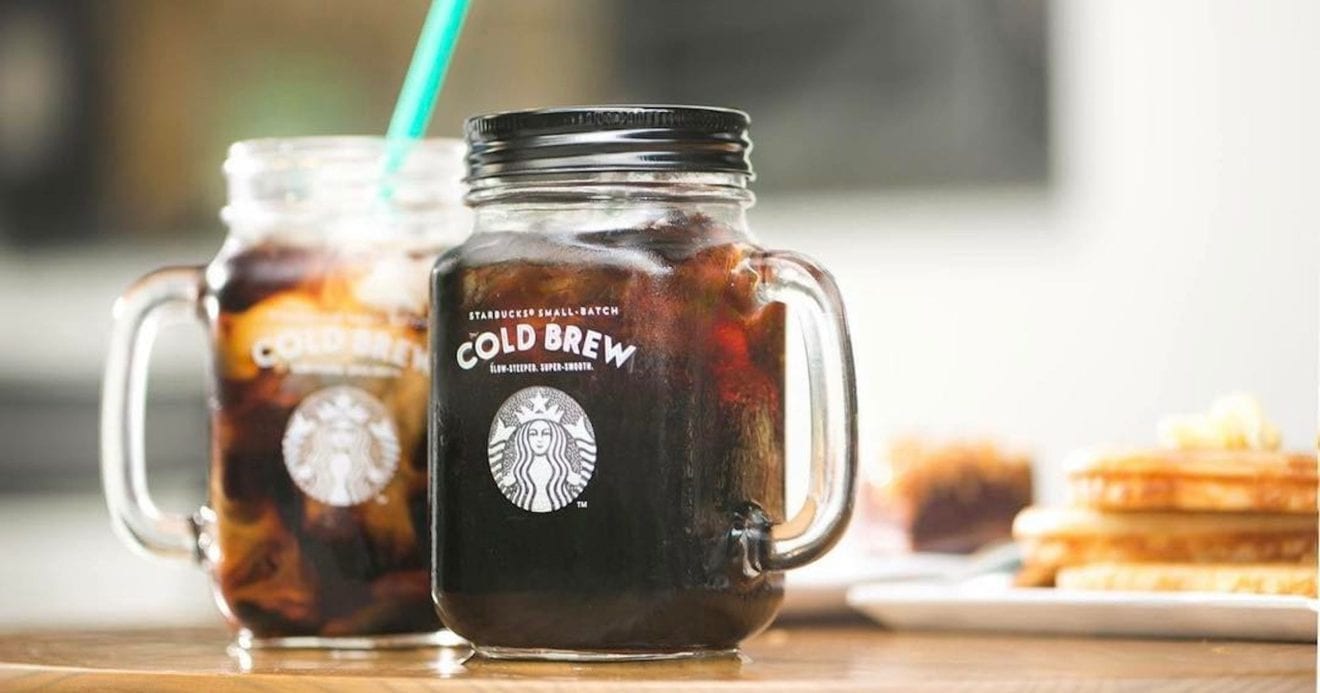
    Starbucks has had an exciting few weeks, with the launch of its barrel-aged coffee, the announcement of its first location in Italy, and two new macchiato drinks. The company has added to this series of new products with the recent debut of cold brew in branded mason jars currently available in Singapore.

    Last year, the company sold mason jars with green caps in South Korea, but the new limited-edition version comes with a black cap instead.

    The jars are emblazoned with the classic Starbucks mermaid logo and appear to come with a screw-top lid.

    Don’t book your tickets to Singapore just yet; the company confirmed to Seventeen that the drinkware is only available in the Southeast Asian island “for now.”

    The mason jars are currently available for 8.90 Singapore dollars ($6.30) retail or SG$5.90 ($4.20) with the purchase of a cold brew.

  • Vietnam’s caffeine thirst puts it in world’s top growing coffee markets

    Vietnam’s caffeine thirst puts it in world’s top growing coffee markets

    The Southeast Asian nation ranks only behind Indonesia, Turkey and India in retail value growth.

    Vietnam has one of the world’s fastest growing retail coffee markets, trailing only behind Indonesia, Turkey and India, a global market intelligence agency said in its latest report.

    The compound annual growth rate (CAGR) of Vietnam, measuring the average value growth in the 2012-2016 period, stood at 14.9 percent, while Indonesia’s market jumped 19.6 percent, followed by 17.5 percent in Turkey and 15.1 percent in India, Mintel said in the report.

    vietnams-caffeine-thirst-puts-it-in-worlds-top-growing-coffee-markets

    Asian markets, where growth is being driven by a surge in innovative coffee products, make up the majority of the world’s fastest growing coffee markets, while European markets plus Australia are among the slowest, the report said. It did not give any market values.

    Even though Germany, the United States, Italy and Spain top the 2016 list of importers of Vietnamese green coffee beans based on Vietnam’s government data, Mintel’s findings suggest that European nations mostly process the bitter variety and re-export the finished products.

    Instant coffee dominates the retail market in Asia. Out of the new coffee products launched in 2016, 42 percent were soluble coffee granule products in Asia Pacific, while the figure was 20 percent in Europe and a mere 6 percent in North America.

    The global coffee market’s retail volume grew 2.7 percent last year from 2015, slightly up from an annual rise of 2.5 percent the previous year, Mintel said.

    “The global coffee industry continues to experience healthy growth, driven by Asian markets in particular,” said Jonny Forsyth, Global Drinks Analyst at Mintel. “Asia has far more growth potential as traditionally tea drinking consumers are converted slowly but surely into coffee drinkers.”

    The International Coffee Organization estimated the CAGR of Vietnam’s coffee consumption at 8 percent for the four-year period ending in 2015/2016, the second-fastest growth rate among the world’s coffee exporting nations after the Philippines. The crop year lasts between October and September.

    The London-based ICO estimated Vietnam’s coffee consumption at around 140,000 tons in the 2015/2016 season, or 8 percent of output, up slightly from 130,000 tons used domestically the previous season.

  • Vietnam sees full state exit from sugar mills by end 2017

    Vietnam sees full state exit from sugar mills by end 2017

    Sugar output in 2015-2016 drops to 1.2 million tons as a drought damaged sugarcane areas last year. The Vietnamese government has set a target to fully divest from sugar mills by the end of this year, which is aimed at raising the competitiveness of the sugar industry, a local newspaper reported Monday.

    The government has started reducing state stakes in domestic sugar refineries since 2014 and at present only has investment in one company, quoting chairman Pham Quoc Doanh of the Vietnam Sugar and Sugarcane Association as saying.

    He said the government has planned to sell all its 70-percent stake in the Vietnam Sugarcane and Sugar Corporation II by the end of this year to complete its divestment from the sugar industry.

    “Thanks to (the divestment), production and business of the sugar industry will be the fairest compared with other industries,” Doanh was quoted by the newspaper as saying.

    Vietnam’s sugar industry, primarily based on sugarcane, is considered less competitive than Thailand, which ranks as the world’s second-largest exporter of the sweetener.

    Doanh said prices and the quality of sugarcane, rather than the processing technology, are placing Vietnam’s sugar industry behind Thailand.

    Thai plants are buying a ton of sugarcane at $26 while Vietnamese refiners have to pay $40-$53 a ton, and Thai sugarcane also has a higher sugar content, he said.

    Vietnam refined 1.24 million tons of sugar in the cane crushing season that ended September 2016, down 12.7 percent from the previous 2014-2015 season, due to a drought and salination in the southern region. The sugar production year lasts from October to September.

    The country’s 2016-2017 sugar output has been projected to rise 13 percent to 1.4 million tons, the sugar association has said.

  • Fluff Bakery taking cupcakes international

    Fluff Bakery taking cupcakes international

    Four years after opening cupcake shop Fluff Bakery, a Singapore couple plans to launch franchises in Indonesia and Malaysia.

    Ashraf Alami and Nursyazanna Syaira Mohammad Suhimi left their jobs to set up in a shophouse four years ago, and from 600 cupcakes a day they now sell double that.

    Their venture has been highlighted in Parliament by Minister for Trade and Industry S Iswaran when talking about bright spots in Asean countries and the potential for small businesses in the region.

    “A rising middle class has created demand in sectors such as retail and food and beverage,” he said. “The digital economy also presents unprecedented opportunities for companies – no matter how small – to reach out.”

    Fluff Bakery’s social-media presence has found fans as far away as Malaysia, where it has launched some pop-up stores. The first saw all 500 cupcakes snapped up in 30 minutes, and the second time around they sold 1000 cupcakes in about an hour.

    Ashraf says they hope to open a store in Kuala Lumpur in May.

    Meanwhile, it its latest budget Singapore’s government has pegged S$600 million (US$424.5 million) to establish an international partnership fund to help Singapore firms scale up and internationalise.

    “As an SME, expanding overseas is very daunting, because you don’t have many resources,” says Ashraf. “Any assistance or guidance – financial, networking – is more than welcome.”