Category: Food

Retail News Asia is committed to providing both local and global retailers with the latest Food and Food & Beverage news throughout the Asian market. This on a daily base.

  • Vietnam’s coffee prices hit highest since late 2011 on lack of good beans

    Vietnam’s coffee prices hit highest since late 2011 on lack of good beans

    Vietnam’s domestic coffee prices edged up this week to the highest since late 2011 on a shortage of beans qualified for exports as the harvest has been hit by rain, traders said.

    Unseasonal rain from October to December last year in the Central Highlands coffee belt delayed the 2016/2017 crop harvest, resulting in more black and broken beans, with one exporter saying quality was at its worst since 2008. The rainy season normally ends in early October in Vietnam, the world’s top robusta producer and exporter.

    Prices rose to a range of VND46,700-47,300 ($2.05-2.08) per kilogram of robusta on Monday in Dak Lak Province, Vietnam’s largest coffee growing area, from VND46,500-47,100 last Friday when May robusta futures ended nearly unchanged at $2,184 per ton on London’s market. Vietnamese coffee prices closely follow London’s futures.

    At VND47,300 per kg, prices are the highest since the week ending September 16, 2011 when the beans stood at VND47,400. The bitter beans are used mostly for making instant coffee.

    “Nobody is selling, and the raw material is too bad for processing, while there is a lack of export-standard coffee,” said a Vietnamese dealer in Buon Ma Thuot, the capital of Dak Lak. The province produces one third of Vietnam’s total coffee.

    Without using the color sorting machine, the black and broken bean ratio reached 7-8 percent, he said, well above the export standard that requires the defect rate to be at only 5 percent. The dealer declined to be identified by name, but his company has a factory in Dak Lak for processing and exporting robusta beans.

    The shortage of export-standard beans has emerged earlier than expected.

    Last week Do Ha Nam, general director of Intimex, Vietnam’s largest coffee export firm, said that Vietnam could fall short of beans in May or June due to rising shipments and dwindling domestic stocks.

    On the other hand, the price hike shows India’s ban on the import of Vietnamese coffee in place since March 7 has little impact on Vietnam’s market. India often buys Vietnamese robusta grade 3, with 25 percent black and broken beans.

    “India has stopped its import, thus raising the volume of Vietnam’s low-quality coffee,” the Dak Lak-based dealer said, referring to India’s ban, which also targets pepper and four other commodities from Vietnam.

    India’s ban was issued after Vietnam had ruled to suspend the import of India’s five commodities for 60 days starting March 1, citing the infection of peanut beetle.

    Businesses in both countries have opposed the restrictions, saying the import right should be brought back to avoid negative impact on prices, while cargoes infected by insects should undergo fumigation as usual.

    Last Friday the Vietnamese government said it had requested the Indian government to abolish the ban.

    A Vietnam Pepper Association official was quoted by a local newspaper as saying amendments to the restrictions would be made after officials from Vietnam’s agriculture ministry met with the Indian embassy in Hanoi last Thursday to tackle the issue.

    The low-quality coffee beans are estimated to account for 20-30 percent of Vietnam’s output in the 2016/2017 harvest that ended in January, well above the ratio of 1-13 percent observed in previous years, the Dak Lak-based dealer said.

    “Rain during the harvest has caused early flowering, and which could result in multiple stages of harvesting as cherries will ripe at different time,” he said.

  • Starbucks Asia boosts digital engagement

    Starbucks Asia boosts digital engagement

    Starbucks Asia has debuted its mobile Order and Pay app in Hong Kong and India.

    Starbucks globally already offers the largest and most robust mobile ecosystem of any retailer in the world, with more than 12 million Starbucks Rewards members, 8 million mobile paying customers with one out of three now using Mobile Order & Pay, and more than US$6 billion loaded onto prepaid Starbucks Cards in North America during the past year alone.

    Now Starbucks has expanded its digital platform to Asia Pacific with the launch of the Mobile Order and Pay program in Hong Kong and India.

    Starbucks Hong Kong and Tata Starbucks Private Limited are the first retailers in their markets to launch a mobile-ordering feature using its mobile payment technology combined with a loyalty program.

    Customers can choose a store from a map view, browse, select and customise beverage and food items – including the option to modify the size, number of espresso shots and dairy selections – view the estimated pick up times and pre-pay for the order – all within the Starbucks app. Every order is freshly prepared and ready for pick-up in the beverage handoff area. Members can easily collect Stars and earn rewards with Starbucks Rewards loyalty program.

    “Hong Kong is one of the busiest cities in the world and our customers have a very high expectation of convenience,” said Norbert Tan, executive director, Starbucks Hong Kong and Macau. “Starbucks is committed to exploring digital innovations which deliver meaningful value and convenience that enhance the Starbucks Experience.”

    The Mobile Order & Pay feature will be accessible through an update to the Starbucks mobile app. Customers who do not yet have the app can download it from the App Store or Google Play.

    Sumitro Ghosh, CEO of Tata Starbucks India, said mobile app will help meet Indian customers’ needs while serving them seamlessly on the My Starbucks Rewards program.

    “This digital innovation underscores our continued commitment to drive innovation and provide an exceptional and convenient customer experience in our stores across the country.”

  • Max’s Group eyes more stores as profit grows

    Max’s Group eyes more stores as profit grows

    Max’s Group, the listed dining group, has reported a 12 per cent increase in profit last year as sales rose across all of its banners.

    The company recorded total income of of P561.74 million for 2016, up from P501.39 million the prior year.

    And CEO Peter H. King says better is to come this year. “We remain bullish on the pace of our global business. Our focus this year is to boost recurring income by accelerating store development. Nonetheless, we shall constantly be on the lookout for fresh territories.”

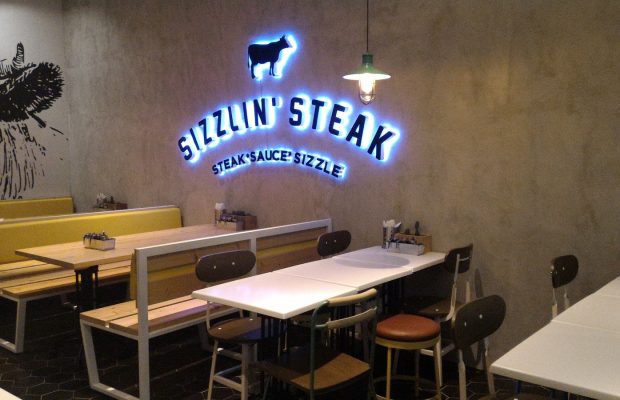
    Max’s Group’s brands include Yellow Cab Pizza, Pancake House, Sizzlin’ Steak and Max’s Restaurants.

    President  Robert F. Trota said the company was able to execute successful strategies amidst “a rapidly intensifying competitive environment”.

    “Overall, it was another productive year for us.”

    Restaurant sales rose 10 per cent to P9.42 billion driven by the opening of 77 new stores and solid same-store sales performance.

    Max’s group now has 623 stores, including 49 overseas. It is targeting 1000 outlets by 2020, 200 of them offshore, and has budgeted P750 million to P800 million to open between 60 and 70 this calendar year. It already operates stores in the UAE, the US, Singapore, Egypt, Jordan and Vietnam.

    The company’s online and delivery business performed exceptionally well last year, with revenues up 24 per cent to P1.08 billion.

  • Starbucks Coffee Korea sales booms

    Starbucks Coffee Korea sales booms

    Starbucks Coffee Korea said its annual sales topped the 1 trillion won (US$884.17 million) mark for the first time ever last year.

    The local franchise of the US coffee giant, which is operated by retail conglomerate Shinsegae, debuted in South Korea in 1999.

    Annual sales rose 29.6 per cent from the 773.9 billion won of 2015.

    Operating profit also increased 81.2 per cent year-on-year to 85.4 billion won in 2016.

    As at the end of February, Starbucks operated 1008 shops across the country.

    Industry observers said Starbucks’ record is astonishing as annual sales of other players such as Twosome Place and Angel-in-us Coffee are averaging between 100 and 200 billion won.

    “Starbucks gained popularity among women in their 20s and 30s who are attuned to the latest consumer culture of the United States,” an analyst said, adding that Starbucks has constantly launched new menus.

    Starbucks acquired tea retailer Teavana in 2012 and has since rolled out various tea menus along with bakery products.

  • MK Restaurants plans US$11m expansion

    MK Restaurants plans US$11m expansion

    Thailand’s MK Restaurants Group plans to invest about Bt400 million (US$11.3 million) a year over the next five years to expand in Thailand as well as its overseas markets, including Singapore.

    Chairman/CEO Rit Thirakomen says the group will open 15 MK branches in Thailand this year, together with 25 Yayoi and five Miyazaki Japanese restaurants. Three or four franchised restaurants will be added to each overseas market.
    “We are also open for acquisition deals with select companies in food, services and retailing, so they will be able to use our infrastructure and logistics,” says Thirakomen.

    MK Restaurants Group’s sales rose 4 per cent to Bt15.49 billion last year, but its profit spurted 13 per cent to Bt2.1 billion. It projects growth at 5 to 9 per cent annually for five years.

    The group’s first MK Live flagship restaurant was officially unveiled at The Emquartier shopping mall in Bangkok yesterday, targeting health-conscious and “lifestyle” consumers. It has 135 seats.

    MK’s other brands are Hakata Ramen, Le Petit coffee shop and bakery, Le Siam Thai Restaurant, Miyazaki Teppanyaki, MK Restaurants, MK Gold Restaurants, Na Siam Thai Restaurant and Yayoi Japanese Restaurant. As well as 600 outlets in Thailand, the group has 40 franchised outlets in Indonesia, Japan and Vietnam.

    It has also set up a JV in Singapore to run its restaurants there, including MK, Miyazaki and Yayoi.

    Rit says that under its third-generation management team, MK Restaurant Group has outlined a major expansion plan for this year to cash in on the burgeoning Thai food industry, predicted by Kasikorn Research Centre to grow at 2 to 4 per cent to about Bt390 billion this year.

    Assistant marketing director Tantawan Thirakomen says MK Live is a suki (hot pot) restaurant designed to attract teenagers, young adults and families.

    “The store is decorated to reflect a vegetable greenhouse, with natural decorative items – wood, trees and rocks – as well as hydroponic vegetables displayed on the walls,” she says.

    A feature is its Live Showcase open kitchen where customers can see the chefs working on their meals, including dim sum and meatballs. Also on the menu are lobsters from Canada, scallops from the US and Wagyu beef from Japan.

  • Muslim Indonesia Joins Global Craft Beer Revolution

    Muslim Indonesia Joins Global Craft Beer Revolution

    Defying an escalating anti-alcohol movement and conservative bureaucrats in the world’s most populous Muslim-majority country, Indonesia’s only craft brewer is tapping into demand for better quality booze among the country’s small number of drinkers.

    Despite the fact about 90% of Indonesia’s population is Muslim, and in theory banned from drinking, most practise a moderate form of Islam and alcohol is available in cities and holiday destinations, with local brewers producing mostly Pilsner lagers.

    Unimpressed by the generic, mass-produced drinks on offer, local businessman Bona Budhisurya and his brother-in-law Jacob Suryanata decided to come up with an alternative, and in 2011 introduced Stark craft beer with a wheat and dark wheat variety.

    “We had been abroad and drank a lot of good quality beer,” said Budhisurya, a member of Indonesia’s Christian and ethnic Chinese minorities, adding that on his return to Indonesia he found that “there was no quality beer here”.

    By producing such brews – generally defined as beverages created in small, independent breweries – they have made Indonesia an unlikely new addition to the global craft beer revolution.

    The trend has seen micro-breweries spring up worldwide as consumers sick of flat, flavourless ales and gassy lagers seek out something with more character. Major beer-consuming countries – such as Britain and the United States – have seen explosive growth in the sector.

    Since its launch, Stark has expanded to include six varieties, including lychee- and mango-flavoured beers and an Indonesian Pale Ale, a less bitter alternative to Indian Pale Ale. But setting up a brewery is a risky move nowadays in Indonesia.

    Although most Indonesians are moderate Muslims and alcohol has long been available, growing opposition from politicians pushing a more conservative brand of Islam has created an uncertain climate.

    The government banned beer sales in the country’s ubiquitous minimarts in 2015, leading to sharp profit falls for major brewers, and Muslim political parties have proposed legislation to prohibit booze consumption entirely, although it seems unlikely this will pass.

    Trouble brewing

    It is hard to get permission to brew alcohol and only a handful of companies – such as Multi Bintang which produces popular local lager Bintang, and is majority-controlled by Dutch brewer Heineken – possess licences that they have had for decades.

    Budhisurya – who studied in the US for several years – eventually managed to obtain a licence in Hindu-majority Bali, a popular holiday island where drinking is more common, and Stark set up its brewery near the town of Singaraja.

    The site has a staff of about 50, including a head brewer hired from Australian beer maker Little Creatures. The company says brewing in Bali gives them an edge as they have easy access to clean water, unlike some other brewers whose operations are near Jakarta where water is often polluted and must undergo a long filtering process.

    “We have a principle – if the water is not good, we can’t make the beer,” told Albert Kurniawan, operations manager at Stark’s brewery,  from the red-brick building.

    Budhisurya said that the biggest challenge has been dealing with the official Food and Drug Monitoring Agency, which must approve alcoholic beverages before their release. He said the official time to get approval from the agency, which is staffed by conservative bureaucrats, is about four months, but in reality it takes six months to a year.

    Still, Stark has persevered and carved out a small niche by mainly selling to bars and some supermarkets favoured by a growing number of Indonesian consumers. Stark says its beers offer a quality alternative to pricey imported ales. It is so far proving a modest success, with about 3,000 to 5,000, 24-bottle cases sold every month, mostly in Jakarta and Bali.

    Due to religious considerations and high taxes that push up prices, relatively few Indonesians drink – alcohol consumption in 2015 was an average of just 1.4 litres per person, according to BMI Research. But the market is still potentially huge in a country of 255 million people, and Stark sees a bright future.

    “It does not matter whether it is local or imported – we are a craft beer, which means quality,” Budhisurya said.

  • Delfi to exit venture with Meiji in Indonesia

    Delfi to exit venture with Meiji in Indonesia

    Singapore-based confectioner Delfi today announced plans to pull out of PT Ceres Meiji Indotama (CMI) – a confectionery manufacturing joint venture in Indonesia with Japanese pharma-to-food group Meiji Holdings.

    Delfi said the proposed sale of its 50% stake in CMI for US$8.3m will allow Delfi to “re-deploy financial and human resources to focus on growing our business, both in Indonesia and our regional markets”.

    Following completion of the sale, which is subject to various regulatory approvals, Delfi said CMI will cease to be an associated company and the joint venture agreement with Meiji will be terminated.

    Delfi said its involvement in CMI, a confectionery manufacturer and retailer, “has spanned more than 15 years and over that period, it played an instrumental role in developing the business of CMI and the Meiji brand in Indonesia”.

    However, following “an extensive review” Delfi said it believed CMI “is best suited to continue growing under the stewardship of Meiji”. The proposal to terminate the joint venture is the result of a “mutual and amicable agreement”, Delfi said.

    The proceeds of the sale “will further strengthen the financial position of the company and allow it to focus its resources on existing investments”, Delfi said. “Despite the sale… the relationship between Delfi and Meiji remains strong and Delfi’s subsidiary in Indonesia, PT Nirwana Lestari, will continue to distribute CMI’s products.”

  • HSC estimates Vinamilk shares worth $6.70

    HSC estimates Vinamilk shares worth $6.70

    According to HSC, Vinamilk’s shares are valued at VND152,000 ($6.7), higher than the current price of VND130,000 ($5.7). A representative from HSC, however, told that its price is only a forecast based on the price of raw milk and may change.

    Vinamilk owns ten farms around the country with over 17,000 heads of cattle. HSC estimates that, in 2016, its farms supplied 42,654 tons of raw milk, up 13 per cent and contributing 7 per cent of the company’s raw milk input.

    HSC also estimates that Vinamilk’s total raw milk from its farms and from buying from dairy farmers reached 221,433 tons in 2016, up 10.6 per cent against 2015. Net revenue is expected to reach over VND53.1 trillion ($2.3 billion) this year, up 13.6 per cent, and after-tax profit VND10.1 trillion ($444.4 million).

    According to HSC, Vinamilk will maintain stable growth thanks to the potential of its core business. It can maintain double-digit revenue growth in 2017 and the dairy sector will continue to grow at an average rate of over 10 per cent.

    It forecast that Vinamilk’s average annual growth rate in net sales from 2017 to 2020 will be 10.9 per cent and after-tax profit 9.3 per cent.

    Vietnam’s largest dairy producer began operating the country’s first-ever organic dairy farm under European standards in the central highlands province of Lam Dong on March 14.

    The farm has investment capital of $8.7 million, is certified by the Netherlands-based global network of inspection operations, Control Union, and has a herd of 500 imported cows. “We apply close monitoring measures to ensure the herd only produces high-quality milk,” said Ms. Mai Kieu Lien, Vinamilk’s CEO.

    The farm reflects the company’s commitment to clean and sustainable production, she added, with Vinamilk wishing to make high-quality products available to Vietnamese consumers at reasonable prices.

    Vinamilk’s revenue was estimated at $2 billion in 2016, up 15 per cent compared to 2015. Pre-tax profit stood at VND11.2 trillion ($492.8 million) and after-tax profit VND9.3 trillion ($409.2 million).

    It targets revenue of $3 billion this year. If reached, Vinamilk would break into the Top 50 milk producers in the world.

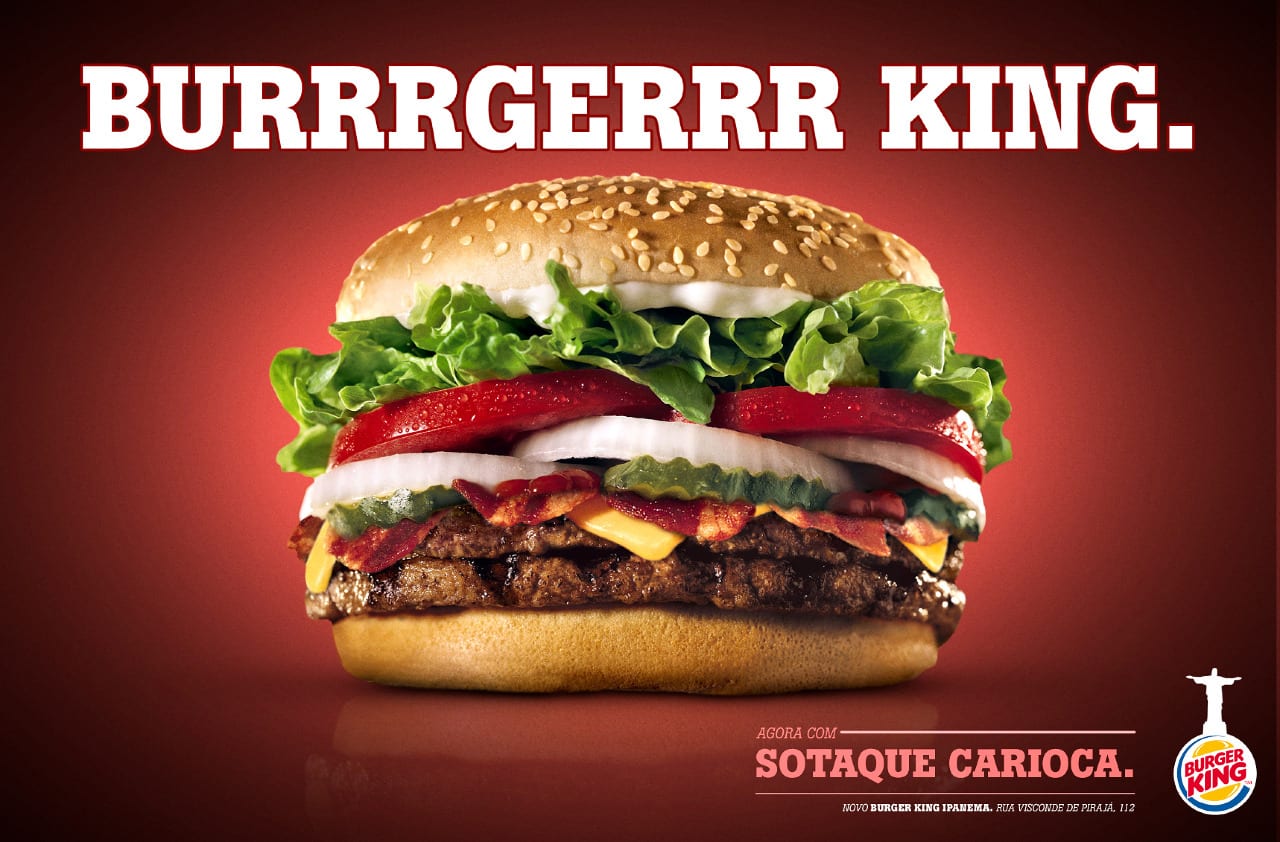
  • Burger King announced as the Cannes Lions Creative Marketer of the Year 2017

    Burger King announced as the Cannes Lions Creative Marketer of the Year 2017

    The Cannes Lions International Festival of Creativity has today announced Burger King as the Creative Marketer of the Year 2017. The award will honour Burger King for embracing and encouraging creativity across their brand communications and for the inspiring global marketing of their products.

    Burger King has a hugely successful track record at Cannes Lions. The company has totalled 76 awards, including two Grands Prix in 2016 for the ‘McWhopper’ campaign, in Print & Publishing and Media. Burger King also took home a Titanium Grand Prix in 2007 and achieved their first win in 1969, a Silver Lion for ‘Skinny Burger’. Since its launch in 1954, the company has expanded to become one of the largest quick-service restaurants in the world, welcoming more than 11 million people in over 100 countries daily.

    “Burger King is a brand that’s built a reputation for marketing campaigns that are bold, courageous and innovative, constantly challenging the limits of creative excellence,” said Philip Thomas, Chief Executive of Ascential Events. “Burger King believes that being a brand with purpose can achieve long-term advantages and deliver strong business results. That’s why the company is making such an impact.”

    Axel Schwan, Chief Marketing Officer of Burger King, and Fernando Machado, Head of Brand Marketing at Burger King, will collect the award during the 64th Cannes Lions International Festival of Creativity, taking place from 17-24 June 2017.

    Axel Schwan commented, “Creativity is a critical factor when it comes to helping us stand out from the pack and punch higher than our weight. This principle is applied to everything we do, from the way we differentiate ourselves by flame-grilling our burgers to the ground-breaking advertising campaigns we create.”

    Fernando Machado added, “This award is a tribute to the consistently strong creative work done by the Burger King brand over time.”

    Cannes Lions celebrates the ‘Best of Burger King’ on Stories, the new editorial arm of the Festival. From classic campaigns that kick-started digital marketing to modern masterpieces of integration, find out more about some of Burger King’s most famous ads here: https://www.canneslions.com/stories

    Cannes Lions International Festival of Creativity

    Cannes Lions runs for eight days from 17-24 June, in Cannes, France. The main Festival venue is the world famous Palais des Festivals. A ‘Complete’ pass includes entry to all official Festival talks, Awards shows, networking and evening events across the eight days. Passes giving access only to the specialist events – Lions Health, Lions Innovation and Lions Entertainment – which take place right next door to the main Festival venue, are also available.

    Lions Health 17-18 June

    Lions Innovation 19-20 June

    Lions Entertainment 21-22 June

  • Legoland Japan and its food inovation

    Legoland Japan and its food inovation

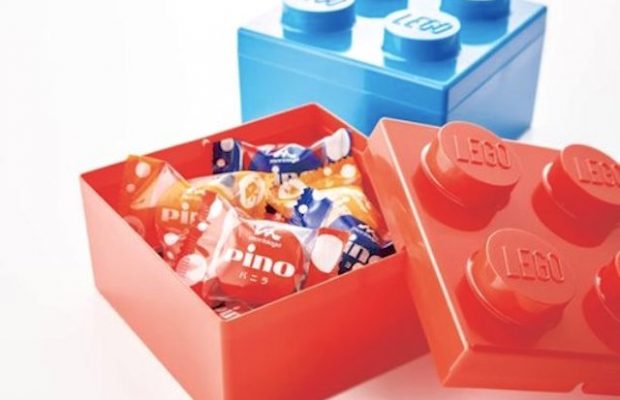
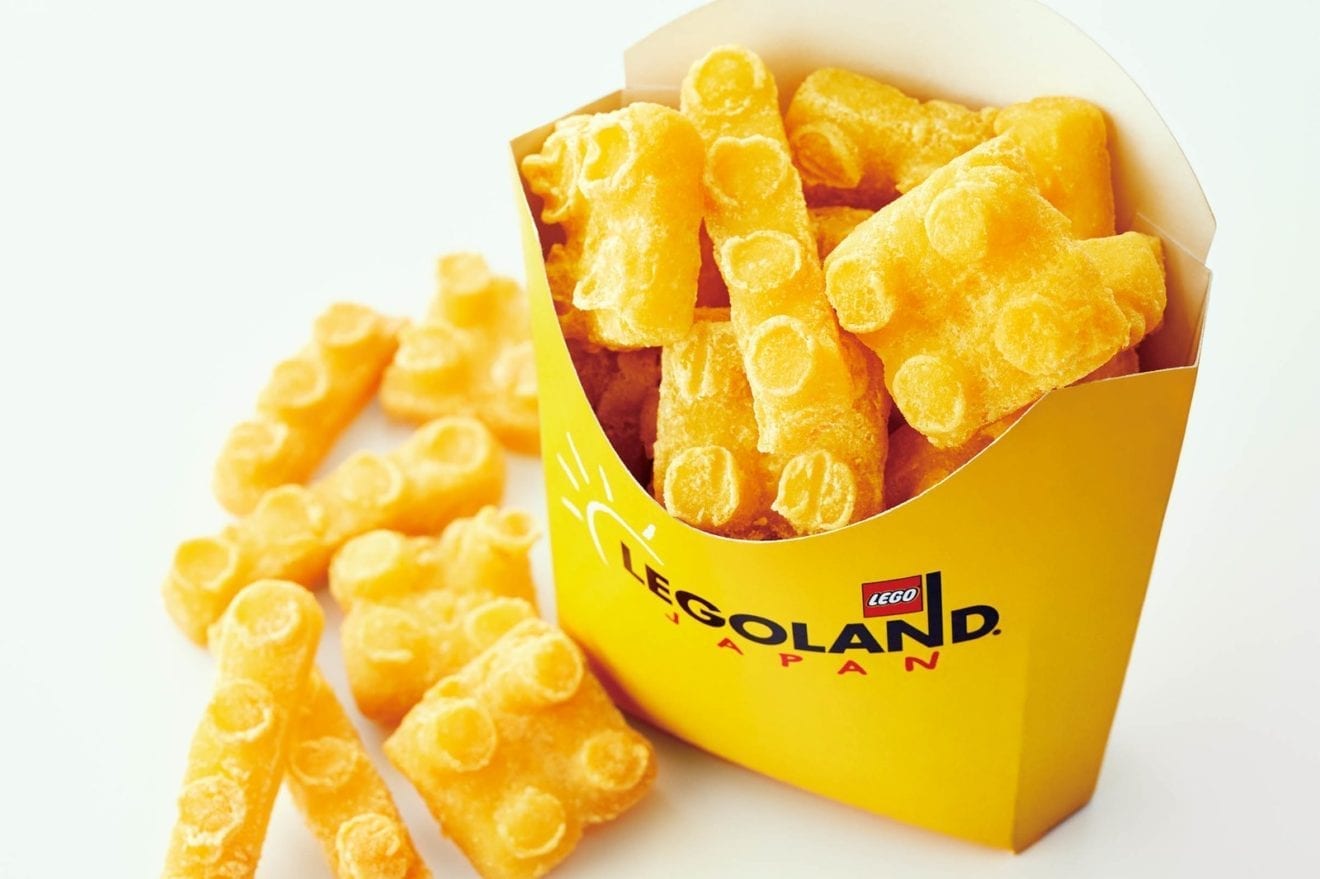
    When Legoland Japan opens in Nagoya next month, its restaurants and stalls will offer a range of themed food items.

    Its “potato bricks” have the same shape as the toy building blocks, iced treats are served in giant Lego blocks, and children can make their own multi-coloured Abominable Slush drinks in the Bricktopia zone.

    Hot-dogs from the Marina Snack Shack in the LEGO City zone


    There are seven distinct areas in the theme park, with five restaurants and eight food stands. The park opens on April 1, with the nearest train station being Kinjo Futo, about a 20-minute trip south from Nagoya station.

    Meanwhile in Tokyo, there is always the Lego Discovery Centre at Decks Tokyo Beach Island Mall, plus the Brick Burger restaurant in the Philippines.

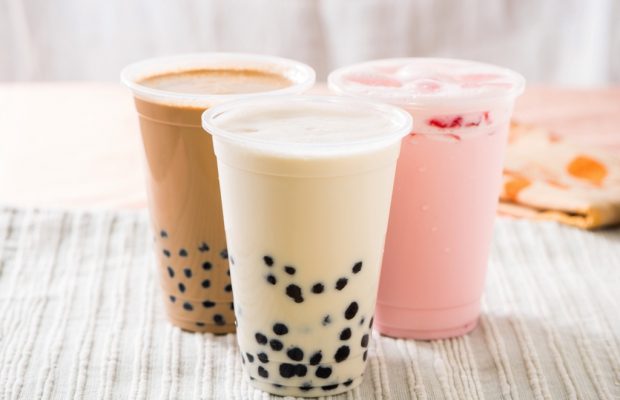
  • International brands battle for Vietnam milk tea market

    International brands battle for Vietnam milk tea market

    As Vietnam’s economy grows the Vietnam milk tea market has become a battleground for foreign franchises.

    The latest debutant is Taiwanese milk tea brand T4, founded in 2004,  and which has steadily built an international network now including Malaysia, Thailand, Indonesia, China, the UK and the US.

    The first T4 outlet in Vietnam is a two-storey building, located on Phan Xich Long street in Ho Chi Minh City, a popular destination for milktea fans, where consumers are spoilt for choice.

    Next on the scene is Tealive, a new brand from the former Malaysian master franchisee for Chatime.

    And while new names are coming, current players are expanding their networks, in a market share battle even more fierce than the notorious coffee market stoush.

    Gong Cha, Hong Kong-based Taiwanese milk tea chain, plans to boost franchise this year, after building a strong foothold in Ho Chi Minh City with 10 outlets. Now, Gong Cha is opening two stores in Hanoi and one in Danang, with more to come in other cities, including Haiphong.

    Considered a prime competitor for Gong Cha, Koi The came to Vietnam in September 2015, and currently operates seven outlets in Ho Chi Minh City, all located in busy downtown sites or shopping malls.

    Nguyen Hoai Phuong, a spokesperson for Gong Cha Vietnam, previously told a local newspaper that milktea is the weapon to win in Vietnam’s beverage cafe market, largely due to the youthful Vietnamese population.

    That might well be the reason why more and more international brands are planning Vietnam expansion.

    More big names have just joined the segment – Queeny, Chachago, Sharetea and Goky.

    Middle market players include Bobapop, Teacup and Dingtea, the oldest player in the sector. Dingtea landed in Vietnam in 2014 and has now built a network of nearly 100 outlets across the country. It has 350 stores in China and 650 globally.

    In this battle, local brands seem to struggle, with only a few names having gained a reputation and real market penetration. Hot and Cold might be considered the most successful, a pioneer in the Vietnam milk tea market since 2011. Charting a different course to most of its rivals, Hot and Cold grew market share with a customised menu and finger food.

    Given the size of the market and Vietnam’s young population, many more milk tea and juice brands are expected to try their luck in due course, making the battle for share even more fierce.

  • Vietnam’s 2017 coffee exports may dip on low stock as uncertainty mounts

    Vietnam’s 2017 coffee exports may dip on low stock as uncertainty mounts

    A coffee association sees shipments fall 25-30 percent this year. Coffee exports from Vietnam, the world’s second-biggest producer after Brazil, may dip in the calendar year of 2017 due to thin carryover stocks while production of the next crop could be threatened by a lack of water, industry officials said.

    A lower export volume from Vietnam, the largest producer of robusta beans, could tighten global supply of the bitter variety and inflate roasters’ production costs, given a deficit already projected for the ongoing 2016/2017 crop year ending in September.

    The world would face another coffee deficit this season, the third in a row, as production estimated at 151.62 million bags stays below consumption of 155 million bags, the International Coffee Organization said in its February report. Each bag contains 60 kilograms of beans.

    Unseasonal rain in late October and early November last year had delayed harvest of the current crop, traders said. Earlier in 2016, the worst drought in decades damaged some robusta plantations in the Central Highlands coffee belt but did not cut into overall output.

    Growers often pick robusta cherries from late October to January. Rain in most of the October-December period of 2016 had not only slowed the process but also disrupted drying.

    “The rain has caused early blossom in some areas and the flowers are often ruined during the first phase of watering,” Luong Van Tu, chairman of the Vietnam Coffee and Cocoa Association (Vicofa), said Monday. Watering has now been under way in the region comprising five provinces.

    While Vicofa has not made any output forecast for the next 2017/2018 crop, saying it was still too early, the losses of early flowers might lead to a smaller crop, Tu told.

    He has been to Dak Lak Province in the Central Highlands over the weekend to attend a national coffee festival aimed at increasing sustainable production as well as boosting consumption of the beverage and promoting tourism to the region, which provides up to 90 percent of Vietnam’s total output.

    Tu said Vietnam’s coffee exports this year could drop by around a quarter due to “very low stocks” brought forward from the previous season. He gave neither specific volume nor statistics for the stock.

    The U.S. Department of Agriculture (USDA) estimated Vietnam’s coffee stocks at the end of the 2015/2016 season at 230,000 tons, or 3.83 million bags, down 40 percent from the previous season.

    Vietnam exported a record 1.74 million tons between October 2015 and September 2016, based on Vietnam Customs data.

    Exports in 2016/2017 are projected to fall around 12 percent to 1.56 million tons, the USDA said in its December 2016 coffee report.

    Besides, higher domestic consumption and a rising export volume of finished coffee products would also reduce Vietnam’s export of semi-processed beans, industry officials said.

    In 2016, Vietnam’s coffee shipments fetched $3.34 billion, with around 10 percent coming from finished products, Tu said.

    Vietnam has one of the world’s fastest growing retail coffee markets, trailing only behind Indonesia, Turkey and India, global market intelligence Mintel said earlier this month.

    Water

    At a seminar on Sunday in Buon Ma Thuot, the capital city of Dak Lak, Vietnamese industry officials discussed ways to cope with climate change and ensure sustainable coffee production.

    Climate change, with falling rainfall in recent years, and a third of the region’s coffee trees being old have reduced yields, the Dak Lak government said in a statement late Sunday. Dak Lak is Vietnam’s largest coffee planting province, producing a third of the country’s total output.

    Rainfall in March, the peak of the six-month dry season, is forecast to be similar to the average level in recent years in Dak Lak and also in Lam Dong Province, Vietnam’s second-biggest grower, the region’s weather station said. The wet season often returns in early May.

    “Underground water is uneven this year, with some places reporting the water could recede 1.5 to two meters (5-6.6 feet) below last year’s level,” Tu said. The problem has emerged in all but the eastern part of the Central Highlands where rain has been sufficient, he said.

    Ample supply of underground water will ensure success for the third phase of tree watering, while water shortages often lead to smaller cherries, affecting overall yields and output.

    Traders said output forecasts made around June/July would provide more precise figures, after the rainy season returns.

  • China set to cut into India, Vietnam rice exports in 2017

    China set to cut into India, Vietnam rice exports in 2017

    Falling demand and overseas competition are expected to bite into Vietnam’s rice exports. India and Vietnam, the world’s leading rice exporters, may see overseas sales fall below previously expected levels due to slowing demand and rising competition from China, the U.S. Department of Agriculture (USDA) said in a recent report.

    India’s rice exports year could fall by 300,000 tons to only 10 million tons “on slower pace and stronger competition in West Africa”, the USDA said in its March report, putting it on a par with shipments expected from Thailand.

    It more than doubled its forecast for China’s rice exports this year to 500,000 tons from 225,000 tons, the report said, citing rising sales in East Asia and West Africa.

    The USDA also cut Vietnam’s rice export forecast by 3.6 percent to 5.6 million tons this year, citing “reduced trade to Southeast Asia and Africa”.

    With the lower projections, India and Thailand will share the world’s largest rice exporter title this year, followed by Vietnam and Pakistan. Last year, India was the world’s biggest rice exporter, followed by Thailand.

    Vietnam’s rice exports in the first two months of this year fell 23.5 percent from the same period in 2016 to 738,000 tons, based on data from Vietnam Customs released this week.

    Rice exports in the two-month month period brought in $314 million, 24.7 percent below the corresponding period in 2016, data showed.

    On a brighter note, Mexico has given the green light for 150,000 tons of rice to be imported at a zero percent tariff, starting from March 1, to meet domestic demand and diversify its supply sources, a move that would cut the market share currently held by the U.S. and open the door to Vietnamese rice.

    “The United States is expected to remain the dominant supplier (for Mexico), but recent history suggests that other suppliers will likely gain additional sales,” the USDA said.

  • Sout Korea Costco stores’ move to all US beef a positive for exporters

    Sout Korea Costco stores’ move to all US beef a positive for exporters

    On the heels of two Costco stores in South Korea beginning the transition to sourcing chilled beef from US sources, with the remaining 11 to make a similar shift from Australian beef to US imports, officials from the Iowa Beef Industry Council (IBIC) were part of a trade mission to get a closer look at the supply chain in South Korea. The US Meat Export Federation’s (USMEF’s) Spring Seminar drew more than 200 representatives to make the Feb. 11-18 trip, which also included members of the Iowa Pork Producers Association and representatives from the beef-processing segment and pork exporting officials from the US.

    USMEF officials coordinated tours of the processing plant and cold storage facility at Haesung Provision and Kyunwoo Foods, followed by a visit to a Costco warehouse in Kwangmyung. The recent resumption of red meat exports to South Korea was a windfall for USMEF and its members and the decision by Costco, the region’s largest importer, to convert the remaining 11 stores to selling US beef exclusively signals more positive trade relations moving forward.

    “The retail market is vital for US beef. Costco’s announcement to move from 17 percent to 100 percent US beef in their stores is exciting for cattle producers,” said Dave Rueber, an IBIC member and Iowa beef producer who was part of the mission. “USMEF has been working on this for 13 years. This will result in a 15,000 metric ton increase in beef purchases this year.”

    Expectations of record exports of chilled beef to South Korea are based on the momentum realized in 2016, when beef exports jumped 31 percent in value (to $1.059 billion) and 42 percent in weight (to 179,280 metric tons).

    Knowing South Korea is one of the most social media-savvy cultures in the world, USMEF invited well-known bloggers and foodservice professionals to network with attendees in addition to hosting a cookbook launch, which focuses on US meats.

    “As beef producers, we cannot become complacent, we must continue to focus on building long-term beef demand and being aware of future opportunities,” said Daryl Strohbehn, another Iowa beef producer who made the trip. “As an industry, we have to continue listening to what our consumers want, including our overseas customers.”

  • Pizza Hut’s new “Pie Tops” shoes can order pizza for you

    Pizza Hut’s new “Pie Tops” shoes can order pizza for you

    Ordering a pizza has stepped up a notch with new “Pie Tops” sneakers being launched by fast-food chain Pizza Hut.

    It is just a matter of the wearer pressing a special button on the tongue of the shoe. This makes a connection with a Pie Topps app, which then arranges to have a pizza delivered to the wearer wherever they are via geolocation technology.

    Dreamed up by advertising agency Droga5, the limited-edition shoes were made by US customised sneaker expert Dominic Chambrone, known as “The Shoe Surgeon”. Alas, they are unlikely to find their way to Hong Kong any time soon.

    Pie tops = pizza hut

    “This is one of those ideas that as soon as we saw it, we wanted to buy it,” says Pizza Hut VP of media and advertising David Daniels.

    The shoes are part of a two-month online ordering promotion for Pizza Hut, and tie in with the March Madness national basketball event in the US. As there are 64 teams in the field for the event, only 64 pairs of the shoes have been made.

    These are being given out to media members and influencers mainly, reports industry magazine Adweek, which says only a few Pizza Hut regulars are likely to score a pair.

    There is no word on who foots the bill for the pizza deliveries.