Category: General

Retail News Asia is committed to providing both local and global retailers with the latest General Retail news throughout the Asian market. This on a daily base.

  • Newest version of WhatsApp on Android introduces competitive new features

    Newest version of WhatsApp on Android introduces competitive new features

    WhatsApp has been hard at work lately, adding features to compete with the likes of Signal and Telegram. However, a few new features are already making their way to the Android app, including one still in the beta testing phase.
    According to WABetaInfo, the new features are in addition to the status update ones announced last week, which were meant for both iOS and Android. These additional new features targeted the Android app specifically and were spotted when they appeared in the release notes of the latest version available via the Google Play Store.
    The version in question is 2.23.3.77, which has an update date of February 13th, and lists the below new features:
    • You can now add captions when sending documents
    • Added support for longer group subjects and descriptions to describe your group better
    • You can now send up to 100 photos/videos at once (vs. 30 previously)
    • You can now create personalized avatars and use them as stickers and profile photos. Go to Settings > Avatar to get started.
    The most prominent and useful one of all the features above, at least to me, happens to be the increase in the number of photos and videos that can be sent all at once within a conversation. Going from 30 to 100 is quite the leap and hopefully enough for even the most active photographers.

    However, one rumored upcoming feature has not yet made it out of beta: Disappearing Messages. The ephemeral message feature, made popular initially by Snapchat, is currently only available in the beta version of the app. Additionally, the beta version also includes a “Kept Messages” folder, which is meant to store the disappearing messages you prefer to keep indefinitely. Sadly, the beta version of WhatsApp for Android is currently full and not accepting new registrations.

    All of these changes come at a time when Will Cathcart, Head of WhatsApp at Meta, is launching an all-out war against Telegram by urging his Twitter followers not to use that app, going as far as to label it as “Russian spyware.” So far, this battle has been beneficial for WhatsApp users in that it has sparked some innovation and new features to be launched. It will be interesting to see how far this goes and how much we as users can get out of it.
  • AirAsia Malaysia Expands Flights to China

    AirAsia Malaysia Expands Flights to China

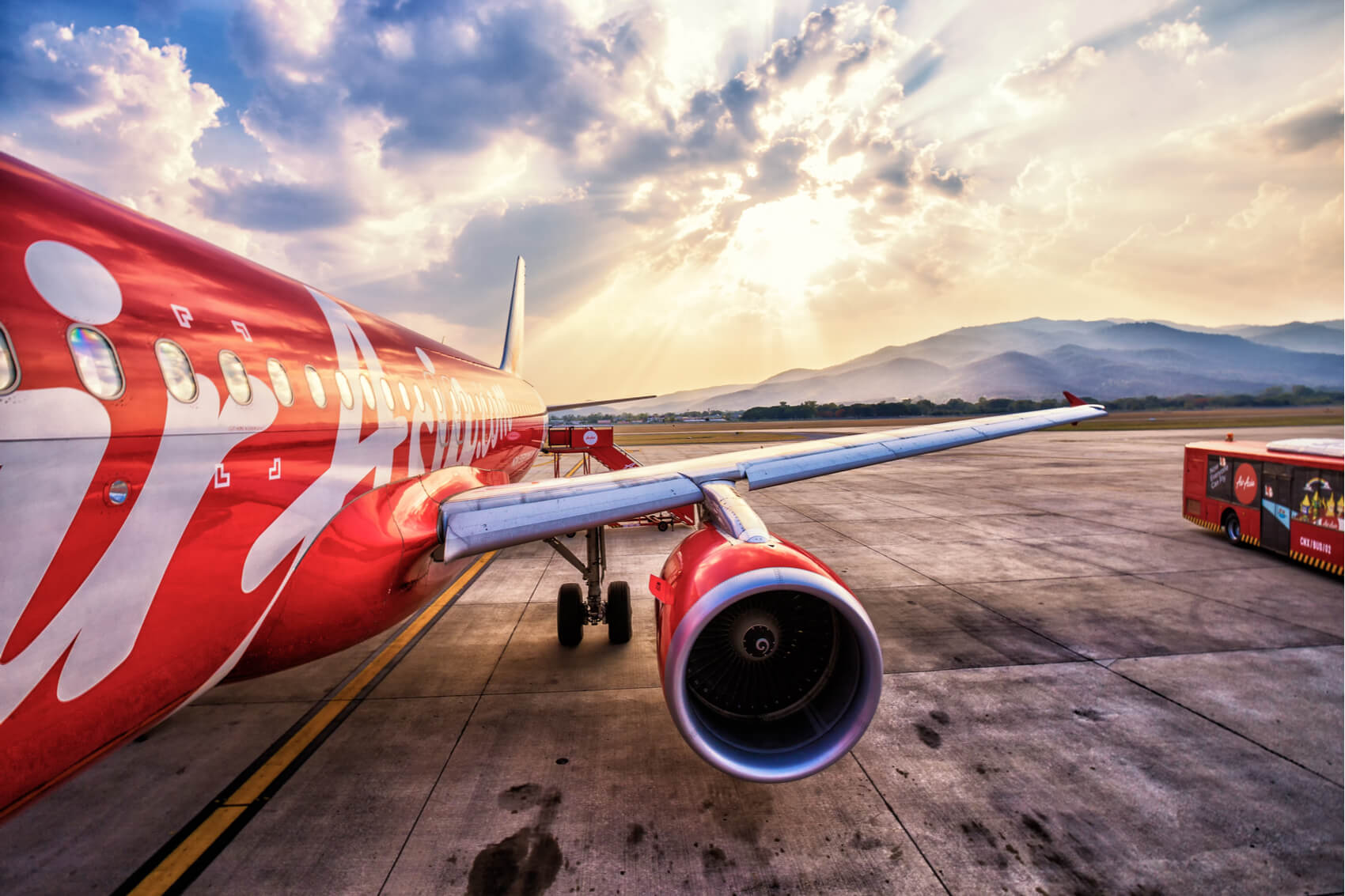
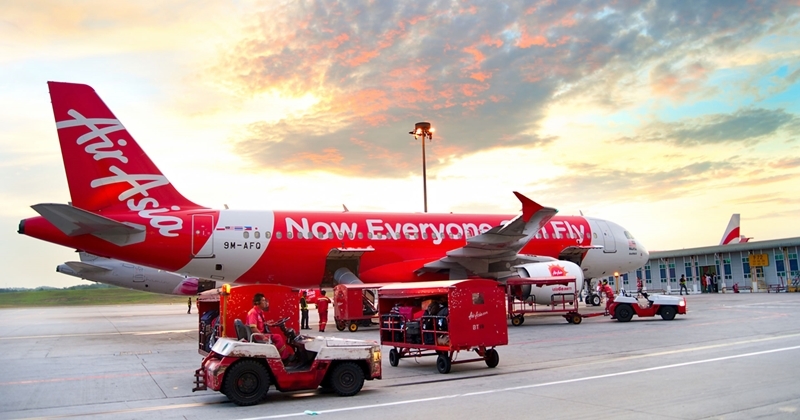
    AirAsia Malaysia (AK) has resumed flights to China and unveiled its plans for the country.

    The popular low cost carrier will resume four China destinations from two hubs – Kuala Lumpur and Kota Kinabalu to Macao, Shenzhen, Guangzhou and Kunming, with a total of 10 flights weekly and plans to increase the frequency by up to 27 flights weekly in March.

    The first flight to/from China recommenced on 10 February 2023 to/from Guangzhou with strong load factors both ways.

    Complementing the resumption of the short-haul destinations, AirAsia X Malaysia (D7) will reconnect Kuala Lumpur to Shanghai, Hangzhou and Chengdu with 10 flights weekly starting 1 March 2023.

    “China is an integral market for AirAsia Aviation Group, where we were the largest international low-cost carrier by capacity pre-pandemic,” said Riad Asmat, AirAsia Malaysia CEO. “Based on the impressive load factor of our inaugural flight to/from Guangzhou, the restart of our services will not only provide greater value and accessibility to essential travellers from Malaysia and tourists from China but will significantly boost tourism, trade and economic growth in both countries.”

    AirAsia Malaysia operates flights with Airbus A320 aircraft while AirAsia X Malaysia operates Airbus A330 aircraft featuring flatbed seats in its premium cabin.

    Benyamin Ismail, AirAsia X Malaysia CEO, said, “China will be our next primary market focus as we resume our growth strategy flying our most popular and profitable routes. We have witnessed tremendous success with our services to China in the past where we carried over 1.8 million guests to/from China in 2019 alone. We believe the recommencement of our services to China will be popular for business travellers, international students, those visiting family and relatives as well as stimulating regional demand between two large markets through great value airfares and services.”

    As the entry to China is currently limited to certain visas, travellers are advised to always check the very latest travel requirements of the country they are travelling to.

  • Google Messages’ new icon now appearing for more users in the notification tray

    Google Messages’ new icon now appearing for more users in the notification tray

    The Google Messages icon was updated to a fresh look late last year; however, for most users, the notification icon for the app didn’t quite follow the same design change. This now changing as the notification icon has been changing widely for more users to reflect the new style.

    The reports of the new icon making its rounds initially came from the Google Pixel subreddit where users started noticing the change overnight. It turns out that a subset of Pixel 6 and 7 series users were experiencing an issue where the old Messages icon would appear in the notification tray and on the lock screen, even after the actual app icon had changed.

    The new Google Messages design adopted the same style as the Phone and Contacts app, featuring two overlapping rounded speech bubbles. This was in contrast to the old rectangular briefcase design that felt very outdated.

    The new design was announced as part of the #GetTheMessage campaign Google started to bring awareness to the benefits of using RCS instead of SMS and to encourage Apple to add RCS to its Messages app, complementing iMessage. On top of that, Google also announced a slew of updates to the app that would enrich the experience for RCS users that receive messages from iMessage users, particularly those involving message reactions. Unfortunately, this campaign has had little to no success in changing Apple’s mind.
    As far as the bug where the iconography is inconsistent between the app icon and the notification tray, it thankfully appears to be suddenly resolved with what appears to be an app or server-side update. This isn’t a huge deal as it doesn’t affect functionality, but for those who prefer a more cohesive experience, it was a bit of an eye sore.
  • AirAsia offers 5 million free seats

    AirAsia offers 5 million free seats

    AirAsia pledged 5 million free seats last week to boost travel recovery across the 10 ASEAN countries.

    ASEAN’s top low-cost airline announced it was releasing the free seats* at a joint tourism briefing held with the Minister of Tourism, Arts & Culture, YB Dato’ Sri Tiong King Sing, on 10 February.

    According to the airline, 5 million free seats are available to travellers booking domestic and international flights linking in the 10 ASEAN countries; Brunei, Cambodia, Indonesia, Laos, Malaysia, Myanmar, Philippines, Singapore, Thailand and Vietnam.

    Travellers can fly to Penang, Langkawi, Kuching, Sibu, Kota Kinabalu and more from MYR23* and to international destinations, including Bali, Krabi, Jakarta, Macao, Shenzhen, Guangzhou, Phu Quoc, Ho Chi Minh City, Singapore and more from MYR60*.

    For those seeking to adventure out further, AirAsia X offers flights to Gold Coast, Busan, Taipei, Tokyo and more with all-in low fares from MYR329* one-way economy. The fares are available for bookings until 19 February 2023, with the travel period from 1 March 2023 to 10 December 2023.

    Malaysia’s Minister of Tourism, Arts and Culture YB Dato’ Sri Tiong King Sing, said: “The tourism sector is a major economic driver for Malaysia, accounting for almost 15% of our gross domestic product (GDP), and air connectivity is the backbone of our tourism sector. As we target to receive 15.6 million tourist arrivals with MYR47.6 billion in tourism receipts for 2023, we would like to commend AirAsia for outlining its plan to revitalise the tourism industry and play an integral part in achieving this outcome.”

    AirAsia has carried close to 800 million guests in the past two decades. Pre-pandemic in 2019 alone, the airline carried over 25 million guests to Malaysia, more than 40 million guests to the ASEAN region, and 17 million guests to North Asia.

    Capital A CEO Tony Fernandes said: “As they say, size matters. When it comes to airlines, bigger is always better so we can leverage economies of scale and pass on to our guests in the form of lower fares and deliver more value and choice. AirAsia has been a major contributor to Malaysia and Asean’s GDP. AirAsia alone contributes to more than 2% of Malaysia’s GDP. You may think 2% is a small number, but for a big country like Malaysia, with a GDP worth more than MYR1.5 trillion, 2% is a sizable contribution.”

  • Exploring the Opportunities and Future Potential of the Asia-Pacific Renewable Energy Market

    Exploring the Opportunities and Future Potential of the Asia-Pacific Renewable Energy Market

    The Asia-Pacific region is expected to be a major player in the global renewable energy market, with estimates projecting that it will account for 40% of the world’s renewable energy investments by 2030.

    This is due to several factors, including increasing demand for green energy sources, government initiatives and subsidies, technological advancements, and an increase in awareness about environmental protection.

    Let’s learn more about the potential of renewable energy in the Asia-Pacific region and how it can benefit the environment and economy.

    Overview of Asia-Pacific’s Renewable Energy Market

    Asia-Pacific is currently the largest market for renewable energy investments. It has a total installed capacity of around 1,500 GW and this number is expected to grow in the coming years. China and India are two of the leading countries in terms of investment and capacity.

    China accounts for more than half of the total installed capacity in the Asia-Pacific region, while India is the second-largest market for renewable energy investments.

    The region also has a significant amount of potential for further development, with an estimated 2,700 GW of technical potential available for solar and wind power alone.

    Solar and wind energy in the region is estimated at 5.5 and 2.5 terawatts respectively, which is enough to meet the electricity needs of several countries. Solar energy is also going to be a big part of the Asia-Pacific region’s renewable energy mix.

    There is high solar battery demand in the region making it an ideal spot for investors to take advantage of the technology.

    In addition, Asia-Pacific is home to some of the world’s largest hydropower projects, including China’s Three Gorges Dam and India’s Tehri Dam.

    These projects have been instrumental in providing clean energy to millions of people in these countries.

    Opportunities

    The Asia-Pacific region has some of the world’s fastest-growing economies. This includes China, India, and Bangladesh. As these economies continue to get bigger, the demand for energy will go up too.

    This provides a great opportunity for renewable energy to replace traditional energy sources and make up for the increased demand.

    For example, solar battery energy is becoming more popular in many countries in the region as they look to reduce their reliance on fossil fuels. You can store the energy from solar panels in a solar battery and use them as you, please.

    In addition, countries in the region are increasingly investing in the research and development of new technologies, such as solar photovoltaics and wind turbines. These advancements can help reduce costs associated with producing renewable energy and make it more affordable.

    China produces more solar batteries and wind energy than any other country. It has around 696 gigawatts of renewable energy while India has nearly 118 gigawatts. China also leads the world in most production technologies, such as solar, wind, and hydropower.

    India is quickly emerging in the region as a prominent source of renewable energy, thanks to rigorous industrial tariffs and rules along with an abundance of power plants. Solar energy will be the major contributor to India’s renewable energy portfolio, as it grew 50% in 2018 alone.

    The future of the Renewable Energy Market in Asia-Pacific

    When it comes to the future of the renewable energy market in Asia-Pacific, there are many developments that could potentially drive growth.

    The market is expected to see more growth in the next five years (2023- 2028) because people are becoming more aware of environmental issues. The demand is expected to increase, which could drive investment and innovation.

    In addition, countries in the region are becoming increasingly committed to renewable energy sources, with some committing to producing 100% of their energy from renewables by 2050.

    Finally, technological advancements and cost reductions associated with renewable energy sources will also be a major driver of growth in the coming

    The most important development would be the continued adoption of renewable energy sources across the region. Governments in the region have already begun investing heavily in developing their own energy resources and infrastructure to support this transition.

    Furthermore, technological advancements are also likely to play a big role in the development of the renewable energy market in Asia-Pacific. Advances in solar, wind, and hydropower technology will continue to make renewable energy more cost-effective and efficient.

    Lastly, investments in training and research are also likely to drive the growth of the market. As it stands now, there is a need for trained professionals who can fill positions in the renewable energy industry in Asia-Pacific.

    By providing more resources to train and educate these professionals, the region can benefit from a larger pool of qualified workers who can help drive the renewable energy sector.

    Conclusion

    Overall, the Asia-Pacific renewable energy market is poised for growth in the years to come. With continuing investments in technology and increasing demand for clean energy sources, this market will continue to expand. So the future of the renewable energy market in Asia-Pacific looks bright.

  • Unilever expects Chinese ‘consumption boom’ in wake of lockdowns

    Unilever expects Chinese ‘consumption boom’ in wake of lockdowns

    Unilever said on Thursday it expects a “consumption boom” in China as lockdowns ease, flagging $1.5-$2 trillion in “excess household savings” it believes could boost its sales in the country and in Southeast Asia.

    After almost three years of a “zero-COVID” strategy, Beijing dropped restrictions almost completely in early December. In January, China’s cabinet said it would boost imports and promote a consumption recovery to boost the economy.

    As Chinese consumers have limited options where they can invest their savings, with the housing market not a viable option, Unilever Chief Executive Alan Jope said: “We are expecting to see a little bit of a consumption boom in China.”

    “If you look at things like air flight bookings, travel and hotels, cinema occupancy, China’s coming back quite quickly,” Jope said.

    Chinese tourists will also boost consumption in Southeast Asian countries including Thailand and Vietnam, the company said.

    Lunar New Year consumption was reported in January as 12.2% higher than last year by China’s tax authority, while domestic holiday trips for the same period surged 74%, as people celebrated outside their homes for the first time in years.

    The country’s economic activity swung back to growth in January, with domestic orders and consumption driving output higher.

    Unilever reported on Thursday that full-year underlying sales in China fell 1% as people stayed home. The country is one of the company’s top three markets by sales, with the other two being the United States and India.

    On Wednesday, ratings agency Fitch revised its forecast for China’s economic growth in 2023 to 5.0% from 4.1%, led mostly by consumption.

    The luxury industry is also keeping an eye on China, with hopes high-end spenders will once again splurge on designer goods.

  • Google Translate gets new design, new languages and new gestures

    Google Translate gets new design, new languages and new gestures

    Google announced a bunch of new features for its services and the first Android 14 preview the first Android 14 preview, all in just a few days. Google Translate is one of the apps that got some love from the Mountain View company, so if you’re using it regularly, you’ll notice some significant changes.

    In a time when AI has become more prevalent in our day to day lives, companies are trying to power some of their products with artificial intelligence. The most recent Google Translate update introduces many AI-powered features that further enhance the app’s functionality.

    For starters, thanks to the AI-related features added, Translate will now provide users with more contextual translation options with descriptions and multiple examples in the translated language. This will work with several languages, including English, French, German, Japanese, and Spanish, but don’t expect these improvements to be available for a few more weeks.

    The most obvious change revealed this week is the new design that Google Translate is getting. The Translate app on Android has just received a brand-new design, while the iOS version will be getting its own fresh look in just a few weeks. The redesign Translate experience includes larger canvas, voice input, as well as Lens camera translation.

    Another important part of the update is related to gestures. To make the app more accessible, Google has added new gestures such as the ability to select a language with fewer taps, holding the language button to pick a recently used language with a swipe, and swiping down on the home screen text area to bring up recent translations.

    Finally, the update expands the number of languages by an additional 33, which are also available on-device in the Translate app. The new languages include Basque, Corsican, Hawaiian, Hmong, Kurdish, Latin, Luxembourgish, Sundanese, Yiddish and Zulu, among others.

  • Airlines report losses in 2022

    Airlines report losses in 2022

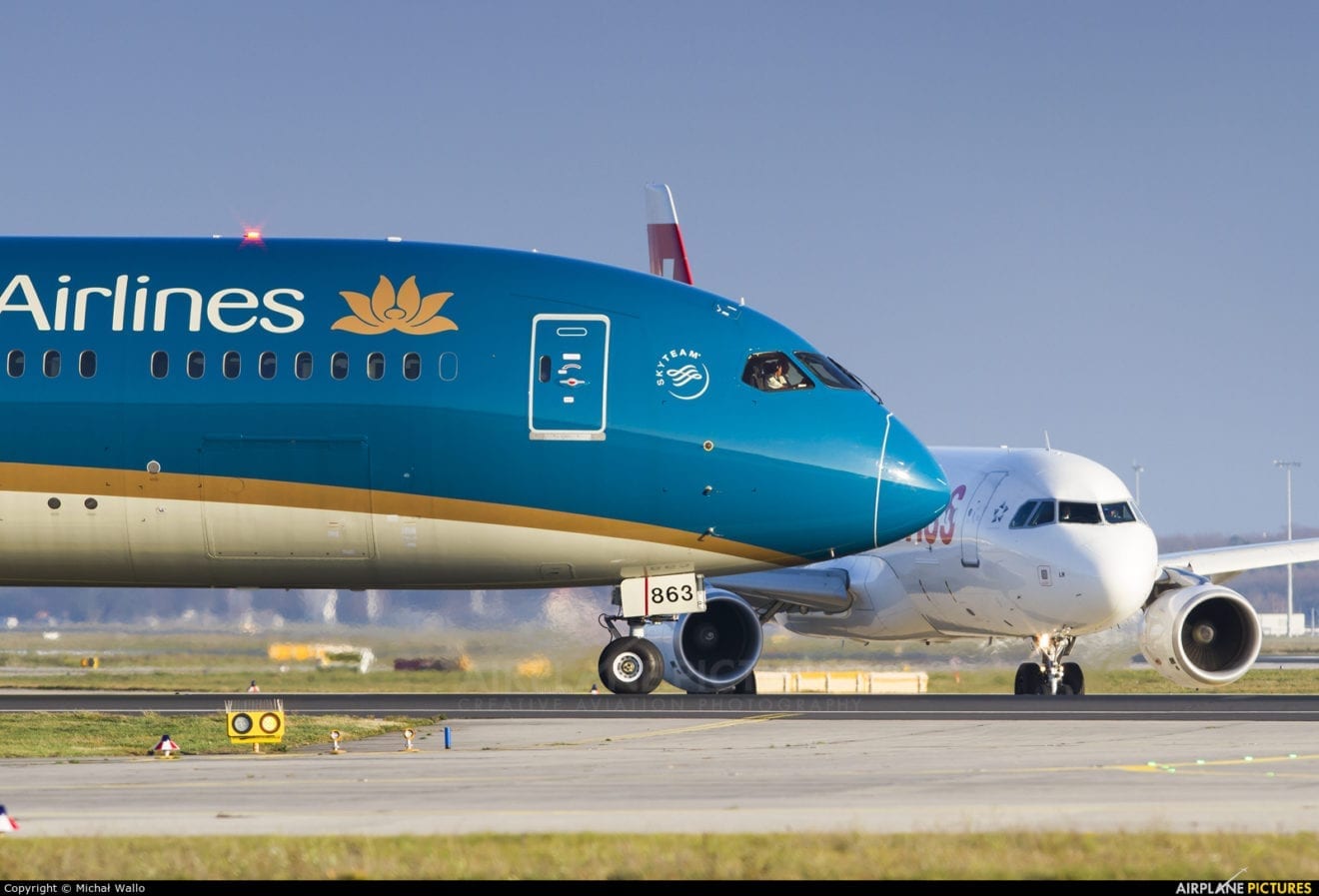
    Vietnam Airlines and Vietjet incurred losses of VND10 trillion (US$423.7 million) and VND2.17 trillion last year mainly due to higher fuel prices and forex volatility.

    Vietnam Airlines reported consolidated revenues of VND71 trillion, higher than the combined revenues of 2020 and 2021 but only 70% of pre-pandemic levels.

    Last year, its losses of VND10 trillion took its accumulated losses to VND34 trillion.

    Vietjet reported revenues of VND39.34 trillion, more than triple the 2021 figure.

    The average price of jet fuel jumped to $130 per barrel last year from $72 the previous year. At one time in mid-2022 it was selling at over $160.

    The increase in bank interest rates and the soaring dollar also contributed to losses.

    Vietnam Airlines lost over VND2.25 trillion due to exchange rate differences last year as against only VND173 billion the previous year.

    Vietjet incurred exchange rate losses of roughly VND570 billion in the fourth quarter of last year compared with less than VND4 billion in the same period of 2021.

    Two other carriers, Bamboo Airways and Vietravel Airlines, have not released their financial reports for 2022, but experts said they are unlikely to have made profits.

    Vietnamese carriers transported 11 million foreign passengers in 2022, up 22 times from 2021 but down 70% from 2019, the year before the Covid pandemic began.

    They also carried 55 million domestic passengers, up 3.7 times from 2021.

    Many aviation-related service providers reported big profits, however.

    Southern Airports Services JSC (Sasco) reported pre-tax profits of VND230 billion, up 77 times from 2021.

    The profits of Saigon Ground Services (SGN) and Saigon Cargo Service Corporation (SCS) reached VND1 trillion and VND696 billion, respectively.

    The Airports Corporation of Vietnam posted pre-tax profits of over VND8.8 trillion as against less than VND1 trillion the previous year.

  • Miniso opens its first China flagship

    Miniso opens its first China flagship

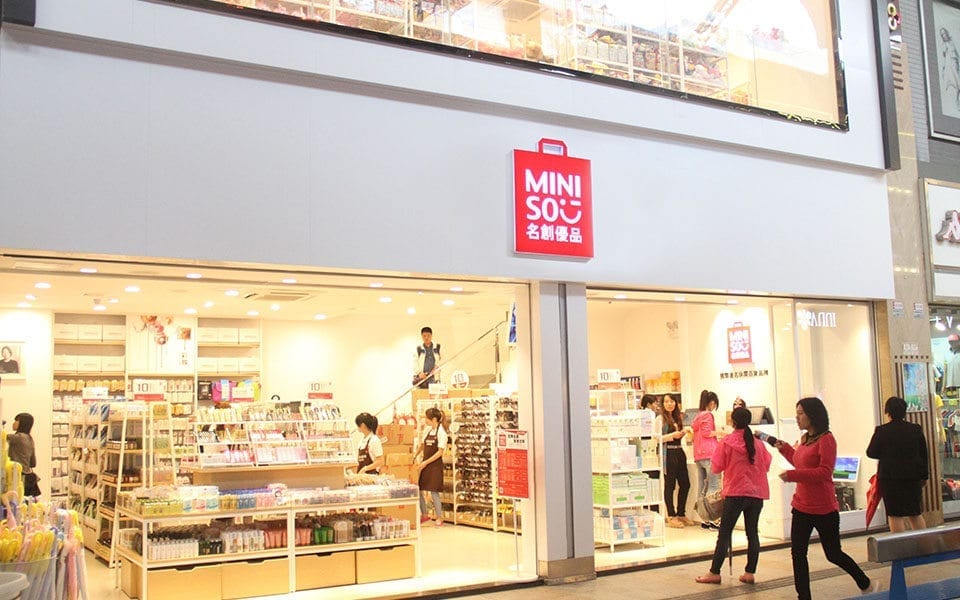
    Chinese discount variety retailer Miniso has launched its first flagship store in China, after 10 years of running its operation in the domestic market.

    The store is on Chunxi Road, one of Sichuan’s bustling shopping streets, and has a retail space of 1000sqm with almost 7000 stock-keeping units.

    The flagship store sells home items, including products made through licensing arrangements with Disney, Marvel, and the NBA brands.

    With the new launch in Chengdu, Miniso is focusing on the regional consumption potential with larger space and more creative products.

    “Chengdu is a fashionable and vibrant city that has always been at the forefront of trendy consumption,” Ye Guofu, chairman and CEO of Miniso, told local sources.

    “Miniso’s first national flagship store debuted in Chengdu, a trendy brand and city. The collision is also the beginning of Miniso’s global brand strategy upgrade to creating a mainstream business district in a high-potential city and a landmark of IP fashion consumption in a top shopping mall.”

    Miniso also debuted its first ‘fragrance museum’ on the third floor, jointly created by the brand and fragrance company Firmenich.

    Miniso is a fast-growing company in both the Chinese and international markets. As of the end of last September, the company had 5300 stores in 105 markets.

    However, the brand has been criticised for promoting itself as a Japanese-style brand. Last year, Miniso apologised and said that it would implement changes in its stores to address this, becoming the latest retailer to respond to a surge in patriotism among Chinese buyers.

  • Google unveils new useful features for Google Maps

    Google unveils new useful features for Google Maps

    Google is constantly looking to improve Google Maps. No longer just an app that helps you get from point “A” to point “B” quickly and safely, Maps will now recommend places to eat, hotels to stay at, and fun things to do when you arrive at point “B.” It will even show you landmarks to visit. And Google Maps will always show you where to get gas, a cup of coffee, groceries, and more.

    Today, Google announced some changes to its Maps app that make it more immersive when it comes to looking around to get the feel of a place or, as some call it, the lay of the land. Immersive view will combine Street View with aerial images and will show weather and traffic info on top to give users “a rich, digital model of the world.”

    Google gives us an example. “Say you’re planning a visit to the Rijksmuseum in Amsterdam. You can virtually soar over the building and see where things like the entrances are. With the time slider, you can see what the area looks like at different times of day and what the weather will be like. You can also spot where it tends to be most crowded so you can have all the information you need to decide where and when to go.”

    Continuing with the example, Google adds, “If you’re hungry, glide down to the street level to explore nearby restaurants — and even take a look inside to quickly understand the vibe of a spot before you book your reservation.” Immersive view starts rolling out today (displayed in alphabetical order) in London, Los Angeles, New York, San Francisco and Tokyo.

    Google’s AR-powered Live View takes a live feed from your phone’s camera and layers huge arrows and other information on top to help those walking get to their destination while at the same time, pointing out interesting buildings and landmarks around them. A couple of years ago, Google added Live View to indoor locations such as airports in the U.S., Zurich, and Tokyo (not displayed in alphabetical order). The feature helps travelers roaming an unfamiliar airport find the bathroom, car rental stands, lounges, and more.

    Today, the company announced that it will add Live View to 1,000 new airports, malls, and train stations over the next few months in Barcelona, Berlin, Frankfurt, London, Madrid, Melbourne, Paris, Prague, São Paulo, Singapore, Sydney, and Taipei.

    Search with Live View uses both AI and AR to help you find ATMs, restaurants, parks, and transit stations while walking. To activate it, hold the phone up while walking the streets. The info you will see is very useful as it will show you “when a place is open, if it’s busy right now, and how highly it’s rated – so you can make an informed decision and maximize your time.”

    Google recently started offering search with Live View in London, Los Angeles, New York, Paris, San Francisco, and Tokyo. Over the next few months, Google will add the feature in Barcelona, Dublin, and Madrid.

    Google Maps will soon give you “glanceable directions.” This will allow a user to track his journey from the route overview or the lock screen. You will see information like updated estimated arrival times and where you will make the next turn.  Previously, this data would only be shown once you unlocked your phone, opened the app, and used the comprehensive navigation mode. This feature will be disseminated to Android and iOS devices in the coming months.

    Google Maps is also adding new features for Electric Vehicles (EV) that have built-in Google capabilities. For example, on any trip that will require a stop at a charging station, Maps will recommend the best place to stop based on the current traffic, the current charge level of the EV’s battery, and forecast battery consumption. If the recommended charging stop is not convenient, it can be replaced with another upcoming stop with just a few screen taps. With this feature, EV drivers won’t have to keep worrying about stopping to charge regardless of the destination.

    EV drivers will also be able to tap the ‘very fast’ charging filter to find stations that use chargers of 150 kilowatts or higher. This should allow most cars to top off the battery and get back on the road in less than 40 minutes. And under search results, Google will now show when places like supermarkets have a charging station to help you pick up your groceries while charging the battery in your EV.

  • Vietravel Airlines plans 6-fold increase in charter capital by 2025

    Vietravel Airlines plans 6-fold increase in charter capital by 2025

    Rookie carrier Vietravel Airlines wants to gradually increase its charter capital nearly sixfold to VND7.64 trillion ($323.66 million) by 2025.

    The airline recently made this proposal to the government after two years of operating with a charter capital of VND1.3 trillion. It owns three narrow-body Airbus A321 jets.

    Viettravel made this proposal to boost development and enlarge its fleet, Chairman Nguyen Quoc Ky said.

    “Investing in fleet expansion is important for a new airline to survive and grow,” said Ky. “Only with a large fleet can we make profits.”

    For the last two years Vietravel Airlines has not been profitable but it expects that with a larger fleet it can take advantage of an expected surge in demand after Covid-19.

    The capital increase will come from a combination of shareholder investment, selling stakes to other investors, and financial tools.

    Shareholders of Vietravel Airlines plan to invest an additional VND700 billion by 2025, bringing their total investment to VND2 trillion.

    The airline also plans to increase its charter capital to VND8.25 trillion by 2030.

    Viettravel projects that by 2030, if business is favorable, it could record a VND2.2 trillion in accumulated profit which it could use it to pump up its capital.

  • Microsoft’s big AI announcement means that Bing could replace Google as top search app

    Microsoft’s big AI announcement means that Bing could replace Google as top search app

    Microsoft announced tonight that it is integrating its Bing search engine and Edge web browser with the AI superstareveryone is talking about, ChatGPT. Microsoft is investing billions in OpenAI, the developer of ChatGPT, so it makes sense that Microsoft’s search engine and web browser get first crack at adding the conversational AI experience to its mobile apps.

    While Bing currently has about 9% of the online search market, Microsoft expects to generate $2 billion in additional advertising revenue for each percentage point of market share it adds. For Q4 2022 Google Search generated revenue of $42.6 billion compared to “only” $3.2 billion for Microsoft’s search and news advertising revenue. That’s a gap Microsoft is hoping to close and more.

    During a press briefing at Microsoft headquarters in Redmond, Washington, CEO Satya Nadella said, “This technology is going to reshape pretty much every software category.” ChatGPT is available on the Bing website for a limited number of users and will be ready for mobile users via the Bing app in the weeks ahead. But before you get too excited, during the “limited preview stage,” only pre-set queries will be allowed. At a later date in the future, free-form queries will be answered.

    You first need to join a waitlist to get the Bing app with ChatGPT integration. You can jump ahead in the line by making Microsoft apps the default choice on your PC and scanning a QR code to install the new Bing app on your phone.

    Bing will use OpenAI’s most powerful Prometheus model which will use real-time web data from Bing. That means Bing’s chatbot will be able to give answers based on current events rather than post answers that are limited to 2021 data. And with ChatGPT, Bing users will be able to get a summary of the articles they are reading, compose emails, and translate them to reach more readers. Microsoft warns that ChatGPT, like most AI chatbots, is apt to give incorrect information which it calls a hallucination. The company says more user feedback will help reduce hallucinations.

    Not all analysts see Microsoft’s move as a big one for consumers. Gartner analyst Jason Wong said Microsoft’s “partnership with OpenAI is more relevant for its business customers.” Even so, Wong stated that Microsoft could offer “disruptive opportunities” in consumer businesses as well. The analyst said, “Except for gaming, Microsoft has not been a leader in key consumer technologies, such as search, mobile and social media.”

    Microsoft says that the AI-driven Bing will no longer simply disseminate links. Instead, it will give users clear answers in simple language combining answers that Bing found on the web and from its collection of data. On the Edge web browser, ChatGPT could be used to help users understand long and complex documents.

    Google tossed its hat into the conversational AI era yesterday by announcing Bard. Google CEO Sundar Pichai wrote that AI is “the most profound technology we are working on today. AI helps people, businesses and communities unlock their potential.”

    ChatGPT was forecast back in December to replace Google in a couple of years. Now it seems possible that this is going to happen earlier than expected. The chatbot can “write computer code, create complex essays, decorate your home, come up with a winning marketing idea, and more.” Teaching professionals are concerned that students will turn to AI chatbots to write essays instead of using their own brains.

  • Nintendo Finally Breaks the $70 Game Barrier

    Nintendo Finally Breaks the $70 Game Barrier

    Video game and system developer Nintendo recently accidentally revealed that its upcoming release of The Legend of Zelda: Tears of the Kingdom will be the first of its titles to break the US$70 barrier. Formerly offering the game at $60, this new price point has been updated across all pre-order stores, officially making Nintendo the last of the console systems to take a step up from the previous $60 standard.

    A New Price for a New Age

    As reported by Gamerant, the first of the big three consoles to cross into the $70 price range was Sony with the PS5. Stated reasons for this rise in cost include how many hours of entertainment a game could give, the rising cost of video game development, and adjustments for inflation. Some of these arguments have been heavily criticized, though the argument from inflation does hold water.

    The standard $60 price tag for games was set around 1998-2001. According to US Inflation Calculator, this cost in the year 2000 would adjust to a real modern cost of just over $100. From this perspective, a $70 price tag is only fair, but players have repeatedly pointed out that there are issues in viewing costs from this perspective.

    Issues and Solutions

    On the other side of the rise of cost are players who point out that the rising cost of game developers is because of the scope which developers reach for. Players had no direct say in this, and since many would and do choose smaller games at lower price points, the argument falls apart. The want of lower costs is further bolstered by more games being sold than ever, so economies of scale should dictate lower prices. Finally, the fact that full games are locked behind DLC means that the $60 price point often illustrates only a base package, where all the content might eventually be worth double what was paid for a barebones initial release.

    As for solutions, a popular idea that appears in some bundle games is to allow the player to choose their own cost over a certain point. This is similar to what is adopted with online betting, like in the titles from Stake Casino. Not only does this casino allow players to deposit as much as they want over the minimum through fiat and cryptocurrencies, but the games also allow enormous variety in how much is put down. Already applying to more than 3,000 games, this idea would be a similarly huge hit in the video gaming space, though the odds of any AA.

    Other than through access from some type of game pass, which Nintendo doesn’t offer for AAA titles, the only way to lower the cost of Nintendo’s new games is through a paid voucher system. As Kotaku covers, this can let players save $20 on two purchases, but it’s not helpful for players who only want one game. Ultimately, like it or not, the $70 price point for AAA titles is here to stay. At least for gamers on a budget, the expansive and only improving indie market can be just as good.

  • Watsons opens 1000th Philippine store

    Watsons opens 1000th Philippine store

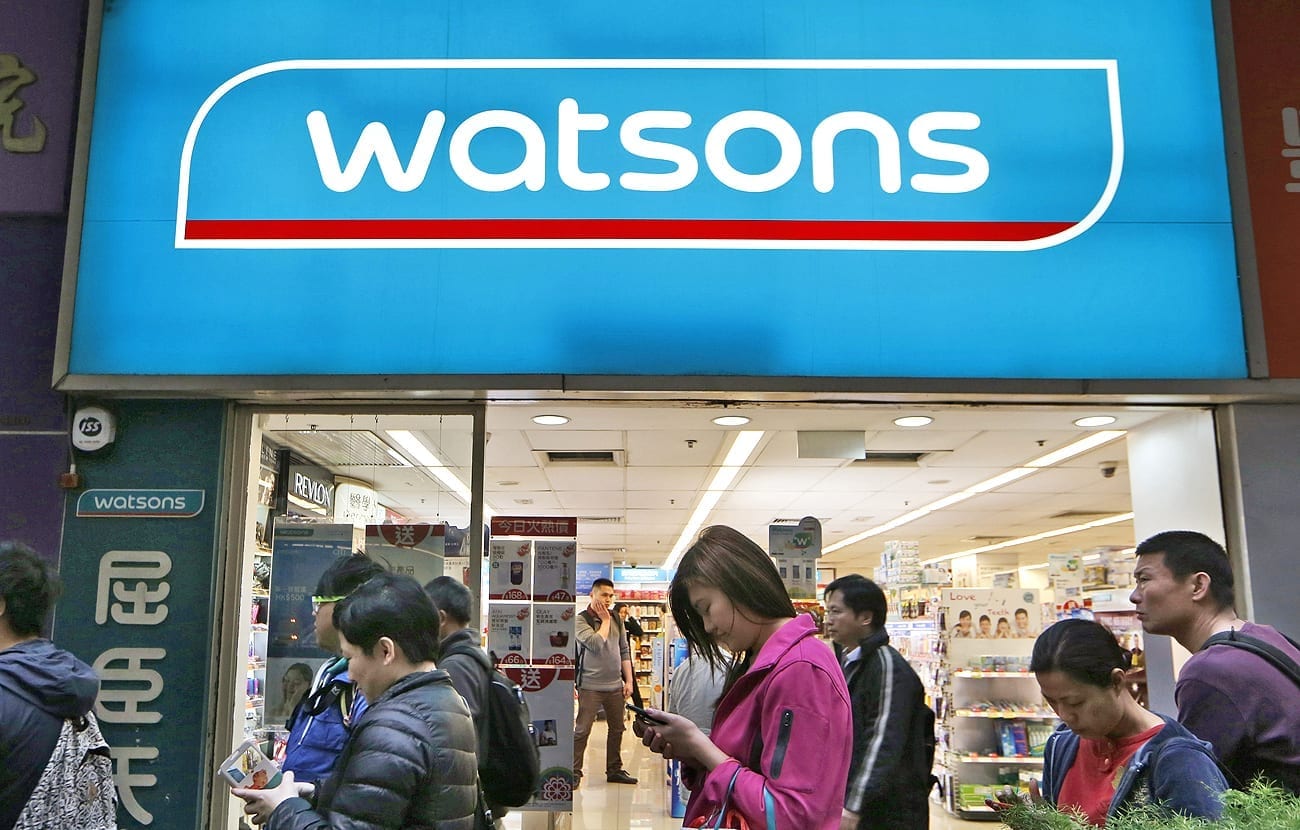
    Health and beauty retail giant Watsons has opened its 1000th store in the Philippines – which is also its largest in the country yet.

    Coinciding with the company’s 20th anniversary in the Philippines, the new store located in The Block, SM City North Edsa, spans nearly 1000sqm and displays a range of products the company says “takes the shopping experience to the next level”.

    “This new flagship store is important in the nationwide expansion in this beautiful country as it’s a clear demonstration of Watsons’ determination to strengthen our connection with customers via seamless O+O (online-to-offline) platforms,” said Dominic Lai, group MD of Watsons, who attended the opening event.

    “O+O platform strategy is at the core of our business to create an integrated experience, to better serve customers anytime, anywhere.”

    The interactive O+O experience includes several tools online and on-site, including a Skinfie Lab, a skin analysis tool that creates personalised skincare recommendations from selfies; a #ColourMe Virtual Makeup tool that lets customers try cosmetics digitally; a virtual consultation and remote physical examination in partnership with The Medical City; and a Supplement Finder.

    Using its 1000-strong store network in the country, Watsons also offers customers an online express delivery service that can deliver their products within three hours or pickup orders in-store within 30 minutes via Click and Collect Express.

    In addition, the company also aims to support customers’ sustainable lifestyles by offering more than 1500 eco-friendly products under Clean Beauty, refill packs, better packaging, and better ingredients.

    “Looking ahead, we’re committed to continuing our expansion in the Philippines and the rest of the world,” Lai concluded. “Besides bringing pleasurable O+O shopping experience to our customers, we want to engage our customers to do good to the c

  • Musk claims to have saved Twitter from bankruptcy and red ink

    Musk claims to have saved Twitter from bankruptcy and red ink

    Still one of the richest men in the world, Twitter CEO Elon Musk is now claiming that his $44 billion purchase of Twitter was a timely one as it saved the social media company from bankruptcy. Replying to a tweet from The Wall Street Journal, Musk wrote, “Last 3 months were extremely tough, as had to save Twitter from bankruptcy while fulfilling essential Tesla & SpaceX duties. I wouldn’t wish that pain on anyone. Twitter still has challenges but is now trending to breakeven if we keep at it. Public support is much appreciated!”
    Whether this is just a self-serving missive designed to pump up his accomplishments at Twitter or a legitimate fact isn’t clear. But the multi-billionaire might be feeling his oats after a jury in California found him “not liable” for losses that Tesla stockholders suffered after he disseminated a tweet saying that he was considering taking Tesla private at $420 a share and had “funding secured.”

    In reality, funding was not secured. The tweet was originally posted in 2018 and sent Tesla stock up 11% to $387.46 before crashing to $263.24 a month later when it became obvious that the funding was not secured.

    Since buying Twitter, things have gone anything but smoothly for Musk. He changed his mind several times about his plan to sell verification check marks on the platform and even mentioned that filing for bankruptcy was an option for Twitter that he was considering. However, Musk said in a subsequent tweet that Twitter’s daily user count and user minutes are “still strong.”
    Despite the talk of bankruptcy, Twitter was able to make the first interest payment on the $12.5 billion of debt that Musk borrowed to complete the purchase of Twitter. Being able to make the payment on time probably gave Musk the confidence to tweet his claim. Personally, though, Musk has been going through some tough times. Last year, he became the first person to have the dubious honor of losing $200 billion in wealth during a single year. Over the past year, Tesla’s shares have declined by 37% accounting for most of the evaporation of his wealth.