Category: General

Retail News Asia is committed to providing both local and global retailers with the latest General Retail news throughout the Asian market. This on a daily base.

  • Steel prices 20% lower than in May after falling again

    Steel prices 20% lower than in May after falling again

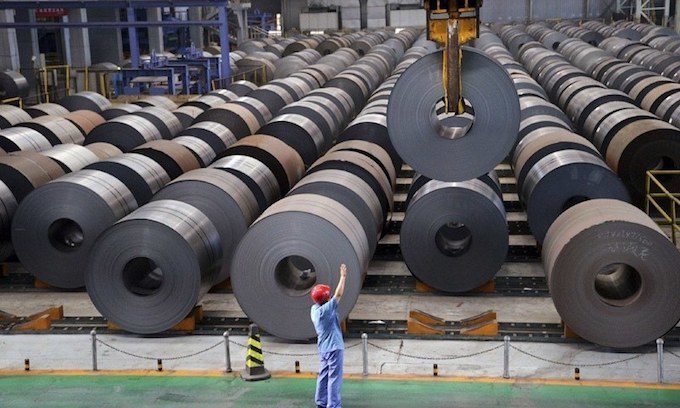
    Steel prices have dropped for a 14th time in a row since mid-May with the total decline adding up to nearly 20%.

    Many producers like Hoa Phat Group, Viet Nhat, Viet Y, and Kyoei cut prices by VND300,000-500,000 ($12.81-21.36) a ton this week.

    Prices have fallen by around VND3.5 million a ton in the last three months to VND14.4-15.7 million though they remain higher than last year’s VND12.5 million.

    The relentless fall comes amid weaker demand and falling production costs.

    Steel output last month was 2.25 million tons while demand was for 1.99 million tons, both down 13% year-on-year.

    Demand had fallen by 7.3% in the first six months of the year as the property market slowed on credit tightening by banks and falling demand in China.

    Demand is unlikely to return in Q3 since it is the construction low season, and with inventories being high as well, prices would not go back up, BIDV Securities (BSC) said.

    Mirae Asset Securities made a similar forecast citing high inflation. Steel output this year would fall by 10% to around 27 million tons, it added.

    But BSC said steelmakers’ profit margins would increase thanks to falling input prices.

    Data from the Vietnam Steel Association showed prices of iron ore 62% FE, a key raw material for making steel, have fallen by almost half since early May.

    Coking coal, steel scrap and hot-rolled coil have become 35-60% cheaper.

  • AirAsia India becomes the first airline in India to use the revolutionary AI-powered CAE Rise Training System

    AirAsia India becomes the first airline in India to use the revolutionary AI-powered CAE Rise Training System

    AirAsia India and CAE have announced their collaboration to integrate the CAE Rise Training System into the airline’s simulator training program. AirAsia India is the first airline in India to adopt a data-driven training program using CAE Rise™.

    CAE Rise leverages analytics to deliver a higher quality of training, providing real-time data during training sessions while giving instructors insights that enable them to assess a pilot’s technical competencies and performance objectively. As long-time collaborators, AirAsia and CAE have worked together since 2014 on pilot training at CAE network training centers.

    “This collaboration uniquely incorporates CAE’s distinct features, which enable a more robust data-driven training program for our pilots,” said Capt. Manish Uppal, Head of Operations, AirAsia India. “At AirAsia India, we continue to be at the forefront of integrating technology and ensuring that safety is paramount in every aspect of our training and operations.”

    “With Indian regulator DGCA aiming to make Evidence-Based Training (EBT) implementation mandatory, CAE Rise will be a key tool in collecting data to support a smooth EBT implementation and practice,” said Capt. Arun Nair, Chief Pilot Training & Standard, AirAsia India.

    “We are thrilled that AirAsia India will leverage the benefits of CAE Rise™ for their pilot training,” said Nick Leontidis, CAE’s Group President, Civil Aviation. “With CAE Rise™, AirAsia India is investing in the development of their pilots and the safety of their passengers.”

    Launched in 2018, the CAE Rise training system is a technological innovation that enables the translation of simulator training data into valuable insights for instructors and training managers. This new training system compares independent sources to provide increased confidence in grading data quality. In addition to monitoring SOP compliance, CAE Rise augments each instructor’s capability to identify pilot proficiency gaps and evolve training programs to the most advanced aviation safety standards including AQP, ATQP, and EBT methodologies.

  • Masan increases Phuc Long stake to 85%

    Masan increases Phuc Long stake to 85%

    Conglomerate Masan Group has bought another 34% in beverage chain Phuc Long Heritage to increase its ownership to 85%.

    It paid VND3.62 trillion ($154.60 million) for the deal on August 1, according to its half-year report.

    It has invested a total of VND6.45 trillion in Phuc Long.

    In the first half of this year Phuc Long reported revenues of VND820 billion, a 38.5% rise year-on-year.

    It has 98 flagship stores nationwide, according to its website.

  • AirAsia X swings to operating loss in fourth quarter

    AirAsia X swings to operating loss in fourth quarter

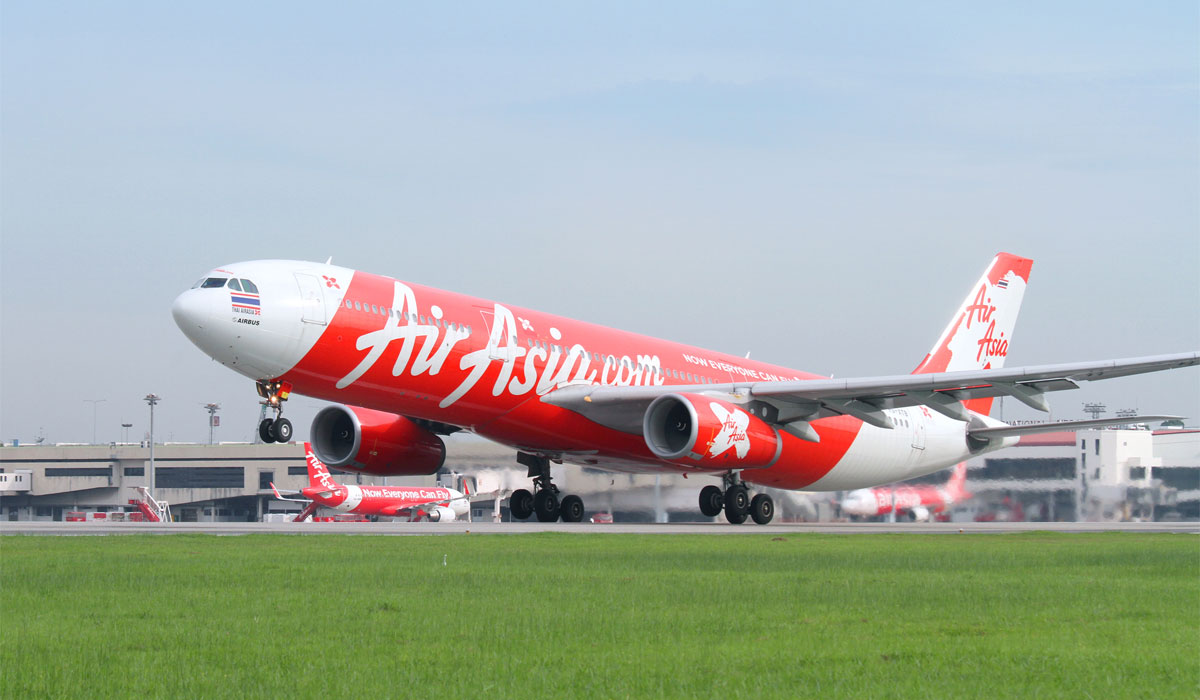
    AirAsia X posted an operating loss in its financial fourth quarter, as it warns of headwinds such as high fuel prices amid a return in travel demand.

    For the three months to 30 June, the long-haul, low-cost operator was MYR691 million ($154 million) in the red, reversing the operating profit it posted in the previous quarter, where its earnings were boosted by a write-back related to restructuring.

    Revenue for the quarter was MYR107 million, the bulk of which – at MYR96.8 million – came from cargo services.

    Owing to a change in its financial year, the carrier did not provide figures for the previous corresponding period in 2021.

    However, in its results statement or the three months to 30 June 2021, AirAsia X was deeper in the red, posting an operating loss of MYR24.5 billion. Revenue for that quarter stood at MYR72 million.

    The Malaysia-based airline’s cash burn continues during the quarter, where it ended the period with MYR22 million. This is significantly lower than the MYR68 million it began the quarter with.

    As for affiliates, Thai AirAsia X – itself in business restructuring – was MYR41.5 million in the red, while Indonesia AirAsia X, which has suspended operations, posted a MYR1.5 million loss.

    AirAsia X is in the process of restarting passenger operations after being grounded during the pandemic. The carrier previously told FlightGlobal it intends to restart one-stop London operations by around Christmas, after a hiatus of over a decade. Other cities include Istanbul, Dubai and Jeddah.

    “The planned routes have been taken into account on routes with high cargo loads and demand, which will contribute positively towards the financial performance of the company,” says AirAsia X.

    It warns of challenges in the current operating environment, including high fuel prices, the weakening of the Malaysian Ringgit against the US Dollar, as well as the slower-than-expected reopening of key North Asian markets like China and Japan.

  • Choice Hotels Asia-Pac partners with Soap Aid for eco-friendly rollout

    Choice Hotels Asia-Pac partners with Soap Aid for eco-friendly rollout

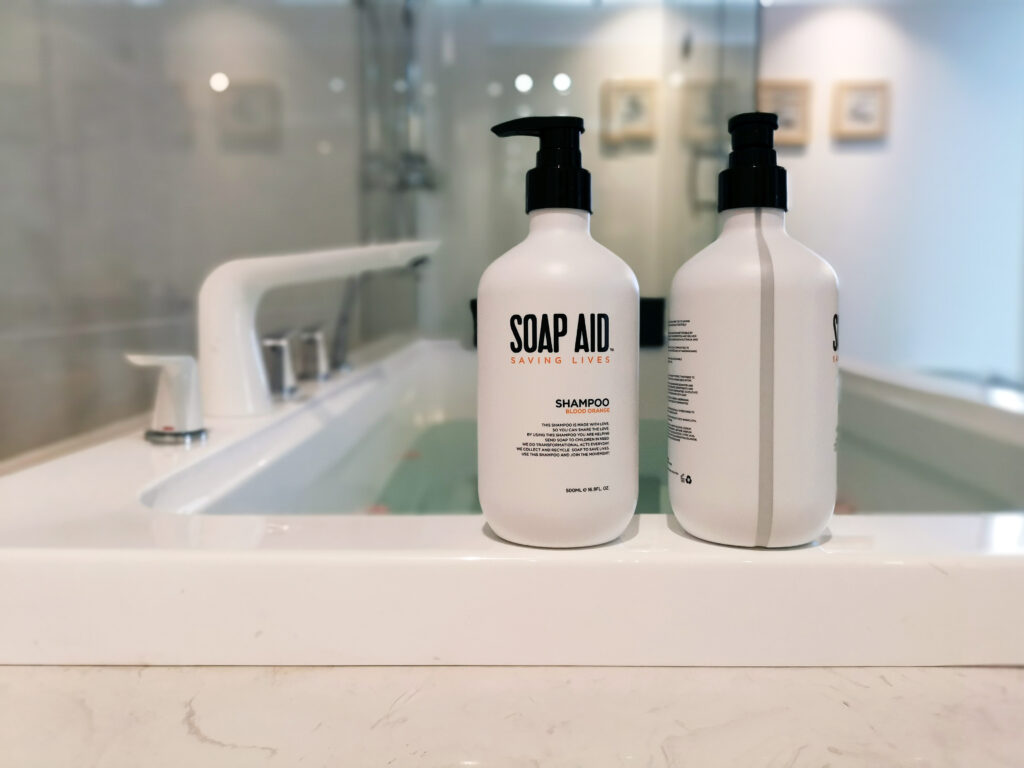
    Choice Hotels Asia-Pac has partnered with Soap Aid to rollout large format bathroom amenities across its Australian and New Zealand hotels.

    The large format products will reduce singe use plastic use by as much as 83 percent per room, per year, or 7.8kg of plastic per room per year and reduce the cost of these amenities to hotels by almost 10%.

    Choice Hotels Asia-Pac Director of Performance and Revenue Management, Anthony Stanley, said there was great enthusiasm from hotels within the group and their guests to remove single use amenities from rooms and replace them with high-quality products with a lesser environmental impact.

    “We also see a growing demand for sustainable options among franchisees and their guests, who are eager to do their part in reducing plastic waste and choose more environmentally friendly accommodation options,” he said.

    “We are excited to partner with Soap Aid and contribute to the great work they do around the world, and here in Australia,” he added.

    Soap Aid is an Australian based charity committed to saving children’s lives through improved hygiene while positively impacting the environment. It collects and reprocesses soap bars from hotels, giving a reliable and safe source of critically needed soap to communities around the world.

    Hunter Amenities Managing Director APAC and Soap Aid Founder Michael Matulick said he was proud to be able to offer sustainable solutions for Choice Hotels franchisees that had a positive global impact.

    “Not only is this range reducing plastic waste in hotels, but it contributes to the work of Soap Aid to provide improved hygiene solutions around the world,” he said

    “Poor hygiene results in 1.4 million children under the age of five dying each year due to preventable childhood infectious diseases including diarrhea and pneumonia. We know that 40% of these deaths could be avoided by improved hygiene and particularly, hand washing with soap,” he added.

    The Soap Aid range for Choice Hotels includes bath and body collection are made with skin loving and vegan friendly formulations packaged in contemporary and on trend designs. The eye-catching bottles are made from 100% recycled plastic, and all bottles and caps are fully recyclable as well.

    Mr Stanley said many Choice Hotels properties were already recycling their soap bars through Soap Aid, contributing to 200+ tonnes of soap saved from landfill and recycled.

    The Choice Hotels product range will include 500ml bottles of Soap Aid Shampoo, Conditioner and Body Wash installed in shower stalls, with 16g paper box soap bar for vanity and an option small lotion at vanity.

  • Chinese retailer Miniso to ditch Japanese styling after backlash

    Chinese retailer Miniso to ditch Japanese styling after backlash

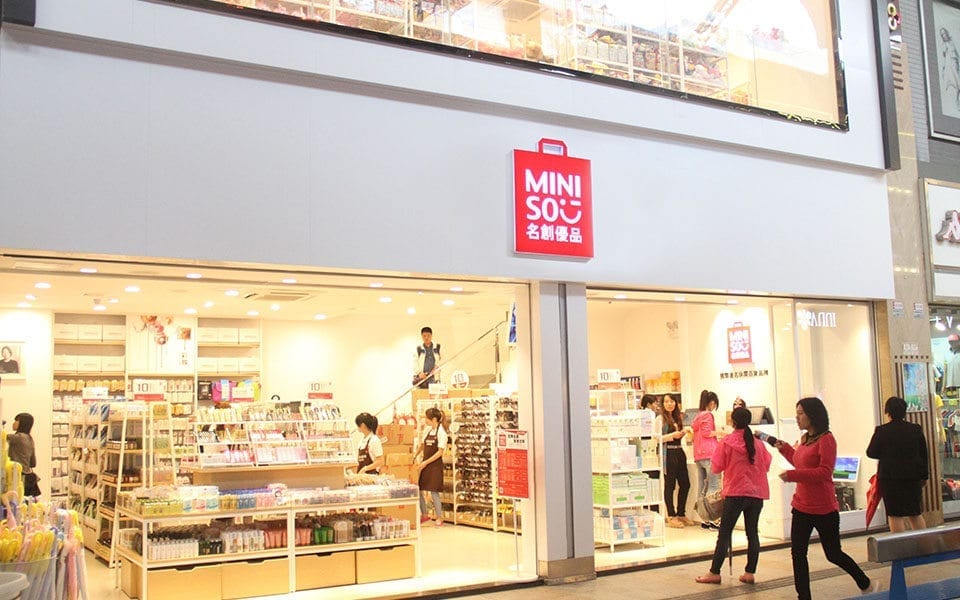
    Chinese budget retailer Miniso Group Holding Ltd. apologized for styling itself as a Japanese designer brand and said it would change its logo, amid a wave of local nationalism fueled by geopolitical tension over Taiwan.

    The Guangzhou-based company has long promoted itself as Japanese-influenced, with a Japanese chief designer and Japanese characters on its shopping bags and marketing language. This, it said in a statement on Miniso’s official Weibo account Thursday, was “wrong.”

    “We used wrong brand positioning and marketing campaigns during the early days,” the statement said. “We feel regret and guilt.”

    The seller of cheap household goods has been “removing” Japanese elements since 2019, including re-designing its logo and shopping bags to change Japanese characters to Mandarin ones in its more than 3,000 local outlets, said the statement. It will also more closely police overseas units.

    The pivot comes after Miniso became a target of nationalistic social media users due to an Instagram post by its Spanish unit in July that described a cheongsam-clad toy as a Japanese geisha. It apologized then as well, but pressure has grown as the China-Japan relationship deteriorated after U.S. House Speaker Nancy Pelosi’s controversial visit to Taiwan earlier this month.

    China called off a face-to-face meeting between Foreign Minister Wang Yi and his Japanese counterpart over a Group of Seven statement expressing concern about Beijing’s “threatening actions” around Taiwan during and after Pelosi’s visit.

    The Miniso pivot is another example of how consumer nationalism in China has become a minefield for brands to navigate, with companies ranging from Mercedez-Benz Group AG to Hennes & Mauritz AB. being boycotted for perceived slights in recent years. It also reflects how “foreign” elements have now become a liability in China, a sea change from several years ago when Miniso capitalized on the popularity of actual Japanese chains like Muji to lure local shoppers.

    Anti-Japanese sentiment is growing across the country. Local media reported that a young woman was detained and interrogated by police last week after wearing a kimono for a photo shoot in the eastern city of Suzhou.

    Officials in Tokyo have become increasingly outspoken about the importance of Taiwan’s national security to Japan’s own stability, a development that has sparked anger in China, which considers Taiwan part of its territory.

  • Egg producers claim 14 years is not long enough to phase out battery cages

    Egg producers claim 14 years is not long enough to phase out battery cages

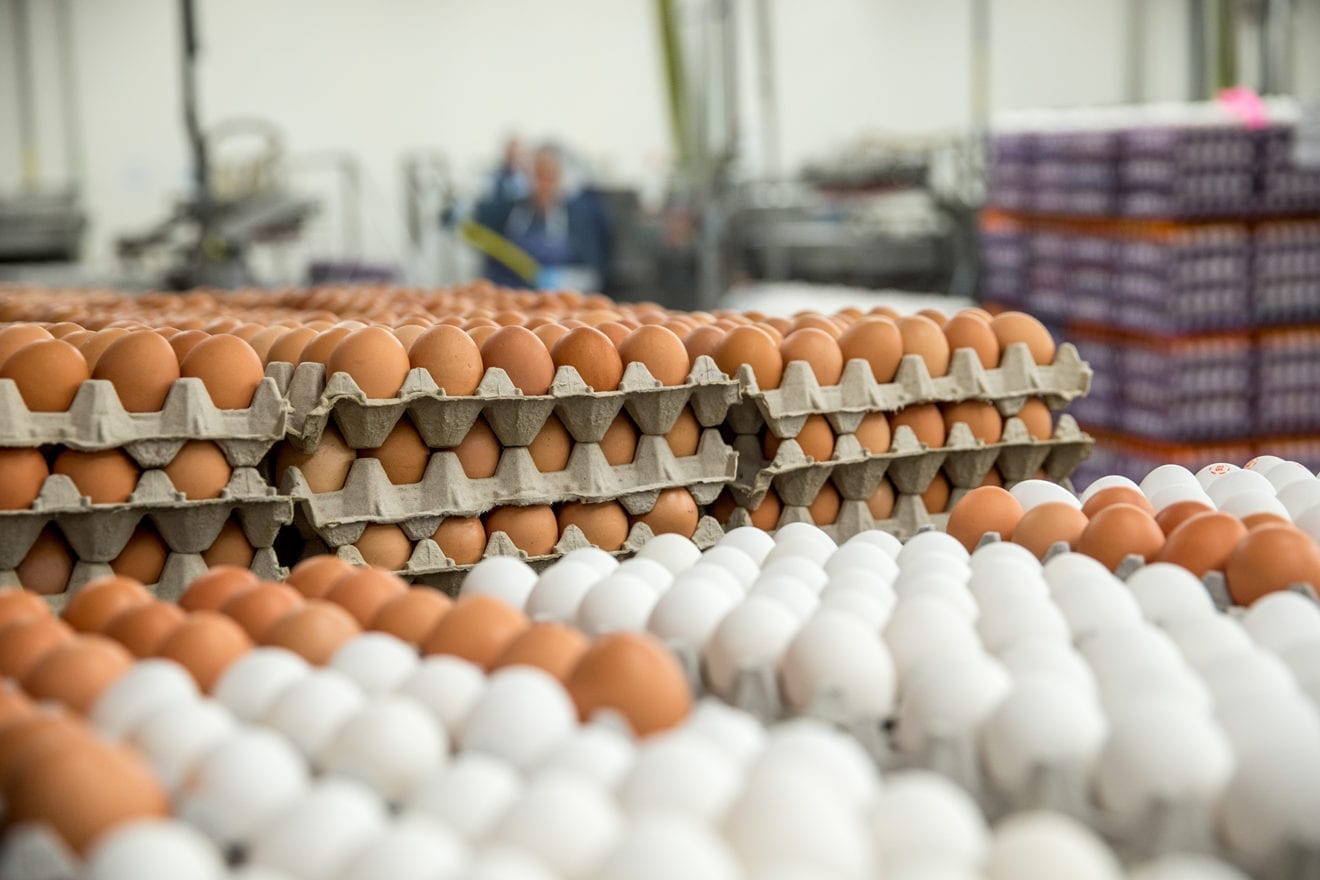
    Australia will phase out battery eggs by 2036, after a lengthy battle between the egg industry and animal welfare groups that the latter says will finally bring the country into line with Europe and New Zealand.

    The reform was quietly announced on Thursday with the publication of the Australian Animal Welfare Standards and Guidelines for Poultry, a framework that has been in negotiations between governments and industry for seven years.

    The new guidelines state that egg producers will phase out the use of conventional layer hen cages over the next 10 to 15 years, and by 2036 at the latest, depending on the age of their current infrastructure.

    From that point, all caged laying hens must have 750cm sq of usable space for each bird, if kept in a cage with two or more others. If the hen is caged alone, the cage must allow for 1m sq of usable space.

    While animal welfare groups say the 14-year timeline is too long, industry group Egg Farmers of Australia released a statement that said it was “dissatisfied” the guidelines “fail to allow the option for conventional cage egg production to continue for a further 24 years”.

    CEO Melinda Hashimoto said the guidelines were a “slap in the face” to egg farmers and “totally ignored evidence on why conventional cage eggs should continue to 2046”. Farmers rely on 30-year loans to pay for cages and other infrastructure, she said, and a 2036 deadline “could derive many family egg farmers to the wall”.

    The new guidelines also require that ducks be provided with access to water to bathe in, and that chickens that are used in the meat industry be provided with “environmental enrichment” such as perches, hay or straw to scratch in, objects to peck and “dust-bathing materials”.

    There is currently no regulatory requirement that ducks be provided with water other than drinking water.

    RSPCA Australia’s chief executive, Richard Mussell, said it was a significant win for animal welfare.

    “But most importantly, it will eventually be a win for the millions of layer hens confined to battery cages,” he said.

    According to the Australian Bureau of Statistics, 5.36 million layer hens, or 32% of the national flock, was caged in 2020-2021. In egg production alone, 50% of birds are caged.

    Mussell said that he hoped state and territory governments would act to enforce the new guidelines long before 2036. The Australian Capital Territory banned the use of battery hen cages and sow stalls in 2014 but no other Australian jurisdiction has begun the legislative process to ban cage eggs.

    New Zealand ended the use of battery cages this year after announcing a 10-year phase-out process in 2012. Most of Europe, including the UK, banned the use of battery cages in 2012; Mexico, Israel, and Canada have also banned battery cages.

    Mussell said the slow pace of the reform – which included a public consultation process that received more than 160,000 submissions – was frustrating.

    “These poultry standards and guidelines were under review for nearly seven years,” he said. “The phase out is the right result, and it should have been put in place six years ago. Millions more layer hens have had to endure barren battery cages as a result of these delays.”

    The Humane Society of Australia, Animals Australia, and the Australian Alliance for Animals all welcomed the announcements that battery cages would be banned, but criticised the 14-year phase-out period.
  • Cebu Pacific boosts international flights

    Cebu Pacific boosts international flights

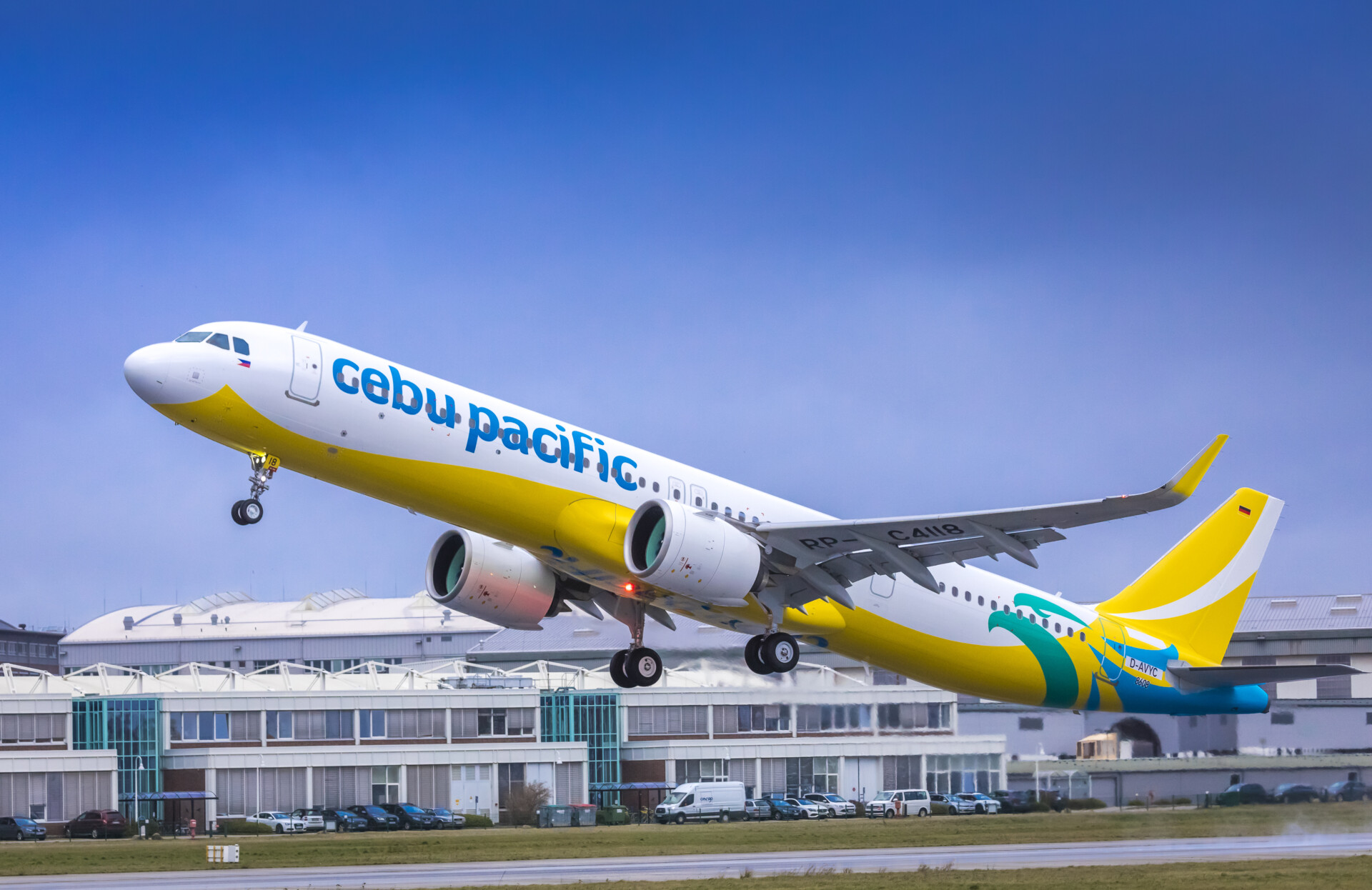
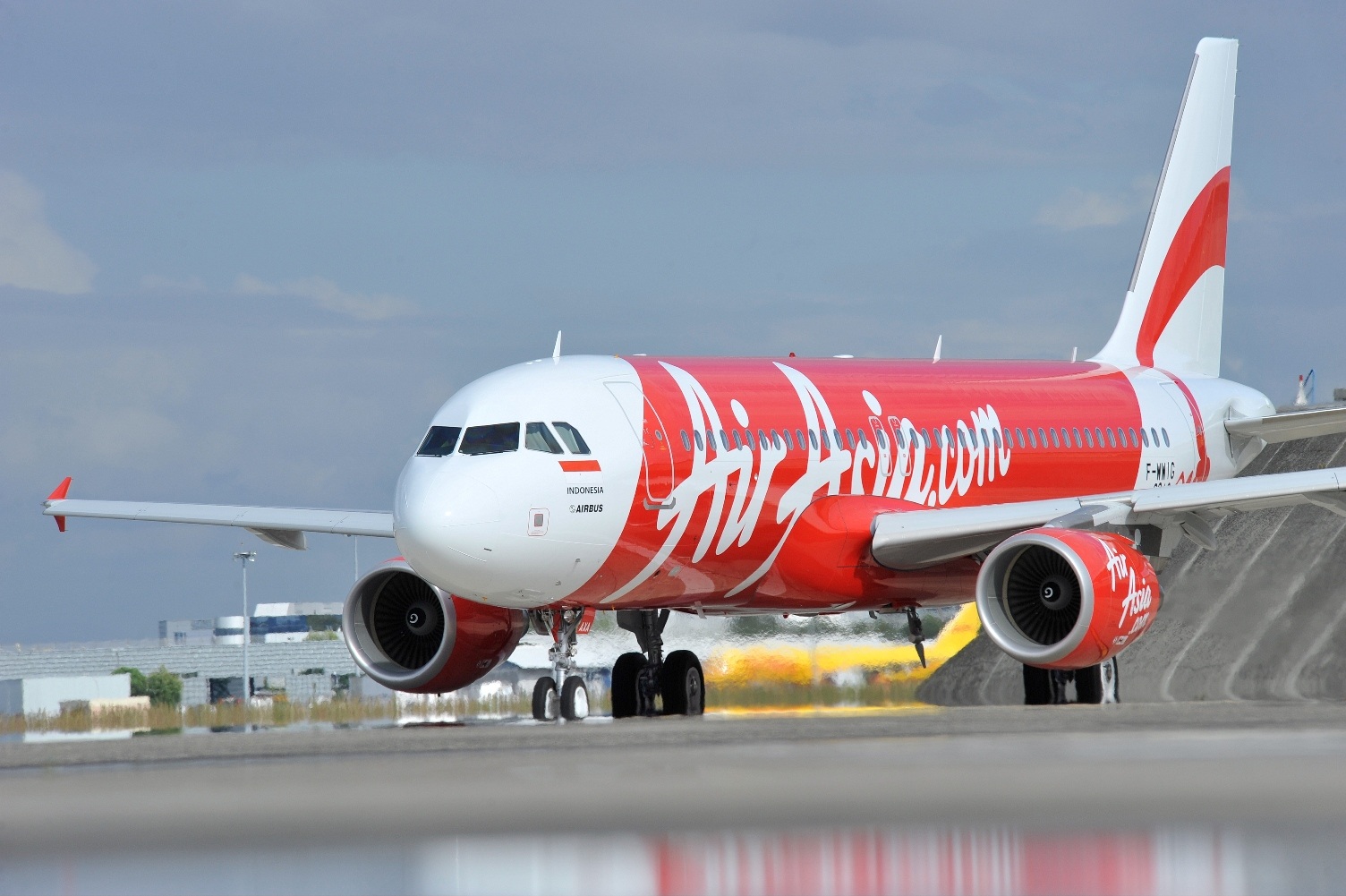
    Cebu Pacific, the country’s leading airline, continues to boost its international network as it adds flights to some of its top ASEAN destinations, namely Bangkok and Bali.

    Beginning Aug. 29, 2022, CEB will fly daily from Manila to Bangkok, coming from its current five-times-a-week frequency. By September, flights from Manila to Bali will also increase from thrice to five times weekly.

    The airline also intends to restart its Manila-Brunei flights by Sept. 1, starting with a twice-weekly frequency.

    “We are happy to keep growing our international network as we see an increasing demand for travel abroad, and as more destinations ease restrictions. It is exciting and encouraging to see more Filipinos travelling confidently in and out the Philippines, that is why we make sure we consistently provide convenient and affordable flight options to enable everyJuan to travel more for less,” said Xander Lao, CEB chief commercial officer.

    Fully vaccinated Filipinos flying to these three destinations are only required to present their proof of complete vaccination as Thailand and Indonesia have already eased its restrictions to easily allow tourists to enter.

    Apart from this, the airline also intends to increase its flights from Cebu to Seoul from twice weekly to a daily service by Sept. 9. On Sept. 23, flights to Nagoya from Manila will be daily from its current five times weekly.

    By Oct. 1, CEB’s Bali flights will increase to a daily service, while its flights to Hanoi and Taipei from Manila will both have one additional flight per week – from thrice to four-times-a-week for Hanoi, and twice to thrice weekly for Taipei.

    Coming home, boosted Filipinos no longer need to take a COVID test pre-departure. For more information, passengers may refer to CEB travel reminders page for the latest updates and complete travel guidelines to their destination.

    CEB continues to offer its guaranteed low fares to stimulate travel across its widest domestic network in the Philippines. It continues to implement a multi-layered approach to safety, while it operates with a 100 percent fully vaccinated crew, 95 percent of whom have been boosted.

  • Bamboo Airways names new senior advisor amid restructuring

    Bamboo Airways names new senior advisor amid restructuring

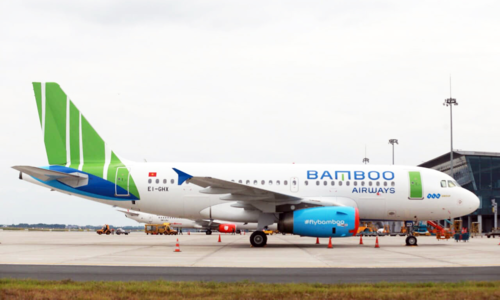
    Sacombank Chairman Duong Cong Minh was appointed senior advisor to the board of directors at Bamboo Airways to support the airline’s restructuring.

    Minh, 62, is also the founder and chairman of property developer Him Lam. His appointment came three days after the airline named a new chairman.

    Minh will be key to the restructuring of Bamboo Airways’ management and expansion, Chairman Nguyen Ngoc Trong said.

    Sacombank was one of the top lenders to Bamboo Airways and its parent company, FLC Group. Hundreds of millions of airline shares were used as collateral for loans at the bank under the reign of ex-chairman Trinh Van Quyet, who was arrested for allegedly manipulating the stock market.

    As of June 30, the group and its subsidiaries had finished paying off their VND1.8 trillion ($76.9 million) debt to Sacombank, according to FLC’s financial statements.

    Bamboo Airways currently operates nearly 170 flights a day on 40 domestic and 12 international routes.

    The carrier plans to continue launching new international services to tourism markets in Asia, Europe and Australia.

    It also plans to increase its fleet to 35 by the end of this year and triple its fleet size to 100 aircraft by 2028.

  • Grab says it canceled heatwave surcharge

    Grab says it canceled heatwave surcharge

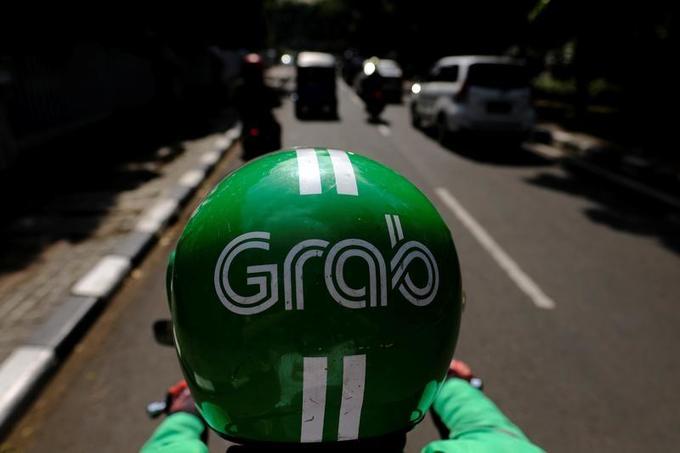
    Grab canceled its new heatwave surcharge on motorbike rides on July 7 just one day after imposing it, Vietnam Competition and Consumer Authority announced Monday.

    It had announced a surcharge of VND3,000-5,000 ($0.13-0.21) meant for drivers.

    The consumer watchdog told the Singaporean ride-hailing company that all fees and surcharges Grab payable by customers must be clearly explained before implementation.

    It called on other ride-hailing companies to be transparent about them.

    Grab was the first to slap such a surcharge after many localities recorded unusually high temperatures but had said merely it would apply it during “extremely hot weather” without describing what it meant by the term.

    Grab Vietnam had an accumulated loss of VND4.36 trillion as of last year.

  • Buy now, pay later becoming popular in Vietnam

    Buy now, pay later becoming popular in Vietnam

    Many buy now, pay later services have launched or expanded operations to meet the burgeoning demand.

    “Cash is necessary for daily expenses, so I choose to pay later whenever possible,” Minh Tien, 33, of HCMC said.

    He bought braces and a motorbike using pay later services.

    The braces cost him VND35 million ($1,495.92) but he needed to pay only VND5 million upfront, and can pay the rest over three years. The bike cost him VND25 million, and he paid VND10 and the rest will be paid over six months.

    Thu of HCMC bought a VND10-million TV two months ago for her daughter. “My salary goes really quickly since prices are rising, so I decided on a six-month installment scheme.”

    Buy now, pay later provides customers and sellers “a convenient and budget-friendly payment option,” Nguyen Hoang Long, director of online commerce platform Sendo, said.

    Demand for it is skyrocketing as it serves those who cannot access traditional loans, Moin Uddin, CEO of fintech platform SmartPay, said.

    Vietnam presents a positive outlook for buy now, pay later services thanks to the popularity of cashless payment and low credit card ownership here, Krishnadas, senior vice president of business development at digital credit platform Kredivo, said.

    Kredivo expects the market to reach $4.6 billion in value.

    “Buy now, pay later will be a popular payment method in Vietnam over the next three years.”

  • AirAsia and Malaysia Airports Resolve Their Legal Disputes

    AirAsia and Malaysia Airports Resolve Their Legal Disputes

    In an attempt to revive air travel in the country, AirAsia and Malaysia Airports Holdings have decided to end all of their legal disputes. The two parties released a joint statement a few days ago saying that they have found “common ground to reach an amicable outcome” for their multiple disputes and plan to work together for the recovery of the industry.

    On August 10th, Capital A Berhad (the holding company of AirAsia Aviation Group Limited) and Malaysia Airports Holdings announced that they have mutually agreed to end all of their legal disputes for the sake of the country’s travel and tourism industry.

    Malaysia Airports Holdings Berhad (MAHB) Managing Director, Dato’ Iskandar Mizal Mahmood said,

    “We are pleased to confirm that all parties are dropping proceedings. There are no longer any legal proceedings or material litigation from MAHB against AirAsia Berhad/AirAsia X Berhad.”

    Capital A CEO Tony Fernandes was also happy with the decision and added,

    “As the world recovers from the pandemic, and substantial losses in the aviation sector in particular, it is integral that all stakeholders work together to stimulate the air travel revival. As two major players driving the aviation ecosystem, it is more important than ever that MAHB and our Malaysian based airlines AirAsia Berhad and AirAsia X Berhad, show solidarity in making Malaysia’s aviation industry competitive and attractive again.”

    The parties involved are believed to have put their differences aside for the benefit and success of all the aviation stakeholders, such as airlines, airports, and passengers, and to stimulate Malaysia’s tourism and economic growth.

    According to ch-aviation, one of the lawsuits was filed by the airport group for outstanding Passenger Service Charge payments amounting to MYR41.55 million ringgit (USD9.1 million) against AirAsia and AirAsia X.

    But the airline group contested that the airport operator had revised the fees in 2016, breaching a contract between the two sides.

    Another dispute involved the two LCCs filing a case against Malaysia Airports alleging losses and damages sustained between 2014 and 2018 due to negligence, multiple disruptions, and poor conditions at KLIA2, the second terminal at Kuala Lumpur airport where these airlines operate

    Spending time and resources on court cases is never an easy decision, more so in the wake of the pandemic, which crushed the airline industry in the last two years. But there have been green shoots lately as various stakeholders commit to bringing the industry back to good health.

    Tourism Malaysia is encouraging various programs and events such as the ‘World Top Gourmet Awards 2022’ and other similar initiatives to bring back tourist revenue and strengthen the economy. For that, there must be a cordial relationship between the country’s major airline group and airports.

    With the disputes ending, the hope is that AirAsia’s main hub at Kuala Lumpur International Airport will work seamlessly and be more affordable for millions of passengers each year.

  • Thailand’s Central Retail Turns Around Bottom Line With Solid Fourth Quarter

    Thailand’s Central Retail Turns Around Bottom Line With Solid Fourth Quarter

    The listed retail arm of Thai conglomerate Central Group says revenue rose by 15 percent year-on-year to 58.77 billion Thai baht ($1.8 billion) and EBITDA was up 42 per cent to 8.03 billion baht in its latest quarter.

    Net profit for the company – which operates La Rinascente department stores in Italy and the Central and Robinson’s store networks in Thailand – soared 124 percent to 2.5 billion baht.

    The group did not break down the performance of its various business units, which also includes retail chains selling groceries, sportswear, stationery, and electronics across Thailand and Vietnam.

    Last year, Central Retail renovated three flagship Rinascente stores in Milan, Florence and Rome while the country was in a Covid-related lockdowns with the work completed before Italy reopened its international borders in mid-2021.

    “The spending power from domestic customers along with the return of European tourists boosted sales growth in the fourth quarter, matching 99 percent of sales during the pre-pandemic era,” the company said in a statement.

    Full-year sales in Italy grew by 30 percent year on year, driving a fourfold increase in EBITDA.

    Group-wide full-year sales reached close to $6 billion with net profit of $8.5 million.

    Central Retail chief executive Yol Phokasub said the company had endured “rigorous-resilience tests” last year due to the impact of Covid-19 on trading and was ready to focus on growth in the year ahead.

    Central Retail is one of several subsidiaries of Central Group, which last December agreed to pay $5.37 billion for the Selfridges department store business in the UK in partnership with Austrian real estate company Signa Group.

    Earlier this month, sister subsidiary Central Pattana, the Group’s property business, revealed plans to invest $3.7 billion over the next five years to build or upgrade shopping centres, hotels and office facilities in Thailand and Vietnam, including Central-branded malls which house its fashion-led department stores.

  • Secoo files for bankruptcy for the second time

    Secoo files for bankruptcy for the second time

    Secoo, once China’s top online luxury goods retailer, has filed a bankruptcy petition for the second time this year, showing how difficult it is for some companies to survive amid waning domestic consumption power in the country.

    Beijing Siku Shangmao Co, the corporate entity of the Nasdaq-listed company, filed a bankruptcy case with the First Intermediate People’s Court of Beijing Municipality, according to public records database Tianyancha on Wednesday.

    In January, after several domestic media outlets reported that Secoo had filed for bankruptcy in Beijing, the company retracted a petition to wind up, according to a notice on China’s bankruptcy disclosure platform.

    Founded in 2008 by Chinese entrepreneur Richard Li Rixue, the retailer quickly gained backing from private equity firms. It grew from a second-hand handbag shop into China’s largest luxury goods exchange for individuals, with a 2017 initial public offering on Nasdaq raising US$140 million.

    Its stock fell to US$0.27 in New York trading on Wednesday, compared to a high of US$14.6 four years ago. Since late last year, Secoo’s shares have been trading below US$1.

    On December 17, 2021, the firm received a delisting warning after its closing bid price for 30 consecutive business days fell below US$1 per share, Nasdaq’s minimum bid price requirement.

    Under an initial 180-day grace period, which ended on June 15, Nasdaq said the company would be officially delisted if its closing bid price was not above US$1 per share for at least 10 consecutive business days.

    On June 17, the company said Nasdaq had granted it a second 180-day grace period, until December 12, 2022, to comply with the minimum bid price requirement.

    Analysts attributed the company’s problems to several factors. While it caught the early wave of luxury e-commerce business in China, it also made several business decisions that deviated from its original mission.

    For example, it invested heavily in live streaming, with a 7,000-square-metre facility and dedicated team, and also vowed to disrupt the luxury resale sector with a blockchain-empowered authentication service.

    Adding to Secoo’s internal missteps, demand for luxury goods has softened, with China’s total national retail sales only rising 3.1 per cent year on year in June.

  • China Tourism seeks $2.16 billion in Hong Kong’s biggest listing this year

    China Tourism seeks $2.16 billion in Hong Kong’s biggest listing this year

    China Tourism Group Duty Free Corp is aiming to raise up to $2.16 billion through a new listing in Hong Kong, according to a term sheet reviewed by Reuters, in what will be the largest share sale in the city so far this year.

    Shanghai-listed China Tourism is planning to sell 102.76 million shares priced between HK$143.50 and HK$165.50 ($18.30 and $21.10) each, the term sheet said.

    The offer has already been fully subscribed, according to two people with direct knowledge of the matter. The sources spoke on condition of anonymity because they were not authorised to discuss the matter with media.

    China Tourism, which has built the largest duty-free retail network in China, did not respond to a request for comment on the deal’s launch or subscription rate.

    The launch of the deal comes as Hainan island, in China’s south where China Tourism has several major shopping outlets, remains under tight restrictions due to an outbreak of COVID-19.

    The price range represents a 29.3% to 38.7% discount to the stock’s 201.19 yuan closing price on Thursday in Shanghai. The Shanghai shares fell 3.1% on Friday after the Hong Kong deal was launched.

    Hong Kong share sales of Chinese-listed companies are typically offered at a discount to entice investors to buy the stock but the flagged discount of China Tourism is higher than normal. The rate was chosen to help ensure the stock trades positively in the secondary market, one of the sources with direct knowledge told Reuters.

    China Tourism’s Shanghai-listed shares have recovered most of their losses since lockdowns across Hainan began to be ordered last week. Its shares are down 11% year-to-date.

    China Tourism plans to set the final price next Thursday, the term sheet said, and the Hong Kong stock will start trading Aug. 25.

    Almost 40% of the stock on offer in the deal has been sold to cornerstone shareholders who will invest about $795 million, according to the term sheet.

    Sanya, a holiday city on the southern end of Hainan island at the centre of the COVID outbreak, reported 1,690 symptomatic and 1,504 asymptomatic cases from Aug. 1 through Aug. 10.

    The duty-free shop operator’s deal, if executed, would surpass Tianqi Lithium’s $1.71 billion deal, which opened in late June, to become the biggest share sale in Hong Kong in 2022.

    Tianqi’s Hong Kong shares were priced at a 50% discount to its Shenzhen stock and are trading only marginally higher since it debuted in mid-July.

    “After the tepid performance by Tianqi Lithium, the only way they could get away with the China Tourism deal was by offering it at a decent discount,” said Aequitas Research director Sumeet Singh, who publishes on Smartkarma.

    “If it does go well other deals should follow as the pipeline for Hong Kong deals is now fairly full and needs to get moving soon.”

    There has been $4.9 billion worth of initial public offerings and secondary share sales in the city this year compared to $34.7 billion at the same time last year, according to Dealogic data.