Category: General

Retail News Asia is committed to providing both local and global retailers with the latest General Retail news throughout the Asian market. This on a daily base.

  • Main bourse warns Vietnam Airlines of delisting

    Main bourse warns Vietnam Airlines of delisting

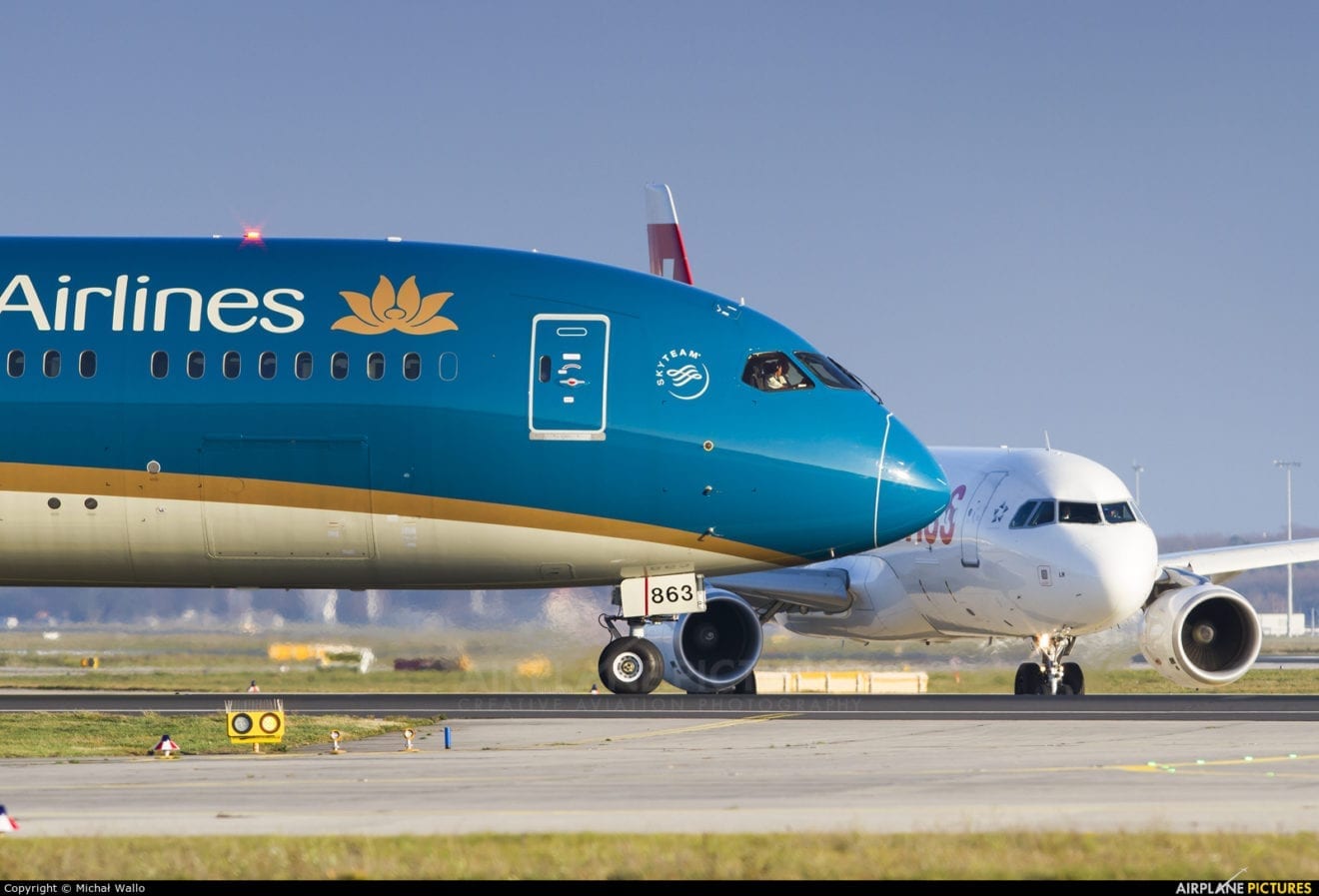
    HVN of Vietnam Airlines would be delisted if the national carrier continues to report a loss or negative equity this year, the Ho Chi Minh Stock Exchange (HoSE) warned.

    The ticker is being restricted after Vietnam Airlines posted equity of negative VND2.16 trillion ($91.8 million) in Q1, and losses for the two most recent years.

    Under the current regulation, a company will have its ticker delisted if it reports losses for three consecutive years, or its accumulated losses exceed the charter capital, or its equity is negative.

    As of June 30, Vietnam Airlines’ equity was a negative VND4.9 trillion ($209 million), its liabilities exceeding assets by VND36.435 trillion and its overdue payables at more than VND14.85 trillion.

    The national carrier targeted revenues of VND45.2 trillion, and pre-tax losses of VND9.3 trillion for 2022.

    In a statement sent to the HoSE it said it would restructure its portfolio and issue shares to raise its capital.

    Last year, Vietnam Airlines avoided delisting after issuing 800 million bonus shares worth VND8 trillion.

  • Capital A progressing with AirAsia aviation, Super App New York listing plan

    Capital A progressing with AirAsia aviation, Super App New York listing plan

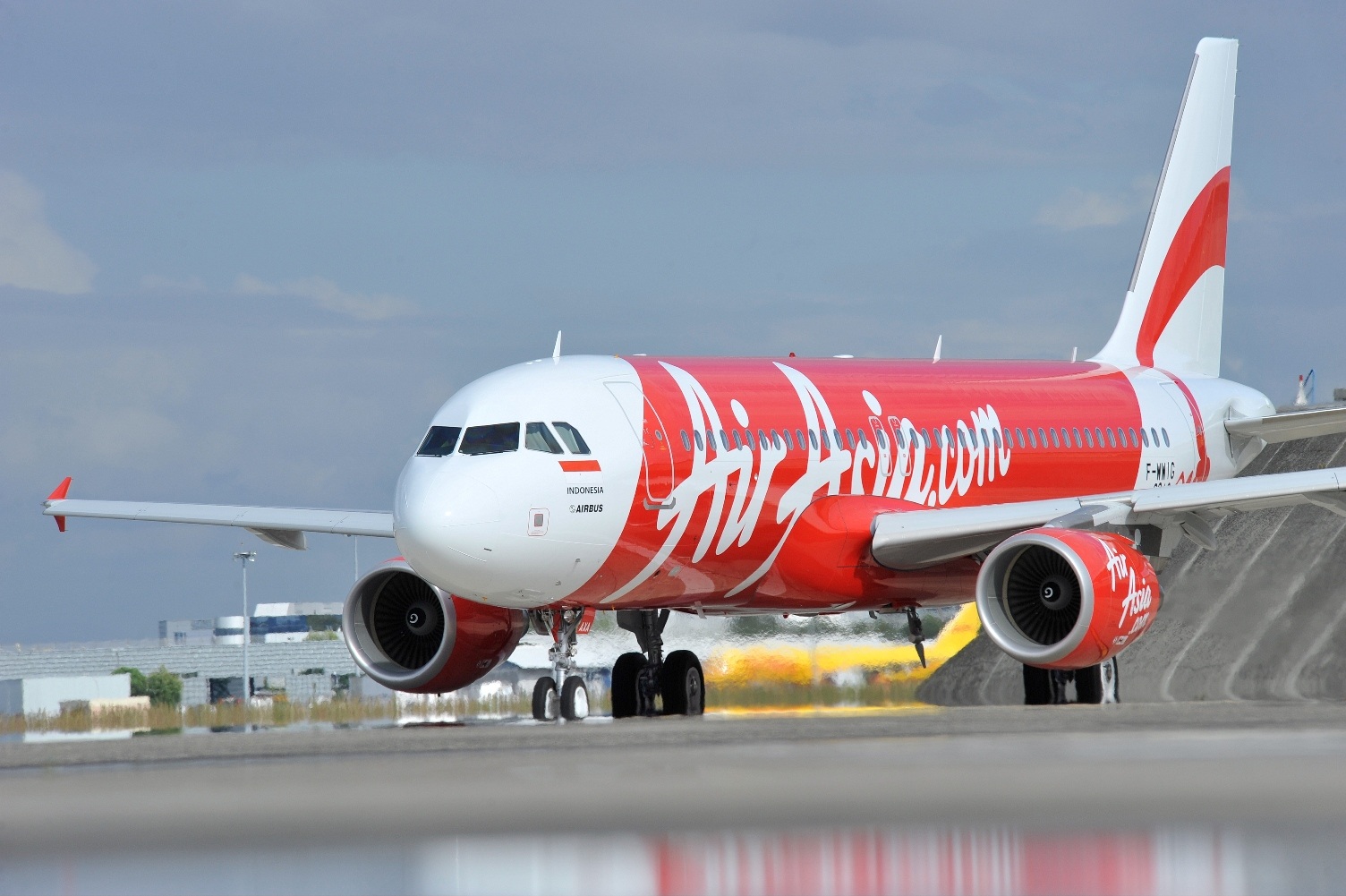
    Capital A Bhd is progressing with plans for the listing of AirAsia Aviation Group Ltd and AirAsia Super App in New York.

    Chief executive officer (CEO) Tony Fernandes said the company, formerly AirAsia Group Bhd, would probably make the announcement next year.

    “We’re planning the listing of AirAsia Aviation, which is private now, and Super App, that’s progressing but we’ll make announcements in due course,” he told reporters at an recent event.

    AirAsia Aviation comprises AirAsia Malaysia, AirAsia Philippines, AirAsia Thailand and AirAsia Indonesia.

    Capital A held the event at the Silangit International Airport, North Sumatra, Indonesia in conjunction with the inaugural Jakarta-Silangit flight operated by AirAsia Indonesia since Sept 1, 2022.

    Meanwhile, Fernandes said the company would replace its Airbus A320, the narrow-body aircraft fleet, with a more fuel-efficient A321 on the back of the resumption of aircraft delivery in 2024.

    He said 2023 is a year of getting back to its pre-COVID-19 level and regrowing in 2024 with A321, adding that aircraft deliveries up to 2029 have already been financed.

    “Our first goal is to get all our 205 planes flying. We’ve 110 flying now, and by the end of the year, 160 and probably in the first quarter of 2023 all of them,” he said.

    Fernandes said AirAsia expects to carry nearly 40 million passengers this year, about half of the numbers carried in 2019.

    He said the airline’s North Asia market would recover next year as countries loosen travel restrictions with China might gradually open by the middle of next year.

    “Japan is still semi-open, South Korea looks gonna be open soon, and Taiwan is still closed, etc. I think by next year, we begin to recover North Asia as well,” he said. – Bernama

  • Singapore retail sales continue to recover

    Singapore retail sales continue to recover

    Singapore retail sales continued their rebound in July, rising 18.1 per cent year on year, excluding motor vehicles.

    That followed a 19.9 per cent increase in June, both months reflecting the low base of a year earlier when Covid restrictions on border crossings and retail trading impacted shopping.

    The fastest-growing category was apparel and footwear which surged 68.3 per cent, largely due to handbags and footwear. Sales of food and alcohol, trade through department stores, and sales of watches and jewellery increased by between 41.7 and 53.1 per cent.

    Retail sales (excluding motor vehicles) in July were estimated at S$3.4 billion, of which online sales comprised 14.3 per cent, a similar level to June. Online sales of computer and telecommunications equipment accounted for 49 per cent of the category’s turnover, while 28.9 per cent of furniture and household equipment spending was online, and 14.8 per cent of supermarket sales.

    Meanwhile, sales of food and beverage services grew by 41.9 per cent in July, following June’s 59.1 per cent increase. The significant growth was due to the low base in July last year when restrictions on dining-in at restaurants and cafes were in place.

    Food and beverage service sales reached $939 million in July, of which online ordering accounted for 26.2 per cent.

  • Malaysian retail sales set new record

    Malaysian retail sales set new record

    Malaysia’s retail sales saw recorded growth in the second quarter of this year, surging 62.5 percent year on year, according to Retail Group Malaysia (RGM).

    The strong growth was estimated to result from the Hari Raya festival and the ease of Covid-19 operating restrictions. Given the swift growing pace, Malaysia Retailers Association and Malaysia Retail Chain Association project sales in the third quarter will have an average growth rate of 61.7 per cent.

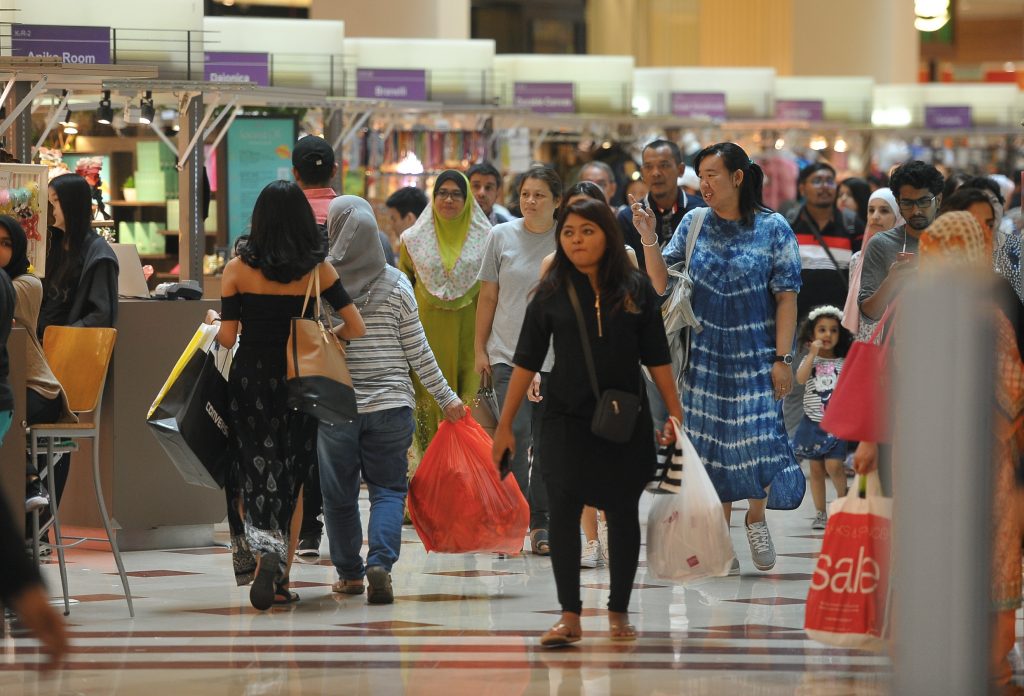
    “Hari Raya Aidilfitri was celebrated nationwide on May 3 and 4. This period had accelerated the pace of recovery of Malaysia’s retail industry,” RGM said in a statement. “Shopping centres and main commercial centers throughout Malaysia started to attract large shopping crowd three weeks before Hari Raya. The peak was one week before Hari Raya.”

    Fashion and accessories accounted for the highest growth, increasing 152 percent year on year during the quarter. Retail sales of the department stores and supermarkets jumped 59.7 percent.

    Other sub-sectors, including furniture, electronics, and healthcare, also enjoyed double-digit growth.

    RMB also added that Malaysian consumers’ purchasing power has been affected due to inflation. The manpower shortage has also influenced retailers’ sales and operation hours.

  • Twitter says it is now testing the feature that is most demanded by users

    Twitter says it is now testing the feature that is most demanded by users

    Did you ever post a tweet and realize that you’ve made a huge mistake? Without an edit button, there is nothing that Twitter users can do except delete the post and write it again. However, most Twitter members aren’t interested in having to re-type a tweet. But Twitter posted a blog today in which it says that it is internally testing a new feature called Edit Tweet which will be limited at first to Twitter Blue subscribers.

    It is no surprise that an edit function has been the number one wish from Twitter users since most other social media apps offer some editing capabilities; what good is a social media app if you accidentally push out a missive that has the point you’re trying to make covered up by typing miscues? According to Twitter, “Edit Tweet is a feature that lets people make changes to their Tweet after it’s been published. Think of it as a short period of time to do things like fix typos, add missed tags, and more.”For the initial test, Twitter will allow tweets to be edited multiple times during a 30-minute time period following the publication of a tweet. Subscribers will be able to determine which messages have been edited because these tweets will carry an icon, a timestamp, and a label to alert users that a particular post has been modified. Users will be able to view the original tweet and other edits made to it by tapping on the label which pulls up that tweet’s Edit History.

    Later this month (it now is September folks!) subscribers to Twitter Blue will get the first shot at using Edit Tweet. Early access to new features is one of the things that Twitter Blue subscribers pay $4.99 a month for. Making the testing even more selective, the feature will not only be exclusive to Twitter Blue users, it will be tested in one country only at first and as Twitter sees how people are using Edit Tweet, it will expand the testing to other countries.


    “We’ll also be paying close attention to how the feature impacts the way people read, write, and engage with Tweets,” Twitter states in the blog post. The company adds that it wants tweeting to “feel more approachable and less stressful. You should be able to participate in the conversation in a way that makes sense to you, and we’ll keep working on ways that make it feel effortless to do just that.”

    Meanwhile, all eyes will be on the Delaware Court of Chancery for five days starting on October 17th. Twitter is suing the richest man in the world, multi-billionaire Elon Musk, for rescinding his $44 billion, $54.20 a share takeover bid for Twitter. Musk, who is countersuing, alleges that Twitter misrepresented to him the number of fake accounts on Twitter that are controlled by “Bots.”

    With Twitter shares currently trading at $38.71, investors have already priced into the stock the extremely low likelihood that Musk will consummate the transaction. Both Musk and Twitter are arguing over the scope of Musk’s demands in the Discovery phase of the pre-trial which is when both sides turn over material, including documents, pertinent to the trial.

    Twitter claims that Musk is asking for huge amounts of information that are not relevant to the main issue of the litigation. That issue is whether Musk violated the contract he signed with Twitter to purchase the firm. Most contracts of this type include a break-up fee that is paid by the party pulling out of the deal. Musk’s deal with Twitter calls for him to pay the company $1 billion if he doesn’t follow through with the acquisition. Musk has already said that he will refuse to pay it.

  • Retail sales in Hong Kong rebound after two months of decline

    Retail sales in Hong Kong rebound after two months of decline

    Hong Kong’s retail sales jumped 11.7% in April from a year earlier, ending two consecutive months of declines, with the rebound helped by a receding COVID pandemic and the disbursement of government’s consumption vouchers.

    The retail sector has been under pressure particularly after the financial hub imposed stringent restrictions to curb the coronavirus, although the government expects the sector to pick up as cases decline and measures are eased.

    Retail sales in April jumped 11.7% from a year earlier to HK$30.2 billion ($3.85 billion), official data released on Wednesday showed. That followed a 13.8% drop in March.

    “The retail sector should continue to recover provided that the local epidemic situation remains stable,” a government spokesman said, adding that a consumption voucher scheme and other government measures would lend more support.

    In volume terms, retail sales in April rose 8.1% from a year earlier, compared with a 16.8% decline in March.

    For the January to April period, the value of retail sales fell 3.1% from the year-ago period while volume dropped 6.1%.

    At the beginning of this year, Hong Kong implemented its strictest anti-virus measures. The Omicron variant triggered a dramatic spike in infections, with businesses hit hard by widespread closures.

    The city’s economy contracted 4% in the first quarter from the same period a year earlier, ending four quarters of recovery.

    The unemployment rate rose to 5.4% in the February-April quarter, the highest since the April-June quarter in 2021.

    The government has revised down Hong Kong’s 2022 economic growth forecast to 1% to 2%, from an earlier 2% to 3.5%.

    Sales of jewellery, watches, clocks and valuable gifts, which before the pandemic relied heavily on tourists from the mainland, rose 13.9% in April following a revised 35.9% drop in March, the data showed. The border with mainland China remains largely closed due to COVID.

    Clothing, footwear and related products increased 1.6% in April against a revised 41.4% drop in March.

    Tourist arrivals in April fell 17.8% from a year earlier to 4,692. That compared with a 73% plunge in March.

    Online retail sales were a bright spot, surging 34.8% year-on-year in April in value terms after a revised 31.2% growth in March.

    Hong Kong eased COVID restrictions further in May as cases eased, reopening beaches and swimming pools, and extending hours for bars, while restaurants are allowed to serve eight people per table, up from four.

  • Coles expands parental leave program

    Coles expands parental leave program

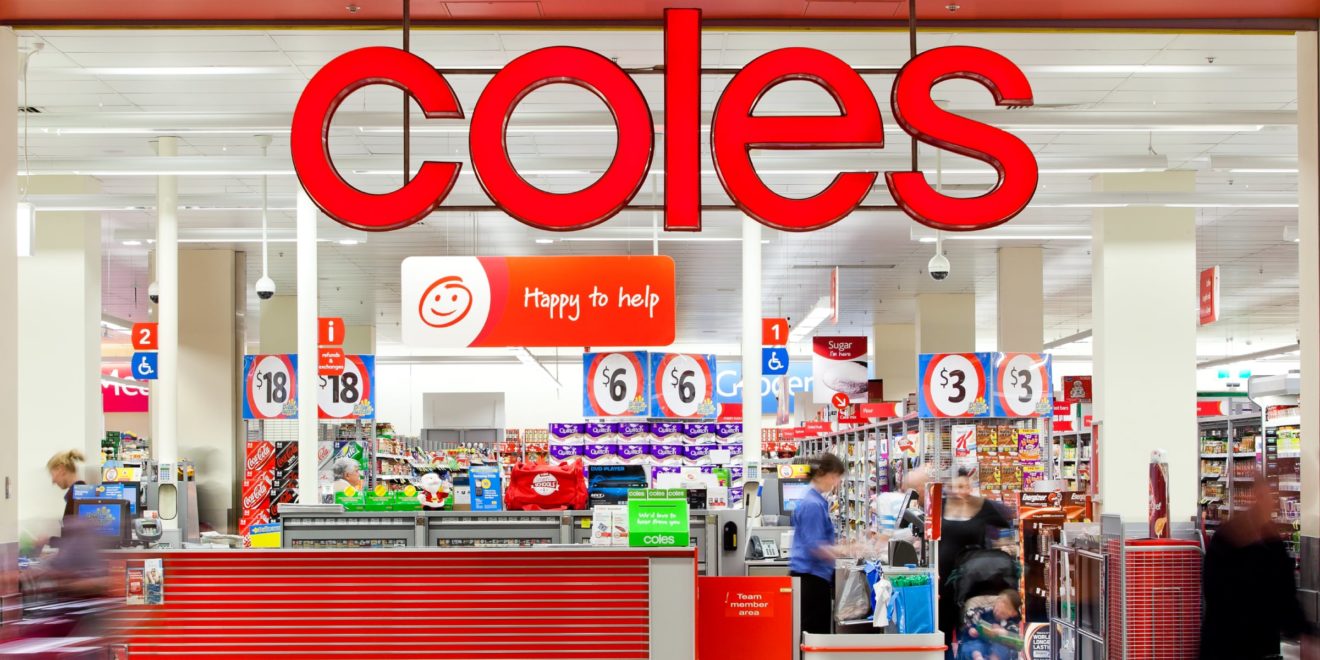
    Coles is expanding the support available for current and new team members across its network who are preparing for parenthood or adjusting to being a new parent.

    The supermarket giant has removed the 12-month service eligibility period for team members to apply for parental leave, meaning primary and secondary carers can now access paid parental leave benefits without having to wait.

    Coles has also increased the paid parental leave for secondary carers from two weeks to four weeks, with access to the leave able to be taken up to 24 months after the birth, adoption, or surrogacy birth of a child. Coles will also offer flexibility of how the leave is taken, such as single days, multiple days, or blocks of days.

    Kris Webb, Chief of People and Culture at Coles, said they want to make Coles a great place to work for all team members, which means supporting them through significant life moments such as planning to welcome a new addition to their family.

    “For people who are having a child and wanting to work for Coles, we don’t want them to feel they need to wait to receive primary carers leave, because we know that this is not always possible. No one should feel they need to hold off having a family because of their job.

    “We also are pleased to be extending our secondary carers leave because we know how important it is for primary carers to have the support of their partners during these important times of their lives.  This policy applies to team members who work in our stores, our distribution centres and our store support centre, so it’s really expansive and we hope will make a big difference to our team members planning to grow their families.”

    Coles is also formalising its policy for having paid parental leave extended to primary carers who suffer a pregnancy loss (stillbirth) through birth, adoption, or surrogacy.

  • Sustainable Jewellery in Asia: A Growing Consumer Appetite?

    Sustainable Jewellery in Asia: A Growing Consumer Appetite?

    As the most populous continent in the world, home to over 4.7 billion people, as well as some of the fastest growing economies, the environmental impact of Asia is enormous. And while it is commonly believed that the western world is more environmentally-friendly and sustainability-conscious, recent surveys have found that Asia Pacific consumers care equally about the environment and healthy living, if not more. One specific area of concern for customers is in the fashion world: sustainable jewellery.

    What is sustainable jewellery and why is it so important in Asia?

    Sustainable and ethical jewellery includes all jewellery that is made keeping sustainability and ethics in consideration. In other words, it’s not harming the planet or its inhabitants. This awareness, part of the slow fashion movement, includes evaluating the impact of all the processes involved, such as sourcing or mining materials, as well as designing, producing and delivering the products.

    Environmental issues of traditional jewellery

    The traditional jewellery industry caused an uproar in recent years due to both its environmental impact on Earth as well as societal and human harm. The reason it can be considered even worse than fast fashion in some ways is because of the mining of gems and metals. Lots has been spoken and written about blood diamonds or conflict diamonds, those that are mined in war zones and used to fund insurgencies and finance illegal activities. It is estimated by Amnesty that 3.7 million people have died in civil war fuelled by these unethically produced diamonds.

    Another factor to consider in sustainable purchasing is the environmental concerns related with mining, which accounts for 95% of the jewellery industry’s carbon footprint. Mining a single carat of diamond releases more than 125 pounds of carbon, and gold and silver mining is not far behind in terms of pollution. Mining also uses a lot of water while contaminating water supply and soil with chemical waste such as cyanide, mercury and sulphuric acid.

    While sustainable fashion practices such as recycling or refashioning old clothes or passing precious heirloom jewellery down generations have long histories in Asian countries like India and China, the focus on ethically produced, eco-friendly jewellery is more recent. In fact, searches for terms such as ‘sustainable jewellery’ and ‘ethical jewellery’ in countries such as India, Thailand, Vietnam, and Indonesia outperform searches in western countries.

    Eco-friendly buying trends amongst Asian consumers

    Buying trends are changing across the world, but specifically in Asia, there is a concern towards not just environmental but also health-related, social, and corporate governance issues. Based on recent research, the most important elements to consumers include healthy ingredients, natural, additive/chemical free, organic, sustainable packaging, sustainability symbols and local sourcing. This increased awareness led to all-round eco-friendly purchases, penetrating all aspects of shopping, not just fashion and jewellery.

    There is a drive amongst consumers in Asia to shop organic or locally grown products, especially produce, both for their health benefits and also to reduce the impact on the environment that importing exacerbates. With the carbon footprint of meat products being more widely known, more people are becoming vegetarian and vegan, with the plant-based market expected to increase 200% by 2025. In the beauty industry, individuals, especially millennials and Gen Z are opting more and more for products that are vegan or cruelty-free in order to align with their values.

    The internet has made gaining access to information a lot easier, and with this transparency and knowledge, people are trying to make informed decisions. However, this is just the beginning and there is a long way to go. Despite wanting to invest in brands that are ‘doing good’, it’s hard for consumers to trust marketing completely as there isn’t always enough information or they don’t believe the company’s sustainability or ethics claims.

    When 16,000 consumers in Asia were surveyed on their consumption habits, it was found that they didn’t buy sustainable goods because there was low availability (10% of participants) or it was expensive (16% of participants).

    For eco-friendly and ethically sourced jewellery, there are ways to find out if the brand really does practice what they preach. First, look out for certifications such as Fair Trade, The Kimberly Process and Fairmined; these accreditations are usually a good indication of ethical practices. It’s also a good idea to check how the materials are sourced – recycled metals and gems have the lowest environmental impact, whereas mined diamonds in war-torn zones where workers face forced labour have the worst overall effects.

    Conclusion

    We live in a world where eco-conscious living and a healthy planet is of utmost importance to today’s generation. Consumers everywhere, but particularly Asia, have started to take matters in their own hands and are voting with their dollars. Green purchasing is one way, but an important method, of contributing to creating a better world. Purchasing sustainable jewellery is the perfect avenue to exercise this awareness and care, and we will surely see a dramatic rise in this market in the upcoming years.
  • Booming foreign investment to push Vietnam up value chain

    Booming foreign investment to push Vietnam up value chain

    “Vietnam has repeatedly proven its ability to climb up the value chain over the years, to the point where the country has grown into a key manufacturing hub for tech products within the electronics space,” CEO of HSBC Vietnam, Tim Evans said.

    Apple is reportedly in talks to make watches and the MacBook in Vietnam for the first time, with its suppliers having started test production of the former in the north.

    Foxconn, a key Apple supplier, this month leased 50.5 hectares of land in Bac Giang Province and plans to build a $300-million factory there and employ 30,000 workers.

    South Korean conglomerate Lotte is seeking to expand in Vietnam, arguably its third most important market behind its home nation and Japan, and completely pull out of China.

    Over the last decade Samsung, Intel and many other multinationals have made significant investments in Vietnam and consider it an important base for their production.

    The country’s ectronics exports climbed to a record US$108 billion in 2021, equivalent to 32% of total exports, against less than $1 billion in 2000.

    “Vietnam has effectively turned itself into a rising star in global supply chains, gaining substantial global market share in sectors ranging from textiles and footwear to furniture and consumer electronics,” Evans said.

    This has come about because of its strategic location, competitive labor and production costs, and political, currency and social stability, have helped it become an attractive investment destination, he added.

    Vietnam attracted $31.15 billion worth of foreign direct investment last year, up 9.2% from 2020 despite Covid-19.

    Multinationals are moving part of their production from China to Vietnam since the risk of the latter facing punitive tariffs in future is low, according to analysts.

    The foreign direct investment flow from China to Vietnam reached $1.88 billion in 2020, up 245% from 2017, according to data from the United Nations Conference on Trade and Development, Thai lender Kasikorn – Kbank said.

    Michael Kokalari, chief economist of investment fund VinaCapital, said Vietnam still has a large number of workers who can move from the farm to the factory since over 40% of its workforce is still employed in agriculture.

    “I don’t see any other country in the world as a serious competitor to Vietnam in the assembly of high-tech products, which explains why Vietnam’s FDI inflows have remained so consistent.”

    But much remains to be done for Vietnam to take advantage of the increasing foreign investment.

    World Bank data shows its non-tariff trade costs are higher than for its ASEAN peers, with transport congestion costing as much as 21% of GDP in 2016, much higher than the global average of 12%.

    “Upgrading and modernising existing infrastructure will empower Vietnam to reduce the barriers to trade and strengthen its ability to attract additional FDI,” Evans said.

    Improving labor skills is another necessity as the demand for highly skilled workers is rising given the high level of technology and automation at foreign-invested manufacturers, he added.

    Kokalari said factors such as wages, workforce quality and infrastructure are more important than government policies in attracting FDI.

    More FDI means more opportunities for local firms to develop their capabilities to produce inputs the FDI factories require, he pointed out.

    “FDI brings not only money into a country, but also creates spillover benefits that help foster that country’s industrial sector.”

  • South Korea’s retail sales up 9.7 per cent in July amid eased virus curbs

    South Korea’s retail sales up 9.7 per cent in July amid eased virus curbs

    Retail sales in South Korea rose 9.7 percent on-year in July amid eased COVID-19 curbs and the growth in people’s outdoor activities, the industry ministry said Tuesday.

    The combined sales of 25 major offline and online retailers came to 14.17 trillion won ($10.48 billion) last month, compared with 12.9 trillion won a year earlier, according to the data compiled by the Ministry of Trade, Industry and Energy.

    It marked the fifth consecutive month of on-year growth.

    Sales from offline stores rose 12.1 percent in July, as department stores, in particular, saw their sales surge 31.6 percent on-year. Demand for luxury goods, clothing and other fashion items logged solid growth, according to the data.

    Sales of convenience stores also went up 10.4 percent in July on the back of the popularity of food packages and other daily items.

    Sales of discount chain stores, such as E-mart and Lotte Mart, inched up 0.2 percent on-year amid the dwindling demand for home appliances, while those of smaller supermarkets fell 3.6 percent, the data showed.

    Sales from online platforms jumped 7.3 percent from a year earlier over the continued spread of the contactless shopping trend amid the prolonged pandemic.

    Demand for cosmetics via online platforms surged 14 percent on-year as people resumed outdoor activities.

    Sales of foodstuff and beverages also grew 14.7 percent, while those of home appliances and other electronic devices logged an on-year fall, the data showed.

    Online platforms accounted for 47.63 percent of the total sales in July, according to the ministry.

    South Korea has experienced a new virus wave since late July following a monthslong let-up after the worst infections here so far.

    But the government decided not to reimpose strict antivirus regulations, such as business curfews and a cap on private gatherings, to support people’s return to normalcy.

    All schools resumed in-person classes, and many companies ended their remote working policies.

  • Twitter is concerned that bad actors can exploit its shopping features

    Twitter is concerned that bad actors can exploit its shopping features

    Well, it appears that Twitter has some serious concerns regarding one of its features. Last summer, the social media enabled users to purchase directly from the platform. US businesses received the ability to use custom shop names and create shopping sections on their profiles to list and sell items.

    More specifically, it discusses the problems that could occur if someone with bad intentions wants to use Twitter’s e-commerce function to sell illegal or dangerous items.

    The memo contains a section entitled “risk assessment,” which lists a few high-risk elements for Twitter’s shopping feature. One of these is the merchant fields, like shop names and descriptions, which, according to the memo, could be used by bad actors in harmful ways.

    The biggest problem is that, at least at the moment, Twitter doesn’t have good enough ways to deal with such “bad actors.” According to the memo, the platform uses automated detection tools that search for sketchy things in individual product listings, but its proactive measures aren’t enough because the company lacks the manpower needed to offer better detection.

    Another concern that Twitter has is the shareability of the stores. At the moment, users can’t share the storefronts, but if Twitter introduces such a feature, it could give bad actors the ability to share their dangerous items and reach even more people.

    According to a Twitter spokesperson, the memo is genuine and is part of a new initiative that allows teams to share their ideas on how to make product releases safer. The spokesperson also stated that Twitter is always searching for ways to improve the safety of its services and that this is especially true when it wants to add new features to its platform.

  • Thai Airasia X to Fly to Australia

    Thai Airasia X to Fly to Australia

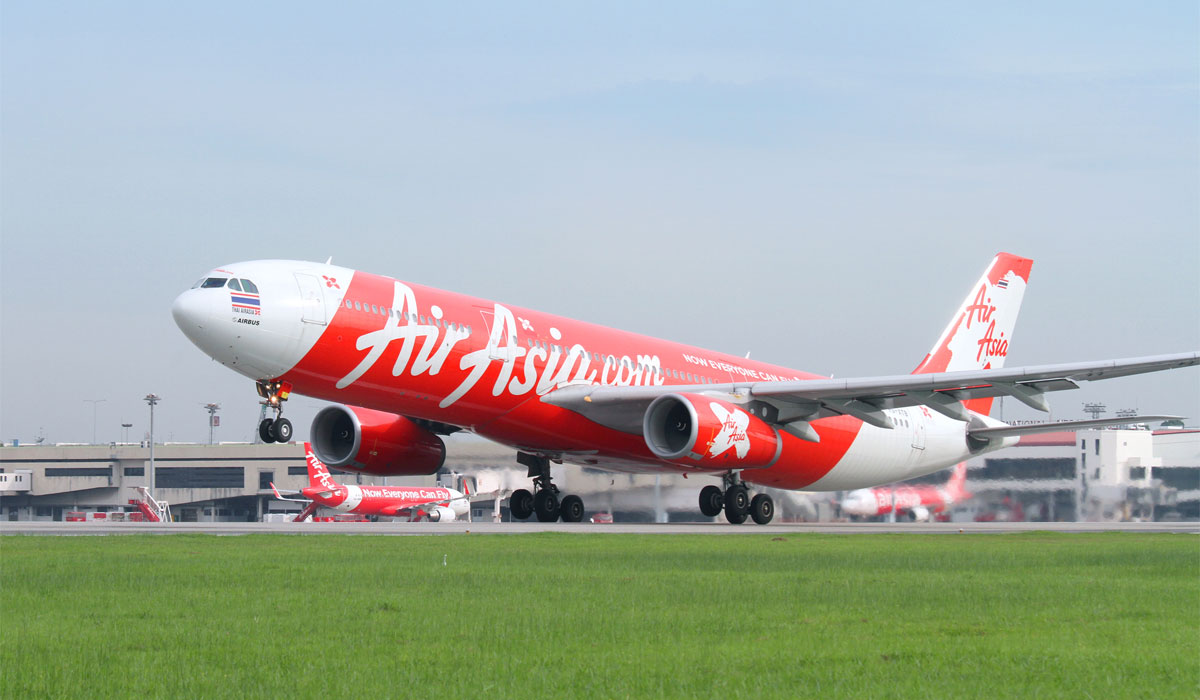
    Thai AirAsia X (XJ) will launch new services from Bangkok (Suvarnabhumi Airport) to Melbourne and Sydney commencing 1 and 2 December 2022.

    Four weekly flights direct from Bangkok to Sydney Airport depart on Mondays, Tuesdays, Fridays and Saturdays, and to Melbourne Airport (Tullamarine) three times a week on Wednesdays, Thursdays and Sundays.

    The return flights on the same days from Australia to Thailand, start from just A$299.

    Premium flatbeds on both routes are now on sale from A$1,199.

    Thai AirASia will operate 377-seat Airbus A330 aircraft with 12 business-class reclining seats and 365 economy seats, including a quiet zone from rows 7 – 14.

    Mr Tassapon Bijleveld, Acting Chief Executive Officer of Thai AirAsia X, explained that Thailand and Australia have maintained strong relations for over 70 years, noting Australia is among the

    top three educational destinations for Thai students as well as a leading travel destination for Thai tourists.

    “Thai AirAsia X is very excited to be adding Sydney and Melbourne as two key destinations in Australia this year.

    “Thais love Australia and Australians love Thailand and we are confident that these new and direct services will prove popular.

    Mr Bijleveld added that other Australian destinations such as Perth were on the airline’s radar.

    Australia remains a key market for the AirAsia brand. Malaysia-based AirAsia X, the affiliate long haul sister airline of Thai AirAsia X, has also recently announced new direct services from Kuala

    Lumpur to Sydney commencing 9 September and to Perth, Melbourne and Auckland (via Sydney) which begin in November this year.

  • Boeing wants to expand Vietnam operations

    Boeing wants to expand Vietnam operations

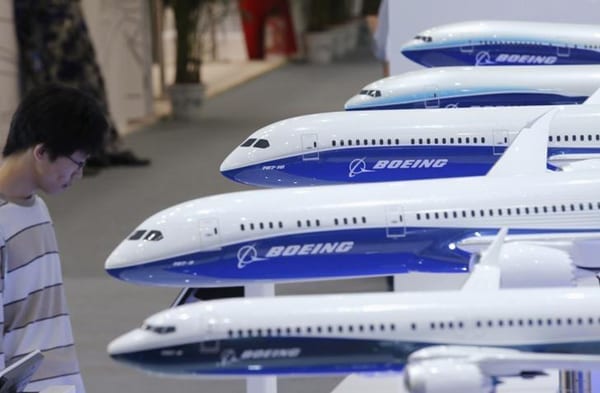
    One of the world’s leading aircraft manufacturers, Boeing, says it wants to develop its supply chain Vietnam by making more domestic businesses its suppliers.

    At the Boeing Aerospace Industry Forum held in Hanoi Thursday, Michael Nguyen, general director of Boeing Vietnam, said that in the next 30 years, experts believe Southeast Asia would need 4,000 planes. Vietnam is in a leading position to be part of satisfying such a demand, he said.

    Boeing would like to become a strategic supplier for Vietnam, he added.

    The aircraft maker currently has seven suppliers based in Vietnam, but there is only one Vietnamese company among them. In the long run, Boeing would like to directly work with Vietnamese suppliers as it is currently working with mainly South Korean or Japanese partners, Nguyen said.

    “We really want to directly work with Vietnamese companies, but domestic businesses need to learn to walk before they can run. We really want to help Vietnamese businesses to walk fast and run fast,” Nguyen said, adding that Boeing would like to cooperate with universities to train their personnel in the sciences.

    Craig Abler, Boeing director of supply chain Asia, said he had introduced to Vietnamese partners the Boeing’s criteria, including product quality and delivery time, to become a supplier for Boeing. The firm would also visit potential factories and have teams develop suppliers in Vietnam, he said.

    Nguyen said all Boeing planes have parts made in Vietnam, such as doors or door handlers. But the American giant believes Vietnamese workers and experts can grow even more and produce other components with the right guidance, so it would like to expand its operations in Vietnam.

    Do Nhat Hoang, head of the Foreign Investment Agency under the Ministry of Planning and Investment, requested Boeing and other U.S. companies to continue with cooperation initiatives, investments and technological transfer with Vietnam regarding fields like infrastructure and production, among other areas.

    He also wished that Boeing looks into developing a training center for pilots, experts and engineers in aerospace, not to mention aircraft production facilities in Vietnam.

    Boeing has been operating in Vietnam since 1995. Since then, the firm has made several contributions to Vietnamese aviation, including technical assistance in defense and commercial aviation.

  • Pinduoduo Trains Farmers in Online Commerce to Boost Agricultural Incomes

    Pinduoduo Trains Farmers in Online Commerce to Boost Agricultural Incomes

    Agricultural e-commerce platform Pinduoduo has helped to raise incomes for rural farming communities by widening market access for producers, who can now bypass intermediaries to sell directly to consumers.

    But while many farmers are aware of the benefits of selling online, they may still find it daunting to set up and run their own e-commerce business without help and training. This is especially so for those with less education and are less tech-savvy.

    Pinduoduo, which operates a digital platform connecting millions of farmers and consumers, identified the lack of digital skills as a potential sticking point toward wider adoption of agricultural e-commerce. Founded in 2015, Pinduoduo started as an online fresh produce retailer and has made it a core priority to use technology to improve agriculture.

    The company’s “Tech for Agri” approach is centered on increasing market accessibility, improving digital inclusion and literacy, and fostering innovation as key enablers for agricultural modernization.

    Recognizing that the lack of internet-savvy talent may prevent farming communities from participating fully in e-commerce and the digital economy, Pinduoduo set about creating a comprehensive learning platform to deliver courses for aspiring farmers to become agricultural entrepreneurs.

    In 2019, Pinduoduo partnered with China Agricultural University to train farmers on how to run their own online businesses. The inaugural class in Yunnan province was attended by dozens of local farmers. That year, Pinduoduo held more than 1,000 hours of instructor-led training sessions and trained hundreds of farmers. Together with its online courses, the company helped train 490,000 agricultural merchants.

    Since then, Pinduoduo has developed an extensive suite of online courses covering topics in business, finance and marketing. Delivered in the form of articles, videos and livestreaming sessions, the on-demand online courses leverage on the widespread availability of the mobile internet and provide a valuable resource for farmers and merchants to learn at their own pace.

    Pinduoduo has also focused on training the younger generation of farmers to take up e-commerce and help their communities. Many of these youths left their rural hometowns to work in big cities but have the desire to return to start their own businesses and to be closer to their families.

    As of the end of October 2021, more than 126,000 “New Farmers” born after 1995 have set up online stores on Pinduoduo. Many of these younger “New Farmers” have tertiary education.

    As digital natives, these “New Farmers” are more open to new technology and innovations. They are also more mindful of the need for more sustainable development in agriculture.

    Each young “New Farmer” is estimated to inspire another five to 10 youths to go into e-commerce. On average, each young “New Farmer” creates 50 local jobs directly and indirectly by boosting demand for ancillary services from logistics to packaging. This helps to grow agriculture-related industries and bolsters the agricultural ecosystem.

    To date, Pinduoduo has connected an estimated 16 million farmers to the digital economy through its platform. With its more than 800 million active consumers, Pinduoduo is helping to aggregate and channel consumer demand to benefit rural communities.


  • Lotte to focus on Vietnam expansion

    Lotte to focus on Vietnam expansion

    South Korea’s fifth largest conglomerate Lotte Group is picking up the pace of expansion in Vietnam’s retail and F&B industries as it pulls out of China.

    Its chairman, Shin Dong-bin, recently released from jail, is set to visit Vietnam for his first overseas business trip after receiving a presidential pardon on Liberation Day on Aug. 15.

    The trip “shows how serious (South) Korea’s fifth-largest business group is about doing business” in its “third-most important market […] after S. Korea and Japan” as it is near completion of withdrawal from China, The Korea Times said.

    A number of Lotte CEOs, including Kim Sang-hyun of Lotte Shopping, Jung Jun-ho of Lotte Department Store and Kang Sung-hyun of Lotte Mart, have visited Vietnam this year to check on their businesses.

    The Korea Times quoted a Lotte Shopping official as saying: “We are actively operating in Vietnam and Indonesia currently. The Vietnamese market in particular shows steep growth in the retail business and there is still room to grow. Korea has a good reputation in Vietnam that helps with our business there and people’s income levels are rapidly growing too.”

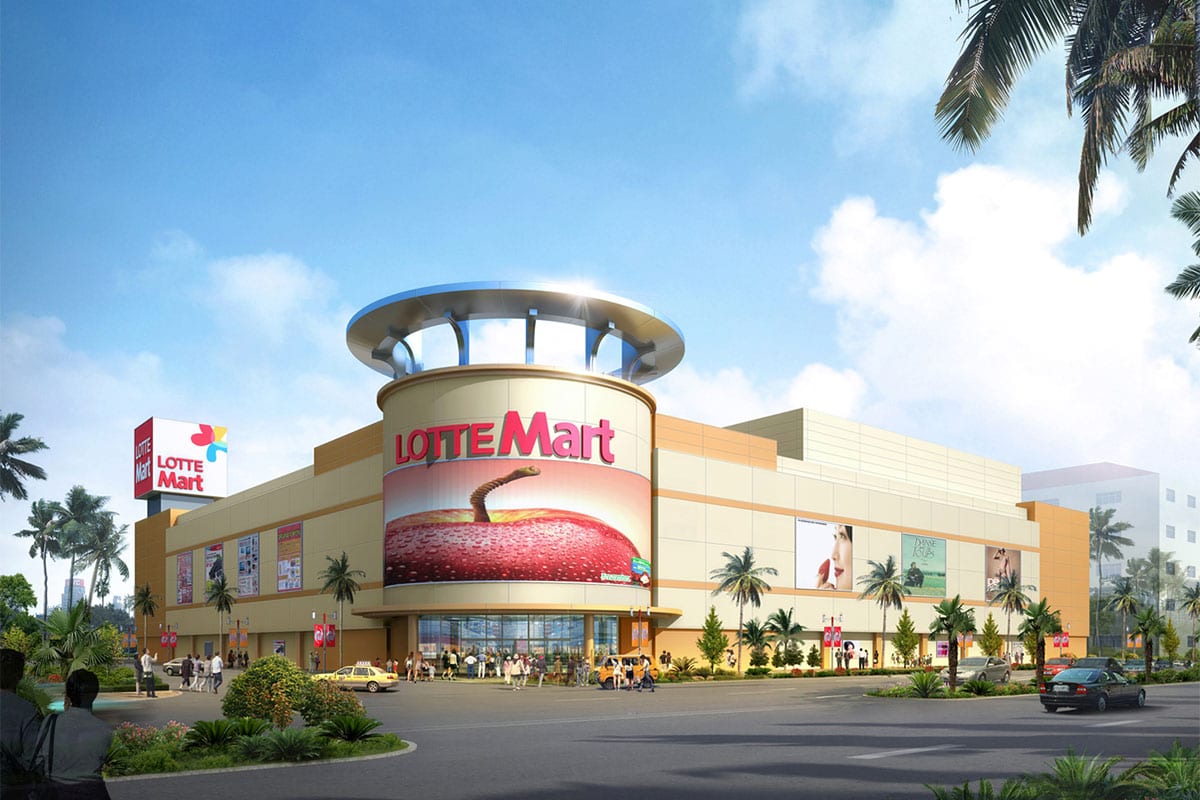
    Lotte has 270 Lotteria fast-food restaurants and 15 Lotte Mart hypermarkets in Vietnam. Its other subsidiaries are also building shopping complexes and residential apartments in Hanoi and HCMC.

    It established Lotte Ventures Vietnam last year, the first foreign venture capital firm to be approved in the country.

    Meanwhile, Lotte is planning to sell its last department store in China and pull completely out of the country after 14 years of doing business.

    China allegedly retaliated against South Korean firms there after the deployment of the U.S.’s THAAD anti-ballistic missile defense system in 2017.

    Shin was sentenced to 30 months in prison in a bribery case involving former president Park Geun-hye, and spent seven months in jail.