Category: General

Retail News Asia is committed to providing both local and global retailers with the latest General Retail news throughout the Asian market. This on a daily base.

  • Unilever CEO Alan Jope to retire next year

    Unilever CEO Alan Jope to retire next year

    The British consumer products maker said its board would start a formal search for a successor to Jope, a Unilever veteran who took up his role at the start of 2019, considering both internal and external candidates.

    Unilever’s shares rose almost 4% in early trading, hitting their highest since August last year. They were up 1.2% at 1150 GMT.

    The company’s search begins at a time of soaring food and energy prices which are hitting household budgets and hurting consumer confidence. The company will be looking for a new CEO at the same time as rival Reckitt, the maker of Dettol products and Finish dish soap.

    Unilever has had a rocky start to the year after mounting three bids for the consumer health arm of GlaxoSmithKline – one for as much as 50 billion pounds ($53.14 billion).

    The move was met with disapproval from shareholders, some of whom also criticised Unilever for prioritising sustainability over core growth.

    “This may signal more welcome future change at Unilever,” Tineke Frikee, fund manager at Unilever investor Waverton Asset Management, said.

    “The unappealing plan to buy consumer healthcare from GlaxoSmithKline has tainted Mr Jope’s track record somewhat so a fresh start from a new CEO could convince investors Unilever’s momentum is trending upwards again.”

    The company in January also announced plans to cut about 1,500 management jobs and reshape its business to focus on five main product areas, days after it was revealed that Peltz, via his Trian Partners vehicle, had built a stake in Unilever.

    Trian told Reuters in a statement that it was sorry to learn of Jope’s decision to retire.

    “As a board member, Trian’s CEO Nelson Peltz looks forward to continuing to work closely with Alan until his departure and to being part of the process of choosing a new leader for the company,” it added.

    A Unilever spokesperson said the company is “fully committed to the organisational changes” and that Jope is “completely committed to delivering against that strategy.”

    Jope has worked at Unilever for more than 35 years, holding various senior leadership positions, including being head of the personal care division from 2014.

    “I think Jope’s tenure as CEO was a bit of a mixed bag,” Jack Martin, fund manager at Unilever shareholder Oberon Investments, said. “It has been a very impressive career nonetheless, joining as a trainee in the 80’s and ending up as CEO of one of the UK’s largest listed companies,”

    Unilever’s shares have underperformed European consumer staples and discretionary indices, as well as most rivals since Jope became CEO.

    “Our immediate concern is that this leaves 15 months until his retirement with a CEO who might be seen to have lost credibility with employees and other stakeholders,” RBC analyst James Edwardes Jones said.

    “This at a time when Unilever will be implementing and bedding down a fundamental reorganisation, not to mention dealing with a challenging macro-economic environment.”

    A source familiar with the matter said Unilever’s “unusual” decision to tell the market more than a year before Jope leaves stems from concerns that the news would have leaked before being officially announced.

    “While his has undoubtedly been a great career, investors are likely to see this as a positive change, as the company has struggled in recent years to convince investors that it has the right brands and strategy to be a mid-single digit growth company,” Bernstein analyst Bruno Monteyne said.


  • Google Lens will soon let you search an image directly with Google Image Search

    Google Lens will soon let you search an image directly with Google Image Search

    If you haven’t used Google Lens before, this app lets you scan an item with your phone’s camera and, by using AI image analysis, search for information on the object on the Internet. And now, as the people from 9to5Google spotted, Google is releasing a new feature to its Lens app.

    It appears that the tech giant is rolling out a new button to the Android version of the Lens app that enables you to search a scanned object or an image directly with Google Image Search.

    If you have the new feature, after analyzing an image with Google Lens, you should see a new circular button — with a globe and a magnifier on it — in the bottom-right corner, just below the picture. When you tap it, the app will open Google Image Search and show you results from the search engine regarding the analyzed picture.

    This may be in response to the fact that many users still seem to prefer Google Images instead of trying to work with Lens. The new feature will allow you to try out the Lens result and then swap to the ol’ reliable image search if all else fails.

    Now, keep in mind that Google is still rolling out the new feature, so you may need to wait a while before using it. The new Google Image Search button in Lens will probably come to iPhones as well, but we can’t currently tell with certainty.

  • WhatsApp debuts Call Links feature, starts testing encrypted video calling

    WhatsApp debuts Call Links feature, starts testing encrypted video calling

    WhatsApp has just announced Call Links, a brand-new feature leaked previously, will be making its way to users sometime this week. Just like the name suggests, Call Links allows users to send links to contacts to join their calls.

    Obviously, the contact you’re sharing the link with must-have WhatsApp installed, otherwise, they won’t be able to join the call. On the bright side, this makes joining a call much easier since you only need to tap the link received.

    Beyond contacts in your phonebook, you’ll be able to send a call link to anyone on WhatsApp. Links can be added to an invite or sent in a chat, and they’re available for both audio and video calls. This is especially useful when you want to plan a conference call with multiple people that might or might not be in your contacts list. If they’re on WhatsApp, they will receive your links and join the call if they wish to.

    WhatsApp’s new Call Links feature will be rolled out to users on Android and iOS globally, starting this week. If you don’t see it on your phone yet, the wait a few more days.

    It’s unclear how WhatsApp plans to protect video calls from people who obtain these links fraudulently, but just to be on the safe side, double check who you’re sending these call links to before you actually do it.

    In related news, Meta’s Mark Zuckerberg confirmed WhatsApp has started testing secure encrypted video calling for up to 32 people. We’re promised more information on the subject soon, so that’s about all we have for now.

    It’s kind of ironic that WhatsApp has added the option to send call links so that people can easily join calls but promises to provide better security over video calls sometime in the future.

  • AirAsia announces flight resumption to Japan and a new direct route from Penang to Bali

    AirAsia announces flight resumption to Japan and a new direct route from Penang to Bali

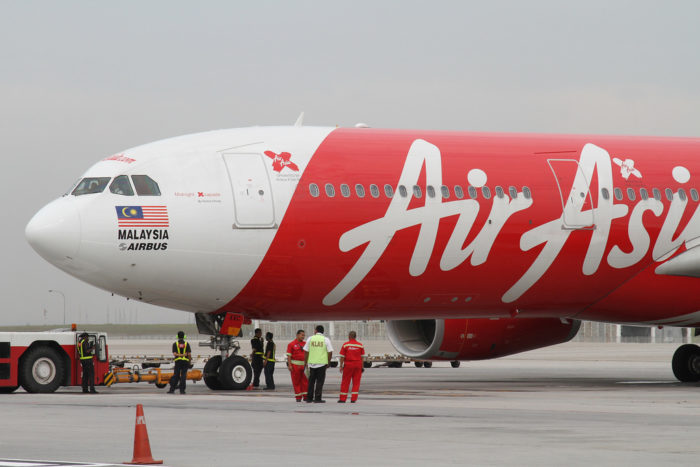
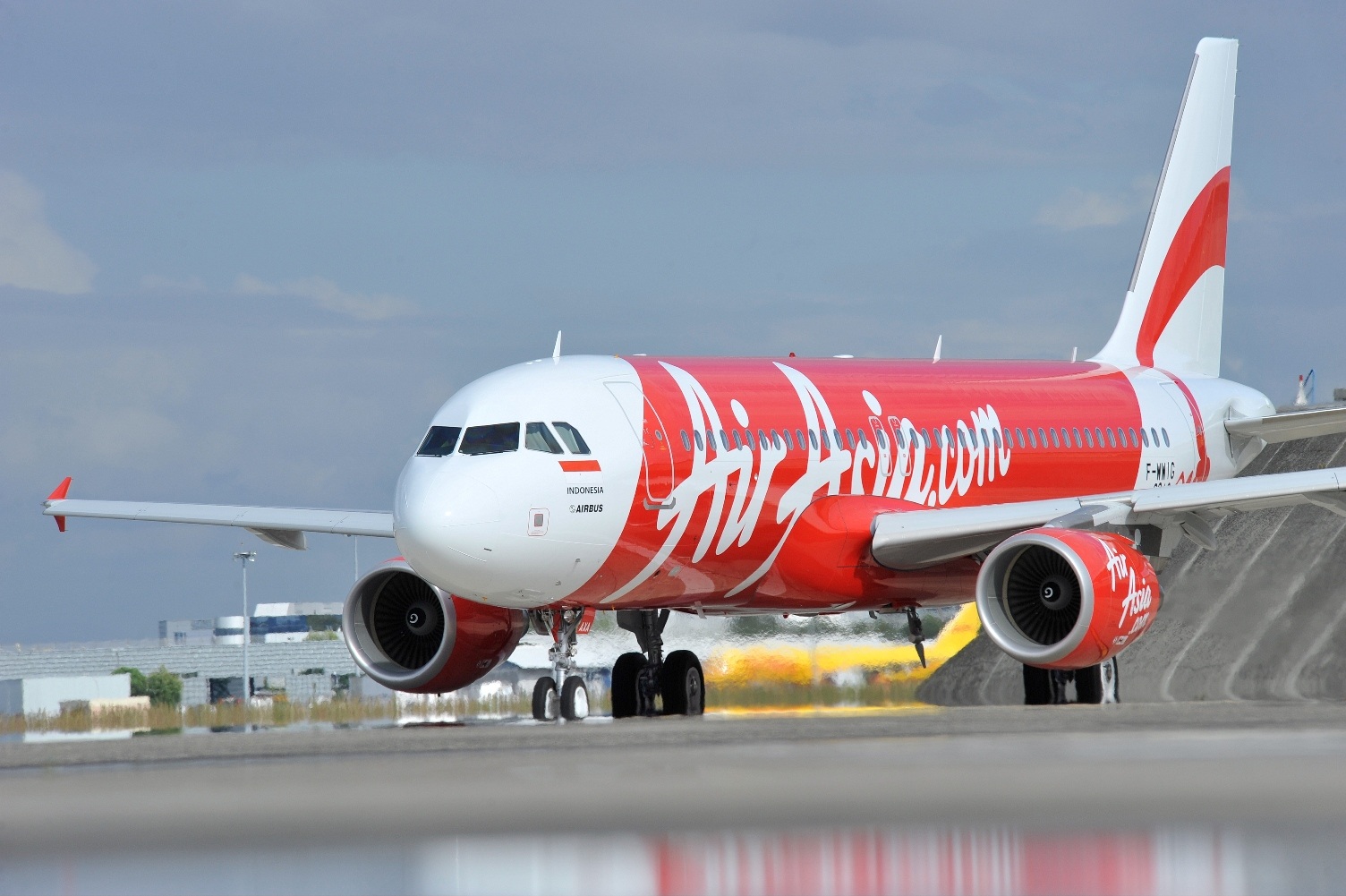
    AirAsia today announced the resumption and launch of flights to Japan, namely Tokyo, Sapporo (via AirAsia X) and Fukuoka. Moreover, the airline company also announced the launch of a new direct route from Penang to Bali.

    In a press release regarding its 5 million free seats sale today, AirAsia reminded consumers that there are only 2 days left for them to grab flight seats under the promotion. Launched on Monday (19 September 2022), the promotion has been super successful with over 500,000 seats being sold within just 48 hours, with the free seats meaning that consumers only have to pay for airport taxes and other applicable charges.

    For the resumption of flights to Japan, AirAsia elaborated that seats are now on sale following the recent announcement by the Japanese government to lift travel restrictions starting 11 October 2022. Accordingly, AirAsia is offering flights to Japan from RM599 for Economy and from RM2599 for Premium Flatbeds. Besides that, AirAsia X will also be resuming popular flights to Jeddah starting November 2022, starting from RM1799 for Economy and RM2999 for Premium Flatbeds.

    As for the new direct route from Penang to Bali, AirAsia is offering seats from RM159 for travel between 20 October 2022 to 25 March 2023. The seats are now on sale for the first time ever on the airasia Super App and AirAsia official website.

    For those that prefer to travel domestically, AirAsia also announced flights to local destinations start from RM23 inclusive of taxes and charges. For more information, do follow @flyairasia on Instagram/Facebook or @airasia on WeChat/Weibo for the latest updates. As always, make sure to stay tuned to TechNave for the latest trending tech news in Malaysia and beyond.

  • Vietnam, Cambodia trade climbs to record level

    Vietnam, Cambodia trade climbs to record level

    Trade between Vietnam and Cambodia reached a record US$7.7 billion in the first eight months of the year.

    Vietnam’s exports rose by 32% year-on-year to $4.1 billion, as the country turned last year’s deficit into a surplus, according to its customs department.

    The most significant item was iron and steel, accounting for 17% of the total, followed by garments and fuel.

    Vietnam’s imports from Cambodia rose marginally to $3.6 billion, with rubber and cashew being the main items.

    As a result, last year’s deficit of $0.4 billion turned into a surplus of $0.5 billion.

    Cambodia is Vietnam’s third largest trading partner in Southeast Asia, behind Thailand and Singapore.

  • Aldi Australia backs Global Plastics Treaty

    Aldi Australia backs Global Plastics Treaty

    ALDI Australia has joined over 80 global businesses in endorsing the call for a global plastics treaty to end plastic pollution.

    The Business Coalition for a Global Plastics Treaty, which also includes financial institutions, and non-governmental organizations, is pushing for the development of a legal UN treaty to end plastic pollution, calling for “an ambitious and effective global agreement to accelerate progress towards a circular economy in which plastic never becomes waste or pollution.”

    Aldi joins Ikea, Walmart, and the below companies in the coalition.

    ALDI Australia says this cements its commitment to sustainable business operations.

    “As one of Australia’s largest grocery retailers, we understand the important role we play in reducing our use of plastic and introducing more sustainable packaging within our own supply chains at a local and business level,” said ALDI Australia’s Director Corporate Responsibility, Daniel Baker.

    “The plastics crisis doesn’t stop at our shores or even our oceans. This is a global challenge that needs a cohesive response and having a United Nations treaty with businesses worldwide is essential to help solve this global crisis together.”

  • Changi knows it takes a community to be sustainable

    Changi knows it takes a community to be sustainable

    Lim Ching Kiat, managing director for air hub development at Changi Airport Group, shares his insights on sustainability as the airport looks to renew its commitment to making a sustainable Changi a reality.

    Can you share how the Changi Airport Group is contributing in making sustainable air transport a reality?
    Although airports account for only about 2 percent of global aviation emissions, we form the common platform upon which a multitude of aviation partners operate—from airlines and ground handlers to airport tenants and concessionaires. Apart from reducing Changi Airport Group’s own emissions by optimising the energy consumption of our terminal buildings, we actively engage the airport community in efforts towards a more sustainable Changi.

    To realise our common goals of making air transport (passenger and freight) sustainable, we need cleaner fuels to power aircraft, equipment on the ground, as well as to cool and light our terminal buildings. In this journey which will require innovation and effort, we focus on two broad thrusts.

    One is reinventing how our partners power their businesses, by supporting airlines’ and ground handlers’ transition away from fossil-based jet fuel and diesel respectively. We work closely with industry and regulatory partners on stakeholder engagement, as well as facilitate trials and studies on infrastructural needs to enable the adoption of sustainable aviation fuel (SAF), renewable diesel and electric ground service equipment. These include the conversion of internal combustion ground service equipment such as baggage tractors and forklifts to electric variants and provision of common-use charging ports.

    Then there’s reinventing how we power ourselves. Over 99 percent of CAG’s Scope 1 and Scope 2 emissions come from the use of electricity in operating our terminals. As such, we concentrate our efforts on raising building energy efficiencies through constant upgrading of our systems to the best-in-class energy efficient models. We also seek to expand on-site generation of solar energy, as well as tap potential renewable sources beyond the airport.

    There are also similar efforts by our air cargo partners. For example, dnata recently launched a 3.5 megawatt-peak rooftop solar power system across dnata’s cargo and catering facilities at Changi Airport. Some of our partners have started trialing solar-powered equipment at their premises. Specific to the cargo business, we are also facilitating closer industry collaboration through higher end-to-end supply chain visibility. We have put in place processes and protocols that could help improve the overall quality of the supply chain, which prevent degradation of products and reduce wastage. We have also launched initiatives to that attempt to reduce carbon emissions. One such example is the truck dock slot booking (TDSB) application introduced under the Changi Air Cargo Community System (ACCS). By evening out cargo lodgment and collection at the air freight terminals, the application provides greater insights to landside freight movement activities and lead to lesser truck waiting time, hence reducing carbon emissions.

    How important is the buy-in of cargo shippers and passengers to push forth with initiatives that will help reach a sustainable future for aviation?
    Global organisations are increasingly looking at sustainability factors when making business and supply chain decisions, and they are integrating these considerations into their business operations. Many have also pledged net zero carbon-emission commitments. To this end, they require the support of their suppliers and key stakeholders in the supply chain.

    The aviation industry will need a suite of solutions to address different aspects of our business and supply chain. Technology is a crucial enabler. The good news is that there are many solutions being developed, including carbon capture, which is the process of converting carbon dioxide in the atmosphere into feedstock for renewable energy, hydrogen produced in a sustainable manner, SAF etc. The challenge is ensuring scalability and commercial viability. To unlock the full potential of such emerging technologies, partnerships and collaboration across the supply chain stakeholders and among public and private stakeholders are critical. We will also need effective policies to balance the supply and demand of such emerging technologies.

    What are the recent developments that would lead to air cargo growth?
    Notwithstanding the current disruptive global events such as the Russia-Ukraine war and Covid-19 resurgences, we see some traditional and new business sectors driving positive long-term air cargo growth, especially in the Asia Pacific region. The drivers include pharmaceuticals, high-tech shipments and cross-border e-commerce. With the Regional Comprehensive Economic Partnership (RCEP) coming into effect, we can also expect a boost in regional trade, as well as logistics and distribution activities.

  • Shell Philippines to open Adidas and Starbucks stores in its gas stations

    Shell Philippines to open Adidas and Starbucks stores in its gas stations

    Pilipinas Shell Petroleum, the publicly listed Philippine arm of Shell Plc, plans to have retail shops and restaurants in a third of its gasoline refilling stations by 2025 as its seeks to boost revenues beyond fuel.

    That could drive non-fuel retail earnings to grow at least 15% a year and build an income stream that provides a quarter of sales, CEO Lorelie Quiambao Osial said in a Bloomberg interview. Shell wants 550 of its 1,300 to 1,400 stations in the Philippines in 2025 to have retail offerings that range from convenience stores to restaurants and shops like Jollibee, McDonald’s, Starbucks and Adidas.

    “We are transforming what you’d normally call petro retail stations into mobility destinations,” said Osial. “Before it’s motorists-driven. Now, it’s something for the passengers to enjoy as well.”

    Pilipinas Shell’s push to grow its non-fuel revenue while aggressively expanding its gas stations gained focus after it closed its refinery in 2020 and shifted to buy fuel supplies from abroad. The refinery’s closure made earnings more predictable and freed up resources to fund projects with higher yields, like building up its gas station footprint. Currently, a quarter of revenue is from non-fuel retail, Osial said.

    The five-year strategy, which started in 2021, costs about 3 billion pesos ($52.3 million) to 4 billion pesos annually. It calls for adding between 40 to 60 stations a year, to bring Pilipinas Shell’s network to up to 1,400 outlets and five mid-range oil terminals by 2025. The plan is a bet on rising personal income and petroleum demand in the Philippines, and expectations that the country’s “low motorization rate” will catch up with other markets, Osial said.

    Pilipinas Shell has also added electric-vehicle charging points at some of its stations in anticipation of a growth in EV use in the Philippines.

    Among the country’s biggest gasoline retailers, which also include Chevron Corp.’s local unit and the nation’s sole refiner Petron Corp., Shell Pilipinas has been making the biggest push into diversifying away from fuel in its gasoline stations since 2021, said Astro del Castillo, managing director at First Grade Finance Inc., an investment advisor and consultancy firm.

    “It could double this segment by 2025 considering that it’s just starting to aggressively penetrate this market,” he said.

    To further diversify income from fuel, Pilipinas Shell also plans to have 900 of its gas stations in 2025 provide oil change and car maintenance services, said Osial, who helped build Shell’s gas business when the global oil company returned to Iraq in 2013 and was tapped in 2021 to take charge of its Philippine retail operations.

    “There will be more offers on the non-fuel space,” Osial said. “Customer behavior is changing and it’s still evolving.”

  • Vietnam Railways sees smaller losses in H1

    Vietnam Railways sees smaller losses in H1

    State-owned Vietnam Railways Corporation racked up after-tax losses of VND30 billion (nearly $1.3 million) in H1, down from losses of VND100 billion in the same period last year.

    The corporation said it would suffer after-tax losses of VND570 billion in 2022, compared with losses of VND1.327 trillion in 2020 and of VND565 billion in 2021.

    Vietnam Railways’ financial statements showed that its revenues in the first half grew 36% on-year to nearly VND1.045 trillion. It has targeted revenues of VND1.62 trillion in the whole year.

    By the end of June, Vietnam Railways had assets of over VND15 trillion, up VND200 billion against the beginning of this year.

    The corporation currently runs a debt of nearly VND2.23 trillion, with undistributed loss exceeding VND1.85 trillion.

    It is gradually shifting focus from passenger to freight transport, promoting routes linking with international equivalents.

  • AirAsia offers 5 million free seats to celebrate its rapid comeback

    AirAsia offers 5 million free seats to celebrate its rapid comeback

    Asia’s low-fare carrier, AirAsia, is reportedly offering five million free seats to its passengers to celebrate its rapid comeback. The airlines launched a sale on tickets on September 19. The customers can buy tickets with offers till September 25.

    The report further said that the offers will be valid if the travel dates lie between January 1, 2023, and October 28, 2023.

    The offer can be availed on the airline’s website and mobile application. It can be availed by clicking on the “Flights” icon on the app or website.

    “ We wish to thank our loyal passengers who have had our back through thick and thin with the biggest ever FREE Seats* campaign. Not only have we resumed many of our much-loved routes, but we’re also introducing new and exciting ones for greater value and choice,” Karen Chan, group chief commercial officer, AirAsia.

    “This extra special sale was also put together to celebrate our 21st birthday and the gradual reopening of borders worldwide. With all of that, we encourage everyone to take advantage of our Big sale and commitment to always make air travel accessible to everyone. As always, we expect the best value fares will be snapped up fast, which is why we urge value seekers to get in quick,” Chan added.

    The offer is available to travelers from several ASEAN countries like Thailand, Cambodia, and Vietnam.

    Two months ago, AirAsia gave away free trips to passengers.

  • Guide to Myanmar Online Casinos

    Guide to Myanmar Online Casinos

    Over recent years, Burmese casino players have had several options to help them enjoy the thrill of online gaming. With the number of online casinos available in Myanmar, it may not be easy to pick the right choice. Let’s take a look at the dynamics of online gaming in Myanmar.

    How to Open an Online Casino Account in Myanmar

    Although signing up for an online casino account in Myanmar is one of the most straightforward things to do, it doesn’t mean you should register on the first one on your browser. When you search for online casinos Myanmar, most sites will be dying for your attention. This allows you to find incredible offerings and promotions.

    Before you create an account, ensure you have met these requirements:

    • Have a valid email address
    • Be at least 18 years of age
    • Read, understand, and agree to the terms and conditions of the online casino site.

    Once you have all these, you are ready to create an online casino account in Myanmar. You will then need to deposit money into the account and begin having fun in no time.

    Benefits of Online Gambling in Myanmar

    There are a lot of benefits you can expect to accrue from playing casino games online. They include:

    Online Gambling is Safe

    Online casinos in Myanmar are safe, so players don’t have to worry about losing critical information shared on these websites. Most websites are protected from hackers.

    Multiple Games Available

    There might be days when you feel like you only want to play slots and not other card games. Whatever online casino game you fancy playing, you will have a chance to play it anytime. Therefore don’t hesitate to explore your options.

    Some of the incredible games to consider include:

    • Baccarat
    • Roulette
    • Slot games
    • Sports betting
    • Keno

    No Need to Leave the Comfort of Your Home or Office

    In the past, Burmese players had to travel long distances to play at land-based casinos. However, modern technology has made anything possible. Besides preserving your data, online gambling allows you to enjoy your favorite games anytime. You no longer have to leave your home to enjoy the thrill of casino games.

    Accessibility

    With only a laptop, smartphone, or tablet and an internet connection, you can play live games and slots whenever you want! The best thing is that these casinos are available 24/7 and have staff ready to offer a helping hand whenever you encounter challenges.

    Entertainment

    Online casino games in Myanmar provide seamless digital entertainment to several players around the country. Unlike land-based gambling, online casinos have a set of popular games. Besides, most online casinos partner with the best software developers to ensure players have an outstanding gaming experience.

    Conclusion

    Thanks to modern technology, you can enjoy your favorite game and earn real money anywhere and anytime. There are limitless opportunities for you to enjoy your online casino games in Myanmar. You only have to browse the web, find the most suitable online casino and begin playing!

  • JD Airlines secures air carrier certificate

    JD Airlines secures air carrier certificate

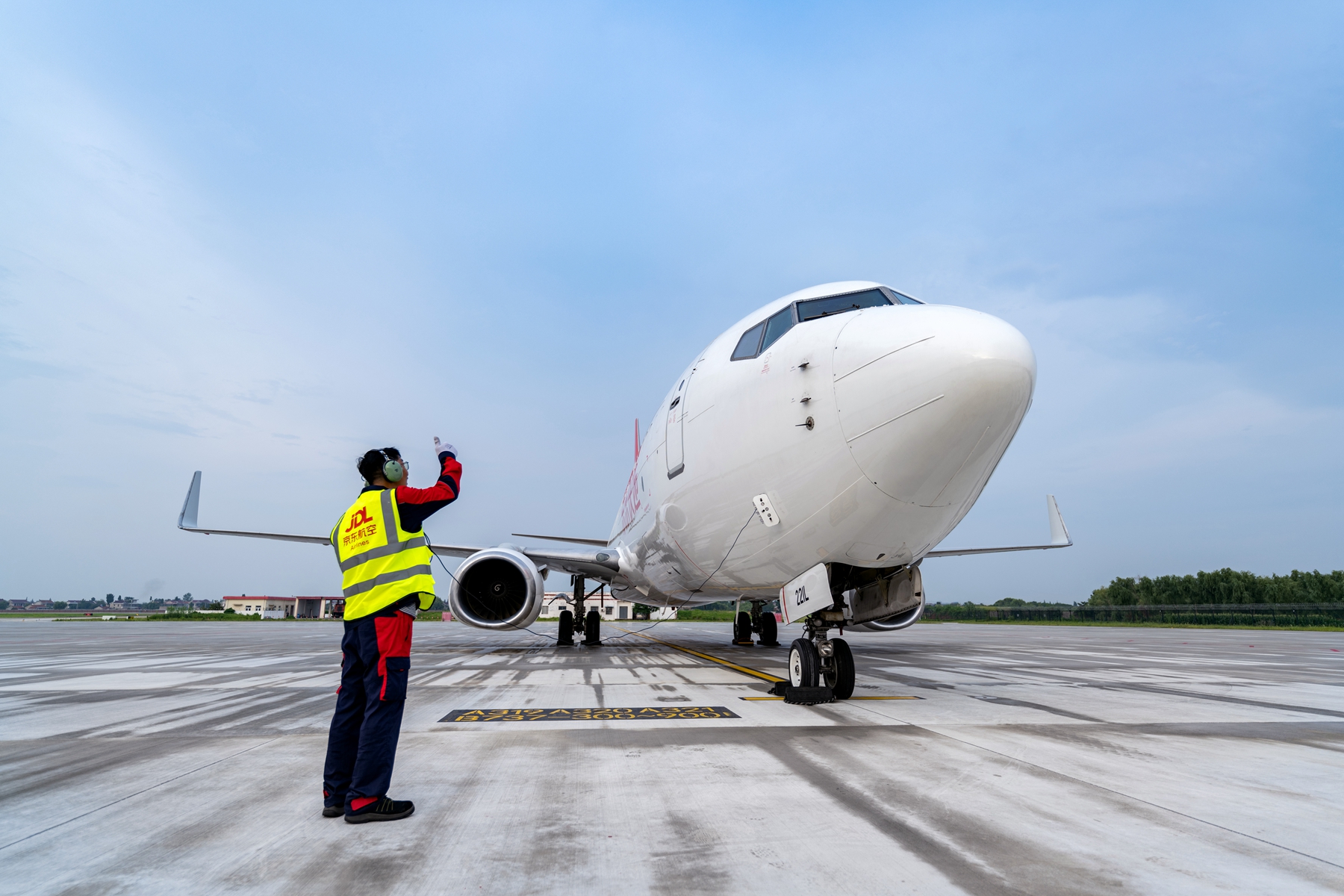
    Jiangsu Jingdong Cargo Airlines, or JD Airlines, an affiliate of JD Logistics, received the air carrier certificate from the Civil Aviation Administration of China (CAAC) on August 31.

    The carrier will have its principal base at Nantong Xingdong International Airport as it plans to develop its domestic network in China around the key cities of Nantong, Beijing, Shenzhen, and Wuxi.

    The airline said it will extend its reach to Chengdu and Chongqing and will gradually cover major cities in Southeast Asia, Japan, and Korea and later in Europe, Middle East and North America by the end of 2025.

    JD Airlines plans to open up its capacity to the market with a single trip able to transport as much as 23 tonnes. The carrier aims to cater to high-value goods, high-end manufacturing, medical, and fresh produce.

  • AirAsia, Malaysia Airlines and Batik Air in consumer crosshairs for complaints

    AirAsia, Malaysia Airlines and Batik Air in consumer crosshairs for complaints

    AirAsia received the highest number of complaints in the first half of the year (42.1%), followed by Malaysia Airlines (40.7%) and Batik Air (7.9%). For every million passengers carried, Malaysia Airlines recorded the highest number of registered complaints with 199 complaints, MAVCOM said, followed by Batik Air with 167 complaints and AirAsia with 95 complaints.

    Flight rescheduling, flight cancellations, and online booking collectively contributed to 46.1% (577) of total complaints filed. Other complaints included refunds (7.9%), frequent flyer programs (7.6%), and mishandled baggage (7.3%).

    According to MAVCOM, complaints concerning flight rescheduling jumped tremendously from just eight in the first half of last year to 233 complaints during the same period this year. AirAsia contributed 65% of complaints on flight rescheduling, followed by Malaysia Airlines (30%) and Batik Air (4%).

    At the same time, complaints related to flight cancellation also increased from 14 to 211 complaints compared to the same period last year. Malaysia Airlines contributed 54% of the complaints, followed by AirAsia (36%) and Batik Air (7%). Complaints related to online booking have multiplied more than 13 times from 10 during the first half of 2021 to 133 complaints this year. AirAsia accounted for 47% of the complaints, followed by Malaysia Airlines (32%) and Batik Air (12%).

    Throughout the first half of this year, 1,251 complaints were registered with MAVCOM in total, with 99.1% (1,240) complaints received on airlines while 0.9% (11) complaints were related to airports. According to MAVCOM, this illustrates an increase of almost eight times more than the 157 complaints lodged within the corresponding period last year.

    Additionally, MAVCOM also received 1,317 non-actionable complaints, comprising 1,160 complaints with incomplete documentation, 59 complaints where the airline or airport concerned had fulfilled the obligations under the Malaysian Aviation Consumer Protection Code (MACPC), 35 complaints that were withdrawn by consumers, 31 complaints that were beyond the scope of the MACPC, 29 complaints that pertained to bookings made through travel agents as well as three complaints that were lodged more than a year from the incident date.

    Saripuddin Hj. Kasim, MAVCOM’s executive chairman, said Malaysia’s aviation service providers should prepare by taking heed of the complaints breakdown observed in the consumer report as guidance to improve further service levels and address the root cause of prevailing issues. “As a proactive measure by MAVCOM, we have also been actively engaging aviation service providers to ensure that these issues are being addressed,” he added.

  • Thales Singapore names new country head

    Thales Singapore names new country head

    Tech company Thales has appointed Emily Tan as country director for Thales Singapore and as CEO for Thales Solutions Asia Pte Ltd, effective 1 September 2022.

    The Singaporean native, who spent 14 years with Shell assuming leadership roles, will oversee the 2,000-strong Thales team across three sites in the city-state, including the Group’s Digital Identity & Security manufacturing centre located at Ayer Rajah Crescent and the Group’s largest avionics production and MRO facility at Changi North Rise.

    Emily started her career with the Singapore Economic Development Board (EDB), bringing a keen understanding of the public sector. She spent three years as director in London, and later as head of international policy and lead negotiator for international trade agreements.

    She will succeed Kevin Chow who will continue his career in a senior leadership role at Thales’ Airspace Mobility Solutions business in France.

  • How To Build And Maintain Relationships With Overseas Suppliers 

    How To Build And Maintain Relationships With Overseas Suppliers 

    When it comes to developing professional relationships in business, good customer service is often at the forefront of efforts. Remember that suppliers are also a fundamental part of your enterprise process. They should never be overlooked. Establishing strong relationships with them is necessary to keep your business operations in check. 

    If you’re partnering with local suppliers, the challenge isn’t as great as working with overseas ones. There’s a lot more that comes into the picture with overseas suppliers, given how you may not be able to physically interact with each other, or, in even more difficult situations, you may speak a different language, along with respecting differences in business practices like understanding how to pay China suppliers, among other concerns. It’s therefore very important to master the tricks to overcome those challenges to turn them into positive opportunities for your business. 

    Today and moving forward, you can break cultural and geographical barriers by learning how to develop and maintain better relationships with your overseas suppliers.   

    Have A Well-Drafted Supplier Relationship Agreement 

    Because what you’re entering into is a professional business and contractual relationship, it’s a must to have a contract that binds both parties. This is a non-negotiable requirement as it lays down the rights and obligations of each party. In case of a dispute or breach, matters can be laid down legally in court with the contract as the basis. This contract prevents any confusion or unsupported allegations. 

    Understanding your rights and responsibilities can help form the foundation of good relationships with your suppliers. This ensures both parties are on the same page as to expectations. Otherwise, any confusion or doubt will put your professional relationship on the rocks, negatively affecting your working relationship and your respective businesses. 

    Create Channels For Consistent Communication 

    Like any professional relationship, communication is very important. The fact that your suppliers are overseas shouldn’t be a hindrance to establishing good communication. Technology has now paved the way for the presence of reliable communication channels which your business can use to your advantage. 

    With that, select the app or medium of communication that works best for you and your supplier. Don’t simply rely on email and phone texts, as those may be inefficient when dealing with overseas communications. Some apps allow you to make calls for free, even when you’re in geographical distances, for as long as there’s a stable Internet connection. 

    Signing up for these apps may be what your business needs to level up smooth and real-time communication with overseas suppliers. By doing so, any problems can be dealt with promptly. Moreover, important discussions are also completed ass soon as possible. 

    Be Respectful Of Your Suppliers’ Time 

    No matter how your suppliers would love to communicate with you, this doesn’t mean that their lines are open for you to reach 24/7. You still have to learn to respect each other’s boundaries, especially time. 

    This starts with ensuring that you always consider the time difference when setting up meetings or making calls. It doesn’t matter what time it is in your local area. You need to reach your suppliers, so be mindful only to call them during their appropriate business hours. 

    Along this line, you have to follow other time-related principles of respect on top of not making any calls beyond office hours. For instance, never send an urgent email at 4:45 in the afternoon on a Friday. Don’t expect them to be available over the weekend to respond to that and then make a big fuss if the supplier was offline during the weekend. 

    Always Pay On Time 

    Nobody appreciates a business partner that cannot pay on time and as agreed. It’s a sure way to disrespect your supplier. 

    To avoid this, always be clear about the forms of payment as well as when and how to pay. This prevents miscues on payments even as you meant well to pay. 

    Moreover, ensure your finance and accounting systems are sound enough to meet the demands of supplier relationships. Let the departments concerned know about payment means and schedules so that funds can be released on time.   

    Takeaway 

    Running a business also means dealing with many stakeholders, like your suppliers. Depending on the type of products and services you’re selling, some businesses may have even more suppliers than others. Whatever situation applies to you, what matters the most is that you know how to foster and maintain a good relationship with your suppliers. It’s not easy to master and get done overnight, but it’s also not impossible to learn. The tips above give you that boosted start.