Category: General

Retail News Asia is committed to providing both local and global retailers with the latest General Retail news throughout the Asian market. This on a daily base.

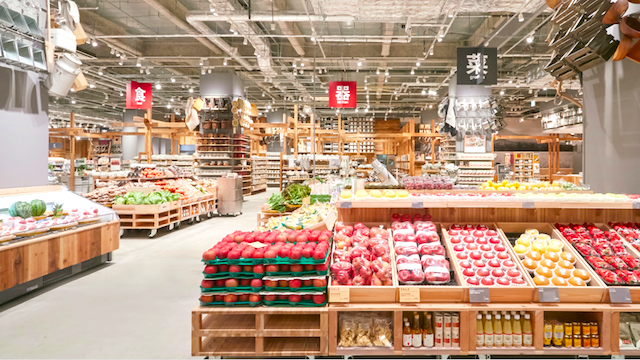
  • Muji launches under 500 yen store concept

    Muji launches under 500 yen store concept

    Ryohin Keikaku Co., which operates MUJI, opened a new type of store called MUJI 500 at JR Mitaka Station in Mitaka, Tokyo, on Friday. The new store mainly sells daily necessities for ¥500 or less.

    The percentage of items priced under ¥500 at the new shop is roughly 70%, an increase from less than 30% at regular stores. The company plans to open 30 stores in this new format by the end of February 2023, mainly in central Tokyo.

    The new store sells about 3,000 products, less than half the number of items sold at regular stores. About 2,000 of the products are under ¥500, including food items, kitchen sundries and garbage bags. As well, customers can order products online that are not immediately available at the store and then later pick up the items.

  • Hong Kong retail sales growth stalls

    Hong Kong retail sales growth stalls

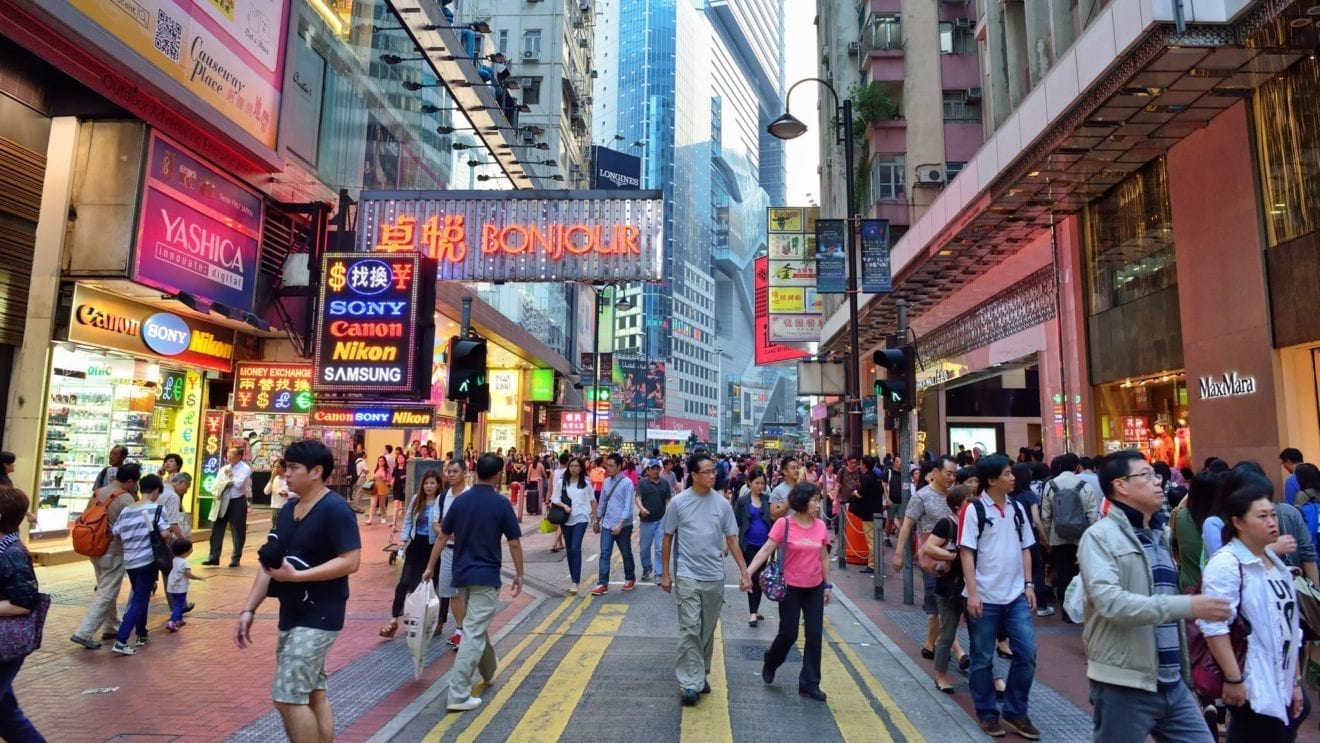
    Hong Kong retail sales growth stalled in August, down 0.1 percent yearly, following a revised estimated increase of 4.1 percent in July.

    According to the Census and Statistics Department, August’s figures were impacted by a high base compared to a year ago, but for the first eight months of the calendar year, sales are down by 1.5 percent on year.

    Calculated with the impact of price changes removed, August sales were down by 2.9 percent, and July sales were up by 1.1 percent. Sales for the first eight months of the year combined were down by 4.5 percent.

    “Looking ahead, the moderating local epidemic situation, improving labor market conditions and [the government’s] The Consumption Voucher Scheme will continue to support consumption sentiment and demand in the near term, but the increasingly tight financial conditions will pose constraints,” said a government spokesperson. “It is crucial for the community to work in unison with the government to contain the epidemic, to create greater room for the recovery of consumption-related activities.”

    Online sales accounted for 9.1 percent of total turnover in August and were 21.3 percent higher than the same month last year. That followed an increase of 8.4 percent in July, with year-to-date online sales up by 21.7 percent.

    Categories with the largest declines in August were apparel (down by 7.4 percent), shoes and accessories (12.7 percent), and books and stationery (17.4 percent). Categories showing growth included jewelry and watches up by 4.3 percent, and motor vehicles and parts, up by 43.7 percent.

  • Victoria makes $3m joint investment in soft plastics recycling

    Victoria makes $3m joint investment in soft plastics recycling

    The Victorian and federal governments will invest more than $14 million in new organic recycling facilities in Victoria. The joint funding, announced on Thursday, will support seven projects across the state to divert up to 15,000 tonnes of food and garden waste from landfill.

    The $14.26m will improve the quality of recycled organic products such as compost, soil conditioners and mulches by removing material contaminating them. Six of the seven organic waste recycling projects will be in regional areas, with up to 134 jobs created during the construction phase.

    “When we recycle food and organic waste, we don’t just take pressure off our landfill, we create a valuable new commodity,” Federal Environment Minister Tanya Plibersek said in Melbourne on Thursday.

    “Taking materials out of landfill, that in itself is good. But even better, we’re re-engineering those materials into precious new resources for our farmers.”

    The governments will also jointly invest $3m for a large recycling facility in Altona in Melbourne’s southwest.

    The facility will recycle 30,000 tonnes of soft plastic into food-grade soft plastic and washed flakes of low-density polyethylene.

  • Nestle to stop sourcing from Indonesian palm oil producer AAL

    Nestle to stop sourcing from Indonesian palm oil producer AAL

    Food giant Nestle plans to stop sourcing from subsidiaries of Astra Agro Lestari (AAL), a major Indonesian palm oil producer accused by environmental groups of land and human rights abuses.

    The move comes as multinationals face increased reputational and legal pressure from consumers and governments to clean up their global supply chains in the fight against climate change.

    Nestle, maker of KitKat chocolate and Nespresso coffee, told Reuters that following a recent independent assessment, it instructed its suppliers to ensure palm oil from 3 subsidiaries of AAL no longer enters its supply chain.

    It did not specify the claims again AAL other than to say it had been on its ‘grievance’ list for several months.

    The Swiss-based group expects it will not be using any palm oil from the AAL subsidiaries by the end of the year.

  • Vietnam national brand value gains 11%

    Vietnam national brand value gains 11%

    Vietnam saw its national brand value increase by 11% this year to $431 billion thanks to its foreign direct investment policies. Its increase of $184 billion year-on-year was the third highest of any country, U.K. consultancy Brand Finance said in a recent release.

    The country went up one place to 32nd, just behind Thailand and the Philippines.

    “The country has gained momentum as an attractive destination for foreign investment thanks to successful fiscal and monetary policies and investments in human capital, but also amid trade disruptions from China’s lockdowns and continued tensions between Beijing and Washington,” the release said.

    Among the 50 most valuable corporate brands in Vietnam, telecommunications giant Viettel led at $8.8 billion, up 44% from 2021. It was followed by another state-owned telecom firm, VNPT, at $2.9 billion. Other places in the top five were claimed by dairy giant Vinamilk, property developer Vinhomes and brewer Sabeco.

    The top sectors in terms of brand value in Vietnam are telecom, banking and food.

    Globally, the U.S. claimed top spot in the national brand list at $26.5 trillion, followed by China, Germany, Japan, and the U.K.

  • Why do we use mobile apps so much?

    Why do we use mobile apps so much?

    We use mobile apps so much for a variety of reasons. They’re convenient, they’re usually free, and they offer us a way to do things that we wouldn’t be able to do otherwise.

    The Convenience of Mobile Apps: Why We Use Them More Than Websites

    One of the main reasons why mobile apps are so popular is because of the convenience they offer. In our fast-paced world, we often don’t have the time to sit down at a computer and browse through websites. Mobile apps allow us to get the information we need quickly and easily, without having to go through the hassle of loading up a website on our phone or tablet.

    Another reason why mobile apps are so popular is because they’re designed specifically for touchscreen devices. We now live in a world where most people own smartphones and tablets, which means that traditional websites or games aren’t always optimized for these types of devices. There are many latest casino games, that are designed specifically for touchscreen devices, which makes them much easier and more enjoyable to use. This is the future of mobile gaming.

    Finally, mobile apps often offer features that websites simply can’t match. For example, many mobile apps make use of GPS technology to provide users with location-based content and services.

    How has the rise in mobile app usage changed the way people live and interact?

    The rise in mobile app usage made people more reliant on their smartphones and other mobile devices. People now use them for everything from checking the weather, playing games, to hailing a ride.

    But mobile apps have also changed the way we interact with each other. Social media apps, in particular, have made it easier for us to connect with friends and family members who live far away.

    Mobile apps have also had an impact on the way we do business. Many companies now have their own mobile apps that customers can use to book appointments, track orders, or even make purchases. This trend is only likely to continue as more and more businesses realize the potential of mobile technology.

    Can we expect mobile app usage to continue growing at its current rate?

    Yes, mobile app usage is expected to continue growing at its current rate. This is because more and more people are using smartphones and tablets, and they are spending more time on these devices. In addition, there are more and more apps available, so people have more options to choose from.

    Mobile apps are convenient, allow us to access information quickly, and can be used on the go.

  • The history of casinos and the law in New Zealand

    The history of casinos and the law in New Zealand

    The 1920s were a time when gambling was illegal in most places, save racetracks. That dynamic persisted until a legal reform in 1961 liberalized the sector. With the legalization of slot machines and the proliferation of live casinos around the country, New Zealand quickly became a major gaming destination. The Gambling Act of 2003 is the government’s last word on the subject.

    New Zealand, like its neighboring Antipodean country of Australia, has a strong love for casino games, particularly pokies. As a matter of fact, the statistics show that pokies generate 35% of total betting income, with other casino games coming in at a close second with 26%. The existence of no deposit bonuses in New Zealand could be the reason for the tremendous growth in the number of players.

    NZ district introduces a new gambling harm policy

    No more gaming facilities will be allowed, and the existing facilities will be prevented from relocating. Upon its approval at a meeting on June 23rd, the Gisborne District Council’s Gambling Venue Policy 2022 went into force. Its goals include the regulation of gaming expansion, the prevention and mitigation of gambling-related damage, and the promotion of public participation in gambling-related decision-making.

    What does the New Zealand Act of 2003 entail?

    By codifying the country’s gambling laws and providing a framework for the business in the age of the internet, the New Zealand Gambling Act of 2003 simplified the regulatory framework for the sector. The authorities behind its creation wanted to ensure that internet gambling would have no bad consequences, therefore they came up with this system.

    The Gambling Act has been revised twice since it was first enacted, in 2005 and 2015, however the primary provisions remain unchanged. A previous iteration of the Gambling Act was titled the Responsible Gambling Bill (2002). This laid the groundwork for the present regulatory framework, which has been implemented to guarantee the greatest standards of service and security in the land-based and digital gaming industries.

    Which other countries have regulated casinos?

    In India, gaming is regulated under the Public Gambling Act, 1867. Goa and Sikkim are the only two states in India that have explicitly legalized gaming and betting, albeit these activities are nonetheless strictly regulated by state governments. Casino gambling is permitted in states like Goa.

    The Gambling Act of 2005 made it lawful for those living in the United Kingdom to partake in gambling. The purpose of the present gambling legislation in the United Kingdom is to reduce the prevalence of underage gambling and to improve industry regulation for the protection of players.

    China has also tightened its efforts in regulating online casinos. Although the number of licenses in Macau’s lucrative gambling center would not be limited under the new proposed rule, the period of new casino licenses would be halved and operations would be required to conform with China’s national security concerns.

    Several governments have announced new regulations on betting companies in an attempt to reduce problem gambling.

  • Singapore Fashion Brands To Shop

    Singapore Fashion Brands To Shop

    Like many countries and cities in Southeast Asia, Singapore is known for its lively food scene. As one of the most expensive cities in the world, Singapore is also a shopping and nightlife mecca. Multiple luxury labels such as Louis Vuitton, technology brands such as Apple, and entertainment spots such as those from the Tao Group have opened flagship stores in the city-state.

    While the pandemic has undoubtedly changed the economic landscape for Singapore, fashion brands, restaurants, and other stores have all been given a new lease of life now that travel and other forms of trade can resume.

    Below are some of the most talked about local brands in Singapore that tourists love and keep coming back for.

    1.   Beyond The Vines

    Beyond The Vines’ popularity soared when they released their Dumpling Bag, a soft fabric carry-all tote available in various sizes. Following up on the popularity of its accessories, the brand also released the Reversible Relaxed Bag, yet another carry-all tote that can be carried multiple ways.

    The local label recently rebranded from being a ready-to-wear clothing brand to a multi-disciplinary design studio. This move means the brand now creates homeware, outdoor, and tech essentials, like phone cases, on top of their menswear and womenswear offerings.

    In an interview with Singapore-based lifestyle magazine, Female, the brand’s founders revealed that the brand has always been a design studio at heart. According to the husband and wife founders, their approach to design has always been about problem-solving from a user-centric perspective.

    2.   Klarra

    Klarra is home to contemporary womenswear; think crisp lines and comfortable fits. The local brand creates ready-to-wear, comfy yet stylish pieces, with some even suitable for the office. The brand also introduced a Studio line focusing solely on elevated essentials like jeans, trousers, and dresses that can be worn timelessly. Besides womenswear, Klarra also creates everyday kidswear so parents can have loads of fun mixing and matching outfits with their kids.

    While it’s primarily a fashion label, Klarra also creates content with local influencers and celebrities on its blog, creating a sense of community.

    3.   By Invite Only

    Known for its minimalist pieces, By Invite Only is a jewelry store that produces affordable accessories for women.

    By Invite Only has come a long way as one of Singapore’s best-known independent jewelry labels. The brand—founded almost 13 years ago—has an e-commerce platform and six physical stores spread across the country.

    In an interview with a luxury lifestyle magazine, The Peak, the brand’s founder, Trixie Khong, revealed that the label was created because Khong wanted to make extra pocket money. As an undergraduate student at university, Khong relied on her suppliers to show her the ropes of designing jewelry.

    4.   Charles & Keith and Pedro

    Perhaps one of the most well-loved local brands, Charles and Keith, and its sister brand, Pedro, manufacture accessories such as shoes, belts, sunglasses, and bags for men and women.

    Started in 1996 by two brothers, Charles and Keith, it is one of the oldest local brands in Singapore. The brand skyrocketed in popularity when celebrities such as Emily Ratajkowski, Maisie Williams, and Priyanka Chopra started using their bags and shoes on the red carpet or out and about town. In 2011, 20 percent of the brand was bought over by a famed French luxury house, Louis Vuitton Moet Hennessy. The acquisition further catapulted Charles & Keith to fame, allowing it to conquer the Chinese market.

    Most recently, Charles & Keith were in the spotlight again. This time, their Gabine Saddle Bag stole the show, selling out within days of its launch.

    5.   Love, Bonito

    One of Singapore’s most loved womenswear brands, Love, Bonito, designs and creates everyday ready-to-wear pieces. Each piece created by the brand is made to cater to the fit and proportion of Asian women.

    Love, Bonito was founded by three friends, Rachel Lim, Viola Tan, and Velda Tan. Currently, Lim helms the brand with CEO Dion Song. In a video feature on the local site, Mothership, Song claims that the brand’s success is due to its decision to place Asian women at the heart of its design.

    In June this year, the brand opened a flagship store in Hong Kong, expanding its territory. The momentous move came after the brand did a pop-up in 2019, followed by a localized website launched in 2021.

    6.   In Good Company

    In Good Company creates artful and contemporary items with interesting cuts and fabrics. While on the higher end of the spectrum, each piece is unique and lasts a really long time. The brand’s iconic range of jewelry pieces, too, stands out and is popular amongst women. The brand has recently expanded to selling homeware items like candles, planter boxes, and stationery. Their success and popularity have also led the brand to earn fans all throughout Asia.

    With its strong showing of local designers, Singapore looks set to become Asia’s next big fashion hub.
  • Your Ultimate Guide to Find the Right Office without Headaches

    Your Ultimate Guide to Find the Right Office without Headaches

    Hong Kong is one of the most competitive markets in the world when it comes to locating office spaces. As one of Asia’s premiere business hubs and the world’s freest economy, many companies – both local and international – are all vying for the best office spaces. Here’s how you can ensure you don’t get pressured into renting an office space that’s not ideal for your business.

    Setting a Reasonable Budget

    Since Hong Kong is generally an expensive market when it comes to finding office spaces, expect to pay a premium compared to other destinations in Asia. This means that it’s acceptable to set aside a slightly larger budget for rent, but it’s always important to keep track of market trends and how property prices are performing. To this end, you can use statistics provided by the Hong Kong government to have a general idea of how different types of office properties – from private offices to factory spaces – are performing at any given year. Also keep in mind your overheads and profit margins when creating a budget for your office rent.

    Types of Offices in Hong Kong

    Office space in Hong Kong can be categorized into different types include:

    Traditional Offices

    Traditional offices are completely private spaces that are rented out or owned by a single company. These offices are great for companies with bigger budgets who rely on wowing clients with their office space.

    Serviced Offices

    With fully-private rooms to work in, but a shared common area beyond, serviced offices like Compass Offices are a good option for companies who want a premium office feel at a fraction of the price.

    Coworking Office Spaces

    Made up mainly of desks that can be rented, these spaces offer minimal privacy. Typically, coworking spaces are a great option for remote businesses or freelancers trying to keep their office budgets to a minimum.

    The Best Hong Kong Locations for Your Office

    Hong Kong has several distinct districts that all offer unique perks for businesses looking for great office spaces.

    In Hong Kong Island you’ll find several of the city’s largest business districts like Central, Admiralty and Causeway Bay, which are ideal for offices that require a premium setting and feel.

    Kowloon offers a mix of upscale offices and budget-friendly areas. Tsim Sha Tsui is perfect for high-end offices because of its proximity to Victoria Harbour. Meanwhile, districts like Lai Chi Kok and Sham Shui Po are great for companies looking for a bargain.

    The New Territories offers cheaper rents and more space. For example, Tai Po and Tseung Kwan O are perfect locations for industrial companies.

    Picking the Right Office Size

    It’s important to consider what your plans are for future growth when selecting an office space. Since the market is so competitive for office spaces, it can be expensive and challenging to move to new spaces often. This is why it might be worth purchasing an office space that can accommodate more staff than you have currently if you plan on expanding.

    Office Amenities and Perks

    When searching for an office space, consider what additional benefits you get as part of the deal. Do you have a kitchen and pantry for your staff to prepare their lunch in? Are there a sufficient number of toilets for your employees to use? Are meeting rooms and furniture already provided? Ensuring that the right amenities are already in place can be a huge way to cut down costs when selecting your office in Hong Kong.

    Avoid Awkward Layouts

    Picking the right office space purely on square area alone is not sufficient for a positive working environment. If teams are forced to be split up because of a poor layout, it can lead to a decrease in productivity and ultimately, profits. Also consider things like natural light and how spacious the office feels. A good use of floorspace can sometimes make smaller offices seem even more spacious than poorly-planned larger ones.

    Don’t Settle for Anything but the Best

    Sometimes it’s worth being a little patient and not settling for an office space that you have to compromise on. Pick a space that suits your business needs as much as possible so you can rent the perfect office space the first time round and not have to spend extra on relocating regularly.

  • Digital marketing trends for China in 2022

    Digital marketing trends for China in 2022

    Digital marketing trends are always evolving in China and without the set features of global platforms like Google and Facebook, Chinese digital companies are often leading the rollout of promotional and ecommerce features on their platforms. Therefore, it is very important to stay on top of  these trends to leverage the most value out of every marketing dollar.

    Live streaming shopping format

    Livestreaming is one channel that has become extremely popular in China. In 2020 alone, $1.2T of sales were generated through livestreaming with $151B generated on Singles’ Day which is a big shopping day in China. Platforms from Alibaba and Tencent are pushing this medium and social media applications like Douyin have also added very successful livestreaming options with integrated online stores. KOL marketing in China has become part of the strategy for major brands and you will find celebrities and even diplomats using the medium to get information out and sell for brands, report Ashley Dudarenok from Alarice International, a digital marketing agency specialised on the Chinese market.

    Rise of Bilibili

    Another interesting development in the social media space has been the rise of Bilibili as a force to contend with. Originally started as a community for those interested in anime and videogame culture, the site has grown to 171 millions monthly users. Bilibili offers brands the chance to target younger demographics directly and keep track of the trends popular among the young in China. 70% of users on the platform are below the age of 24 and this allows brands to push out very relevant content. Collaborations with KOLs and content creators on this platform will also reap huge benefits.

    WeChat mini programs

    WeChat mini programs allow brands to create a customized interactive experience for their followers. The number of people using WeChat mini programs has risen by 11% to 829 millions monthly users from 2019 to 2020 and continues to grow. The huge variety of applications that can be created on the platform can range from the useful, like productivity apps to the inspirational, like stories told through games. Leveraging this open form tool will be integral to marketing strategies as we move forward.

    Existing brands’ goals

    Brands should also examine case studies of other companies that have made successful forays into China. Some of the trends that these brands are focused on include:

    Brands want to create private traffic

    Over the last few years of international brand penetration competing with domestic companies, advertising and therefore, acquisition costs in China have skyrocketed. On Tmall, the customer acquisition cost more than doubled from 207RMB to 536 RMB from 2018 to 2019. So, brands have started to work out strategies to reduce reliance on traffic from external platforms like WeChat and ecommerce platforms. This means creating owned properties like blogs and email lists where customers can be contacted directly instead of having to rely on traffic from external sources.

    Brands want to reach lower-tier cities and young consumers

    Another area of growth has been targeting demographics where there is still market share to be won. Lower-tier cities have increasing mobile network penetration and spending power which makes them very attractive. This is a strategy being used by Pinduoduo, an emerging ecommerce platform looking to compete with Alibaba and Tencent. Using a combination of low prices and social features, the company has seen the most growth year on year compared to Alibaba and Tencent. Targeting younger consumers has also been on the agenda for many brands and platforms like Bilibili allow for this.

    Conclusion

    Having an appreciation that consumer expectations and buying culture in China can be very different from other countries is very important to success.

  • Google shuts down Stadia, all customers getting refunds

    Google shuts down Stadia, all customers getting refunds

    Google has a long history of killing off its services, despite vouching that they are here to stay. Granted, the search giant is always looking for ways to make its users happier, let’s not forget that the road to hell is paved with good intentions.

    That said, Google’s graveyard includes many services like Hangouts, YouTube Originals, YouTube Go, Chrome Apps, Google Play Movies & TV, Google Play Music, just to name a few. Unfortunately, Google Stadia is going to the same graveyard, too next year.

    I think it’s safe to say that we’re surprised it lasted that long, not that the service is being shut down. The fact that Google Stadia didn’t succeed during a 2-year pandemic that made throngs of people to turn to gaming, or the skyrocketing costs of graphics cards and the shortages, speaks volumes about how well the service was managed by the Mountain View company.

    The bottom line is today’s announcement isn’t a surprise for many of us, but it’s certainly a big surprise for developers that have games launching on Stadia in the coming months. Google did not announce any developers about its plans to shut down the platform, so it’s unclear if these developers will eventually receive any money from the search giant.

    However, if you’re just a Stadia user who bought games and the hardware from Google, you will be reimbursed. Google announced that it would refund all Stadia hardware purchases made through the Google Store, and all game and add-on content purchases made through the Stadia store. As you can imagine, this is a lot of money.

    Google Stadia users will be able to continue to play until January 18, 2023, after which the platform will be shut down. Also, Google confirmed it expects to have the majority of refunds completed by mid-January 2023.

  • Face mask not compulsory on AirAsia flights

    Face mask not compulsory on AirAsia flights

    Face masks are now exempted on AirAsia Malaysia flights with immediate effect. This comes following the announcement by the government that face masks are no longer mandatory on flights.

    In a statement quoted by Bernama, AirAsia said the use of face masks onboard flights was optional for its guests unless they were traveling to or from destinations that required a face mask.

    However, guests who wish to wear a face mask onboard may continue to do so.

    “All our aircraft are equipped with powerful HEPA filters that remove 99.99% of dust particles and airborne contaminants, including viruses and bacteria. The cabin air is completely refreshed every three minutes to ensure the highest possible air quality throughout your flight,” it said yesterday.

    On Wednesday, the Health Ministry had announced that the wearing of face masks onboard aircraft was no longer compulsory after taking into consideration that aircraft technology had improved and that Covid-19 cases in Malaysia had been brought under better control.

  • Google reiterates cool new features coming to Google Maps

    Google reiterates cool new features coming to Google Maps

    Google is teasing new features that are coming to Google Maps including Immersive View. Using a combination of Artificial Intelligence, Street View, and aerial images, this feature is designed to take you into an area that you’re planning to visit (using your phone’s screen), add the current weather and traffic, and even allow you to virtually enter a store or a restaurant. With Immersive View, you can get used to the restaurant you have reservations for and even know what to expect in terms of the size of the crowd.
    As an example, Google shows how Immersive View can show you what it will be like to view a ball game at Oracle Park. You’ll see in advance where the parking lots and exits are, see what the weather will be on the day of your visit (so you can dress accordingly) and allow you to take a virtual walk around the restaurants near the ballpark so you’ll know where to go to eat before or after the game.
    Immersive View will be available on Google Maps (on iOS and Android) over the next few months in Los Angeles, New York, San Francisco and Tokyo. It will also be available in more cities in the future. Earlier this year we wrote this about Immersive View: “If you want to know what the atmosphere is like inside a restaurant, with Immersive View, you’ll be able to swoop down to street level and get a peek of the inside of the eatery.”
    With Neighborhood Vibe, Google Maps can tell you what makes a particular neighborhood special. Is it an area for foodies? Is it an area with an “artsy vibe?” You can find out by exploring photographs of a particular neighborhood to see what it looks like.
    And using Search with Live View, Google bring Augmented Reality (AR) to your phone. You might be familiar with Live View which allows you to see arrows and directions on your screen layered over a live feed from your phone’s camera. Live View is used to navigate walks in certain cities using Google Maps. Search with Live View will allows you to search and find certain things in your area such as ATM machines.
    Chris Phillips, the VP and GM of Geo at Google told reporters, “You can also see coffee shops, grocery stores and transit stations. You really get a sense of what an area is like at a glance. You can even see the business hours of a place that’s down the street. It’s an amazing way to bring it all together at once, it really simplifies the experience and gives you confidence when you’re trying to see what’s around you in that moment.”
    Over the coming months, Search with Live View will be available in London, New York, Paris, San Francisco and Tokyo for both iOS and Android users. Google, which revealed many of these new features during its I/O developers conference in May, mentioned them again during its Search On 22 event held on Wednesday. Google also released a video of the event for those who might have missed it.
    Google is also allowing developers to include Google Maps eco-friendly navigation with their apps. This will allow food delivery or ride share drivers using Google Maps to help them navigate, take routes that are more fuel efficient. Developers will be able to allow users to select the kind of engine being used to make this feature even more fuel-efficient. This will be available later this year in areas where Google already offers eco-friendly routing such as in the United States, Canada and parts of Western Europe.
    These features will be coming to Google Maps during the coming months. The company says that they are part of its efforts to build a “visual-first” Maps experience so that users can more naturally navigate the world.
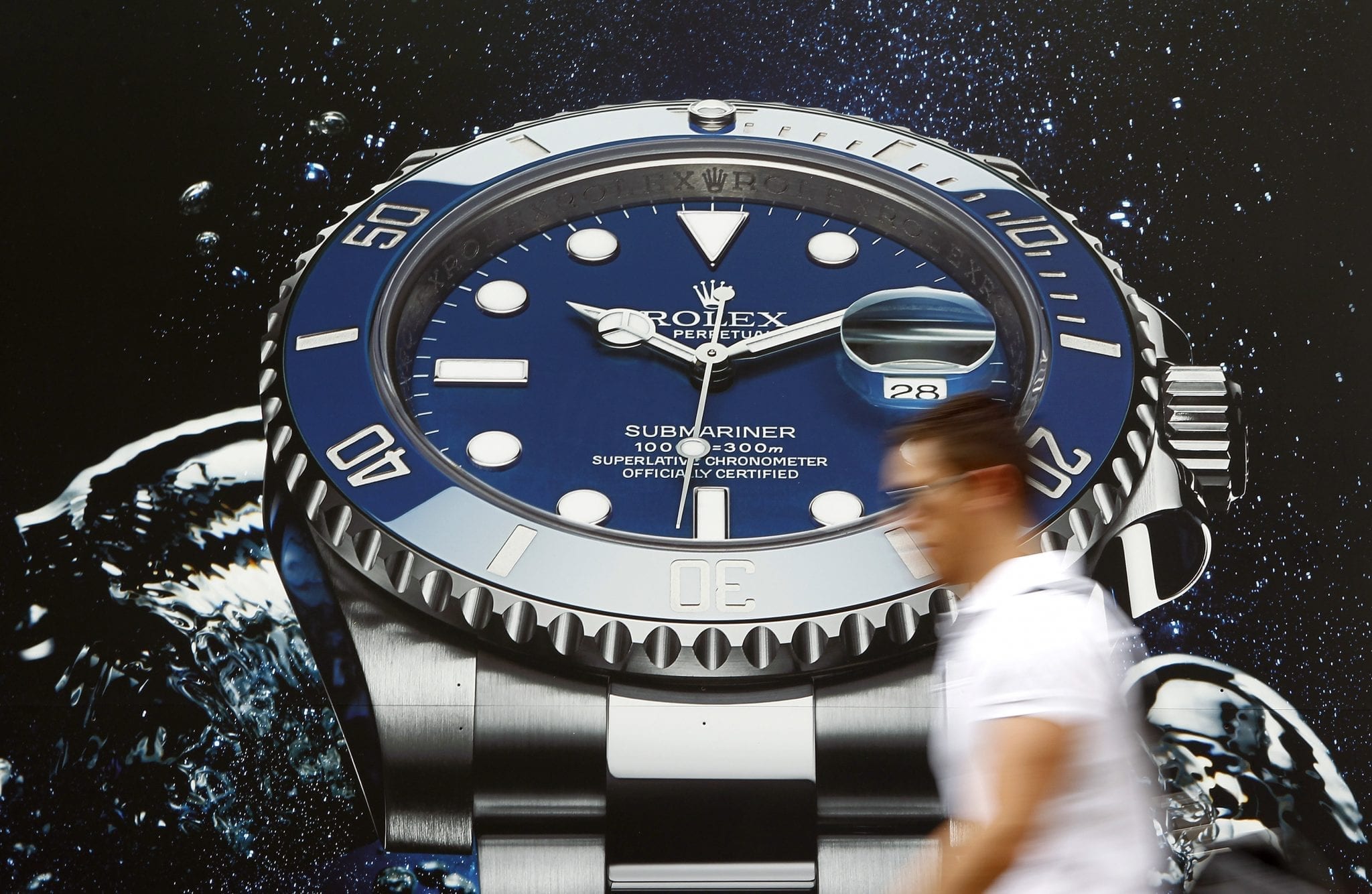
  • Chinese snap up used Rolexes, Birkins amid slowdown

    Chinese snap up used Rolexes, Birkins amid slowdown

    China’s coronavirus-driven economic slowdown is proving to be a boon for Mr Zhu Tainiqi, the Shanghai-based founder of second-hand luxury goods marketplace ZZER, who is now scouting for shop space to expand the business.The former venture capitalist is seeing a surge in people looking to sell their Hermes Birkin bags or Rolex watches to raise cash, as well as a jump in interest from belt-tightening shoppers.

    “More and more people are now aware they can sell luxury goods for some money and the buyer side is noticing that they can get a great deal,” said Mr Zhu, 33. “They think, ‘Why not give it a shot?’”

    He said the number of ZZER’s consigners, or people putting up their goods for sale, has soared 40 per cent so far in 2022 over the same period of 2021. The platform now has 12 million members and expects to sell 5 million luxury pieces this year.

    The trend indicates a significant change in China’s US$74 billion (S$107 billion) luxury goods sector, where the second-hand luxury sub-segment has been slow to take off versus other markets such as Japan and the United States due to a preference for newness and fears of unsuspectingly buying a fake.

    It could have ramifications for the China-focused strategies of the world’s big luxury goods makers, who are grappling with softening demand in the key market.

    “I think because of China’s interest…that can really move the needle for some brands to think about how they’re going to handle this (resale) market, and what role they are going to play in the whole process,” said Ms Iris Chan, a partner and head of client development at consultancy Digital Luxury Group.

    China’s second-hand luxury market is tipped to grow to US$30 billion in 2025 from US$8 billion in 2020, consultancy iResearch said late last year. New estimates from this year are yet to be released.

    Office worker Wang Jianing is exploring buying second-hand luxury products, given the economic climate.

    “My consumption will definitely be downgraded (this year), but I still like what I like, and I can’t control the desire to buy it,” she told Reuters, standing in front of a wall displaying Louis Vuitton and Gucci bags in ZZER’s cavernous downtown Shanghai warehouse.

    The company, which started as an online platform in 2016, began opening offline stores in Shanghai and Chengdu last year and is now looking for more shop space in Beijing, Guangzhou and Shenzhen.

    Besides ZZER, other top platforms are local names, such as Feiyu, Ponhu and Plum. Each of them drew tens of millions of dollars in venture capital funds in 2020 and 2021 with an eye to improving authentication practices, widening customer reach and, in some cases, moving from online-only to online-offline models.

    China’s luxury resale marketplace is expected by analysts to remain dominated by local players for now. International companies such as Vestiaire Collective and The RealReal are yet to enter the mainland China market and confirmed to Reuters they have no immediate plans to do so.

    Though handbags remain the top-selling category on luxury platforms such as ZZER, Mr Zhu said sales of watches and jewellery are also growing fast.

    While a nylon Prada Messenger or Fendi Baguette bag sells for 30-40 per cent less on resale platforms than in luxury boutiques, some products have seen the price gap widen further as more consigners rush to sell goods online.

    Veteran vintage seller Ou Huimin, who opened her Ding Dang store in Guangzhou a decade ago and also sells country-wide via livestreams, said speculators in the market have sent prices for top-tier luxury goods soaring.

    Ms Ou said Rolex Submariner watch prices rose almost 250 per cent between 2020 and 2021, but have pulled back as much as 60 per cent this year.

    “Now consumption has become more rational,” she added.

  • Rubber industry faces uncertain profit prospect

    Rubber industry faces uncertain profit prospect

    Rubber companies in Vietnam are facing a cloudy profit prospect for the remaining months as global demand falls and input costs surge.

    Vietnam Rubber Group expects profit to flatten at VND5.34 trillion ($225.13 million) this year and revenue to rise a mere 5%, as prices have been falling due to low consumption while input costs have been rising.

    Phuoc Hoa Rubber saw its second-quarter profit dropping by a third to VND54.80 billion and revenue plunging nearly 50% to VND231 billion, while Da Nang Rubber Company saw profit falling nearly 22% to VND83.88 billion.

    Both said that rising input costs and decreasing sales were the main reason for the profit drop.

    Global rubber prices have fallen by a third year-on-year to around $1,750 per ton due to geopolitical tensions, the shortage of containers, rising transportation and slow customs clearance globally.

    Vietnam export rubber prices had dropped by 7.6% year-on-year to $1,516 per ton in August, the fourth monthly fall in a row.

    China, the biggest importer of Vietnam rubber, paid 9.3% less year-on-year at $1,474 per ton. The decline in consumption in China is said to be the reason for the drop.

    But the Association of Natural Rubber Producing Countries is optimistic about the short-term prospect of the rubber market, as it estimates that the world is in short of 93,000 tons of natural rubber.