Category: General

Retail News Asia is committed to providing both local and global retailers with the latest General Retail news throughout the Asian market. This on a daily base.

  • AirAsia enhances facial recognition system at KLIA2

    AirAsia enhances facial recognition system at KLIA2

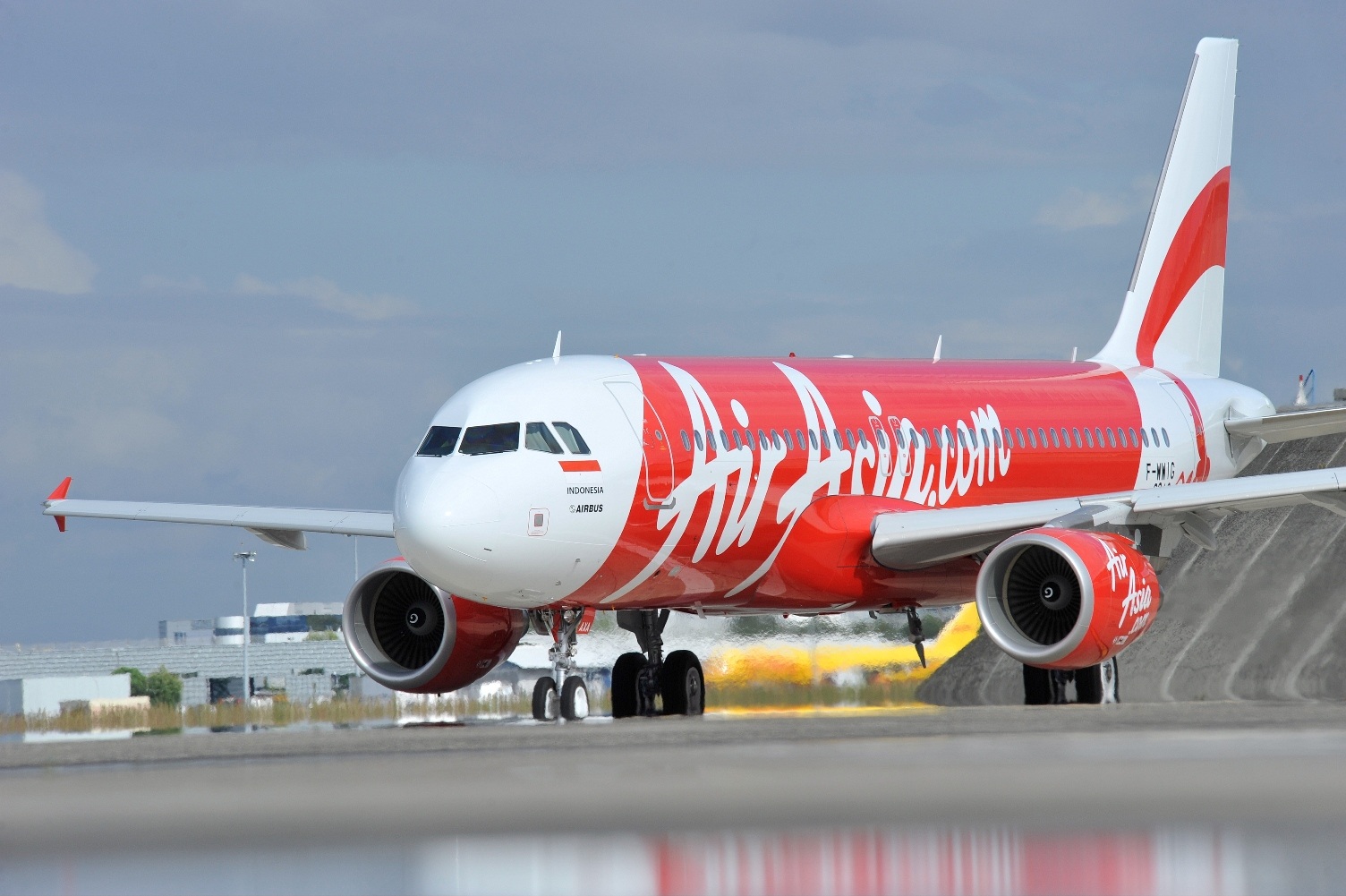
    AirAsia has enhanced its facial recognition system, FACES, by integrating it with Malaysia Airports EZPaz technology at Kuala Lumpur International Airport (KLIA2), offering an end-to-end contactless journey for passengers.

    FACES is now available across key customer touchpoints including mobile enrolment, check-in counter, pre-security check and boarding, for select domestic travel in the start-up phase. Passengers who have enrolled for FACES via the airasia Super App can now travel seamlessly from arrival at the airport, departure gate to the flight, without having to present their boarding pass after self-check-in.

    In addition to making the journey through the airport more seamless with contactless document checks and significantly less queuing time, FACES also increases operational efficiencies, safety and security for the airline.

    AirAsia Malaysia, CEO, Riad Asmat, who will be speaking at the upcoming FTE APEX Asia Expo in Singapore on 9-10 November, commented: “As we are back painting the skies red, it is more important than ever for AirAsia to be focusing on implementing digital innovations that take the hassle out of air travel, providing a more seamless and efficient customer experience. It is also an opportune time for our facial recognition system to take centre stage following the government’s recent announcement of face masks no longer mandatory at public places and in flight.

    “As a digital and contactless procedure, which includes online check-in anywhere, anytime in the world with a click of a button, FACES is a definitive game-changer and a revolutionary enhancement to help restore confidence in air travel. From today, the new technology is available on selected flights from our main hub in klia2 as a start, and there are myriad of opportunities for us to expand FACES at other touchpoints such as self bag drop at the airport, payment features on our airasia Super App and many others across our airline and digital businesses.

    “Delivering the best value, choice and innovation has always been in our DNA and we are thrilled to join forces with Malaysia Airports to make the airport future-ready at a time where demand for air travel is rapidly returning to pre-pandemic levels. We look forward to deploying our contactless FACES technologies in  every  airport we operate to in the near future to make flying more convenient, efficient and seamless than ever before.”

    Enrolment for FACES can be done on the airasia Super App with a passport or a National identification card and a one-time verification process at dedicated airport counters W15 and W16 at KLIA2. Alternatively, guests can also enrol for FACES at the same counters.

  • Market Is Down: Riding Out Stock Market Volatility

    Market Is Down: Riding Out Stock Market Volatility

    Investors should buy low and sell high in an ideal world. But instead, investors frequently do the opposite—they purchase high and sell low. While volatility can be unpleasant, it is an inherent element of the investment process.

    Many investors become concerned during turbulent periods and reconsider their long-term investing ideas. Of course, nobody wants to see their account worth fall, but you can ride it out if you have a long-term plan to stay invested.

    Uncertainty is encoded in the human brain. While this may have been useful in the past, it is now a dangerous inclination. Read below to learn how to ride out the uncertain and volatile stock market with your ongoing and future investment plans.

    What Does A Volatile Market Look Like?

    The degree to which the stock market’s value goes up and down is measured by its volatility. Individual stocks can become more erratic around important events like earnings reporting.

    Some equities are more erratic than others. Dread is frequently linked to volatility, and fear increases during weak markets and collapses.

    Volatility, on the other hand, does not measure direction; it merely measures the magnitude of price changes. The CBOE Volatility Index forecasts stock market volatility over the following 30 days.

    The VIX is often regarded as the market’s “fear indicator.” This is because volatility and risk are inextricably linked for traders who want to buy cheap and sell high every trading day. However, long-term investors’ daily in individual equities is insignificant.

    Riding Out The Volatile Phase

    Portfolio diversification and downside protection techniques will assist you in meeting your long-term objectives while remaining unaffected by short-term market changes.

    Here we have discussed these techniques for maintaining your financial stability in an unstable stock market in further detail—

    Diversify

    The idea behind diversification is that diverse asset classes or types of investments will respond to market events differently. However, diversifying your portfolio does not promise profitable future outcomes or provide loss protection.

    However, diversity might make the process of achieving long-term market growth potential more comfortable. Therefore, a significant step in achieving your financial objectives is diversification.

    Each sort of investment bank is impacted by market fluctuations differently. Investing a tiny portion of your bond portfolio may be beneficial, even if you are saving for a goal that will take several decades to reach. For an illustration of how an investor with 25 years before retirement may divide up assets, see “Spread Your Assets” below.

    Fight Your Obsessive Nature

    Staying the course has yielded greater returns than exiting the market entirely. However, if you are still concerned about a market slump, adopt a more cautious investment approach.

    Bonds and mutual funds are less volatile than stocks, so speak with your financial advisor about investing in these asset types. However, your investments may still provide a good return in the long term.

    Before making a choice, several financial experts recommend checking with a financial counselor. Also, consider investing in assets that are more likely to keep their value in the short term if you are nearing retirement age.

    Plan Your Investments For Long Term

    If you are an individual investor, you should have sufficient safety reserves to cover unforeseen short-term expenses and only make long-term investments with money you won’t need for at least three years.

    The number of an institution’s assets that it intends to spend annually must be planned for, and the portfolio must be structured to include shorter-term assets like cash or bonds to cover those yearly demands.

    Make sure that your investing strategy includes frequent protection against behavioral biases. An investing process is a set of internal procedures that you will use to put your investment philosophy into action.

    You should be aware that there isn’t a procedure that works for everyone and that you shouldn’t try to copy it. Instead, you should consider your skills and shortcomings and develop an investing strategy designed to emphasize your strong points and minimize your deficiencies.

    Reevaluate Your Risk Tolerance Before New Investments

    Risk capacity is your financial ability to accept a loss, whereas risk tolerance is your capacity to tolerate significant price changes emotionally.

    Market declines may remind you to reevaluate your risk tolerance, but we advise delaying until you are calm. However, risk tolerance can—and ought to—be considered at any moment.

    Do you have enough money to accomplish short-term objectives? The ideal place to put money that you’ll need soon or that you can’t afford to lose in reasonably stable assets like money market funds, certificates of deposit (CDs), or Treasury bills.

    When the stock markets are volatile, having your next year’s worth of living costs in a bank account or money market fund, together with a few more years worth of bonds that mature when you need the money, can help retirees maintain their composure.

    Include Defensive Assets In Your Strategy

    Defensive investing techniques are intended to provide first, followed by moderate growth. These tactics are designed to shield investors from big losses brought on by significant market declines.

    In contrast, an offensive or aggressive investing strategy looks to profit from an upturn by buying assets that outperform for a specific degree of risk and volatility. Both offensive and defensive investment methods need active management, which might result in greater investment costs and tax obligations.

    Additionally, a defensive portfolio manager can keep a moat of cash and cash equivalents like Treasury bills and commercial paper.

    The goals in both situations are to safeguard current assets and maintain inflation-beating growth. Therefore, a defensive portfolio manager will only choose equities from well-established, well-known companies.

    Be Steady And Wait It Out!

    Your financial objectives, time horizon, and risk tolerance should be all factor into how much risk you are willing to face. Your adviser should assist you in filling up an investor profile with many hypothetical questions.

    Keep your attention on your long-term financial security strategy while keeping an eye on the larger picture (what is happening in the market).

    With a strong plan that covers your future rather than the present and the presence of mind, you can easily maintain financial stability in any volatile market situation. All you need to be is a little more patient and optimistic in such cases.

  • Zuckerberg announces $1,500 Meta Quest Pro and takes a shot at Apple

    Zuckerberg announces $1,500 Meta Quest Pro and takes a shot at Apple

    On Tuesday, Mark Zuckerberg unveiled Meta’s new $1,499 Quest Pro Virtual Reality (VR) headset. VR gives the user the immersive experience of being in a fabricated environment that is not real, no matter how realistic it looks. Meta’s CEO and co-founder took a shot at Apple which is supposed to unveil its own pricey mixed-reality headset early next year.”
    While not exactly mentioning Apple by name, the executive did make some comments referencing Apple’s so-called “Walled Garden.” Mark said, “In every generation of computing, there’s been an open ecosystem and a closed ecosystem, there was Windows and Mac, then Android and iOS. Closed ecosystems focus on tight control and integration to create unique experiences and lock in. Although most of that value ends up flowing to the platform over time.”
    The executive goes on to say, “I see our role is not just helping to build this open ecosystem, but making sure that the open ecosystem wins out in this next generation of the internet.”
    Zuckerberg has been angry at Apple ever since last year when the company gave iPhone users the opportunity to opt out of being tracked by apps and websites for the purpose of receiving customized ads. And that hit Meta hard as the App Tracking Transparency (ATT) feature cost the company more than $10 billion in revenue. And while that wasn’t the only factor involved, for the year to date Meta’s shares are down $210 or a whopping 62%.
    Last month, CBS News calculated that Zuckerberg’s net worth had declined by $71 billion because of the stock decline. Ouch! That has got to hurt. And we get the feeling that Mark blames Apple for much of the hit he has taken personally.
    Zuckerberg sees VR and Augmented Reality (AR) as the building blocks of a new platform that could be found on a new device that could become more popular than the smartphone. First, let’s tell you that AR allows users to see computer-generated data superimposed on top of a live video feed. A good example of this is Google Maps’ “Live View” which can be activated while walking.
    Users see the view in front of them thanks to a rear camera. On top of that image are arrows that give the user navigation directions while other computer-generated icons point out landmarks and notable locations.
    Apple’s upcoming headset, nothing more than a rumor at this point, will reportedly be powered by an Apple M2 chip and could feature 16GB of memory. Rumored pricing has Apple’s headset costing over $2,000 and perhaps reaching $3,000.
    After these headsets are released, it appears that the next item on the agenda is AR glasses similar to Google Glass. Many see AR glasses eventually replacing the smartphone as the glasses can project data into your eyes while doing everything that a smartphone can do. Apple is supposedly working on AR glasses although they are believed to be a few years away.
    Zuckerberg made it sound as though Meta is also working on a similar product. “The fundamental technologies across the stack to build augmented reality glasses are coming together. We’ve got displays, sensors, silicon, AI, and more,” the CEO said.
    In early April of 2012, Google unveiled “Project Glass” to the world releasing “a day in the life of” video that showed how the specs could handle the things that a smartphone could do. But the pricey glasses led many bystanders to wonder if they were being photographed or recorded without permission. Some movie theaters banned Google Glass as they worried that the user could be recording a bootleg video that would be sold illegally.
    Eventually, users became known as “Glassholes” and Google stopped selling the device to consumers. Google is reportedly taking another shot at this device and is said to be working on its own AR specs for the public that will look different than Google Glass and more like regular eyeglasses.
  • Vietnam economy seen growing 8% in 2022, beating official target

    Vietnam economy seen growing 8% in 2022, beating official target

    Vietnam’s economy is expected to grow 8% this year, beating an official target for an expansion of 6.0%-6.5%, the government said on Tuesday.

    The country’s exports are forecast to rise 9.5% to $368 billion in the year, the government said in a statement, adding that its foreign direct investment inflows are seen rising 6.4%-11.5% to $21 billion-$22 billion.

    Vietnam, a regional manufacturing hub, has seen its economy rebounding from the pandemic, with gross domestic product in the third quarter growing 13.67% from a year earlier.

    The government said it will pursue “a flexible and prudent” monetary policy during the rest of the year to ensure macroeconomic stability.

    Vietnam will aim for a growth of 6.5% and will consider an inflation target of 4.5% next year, the government said.

  • Changi Airport implements higher airport fees on travellers starting Nov 1

    Changi Airport implements higher airport fees on travellers starting Nov 1

    While international travel has officially picked up this year, it’s important to note that passengers departing from Singapore’s Changi Airport will now have to pay extra airport fees and levies starting November 1, 2022 to Mar 31, 2023.

    Changi Airport departure fees will be increased from $52.30 to $59.20 to make way for the aviation industry’s recovery phase. This comprises $40.40 passenger service and security fee, an $8 aviation levy and a $10.80 airport development levy. The passenger service and security fee will subsequently go up again in phases, to $43.40 on Apr 1, 2023 and $43.40 on Apr 1, 2024.

    The announcement was made on September 15 by the Civil Aviation Authority of Singapore (CAAS) and Changi Airport Group (CAG), who informed that the increase in fees was announced in 2018, but suspended due to the pandemic. The aviation levy amounts will be utilised for maintenance of the airport and making Singapore the prime hub of international aviation in the post-pandemic era, per CAAS.

    Those who have booked tickets from Singapore before November 1 are not required to pay the additional charges. There will also be no change to the departure fee for in-transit passengers. They will continue to pay $9 in airport charges.

  • Ororo commences operation of $25m glass recycling plant in SA

    Ororo commences operation of $25m glass recycling plant in SA

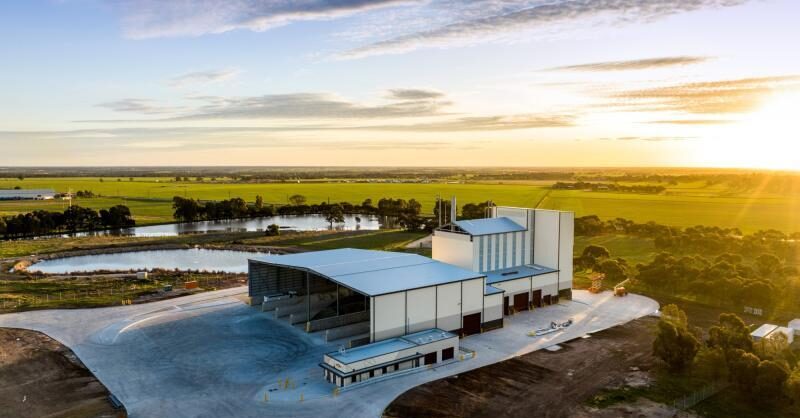
    The new Orora glass beneficiation plant in South Australia has begun operations, with the $25m facility set to recycle 150,000 tonnes of post-consumer glass each year, which will go into the company’s glass manufacturing plant next door.

    Orora CEO Brian Lowe and South Australia Deputy Premier Susan Close officially opened the highly automated plant this morning. The SA and Commonwealth governments provided some $8m of the funding for the new plant.

    With just 12 staff and the latest optical technology, the highly automated plant will remove impurities from used broken glass through crushing, cleaning and sorting, to deliver crushed contaminant-free glass, ready for manufacture into new products.

    The company says the new plant will enable the 900 million glass bottles manufactured at the company’s Gawler plant to have an average of 60 per cent recycled content by 2025. All the recycled glass will be used by Orora for its beverage products, which includes bottles for wine, beer, carbonated soft drinks, kombucha, water and olive oil.

    The new plant took just a year to build, overcoming supply chain issues, and bringing in the latest European technology for its automated sorting process.

    Orora CEO Brian Lowe described the beneficiation plant as a major milestone in the company’s sustainability journey. “Our new world-class beneficiation plant is a significant achievement as it will increase the amount of recycled glass used in our manufactured products, allowing us to process up to 150,000 tonnes each year – that’s equivalent to approximately 330 million wine bottles or 750 million beer bottles. Not only does this progress Orora’s sustainability agenda, it enhances our ability to support our customers’ sustainability goals, in turn contributing to the circular economy and the sustainability of the Australian glass industry.”

    Lowe said, “Together with our new oxygen fuelled furnace at Gawler, we are offering our customers a low emission, highly recycled product.”

    Close said, “Consumers are increasingly demanding recycled packaging, and this project makes a significant contribution to the circular economy and the sustainability of the glass industry in this state.

    “We value the investment of the Commonwealth and SA government – it aligns to the government’s focus on increasing Australia’s capacity to generate high value recycled commodities, investing in recycling and waste infrastructure, as well as creating new opportunities to recover and reuse resources.”

    Lowe said that the company saw plenty of opportunity for growth in the domestic glass business, saying, “Australia is still a net importer of glass bottles, which could be manufactured here, and would save on emissions in transport.”

    Lowe also said the beginnings of rapprochement in Australia’s trading relationship with China was good to see, but said Orora was not counting on a resumption of the wine trade, for which the company was a major glass bottle supplier. Since the wine tariffs came into play, which ended most of Australia’s wine exports to China, Orora has pivoted into new business areas, and has replaced all the lost business. Lowe said, “Any easing of restrictions would be good news, and we would be ready to supply winemakers, but we will have to wait and see.”

    A transition away from plastic bottles has not yet begun, with Lowe saying if it does happen it will more likely be to aluminium cans rather than glass bottles. The company is investing some $200m in can production over the next three to four years.

  • WhatsApp might soon increase the group chat cap to 1024 people

    WhatsApp might soon increase the group chat cap to 1024 people

    If you are a WhatsApp user with many friends, and we mean a lot, lot — 1000+ — you will be happy to learn that, soon, you will probably be able to add up to 1024 of your friends in one group chat.

    As WABetaInfo first reported, WhatsApp is rolling out a new feature to select WhatsApp beta testers that increase the current 512-person group chat cap to 1024.
    Previously, you could only add up to 256 people in one group chat, but WhatsApp saw that wasn’t enough anymore, and in June 2022, it increased the limit to 512 people. After all, if you are a big business with many employees that use WhatsApp as its main communication app, a 256-person cap is just not enough.

    Before the limit increase, many large companies that use WhatsApp had to make and manage multiple group chats because they couldn’t add all of their employees to one single conversation. And now, just a few months after the raise, WhatsApp wants to double the limit again, enabling even bigger companies to use the app as their main communication method.

    Furthermore, to give admins better control over these large groups, WhatsApp is also working on a new set of tools. For example, it wants to introduce a list of pending participants — which is a section that lists all the people wanting to join a group and lets admins approve them at any time — and an approval system that enables admins to choose who can add new participants to the group.Sadly, there is no information on when WhatsApp will release these features to regular users. If you want to have a group chat with 1000+ people right now, you could create a group in Telegram. The cap there is 200,000 people, which should be plenty enough.

  • Aeon plans to triple Vietnam malls

    Aeon plans to triple Vietnam malls

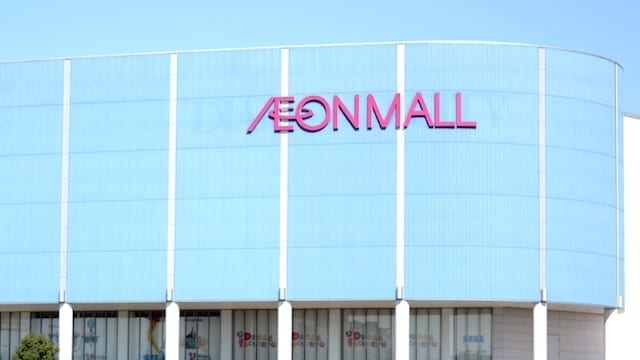
    Japanese retailer Aeon plans to triple the number of malls in Vietnam by 2025 as part of its expansion strategy to meet the needs of a growing middle class population.

    A report said the number of Aeon malls will nearly triple to 16 throughout Vietnam.

    Aeon has some 200 stores in Vietnam at present, including six shopping malls.

    The stores are concentrated in Ho Chi Minh City and Hanoi, Vietnam’s biggest metropolises.

    A mall will be opened in the central town Hue in 2024.

    The company is also considering increasing its supermarkets in Hanoi to 100 by 2025, about 10 times the current number.

    Vietnam is “the most important market in our overseas strategy,” the report quoted a senior Aeon executive as saying.

    The country has a population of 100 million people with an average age of 33. Economic growth of more than 7% is expected this year in a repeat of last year’s performance.

    Aeon entered Vietnam in 2014 and has invested over $1.18 billion in the country to date.

  • Miniso launches ‘$2 plus’ concept store in Canada

    Miniso launches ‘$2 plus’ concept store in Canada

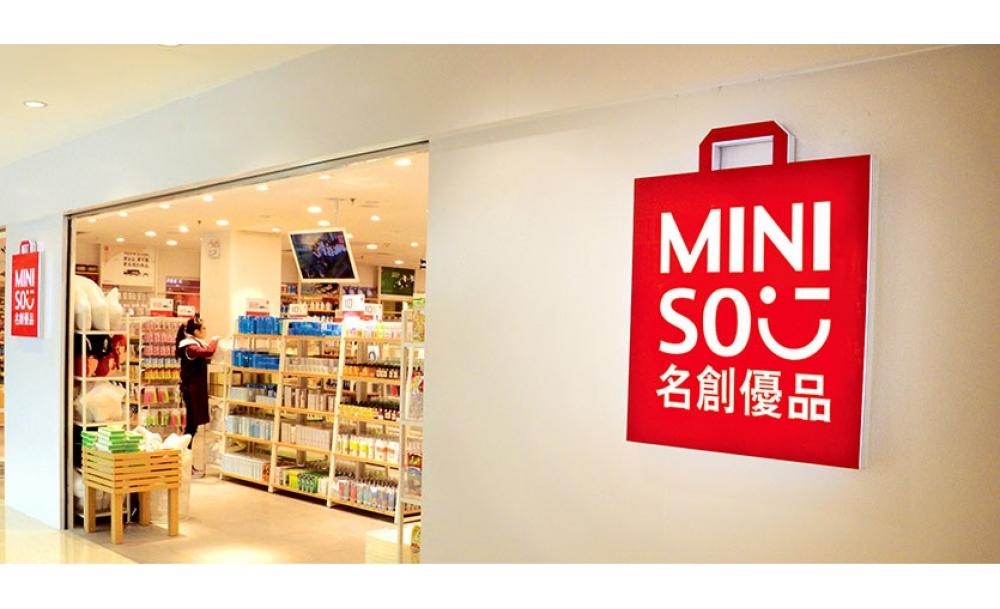
    Chinese retailer MINISO unveiled a new “$2 Plus” concept at the re-opening of its Vaughan Mills store in the Greater Toronto Area. The concept reflects MINISO’s aim to provide shoppers with a unique in-store experience while offering excellent value, well-designed products in response to the effects of rising inflation on consumer budgets.

    Having been closed for refurbishment for several months, MINISO’s store at Vaughan Mills, one of the largest shopping malls in Canada, re-opened its doors to shoppers with a brand-new look. Inspired by MINISO’s original creation, the MINI Family of adorable animal characters, the store’s remodeled interior embodies the brand’s lively and youthful atmosphere and reflects the company’s intention to feature more of its own original products.

    The revamp heralds MINISO’s new direction in Canada, introducing the brand’s all-new “$2 Plus” concept to local consumers. The concept sees MINISO take inspiration from the much-loved dollar store as a means of offering customers products at low prices, while the brand provides more diverse and higher quality goods than traditional low-cost retailers. As inflationary pressures grow, MINISO’s long-standing Chinese supply chain capabilities ensure customers, who are increasingly cost-conscious, can rely on the “$2 Plus” model for quality, affordable, design-led products today and into the future.

    “Ever since we first set foot in Canada in 2017, our ambition has been to provide customers with well-designed products at reasonable prices, as well as enjoyable shopping experiences, and the ‘$2 Plus’ concept is our way of further realizing this. With affordable prices and a unique treasure hunt shopping experience in-store, our ‘$2 Plus’ stores aim to be the go-to place for everyone looking for quality lifestyle products on a budget,” said Bella Tu, General Manager of MINISO Overseas Operations.

    The Vaughan Mills store is one of the first four stores to be refashioned for the “$2 Plus” concept. Three other stores, in the Scarborough district of TorontoMarkham, and Vancouver, also opened on the same day. The remaining MINISO stores in Canada are slated to undergo similar makeovers soon.

    MINISO has opened 50 outlets across Canada since May 2017. The brand is well-known for its licensed collections with Marvel and Disney, We Bare Bears, Coca-Cola and more.

  • Malaysia new budget airline aims for cheaper fares than AirAsia

    Malaysia new budget airline aims for cheaper fares than AirAsia

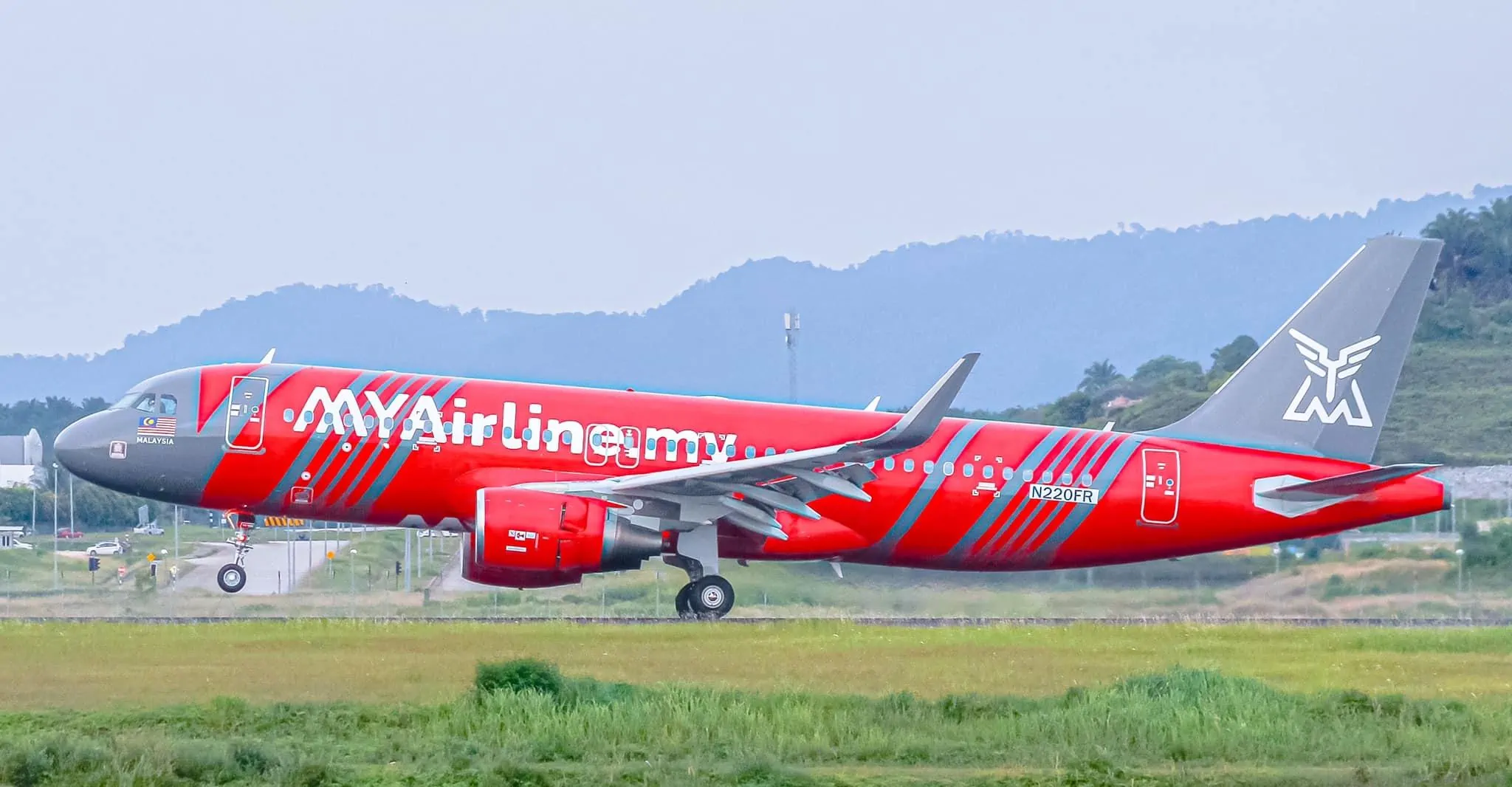
    Malaysia’s MYAirline plans to begin commercial operations by the end of this year, with its CEO saying it can sell cheaper fares than domestic rival AirAsia — the region’s leading low-cost carrier.

    CEO Rayner Teo sees demand for low-cost air travel rising as Asia emerges from COVID pandemic restrictions. MYAirline hopes to stand out with cheaper tickets, better real-time customer support and punctual flights.

    “We believe we can easily offer cheaper flights based on cost structure,” Teo, also the carrier’s co-founder, told Nikkei Asia in a recent interview at its humble operation center above a shopping mall in Subang Jaya, near the capital Kuala Lumpur.

    Although MYAirline is the David to AirAsia’s Goliath, Teo and senior management are confident of their strategy, with some of them having gained experience at the airline owned by the Tony Fernandes-led Capital A.

    Kathleen Tan, MYAirline’s chief executive adviser, logged 13 years working for Fernandes, who with another investor led the purchase of AirAsia in 2001 which eventually shook up the region’s travel industry with low cost fares and no frills service.

    MYAirline’s cabin operations manager Mohd Izwan Razak, meanwhile, was on AirAsia’s payroll for 17 years. Teo himself worked at the airline for 15 years until July 2019, leaving as the group head of sales.

    Teo said he had not planned to fill MYAirline with ex-AirAsia staff, but that he had simply recruited those who had lost their jobs or been placed on furlough, including pilots and cabin crew, over the last two years when airline operations were drastically reduced because of the pandemic.

    MYAirline, which has received a license to operate from the Civil Aviation Authority of Malaysia, plans to start with three secondhand Airbus A320s, but aims to increase its fleet size to 50 within the next five years.

    “We have signed some attractive deals with very large lessors,” Teo said, though he declined to provide details.

    Capital A’s Fernandes has refrained from commenting when asked recently by reporters about the MYAirline venture and the competition it could bring.

    Analysts say that MYAirline faces some challenges in competing on cost in an environment that includes established carriers AirAsia and Malaysia Airlines.

    “The airline is being marketed as an ultra-low-cost carrier, which is an interesting concept as AirAsia’s average cost per seat is one of the lowest in the industry and hard to beat,” said Shukor Yusof of Endau Analytics.

    Separately, Brendan Sobie, an independent aviation analyst, said that the start of MYAirline will intensify competition and bring back the problem of overcapacity that plagued Malaysia before the pandemic. Citing Malaysia Airports figures, Sobie said domestic passenger traffic in the country in August was at just 66% of pre-COVID levels in August of 2019, with international traffic at an even lower 38%.

    “There will be some stimulation as fares decline, possibly to pre-COVID levels, but this is hardly sustainable given today’s high fuel cost environment,” he said. “Prior to the pandemic domestic yields were very low and none of Malaysia’s domestic airlines was profitable.”

    Teo said the airline will use Kuala Lumpur International Airport as its central hub, plying domestic routes before expanding to international destinations after one year.

    A check with the Companies Commission of Malaysia showed that MYAirline has two million shares at one ringgit each, amounting to 2 million ringgit ($430,000) in paid-up capital. Private firms Zillion Wealth and Trillion Cove Holdings — both owned by local businessman Goh Hwan Hua — have stakes of 88% and 10%, respectively, in the airline. Teo owns the remaining 2% share.

    According to the website of money lender Trillion Cove, Goh who is listed as its CEO and director, has more than 20 years of experience managing information technology and application-related businesses in Malaysia, Thailand, Singapore and Indonesia. The site said he had been involved in various industries, including e-commerce, e-ticketing, fintech, retail and tourism.

    Teo said owning a commercial airline has been a longtime dream of Goh’s.

    “He has been asking me for the last seven years about the idea of forming an airline, and my answer has always been the same to him, that there are many ways to waste your money,” Teo said.

    “But in October 2020, when he (Goh) asked again, I thought this was the best time” to start preparing, he added, referring to the collapse in the global aviation sector due to travel restrictions and border closures.

  • Aldi faces $10m underpayment bill after court ruling

    Aldi faces $10m underpayment bill after court ruling

    Aldi could be liable for millions of dollars in compensation after a federal court judge found the supermarket chain had underpaid warehouse workers.

    The court has found Aldi breached employment laws by directing employees to begin work 15 minutes before their rostered starting time.

    Workers at a Sydney distribution centre were required to undertake a number of tasks before clocking on, including completing safety checks on forklifts, checking communication devices and undertaking a group warm-up activity.

    Aldi claimed it was not underpaying its workers and that employees were only expected to be ready to commence work at the start of their rostered shifts.

    But judge Douglas Humphreys said he was satisfied there was a “clear implied direction” that employees had to arrive early and undertake those tasks, and that a consistent failure to comply would lead to disciplinary action.

    “There was no personal benefit to the employee in the activities carried out. Each was to the benefit of the employer,” he said in his findings.

    “In these circumstances, the court is satisfied that the activities carried out constitute work.”

    The SDA retail and warehouse union claims Aldi owes its distribution centre workers up to $10m in unpaid wages for working an extra 10 minutes per shift.

    It says the decision could affect about 4,000 current and former workers, a claim disputed by Aldi.

    The company said it respected the court’s decision and was determining the payment owed to four employees directly affected by the proceedings.

    “We are reviewing the implication of the court’s decision on other employees across our business and will seek to apply the principles of the court’s decision fairly to any other affected employees,” an Aldi spokesperson said on Wednesday.

    “Numbers quoted by the SDA are significantly inflated and are not representative of the number of employees we believe may be impacted by the decision.”

    The SDA said it was still working through calculating individual back-pay amounts for its members.

    “Aldi joins a long list of large employers found to have underpaid their workers,” the SDA’s NSW branch secretary Bernie Smith said.

    “Unlike the way the multinational likes to present itself in its advertisements, it turns out Aldi is not good and not different.

    “Multinational companies operating in Australia can’t set their own rules.”

    Humphreys is yet to make any orders regarding penalties. The parties are scheduled to return to court on Friday for a directions hearing.

  • AirAsia revives routes to Indonesia

    AirAsia revives routes to Indonesia

    AirAsia Malaysia (AK) continues to resume services to Indonesia by adding flights to Banda Aceh, Padang and Pekanbaru from Kuala Lumpur since 1 October 2022.

    In addition, the airline will launch flights from Penang to Denpasar in Bali starting on 20 October this year.

    In celebration of the service resumption to Indonesia, AirAsia welcomed flight AK421 from Kuala Lumpur to Banda Aceh on Monday with a delegation led by Dato’ Abdul Aziz Bakar, Non-Executive Director of Capital A.

    AirAsia Malaysia CEO Riad Asmat said: “Indonesia is a core market for AirAsia, and we are thrilled to be back, launching four new routes such as these with additional eight weekly flights, on top of six existing routes delivering a total of 66 flights weekly to Indonesia airports this month.

    “We are also very thankful for the strong support from the government of Indonesia and the provincial governments of Aceh, West Sumatra and Riau for their assistance in reopening these routes.

    “We are excited to reconnect these cities to Kuala Lumpur and Penang, bringing tourists from Malaysia, reconnecting families, and serving business travel.”

    Flights for Kuala Lumpur-Banda Aceh, Kuala Lumpur-Padang, Kuala Lumpur-Pekanbaru and Penang-Bali are now available for booking starting from MYR189 all-in-one way on the AirAsia Super App and online travel agents (OTAs).

    AirAsia Malaysia now flies 10 routes to Indonesia. From Kuala Lumpur to Jakarta, Bali, Medan, Makassar, Yogyakarta, Padang, Pekanbaru and Banda Aceh, as well as from Penang to Jakarta and Bali with plans to increase services to existing and new destinations in line with strong demand in the future.

  • Big Four audit 40% of public companies in Vietnam

    Big Four audit 40% of public companies in Vietnam

    The so-called Big Four, Deloitte, Ernst & Young, KPMG, and PricewaterhouseCoopers, audit 40% of publicly traded companies in Vietnam. As of last year, Vietnam’s three stock markets, HoSE, HNX and UPCoM, had over 1,600 firms listed, and the four companies audited 664 of them.

    Their total revenues in 2021 were nearly VND3.76 trillion (US$160.2 million), and profits were VND235 billion. The profit margins in the industry are generally low compared to others, with PwC having the highest rate of 15.4% and KPMG the lowest of 0.4%. PwC also had the highest revenues of VND1.12 trillion followed by Deloitte with VND1.06 trillion. The latter’s revenues have increased for four straight years.

    Ernst & Young (EY) saw revenues decline for a third consecutive year. In the last five years KPMG’s annual revenues have always been less than VND600 billion, the lowest of the four. Industry insiders said business results in the last two years were somewhat affected by the Covid-19 pandemic as customers cut costs and businesses only wanted to keep mandatory audit services and cut others such as consulting and tax advice.

    A deputy general director of a Big Four firm said that auditing is a highly professional field that is completely different from normal production, business and service enterprises.

    “Unlike a public company, an audit firm does not have any external shareholders except partners who both run it and are its shareholders.”

    EY performed the most audits last year, nearly 330, or the same as the other three combined.

    However, revenues do not come just from auditing.

    A senior official at a Big Four company said that auditing might be the core activity but has the lowest profit margin.

    Consulting has a higher profit margin, and the highest is the tax segment.

    “That is also the reason why many auditors actively seek to boost revenues from other segments.”

    But for EY, auditing remains the backbone, accounting for nearly three-quarters of its total revenues last year. Some of its major clients include Vingroup, Bao Viet, The Gioi Di Dong, Agribank, Vietinbank, Sacombank, VnDirect, and SSI.

    Auditing accounts for nearly half the revenues for Deloitte with its major clients being Vietnam Airlines, FPT, Sun Life, and Wooribank.

    PwC and KPMG are more into non-audit services, with auditing only accounting for 4.3% and 14% of their revenues last year.

    PwC provides some 10 non-audit services including operation consulting, business consulting, legal advice, tax advice, and private business support.

    It is a major player in business consulting and operation consulting.

    KPMG is known for business consulting, tax consulting and law and legal services.

    In Vietnam, it regularly issues reports on corporate activities, human resource management, startups, and consumer behavior.

  • Thailand’s Central Retail to double Vietnam stores in 4 years

    Thailand’s Central Retail to double Vietnam stores in 4 years

    Thailand’s Central Retail plans to double more than the number of its stores in Vietnam from the current 340 to 710 by 2026 to capitalize on a growing market.

    The main retail arm of Thai conglomerate Central Group will spend 30 billion baht (US$790 million) for the expansion, which it hopes will make it Vietnam’s biggest food and property retail platform.

    “We always put ourselves in the center of consumers’ lives,” Olivier Langlet, CEO of Central Retail Vietnam, said.

    The company eyes sales of 100 billion baht following the expansion, up from the current 38.6 billion baht, he added.

    Central Retailed first came to Vietnam 10 years ago and now has ten retail brands, including Go! Mall, Nguyen Kim, SuperSports, and Top Market, which sell a range of products from food to electronics.

    Other foreign retailers who have announced plans to expand in Vietnam include Japan’s Aeon and South Korea’s Lotte.

    Aeon Mall, which has six outlets, plans to open 16 more, including three or four in Hanoi.

  • South Korean conglomerate Naver acquires fashion platform Poshmark

    South Korean conglomerate Naver acquires fashion platform Poshmark

    Naver, the South Korean search giant, announced it plans to acquire secondhand apparel marketplace Poshmark for $1.2 billion in cash. The deal values publicly traded Poshmark’s shares at $17.90 — a 15% premium over today’s closing price — and the companies expect it to close by Q1 2023, subject to approval by Poshmark stockholders and “the satisfaction of certain other customary closing conditions.”

    Assuming the transaction goes through, Poshmark will become a standalone subsidiary of Naver led by CEO Manish Chandra and Poshmark’s current management team. It’ll continue to operate under its existing brand, Naver says, and maintain its staff, user base and headquarters in Redwood City, California.

    In a press release, Naver and Poshmark lay out several arguments as to why the deal makes sense for both parties. By acquiring Poshmark, Naver plans to combine the service’s growing social shopping platform, where users buy and sell used apparel, with its “technological prowess” and existing communities, like the online forum Naver Café. As for Poshmark, it stands to benefit from Naver’s image recognition and search technologies, which Naver says will allow the shopping platform to offer new discovery and recommendation experiences that let users find apparel by searching colors, designs and materials and identify where to find products by scanning clothes using their smartphone cameras.

    Naver also touts its robust ad-serving and payments infrastructure, averring that Poshmark will be able to leverage it to better analyze sales statistics and serve international customers. The long-term plan is to, with Naver’s backing, grow Poshmark’s business into additional developed markets in Asia and elsewhere where Naver has significant holdings — in part by integrating some of Naver’s live shopping services with the Poshmark platform. At the same time, Poshmark will help Naver establish a stronger U.S. foothold inclusive of the stateside properties the tech giant already owns, like digital comics portal Webtoon Entertainment and online story platform Wattpad.

    Naver optimistically predicts the acquisition could grow Poshmark’s annual revenue “beyond” 20% and save the company $30 million in annual run rate within two years. That’s doubtless taking into account expansion in the market for online “re-commerce,” which is estimated at $80 billion in the U.S. alone and is expected to grow by 20% annually to $130 billion by 2025, according to Activate Consulting data cited by Naver.

    Poshmark CEO Manish Chandra said in a press release:The opportunity to join forces with Naver — one of the world’s leading and most innovative and successful internet companies — is a testament to the strength of our brand, operating model and what we’ve built over the last decade with our talented team and amazing community. Our industry continues to evolve at a rapid pace, and we are excited to continue to lead the future of shopping by providing our community with an unparalleled experience that is simple, social, fun and sustainable. This is a highly compelling opportunity for our employees, who will benefit from being part of a larger, global organization with shared values and complementary strengths. This transaction also delivers significant and immediate value to our shareholders. Longer term, as part of Naver, we will benefit from their financial resources, significant technology capabilities and leading presence across Asia to expand our platform, elevate our product and user experiences and enter new and large markets. I look forward to partnering with Naver as we take our company into its next phase of growth.

    Naver CEO Choi Soo-Yeon said in the same release:The combination will create the strongest platform for powering communities and re-fashioning commerce. Poshmark is the definitive brand for fashion in the U.S. that provides a social network for buying and selling apparel. Naver’s leading technology in search, AI recommendation and e-commerce tools will help power the next phase of Poshmark’s global growth. Poshmark is a natural fit for our business — our two companies share a common set of values and vision around content, community and empowerment. Bringing Naver and Poshmark together will immediately put us at the forefront of creating a new, socially responsible and sustainable shopping experience designed around sellers of all sizes and interests — from individual and influencer sellers to professional sellers, brands and specialty boutiques — and a large, loyal and highly engaged social community. We are excited to work closely with Manish and his talented team to create lasting value for all our stakeholders.

    Poshmark’s exit comes over a decade after its founding in 2011. Chandra — alongside Tracy Sun, Gautam Golwala and Chetan Pungaliya — started the company in Chandra’s garage, funding it partially with the proceeds from the sales of Chandra’s previous company, social shopping startup Kaboodle, to Hearst. They settled on a simple business model: Akin to eBay, users pay Poshmark a fee when they make a sale.

    Prior to its listing on the Nasdaq at a valuation of over $3 billion (and reaching as high as $7 billion), Poshmark raised more than $160 million in venture capital from VC firms including Temasek, Menlo Ventures, GGV Capital and Mayfield.

    Poshmark claims to have over 80 million registered users. But despite that large potential customer base, the company has performed unpredictably in recent years, reporting a loss of $44.4 million for 2021 after raking in a $25.2 million profit in 2020.

    Etsy acquired fashion resale app Depop for $1.62 billion last year, a startup which competed with Poshmark. Meanwhile, shares of The RealReal are down 93% from its IPO in 2019, while ThredUp, which went public two months after Poshmark, has fallen 87%.