Category: General

Retail News Asia is committed to providing both local and global retailers with the latest General Retail news throughout the Asian market. This on a daily base.

  • Musk says Twitter deal could proceed only if these three issues are resolved

    Musk says Twitter deal could proceed only if these three issues are resolved

    A few months ago, Elon Musk surprised the internet (as the billionaire likes to do) with a $44 billion bid to buy out Twitter after earlier joining, and then shortly after, leaving, the Twitter board. However, the deal came to an unexpected halt when Musk doubted officially published Twitter statistics about fake accounts on the platform. Musk has three issues with Twitter deal and those will need to be resolved if the deal is to move forward.

    After bidding $44 billion to make Twitter his private company, Elon Musk had a change of heart. Doubtful of the number of fake accounts on the social media platform, the multi-billionaire threatened to walk away from the deal if no accurate information was provided. This, of course, means he could face a fee of reportedly $1 billion for breaking the deal up.

    Now, Musk has shared his three main issues concerning the buyout. Resolving them will mean the deal can move forward, it seems. Here’s what they are:

    This was actually the main reason why the deal was put on hold to begin with. Musk was concerned that the actual number of fake accounts on Twitter was higher than what Twitter had reported. And therefore, he insists on more clarity on how many actual users (a.k.a real people) are using Twitter.

    Twitter previously announced the number of fake bot accounts was below 5% of the daily active users on the platform, but Musk had an issue with that number. He also underlined that this is probably not what most people experience on Twitter.

    So far, there hasn’t been a resolution on this quite important matter.

    Well, well, it seems that multi-billionaires also have to take loans. The second issue Musk has is that there’s a pretty significant part of the funding that should come from bank loans. Pretty much, he committed to paying $33.5 billion in cash. He also received $7.1 billion in equity financing commitments from investors. The remainder is what will be loaned from banks.

    Musk may be a billionaire, but the majority of his wealth is in Tesla stock. He has now pledged billions in Tesla shares as collateral for those loans, but it seems he doesn’t like the situation that much.

    How will this be resolved is somewhat unclear at the moment. And last but not least, Musk has to gain approval from Twitter’s shareholders for the deal to become reality. Investors are reportedly going to vote on the deal in late July or at the beginning of August.

    As you might imagine, whether or not Musk will get shareholder support is a mystery. You know, he is actually being sued by some Twitter shareholders for the chaotic approach to the buyout deal, so some may not be in favor of him taking over.

    As you can see, it’s not only the disputed number of bot accounts on Twitter that has made Musk second-guess the deal. Factors such as financing and shareholder approval seem to also play a significant role in whether or not we will see this deal completed.

    However, the reported number of fake accounts is something that could be hard to resolve. Initially, when the dispute about the issue was getting a bit heated (on Twitter, of course, where else – and with curious choice of emojis from Musk), Twitter’s CEO, Parag Agrawal, underlined that in order to perform an external check on which accounts belonged to bots, Twitter would need to use private information. But Twitter doesn’t share such information, so it was, according to Agrawal, impossible to do the check.

    Well, we’ll have to wait and see what happens, as things are starting to look like the deal might not take place in the end.
  • AirAsia X Eyes A Return To London After 10 Year Break

    AirAsia X Eyes A Return To London After 10 Year Break

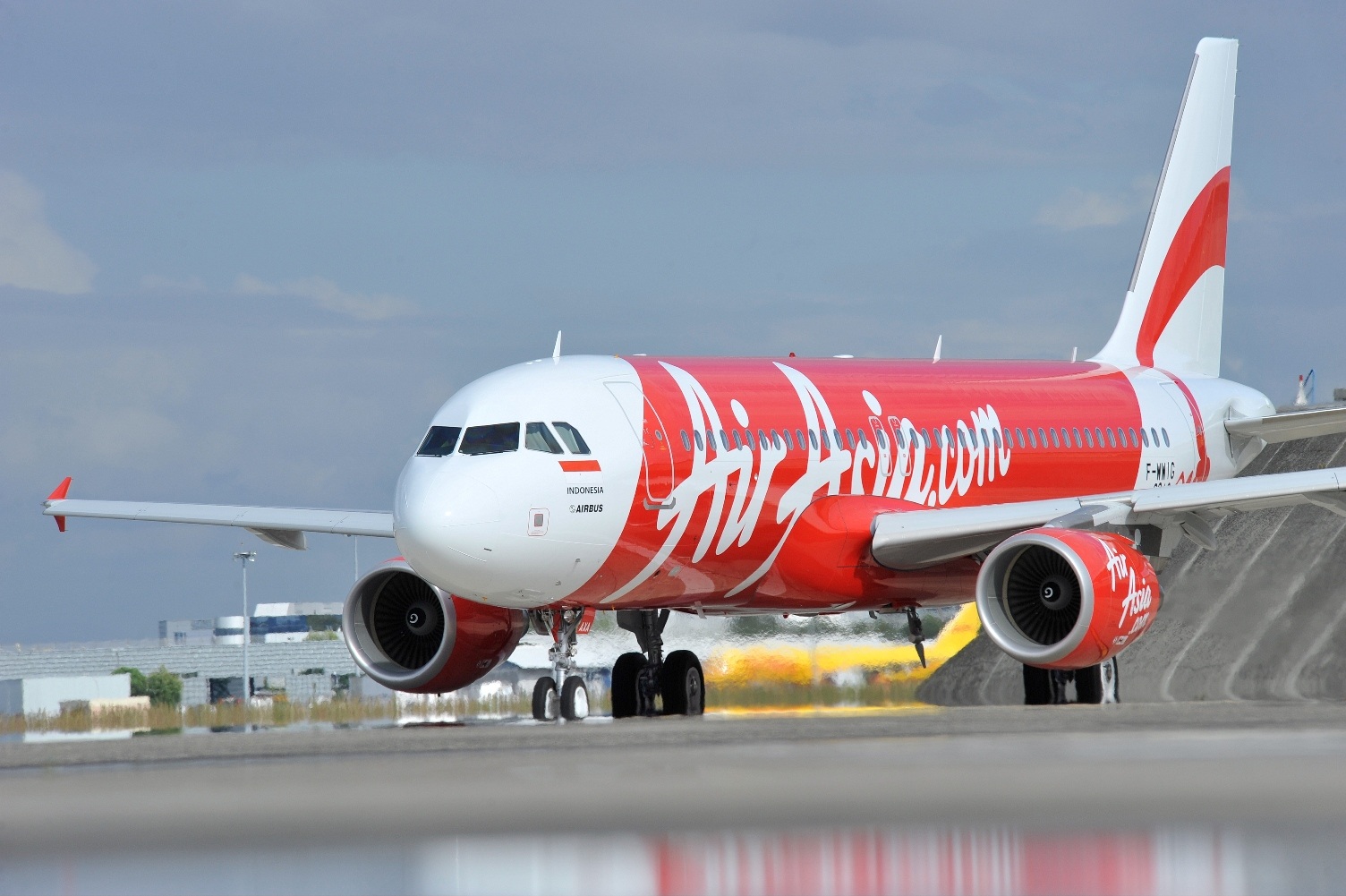
    The Malaysia-based low-cost long-haul carrier has stated its intention to resume services between Kuala Lumpur and London later this year, after a decade away. Let’s look a little deeper into the airline’s latest announcement.

    In what the airline is calling “a new era for low-cost, long-haul travel”, AirAsia X (IATA D7 / ICAO XAX) has announced that it will resume flying from Kuala Lumpur to London later this year.

    Along with other new services to Dubai and Instanbul, the decision to resume flying between the capital cities of Malaysia and the UK comes as the airline gears up following several years of stagnation and a suspension of flights. The announcement comes hot on the heels of the airline celebrating the launch of four other new routes to Japan and Hawaii, which are all on sale from today.

    AirAsia X now offers flights across seven routes from Kuala Lumpur to New Delhi, Sydney, Seoul (Incheon), Tokyo (Haneda), Sapporo (Chitose), Osaka (Kansai), and from Osaka (Kansai) to Honolulu. All flights are operated by the carrier’s fleet of 13 Airbus A330-300s, which offer both economy and premium class cabins.

    Although the exact start date and timings are yet to be revealed for the newly-announced London services, they are expected to be in late 2022. The airline previously served London up until 2012, serving London Stansted Airport. The airline has not disclosed its preference for which London airport it will serve at this stage for the new services.

    The additional flights to London, Dubai, and Istanbul will bring the total number of destinations served by the carrier into double figures for the first time. It is also widely expected that the airline will announce new services from Malaysia to both Perth and Melbourne in Australia in the near future.

    Commenting on the latest announcement regarding the new services, the CEO of AirAsia X, Benjamin Ismail, said,

    “We are back, better and stronger than ever. We have spent the downtime in flying reviewing every aspect of the operation to deliver even greater value and choice for medium and long-haul travel. Now that international borders are reopening across the world, we are able to resume operations to our most popular destinations, including Australia, Japan, Hawaii, India, and South Korea first.

    Today’s announcement of the resumption of four routes to Japan and Hawaii and to launch flights to London, Istanbul, and Dubai is just the beginning. We have many more destinations in the pipeline, which we will announce soon, to meet strong pent-up demand.”

    With the backing of principal investor Capital A behind it, AirAsia X appears to have an exciting few years ahead after a two-year hiatus. There are also plans to expand further. The airline also has an outstanding order with Airbus for 15 A330-900 Neo aircraft, which will provide the airline with additional payload and range capabilities going forward.

    Speaking about the rebirth of the carrier and its future aspirations, Capital A President (Commercial) Colin Currie said,

    “Today’s announcement marks a new era for our long-haul affiliate AirAsia X which is resuming operations after a two-year hiatus, with refreshed branding to signal a fresh new start. The relaunched AirAsia X stands for maximum value, maximum experience, and maximum destinations.

    However, the ethos of AirAsia – delivering low-cost, high quality will continue to underpin the new-look AirAsia X, providing maximum opportunity for everyone to go to their dream destinations. Capital A will support AirAsia X moving forward as a conduit to leverage synergies within our broad ecosystem of travel and lifestyle products.

    e will use our full resources, including the AirAsia Super App, our cargo business Teleport, fintech arm BigPay, and all of the other airlines in the AirAsia Aviation Group to take AirAsia to new heights.”

    The last couple of years have been tough for AirAsia X and its investors. Its fleet was effectively mothballed while its finances were reorganized and the COVID-19 pandemic spread across the globe.

    However, the airline is bullish about its future and product offerings with new investment, new branding, and a clear desire to return to its former heydays as a low-cost, long-haul pioneer.

    Speaking of the optimism he holds for the airline from this point, Benjamin Ismail added,

    “The return to London and first-time flights direct to Dubai and Istanbul will be a gamechanger for great value long-haul travel, and these will be on sale soon for travel later this year. As our services grow, we will continue to bring our fleet of aircraft out of hibernation, and we can look forward to gradually bringing our valued pilots and cabin crew who were on furlough back.

    I am confident that our resumed or new services will prove very popular and that we will return to pre-Covid capacity on some of our core routes within the next 12 months. Our strategic new model, combining cargo and passengers, enables AirAsia X to fly profitably where other airlines may not be able to, which makes operations to longer-haul routes like Dubai, Istanbul, and London commercially viable and more affordable for our guests at the same time.”

    As demand for low-cost, long-haul travel appears to be on the rise, it will be good to see a former trailblazer of the model return to form. AirAsia X and others such as Norse Atlantic and Scoot will be working hard to carve out niches as a new age of travel emerges post-pandemic.

    Having traditionally been a difficult market to crack, only time will tell whether the appetite for low-cost, long-haul travel is robust enough to sustain operations in the long term. But with more and more operators willing to give it a go, there are certainly signs that momentum is growing for such services. It is this momentum that AirAsia X, with today’s announcement, is showing a great deal of enthusiasm to exploit.
  • Vietnam’s largest rubber firm expects profit to go sideways

    Vietnam’s largest rubber firm expects profit to go sideways

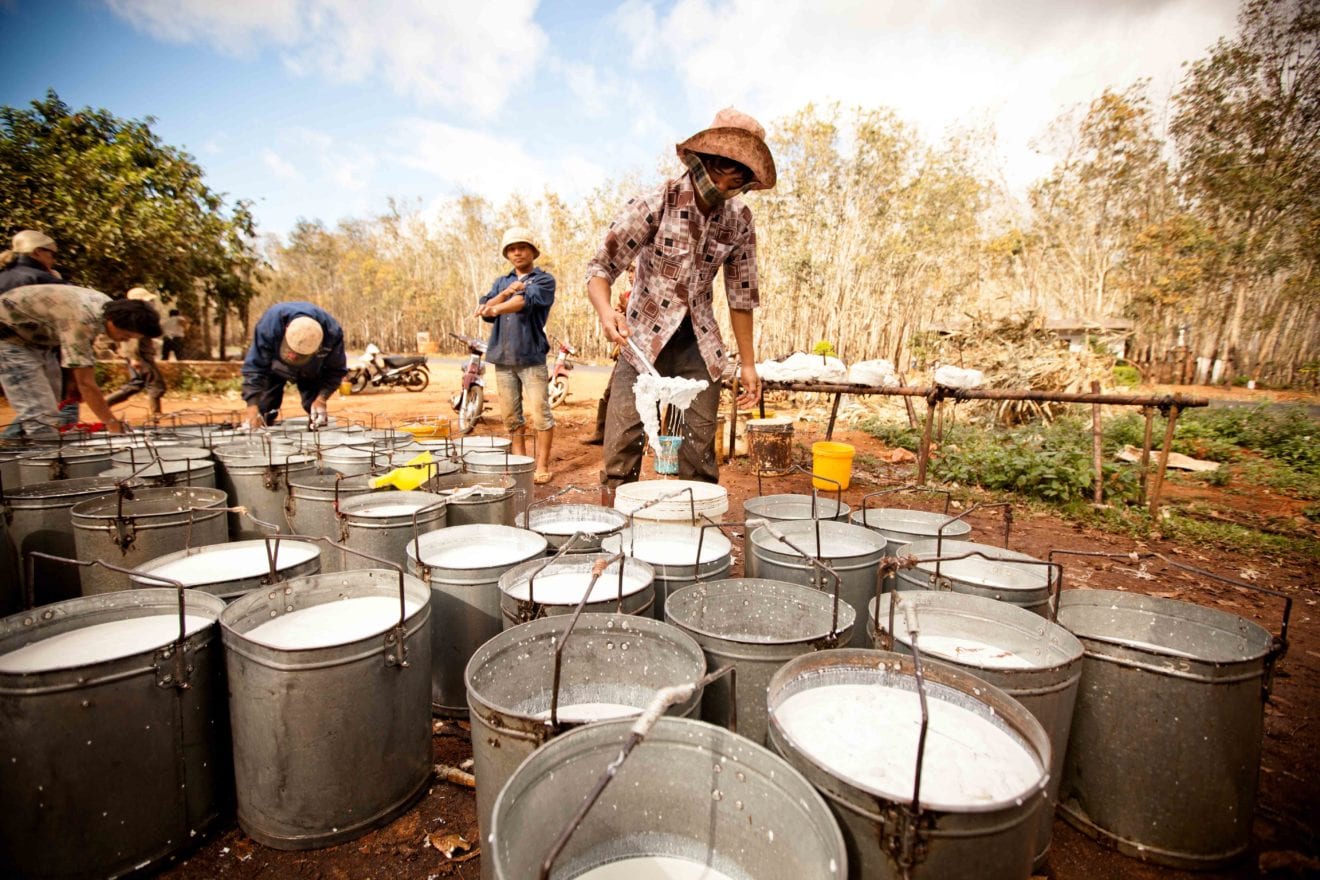
    The Vietnam Rubber Group (GVR) expects revenues to rise by 5 percent year-on-year this year, but estimates profit will stay unchanged due to rising costs.

    Its overheads, including wages, fertilizer, logistics and electricity, have been surging, board member Pham Van Thanh said. Rubber, accounting for half of GVR’s profits, were most affected by price surges, he added.

    Low rubber prices despite recent input hikes, fierce competition affecting rubberwood sales and legal issues relating to land use would also drag profits down, the group’s management said in a document submitted at its annual shareholders meeting Friday.

    The group expected huge profits from converting rubber farms into industrial zones, but this has run into legal hassles, Thanh said.

    “If the legal problems can be solved, our profits will likely surpass plans.”

    The group also plans to sell stocks in two subsidiaries, VRG of Vietnam Rubber Industrial Zone and Urban Development and SIP of Saigon VRG Investment, but is yet to do so in the current bearish market.

    Stock sales usually account for 15 percent of profits, Thanh said.

    GVR’s pre-tax profits in the first quarter rose 15 percent year on year to VND1.5 trillion ($64.6 million).

    Last year, it posted VND28.35 trillion in revenue, and VND5.34 trillion in profit; and reduced dividend from 6 to 4.1 percent to reinvest in an industrial zone in the southern province of Tay Ninh.

  • My Car was totaled: Tips for auto insurance claims

    My Car was totaled: Tips for auto insurance claims

    As soon as you’ve recovered from the trauma of being in a car accident, your insurance company deems your vehicle a total loss. The last time you’ll see your vehicle before it’s dragged away to the junkyard in the sky is when you gather your personal belongings.

    But there is a silver lining to this bleak tale of absolute devastation.

    You’ll be able to move past the accident and get back on the road with the correct form of auto insurance.

    What does “total” mean?

    Your car’s market worth will be compared to the insurance provider’s repair cost. In some cases, an insurance company may deem your car as totaled if the repair costs are equal to or greater than the vehicle’s value. Some insurance companies may total your car even if the repair costs are less than what they estimate. You can inquire about the source of the insurance company’s determination of the worth of your vehicle.

    When an insurance company declares your vehicle a write-off

    It is ultimately up to your insurance carrier whether or not your car is deemed a total loss following an accident. When the repair expenses for damages exceed 51 percent of the car’s pre-accident worth, they usually declare the vehicle a total loss. However, some insurers will increase that limit to 80 percent. State insurance authorities set the proportion, which may vary depending on where you live.

    Assume you were involved in an accident. The car is 12 years old and, as a result, has lost a lot of its monetary value over time. When a car’s worth is already low, even a small amount of repairable damage can cause your insurer to declare it a total loss. Another scenario: you own a brand-new luxury SUV and are involved in an accident that causes significant damage and renders the car unusable. A certain proportion of the car’s worth must be damaged before it can be considered an outright total loss.

    Once your car is totaled, you have a few options

    Car Insurance Quotes in Chicago, IL claim for total loss is usually more complicated than repairing a vehicle. It is feasible to expedite the insurance claim process and achieve the best potential outcome if you know what to do and what your options are.

    After Your Car Is Totaled, Here Are Five Things to Do Right Away

    In most total-loss incidents, the consequences can be rather severe. After an accident, what matters most is ensuring your physical health and well-being. Once you’ve recovered from the shock of the incident, you should:

    File a claim as soon as possible

    Insurance companies might be slow to process total loss claims, so contact yours and the other parties’ insurance companies immediately. Contact your insurance company as well as the insurance company of the other driver if you were involved in an accident with someone else’s vehicle.

    Tow your vehicle to a reputable auto repair facility

    The claim procedure will go more smoothly if you tow your car to a shop approved by the insurance adjuster managing your claim. You’ll need to contact your insurance company’s adjuster to get an estimate for repairs from the shop.

    Gather all of your necessary documents

    The title to your vehicle must be provided to the insurance company. Request a copy from your state’s Department of Motor Vehicles if you don’t have one. If your automobile is totaled, the insurance company will likely need you to hand over the title.

    The ACV of your vehicle should be researched

    Before agreeing to an insurance payout for a totaled car, perform your research on your car’s actual cash value (ACV). Find out the current market worth of similar vehicles to yours by consulting auto websites, newspapers, and local car dealerships and using online tools.

    Review the terms of your auto loan

    Your auto loan repayments will affect how much you can afford for a new vehicle. Your lender will get the settlement funds first from the insurance company. After that, you’ll get the rest of the money.

    Conclusion

    You may be able to manage your insurance claim on your own, depending on your policy. Consult a lawyer if you have queries about your legal rights. The services of a lawyer include more than just legal advice. When you don’t feel the insurance company is making a fair compensation for your totaled car, it’s worth the cost to hire a lawyer.


  • Meta expands parental control tools for Instagram and in VR

    Meta expands parental control tools for Instagram and in VR

    Back in December last year, Meta announced it will bring new parental controls to its social network products. The first set of those parental control tools launched back in March, 2022, allowing parents to view how much time their teens spend on the social network, set time limits, and be notified when their teen reported someone.

    Today, Meta has announced on its blog that the company is releasing the second batch of parental control tools, this time both for Instagram and in VR. Instagram already has a solid slew of options in the Parent Dashboard, but the new features will allow parents to:

    • Send invitations to their teens to initiate supervision tools. Initially, only teens could send invitations.
    • Set specific times during the day or week when they would like to limit their teen’s use of Instagram.
    • See more information when their teen reports an account or post, including who was reported, and the type of report.
    • Approve their teen’s download or purchase of an app that is blocked by default based on its IARC-rating.
    • Teens 13+ can submit an “Ask to Buy” request, which triggers a notification to their parents.
    • The parent can then approve or deny the request from the Oculus mobile app.
    • Block specific apps that may be inappropriate for their teen, which will prevent the teen from launching those apps. Apps that can be blocked include apps like web browsers and apps available on the Quest Store.
    • View all of the apps that their teen owns.
    • Receive “Purchase Notifications,” alerting them when their teen makes a purchase in VR.
    • View headset screen time from the Oculus mobile app, so they’ll know how much time their teen is spending in VR.
    • View their teen’s list of Oculus Friends.
    • Block Link and Air Link to prevent their teen from accessing content from their PC on their Quest headset.

    It’s worth noting that in order for parents to gain control of their little ones, they have to link both accounts together – a process that requires approval from both the parent and the teen. We see a lot of potential for tension at home with these new features but at the end of the day, it can save our kids from a lot of trouble, so it might be worth it. It’s down to negotiation skills and positive reinforcement.

  • Telegram founder publicly attacks Apple’s Safari browser for iOS for its restrictions

    Telegram founder publicly attacks Apple’s Safari browser for iOS for its restrictions

    Currently, there’s an investigation by a UK agency on Apple and Safari. And, it seems the UK is not the only one raising its brows when it comes to Apple’s web browser. Telegram founder Pavel Durov has now publicly criticized the iOS version of Safari, accusing it of restricting developer options for the web.

    Durov has shared his criticism on his public channel on Telegram. He claims that Apple is intentionally restricting web app features and that this limits developers from what they can do in iOS. The restrictions that Apple currently has for web apps impact the web version of Telegram too.

    Additionally, he suspects Apple’s reasoning behind this is to force users to download native apps from the App Store, and he brings up the 30% commission fee that Apple takes on purchases made via the App Store. Many developers have had issues with the infamous ‘Apple Tax’, as this 30% cut has unofficially been called.

    Telegram is available in the App Store; however, not everything was sailing smoothly for the company. In the past, Telegram has reportedly faced some issues with Apple’s review process because of its public channels (where there are no content restrictions). Telegram has a web version with all the same features – but it is also limited on iPads and iPhones.

    “Safari is killing the web” points out Durov, citing developers complaining about Apple’s native browser and a blog post on HTTP Toolkit, which lists multiple ways in which Safari is not helping the web. The blog post lists reasons such as Safari omitting features, many bugs present and the slow speed at which those are fixed, and ignoring proposed APIs by the Chrome team.

    Apart from citing the mentioned above article, Durov also highlights that Telegram developers have signaled a list of 10 issues they have with Safari on iOS. Among those, there is the lack of push notifications, random reloading, slow application of blur effects, and sometimes appearing visual artifacts. The post also includes a few more development-related things missing from Safari’s toolkit.

    The UK investigation, which we mentioned in the beginning of this article, is also highlighted in Durov’s post. He hopes that the investigation will lead to regulatory action against Apple Safari’s restrictions and shortcomings.

    The investigation he is talking about is actually going to be led by UK’s CMA, a watchdog who’s recently found Apple and Google to have an “effective duopoly” in the mobile tech market because of Safari and Chrome. The agency is now going to look at Safari’s WebKit restrictions under a microscope, to determine whether or not those are harming competition and innovation.

  • Vietnam Airlines expects financial difficulties until 2023-end

    Vietnam Airlines expects financial difficulties until 2023-end

    Vietnam Airlines expects financial difficulties to last until the end of 2023, amid aftermath of the Covid-19 pandemic.

    The flag carrier targets to be profitable and turn around its negative equity this year, it said in a filing to the Ho Chi Minh Stock Exchange, on which its stock HVN is still restricted to trading in the afternoon due to loss reports.

    The airline has recorded an accumulated loss of over VND24.5 trillion ($1.05 billion) as of March, and it wants to turn this situation around and become profitable by 2024 onward.

    It had recently sold a 35 percent stake in Cambodia Angkor Air for $35 million and will sell the remaining stake (14 percent) this year.

    It is set to issue more shares to pump up its capital in 2023 or 2024. In September last year, it raised nearly VND8 trillion by share issuance. The airline said it has been benefiting from a strong rebound in domestic travel.

    Last month, it operated nearly 12,000 flights and transported two million passengers, exceeding its plan by 42 percent.

    International travel, however, has been affected by the Russia-Ukraine crisis and rising fuel prices, the airline said.

    The Vietnamese government owns a more than 86 percent stake in Vietnam Airlines through two entities. Japan’s ANA Corporation owns a 5.6 percent stake.

  • WhatsApp users will soon be able to transfer their data from Android to iOS with ease

    WhatsApp users will soon be able to transfer their data from Android to iOS with ease

    We have good news for those WhatsApp users who are thinking of leaving the Android realm to join Apple’s ecosystem. Soon, the transition between the two platforms will be easier.

    The latest version of the Move to iOS app for Android will now check if you have a WhatsApp account on your Android phone, and if you do, it will open WhatsApp and offer you the option to transfer your data to your iPhone as an encrypted package. This will keep all of your messages and threads fully intact.

    However, don’t get too excited just yet. In order for the feature to work, it must be supported by both the “Move to iOS” app and WhatsApp. It is currently available in the former, but it is supported only by the beta version of the WhatsApp application. Presumably, it will be available in the public version soon as well. Also, for the feature to work, your Android phone must be running on Android 12, and your iPhone must be on the latest version of iOS.

    Mark Zuckerberg, Meta’s CEO, said in a statement that the ability to transfer your WhatsApp data from Android to iOS with ease was a “top requested feature.” WhatsApp users can already move data from iOS to Android, so it was only a matter of time until Meta added a feature to do the opposite.

  • AirAsia Will Use Descent Optimization Technology For More Efficient Flights

    AirAsia Will Use Descent Optimization Technology For More Efficient Flights

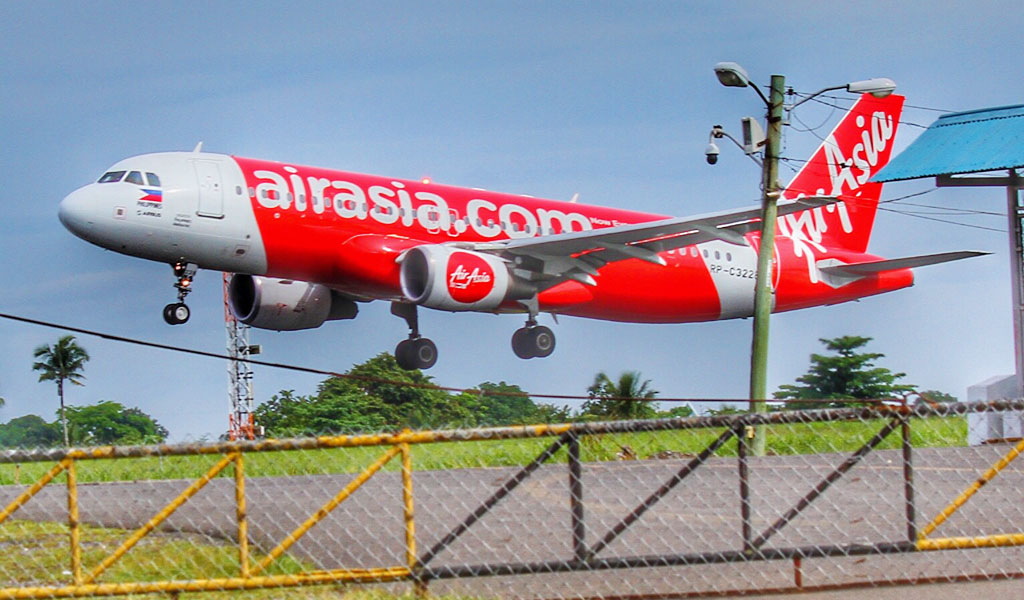
    AirAsia plans to introduce Airbus’s innovative fuel-saving software modification known as Descent Profile Optimization (DPO) to its A320ceo aircraft commencing this month.

    The airline said the enhancement to the aircraft’s on-board flight management system (FMS) performance database offers the ability to generate fuel savings and reduce carbon dioxide (CO2) emissions. The improvement has been previously introduced in LATAM Airlines’s operations, and the FAA has introduced new optimized descent profiles into some US operations.

    Optimization of an aircraft’s flight trajectory is one of the key factors in improving flight operations efficiency. The DPO function allows the aircraft to optimize the descent phase of the flight and descend from cruise altitude using only idle engine thrust. This minimizes the amount of time spent at an inefficient level off (when the aircraft’s engines generate thrust to maintain level flight in dense air before final landing approach), resulting in the reduction of fuel consumption and proportional CO2 and NOx emissions.

    AirAsia commented on the initiative, saying,

    “The new initiative is set to reduce fuel consumption and improve the fuel efficiency by up to 0.75% of fuel burn, which is equivalent to saving 101 kg of CO2 emissions per flight. … This could reduce CO2 emissions by over 221 tonnes per aircraft per year, representing a considerable contribution to more sustainable flight operations,”

    The airline also confirmed that the DPO will be installed initially on 17 A320ceo aircraft. It is expected to save 3,764 tonnes of CO2 per year, or the equivalent of 62,700 urban trees planted.

    AirAsia has set its goal to reach carbon neutrality by 2050. And as the traveling market is recovering, AirAsia expects to get back to pre-pandemic levels by the end of 2022.

    Bo Lingam, Group CEO of AirAsia Aviation Group Limited (AAAGL), said:

    “Given the reality of climate change and the airline industry’s contribution to emissions, reducing our carbon footprint is currently one of our top sustainability priorities and we look forward to further reducing an additional 221 tonnes of CO₂ emissions per aircraft each year with the DPO system we are implementing.”

    AirAsia also plans to gradually upgrade its fleet to a higher capacity and more fuel-efficient A321neo in the longer term.

    Besides the DPO, AirAsia said it has implemented several other key efficiency initiatives from Airbus to reduce fuel consumption and carbon emissions, such as”

    • SETWA (Single Engine Taxi Without APU) which allows the aircraft to operate only one engine during the taxi phase of flight instead of both engines,
    • Idle Reverse Landing, which allows the aircraft to use idle engine thrust upon landing instead of powered thrust to reduce noise and fuel burn, and
    • the Required Navigation Performance-Authorization Required (RNP-AR) approach, which allows the airline uses the aircraft’s advanced navigation capabilities instead of conventional ground-based equipment for the shortest landing approach.

    Bo Lingam, Group CEO of AirAsia, commented,

    “It is important that we review our climate strategy and put in place new mechanisms and processes that will help to minimize the environmental impact of our flight operations.”

    In 2021, it was estimated that by applying the above improvements, AirAsia would avoid emitting 11,175 tonnes of CO2, equivalent to planting 186,250 urban trees.

  • Google Tasks gains an important new feature for mobile and desktop

    Google Tasks gains an important new feature for mobile and desktop

    Google has added a new feature to its Google Tasks app. Tasks allow you to make reminders and create to-do lists and a simple but powerful new feature is being added to Tasks that frankly, should have been on the app before. This new feature will allow you to put a star on any task to highlight the importance of a particular task. For example, you can use the star to designate tasks that you consider to be a higher priority.

    Other similar apps such as Microsoft To-Do also allow users to put a star next to a particularly important task in order to help the user quickly find those that are more important than others. Google said in announcing the new feature, “We hope this update makes it easier for you to prioritize your tasks and quickly navigate to important tasks across your projects.” It will be offered to users of both the desktop and mobile versions of Google Tasks.

    On the Google Workspace blog the company wrote, “In Google Tasks, you can now mark important tasks with a star. This is similar to functionality that already exists in Drive today.
    Google started rolling out the feature on Wednesday, June 8th. Still, it might take 15 days or more to arrive to everyone so don’t start freaking out if it hasn’t landed on your phone by the time June 23rd comes around. Sometimes it takes a little bit longer for an update to arrive at its destination.
  • Telegram announces new Premium plan coming in June

    Telegram announces new Premium plan coming in June

    What started as a rumor a few months ago has become reality this week: Telegram is going Premium. Well, the free tier will remain available as is, but a paid tier will also be added which will offer some extra features, resources and speed.

    Telegram’s founder and CEO, Pavel Durov, announced today that his company will introduce a Premium tier this month, but he did not make any mentions regarding the price. Previous rumors pointed to a possible $5/month subscription for those who want Telegram Premium, but the information hasn’t been confirmed yet.

    What we do know is that all existing features will remain free, and even users who don’t subscribe to Telegram Premium will get some of its benefits, such as the ability to view extra-large documents, media and stickers sent by Premium users, as well as the option to tap to add Premium reactions already pinned to a message to react in the same way.

    The addition of a Premium tier is meant to keep existing features free while offering those who want more the chance to acquire those extra features they need, at least according to Telegram. On top of that, a Premium subscription will allow users to support eh app and receive new features before those who use Telegram for free.

    We will probably never know whether the move is meant to simply support the extra resources Telegram will spend to add those new features or the company plans to actually make money to pay the bills. The bottom line is that even Telegram’s CEO believes that the app “should be funded primarily by its users, not advertisers,” which implies that the amount of ads will remain limited.

  • Why E-commerce Is the Future of Retail

    Why E-commerce Is the Future of Retail

    Over the past few years, the growth of mobile technologies and a shift to remote work caused a significant increase in the global adoption rate of e-commerce strategies. Retail businesses found themselves having to adapt to these transformative changes or face the prospect of being left behind.

    Transformation is never easy, and the shift to customer-oriented, mobile service is a costly investment that can only be made after careful deliberation. Choosing e-commerce can be a risky move at the best of times, but the potential for profitability is well-documented at this point.

    Whether it’s social media campaigns, fashion Influencers, digital storefronts, or mobile app development, e-commerce strategies can be used simultaneously. These strategies define the current era, but what does this mean for the future of retail?

    Will brick-and-mortar establishments continue to decline in popularity? Or is there a chance that we’ll reach an inflection point and find a better balance between e-commerce and on-premise shopping? Let’s take a look at three factors that can inform our understanding of this unprecedented situation.

    New normals

    Unfortunately, there’s no way of knowing when dramatic changes in consumer behavior will occur. The amount of people who prefer online shopping has risen faster than anyone could expect, and the survival of the retail industry has largely depended on its ability to respond to these changes timeously.

    Reaction speed has become paramount to commercial success in an age defined by fast service and modern conveniences. Online shops are open around the clock, facilitating the sale and delivery of an astonishing amount of goods every second of every day.

    In 2021, e-commerce profits in the US amounted to over $850 billion. Compared to 2019, that’s over 50% growth in less than two years. Clearly, consumers are drawn to the convenience and simplicity of online retail, and the simple truth is that traditional retail is incapable of meeting this demand.

    To make the most of this thriving market, forward-thinking retailers have found that a combination of on-premise and e-commerce is the most effective strategy. Each strategy is able to function independently, which gives consumers the ability to follow their preferences freely.

    Accessibility

    It’s hard to overstate how important convenience is. Everyone wants fast service and premium quality, and no one wants to have to leave home to experience that quintessential shopping experience.

    Desiring that level of convenience doesn’t mean we shouldn’t have physical storefronts. In fact, it means quite the opposite. Both forms of retail have to work in unison, and the extent to which each is applied should be based on the target market’s needs and preferences.

    By prioritizing consumer-centric strategies, retail companies can ensure that they provide the best in service delivery. Failing to implement these services in time will likely result in a loss of market share, and there are many well-established companies that had to learn that lesson the hard way.

    Contrary to popular belief, e-commerce strategies aren’t meant to replace the traditions of brick-and-mortar shopping. They add to established infrastructure, essentially creating a network of access points for consumers to get what they want when they want it.

    Much like courier and delivery services, the technology behind e-commerce merely allowed us to fill a gap in the retail market. Consumers will always want on-premise shopping, as the experience of physically going out to buy a product is a need that commerce isn’t able to meet.

    Data-driven solutions

    Looking at the evidence is a key factor for success. This is another way in which technology can give retailers the upper hand. Mobile and analytics technologies have advanced in leaps and bounds, and scalable cloud platforms open up a world of possibilities for dynamic market influencers.

    At this point, you may have noticed that a combined strategy will likely be the best solution for most businesses. After all, time and time again, analyzing consumer behavior shows that profitability is the result of being able to provide the type of experience your target market seeks.

    From rewards-based behavior to online browsing habits, we have access to the kind of data marketers could only dream of back in the day. Retailers should use this knowledge to their full advantage, reacting to consumer attitudes instead of trying to manipulate them.

    For the retail industry to attain the best possible outcome, a combination of technology and tradition must be implemented as early as possible. The signs of this inevitability are all around us, and no matter which way you look at it, all clues point to e-commerce being a fundamental influence on the retail industry for a long time to come.

  • Vietnam to promote electronic bills via lottery

    Vietnam to promote electronic bills via lottery

    Vietnam is set to use lottery prizes to promote the use of electronic bills as the country seeks to boost digital transformation.

    Since April, seven billion electronic bills, or 93 percent of the total, have been recorded, and starting July 1 all businesses in the country will have to utilize electronic billing, Minister of Finance Ho Duc Phoc told the National Assembly on Wednesday.

    To promote electronic bills, the ministry will use lottery service Vietlott to award random people using the electronic billing code submitted to the national database whenever a customer purchases a product or service.

    Promoting electronic bills is among Vietnam’s latest efforts to create an e-government as its leaders have vocalized the need to digitally transform the country to boost economic growth.

    Deputy Head of the General Department of Taxation Dang Ngoc Minh said earlier this month that tax payers can now scan a QR code to have tax bills delivered to their smartphone within 10 seconds.

  • EU Sets Women Boardroom Quota at 40 Percent

    EU Sets Women Boardroom Quota at 40 Percent

    After ten years the EU has reached a landmark decision to achieve corporate gender equality. The move will put pressure on Swiss companies both in the EU and at home.

    The EU is introducing a legally binding 40 percent quota for women in non-executive positions and a 33 percent quota for women in executive roles of companies operating in the European Union from mid-2026, it said in a press statement late Tuesday.

    Currently, only a third of boardroom members in the EU are women and the number of female senior managers is lower, it said. The new directive aims to help companies listed on EU stock exchanges accelerate their progress in reaching gender equality.

    While Swiss companies listed in the EU will have to comply with the new European law, companies listed in Switzerland are being put «indirectly» under pressure to follow suit by this decision, Fabienne Meier partner at executive search firm Knight Gianella & Partner, said.

    Last year Swiss law determined a 30 percent quota for women on the board of directors of Swiss listed companies within five years and a 20 percent quota for women in executive management positions within ten years.

    For Meier, the boardroom targets are realistic, but the pool of female talent for the executive level is too small, as it was not nurtured enough in the past. Some sectors will struggle to close the gender gap as they look for top female executives with (rare) technical profiles, she said.

    The Commission first proposed gender balance on company boards in November 2012, but it has taken ten years for all decision-makers to reach an agreement on the matter with some member states previously opposing binding measures at the EU level.

    Although 60 percent of current university graduates are female, women are underrepresented in high-level positions and progress is very slow. Countries with national quotas have the highest share of women sitting as board members of listed companies, according to the statement.

  • Sunbutter Skincare becomes world’s first certified palm oil-free sunscreen

    Sunbutter Skincare becomes world’s first certified palm oil-free sunscreen

    The innovators behind Australia’s first reef safe sunscreen is packaged in reusable and recyclable tins and Australia’s first vegan surf zinc, SunButter Skincare, have announced they will become the first sunscreen company in the world to be certified palm oil free.

    Working closely with International Palm Oil Free Certification Trademark (POFCAP) SunButter has removed palm oil from its supply chain ensuring none of the ingredients used in any of its sunscreen or skincare products is derived from palm oil.

    “At SunButter we’re all about protecting people and the planet and if we’re including palm oil as an ingredient then we’re not protecting the planet, we wanted to make sure we live up to our ethos and mantra,” said SunButter Skincare Founders Sacha Guggenheimer and Tom Hiney.

    Typically, consumers won’t see ‘palm oil’ listed as an ingredient on the back of their sunscreen bottle, it’s usually hidden behind the name caprylic/capric triglyceride, cetostearyl alcohol, glycerin and glyceryl caprylate.

    “Sadly, it’s super complicated, because palm oil and palm oil derivatives are disguised under hundreds of different names,” said Hiney.

    To complicate things further, finding transparency when it comes to supply chains is difficult and this might partly explain why no Australian company is currently able to say that their sunscreen is certified as free of palm oil.

    “It’s really about encouraging brands to go palm oil free and support other palm oil free brands, we’ve been fortunate enough to go to Sumatra and see the devastating effects palm oil plantations have on the planet from deforestation and the disruption of soil carbon to the decimation of local animal populations, so talking about this certification is a great exercise in raising awareness about the use of palm oil in the cosmetic industry,” said Guggenheimer

    SunButter encourages consumers to do their research, looking for items with a ‘palm oil free’ logo from the POFCAP, Orangutan Alliance, Go Palm Oil Free or POI Approved, which means they’re certified (rather than just labelled as ‘palm oil free’ by the company, which can be inaccurate and misleading).

    “While the palm oil issue is a big one, there is a string of organisations doing really good work to get us back on the right path, and it’s important that we take personal responsibility and become more conscious in our buying habits as the less demand there is for products containing palm oil, the fewer products “While the palm oil issue is a big one, there is a string of organisations doing really good work to get us back on the right path, and it’s important that we take personal responsibility and become more conscious in our buying habits as the less demand there is for products containing palm oil, the fewer products containing palm oil there’ll be on the market.” said Hiney.