Category: General

Retail News Asia is committed to providing both local and global retailers with the latest General Retail news throughout the Asian market. This on a daily base.

  • Bamboo Airways to triple fleet size in 6 years

    Bamboo Airways to triple fleet size in 6 years

    Bamboo Airways plans to triple its fleet size to 100 by 2028, with new aircraft being delivered this quarter, despite major changes in its leadership.

    The airline is set to receive its 22nd narrowbody Airbus A321 jet and fourth widebody Boeing B7s87 this quarter, CEO and chairman Dang Tat Thang told shareholders at the recent extraordinary shareholders’ meeting of its parent company FLC.

    The airline currently has 29 jets, comprising 21 narrowbody aircraft, three Boeing B787s and five Embraer 190 regional aircraft, according to aviation data website Planespotters.

    Its competitors Vietnam Airlines operates 99 aircraft, and Vietjet 77. Thang became the new chairman of Bamboo Airways and FLC in March to replace Trinh Van Quyet who was arrested for alleged stock manipulation.

    The airline saw revenues rising 150 percent between the first and second quarter this year as travel resumed, Thang said. Bamboo Airways now operates nearly 200 flights a day on 60 domestic routes and 12 international routes, he added.

    It has recently increased pilot wages by 20 percent, he said.

    While FLC is set to experience a complete restructure this year, it will continue to expand Bamboo Airways’ operation both domestically and internationally, with the aim of making it a five-star airline of global standard, Thang said.

    “To achieve this goal, Bamboo Airways needs many new investors to increase its capital.”

  • AirAsia introduces trial flights to China

    AirAsia introduces trial flights to China

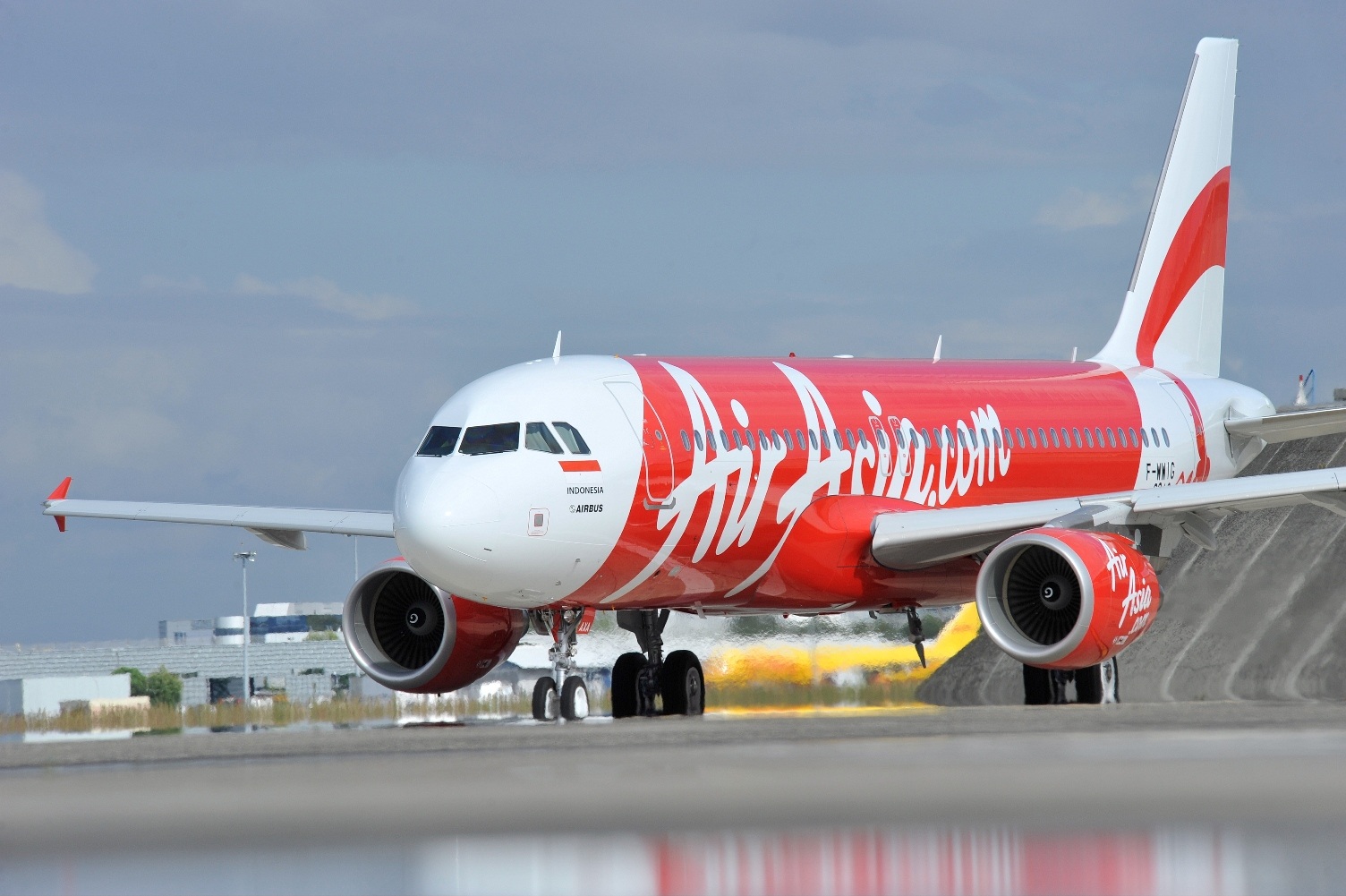
    AirAsia Thailand (flight code FD) will launch direct flights to China and Hong Kong from its Bangkok Don Mueang airport hub starting 7 August. Initially, the low-cost airline will fly a weekly service but hopes to increase flights to twice a week in September and three times weekly in October.

    Promotional fares start at around THB2,990 one-way for members for travel up to 8 December 2022 booked through the AirAsia Super App. A pilot roundtrip flight between Bangkok Don Mueang and Guangzhou is scheduled for 13 July, with tickets to Thailand available on the AirAsia Super App. The flight is being carried out to demonstrate the carrier’s readiness to serve routes to and from China as soon as China announces the country’s official reopening for outbound leisure travel.

    AirAsia Thailand chief executive officer Santisuk Klongchaiya stated: “These two initial routes provide us with an opportunity to welcome visitors to Thailand. With restrictions further relaxed in Thailand, we have been marketing heavily in China and Hong Kong to tap these tourism markets.”

    Travelers to Hong Kong are required to undergo screening procedures. Arriving travellers must be fully vaccinated. They must produce a Covid-19 test result and are required to undergo quarantine. The Don Mueang-Guangzhou flight will be subject to a policy by the China government, which has allotted a limited entry quota to Thai airlines.

    So far, China has offered no indications as to when it will reopen outbound tourism. However, industry pundits claim the reopening could be as early as the Chinese New Year holiday season in late January or February 2023. Travel to and from China is strictly controlled and mainly limited to essential business travel.

  • Apple Maps could get a feature that Google Maps doesn’t have

    Apple Maps could get a feature that Google Maps doesn’t have

    Apple Maps has come a long way since it was first released in 2012 as a replacement for Google Maps. The latter was still made available for iPhone users in the App Store (along with YouTube which also was dropped as a native app with iOS 6). At first, Apple Maps was an unmitigated disaster. Some city streets and even countries were labeled with the wrong name and some weren’t named at all. Faulty directions sent users into dangerous areas like the Australian Outback filled with poisonous snakes, very little water, triple-digit temperatures, and scarce mobile phone reception.

    As a result of the Apple Maps fiasco, iOS chief Scott Forstall departed Apple after failing to sign an official apology related to the feature. As a result, the company’s chief designer, Jony Ive, ended up with the task of redesigning iOS 7 the next year. Forstall’s days at Apple might have been numbered anyway once Steve Jobs passed in 2011. Forstall and Ive reportedly would not work together and had differing opinions about the continued use of skeuomorphic designs for iOS.

    Skeuomorphic designs are those familiar designs that were used on the first generation of Apple’s native apps so that users knew instantly what a particular app was all about. For example, the use of an old black and white television console for the YouTube app would be an example as would a legal pad for the Notes app. Forstall (and Steve Jobs) both were into Skeuomorphic design while Ive preferred more of a modern approach.

    Apple decided to scrap the third-party mapping platforms it was using for Apple Maps and decided to build its own literally from the ground up. In 2018 it started sending out specially equipped vans with special sensors and cameras that sent data to an iPad located inside the van. The result has been a much improved Apple Maps that has reduced the gap with Google Maps.
    A tweet disseminated by iOS developer Steve Moser reveals that he has found some code in the Apple Maps app that suggests that Apple might offer Apple Maps navigation for E-Bikes along with optimized routes and estimated times of arrival (ETA) for those who drive them.
    It isn’t clear what the difference will be in the directions for non-electric and electric bikes although one possibility is that the latter will include steeper paths that are more likely not to be an obstacle for a motorized vehicle. If it turns out that Apple Maps will include navigation for E-Bikes, that would give it an advantage over Google Maps which doesn’t optimize routes for E-Bikes compared to ordinary bikes that need to be pedaled. But Google Maps does show users where they can rent an E-Bike, the expected time of their E-Bike journey, and the ETA.
  • Vietnam textbook publisher reports record net profit

    Vietnam textbook publisher reports record net profit

    State-owned Vietnam Education Publishing House experienced its most profitable year in 2021, earning VND287 billion ($12.3 million) in after-tax profit. The profit was 2.5 times higher than the target set by the Ministry of Education and Training and the highest earnings in the publisher’s history.

    In previous years, the publisher’s after-tax profit hovered between VND120-150 billion a year. A recently released business report says the publisher printed more than 164 million textbooks last year, exceeding the annual target by about 40 percent. Its earned total revenues of VND1.8 trillion, over 97 percent of which came from book publishing.

    The company had a return on equity (ROE) of 39.9 percent and a return on total assets (ROA) of 17.9 percent. The publisher’s seven subsidiaries also reported profits totaling VND46 billion. Another factor in the improved performance was the increase in textbook prices.

    In the 2020-2021 school year, the prices of textbooks were two to four times higher under the new general education program.

    The publishing house explained that prices went up because the cost of all four components – the number of books in one set for each grades, the cost of organizing the manuscript, the cost of materials and the cost of marketing – increased significantly.

    Textbooks are not currently on the list of items priced by the State, but by enterprises that have to declare their prices to the Ministry of Finance. Publishers are solely responsible by law for the correctness and suitability of their pricing structures.

    The education ministry had asked the publisher to review the entire process of compilation, printing and distribution to reduce the prices of textbooks. Following this, a 3-9 percent reduction was made over the original declaration.

  • Google to boost sound quality in Google Meet, merge Duo

    Google to boost sound quality in Google Meet, merge Duo

    There are changes coming to Google Meet that will boost the sound quality of calls by introducing stereo separation. The guys at 9To5Google have found some strings of code related to binaural audio, and the aforementioned stereo separation in the latest version of the Google Meet and Gmail applications.

    Simply put, this means grabbing two separate audio channels and treating them individually. Google Meet will be able to get different audio channels for different people speaking during a meeting, and then blast them separately into the left and right speaker of the person listening.

    This will help people understand who’s speaking much more effectively, and intuitively – normally these conference call apps just use a mono audio channel, which makes everyone come through the same speakers.

    A couple of days ago, Google announced that it will be merging Google Duo with Google Meet, or more specifically – integrating some Google Duo features into Meet. There are again strings of code that show this is happening.

    With these changes in place, Google Meet will be able to carry out 1-to-1 calls the way Google Duo does, with the call tied to a phone number or Google account.

  • Nectar of the dogs expands into Southeast Asia

    Nectar of the dogs expands into Southeast Asia

    Australian pet supplement brand Nectar Of The Dogs – which launched in the Australian market in 2021– is now expanding to meet the needs of overseas dog owners. Through a partnership with Asia Pet World, Nectar Of The Dogs is now available for online purchase and distribution globally, with pet owners in Singapore able to purchase the products in store.

    The partnership marks a dramatic milestone for the Sydney based start-up, which until now has been available to purchase only within Australia. Partnering with Asia Petworld means Nectar Of The Dogs can now reach the distributor’s network of over 500,000 households, and will be stocked on the shelves of Singpet Superstore – Singapore’s largest pet store.

    Partnering with natural health experts, veterinarians, food technologists and dog lovers, Nectar’s range of medicinal water supplements are made in Australia with high-quality, human-grade, plant-based ingredients. Nectar’s formulations are aimed to assist pet parents with the top health concerns for today’s dogs, including joints, immune system, calming the nervous system, and supporting skin health, gut and digestive system. The five products from Nectar’s range will be available to dog owners throughout Singapore.

    The growth of the brand represents rising demand for high quality, natural supplements for dogs, not just in the Australian market. Formulated in Australia by a team of food technologists and complementary health experts, Nectar Of The Dogs offers human grade, plant-based supplements that dogs find delicious.

    “We’re experts in supplements for dogs and people,” shares Nectar of the Dogs Founder, Gabriel Perera. “With Nectar, we’ve created a range of products that we wanted for our own dogs, with each ingredient painstakingly formulated to deliver maximum benefit, based on clinical evidence in dogs that tastes amazing.”

    More than just a healthy dog supplement brand, plant-based and Australian-made Nectar is better for the planet. All of Nectar’s formulas are carefully packaged in recyclable and compostable packaging, avoiding any single-use plastics.

  • 7-Eleven brings Peanuts x FDMTL collectibles to Singapore

    7-Eleven brings Peanuts x FDMTL collectibles to Singapore

    TS x FDMTL collectible bags and merchandise. From 6 July, fans can get their hands on the limited edition fashion collectibles crossover with PEANUTS x FDMTL. FDMTL is a world-class, Japan made, indigo based brand.

    Peanuts fans can look forward to a full range of premium quality bags in the latest Shop and Earn stamps programme at 7-Eleven. There are eight limited-edition premium Fashion Bags featuring characters from the Peanuts comics. Customers can earn a stamp with every $5 spent at 7-Eleven; collect eight stamps and top up $8.90 in cash to redeem a blind box of PEANUTS X FDMTL collectible bag.

    Stamp issuance begins on 6 July and ends 30 August at all 7-Eleven stores. Redemption ends 6 September, or while stocks last.

  • Nestle buys New Zealand honey brand

    Nestle buys New Zealand honey brand

    Nestlé has added to its portfolio of health-focused assets with the acquisition of New Zealand business The Better Health Company.

    Financial terms were not disclosed. The Better Health Company (TBHC) is the company behind the supplement brand Go Healthy, as well as Egmont Manuka honey.

    Nestlé acquired the business from China asset-management firm CDH Investments and TBHC’s founding shareholders. CDH Investments first backed TBHC in 2016 when it became its majority investor.

    Demand for gold as an investment has grown at an average annual rate of 15% since 2001, but what impact is an ever-sharper focus on sustainable investing having on this most robust of asset classes? Invesco’s Christopher Mellor discusses the efforts being made to ensure ethical and environmental provenance for those looking to incorporate responsible gold into their investment mix.

    Gold has always been a popular investment – and why not? Long viewed as a good hedge against inflation and economic turmoil, the metal’s price has often tracked counter to market swings.

    Yet amid the continued enthusiasm for the precious metal, investors are also increasingly conscious about its provenance, with investment strategies intrinsically linked to environmental, social and governance (ESG) goals. Traditionally, investors could only gain exposure to gold by physically buying bars and coins, entailing delivery, storage and insurance costs. A recent development is the rise of gold exchange-traded commodities (ETCs), which remove the costs of physical ownership, but also present potential issues around ensuring environmental and ethical merits.

    The deal is the latest acquisition made by the world’s largest food company as it looks to take on more businesses centred on health and wellness.

    Paul Bruhn, the head of the Oceania business for Nestlé’s Health arm, said the Go Healthy and Egmont brands “complement our global portfolio of active lifestyle and health-and-wellness nutrition brands very well”.

    The transaction also includes a manufacturing facility in Auckland for minerals and supplements.

    Jennifer Chappell, the CEO of Nestlé’s business in New Zealand, said: “This will strengthen our presence not just in New Zealand, but more broadly across the region, with the Go Healthy brand which is already present in Australia, China, Singapore, South Korea and Vietnam, and the globally-known Egmont brand.”

    Last month, the Swiss food giant snapped up Brazil-based health foods and supplements business Puravida.

    In February, Nestlé made an acquisition in the area of “nutrition products” with a majority stake in US-based Orgain, a supplier of protein powders, snack bars and shakes.

    Last year, the group snapped up the vitamins and supplement brands of US-based The Bountiful Company in a deal valued at US$5.75bn. That transaction included the Nature’s Bounty, Solgar, Osteo Bi-Flex and Puritan’s Pride lines, as well as Bountiful’s private-label business.

    In May last year, we reported on a document issued among Nestlé executives the publication said stated more than 60% of the company’s mainstream food and drinks could not be considered healthy under a “recognised definition of health”.

    According to the FT, the presentation excluded from its analysis products in sectors such as infant formula, pet food, coffee and medical nutrition. In response, Nestlé issued a statement to say it is “working on a company-wide project to update its pioneering nutrition and health strategy”.

  • Covid causes more turbulence for Pacific Airlines

    Covid causes more turbulence for Pacific Airlines

    The Covid-19 pandemic stopped Pacific Airlines’ recovery and worsened its financial situation, which is “extremely serious,” its parent company, Vietnam Airlines, informed shareholders last week.

    “The shortfall in cash flow and large overdue debts pose the possibilities of insolvency and termination of operations,” the carrier said, adding that it is seeking investors to restructure Pacific.

    In 2018 and 2019, the airlines was on course to recover with profits of VND34.3 billion ($1.48 million) and VND48.6 billion against losses of VND346 billion and VND907 billion the previous two years.

    Its revenues peaked at VND8-9 trillion during the period.

    It posted profits of VND150 billion in January 2020, a monthly record, before Covid-19 hit the aviation industry.

    “If it weren’t for Covid-19, we would have made a big profit,” its chairman and Vietnam Airlines’ deputy director, Trinh Hong Quang, had said in mid-2020.

    That year the budget carrier ended up with a record loss of VND2.14 trillion as revenues plummeted to VND2.6 trillion, a fourth of the previous year’s figure.

    At the end of 2020 it had total assets of over VND6.6 trillion, but its equity had eroded and was in the red.

    In 2021, it lost nearly VND2.31 trillion. Speaking about plans to restructure its subsidiary, Vietnam Airlines said the investor selection process faced legal and other obstacles due to the fact it is a state-owned enterprise.

    If no agreement is reached, its own situation would be at risk, it warned.

    It plans to seek shareholders’ approval to amend a clause in its charter to allow sale of its equity to third parties at the upcoming annual general meeting.

    Pacific Airlines was founded over 30 years ago after authorities approved foreign investment in the aviation industry. As a budget airline, it was expected to increase Vietnam Airlines’ penetration and competitiveness.

    Vietnam Airlines owns 98 percent of the carrier, including 30 percent it got back from Australian airline Qantas in 2020.

  • Metcash to invest $70 million in new Vic DC

    Metcash to invest $70 million in new Vic DC

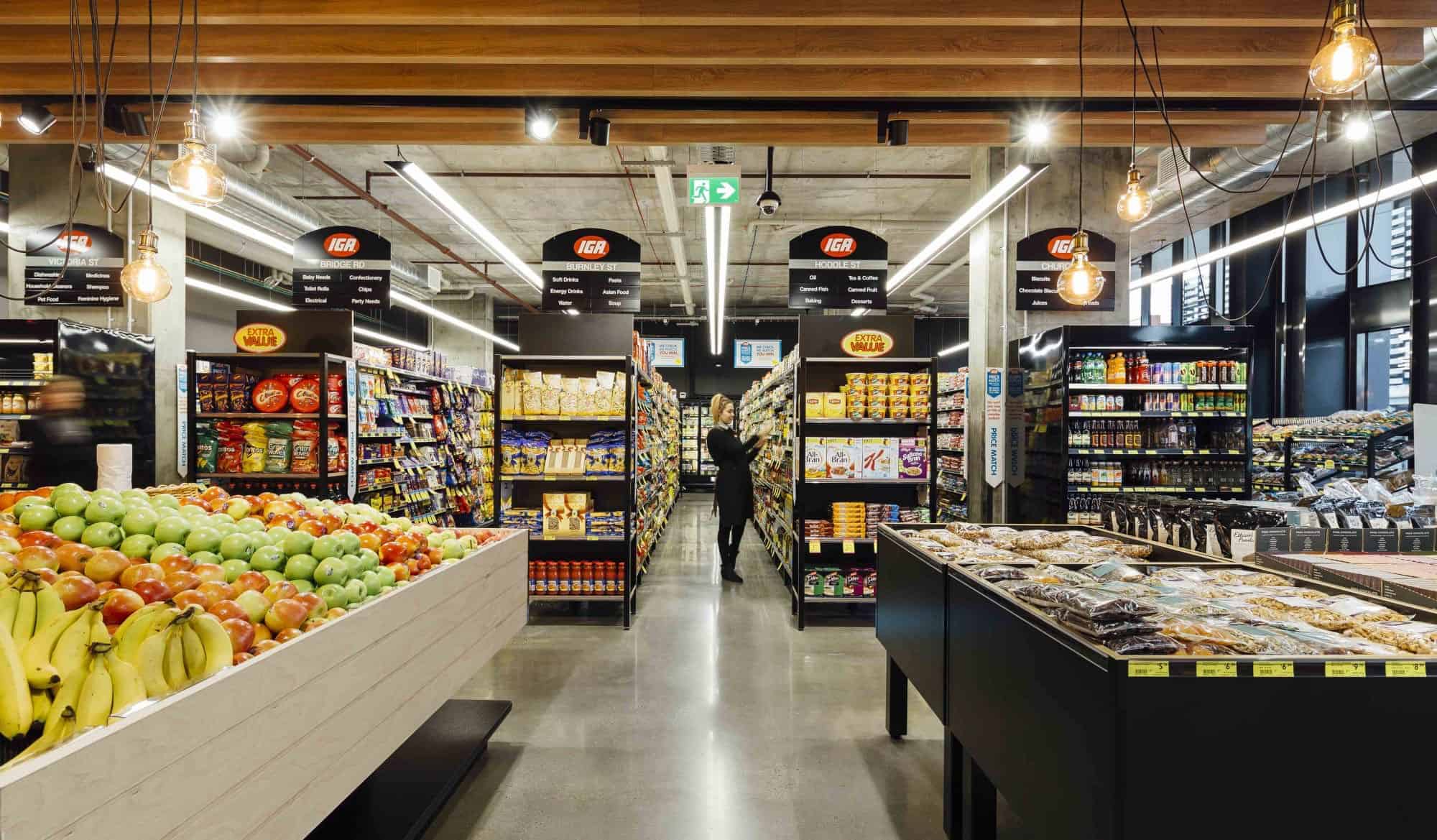
    Metcash, the Australian wholesaler and distributor for brands like IGA, Mitre 10, Foodland and more,  has today announced a new distribution centre (DC) planned for Truganina, Victoria alongside the release of its FY22 results detailing a rise in revenue and earnings.

    The approximately 115,000sqm DC will replace the company’s existing Laverton, Victoria facility and will cost Metcash around $70 million to set up, with $20 million scheduled to be incurred in FY23.

    Metcash, which signed a long-term lease with the Goodman Group (ASX: GMG) for the construction of the Truganina DC, says the facility will improve the competitiveness of its independent retailers in Victoria through delivery efficiencies and by providing them access to a wider range of products.

    The DC will house products for both MTS’ food and liquor pillars, and will be equipped with automation to suit the company’s retail network.

    “We are delighted to be able to announce this significant long term investment for our independent retailers in Victoria, which is a reflection of our continued focus on championing their success,” Metcash CEO Doug Jones said.

    “Supporting our decision to proceed was the success of our new DC at Gepps Cross in South Australia, which has been operational since December 2020, as well as strong growth in both our Food and Liquor pillars in Victoria and the recent renewal of a long term agreement to supply Foodworks stores.”

    The announcement coincides with the release of Metcash’s FY22 financial results, detailing an 18.6 per cent rise in underlying profit after tax to $299.6 million.

    In addition, earnings rose by 17.7 per cent to $472.3 million, while revenue grew by 5.9 per cent to $15.2 billion.

    On a statutory basis, MTS’ profit after tax was up by 2.7 per cent to $245.5 million which the company says was backed by strong sales and earnings in all divisions sustained by a shift in consumer behaviour.

    The large difference between underlying and statutory profit can be explained by $22 million for Project Horizon which includes refurbishing stores, expanding e-commerce and cutting costs, as well as $27.6 million in acquisition costs, primarily oriented towards the hardware division.

    Jones said he was pleased to present the FY22 results, his first as group CEO.

    “The results are outstanding, another record year, and represent continued progress on the exceptional performance in FY21,” Jones said.

    “The number of external challenges increased in the second half and our supply chain and retail operations, both our own and those of our retail partners, exhibited significant resilience and flexibility. There were more lockdowns due to the Omicron COVID variant, major supply chain challenges, flooding in South Australia, New South Wales and Queensland which resulted in supply route disruptions, and towards the end of the financial year challenges related to Russia’s invasion of Ukraine and lockdowns in China.

    “A strategic investment in inventory, the flexibility of our operations and the outstanding efforts of our people helped our retailers to keep their shelves stocked and continue serving their local communities through these challenges. A testament to our people and independent retailers is that our focus on keeping shelves stocked did not materially hinder the continued successful execution of our MFuture [growth project] initiatives.”

    Jones said the company’s retail networks in food, hardware and liquor performed well, with sales increasing approximately 3 per cent in the IGA retail network, 20.5 per cent across hardware (which includes Mitre 10, Home Hardware and Total Tools), and 8.7 per cent in the liquor network.

    “Importantly, retailers are increasingly reinvesting in their stores, further improving the quality of their network primarily through the various store upgrade programs we support,” Jones said.

    “We also further strengthened relationships with our independent retailers and were pleased to recently announce long term agreements to continue supplying Foodworks stores and Drakes Supermarkets in Queensland.”

    MTS says forward momentum going into FY23 has helped push group sales up 9 per cent in the first seven weeks of its new financial year commencing on 1 May, partly buoyed by the impact of inflation.

    “While elevated inflation has continued into 1H23, there is uncertainty over the level of inflation going forward, as well as how the impact of inflation and other cost of living increases may impact consumer behaviour in the retail networks of our pillars, and Metcash,” Metcash said.

    “We are continuing to work closely with our suppliers and retailers to help shoppers manage the impact of inflation by providing better value options through offering a wider range of products at competitive prices.”

  • Google announces five new features coming to Chrome for iPhone and iPad

    Google announces five new features coming to Chrome for iPhone and iPad

    If you have an iPhone and don’t like Safari, chances are you’re using Google’s internet browser, Google Chrome. If that’s the case for you, you’ll be delighted to hear that Google Chrome’s latest update for iOS is now bringing some very useful features, including improved security, a redesigned main screen, and more.

    Google has recently been bringing loads of updates to its Chrome browser. Now, some update love is being sent to its iOS version, and Google has announced some new features coming our way. Let’s see what these are.

    First off, we have Google’s Enhanced Safe Browsing feature. This one is a security-centered feature that proactively warns you about dangerous websites you are about to visit. Enhanced Safe Browsing has been available on Android and desktop for months now, and it’s finally made its way to iPhone users.

    The feature works by sending real-time data to Google Safe Browsing to check for malware, phishing, and other dangerous animals that lurk in the Internet’s dark corners. This way, you’ll get warned if you encounter a dangerous website.

    Speaking about security, Chrome for iOS also gets another useful feature: alerts for compromised credentials. iOS’ own password service does warn you about those, but it’s never a bad thing to get two warnings if you have a compromised password: you know, hackers can use this to access some of your accounts, so better be vigilant about it.

    To enable Enhanced Safe Browsing, update your Chrome app, and then go to Chrome > More > Settings > Enhanced Safe Browsing (you can do that from iPhone or iPad).

    Moving on, another useful features coming to Chrome for iOS is called “Chrome Actions”. This is a quality-of-life feature that lets you easily perform a certain tasks without having to dive deep into the app’s settings to find it.

    To use Chrome Actions, you simply need to type into the address bar of Chrome what you want to do. Examples include typing “Clear Browsing Data” or “Open Incognito Tab”, and even “Set Chrome as Default Browser”.

    Additionally, Chrome can also predict when you will need a Chrome Action by the words you are typing in the address bar, so you don’t need to memorize all the commands to benefit from this feature. Since 2020, the desktop version has had it, and Android users got it in April 2022, but it’s never too late to get something useful like that.

    But that’s not all. This new update lets you set Google Password Manager as your Autofill provider, if you want to do so. This comes as an alternative to Apple’s own password service, as well as third-party tools such as 1Password or Dashlane.

    The app’s main screen also has a new look now with this new update. The main screen now includes more than just your recent tabs, adding access to your Discover feed. Unlike the previous features, that’s something the Android version of Chrome is yet to get, and Google has stated it will be available in the future.
    The update also brings some minor changes as well. There are improvements of Google’s website translation feature. This will help you see websites in your preferred language (the feature uses on-device machine learning), and it is now getting an updated language identification model. Pretty much, this means the app will be able to more accurately recognize the language of a webpage and whether it needs to be translated for you.
    Other minor tweaks include the ability to manage camera and mic permissions for specific sites, and the ability to download and add iCalendar files to your Calendar.
  • Why Are Cartoon Characters So Arousing?

    Why Are Cartoon Characters So Arousing?

    Cartoons and animation have been around pretty much since the dawn of filmmaking, but there is one question that is both remarkably easy to answer and hard to understand. Why are cartoon characters so arousing? 

    There are many examples of this, from Jessica Rabbit to Lara Croft. Even animated men can offer some zing in one’s step, with Prince Eric and Aladdin coming to mind. But why are cartoons so sexy? Why is there so much demand for adult content like animated VR porn? Let’s put on our thinking caps and find out. 

    The Divide Between Sexy Female and Male Cartoons

    Before we dive any deeper, it’s important to note that sexy female cartoon characters are a dime a dozen. Basically, you can pick virtually any animated movie or TV show and find a hot girl. When it comes to men, however, the pickings are much slimmer. 

    Overall, male characters are allowed to be drawn in a wide variety of ways. They can have hooked noses, fat bodies, facial hair, and generally wacky body types. For women, though, the hourglass figure is almost always the norm. Even “realistic” women in animated features usually have exaggerations where it counts the most (i.e., Helen Parr from The Incredibles). 

    This divide occurs for several reasons: 

    First, animation is still dominated by men, and most animated productions are run by male directors and staff. While there has been a recent shift toward female-led projects (i.e., Turning Red or Frozen), men are still often in control. Since men like looking at attractive women, they’re more likely to approve of sexy female characters. 

    Another reason for this discrepancy is that cartoons often turn men on while women usually couldn’t care less. While there may be some complex psychology at play, it boils down to this: men already pay attention to a woman’s body features, while women tend to pay closer attention to a man’s attitude and personality. 

    So, while male animated characters might have strong jawlines, ripped muscles, and a tight physique, they often lack one crucial element – sexiness. What makes a man sexy to a woman is much different than the other way around. 

    Why Cartoons, Though? 

    The main question remains – why are cartoon characters so sexy? Again, there are several reasons, including: 

    • Lack of Imperfections – A cartoon character doesn’t have to worry about acne, stretch marks, flabby skin, or unwanted body hair. So, every detail is perfect and calculated for maximum sexiness. 
    • Exaggerated Features – It’s no secret that men want women with voluptuous lips and curves that won’t quit. Since it’s easy to feature these elements in a female cartoon character, men are naturally drawn in (no pun intended). 
    • Sexy Personas – Typically, a man is more attracted to a woman if her personality matches her appearance. So, if she looks like a wily seductress and acts like one too, it’s virtually impossible to resist her charm. Basically, the body captures their attention, and the personality seals the deal. 

    Cartoons in Adult Entertainment

    If you’re familiar with Rule 34, you already know that many popular female cartoon characters have starred in explicit content. Everyone from Marge Simpson to Betty Boop has been rendered in all their sexy glory. With adult entertainment, all the elements that already exist in mainstream media are driven to their natural conclusion. Even characters that aren’t trying to be sexy can be objectified and turned into certified boner makers. 

    With immersive VR content (like you can find on SexLikeReal), this engagement goes even further. Since VR is still not lifelike, having sex with animated characters can sometimes be better than watching the real thing. 

    Overall, it seems like sexy cartoon characters aren’t going anywhere, so we might as well drop our pants and enjoy the ride. 


  • Woolworths launches rapid delivery app Metro60

    Woolworths launches rapid delivery app Metro60

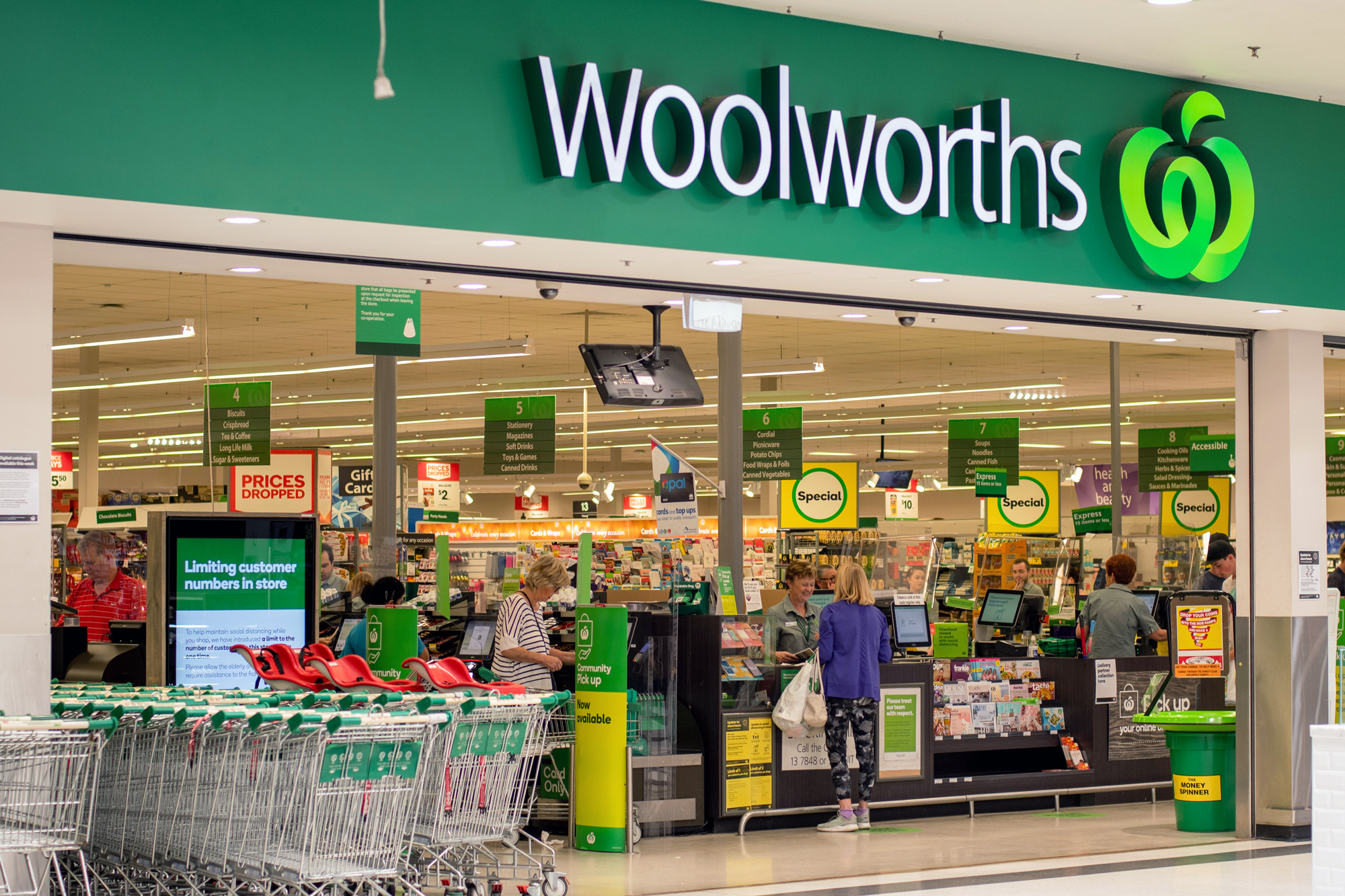
    Woolworths has launched a new app that promises groceries door-to-door within an hour for a $5 fee in a move that poses a huge challenge for a crop of start-ups that offer a similar service but a boon for consumers who have grown used to speedy deliveries during the pandemic.

    The app, Metro60, launched this week in 11 eastern Sydney suburbs, including Bondi, Vaucluse and Rose Bay, to little fanfare. The supermarket giant plans to roll it out in hundreds more neighbourhoods across NSW and other states in coming months as it fights for market share in the $100 billion-a-year sector during an economic downturn.

    About 4000 products from fresh produce to cleaning supplies will be available from Woolworths’ small format Metro stores via Uber couriers. The first three deliveries are free, with a $5 delivery fee and $20 minimum order thereafter.

    Woolworths’ chief transformation office, Von Ingram, described Metro60 as a way for customers to quickly get last-minute snacks, ingredients or meals.

    “Our busy customers are already familiar with the convenience a Woolworths Metro provides when
    they’re on the go, and we see Metro60 as an opportunity to offer a new level of ultra convenience and help customers save even more time,” Ingram said.

    Woolworths’ move follows a string of start-ups in Australia that sprung up last year offering supermarket deliveries in 10 or 15 minutes, including Milkrun, Voly and Send.

    Send collapsed in May while The Sydney Morning Herald and The Age revealed Voly had cut staff and stores earlier this month amid a technology downturn that has made it harder for start-ups to raise money.

    But Woolworths poses an even greater challenge for the two surviving firms. Even compared to Milkrun, which has announced capital raises totalling $86 million, Woolworths is a financial colossus with a market capitalisation of more than $42 billion, an established supply chain and a huge store network across the country.

    Its partnership with Uber means it will likely save on labour costs too because the gig economy company uses contractors who have flexible working arrangements and are paid per job rather than a minimum hourly wage.

    Milkrun and Voly use employees and offer faster delivery times, with Milkrun in particular also displaying a particular flair for branding, such as wrapping vehicles in its eye-catching blue and white logo.

    Metro60’s launch comes at a hard time for the retail sector, which is dealing with shortages of vegetables such as lettuce and suppliers demanding price rises to cover the increased cost of things like fuel, power and fertiliser.

    The Reserve Bank of Australia, charged with controlling inflation, has also been trying to convince consumers to cut back their discretionary spending by increasing interest rates.

    Woolworths currently offers deliveries for fees ranging from nothing to $15, depending on the time frame, using a range of couriers that includes Uber for some of its fastest services.

    Last year it announced a partnership with Uber Eats to offer about 1200 products at Woolworths Metros on the US giant’s app.

    Coles has a partnership with another gig economy delivery company, DoorDash.

  • Hop Lun founder sells majority stake to private equity

    Hop Lun founder sells majority stake to private equity

    Platinum Equity announced today the signing of a definitive agreement to acquire a controlling stake in international fashion lingerie and swimwear company Hop Lun from company founder Erik Ryd. Financial terms were not disclosed.

    Founded by Mr. Ryd in 1992 and headquartered in Hong Kong, Hop Lun is one of the world’s largest designers and manufacturers of intimate apparel and is a top provider of bra solutions in the US, UK and EU.

    “We have known Erik for a long time and have closely tracked Hop Lun’s growth and performance over the past several years,” said Jacob Kotzubei, the partner in Platinum Equity’s Los Angeles headquarters who oversees the firm’s Singapore-based team. “Erik is an energetic and passionate entrepreneur who cares deeply about the company’s employees and customers, and he has had a meaningful impact on the evolution of the industry.”

    The Hop Lun investment is being led by Platinum Equity’s Singapore office.

    “Our team in Asia has a lot of experience helping founder-owned businesses leverage Platinum’s operational expertise and M&A capabilities to maximize their potential,” added Mr. Kotzubei. “We are excited to work alongside Erik and his leadership team, and to bring those same resources to bear for Hop Lun.”

    Hop Lun employs more than 30,000 people and has manufacturing operations in BangladeshChinaEthiopia and Indonesia. The company produces products for many of the world’s largest global retailers as well as for its own in-house brands.

    “Hop Lun is an ideal platform with multiple ways to evolve and expand,” said Matthew Louie, managing director at Platinum Equity. “We are excited to work with Erik to accelerate investments in growing the company, both organically and through strategic M&A, that can expand Hop Lun’s production capabilities, customer base and portfolio of owned brands.”

    Mr. Ryd will retain a significant stake in Hop Lun and will continue to help lead the business going forward.

    “I am proud of everything we have built over the last three decades and am confident Platinum is the perfect partner for our next phase of growth,” said Mr. Ryd. “Platinum’s operations expertise is well suited to help us navigate the increasing complexity of the apparel business and take advantage of the sector’s continued consolidation.”

    The transaction is subject to customary closing conditions and is expected to be completed during the third quarter of 2022.

    BDA Partners and Goldman Sachs & Co. are serving as financial advisors to Hop Lun on the sale to Platinum Equity. Mayer Brown LLP is serving as Hop Lun’s legal counsel.

    Latham & Watkins LLP is providing legal counsel and Kirkland & Ellis LLP is providing debt financing counsel to Platinum Equity on the acquisition of Hop Lun.

  • Miniso opens first Malaysian flagship store

    Miniso opens first Malaysian flagship store

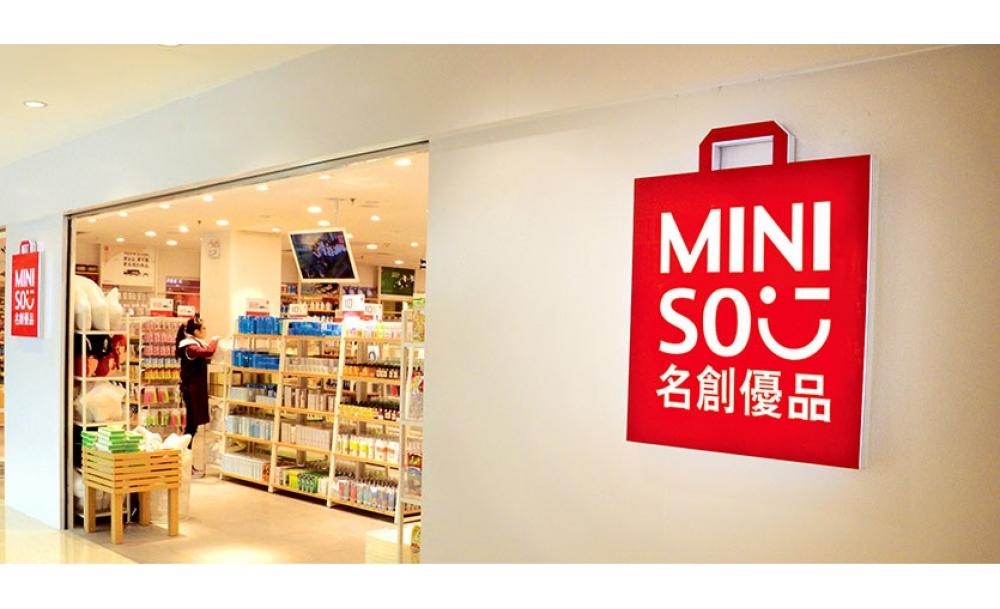
    On June 17, lifestyle retailer MINISO introduced a brand-new store format through the launch of its first flagship store in Selangor, Malaysia. The 684.6m2 retail space is located in Setia City Mall, one of the largest shopping complexes in Shah Alam, Selangor.

    The new store concept, referred to as MINISO 3.0, puts an emphasis on a family-friendly shopping experience. Every member of the family has somewhere to shop and something to enjoy in the store.

    The biggest difference between the flagship store and other MINISO stores is its brand-new toy section. It presents not only popular licensed products from world-renowned intellectual property owners, but also MINISO’s original MINI Family collection.

    The toy section occupies 20% of the retail space in the store and appeals to shoppers the most. This section also incorporates trendy and modern design in the decor and display, featuring a unique plushie wall, blind box wall, and a play area for building bricks.

    “The dedicated toy section allows every MINISO customer to experience the immense fun and joy brought about by our toys, while enjoying the treasure hunt shopping experience in our store,” said Vincent Huang, Vice President of International Business Department at MINISO. “The flagship store truly speaks our belief – ‘Life is for fun’.”

    In addition to toys, the Selangor flagship store has a fragrance feature wall showcasing a variety of MINISO’s scented products, including perfumes and home fragrances.

    This addition was made after MINISO noticed many Southeast Asian consumers were more interested in shopping for fragrances or scented products. One study put that figure at around 72%. Pricewise, the majority of products available in the store range from RM10 to RM20.

    “Malaysia is a melting pot of ethnicities, religions and cultures. These inspire MINISO to reflect diversity in our products and stores,” Vincent added. “MINISO first entered the Malaysian market in 2016 and saw huge potential in the country. We’re delighted to announce the grand opening of our first and biggest flagship store here. I’d like to take this opportunity to thank our customers who have supported MINISO over the years, and our partners who have grown with us.”