Category: General

Retail News Asia is committed to providing both local and global retailers with the latest General Retail news throughout the Asian market. This on a daily base.

  • Dott To Roll Out E-Scooter Expansion With Extra $70 Million Funding

    Dott To Roll Out E-Scooter Expansion With Extra $70 Million Funding

    Electric scooter rental firm Dott said on Tuesday it had raised an extra $70 million which it will use to roll out new e-bikes, expand into new cities and countries and offer more services. Amsterdam-based Dott had announced $85 million in the Series B funding last year and the extra amount brings the total the start-up has raised so far to around $210 million. “We’re all on this crusade against personal cars. We want to make it super simple for anyone who wants to ditch their own car to have other transportation modes,” Dott Chief Executive Henri Moissinac said.

    The two largest global e-scooter rental operators are Bird Global Inc, which was listed in November, and Lime, which aims to go public this year. The business is expected to see further consolidation as larger players scale up to navigate tougher regulations from cities trying to adapt to e-scooters. Ride numbers rebounded in 2021 after the COVID-19 pandemic virtually shut down operators for lengthy periods in 2020.

    And the scooter rental business is expected to undergo further consolidation as larger operators seek greater scale to handle tougher regulations from cities

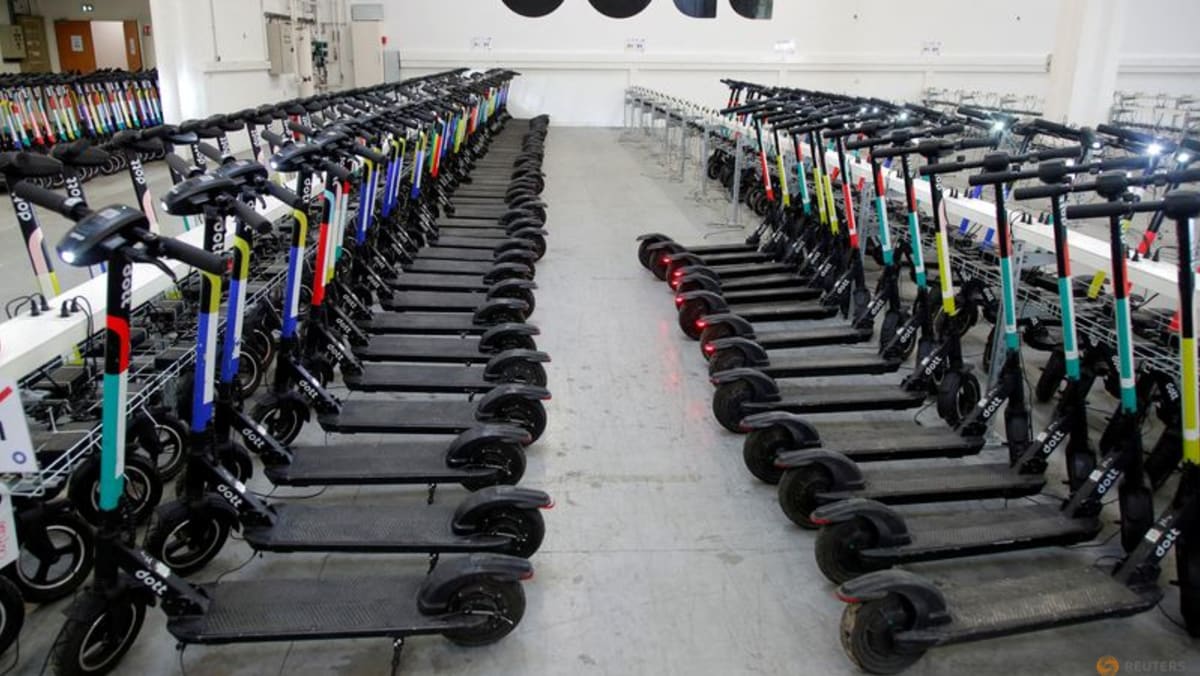
    Dott, which has a fleet of 40,000 e-scooters and 10,000 e-bikes, is operating in 36 cities across nine European countries

    Dott said its extra funding was led by new investors abrdn and existing investor Sofina. Its existing investors including Prosus Ventures, the venture capital arm of Prosus NV also participated in the latest round. I declined to comment on the company’s current valuation.

    Dott, which has a fleet of 40,000 e-scooters and 10,000 e-bikes operating in 36 cities across nine European countries, recently partnered with FREE NOW, a European platform that offers ride-hailing and taxi services.

    Moissinac said Dott is seeking more partners “to offer as many options as possible for shared mobility to consumers”, adding that it will expand in France and Scandinavia, the Netherlands with e-bikes only and possibly Israel.

  • Google now lets you remove your address and phone from Search results

    Google now lets you remove your address and phone from Search results

    Google Search can be a curse as much as it is a blessing. You can use it to find more information on various topics, such as Elon Musk’s $44 billion Twitter acquisition, or leaks about the upcoming iPhone 14, but at the same time, someone can use the same search service to find out where you live, your phone number, and other sensitive data about you. This is why Google allows users to request the removal of their personal data that appears in Search.

    In a blog post, Google announced that, from now on, in addition to bank account and credit card numbers, users will be able to request the removal of other types of information, such as phone numbers, email addresses, or physical addresses, from its search results. But Google doesn’t stop there. To protect you from identity theft, the company also enables you to remove information, such as confidential log-in credentials, if they appear in Search.

    However, don’t expect Google to erase all the data straight away. When you send a removal request, the company will first assess all the content on the web page that displays your credentials to ensure that it is not limiting the availability of other broadly useful information, such as news articles.

    Google will also check if the content you want to delete isn’t part of the public record on government or official sites. If it is, it won’t make the removal.

    It should be noted that removing content from Google’s search results doesn’t mean that it is gone from the Internet. As the company pointed out, if you want something completely gone, you should speak with the hosting site directly.

  • Facebook monthly users rise, as Meta’s growth stagnates

    Facebook monthly users rise, as Meta’s growth stagnates

    On April 27th, Meta released its first quarterly financial report for 2022. With it, the company manages to defy the gloomy expectations of consumers and investors alike. The key takeaway – more users, more revenue, less growth.

    One figure particularly stands out – 2.94 billion – the number of users that log into Facebook on a monthly basis. This is just one of the many indicators that Meta, despite ever stronger competition and the global challenges it is facing, is very much still holding on. The report also announced growth in other key areas like total revenue and ad prices.

    After a certain period of stagnation and loss of users, Facebook seems to be once again gaining some, albeit limited, traction. The number of daily users also showcases a 4% net increase on a yearly basis. This also comes in the aftermath of the suspension of the social media platform in Russia.

    Naturally, these revelations triggered a rise in Meta’s share prices, which rose by more than 15% following the announcement. This is no doubt a breath of fresh air for the company, especially after the rather disappointing financial report by Alphabet, the parent company of Google, for the same fiscal quarter. It should also be noted that Meta’s share prices had been steadily depreciating for some months now.

    Now would be a good time for a small disclaimer. The financial growth of Meta is indeed above analysts’ projections, but it is in fact slowing down. The roots of this stagnation run deeper than the war in Ukraine. Apple’s push for protecting the data of its users and increasingly more stringent data regulations (especially in the EU) are truly pushing the company’s business model to its limits.

    Reality Labs, the project that represents Meta’s grandest ambition – establishing the metaverse – still operates on a loss and contributed just 2.5% of the company’s revenue. All this calls into question whether Meta will have the means to sustain its own future, let alone pave the way for the one it aims to build for everyone else.

  • Lawson to sell Muji grocery products in 14,000 stores

    Lawson to sell Muji grocery products in 14,000 stores

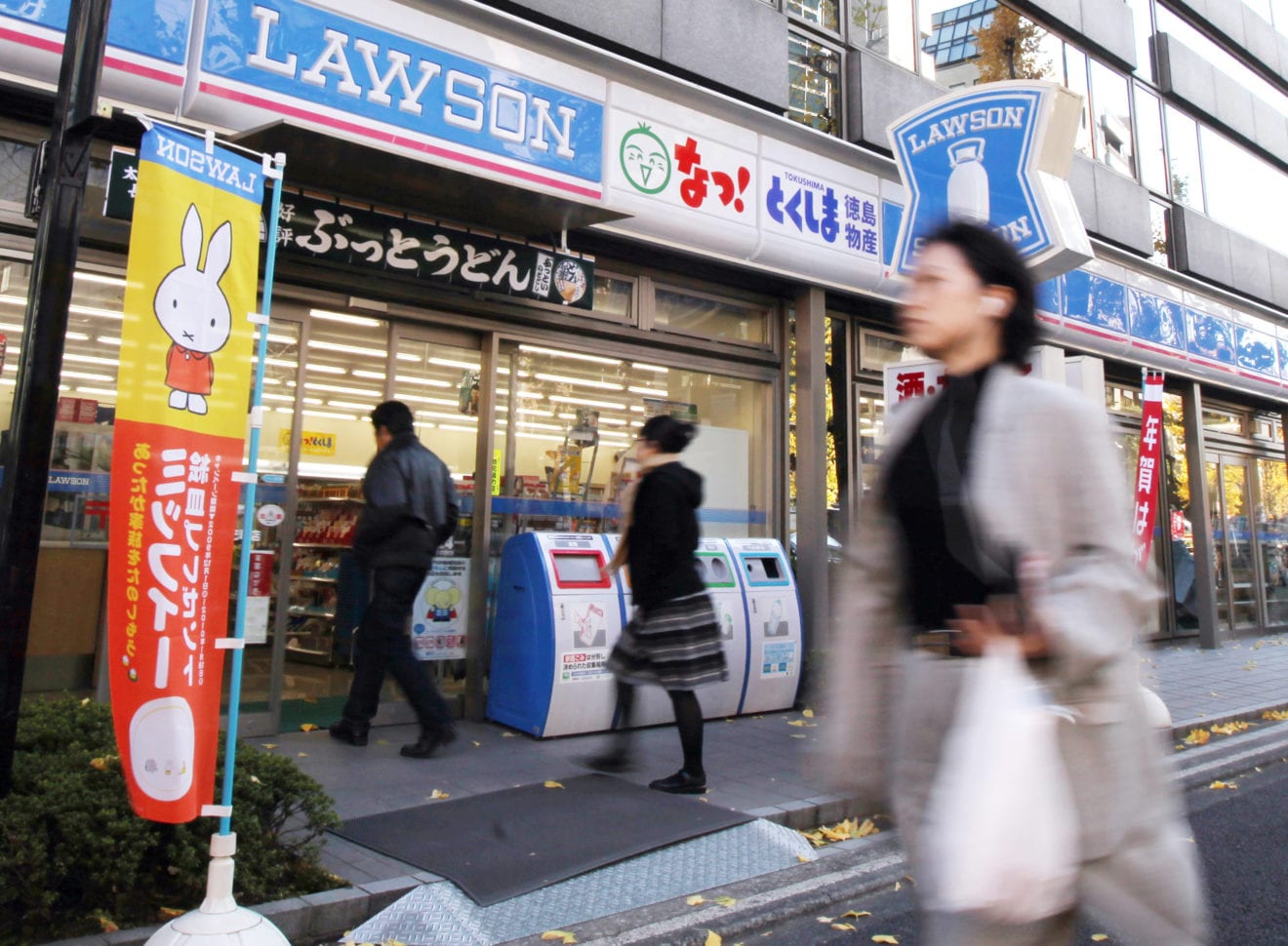
    Lawson will begin offering Muji brand products at its 14,000 stores across Japan, as the Japanese convenience store chain aims to boost customer traffic with the popular ‘no-brand brand’ lifestyle goods.

    Lawson plans to replace 3,500 items with those of Muji, or about 5% of the merchandise on offer at the convenience store chain.

    The move comes as Lawson finds its customers becoming more budget-conscious as inflation heats up around the world. The company believes stocking its shelves with Muji brand can encourage shoppers to spend more.

    The Muji brand is run by Japanese retailer Ryohin Keikaku. The two companies have been working together since June 2020, with Muji items available at 110 Lawson stores in the Tokyo area.

    Starting in May, Lawson will roll out Muji goods across eastern Japan, aiming to cover its 5,000 stores there in about six months.

    Muji items will be in all its stores in Japan by the end of 2023 and will include 170 daily items, such as stationery, cosmetics and socks. In addition, about 30 Muji food products will be sold, including instant curry sauce and sweets.

    Lawson is considering offering even more Muji products and looking at joint development of private label items.

    Muji items are known for their simple design and high quality. The brand’s instant curry sauce has become a hit across all age groups. During a trial run, Lawson found that sales of particular products jumped by around 20% after they were replaced with similar Muji products. Overall store sales also rose by 2% to 5%, according to Lawson.

  • Blackmores believes China’s diagou market is past its peak

    Blackmores believes China’s diagou market is past its peak

    The boss of Blackmores says the vitamins and supplements giant is not really relying on Chinese “daigou” shoppers anymore as it gains more market share in Indonesia and Thailand, while the huge opportunity of densely-populated India will be a slow burn.

    After delivering the company’s latest results on Thursday, chief executive Alastair Symington also said customers should not expect a price war with Blackmores’ competitors as too many discounted promotions led to “a lack of differentiation between brands”.

    It also means lower margins for the business, which wants to maintain its premium positioning in the market, highlighting its superiority with things like the ethical sourcing of fish oil.

    The company booked a 9.6 percent rise in underlying net profit for the first half, with earnings margin growth in Australia and New Zealand of almost 18 per cent credited to “strategic pricing and operational improvements”.

    Mr Symington said the results were ahead of expectations in all markets despite volatile and uncertain trading conditions due to the pandemic.

    Blackmores’ overseas business is leading the charge, with revenue up about 50 percent.

    Mr Symington said 110 percent growth in the massive market of Indonesia was particularly pleasing, driven by consumers snapping up vitamin D and zinc on the back of clinical evidence these improve immune health – a key consideration amid lockdowns.

    Growth in Thailand of 40 percent was also a highlight, he said, but Australian consumers were still behaving very cautiously and there had been a “stuttery start” to sales this calendar year, with ANZ revenue dipping 1.2 percent.

    But Blackmores has its eyes on a very big prize – India – where it launched in September in partnership with Amazon India.

    The company recently entered a distribution partnership with Udaan, India’s largest business-to-business e-commerce platform, expanding the reach of its products to independent pharmacies in at least 10 metro cities across the continent, which is home to well over one billion people.

    “There’s a lot of promise in that India business,” Mr Symington said.

    Mr Symington says growth areas include ‘healthy ageing’ products targeting concerns such as joints, digestive health and anxiety in pets, and sleep and beauty.

    On China, he said the daigou market – whereby visitors send goods back home – would not return to the loft heights seen in 2016 and 2017, when dedicated stores offering resellers in-demand products and delivery services popped up around Australia.

    Blackmores recorded an 8.5 per cent lift in revenue to China in the first half, “driven by continuous improvements in e-commerce fundamentals … partially offset by a 7 per cent decline in the corporate daigou channel”.

    “We’re not really relying on that (diagou market) moving forward,” Mr Symingto

  • Leaked document warns that Facebook has no clue how it handles your data

    Leaked document warns that Facebook has no clue how it handles your data

    For years, the community’s main gripe with Facebook has been that it collects a lot of personal data, which it later sells to advertisers. And now, a leaked internal document obtained by Motherboard warns that the social media platform has no idea where all of its acquired user data is going or what it is being used for.

    The report was written last year by Facebook’s privacy engineers on the Ad and Business Product team, and its goal was to inform about the gaps in the way the platform processes personal information and to encourage a change in an attempt to protect the company from problems with privacy regulators in Europe, the US, India, and other countries.

    According to the engineers, the company will be unable to fully comply with regulator-imposed privacy laws that come from everywhere as a “tsunami” of new laws that impose restrictions. They stated, “We do not have an adequate level of control and explainability over how our systems use data, and thus we can’t confidently make controlled policy changes or external commitments such as ‘we will not use X data for Y purpose.’ And yet, this is exactly what regulators expect us to do, increasing our risk of mistakes and misrepresentation.”

    The reason for Facebook’s data privacy problem is that its systems mix first-party user data, third-party user data, and sensitive data together. To be even more understandable, the engineers used the metaphor of pouring a bottle of ink into a lake and then trying to return it to the bottle.

    The ink is a mix of all kinds of user data, and once “poured,” there are no ways to organize it to “only flow to the allowed places in the lake?”

    As the engineers pointed out, there is a “short-term” solution in the form of a new, unreleased service called “Basic Ads,” which, if implemented, will allow Facebook to comply with international regulations. The document reads, “When launched, Facebook users will be able to ‘opt-out’ from having almost all of their 3P and 1P data used by Ads systems – page likes, posts, friends list, etc.”

    The sad part is that the report also states that Basic Ads must be “launch-ready in Europe by January 2022.” January has come and gone, but this service hasn’t been released yet.

    Although Facebook declined to comment on this “short-term” solution, a representative of the company shared that Basic Ads is “an internal codename, and that the product will show that Facebook can build advertising that is relevant to users while preserving their privacy.

    In a statement to Motherboard, a Facebook spokesperson stated that the company is complying with privacy regulations. Also, it can’t be determined that the report shows non-compliance because it doesn’t describe the platform’s extensive processes and controls used to comply with privacy standards.

    The spokesperson also stated that regulations across the world introduce different requirements for the company to fulfill and that the document simply shows what measures the company is working on to be able to implement them.

  • Google introduces ads in YouTube Shorts

    Google introduces ads in YouTube Shorts

    We live in a time when, thanks to TikTok, the short-video form factor is crazy popular and has extreme potential for monetization. Naturally, every social media platform wants a piece of that pie. We have Instagram and Facebook with their version — Reels — and we have YouTube with its Shorts.

    As Bloomberg first reported, YouTube wants to increase its earnings from Shorts and has begun experimenting with ads on its short videos. Currently, the ads you will see in Shorts are mainly the app-install ones, but there may be other promotions sprinkled in as well.

    It looks like the experiment is going well for the platform. Philipp Schindler, Google’s chief business officer, told investors, “While it’s still early days, we’re encouraged by initial advertiser feedback and results.”

    But why now, Google? After all, the tech giant introduced YouTube Shorts in 2020 and needed two years to add advertisements to its short videos. A possible reason could be that, for the first quarter of 2022, YouTube’s ad revenue growth was 14%, which is lower than what was expected by the analysts. It received $6.87 billion in revenue, compared with an expected $7.4 billion.

    Also, the tech giant has noticed a decrease in direct response ads, like app-install campaigns. And since Shorts now receives 30 billion daily views, Google is leveraging that to increase YouTube’s ad revenue and simultaneously the direct responses of its ads.

    The tech giant has noticed a decrease in direct response ads, like app-install campaigns. That’s why it decided to leverage the 30 billion daily views that the Shorts platform gets to boost specifically those types of advertisements.

  • Gold giant SJC sees sales slump to seven-year low

    Gold giant SJC sees sales slump to seven-year low

    The State-owned Saigon Jewelry Company has reported revenues of VND17.7 trillion ($770.3) in 2021, down 25 percent year-on-year to its lowest since 2014.

    It has attributed the decrease to Covid-19 restrictions and lockdowns last year, which brought sales from VND13 trillion in the first half down to just VND4.7 trillion in the third and fourth quarter, well below its target of VND23.5 trillion.

    The company posted pre-tax profits of VND56 billion last year, down 42.6 percent, and return on equity of 2.8 percent, short of the targeted 5 percent.

    At the end of 2021, the value of its total assets was VND1.7 trillion, 70 percent of it in inventory.

    Established in 1988, SJC is a wholly state-owned enterprise based in Ho Chi Minh City. It has been the sole producer of gold bullion in the country since 2012, and has around 90 percent of the bullion market.

  • AirAsia Resumes Flights Between Kuala Lumpur and Siem Reap, Cambodia

    AirAsia Resumes Flights Between Kuala Lumpur and Siem Reap, Cambodia

    AirAsia has resumed flights between Kuala Lumpur and Siem Reap, Cambodia. The airline will operate the route with two flights per week on Mondays and Fridays. Flight AK540 is scheduled to depart from Kuala Lumpur International Airport 2 (klia2) at 13:05, arriving in Siem Reap at 14.20. The return flight, AK541, is timed to leave Siem Reap at 14:55, arriving back in Kuala Lumpur at 18:10.

    Cambodia was one of the first countries in the region to relax its entry requirements for foreign travel, reopening the Kingdom to fully vaccinated international travellers without the need for quarantine or COVID19 testing at all international gateways and checkpoints in November 2021.

    HE Thong Khon, Minister of Tourism, Cambodia, said, “Cambodia is now truly open for all vaccinated tourists and we welcome AirAsia guests back to our great country with open arms. Tourism is a significant driver of our economy and social development, we thank AirAsia for their continued support to stimulate and grow air travel to our key leisure destinations. Cambodia, the Kingdom of Wonder, invites travellers from all walks of life to feel its warmth, safely and hygienically.”

    The Siem Reap flights follow AirAsia’s resumption of flights between Kuala Lumpur and Phnom Penh, the Kingdom’s capital city, in January.

    “Prior to COVID19, Siem Reap was one of the most popular destinations in ASEAN as a key tourist hub for globetrotters from all over the world,” said Riad Asmat, CEO AirAsia Malaysia. “AirAsia started the route in 2018 and flew close to 170,000 passengers in 2019. We are confident that these new services will continue to be very popular in the future. In response to strong demand, we are also planning more flights and destinations in Cambodia with services to Sihanoukville scheduled to take flight on 2 June. AirAsia welcomes the initiatives taken by the Cambodian government to ease travel restrictions to allow more seamless travel to Cambodia. We look forward to flying more leisure seekers from near and far to the country soon.”

    For entry into Malaysia, all international tourists and travellers are required to take a pre-departure COVID19 test within 2 days of departure and purchase COVID19 travel insurance (for short-term foreign visitors). Unvaccinated or partially vaccinated travellers are required to spend 5 days in quarantine.

    For entry into Cambodia, there are no pre-departure, post-arrival COVID19 tests or quarantine requirements for fully vaccinated travellers. Travellers are only required to show proof of being fully vaccinated. Fully vaccinated travellers from Malaysia who wish to travel to Cambodia must meet the requirements set by the Cambodian Government prior to purchasing their flights and upon arrival.

  • Facebook-owner Meta to open first physical store in metaverse bet

    Facebook-owner Meta to open first physical store in metaverse bet

    Meta Platforms is set to open its first physical store where shoppers can try out and buy virtual reality headsets and other gadgets as the company plots a course to take its highly touted metaverse mainstream.

    The 1550sqft Meta Store at the company’s Burlingame campus in California opens on May 9, and will feature demos for its Quest 2 VR headset and video calling device Portal as well as Ray-Ban’s augmented reality (AR) glasses, Meta said on Monday.

    The devices, except for the Ray-Ban glasses, will be available for purchase at the store. The products can also be bought online through a new shopping tab on meta.com, the company said.

    Meta is investing heavily in metaverse – a virtual space where people interact, work and play – by adding new features to hardware devices that serve as access points to the virtual world.

    Earlier this month, the Facebook owner said it would start testing tools for selling digital assets and experiences within its virtual reality platform Horizon Worlds, a VR platform Meta launched late last year.

    Meta also said it would charge creators of digital experiences and assets a 47.5 per cent fee, a move that has attracted criticism from some app developers.

    Shoppers tracking the space are awaiting the next version of the Quest 2 VR headset, likely to be released in the second quarter and widely seen by analysts as critical to the company’s metaverse plans.

  • Twitter agrees to go private; Musk to buy the company for $44 billion

    Twitter agrees to go private; Musk to buy the company for $44 billion

    Twitter today agreed to  q be bought out by Elon Musk for $44 billion or $54.20 a share in cash. Musk, in a statement, reiterated his support for free speech and mentioned some of the changes that he wants to bring to the site. “Free speech is the bedrock of a functioning democracy, and Twitter is the digital town square where matters vital to the future of humanity are debated.”
    “I also want to make Twitter better than ever by enhancing the product with new features, making the algorithms open source to increase trust, defeating the spam bots, and authenticating all humans. Twitter has tremendous potential — I look forward to working with the company and the community of users to unlock it,” the multi-billionaire said.
    The richest man in the world with a net worth estimated at approximately $270 billion, Musk had bid $43 billion to buy Twitter and the company decided to fight by having the board issue a poison pill that would have gone into effect once someone purchased 15% of Twitter. Seeking to dilute Musk’s holdings, the poison pill would have allowed the company to sell shares to stockholders at a discount price. Musk owned 9.2% of Twitter’s shares when he first publicly announced his bid.
    Bret Taylor, Twitter’s Independent Board Chair, said, “The Twitter Board conducted a thoughtful and comprehensive process to assess Elon’s proposal with a deliberate focus on value, certainty, and financing. The proposed transaction will deliver a substantial cash premium, and we believe it is the best path forward for Twitter’s stockholders.”
    Twitter’s stock price closed on Monday at $51.70, up $2.77 or 5.66%. Each Twitter stockholder will receive $54.20 in cash as Twitter becomes a private company. Twitter CEO Parag Agarwal stated today, “Twitter has a purpose and relevance that impacts the entire world. Deeply proud of our teams and inspired by the work that has never been more important.”
    The transaction is expected to close sometime this year and stockholders will get to vote on the deal. To finance the purchase of Twitter, Musk arranged $25.5 billion in debt and margin loan financing. He is adding $21 billion in equity financing. Musk himself is one of the most popular figures on Twitter with over 83 million followers.
    Musk has the opportunity to become the new face of Twitter replacing co-founder Jack Dorsey. Dorsey stands to make a ton of money from the deal with his 18,042,428 shares of Twitter bringing him $978 million once the transaction is closed.
    Over the years Twitter has been available over several different mobile platforms including iOS, iPadOS Android, Windows Phone, BlackBerry, and Nokia S40.
    While there was no comment from The White House regarding the deal, spokesperson Jen Psaki said, “No matter who owns or runs Twitter, the president has long been concerned about the power of larger social media platforms.” Lawmakers also have questioned whether legislation is required to keep social media firms like Twitter from spreading fake news and disinformation.
    Back in 2018, when Facebook Chairman and CEO Mark Zuckerberg spent consecutive days testifying before the Senate and the House, the elected representatives in both chambers showed that their knowledge of how tech works is pretty low. For example, one lawmaker couldn’t believe that Facebook is free. So he asked Zuckerberg how his company makes money and with just a hint of an eye roll, Zuckerberg explained that Facebook sells ads.
    Speaking of ads, according to Statista, at the end of the fourth quarter of 2021 Twitter had 217 million daily active monetized viewers. That was up 13% on a year-over-year basis.
  • Fashion Brands Turn to NFTs for Latest Marketing Campaigns

    Fashion Brands Turn to NFTs for Latest Marketing Campaigns

    What exactly are NFTs?

    More and more brands are turning to digital trends to reach out to their audiences. Where many businesses are innovating how consumers experience their brand in the metaverse, others are dipping their toes into the uncharted world of NFTs.

    Before diving into tech-savvy terminology, let’s talk about what an NFT is exactly. An NFT is a digital format artists and businesses use to create all sorts of digital art, including pictures, GIFs, videos, music, games, and in some cases, virtual land. Often, people write off NFTs as something anyone can have just by downloading the art.

    While it may be true that art enthusiasts can download a piece of art, it’s important to remember it’s not the NFT itself. That’s to say, it is a copy of the NFT, but it is not the original. To demonstrate ownership of a piece of original art, owners can consult the blockchain technology that proves their connection to the artist and the piece.

    To give a real-life example, owning an NFT is like owning Michelangelo’s David. While anyone can make an exact copy of it or take pictures of it, there is only one owner. In the case of the famous marble statue, that owner would be the Italian government, which has the corresponding documents needed to prove its ownership. The same principle applies to NFTs.

    Similarly, in the fashion industry, owning original or limited edition pieces is part and parcel of what makes big brands like Louis Vuitton, Gucci, Burberry, and Hugo Boss as in demand as they are. The logical next step in their marketing strategy would be diving into NFTs, which favour and exude exclusivity.

    Louis Vuitton Releases Video Game

    To celebrate Louis Vuitton’s 200th birthday last summer, the emblematic brand released a mobile game app where players could learn about its rich history, play mini-games, and earn the chance to win Louis Vuitton NFTs, including postcards and avatars.

    The luxury fashion house has announced that players who reach a certain amount of points will be given the opportunity to enter a raffle, which will end on August 4th of this year. Ten random winners will be awarded Louis Vuitton NFTs of the game’s main character, Vivienne, the company’s logo fashioned into an adorable mini humanoid figure.

    Creating video games, which provide consumers with an intimate and interactive way to engage with the brand’s history and values, also puts the brand in favour of increasingly popular digital platforms and experiences like the Metaverse. Louis Vuitton appears to be taking the digital market and Metaverse by the reigns, its marketing strategy paving the way for other fashion houses.

    Top Fashion Brands Embrace NFTs

    Among many high fashion brands rushing to use NFTs in their marketing strategies, Burberry was one of the first to collaborate with the gaming industry. Joining forces with Mythical Games, Burberry created NFTs for Blankos Block Party, an online multiplayer shooter game. The NFTs feature a cute, human-shark hybrid surrounded by liquid silver and sporting Burberry logo print on its fins.

    Another brand that has taken to the thriving world of digital art is Hugo Boss. Like Burberry, Hugo Boss collaborated with Boss Beauties to create an NFT in an effort to help young, marginalized women succeed in the workplace. The NFT depicts a classic white t-shirt, with a confident young woman in the centre. Both brands intend to auction the NFT online and with the earnings, fund their Dream Like A Boss programme, which will provide young women with the resources they need to succeed in professional environments.

    IMAGE HERE>>>>>>https://images.unsplash.com/photo-1642525027649-00d7397a6d4a?ixlib=rb-1.2.1&ixid=MnwxMjA3fDB8MHxzZWFyY2h8NHx8bmZ0fGVufDB8fDB8fA%3D%3D&auto=format&fit=crop&w=600&q=60 >>> Photo

    The Future of NFTs in Fashion

    As experts, artists, and brands learn more about the Metaverse and the digital marketplace at large, it is still too early to tell in what direction NFTs will take art and fashion. In any case, it’s safe to say that in the few short years that NFTs have been accessible to the public, they have taken the market by storm.

    Considering the incredible advancements Bitcoin has reached in under fifteen years, NFTs seem to be following a similar path, gaining more and more relevance at an accelerated rate. Whether they might seem like an outlandish idea that’s too difficult and intangible to imagine its practical use, there’s no arguing that the new digital format is here to stay. Especially for their valuable assets for marketing and PR strategies, NFTs have built a niche tailor-made for the fashion industry.

  • The dream villa in Southeast Asia: An architect makes it happen

    The dream villa in Southeast Asia: An architect makes it happen

    Thailand has a very mixed image. While some people are very much looking forward to a stay in Thailand, others rather associate loud music and notorious nightlife with this beautiful country. One of the most famous Thai islands is Phuket. A Luxury Villa Architect in Phuket allows you to live a wonderful life in Phuket. Phuket is a city that offers many opportunities and is known for its evening parties among other things. After the Vietnam War, there were a lot of GIs stationed on this beautiful island. Since the American soldiers were mainly looking for their personal pleasure in Phuket, there are still very many bars and pubs. After the end of the war, the soldiers left. Immediately the island was discovered by backpackers. The island underwent another transformation in the 1980s. The very first luxury hotel was then built in Nai Harn Beach in the south of the island. Thus, the reputation changes overwhelmingly, from an attraction for backpackers came the transformation to a luxury resort. Now Phuket is known for fantastic luxury real estate and since then more and more architects are settling in Phuket, resulting in a real building boom on this magnificent island.

    Buying real estate in Phuket

    If you are considering buying a property in Thailand, you should find a local partner to help you. Real estate and property in Phuket, is quite expensive. This way, the complicated laws and rules can be followed very well and one avoids unnecessary mistakes that have legal consequences. For this reason, the cooperation with an experienced local architect is highly recommended.

    Phuket and the luxury hotels

    The first luxury hotel was followed by very many other luxury resorts spread all over the island. Many upscale accommodations as well as luxury restaurants, spas and leisure facilities of the higher price segment also settled on Phuket. In addition to the classic hotels, Phuket also offers some other types of resorts, such as cottages, apartments, and also ordinary accommodations. Meanwhile, Phuket offers a luxury real estate market. A variety of high-end luxury villas can be found here.

    For Thailand, this was the starting point to start promoting better and more expensive hotels in order to attract the appropriate clientele. The Tourism Authority of Thailand is extremely keen to see the poor image of Thailand finally transform into a proper image. Hotels, for their part, have responded to the increased demand for upscale accommodations with luxurious amenities. This explains the increasing number of upscale hotels to be found in Thailand.

    The possibilities on Phuket are endless

    Besides the fantastic resorts and luxury hotels, Phuket has a lot more to offer, such as the Big Buddha, which is the absolute landmark of Phuket. The Buddha is almost 65 meters high, sits on a hill and looks into the beautiful bay. For tourists, this is a wonderful place to visit, because you can enjoy this view perfectly and it offers an unforgettable view of the great beaches. Here, idyll and the luxurious accommodations are combined and there are almost all kinds of leisure activities to choose from.

    Phuket is located in the southwest of Thailand and it is not far from the mainland. In terms of area, it is the largest island in the country. Phuket becomes a perfect vacation paradise for the very reason that here, for example, every beach is located next to the impressive jungle of the island and the palm trees provide the perfect vacation feeling.

    The flora and fauna of the island are also extremely impressive, because rare animals and species can be admired here, and this applies not only on land, but also in the air. At the same time, the island offers an enormous variety in terms of leisure activities on offer.

    Whether diving, snorkeling, swimming, surfing or kite surfing, in Phuket everyone will find what they are looking for. Therefore, the island enjoys many different visitors with different preferences. In addition, the island offers a whole range of unforgettable excursion destinations.

    The old town of Phuket enchants the visitor

    In addition to the scenic beauty, but also the old town of Phuket convinces. Here, not only the beautiful buildings of the old town enchant, but also the unique and absolutely incomparable character. Both friends of architecture and architects themselves are immediately captivated by beautiful buildings from the colonial era. Nowhere else in Thailand can you find such a unique architecture than in Phuket. The cityscape appears extremely colorful and here every house has a different color. Above all, in the old town of Phuket also just the Chinese and Portuguese occupiers have left their mark. Almost all buildings can be immediately assigned to one architectural style.

    Great feel-good factor in luxurious style

    The feel-good ambience that the noble hotels, especially in Phuket, offer their guests is absolutely unique. In addition, the majority of them are located in such a way that the guest is enchanted by unforgettable views. But there are also private accommodations that pamper the guest with a lot of luxury. Here is really the right thing for everyone, whether you like to travel in the family, just the two of you or even alone. Here you will find excellent luxury accommodations for every need. From hotels, to apartments, to bamboo huts, there is something for everyone here and the guest never has to do without luxury.

    Even today there is a lot of construction going on in Phuket. Whoever wants a Luxury beachfront villa in Phuket will definitely find the right architect to build it. Although the land prices are no longer those that were called in the 90s, but even if you now have to dig much deeper into your pocket, on Phuket you will definitely be able to build your dream home in a fantastic environment. Here you can look forward to a luxurious private villa in the middle of the jungle with a view of the beautiful blue sea.

    The ideal vacation destination

    Phuket is still a place for masses of tourists. But in the meantime, the balance between masses and luxury vacation is perfectly established. The main reason for this is that luxury guests often do not leave their accommodations and feel most comfortable within the hotel grounds.

    While this hurts both the bars and the tourist attractions, at the same time they are less crowded and the small beaches can also be better enjoyed.

  • 6 Industries That Use Clevis Pins

    6 Industries That Use Clevis Pins

    Industrial fasteners cover a wide range of small yet essential tools that connect and secure two or more items. Although screws and bolts are the first things that come to mind, there’s one that’s widely used across several industries. They’re used in land, air, and sea equipment and are vital in ensuring the safety of both people and cargo.

    These small yet essential fasteners are called the clevis pin. Some may also refer to them as hitch pins. They join materials together and allow movement at the same time.

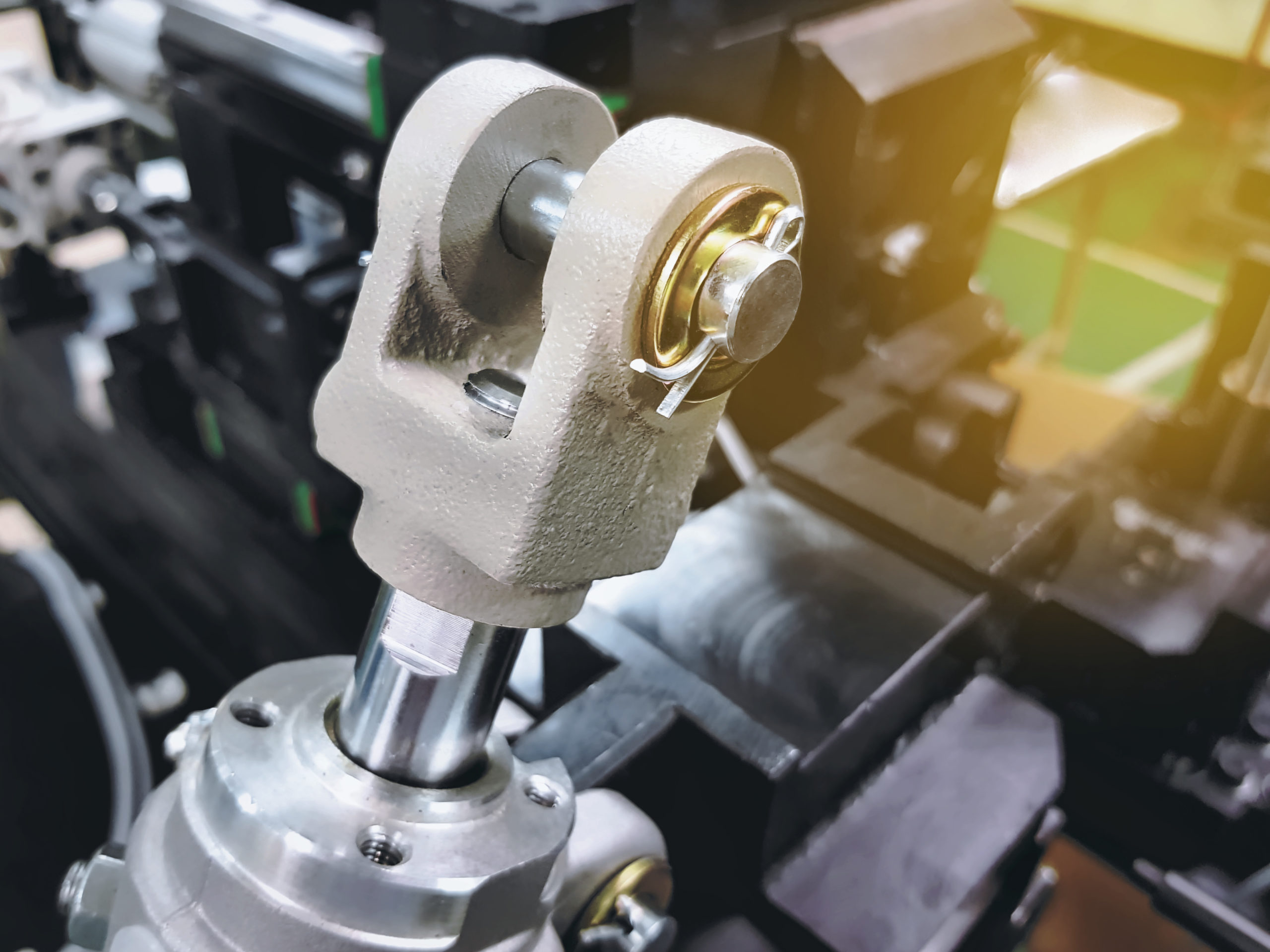
    Clevis pins are typically made from stainless steel that withstand sheer pressure and corrosion. They either have a flat or domed head and a shank with a hole near the end. They are inserted into pre-drilled holes and then secured with a cotter pin.

    Types Of Clevis Pins

    Clevis pins have different types and have a wide range of uses. Non-threaded clevis pins have a smooth shank, while threaded ones have grooves running across their length.

    Standard clevis pins are the most common and come in small and large sizes. Compared to standard clevis pins that only have one hole, a universal clevis pin has multiple holes to adopt different lengths.

    There are also cotterless clevis pins with a self-locking feature rather than a cotter pin to secure it in place. Grooved clevis pins work with e-clips, while a bent pin’s edge serves as a handle.

    Industrial Applications Of Clevis Pins

    If you’re curious as to how these fastening pins work, read on to discover how these seemingly small tools do a great job of handling heavy loads across several industries:

    1. Agriculture

    Clevis pins are used in farm and garden equipment. They connect trucks and tractors to wagons and carts so they can haul different types of loads and transport them on public roads. Aside from farm implements, clevis pins are also handy when rigging horses or mules for plowing.

    Frequently, clevis pins work together with towing chains to ensure that the wagon and its load do not dislodge on bumpy roads or sway tremendously due to strong winds. They keep farm produce and equipment in place to ensure safe travel on roads and highways.

    1. Automotive

    Clevis pins are also crucial in making and transporting different types of vehicles. Clevis pins move car parts along the assembly line. They are also essential components of a car’s braking system, shock absorber, and rod end for gas struts.

    They also form part of towing equipment. Clevis pins serve as connecting and locking mechanisms for cars, trucks, trailers, and others. They help transport new and even damaged vehicles from one site to another.

    1. Aviation

    The aircraft industry uses standard clevis pins to ensure flying safety. They keep various components secure despite constant vibration. Clevis pins connect cables to the carburetor of the fuel injection system of an airplane’s engine. They also work as link tie rod terminals and secondary controls.

    1. Construction

    Clevis pins also find themselves as useful components of heavy construction equipment. They are attached to girders, cranes, and other hydraulic machines to withstand heavy loads and sheer pressure. And this type of fastener is preferred by the construction industry because it can withstand rust and corrosion. What’s more, stainless clevis pins are also durable despite strong machine vibrations.

    1. Fabrication

    For the metal fabrication industry, clevis pins join metal plates or columns together. They allow efficient movement across the machine floor, especially when they work together with electric chain hoists and chain pulley blocks.

    1. Marine

    Marine vessel manufacturers prefer stainless steel clevis pins because they do not corrode despite constant exposure to sun and saltwater. These mechanical pins serve as vital fixtures of a sailboat’s rigging mechanism. Clevis pins can help you steer efficiently and ensure that your engine can perform well. They also support loads of a spar and ensure that tiller arms work perfectly.

    Reliable Clevis Pins

    In sum, clevis pins serve various industries because of their ability to securely connect materials together. It can handle heavy loads and allow movement despite sheer pressure. These simple yet effective fasteners serve as useful components for different types of land, sea, and air transport.

    Clevis pins are used in farming and garden equipment that allow the transport of farm products and supplies. They also ensure vehicles are safe through efficient braking systems. They’re also included in a towing system and secure loads while traversing public roads.

    When it comes to manufacturing, they improve assembly line processes. Clevis pins are also crucial components of various construction equipment, aircraft, and sailboats. Indeed, they are small yet reliable fasteners that keep equipment, people, and cargo safe.


  • Woolworths launches compostable produce bags in SA

    Woolworths launches compostable produce bags in SA

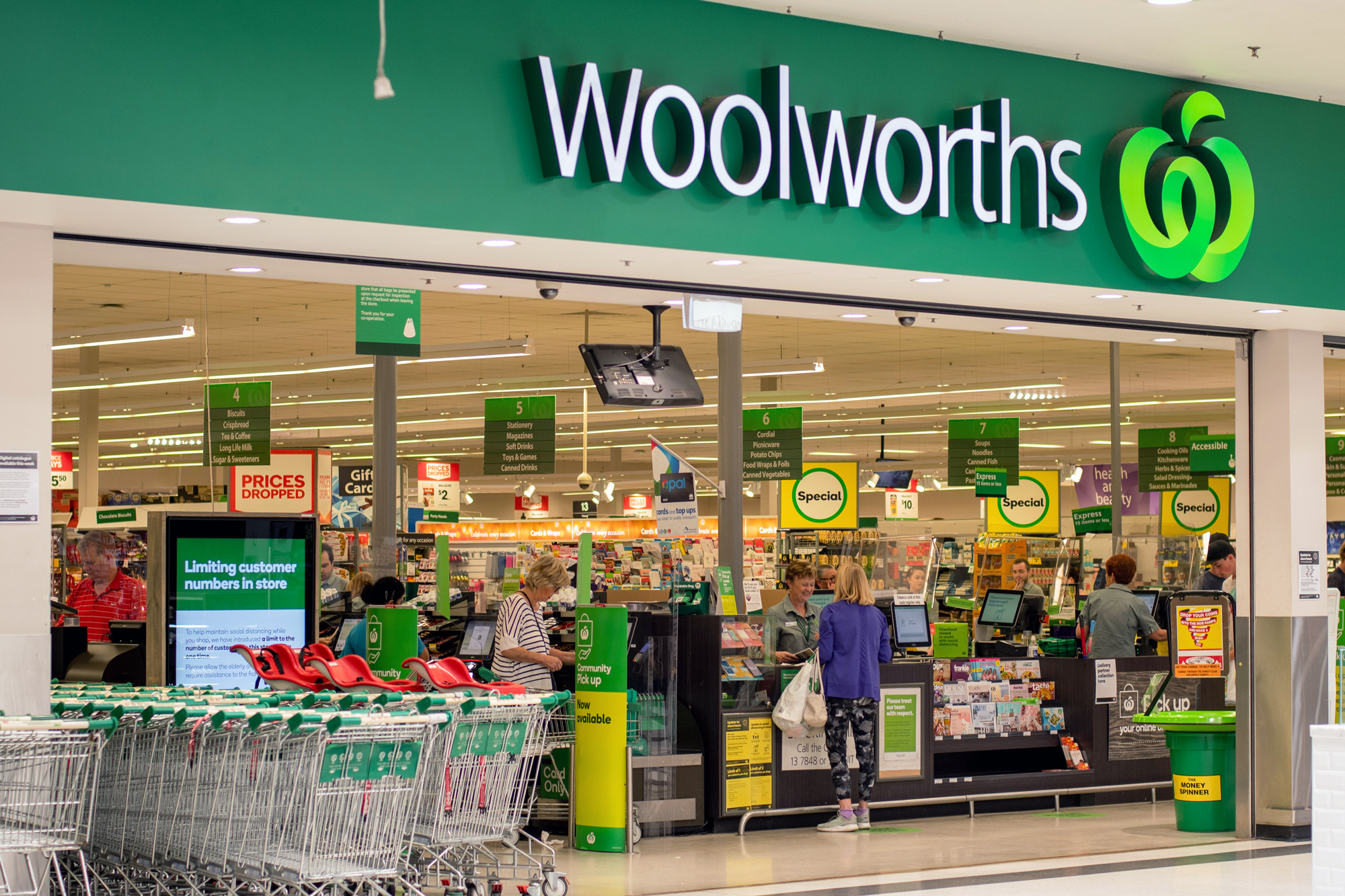
    Woolworths has unveiled locally made compostable fruit and vegetable bags across its stores in South Australia.

    The business believes the switch can help divert 70 tonnes of plastic waste from landfills each year. The compostable bags can be discarded in home DIY compost pits or in the council-provided green bins for garden waste.

    The organic bags are made in South Australia by Biobag and will be available across the retailers’ fruit and vegetable departments along with reusable nylon bags, available in three packs. The bags can also be used as liners in council-provided scrap ‘kitchen caddies’.

    Woolworths South Australia assistant state manager Elisha Moore says this shift represents ‘a big breakthrough’ in sustainable shopping for customers in the state.

    “South Australia leads the nation in household access to council-provided composting, so it’s a great place to launch sustainable initiatives like these new bags,” said Moore.

    Deputy Premier of South Australia and Environment Minister, Susan Close welcomed the initiative and said South Australia was a ‘logical choice’ for Woolworths.

    “All our metropolitan councils in Adelaide accept food waste in their green bins and so do many regional and country councils. No other state in Australia has this level of waste and recycling available to households,” she said.

    The retailer is also working to make 100 percent of its own-brand packaging recyclable, reusable and compostable by the end of next year.