Category: General

Retail News Asia is committed to providing both local and global retailers with the latest General Retail news throughout the Asian market. This on a daily base.

  • Vietnam Aviation under pressure

    Vietnam Aviation under pressure

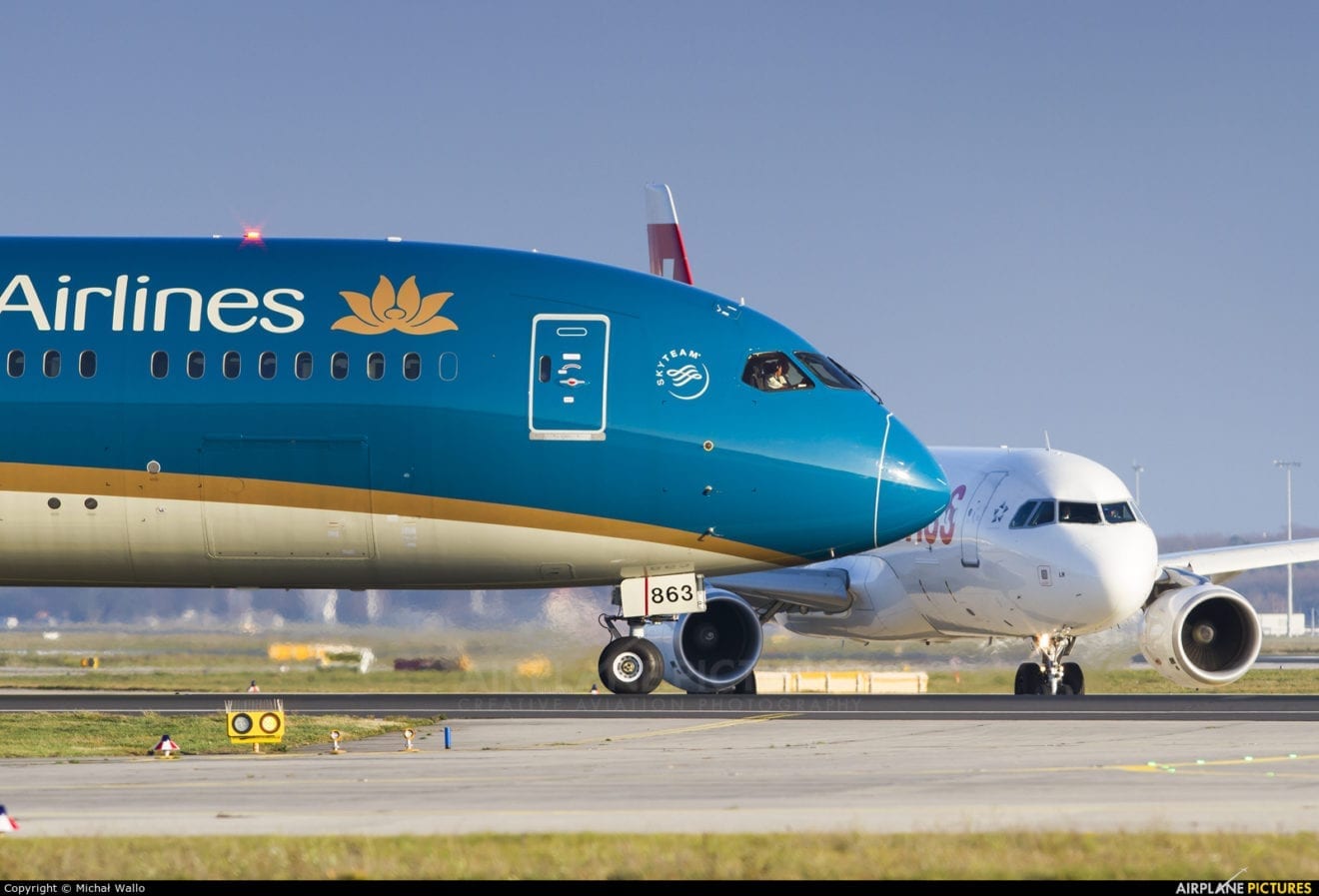
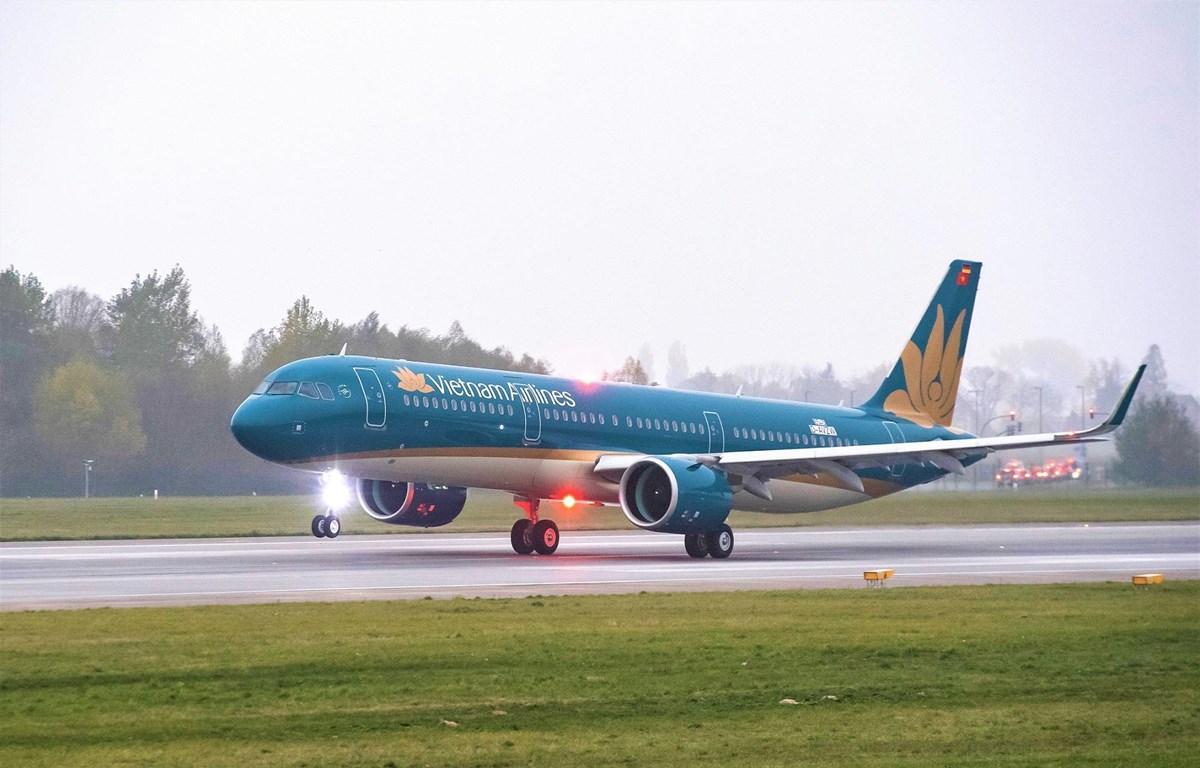
    The Civil Aviation Authority of Vietnam has recommended a 3.7-percent increase in domestic fare caps to enable airlines to cope with surging fuel prices.

    In a proposal it submitted to the Ministry of Transportation, it said fuel costs have risen by 84 percent since September 2015, when the current caps were introduceThe price of aviation fuel Jet A1 has doubled in the period from US$61.6 per barrel to $132.6, according to data from the International Air Transport Association.

    CAAV has proposed hikes ranging between 2.2 percent for routes of up to 850 kilometers and 6.6 percent for those above 1,280 km. Currently, these fares are capped at VND2.2 million ($96.1) and VND3.75 million ($163.8).

    In 2019, Vietnam Airlines had called for abolishing the domestic price caps altogether.

    Last month it called for raising the caps and fuel surcharges. Vietnam is one of the few countries in the world to still cap airfares.

  • With the Waze Retro Mode, go back in time and drive a VW bus as you navigate to your destination

    With the Waze Retro Mode, go back in time and drive a VW bus as you navigate to your destination

    If you’re Google, what do you do with Waze? Google reportedly paid anywhere from $1.1 billion to $1.3 billion for the crowdsourced navigation app and several Waze features ended up on Google Maps including speed limit signs, the speed of your vehicle, the ability to report speed traps and accidents, the cost of the tolls that you will be asked to pay en route to your destination, and more.
    Waze helps Google sell hyper-local ads which sets it apart from Google Maps as a revenue generator from Google’s point of view. Also setting Waze apart from Google is a new feature for Waze called Retro Mode. Sounds groovy, man. With Retro Mode, you can change the app’s appearance and the sound of the turn-by-turn directions to match the 1970s, 1980s or 1990s.
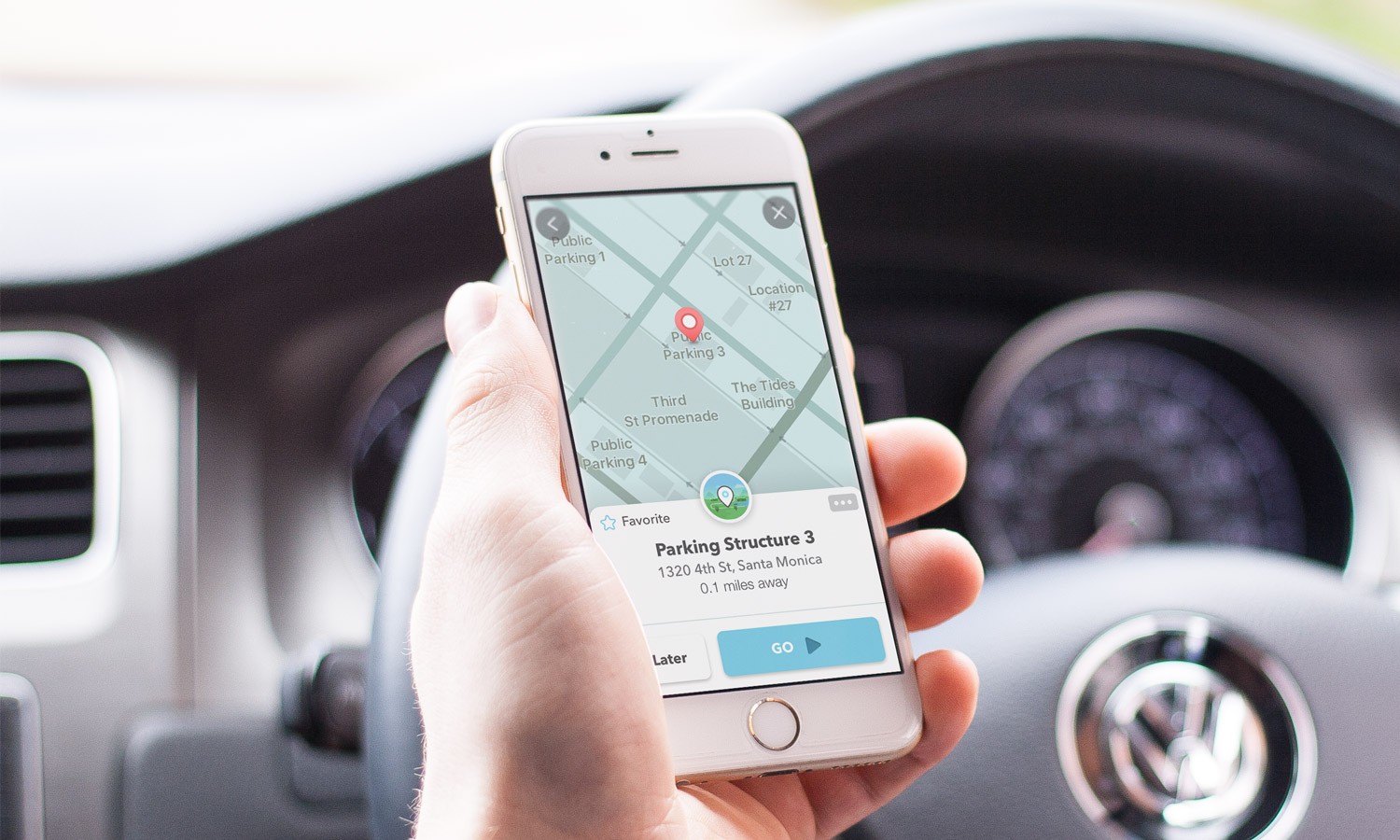
    To activate Retro Mode, open the Waze app. In the bottom left corner tap on My Waze. From the menu that appears, tap on Drive with the 80’s. You will then have options to change how you appear on the app by pressing Moods. You can select a lava lamp (1970s), a boom box (1980s), or a Mac (1990s).
    Tap on Car to choose between an iconic “flower power” VW bus, a race car, or an SUV (representing the 79s, 80s, and 90s respectively). Keep in mind that your car icon is only visible to you. Next, you can choose Voice directions to pick from a 70’s DJ, an 80’s Aerobic Instructor, and a 90’s Pop Star.
    With Retro Mode enabled, you can mix and match elements from each era. For example, you can choose to have the VW bus from the 1970s, the voice of the Aerobic instructor from the 1980s, and the SUV from the 1990s. Cool, huh? You won’t see Retro Mode on Google Maps.
    Once you’ve finished making your selection, tap on the Done button. You’re now ready to drive into another era. Install Waze from the App Store or from the Google Play Store.
  • Swiss performance label On launches its first Asia flagship store

    Swiss performance label On launches its first Asia flagship store

    On Asia’s first flagship store has opened in Tokyo. This is the second flagship store after New York and the largest in the world.

    Located in the famous Harajuku district, the on-flagship store has three entrances over 320 square meters that span three levels. The façade of the store features floor-to-ceiling glass windows that allow natural light to enter the space. There is a metal staircase next to the entrance that guides you to the upper floors. The interior design, which follows the futuristic atmosphere, is emphasized by modern elements such as metal, LED lights and mirrors.

    The first floor has a large selection of on-apparel and accessories, while the second floor has shoes such as sneakers on the “magic wall”. On’s regular concrete sheet has been replaced with wooden elements inspired by Japanese craftsmanship, adding warmth to the space.

    Underground is a 3D-printed rock that is a replica of what was found in the Engadin Valley, where On’s idea was born. The installation can be seen from the atrium on all floors.

    The launch of the first On flagship store in Asia is part of the brand’s strategy to expand its presence in the region.

    Founded in 2010, On’s products are now sold in over 8700 retail stores in more than 50 countries. Headquartered in Zurich, the brand has offices in the United States, Japan, Vietnam, Australia and Brazil.

  • GoTo shares surge 23 per cent after IPO

    GoTo shares surge 23 per cent after IPO

    Shares of GoTo soared as much as 23 percent in their market debut on Monday after Indonesia’s largest tech company raised $1.1bn in a widely anticipated IPO, setting the mood for other tech offerings.

    GoTo shares climbed to as much as 416 rupiah ($0.029) versus their offer price of 338 rupiah ($0.024) per share, which was the high end of an indicative range for one of the world’s largest offerings so far this year. The shares later pared gains to trade at 384 rupiah ($0.027).

    The strong debut provides a boost to some of the tech giants which have backed GoTo and have seen their other investments battered by the global market rout since late last year, including longtime major investors SoftBank Group’s Vision Fund 1 and Alibaba Group Holding Ltd.

    “GoTo’s IPO is a watershed moment for Indonesia,” said Joel Shen, head of Asia technology at global law firm Withers. “With millions of users, drivers, and merchants, there’s no company that’s more plugged in to Indonesia’s digital economy,” he said.

    PT GoTo Gojek Tokopedia Tbk’s stock market debut is the culmination of last year’s merger between ride-hailing-to-payments company Gojek and e-commerce giant Tokopedia.

    “I hope that GoTo IPO will motivate our young generations to give new energy for Indonesia’s economic progress,” Indonesian President Joko Widodo said in a video message.

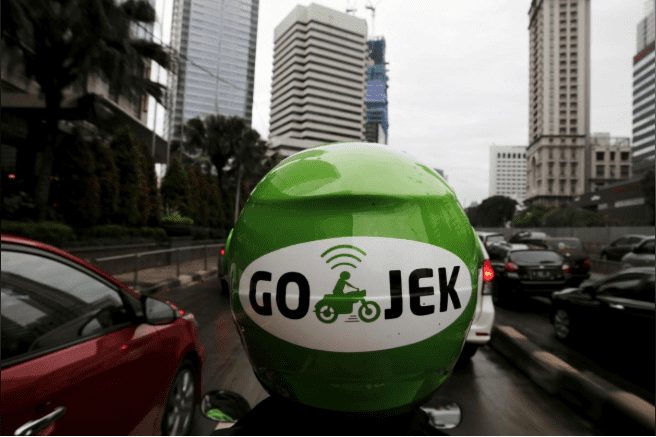
    The listing ceremony at the Jakarta bourse kicked off with a video of all of GoTo’s senior leadership in Gojek driver uniforms riding in-house Electrum brand electric motorcycles.

    GoTo’s IPO comes as record venture funding is creating a wave of startups in the $70bn digital market of Southeast Asia’s largest economy.

    The company sold only 4 percent of its shares in the IPO, and, unlike most other previous flotations, it was offered only to investors in Indonesia.

  • Aviation yet to gain takeoff momentum

    Aviation yet to gain takeoff momentum

    On Mar. 15, Vietnam fully reopened its borders to foreign tourists, allowing quarantine-free entry and reinstated its pre-pandemic visa policies, including waivers for nationals of 24 countries.

    “These positive moves have contributed to strengthening confidence in a brighter picture for the aviation industry this year,” Nguyen Huu Nam, deputy director of the HCMC chapter of the Vietnam Chamber of Commerce and Industry (VCCI), said at an event held last week to present the Vietnam International Aviation Exhibition (VIAE 2022) set to take place in September.

    Regarding this year’s prospects, brokerage Bao Viet Securities (BVSC) has said in recent report that if new coronavirus variants are not too dangerous, international routes can recover strongly from the end of the second quarter onwards.

    It has forecast the number of domestic and international passengers in 2022 at 30 million and five million, up 89.9 percent and 4.6 percent respectively over last year.

    Meanwhile, Viet Capital Securities JSC (VCSC) estimates the number of domestic flights has reached 94 percent of the pre-pandemic period (2019).

    The company expects that the total number of domestic passengers for Vietnam Airlines and Vietjet Air this year will be 92 percent and 91 percent of 2019, respectively; and that of international passengers will be 44 percent.

    Nguyen Phuoc Thang, Head of Science – Technology and Environment Department of Civil Aviation Authority of Vietnam, said from now until the end of August, carriers will increase the number of flights to serve tourists and the market will recover “very quickly.”

    The industry is coming out of two quiet years, resuming international commercial flights about a month ago.

    As for international flights, Vietnam officially resumed services on nine routes on Jan. 1 before reopening flights to all markets starting mid-February with several Covid related restrictions.

    According to the General Statistics Office, 91,000 foreigners arrived in Vietnam in the first quarter, up 89.1 percent against the same period last year. Of these, 90.5 percent came on flights, up 165.2 percent.

    In 2021, the number of passengers dropped to the lowest ever level in history, to 15.9 million, with that of foreign and domestic passengers dropping by 96.5 percent and 50.5 percent against 2020, respectively.

    As the fourth Covid-19 wave hit the country in April last year, domestic flights were put on hold late August and only a limited number of flights resumed early October.

    Between Oct. 10-20, only one return flight was allowed on 19 domestic routes compared to 58 routes in 2019. and it was not until after that pilot period that domestic flights resumed gradually.

    The demand for flying in Vietnam entered the “new normal” phase during the latest Tet, or Lunar New Year holiday, which last nine days starting Jan. 29.

    According to the Vietnam Air Traffic Management Corporation (VATM), Vietnamese carriers operated 10,711 flights on domestic routes between Jan. 29 and Feb. 2, an increase by more than 69 percent against the previous Tet holiday.

    However, the aviation industry has several obstacles to contend with before it gains a strong recovery momentum. One major obstacle is access to its major feeder markets before the pandemic, namely, China, South Korea, Japan and Russia.

    For now, China is still pursuing a “zero Covid” policy and South Korea still maintains tight border control. The ongoing Russia-Ukraine crisis will also prevent Russian tourists from going on tours abroad.

    The VCSC has suggested that Vietnam diversify its markets while waiting for the traditional ones to recover.

    According to Destination Insights with Google, the U.S. and Europe are among markets with the highest search demand for information on accommodation and air travel to Vietnam since the reopening was announced.

    The other obstacle airlines could face in the near future is fuel prices, which accounted for 29 percent and 43 percent of the input costs for Vietnam Airlines and Vietjet Air in the 2015-2019 period.

    In January, the average price of jet fuel rose to about $101 per barrel, higher than the $77.8 forecast by the International Air Transpo

  • Creators will be able to sell virtual items in Meta’s Horizon Worlds

    Creators will be able to sell virtual items in Meta’s Horizon Worlds

    Well, well, as you know Facebook rebranded to Meta in order to focus more on the metaverse, a virtual reality world. But of course, the company cannot give up on social media, or at least, a form of social media dubbed Horizon Worlds, which is a virtual world you can hang out with using avatars in the metaverse. Meta has found a way to monetize in the metaverse: with creators selling virtual items on there.

    Pretty much, Meta is looking into ways to let creators make money within Horizon Worlds. Horizon Worlds is a social metaverse platform for Quest VR, and it should be coming soon to mobile phones and possibly game consoles. Now, a handful of Horizon creators will get the possibility to sell virtual items and effects in the worlds they have created.

    Basically, creators will be able to sell anything, whether we are talking about a VIP section in their virtual worlds or just virtual items such as jewelry, or a special basketball, stated Meaghan Fitzgerald, who is the product marketing director for Horizon.

    In the US, participants will be able to earn money from a $10 million creator fund that Meta has recently set up in order to reward creators who have the most engaging worlds. And now, to further incentivize creators to use Horizon Worlds, Meta will be offering an “in-world purchases” system so creators can make money.

    But of course, Meta will be indeed taking a cut of the money that creators earn by selling virtual stuff in the metaverse. You may be wondering what exactly is that cut? Well, for Horizon purchases, Meta is taking a 25 percent cut of the percentage that’s left after a platform fee was applied.

    And that platform fee depends on the platform. For example, there are platform fees with a 30 percent cut, like Meta’s own Quest Store, and the creator will then be left with a little over half of the sale price. Put in simple terms, Meta will get 25% of the 70% left after the platform fee was applied.

    Vivek Sharma, Meta’s VP of Horizon, stated that the company thinks this is a pretty competitive rate in the market, and that other platforms should also be able to have their share. However, as The Verge rightfully reminds us, Meta was calling Apple’s 30% commission for App Store purchases too aggressive, but hey…

    So far, Horizon doesn’t have advertising, except for a recent Wendy’s theme world that was called… wait for it… “Wendyverse”. Apart from that, though, the focus is on monetization for creators, and not on ads right now. Fitzgerald does mention that ads would be an area they want to explore in the future, but as you can imagine, it’s better first to have people in the metaverse. And the best way to get users on there – is to have creators on there.

    Additionally, Meta is rolling out a bonus program to encourage creators to build out their world. It is a “goal-oriented bonus program”, and the bonuses will not be subject to any fees. The bonuses will be calculated based on the engagement of the creator’s world.

    Of course, not everything is allowed in there. Creators will need to follow the company’s VR conduct policy and not publish any content that’s prohibited in Horizon Worlds. If creators fail to follow the rules, they would be removed from the program.

    Horizon Worlds has so far hit 300,000 monthly users just for its few months of existence. So far, the company stated that 10,000 worlds have been created in the metaverse. And Meta plans to expand further, planning to bring Horizon Worlds to mobile phones later this year, and probably to game consoles too (but there, it is still in “early discussions”).

  • AirAsia powers Super App with Google Cloud

    AirAsia powers Super App with Google Cloud

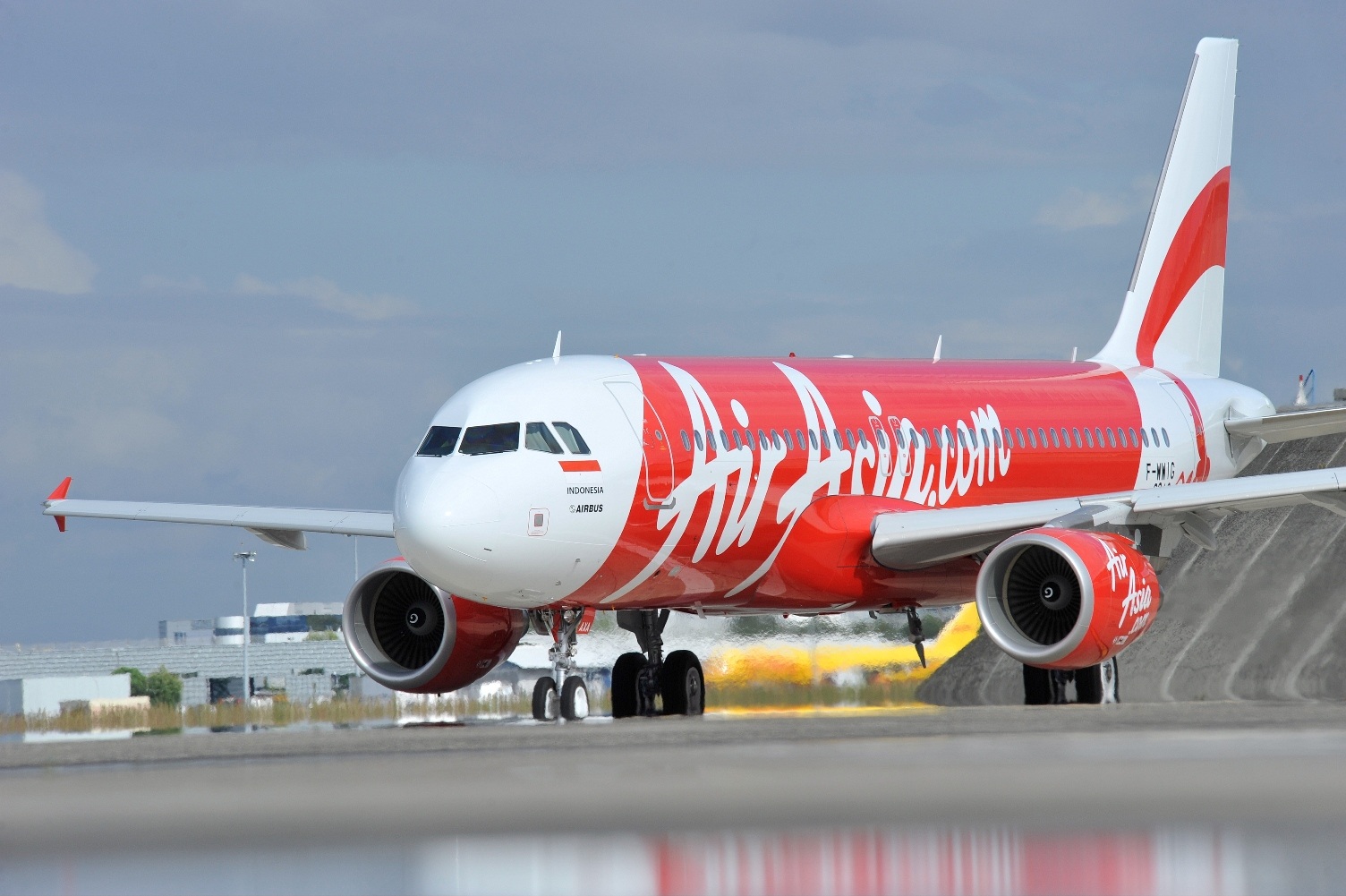
    AirAsia has unveiled a five-year strategic collaboration with Google Cloud to advance Super App capabilities through cloud-based co-innovation across Southeast Asia.

    Central to such efforts will be the combination of core competencies to nurture technology talent, the co-creation of software tools for “open innovation” and the delivery of data-driven intelligence targeting micro-, small- and medium-sized enterprises (MSMEs) on the platform. This is in addition to improved accessibility for diverse users in cities and rural areas.

    Operating as a, forming part of Capital A’s digital pillar alongside AirAsia as a multinational airline.

    The platform offers flight and hotel bookings, e-commerce, food and parcel delivery, ride-hailing, financial and health services and on-demand education among others, supported by an integrated rewards program and mobile wallet.

    Since launching in 2020, Super App has become one of three unicorns headquartered in Malaysia, according to Credit Suisse, and currently houses 51 million users across ASEAN.

    “Five years ago, when I decided to move our digital journey to its next stage, I was looking for a partner to help us reach that nirvana, much like how Airbus and General Electric helped us grow from a little two-plane operation to become the fourth-largest airline in Asia,” said Tony Fernandes, CEO of Capital A.

    “I went around the US looking for that partner, met Diane Greene from Google Cloud, and the journey started. With Thomas and his team, we are now on the road to disrupting the digital platform arena in the same vein as we did airlines.”

    Despite acknowledging that Capital A is “late in the game” from a digital perspective, Fernandes said Super App now operates at the “centre of our ecosystem” of e-commerce, logistics and fintech.

    “We are determined to give all 700 million people in ASEAN inclusivity, accessibility and value,” he added. “With Google’s help, our ecosystem will not only be transactional, but be about building community, and enriching that community – not just the customers but partners like restaurants, airlines, hotels, and drivers. What we are doing is not evolutionary, but revolutionary. I’m going to enjoy the ride with Google.”

    To help create an “agile culture and co-innovation talent engine”, Super App and Google Cloud will establish a Cloud Centre of Excellence (CCoE) consisting of AirAsia Allstars and Google Cloud technologists.

    The move is designed to “embed an agile culture” across all Super App business units to “accelerate product development velocity” and up-skill talent, supported by access to Google Cloud’s Site Reliability Engineering (SRE) and MLOps best practices.

    “To benefit everyone across Southeast Asia’s heterogeneous communities, the Super App must be simple and easy-to-use while underpinned by inclusive design, interoperability and personalisation,” outlined Amanda Woo, CEO, Super App.

    “It’s therefore crucial that we leverage Google’s rich experience in building global platforms and ecosystems to equip and engage more talent, entrepreneurs a

  • Cebu Pacific, STB renew partnership

    Cebu Pacific, STB renew partnership

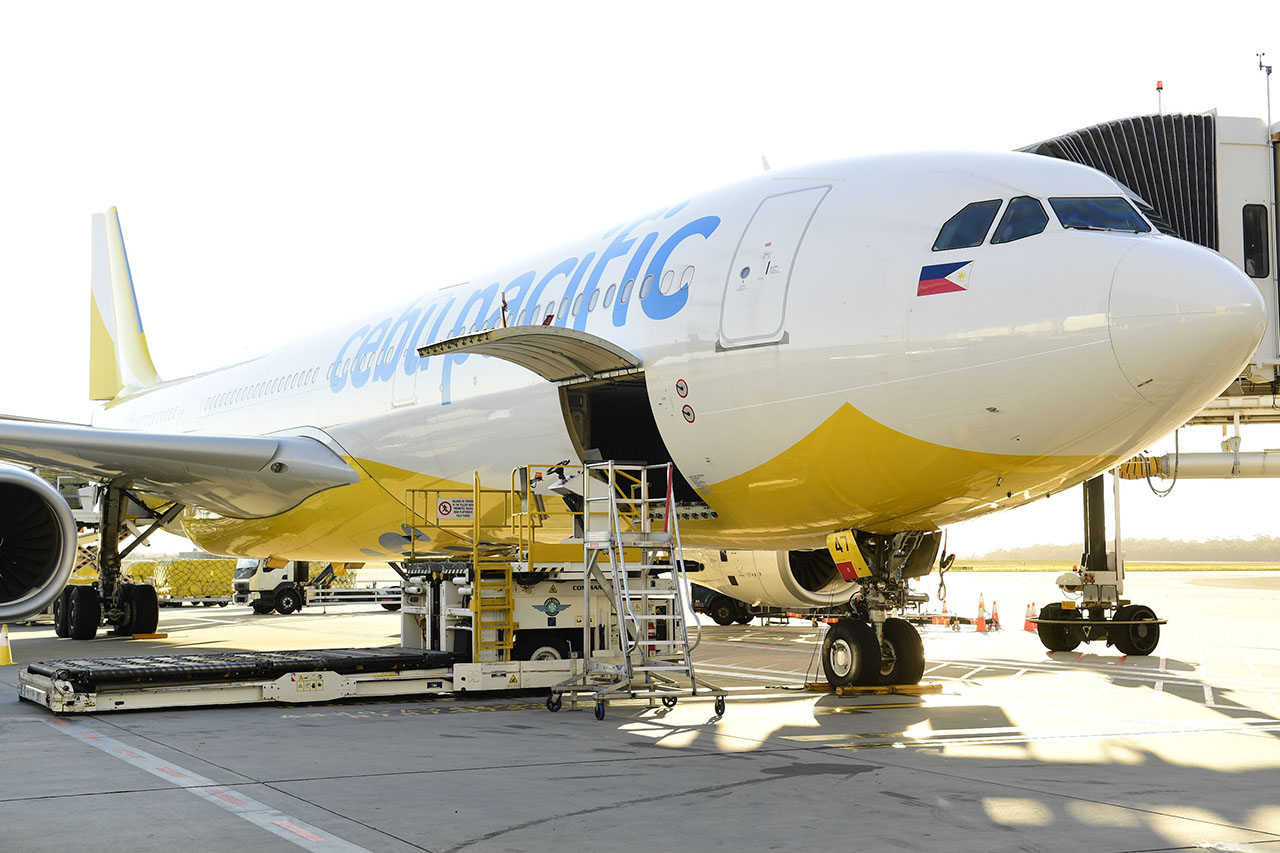
    Cebu Pacific (CEB) has renewed its partnership with the Singapore Tourism Board (STB), which will facilitate the travel of Filipinos to the Lion City.

    Singapore recently reopened its borders for all fully vaccinated Filipinos, making it easier for tourists to enjoy a convenient, quarantine-free vacation. Since April 1, 2022, vaccinated travelers to Singapore enjoy a simplified travel process, requiring only proof of vaccination, a pre-departure Covid-19 test, and an online Singapore Arrival Card.

    “STB is excited to collaborate with CEB and would like to thank them for this opportunity to bring more visitors from the Philippines to Singapore. Through this partnership, Filipino travelers can look forward to attractive promotions and campaigns to warmly welcome them back to Singapore,” said Juliana Kua, Assistant Chief Executive for International Group, Singapore Tourism Board.

    “We are very happy to firm up our collaboration with the Singapore Tourism Board following the easing of travel restrictions in and out the Philippines. We believe this partnership is very timely as it’ll surely contribute to the recovery of both the industry, as well as our respective countries,” said Candice Iyog, Vice President for Marketing and Customer Experience at Cebu Pacific.

    Meanwhile, CEB has achieved a 7-star safety rating from airlineratings.com for its Covid-19 compliance. It continues to implement a multi-layered approach to safety as it endeavors to restore the public’s trust and confidence in air travel.

  • What Type of Gambling Is Most Popular in Asia?

    What Type of Gambling Is Most Popular in Asia?

    Gambling is illegal in many places around the globe. In certain jurisdictions, casinos are the only sites where gambling is permitted. With online  apps, you can play your favourite casino games from the comfort of your own home and win real money. While online betting is available to anybody, it can only be done in nations that allow it.

    One of the world’s most important gambling marketplaces is in Asia, which is one of the continents with the greatest populations. In addition to being the world’s biggest and most diversified continent, Asians are known to enjoy a wide range of gambling activities.

    Poker, blackjack, and roulette are all prominent forms of gambling in nations like the United States and online casinos. Nevertheless, what do you believe the most popular forms of gambling are in Asian countries? You’ve come to the perfect place if you’re wondering. We’re going to show you some of the most well-liked Asian gambling games right now.

    Mahjong

    Whenever the subject of gambling in Asia is mentioned, you may think of those Hollywood movies depicting people playing Mahjong in a packed casino. This isn’t entirely incorrect, since Mahjong is a very popular game in Asia. The origins of this game may be traced back to China. Even though most kinds of gambling are illegal in that nation, playing Mahjong in legal facilities or licensed clubs is permitted.

    As soon as the Qing dynasty invented the game of Mahjong, it became an instant hit with gamblers all over the globe. There are 144 tiles in all, and each one has a distinct Chinese sign or character on it. Bets are put first before the game starts, and it is often played by four people at a table. To find out who the dealer is, dice will be thrown. Afterward, each participant will get 13 shuffled tiles. To have a chance of winning, each player must draw and discard a tile in each round. A winning ticket of 14 tiles requires the first player to call out “Mahjong.”

    Keno

    Keno is said to be the world’s oldest lottery game. Since its inception during the Han Dynasty in 206 BC until 220 AD, it has been widely accepted as the source of this practice.

    When you sit down to play Keno, you’ll be handed an 80-number card. A particular number of numbers must be selected and gambled on. Twenty numbers will be picked, and the rewards you may win are based on how many of your numbers match those drawn at random.

    Tax money collected from gamers during warfare was used to fund the construction of the Great Wall of China and other military expenditures. When Chinese immigrants came to the United States and desired to gamble outside of China, Keno was introduced to them. So much so that Las Vegas is now known as the US Keno Capital.

    Pachinko

    Playing Pachinko is a popular pastime in Japan. The game’s name derives from the amusing sound it makes while being played. Contemporary Japanese culture is seen in the flashy lights and loud noises of pachinko machines.

    To win the jackpot in Pachinko, players must match three numbers in a row. You’ll have a better chance of winning if you can fit the small steel ball bearings into the centre scoring pocket at the bottom of the screen.

    It is unlawful to gamble with money in Japan. As a workaround, Pachinko parlours gave out tokens that could be exchanged for cash later.

    Pai Gow

    Pai Gow is another popular casino game in Asia. Between 960 CE and 1279 CE, the Song Dynasty was the source of its origins. “Make nine” is the highest possible score for a hand while playing this game.

    You’ll need 32 Chinese dominoes put face down on the table and shuffled to form eight stacks of four dominoes each. This is how you begin playing Pai Gow. Betting will begin after that. Next, each player will get a stack of four tiles, which they will divide into two hands, each holding two tiles. In order to win, the player’s hands must both rank higher than the dealer’s.

    Pai Gow Poker, a westernised form of Pai Gow, is now available online as well.

    Cockfighting

    For thousands of years, people have discovered a method to wager on anything that provides them a chance to win or lose. And they do this even if it means that two animals are going to fight each other. Cockfighting, for example, is a popular pastime in Southeast Asia, particularly in Thailand, the Philippines, India, and Indonesia, where it has become an integral part of the culture and history.

    Ferdinand Magellan brought cockfighting to the Philippines in 1521 during his trip. Cockfighting is now permitted in just a few nations throughout the globe. However, the fighting culture varies from nation to country. To provide two examples, birds in India battle with bare heels, whereas, in the Philippines, they fight with metal blades strapped to their legs. Only roosters are permitted to be used in fights due to their higher level of aggression than males.

    The Bottom Line

    These are some of Asia’s most prevalent forms of gaming. As a result of these games, a broader cross-cultural understanding is fostered.
  • Facebook introduces a new way for you to create Reels

    Facebook introduces a new way for you to create Reels

    In another attempt to rival TikTok, Facebook now offers a new feature called “Sharing to Reels.” Sharing to Reels will allow creators to post directly to Facebook Reels from a third-party app.

    From now on, third-party app developers will be able to integrate “Sharing to Reels” directly into their apps, enabling users to post their Reels directly on Facebook via a “Reels” button.

    If you need to spice your Reels up before posting to Facebook, you will have access to Reels’ editing tools. So, in other words, you will be able to create Reels, modify them with some cool effects and stickers, and then post them directly to Facebook Reels.

    According to the tech giant, if you want to submit a short video to Facebook from another app, “Sharing to Reels” will eliminate the need to download the video first. Currently, Smule, a popular karaoke app, and the video editing apps VivaVideo and Vita have this new feature.

    “We’re focused on making Reels the best way for creators to get discovered, connect with their audience and earn money. We also want to make it fun and easy for people to find and share relevant and entertaining content,” reads part of the official announcement.

  • Are online businesses shoving retail stores?

    Are online businesses shoving retail stores?

    New, constantly developing technology, expanding online world and modernization of every economic sector might pose a threat to more traditional forms of business, such as retail stores. What is the future of these well-known for years businesses and companies? Will they be shoved by new forms of shops and stores, or will they bear up under the new, modern form of pressure?

    Is retail heading to extinction?

    The answer to whether retail is really becoming extinct or is it just an exaggeration depends on who would you ask. Those in favor of the modern world and technological advancement will say that the fall of retail stores is inevitable, and it’s only a matter of years now. Mostly due to ever-growing online competition. It might seem reasonable, as people tend to spend more time on the Internet and buying from home is in many ways more convenient. However, there is also the other side of the coin. Other experts claim that the shopping experience is quite often something more than just acquiring goods that are needed. It’s also about the experience, which is what online stores lack. This makes the future of retails less dark and uncertain than some would like to see it.

    Experts say that the needs we try to fulfil while shopping is mostly to commune, socialize and simply to be out, among other people. When shopping at home in online stores, none of these needs is fulfilled. This might be the main reason why retail stores will not bid farewell for a long time yet.

    It remains a fact, however, that online shops and services offered have numerous advantages that make them tough competition for retail. Everything is done quickly, easily and quite often cheaper than in the offline world. The customers can go shopping without making a single step. There is one great advantage of the online world, however, that makes it a massive opponent for retail – availability. Brick-and-mortar stores are located in one and only one place. A person who lives miles away, or even thousands of miles away, has no chance of buying given products. The same applies to services and other “attractions”. In the online world, everyone can make use of every store and service they want, no matter their location. Even such activities as safe, secure, tried-and-tested casinos can be available online. Sites like VegasSlotsOnline offer services to players from around the world, as opposed to brick-and-mortar ones.

    The future of retail stores

    What is the most probable future of retail stores? The truth is that a few versions are equally possible because rapid growth and expansion of technology might change everything within less than a decade. One thing is sure, however, that retail stores will need to adapt to survive on the market. Adaptation is the only strategy that may ensure prosperity in the changing future.

    Generally, retail stores will need to become as customer-friendly as possible. It concerns all aspects, from methods of payment to the organization of a store’s interior. Modern people value time and accessibility. They do want to fulfil the needs mentioned before, but they want to do it as quickly as possible.

    Retail stores should seriously take into consideration such elements as customer service, maintaining the right relationship and building trust in the brand. Understanding the essential predictions for retail stores in the future is crucial to get ready for what is coming in the constantly changing market. Then, the key is to adapt, adapt and even more adapt.

    It’s worth mentioning that retail is not carved into the rock relict of the past. It is constantly changing too, and, especially, in the time of pandemic got really close with the digital world of the Internet. However, the challenges will be changing as well, and the most important is to remain ahead of them.

    Conclusions

    It might seem that the online world is a great threat to well-known, brick-and-mortar retail stores. They won’t disappear overnight and, very likely, they will be around in 10 or 20 years. How will a store of the future look? This, in many cases, depends on how much the retail will want to adapt to the changing world.

  • Miniso eyes Hong Kong stock market listing

    Miniso eyes Hong Kong stock market listing

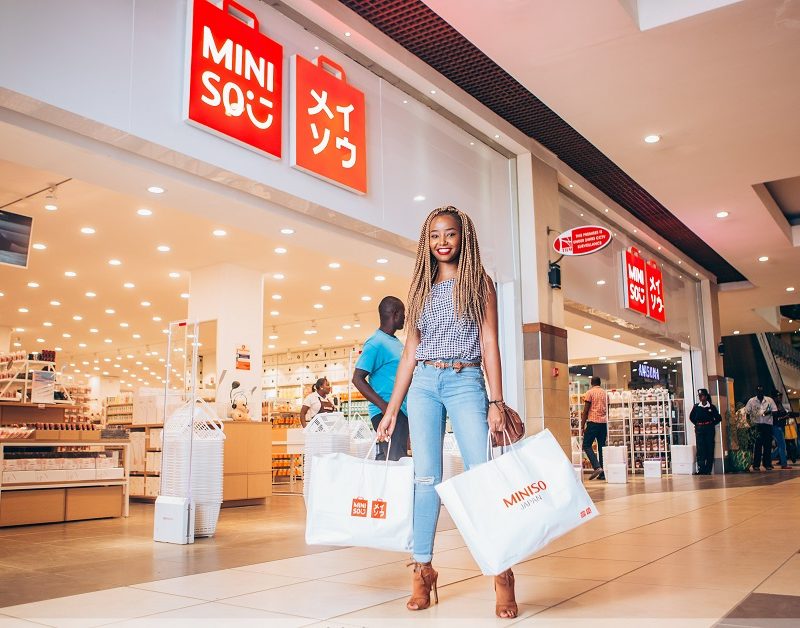
    Miniso Group Holding, the New York-listed Chinese household and consumer goods retailer, is planning a second listing in Hong Kong, joining an increasing number of US-listed mainland companies seeking a listing closer to home.

    The retailer submitted its application to Hong Kong stock exchange on Thursday, according to the bourse’s website.

    The Guangzhou-based company is following in the footsteps of electric-vehicle makers Li Auto and Xpeng in seeking a dual primary listing in Hong Kong to hedge against the risk of being delisted from US exchanges. Legislation introduced by the Trump administration in 2020 seeks to delist Chinese companies that fail to pass US audit reviews for three consecutive years, and the Biden administration is not letting up.

    Miniso raised US$608 million from its IPO on the New York Stock Exchange in October 2020. The company’s shares, however, have fallen more than 66 percent since listing and were trading at US$7.88 on Thursday.

    Miniso’s revenue increased by 24.2 percent to 5.42 billion yuan (US$853.5 million) for the six months ended December 2021, while adjusted net profit rose 114 percent to 398.6 million yuan, according to its listing application.

    The company said it expects to see strong growth because of China’s booming retail and pop toy market.

    The estimated growth rate of the pop toy market in China, which saw gross merchandise value (GMV) reach 34.5 billion yuan in 2021, is 24 percent from 2022 to 2026, according to Miniso’s filing, citing data from Frost & Sullivan.

    Miniso, which opened its first store in China in 2013, has built a global network with over 5,000 stores in around 100 countries, including 3,100 in China as of end 2021.

    The aggregate GMV of products sold through its network was about 18 billion yuan in 2021, making it the largest global branded variety retailer of lifestyle products, according to Frost & Sullivan.

    BofA Securities, Haitong International Capital and UBS are the joint sponsors.

  • King Power revamps Bangkok airport retail precinct

    King Power revamps Bangkok airport retail precinct

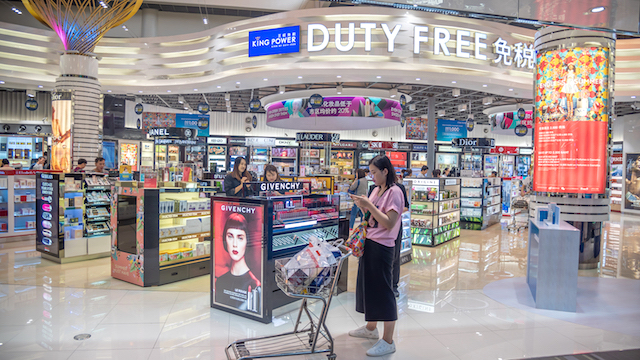
    King Power is set to unveil a revamped store at Suvarnabhumi airport today, building on its collaborations with global luxury brands.

    Aiyawatt Srivaddhanaprabha, chief executive of King Power Group, said his company was ready to welcome international travelers while also enhancing the airport’s reputation as a regional aviation hub.

    “On April 1, King Power is ready to welcome both arriving and departing travelers of all market segments, following our mission to implement a thorough store refurbishment,” Mr Aiyawatt said.

    “The makeover is inspired by our renowned banner ‘World Junction’ that has branched out into world fashion, world beauty, and world duty-free — all converging to create the ‘Duty-Free, World-Class Shopping Destination’, a phenomenon that will make Suvarnabhumi the perfect regional aviation center.”

    He added that this campaign would reinforce the image of Suvarnabhumi airport as a leading hub of world-class flagship stores of luxury products, as well as the region’s top airport duty-free operator.

    Furthermore, King Power has partnered with legendary fashion houses, including Louis Vuitton and Gucci.

    Louis Vuitton will open its first store at the airport, while Gucci will use a video wall display to advertise its goods at Gucci’s Suvarnabhumi store. This makes Gucci the first LED shop in an Asian airport.

    The renovation also gathers more than 20 flagship stores of world-leading luxury brands, such as Cartier, Hermes, Ferragamo, Bottega Veneta, Saint Laurent, Balenciaga, Celine, Loewe, and Rimowa.

    King Power’s refurbished World Beauty zone will also feature brands such as Chanel, SKII, Lancôme, Estee Lauder and Dior.

    Moreover, King Power has also revamped the entire World Duty-Free area into a hub for popular items like spirits and liquors, snacks, local and international souvenirs as well as Thai community products.

    As for the airport terminal services, King Power will have a renovated The Atlas Club and King Power Space for its members too.

  • WhatsApp limits the number of messages users can forward to prevent spread of misinformation

    WhatsApp limits the number of messages users can forward to prevent spread of misinformation

    Fake news remains a hot topic and three years ago WhatsApp tried to battle against it by limiting the number of already forwarded messages that users could forward to other groups at one time. WhatsApp’s restrictions were being enforced only in Brazil at that time, but the restrictions are now being rolled out worldwide. Starting with the WhatsApp for Android beta 2.22.7.2, WhatsApp users everywhere are not allowed to forward messages already forwarded to more than one group chat on Android.

    Late last week WhatsApp implemented the same restrictions on the iOS version of WhatsApp (beta 22.7.0.76). You can understand that by limiting how often messages are forwarded, WhatsApp is reducing the number of its subscribers receiving possible fake news. To make sure that misinformation is not being spread, messages that have already been forwarded are subject to these new rules.

    Let’s make something clear though, if you are the originator of a message, you have no limitations on how often you can forward your message. On the other hand, if you receive a message that has already been forwarded to you, it cannot be forwarded again to more than one group chat. Right now only certain beta testers have received the restrictions although it will be enabled for everyone over the next few days.

    Another new beta update is coming to WhatsApp for Android users, version 2.22.8.11 will allow users to employ certain shortcuts when selecting a phone number in a chat bubble. Previously, tapping on a phone number in a chat bubble would take you to your phone’s default dialer app. But now, instead, WhatsApp looks to see if the phone number you’ve tapped on is owned by someone with a WhatsApp account.

    If the phone number is on WhatsApp, you can immediately start a new chat, call the number, or add it to your contacts list.  If the number selected is not on WhatsApp, you’ll have the option to call the number or add it to your contacts list.

    To prevent spreading misinformation, iOS and Android WhatsApp users cannot forward already forwarded messages to more than one group chat.

    You can install the WhatsApp (beta) app from the Google Play Store for Android users, or the App Store for iOS users

  • Tesla and SpaceX billionaire Elon Musk buys a 9.2% stake in Twitter

    Tesla and SpaceX billionaire Elon Musk buys a 9.2% stake in Twitter

    Billionaire Elon Musk, CEO of SpaceX and Tesla, has recently acquired a three billion dollar Twitter stake, which equates to about 9.2% of the social media company, or 73,486,938 Twitter shares.

    The news comes from a US securities filing, and according to the BBC, the acquisition, which reportedly happened on March 14, has now resulted in Twitter’s shares jumping up 25% in pre-market trading. With his acquisition, Musk now owns a larger Twitter share than the site’s original co-founder and until recently CEO Jack Dorsey, who currently owns 2.25%.

    Being a regular and prolific Twitter user, Elon Musk’s official profile currently has over 80 million followers. He’s used the platform to not only share his views on current events and update people on what his companies are up to, but to interact with fans, often Tesla users, and has been known to regularly share witty memes.

    This has created an image of being a different and fun, relatable “kind of billionaire,” as opposed to the likes of Microsoft co-founder Bill Gates and Amazon founder Jeff Bezos.

    Notably, the billionaire has used Twitter to share his views on the subject of free speech, and has been critical of social media sites, Twitter included, in regards to it.

    The 50-year-old billionaire’s first breakthrough was through co-founding x.com, which was later renamed to PayPal and sold to eBay for $1.5 billion. Currently Musk is most well-known as the CEO of electric car company Tesla and aerospace manufacturer SpaceX.