Category: General

Retail News Asia is committed to providing both local and global retailers with the latest General Retail news throughout the Asian market. This on a daily base.

  • Google quietly adds new information to mobile Play Store app listings

    Google quietly adds new information to mobile Play Store app listings

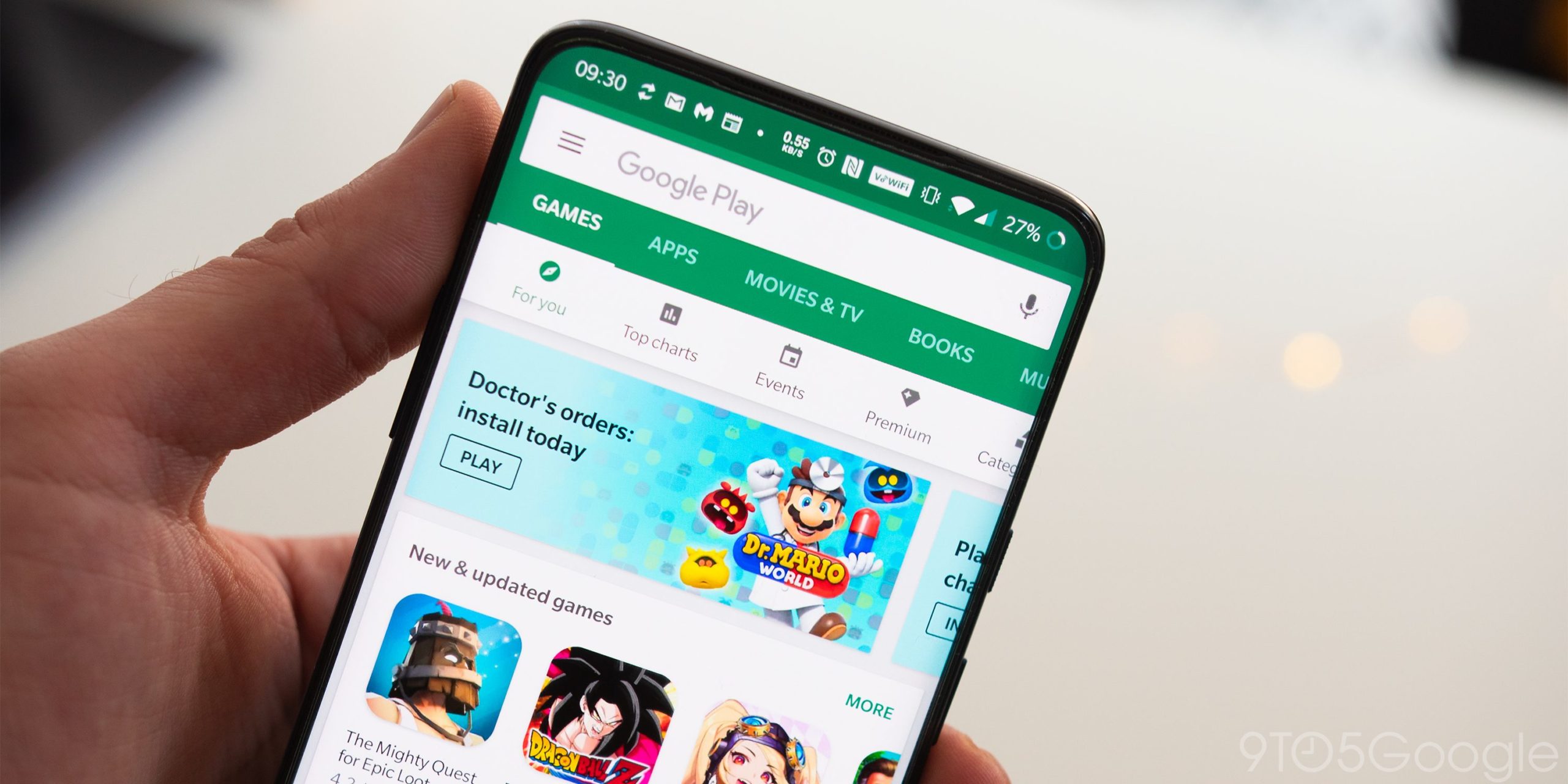
    Google has added in the listing of each app the version of Android required to download said app on a mobile device. Previously, this information was only posted on the web version of the Play Store but it can now be easily found on an Android phone.

    Let’s look at some random apps. The Chess-Play and Learn app has been downloaded more than 10 million times and has a 4.7-star rating. If you look at the listing on your phone, go to the “About this game” listing and tap the arrow on the right side of the screen to open a page that goes into great detail about the app.

    Now scroll down to the bottom and you’ll see a heading titled “Game info.” Look for an entry called Android OS which shows the required version of Android needed to install this game, which happens to be Android 5.0 in this example. That means that anyone who wants to install this game must be using a phone running Android 5.0 or higher.

    One last example. Let’s look at CNN. Go to the Play Store and search for the CNN app (which has over 50 million downloads and a 4.5-star rating). When you see the listing for it, find the “About this app” heading and tap on the arrow at the right of the screen. That takes you to the About this app page.

    Scroll down to the App info section and look for the Android OS entry. There you will see that to install the CNN app on your Android phone, it needs to run Android 6.0 and up. Those who use the play.google.com website have probably seen the Requires Android entry on the listing of an app in the web version of the Play Store.

    Why Google decided to add this information to the mobile Google Play Store is unknown since any app that has a minimum requirement newer than the Android version you are currently using should not appear on your screen. For example, using the CNN app once again, since it requires that the user own a phone running Android 6.0 or higher, phones that are running Android 5.0 or lower will not see the CNN listing on the Play Store app.

    The update including this change was just disseminated on Friday and is version 29.2.13. We are not sure how many Android users would go through the trouble of looking up this information since it is not necessary, but perhaps Google has something under its sleeve that we are not privy to.

    Earlier in the week we told you that Google has released a new app icon installation feature to 14 games in the Play Store and in the process borrowed the circular progress bar used with iOS. For example, if you install an app on iOS 15.3.1 from the App Store, a circular progress bar shows you the pace at which the app you chose to download is being downloaded and installed on your iPhone. While the new Android app icon installation feature is not exactly the same, you are sure to spot the similarities.

    When you install an app from the Play Store, a circular progress bar circles the icon of the app you are downloading on the home screen. When finished, the progress bar around the icon starts anew for the installation of the app. When that is finished, you are left with the icon of the app on the home screen of your Android device. You can open the Google Play Store listing of the app at anytime if you decided not to download the app before it is finished installing on your device.


  • Snapchat introduces live location sharing

    Snapchat introduces live location sharing

    Snapchat’s been enjoying a streak of big updates lately, announcing the introduction of ads to Snapchat stories, creating a Snapchat Tinder, and the list goes on. The latest addition is undoubtedly more safety-oriented: yesterday, Snapchat announced it was bringing live location sharing to the platform.

    Sharing your location a single time for a friend can make it easier to find each other and meet up, and Snapchat’s already had that for a few years.

    But being able to continuously share your location in real-time means a second pair of eyes on you if you’re at a strange party late at night, or in any risky situation away from home. It also works with Snapchat in the background and your phone locked, which means someone else may be able to take action if you’re not home at an agreed-upon time, even if you’re unable to access your phone.

    The “live location” feature is off by default but can be toggled on for a set period of fifteen minutes to several hours. Users will be only able to share their location with friends on the platform, and both friends would have to opt into the live location sharing to enjoy the feature.

    Snapchat’s “live location” update is being developed in a partnership with a nonprofit youth program called “It’s On Us,” which aims to put an end to sexual assault on U.S. college campuses. While the feature will be introduced in a later update, Snapchat has already implemented an in-app informational text about bystander awareness.

    With already 250 million active users on the Snapchat app per month, the company has been increasing its efforts to maintain a safe platform for everyone—especially teens, who are often targeted. One of Snapchat’s current projects is the development of an update that will limit and better choose friend recommendations for teens on the app, to prevent them from being targeted by dealers of illegal substances.

    Along with these features, Snapchat has also announced it is bringing additional parental control features sometime later this year.

  • Vietnam largest bullion market in Southeast Asia

    Vietnam largest bullion market in Southeast Asia

    Vietnam was Southeast Asia’s largest gold bullion and coin market last year and among the top 10 globally.

    The demand in the country exceeded 31.1 metric tons compared to 28.7 tons in Thailand and 19.8 tons in Indonesia, according to the World Gold Council.

    If the jewelry was included, it went up to 43 tons, the second-highest behind Indonesia’s 46.8 tons.

    Vietnam was the fourth largest market in Asia for bullion and coins behind India, Sri Lanka, and China, and the eighth largest in the world.

    Gold continued to be the top asset class for 72 percent of Vietnamese investors, the WGC said citing a study of 2,000 investors last year.0

    The outlook for the precious metal is positive with 81 percent of investors who previously invested in gold saying they would consider doing so again.

    To put that in perspective, the rates are 72 percent for Chinese and 67 percent for Indians, with the global figure standing at 45 percent.

    There is strong support for gold market liberalization in Vietnam, with 76 percent saying they should be allowed to open a gold investment account at banks to formalize the gold market.

    Fifty-five percent called for setting up a gold exchange or trading platform authorized by the State Bank of Vietnam.

    Vietnam’s gold prices are now near the all-time high of VND63.5 million (US$2,787) per tael of 37.5 grams recorded on Jan. 25. A tael equals 37.5 grams or 1.2 ounces.

    On Feb. 16 it cost VND62.9 million, VND11.6 million higher than global prices.

  • Steel prices rise 5 pct, nears historic peak

    Steel prices rise 5 pct, nears historic peak

    Steel prices in Vietnam have increased by 2-5 percent in the last two weeks on the back of global price increases and are not far away from reaching last year’s peak.

    The Thai Nguyen Iron and Steel Jsc has increased its rolled steel prices to VND17.3-17.6 million ($759-772) per tonne, up by around 2 percent from the first week of February.

    The Hoa Phat Group, meanwhile, has upped prices by 3.7-5 percent to VND17.15 million per ton, which is just 4.6 percent away from the previous historic peak of VND18.3 million last year.

    Some industry insiders anticipate that prices will rise even higher.

    “There could be two or three increases this year, pushing prices up by VND1 million”, said Ngoc, a steel distributor in Hanoi.

    Vietnam’s steel prices have been rising up as China, the world’s biggest exporter and manufacturer, pushed prices up by nearly 6 percent two days ago to a five-month high of $756 per ton.

    The shortage of supply and rising demand as countries push recovery from Covid-19 is said to be the reason for the price increase.

  • Rising gasoline prices further burden pandemic-hit economy

    Rising gasoline prices further burden pandemic-hit economy

    Duy Anh of Hanoi’s Cau Giay District started off this week by hanging a notice outside his cafe saying the price of coffee had been hiked by 25 percent.

    “I know customers will not like it, but I do not have any choice,” he said, explaining that the cost of ingredients and their delivery has risen by 20 percent due to rising gasoline prices.

    Many transport companies have either announced or quietly increased prices by around 10 percent last week as the government hiked gasoline retail prices to mirror the increase in global prices. A Ho Chi Minh City transport firm, which asked not be identified, has raised container transport prices by 11 percent and now charges VND3.2 million ($141) for a trip to the neighboring province of Dong Nai.

    Tran Duc Nghia, CEO of Delta International, said the transporter is set to hike prices by around 5 percent soon. Gasoline prices in Vietnam are now at an eight-year high, having risen by 11 percent in the last two months. Following the latest adjustment last Friday, the popular RON 95 variety is now close to a record high price.

    Global crude prices have climbed to a seven-year high and Vietnam’s biggest refinery Nghi Son has been forced to reduce its production from 105 percent to 80 percent due to a cash crunch. Nguyen Bich Lam, former head of the General Statistics Office, estimates that a 10 percent increase in fuel prices causes GDP growth to drop by around 0.5 percentage points.

    Lender HSBC last week raised its inflation forecast for Vietnam from 2.7 percent to 3 percent after factoring in the higher energy prices. The Asian Development Bank pegged the figure at 3.8 percent. Transport companies are between a rock and a hard place since price hikes are hard to sell in an economy hit by Covid-19.

    Hai Van International Shipping in HCMC, which transports goods and passengers, has seen revenues fall by up to 70 percent year-on-year in recent weeks due to declining demand.

    “We plan to increase fares, but we have yet to do that as there might be a decline in number of passengers.”

    Another transport company, Minh Thanh Phat, said the higher fuel price is another blow that put many operators to the verge of bankruptcy amid low demand.

    “Continuing to operate will result in losses, while suspending operations means we cannot pay loan interest to banks”.

    Economist Ngo Tri Long urged the government to lower special consumption and environmental taxes on gasoline to reduce the pressure on the economy.

  • Vietnam largest bullion market in Southeast Asia

    Vietnam largest bullion market in Southeast Asia

    Vietnam was Southeast Asia’s largest gold bullion and coin market last year and among the top 10 globally. The demand in the country exceeded 31.1 metric tons compared to 28.7 tons in Thailand and 19.8 tons in Indonesia, according to the World Gold Council. If the jewelry was included, it went up to 43 tons, the second-highest behind Indonesia’s 46.8 tons.

    Vietnam was the fourth largest market in Asia for bullion and coins behind India, Sri Lanka, and China, and the eighth largest in the world. Gold continued to be the top asset class for 72 percent of Vietnamese investors, the WGC said citing a study of 2,000 investors last year.

    The outlook for the precious metal is positive with 81 percent of investors who previously invested in gold saying they would consider doing so again. To put that in perspective, the rates are 72 percent for Chinese and 67 percent for Indians, with the global figure standing at 45 percent. There is strong support for gold market liberalization in Vietnam, with 76 percent saying they should be allowed to open a gold investment account at banks to formalize the gold market.

    Fifty-five percent called for setting up a gold exchange or trading platform authorized by the State Bank of Vietnam. Vietnam’s gold prices are now near the all-time high of VND63.5 million (US$2,787) per tael of 37.5 grams recorded on Jan. 25. A tael equals 37.5 grams or 1.2 ounces. On Feb. 16 it cost VND62.9 million, VND11.6 million higher than global prices.

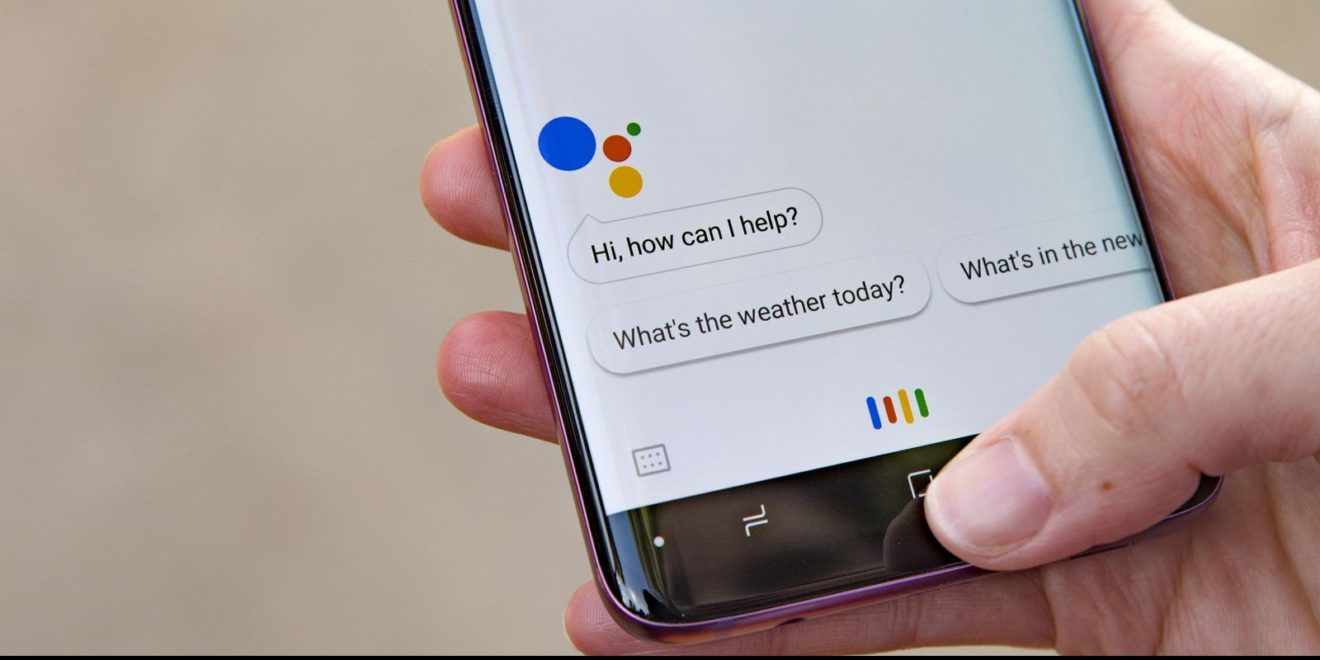
  • Make Google Assistant respond faster by following these simple directions

    Make Google Assistant respond faster by following these simple directions

    Did you know that if you set up Google Assistant on other devices, even those that you don’t use anymore, the speed at which the digital helper receives your requests and responds to them can be slowed down? But there is good news as Google offers a way for you to remove the Assistant from those older phones, tablets, smart speakers, smartwatches, and any other product you own that sports it.

    According to XDA, a support page posted by Google says, “Get a faster Assistant by removing devices that haven’t been used in 3 months or more. This means your other Assistant devices won’t be able to communicate with the devices you removed. To add a device back, just use your Assistant on that device.”

    To remove Google Assistant from your older devices, you need to open the Google app. Make sure that you have the latest version installed. Once you open the app, tap the profile picture in the upper right corner and tap on settings. Scroll down to the highlighted listing for Devices and tap it. On the bottom of the next page, you will see a heading that reads, “Remove unused devices” and tap on it.

    This will bring up a list showing the model numbers of older devices you owned with Google Assistant installed. Get ready for a blast of nostalgia when you look up on Google the model number of each device. Each device listed has not been used for three or more months and the oldest model on this writer’s list was for the Moto Z Droid which hasn’t been used in many years.

    You can choose to remove each listed device individually or select all of them at one time. And for some reason, you find yourself in need of a replacement for the phone, tablet, smart speaker, and smartwatch that you currently employ, simply use Google Assistant on the older device and it will return to the list of your Assistant devices.

    Once you complete the process listed above, you should see an improvement in Google Assistant’s response time. You can let us know if you notice a difference after clearing out your unused devices by leaving us a comment in the box below.

    Google Assistant is arguably the most accomplished of the three major voice assistants, a list that includes Amazon’s Alexa, Apple’s Siri, and Google’s Assistant. Previous tests have shown that not only does Google Assistant have the capability to understand what the user is asking much better than the other two, it also is the smartest when it comes to answering queries.

    Apple had the early lead in digital assistants when it unveiled Siri on the iPhone 4s in 2011. Apple promoted the feature by showing how useful Siri could be with calendar entries, tying a bow tie, finding a locksmith when locked out of the house. But Google charged ahead because the reach of Android is wider and Google has a plethora of information (including personal data) that it can easily tap into.

    Google’s investments in AI and speech recognition have paid off big time when it comes to Assistant and with Google essentially everywhere, it can provide users with direct responses that Siri might outsource to the internet. From personal experience with both, there are many times that when asking a question about Apple, Siri will direct you to a third-party website while Google Assistant responds with the correct answer without forcing you to navigate somewhere else to get the answer that you seek.

  • Twitter’s latest update is all about Direct Messages

    Twitter’s latest update is all about Direct Messages

    Twitter is making all sorts of changes to its app almost on a weekly basis. Some of them are less important, while others are really useful even though they don’t get under the spotlight too often. After delivering the so-called “Good Bots” labels for all bot developers earlier this week, Twitter announced a much more important feature is making its way to users: the ability to pin Direct Messages.

    It’s a nifty feature that will allow Twitter users to put their conversations via Direct Messages up and center. Not only that, but Twitter lets users pin up to six conversations to stay on top of the Direct Message inbox.

    To pin a DM conversation simply swipe to the side and tap the pin to move the conversation to a new section called “Pinned conversations” that’s visible at the top of the DM inbox.

    According to Twitter, the new feature will be rolled out in waves to Android and iOS users, as well as on the web. If you don’t see it right away, be patient since it’s probably going to take a few days for everyone to have access to the ability to pin their DM conversations.

  • You can now use Snapchat to find live events and meet people with similar tastes

    You can now use Snapchat to find live events and meet people with similar tastes

    Snapchat announced that, in collaboration with Ticketmaster, it is introducing a way for its users to discover live events happening near them and easily purchase tickets for them. The Snapchat app now has a new Snap Map Layer and a mini app-within-an-app called Ticketmatcher Mini.

    Through Ticketmaster’s Snap Map Layer, you can see events varying from comedy to sports, and when you find something that you are interested in, you can choose it and invite someone to that event or buy a ticket for it through a ‘seamless checkout process.’

    As for the Ticketmatcher Mini, well, it looks more like a mini dating app within the social app. Based on your personal preferences, Ticketmatcher Mini will promote live events around you and, in the process, will also help you find other people with similar tastes to yours.

    If you want to take advantage of the new partnership between Snapchat and Ticketmaster, go to the Rocket Icon in Chat on the Snapchat app. Once you tap it, the app will display a small survey, and based on your answers in the survey, the app will decide what live events to recommend.

    Now, when Snapchat knows your preferences, it will show you recommended events, and in order to browse them, you will need to swipe left and right. When you see an event that you think you would be interested in, you can check out whether any of your Snapchat friends are also interested in that event. This way, you can see if you have similar interests with any of your friends on the platform.

    If you have friends who are also interested in the same event as you, you can start a discussion with them using the Snapchat Camera. Through the Snapchat app, you can also send an invitation to an event to your friends or organize a guest list for that event.

  • Gas stations limit sales as supply shortage persists

    Gas stations limit sales as supply shortage persists

    Gas stations across the country are again complaining about supply shortages and losses due to surging prices, which are forcing them to limit sales. In the southern province of An Giang, some limited sales to VND30,000 ($1.32) per customer on Tuesday, forcing buyers to go to another station to fill the rest of their gas tank. Nine stations have closed down and it is confirmed they have run out of stocks, the province Market Surveillance Department said.

    In other southern localities like Binh Duong Province and Ho Chi Minh City too, some gas stations reported shortages.

    “Oil imports have fallen by 40-50 percent since before the price increase,” Do Thanh Han, CEO of Quoc Thang Ltd, which has eight gas stations in Binh Duong, said. He was referring to the 3.9-percent gasoline retail price hike the government affected last Friday. The CEO of a gasoline distribution company in HCMC said supply has fallen by 30 percent below normal.

    In Hanoi, Nguyen Van Tiu, CEO of Tu Luc Gas and Oil Co., said it has been very difficult to source supply in the last two days. With wholesalers increasing prices, his company’s commission has fallen from VND200 per liter to zero, he said. The increase last Friday was the fourth since December after a period of calm.

    The popular RON 95 gasoline is now at an eight-year high of VND25,320 per liter, having risen by 11 percent this year. The retail price surge has caused many gas stations to sell at a loss as they say wholesale price exceeds retail price and force them to have zero commission or less.

    Tran Thai Binh, owner of eight stations in the southern province of Dong Thap, said that the company has been losing nearly VND2 million a day for over a month due to falling commission.

    Some stations have closed down to avoid a bankruptcy.

    “We cannot hold on anymore”, said Hoang, owner of a gas station in the Central Highlands in his request to the Ministry of Industry and Trade for permission to stop selling for a week.

    Hoang has not been able to source inventory since last Friday.

    “If we continue to operate, we will go bankrupt”.

    Tran Duy Dong, head of the trade ministry’s domestic market agency, said that supply is low because the country’s biggest refinery Nghi Son is only operating at 55 percent of capacity.

    It is set to reach 80 percent by the end this month and 100 percent next month.

    Some consignments are arriving and the shortage will be eased in the next one or two weeks, he added.

    The reason stations report losses is because global rates increased during Vietnam’s Lunar New Year holiday Tet, which means authorities only raised prices up accordingly after, and by then stations have already been selling at a loss, Dong said.

  • Twitter’s feature for blocking accounts that send harmful or abusive tweets is coming to more people

    Twitter’s feature for blocking accounts that send harmful or abusive tweets is coming to more people

    Twitter is expanding the beta testing of its Safety Mode feature to more of its users. In a tweet, Twitter announced that it is extending Safety Mode, a feature that enables Twitter users to temporarily block accounts that send harmful or abusive tweets, to ‘several new English-speaking markets.’ The goal is, of course, for Twitter to gain more feedback and insights about its Safety Mode feature.

    But which are these ‘several new English-speaking markets?’ Well, Tatiana Britt, a spokesperson from Twitter said that Twitter will make Safety Mode available to around 50% of its users in the United States, United Kingdom, Canada, Australia, Ireland, and New Zealand. Previously, there were only around 750 beta users in the Safety Mode beta testing program.

    Also, with the beta testing expansion for Safety Mode, Twitter is introducing ‘proactive Safety Mode prompts’ to the beta testers. With this feature, Twitter’s system will ‘proactively identify’ possible ‘harmful or uninvited replies’ and will prompt the user to enable Safety Mode.

    As for the reason behind Twitter’s proactive approach, Britt said, “Since the initial rollout of the Safety Mode beta in September, we’ve learned that some people want help identifying unwelcome interactions. This update further reduces the burden on people dealing with unwelcome interactions.”

    In September 2021, Twitter announced the beginning of Safety Mode’s beta testing program. The goal of Safety Mode is to reduce disruptive interactions on the platform. Users can activate Safety Mode to block accounts that use potentially harmful language or send repetitive and unwanted replies or mentions for seven days.

  • Snapchat will introduce ads to Snap Stars Stories

    Snapchat will introduce ads to Snap Stars Stories

    Snapchat announced that it has begun testing mid-roll ads that would appear in the Stories of Snap Stars, who are select creators with a large following, such as public figures or celebrities. According to Snapchat, this new feature will enable Snapchat creators to make more money because, for the first time, Snapchat will share the profits from the ads with its creators.

    In its announcement, Snapchat said, “Stories lower the barrier to content creation and engagement, and we believe placing ads within a Snap Star’s public Story will allow an easier path to financial success.”

    At the moment, beta testing of Snapchat’s mid-roll ads feature is only available to select Snap Stars located in the US. However, Snap Stars who have been left out of the beta testing participants won’t have to wait. Snapchat said it will introduce mid-roll ads to all Snap Stars Stories later this year.

    Currently, there are available ads on Snapchat, but Snapchat doesn’t share the profits from the advertisements with anyone. If you’re a Snapchat user, you’ve probably noticed adverts appearing in between or after your friends’ Stories and in Snapchat’s Discover section.

    Although Snapchat expects the upcoming mid-roll ads feature for Stories to generate profits, the fact is that people don’t spend that much time anymore watching Stories on Snapchat. Even so, the CEO of Snapchat, Evan Spiegel, said in a report to investors that users are spending less time watching Stories and more time watching short videos on Spotlight, Snapchat’s equivalent of TikTok.

    It remains to be seen if Snapchat’s mid-roll advertisements option for famous people’s Stories would actually enable an easier road to financial success for Snapchat and its popular creators, or if it will be unable to compete with the current popularity of short TikTok-like videos.

  • EU deals on the Digital Services Act might get finalized by the end of June

    EU deals on the Digital Services Act might get finalized by the end of June

    As many of you may probably know, big tech companies have been going through a lot of scrutinies in the past couple of years, especially from EU antitrust regulations and US lawmakers. Now, The European Union’s Digital Services Act could be concluded by the end of June, and it will force tech giants such as Apple, Meta, Google to manage their behavior and how they react to content on their platforms.

    The Digital Services Act was introduced by the European Commission back in December 2020, and it has been discussed by European lawmakers as a way to make tech giants police the content published on their platforms more strictly. If the tech companies fail to comply with the law, they could be fined by the EU as much as 6% of their global turnover.

    Mor specifically, the Digital Services Act is focused on illegal and harmful content published on giant platforms, and it will require platform holders to take such posts and content down in a prompt manner. This includes a large area of online platforms such as online marketplaces, social networks, content-sharing platforms, digital stores like the App Store and Google Play, and many other online services.

    However, in order for the proposed legislation to become law, it has to reach a deal with EU member countries, which is usually a long process. But it could probably go quicker than that this time. EU lawmaker Christel Schaldemose is the one who is steering negotiations on that topic and stated that a deal could be made by the end of June.

    Schaldemose also stated that in terms of the negotiations, lawmakers are keen to increase how much the owners of big online platforms have to accomplish in blocking harmful content. This includes banning the so-called dark patterns, and to regulate companies based on where they are registered.

    For those of you who don’t know, dark patterns are tricks that websites and apps use to make you do something you didn’t mean to, like buying or signing up for something. In regards to such dark patterns, Schaldemose also stated that “We go into the business models of platforms. The Council is not so willing to go that far,” which pretty much means there is some difference of opinions on the topic. “The Council wants the ban only for online marketplaces. Parliament wants a ban on all platforms.”, she added.

    On top of that, lawmakers are also keen to ban targeted advertisements for minors. What’s more, targeted ads based on sensitive data such as sexual orientation or political beliefs might also get banned by the Act.

    That’s not the only legislation that the European Parliament has been working on. Parallel with the Digital Services Act, the EU introduced the Digital Markets Act, aiming to increase competition and limit anti-competitive practices by the big tech companies.

    Measures included in the Digital Markets Act include forcing Apple and Google to allow users to uninstall pre-installed apps on their devices, as well as forcing them to eliminate self-preferencing in search results. On top of that, these companies should provide more transparency over advertising metrics.

    Back in late 2021, progress on both of these legislations, the DSA and the DMA slowed down. So far, the Digital Markets Act is behind the Digital Services Act in terms of negotiations.

    The US has also been working on some proposals for legislation. Recently, a proposed bill that could make Apple allow sideloading on iPhones and iPads proceeded to be debated by the full Senate.

  • New report shows how Meta was forced to change its ad tech on iOS because of Apple’s ATT

    New report shows how Meta was forced to change its ad tech on iOS because of Apple’s ATT

    As you may have heard, recently Meta (Facebook’s parent company) reported a substantial decrease in its revenue, and more specifically, a big 26% drop in revenue, a total of $250 billion, and a large part of this decrease is due to Apple’s App Tracking Transparency (ATT) feature, which changed the way ads work within iOS apps.

    Now, a new report from Recode dives deeper into how Meta has tried to find a workaround for iOS advertisement.

    Meta, upon the report of the decreased revenue, singled out Apple’s App Tracking Transparency as one of the things that affected it the most. App Tracking Transparency was announced back in June of 2020, and was released with iOS 14.5, and gave iPhone users the ability to opt-out of app tracking their internet behavior in order to deliver personalized ads.

    App tracking, however, is important to advertisers as they use your information to deliver ads relevant to your interests, and understandably, the more relevant the ad is to you, the easier it is for advertisers to make you buy the products.

    Apple’s ATT then made the information less relevant for users, and advertisers on Meta suffered from it. Nevertheless, Meta and many of its advertisers reportedly expect to see an increase in revenue this year, but it has become harder for them to advertise to iOS users.

    According to the report, Meta has decided to make up for the issue. It has created an “aggregated event measurement” workaround, which provides advertisers with access to metrics for a much larger audience while being denied individual users’ information. Pretty much, the info advertisers get is less personal, so the ads are less relevant to a specific iPhone or iPad user.

    On the other hand, the report underlines that Facebook also pushed selling products on its own apps, like digital storefronts on Instagram and Facebook, which is a plan laid out last spring just as Apple’s privacy changes went into effect. Facebook could generate revenue from those sales as well. However, despite that, the report indicates that Meta’s ads for iOS users will never be at the same level of efficiency as they were before ATT.

    We are left wondering what these changes might lead to in the future, but all we can do so far is wait and see.

    A couple of weeks ago, we reported on the exact toll Apple’s App Tracking Transparency feature cost social media giant Meta. Back when it published its initial revenue report, Meta’s stock dropped by $73.95 to finish that day at $249.05. And now, at the time of writing, Meta’s stock has gone even lower at $217.70.

    And it seems that Facebook’s issues will be continuing through this year. As we reported earlier, the company’s forecast for 2022 doesn’t seem to get much better, and it stated that there are headwinds from increased competition from other apps and social media platforms for people’s time and attention. Additionally, there has been a shift in engagement without its own apps towards video platforms such as Instagram Reels, but they monetize at lower rates than Feed and Stories. Basically, it is struggling to find ways to grow its business during these changing times.

    Unfortunately for Meta, it is looking at a possible cost of $10 billion just because of Apple’s App Tracking Transparency and users spending their time on Reels and finding other things to do than just sit for ages on Facebook.

  • Texas sues Meta for using its facial recognition technology without Texans’ consent

    Texas sues Meta for using its facial recognition technology without Texans’ consent

    Meta once again needs to defend itself in a lawsuit. The state of Texas, represented by Attorney General Paxton, sues Meta for using its facial recognition technology, which is now shut down, to collect and use for profit the biometric data of Texans without their consent.

    According to Paxton, Meta gathered Texans’ biometric data without their consent ‘not hundreds, thousands, or millions of times—but billions of times,’ and all of these times, Meta violated Texas’ Capture or Use of Biometric Identifier Act and the Deceptive Trade Practices Act.

    In a statement, Paxton said, “Facebook will no longer take advantage of people and their children with the intent to turn a profit at the expense of one’s safety and well-being. This is yet another example of Big Tech’s deceitful business practices and it must stop. I will continue to fight for Texans’ privacy and security.”

    Also, in a statement, a spokesperson for Meta said, “These claims are without merit and we will defend ourselves vigorously.” Furthermore, Meta said that before the shut-down of the facial recognition technology, all users received a notice about the technology and had the choice to give their consent or not when using the facial recognition feature.

    In the past, Meta used its facial recognition technology to scan uploaded photos and tag users automatically. In November 2021, Meta ended the use of its facial recognition technology due to concerns about how it could be used in the future.