Category: General

Retail News Asia is committed to providing both local and global retailers with the latest General Retail news throughout the Asian market. This on a daily base.

  • Google unveils the developer preview of Android 12L

    Google unveils the developer preview of Android 12L

    The last time there was a dedicated tablet version of Android, it was 2011 and Android 3.0 Honeycomb was running tablets such as the Motorola XOOM. But once Android 4.0 Ice Cream Sandwich was released in October 2011, the days of having a dedicated operating system for Android slates were over. That is, until now.

    You might recall that there was talk about Google releasing Android 12.1 later this year for foldable phones that open to show off large tablet-sized screens. But today, Google introduced the first developer preview of Android 12L (“L” for larger screens) and what was at first thought to be Android 12.1 turns out to actually be Android 12L; the first developer preview of the operating system has been released.

    This build of Android is designed for tablet-sized glass. As Google points out in its release today, “There are over a quarter billion large screen devices running Android across tablets, foldables, and ChromeOS devices. In just the last 12 months we’ve seen nearly 100 million new Android tablet activations—a 20% YoY growth, while ChromeOS, now the fastest growing desktop platform, grew by 92%.”

    Google adds, “We’ve also seen Foldable devices on the rise, with year on year growth of over 265%! All told, there are over 250 million active large screen devices running Android. With all of the momentum, we’re continuing to invest in making Android an even better OS on these devices, for users and developers.”

    One of the hot new features for Android L is a taskbar at the bottom of the screen that can automatically switch to ‘favorite apps.’ And to enter split-screen mode, all you need to do is drag an icon from the taskbar onto either the left or right half of the display. In split-screen mode, the two sides of the display are separated by a divider that can be resized. While the icons on the dock are square, the corners of the app windows are rounded.

    What killed Honeycomb? Some believe that a lack of Android apps created specifically for tablets was the problem; Google failed to inspire third-party developers by creating apps for Android tablets. But if Google can create its own apps for Android 12L, it might inspire third-party developers to spend the time and money on the creation of third-party tablet apps for Android.

    Google says that it expects to release Android 12L “early next year, in time for the next wave of Android 12 tablets and foldable. We’re also offering the features to our OEM partners to bring to their existing large screen devices,” Google says.

    So what’s in Android 12L? Google writes “In 12L we’ve refined the UI to make Android more beautiful and easier to use on screens larger than 600sp — across notifications, quick settings, lock screen, overview, home screen, and more.” According to Google’s Android 12L Timeline, four beta releases of Android 12L will take place in December, January, and February followed by a final release of the operating system in March 2022.

    While Google has talked about eventually releasing Android 12L for regular-sized handsets, right now it’s a no-go because “most of the new features won’t be visible on smaller screens.” The Alphabet subsidiary adds, “Today we’re bringing you a developer preview of 12L, our upcoming feature drop that makes Android 12 even better on large screens. With the preview, you can try the new large screen features, optimize your apps, and let us know your feedback.”

    “In 12L we’ve refined the UI on large screens across notifications, quick settings, lock screen, overview, home screen, and more.” Google continues, “For example, on screens above 600dp, the notification shade, lock screen, and other system surfaces use a new two-column layout to take advantage of the screen area. System apps are also optimized.

  • Airbus names new general director for Vietnam

    Airbus names new general director for Vietnam

    Aircraft maker Airbus has appointed Hoang Tri Mai as its new general director for Vietnam.

    Mai will oversee all Airbus operations in Vietnam, including supporting business activities and managing relationships of the firm with the Vietnamese government, the group announced Monday.

    Mai, a Hanoian, was earlier the country director for Rolls Royce in Vietnam, Laos, Cambodia and the Philippines.

    She will work at the Hanoi office, replacing Jean-Michel Caldagues who will retire at the end of this year after 21 years of service for Airbus.

    Anand Stanley, president of Airbus Asia-Pacific, said Vietnam is a key market for Airbus across all business sectors and has important industry partnerships in the country.

  • WhatsApp now lets users transfer chat history from iPhone to Pixel, other Android devices

    WhatsApp now lets users transfer chat history from iPhone to Pixel, other Android devices

    If you switched from an iPhone to a Samsung Galaxy device in the last couple of months, then you shouldn’t have had any issues transferring your WhatsApp chat history from one phone to another. However, this specific feature is limited to Samsung Galaxy devices, or at least it was until recently.

    Google announced that it has finally managed to bring the same feature to Pixel and all other Android 12 smartphones. Starting today, iPhone users can safely transfer their chat history and memories from their WhatsApp account to Android.

    If order to successfully bring your WhatsApp chat history from an iPhone to a compatible Android device, you’ll need a USB-C to Lightning cable. After connecting the two phones, you will be prompted to scan a QR code with your iPhone to open WhatsApp and move all your conversations, media and any other memories to your new Android device.

    As mentioned earlier, this feature is already available on Samsung Galaxy devices, and now it’s fully supported on all Pixel phones. Google also confirmed that the transfer capability it will become available on new smartphones that launch with Android 12 too.

  • Auchan set to sell Taiwan business to local rival

    Auchan set to sell Taiwan business to local rival

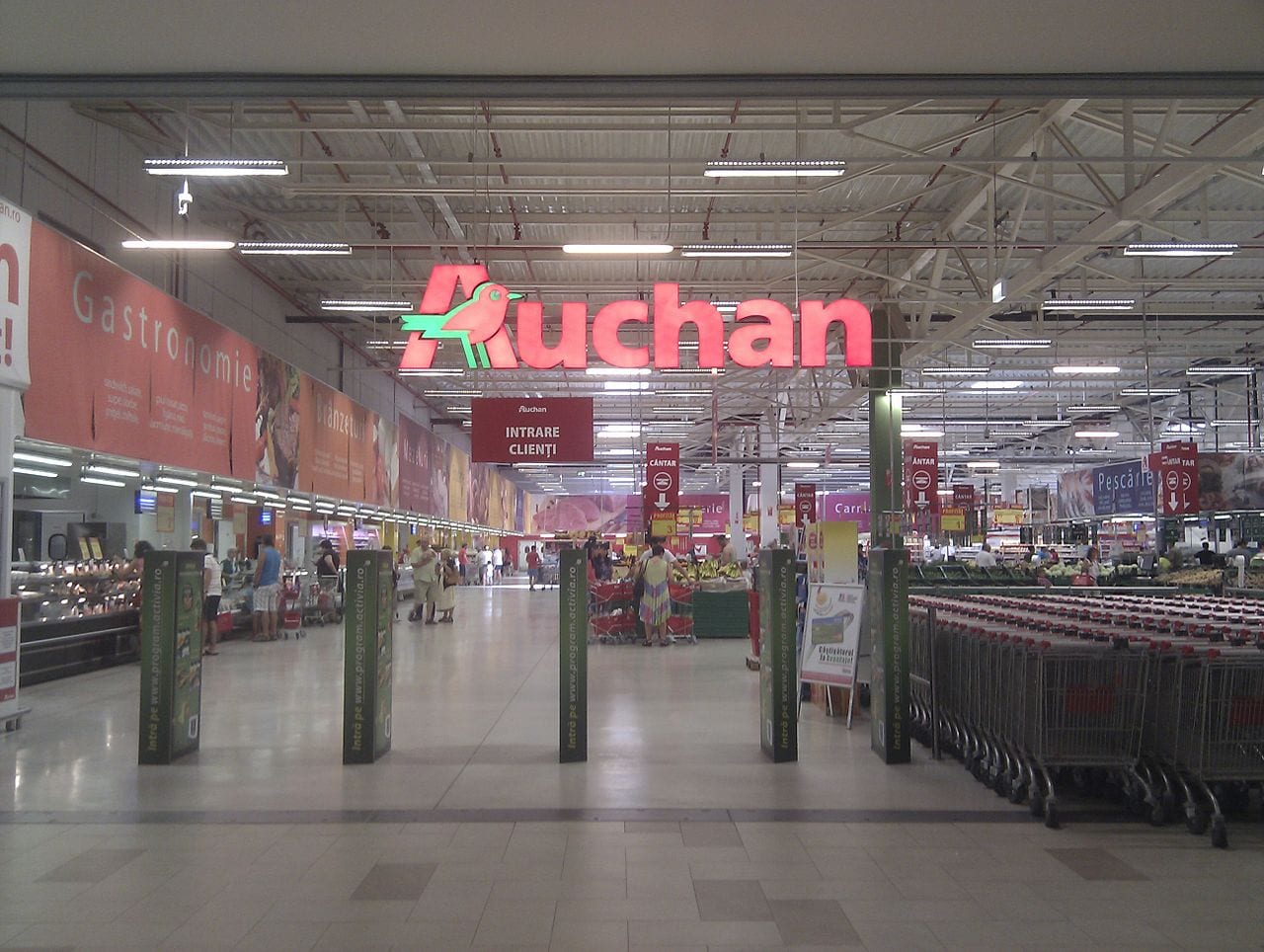
    French supermarket group Auchan is set to quit Taiwan after 24 years in the market, completing its withdrawal from greater Asia.

    Taiwan News has reported that local operator PX Mart will take over the RT-Mart hypermarket joint venture between Auchan and the Ruentex Group by mid-next year. Auchan is the majority partner in the venture, with a 65-per-cent share.

    The company was in May reported by Bloomberg to be in talks over the divestment of its Taiwanese business, said to be seeking somewhere between US$300-400 million.

    According to Taiwan News, PX Mart said it planned to buy buildings, land, distribution rights and the RT-Mart brand. No price was revealed and Auchan has not commented on the report.

    The RT-Mart brand was created by Taiwanese tycoon Samuel Yin’s Ruentex Group, which owns 20 hypermarkets and two convenience stores. PX Mart operates 1056 stores and plans to expand its network to more than 1100 next year.

    The reported deal marks another step in an ongoing reshuffle within Taiwan’s supermarket industry. Last year, French rival Carrefour bought the Wellcome Taiwan business from Singapore-listed Dairy Farm International, including the Jasons Marketplace brand, giving it control of 224 supermarkets. There have since been whispers that Carrefour is considering selling its enlarged Taiwan business.

    Auchan exited Vietnam in 2019 closing some stores and selling the remaining business to local operator Saigon Co-op. Last October it sold its stake in China’s Sun Art Retail Group to Alibaba Group in a transaction valued at $3.6 billion.

  • Facebook criticizes App Tracking Transparency on iPhones

    Facebook criticizes App Tracking Transparency on iPhones

    When Apple introduced App Tracking Transparency back with iOS 14.5, a feature that allows iPhone users to opt-out of ad-related activity tracking on their phones, Facebook was not happy with it. Back then, Facebook criticized the new privacy feature claiming it would hurt small businesses’ advertising. Now, Mark Zuckerberg is at it again.

    On Monday, Facebook reported its third-quarter financial results that showed $29.1 billion in revenue from advertisements. Despite these results though, the company’s CEO Mark Zuckerberg has remained upset about Apple’s privacy changes that prevented ad tracking if the user didn’t want to be tracked. Reportedly, he stated in an investor call that Apple has been hurting not only Facebook but “millions of small businesses” with these changes.

    Zuckerberg stated that Facebook experienced “revenue headwinds” because of Apple’s App Tracking transparency and its impact on the advertising business. He criticized the iOS privacy features stating that they affect small businesses that rely on ad platforms in the “difficult times”.

    He also said that despite the impact these changes had on the social media platform, the company will learn to navigate the “headwinds” over time with investments Facebook is making today.

    Another participant in the investor call was Facebook COO Sheryl Sandberg stated that the iOS privacy changes advantaged Apple’s own advertising business. Additionally, Sandberg stated that now it is more difficult to target an ad or measure campaign results when it comes to iPhone and iPad users.

    Apple’s App Tracking Transparency, which was introduced back in April with iOS 14.5. The feature presented iPhone users with a prompt to opt-out of advertisement tracking on apps. If people wanted, they could click on a button and thus prevent tracking so they won’t receive targeted apps. Understandably, a large number of iPhone users opted out of tracking.

    Companies such as Facebook which rely heavily on advertisements disagreed with the new change ever since it was introduced back in April. Facebook criticized Apple on the move, stating multiple times that this change was hurting small businesses.

    It was not only Facebook complaining though. Last week, Snap’s CEO also stated the company’s revenue from Snapchat was affected by the new App Tracking Transparency technology. However, Snap’s CEO stated that these changes might be positive in the long run.

    By September of this year, according to data from analysis firm Statista, only 21% of iPhone users have decided to opt-in for app tracking and to allow for their activity to be tracked in order to receive targeted ads. The remaining percentage is, understandably, for iPhone users that have opted out and prevented apps from tracking them for ads.

    The App Tracking Transparency feature has now started to change the advertising market across the mobile industry. Right now, many advertisers focus primarily on Android devices, as many iPhone users have decided that they do not wish to be tracked for targeted ads.

    Apparently, it’s not only advertisers like Facebook that are affected by this change. A couple of months ago, we reported that the new App Tracking Transparency feature is also changing the mobile game industry and is influencing the way game makers have to go about in order to advertise in games, as they cannot be targeted to specific users.

    Recently, we reported on another fact: Apple’s in-house advertisement business has been experienced growth since the change. Apple has an ad service named Search Ads and it has grown since App Tracking Transparency was introduced on iOS devices.

  • Rubber firms report surge in profits

    Rubber firms report surge in profits

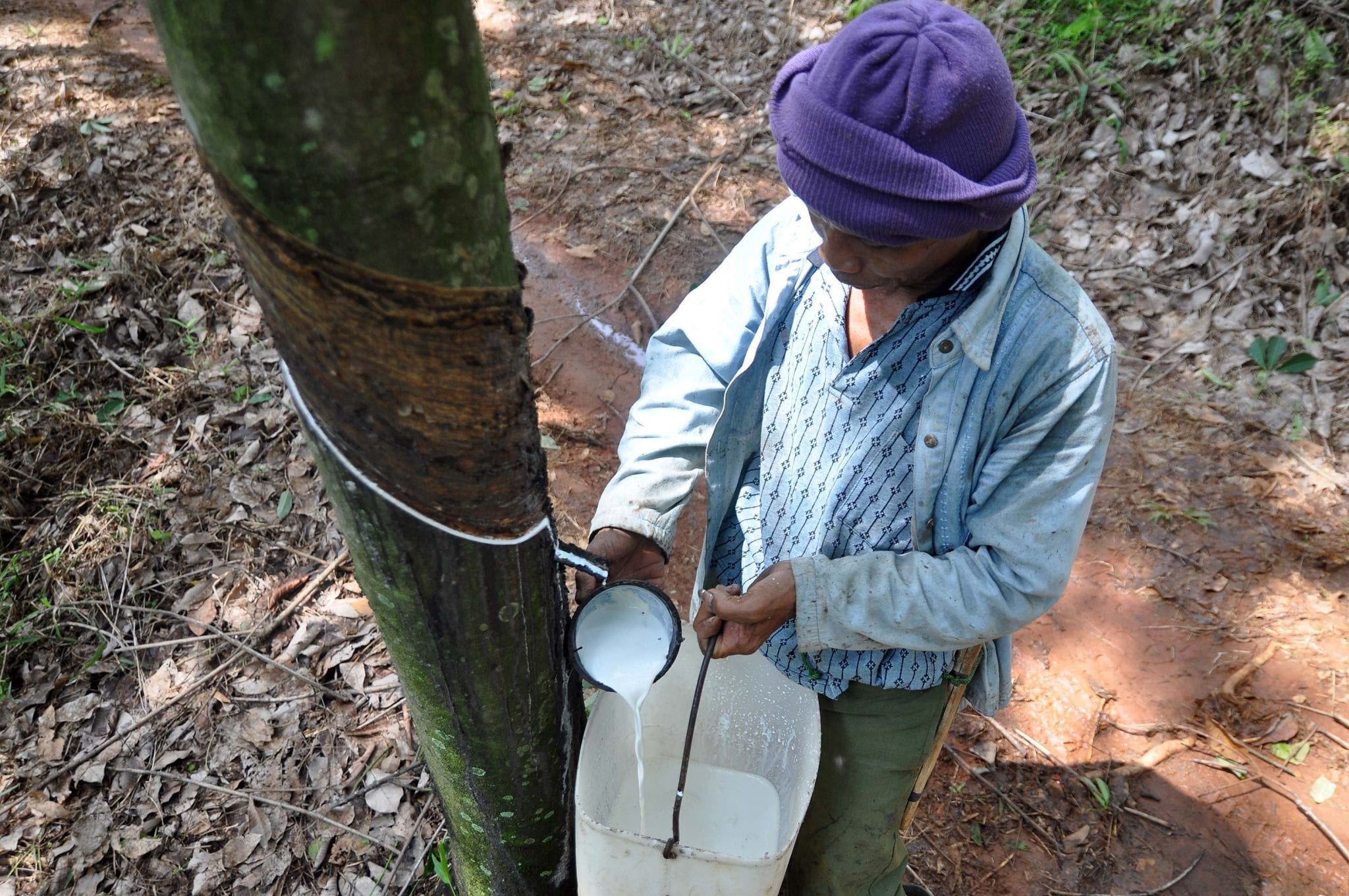
    Rubber prices have soared by 30-50 percent this year, driving up profits for companies in the industry by triple digits in Q3.

    Subsidiaries of the Vietnam Rubber Group such as Daklak Rubber JSC, Tan Bien Rubber JSC, Ba Ria Rubber JSC, Phuoc Hoa Rubber JSC, and Dong Phu Rubber JSC saw profits surge by over 300 percent.

    Thong Nhat Rubber reported a rise of 466 percent.

    Vietnam’s rubber exports increased by nearly 24 percent to $970 million in Q3, according to data from the Ministry of Industry and Trade’s import-export department.

    Exports in the year-to-date were up 50 percent to $2.17 billion.

    A recent report by the Association of Natural Rubber Producing Countries said global demand for natural rubber would grow by 9 percent to more than 14 million tons this year.

    China, which buys over 70 percent of Vietnam’s rubber exports, is expected to import 1.7 million tons between September and December and another two million tons in the first four months of 2022, according to the ministry.

  • Aldi removes 2,000 tonnes of plastic from its shelves

    Aldi removes 2,000 tonnes of plastic from its shelves

    The sustainability focus in Belgium and Luxembourg is currently on reducing food waste and improving the sustainability of packaging. We provide our customers with sustainable products, while transforming our stores and distribution centres to be more energy-efficient and climate-friendly.

    To reduce food waste, we have strengthened our collaboration with the Belgian foodbanks. We started freezing food surpluses, which enabled us to increase donations. With this strategy, the ALDI companies enable redistribution of food over a longer period of time to those in need. As a result of our initial EOY charity action, we donated 50,000 euros’ worth of freshly prepared meals to the Foodbanks with the help of our customers.

    In 2019, the National Packaging Policy was launched for Belgium and Luxembourg with the aim of reducing and optimising the recyclability of our packaging. We strive towards 100 per cent recyclable packaging by the end of 2022 and aim to reduce the total amount of packaging materials by 10 per cent by the end of 2025. As of 2019, these goals are monitored by our newly founded sustainable packaging team. Furthermore, we have taken initiatives to reduce single use plastics such as cotton ear buds and carrier bags.

    Our products make a stop at our distribution centres before being distributed to individual stores. To reduce our carbon footprint, we have retrofitted all our distribution centres with energy-efficient LED lighting and solar panels. The new centre in Turnhout meets the latest sustainable building standards, for which it has received a BREEAM outstanding certification as the most sustainable distribution centre in Belgium. In 2019, we started working with a hub for suppliers, which enables us to reduce the amount of driven kilometres saving CO2 emissions.

  • HCMC firms have difficulty resuming operations

    HCMC firms have difficulty resuming operations

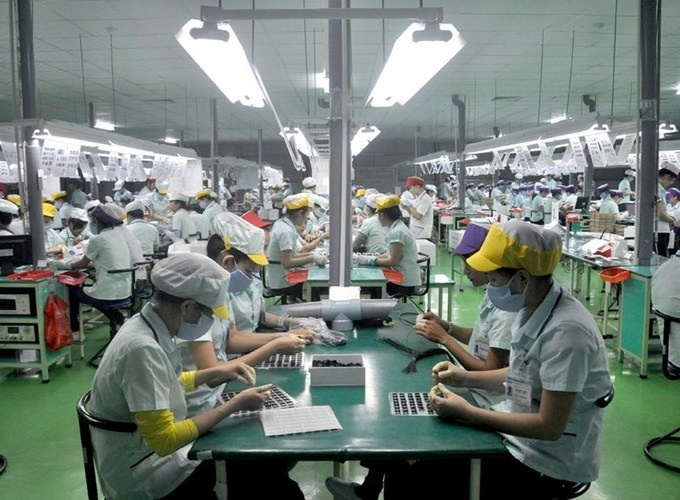
    Enterprises in HCMC that have resumed business said they are still facing high production costs, difficulties in inter-provincial transport and labor shortages.

    A survey of 100 enterprises both inside and outside industrial parks by the Southern Institute of Social Sciences this month found that 44 percent plan to resume full production, 29 percent plan to operate at close to full capacity and the rest are adopting a wait-and-see policy.

    More than 46 percent said they are facing difficulties, especially high production costs since they still have to take anti-Covid measures and a shortage of workers.

    Some 35 percent said their biggest difficulty is being unable to repay debts.

    Around 35 percent said they have benefited from the electricity tariff reduction, 19 percent from the labor union fee waiver, 18 percent from loan rollover and interest reduction, and 9-15 percent from other forms of assistance.

    Many wanted authorities to announce detailed policies for economic recovery, clearly define criteria and conditions for resuming business activities and inter-provincial travel, and loosen pandemic-related restrictions.

    Nguyen Van Thu, general director of GC Food Company, said anti-Covid regulations should be loosened, especially for fully vaccinated people, so that workers could travel easily.

    Labor-intensive businesses said some new regulations such as one toilet for every 10 employees are not feasible.

    Dang Nguyen Anh, head of the Vietnam Academy of Social Sciences, said HCMC’s safe production criteria are still inclined toward a ‘zero Covid’ approach, which make compliance with them impossible for businesses.

    Tran Van Khuyen, Party committee secretary of the city’s Hoc Mon District, said 480 local businesses have resumed operations since Oct. 1, and many are worried about the high cost of Covid testing and lack of resources.

  • Full dark mode is finally coming to Waze

    Full dark mode is finally coming to Waze

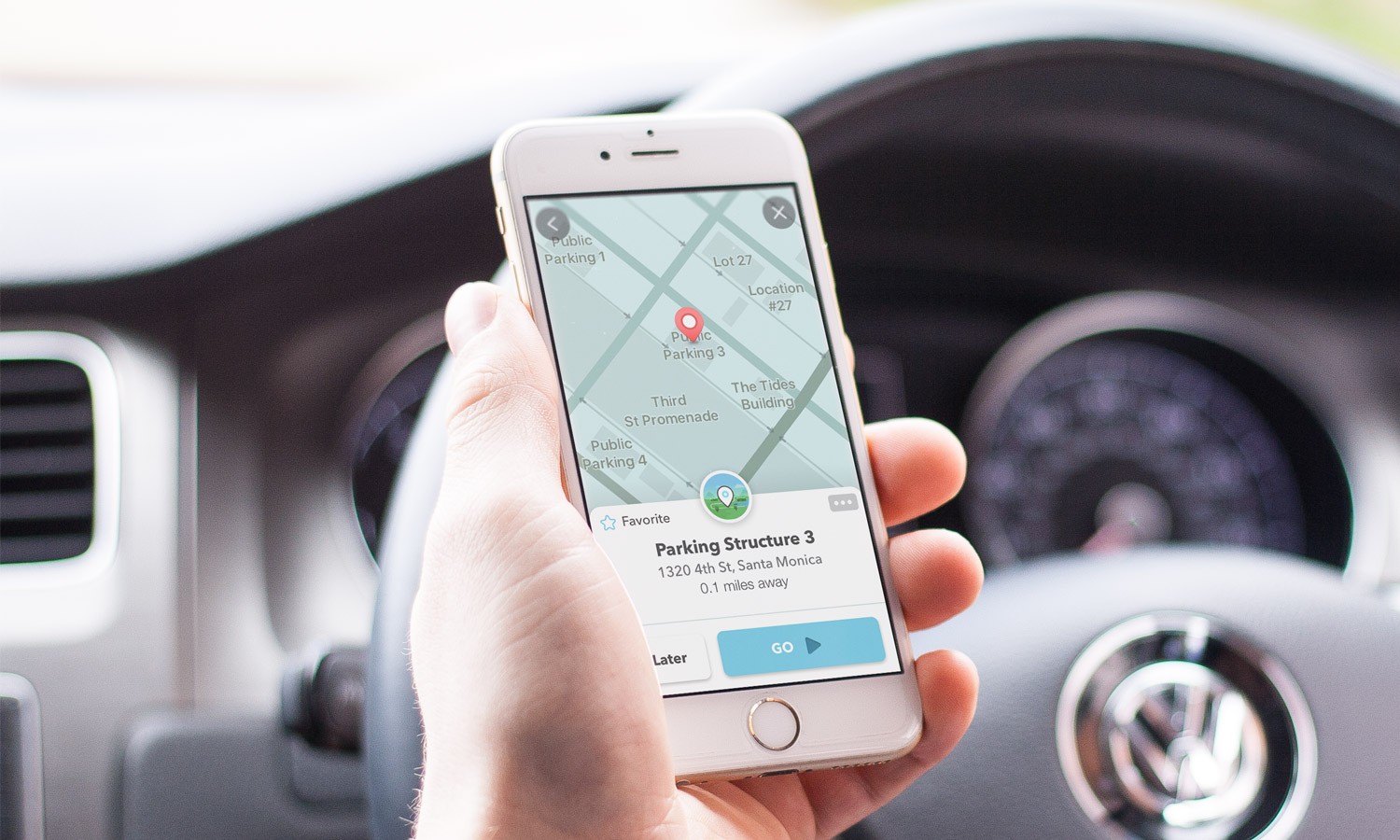
    Back in 2013, Google purchased Waze for a reported $1.3 billion. While the company already owned the leading mobile navigation app in the world, over the years Google has taken some of the features that made Waze popular such as its crowd-sourced traffic information and used it to improve Google Maps. At last count, the app has over 134 million monthly active users worldwide and last year it was the second most popular mapping app in the world.

    Waze makes money by running ads from 25,000 businesses that want to reach their customers locally. A company paying $60 per month will reach an estimated 30,000 Waze users while laying out $30,000 per month will allow a company to reach as many as 1.5 million Waze users.

    Waze is rolling out an “alpha” version of the app with a full dark mode to a limited group of users; this is a special build of version 4.78 with a version of dark mode that the public doesn’t see. Currently, dark mode on Waze covers just the map itself. With the update, dark mode will cover all of the app including settings and the rest of the app.

    Right now, the “alpha” version of the update is considered buggy which indicates that Waze and Google have a lot more work ahead before the final version of the update is disseminated. In dark mode, instead of using dark text on a white background, white text is used on a dark background. This keeps users from getting blinded by the piercing white background which can be dangerous when using the app at night while driving.

    Google finally started disseminating a full dark mode update to Google Maps earlier this year after it had talked about it for a year. Thus, there is no reason why Waze couldn’t join its stablemate, and it will, once the bugs in the “alpha” build are exterminated.

    If you want to enable dark mode on Google Maps, tap the profile picture in the upper right corner of the screen, tap on Settings, and underneath the USING MAPS heading, you’ll see Dark Mode. Tap on it and you’ll have three options: On, Off, or Same as device setting.

    Waze says that it will not offer any setting that allows the maps to be dark and the UI light or vice versa. This news comes right after Waze launched what it calls the “headspace” experience designed to reduce stress while behind the wheel. Instead of the automobile icon, using this feature shows you in a hot air balloon as you listen to one of five different mood themes: Aware, Bright, Hopeful, Joyful, and Open.

    Drivers will also be able to stream a customized Spotify playlist with music and content from Headspace. You won’t find that on Google Maps, nor will you see the community that Waze has built on other navigation apps. In the past, Google and Waze each have said that they do not share traffic data with each other and despite being owned by Google, Waze has pretty much acted as though it was still an independent company.

    Waze has its own community forum where users can make suggestions. You can install the app on your iOS or Android phone by visiting the App Store or Google Play Store respectively.

    Among the features seen on Waze that Google Maps users will soon see is one that will show the tolls that drivers will need to pay to cross bridges, and certain roads. Members of the Google Maps.

  • Thai AirAsia parent to raise $419mn as Thailand reopens

    Thai AirAsia parent to raise $419mn as Thailand reopens

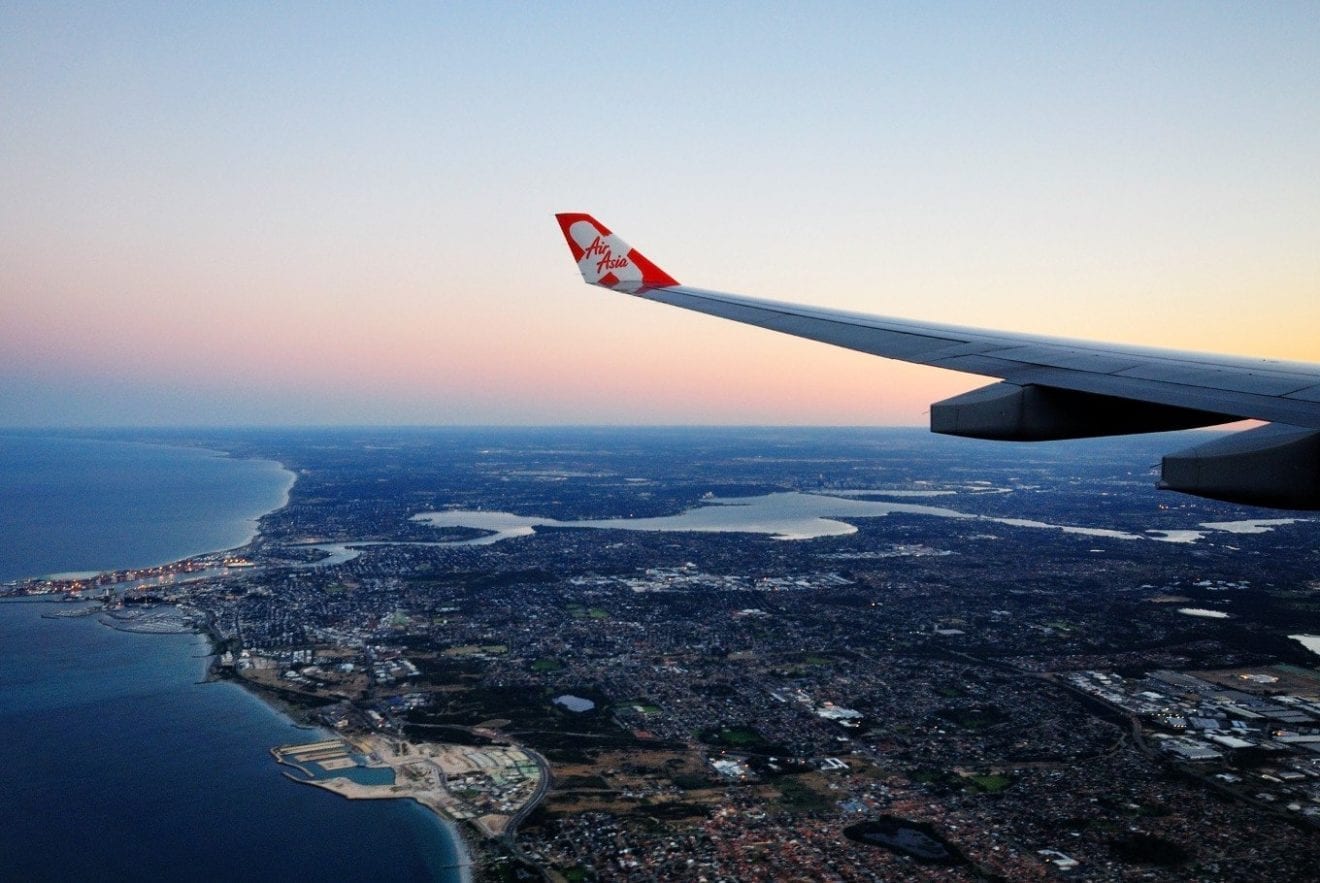
    Asia Aviation PCL (AAV), the parent company of  Thai AirAsia (FD, Bangkok Don Mueang), has said it is seeking to raise THB14 billion baht (USD419.4 million) to fund a restart at the low-cost carrier following the “very negative impact on the company’s business and operating results” thrown up by Covid-19 and the Thai government’s strict travel restrictions.

    Those restrictions are now starting to ease, as Thailand plots a reopening that will allow vaccinated arrivals from ten “low-risk” countries – including the United Kingdom, the United States, Germany, China, and Singapore – to skip quarantine from November. The other five countries have not yet been named, and the government will add more countries to the low-risk list in December.

    In a 70-page report issued after an AAV board of directors’ meeting, filed to the Stock Exchange of Thailand on October 19, the company said it would issue convertible bonds and new shares worth THB14 billion. It also pledged to eventually acquire all of the shares in Thai AirAsia and boost the airline’s liquidity. AAV currently owns 55% of Thai AirAsia, while Malaysia’s AirAsia Group holds the remaining stake.

    The restructuring, expected to conclude in the first quarter of next year, includes new shares worth THB8.8 billion (USD264 million) in a private placement to AirAsia Group and six high net-worth Thai investors. The senior unsecured convertible bonds will be allocated to two private placement investors to raise a total principal amount of THB2.2 billion (USD66 million).

    The company will also increase its registered capital from THB485,000,000 (USD14.5 million) to THB1,285,000,000 (USD38.5 million), issuing 8 billion new ordinary shares to accommodate the conversion of the bonds. The subscription for the newly issued shares will take place from January 10 to January 14, 2022.

    AAV said it would use the proceeds from the capital increase: to repay THB3.9 billion (USD117 million), plus interest, in loans that the company borrowed from financial institutions to acquire the newly issued shares in Thai AirAsia, a move by which its stake will rise from 55% to 69.2%; to purchase all the remaining shares in Thai AirAsia, representing 30.8%, totaling about THB4 billion (USD120 million); and to go towards the working capital of the group, including Thai AirAsia.

  • Google Calendar adds new feature: Focus Time

    Google Calendar adds new feature: Focus Time

    Many of us rely on Google Calendar for a huge portion, if not all, of our work schedule. Meetings, important calls, even coffee with a coworker or friend—for plenty of us, it’s all slotted in right there on our Google Calendar profile, with notifications reminding us at all the right times. But sometimes, it can get a little overwhelming.

    And Google is aware of our reliance on its calendar app and working to further enhance users’ experience by introducing a new feature called Focus Time.

    It’s essentially something like an unobtrusive office manager who keeps everyone away to give you a quiet place to work, while also taking care of some of your scheduling for you.

    The main function of Focus Time is to allow you to section off important time for personal work that needs to get done, come what may. This keeps it visible on the calendar for you and anybody the calendar may be shared with, and also prevents your being assigned meetings during your scheduled heads-down time.

    Focus Time will be logged in Time Insights, where your time spent in meetings is also tracked—it will feature a headphone icon and you can assign a different color to your focus time, to set it apart from other events.

    Other than changing up the appearance of your work calendars, Focus Time can also automatically decline conflicting events while you slog away, without your lifting a finger.

    One scenario where we could see this going wrong is, you’ve got a tentative or rather arbitrary event scheduled in, such as “Coffee with Kate Tuesday 2pm maybe??” And unbeknownst to you, your boss requests an important meeting with you at the same time while you’re MIA in Focus Time—and he is automatically denied, because Google hasn’t quite reached the intelligence of differentiating varying levels of priority.

    But don’t worry, the “automatically decline events” feature is optional. The primary function is simply the ability to block out time for personal, uninterrupted work.

  • Vietnam Airlines to resume all domestic flights

    Vietnam Airlines to resume all domestic flights

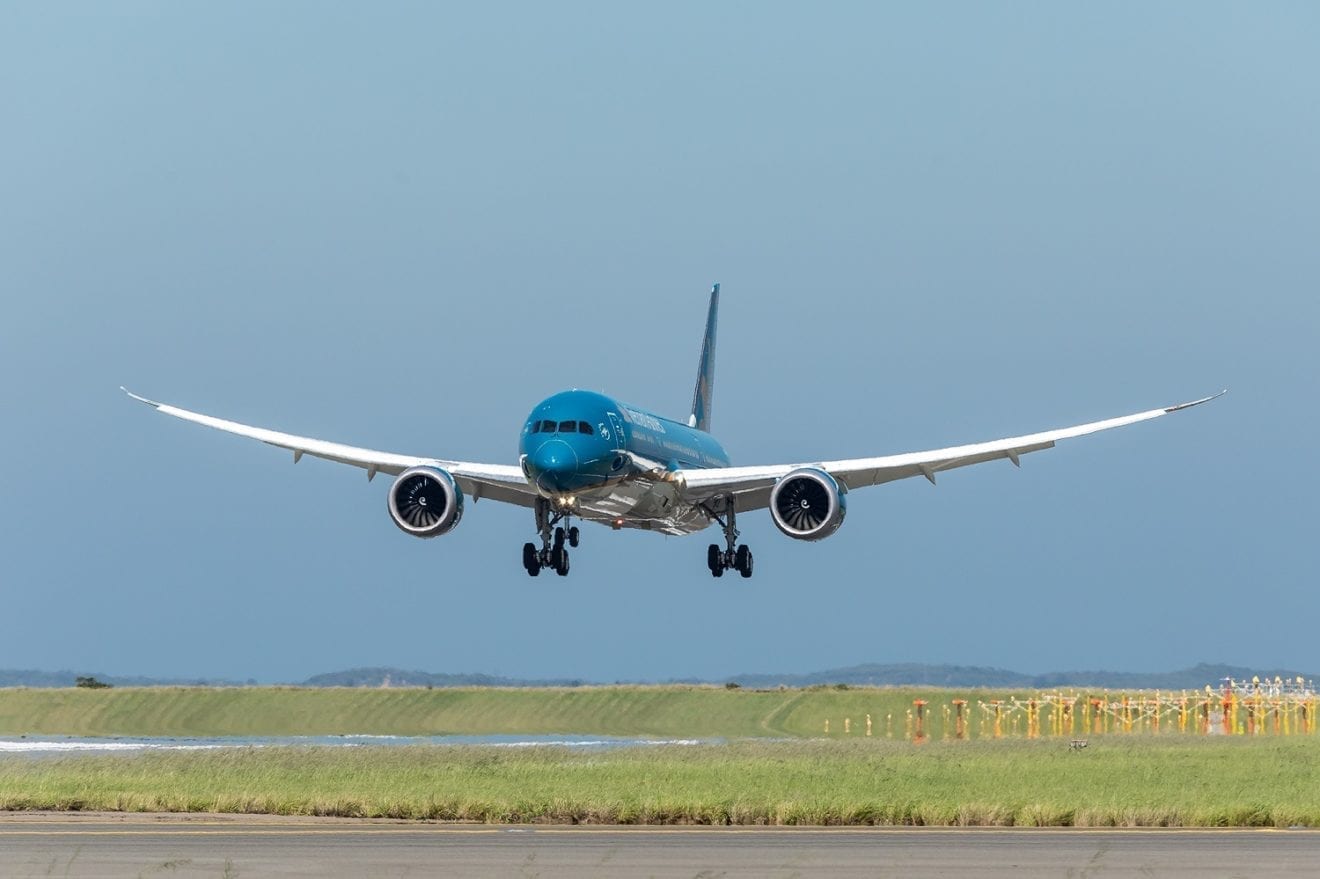
    Vietnam Airlines is set to gradually resume flying on 40 routes, or nearly its entire domestic network, by next month, prioritizing Hanoi, HCMC and Da Nang.

    Several flights are set to be resumed to the southern archipelago Con Dao Island, the central highlands province of Buon Ma Thuot and the northern province of Dien Bien from Thursday to Nov. 30.

    The group, which comprises low-cost carrier Pacific Airlines and Vietnam Air Services Company (VASCO), will start conducting 90 routes a day from Thursday and will increase the figure to 120 from the end of this month.

    There will be three flights a day between Hanoi, HCMC and Da Nang City. For the other locations the group will try to have at least one route a day, which could rise to two depending on demand.

    Passengers can fly if they have been fully vaccinated for at least 14 days, or to have recovered from Covid-19, or to test negative within 72 hours.

    Vietnam Airlines Group started resuming its domestic flights from Oct. 10. As of Tuesday it had conducted around 150 flights carrying nearly 12,000 passengers on 16 flight routes.

  • Vietnam eyes nine new rail routes by 2030

    Vietnam eyes nine new rail routes by 2030

    Vietnam plans to have nine new railway routes, running 2,362 kilometers, by 2030 as it seeks to upgrade its outdated transport network.

    The total capital needed for these projects accumulates to VND240 trillion ($10.3 million), set to come from state coffers and private investors.

    The biggest route would run from Hanoi to Ho Chi Minh City, covering 1,545 kilometers, according to the government’s approved plan for the 2021-2030 period.

    The Ministry of Transport has proposed that two sections be prioritized on this route: from Hanoi to the central city of Vinh and HCMC to the central town of Nha Trang.

    There will be three routes in the north, connecting Hanoi with tourist hotspot Ha Long and with port city Hai Phong. Another route will run along the eastern boundary of the capital.

    One route is planned for the central region, connecting Vung Ang Port in Ha Tinh Province with the Laos border.

    There will be four routes in the south, with one connecting Bien Hoa town in Dong Nai Province with Vung Tau Province. Two routes will connect HCMC with Can Tho City and the Cambodia border. The remaining route would connect HCMC’s Thu Thiem Station with Long Thanh International Airport in Dong Nai.

    The railway sector targets to transport 11.8 million tons of goods a year by 2030, or 0.27 percent of total goods transported.

    It eyes to carry 460 million passengers or 4.4 percent.

    By 2050, the country is set to have 25 rail routes covering 6,354 kilometers. It now has seven routes covering 2,440 kilometers.

    Vietnam’s railway network has not received major upgrades for decades and has lost its competitiveness to roads and aviation, which are preferred for speed and convenience.

  • Vietnam Airlines to resume all domestic flights

    Vietnam Airlines to resume all domestic flights

    Vietnam Airlines is set to gradually resume flying on 40 routes, or nearly its entire domestic network, by next month, prioritizing Hanoi, HCMC and Da Nang.

    Several flights are set to be resumed to the southern archipelago Con Dao Island, the central highlands province of Buon Ma Thuot and the northern province of Dien Bien from Thursday to Nov. 30.

    The group, which comprises low-cost carrier Pacific Airlines and Vietnam Air Services Company (VASCO), will start conducting 90 routes a day from Thursday and will increase the figure to 120 from the end of this month.

    There will be three flights a day between Hanoi, HCMC, and Da Nang City. For the other locations, the group will try to have at least one route a day, which could rise to two depending on demand.

    Passengers can fly if they have been fully vaccinated for at least 14 days, or to have recovered from Covid-19, or to test negative within 72 hours.

    Vietnam Airlines Group started resuming its domestic flights on Oct. 10. As of Tuesday, it had conducted around 150 flights carrying nearly 12,000 passengers on 16 flight routes.

  • Microsoft’s LinkedIn to exit China amid censorship woes

    Microsoft’s LinkedIn to exit China amid censorship woes

    Microsoft’s professional social network, LinkedIn is exiting China by the end of the year. LinkedIn attributed its decision to harsher internet censorship imposed by the Chinese government.

    “While we’ve found success in helping Chinese members find jobs and economic opportunity, we have not found that same level of success in the more social aspects of sharing and staying informed. We’re also facing a significantly more challenging operating environment and greater compliance requirements in China,” LinkedIn released in a statement.

    LinkedIn has amassed over 54 million users in China, its second-largest market after the US. Launched in China in 2014, LinkedIn is the only major foreign social media platform operating in China. To adhere to the Chinese government’s requirements on Internet platforms, LinkedIn has a localized version in China. Previously, LinkedIn had expressed that “While we strongly support freedom of expression, we took this approach in order to create value for our members in China and around the world.”

    With the sunset of the localized version of LinkedIn, a new jobs-only China-specific site, called InJobs, will be launched.

    “Our new strategy for China is to put our focus on helping China-based professionals find jobs in China and Chinese companies find quality candidates. Later this year, we will launch InJobs, a new, standalone jobs application for China. InJobs will not include a social feed or the ability to share posts or articles. We will also continue to work with Chinese businesses to help them create economic opportunity.”

    This decision is made following a series of events. In March 2021, LinkedIn paused new member sign-ups in China to ensure that the platform was compliant with the Chinese government. In recent weeks, LinkedIn had been in the spotlight for blacklisting the accounts of three US journalists who had written content that was labelled prohibited by the Chinese government.