Category: General

Retail News Asia is committed to providing both local and global retailers with the latest General Retail news throughout the Asian market. This on a daily base.

  • 5 Eco-Friendly Bulk Packaging Options For Your Business

    5 Eco-Friendly Bulk Packaging Options For Your Business

    As a business owner, the way you treat the environment can have serious consequences in the future. For instance, careless waste disposal can contaminate the water, air, and soil. In turn, this can affect the health of humans, animals, and plants. That’s why businesses need to be environmentally conscious to reduce their effect on different ecosystems. One way businesses could help save the environment is by choosing eco-friendly packaging options for their products.

    If you also want to protect the environment by choosing the correct packaging option for your products, read on to learn some eco-friendly bulk packaging options for your business.

    What Is Eco-Friendly Packaging?

    Eco-friendly packaging is any form of environment friendly packaging made of recyclable or reusable materials. In other words, any packaging is considered eco-friendly if it’s made of recyclable materials. In addition, these materials should be safe and sustainable for the environment. However, to ensure you get the right packaging that can take you closer toward becoming more environment friendly, you must work with experienced industrial bulk bag suppliers to provide you with eco-friendly bulk packaging options.

    What Are The Best Eco-friendly Packaging Options For Your Business

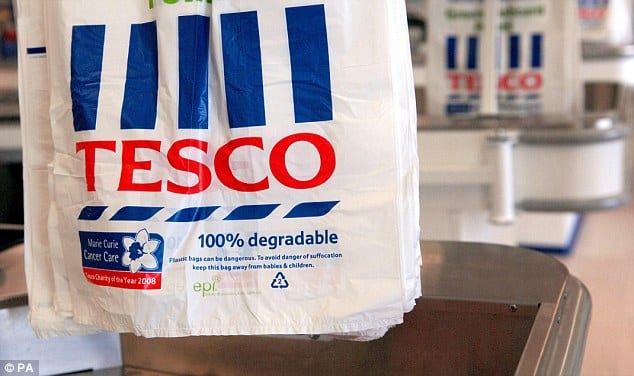
    Though plastic is the common packaging option adopted by most businesses, it can seriously affect the environment. Plastic can take several decades to disintegrate, and therefore, it’s one of the world’s major pollutants. The good news is that businesses can avoid plastic packaging by adopting other available eco-friendly packaging options. Here are some options you could adopt for your business:

    1. Biodegradable Plastic

    Biodegradable plastic is one popular eco-friendly packaging option these days. They work like plastic, but unlike non-biodegradable plastic which can take centuries to break down, biodegradable plastic can melt in sunlight. This type of packaging degrades faster because it’s made of plant byproducts rather than petroleum. Though biodegradable plastic can attract a higher cost than its cheaper cousin, it can significantly reduce your business’ carbon footprint.

    1. Mushroom Packaging

    Mushroom packaging is another eco-friendly packaging option you should consider for your business. These packages are made from agricultural waste products and mushrooms and are used for packaging small items.

    When manufacturing mushroom packaging, agricultural waste materials are disinfected, then fused together by a matrix of mushroom roots. After which, this compound is then molded to the desired shape and size and left to dry. Because these packages are made from agricultural products, they take the least possible time to break down. So if one of your business goals is to become more conscious about the environment, then mushroom packaging could be your best bet.

    1. Natural Fabrics

    In some cases, some items might not require much protection, especially if they’re not fragile. That’s where natural packaging comes in. Natural fabric packaging is a type of packaging that can protect non-fragile items from scratches and bumps.

    Natural fabric packaging comes in different types. For instance, they could be made from organic materials such as hemp, palm leaves, recycled cotton, and tapioca. All these types are made from materials that can take less than three months to decompose, which helps preserve the environment. Apart from taking a shorter time to break down, natural fabric packaging is cost effective, especially when purchased in bulk.

    1. Recyclable Paper And Cardboard

    Another best way to help save the environment is the use of recyclable paper and cardboard packaging, which is one of the most adopted packaging options by businesses that want to reduce their use of plastics. One benefit of this packaging option is that it’s recyclable. This means that customers can send them back to you after receiving their products or they could use it for their own purposes. In addition, when these materials find their way into the ocean and other bodies of water, they won’t cause much damage to the ecosystem, compared to non-biodegradable plastics.

    1. Starch-Based Packing Peanuts

    If you want to protect your fragile products while still helping the environment, starch-based packing peanuts is another ideal option. This type of packing peanut is made from agricultural waste materials that can easily dissolve in water. As such, many companies have turned to starch-based packaging option instead of conventional Styrofoam packing peanuts that takes ages to decompose.

    How Can You Choose The Best Packaging Supplier For Your Business?

    Partnering with the right packaging supplier is essential not only for the success of your business but also in taking the right steps toward turning into a more environment-conscious enterprise. So when choosing your bulk packaging options, you’ll want to partner with a supplier who can provide you with quality services. With that said, here are some critical factors to consider when finding the right packaging supplier for your business:

    • Experience

    Experience should be your top of your list when choosing your packaging supplier. It’s the only way to ensure you meet your business packaging needs. Consequently, the supplier you choose should be experienced to customize your packaging according to your business needs. Before contracting any packaging supplier, it’d be a good idea to research and find out about their experience and the number of years they’ve been in the industry.

    • Quality Of Packaging

    The quality of the packaging is another crucial factor you need to consider when finding your supplier. Note that even if your products are of high quality, packing them in substandard materials could discourage your customers.

    So if you want to improve customer experience and satisfaction, be sure to pack your products with high-quality packaging. This can be possible by working with a supplier that produces high-quality packaging.

    • Packaging Prices

    Pricing is another critical factor you must consider when choosing your packaging supplier. So it’s vital to get quotes from different suppliers, then create a shortlist of the suppliers who made the cut to help you make the right decision.

    Though different suppliers will quote different packaging prices, be sure you negotiated prices with them, since high prices don’t always mean high quality in business. On the other hand, a low price isn’t always an indication of the best deal in the market. Finally, you must be certain you’re getting the best value for your money.


    • Delivery Times


    Last but not least, you must consider the time it takes for your supplier to deliver your order. Any delays could have a huge impact on your business. As such, make sure you’re partnering with a supplier who can deliver your packaging on time. This ensures you don’t take on unnecessary financial loss or, worse still, lose customers to your competitors.


    Takeaway


    Today, businesses play a significant role in helping preserve the environment through the ways they do businesses, including their choice of packaging. Most have avoided plastics by adopting eco-friendly packaging options. As discussed here, some eco-friendly packaging options include biodegradable plastic, mushroom packaging, natural fabrics, recyclable paper and cardboard, and starch-based packing peanuts. Choose the perfect fit for your business, and start saving the planet.


  • Cambodia’s exports to Vietnam quadruple

    Cambodia’s exports to Vietnam quadruple

    Cambodia’s exports to Vietnam nearly quadrupled to $3.7 billion in the first nine months of this year, according to statistics from the General Department of Vietnam Customs.

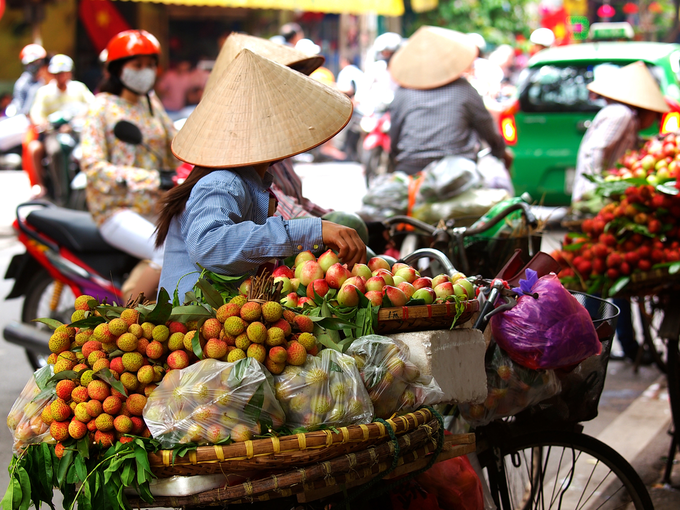
    Cambodia increased its exports of vegetables and fruits by 61 percent, cashew by 595 percent, soybeans by 549 percent, and rubber by 391 percent.

    Exports of wood products, fabric, scrap, and other goods grew by 5-300 percent.

    Trade between Cambodia and Vietnam increased by 90.9 percent year-on-year in the first nine months of this year to US$7.2 billion.

    According to the Cambodian Ministry of Agriculture, Forestry and Fisheries, the country exported agricultural products to 90 countries and territories though Vietnam (64.11 percent), Thailand (21.49 percent) and China (9.69 percent) accounted for most of it with all others accounting for only 4.71 percent.

  • Thai AirAsia Parent Seeks to Raise $540 Million in Fresh Capital

    Thai AirAsia Parent Seeks to Raise $540 Million in Fresh Capital

    Asia Aviation Pcl, the operator of Thailand’s biggest budget carrier Thai AirAsia Co., plans to raise as much as 17.9 billion baht ($535 million) from new loans, share sales and convertible debt offerings as it attempts to restock coffers depleted by the worst crisis in aviation history.

    A revised financial restructuring plan for the company has been put forward and Asia Aviation is consulting with new investors, shareholders and creditors, Asia Aviation said in an exchange filing late Tuesday.

    The holding company joins a plethora of airlines globally trying to repair their balance sheets after Covid-19 all but put a stop to international air travel in early 2020. While climbing vaccination rates are seeing travel spring back in some parts of the world, in Asia it’s nowhere near pre-pandemic levels. Thai Airways International Pcl and Nok Airlines Pcl are also pursuing financial restructurings.

    Asia Aviation Chief Executive Officer Santisuk Klongchaiya said the fresh funds should allow the airline to increase flights amid an expected recovery in tourism and travel.

    Thailand’s capital Bangkok has administered at least two doses of Covid vaccine to 71% of its adult population, paving the way for the city to welcome back inoculated visitors without mandatory quarantine from Nov. 1., officials said Wednesday.

    Asia Aviation plans to raise a total of 8.8 billion baht from a private share sale to Malaysia’s AirAsia Group Bhd. and an individual investor. That will comprise around 4.5 billion of new shares to AirAsia to raise 7.8 billion baht and another sale to a group of investors led by Pitharn Ongkosit, the chief executive officer of KCE Electronics Pcl, to raise 1 billion baht.

    The company will also raise 2.2 billion baht from sales of convertible bonds and 3 billion baht from a rights offering. Around 3.9 billion baht will come from loans.

    Asia Aviation, which owns a 55% stake in Thai AirAsia, will use most of the proceeds to acquire the shares of Thai AirAsia it doesn’t already control. Other funds will be used to repay debt.

  • Tesco opens checkout-free store in London

    Tesco opens checkout-free store in London

    Tesco has become the latest retailer to open a checkout-free store in the UK. Replacing traditional tills with high-tech cameras, weight sensors, and a mobile app, the supermarket giant is launching its first high street store trial, called GetGo, in London on Tuesday.

    Tesco said it was aiming to “improve the shopping experience” and save customers’ time.

    The firm – which is one of the UK’s largest employers – stressed that the move away from cashiers will not reduce the number of staff in stores, with the High Holborn site continuing to employ 22 workers, which it said is in line with other convenience stores.

    It comes after Aldi opened its own till-free shop last month in Greenwich, with Amazon having launched its first Amazon Go grocery shop seven months prior in Ealing, before expanding to five more sites in the capital.

    Morrisons, Lidl, and the Co-op have also trialed checkout-free technology in their stores.

    Sainsbury’s, however, became the first UK supermarket to open a checkout-free store in April 2019, also in Holborn. But it abandoned the project five months later, saying: “Take-up was not as we had expected and it’s clear that not all our customers are ready for a totally till-free store.”

    Tesco is reported to have been testing its “frictionless” technology at a trial site within the supermarket group’s headquarters in Welwyn Garden City since 2019.

    The retailer said the technology had now been lifted from the trial site after a lengthy period of testing and improvements.

    To shop in the new store, shoppers will need to use the Tesco app, which will be scanned as they enter the building. They will then pick up the items they wish to buy and walk straight out of the store, receiving a receipt and being charged for the products once they have left.

  • Furniture companies seek reopening autonomy

    Furniture companies seek reopening autonomy

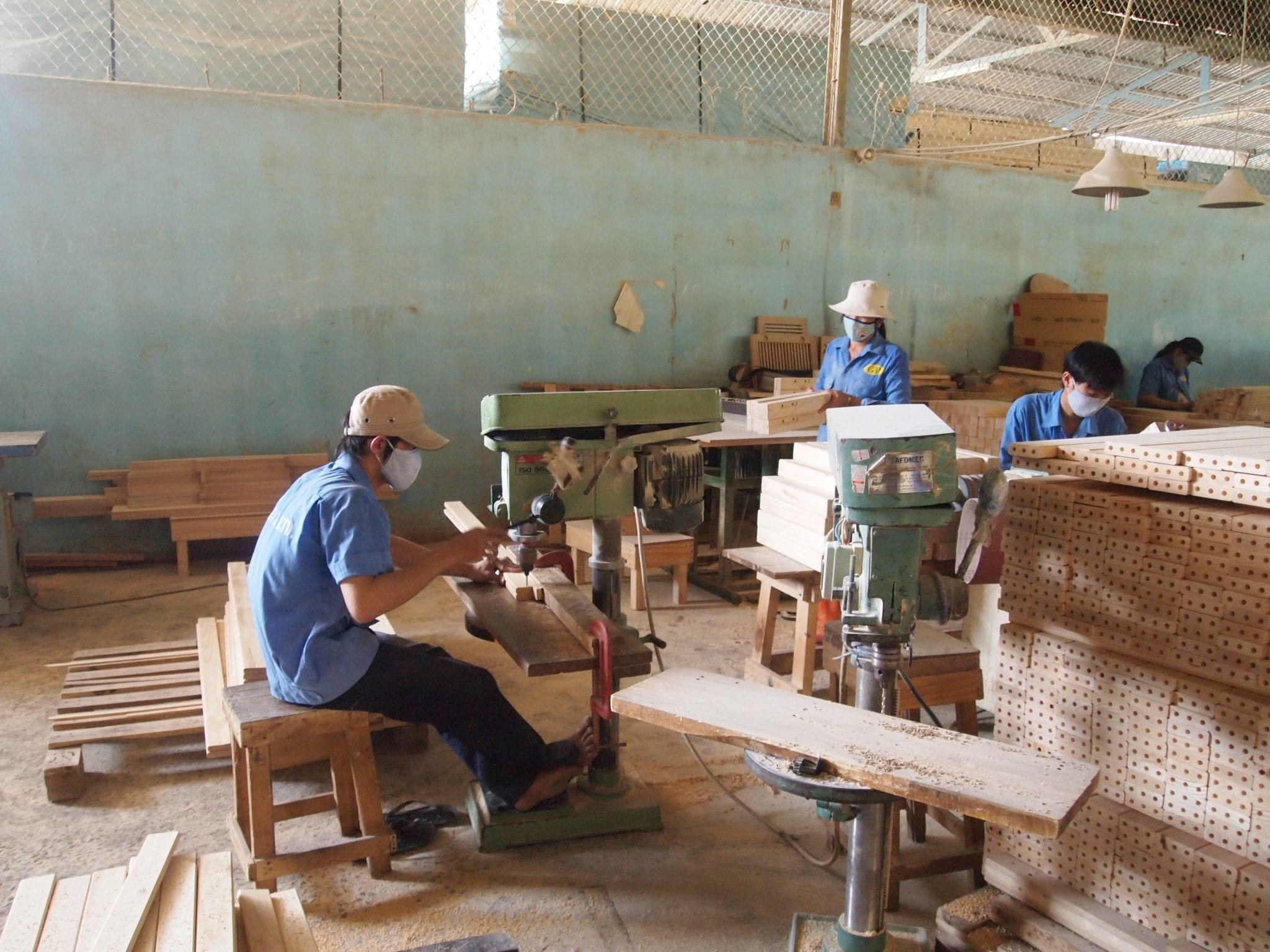
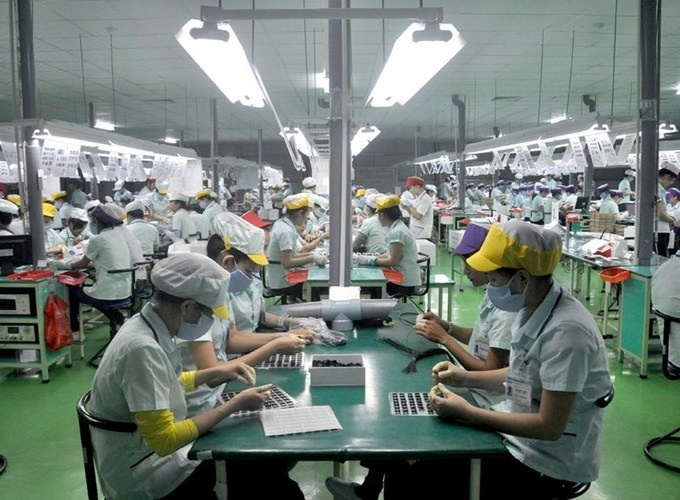
    Furniture companies in Binh Duong are proposing more autonomy in imposing Covid-19 measures as they reopen after months of social distancing.

    Members of Binh Duong Furniture Association said due to the limited number of government workers, their proposals to resume production have faced delays.

    There are about 50 staff working as industrial park managers in the province, though there are around 3,900 companies.

    Apart from these parks, there are over 50,000 companies in the province.

    Deputy Director of Binh Duong Department of Industry and Trade Nguyen Thanh Toan said the province is set to issue guidelines for companies to reopen with safety measures.

    The province is currently letting companies test their own workers. It allows the combination of samples from three workers in one test to reduce costs.

  • Vietnam set to keep public debt under control

    Vietnam set to keep public debt under control

    Vietnam is set to keep its public debt under control this year at 43.7 percent of GDP, against the cap of 60 percent.

    This amounts to around VND3,700 trillion ($162.58 billion), according to a government report recently submitted to the National Assembly.

    Last year, public debt was 55.3 percent against a threshold of 65 percent.

    The government is set to pay VND365.93 trillion in debt this year. It said debt duties so far have been paid fully and on time.

    But the complicated Covid-19 situation is set to cause challenges to achieve growth targets this year.

    GDP expanded by only 1.42 percent in the first nine months, while a lower-than-expected growth rate for the year could cause a negative impact on budget overspending and public debt safety indicators.

    Issues in negotiation, signing and disbursement of Official Development Assistance loans due to Covid-19 and other knots in policies and differences between domestic and foreign administrative procedures are set to put more burden on mobilizing money domestically.

  • China’s retail sales record double-digit growth

    China’s retail sales record double-digit growth

    China released economic data for July that showed slower-than-expected growth as the world’s second-largest economy battled floods and a resurgence of Covid-19.

    The slowdown was particularly apparent in individual Chinese consumer spending, despite authorities’ efforts to build up consumption as a driver of economic growth.

    The data showed consumers cut back on spending across the board, whether it was on big-ticket items like cars or lower-cost products like cosmetics that can be bought through online e-commerce platforms.

    Retail sales rose by 8.5% in July from a year ago, lower than the forecast 11.5%, according to analysts polled by Reuters. Auto-related sales, the largest component of retail sales by value, was the only category to decline in July, down 1.8% year-on-year.

    The cosmetics sector was one of the slowest-growing categories, and sales grew just 2.8% in July from a year ago, versus growth of 13.5% in June.

    Online sales of physical consumer goods rose by 4.4% in July, far below an average of about 21% for the past five years, according to CNBC calculations of official data.

    Bruce Pang, head of macro and strategy research at China Renaissance, attributed the sharp drop in online sales to massive shopping promotions in June, which were followed by logistics disruptions amid Covid-19 travel restrictions, floods and typhoons in July.

    E-commerce giants Alibaba and JD.com handled a record $136.51 billion of sales during the June 18 shopping event, known as “618.” China’s other major shopping festival of the year falls on Nov. 11.

    Outside of consumption, China’s manufacturing sector also grew more slowly than expected.

    Industrial production grew by 6.4%, also below expectations of a 7.8% year-on-year increase in July, according to the Reuters poll.

    Fixed asset investment for the first seven months of the year rose by 10.3%, below the forecast of 11.3% year-on-year growth for the January to July period, according to Reuters.

    The National Bureau of Statistics noted “the impact of multiple factors including the growing external uncertainties and the domestic COVID-19 epidemic and flooding situation,” according to a release. The bureau added that the “economic recovery is still unstable and uneven.”

    On consumption, the bureau’s spokesman Fu Linghui said during a press conference that Chinese willingness to spend is increasing since spending per capita grew faster than that of disposable income in the first half of the year — up 17.4% and 12%, respectively.

    The country added 1.24 million new urban jobs in July, on track to reach Beijing’s target of creating more than 11 million new urban jobs this year.

    However, the unemployment rate in cities ticked higher to 5.1% in July, up from 5% the prior month. The unemployment rate for those 16- to 24-years-old remained far higher, rising to 16.2% from 15.4% in June.

    Economists have cut their China GDP forecasts given the latest wave of travel restrictions and residential community lockdowns in the wake of the spread in the last two months of the highly contagious Delta variant within the country.

    Goldman Sachs expects 8.3% growth this year, down from 8.6% previously, according to an Aug. 8 note.
    Nomura predicts 8.2% GDP growth for the year, down from 8.9%, according to an Aug. 3 note.

    The official growth target is lower, at over 6%.

    Although the number of new Covid cases is low compared with other countries, the economic impact could be greater since China has taken a “zero tolerance” approach. Last week, authorities shut a terminal of the world’s third-busiest port after one worker was infected.

  • Name change for AirAsia Group

    Name change for AirAsia Group

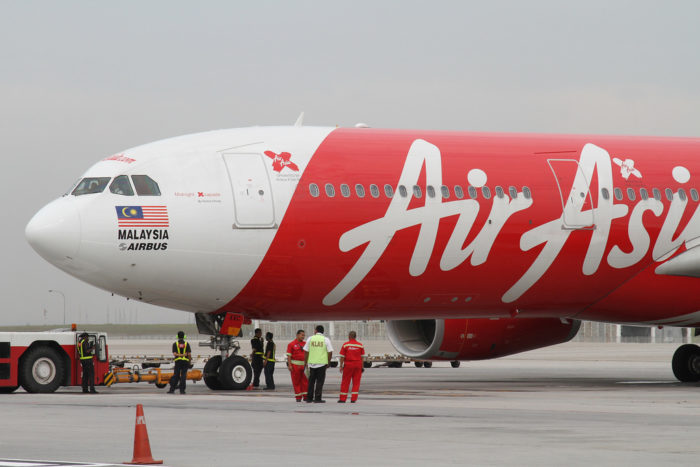
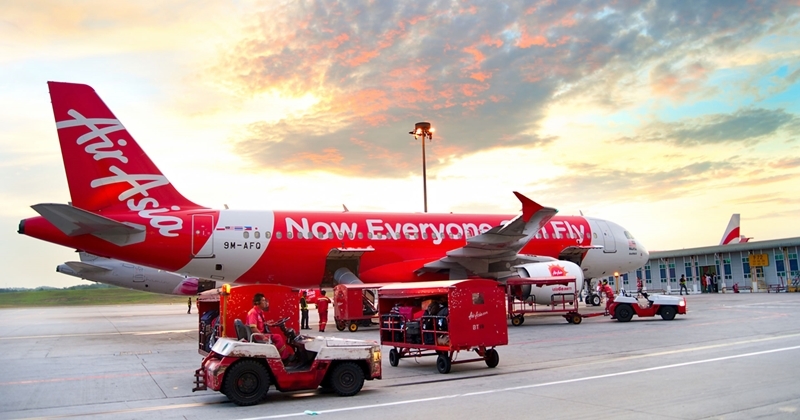
    As AirAsia’s holding company for the airline group has been officially renamed AirAsia Aviation Limited, a move that illustrates the ongoing transformation into a digital travel and lifestyle services group,

    Bo Lingam, who was formerly president (airlines) for the AirAsia Group, takes over as Group CEO of AirAsia Aviation Limited, overseeing the four airlines (AirAsia Malaysia, AirAsia Philippines, AirAsia Thailand, and AirAsia Indonesia).

    AirAsia Group Berhad (AAGB) is the investment holding company for the eight digital portfolio companies that leverage data and technology. AAGB’s portfolio includes AirAsia Aviation, the AirAsia Super App, cargo and logistics venture Teleport, BigPay financial services, the edutech arm AirAsia Academy, engineering company Asia Digital Engineering, ground services division GTR and the restaurant chain and food group called Santan.

    Group CEO of AirAsia Aviation Limited Bo Lingam said: “We have spent the past 18 months reviewing every aspect of the operation to ensure that our airlines will return stronger than ever before. In Malaysia, we already see huge pent-up demand for air travel since the government’s recent announcement of the resumption of interstate travel on 11 October. We are operating over 60 daily flights to 16 key leisure destinations, and more frequencies and routes will continue to be added in response to significant consumer demand.

    “Progress is also underway in our other airlines in Thailand, Indonesia, and the Philippines as services are resuming in line with accelerated vaccination rates and the easing of travel restrictions in our key markets.”

  • Google adds “continuous scrolling” feature to its iOS and Android Search apps

    Google adds “continuous scrolling” feature to its iOS and Android Search apps

    Toward the end of last week, Google released a blog post about the latest changes it was making to the Google Search app. Results will be more “seamless and intuitive” thanks to continuous scrolling, a new feature that has just been added to the app. Now, when you have reached the bottom of the search results on your phone’s display, the next group of results will automatically load.

    As Google points out, even if you often find the result that you’re looking for in one of the first few responses that appear on the display, most people who want to search for more responses will browse up to four pages of results. Thanks to the update, this will be done automatically allowing users to view more pages before having to tap the button that reads “See more.”

    For example, Google uses the timely question, “What can I do with pumpkins?,” as an example of a query that a user might want to see several pages of results for. Google says that “you may want to consider more results and inspiration before deciding how to move forward. Scrolling through a wider range of results may show you tons of options you hadn’t considered, like no-carve pumpkin decor ideas for Halloween, pumpkin seed recipes that make your pumpkin worth carving and more ideas for how to make the most out of your gourd.”

    The continuous scrolling feature started rolling out last Thursday for most English searches on mobile. On our iPhone running iOS 15, the feature worked like a charm continuing to automatically load the next page full of results. Eventually, as we previously noted, we did run into the “See more” option.

  • Vietnam remains magnet for EU investment despite Covid

    Vietnam remains magnet for EU investment despite Covid

    EU investments in Vietnam rose by $483 million year-on-year in the first nine months of this year to $22 billion despite the Covid-19 pandemic.

    In a recent report to the National Assembly, the Government said trade with European countries too increased sharply since the EU- Vietnam Free Trade Agreement (EVFTA) took effect in August last year.

    Investment by 26 out of 27 EU member countries increased in the year-to-date, and includes major names such as Shell Group (the Netherlands), Total Elf Fina (France – Belgium), Daimler Chrysler (Germany), Siemens, and Alcatel Comvik (Sweden).

    The Netherlands is the largest investor with nearly $10.4 billion in 382 projects. It is followed by France with $3.62 billion and Germany with $2.25 billion.

    European investment is forecast to keep increasing in the medium and long terms, mainly in high-tech industries.

    To attract EU investment, many provinces and cities are acquiring lands around industrial zones, building infrastructure and creating a skilled workforce in agriculture, manufacturing and logistics and simplifying administrative procedures.

    Trade between the EU and Vietnam has also prospered in the year since EVFTA took effect despite the hurdles caused by Covid.

    This year, it has risen by nearly 12 percent year-on-year to $54.6 billion, with Vietnam’s exports being worth $38.5 billion.

    Vietnam’s main exports have been phones and components, computers, other electronic products and components, shoes, textiles, garments, machinery, equipment and appliances, tools and spare parts, and iron and steel products.

    Vietnam is still struggling to comply with the stringent sustainability and other technical standards of the EU market. Besides, protectionism and use of trade remedies and non-tariff barriers is increasing in the bloc.

  • Wind power developers race to complete projects for incentive price

    Wind power developers race to complete projects for incentive price

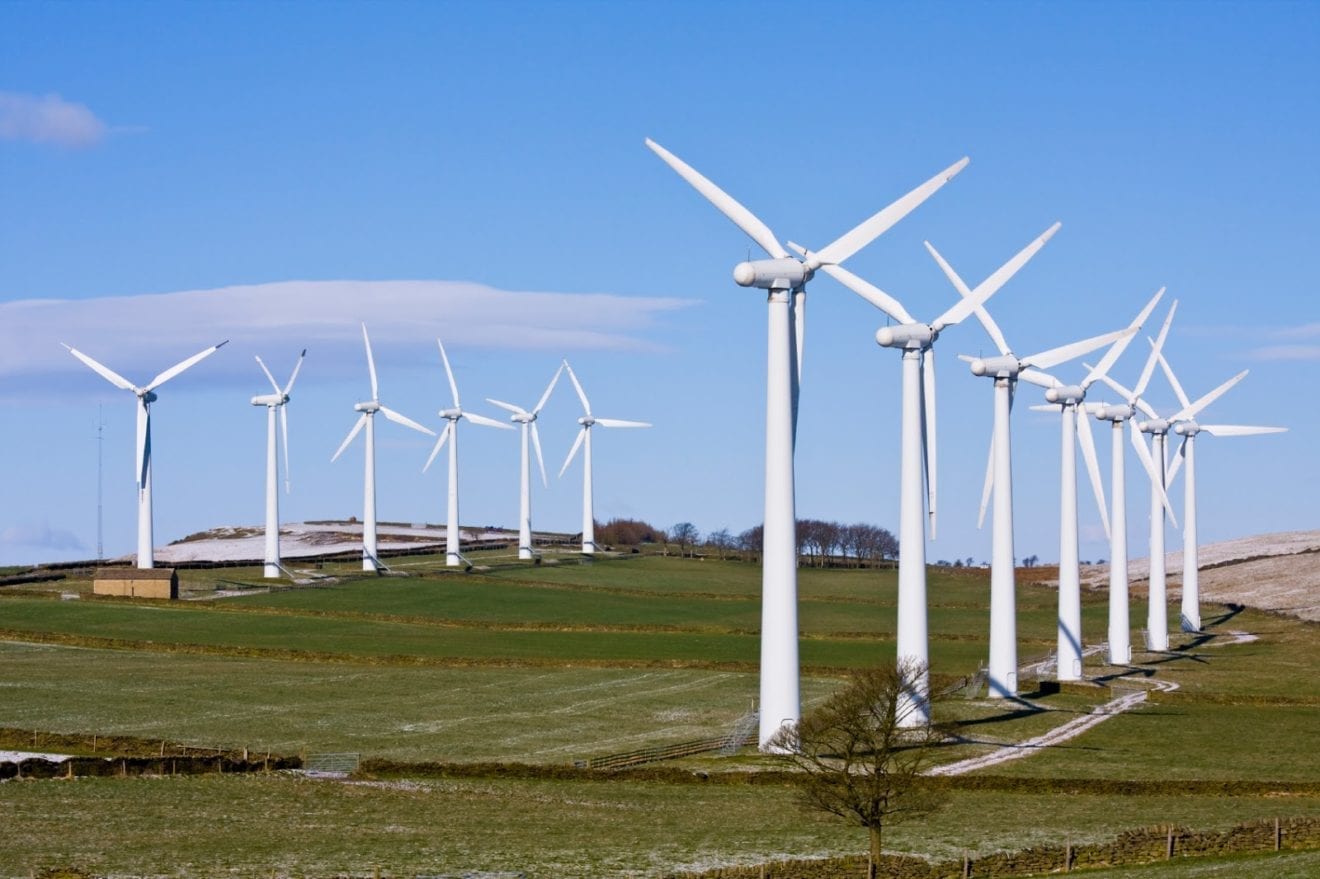
    Investors in wind power projects are racing to complete construction this month to enjoy an incentive feed-in tariff, but face procedural hurdles and those caused by Covid-19.

    This month the developer of a plant in Quang Tri Province is rushing to complete construction and begin test runs, but is being slowed down by the various administrative procedures they have to go through.

    The chairman of the investing company, who asked not be identified, said the plant needs to operate at least 70 percent of capacity, which means when the wind is weak this cannot be done.

    “We made much effort but the test depends on the weather.”

    To encourage renewable energy, Vietnam will give wind power projects that begin operation before Nov. 1 a feed-in tariff of 9.8 U.S. cents per kilowatt-hour to offshore projects and 8.5 U.S. cents for onshore ones. The tariff lasts 20 years.

    But of the 106 wind power farms that have registered to provide 5,655.5 megawatts of power, there were only six that have received an operational permit by the end of last month.

    Developers complain about the large number of permits they need to acquire to start the project, for example, the fire safety permit, and there are many unexpected challenges that lie ahead in getting these permits.

    “We won’t be relaxed until the final permit is given, as from now until it is difficult to anticipate what will come up,” the chairman in Quang Tri said.

    He proposed that the Department of Planning and Investment in the province increase the work hours of its employees, even at night, to support developers in acquiring permits. Several challenges contributed to a construction delay.

    Some developers said that the fourth Covid-19 wave slowed their projects by two months, as experts were unable to enter the country, while the transportation of equipment faced blockages as authorities tightened social distancing.

    Hoang Ngoc Quy, CEO of a developer HBRE, has been letting workers take three shifts to work 24 hours a day in the last three days.

    He proposed that the government provides incentive policies, especially in loans, to support wind power farms.

    The best support to extend the deadline until December next year for onshore projects and December 2025 for offshore projects.

    Vu Chi Mai, head of component for renewable energy and energy efficiency at the German Agency for International Cooperation (GIZ), said that Covid-19 caused unexpected impacts on the projects, and therefore the deadline should be pushed back three to six months.

    Ha Dang Son, deputy director of the Vietnam Low Emission Energy Program, said that the extended deadline should be given to certain projects depending how severe the Covid-19 impact was, not to all projects, as some have not even started.

  • WhatsApp rolls out end-to-end encryption for backup services

    WhatsApp rolls out end-to-end encryption for backup services

    Although WhatsApp already offers end-to-end encryption for messages sent, received, and stored on a device, many users are taking advantage of the backup functionality to save the history of their chats in case they lose their phones.

    Up until today, these backups did not feature end-to-end encryption like the messages stored on the phone but going forward that will no longer be the case. WhatsApp announced that it’s now rolling out an extra, optional layer of security meant to protect backups stored on two specific services with end-to-end encryption: Google Drive and iCloud.

    Those who’d like to start using the new feature and secure their end-to-end encrypted backup with either a password or a 64-digit encryption key can do so now. Obviously, neither WhatsApp nor the backup service provider will be able to read backups or access the key required to unlock it.

    End-to-end encryption for backup stored on Google Drive and iCloud will be rolled out gradually to those using the latest version of WhatsApp. Once you update your app, head to Settings / Chats / Chat Backup / End-to-end Encrypted Backup, tap Continue and follow the prompts to create a password or key.

    Keep in mind that you won’t be able to restore your backup if you lose your WhatsApp chats and forget your password or key. WhatsApp won’t reset your password or restore the backup for you, so keep them safe.

  • Microsoft to shut down LinkedIn in China

    Microsoft to shut down LinkedIn in China

    LinkedIn said on Thursday that it was shutting down its professional networking service in China later this year, citing “a significantly more challenging operating environment and greater compliance requirements,” in a move that completes the fracture between American social networks and China.

    LinkedIn, which is owned by Microsoft, said it would offer a new app for the Chinese market focused solely on job postings. It will not have social networking features such as sharing posts and commenting, which have been critical to LinkedIn’s success in the United States and elsewhere.

    LinkedIn’s action ends what had been one of the most far-reaching experiments by a foreign social network in China, where the internet is closely controlled by the government. Twitter and Facebook have been blocked in the country for years, and Google left more than a decade ago. China’s internet, which operates behind a system of filters known as the Great Firewall, is heavily censored and has gone in its own direction.

    When LinkedIn expanded in China in 2014 with a localized service, it offered a tentative model for other major foreign internet companies looking to tap the country’s huge, lucrative, and highly censored market. The company teamed with a well-connected venture capital firm, which it said would help it with government relations.

    But LinkedIn also agreed to censor the posts made by its millions of Chinese users in accordance with Chinese laws, something that other American companies were often reluctant or unable to do. Even in 2014, LinkedIn acknowledged the challenge, saying, “LinkedIn strongly supports freedom of expression and fundamentally disagrees with government censorship. At the same time, we also believe that LinkedIn’s absence in China would deny Chinese professionals a means to connect with others.”

    Seven years on, it has become apparent the experiment did not work. No major internet platform has followed in LinkedIn’s footsteps. Its business in China struggled as it ran up against major local competitors and a population skeptical about publicly listing valuable contacts.

    “It has gotten pretty ugly around the world where authoritarian governments are forcing the private sector, particularly U.S. tech companies, into these dilemmas,” said Eileen Donahoe, executive director of the Global Digital Policy Incubator at Stanford University and former U.S. ambassador to the United Nations Human Rights Council.

    She said LinkedIn was unusual in keeping a bare-bones product in China, rather than withdrawing entirely. “It is not so simple as ‘they are the bad guys, get out of there,’” she said. “There is a cost.”

    The operating environment in China has also become more difficult. Since President Xi Jinping took the reins of the Communist Party in 2012, he has repeatedly cracked down on what can be said online. Presiding over the rising power of the Cyberspace Administration of China, the country’s internet regulator, Mr. Xi turned China’s internet from a place where some sensitive topics were censored to one where critics face arrests for a constantly shifting set of infractions, like jokes at Mr. Xi’s expense.

    In March, the regulator rebuked LinkedIn for failing to control political content, three people briefed on the matter said at the time. Officials required LinkedIn to perform a self-evaluation and offer a report. The service was also forced to suspend new sign-ups of users inside China for 30 days.

    The site also suffered as the U.S. relationship with China soured, with anger about LinkedIn’s complicity in China’s information controls rising in Washington. In recent months, after LinkedIn stopped displaying the profiles of several activists and journalists in China, American lawmakers criticized the company.

    In one letter last month, Senator Rick Scott, Republican of Florida, wrote to Satya Nadella, Microsoft’s chief executive, demanding to know why it had censored the accounts of three journalists. Mr. Scott called the censorship “gross appeasement and an act of submission to Communist China.”

    Beyond the fights over censorship, other challenges loomed. A new Chinese data security law requires firms like LinkedIn to store more data on local users within China and provide access to the authorities, which may have raised even more ire.

    The shutdown cleaves apart one of the last social media bridges that linked China’s cloistered internet to the rest of the world, even if in a censored fashion. That may matter little to Chinese officials, who have cleverly used foreign social media blocked in China. In recent years, the government has been linked to a series of disinformation campaigns run on sites like Twitter and Facebook. Government and state media also advertise heavily on the sites.

    LinkedIn also has served a separate purpose, as a recruitment ground for spies. Chinese intelligence services are among the most active at using it for that purpose, according to American officials.

    China is one of LinkedIn’s largest markets, with 54 million users, behind only the United States and India. It does not disclose how much revenue each country generates.

    Since Microsoft bought LinkedIn for $26.2 billion in 2016, revenue from the business has tripled. Mr. Nadella told investors in July that LinkedIn’s revenue had surpassed $10 billion in annual sales, up 27 percent from the previous year.

    LinkedIn declined to comment beyond its announcement.

    While Microsoft has tried to build a market in China for more than a decade, it has had only modest success. Last year, Brad Smith, Microsoft’s president, said the country accounted for less than 2 percent of its revenue.

    Microsoft Windows and Office are common in China, but many people use pirated copies. The company has tried to overcome the issue, by hosting its software online and by tapping a major Chinese military contractor to help it offer an operating system better trusted by China’s government.

    It has been a difficult year for private technology firms in China. Mr. Xi has overseen a series of investigations, bans and new rules that have laid low many of the country’s best known local internet companies, including Alibaba and Didi.

    “The scale and scope of the crackdown in Beijing has been so jaw-dropping that not just domestic companies within China but even U.S. companies have now had to pull back,” said Dan Ives, an analyst at Wedbush Securities. “The last thing Microsoft wanted was to get into a political football situation in China.”

    In a sign of the sensitivity around the news, Thursday’s announcement was not made by Mr. Nadella or LinkedIn’s chief executive, Ryan Roslansky, but by Mohak Shroff, the social network’s head of engineering.

    Yet while the LinkedIn closure gets Microsoft out of one fraught business, it raises questions about the prospects of its search engine, Bing. The lone major American search engine still operating in China, Bing also censors results. In 2019, it was briefly blocked in the country, even as it continued to push users there to state media accounts on disputed topics like the Dalai Lama.

    It remains unclear precisely what will happen to the millions of Chinese user accounts on LinkedIn. In the past, when foreign internet companies have stopped offering locally censored services, their sites have been quickly blocked by the government.

  • Waze brings the college football experience to drivers on Android and iOS devices

    Waze brings the college football experience to drivers on Android and iOS devices

    Waze has been putting out a lot of new themes for its users all over the world, but the new experience released this week is aimed at US users only. Thanks to a partnership with Goodyear, Waze is bringing its users the College Football experience beyond the stadium to the roads.

    Although it will only be available for a limited time, Waze announced that its users will be able to download it starting this week and through January 31, 2022, so plenty of time to do that. If you’re living in the United States, you can now select the Goodyear Blimp icon to guide you to your destination.

    Additionally, drivers can receive navigation instruction from famous college football analyst Kirk Herbstreit as the voice for their trips on Waze. Furthermore, all 129 D1 college football stadiums will be marked on the Waze map to make it easier for fans to travel to their favorite stadium.

    On a side note, Goodyear will be hosting sweepstakes now through November 13. Fans who submit their predictions on the teams who will make it to the championships will have a chance to win tickets to the 2021 Goodyear Cotton Bowl Classic and the 2022 CFP National Championship.

  • Billionaire Alibaba founder Jack Ma reappears in Hong Kong

    Billionaire Alibaba founder Jack Ma reappears in Hong Kong

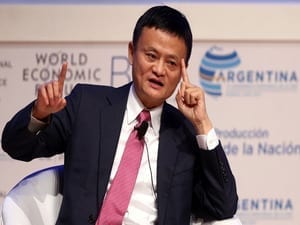
    Alibaba Group founder Jack Ma, largely out of public view since a regulatory clampdown started on his business empire late last year, is currently in Hong Kong and has met business associates in recent days.

    The Chinese billionaire has been keeping a low profile since delivering a speech in October last year in Shanghai criticizing China’s financial regulators. That triggered a chain of events that resulted in the shelving of his Ant Group’s mega IPO.

    While Ma made a limited number of public appearances in mainland China after that, as speculation swirled about his whereabouts, one of the sources said the visit marked his first trip to the Asian financial hub since last October.

    Alibaba did not immediately respond to requests for comment outside of its regular business hours. Comments from Ma typically come via the company.

    Ma, once China’s most famous and outspoken entrepreneur, met at least “a few” business associates over meals last week, said the people.

    Ma, who is mostly based in the eastern Chinese city of Hangzhou, where his business empire is headquartered, owns at least one luxury house in the former British colony that also houses some of his companies’ offshore business operations.

    The former English teacher disappeared from public view for three months before surfacing in January, speaking to a group of teachers by video. That eased concern about his unusual absence from the limelight and sent Alibaba shares surging.

    In May, Ma made a rare visit to Alibaba’s Hangzhou campus during the firm’s annual “Ali Day” staff and family event, company sources have said.

    On Sept. 1, photographs of Ma visiting several agricultural greenhouses in the eastern Zhejiang province, home to both Alibaba and its fintech affiliate Ant, went viral on Chinese social media.

    The next day, Alibaba said it would invest 100 billion yuan ($15.5 billion) by 2025 in support of “common prosperity”, becoming the latest corporate giant to pledge support for the wealth-sharing initiative driven by President Xi Jinping.

    Alibaba and its tech rivals have been the target of a wide-ranging regulatory crackdown on issues ranging from monopolistic behavior to consumer rights. The e-commerce behemoth was fined a record $2.75 billion in April over monopoly violations.

    Earlier this year, regulators also imposed a sweeping restructuring on Ant, whose botched $37 billion initial public offering in Hong Kong and on Shanghai’s Nasdaq-style STAR Market would have been the world’s largest.