Category: General

Retail News Asia is committed to providing both local and global retailers with the latest General Retail news throughout the Asian market. This on a daily base.

  • Google will enable two-step verification by default on 150 million accounts before year’s end

    Google will enable two-step verification by default on 150 million accounts before year’s end

    We are now in Cybersecurity Awareness Month as Google points out in a new blog post, and as the search giant says, “For most of us, passwords are the first line of defense for our digital lives. However, managing a set of strong passwords isn’t always convenient, which leads many people to look for shortcuts (i.e. dog’s name + birthday) or to neglect password best practices altogether, which opens them up to online risks. At Google, we protect our users with products that are secure by default – it’s how we keep more people safe online than anyone else in the world.”
    One of the best things that a smartphone user can use to protect his privacy is two-factor authentication (2FA), or as Google calls it, two-step verification (2SV). This adds another layer of security when logging in to an app. With 2FA/2SV, when entering the password to open an app you will receive a text message on your personal device with a unique one-time code that you type in to verify your identity and open the app.

    As Google points out in the blog, adding that additional layer of authentication sharply reduces the chances that a hacker can break into an account. Google says that two-step verification is “one of the most reliable ways to prevent unauthorized access to accounts and networks.” It combines something you know, such as a password, with something you have such as your phone or a security key.

    Google has made signing in using 2SV as seamless as possible by offering a prompt that requires a single tap to prove that you are who you say you are. Google states that the best way to keep its users safe is to turn on its security protections by default. As a result, it has started to automatically make its users’ accounts more secure and before the end of this year, it will auto-enroll an additional 150 million Google users in 2SV while requiring 2 million YouTube creators to enable 2SV.

    The Alphabet subsidiary admits that 2SV is not for everyone and it is working on developing technology that reduces the reliance on passwords in the long term. At the same time, the company is always seeking to improve the experience of having your identity authenticated. At this moment, Google is auto-enrolling accounts that have the “proper backup mechanisms in place to make a seamless transition to 2SV.”

    Back in 2018, Google said that only 10% of its accounts were using 2FA or 2SV. By the end of this year, that percentage will be much higher. And Google is also partnering with certain organizations to hand out over 10,000 security keys to high-risk users. Google has baked the capabilities of security keys directly into Android and offers iPhone users its Google Smart Lock app.

    Google says that every day it checks the security of 1 billion passwords to make sure that accounts are not getting hacked. This is done using the built-in password manager on Chrome, Android, and the Google app. The password manager is also available on iOS. With iOS, Chrome can autofill saved passwords when logging in to other apps thus allowing iOS users to use just one single tap to log in on a site (instead of having to remember and type in a password).

    Soon, iOS users will be able to use Chrome’s password generator on any iOS app in the same manner that Android users employ Autofill with Google. Also being rolled out is a feature that will allow users to access all of the passwords saved in the password manager from the menu of the Google app.

    If you want to turn on 2SV or 2FA on your Android device and turn on the built-in security key, you must have a phone running Android 7 or higher. From the browser of your Android phone go to myaccount.google.com/security. Under the heading of Signing into Google select two-step verification. Scroll to Set up an alternative second step and tap Add security key. Select your Android phone and then Add. A confirmation that your phone was added as a security key will be sent.

    To turn on two-factor authentication on iOS, follow these steps:
    Open Settings on your iPhone.
    Tap the Apple ID banner at the top of the display.
    Tap Password & Security.
    Tap Turn On Two-Factor Authentication.
    Tap Continue.
    Tap Continue.
    Enter your iPhone’s passcode.
    Tap Done.

  • Facebook blames Monday’s outage on “an error of our own making

    Facebook blames Monday’s outage on “an error of our own making

    Yesterday’s six-hour outage affecting Facebook, Facebook Messenger, Instagram, and Whats App had a severe impact on more than just users of those apps. The outage might have cost Facebook over $100 million in lost advertising revenue as the company happens to own all of the aforementioned apps.

    The company points the finger of blame at itself and says that the outage started when Facebook engineers were working on “routine maintenance.” In a blog post written by the firm’s VP of infrastructure, Santosh Janardhan, the executive says that the company is trying to learn from the outage so that it doesn’t get repeated.

    Janardham adds, “This outage was triggered by the system that manages our global backbone network capacity. The backbone is the network Facebook has built to connect all our computing facilities together, which consists of tens of thousands of miles of fiber-optic cables crossing the globe and linking all our data centers.” Data centers, like Facebook users, come in different sizes and shapes.

    Some data centers are big buildings that house huge numbers of computers that store data and do the heavy lifting to keep the network running. Others are smaller facilities where device owners’ requests for data are sent and then moved using Facebook’s backbone network to larger data centers. That is where the data that your app needs is discovered and sent to your phone.

    Hours after the outage started, Facebook’s shares declined to reduce the worth of co-founder and CEO Mark Zuckerberg by $6 billion. Over the last month, Facebook shares declined by 12.88%  dropping Zuckerberg’s personal worth down from nearly $140 billion to $120.9 billion. However, we don’t expect to see Facebook run a bake sale for its beleaguered chief executive.

    Routers are used to determine where all of the incoming and outgoing data should be sent. And occasionally Facebook engineers need to take the backbone offline for maintenance. And yesterday, a command was issued that was supposed to check the available capacity of Facebook’s backbone. Instead, it accidentally took down all of the connections in the backbone network which disconnected Facebook’s data centers around the world.

    Facebook has a system in place that is designed to audit commands to make sure that an accidental outage like the one that went down yesterday doesn’t take place. But the audit tool had its own bug that prevented it from stopping the command from shutting down the system.

    A second problem affected Facebook’s DNS servers. As stated in today’s blog post, “The end result was that our DNS servers became unreachable even though they were still operational. This made it impossible for the rest of the internet to find our servers.” Facebook notes that everything happened so fast that its engineers had two big problems: because its networks were down, the data centers could not be accessed by normal means and the loss of DNS broke the tools that Facebook would normally use to investigate and fix outages.

    Once Facebook was able to restore its backbone network connectivity, everything came back up. But Facebook had another problem to consider. If it turned all of its services back on at once, the amount of traffic running through the system could cause the system to crash again. But thanks to the “storm drills” that Facebook has been practicing, it was well prepared to handle the incident.

    The social media company says that it will learn from the outage so that it never happens again. “Every failure like this is an opportunity to learn and get better, and there’s plenty for us to learn from this one. After every issue, small and large, we do an extensive review process to understand how we can make our systems more resilient. That process is already underway.”

  • Garment exports hit hard by labor shortage

    Garment exports hit hard by labor shortage

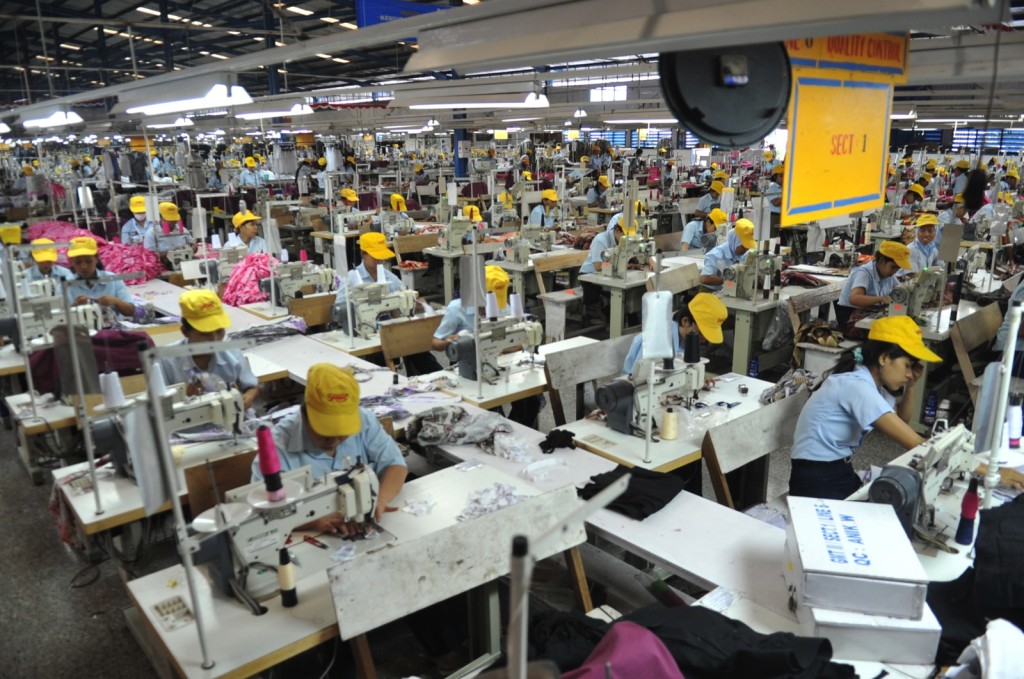
    Garment and textile firms face labor shortages and broken supply chains, and find it hard to fulfill their export orders, the Vietnam Textile & Apparel Association has said.

    The fourth and most intense wave of Covid-19, which caused many textile companies to close down or operate at partial capacity between July and September, remains a severe problem in many cities and provinces, especially in the south, and so migrant workers are making an exodus to their hometowns.

    Some one million workers in the sector, or one third the total number employed, have quit their jobs or are staying away from work with or without pay, VITAS estimated.

    Meanwhile, supply chains continue to be broken as a number of foreign clients shift their orders to other countries.

    Many companies in the south have adopted the stay-at-work and commute-to-work models, but managed to get only 10-30 percent of their employees, meaning they have found it hard to maintain production and ensure timely delivery of goods, VITAS said.

    Garment and textile exports fell 9 percent month-on-month in September to $3 billion. The figure for the year-to-date was $29 billion.

    VITAS has three different export scenarios depending on how the Covid situation pans out: it expects shipments of $33.5-34 billion this year if the pandemic continues until early December, $36-36.5 billion if until November and $37.5-38 billion if it is controlled by October.

    “It is very difficult for the sector to realize the export target of $39 billion set for this year,” Vitas vice chairman Truong Van Cam said.

  • New Google search feature shows shoppers in-store inventories

    New Google search feature shows shoppers in-store inventories

    Google has unveiled new search functions aimed at improving the online shopping experience, including allowing consumers to see retailers’ in-store inventory from wherever they are using their device.

    The enhancements have been enabled using advances in AI technology, the company said during its livestreamed Search On conference overnight.

    A new addition to search results – an “in stock” filter – will show if nearby stores have specific items on their shelves. In an example provided by the search provider, someone looking for a kids bike helmet can click on the filter to find stores nearby that have a helmet – right down to a specific brand or style – on their shelves.

    The new feature launched overnight in Australia, New Zealand and Japan, along with the UK, multiple European markets, Brazil, and Canada.

    Another feature aimed at creating what Google describes as “a more shoppable search experience” provides visual feeds. For example, search for “cropped jackets,” and Google will deliver a visual feed of jackets in various colours and styles alongside useful information like local shops, style guides and videos.

    “With this new capability, you can tap on the Lens icon when you’re looking at a picture of a shirt, and ask Google to find you the same pattern – but on another article of clothing, like socks,” said Alphabet senior VP Prabhakar Raghavan.

    “This helps when you’re looking for something that might be difficult to describe accurately with words alone.”

    This new feature is powered by Google’s ‘Shopping Graph’ which it describes as “a comprehensive, real-time dataset of products, inventory and merchants with over 24 billion listings”. This experience has been released only in the US for now, but other markets will follow.

    Another feature, called Lens in Chrome will be launched globally during the coming months, allowing consumers to select images, video and text content on a website and see search results in the same tab – without leaving the page they are on.

  • SES partners Softbank to deliver live sporting events into Japan

    SES partners Softbank to deliver live sporting events into Japan

    Japanese sports fans will be able to enjoy more premium sports content as SoftBank Corp. (SoftBank), a leading telecom carrier in Japan, has partnered with SES for the aggregation and delivery of live sporting events to its corporate customers, such as TV stations and video distribution companies, SES announced.

    Under the new agreement, SES, via its diverse global infrastructure of multi-orbit satellite fleets and fibre network, will aggregate content and deliver it directly to SoftBank. In providing this service, SES will use more than 300 downlink antennas located around the world, including those in its new Stockley Park facility in London, as well as its own fibre network with connections to other major fibre hubs. In addition, SES will establish a new link to SoftBank’s fibre network.

    “Whether viewed on mobile devices or broadcast TV, tennis, football, golf, and other live sports are some of our most popular content that we see a growing demand for,” said Norioki Sekiguchi, Vice President, Global Business Division at SoftBank Corp. “With its diverse global infrastructure and access to a variety of sports content, SES is in a unique position to help us deliver a wide range of sports content in very high quality to our corporate customers in Japan.”

    “We are delighted to join forces with SoftBank, the first provider we are interconnecting and partnering with in Japan, with a common goal to bring engaging content to sports fans across the country,” said Ed Cox, Vice President, Sales North America and Sports & Events at SES. “Providing content feeds solely using fibre networks is great testament to SES’s ability to adapt and leverage our hybrid distribution services in the most effective way possible to meet our partner’s needs.”

  • Hong Kong retail sales rise again as consumption vouchers kick in Hong Kong

    Hong Kong retail sales rise again as consumption vouchers kick in Hong Kong

    Hong Kong’s retail sales climbed for the seventh straight month in August, helped by a stabilising Covid-19 situation, an improved labour market and economic recovery and thanks to a boost from a consumption voucher scheme (CVS).

    Retail sales in August rose 11.9 per cent from a year earlier to HK$28.6 billion (US$3.67 billion), government data showed on Thursday. August’s increase compared with a revised 2.8 per cent growth in July.

    “The CVS should continue to bode well for local consumption sentiment in the rest of the year,” a government spokesman said, referring to electronic vouchers given to certain consumers to spend in shops.

    In volume terms, retail sales in August grew 10.6 per cent from a year earlier compared with a revised 0.7 per cent surge the previous month.

    For the first eight months of 2021, total retail sales increased 8.1% in value terms and rose 6.8 per cent in volume.

    Online retail sales in August jumped 16.5 per cent in value year-on-year compared with a revised growth of 28.8 per cent in July.

    Sales of jewellery, watches, clocks and valuable gifts, which before the pandemic relied heavily on tourists from the mainland, climbed 28% in August versus a revised 26.3 per cent surge in July, the data showed.

    Clothing, footwear and allied products rose 40.1 per cent in August against a revised 30.9 per cent growth in July.

    Tourist arrivals in August soared 143 per cent from a year earlier to 10,811 after three straight months of decline. That compared with a 57.9 per cent drop in July.

    “Keeping the epidemic under control remains pivotal to a full-fledged recovery of the retail sector and the overall economy,” the spokesman said, adding it was essential to strive towards more widespread coronavirus vaccinations.

    The city’s economy grew 7.6 per cent in the second quarter from a Covid-induced slump a year earlier and the government upgraded its growth forecast for 2021 to 5.5 per cent-6.5 per cent from 3.5 per cent-5.5 per cent.

    Seasonally adjusted unemployment rate slipped to 4.7 per cent in the June-August quarter, the lowest since January-March period in 2020.

  • Vietnam unemployment rate peaks since Covid onset

    Vietnam unemployment rate peaks since Covid onset

    Vietnam’s unemployment rate rose to 3.72 percent in Q3, the highest since early 2020 when the novel coronavirus was first detected in the country.

    The rate was calculated among the working-age population, defined as those aged 15-60 for men and 15-55 for women, according to the General Statistics Office (GSO).

    Vietnam had around 49.2 million workers aged 15 or more in Q3, down 1.9 million against Q2, and down 2.1 million against the same period last year.

    The unemployment rate in the first nine months of this year stood at 2.91 percent.

    The complicated Covid-19 situations significantly affected people’s lives in the first nine months of this year, the GSO said in a report.

    As of September 21, social security relief of nearly VND13.8 trillion ($600 million) was provided to roughly 17.6 million people. This included VND11.4 trillion spent in 23 cities and provinces hardest hit by the pandemic. Over VND5.446 trillion was spent on more than 4.8 million people in HCMC alone.

    More than 136,349 tons of rice from national reserves was distributed among more than 2.4 million households with nearly 9.1 million members.

    By the end of 2020, Vietnam had a population of 97.58 million, with 36.8 percent living in urban areas and the rest in rural areas. The unemployment rate among its working-age population last year was 2.48 percent.

  • Colosseum kits and plastic flowers help Lego’s earnings double

    Colosseum kits and plastic flowers help Lego’s earnings double

    Toymaker Lego doubled its earnings in the first six months of the year as customers flocked to its reopened stores to buy Star Wars building sets, model Colosseums and flower bouquets made from its colourful plastic bricks.

    While parts of the global retail industry are still reeling from the pandemic and related supply chain issues, Lego says it has benefited from its decade-old strategy of placing production close to its key markets, cutting logistical issues and costs.

    “It has made us somewhat more resilient, since we have nt had to send everything around the world urgently,” Chief Executive Niels B. Christiansen told Reuters, adding that Lego has five large factories covering Asia, Europe and the Americas.

    The family-owned company saw a surge in its online sales during the pandemic but reiterated on Tuesday it would continue to bet on physical stores to attract new customers.

    “If anyone doubted whether stores would still have relevance on the other side of Covid-19, we have simply seen both traffic and revenue come back into stores,” Christiansen said.

    Lego said it had outpaced the toy industry in all major markets during the first six months of 2021 as production was uninterrupted by Covid-19 restrictions and most of its physical stores reopened.

    Based in Billund, Denmark, Lego expects to open 174 new stores around the world this year, reaching 851 stores in total. Last year, Lego opened 134 new stores. In the first half of this year it opened 60 new outlets.

    Popular building sets in the first half of the year were Lego Star Wars and the advanced Lego Creator Expert sets, which include flower bouquets and a model of Rome’s Colosseum. They have become popular among adults stuck at home during lockdown periods.

    Lego also opened a new flagship store in Manhattan, New York City in June where customers are able to interact with Lego products, both physically and digitally, such as designing new Lego figures or creating a Lego model of one’s face.

    The new store format will be introduced to around 60 stores this year.

    “It’s less about selling products, more about showing the entire Lego universe to consumers,” Christiansen said.

    Despite facing rising costs for freight and raw materials, Lego more than doubled its operating profit in the first six months of this year to 8 billion Danish crowns ($1.26 billion) compared to the same period last year.

    Revenue grew 46 per cent to 23 billion crowns and online sales across all platforms grew 50 per cent compared to the same period last year, Lego said. It did not give a figure for online sales or their proportion of total sales.

  • Google winding down traditional Fiber TV

    Google winding down traditional Fiber TV

    Google is trying to be as cost-efficient as possible, especially when it comes to network infrastructure. Early this week, the Mountain View company revealed plans to completely retire its traditional Fiber TV, upgrading customers to streaming options.

    The announcement doesn’t really come as a surprise for some, as Google has started to upgrade its Fiber TV customers to its new TV experience since June. If you’re eligible for an upgrade, you can now get your Chromecast with Google TV and upgraded home Wi-Fi with Google Wifi through your Google Fiber account in just a few clicks.

    Although Google will gradually retire traditional Fiber TV in all markets, those still using the traditional service will get a 90-day notice before their plan will change. Google claims that it has completely upgraded Fiber TV customers in Nashville, Huntsville, Salt Lake City, and Provo, while Raleigh-Durham, Charlotte, and Irvine will finish their transitions by the end of this month.

    Austin and Atlanta will be the next markets to embrace Google’s upgraded Fiber TV at the end of November. Kansas City will follow, but there’s no timeline for this specific market yet.

  • Siri loses the ability to help the blind use their iPhones after the release of iOS 15

    Siri loses the ability to help the blind use their iPhones after the release of iOS 15

    The accessibility menu is where you’ll find features that Apple added to iOS to help those with hearing and vision problems use an iPhone. From that menu, you can add hearing aid compatibility, toggle on the Sound Recognition feature that sends an alert when certain sounds like a fire or smoke alarm go off. Other sounds that will trigger a notification include the sound of glass breaking, the sound of a baby crying, and more.

    Other features found in accessibility include Subtitles & Captioning and there is a listing for Siri. However, some of the things that Siri used to do to help those who have poor vision or are blind have been removed following the iOS 15 update. Apple’s digital assistant will no longer send emails. It also won’t respond to the following commands:

    • Do I have any voicemails?
    • Play my voicemail messages
    • Check my call history
    • Check my recent calls
    • Who called me?
    • Send an email
    • Send an email to [person]

    AppleVis, an online forum for iPhone users who are blind or have poor vision, recently posted a comment from a user named Brian Negus who wrote: “I tried on my iPhone SE with iOS 15.0 and the response from Siri was “sorry, I can’t help with that”. Subsequently, I’ve had the same response on a phone running iOS 12. If this is a deliberate feature removal, it’s certainly a loss to some users with sight loss who find it a convenient way to send a brief email.”

    Negus later revealed that he had heard from Apple Support and they told him that “we are aware of this issue and it is currently under review.” This could indicate that Apple will be sending a software update to exterminate the bug. That certainly makes more sense than Apple haphazardly deciding not to allow Siri to help those with vision problems.

    Interestingly enough, while the first thought is that the issue started with the recent iOS 15 updates, the same accessibility features no longer working with Siri in iOS 15 are also not working when using Siri in iOS 14. Siri will play the latest voicemail that a user has received or read a voicemail from a specific person. But again, the digital assistant will no longer read the list of all available voicemails.

    Siri received something of an overhaul in iOS 15, with speech processing is now done on-device instead of via an Apple server. That’s because the Neural Engine will process speech as well as the off-device server does. The digital assistant will handle some requests offline including setting alarms and timers, messaging, launching an app, controlling the playback of audio, and opening the Settings app.

    Siri will now share content on the screen including photos, web pages, content from Apple Music or Apple Podcasts, Maps locations, stories from Apple News, and more. All you have to say is “Send this to Giancarlo.” If the content on the screen can’t be shared, Siri will offer to send a screenshot instead. And while Google Assistant already does this, Siri will now maintain context when you have a follow-up question to make the interaction with the digital helper more of a conversation.

    Is it possible that somehow, in the midst of making these changes to Siri in iOS 15, some of the accessibility features were accidentally disabled? It doesn’t matter what caused this as the most important thing is for Apple to bring back Siri’s lost capabilities so that those less fortunate can still use their iPhone even if their vision is poor.

    Apple already has a backlog of fixes it needs to send out so we could see all of these bundled together in iOS 15.01, or added to the iOS 15.1 update that Apple is currently testing with the release of its second developer beta.

  • Italian brand Frette opens doors in Singapore

    Italian brand Frette opens doors in Singapore

    Italian home accessories and lifestyle brand, Frette, has expanded its footprint in Singapore with its first boutique in Marina Bay Sands.

    The store also marks the brand’s first mono-brand boutique in the territory. Designed by Milan-based architecture studio Archibrando, the new Frette store features elements used in the brand’s global flagship boutique on Milan’s Via Manzoni and custom furnishings crafted from natural Afara wood, “encapsulating the luxurious ambience and timeless elegance and essence of the brand”.

    Frette Singapore occupies a 65sqm area of the shopping centre, offering crafted linens and decorative home accessories, ranging from embroidery bedding, bath towels, to men’s and women’s loungewear. The Marina Bay Sands boutique also offers custom embroidery and personalisation, bedroom styling as well as installation.

    The 160-year-old brand is known for its “chic, original designs and inimitable finish and feel”. Frette operates nine retail locations in the US and 25 in Asia. The brand has flagship stores in China, South Korea, Taiwan, Vietnam and Cambodia.

  • KaiKai app uses gamified experience to lure Hong Kong shoppers

    KaiKai app uses gamified experience to lure Hong Kong shoppers

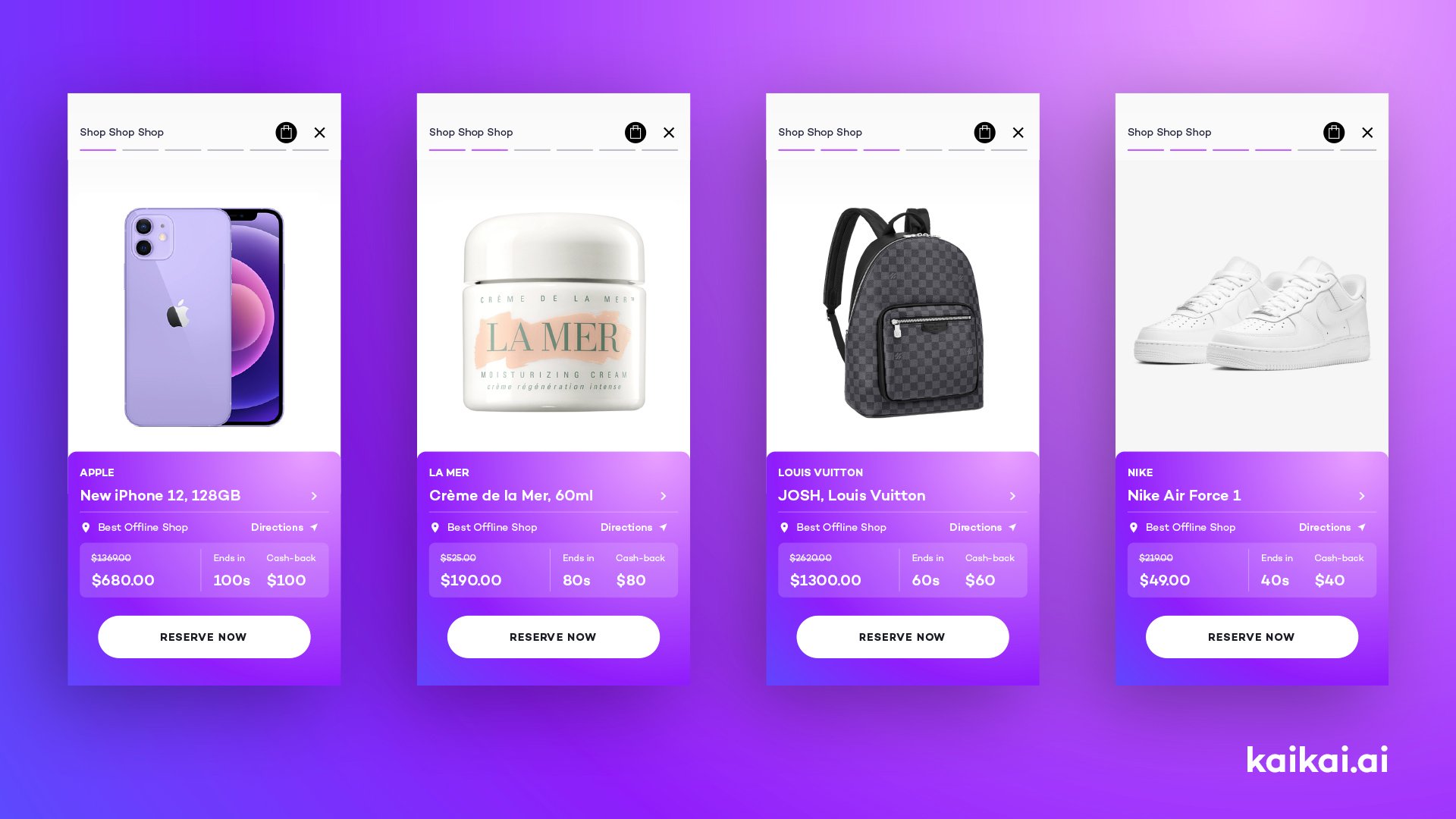
    An app that blends the convenience of shopping by phone with in-store experience has been launched in Hong Kong.

    KaiKai has teamed with retailers to offer discounts on popular products of up to 50 percent, including Apple AirPods Pro, Dyson Supersonic hairdryers, and the Nintendo Switch gaming system. It bridges the online and offline worlds by allowing users to reserve the products within the app then pay for and collect them in-store, boosting footfalls for participating retailers.

    A KaiKai spokesperson says the app plans to add offers on services such as spas and beauty, dining and staycations, as well as luxury fashion retail in the near future. It has signed up popular influencers Sabrina Ng from Pomato YouTube Channel, Ah Gi from Arm Channel TV, and Hailey Chan from ViuTV to promote the app’s Hong Kong expansion.

    Within a week of being added to app stores in Hong Kong this month, KaiKai was ranked number one in the shopping category and third overall for downloads.

    The app works on the basis of an annual membership fee for users of HKD450 (US$58) which is being waived for the first year for the first 100,000 consumers who sign up. New deals are dropped at 12 noon and 8pm daily with users having 100 seconds to decide if they want to buy what they see before it becomes unavailable to them.

    A spokesman for the developer aid the app provides “a unique gamified shopping experience like no other”.

    “The thrill of managing to score something in the app continues in-store. KaiKai users enjoy the unique online-to-offline shopping experience: Reserve online, collect in-store later. After reserving the product with the KaiKai app, users have to redeem and pay in-store within seven days,” the spokesperson said.

    According to the South China Morning Post, the app was developed by mainland Chinese tech company Cosmose AI, known for tracking shopper locations for online advertising, but the company says KaiKai does not share user location data with Cosmose. It has already been launched in Singapore.

  • Malaysia’s AirAsia X reports record quarterly loss of $5.9bln

    Malaysia’s AirAsia X reports record quarterly loss of $5.9bln

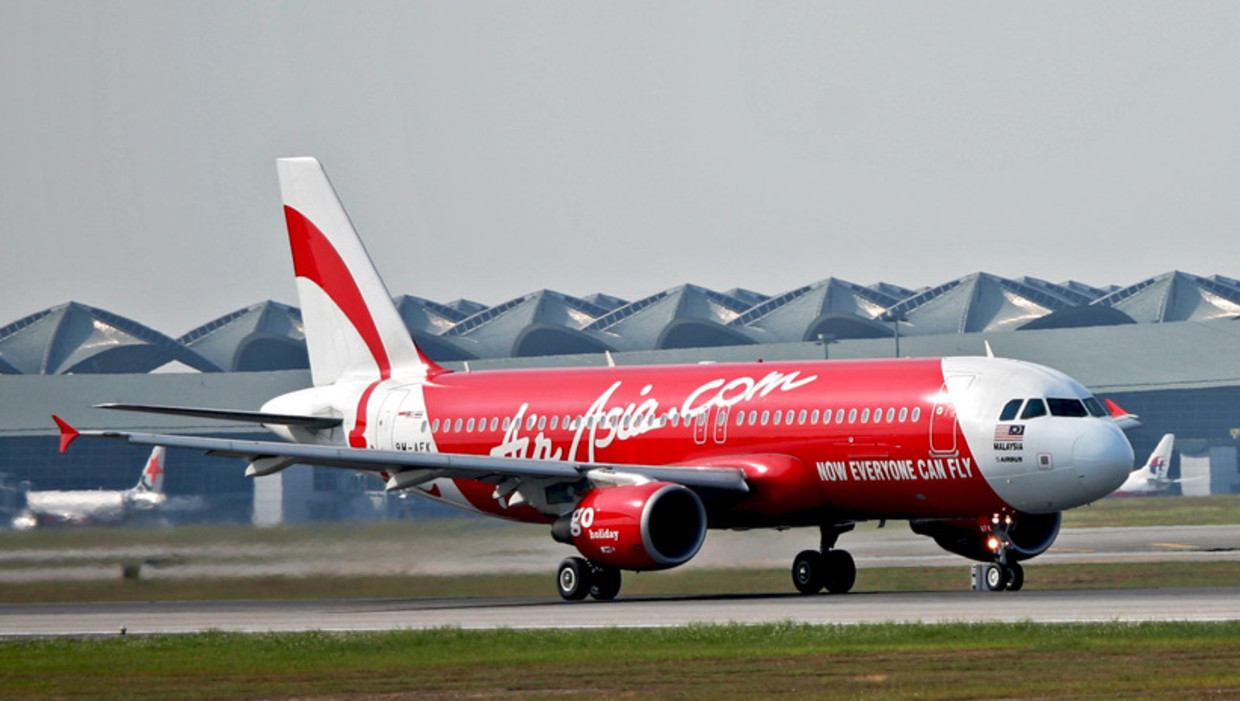
    AirAsia X—the long-haul affiliate of Malaysian tycoon Tony Fernandes’ AirAsia Group—reported its biggest-ever quarterly loss as travel restrictions aimed at curbing the further spread of Covid-19 grounded the budget carrier’s planes.

    The airline posted a net loss of 24.6 billion ringgit ($5.9 billion) in the three months ended June 30 following the suspension of flights since the height of the pandemic in April last year, the company said in a statement to Bursa Malaysia on Monday. That’s the ninth consecutive quarterly loss reported by the airline and compares with the 305 million ringgit net loss posted a year ago.

    The losses were exacerbated by an accounting provision of 23.8 billion ringgit to creditors, with the airline already in default. “The contractual liabilities for which the provision is made will be waived upon the successful completion of the proposed debt restructuring exercise,” AirAsia X said.

    AirAsia X has been negotiating with creditors to restructure its debts amid mounting losses brought on by the pandemic. It has also been discussing returning some of its aircraft to lessors as part of a fleet downsizing exercise aimed at focusing operations on mature routes and terminating flights to unprofitable destinations.

    Airlines and other travel-related industries are among the hardest hit by the pandemic as countries around the world closed their borders to contain the virus. AirAsia Group has been pivoting into digital businesses as Covid-19 travel restrictions drag passenger and cargo traffic lower.

  • Microsoft promises an improved and super modern-looking Skype

    Microsoft promises an improved and super modern-looking Skype

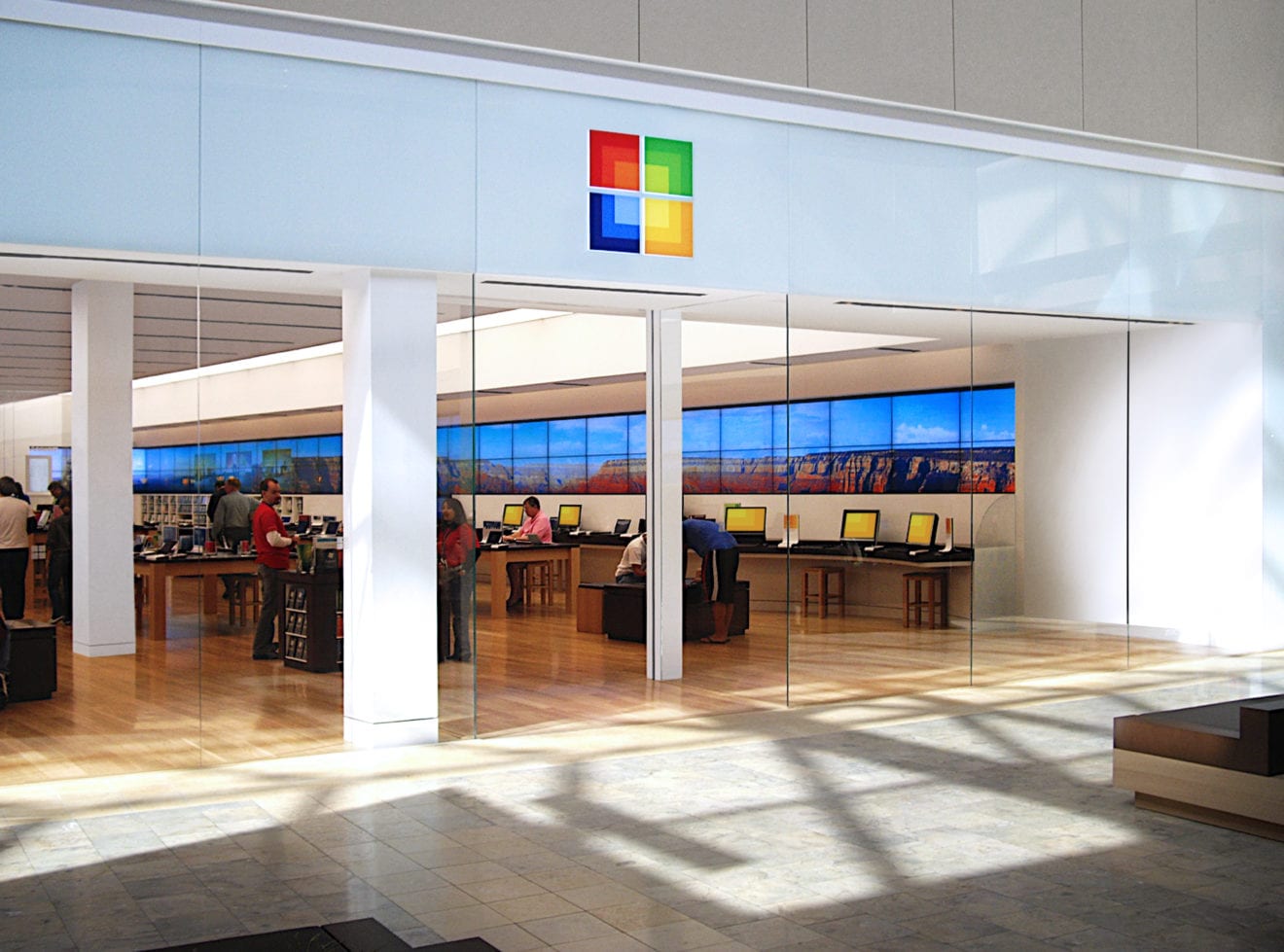
    For the first time in a very long time, Microsoft is talking about its future plans involving Skype rather than offering users a glimpse at what’s to come in the next update. Instead of promising new features, Microsoft is now trying to convince users that the future is bright for Skype, assuming they will still be there when the complete overhaul of the app is finished.

    The highlight of the upcoming changes is the complete redesign of the call stage, the most important part of Skype. First off, users can now find themselves on the main view during a call. Also, the way video feeds are rendered has been adjusted to look more natural. More importantly, all participants are now visible on the calling stage, even if they aren’t sharing video.

    If you, like many others, think Skype is slow and unreliable, you’ll be happy to know that Microsoft improved performance in key scenarios by 30% on desktop, and over 2,000% on Android.

    Visually, expect a lot of changes to come in the next months, including new themes featuring vibrant colors, upgraded chat headers, fluent icons, and gradients for profiles and non-customized chats.

    There’s a bunch of other new features and improvements announced by Microsoft, yet there’s no timeline for their arrival yet. Still, it’s nice to know that Skype is changing for the better, so here is hoping everything revealed by Microsoft this week will be released sooner rather than later.

  • Chinese solar panel producer invests $500 mln in Vietnam

    Chinese solar panel producer invests $500 mln in Vietnam

    Chinese solar panel maker JinkoSolar Holding Co. has announced a $500 million investment into Vietnam to build a manufacturing facility in the northern province of Quang Ninh.

    The new facility is set to be operational in the first quarter of next year and has an annual capacity of 7 gigawatts, the company stated Monday.

    It will produce panel components including ingots and wafers.

    “The decision to build a facility in Vietnam is one component of our strategy to ensure the long-term stability of our global supply chain,” said Nigel Cockroft, general manager of JinkoSolar U.S. Inc.

    The company has nine manufacturing facilities globally and 22 overseas subsidiaries.