Category: General

Retail News Asia is committed to providing both local and global retailers with the latest General Retail news throughout the Asian market. This on a daily base.

  • Facebook has always known how toxic Instagram can be

    Facebook has always known how toxic Instagram can be

    Most of us social media users are aware it’s not a good idea to be drawn in too much by the “perfect lifestyle,” “perfect body” illusions that Instagram throws at us on a daily basis. Doing so often leads to a lack of satisfaction and disappointment in ourselves, so it’s always a good idea to know when to time out from the platform.

    However, there is one group of users that is particularly vulnerable to Instagram’s deceptions, and that is young teenage girls, who are often prone to body image issues triggered by the bombardment of such unrealistic figures. And Facebook has known about it all along, according to recently discovered documents.

    A detailed report by Wall Street Journal elaborates on these details. Apparently, Facebook has been very well aware of this damage caused to young girls at least for the last three years, with researchers constantly bringing up very worrying statistics—which have been kept secret and seemingly ignored.

    Facebook’s internal findings were discovered by WSJ , and they show that Facebook was in on everything, even while downplaying the harsh reality in public, and refusing to share any of its research openly.

    Various slides from multiple presentations from past research laid bare the harm done. “We make body image issues worse for one in three teen girls,” openly declared one 2019 slide.

    Putting this harm into solid numbers, another slide from a 2020 presentation revealed that “thirty-two percent of teen girls said that when they felt bad about their bodies, Instagram made them feel worse. Comparisons on Instagram can change how young women view and describe themselves.”

    “Teens blame Instagram for increases in the rate of anxiety and depression,” the presentation posted to Facebook’s internal message board continued. “This reaction was unprompted and consistent across all groups.”

    If this doesn’t sound bad enough, the findings get worse. According to a different presentation, Facebook’s researchers had discovered that among young people who struggle with suicidal thoughts, 13% of British teens and 6% of American teens felt that the source of these thoughts of self-destruction was none other than Instagram.

    WSJ’s story is accompanied by the testimony of one Anastasia Vlasova from Virginia, who signed up to the social media platform at 13. Not long after, she found herself consuming unrealistic body images and ideals a full three hours a day. By 18, Anastasia was in therapy struggling with an eating disorder.

    While back in May, Adam Mosseri (head of Instagram) had reported that Instagram’s negative effects on young teens was actually “quite small,” he seems to have turned over a new leaf after these new findings became public.

    “In no way do I mean to diminish these issue Some of the issues mentioned in this story aren’t necessarily widespread, but their impact on people may be huge.”

    “I’ve been pushing very hard for us to embrace our responsibilities more broadly,” Mosseri insisted recently. “For me, this isn’t dirty laundry. I’m actually very proud of this research,”

    It remains to be seen whether or not initiatives will be taken in the coming future to actually change these statistics. Making these findings public about the reality of Instagram’s effect on young people would be a start, for certain.
  • Covid causes first monthly loss for garment giant Thanh Cong

    Covid causes first monthly loss for garment giant Thanh Cong

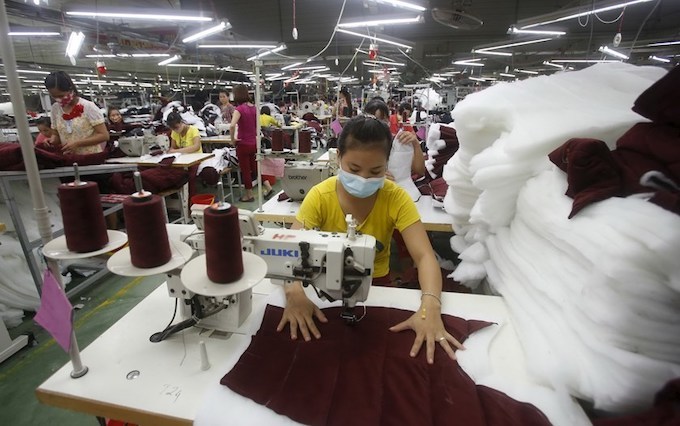
    Major garment company Thanh Cong has reported its first monthly loss this year in August as housing workers at its plants as a precaution against Covid-19 spread increased costs.

    The company, formally known as Thanh Cong Textile Garment Investment, also saw revenues plummet by 26 percent year-on-year to $10 million, and, together with the ballooning expenses, this caused a loss of $282,000 for the month.

    The company said production fell due to a shortage of workers amid the tightened social distancing requirements in HCMC despite having many of them stay on-site.

    Its monthly net profit has not dipped below $600,000 this year. Its year-to-date profit is $5.48 million, only 44 percent of the full-year target.

    Thanh Cong’s biggest export markets are the U.S., South Korea, Japan, and China.

    It is looking for new buyers in Europe and countries that have signed the Comprehensive and Progressive Agreement for Trans-Pacific Partnership.

    It is also pushing head with e-commerce sales after tying up with U.S. e-commerce giant Amazon last year.

  • Yum China launches fresh fruit and veggies in 6000 outlets

    Yum China launches fresh fruit and veggies in 6000 outlets

    Yum China is now offering more fruit and vegetable options in over 6000 food chains nationwide, encouraging consumers to add at least 100g of fruit and veggies to their meals.

    This latest effort is part of the company’s “Fruit and Vegetables 100+” program, designed to support recommendations from the National Health Commission in China that adults should have a daily intake of at least 300-500 grams of vegetables per day for a balanced diet.

    Along with the new program, the company’s subsidiaries KFC, Pizza Hut and Taco Bell will also launch new products that include fruits and vegetables to promote healthier eating (the three restaurants promotions are displayed in the image above, from left KFC, PIzza Hut and taco Bell).

    According to the restaurant giant, the company is committed to offering its customers a wide variety of healthier food options. To achieve this, the company says it focuses on food innovation, recipe changes such as reducing the amount of salt, sugar, and oil, and adopting different cooking methods. For example, at KFC, around 80 per cent of non-beverage breakfast menu items are oven-baked versus deep-fried.

    The company was also first to introduce plant-based products in China when it launched plant-based burgers at Pizza Hut, plant-based nuggets at KFC, and plant-based tacos at Taco Bell.

    Together with the China Nutrition Society, Yum China established Yum China Dietary Health Foundation to support scientific research and promote dietary health. In 2020, the foundation funded over 80 projects focused on dining out and urban resident health.

  • Government fund subscribes to Vietnam Airlines right issue

    Government fund subscribes to Vietnam Airlines right issue

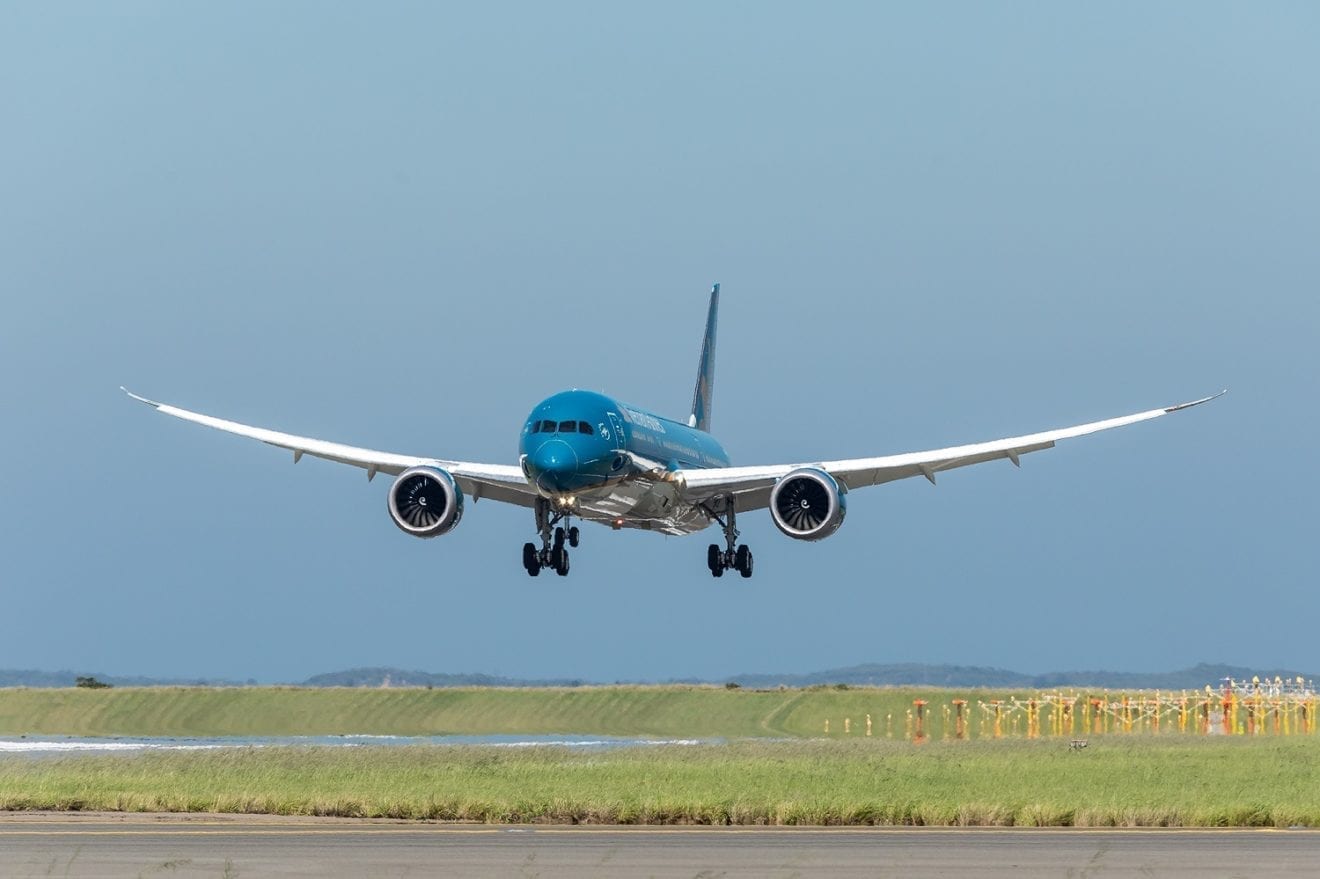
    Vietnam’s sovereign fund has subscribed to Vietnam Airlines’s rights offering amid its accumulating losses due to Covid-19.

    The State Capital Investment Corporation (SCIC) paid VND6.89 trillion ($303.56 million) to acquire 689.5 million shares and kept its ownership rate in the state-owned carrier at 31.08 percent.

    The airline’s HVN ticker rose by the maximum allowed 7 percent Monday, its sixth consecutive day of gain.

    HVN’s issued VND8 trillion worth of stocks to existing shareholders to increase its capital.

    Japan’s ANA Holdings, the operator of All Nippon Airways which owns an 8.77 percent stake in Vietnam Airlines, sold its rights to buy 70 million shares to Vietnam Airlines employees since it is itself facing financial difficulties.

    The carrier estimates its losses for the first half of 2021 at around VND10.79 trillion.

  • Experts warn of risks to premature economic reopening

    Experts warn of risks to premature economic reopening

    Reopening the economy is necessary but any untimely decision amid low vaccination rates and high contagion risks could stymie the country’s efforts to defeat Covid-19, experts warn.

    “The premature lifting of the lockdown and reopening the economy while the full vaccination rate remains low, new infections and fatality rates are still soaring and the health system is overburdened may even endanger the economy and people’s lives more badly,” Nguyen Minh Cuong, principal country economist at the Asian Development Bank said.

    But the country stands at a crossroads since lengthening strict social distancing is likely to inflict further socio-economic costs and endanger its medium- and long-term growth prospects, he told VnExpress International in an emailed statement.

    Prime Minister Pham Minh Chinh and Ho Chi Minh City leaders have spoken about letting economic activities resume gradually and how the lockdown “cannot go on forever.”

    Vietnam has been struggling in its Covid-19 fight since the end of April when a fourth wave began and infected nearly 609,000 people and killed over 15,000.

    HCMC, the largest city and major manufacturing and exporting hub, has imposed strict social distancing for over two months but still thousands of new cases are being found every day.

    This is why analysts are reluctant about resuming economic activities now.

    “It is complicated to find the perfect moment to reopen the economy,” Tim Evans, CEO of HSBC Vietnam, said.

    The risks of doing this too early at a time when vaccination is not up to optimum speed and the medical system is overwhelmed could lead to additional Covid cases resulting in a further increase in mortality rates, he said.

    Other experts concurred.

    “In our view, reopening the economy, especially in the epicenter HCMC, is a risky move,” Jason Yek, senior Asia country risk analyst at market research company Fitch Solutions, said.

    The rate of full vaccination in Vietnam is low, and reopening before the outbreak has been suppressed would possibly elicit a lukewarm response from consumers, he said.

    Vietnam has vaccinated 24 percent of its population, but only 5.2 percent have received two doses.

    The country has received 29.8 million doses of vaccine, or only one-fifth of its target of 150 million doses to vaccinate 70 percent of the population.

    This is why a premature opening risks a surge in infections which would overwhelm the healthcare system and could force the government to tighten restrictions again, Yek said.

  • 5 Reasons for Loyalty Program from Small Business

    5 Reasons for Loyalty Program from Small Business

    Several businesses have implemented a loyalty program, and for a healthy reason. They increase purchases volumes, improve customer loyalty, encourage repeat clients, and much more.

    According to studies, it costs five times as much to attract a new client than retain an existing one. That’s why small firms need to turn a one-time customer into a loyal, repeat customer.

    And yes, a loyalty program from small business is your secret weapon. According to statistics, 40 percent of customers are likely to buy again from businesses and brands that reward loyalty.

    Here are the main reasons why small businesses should invest in loyalty programs for their customers.

    1. Gather Customer Data

    Yes, a customer loyalty program gives you a high quality of data associated with having their purchases synched into an organized system. Rather than play a guessing game about how new and existing customers are spending money with your firm, the loyalty program provides insightful information on their shopping habits.

    The valuable data helps you make market-specific products or promotions to the existing clientele. All this will be based on their spending habits.

    1. Helps You Retain Existing Customers

    Yes, retaining an existing customer is exponentially easier, less costly, and more beneficial than attracting new ones. According to studies, increasing the retention rate by five percent increases profits by anywhere from 25 to 95 percent. But that’s not all, attracting a new customer will cost your firm 5 times more than retaining an existing one. And yes, existing customers are known to spread the gospel about the quality of your products, services, and loyalty program to their friends and relatives. All this helps grow your business.

    1. Increase in Sales

    A customer is always looking for a better deal in terms of quality and price or both. So, why would a customer pay more for a deal when they can pay less or get loyalty perks for buying the same products or services in your store?

    According to statistics, over 70 percent of buyers are likely to purchase products from a business that offers a loyalty reward program. Therefore, a loyalty program is a perfect tool to increase sales and revenue for a business.

    1. Increases Brand Awareness

    Yes, brand awareness is among the major factors driving customer’s buying decisions. Markets are extremely competitive and overcrowded, therefore, customers are likely to stick with a company or brand they know.

    The market instability –previous and current- makes the price a major factor when buying products. This creates a gap in the market for firms that give back to their customers allowing them to stand out from the rest.

    And yes, customers share their experiences with their friends and relatives, therefore don’t underestimate the power of referrals. If a client is receiving a discount or cashback from your purchase, there’s a probability they’ll share the information with their friends and relatives.

    1. Measure Customer Loyalty Value

    Other than gathering data for customer loyalty programs, it is also providing you an opportunity to measure how valuable an individual customer is to your firm. For instance, you can gather data on how much data they spend annually or how frequently they shop in your stores.

    All this information helps you connect and relate with your most engaged fans. The continuous data feed helps you refine the loyalty program to reach the repeat top customers as efficiently as possible.

    Conclusion

    As a small business owner, you want to grow your business to greater heights. Well, investing in loyalty programs may help you realize this dream. It does so by increasing your building customer loyalty, which in turn results in higher sales. And yes, you can use the program to measure the loyalty value and tailor your programs to reach the top customers as efficiently as possible.


  • Alibaba-backed fund invests in retail chain Homefarm

    Alibaba-backed fund invests in retail chain Homefarm

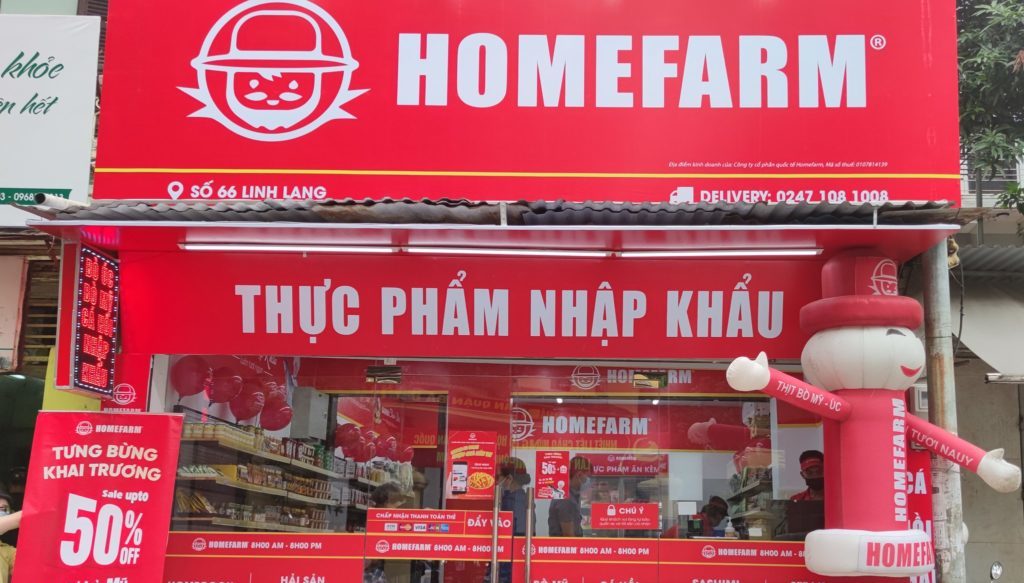
    An Alibaba-backed fund has invested an undisclosed amount in Vietnamese retail chain Homefarm.

    The investment by eWTP Technology and Innovation Fund is a “seven-digit figure,” the company’s CEO Tran Van Truong said.

    Homefarm, which has around 150 stores that sell meat, fish and groceries imported from several countries including the U.S., Australia and South Korea, plans to have 1,000 by 2025, he said.

    The funding was through ReDefine Capital Fund, a Singapore-registered investment entity controlled by eWTP.

    The $600-million eWTP Technology and Innovation Fund was set up in 2018 with Chinese billionaire Jack Ma’s Alibaba and Ant Group as cornerstone investors.

    It reportedly invested recently in Vietnamese retail company Ficus Asia Investment and ed-tech firm Educa Corporation.

  • Google One adds new cloud storage option

    Google One adds new cloud storage option

    Google One is Google’s service offering cloud storage by subscription. The storage is shared between Google Drive, Gmail, and Google Photos. Those with a Google account are gifted 15GB to start. But if you need additional cloud storage, you used to have three options.

    100GB of data costs $1.99 per month, or you could save 16% by paying $19.99 for one year. 200GB of cloud storage is priced at $2.99 monthly or $29.99 for one year, a 16% savings. The latter plan also includes receiving back 3% in-store credit on Google Store purchases. The 2TB option costs $9.99 monthly or $99.99 for the year, saving 17%. It also includes 10% back in store credit on Google Store purchases.

    10TB of cloud storage will run you $49.99 monthly. 20TB and 30TB will cost you $99.99 and $149.99 a month, respectively. Now that Google is no longer providing free storage for photos, depending on how prolific a photographer you are, the free 15GB of storage might not be enough, likewise, the 100GB, 200GB, and 2TB options might not give you enough storage.

    But if you need even more storage, the jump between 2TB and the next step up is a big one. The difference in price between 2TB and 10TB of Google One cloud storage is $40 a month. So the company decided to add a new 5TB option that is priced at $24.99 per month or $249.99 for the year (saving you 17%). The difference between 2TB and 5TB is only $15 per month and the 5TB option still includes the 10% in-store credit you will receive after a purchase made in the Google Store.

    The 5TB subscription also includes access to Google experts, the option to share some of the storage with your family, extra member benefits, and VPN for your Android handset. You can visit the Google One website, or install the Google one apps (iOS, Android).

  • Cebu Pacific announces one-week sale of Super Pass

    Cebu Pacific announces one-week sale of Super Pass

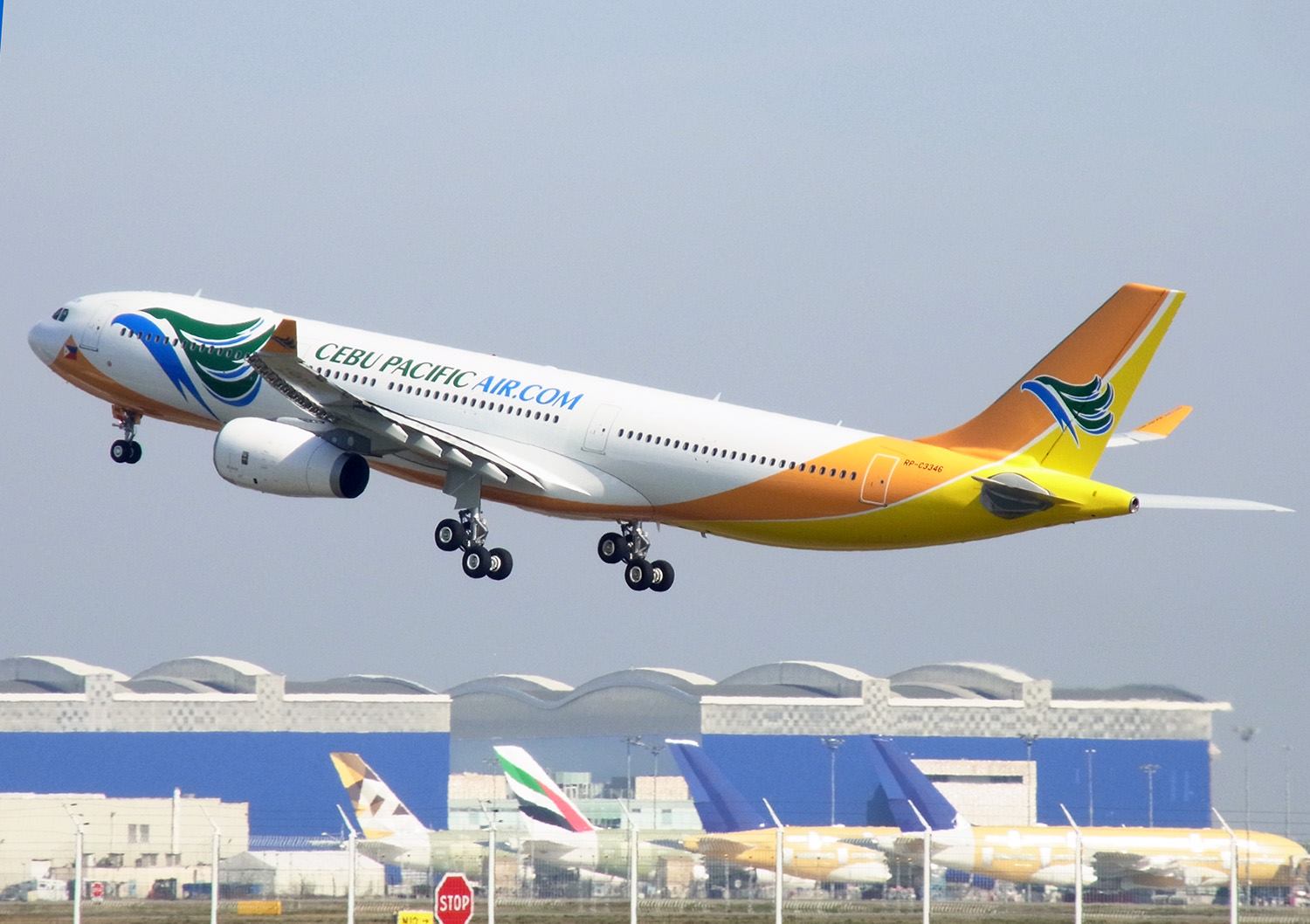
    Budget carrier Cebu Pacific on Thursday announced the one-week sale of its Super Pass, which allows passengers to book local flights at one-way base fares of P99 without a fixed date and destination.

    In an advisory, Cebu Pacific said the sale of the Super Pass started 10 a.m. Thursday, September 9, and will last until next Thursday, September 16.

    The vouchers can be redeemed from September 9, 2021 to September 23, 2022, with a travel period of September 16, 2021 to September 30, 2022.

    The Super Pass will serve as a travel voucher that passengers can use to book 30 days before the flight’s departure until seven days before the intended flight, depending on seat availability.

    Guests can avail of 10 vouchers per transaction, but there is no limit on the number of total vouchers passengers can avail until September 16.

  • AirAsia Group to bring back 4 aircraft by the end of 2021

    AirAsia Group to bring back 4 aircraft by the end of 2021

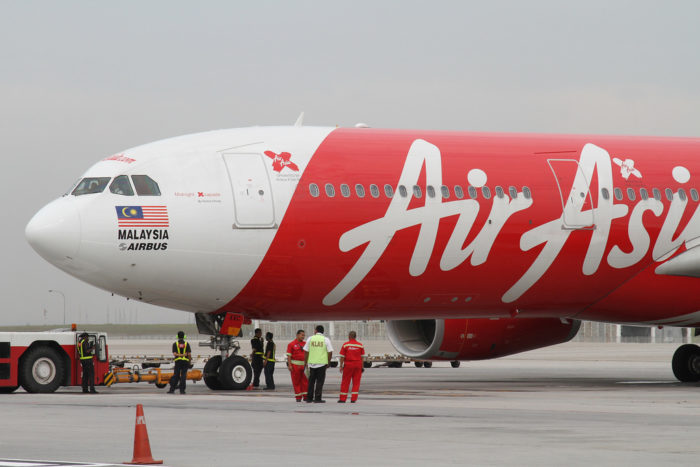
    AirAsia Group updated its 2021 fleet plans. The parent company of five airlines across Malaysia, Indonesia, Thailand, the Philippines, and India aims to end 2021 with 235 aircraft.

    AirAsia Group forecast that all its airline entities will see a gradual pick up in domestic in Q4 2021, led by the global increase in vaccination rates and relaxation of rules for air travel. The group has already noticed promising trends in its load factor, which reached 68% in Q2, 2021, compared to 59% in the same period of 2020.

    The company predicted that the “robust short-haul business model”, as well as lean operations coupled with “pent-up demand”, should ensure AirAsia Group a “quick recovery upon relaxation of travel restrictions,” the group stated in briefing slides.

    “We expect to see a strong resurgence in the visiting friends and relatives as well as the leisure and spontaneous travel markets first,” AirAsia Group said.

    To meet the forecast demand for air travel, the group decided to update its fleet plan. In May 2021, it estimated it would have 231 aircraft by December 2021, now the company‘s plans have changed. AirAsia Group now aims to bring back 4 aircraft, bringing the total number to 235 jets by the end of 2021.

    According to the company, “two third-party leases” of unspecified type aircraft will rejoin the group’s fleet in Q4 2021. Meanwhile, another two Airbus A320 jets, which were temporarily grounded amid pandemic, will return to active operations in Q1 2022.

    “Our network plans are continuously revised to reflect the latest recovery timeline following the ongoing pandemic impact,“ the group added.

    However, the company will still fly 10 jets fewer than in end-2020.

  • Ikea opens bistro takeout in Singapore

    Ikea opens bistro takeout in Singapore

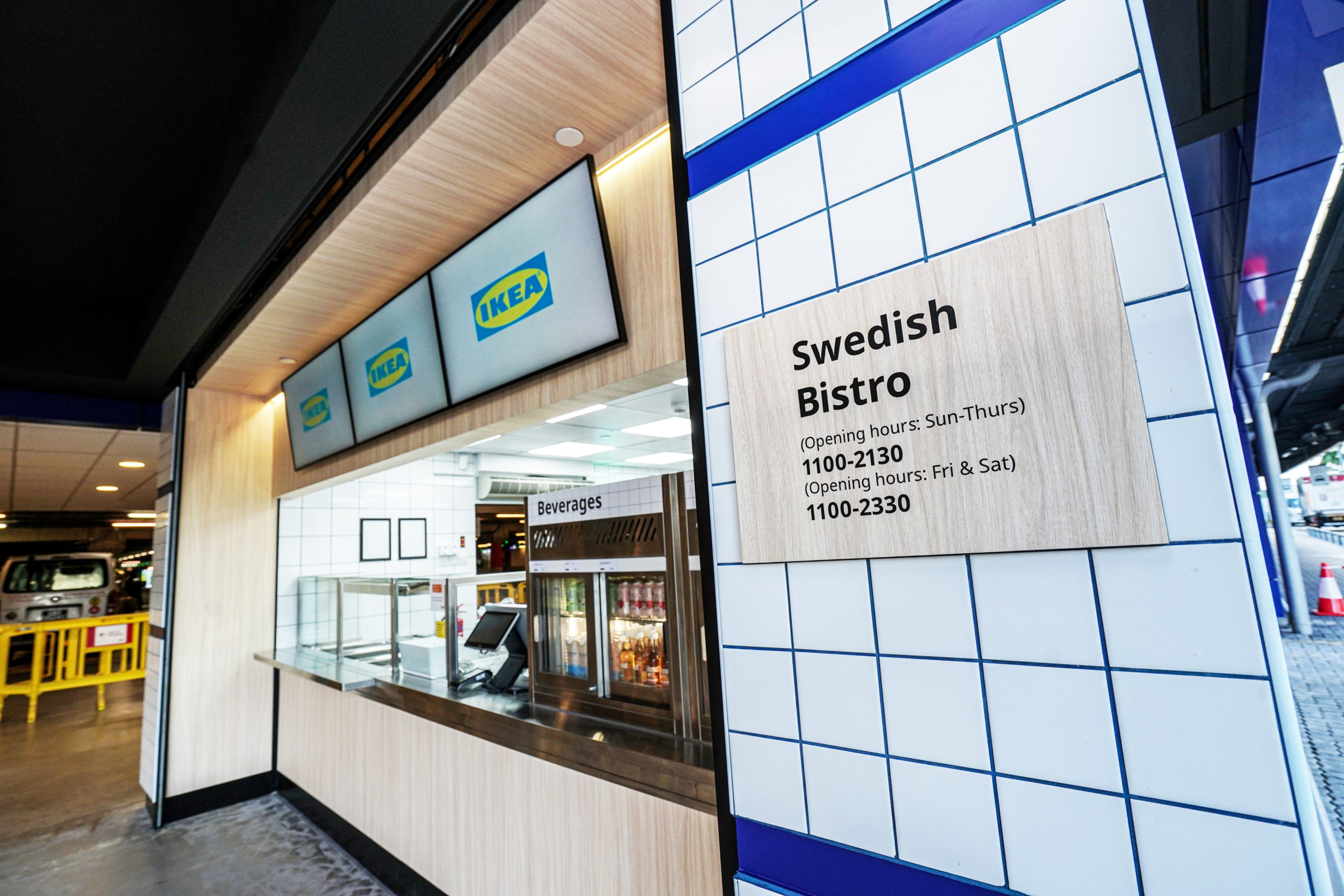
    IKEA Singapore has opened its new Swedish Bistro at its Tampines outlet on Sep. 9, 2021.

    Located between the level 1 front-facing entrance and exit, this outlet will feature a grab-and-go concept focused on convenience.

    IKEA Classics

    Those on the go might also want to purchase the Swedish Meatballs (six pieces for S$5) or Plant Balls (six pieces for S$5).

    Swedish Meatballs:

    Swedish Bistro IKEA Tampines

    Address: 60 Tampines North Drive 2, Singapore 528764

    Opening hours:

    Sunday to Thursday, 11am to 9:30pm

    Friday and Saturday, 11am to 11:30pm

  • Be Group appoints new CEO

    Be Group appoints new CEO

    Vu Hoang Yen has been appointed the new CEO of Be Group, which runs the eponymous ride-hailing app, starting Wednesday.

    She replaces Nguyen Hoang Phuong who has resigned citing personal reasons.

    A graduate of the London School of Economics, Yen has previous work experience in e-commerce, finance, banking, and digital conversion. She was one of Forbes Vietnam’s top 10 professional women managers in 2019.

    The group’s targets for the fourth quarter of 2021 and the next year include introducing optimal operational solutions for technology-based transport; and developing digital ecosystems including finance, banking, insurance, flight, and hotel bookings.

    The group says the Be app has been downloaded to 10 million mobile devices and the ride-hailing service currently has 300,000 drivers who work in nearly 30 cities and provinces.

  • China’s move to fight video game addiction will hurt Apple and Google in their pocketbooks

    China’s move to fight video game addiction will hurt Apple and Google in their pocketbooks

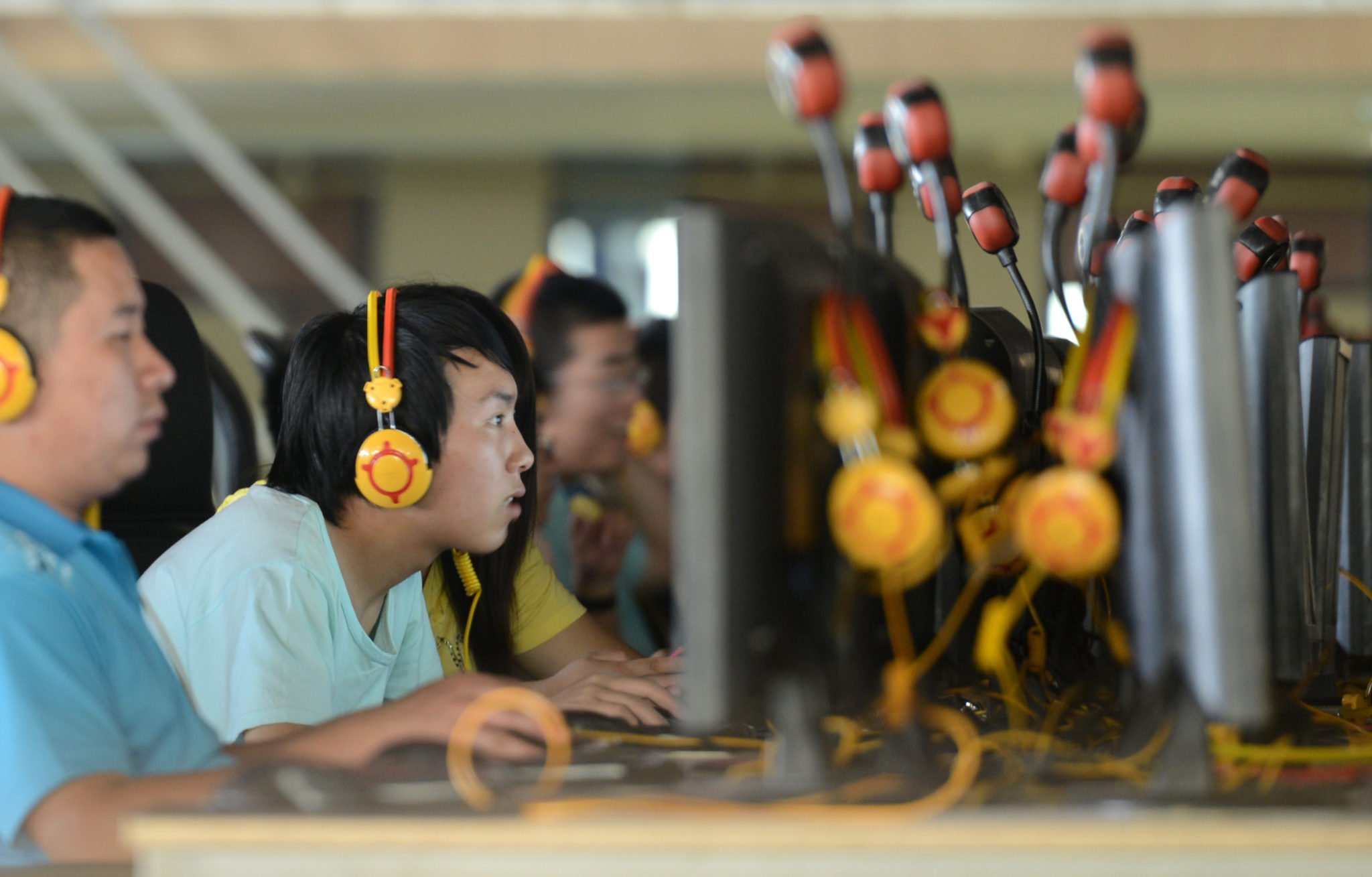
    If you love playing mobile video games, China is not the place to be. At the end of last month, the country issued new Draconian rules that severely limit the amount of playing time that kids and those under 18 can spend each week playing video games. The new rules announced by China’s National Press and Publication Administration limit video gameplay by those under 18 to one hour per day between 8 p.m. and 9 p.m. on weekends and legal holidays.

    This is a huge reduction from the previous rules that were out in place back in 2019 which allowed those under 18 to play video games for an hour on most days. Niko Partners senior analyst Daniel Ahmad said, “There are over 110 million minors that play video games in China today, and we expect the new limits to lead to a decline in the number of players and a reduction in the amount of time and money spent in-game by those under 18.”

    A publication related to the state ran an article with a headline referring to video games as “opium.” This comment was later removed and the article revised. Niko’s Ahmad says that there are 720 million gamers in China with 110 million under the age of 18. “Gaming addiction has affected studies and normal life…and many parents have become miserable,” the National Press and Publication Administration said in a statement.

    China has stopped handing out licenses to video games so that they can be listed online. This includes games available on the App Store. Regulators made the decision to stop issuing the necessary licenses. Sources who were briefed on the meeting said, “everything is on hold.” One source said that regulators halted licensing video games because they felt that approval of new games had been “a bit too aggressive” during the first half of this year.

    While the move is believed to be temporary, one source says that the plan is to keep the new rules in place “for a while.” China is hoping to reduce video game addiction in the country and the state believes that cutting the number of available new games will help it achieve its goal. Another source stated that there were discussions related to delaying the issuance of licenses for video games so that China could undergo “a smooth and successful deployment” of its plans to reduce video game addiction.

    From March 2018 to December 2018, China refused to issue any video gaming license. And again, last month, the country refrained from awarding a license to any video game. While the previous ban on video games lasted 9 months, there has been no time frame announced for the current ban.

    China requires video game developers to have a license issued by the Chinese government. While Android-based app stores like the Google Play Store started checking for the license in 2016, the App Store didn’t require that developers had the license until last year.

    When the country stopped issuing video games licenses for most of 2018, there was some financial impact on App Store earnings according to Apple CEO Tim Cook and CFO Luca Maestri. The executives commented again when China had resumed licensing games and said at the time that the company was having fewer issues with App Store revenue. While Apple and Google will see a decline in revenue for their iOS and Android storefronts respectively, Chinese video game companies like Tencent and NetEase will also be affected financially by China’s crackdown on video game addiction.

    Chinese state-run media have not yet disseminated the news about the country’s latest efforts to keep teens away from what the Chinese see as a highly addictive pastime.

  • Google Photos launches more print and canvases size options, home delivery

    Google Photos launches more print and canvases size options, home delivery

    Google Photos is getting some much-needed improvements for users in the United States. Google confirmed that it’s now rolling out larger photo print sizes, a new option to get prints delivered home, as well as new canvas print sizes.

    First off, Google Photos users in the United States will now have the option to have photo prints delivered directly to their home, whereas until now they would need to visit a CVS, Walmart, or Walgreens location to get them.

    Customers in the US can choose between exists 4×6, 5×7 or 8×10, or four additional sizes: 11×14, 12×18, 16×20 and 20×30 prints. To have them delivered to your home, you’ll have to pay $0.18 per print plus shipping. If you don’t want to wait, you can still pick them up from the local CVS, Walgreens or Walmart in the US or 7-Eleven in Japan.

    Additionally, Google announced that in the next few weeks, it will add six more canvas print size options to the Google Photos print store: 8×10, 16×16, 20×30, 24×36, 30×40 and 36×36.

  • Bamboo Airways to launch first US route this month

    Bamboo Airways to launch first US route this month

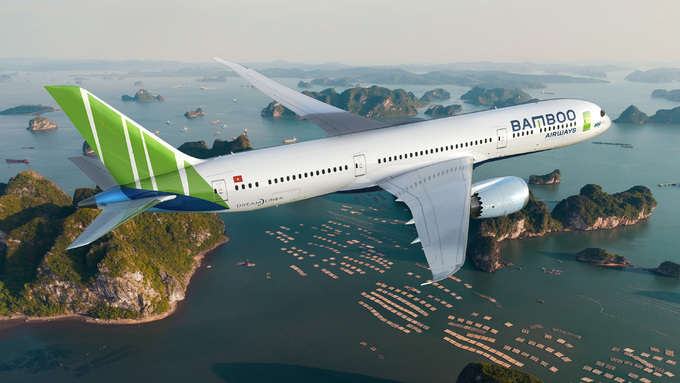
    Startup airline Bamboo Airways has completed the necessary procedures to begin its first direct flight to the U.S. starting Sep. 23, set to be the first Vietnamese airline to do so.

    The airline stated it has received licenses from U.S. Transportation Security Administration (TSA) to conduct 12 return flights between the two countries from this month until November.

    It will connect Hanoi and Da Nang City with San Francisco, Los Angeles and Seattle-Tacoma.

    Also starting Sep. 23, the airline of real estate developer FLC will begin a series of events in the U.S. including signing memorandums with San Francisco and Los Angeles airports and opening its first representative office in the U.S.

    Bamboo Airways in May received permits for charter flights from Vietnam to the U.S.

    The U.S. is considered one of the most difficult aviation markets in the world with stringent safety regulations from the TSA.

    Bamboo Airways is the second Vietnamese airline to have acquired permits from the TSA, with the first being Vietnam Airlines which is set to start its first U.S. route next month.

    Vietnamese authorities first wanted to open direct services to the U.S. 18 years ago. However, concerns about profitability have kept airlines from realizing the goal.