Category: General

Retail News Asia is committed to providing both local and global retailers with the latest General Retail news throughout the Asian market. This on a daily base.

  • Ministry wants betting to be allowed on more global football events

    Ministry wants betting to be allowed on more global football events

    The Ministry of Finance wants more global football tournaments added to the list of those on which people can bet.

    The list comprises 27 events, including 15 leagues in Europe, Asia, North America and South America and 12 tournaments held every two or four years.

    Gamblers will be allowed to bet on matches Vietnam play, including in the World Cup, AFC U-23 Championship, Olympics, Asian Cup, and U-20 World Cup.

    The minimum and maximum bets on football matches, horse races and dog races will remain unchanged from 2017 at VND10,000 ($0.44) and VND1 million.

    A 2017 government decree allows Vietnamese to bet on all football tournaments run by FIFA.

    But gambling remains illegal in Vietnam. There are a handful of licensed casinos, but only holders of foreign passports are allowed to gamble there.

    Vietnamese are known for their love of gambling. It is estimated they spend at least $800 million a year betting overseas, mainly in Macau, Singapore and Hong Kong.

    Illegal betting and gambling are rife within the country too. Da Nang City police last year arrested a man running an online football gambling ring with stakes of nearly $1 million.

  • Twitter testing edge-to-edge photos and videos for a more immersive visual experience

    Twitter testing edge-to-edge photos and videos for a more immersive visual experience

    Twitter has been working on steadily adding new features to the social media platform in the past few months, and now, TechCrunch reports about a new feature that’s undergoing testing right now, and it is edge-to-edge tweets, photos, and videos. The latest test Twitter is currently working on brings a more immersive visual experience with the introduction of edge-to-edge tweets, a feature that’s tested only on iOS right now and will expand to Android later on. This improvement in the way photos and videos are displayed on the app is a part of the general direction the company is going: making your Twitter feed a more visually pleasing experience.

    Earlier this year, Twitter introduced bigger images and more cropping tools to the platform as well, and this change was well received by photographers and photography enthusiasts, meaning to share their content on Twitter.

    The test that’s ongoing now makes tweets fill the full frame from left to right, instead of having a large margin on the left. This change makes allows for larger videos and photos that look more visually pleasing and modern, instead of being squished to the right of users’ profile pics.

    This way, Twitter says it wants to encourage its users to have conversations across photos and videos, and not only texting (which was the traditional approach the social media platform had).

    In the announcement, Twitter stated the new immersive experience will bring life to your Twitter feed and will make it possible for you to concentrate your focus on your message, video, photo, whatever it is you want to share.

    Recently, the social media giant introduced Twitter Spaces, which is a step towards bringing a better audio experience to the users, and it’s no surprise that with videos playing a more prominent role in social media interactions (as an example of which we can look at TikTok’s success and rising popularity as a video platform), Twitter is also ready to take on that route and bring more photo and video features.

    Marketers are partial towards videos for advertisements, so more advertising possibilities could also be playing a role in this change Twitter is currently testing.

    The most recent new feature Twitter has launched is the long-tested Super Follows feature and a new Safe Mode, which is meant to protect you against potentially offensive or harmful interactions (that is, if you enable it). Both these features are currently live for a small set of users, primarily in the US, and will be launched globally soon.

    The Super Follows feature is, basically, a way to subscribe to a creator and receive exclusive content, something similar to Patreon’s pledges. Safe Mode on the other hand uses artificial intelligence to determine potentially harmful messages to you and restrict these users that are sending them. An example of that is someone you haven’t been replying to sending repetitive DMs in an aggressive manner, of course, if the feature has been enabled from Settings.

    Apart from that, Twitter has been spotted to work on the feature to archive previous tweets, a welcome addition meant to help you get rid of old tweets that you don’t like, or just annoy you to be displayed on your profile. The feature will allow you to archive old tweets automatically, so you don’t have to worry about those. Once this feature, which is currently in a testing period, gets released, you will be able to set it up for 30, 60, or 90 days. It will archive these old tweets according to your settings.

  • AirAsia extends unlimited flights

    AirAsia extends unlimited flights

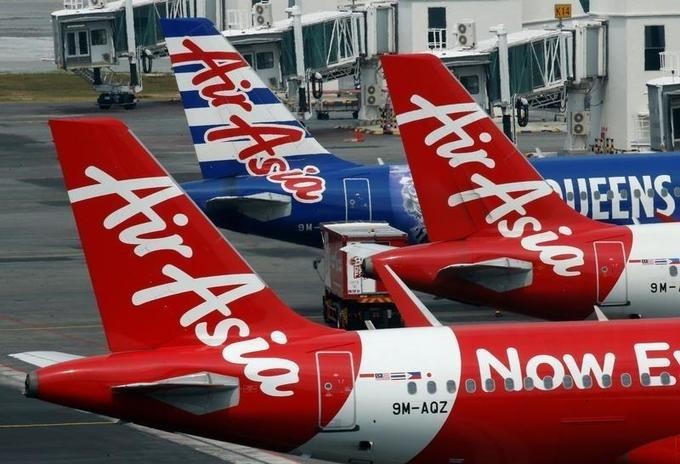
    As IATF Resolution 136-F allows interzonal travel from GCQ to GCQ or GCQ to MGCQ areas subject to restrictions of the local government unit of destination and strict health and safety protocols such as the presentation of a negative RT-PCR test upon arrival, AirAsia Philippines is giving its 12,000 UNLI Flight Pass holders great value for money and great ease especially with the return of leisure travel in the National Capital Region.

    Beginning September 8-30, 2021, AirAsia will start to fly travelers to Cebu, Davao, Zamboanga, Panglao, Tacloban and Caticlan.

    UNLI Flight Pass’ is extended until 17 January 2022.  Consequently, the travel period has been extended from 30 October 2021 to 31 January 2022.

    In a press release, AirAsia Philippines said UNLI Flight Pass was tremendously welcomed by travel enthusiasts, mostly young professionals and families during its launch in November 2020.  It has also become the travel partner of essential travelers and Authorized Persons Outside Residence such as medical frontliners and members of the uniformed services like different branches of the Armed Forces of the Philippines, Philippine National Police, Philippine Coast Guard, Bureau of Fire Protection and Bureau of Jail Management and Penology.

    More than 5,400 flights have been booked using the UNLI Flight Pass to leisure destinations such as Boracay, Cebu and Bohol.  However, AirAsia reminds the public that the promo is also open to all their domestic destinations including Davao, Cagayan de Oro, Zamboanga and General Santos City.

  • Singapore retail sales stabilise at below pre-Covid levels

    Singapore retail sales stabilise at below pre-Covid levels

    Singapore’s retail sales rose 79.7 percent year on year in May to S$3.3 billion, rebounding from the low base during the 2020 “circuit breaker”, according to a Singapore Department of Statistics released on Monday.

    This was up from April’s 54 percent jump and exceeded economists’ expectations of a 65 percent rise. Yet retail sales remain below pre-Covid levels, noted Singstat. May’s figures were also down 6.8 percent on a month-on-month seasonally adjusted basis.

    Online sales accounted for 13.7 percent of May’s takings, up from 11.2 percent in April. Excluding motor vehicles, May’s retail sales were up 61.6 percent year on year, but down 5.2 percent on a month-on-month seasonally adjusted basis.

    Due to “the low base in May 2020 when most physical stores were closed for the whole month”, all retail industries saw major year-on-year increases, except for two categories: supermarkets and hypermarkets, and mini-marts and convenience stores. These saw falls of 12.1 percent and 9.2 percent respectively.

    The largest increases were seen for watches and jewelry, with May’s takings more than 20 times the year-ago figure; department stores; and wearing apparel and footwear.

  • Hanoi to restrict motorbike shipper timings

    Hanoi to restrict motorbike shipper timings

    Hanoi will restrict motorbike shippers’ timings to between 9 a.m. to 8 p.m. every day, starting Monday, while requiring continued compliance with all pandemic prevention and safety measures.

    All shippers, accordingly, will have to furnish a certificate with negative PCR or rapid antigen test results in line with health ministry regulations.

    The timing restrictions are needed because the motorbike delivery service is hard to control and carries the risk of further spreading the coronavirus, officials said.

    Hanoi has allowed delivery people from supermarkets, e-commerce platforms and postal services but not from ride-hailing companies like Grab, Be and Gojek since July 24.

    Hanoi has undergone several social distancing orders since late July. It has recorded over 3,700 infections in the ongoing outbreak that hit the nation late April.

    City authorities have said that they would extend strict lockdown orders in most parts of the city after September 6.

  • Airasia Staff 100 vaccinated and ready to fly

    Airasia Staff 100 vaccinated and ready to fly

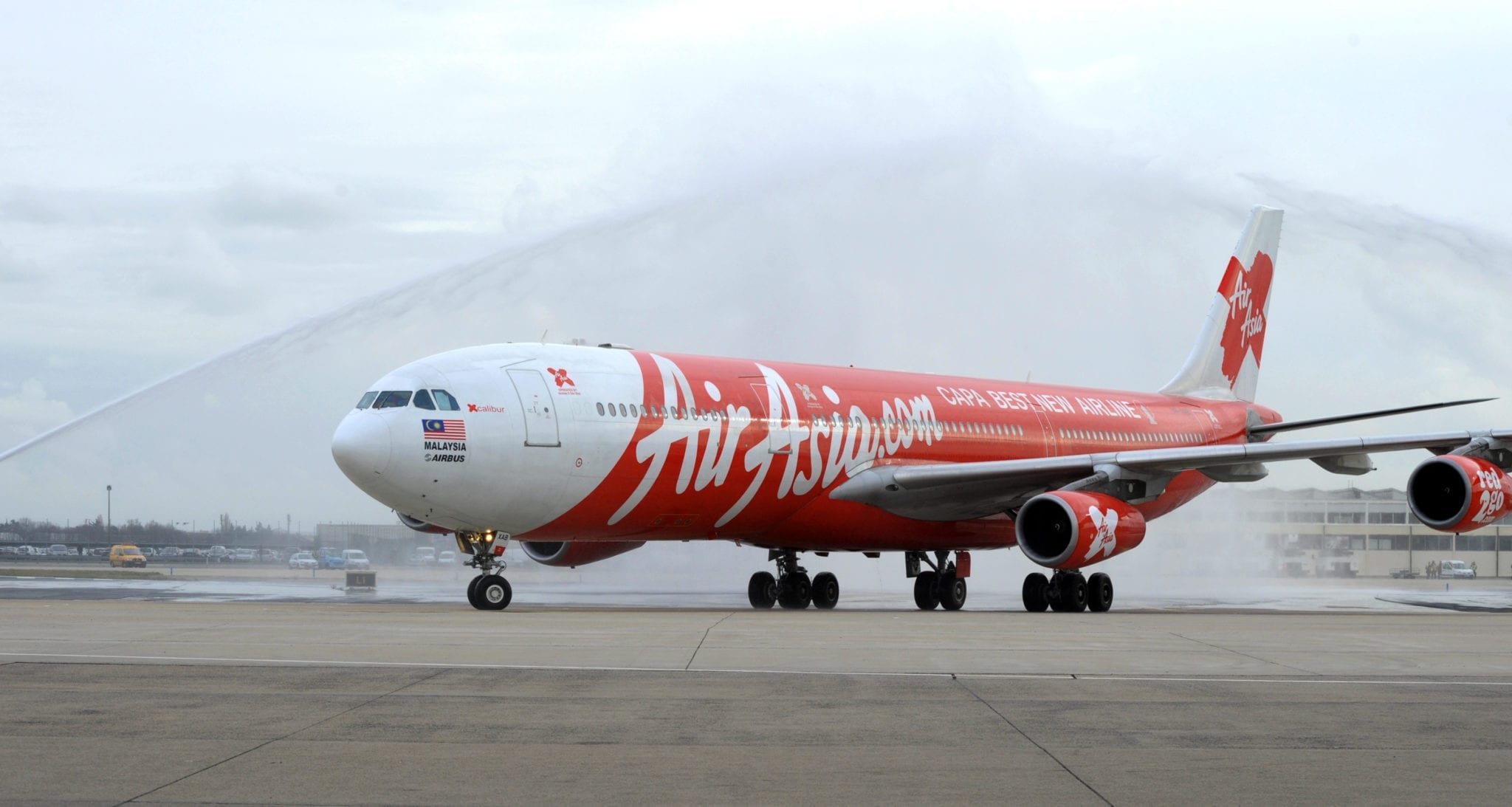
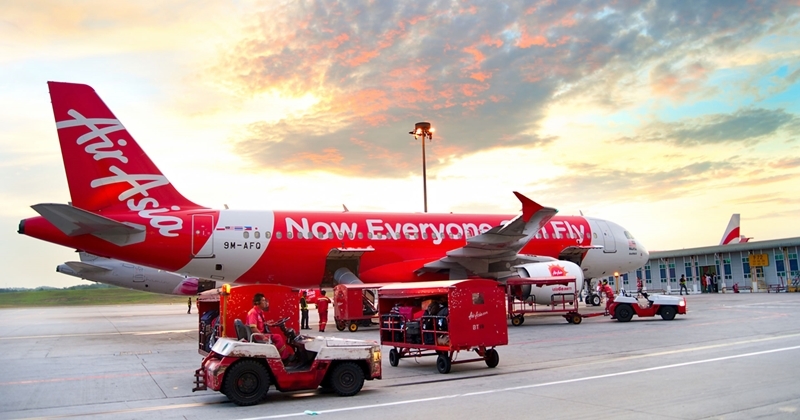
    AirAsia Group is ready to fly with its operating crew and frontline staff 100 percent vaccinated. And that is just part of the story with the airline group having a host of contactless safety and hygiene measures in place to ensure the highest standards are maintained ahead of a resumption of air travel.

    Group CEO Tony Fernandes said “we are ready to fly and as part of our strict safety policy we are mandating that all of our operating crew and frontline staff serving guests, including pilots, cabin crew, and airport staff are fully vaccinated to return to work.

    “We’ve always been about the people and it doesn’t just stop with our own Allstars (employees). With stringent health and hygiene protocols and robust standard operating procedures, guests can be assured of a 360-degree peace of mind when traveling with us again.

    “The acceleration of vaccines in all of our key markets is setting us up for a strong return to the skies. More than 50 percent of the adult population in Malaysia is now fully vaccinated, and Malaysia is tracking to have at least 80 percent of its population vaccinated by the end of 2021. We are also seeing promising progress in Singapore, Korea, and the Philippines.

    “More than 50 countries in the world have begun to welcome vaccinated travelers again. As ASEAN accelerates the vaccination effort, we are hopeful that countries will soon ease travel restrictions for vaccinated travelers for both domestic and international travel and will resume plans for travel bubbles.

    “Thanks to vaccines being aggressively rolled out in all of our key markets, better testing and education, the end is in sight and I’m hopeful we will be able to return to the skies in the near future. Importantly, we are fully prepared and ready for take-off,” Mr. Fernandes said.

    The AirAsia Group was one of the first airlines worldwide to achieve the top 7/7 rating for being Covid-19 ready by Airlineratings.com.

    All of the airlines in the Group are IOSA accredited which is the global benchmark for upholding the highest safety standards says the AirAsia Group.

    AirAsia says it has used downtime in flying to implement robust procedures and innovations to make flying even safer and more hygienic than ever.

    A new check-in feature enables guests to verify any required medical documents in real-time online before heading to the airport and the airline Group is in the process of rolling out biometric facial recognition technology at key ports commencing with klia2 in the near future.

    AirAsia will soon have its check-in system integrated with the Malaysian government’s MySejahtera digital health app to enable a seamless and hassle-free check-in procedure.

    “With all the uncertainties Covid-19 has provided, one thing I am sure of is that we will return to the skies soon with a more robust and viable business model which isn’t solely reliant on airfares alone as our digital transformation to become the ASEAN super app of choice is now fast becoming a reality,” added Tan Sri Tony.

  • Germany’s Metro chain withdrawing from Japan

    Germany’s Metro chain withdrawing from Japan

    Metro aims to cease the operative business by the end of October 2021, whereby all 10 stores and the delivery business will be closed. The company has thoroughly analysed alternative options but sees no path to profitable growth and a leading wholesale position in the Japanese market. The exit of METRO Japan business will lead to one-off costs in Q4 2020/21 and one-time free cash flow gains through asset sales over the next 2 years. The recurring annual impact is positive on both P&L and cash flow. METRO Japan will make every effort to assist its employees through the transition in a fair manner and act fully in line with employer practice standards.

    “In each market it is operating in, METRO aims to achieve a leading market position as food wholesaler. METRO Japan has been under pressure for quite some time. We finally made the decision that we do not see the opportunity to achieve the necessary scale in Japan and thus to reach our profitability targets and sustainable growth in sales. Hence, we have concluded that METRO Japan is not a strategic fit for the company’s long-term objectives,” explains Dr Steffen Greubel, CEO of METRO AG. “On behalf of our Management Board I want to extend my sincere appreciation to our Japanese colleagues for their diligent work, enduring passion and commitment in serving our customer over the past 20 years.”

    With 10 wholesale stores all situated in the Greater Tokyo area, METRO Japan has been serving predominantly professional customers in the hospitality sector for the last 20 years. However, an unfavorable market position coupled with increasingly competitive landscape limited the company’s growth potential and weighted on profitability. METRO Japan has undertaken numerous attempts such as adjusting store formats, improving the assortment and expanding the delivery business to reposition the business. These attempts didn’t show reasonable results due to lack of scale and highly competitive market characteristics.

    METRO Japan will cease its business operations by October 2021, while the real estate portfolio in Japan will be sold. The portfolio includes 6 owned land plots with stores and 3 locations with long-term leases. As the result of this transaction, METRO expects a recurring uplift of approx. €15 million in FCF1 and up to €5 million in EBITDA. The company expects a negative one-off impact of between €30 million and €50 million on EBITDA in Q4 FY20/21. Overall, the proceeds from selling the real estate are expected to clearly surpass the one-off cash-outs for the wind-down, making the transaction cash-positive.

    The Japanese operations of Classic Fine Foods (CFF), the foodservice distribution specialist of METRO, are not affected by this decision, CFF will continue to operate in Japan.

  • Twitter launches Super Follows and Safety Mode

    Twitter launches Super Follows and Safety Mode

    After a few months in beta, Twitter announced that it’s making Super Follows available to select users in the United States. Super Follows allows Twitter users to earn monthly revenue by sharing subscriber-only content with their followers on the social network.

    Those interested can set a monthly subscription of $2.99, $4.99, or $9.99 a month to monetize bonus content for their followers on Twitter. Creators can interact with their Super Followers by looking for the Super Followers badge. The public badges will be highlighted under their Super Followers name whenever they reply to a creator’s tweet.

    For the time being, Super Follows is only available to a small group within the United States. However, those interested can apply to join the waitlist to set up a Super Follows subscription by swiping open the sidebar on the Home timeline, tapping on Monetization, then selecting Super Follows.

    It’s important to mention that you need to have 10,000 or more followers, be at least 18 years old, and have tweeted 25 times within the last 30 days to be eligible for the waitlist. Obviously, you need to be in the United States too.

    Currently, users in the United States and Canada on iOS can Super Follow select accounts, but Twitter says it will be rolling out the option to people using iOS globally in the next few weeks.

    Additionally, Twitter announced that starting today, it’s rolling out Safety Mode, a new feature that promises to reduce disruptive interactions. Safety Mode is only pushed out to a small group of Twitter users on iOS, Android, and desktop, which have English-language settings enabled.

    Safety Mode is meant to temporarily block accounts for seven days for using potentially harmful language or sending repetitive and uninvited replies or mentions. Those who get the feature must enable it from the Settings so that Twitter’s systems can assess any potential negative engagement.

    Those who are found guilty of using harmful language in their tweets will be auto blocked, which means they’ll be temporarily unable to follow your account, see your tweets, or send you Direct Messages.

  • AirAsia Thailand returns with 11 domestic routes from Sept 3

    AirAsia Thailand returns with 11 domestic routes from Sept 3

    AirAsia Thailand will return to the skies starting with domestic flights beginning Sept 3, 2021 following an announcement by the Civil Aviation Authority of Thailand allowing the operation of regulated flights.

    The reinstatement of flights by AirAsia Thailand will kickstart with 11 domestic routes from Don Mueang Airport to Chiang Mai, Phuket, Hat Yai, Nakhon Si Thammarat, Chiang Rai, Khon Kaen, Udon Thani, Ubon Ratchathani, Nakhon Panom, Roi Et and Narathiwat.

    AirAsia Thailand is offering a 30% discount on all seats for all flights including weekends and public holidays to celebrate the restart of its domestic operations. Book from Aug 28- Sept 5, 2021 and travel from Sept 3 Dec 31, 2021 at the airasia super app or visit airasia.com.

    All bookings come with an unlimited free flight change option while all flights will be operated under stringent adherence to health and safety protocols set by the government to ensure the comfort and safety of all guests.

    AirAsia Thailand Chief Executive Officer, Santisuk Klongchaiya, stated that while AirAsia Thailand hibernated all its flights throughout August in accordance with government announcements, it remained busy at work, preparing to return to service.

    All aircraft undergo regular maintenance during hibernation to ensure they are in top performance. The carrier has been working very closely with the Civil Aviation Authority of Thailand, Thai Airlines Association and other relevant public health agencies to ensure only the highest of safety and hygiene standards are in place when it resumes operations.

    From September 2021, guests will be required to meet Civil Aviation Authority of Thailand conditions in accordance with the criteria specified in the travel conditions of the destination provinces, such as to present the documents indicated of having complete cycle of vaccination and/or have documents showing results of testing for Covid-19 by RT-PCR or Antigen Test Kit (ATK), or are exempt from other measures in the destination province (such as having a document certifying that they have been naturally recovered from the infection for no more than 90 days, or have a document certifying that they have passed the quarantine requirement, or have documents for the implementation related to the country’s initiative Sandbox Project).

    Passengers are also mandated to declare their essential travel information via https://covid-19.in.th/ prior departure.

    The airline will also be maintaining stringent health and safety measures, including regular disinfection of all contact surfaces, limiting flights capacity to a maximum of 75% passengers on each flight, onboard food and beverage consumption is yet not allowed throughout the journey, and not more than 50 passengers allowed to be in the transfer bus each round to maintain social distancing and limiting contact.

    All AirAsia aircraft are equipped with hospital-grade HEPA filters that are able to filter out 99.99% of viral and bacterial particles in the air.

    The measures are including service personnel, that all staff on duties must be fully vaccinated against Covid-19 and be tested for Covid-19 according to the regulations. Pilots go through regular recurrent training and aircraft are well maintained.

    Flight and ground crew have been strictly trained to ensure the safety and wellbeing of guests at all times.

    In September 2021, AirAsia will begin its return to service with 11 routes before considering further flights.

    The flights are being introduced with a promotion of 30% off all seats on all flights, every day including weekdays and holidays. Bookings will come with unlimited flight change option that can be done conveniently through the Booking Management Menu or AVA Live Chat at no charge.

    Safety of staff and guests is always the top priority for AirAsia Group, which was one of the first airlines worldwide to achieve the top 7/7 rating for being Covid-19 safe by the aviation experts at Airlineratings.com.

    All of the airlines in the Group are IOSA accredited which is the global benchmark for upholding the highest safety standards at all times. Furthermore, the airline has used the downtime in flying to implement robust procedures and innovations to make flying even safer and more hygienic than ever.

  • Reopening Economy: Preparing Offices for Onsite Work in Singapore

    Reopening Economy: Preparing Offices for Onsite Work in Singapore

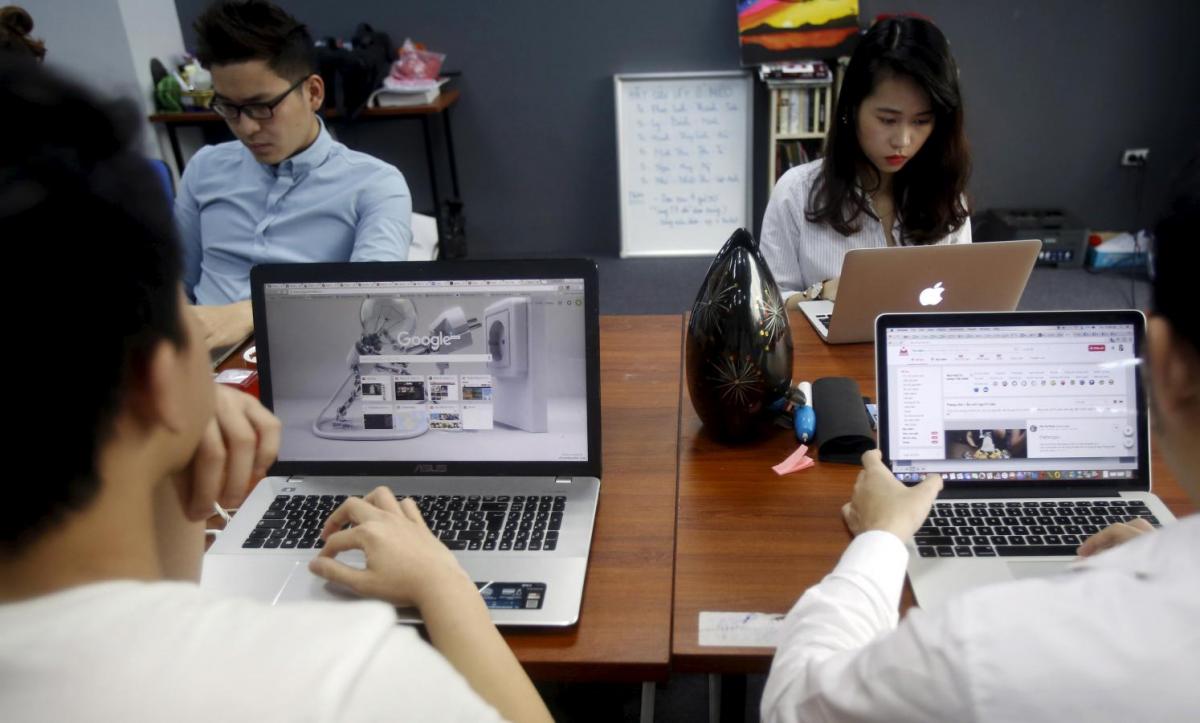
    For the majority of 2020, most people have been stuck at home in the midst of the Covid-19 pandemic. Work from home setups have been utilized, and after a year, we’ve gotten used to the blend of work and home life.

    However, with the reopening of many offices around Singapore in 2021, workers are now dealing with the shift back to onsite office work.

    Despite the Pandemic

    While the pandemic is still ongoing, offices have started to reopen alongside reopening the economy. Workers are now coming back to work in offices, albeit in intervals and with a skeletal workforce. The current state of the pandemic has made full workforce operations difficult, as many businesses continue to shift around pandemic regulations.

    Pandemic regulations are confusing, as expert recommendations change as the virus advances. However, some regulations are set in stone for all virus variants, such as wearing of masks, disinfecting surfaces, and social distancing rules.

    Back to Work

    Workers going back to work in a physical office can start preparing themselves for the physical and mental challenges of working in an office setting during a pandemic. Keep in mind that the current pandemic situation has eliminated casual office settings wherein employees can freely work together in small areas.

    Back to work means it is safe to assume that offices will start preparations for working under the new normal, especially as the virus continues to spread from person to person. Office managers and business owners are starting to put new normal regulations in place, considering the recommendations of infectious diseases experts, the CDC, and the local health department.

    Preparing the Office Amidst the Pandemic

    Disinfection and thorough cleaning is a standard practice in preparing the office for onsite operations; but as the virus continues to shake the country, business managers will need to prepare their workforce for working under the new normal.

    Social Distancing Rules

    The CDC continues to recommend a circumference of 6 feet around each individual for the best chances of preventing the virus from spreading. Social distancing is still a standard practice for any individual, and offices will need to prepare for this new set up.

    Office cubicles, break room tables, and workforce density will need to keep in line with new social distancing rules. Employees will no longer be allowed to freely loiter around the office, and water cooler conversations are discouraged in efforts to prevent the virus from spreading.

    Mask Mandates

    Masks continue to be staples in protective garb. Masks are as required as any other piece of clothing, especially in commercial spaces where different people gather. Double masking is the new recommendation of the CDC, as virus particles are less likely to pass through two layers.

    Employees will need to be trained for proper mask usage, as well as for identifying personal levels of exposure with and without masks. Double masking should now be standard practice for all offices, as workers prepare to return to their commercial workspace.

    Vaccination Requirements and Regular Testing

    By the 1st of October 2021, the Singaporean government has announced that selected sectors will have vaccination requirements in their onsite workforce, as well as regular testing for Covid-19 infected individuals. Majority of these sectors deal with commercial and onsite public services.

    Private businesses may opt to have vaccination requirements for employees upon return to onsite working, and provide regular Covid-19 testing to any individuals they assume has been exposed to the virus.

    Office Cleaning Services in Singapore

    Regular office cleaning and disinfection is a must in returning to work during the pandemic, as these services will get rid of any traces of harmful bacteria and viruses that may spread from one individual to another.

    In Singapore, Luce Office is one of the reputable office cleaning companies that offer disinfection services for commercial spaces on top of general cleaning and deep cleaning. Their cleaners will arrive in protective gear and sterilize your office for the next shift, ensuring that every nook and cranny has been cleaned and cleared of virus particles.

    Luce Office

    Office Address: 100D Pasir Panjang Rd #05-03A, Singapore 118520

    Services: General Cleaning, Deep Cleaning, Regular Office Cleaner, One-time Cleaning, Carpet Cleaning, Air Conditioner Repairs, Organizing, etc.

    Website: https://www.luceoffice.sg/

    Contact Number: 6872 1224


    https://www.pexels.com/photo/woman-having-a-video-call-4031818/

  • Covid impact sees Vietnam retail sales drop

    Covid impact sees Vietnam retail sales drop

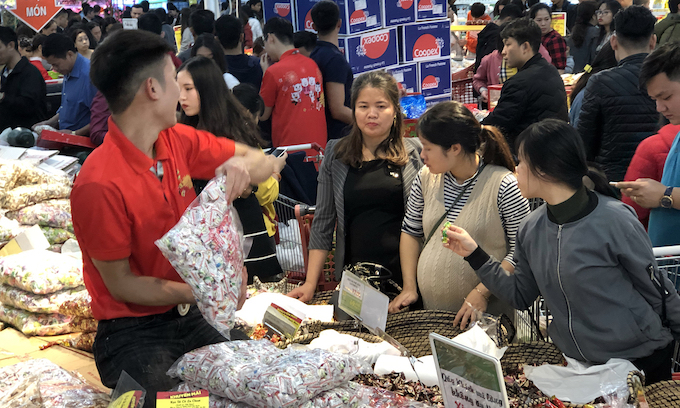
    Vietnam retail sales plunged 33.7 percent year-on-year in August as the country faced stricter restrictions due to the ongoing Covid-19 pandemic.

    According to the General Statistics Office, August’s retail sales plunged 10.5 percent compared to July. In the first eight months of this year, revenue from retail trade and service declined 4.7 percent year on year, reaching US$133.43 billion.

    The Covid-19 situation in the country has seen varying degrees of lockdown in Vietnam’s major cities including Hanoi and HCMC since June.

    In HCMC, retail revenue is estimated to reach US$1.5 billion, falling 15.9 percent month on month. The e-commerce sector, which had been expected to flourish as demand soared, recorded negative growth due to the restriction of delivery services under the Prime Minister’s Directive No.16.

    Restaurants – including online ordering with delivery or pickup – have been banned from trading for nearly two months in Ho Chi Minh City.

  • Vietnam stops selling domestic flight tickets

    Vietnam stops selling domestic flight tickets

    The Civil Aviation Authority of Vietnam (CAAV) on Monday requested airlines to stop selling tickets for domestic flights until further notice.

    Airlines would need to refund tickets for customers who’ve already purchased theirs from July 21, the CAAV added.

    The number of flights from cities and localities under Covid-19 social distancing orders as dictated by Directive 16 would be limited as well, it said.

    Since July, the CAAV has requested airlines to limit the number of flights from socially distancing localities to Hanoi amid concerning coronavirus threats. The Hanoi-HCMC flight route, an important one, has been limited to two flights a day at maximum.

    Domestic flight passengers must present effective negative coronavirus test papers.

    Vietnam closed its borders and canceled all international flights in March last year, and has since allowed only certain categories of visitors with strict Covid-19 quarantine requirements.

    The country has recorded 445,292 local Covid-19 cases since the fourth coronavirus wave hit Vietnam in late April.

  • Japan’s retail sales extend gains but Covid-19 challenges persist

    Japan’s retail sales extend gains but Covid-19 challenges persist

    Japan’s retail sales rose for a fifth straight month in July, beating expectations as the consumer sector continued its recovery, although a coronavirus resurgence has cast doubts over the spending outlook.

    A surge in Delta variant cases this month forced the government to widen state of emergency restrictions, which are now threatening to hurt consumer spending and derail a fragile economic recovery.

    Retail sales advanced 2.4% in July from the same month a year earlier, government data showed on Monday, slightly faster than economists’ median forecast for a 2.1% rise in a Reuters poll. It followed a 0.1% increase in June.

    “The recent strength in retail sales is unlikely to last,” Marcel Thieliant, Senior Japan Economist at Capital Economics, said in a note.

    “The severe Delta wave now hitting the country coupled with an ever-expanding list of prefectures under states of emergency resulted in a renewed weakening in consumption this quarter,” Thieliant said.

    The better-than-expected rise in retail sales in July came as authorities struggled to get a defiant public to heed stay-at-home restrictions in major cities like Tokyo, which hosted the Olympics during the month.

    The trade ministry data found strong demand for a variety of items such as cars, clothing, general merchandise, and food while fuel was helped by higher petrol prices.

    Small retail establishments like convenience stores and drug stores saw the biggest sales growth from a year earlier.

    However, growth was also flattered by the comparison with last year’s steep slide, when consumer demand was hurt by the coronavirus pandemic.

    Compared with the previous month, retail sales gained a seasonally adjusted 1.1% as consumption continued the surprising growth seen in the second quarter, helped by the Tokyo Olympics.

    The world’s third-largest economy grew at a better-than-expected rate in the April-June quarter, thanks largely to private consumption, which makes up more than half of the country’s gross domestic product.

    But rebounding consumer activity poses a challenge to policymakers as the more contagious Delta variant of COVID-19 upends the nation’s healthcare system, with state of emergency curbs now covering nearly 80% of Japan’s population.

    “People’s mobility has been decreasing, and consumption may peak out in August,” said Atsushi Takeda, chief economist at Itochu Economic Research Institute, noting that the downward trend could drag until September.

  • Central Group takes control of Bangkok’s Mega Bangna parent

    Central Group takes control of Bangkok’s Mega Bangna parent

    When Vietnamese Prime Minister Nguyen Xuan Phuc visited Thailand in August, a red carpet was rolled out for him at Central Group’s Central Ladprao, a shopping complex in downtown Bangkok.

    The premier had been invited to attend the opening ceremony of a Vietnamese trade fair. He was greeted by members of Central Group’s founding Chirathivat family, including Chief Executive Tos Chirathivat, who reminded his guest that he wanted to invest more in Vietnam, the group’s biggest market outside Thailand.

    Tos introduced the premier to his youngest son, who had just graduated from a U.S. university and will join the family business in the group’s online operations.

    “He doesn’t know anything about retail,” Tos, laughing, said. “But the young generation, they know a lot about digital technology.”

    International expansion and e-commerce are two challenges that Tos, a grandson of group founder Tiang Chirathivat, has been tackling as the traditional retail business faces slowing growth.

    Like many other family businesses in Thailand, the Chirathivats are ethnic Chinese.

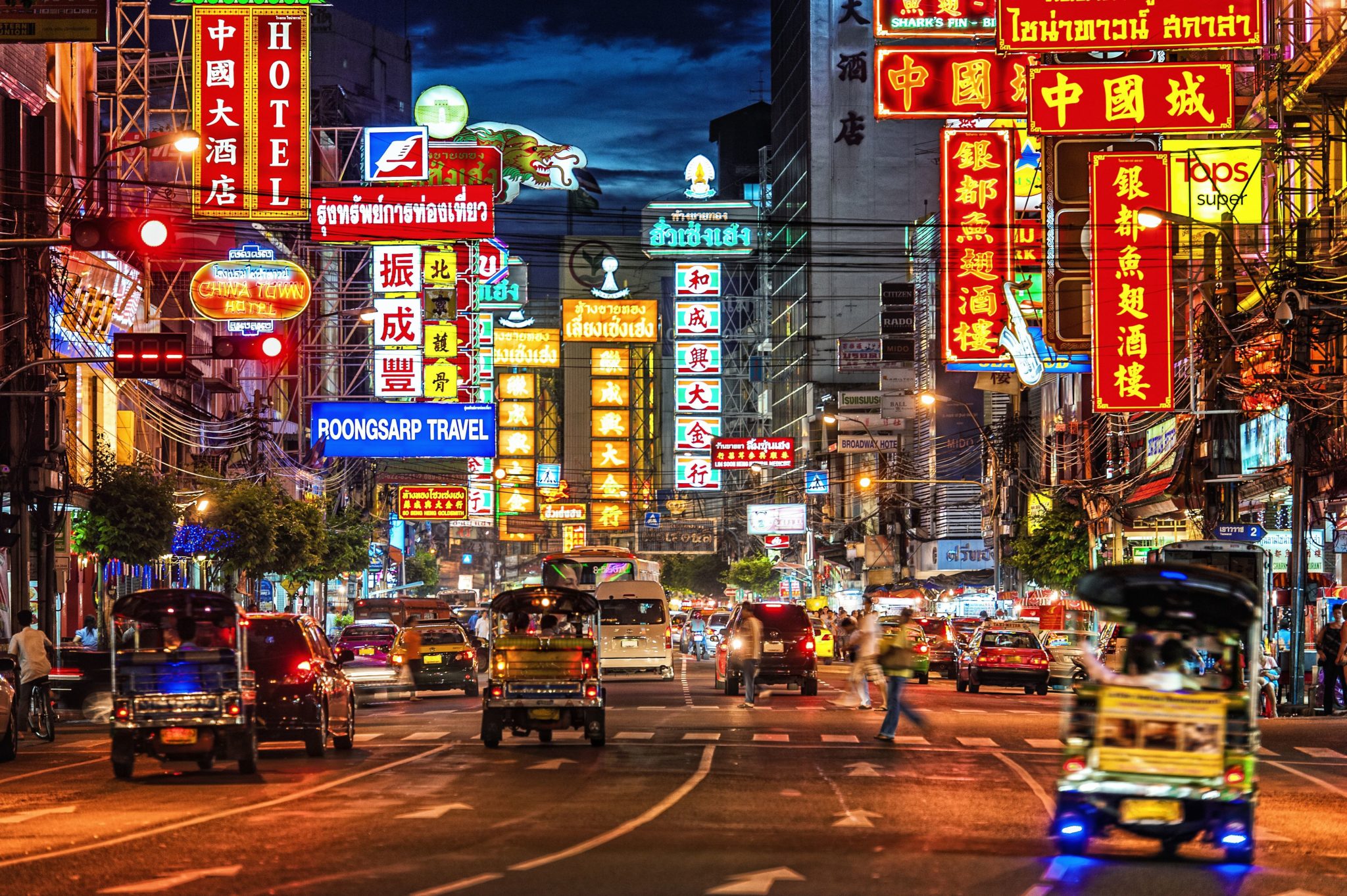
    Founder Tiang emigrated from Hainan Island to Bangkok in 1925. While many other Chinese immigrants chose to start businesses in the city’s Chinatown, he set up his first shop in the Thonburi district on the outskirts of Bangkok and across the Chao Phraya River from the city center.

    His shop was close to a large temple built by the royal family, so Tiang sold refreshments and provided a boat parking service for visitors.

    He moved across the Chao Phraya River to a location near the grand Oriental Hotel (now the Mandarin Oriental), where he opened a store with his eldest son, Samrit, in 1947. In 1956, the family opened Thailand’s first department store in Chinatown.

    Today, the 70-year-old group has become a dominant player in Thailand’s retail sector, with more than 60 department stores and shopping malls. It also operates hotels and restaurants, with a total of 5,000 outlets.

    In 2016, annual sales amounted to 332.7 billion baht ($9.98 billion), up 17% from a year earlier, confirming its status as the largest retailer in Thailand. Its closest rival is The Mall Group, which operates such major Bangkok shopping malls as Siam Paragon and Emporium, with estimated annual revenue of 50 billion baht. Central Group is also larger than other major regional peers, such as the retail operations of SM Investments in the Philippines.

    The Chirathivat family is the third-richest family in Thailand, with an estimated worth of $12.3 billion, according to Forbes.

    Central’s growth has been supported by an expanding economy, a rising middle class and demand for new goods and services. It built malls and stores in competitive locations offering a wide range of products. But Thailand’s population is starting to age at a more rapid rate than neighboring countries, while they are spending more abroad. This is causing domestic demand to stagnate as competition intensifies and becomes more diversified.

    “There are so many things that are happening now that affect department stores,” which account for about 40% of group revenue, Tos said in a recent interview. “The retail market is so much bigger than just department stores,” referring to various forms of retail operations from malls to discount stores and specialty stores.

    The 52-year-old Tos said it is “pretty simple” for him to grasp industry trends given his long experience in the family business. “I’m good at looking at the big picture, investing and expert at finding money.”

    Tos, the youngest of Samrit’s eight children, studied finance at Columbia University in New York and initially wanted to be an investment banker. He worked for a year at Citibank in Thailand. But he decided to return to the family business and launched a hypermarket chain, Big C, in 1994.

    He also oversaw an expansion into rural areas, which now account for around half of the group’s retail sales, although a similar venture in China proved less successful.

    Because of his largely successful track record in leading the group’s diversification, the board of directors strongly backed the appointment of Tos as chief executive in 2013, although he said he was reluctant to take up the post because he was already “personally satisfied” with retail. “He had outstanding talent and everyone in the family knew that,” one family member said.

    He has since then spearheaded an international expansion drive by buying several European department stores, including Italy’s La Rinascente and Germany’s KaDeWe, as well as the local arm of Big C in Vietnam. International operations now account for roughly 30% of group revenue.

    ONLINE AMBITIONS

    But Tos expresses less confidence about his ability to keep up with online operations, in contrast to his deep knowledge about traditional brick-and-mortar businesses.

    “Digital and e-commerce is the only unknown for me, but it is also the future,” he admitted. “I’m not sure in terms of execution and how to bring in growth. But you can see everywhere now that if it works, the value is incredible and crazy.”

    Pressure is mounting. Although Southeast Asia’s e-commerce market is still relatively small with no dominant player, like Alibaba Group Holding in China or Amazon in the West, the market is growing rapidly. Amazon recently entered Singapore, while Alibaba has invested in Lazada, the largest e-retailer in Southeast Asia, and is planning to build a large logistics center in Thailand.

    Tos has responded by bringing in outside experts to help. Last year, the group started recruiting non-family executives into top management posts that resulted in a team dominated by outsiders for the first time. The new team, which reports directly to Tos, is aimed at strengthening the group’s shift to online operations.

    Nicolo Galante, an Italian and former McKinsey consultant who has revamped online operations and created new marketing channels for European retailers, became the group’s chief operating officer. He is initiating reforms by adding online shopping channels for each retail business from department stores to sports specialty outlets and attracting talent to new posts, such as chief technology officer.

    “In the next two to three years, the picture of e-commerce in Thailand will change dramatically,” Galante said. Unlike Europe, where the traditional retailers found themselves far behind Amazon by the time they decided to shift online, the developing e-commerce market in Southeast Asia means that “we are not yet late,” he said. “We have the unique opportunity to write the history for ourselves. But it is going to happen very fast and very soon.”

    Former bankers have also joined the group to provide financial expertise essential for supporting e-commerce. Yol Phokasub, former head of Siam Commercial Bank, was appointed to the newly created post of president. Prasarn Trairatvorakul, a former Bank of Thailand governor, is serving as a senior advisor.

    “Central has been aggressively adopting experts and foreigners as executives under Tos,” said Natenapha Wailerdsak, a lecturer at Thammasat Business School. This is a positive move, she said, since relying heavily on insiders could “restrict the businesses from expanding beyond the abilities of its family members.”

    FAMILY DOMINANCE

    Nonetheless, Central is often seen as one of the most family-dominated conglomerates in Thailand compared with other groups, such as Charoen Pokphand Group, the agribusiness-to-retail-to-telecoms empire led by Dhanin Chearavanont.

    Family members fill all of Central’s 15-member board of directors and seven-seat executive committee. Most of its group companies are private, with a few exceptions like development unit Central Pattana.

    In contrast, most of CP’s major assets are listed and its management includes non-family executives who head core listed subsidiaries such as Charoen Pokphand Foods and 7-Eleven operator CP All.

    “My grandfather and father, we wanted all the family members to be in the company if they wished,” Tos said. “But CP, they say they don’t want family members in the group. They are more aggressive and want the best professional people to run the business.”

    Dhanin said in his autobiography last year that just before he became president of CP Group when he was 30, he asked his relatives, including his older sisters and the wives of his brothers, to leave the company and he replaced them with young professionals.

    He also forbade hiring the children of family members for CP core businesses. “Bringing a son on board could also jeopardize the company’s future,” Dhanin said. “Not only would the company lose valuable [outsider] executives [who feel they will not be able to get a promotion], it would have trouble ensuring a smooth transition from one leadership to the next.”

    The Chirathivats share “a different philosophy,” Tos said. The group has a “stricter” management selection process that requires at least 75% approval from the family-dominant board. “They must have a trust in you, think that you are capable and good for the family,” he explained.

    The extensive Chirathivat family provides plenty of potential candidates. Founder Tiang had 26 children with three wives that resulted in roughly 220 Chirathivat offspring, of which 51 are involved in the business.

    To keep the family bonds strong and avoid disputes, Samrit Chirathivat, the founder’s son who built the foundation of the retail business, insisted that the family should live together. He built a house in Bangkok’s central Sala Daeng district that housed nearly 50 Chirathivats across three generations.

    “We were brought up together and interacted with each other a lot,” said Suthiphand Chirathivat, another of the founder’s sons and a group executive. The children worked in the group’s shops as clerks during school holidays.

    Although the central Chirathivat residence is now old and too small to hold many family members, some of them still live together in three main compounds in Bangkok.

    Family members also keep in touch through an online messaging group. Every year on July 10, the anniversary of the founder’s death, the family gathers at a temple near where the group had its first shop.

    A family council headed by Suthichai Chirathivat, another son of the founder who was the group’s first CEO and current chairman of the board, discusses issues such as marriage, education and the family budget that is financed by income from unlisted group companies. “We provide funds for those that aren’t involved in the business, too,” said Suthiphand Chirathivat.

    Central Group has put in place a succession plan to avoid internal disputes, which includes family and outside candidates. “The more pressing challenge for the Central Group when it comes to top management is how to transform it from a tightly family-dominated group to a more open and professional one,” said Pavida Pananond, associate professor at Thammasat Business School. “They need to address the strategic need to become a more regional and global player in retail.”

    Tos certainly recognizes that. “The company is growing faster than our babies,” he said. “To keep growing, we will need outsiders to take care of the group.”


  • Vietnam Airlines aims to start first US route in October

    Vietnam Airlines aims to start first US route in October

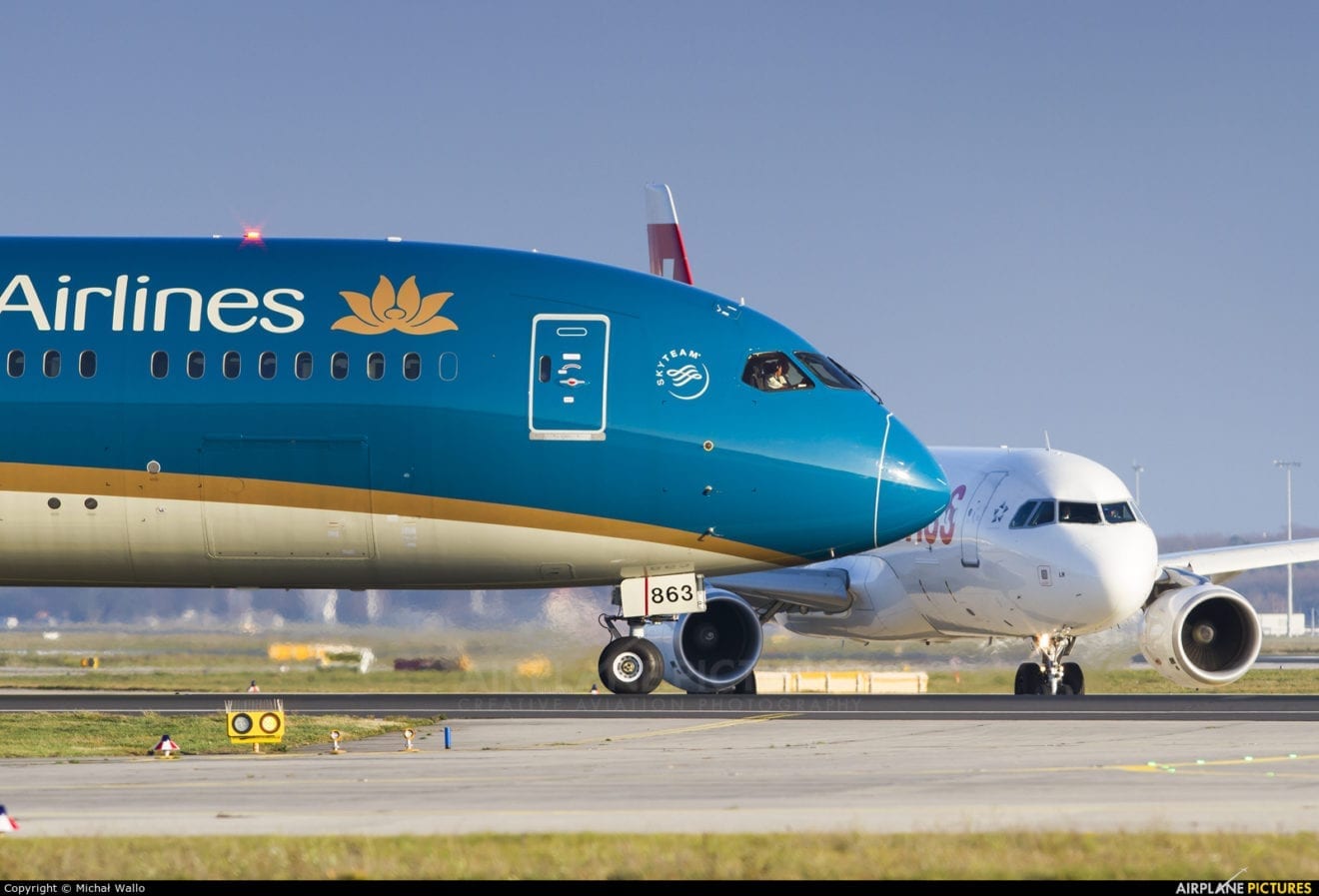
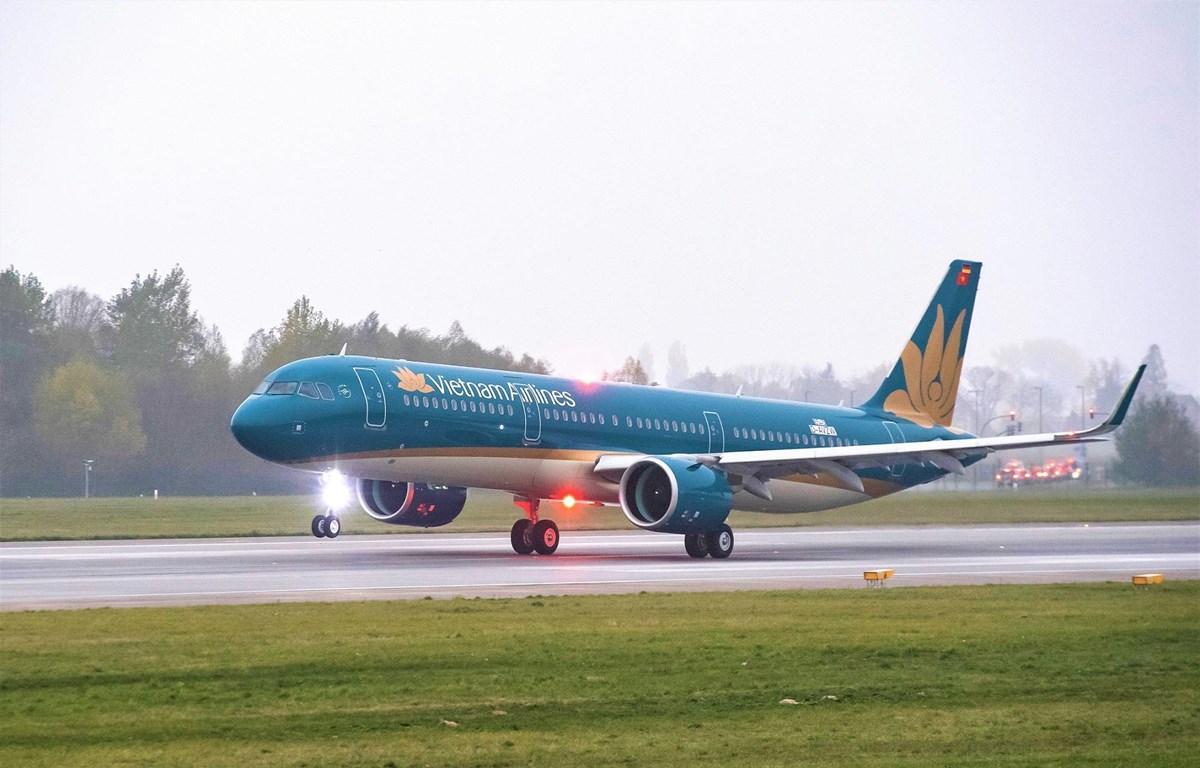
    Vietnam Airlines is planning to operate regular flights between Vietnam and the U.S. starting October, seeking to fulfill a dream of nearly two decades.

    The state-owned carrier will use either Boeing 787 or Airbus SE A350 aircraft for its inaugural U.S. route from Ho Chi Minh City to San Francisco with one refueling stop, CEO Le Hong Ha said.

    Since last year, the airline has been operating irregular charter flights to repatriate Vietnamese from the U.S. during the Covid-19 pandemic.

    The airline will rely on transporting cargo to offset initial low passenger demand, Ha said.

    Vietnam Airlines has been the worst-Covid-19-hit carrier in Vietnam. It has recorded a loss of about VND7 trillion ($306.65 million) in the first half this year, Ha commented.

    The airline in 2003 was ordered by the Ministry of Transport to begin direct services to the U.S. by 2005. However, concerns about profitability kept the airline from realizing the goal.

    Other Vietnamese airlines like budget carrier Vietjet and startup Bamboo Airways have all voiced interest in flying directly to the U.S.

    Bamboo Airways in May acquired slots to operate regular direct flights from HCMC to San Francisco and Los Angeles starting Sep. 1. But it is unclear whether flights would commence given the current severity of Covid-19 in Vietnam.

    In the first seven months of this year, Vietnamese carriers served 13.7 million passengers, down 32 percent year-on-year, according to General Statistics Office