Category: General

Retail News Asia is committed to providing both local and global retailers with the latest General Retail news throughout the Asian market. This on a daily base.

  • WhatsApp to get iPad, multi-phone support

    WhatsApp to get iPad, multi-phone support

    WhatsApp has been the number one messaging in the world for a while—which is no small thing—but it isn’t without its own set of drawbacks.

    For one, it can only be activated on one phone at a time, despite the beta version allowing a limited pool of testers to download it to 3 other devices (not including phones or tablets). Another nuisance is that it has never been supported on iPads or other tablets—making this one less way you can communicate on your brand new iPad mini 6, unfortunately.

    However, both of these things may be about to change, if a new rumor by WaBetaInfo is to be believed. The media outlet reports, based on exclusive screenshots provided by WhatsApp, that the company is actively working on integrating iPad support for the messaging app, as well as a second phone.

    So far, users have only had the ability to link up to 4 devices to their WhatsApp account, but only a single phone. The new screenshot provided by WaBetaInfo shows the syncing screen of WhatsApp messages being downloaded to a second device, which is clearly a phone by its rectangular shape.

    Anyone who is already a lucky beta user of the multi-device support feature that’s being developed right now may have seen this screen before on WhatsApp for desktop or WhatsApp Web, but never before on a second phone.

    As is visible in the screenshot, just like any other WhatsApp chat history backup or transfer, the whole syncing process of the messages is protected with end-to-end encryption.

    If you are one of the millions of people who both own a tablet and regularly use WhatsApp, the lack of this important feature has probably annoyed you at some point as well.

    But another screenshot by WaBetaInfo doubtlessly points to the fact that WhatsApp is hard at work creating a compatible version of the app for iPadOS and, by the looks of it, making progress.

    Although it’s an iPad in the screenshot, WaBetaInfo has tweeted that the Android tablet version is also definitely in the works.

    Competing messaging app Telegram already supports the addition of as many phones, and tablets, as you own—which has been one of the reasons some WhatsApp users have turned towards that platform instead, despite it ranking lower on the popularity tier.

    It’s definitely about time that WhatsApp got to work on including multi-phone and tablet support and, as it does currently sit at the top of the hill when it comes to messaging apps, it can hardly afford to lag behind in such important features for its users.

  • Instagram is pausing work on Instagram Kids following recent backlash

    Instagram is pausing work on Instagram Kids following recent backlash

    Following recent reporting from The Wall Street Journal that suggested Facebook had ignored internal research about the negative impact Instagram was having on teenage girls, development of Instagram Kids is being halted.

    Nevertheless, Instagram still believes that launching a version of its platform that targets younger users “is the right thing to do” and will now switch to working with parents, experts, and policymakers to demonstrate the need for Instagram Kids.

    The Facebook-owned platform also plans to continue building opt-in parental supervision tools for teenagers. Recent ideas include a “Take a Break” warning and encouraging users to view other topics.

    Instagram head Adam Mosseri clarified that its so-called Instagram Kids platform was never meant for young children. It instead targeted kids aged 10-12 because they often have phones but lie about their age in order to gain access to social media.

    The final version would have required parental permission to join and would be filled with “age-appropriate content and features.” Mosseri says ads weren’t going to be included either.

    The version of Instagram Kids that was in the works would have allowed parents to supervise the time their children spend on the app, as well as oversee who they follow, who can follow them, and messages.

    It’ll remain to be seen whether Instagram can convince the public that a version of Instagram for kids is needed. But what’s clear is that the social media platform isn’t giving up on its efforts just yet.

  • Airlines want minimum fares, no one else does

    Airlines want minimum fares, no one else does

    While economists fear having lower limits for airfares will distort competition, some airlines worry safety is at stake.

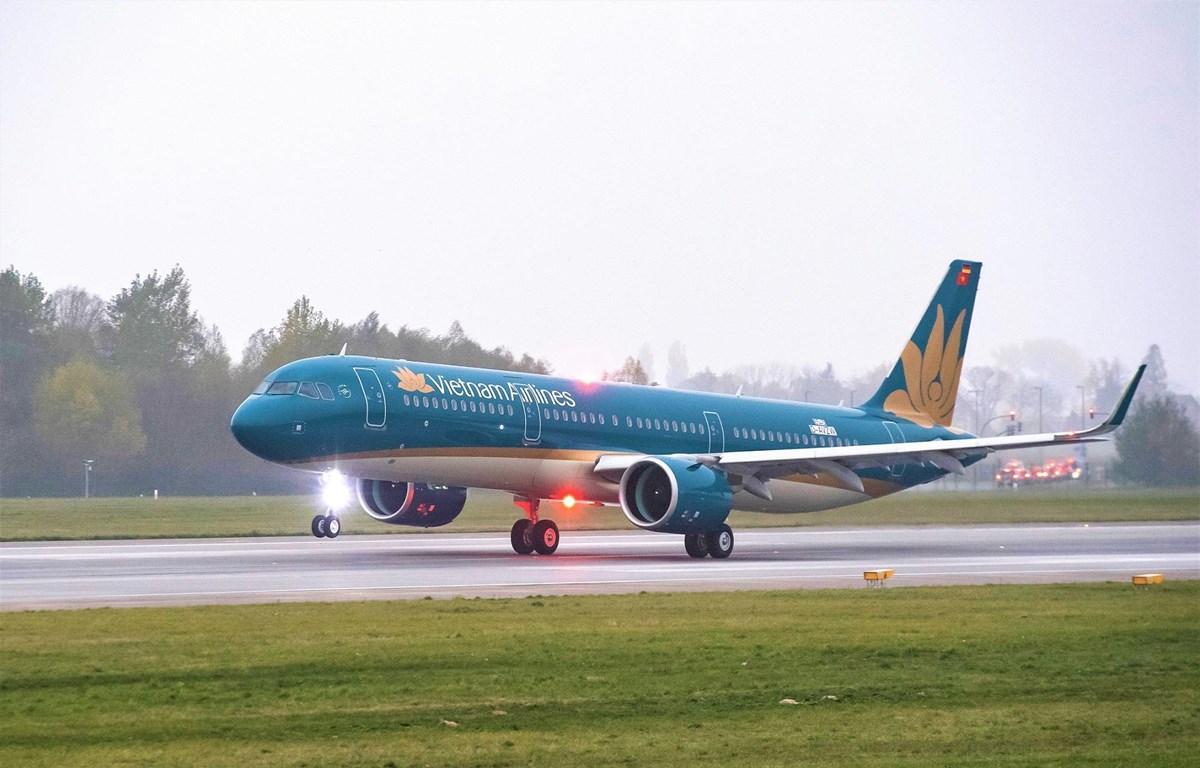
    If fares do not makeup even the fuel costs of a flight, aviation safety would be affected, Dang Ngoc Hoa, chairman of Vietnam Airlines, said at a meeting held on Monday to get feedback from economists on proposed minimum fares.

    The Civil Aviation Administration of Vietnam (CAAV) has proposed minimum fares of VND320,000-VND750,000 ($14.06 – $32.95) for domestic flights between November 1 and October 31 next year to help airlines overcome the difficulties caused by the Covid-19 pandemic.

    Too low prices would weaken all airlines, Hoa said. Many countries like China and India have floor prices for air tickets, he pointed out.

    He said amid the pandemic fares are very low at just 40 percent of those in 2018-19, and 250 airplanes are parked in airports, some of which are running out of parking space.

    But despite the low fares, airlines have to keep operating to maintain parking space, minimum cash flows and planes, he said.

    During the first Covid outbreak in March 2020, there were three flights a day in total, while during the fourth wave starting in April 2021, especially July-August, “there were no flights”, he said.

    All carriers have been hit and most airlines are facing losses, he said.

    Vietnam Airlines made a loss of VND7 trillion ($301.7 million) in the first half of the year, while private airlines reported losses of a trillion dong, he added. But despite his impassioned argument, economists at the meeting said minimum fares are not acceptable.

    Can Van Luc, chief economist of BIDV, said floor prices could cause confusion and be unfair to both state-owned and private enterprises, and even violate the Law on Prices and the Law on Enterprises.

    Nguyen Sy Dung, former deputy head of the Office of the National Assembly, said: “it is unfair to impose a floor price on air tickets”. If minimum fares are applied, a three-star airline must sell at the same price as a five-star airline, and no customer would spend money to travel in the former, he pointed out.

    “We might kill an airline through price policy. It’s unacceptable”.

    In a recent communication to the Ministry of Transport, three airlines agreed to apply floor prices airfares while two others disagreed.

    The Department of Transport admitted that since costs and services are not comparable, it would be difficult to determine common minimum fares applicable to all airlines.

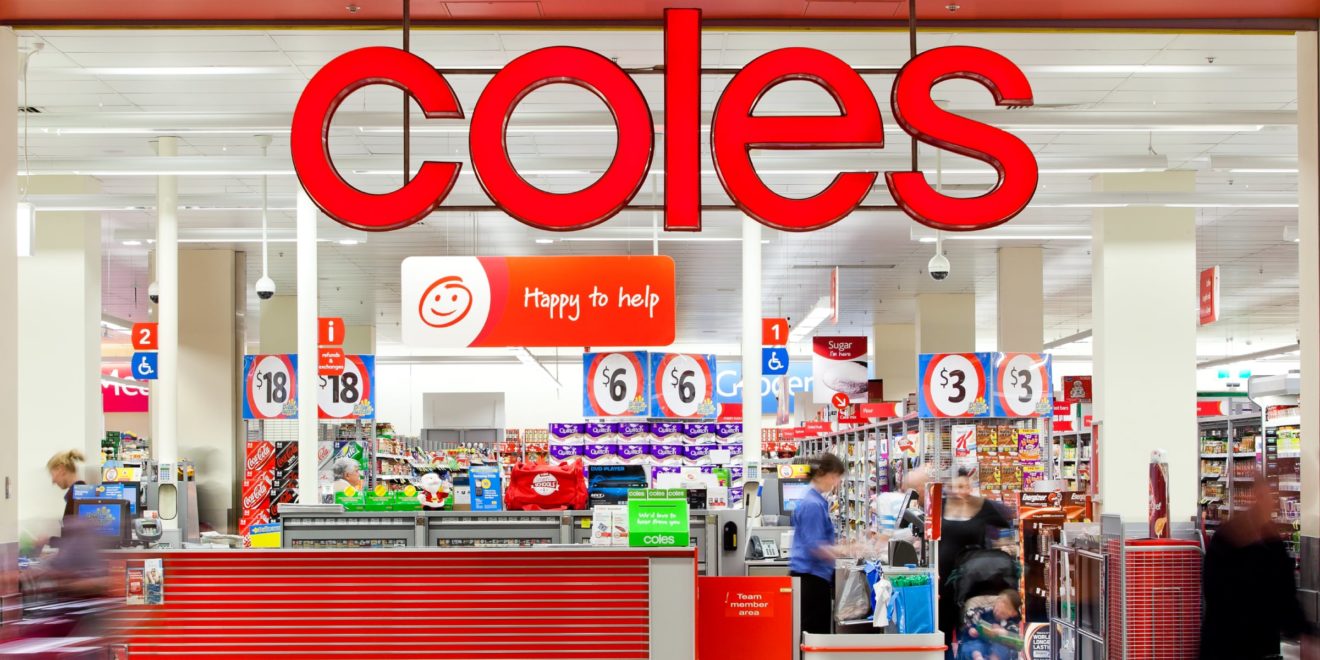
  • Coles named as most sustainable food retailer in Australia

    Coles named as most sustainable food retailer in Australia

    The supermarket has come in second in the world for its sustainability efforts.

    Coles was ranked based on its governance, environment, nutrition, and social inclusion practices, beating out of 350 of the world’s ‘most influential food retailers. Furthermore, Coles has ranked tenth in the world in the food and average manufacturing and processors category.

    The WBA found that Coles “ranked first among its retail peers in social inclusion, while landing among the top five in nutrition, and top ten across the governance and strategy, and environment measurement areas.”

    The Chief Sustainability, Property and Export Officer of Coles, Thinus Keeve, shared how the retailer aims to continue its progress to become the country’s most sustainable supermarket. “Coles’ Together to Zero and Better Together ambitions, as outlined in our Sustainability Strategy, underpin the steps we are taking to drive generational sustainability,” he said.

    “Under Together to Zero, Coles has set bold emissions and energy targets, including to be powered by 100 percent renewable energy by the end of FY25, and to deliver net-zero greenhouse gas emissions by 2050 – and we are well on the way to achieving them. We recognize the role we have to play but know that we cannot do this alone, and that we need to work together with our many stakeholders to drive positive change. We know that we are Better Together when we work together with our team members, farmers, suppliers, customers, and the communities we serve.”

    Keeve also explained that despite this impressive feat, the retailer has more work to do. “While sustainability issues are dynamic and evolving, and there is still much to do, we are committed to maintaining momentum on our sustainability journey,” he said.

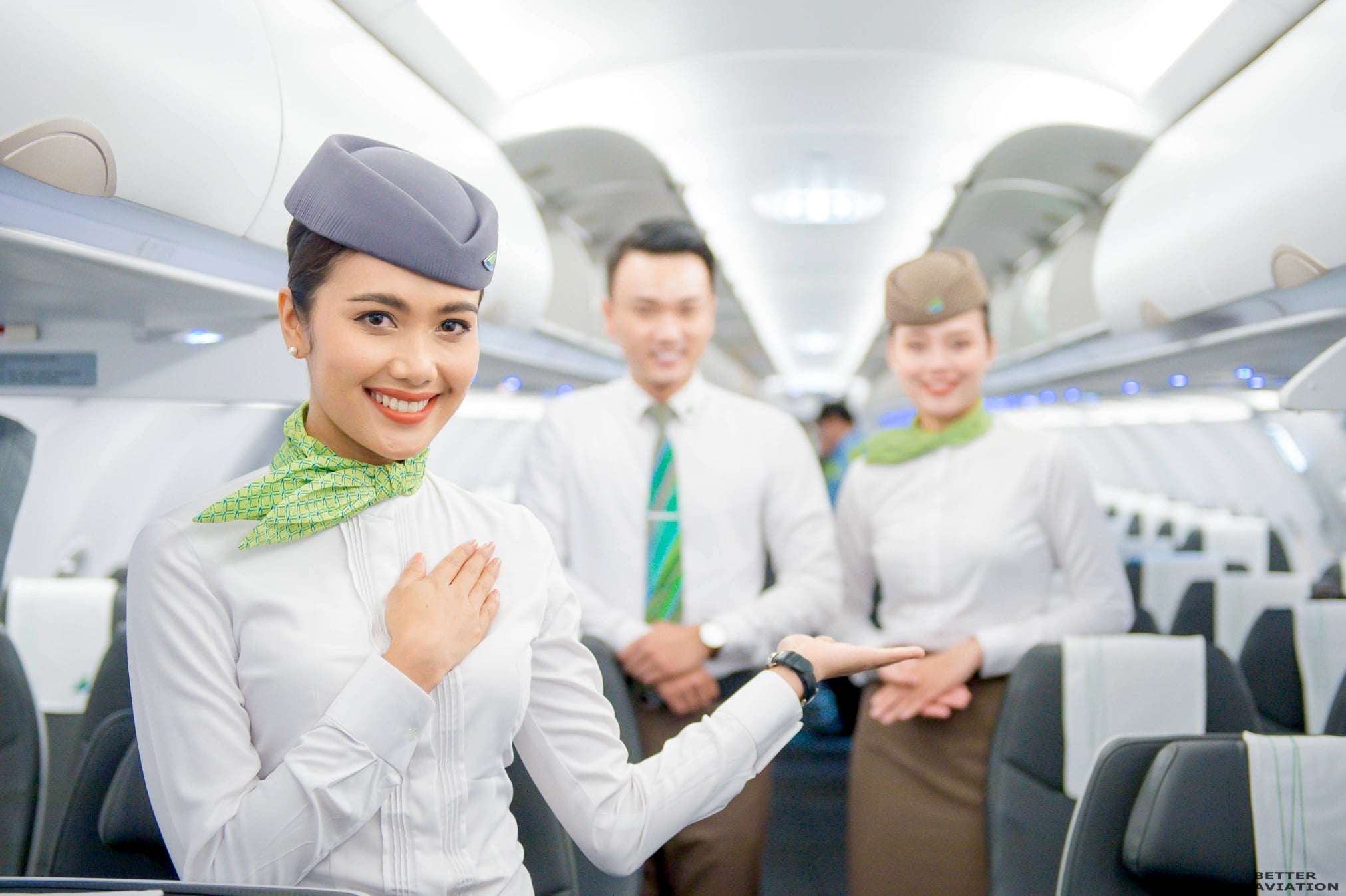
  • Bamboo Airways launches ‘historic’ direct Vietnam-US flight

    Bamboo Airways launches ‘historic’ direct Vietnam-US flight

    Bamboo Airways conducted its first direct flight from Vietnam to the U.S. Thursday night. The QH9149 flight, using the Boeing 787-9 Dreamliner aircraft, took off at 7:55 p.m. from Hanoi’s Noi Bai Airport for San Francisco.

    The flight, the first of 12 direct flights between Vietnam and the U.S. that Bamboo Airways has won approval from the Transportation Security Administration (TSA), is expected to take over 14 hours.

    The flight crew included four pilots, 14 flight attendants, and several technicians and ground controllers to perform necessary functions at the San Francisco Airport.

    Before the flight took off, a commemoration ceremony was held at the airline’s headquarters on Cau Giay Street the same day.

    Nguyen Manh Quan, deputy general director of Bamboo Airways, said the flight was a historic one, not just for Bamboo Airways also for Vietnam’s aviation industry itself.

    “We will once again affirm the capability for operation, safety, security and infrastructure for Vietnamese airlines and the entire Vietnamese aviation industry in general,” he said at the meeting.

    Nguyen Ngoc Trong, another deputy general director of Bamboo Airways, said the flight’s goals were to serve tourists in both Vietnam and the U.S., foster commercial, diplomatic and cultural exchanges, and to affirm the status of Bamboo Airways, considering that direct flight to the U.S. is among the hardest flight paths to achieve.

    “In the last two years, we’ve managed to see opportunities in developing flights not just within Vietnam, but also in Southeast Asia and Northeast Asia like Japan, Taiwan, and even reaching towards Europe and Australia. And now, to the U.S.,” he said.

    “By introducing direct flights to the U.S. at this moment in time, we’re showing that we are ready to operate commercial flights once the pandemic dies down to meet customers’ demands in both countries,” he added.

    Bamboo Airways had earlier announced plans to organize three direct flights to the U.S. each week, gradually increasing the frequency to 5-7 flights, and then to daily flights.

    Vietnam Airlines has conducted several direct U.S. flights for Covid-19 repatriation purposes. The national carrier said this week it is set to receive its final permit from U.S. authorities.

  • Airasia’s digitalisation to provide a solid foundation for future growth

    Airasia’s digitalisation to provide a solid foundation for future growth

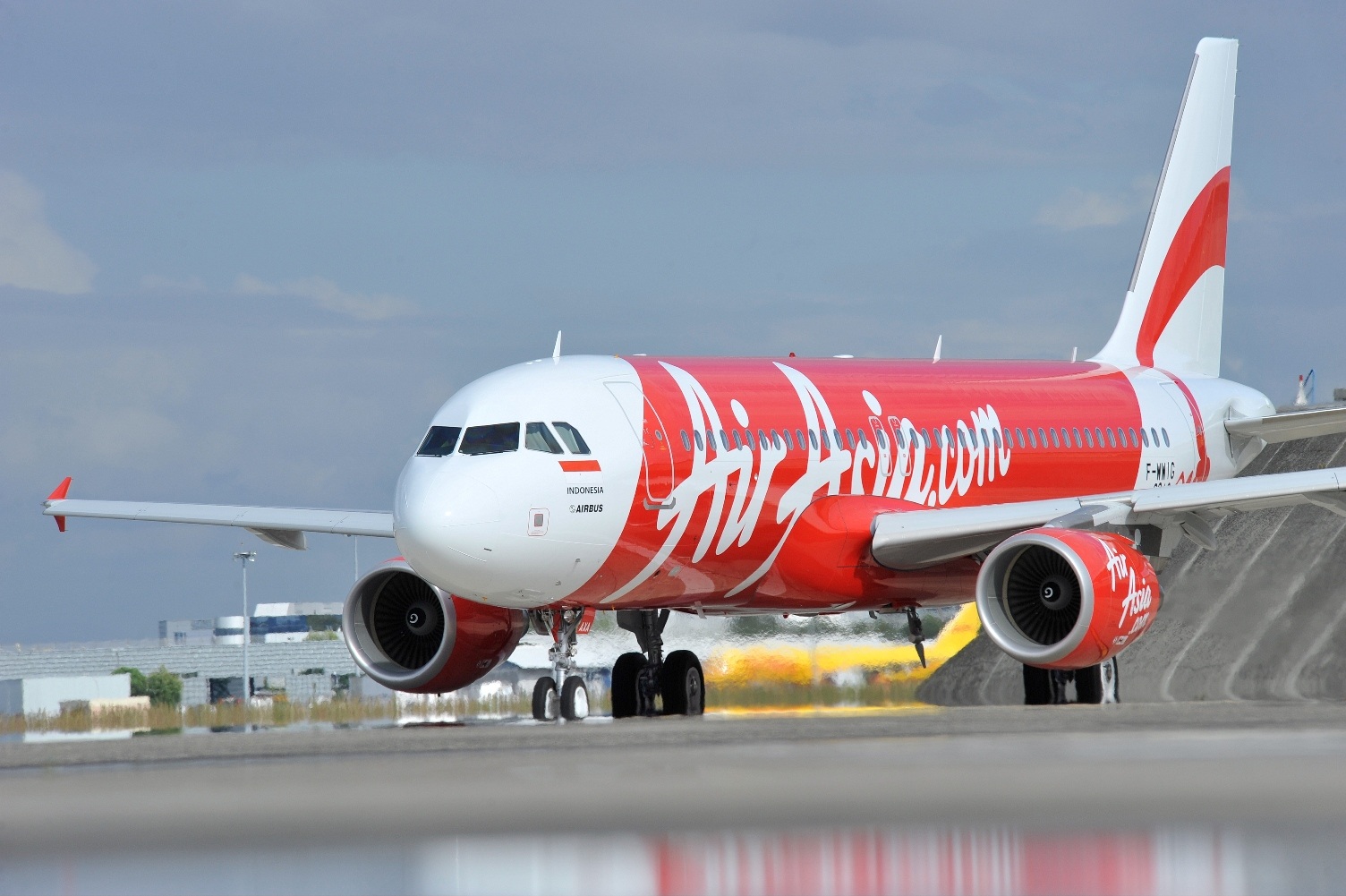
    AirAsia Group Bhd is accelerating its digitalization by emphasizing new technologies and focusing on driving innovation across its entire portfolio of companies.

    The carrier’s engineering arm Asia Digital Engineering (ADE), ground handling division Ground Team Red (GTR) and logistics venture Teleport, are set to soar to new heights through digitization and data.

    “A silver lining of Covid-19 has caused a huge surge in demand for cargo and online shopping deliveries and this is driving many new business opportunities and revenue streams.

    “We see huge potential, not only in our super app and fintech solutions but also in our logistics, aircraft maintenance and ground services divisions,” AirAsia Group president Aireen Omar, who oversees digital operations, said in a statement today.

    Aireen said ADE is set to revolutionise the airline maintenance, repair and overhaul (MRO) industry in Asia.

    ADE performed and completed Teleport’s first A320 cargo plane conversion earlier this year and expects more aircraft modifications of the passenger to cargo aircraft in the future.

    “With an experienced workforce of more than 15 years managing AirAsia’s fleet, strong supplier, lessor and regulatory relationships and through automation and streamlined operations, we foresee that ADE will soon become the next major MRO player in Asean, delivering a significant new revenue stream for AirAsia Group.”

    Meanwhile, she said the company’s logistics venture Teleport is experiencing significant growth in line with the overwhelming demand for cargo and online deliveries.

    “With direct access to the unrivalled Airasia Group network in Southeast Asia, Teleport has put in place the right foundations to truly disrupt the cargo industry in ASEAN.

    “Furthermore, Teleport’s partnership with Freightchain, the world’s first digital air cargo network running on blockchain, is a game-changer for Teleport and the industry, making the online booking process as easy as buying a flight ticket on AirAsia.

    “Importantly it also links AirAsia airlines with other innovative interline partners to ensure maximum efficiency and lowest cost for clients,” she said.

    Similar to its super app ambitions, alongside ADE and Teleport, Aireen said GTR aims to be the ground handling services provider of choice in ASEAN.

    She said with the easing of movement restrictions and return of air travel globally, GTR is anticipating more business collaborations with foreign airlines in major airports across Malaysia.

    “GTR is preparing for strong regional expansion including with third party airlines as soon as travel restrictions ease and international borders reopen,” she said.

    According to Aireen, AirAsia Group has built a complete digital marketplace for travel and everyday lifestyle services on airasia Super App.

    “Logistics, aircraft maintenance, ground handling services and fintech are equally important to complete our ecosystem.

    “They all work in tandem symbiotically, to meet increasing demand in the e-commerce and distribution space,” she added.

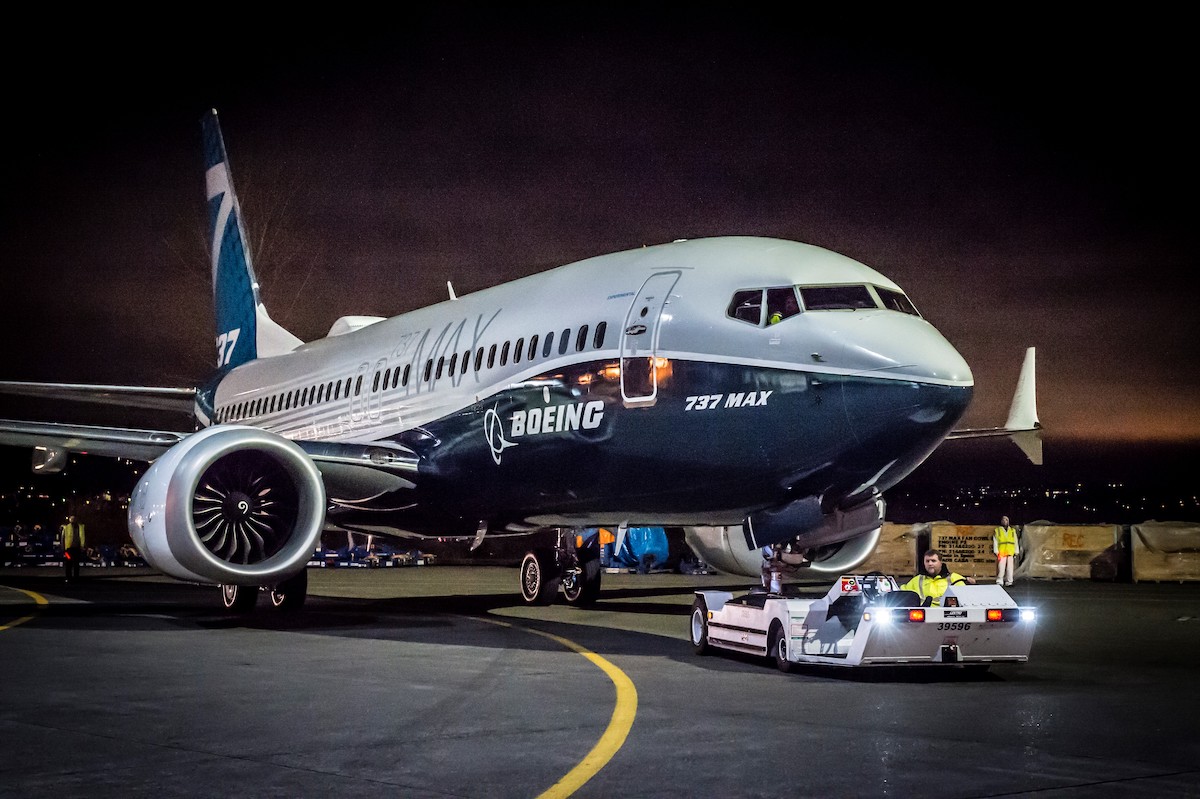
  • Vietnam considers lifting Boeing 737 Max ban

    Vietnam considers lifting Boeing 737 Max ban

    The Civil Aviation Authority of Vietnam has proposed that the Boeing 737 Max aircraft be allowed to operate and imported to the country after a ban of over two years.

    The CAAV petitioned the Ministry of Transport to consider greenlighting the aircraft after 178 out of 195 global aviation authorities had lifted the ban on the jet.

    Over 360 Boeing 737 Max aircraft of 35 airlines have resumed service, it said.

    As of Sept.15, the aircraft has operated over 150,000 flights with over 370,000 hours of safe performance.

    Vietnam in April allowed the Boeing 737 Max to pass through its airspace, two years after it was grounded worldwide in March 2019 after 346 people were killed in two crashes in the space of a few months in Indonesia and Ethiopia.

  • Vietnam Airlines ready for US direct route

    Vietnam Airlines ready for US direct route

    Vietnam Airlines is set to receive its final permit from U.S. authorities to conduct regular direct flights to the U.S. after nearly two decades of preparation.

    The national flag carrier has completed all necessary documents to be approved by the U.S. Transportation Security Administration (TSA), it stated.

    It is set to receive the permit from Federal Aviation Administration (FAA) soon. The airline did not specify a date.

    Vietnam Airlines said the permit is different from that given earlier for international special charter flights between Vietnam and the U.S.

    The carrier had earlier received permits to conduct 12 charter flights last year and another 12 this year.

    Bamboo Airways had also received a permit to fly 12 charter flights to the U.S. from this month to November.

    Last month, Vietnam Airlines was planning to operate regular flights between Vietnam and the U.S. starting October.

    The airline in 2003 was ordered by the Ministry of Transport to begin direct services to the U.S. by 2005. However, concerns about profitability kept the carrier from realizing the goal until now.

  • Thai packaging firm eyes $353-mln expansion in Vietnam

    Thai packaging firm eyes $353-mln expansion in Vietnam

    Thai company SCG Packaging has announced plans to invest $353 million to expand in Vietnam.

    It will build a new plant in the northern province of Vinh Phuc, which will increase its capacity by 74 percent to 870,000 tons of packaging paper a year when it goes on stream in 2024.

    It will be operated by Vina Kraft Paper, a joint venture with Japan’s Rengo Company in which SCGP holds 70 percent.

    Vietnam is both a big consumer and exporter in the region, making it a big draw for multinational investors, CSGP’s chief executive, Wichan Jitpukdee, said.

    The country’s demand for packaging paper and related products is expected to grow at 6-7 percent a year in 2021-24, SCG Packaging estimates.

  • DoorDash bets big on liquor deliveries

    DoorDash bets big on liquor deliveries

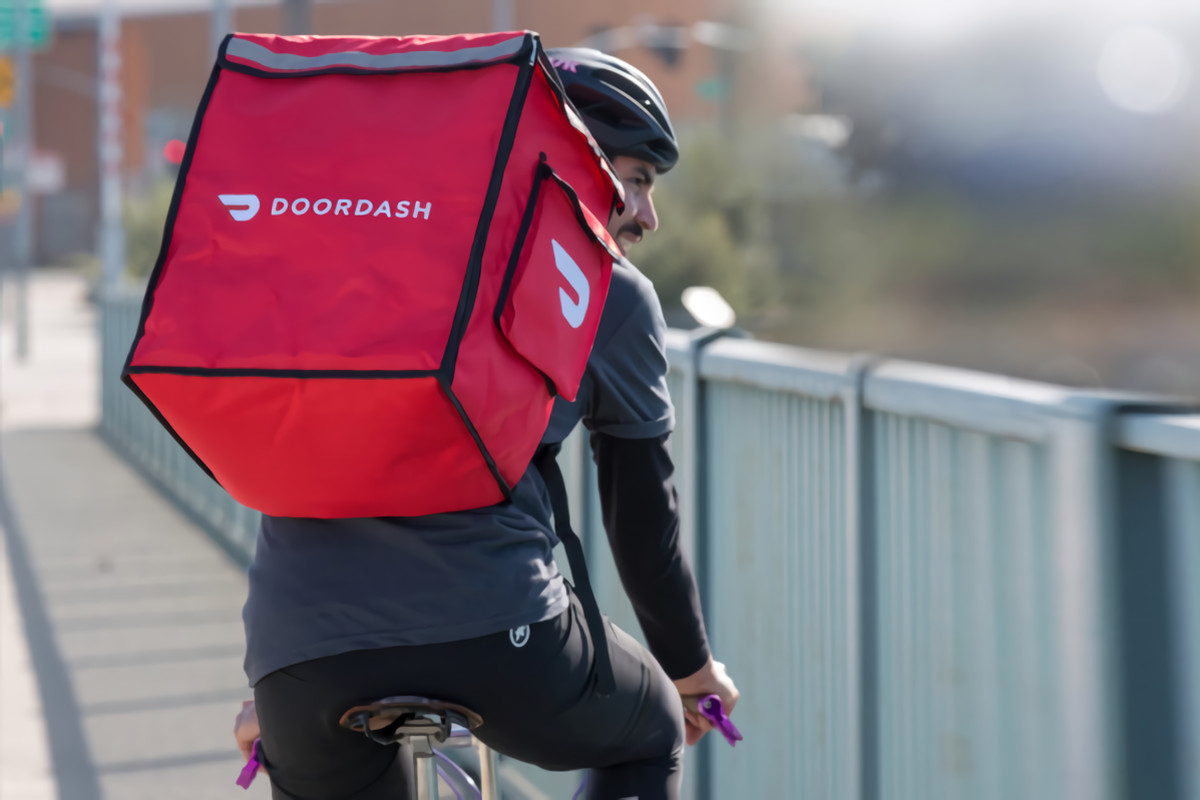
    DoorDash will offer beer, wine, and spirits through the DoorDash Marketplace in 20 U.S. states and Washington, D.C., as well as Canada and Australia, the company announced on Monday. Customers will be able to order alcohol offerings from grocery stores, restaurants and other local merchants through a new “Alcohol” tab in the DoorDash app.

    Alcohol delivery exploded during the pandemic as COVID-19 restrictions shifted happy hour from bars and restaurants to people’s homes. Lawmakers in many states temporarily relaxed regulations to make alcohol available for home delivery and pickup. E-commerce made up just 1% of U.S. alcohol sales by retailers in 2019 by volume but is expected to grow to 7% by 2024, according the Wine & Spirits Wholesalers of America, an industry trade group.

    The boom has created an opportunity for delivery giants like DoorDash and Uber Eats to capitalize on the higher-margin category. It’s also a boom for restaurants as adding alcohol could increase average order values by as much as 30%, according to DoorDash Chief Operating Officer Christopher Payne. “It’s a win-win for everyone. Customers have a wider selection, restaurants can achieve greater sales and Dashers can earn more,” he said.

    The San Francisco-based company commanded 57% of the food-delivery market as of August and has seen sustained growth across segments even as indoor dining has resumed. The dedicated alcohol operation, which counts more than 10,000 retailers, will also benefit from DoubleDash, a feature that lets customers shop from multiple stores and bundle them into a single order. DoorDash’s move heats up the competition with Uber, which purchased on-demand alcohol delivery app Drizly for $1.1 billion in February.

    Because regulations around alcohol delivery differ city-to-city, the new offering will be available only in select markets. DoorDash has ramped up its lobbying efforts alongside the restaurant industry and have seen “great traction” as legislators have been keen to help businesses that were battered when the pandemic shuttered eateries, Payne said.

    DoorDash will employ ID verification prior to checkout and by couriers before delivery to ensure customers are 21 years old or older, the company said in a statement.

    The company has been delivering alcohol from restaurants and through its Drive service, which handles orders from a merchant’s website rather than through the regular DoorDash Marketplace app.

  • Shanghai encourages ‘duty-free economy’ as part of consumer push

    Shanghai encourages ‘duty-free economy’ as part of consumer push

    The Shanghai government will support companies applying for approval to sell duty-free goods, and encourage duty-free shops to be set up at airports, hotels, malls and other commercial venues, municipal authorities said.

    The development of a “duty-free economy”, which will encourage spending on imported products, including heavily-taxed luxury goods, was outlined in a 2021-2025 consumption plan released on Saturday.

    Presently, duty-free spending in China is largely concentrated in the southern island province of Hainan, where the annual limit on individual duty-free spending was hiked to 100,000 yuan (US$15,467) last year from 30,000 yuan previously.

    Tariffs on imported consumer goods vary in China, with taxes on some luxury items such as perfumes and watches exceeding 30 per cent.

    Lured by the substantially lower prices, millions of domestic tourists flock to Hainan’s malls each year, and the numbers have been boosted by restrictions on overseas travel resulting from the Covid-19 pandemic.

    Otherwise, there are more than 300 duty-free shops across the country selling products from fragrances and cosmetics to clothing and shoes. China Tourism Group Duty Free Corp is the dominant player, with nearly 200 stores.

    Annual duty-free spending is in the tens of billions of yuan.

  • Google and Apple Maps rival explains why their ETA estimates are always off

    Google and Apple Maps rival explains why their ETA estimates are always off

    Ever wonder why your estimated time of arrival (ETA) at a destination that you used Google Maps or Apple Maps to navigate to never matches up with the initial ETA estimate? For example, let’s say that you are traveling from Ludlow, Vermont to Moreau, New York. After tapping the destination into Google Maps, it shows that the drive will take 1 hour and 40 minutes allowing you to get to your destination by 2:45 pm.

    But by the time your journey ends, it is 2:55 pm and you’re ten minutes late. What happened? Google Maps and Apple Maps rival TomTom recently said in a blog post that “We rely on estimated times of arrival (ETAs) now more than ever. Whether we’re waiting on a package, food delivery or taxi ride, an accurate ETA is essential. The problem with ETAs is that they are hard to calculate accurately – and this can lead to both dissatisfied customers and disgruntled drivers.”

    First, why should it matter if your ETA is off by a few minutes? TomTom points out that deliveries could arrive too early or too late which frustrates consumers. A package that arrives too early when no one is home to receive it has a bulls-eye on it that says “steal me.” And a late food delivery could result in food being too cold by the time it gets to your house. And a rideshare that arrives at the airport late might force you to run through the airport as O.J. Simpson used to in television commercials for Hertz back in the day.

    Drivers trying to pick up minutes on their ETA tend to drive faster with no regard to the usual rules of the road. In 2019 Tom Tom spoke with ride-hailing companies (such as Lyft and Uber) and food delivery companies and was told that having an accurate ETA was one of the biggest problems they face in their businesses. That’s because there are so many unpredictable variables that go into figuring out when you will arrive at point “B” after leaving from point “A.”

    Such variables include the weather, driver behavior, and traffic. Part of the problem is that each company has a different reason to provide an accurate ETA. Delivery firms need reliable ETAs while ride-hailing and other firms dealing with commuters want to get their customers from one place to another as fast as possible.

    Inaccurate ETAs can occur because some drivers are aggressive and will speed through yellow lights, drive well above the speed limit, and take other chances. Some drivers are conservative and will stop at a yellow light and drive well below the speed limit. Some companies use algorithms to match deliveries with certain drivers. TomTom says that “These algorithms are the ‘secret sauce’ behind route and ETA planning and perform extremely complex calculations that companies own and may vary from business to business.”

    To improve ETA accuracy TomTom suggests the use of historical data that show how fast traffic flows through certain roads at specific times of the day. Mix that with Real-Time traffic (TomTom has a system that updates real-time traffic every 30 seconds). It is also important to figure information about the road into ETA calculations. The mapping firm points out that “The more accurate the maps, the better for drivers and customers. Road details like curvature, gradient, speed limits, traffic lights, specific traffic rules and lane information are all important to consider.”

    It might sound surprising, but TomTom says that the best route might be one that is longer but is more likely to deliver a more accurate ETA than another route with more traffic lights or accidents. TomTom adds that obtaining an accurate ETA is “both an art and a science.”

  • Vietnam Steel exports surge

    Vietnam Steel exports surge

    Steel exports increased by 43.4 percent year-on-year in the first eight months to 8.54 million tons, and were worth US$7.1 billion, a 127 percent rise.

    In August, for a second month in a row, the billion-dollar mark was breached, with the value of shipments increasing 2.5-fold to nearly $1.5 billion.

    The main export markets were Southeast Asia, which bought 2.7 million tons and China (1.8 million tons).

    Exports to the E.U. and U.S. skyrocketed 7.5-fold and four-fold from 12 months earlier as demand there continued to soar.

    Exports to Europe also benefited from the EU-Vietnam Free Trade Agreement, with many companies taking advantage of lower tariffs.

    According to the Vietnam Steel Association, the country’s production capacity is around 24 million tons a year. Output this year is expected to reach 21.2 million tons, enough to meet domestic and export needs.

  • Full flight load to Langkawi signals strong rebound for domestic air travel

    Full flight load to Langkawi signals strong rebound for domestic air travel

    AirAsia’s inaugural service from Kuala Lumpur to Langkawi on Thursday (Sept 16) morning under the travel bubble recorded a 100% flight load, the carrier says, signifying a strong rebound for domestic air travel.

    The low-cost carrier said the maiden flight, the first of nine scheduled daily flights from Kuala Lumpur, left KLIA2 at 9.50am utilising an Airbus A321neo.

    “Aside from Kuala Lumpur (63 flights weekly), AirAsia also has flights to Langkawi departing from Penang (14 times weekly), Johor Baru (seven times weekly), Ipoh (three times weekly) and Kota Baru (three times weekly), making a total of 90 weekly flights,” it said in a statement.

    AirAsia Malaysia chief executive officer Riad Asmat said over 200,000 seats to Langkawi were sold in less than a week.

    “To facilitate this movement, we have prepared extensively and implemented robust and comprehensive health and safety protocols to ensure all of our guests can travel safely, with our 100% vaccinated crew and frontliners.

    “After months of preparation, we are thrilled to get the country flying again and are ready to scale up our operations to meet overwhelming demand.

    “We hope more travel bubbles will be established across the country soon in line with the accelerated vaccination roll-out, and eventually across the region when it is safe to do so,” he added.

  • Vingroup launches Big Data research company

    Vingroup launches Big Data research company

    The Vingroup Corporation (VIC), Vietnam’s largest private conglomerate, has set up a new firm – VinBigData Jsc – with a chartered capital of VND470.8 billion ($20.29 million).

    The group will hold a 99 percent stake in the new company. The formation of VinBigData is based on the separation of a part of science and technology functions (scientific and technological services) of the Big Data Research Institute – under the Vintech Technology Jsc.

    This new company has registered to function in 25 fields, focusing mainly on scientific research and technological development.

    Vingroup had established last month an artificial intelligence research and application company, VinAI.