Category: General

Retail News Asia is committed to providing both local and global retailers with the latest General Retail news throughout the Asian market. This on a daily base.

  • Google lets you delete last 15 minutes of search history with two clicks

    Google lets you delete last 15 minutes of search history with two clicks

    In today’s Google I/O Livestream, the search giant announced a new little Google feature that was very briefly skimmed over, but it certainly caught our attention.

    Along with announcements about the upcoming Android 12 and many new features Google is bringing to its platforms, the company has said it will be adding the new ability to instantly delete the last 15 minutes of your search history, leaving no trace.

    This is now as simple as two clicks, with no hassle on your part whatsoever, and could likely save you many an uncomfortable moment in the future. (Otherwise, how would you keep your awesome secret Christmas gift ideas away from prying eyes, am I right?)

    The way to do this on a smartphone device is as easy as it gets: you simply need to click on your profile image on the top right of the Google home page, scroll down a little, and—voilà! The last 15 minutes of browsing on the website will be gone forever.

    This is only one of plenty of new additions Google is making to its platforms, such as a hidden “locked folder” for Google Photos, password security enhancements, vastly improved shopping functions—some of which were only teased at today’s Livestream—and more. We’ll keep you informed on any juicy new tidbits, we promise!

  • Australian startup ends single-use plastics in cleaning products

    Australian startup ends single-use plastics in cleaning products

    A new Victoria-based company Tea Trees Eco Ware has launched a cleaning products range that uses dissolving tablets and long-life bottles, bringing an end to single-use plastic bottles.

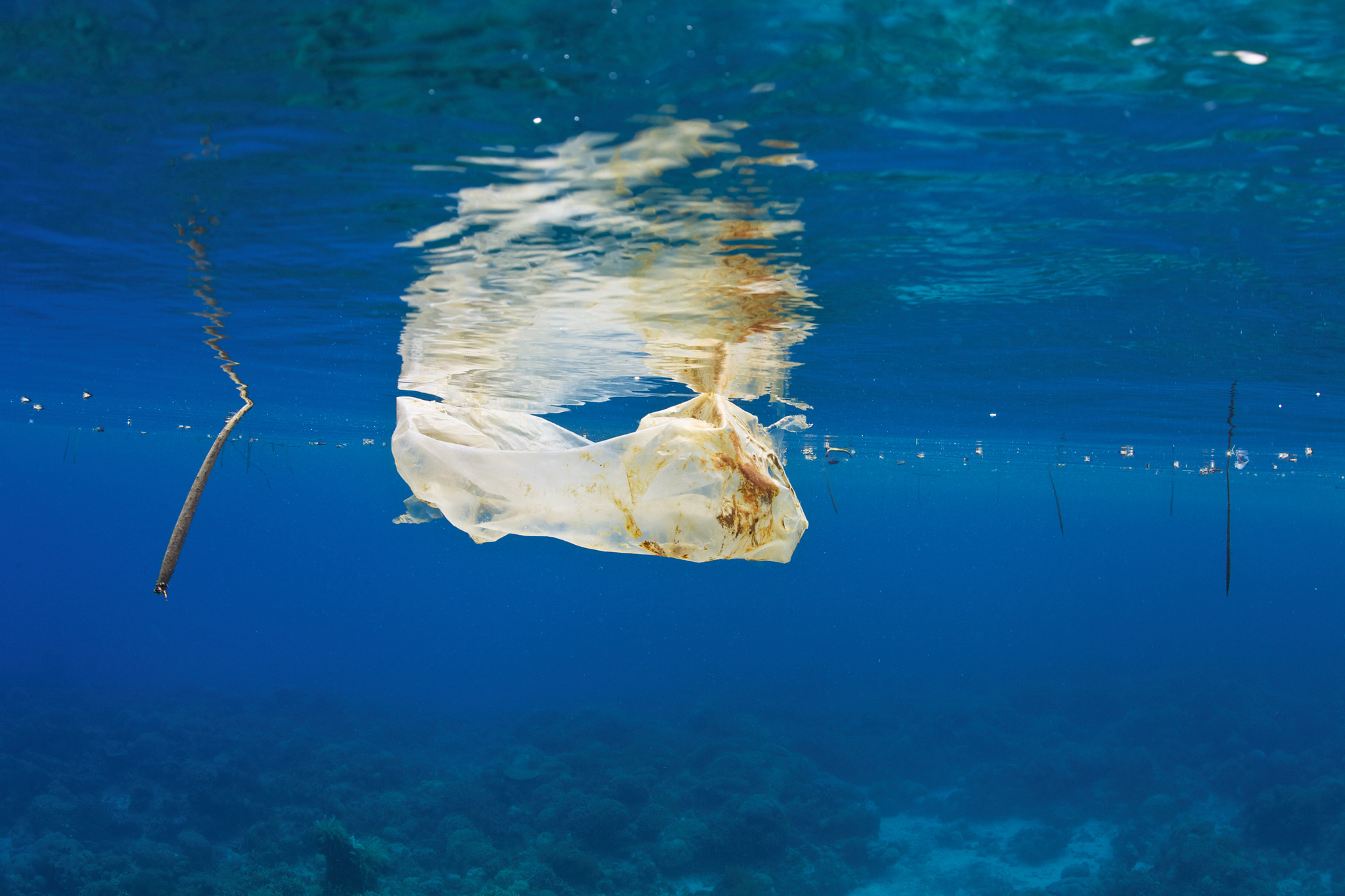
    Founders Saskia Angel and Stu Atkins were inspired after seeing beaches in Asia covered in waste plastic while traveling and last year conceived a solution.

    “With a large family and a lot of plastic waste being generated, we knew our habits had to change,” says Angel. “We set about reviewing our own waste footprint and found there was a completely unnecessary amount of single-use plastic being generated.”

    “The cleaning aisle of a supermarket is riddled with single-use plastic cleaning products, which are rarely refilled or recycled,” adds Atkins. “Most homes (ours included) have many bottles of cleaning products cluttering cupboards which ultimately get thrown away and end up in landfill or worse.”

    Tea Trees Eco Ware’s solution is to create 8gm concentrated tablets which consumers can drop into a reused 500ml plastic container to create ready-to-use cleaning solutions. The initial range includes Heavy Lifter Kitchen Cleaner, The General Multipurpose (a heavy-duty degreaser and cleaner), Glimmer Glass Cleaner, The Bomb Bathroom cleaner and Fomo – a foaming hand soap dispenser and dissolving tablet. The company also produces 100-per-cent plant-based bamboo and cotton cleaning cloths which it says can be rewashed hundreds of times.

    The tablets cost $3.75 each, delivered to the consumer’s door.  During test marketing, consumers reported the products were effective and confirmed a reduction in their volume of household waste.

    Angel says she is amazed at how Australian consumers appear comfortable paying cleaning companies for full bottles of solutions which comprise 95-per-cent water.

    “There is little to no opportunity to reuse the plastic bottles and at around half a kilo each bottle, the shipping generates millions of tonnes of C02 each year. Not only this, but many products are not environmentally friendly, are harsh on our senses, and don’t clean very well,” she says.

    “Too often the eco-friendly options are more expensive,” adds Atkins. “Our focus is to not only be completely focussed on improving environmental outcomes but to be more cost-effective.”

    Tea Trees Eco Ware – whose philosophy is ‘One Bottle, One Tablet, Dissolve, Clean, Repeat’ – wants to “shake up” the major players by launching a business that actively impacts the amount of plastic waste being saved from landfill.

  • Aussie supermarkets back pact to eliminate plastic waste by 2025

    Aussie supermarkets back pact to eliminate plastic waste by 2025

    Businesses, NGOs, and governments from across Australia, New Zealand, and the Pacific Islands are uniting today to take an ambitious pledge to eliminate plastic waste from supply chains by 2025.

    The ANZPAC Plastics Pact seeks to deal with one of the “most pressing environmental issues facing the planet”, with a lack of action expected to lead to a quadrupling of the number of plastics in the ocean by 2040.

    The new pact commits partners to four clear, actionable targets by 2025: eliminate unnecessary and problematic plastic packaging; ensure 100 percent of plastic packaging is recyclable, reusable or compostable; increase the current volume of plastic packaging and effectively recycled by at least 25 percent, and ensure an average of 25 percent recycled content in plastic packaging across the APAC region.

    And it has a number of founding retail partners: namely, Aldi, Coles, and Woolworths.

    “We recognize the importance of acting now and our pledge to support the ANZPAC Plastics Pact ensures we strive to continually improve in the plastics space and going the extra mile with our goals,” said Aldi Australia director of corporate responsibility Daniel Baker.

    Coles’ chief executive of commercial and express Greg Davis said the partnership will help deliver Coles’ Together to Zero sustainable strategies, in which is hopes to hit net-zero greenhouse gas emissions by 2050.

    “As one of Australia’s largest retailers, Coles understands the importance of working collaboratively to find a more sustainable future for plastic packaging,” Davis said.

    “We now have an opportunity to build and shape meaningful change through plastic packaging and move towards a circular plastic economy as a global community.”

    The pact has also attracted a number of FMCG and manufacturing partners, such as Arnott’s Group, Asahi Beverages, Coca-Cola South Pacific, Colgate Palmolive, Mondelez, Nestle, PepsiCo, and Unilever.

  • Spar sales soar in Australia as lockdown keeps customers local

    Spar sales soar in Australia as lockdown keeps customers local

    Netherlands-based supermarket chain Spar saw sales increase 7.4 percent for the year to December 2020, hitting $62.5 billion (€39.8 billion).

    And growth was highest in its Australian business, which saw strong revenue growth of 16.5 percent off the back of its proximity and neighborhood format, as communities increasingly shopped locally due to the onset of the Covid-19 pandemic.

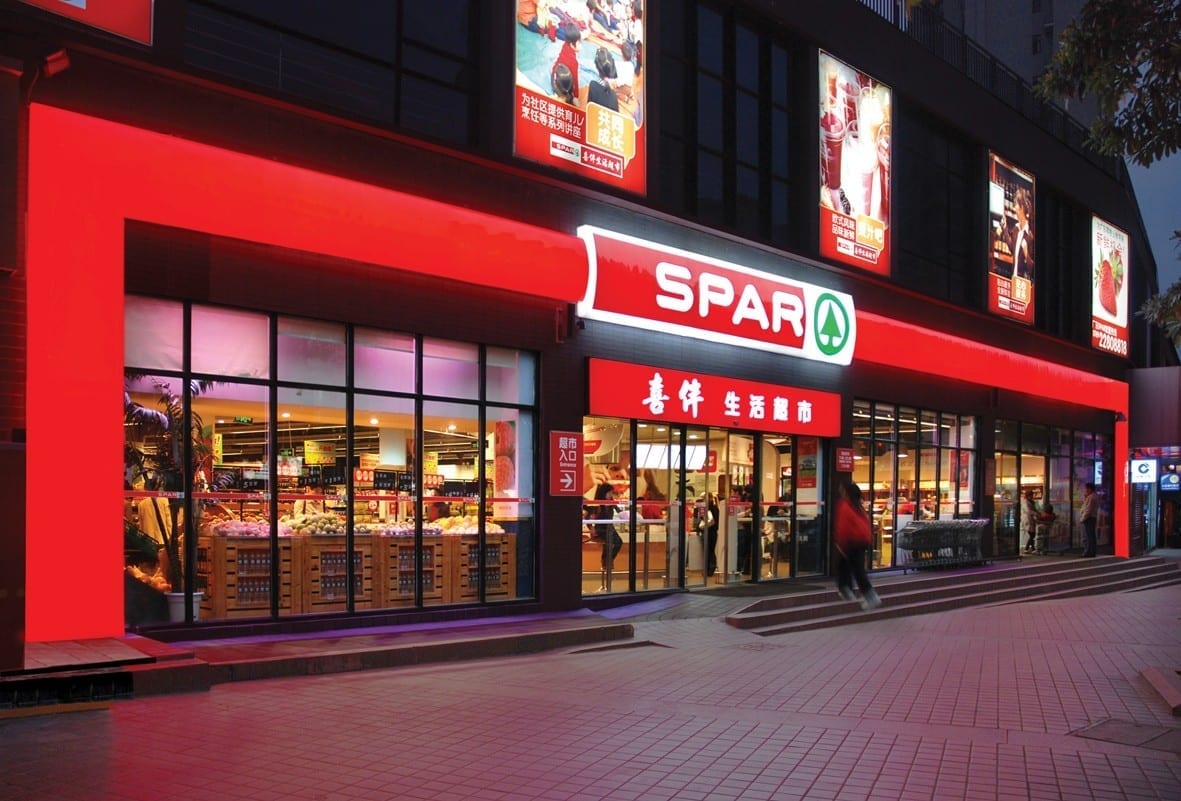
    Spar currently has around 120 supermarkets across Australia.

    Sales in the wider Asia-Pacific region grew by 1.5 percent, with $2.9 billion (€1.88 billion) in retail turnover driven by the strong result in Australia and China, which recorded retail sales growth of $2.4 billion (€1.55 billion).

    “Last year was very much characterized by the impact of the global Covid-19 pandemic and its severe consequences, but it was also a year that saw accelerated growth as a result of the dedication and focus of our highly committed SPAR colleagues across all parts of our global SPAR network,” said Spar International chief executive Tobias Wasmuht.

    “Crisis situations do invariably bring out the best in people and we at Spar can be proud of the astoundingly selfless and brave response of the Spar worldwide organization.”

    According to Wasmuht, the resilience shown by the Spar format has given the group confidence for the future, with developments accelerated across its retail and supply chain throughout the year despite the disruptions.

    “A key positive factor of the last year has been the benefits of close international cooperation wrought by new, remote ways of working,” Wasmuht.

    “The advantages of this intensity of cooperation are beneficial to all in Spar as we increasingly reap the benefits of our international presence and scale, whilst adding purposeful value to the local communities we serve.”

  • Coles house brands win global recognition

    Coles house brands win global recognition

    Coles’ exclusive brands, KOi and Woofin’ Good, have won multiple awards in the US-based Vertex Awards 2021.

    With a focus on label and packaging design, the competition attracted 650 entries from 32 countries and 55 retailers.

    Besides winning a Gold award in the personal care category, Coles’ skincare range KOi earned the coveted best in show ‘Publishers Choice Award’. Meanwhile, the dog food range Woofin’ Good also received Gold in the pet-products category.

    Both of the Coles’ exclusive brands were designed by independent Australian branding and design agency Hulsbosch.

    “These products have packaging and design that our customers are proud to put on their shelves,” said Belinda Anderson, head of marketing for Own Brand at Coles. “Exclusive brands like KOi and Woofin’ Good are inspiring customers and strategically important to Coles’ strategy to be an Own Brand powerhouse.”

  • Unilever to convert to recyclable toothpaste tubes worldwide

    Unilever to convert to recyclable toothpaste tubes worldwide

    Global consumer company Unilever is to convert its entire toothpaste portfolio to using recyclable tubes by 2025. The company’s oral-care brands include Signal, Pepsodent, and Closeup.

    After four years of development, the recyclable toothpaste tubes will be available this year in two of Unilever’s largest oral care markets – France and India.

    According to Unilever, the new initiative will contribute to its commitment to make 100 percent of its plastic packaging designed to be reusable, recyclable or compostable, and to help collect and process more plastic packaging than it sells.

    First launching in France with Signal, Unilever will introduce the new across its widest range, Integral 8, representing 35 percent of Unilever’s toothpaste portfolio in the country.

    Traditionally, most toothpaste tubes use a mixture of aluminum and plastic, which gives the packaging flexibility but makes it difficult to recycle.

    The new tubes will use high-density polyethylene (HDPE) material, the thinnest plastic material on the market at 220-microns, reducing the amount of plastic needed for each tube. While products made from HDPE are not biodegradable, they are classified as recyclable and can be disposed of in plastic recycling bins.

    The new tubes have been approved by RecyClass, which sets the recyclability standard for Europe and laboratories in Asia and North America.

    Samir Singh, executive vice president of Global Skin Cleansing and Oral Care, said that with billions of toothpaste tubes dumped into landfills each year, he hopes this conversion to recyclable tubes will inspire other industries to make the change.

    “Plastic pollution is undoubtedly one of the biggest environmental challenges of our time,” said Singh

    “That’s why I’m proud of this latest packaging innovation which will see our entire toothpaste portfolio shift to recyclable tubes by 2025. It’s been a long and challenging journey to get to this point, but we hope this transformation will inspire the wider industry also to make the change.”

    According to Unilever, the technology will be available for other companies to adopt to encourage broader industry change. This decision is similar to one made by Colgate after launching its version of recyclable toothpaste tubes earlier this month.

  • Virus Resurgence in Singapore Derails Economic Recovery

    Virus Resurgence in Singapore Derails Economic Recovery

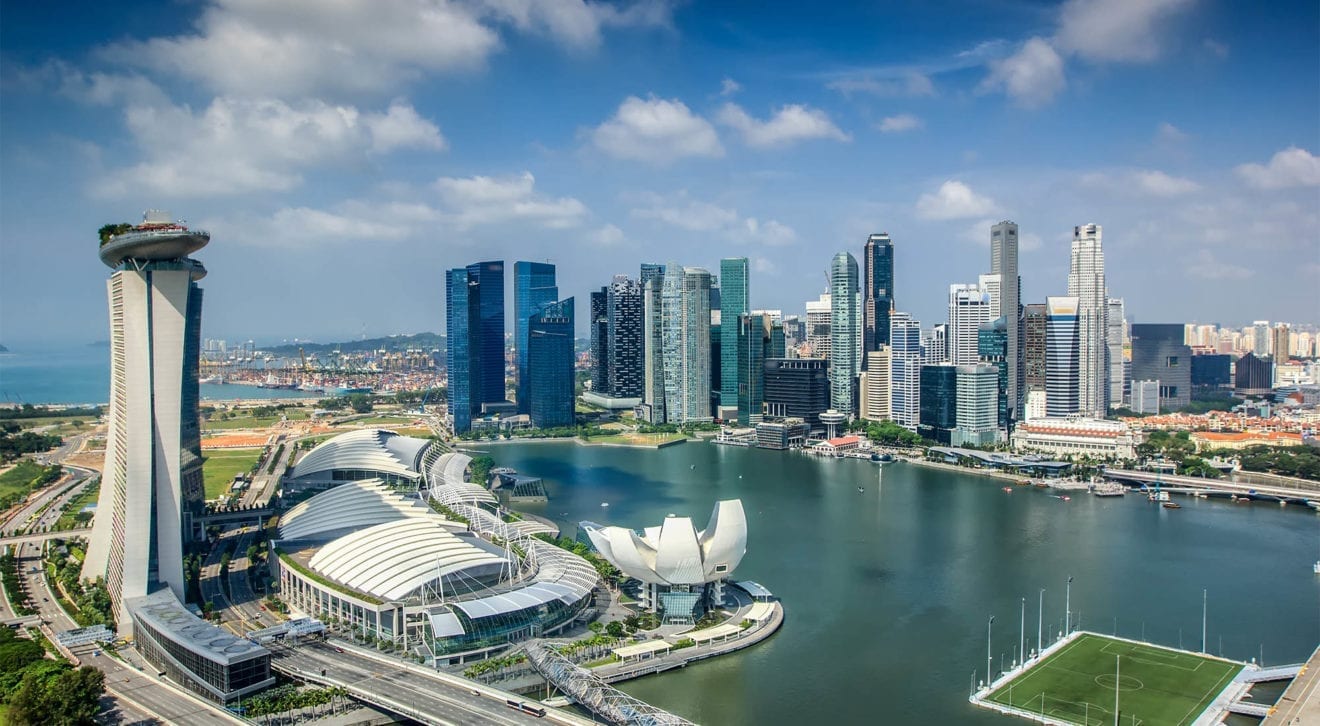
    Following consecutive quarters of recovery, the latest setback means that Singapore’s full-year target of 6 percent GDP growth is unlikely. Hopes for a second-quarter expansion in Singapore’s economy have been dashed by a resurgence in the Covid-19 virus that has taken the city-state by surprise. The republic introduced tighter measures on Sunday to stem the spread of Covid-19, following a spike in the number of imported and community cases linked to the B1617 variant from India in recent weeks.

    The new wave of Covid-19 restrictions, which will last until June 13, includes a ban on dining-in and a reduction of social gatherings from five people to two, as well as home-based learning at schools and default working from home.

    The overall number of new cases in the community grew from 32 cases in the week before to 149 cases in the past week, while the number of unlinked cases in the community grew from seven cases in the week before to 42 cases in the past week, according to the Ministry of Health

    The spike in community cases has also led to the second deferment of the Singapore-Hong Kong air travel bubble, planned for 26 May. Singapore Transport Minister S. Iswaran and Hong Kong Secretary for Commerce and Economic Development Edward Yau agreed at a meeting on Monday to review the situation and plan a new launch date.

    According to the terms of the agreement between the two cities, the travel bubble will be closed for two weeks if the seven-day moving average of the daily number of unlinked local cases is more than five in either Singapore or Hong Kong.

    The World Economic Forum’s special annual meeting, which was temporarily relocated from Davos, Switzerland to the city-state, will also be scrapped, organizers said in a statement on Monday.

    Regretfully, the tragic circumstances unfolding across geographies, an uncertain travel outlook, differing speeds of vaccination rollout and the uncertainty around new variants combine to make it impossible to realize a global meeting with business, government, and civil society leaders from all over the world at the scale which was planned said the WEF.

    The meeting, which was already pushed back from May, was scheduled for August 17 to 20 at Marina Bay Sands, with over 1,000 delegates expected to attend.

  • Indonesia Tech Giants Complete Merger

    Indonesia Tech Giants Complete Merger

    Indonesia headquartered on-demand multi-service platform and digital payment technology group Gojek and e-commerce platform Tokopedia have completed Indonesia’s largest-ever deal to create GoTo, Southeast Asia’s largest privately held technology firm.

    Amid growing competition among e-commerce platforms and super-apps, Gojek and Tokopedia giants have merged to form a multi-billion dollar company that will span e-commerce, e-payments, courier services, ride-hailing, food delivery, and other services.

    The merger will increase financial inclusion in an emerging region with untapped growth potential, Gojek co-CEO Andre Soelistyo, who will become CEO of GoTo, said in an announcement on Monday.

    The deal was backed by investors including Alibaba, SoftBank, Singapore sovereign wealth fund GIC, Alphabet’s Google, and Tencent. Gojek’s shareholders will own 58 percent of the holding company with the balance held by Tokopedia’s investors, Reuters reported, citing sources.

    Gojek and Tokopedia plan to remain separate but work together on payments, logistics, and food deliveries, they said in the announcement. Tokopedia president Patrick Cao will become GoTo’s president, while Kevin Aluwi will continue as CEO of Gojek, and William Tanuwijaya will remain CEO of Tokopedia.

    The two sides have considered a potential merger since 2018, but talks accelerated after plans for Gojek to merge with regional rival Grab fell through. The group, which is estimated to have a combined worth of $40 billion, plans to list in Indonesia and the United States later this year.

    The group’s payments arm currently owns 22 percent of Indonesia’s Bank Jago, and acquired mobile payments startup Moka in 2020. The group also has partnership deals with more than 20 banks and financial institutions.

    Indonesia’s digital economy expected to grow to $124 billion by 2025, according to a study by Google, Bain, and Temasek. About half its population of 270 million are currently unbanked.

    However, competition remains the form of Grab, which has also set its sights on the digital economy of the world’s fourth most populous nation.

  • Could stockless stores be the future of retail?

    Could stockless stores be the future of retail?

    We have all seen the headlines and excess of statistics about the uptick in online shopping over the past year. The global boom in eCommerce is obvious, but what is less clear is the vast impacts the last year will have on traditional retailers in the longer-term as ‘new’ consumer behaviour now becomes the ‘norm’.

    Along with the continuing popularity and convenience of eCommerce – health, hygiene, and social distancing will continue to be matters that consumers tackle with wariness, at least for the medium-term. However, in-between the various lockdowns witnessed in Southeast Asia, retailers were learning to adapt to the nuances of their new operating backdrops: virtual queueing, curb-side pickup, contactless payment options and even using physical stores as mini-fulfilment centres.

    One of the biggest challenges at the start of the pandemic when stores closed their doors was the issue of in-store goods. Lockdown saw large volumes of stock trapped in closed store locations that couldn’t be sold, or even reintroduced to the supply chain for eCommerce purposes. Further down the line, this stock was then forced to be sold at huge discounts once stores could reopen, or in some cases inventory was arduously and eventually made available for eCommerce fulfilment – which was great for consumer’s pockets, but bad for retailer’s balance sheets.

    Is there really any need to have stock in stores at all?

    Looking ahead, having a smaller volume of inventory within stores will ensure retailers avoid this position again. However, if customers can’t, or are unwilling to try on the items they’re looking to buy, is there really any need to have stock in stores at all? Realistically, aside from the safety implications of having multiple customers handle the same item of clothing, the more stock held in a store, the less accessible and less profitable it is.

    Back in the late 90s, leading UK retailer Argos’ model was regarded as unusual for its approach, using its stores as mini-distribution centres, only having the goods on display with a ticketing system for purchase. Now however, this approach could actually become the default for many retailers in the future, using things such as virtual queuing systems, increased use of mobile tills to ensure social distancing, and stock used for display purposes only.

    The disruption of 2020 has made retailers realise that stock located in the ‘wrong’ place greatly impacts sales, profitability, and the customer experience. So, why not also use the learnings of the past 12 months as a catalyst to change the whole philosophical approach to the physical store?

    Change makes for better innovation

    Much of the brick-and-mortar retail industry has been changing for many years now, but the pandemic may well represent the short-term, significant shock needed to kick-start a retail renaissance, with brands rethinking the best use of their most valuable assets – the bricks and square footage of their flagship stores.

    The next decade will likely see brands looking to reinvent their in-store presences in a move towards more experiential brand experiences, rather than effectively super-sized showrooms full of products across all sizes and colours, as in the not-so-distant future, the traditional shopping trip we once knew may well be completely transformed.

    Instead of the multi-coloured array of bags associated with leading fashion brands, tomorrow’s Southeast Asian shopper may well be bag-less.

    Racks of clothes could be replaced by mannequins displaying fashion combinations as shops reduce the levels of goods they hold, with smart mirrors allowing shoppers to use virtual or augmented reality to try on clothes in a completely contactless environment.

    Likewise, shoppers will be able to avoid queueing, instead using app-based queuing and mobile point of sale technology through iPads and contactless payments – and while some stock may be available to take home there and then, more likely than not, it will be delivered on the same or next day to the customer’s home – in effect, a reverse click & collect.

    Retailers must adapt with consumer behaviour change

    Consumer behaviour has changed drastically over the past year, so in order for retailers to align with their consumers, approaches to retail and how the in-store experience actually operates must adapt too. In the past, out of stock would have meant out of business, however, that may not be the case today.

    As speculative as it might sound, the environment that the retail industry is operating against today means that the less stock a store physically holds, the better off it might actually be. If retail is to recover and grow again over the coming years, the way in which physical stores are operated and used has to change.

    What is clear is that the off the street shopping experience we once knew isn’t going to return, however, the important thing is to recognise that this is okay, and if anything, it is paving the way for a better, more innovative era of retail. With an increased awareness of shifting consumer behaviour, an understanding of the latest applications possible for supply chain and retail technology, and a willingness to think more creatively and innovatively about how best to use valuable floor space, retailers will be able to reinvent the brand experience on offer in their flagship stores, welcoming in a brick-and-mortar renaissance of epic potential.

    For more information on how you retail business can best adapt with consumer behaviour change, please visit: https://www.manh.com/en-au

    By, Richard Wright, Managing Director, SEA, Manhattan Associates

     

  • Central Retail sales rebound to 90 per cent of pre-Covid levels

    Central Retail sales rebound to 90 per cent of pre-Covid levels

    Thai group Central Retail says it achieved 90 percent of its pre-Covid sales performance in the March quarter, the result of what CEO Yol Phokasub described as “thriving on steadily regaining balance” during a time of challenges and uncertainties”.

    First-quarter sales were down 9.7 percent to US$1.56 billion, however, net profit was down 48.4 percent to $14.65 million.

    In a statement, the company said that considering the semi-lockdown situation resulting from the second and third waves of the pandemic – when most businesses stopped trading – the impact on the retail market was more severe than the previous year.

    Phokasub said the company was able to take advantage of a broad portfolio of retail brands which enabled business agility during the Covid crisis, including synergy between the Central and Robinson department stores. It also benefited from the expansion of the Tops Market both within Thailand and in Vietnam, its Go! Malls concept in Vietnam and the recent acquisition of the B2B omnichannel books and stationery business.

    He said that during the year ahead Central Retail plans to increase work efficiency and productivity through technological development and strong cash flow while looking for new business ventures to diversify its portfolio.

    “Central Retail’s long-term vision and business plan before the Covid-19 pandemic remain unchanged, and that is to achieve sustainable and profitable growth.”

  • Twitter DM search feature expands from iOS to Android after almost two years

    Twitter DM search feature expands from iOS to Android after almost two years

    Given Twitter’s massive global popularity (yes, even after Donald Trump’s permanent suspension), you might expect the social networking service to at least support the same basic features as the competition if not offer something extra.

    But as if still not allowing users to edit their tweets after they’re published was not bad enough, Twitter also lacked a DM search functionality on Android until today. While that may not sound like such a big deal, it’s easy to understand if some of you were frustrated at having to wait nearly two years (!!!) for the iOS and web-exclusive feature to spread its wings.

    What’s happening at long last, according to a hot new Twitter Support announcement, and perhaps more importantly, the DM search option is set to expand to actual message content at some point “later this year.”

    That means you can only search your direct messages using the name of a person you remember having a private conversation with at the moment rather than the topic or certain words from said conversations.

    In other words, the feature is still nowhere near as convenient as its Facebook Messenger or WhatsApp counterpart (on either Android or iOS), but at least we know Twitter is working on making it better… a whopping 21 months after initially rolling it out to select mobile and desktop users.

    Naturally, it might take a little while for Android users around the world to see the DM search bar enabled on their handsets, but once that happens, we expect everything to be as simple and as hassle-free as the iPhone process demonstrated above.

  • Cebu Pacific’s US$250 Million convertible Bonds Private Placement

    Cebu Pacific’s US$250 Million convertible Bonds Private Placement

    Clifford Chance has advised the investors involved in the placement. International Finance Corporation, IFC Emerging Asia Fund, LP and Indigo Philippines LLC, an affiliate of private equity firm Indigo Partners LLC, were the investors inolved in the private placement of US$250 million convertible bonds due 2027 by low-cost carrier Cebu Air, Inc. (Cebu Pacific) listed on the Philippines Stock Exchange. The bonds are convertible into common shares of Cebu Pacific. The shares issued as a result of the conversion of the convertible bonds will be listed on the Philippines Stock Exchange.

    The private placement was part of a broader business transformation exercise that was launched by Cebu Pacific in response to the Covid-19 pandemic. The proceeds will be used to fund working capital requirements, repayment of debt and lease obligations, and critical capital expenditures of Cebu Pacific and its subsidiaries.

    The project involved a cross-border team of Clifford Chance experts in international corporate, debt, and capital markets transactions, led by partners Johannes Juette (Picture – Singapore), Virginia Lee (Hong Kong) and Gareth Deiner (Singapore), senior associates Claire Neo (Singapore) and Ryan Wong (Hong Kong) and associate Anson Wong (Hong Kong), with specialist advice provided by partner Fergus Evans (Singapore) and senior associate Nattawat Vilasdechanon (Singapore) for their expertise in aircraft financing.

  • Australians open to subscription services, Deliveroo study finds

    Australians open to subscription services, Deliveroo study finds

    Australia has experienced an unprecedented rise in demand for subscription services across the country, according to research by food-delivery company Deliveroo.

    The study found that 62 percent of Australians are currently using more than six subscription services. The most popular type of subscription service is TV streaming services, followed by food subscriptions.

    Growth of subscription services mostly resulted from customers’ need for convenience, variety, and cost savings, the survey concluded.

    To keep up with the trend, Deliveroo has launched its own subscription service ‘Plus’, offering Aussies access to unlimited deliveries for a monthly fee. The launch follows the trial of the service in 2019 where more than 45,000 customers signed up in the first month.

    “This is primarily aimed at supporting families and couples who are ordering larger baskets as a group,” the company said in a statement. “Deliveroo has seen a surge in people ordering for multiple numbers and wants to make delivery more affordable and accessible for them.”

  • Cebu Pacific airlifts more COVID vaccines

    Cebu Pacific airlifts more COVID vaccines

    The Philippines’ leading carrier Cebu Pacific safely delivered some 1.5 million doses of vaccines against coronavirus disease 2019 (COVID-19) in coordination with the Department of Health (DOH).

    The China-made doses recently arrived at the Ninoy Aquino International Airport (NAIA) via 5J 671.

    CEB is in full support of the nation’s vaccination program as it helps ensure these life-saving COVID-19 vaccines are flown safely to the Philippines, and distributed across the rest of the archipelago.

    “This large shipment of COVID vaccines with Cebu Pacific brings us closer to our goal of protecting every Filipino as fast as possible,” said Sec. Carlito Galvez, Jr., chief implementer of the National Task Force against COVID-19. “We are grateful to Cebu Pacific for joining forces with the government to support us in ensuring the success of this vaccine roll-out.”

    “We are thankful for the continued trust of the Philippine government and the DOH, and restate our intention to support our country’s fight against COVID-19 in any way we can. We look forward to picking up more vaccines from across the globe and aid in distributing across our widest domestic network,” Alexander Lao, Cebu Pacific Chief Strategy Officer.

    Upon unloading from CEB’s A330 aircraft, all vaccines were thoroughly inspected by the authorities prior to uplifting to refrigerated trucks via electric forklifts.

    On May 4, Cebu Pacific transported 6,200 COVID-19 vaccines from Manila to Puerto Princesa. Apart from Palawan, the carrier has delivered more than half a million doses of vaccines to six other cities in the country namely Bacolod, Cotabato, Legazpi, Tacloban, Tuguegarao, and Zamboanga.

    Following last week’s shipment of 500,000 Sinovac vaccines from Beijing to Manila, CEB has already transported more than 2.5 million COVID-19 doses since March 2021.

    CEB operates the widest domestic network in the Philippines covering 32 destinations, on top of its six international destinations. Its 74-strong fleet, one of the youngest in the world, includes two dedicated ATR freighters and one A330 freighter.

  • Buying property in Europe offers more than an investment: Golden Visa programs

    Buying property in Europe offers more than an investment: Golden Visa programs

    If you ever plan to buy a property in a European country, a Golden Visa program in Europe can provide more than an investment. For example, Portugal Golden Visa provided 8,881 non-EU investors residency in Portugal. This number belongs to the years between 2012 and January 2021.

    What is more interesting is that more than 90% of those investors obtained Portuguese residency through buying real estate in Portugal.

    The same interest in this type of investment is also notable in Greece Golden Visa. More than 8,000 investors got their residency in Greece between 2013 and January 2021.

    Golden Visa investments can be more attractive than a property investment in any EU country. Let’s discover the reasons why.

    EU citizenship is possible after a certain period

    Golden Visa programs are for non-EU investors. The programs aim to attract the foreign investment into the country. As a result of this, they provide some benefits to investors as well. Two of the most useful benefits are EU residency and EU citizenship.

    It takes only a few months to get EU residency through Golden Visa programs. It is only possible after your investment and application are approved.

    The duration to get EU citizenship, on the other hand, differs from country to country. For Portugal Golden Visa, the regular duration for this is five years. During this time, you need to stay for at least seven days each year in Portugal. The permanent residency will also become available to apply after this period.

    Spain’s Golden Visa, however, requires more time to apply for citizenship. You first need to obey the five-year-period stay requirement. This means you need to enter the country at least once, per year. Then, you can apply for permanent residency. This will lead to a 10-year-period of permanent residency. When this time is over, you can then apply for citizenship by naturalization.

    Regarding Greece’s Golden Visa, however, no clear data is available yet. The reason is that it requires seven years to apply for citizenship. However, it is comparatively a new program. So, no such record is available yet.

    A complete remote process is available now in Greece

    The process for Greece Golden Visa has slightly changed due to the pandemic. Starting from 2021, you can remotely apply for it with your family. The process goes like this: at a local Greek consulate, you need to sign a power of attorney. After that, your local firm sends the application on your behalf. Furthermore, the firm will complete the investment as well. In this case, it can buy a property at a minimum amount of €250,000.

    There is only one exception to this.  Only one entrance to Greece is necessary for the proof of biometrics.

    So, it is still possible to apply for the program even under such mobility restrictions the world undergoes now.

    Property purchase is affordable to get a Golden Visa

    Buying a house in Greece or Portugal is quite affordable compared to most Western European countries. For Greece Golden Visa, the minimum amount starts from €250,000. This amount is also the lowest to get an EU residency.

    Similarly, for Portugal Golden Visa, the amount starts from as low as €280,000. The investment amount can increase depending on the property’s condition. For a property worth at least €280,000, it must be at least 30 years or be located in an urban rehabilitation area. Plus, it must be also in a low-density area as well.

    Another option is to buy a property in Portugal worth at least €350,000. In this case, the property must be at least 30 years or be located in an urban rehabilitation area.

    The rest of the two options include an investment of €500,000 and €400,000. For the first one, there is no further requirement. However, the recent amendment in the law states that you cannot buy such property in Lisbon and Porto as of 2021. However, if such property is located in a low-density area, you can buy it for a minimum amount of €400,000.

    For Spain Golden Visa, you need to buy real estate at a minimum amount of €500,000.

    A Golden Visa requires almost no stay requirement at all

    Another attraction of these programs is that even if you get residency, you don’t need to move your domicile to these countries. In exchange for an investment, Golden Visa programs provide you the convenience to spend your time in whichever country you want to. Still, you are regarded as a resident and benefit from visa-free travel opportunities.