Category: General

Retail News Asia is committed to providing both local and global retailers with the latest General Retail news throughout the Asian market. This on a daily base.

  • Industry groups warn watchdog of “anti-competitive” Woolies in PFD probe

    Industry groups warn watchdog of “anti-competitive” Woolies in PFD probe

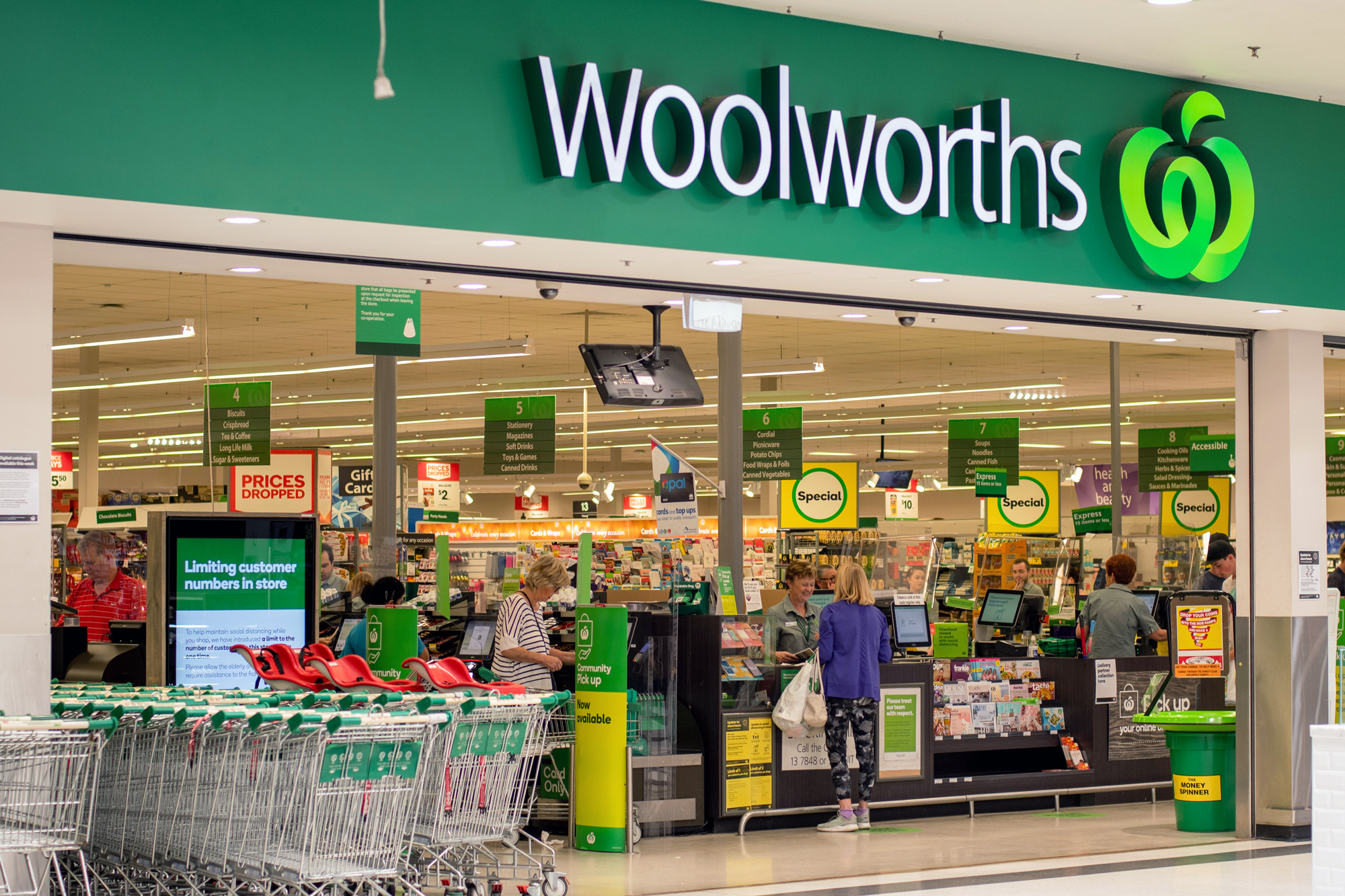
    Five peak industry bodies that banded together to oppose Woolworths’ potential acquisition of PFD Food Services have warned the ACCC to maintain a focus on the grocery group’s “track record of anti-competitive behavior”.

    The group partnered in February to block the acquisition, stating it would grant the company inordinate influence over the food sector in Australia.

    The anti-competitive behavior, such as pricing out competitors and utilizing private-label goods to undercut brands Woolies itself stocks, has been seen across a number of industries including hardware, petrol, and liquor, and has been indulged in by other retail giants beyond Woolworths, according to Richard Hinson, chairman of Independent Food Distributors Australia.

    “If the consequences of this transaction weren’t so series, it would be laughable that Woolworths has proposed undertaking it says will preserve competition while in the next breath admitting they could be rolled back within three years subject to the fine print,” Hinson said.

    “ACCC chair Rod Sims has already admitted that behavioral undertakings can’t be policed on a daily basis. The reality of this has been demonstrated over and over again.”

    And, according to the combined group, the proposed undertakings put forward by Woolworths earlier this week did nothing to address the concerns they had already put forward: That the acquisition will reduce choice and increase costs for foodservice operators; reduce distribution choice for suppliers; increase costs for suppliers; erode the value chain for suppliers; and, it will significantly reduce innovation in the space.

    “Both sets of Woolworths’ undertakings do absolutely nothing to reduce their significant market power in Australia and should be viewed for what exactly they are: a smokescreen to try and divert attention away from the five key concerns we have raised which remain unaddressed,” said Australasian Association of Convenience Stores chief executive Theo Foukkare.

    COSBOA chief executive Peter Strong said it is increasingly important that the ACCC understands the consequences of getting this decision wrong.

    “Our members, particularly those in regional Australia, have already been hard hit by the Covid-19 pandemic and, if allowed, this transaction will destroy many small businesses and cost thousands of jobs within our $11 billion industry.”

    MGA chief executive Jos de Bruin said this was an example Woolworths using its “deep pockets” on a “creeping acquisition” which it will use to further dominate the food and grocery market and lessen competition.

    “MGA’s members have long advocated that Woolworths domination of Australia’s grocery, food distribution and liquor markets is already so strong that the Woolworths Group ought to be considered for divesture to rekindle consumer choice,” de Bruin said.

    Woolworths has previously said it is confident it can address the concerns of industry parties and will ultimately receive a green light from the ACCC.

    “Critical to the success of our proposed partnership with PFD is maintaining long-term, collaborative and sustainable supplier and customer relationships. The undertaking provides further assurance to our previous public commitments to keeping supplier and customer information confidential,” a Woolworths spokesperson said.

    “We continue to submit to the ACCC that the proposed partnership will give rise to no substantive competition concerns irrespective of the undertaking we have offered.”


  • Apple tries to dismiss $800 million lawsuit over coronavirus app

    Apple tries to dismiss $800 million lawsuit over coronavirus app

    Although Apple continues to enjoy booming business worldwide, it doesn’t seem very fortunate when it comes to the number of lawsuits filed against it this year. We’ve already lost count of all the anti-trust violation lawsuits that have bombarded the company, including its “battle royale” with Epic Games, and others.

    This time, the tech giant is dealing with a pretty serious lawsuit coming from the developers of an app called “Coronavirus Reporter.”

    Earlier this year, Coronavirus Reporter planned to be the first COVID-related app in the App Store, intending to “capture and obtain critical biostatistical and epidemiological data as it happened” by collecting self-identified COVID symptoms from people, and presenting symptomatic regions on a map.

    After the app was rejected once in January, the developers filed an appeal, and requested that Apple allow the kind of content that Coronavirus Reporter would offer into the App Store.

    After the rejection, the plaintiff asked Apple to “expand the rule to allow corporations other than insurance companies, such as biotechnology or bioinformatics firms. Apple agreed, and added health care corporations to the list of permissible entities.”

    After Apple acquiesced, the app applied a second time to be offered in the App Store, even after providing additional documentation—but was promptly dismissed “for no good reason,” its developers claim.

    Following the second rejection, the app’s developers sued Apple again on the grounds that it rejected what could have been an important contribution to society, in order to maintain its monopoly on COVID exposure notifications (which Apple already channels).

    Apple responded that monopoly had nothing to do with it, but that Apple’s policy forbids applications from companies that are not part of approved healthcare organizations.

    The developers countered that their company “includes the ex-NASA cardiologist responsible for creating the ‘gold standard test’ for detecting heart attacks.” They issued a second, amended complaint, where they emphasized anti-trust accusations against Apple.

    In the latest development of the case, Apple has fired back once again, claiming that the developers of Coronavirus Reporter are blindly drawing on irrelevant antitrust cases in an attempt to play the white knight, in a case that is an isolated scenario.

    Apple argued that Coronavirus Reporter’s revised $800 million lawsuit [simply repeated its original allegations, that the developer erroneously added five unnamed apps purporting to be plaintiffs, and copied and pasted claims from at least three other pending antitrust cases against the company in the Northern District of California.

    Apple’s new filing, calling for the case to be dismissed, is constituted by a public 26-page long document—apart from that, Apple has issued no comment on the matter.

  • WhatsApp beta: encrypted backup feature will reportedly become available in the future

    WhatsApp beta: encrypted backup feature will reportedly become available in the future

    A recent policy change of WhatsApp’s privacy settings had the world start to turn its back on the popular messaging app. Now, however, WhatsApp has reversed its decision about that and seems to be working on bringing even more privacy-related features to its users.

    A WhatsApp beta version gives us a sneak peek of a privacy feature that will allow encryption of backups that are stored in Google Drive. You will be able to protect your backups, even the images, with a password, and reportedly the feature is in the works to become available for all WhatsApp users on Android.

    As we already stated, the feature is under development, so it’s not available to the public, but WABetaInfo states it will come in a future update. The password will protect your backup while it’s in Google Drive from unauthorized access, so you can be calm that your sensitive data, messages, and images are tightly encrypted and hidden from malicious users.

    We don’t have any information about when this feature will be made available. If you want to test new features, you can sign up for WhatsApp’s beta program from here.

  • Facebook tests new plan to reduce the spread of conspiracy theories

    Facebook tests new plan to reduce the spread of conspiracy theories

    Facebook is often a lightning rod for criticism and to be honest, there are many things that the social media network does that look bad when it comes to protecting one’s privacy, or in the dissemination of conspiracy theories. In an attempt to deal with the latter, Facebook announced on Monday that it is testing something new. Before an article can be shared on the platform, Facebook will suggest that it be read first.

    This new feature will be tested on 6% of Facebook users globally who use the Android platform. By suggesting to users that they completely read a story before sharing it, Facebook hopes to cut back on the number of misleading articles being passed along by subscribers because of an inflammatory headline that riles users’ passions before the whole story is read and digested.

    Facebook announced the test on Twitter, showing an image of what prompt users will see when they try to share a story without reading it. It says, “You’re about to share this article without opening it. Sharing articles without reading them may mean missing key facts.” The prompt offers two options allowing the user to open the article or continue sharing the content without reading it.

    Keep in mind that Facebook isn’t forcing a user to read a story without sharing it. Users can select the option to open the story and never read it before sharing the content. Or, they can skip the subterfuge and tap to continue sharing the story without reading it. While it isn’t clear whether this new feature can slow down the spread of baseless conspiracies on Facebook, a similar plan used by Twitter appeared to show some positive results.

    Twitter tested a similar feature last June and expanded the test to cover more of its users in September. The test revealed that the prompts led users to open articles 40% more often. Ultimately, if the tests prove successful, Twitter and Facebook could expand the feature to cover all of their subscribers.

  • Indonesia retail sales down 14.6 percent in March

    Indonesia retail sales down 14.6 percent in March

    Retail sales in Indonesia fell at a slower pace of 14.6per cent on annual basis in March, compared with an 18.1per cent fall in February, a central bank survey showed on Tuesday.

    Stronger fuel sales were supportive, although sales of clothes and recreational amenities continued to show drops during the month, the survey showed.

    Bank Indonesia, which had forecast a 17.1per cent drop in sales in March, is predicting a 9.8per cent increase in April.

  • Vietnam seeks to stabilize steel prices

    Vietnam seeks to stabilize steel prices

    The government has asked steelmakers to implement several steps to control rising steel prices that are hurting construction contractors.

    Deputy Prime Minister Le Minh Khai has asked the Ministry of Industry and Trade to push for increased domestic steel production towards stabilizing prices. Steel production in Q1 reached 7.6 million tons, a year-on-year increase of 34 percent, according to the Vietnam Steel Association (VSA)

    He also said the export of steel should be lowered to ensure that local demand is met. Steel exports in Q1 rose 59.5 percent year-on-year to 1.6 million tons, according to the VSA.

    Meanwhile, VSA has asked its members to prioritize using raw materials for steel production from local producers instead of imported them at high prices so that their operating expenses and selling prices are lowered.

    Steel prices in Vietnam have experienced a 40-50 percent surge since the beginning of the year, according to the VSA, forcing construction contractors to suffer losses and turn down contracts.

  • Launch of direct Vietnam-US flight routes a challenging journey

    Launch of direct Vietnam-US flight routes a challenging journey

    Acquiring flight slots at U.S. airports is only the beginning of a challenging journey to making the Vietnam-U.S. direct route a reality, experts say.

    Private carrier Bamboo Airways recently acquired slots to operate regular direct flights from Ho Chi Minh City to San Francisco and Los Angeles starting September.

    The airline plans to begin charter flights starting July and regular flights in September with four flights a week.

    The flights would be operated using the long-haul Boeing 787-9 Dreamliner aircraft. The carrier said it was rushing to complete the final steps in the process of building its personnel apparatus, including pilot and flight crew training, to get ready for operating direct flights to the U.S.

    While the latest development stirs new hopes for direct flights between the two countries, something that airlines and officials have been discussing and working on for nearly two decades, there are still many hurdles to overcome.

    Aviation expert Nguyen Thien Tong said that apart from flight slots, each Vietnamese airline will need to acquire various safety permits from U.S. agencies before getting the go-ahead for direct flights.

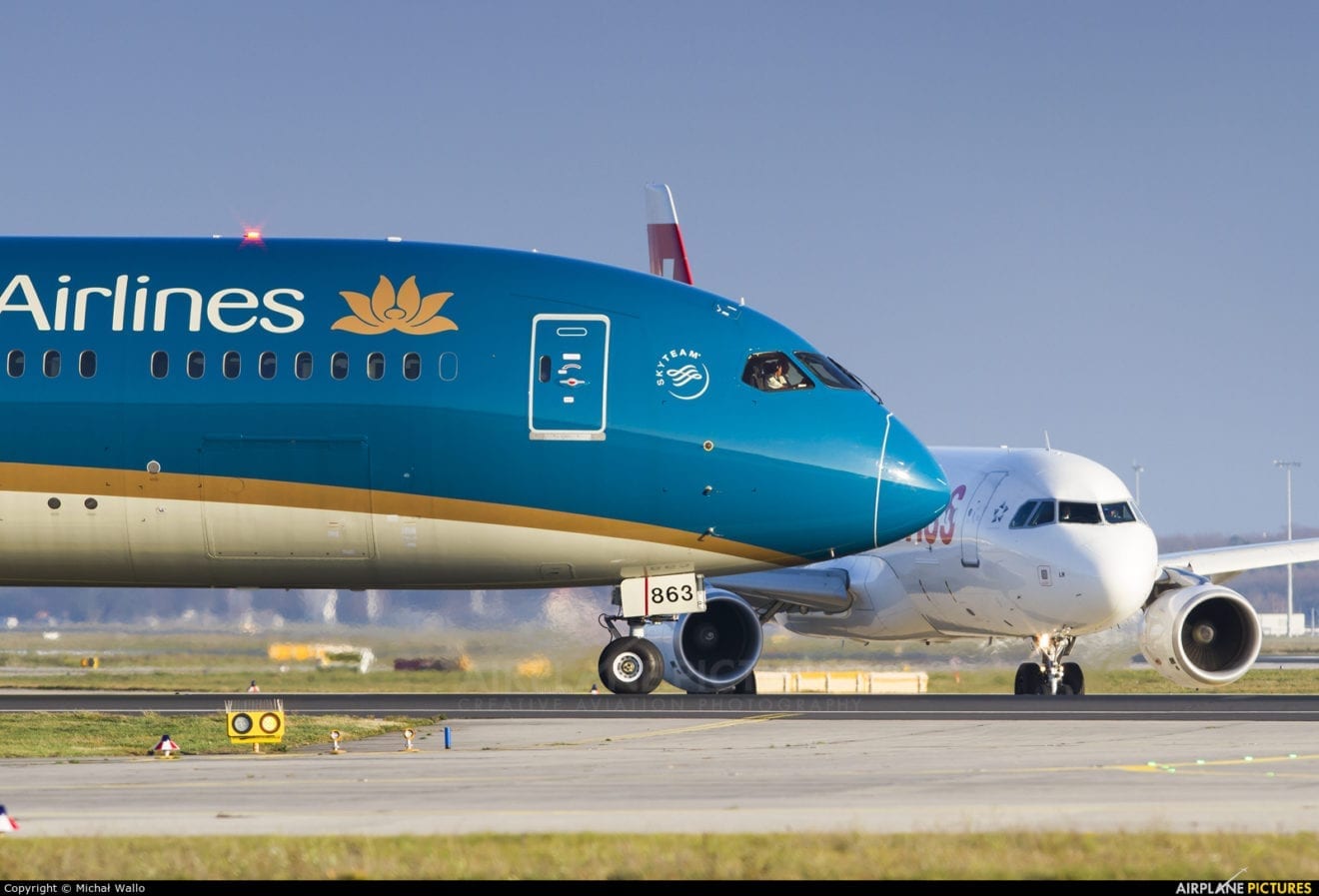
    Vietnam Airlines, with decades of experience in the industry, seems to be the most promising candidate to secure these permits, while Bamboo Airways, having operated for only two years, might face stiff challenges in proving its capability to conduct such long direct flights, he told VnExpress International.

    Last September, national flag carrier Vietnam Airlines had became the first Vietnamese airline to secure permits from the U.S. Department of Transportation for direct flights to the U.S.

    The airline last month received licenses from the Civil Aviation Authority of Vietnam (CAAV) to operate the Airbus A350 aircraft to the U.S. It had already acquired a permit for the Boeing 787.

    Last year, Vietnam Airlines conducted over 20 charter flights between the two countries.

    But, for regular flights, various permits are needed from the Federal Aviation Administration (FAA), the Transportation Security Administration (TSA) and the U.S. Customs and Border Protection (CBP).

    The TSA is one of the toughest obstacles with its stringent requirements. It will send experts to examine Vietnamese airports before proceeding further.

    A CAAV official told local media that the current fleet of Vietnam Airlines and Bamboo Airways with their Boeing 787-9 and the Airbus 350 won’t be able to fly directly to the U.S. at full capacity (over 300 seats).

    For long direct flights, the Boeing 777x and Airbus A350-1000 are needed, but the two carries do not own such jets, he said.

    Apart from concerns over technical challenges, experts have also questioned the profitability of Vietnam-U.S. direct flights.

    Vietnam Airlines CEO Le Hong Ha said the carrier might have to bear a loss of $30-50 million a year in the first five years of operating direct Vietnam-U.S. flights.

    Bamboo Airways chairman Trinh Van Quyet had earlier calculated that the airline could earn VND8 billion ($346,700) a month from direct flights with return ticket prices of around $1,300.

    But it is difficult to confirm those figures, especially as U.S. airlines, such as United Airlines and Delta Air Lines have launched and suspended direct flights to Vietnam after making losses, Tong said.

    There are currently no direct routes between the two countries, and passengers have to transit through Hong Kong, South Korea or Taiwan, taking 18-21 hours in all. A direct flight would shorten the travel time to 15-17 hours.

    Tong also said that with the ongoing Covid-19 pandemic it is unclear when a regular direct route will be established.

    Americans are among the top foreign visitors to Vietnam, with 687,226 arrivals in 2019, and an ethnic Vietnamese population of over 2.1 million in the U.S. is also expected to be a steady source of travel demand.

  • Vietravel eyes stake sale in new airline

    Vietravel eyes stake sale in new airline

    Vietravel is seeking to sell an unspecified stake in its new airline which began flying earlier this year.

    The travel giant will seek shareholders’ approval at the annual general meeting at the end of this month to sell the stake. Vietravel Airlines is wholly owned by Vietravel.

    It began operating on several domestic routes amid the Covid-19 pandemic with three aircraft and is not expected to break even for at least a few years.

    Last year Vietravel reported a loss of VND90 billion ($3.9 million), twice the profit it earned in 2019.

    It made a loss of VND70 billion in the first quarter of this year.

    But it targets a pre-tax profit of VND10 billion this year.

  • Vietnam rejects five new airport proposals

    Vietnam rejects five new airport proposals

    Aviation authorities have rejected the proposal of five localities to build their own airports and suggested that only one be added to the current master plan.

    Airport proposals by the northern provinces of Ha Giang, Bac Giang and Ninh Binh as well as the central provinces of Binh Phuoc and Ha Tinh have been rejected by the Civil Aviation Authority of Vietnam (CAAV).

    The CAAV has proposed to the Ministry of Transport that the number of airports in the country stays at 28 by 2030, and just one more airport in the northern province of Cao Bang be built by 2050, bringing the total nationwide to 29.

    Vietnam has 22 airports operating at present and six more approved for construction by 2030, including the Long Thanh International Airport in the southern province of Dong Nai and Sa Pa Airport in the northern province of Lao Cai.

    Officials and experts have expressed concern over an airport glut in the country.

    Nguyen Anh Dung, deputy head of the Department of Planning and Investment under the Transport Ministry, said that all airports with annual traffic of under two million passengers a year are recording losses.

    Airports built within 100 kilometers of each other are likely to result in low efficiency, according to case studies done in other countries, he added.

    Aviation expert Nguyen Bach Tung said that some of the proposals have been rejected because of unsuitable topography, like the mountainous terrain in Ha Giang and the vast rice fields in Ninh Binh that are the main source of livelihood for the locals.

    Other proposals have been rejected because the airports would be too close to existing ones. For instance, residents of Ha Tinh and Ninh Binh can use the Vinh International Airport or the Tho Xuan Airport, respectively, because these two are within 100 kilometers of the localities.

    Pham Van Toi, deputy chairman of the Vietnam Association on Aviation Science and Technology, said that many proposals have been made without a thorough examination of their merits and demerits.

    Ha Giang, for example, proposed an airport for both military and civilian purposes, even though it has limited land and airspace, he said.

    The CAAV has also identified a possible land area for a second international airport in the northern city of Hai Phong, which had been planned by the government in 2011.

    The airport is set to be located in Tien Lang District, around 120 kilometers to the southeast of Noi Bai International Airport, and will serve to absorb overflow at the Hanoi’s airport and the existing Cat Bi International Airport in Hai Phong.

    Tung said that Tien Lang has a land fund of 4,000-6,000 hectares available for building an airport with a capacity of up to 100 million passengers a year, which is four times that of the Noi Bai airport in Hanoi.

    This location is also within 100 kilometers from four other northern provinces – Ha Nam, Thai Binh, Nam Dinh and Hai Duong, he said.

    Toi also said that Tien Lang was a suitable location because it has good road connectivity with Hanoi, while the existing Cat Bi airport cannot be expanded as it is located near a river.

    A spokesperson for construction company Tedi, which is advising authorities on the construction of the Tien Lang airport, said existing airports in the north can still meet demand from now until 2040, and authorities should take a call on whether the airport is needed later.

  • Woolworths to launch 150 products through Philippine grocer Robinsons

    Woolworths to launch 150 products through Philippine grocer Robinsons

    Woolworths has partnered with the Philippines retail group Robinsons to launch a range of more than 150 products in the Southeast Asian country.

    Filipinos now can buy products from popular Australian brands, including milk, wine, honey, cereals, and baby food at Shopwise, The Marketplace, and selected Robinsons Supermarket branches.

    “It has always been our thrust to continue offering new products that will excite our shoppers every time they visit our stores,” said Jody Gadia, MD of supermarket segment at Robinsons Retail.

    “Woolworths’ values are consistent with the Robinsons Supermarket Group’s focus on health and wellness.”

    According to Gadia, Philippines consumers can find Australian products at Robinsons physical stores about 10 to 15 percent cheaper than other imported goods sold in the Philippines.

    International sales head at Woolworths, Brian Newton, the group’s expansion in the Philippines results from the growing demand for healthier options during the pandemic.

  • Clubhouse for Android beta now in the Play Store

    Clubhouse for Android beta now in the Play Store

    Audio-only group chat app Clubhouse was extremely popular at the beginning of the year. At the time, the app, which requires an invitation to join, was only available in the Apple App Store. In late March, Clubhouse founder Paul Davison said that an Android version of the app was still months away, but today Clubhouse announced that a beta version of its Android app has become available on the Google Play Store.

    The app certainly needs the boost that will occur from being available on the platform that the vast majority of smartphone users around the world have installed on their devices. Consider that in February, the app was installed 9.6 million times worldwide with 2.7 million installs rung up during the following month. But in April, that number dropped to 922,000 downloads globally.

    Without the necessary invitation, all you can do with the Android app is reserve your username and get put on a waiting list. Eventually, the invitations will disappear and Clubhouse will be open for anyone to join. But at the moment, without an invite, you are not getting into the clubhouse regardless of the platform you are using.

    “With Android, we believe that Clubhouse will feel more complete. We are so grateful to all of the Android users out there for their patience,” co-founders Davison and Rohan Seth wrote in a company blog post. “Whether you are a creator, a club organizer, or someone who just wants to explore, we are so excited to welcome you to the community.”

    The early success of Clubhouse has spawned a number of copycats including Twitter’s Spaces. It seems that all of the big social media names want to have a presence in this space so the competition is going to continue to pick up. Clubhouse still has the advantage of being first although its invitation system might feel like a big turn-off to those who would love to be using the app right away.

    Still, this has been Clubhouse’s plan from the beginning. As it pointed out in today’s blog post, “We’ve always taken a measured approach to growth, keeping the team small, building in public, and getting feedback from the community along the way. When you scale communities too quickly, things can break. So we started Clubhouse on a single platform and have expanded gradually through an invite model.”

    Being placed on the waiting list can help you snag an invite, or if you know an existing user, you can ask him or her for one. The app is launching today in the U.S. followed by other English-speaking countries, and then the rest of the world. Clubhouse says that over the next few weeks, it plans to ask for feedback from the community, fix issues, and add new features such as “payments and club creation.”

    As for the invitations, Clubhouse says that it will keep “growth measured” by continuing the current system although it will open up some more during the summer. It expects millions of of more iOS users to join the more than 10 million iOS users who have already installed the app.

    You can now install the Clubhouse for Android beta from the Google Play Store, but be careful. There is already an app called Clubhouse that has nothing to do with the one we are looking for. So make sure that you search for Clubhouse: Drop-in Audio Chat. To save you some time, simply tap right here. The iOS version of Clubhouse, also using the title Clubhouse: Drop-in Audio Chat, can be installed from the Apple App Store.

    It will be interesting to see what the future holds for Clubhouse and for the format of audio-only group chat.

  • Korean convenience stores start selling Covid-19 self-testing kits

    Korean convenience stores start selling Covid-19 self-testing kits

    Coronavirus self-test kits became available in supermarkets and convenience stores across the country Thursday as South Korea is seeking to step up its testing capacity with no letup of new virus cases insight.

    Self-test kits by two local drugmakers – Humasis Inc. and SD Biosensor Co. – have been sold at local pharmacies after receiving approval for emergency use last month, and they have hit shelves of supermarkets and convenience stores to provide easier access to the public.

    GS25, a convenience store chain, on Wednesday, started sales of test kits by Humasis and SD Biosensor at some of its stores, and its rival 7-Eleven said it will begin sales Friday.

    E-Mart, the nation’s largest discount store chain, said its major outlets in Seoul began to offer Humasis’ test kits earlier in the day and will distribute more in other stores.

    CJ Olive Young, a major health and beauty store chain, said it will sell Humasis’ kits starting Friday at offline stores and on its online channel, with a parcel delivery service available.

    A growing number of new cases has prompted the nation’s health authority to approve the use of at-home virus tests to detect patients at an early stage.

    Users can collect samples from their noses on their own for testing, and the results come out within 15-30 minutes.

    If users receive a positive result from the self-test, they are required to visit screening stations to undergo preemptive polymerase chain reaction (PCR) tests to get a more accurate result.

    On Thursday, the country reported 574 more COVID-19 cases, raising the total caseload to 125,519, the Korea Disease Control and Prevention Agency said.

  • Petrolimex reports $44 mln profit

    Petrolimex reports $44 mln profit

    Petrolimex has reported pre-tax profits of over VND1 trillion ($44 million) in the first quarter thanks to the Covid-19 pandemic being contained and rising global oil prices.

    It has made a loss of VND1.7 trillion in the same period last year.

    The management of the country’s top fuel retailer said oil prices had risen 24 percent from last year to over $59 per barrel by the end of March.

    In the same period last year, they had plummeted 66 percent to around $22 per barrel.

    Revenues in the first quarter remained virtually unchanged from a year earlier, at VND38.2 trillion.

    It has targets of VND135.2 trillion in revenues and VND3.3 trillion in pre-tax profits, up 9 percent and 138 percent respectively, for the full year.

  • Twitter’s newest creator-friendly feature is now official and rolling out to select accounts

    Twitter’s newest creator-friendly feature is now official and rolling out to select accounts

    Twitter is having a pretty big week in terms of adding highly requested features, and even though the social media platform’s hundreds of millions of active users around the world remain unable to edit their tweets after publishing them, we’re sure many of you will find the two latest changes almost as convenient as that.

    Just one day after ditching its annoying image cropping habit to finally display “bigger and better” (and especially taller) pics on both iPhones and Android handsets, Twitter is officially launching a functionality that first made the rounds a couple of weeks ago.

    The aptly named “Tip Jar” option is bound to put a big smile on the faces of all sorts of “creators, journalists, experts, and nonprofits”, and hopefully, make it easier for these people and organizations to find the time to keep us all entertained and informed on Twitter.

    For the time being, only a “limited group” of such accounts from “around the world” can be (easily) set up to allow followers to directly send them money using one of a variety of payment services. Said services, by the way, include PayPal, Venmo, Patreon, Bandcamp, and Cash App, although availability naturally differs from region to region.

    If you want to send a “tip” to an “applicable” account on iOS or Android, the good news is you can start doing that with no restrictions… as long as you use the English-language version of Twitter. Eventually, the plan is obviously to expand the feature to “more languages” and “soon” allow more people to receive tips.

    Before sending any of your hard-earned money to your favorite amateur entertainer, freelance journalist, political pundit, or mobile tech leaker, you might be happy to hear Twitter will not intervene in the tipping process in any way, directing you to your financial app of choice when making a donation and taking no “cut” from the sender or the receiver of tips.

    The Tip Jar icon can be easily located next to the Follow button on an “applicable account’s” profile page, and to make everything even more effortless and hassle-free, Twitter is letting Android users send money within Spaces conversations as well.

  • Thai AirAsia plans IPO for capital injection by new investor

    Thai AirAsia plans IPO for capital injection by new investor

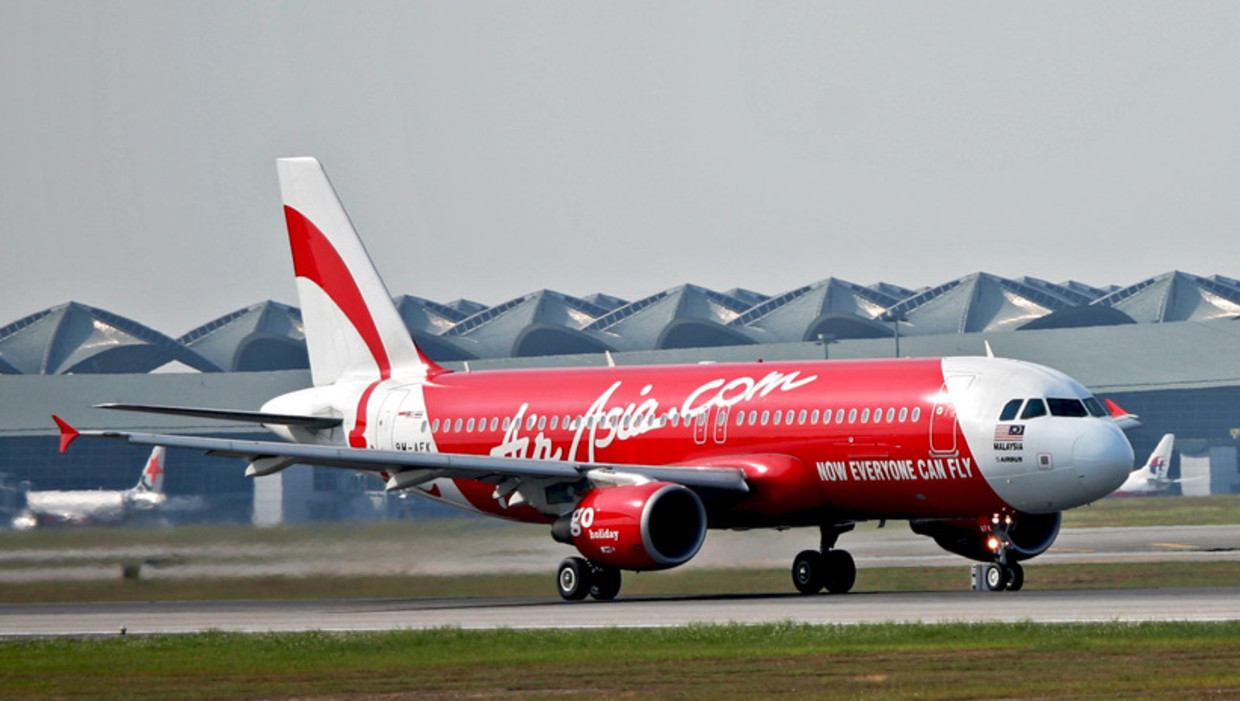
    Thai AirAsia’s parent company has disclosed a corporate and capital restructuring plan for the airline, which involves listing it on the Stock Exchange of Thailand (SET) to accept a Bt3.15 billion ($100 million) loan from a new investor.

    Asia Aviation’s board approved the plan on 26 April, it says in a 27 April SET filing.

    The new investor is not connected to Asia Aviation or Thai AirAsia and will provide the funds in the form of a convertible loan agreement or convertible bonds with zero-coupon issued at par, with an approximately three-year term.

    This will be convertible to ordinary shares in Thai AirAsia at an agreed conversion price of about Bt20.4 per share. The conversion period is expected to be after Thai AirAsia receives approval for an initial public offering.

    Should the investor opt not to convert the loan or bonds into shares, it will hold the investment, which bears 3% interest, until maturity as a creditor.

    Asia Aviation says the investor is currently conducting due diligence and expects to complete the process in mid-May.

    It states that the investor wishes to invest directly in Thai AirAsia rather than through holding shares in Asia Aviation. Taking the airline public would also “increase the opportunities for Thai AirAsia to raise funds by itself rather than being dependent on [Asia Aviation] for fundraising”.

    Concurrently, Asia Aviation plans to convert its shareholders into direct shareholders of Thai AirAsia. This entails dissolving and liquidating Asia Aviation and the company says its board has yet to approve this.

    Asia Aviation holds shares equivalent to 55% of Thai AirAsia’s paid-up capital while AirAsia Investment, which is also the airline’s major creditor, holds shares representing 45%.

    Asia Aviation expects the new investor to hold 11.4% of Thai AirAsia X’s expanded shares issued after it goes public.