Category: General

Retail News Asia is committed to providing both local and global retailers with the latest General Retail news throughout the Asian market. This on a daily base.

  • Bamboo Airways secures flight slots in London

    Bamboo Airways secures flight slots in London

    Bamboo Airways has got a slot allocated at London’s Heathrow Airport to fly six times a week from Hanoi and HCMC starting in May.

    The flights would be operated using the airline’s long-haul Boeing 787-9 Dreamliner aircraft.

    The carrier had stated its intention to fly to the British capital and Frankfurt in Germany in the first quarter of 2021, but was delayed due to the closure of Vietnamese borders to keep out Covid-19.

    It has announced plans to make an initial public offering this year and raise VND6.3 trillion ($2.73 million).

  • Thai fuel player bets US$1.5 billion on coffee

    Thai fuel player bets US$1.5 billion on coffee

    The head of Thailand’s biggest gas station network has US$1.5 billion that says motorists will soon be stocking up on a different kind of fuel – coffee.

    That’s the bet that Jiraporn Kaosawad, Chief Executive of PTT Oil and Retail Business (PTTOR), is placing on rolling out thousands of coffee shops at home and abroad, along with other non-oil businesses, as global auto and fuel players gear up for a near future dominated by electric car growth.

    A month on from Thailand’s biggest initial public offering of the year, Jiraporn’s plans for the Cafe Amazon business – already the no.1 Thai coffee shop chain – present PTTOR’s take on the task facing oil majors from BP to Total: how to maximise profit from fuel networks as drivers of the near future wait for their electrics cars to be charged up.

    These strategies are dependent on mass-scale take-up of electric vehicles (EV), now being promoted by governments and international organisations as one key to capping and ultimately reducing the emissions that stoke climate change.

    “Our investments and partnerships have to build on the company’s strength, and align with consumer demand,” Jiraporn told Reuters in a recent interview. “Charging EVs takes about 20 minutes, while you wait you can have a meal, buy things in the service station.”

    PTTOR’s network now stands at 2,000 gas stations across Thailand: it plans to add another 500 by 2025, and to rapidly ramp up the number that are equipped with EV charging points, to 300 by 2022 from just 30 currently. That surge will come as the Thai government seeks to implement plans to have 1.05 million EVs on the road by 2025, up from current levels of about 200,000.

    To be sure, PTTOR’s expansion plans beyond oil require heavy investment, with oil business still accounting for 90% of its revenue. Some point out that its dominance within Thailand won’t do anything per se to further its international ambitions.

    “The retail business has had a competitive advantage in Thailand,” said Maybank Kim Eng analyst, Kaushal Ladha. “This advantage of course will be significantly reduced if it goes to international markets.”

    Still, PTTOR has deep pockets and strong backing. State-owned energy giant PTT Pcl retains a 75% stake in the company after it raised $1.8 billion in its listing last month.

    Jiraporn said PTTOR’s plan to invest 74 billion baht ($2.39 billion) over five years to expand will be heavily skewed toward non-oil operations, which last year carried an operating profit margin of nearly 20%, compared to a skinny 1%-2% for oil sales.

    “The investment will be heavily used in the first two years,” she said, with 65% allocated to its non-oil business, overseas expansion, and new ventures, while 35% would be for oil.

    Though not alone, coffee is PTTOR’s best-known product line outside oil.

    Cafe Amazon started out in 2002 as outlets offering coffee, cookies and other goods for motorists at gas stations, before expanding into a 3,000-store Starbucks-like chain, including shopping mall and standalone outlets. PTTOR’s goal is to expand that to 5,200 in the next five years, Jiraporn said.

    Abroad, it operates a store in Singapore’s Jewel Changi Airport as it seeks insights into adapting business for international customers. It also counts branches in Cambodia, Japan, Oman, Vietnam and China.

    PTTOR’s investments beyond coffee include 500 million baht for a 20% stake in an organic food restaurant, Ohkajhu, and it has announced a partnership for cloud kitchens – spaces where restaurateurs cook meals solely for delivery – with a food delivery platform Line Man Wongnai.

    For investors, though, the main point of interest and appeal in the PTTOR model, remains the retail network of stations that can provide more than gas.

    “The attraction is the station, not the oil,” said prominent Thai investor Niwes Hemvachiravarakorn, who doesn’t own shares in PTTOR.

    “The gas stations have become a centre for travellers and through this they can add products and services continuously to expand business – use the real estate to sell fried chicken.”


  • AirAsia Rounds Out Punishing Year With Record Loss

    AirAsia Rounds Out Punishing Year With Record Loss

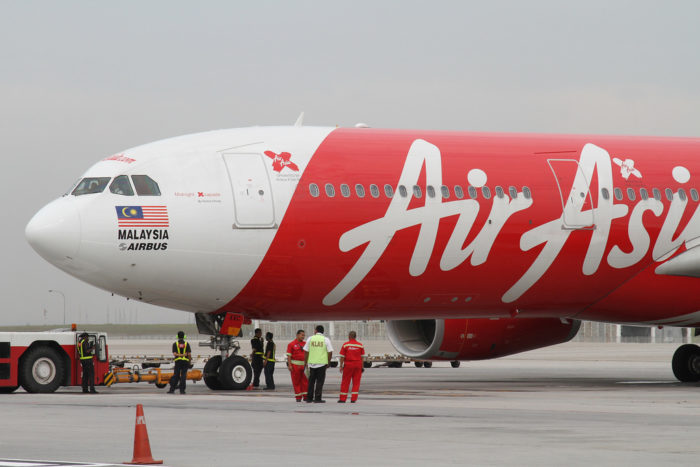
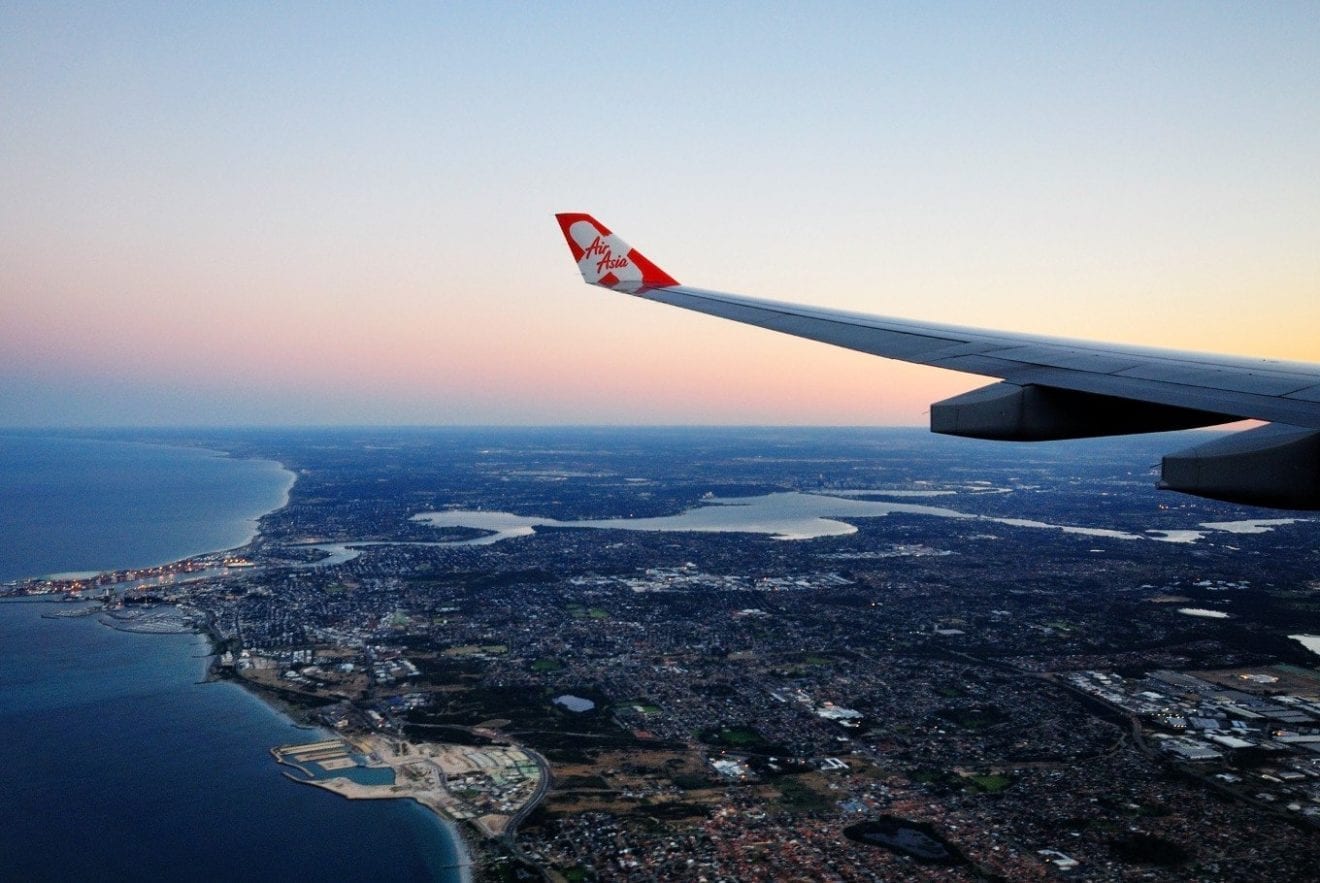
    AirAsia was under pressure even before Covid-19 plunged aviation into crisis. Auditor Ernst & Young had questioned the ability of the airline and long-haul unit AirAsia X Bhd. to continue as going concerns, based on their 2019 financial reports. At the time, the carrier — a major buyer of Airbus SE’s A320 aircraft — was struggling with excess capacity in Southeast Asia as airlines rapidly added planes and competition intensified. More recently, AirAsia’s Japanese unit collapsed and it sold its stake in AirAsia India Ltd.

    The company has sought to raise up to 2.5 billion ringgit through debt and equity. In February, Hong Kong financier Stanley Choi increased his stake to almost 9% for about $27 million. Choi told Bloomberg News he was confident that AirAsia could recover from the challenges facing the industry.

    The airline said Monday it is close to finalizing commitments from banks for loans and is in talks with “a number of parties” for investments, including joint ventures.

    AirAsia has branched out into other businesses, with a strong emphasis on digital operations. Chief Executive Officer Tony Fernandes said this month the company’s so-called super app would have a turnover of $250 million this year. The app can be used for things such as shopping, booking flights and ordering food.

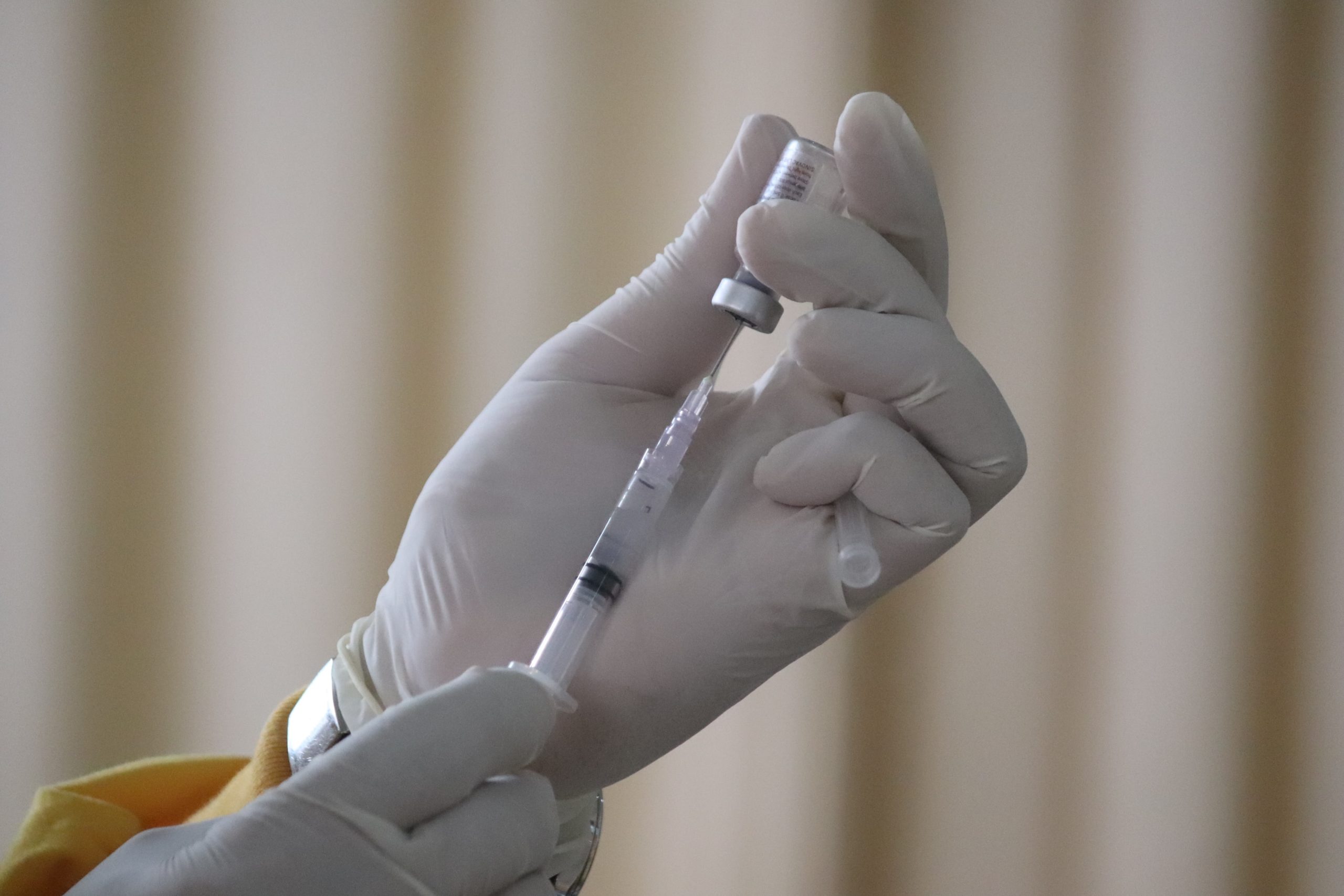
    Logistics arm Teleport will soon start delivering vaccines in Malaysia and the region, AirAsia said. It plans to convert two A320 aircraft into cargo planes.

  • Need for high-speed rail arguments continue unabated

    Need for high-speed rail arguments continue unabated

    More than 10 years after they were first proposed, high-speed railroad plans remain mired in concerns and disagreement over speeds and cost.

    Three high-speed routes are currently under study or have been proposed: north-south, Ho Chi Minh City-Can Tho and Hanoi-Lang Son.

    A final report by consultancy consortium CCTDI-TRICC-TEDI, comprising three Vietnamese construction firms, on the master plan for railroad development for 2021-30 sets out two options.

    The more ambitious one envisages the completion of phased investment for two north-south high-speed railways, Hanoi-Vinh and HCMC-Nha Trang by 2030.

    The two railways have a total length of 651 km and might cost VND561 trillion ($24.18 billion) to be built.

    The other is to complete them by 2032 at a cost of VND375 trillion. The consultants forecast a maximum of 14 million passengers using the high-speed trains annually at that time.

    They expect an average of 44.7 million passengers using north-south railroads annually by 2050.

    An expert who asked not to named said however that these options are “overly optimistic,” if not downright unfeasible.

    He said 10 years would not be enough to complete these projects, considering the approvals that need to obtained at various levels, the money that needs to be raised and carrying out the work.

    There is also a continuing debate on whether the trains should run at 200 kph as proposed by the Ministry of Planning and Investment and some experts or 350 kph as suggested by the Ministry of Transport and the consultants.

    That may prolong the time required for getting National Assembly approval.

    Dang Huy Dong, director of the Planning and Development Institute, said building infrastructure for trains running at 350kph would be prohibitively expensive, and the resultant high fares would also make the entire thing unviable.

    It is economically efficient to have passenger trains running at a speed of 150kph and freight trains at 100kph, he told local media.

    The State Appraisal Council is in the process of identifying an agency that would assess the feasibility of the various options for the north-south routes.

    Recently the Lang Son Province people’s committee proposed building the Hanoi-Dong Dang high-speed rail starting in 2030, saying is necessary to enhance rail transport between ASEAN countries and China. The proposed route will go on up to Nanning in Guangxi, China.

    Earlier this year the Ministry of Transport ordered the Railway Project Management Board to complete a pre-feasibility study on the HCMC-Can Tho link by 2022.

    The South Construction Technology Science Institute wants high-speed trains on the route with a 1.43-meter double track serving both passenger and freight trains traveling at 200 kph and 100 kph.

    It expected it to cost around $10 billion.

    A Ministry of Transport official said the route might be necessary, but many issues need to be sorted out first. For instance, the 150-km distance might not be ideal for a high-speed train, he said.

    Vu Anh Minh, chairman of Vietnam Railways, said flying from Hanoi to HCMC takes around five hours in all while a high-speed train traveling at 300 kph would take six hours.

    “Considering the nature and geography of Vietnam, the development of a high-speed network is imperative, and we are losing socioeconomic development opportunities every day without it.”

  • South Korean retail sales record double-digit growth

    South Korean retail sales record double-digit growth

    Department store sales jumped 40 percent in February against a year-ago period in the biggest year-on-year gain since the data became available from 2005 to suggest a rebound in private consumption in South Korea.

    According to the Ministry of Strategy and Finance’s monthly economic review, department store sales jumped 39.5 percent on year in February, a record-high growth rate since monthly records became published.

    Sales at discount stores also gained 24.2 percent, the largest increase since the 34.8 percent gain in Feb 2015.

    Domestic credit card spending last month rose 8.6 percent from a year ago, rebounding for the first time in three months.

    The boost in consumer spending was spurred by the Lunar New Year’s holiday in early February in a pent-up demand after protracted social distancing measures, the finance ministry noted.

    The figure also goes against poor numbers a year ago when the country was swept up in the first wave of Covid-19 outbreak.

    In Feb last year, the department store sales fell 30.6 percent. Discount store revenue declined 19.6 percent, the biggest drop since Jan 2015 when the figure was down by 24 percent.

    An official from the finance ministry said that the low base effect from last year may have made the February figures look better than they really are.

  • Cebu Pacific operator lists convertible preferred shares at stock exchange

    Cebu Pacific operator lists convertible preferred shares at stock exchange

    Cebu Air the listed operator of budget carrier Cebu Pacific, announced on Monday that 328.95 million of its convertible preferred shares with a par value of P1 per share are now ready to be traded on the main board of the Philippine Stock Exchange (PSE).

    “Despite the numerous challenges that airlines are currently facing, Cebu Pacific was able to raise approximately P12.49 billion ($256 million) from existing shareholders,” Cebu Air said in a disclosure to the stock exchange on Monday.

    The listed company added that the success of its fund-raising activity is “reflective of the belief that shareholders have, not only in the long-term prospects of Cebu Pacific, but also its vital role in the economic recovery of the Philippines.”

    The company has said the amount raised would help it address financial liabilities, including repayment of an advance by JG Summit Philippines Ltd., aircraft operating lease payments, principal debt repayments, and passenger refunds, among others.

    Cebu Air recently announced that its board approved a P16-billion, 10-year loan from local banks.

    The loan would be used to fund its capital expenditures and other general corporate purposes.

    The loan should also provide a cushion against “unexpected working capital requirements that may stem from fuel price and foreign exchange rate volatility,” Cebu Air said in an announcement.

  • Facebook and the very real problem of keeping student data private

    Facebook and the very real problem of keeping student data private

    After a serious data privacy scandal that happened on Facebook a few years ago, almost everybody knows about the security issues with this social network. Experts say that the company has a long track record of incidents that prove inadequate measures for users’ data protection. Repeated failures make many of us worried about the safety of our personal information. Keep reading the article if you want to learn more about the problem itself and the ways of dealing with it.

    The Facebook data privacy scandal

    It all started in 2009 when the New York Times reported an incident in which private users’ information was shared publicly. Two years later, after an FTC investigation, Facebook promised to address concerns about tracking and sharing personal information.

    In 2013, another data failure happened. It turned out that there was a bug, which exposed email addresses and phone numbers of 6 million accounts. It’s important to note that this data had not been given to Facebook by its users. Instead, it was vacuumed from the contact lists of other social network users who were acquainted with a particular person.

    In 2014, Cambridge Analytica joined the investigation of data security on Facebook. To begin with, Aleksandr Kogan asked users of a particular review platform to add the thisisyourdigitiallife app to their Facebook account. This allowed him to gather some demographic data and information about users’ likes, friends lists, and private messages, which he shared with Cambridge Analytica.

    Once Mark Zuckerberg revealed this, he claimed that Kogan’s app was immediately banned on Facebook. He also asked Cambridge Analytica to officially confirm that they had deleted all the data acquired from the app, so they provided formal certifications of that.

    But in 2018, Christopher Wylie, the creator of thisisyourdigitiallife app reported that Cambridge Analytica harvested up to 87 million profiles instead of 50, as was stated before. He said that the data was used to develop “psychographic” profiles of target users with the pro-Trump advertising campaign.

    After that, another investigation by FTC was opened to determine if Facebook violated the settlement terms from the 2011 investigation. It was revealed that Facebook was involved in data-sharing partnerships with a few big manufacturers, such as Apple, Microsoft, Amazon, Samsung, and BlackBerry. Later, in 2020, Facebook admitted to sharing its data with approximately 5,000 third-party developers

    Use essay writing services carefully

    As you can understand, privacy is one of the most acute issues in the era of social networks. It’s really hard to protect large sets of personal information so they are not used by third parties. Hence, everybody must be aware of different ways to keep their data secure. Especially, if you are a student that frequently shares study materials with peers or instructors, you should be very careful. Remember that when some experts or services similar to Edubirdie do essays for you , you should avoid providing personal details to them. If possible, don’t share your address, school name, and phone number to save your student image in case of data leakage.

    Danger for students

    Students should be aware that they are quite vulnerable to data exposure. Since Facebook harvests and shares different types of data, such as messages and voice call records, young people must know that they are at risk. If your data is incidentally or accidentally exposed, you might become a victim of cybercriminals.

    Also note, that deleting or deactivating Facebook apps can’t prevent you from all the dangers. Sounds a little bit frightening, doesn’t it? But the good news is that Facebook is actively developing a Clear History button that allows users to remove some database records.

    How to avoid privacy issues?

    To secure your data, you should review  Facebook’s Terms of Service, Data and Cookies Policy first. According to these documents, the company prevents apps from collecting information about individual users. Hence, if you want to disable third-party use of this social network, including features like Login With Facebook and apps that rely on FB profiles (like Tinder), go to the Settings menu and click a special button. Moreover, you can manually check if your data was shared with Cambridge Analytica a few years ago. To find out if your personal information was collected, go to Facebook Help page.

    Final thoughts

    Even though Facebook is one of the largest social networks in the world, it has some major issues. It’s really difficult to rely on its security system and trust its developers after all the scandals that have recently happened. But still, this company does its best to protect all loyal users, which deserves respect.


    Author’s BIO

    Julius Sim is the Head of the Support Team at Edubirdie, which is a leading assignment writing company in the world. He is responsible for high-quality customer service and does his best to meet clients’ needs. Julius believes that a good user experience and great customer support are the keys to Edubirdie’s success.


    https://www.pexels.com/photo/photo-of-laptop-near-plant-927629/

    https://www.pexels.com/photo/access-app-application-apps-267399/


  • 70% of Australian Casual Workers More Likely to Get COVID-19 Vaccine If It’s Recommended by Employer

    70% of Australian Casual Workers More Likely to Get COVID-19 Vaccine If It’s Recommended by Employer

    As Australia’s COVID-19 vaccine roll-out strategy ramps up across the nation, 70% of casual workers have indicated that they would be more likely to receive the vaccine if it was recommended by their employer.

    The research by Humanforce, a provider of intelligent workforce management solutions, also revealed that the vast majority of casual workers – 71% – think that employers have a right to ask their workers to be vaccinated.

    However, only 29.60% of these casual staff worked for employers who had said being vaccinated for COVID-19 would be a requirement to secure shifts in the future.

    “Given the scale of disruption the pandemic has caused for so many workplaces across Australia, there was a lot of talk even prior to the vaccine arriving in Australia and being rolled out, about whether workplaces would make it mandatory for staff to be vaccinated,” said  Clayton Pyne, founder and managing director of Humanforce “Many employer groups have publicly advocated for businesses to be able to direct staff towards being vaccinated to help avoid future outbreaks and workplace disruptions, and most casual workers are clearly supportive of this, which is a positive finding for safe work places and business continuity in 2021.”

    Many casual workers (67%) said they had been concerned about their health in the workplace throughout the COVID-19 period. These concerns were likely the reason 64% of workers said they would get the vaccine when it was available to them, while 24% were still undecided and 12% said they did not intend to get the vaccine.

    Interestingly, 79% of casual workers indicated that they would prefer it if their colleagues were vaccinated, which was higher than the number who said they would get the COVID-19 vaccine themselves. A high number (67%) of casual workers were also supportive of their employers requiring customers and visitors to the workplace to show they had been vaccinated.

    “It’s very apparent that casual workers are concerned about COVID-19 and their health at work, and that they expect their employers to step in and take charge of protecting them and others while in the workplace,” added Clayton. “That’s why employers must now ensure they are prioritising the fine tuning of their organisation’s position on COVID-19 vaccines. Engaging casual workers early on is vital in clearly communicating with them your organisation’s position, as well as expectations of them and others when it comes to the COVID-19 vaccine. It’s also important to have the right systems in place to effectively communicate with staff and track staff vaccination information, should it be required by your organisation.”

    About Humanforce: The intelligent platform for your shift-based workforce. Almost every shift has its no-shows, late arrivals, and special requests, but, you’ve also got to deal with the big shifts in how people work – everything from new employee expectations to new technologies, new regulations, and other major changes. Humanforce brings a whole new approach to managing your teams where you can simplify the process, see everything at once, and stay ahead of the curve. That’s why thousands of businesses of all sizes – hotels to hospitals, resources to recreation, stadiums to shops and more – use Humanforce to get ready for the next shift. www.humanforce.com


  • Google adds another “Memories” collection to the Photos app

    Google adds another “Memories” collection to the Photos app

    Just a few days ago, we told you that Google had added a new collection of photos for the Memories feature on the Google Photo app. These photographs all included images of beer; beer in glasses, beer in cans, beer in bottles and more. The photos show up in a collection called “Cheers.” The latest Memories collection is named “In the spotlight” and it shows photos containing stages and crowds. So those photos you took at the Billie Eilish concert you attended (before the pandemic, of course) will probably show up.

    To check out this feature, open the Google Photos app and tap on Photos at the bottom of the screen. At the top of the display, you’ll find images collected in Memories. As we told you last week, you can customize the Memories that appear in the carousel by opening the Google Photos app. At the top right of the display, tap your profile picture or initials and go to Memories > Featured memories. You’ll be able to enable or disable the receipt of photos taken in the current week years ago, photos from recent weeks, and photos about people, places, or things.

    The Memories feature on Google Photos appears to be giving users a look back at those carefree days before the pandemic when a trip to the pub wasn’t a big deal, and going to see your musical idols in concert was normal. And while it might make you feel sad when the “Cheers” and “In the spotlight” collections appear, it should also bring back those happy feelings and help you strive for the return of your normal, pre-pandemic life.

    Whether you see such photos in your Google Photos app has everything to do with the images that Google scans. And even if you do have photographs that meet the definition for the new category, keep it mind that it can take up to two weeks for them to noticed by Google’s servers.

  • You’ll soon be able to save Instagram Stories as drafts

    You’ll soon be able to save Instagram Stories as drafts

    Post drafts have been part of Instagram for years, but the useful feature has never made its way to the app’s popular Stories section. Soon that will change, as Instagram itself announced on rival platform Twitter.

    Instead of being forced to choose between posting Stories immediately or saving them to your device for later, an upcoming Instagram update will add the option for all users to save Stories drafts inside the app.

    That means you’ll be able to take your photo or video, add the stickers and filters of your choice, and save the Story for later. When you come back to it, you’ll be able to post it straight away or make some more edits. Of course, scrapping the draft is always an option.

    Instagram hasn’t shown off the draft UI, but it didn’t have to. Mobile developer and leaker Alessandro Paluzzi uncovered the unreleased Stories draft feature and posted a screenshot on Twitter.

    The feature’s interface is, unsurprisingly, quite simple. Before exiting Stories, users will be given the option of discarding the post they’re working on or saving it inside the app as a draft.

    If you have some drafts saved, you’ll need to swipe up to open up the new drafts area. As with regular posts, it sits above the camera roll timeline.

  • Twitter might bring Facebook-style emoji reactions to Tweets

    Twitter might bring Facebook-style emoji reactions to Tweets

    Remember that controversial switch from Favorites to Likes on Twitter in 2015? Well, soon the social media platform could introduce another big change to the way people interact with Tweets, and this time it’ll to take some inspiration from Facebook.

    Twitter is considering the introduction of emoji-style reactions to Tweets. Users can only ‘heart’ tweets at the moment, but a feature like this one would let users react to Tweets with different emojis.

    LinkedIn and Facebook offer similar features on their platforms. Examples of their reactions include a laughing face emoji, a thumbs up, clapping hands, an angry face, a sad face, and a shocked face.

    Twitter still hasn’t made a final decision on the feature and has been surveying a select group of users this month about it, as shown in screenshots shared by users @jdm0079 and @WFBrother. It’s planned reactions include a heart, laughing face, thinking face, and a crying face.

    It has also proposed ‘awesome’ and ‘support’ reactions, in addition to ‘angry,’ ‘agree,’ and ‘disagree.’ In response to the surveys, a Twitter spokesperson said: “We’re exploring additional ways for people to express themselves in conversations happening on Twitter.”

    Twitter already offers a similar feature in the DMs section, but that doesn’t necessarily mean the company will move ahead with its plans to expand emoji reactions to Tweets. After all, some users might be put off by the idea of their Tweets being downvoted or laughed at, for example.

  • Facebook tests new app for prisoner re-integration into society

    Facebook tests new app for prisoner re-integration into society

    Some Instagram users have caught on lately that parent company Facebook had something up its sleeve when they started seeing a strange notification in their feed titled “preparing for life after prison with community support.”

    It turns out Facebook has been experimenting with a brand new app concept called Re-Entry, whose sole purpose is to facilitate released prisoners’ re-integration into normal society. Although Facebook quickly removed the notification from public view, admitting that it was only meant for internal testing, we know that they are at least considering a potentially useful re-socialization system for ex-prisoners.

    This is a product of Facebook’s Equity Team, which was founded last year for the purpose of supporting marginalized communities through the platform and challenging racial bias, among other things. In an ambitious blog post announcement back in September last year, Instagram head Adam Mosseri laid out his hopes for the new team, calling for better inclusivity, algorithm fairness, and eliminating bias, harassment, and hate in Instagram’s future.
    The Equity team will focus on creating fair and equitable products. This includes working with Facebook’s Responsible AI team to ensure algorithmic fairness. In addition, they’ll create new features that respond to the needs of underserved communities.
    Whether we will ever see Re-Entry published in app stores or not, it’s a commendable initiative on Instagram’s part, as the difficulty of starting a new life in a new community can seem like an insurmountable challenge for many former inmates.
    On a side note, we also found out recently that Mosseri is heading the development of an “Instagram for Kids,” following in the footsteps of Facebook’s Messenger Kids created back in 2017. Instagram is certainly pushing lately towards expanding its user base and reaching out to new groups.
  • AirAsia to swap stock for full ownership of loyalty programme

    AirAsia to swap stock for full ownership of loyalty programme

    Malaysia’s AirAsia Group and Aimia Holdings UK II have signed a memorandum of understanding (MoU) for a $25 million stock-swap deal, for the latter’s 20% equity interest in the airline group’s loyalty program.

    The parties inked a share sale and purchase agreement for Aimia to sell 1.67 million ordinary shares in BigLife to AirAsia Group for a $25 million consideration. This will be satisfied by 85.9 million new ordinary shares in AirAsia Group, issued at MYR1.20 ($0.29) each, the company said in a 22 March Bursa Malaysia disclosure.

    AirAsia Group and Aimia Holdings UK II have signed a memorandum of understanding (MoU) for a $25 million stock-swap deal, for the latter’s 20% equity interest in the airline group’s loyalty program.

    If it materializes, the deal will increase Aimia’s stake in AirAsia Group to approximately 3.1%, the investment holding company said in a separate, same-day statement.

    AirAsia Group recently raised over MYR330 billion for short-term cash needs, from a private placement of 470 million new shares. These were issued across two tranches in February and March, at MYR0.675 and MYR0.865 per share, respectively.

    A stock exchange filing shows the company had over 3.8 billion issued shares as at 17 March, upon the conclusion of the private placement, with MYR8.36 billion in issued share capital.

    Under the MoU with Aimia, the consideration shares issued by AirAsia Group will rank pari passu with existing shares at the point of completion. The issue price reflects the company’s recent volume-weighted average market prices and represents a 0.84% premium over the last close on 19 March, before the signing of the MoU.

    AirAsia Group states that the purchase consideration takes into account, among others, a 2014 valuation that Aimia paid for its initial stake, which put a 100% equity interest in BigLife at $109 million.

    The MoU is governed by the laws of Malaysia, AirAsia Group states. The terms have yet to be finalized.

    While the company can execute the MoU without shareholder or regulatory approval, the requisite resolutions to complete the deal will need to be passed at a general meeting. Issue of the consideration shares is subject to approval by AirAsia Group shareholders as well as Bursa Malaysia.

    The remaining 80% stake in BigLife is held by AirAsia Digital, a wholly-owned subsidiary of AirAsia Group.

    The company states in its filing: “BigLife is principally engaged in the business of managing customer loyalty schemes whilst its subsidiaries are involved in the marketing and distribution of loyalty programs.”

    It envisages greater synergies across the group from full ownership of BigLife, which it says will give it better control of the entity.

  • “Memory” feature for Google Assistant is being tested

    “Memory” feature for Google Assistant is being tested

    Some new features are being created by Google for the latter’s Assistant virtual helper. While the original version of Assistant was designed to work with voice commands, eventually smart display-styled visuals were included and now Google wants Assistant to take advantage of the smartphone’s form factor to help improve the virtual assistant. Google is reportedly working on a feature for Assistant called “Memory.”

    Memory is “an easy, quick way to save and find everything in one place” says Google and the tech giant gave four examples of what this feature brings to the table. Any screen content can be saved to “Memory” including links to original sources. Additionally, real-world stuff such as objects, posters, and handwritten notes can be saved to Memories along with thoughts and reminders. And all of this information can be found over and over again in the same place offering smart search and organization.

    Google says that “Memory can save: articles, books, contacts, events, flights, hotels, images, movies, music, notes, photos, places, playlists, products, recipes, reminders, restaurants, screenshots, shipments, TV shows, videos, and websites. You store things using a verbal Google Assistant command or home screen shortcut. Memory will be smart about preserving the surrounding context. For example, it can include screenshots, URLs, and location.”

    Afterward, everything is viewable in a new “Memory” feed that is found alongside Snapshot. There are special cards that surface when you save content from Google Docs, Sheets, Slides, Drawing, Forms, Sites, and other uploaded Drive files.

    As Google notes, “Memory is an easy, quick way to save and find everything in one place.” Saved in reverse chronological order, Google will display cards with “older memories” and memories from “today.” Swiping inward from either bottom corner will open Assistant. And thanks to a shortcut, Memory is always just a tap away.

  • Australia’s News Corp signs content deal with Facebook

    Australia’s News Corp signs content deal with Facebook

    Rupert Murdoch’s News Corp and Facebook Inc in Australia have agreed on a content-supply deal, easing the tension between media companies and the social media giant involving a new world-first law that seeks payment from social media companies for content displayed on their platforms.

    Through this deal, News Corp becomes the first major media outlet to strike a contract with Facebook under the new laws. The terms of the agreement have not been disclosed.

    Last month Facebook had banned all news content from their platform in opposition to the law. However, it lifted the ban after the Australian government made some amendments.

    “The agreement with Facebook is a landmark in transforming the terms of trade for journalism, and will have a material and meaningful impact on our Australian news businesses,” News Corp CEO Robert Thomson said in a statement.

    Meanwhile, Facebook’s head of news partnerships in Australia, Andrew Hunter, said the deal meant Facebook’s 17 million users in the country “will gain access to premium news articles and breaking news video from News Corp’s network of national, metropolitan, rural and suburban newsrooms”.

    News Corp was among media companies calling for the Australian government to make Facebook and Alphabet Inc’s Google pay for the media links that drive viewers, and advertising dollars, to their platforms. News Corp owns about two-thirds of Australian metropolitan newspapers.

    Google had signed a deal with News Corp and other media outlets before the law was implemented. According to news reports, free-to-air television broadcaster and newspaper publisher Seven West Media had also said it signed a letter of intent for a deal.

    The development is being keenly observed by media companies across the globe and the implementation of the Australia’s law could follow suite in other countries to get payment from digital platforms for news.